• Skip to primary navigation
  • Skip to main content
  • Skip to primary sidebar

everywomanover29 blog

Food, Mood and Women's Health – Be your healthiest, look and feel great!

  • Blog
  • About
  • Services
  • Store
  • Resources
  • Testimonials
  • The Book
  • Newsletter
  • Contact
  • Search this site

microbiome

Anxiety & the Gut-Brain Axis in Autism with Julie Matthews: The Anxiety Summit 5

October 21, 2019 By Trudy Scott 8 Comments

Julie Matthews, CNC, is one my guest experts on The Anxiety Summit 5: Gut-Brain Axis and our topic is: Anxiety & the Gut-Brain Axis in Autism. In this interview you’ll learn:

  • Nutritional and dietary intervention in autism (and the new study Julie contributed to)
  • Gut-immune-brain axis, mTOR and amino acids (we talk about tryptophan at length)
  • Significance of fecal microbiota transplants (and significance and future of this approach)
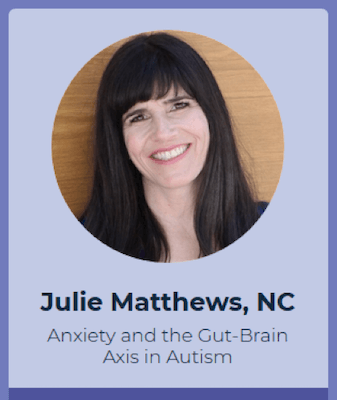
julie matthews

We start with a discussion about how common anxiety disorders are in autism, and how psychiatric medications are frequently prescribed.

This is why I’m so thrilled about the study Julie was part of: Comprehensive Nutritional and Dietary Intervention for Autism Spectrum Disorder-A Randomized, Controlled 12-Month Trial.

  • study participants had a significant improvement in anxiety from a special diet and various nutritional supplements
  • study participants saw improved communication skills as well as improved daily living skills and social skills – all of which can lead to reduced anxiety and social anxiety, and improved overall happiness
  • there were also improvements in happiness, focus, IQ and language, as well as symptoms of autism

We talk about some of this in the in-person interview we did recently in San Diego.

(Note: The dates for the 2021 Anxiety Summit 5 is November 8-14, 2021)

(I also blogged about this study last year, shortly after the paper was published. You can read about it here so you’re familiar with all the details when you listen to our summit interview.)

Julie and I are both research geeks and in our full interview on the summit we get geeky and talk about new research on:

  • The Gut-Immune-Brain Axis in Autism Spectrum Disorders A Focus on Amino Acids (we discuss mTOR and have a good discussion on the use of tryptophan vs 5-HTP)
  • Fecal transplants in autism (the outcomes are incredibly promising! I’ve since heard that another bigger study is being planned by the same researchers)

julie matthews and trudy scott

You’re likely familiar with Julie’s autism nutrition work and practitioner training on special diets which I wholeheartedly endorse. In case you’re new to her work, Julie is a Certified Nutrition Consultant and published researcher specializing in complex neurological, digestive, and immune conditions, most notably autism. She is the author of the award-winning book, Nourishing Hope for Autism, and co-author of a study proving the efficacy of nutrition and dietary intervention for autism published in the peer-reviewed journal, Nutrients (the study I mention above).

If you’re looking for autism/anxiety and autism/gut solutions you won’t want to miss this interview.

If you are looking for anxiety nutritional and gut solutions but don’t have an autism spectrum disorder/ASD or family member with ASD I encourage you to listen in anyway.  Julie’s approach is based on the BioIndividual Nutrition® needs of each person and stems from her 18 years of work with autism. Using autism as a model for complex chronic disease, her approach and methodology helps practitioners specializing in varied disorders improve the health and healing of their clients through her BioIndividual Nutrition Training for practitioners.

The above statement – using autism as a model for complex chronic disease – is an important one. In the short video clip above I mention how those with ASD are like the canaries in the coal mine. And we talk about many of the overlapping root causes we see in both anxiety disorders and ASD – such as methylation, nutritional deficiencies, gut issues and food sensitivities, heavy metals and so much more.  Julie and I have been highlighting these overlaps for years. Much of what we cover in the interview has wide-reaching implications for anxiety and other chronic health conditions.

I am so appreciative to Julie for helping me figure out my own dietary oxalate issues which were causing excruciating hot-coals/shards-of-glass type foot pain. I’ve learned so much from Julie on this topic and you’ll hear me bring up oxalates in a number of interviews.
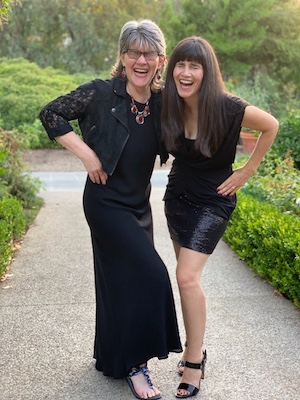
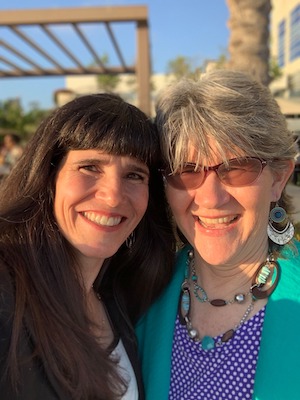
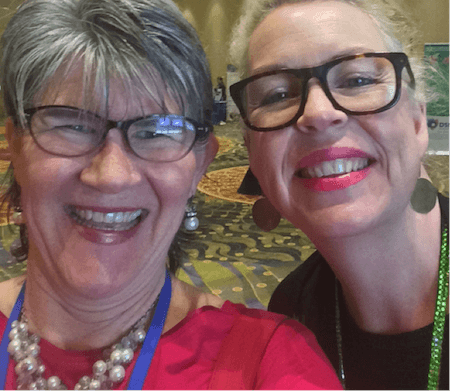
julie and trudy 

We also happen to be really good friends and love to laugh together (as you can tell!). These two pictures were taken in San Diego at the Mindshare conference (left) and Integrative Medicine for Mental Health conference (right), where we both presented.

You can listen to each of the interviews (and get transcripts) by purchasing The Anxiety Summit 5: Gut-Brain Axis.

If you’d like to give feedback or ask a question, please post in the comments section. I’d love to hear from you once you’ve listened in.

If you’d like to give feedback or ask a question, please post in the comments section at the bottom.

I’d love to hear from you once you’ve listened in to this interview and the others.

Filed Under: The Anxiety Summit 5 Tagged With: anxiety, Anxiety & the Gut-Brain Axis in Autism, anxiety summit, autism, diet, fecal transplant, gut-brain, Julie Matthews, microbiome, mTOR, nutrition, serotonin, tryptophan

Mindd 2019: The cell danger response and microbiome; and microchimerism and pregnancy

March 15, 2019 By Trudy Scott 16 Comments

Today’s blog highlights two interesting and very different topics that can impact both your mental and physical health: The cell danger response: inflammation, the microbiome and digestion; and microchimerism and how pregnancy can change the health of a mother in unintended ways.

I love to share resources after I’ve attended a conference but today I’m switching it up and sharing resources before the conference for three reasons: 1) to get you fired up and excited about attending in person (or on the Livestream) 2) to share in case you can’t attend in person (or via Livestream) and 3) to highlight the amazing work that the Mindd Foundation is doing via the Mindd Forum 2019, which will be in Sydney, Australia, March 23-24, 2019.

There’s also a giveaway of 2 free tickets to the Public stream (in-person or livestream) so read on below to see how to enter.

The cell danger response: inflammation, the microbiome and digestion

The cell danger response can cause increased inflammation and have direct impacts on the microbiome and digestion. The Cell Danger Response (also known as CDR)

is the intracellular response to stressors, viruses, chemicals or toxins and any foreign particles that come into the human system that need to be expelled. If the cell danger response is constantly being activated and is defective, it may cause a heightened prevalence and severity of inflammation.

The above article highlights the effects on the cell danger response on the microbiome, digestion and nutrient absorption, with ramifications for anxiety, depression, ASD (autism spectrum disorder), ADHD (attention deficit hyperactivity disorder) and many other conditions. Here are some highlights of what the CDR can impact the lower part of the colon

  • alter disaccharide metabolism, causing the lower/distal bowel to receive a more significant number of simple sugars and change carbohydrate digestion
  • alter the cells that line the intestines leading to differences in how amino acids are processed, affecting production of neurotransmitters such as GABA, serotonin and dopamine, with consequences for both your brain and gut health

Dr. Robert Naviaux coined the term CDR and will address these links in detail and explain current research with regard to the CDR, cellular healing and how to incorporate these concepts into practice. He will address the role this plays in the healing cycle and treating chronic disease, and specifics on CDR as it applies to understanding Chronic Fatigue Syndrome. His masterclass series is titled: Cellular Pathways for Chronic Disease Recovery.

According to Mindd, three of Dr. Robert Naviaux’s research publications were the most frequently downloaded papers in the journal Mitochondrion in the last 90 days, so this gives you an idea on the relevance of this topic.

Dr Nancy O’Hara also has a helpful explanation of the CDR here cover Clinical Applications of Dr. Naviaux’s research, together with Dr. Elizabeth Mumper.

It’s a pretty complex topic and I’ve been trying to get my head around it for some time. I blogged about some of his early research on CDR and the dramatic effects of a single dose of suramin on “social communication and play, speech and language, calm and focus, repetitive behaviors and coping skills” in 10 boys, ages 5 to 14 years, all diagnosed with autism.

What does all this mean for you?

  • Could the CDR be a factor in your chronic unresolved SIBO (small intestinal bacterial overgrowth)?
  • Could there be applications for anxiety for you if you have tried ALL the nutritional/biochemical approaches and are still not seeing symptom resolution?
  • Could addressing the CDR help you if you’ve been harmed by benzodiazepines, SSRIs and/or fluoroquinolones and can’t take any supplements or can only tolerate very small doses?
  • Could addressing the CDR help when you have a combination of many stresses like past or recent trauma, genetic defects, heavy metals, mold and Lyme, as well as gut issues and nutritional imbalances?

We clearly have much to learn in this area and I’m excited to hear more from these practitioners.

Microchimerism and how pregnancy can change the health of a mother in unintended ways

Pregnancy can change the health of a mother in unintended ways, sometimes causing harm and in other instances saving the mother’s life. Microchimerism is the “two-way implantation of cells between a mother and fetus.”

Approximately 50-75% of women carry immune cells derived from their fetus after giving birth. Not only that, but the offspring can also hold onto maternal cells too. The fetal cells present in a mother can be apparent for years after giving birth, and their role in human health is currently being investigated. Research is also evaluating the likelihood of whether an older sibling/previous pregnancy can pass cells to a current fetus of a different pregnancy.

The majority of research on microchimerism has investigated its potential to cause harm. This is due to a 1996 paper hypothesizing the link between microchimerism and the cause of autoimmune conditions. However, the connection between microchimerism and positive health outcomes has been receiving attention in the last few years. This is partly due to detecting the capability of mammals to save their mother’s lives by providing cells that are repairing tissue, including bone marrow, to replace dysfunctional cells.

While the mechanism of action is currently unclear, it is understood that microchimeric fetal cells can provide repair processes within maternal tissue, via cellular differentiation.

Leah Hechtman will be speaking at the Mindd Forum 2019 on Microchimerism, mRNA and Parental Wisdom. She will review the understanding of how pregnancy can change the health of a mother in unintended ways and “how we can influence unique genetic pathways to improve the health of future generations.” Read about Leah and more about this fascinating topic in the MINDD article on microchimerism.

Ideally, attend the conference in person. These topics will all be presented as part of both the Public stream and the Practitioner stream, and will also be available via Livestream – at the Mindd Forum 2019 (links below).

Other topics of interest being presented at the Mindd forum

Alexx Stuart from Low Tox Life is presenting in the Food Is Medicine program – Foods that Support Detoxification: Brilliant Brassicas!

Are you looking for clever ways to bring delicious inspiration to your plate? Learn how to incorporate brassica vegetables (Broccoli, Cauliflower, Brussels sprouts, Cabbage, Kale and more) – this vital family of veggies – to inspire detoxification and disease-fighting, every single day. From breakfast to snacks to family meals and even dessert!

Naturopath, Nutritionist and Mindd Ambassador Helen Padarin is presenting – Nutrition & Lifestyle that Supports Mitochondria

Many symptoms can be due to your mitochondria needing support. These can include waking tired, energy slumps, fatigue, trouble concentrating, poor muscle tone, speech difficulties, learning disabilities, Autism Spectrum Disorder, vision or hearing problems, exercise intolerance or heart, liver or kidney disease. If you haven’t yet heard about your mitochondria – it’s time to get to know them and learn how to treat them well! Mitochondria are highly intelligent energy producing engines in every cell in your body.

Gillian Koziciki of Cultured Artisans is presenting – Fermenting the Rainbow for Health & Vitality

Bidirectional communication between your gut microbiota and cellular mitochondria show a link to your health and energy levels. Feeding your gut healthy, probiotic foods increases the good bacteria of your microbiome which assists your mitochondrial health. The full colour spectrum of foods can be fermented to provide guerilla nourishment.

Both Dr. Mumper and Dr. O’Hara are presenting – A Functional Approach to Conditions On-the-Rise

Clinical pearls and case histories, testing and treatment on Lyme disease, ADHD, PANDAS & PANS, Alopecia, Vitiligo and Cutaneous Mastocytosis, migraines, rhinitis, asthma, eczema, Cerebral folate deficiency, Chronic inflammatory response syndrome (i.e. toxic mold issues), POTS & Dysautonomia, Autism, Celiac & non-celiac gluten sensitivity, and ADHD without drugs.

Here are all the links

The cell danger response and the microbiome – what’s the link?

What is the Cell Danger Response? with Dr. Nancy O’Hara

A new outlook on Microchimerism

Practitioner stream link

Public stream link

You can find the Mindd Foundation on facebook here.

Drawing to win a ticket to the Public sessions (2 tickets to be won) and 10% discount

If you’d like to be entered into a drawing to enter a ticket to the Public Stream (in-person or livestream):

  1. Comment below and share why you’d like to attend/listen in and what interests you about any or all of these topics
  2. AND share this blog with a friend, colleague and/or on social media. Be sure to mention where you shared it when you comment.
  3. AND let me know if you’d like to attend the Public track in person or do the livestream Public track

I have 2 tickets to give away and I’ll announce the winners on the blog Monday March 18 at 10pm PDT (USA) which is Tuesday March 19 at 4pm AEDT (Australia), and will email you directly if you’re a winner.

As a Mindd Ambassador, I am also thrilled to be able to offer a 10% discount to my community. Use the promotional code TRUDY10 at checkout to receive this discount (this is for both the practitioner and public tracks and the livestream).

Can you see any applications of the above for your health personally or for someone in your family, or a client/patient?

Feel free to post your questions here too and I’ll do my best to try and address them.

And don’t forget to comment and share the blog for a chance to win a ticket to the Public stream!

Filed Under: Events Tagged With: anxiety, CDR, cell danger response, depression, Dr. Robert Naviaux, GABA, Leah Hechtman, microbiome, microchimerism, Mindd 2019, pregnancy, serotonin, SIBO

Gut bacteria, pain and anxiety connections: Klebsiella and ankylosing spondylitis

December 28, 2018 By Trudy Scott 21 Comments

We know about the gut-brain connection where the health of our microbiome impacts how anxious or depressed we feel, but we often forget that there is a gut-pain connection too and how addressing dysbiosis and bad bacteria in the gut can have far-reaching benefits.

An old work friend recently reached out asking for help for her husband who had been diagnosed with ankylosing spondylitis, ulcerative colitis and gluten sensitivity, and was not seeing results with conventional treatment. I did some digging for them and a colleague mentioned that they had addressed Klebsiella when they discovered that her husband had genes predisposing him to ankylosing spondylitis. Read on to see what I’ve learned.

Klebsiella as a precursor to ankylosing spondylitis

The paper shared with me: The relationship between Klebsiella infection and ankylosing spondylitis, discusses the HLA-B27 gene and the Klebsiella connection:

Klebsiella-reactive arthritis is the precursor stage occurring in the early and active phases of ankylosing spondylitis.

Let’s learn more about Klebsiella, ankylosing spondylitis, the anxiety connection and prevalence, the role of neuro-inflammation and genes, the problems of a high carb diet and the role the amino acids GABA, tryptophan and DPA play in pain and anxiety relief and being able to quit the carbs easily, plus provide sleep support.

In case you’re not familiar with Klebsiella, this excellent FX Medicine article describes it as follows:

Klebsiella pneumoniae (KP) is a type of gram-negative rod-shaped bacteria that can cause different types of infections ranging from pneumonia (lung), blood infections (septicaemia), wound or surgical infections, urinary tract infections, small intestinal bowel overgrowth (SIBO), ankylosing spondylitis, Crohn’s disease, ulcerative colitis and meningitis (brain).

Ankylosing spondylitis is an inflammatory disease of the spine

In case you’re not familiar with the condition ankylosing spondylitis (pronounced like this) the Mayo Clinic site provides this summary:

Ankylosing spondylitis is an inflammatory disease that, over time, can cause some of the vertebrae in your spine to fuse. This fusing makes the spine less flexible and can result in a hunched-forward posture. If ribs are affected, it can be difficult to breathe deeply.

Ankylosing spondylitis affects men more often than women. Signs and symptoms typically begin in early adulthood. Inflammation also can occur in other parts of your body – most commonly, your eyes.

They say there is no cure and the treatments include pain medications and physical therapy to ease symptoms (and surgery in some cases).

I’m all for physical therapy but you’ll notice there is no mention of gut health or Klebsiella. This is why we have to keep searching for root causes – and work with a functional medicine practitioner – no matter what the health condition, be it ankylosing spondylitis or anything else.

Prevalence of anxiety in ankylosing spondylitis

As with most physical conditions there is a connection with anxiety. This paper: Prevalence of psychological disorders, sleep disturbance and stressful life events and their relationships with disease parameters in Chinese patients with ankylosing spondylitis reports that

AS [ankylosing spondylitis] patients had more severe psychological disorders, sleep disturbance, and stressful life events.

Prevalence of anxiety, depression, and sleep disturbance was 31.6%, 59.3%, and 31.0% respectively.

We have to ask ourselves if we have anxiety, depression and insomnia because of the pain being experienced or because of one or more of the root causes that contribute to both pain and anxiety.

Microbiota disturbance, neuro-inflammation, and anxiety

Often the research focuses on the former but we know that there is Evidence for interplay among antibacterial-induced gut microbiota disturbance, neuro-inflammation, and anxiety in mice. In this 2018 animal study treatment with lactobacilli suppresses this neuro-inflammation.

Ankylosing spondylitis, Crohn’s disease, genes and a high carb diet

The above FX Medicine article shares the connection between ankylosing spondylitis, Crohn’s disease and ulcerative colitis, as well as the genetic susceptibility, together with the problems of a high carb diet:

Genetically susceptible people, such as those who have the HLA-B27 allelotypes and consume a high starch/carbohydrate diet, can trigger a growth in Klebsiella in the bowel, the starch becoming a main food supply for the Klebsiella.

The amino acids for pain, carb addition, anxiety and insomnia

The amino acids come into the picture again, helping to ease the pain, provide precursors for neurotransmitter production until the microbiome is balanced, and eliminate carbohydrate cravings so they can be given up without willpower.

As always figuring out your own imbalance and doing an amino acid trial is key. Here is a summary of how they may help in this instance, assuming you have low levels of GABA, serotonin and/or endorphins:

  • GABA helps with stress eating of carbs, eases physical anxiety, eases some pain.
  • Tryptophan helps with afternoon and evening carb cravings, eases mental worry-type anxiety and depression, and also eases some pain. Both GABA and tryptophan help with insomnia.
  • DPA boosts endorphins providing acupuncture-like pain relief and provides the emotional comfort that starchy treats often do.

The FX Medicine article has treatment and prevention tips for you to share with your functional medicine doctor, who will be able to run a functional stool test such as the GI-MAP offered by Diagnostic Solutions Lab.

Just because there are these gut bacteria, pain, anxiety, Klebsiella and ankylosing spondylitis connections, it doesn’t necessarily mean everyone with ankylosing spondylitis has Klebsiella or that everyone who has Klebsiella will go on to develop ankylosing spondylitis (as stated above) or even that everyone with ankylosing spondylitis will have anxiety. I’m simply connecting some dots so you can start to think outside the box.

I’d love to hear what has worked for you or a loved one with ankylosing spondylitis and/or if you’ve seen elevated Klebsiella on your stool test or have the genetic predisposition?

Have the amino acids and a low-carb diet helped the healing process and eased some of your anxiety while addressing the underlying Klebsiella infection?

Filed Under: Gut health Tagged With: amino acids, ankylosing spondylitis, anxiety, back pain, carbs, cravings, DPA, endorphins, GABA, GI MAP, insomnia, Klebsiella, microbiome, pain, serotonin, tryptophan

Using amino acids for anxiety and depression: does the right dose ever change or need a tweak?

October 19, 2018 By Trudy Scott 14 Comments

If you are using targeted individual amino acids for anxiety and/or depression and doing well on them, you’ll likely get to the point when you’re asking questions like how to discontinue them and does the right dose ever change or need a tweak, especially after some stressful life events. Amy posted this question in the comments section of the blog on using tyrosine to create a sense of calm energy (paraphrased and formatting for ease of reading)

Trudy you are a God send! I stumbled upon your work after following Julia Ross. I have depression and anxiety. I’m currently taking:

1000 mg tyrosine 2x daily

500 mg glutamine morning, 1000mg mid-morning and afternoon

500mg DPA (Endorphigen) 3 x daily (previously I was using DLPA but your recommended DPA was so much better and less stimulating)

50 mg 5-HTP afternoon and

1500mg tryptophan at night

I used the amino acids to treat what used to be referred to as “atypical” depression: loss of motivation, tiredness, lethargic, intense carb craving, feelings of guilt and hopelessness. I would become paralyzed with depression, barely able to get through the days. When I was younger I treated these episodes with antidepressants but as I got older could no longer tolerate the side effects. I’m also still on birth control pills at the age of 46 and believe I may be in perimenopause but can’t stop the pills for medical reasons.

Tyrosine gave me my energy back, glutamine cut the carb cravings. DPA and True Calm work wonders for my anxiety.

I watch my sugar intake and always consume lots of animal protein. I’m so grateful for this solution.

After trialing this seems to be the right combo. I always get confused when is it time to discontinue supplements? Do you stop or slowly reduce or taper?

Does the “right” dose ever change? I’ve been on this combo about 2 months. I’ve felt great but some anxiety/panic creeping back up …. wondering if supplements need a tweak or is this just the result of some stressful life events. Advice appreciated!

I was really pleased to hear the wonderful results she was having and glad that she had trialed the amino acids to find the correct amount for her unique needs and situation. I don’t see this happening often enough and it really is the most effective way to get results. It’s what I do with all my clients – methodical, step-by-step trialing of each amino acid, one at a time and carefully documenting results (both good and bad) in order to find the optimal dose of each one.

When and how to discontinue the amino acids?

To answer her question about when and how to discontinue this is my feedback:

Once you are feeling back to your old self with no more anxiety, panic attacks or depression, you may choose to stop everything at once, but I prefer to slowly lower the amount of one amino acid at a time and add back if your symptoms come back. They don’t need to be “tapered” but doing it this way it helps with preventing your original anxiety and depression symptoms going back to really bad in one big swoop and having to start all over again.

I will add that I have had feedback from someone saying when she stopped tryptophan abruptly she felt the same withdrawal effects as when she weaned off meds but based on my experience this is very rare.

After posting her question Amy made some adjustments – taking less of all of them. As I mentioned above I find it better to lower the amount of one amino acid at a time – kind of reverse of the trialing method you use when starting the amino acids. Also, since she mentioned she felt anxiety/panic creeping back up, I would have expected her to increase some of the calming amino acids.

Does the right dose ever change or need a tweak?

And to answer Amy’s other question: does the right dose ever change or need a tweak?

Yes, the “right dose” can change based on stressful life events especially if you have pyroluria – stressful life events can cause you to dump more zinc and vitamin B6 affecting serotonin and GABA production and increasing the social anxiety.

Amy does mention that she’s on the birth control pill and this depletes zinc and vitamin B6 and hence serotonin) and has an impact on the microbiome – so this may well be playing a role in the need to tweak doses.

There are many other factors that could lead to the need to adjust the amino acids (or other supplement protocols):

  • hormonal changes like PMS, perimenopause or menopause
  • something contributing to leaky gut like adding back gluten or accidental exposure to gluten
  • antibiotics (affecting the microbiome and serotonin/GABA levels)
  • artificial sweeteners (because of their effect on the microbiome and hormones)
  • starting on other medications (since many cause nutritional depletions)
  • adding in a new food like collagen/gelatin (for some people collagen and gelatin may lower serotonin levels)
  • running a marathon (it likely depletes zinc and may ramp up cortisol)
  • a formulation changing completely without you knowing (one example is Seriphos – used to lower high cortisol – where the core ingredient changed completely and the labeling stayed the same)
  • a product changing from using gelatin to cellulose capsules (this may be problematic if you have SIBO)
  • you move into a new home and get mold exposure
  • you get a new dog or cat and start using Frontline Plus for fleas (fipronil, the active ingredient, targets GABA receptors and recent research points to increased anxiety, aggressive behavior, memory problems)
  • you have started using a sauna (depletion of zinc and other minerals, as well as stirring up toxins)
  • your need for serotonin support increases as you head into winter-time (some low serotonin folks are more susceptible to the winter blues)
  • a recent course of fluoroquinolone antibiotics (impacts on magnesium and GABA levels and the mitochondria)
  • you may no longer need them

This is not a complete list of reasons that could impact you but this will give you an idea of what to start to think about.

Hopefully this shows how important it is to monitor how you’re doing and adjust as needed (either up or down) and think about what is changing in your life.

If you’d like to read about the amino acids products Amy uses – the same ones I recommend and use with clients – you can find them listed on my supplements blog.

We appreciate Amy for allowing me to share her results and posting these questions which are a great learning opportunity for you.  She shared this with me:

I hope my “story” is helpful. Keep doing this important work! I work in the behavior health field. My colleagues think this is radical thinking and continue to only support the medical model. I’ve done a lot of my own research and trial and error. I wish there were more-open minded clinicians.

Hopefully with success stories like this, all the nutritional psychiatry research and behavioral health practitioners like Amy who have experienced it first hand and/or with clients/patients and family, we’ll change how mental health care is approached.

Do success stories like this lead you to be more open-minded about anxiety nutrition solutions? Have they worked for you?

And have you found the ideal dose of amino acids and then needed to adjust them up or down based on any of the above? How methodical were you in doing your adjustments?

Filed Under: Amino Acids, Anxiety, Anxiety and panic, Tryptophan Tagged With: adjust, anxiety, depression, discontinue, DPA, microbiome, right dose, stress, taper, tryptophan, tweak, tyrosine

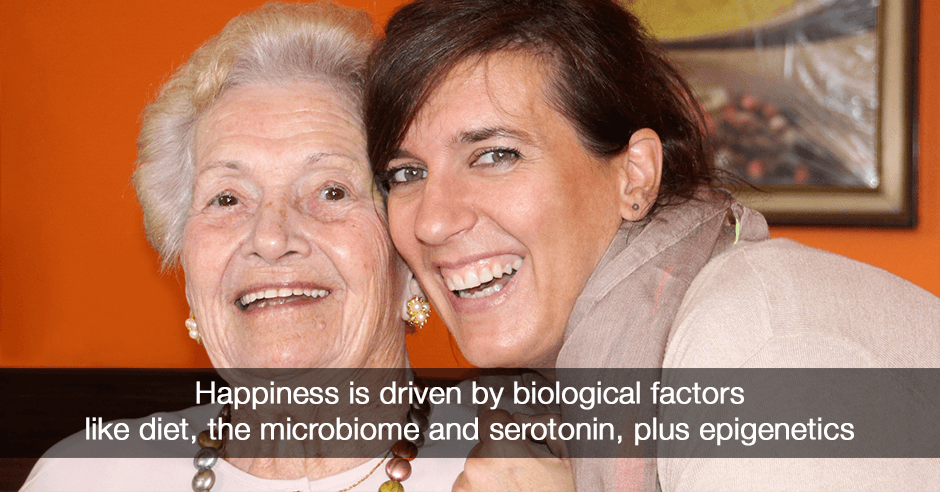
Happiness is driven by biological factors like diet, the microbiome and serotonin, plus epigenetics

March 9, 2018 By Trudy Scott 5 Comments

As a food mood expert and nutritionist, I believe one very overlooked way we can address the lack of happiness or joy is the biochemical aspect.

One classic root cause of depression or unhappiness is low serotonin and this low serotonin can also lead to fear, worry, anxiety, self-doubt, lack of confidence, ruminations, insomnia and imposter syndrome, all of which are classic signs of low serotonin.  

A poor diet or a diet that is not right for you is a big factor in serotonin production and therefore happiness and a sense of calm.

The biological or biochemical connections to lack of happiness

This paper, Happiness & Health: The Biological Factors – Systematic Review Article, supports the biological or biochemical connections to lack of happiness (and the other signs of low serotonin), listing endogenic (or internal) as well as exogenic (or external) factors :

Happiness underlying factors are considerable from two dimensions:

  • endogenic factors (biological, cognitive, personality and ethical sub-factors) and
  • exogenic factors (behavioral, social/cultural, economical, geographical, life events and aesthetics sub-factors).

Among all endogenic [or internal] factors, biological sub-factors are the significant predictors of happiness.

The external factors are the ones we’re most familiar with i.e. things that are going on in our lives like relationships, income, where we live and life events. It’s the internal factors that we don’t discuss.

This study looked at biological factors (one of the internal factors) that underlie happiness and optimism. Five sub-groups of biological factors were found:

  1. brain and neurotransmitters (dopamine, serotonin and endorphins playing a role in happiness)
  2. endocrinology and hormones (cortisol and oxytocin playing a role in happiness)
  3. physical health
  4. physical attractiveness
  5. genetic (this accounted for 35-50% of happiness)

Nutritional psychiatry and the first 4 sub-groups

The work of nutritional psychiatry, a new and growing field, shows that food and nutrients have a direct impact on the first 4 groups: brain and neurotransmitters, on endocrinology and hormones and on physical health (and thereby physical attractiveness too):

The International Society for Nutritional Psychiatry Research hosted their first international conference in August last year in Bethesda, MD, and I had the pleasure of attending.

The new SMILES trial was presented at the conference: the first randomized controlled diet depression study where ONE THIRD of the dietary intervention group saw improvements in their depression and anxiety symptoms by switching from processed/junk food to real food with no specific dietary restrictions.

Here I am with world-renowned nutritional psychiatry researcher, Professor Felice Jacka

I participated in the rapid fire presentation session at the conference. In my talk, Applications of the Paleo diet and Gluten-free diet for Anxiety, I shared how Paleo and grain-free diets can increase happiness and reduce anxiety.

This November 2017 review, Nutritional psychiatry: the present state of the evidence, mentions the SMILES trial and provides the latest overview of the evidence in nutritional psychiatry:

Potential biological pathways related to mental disorders include inflammation, oxidative stress, the gut microbiome, epigenetic modifications and neuroplasticity. Consistent epidemiological evidence, particularly for depression, suggests an association between measures of diet quality and mental health, across multiple populations and age groups; these do not appear to be explained by other demographic, lifestyle factors or reverse causality.

Genetics (the last sub-group), epigenetics, diet and the microbiome

It saddens me when I hear someone say: “depression runs in my family – my grandmother suffered, I suffer with depression and I don’t know what kind of life my daughter is going to have.”

Even though genetics (the last sub-group) is reported to accounted for 35-50% of happiness, we now know that “our genes are not our destiny” and we can actually switch on good genes and switch off bad genes when we change our diet and environment.

This paper, Microbiome, inflammation, epigenetic alterations, and mental diseases, sums it up perfectly, reporting that recent findings show that the onset and development of mental diseases such as autism, bipolar disorder, schizophrenia, and depression cannot be well described by the one-gene/one-disease approach:

Even though the involvement of many genes are likely, up regulating and activation or down regulation and silencing of these genes by the environmental factors play a crucial role in contributing to their pathogenesis. Much of this interplay may be moderated by epigenetic changes.

Environmental factors such as diet, gut microbiota, and infections have significant role in these epigenetic modifications.

The authors conclude that the potential interactions of diet, gastrointestinal microbiome, and inflammation can all contribute to epigenetic alterations in psychiatric disorders.

If the term epigenetic is new to you, here is a helpful explanation:

The word “epigenetic” literally means “in addition to changes in genetic sequence.” The term has evolved to include any process that alters gene activity without changing the DNA sequence, and leads to modifications that can be transmitted to daughter cells.

What this means is that you can change your destiny in a positive way – by changing your diet – even if you have bad genes passed on from your grandmother and mother or other family members.

And don’t forget the environmental factors (as stated in the above paper) that can change your genes in a negative way: heavy metals, pesticides, diesel exhaust, tobacco smoke, polycyclic aromatic hydrocarbons (environmental pollutants from coal, oil, petrol, and wood), radioactivity, viruses and bacteria.

The take-aways are to eat quality real whole food, avoid sugar, caffeine and gluten, address the microbiome and nutritional deficiencies, avoid toxins/chemicals, detox if needed, address infections and the adrenals. This is exactly what my book The Antianxiety Food Solution covers so if you don’t yet have a copy, grab one from your nearest bookstore or from Amazon here (my affiliate link).

For a deeper dive into the epigenetics aspect and detoxification, I recommend Dr. Ben Lynch’s new book called Dirty Genes (my Amazon link).

Are you ready to find the biological root causes of your lack of happiness and anxiety?

Or are you already there and have seen the benefits already?

Filed Under: Food and mood Tagged With: anxiety, biochemical, biological, depression, epigenetics, food, genes, happiness, microbiome

Berries: cognition, PTSD, inflammation, microbiome, anxiety and depression

February 2, 2018 By Trudy Scott 11 Comments

Berries such as blueberries, raspberries, raspberries and strawberries have so many health benefits, including but not limited to improving cognitive function, offering benefits for PTSD (post-traumatic stress disorder), reducing inflammation and even increasing good bacteria in our gut. There are even initial promising results of a compound in blackberries having antibiotic like properties against drug-resistant bacteria MRSA (methicillin resistant staphylococcus aureus).

Blueberries improve cognition

In a 2017 randomized, double-blind, placebo-controlled trial, dietary blueberries were found to improve cognition among older adults

In this study, 13 men and 24 women, between the ages of 60 and 75 years, were recruited into a randomized, double-blind, placebo-controlled trial in which they consumed either freeze-dried blueberry (24 g/day, equivalent to 1 cup of fresh blueberries) or a blueberry placebo for 90 days.

The findings show that the addition of 1 daily cup of blueberries to the diets of older adults can improve some aspects of cognition, such as

…significantly fewer repetition errors … in the California Verbal Learning Test (CLVT), a neuropsychological test which can be used to assess verbal memory abilities.

… fewer errors on trials when they switched to a new task as part of a task-switching test. Task switching is an important component of executive function, a collection of brain processes that are responsible for guiding thought and behavior.

This research was funded by the U.S. Highbush Blueberry Council.

Blueberries boost serotonin and ease PTSD

A study presented in 2016 reports that blueberries boost serotonin and may help with PTSD and anxiety. This was an animal study where the traumatized rats were fed a blueberry-enriched diet. The study authors report an increase in serotonin levels and suggest that these findings

indicate non-pharmacological approaches might modulate neurotransmitters in PTSD.

Presumably this could help if you have anxiety and depression too, since low serotonin is often one of the underlying factors.  

Anti-inflammatory activity of berry fruits

A 2016 study compared the anti-inflammatory and antioxidant effects of extracts of Lycium barbarum (found in goji berries), Vaccinium macrocarpon (found in cranberries) and Vaccinium myrtillus (found in blueberries).

High amounts of phenolic compounds, including rutin, were identified in all berries extracts. Quercetin was identified in blueberries and cranberries. Hepatic/liver concentrations of glutathione were higher in animals treated with goji berry extracts. Overall the study reports that:

These results suggest that quercetin, rutin, or other phenolic compounds found in these berry fruits extracts could produce an anti-inflammatory response based on modulation of oxidative stress.

We know that inflammation plays a role in mood issues so this is yet another mechanism for supporting your body nutritionally.

Wild blueberry powder drink increases bifidobacteria in the human gut

Wild blueberries are a rich source of polyphenols, fiber and other compounds that are metabolized by the intestinal microbiota. A 2011 human study reports that six weeks of consumption of a wild blueberry (Vaccinium angustifolium) drink can positively impact the composition of the intestinal microbiome, by increasing levels of Bifidobacterium.

There are numerous studies showing the benefits of bifidobacteria probiotics on mood and anxiety. Here are a few of them:

  • reduced depressive symptoms in IBS patients
  • reduced anxiety (animal study)
  • reduced inflammation, balanced neurotransmitters and a positive impact on the HPA axis (animal study)

Blackberry compound as an antibiotic against MRSA?

This section doesn’t involve eating blackberries but I’m including it because I just love this story, it’s inspiring and it has not received any coverage in the mainstream media. An article in a local publication reports that Irish teen wins top science prize for blackberry antibiotic that fights resistant bacteria

A 15-year-old science student Simon Meehan of Coláiste Choilm won first place in the 54th BT Young Scientist & Technology Exhibition. His discovery is that chemicals found within blackberries could form antibiotics that kills Staphylococcus aureus – often known as MRSA and well known for being resistant to antibiotics.

And he says his grandfather – a herbalist – was the inspiration that kept him going, keeping a frame picture of him at his side whilst he worked.

Professor John O’Halloran, who helped judge the competition, was fulsome in his praise for Simon’s work: “This is a really exciting project which explores the possibility of the blackberry leaf extracts’ ability to control harmful bacteria. The unexpected findings deliver a unique approach to killing bacteria using natural plant active ingredients.

You can watch a video of Simon Meehan sharing more about this investigation and the result here:

Simon Meehan of Coláiste Choilm, Cork investigates the antimicrobial effects of aerial & root parts of selected plants against Staphylococcus aureus.

Here are some ways to enjoy berries in your diet:

  • Fresh berries as a healthy snack
  • Berries like blueberries are quite delicious when eaten frozen too – kids often love them like this
  • In a smoothie for breakfast, together with coconut milk, a banana and some whey, pea or other quality protein powder (great for good blood sugar control/hypoglycemia and reducing anxiety and irritability too)
  • As a dessert with grass-fed organic ice-cream or cream, or coconut milk if dairy is an issue for you
  • Dunked in melted dark organic free-trade chocolate as an occasional treat
  • Freeze-dried or dehydrated berries as a camping or travel snack

Make sure to buy organic berries as non-organic are on the Dirty Dozen list and are highly sprayed with pesticides.

How do you enjoy eating your berries and how often do you eat them?

Filed Under: Food Tagged With: antibiotic, anxiety, Berries, bifidiobacteria, blackberries, blueberries, cognition, depression, Inflammation, microbiome, PTSD, serotonin, Simon Meehan

  • « Go to Previous Page
  • Page 1
  • Page 2
  • Page 3
  • Page 4
  • Page 5
  • Go to Next Page »

Primary Sidebar

GABA QuickStart Homestudy

gaba quickstart homestudy

Free Report

9 Great Questions Women Ask about Food, Mood and their Health

You'll also receive a complimentary subscription to my ezine "Food, Mood and Gal Stuff"


Connect with me

Popular Posts

  • Amino Acids Mood Questionnaire from The Antianxiety Food Solution
  • The Antianxiety Food Solution Amino Acid and Pyroluria Supplements
  • Pyroluria Questionnaire from The Antianxiety Food Solution
  • Collagen and gelatin lower serotonin: does this increase your anxiety and depression?
  • Tryptophan for the worry-in-your-head and ruminating type of anxiety
  • GABA for the physical-tension and stiff-and-tense-muscles type of anxiety
  • The Antianxiety Food Solution by Trudy Scott
  • Seriphos Original Formula is back: the best product for anxiety and insomnia caused by high cortisol
  • Am I an anxious introvert because of low zinc and vitamin B6? My response to Huffington Post blog
  • Vagus nerve rehab with GABA, breathing, humming, gargling and key nutrients

Recent Posts

  • Her cravings for chips and peanut butter were triggered by stress: GABA ends cravings and reduces physical tension and fear of heights
  • It is truly miraculous to be able to move through life without crippling anxiety and panic
  • GABA and tryptophan combo provide immediate and noticeable relief for tremors and cervical dystonia in just 7 days
  • Red light therapy for back and neck pain, plantar fasciitis and low mood – a complement to the amino acids GABA, DPA and tryptophan
  • What do I use instead of Seriphos to help lower high cortisol that is affecting my sleep and making me anxious at night?

Categories

  • 5-HTP
  • AB575
  • Addiction
  • ADHD
  • Adrenals
  • Alcohol
  • Allergies
  • Alzheimer's disease
  • Amino Acids
  • Anger
  • Antianxiety
  • Antianxiety Food Solution
  • Antidepressants
  • Anxiety
  • Anxiety and panic
  • Autism
  • Autoimmunity
  • benzodiazapines
  • Bipolar disorder
  • Books
  • Caffeine
  • Cancer
  • Candida
  • Children/Teens
  • Collagen
  • Cooking equipment
  • Coronavirus/COVID-19
  • Cravings
  • Depression
  • Detoxification
  • Diabetes
  • Diet
  • DPA/DLPA
  • Drugs
  • EFT/Tapping
  • EMF
  • EMFs
  • Emotional Eating
  • Endorphins
  • Environment
  • Essential oils
  • Events
  • Exercise
  • Fear
  • Fear of public speaking
  • Fertility and Pregnancy
  • Fish
  • Food
  • Food and mood
  • Functional neurology
  • GABA
  • Gene polymorphisms
  • General Health
  • Giving
  • Giving back
  • Glutamine
  • Gluten
  • GMOs
  • Gratitude
  • Gut health
  • Heart health/hypertension
  • Histamine
  • Hormone
  • Hyperparathyroidism
  • Hypoglycemia
  • Immune system
  • Inflammation
  • Insomnia
  • Inspiration
  • Introversion
  • Joy and happiness
  • Ketogenic diet
  • Lithium orotate
  • Looking awesome
  • Lyme disease and co-infections
  • MCAS/histamine
  • Medication
  • Men's health
  • Mental health
  • Mercury
  • Migraine
  • Mold
  • Movie
  • MTHFR
  • Multiple sclerosis
  • Music
  • NANP
  • Nature
  • Nutritional Psychiatry
  • OCD
  • Osteoporosis
  • Oxalates
  • Oxytocin
  • Pain
  • Paleo
  • Parasites
  • Parkinson’s disease
  • PCOS
  • People
  • PMS
  • Postpartum
  • PTSD/Trauma
  • Pyroluria
  • Questionnaires
  • Real whole food
  • Recipes
  • Research
  • Schizophrenia
  • serotonin
  • SIBO
  • Sleep
  • Special diets
  • Sports nutrition
  • Stress
  • Sugar addiction
  • Sugar and mood
  • Supplements
  • Teens
  • Testimonials
  • Testing
  • The Anxiety Summit
  • The Anxiety Summit 2
  • The Anxiety Summit 3
  • The Anxiety Summit 4
  • The Anxiety Summit 5
  • The Anxiety Summit 6
  • Thyroid
  • Thyroid health
  • Toxins
  • Tryptophan
  • Tyrosine
  • Uncategorized
  • Vegan/vegetarian
  • Women's health
  • Yoga

Archives

  • May 2026
  • April 2026
  • October 2025
  • September 2025
  • August 2025
  • July 2025
  • June 2025
  • May 2025
  • April 2025
  • March 2025
  • February 2025
  • January 2025
  • November 2024
  • October 2024
  • September 2024
  • August 2024
  • July 2024
  • June 2024
  • May 2024
  • April 2024
  • March 2024
  • February 2024
  • January 2024
  • December 2023
  • November 2023
  • October 2023
  • September 2023
  • August 2023
  • July 2023
  • June 2023
  • May 2023
  • April 2023
  • March 2023
  • February 2023
  • January 2023
  • December 2022
  • November 2022
  • October 2022
  • September 2022
  • August 2022
  • July 2022
  • June 2022
  • May 2022
  • April 2022
  • March 2022
  • February 2022
  • January 2022
  • December 2021
  • November 2021
  • October 2021
  • September 2021
  • August 2021
  • July 2021
  • June 2021
  • May 2021
  • April 2021
  • March 2021
  • February 2021
  • January 2021
  • December 2020
  • November 2020
  • October 2020
  • September 2020
  • August 2020
  • July 2020
  • June 2020
  • May 2020
  • April 2020
  • March 2020
  • February 2020
  • January 2020
  • December 2019
  • November 2019
  • October 2019
  • September 2019
  • August 2019
  • July 2019
  • June 2019
  • May 2019
  • April 2019
  • March 2019
  • February 2019
  • January 2019
  • December 2018
  • November 2018
  • October 2018
  • September 2018
  • August 2018
  • July 2018
  • June 2018
  • May 2018
  • April 2018
  • March 2018
  • February 2018
  • January 2018
  • December 2017
  • November 2017
  • October 2017
  • September 2017
  • August 2017
  • July 2017
  • June 2017
  • May 2017
  • April 2017
  • March 2017
  • February 2017
  • January 2017
  • December 2016
  • November 2016
  • October 2016
  • September 2016
  • August 2016
  • July 2016
  • June 2016
  • May 2016
  • April 2016
  • March 2016
  • February 2016
  • January 2016
  • December 2015
  • November 2015
  • October 2015
  • September 2015
  • August 2015
  • July 2015
  • June 2015
  • May 2015
  • April 2015
  • March 2015
  • February 2015
  • January 2015
  • December 2014
  • November 2014
  • October 2014
  • September 2014
  • August 2014
  • July 2014
  • June 2014
  • May 2014
  • April 2014
  • March 2014
  • February 2014
  • January 2014
  • December 2013
  • November 2013
  • October 2013
  • September 2013
  • August 2013
  • July 2013
  • June 2013
  • May 2013
  • April 2013
  • March 2013
  • February 2013
  • January 2013
  • December 2012
  • November 2012
  • October 2012
  • August 2012
  • July 2012
  • June 2012
  • May 2012
  • April 2012
  • March 2012
  • February 2012
  • January 2012
  • December 2011
  • November 2011
  • October 2011
  • September 2011
  • August 2011
  • July 2011
  • June 2011
  • May 2011
  • April 2011
  • March 2011
  • February 2011
  • January 2011
  • December 2010
  • October 2010
  • September 2010
  • July 2010
  • May 2010
  • April 2010
  • March 2010
  • February 2010
  • January 2010
  • November 2009

Share the knowledge!

The above statements have not been evaluated by the Food and Drug Administration. Products listed in this website are not intended to diagnose, treat, cure or prevent any disease.

The information provided on this site is for informational and educational purposes only and is not intended as a substitute for advice from your physician or other health care professional. You should consult with a healthcare professional before starting or modifying any diet, exercise, or supplementation program, before taking or stopping any medication, or if you have or suspect you may have a health problem.


Copyright © 2026 Trudy Scott. All Rights Reserved. | Privacy | Terms and Conditions | Refund Policy | Medical Disclaimer

Free Report

9 Great Questions Women Ask about Food, Mood and their Health

You’ll also receive a complimentary subscription to my ezine “Food, Mood and Gal Stuff”