• Skip to primary navigation
  • Skip to main content
  • Skip to primary sidebar

everywomanover29 blog

Food, Mood and Women's Health – Be your healthiest, look and feel great!

  • Blog
  • About
  • Services
  • Store
  • Resources
  • Testimonials
  • The Book
  • Newsletter
  • Contact
  • Search this site

Questionnaires

Urinary neurotransmitter testing falls short

July 11, 2014 By Trudy Scott 37 Comments

lab

I am often asked about urinary neurotransmitter testing and often a new client will come in with results from a test she/he has had done. I would like to share my thoughts on this rather controversial subject and say that I am not a fan and do not ever use this test. Let’s take a deeper dive into this topic.

The question

Here is a question I received right after the Anxiety Summit:

I have had good results using urinary neurotransmitter testing and targeted amino acid therapy and bioidentical hormones. I am able to see if all levels are low, indicating low stomach acid. I am also able to see if histamine or glutamate are high, indicating food hypersensitivities. I also use the levels for balancing and replacing. I know that Julia Ross is opposed to testing. What is your opinion and what did your other speakers [on the Anxiety Summit] say about this topic?

This is my answer:
I am very pleased that this person sees good results using urinary neurotransmitter testing and targeted amino acid therapy.

Why I am not in favor of this testing

However, I am not in favor of this testing for a few reasons:

1) Julia Ross is not in favor of it and having worked with her in her clinic for 2 years I respect her professional opinion and the results she saw when urinary neurotransmitter results didn’t correlate with amino acid questionnaire and trials of amino acids. Julia wrote a great article on this topic for the Townsend Letter and you can access this via the anxiety summit blog for her interview

2) Since leaving the clinic and starting my own practice, I’ve worked with folks who come in with urinary neurotransmitter test results that don’t always with correlate with amino acid questionnaire and trials of the amino acids. But I will be the first to admit that I have not done a thorough analysis of where they haven’t correlated simply because it didn’t seem worth my time.

3) I have heard some rather unpleasant stories from people who have had the urinary neurotransmitter testing done and have been given supplement recommendations based on the results. I just received an email recently from someone who said this:

I was doing xyz’s program last year and the aminos recommended based on urine neurotransmitter testing nearly sent me over the edge with extreme anxiety, insomnia and panic attacks. He had me take 300mg 5-HTP and 3000mg tyrosine a day, based on test results.

We know that anyone can have a bad reaction to supplements. But let me comment on this example: 5-HTP can raise cortisol and be stimulating for some people so it’s not something I recommend for everyone with low serotonin symptoms; 3000mg tyrosine a day is not excessive (1-2 x 500mg , 3 times a day is often typical) BUT will be too much if you don’t need it and can cause anxiety and insomnia.

Low stomach acid and food hypersensitivities?

I’d like to also comment on two other parts of this question:

  • “I am able to see if all levels are low, indicating low stomach acid.” I have not heard this correlation and would use other labs markers for low stomach acid – like total protein, globulin etc – and the person’s response to a HCl trial.
  • “I am also able to see if histamine or glutamate are high, indicating food hypersensitivities.” I have also not heard of this correlation and would use an IgG test and food elimination and challenge to help figure out if someone has food sensitivities.

What do other speakers think?

It was also asked what other speakers on the Anxiety Summit said about this topic:

  • Other than Julia Ross, the only person who mentioned urinary neurotransmitter testing briefly was Dr. Anna Cabeca and we didn’t go deeper into the topic.
  • I did email Dr. Kelly Brogan and she said

I actually don’t use them. Occasionally I do serum amino acid testing (ION panel) but don’t feel that the science is there to support urinary neurotransmitter testing and feel that the reductionism around amino acids and behavioral translation is not consistent with my perspective and not needed for the outcomes I get.

If you listened to our interview on the Anxiety Summit, you’ll remember that Kelly doesn’t feel that low serotonin is a factor in anxiety and depression.

  • I will be following up with some of the other speakers like Josh Friedman, Hyla Cass, Amy Day and Corey Schuler.

What do Dr Weil and Nora Gedgaudas think?

I’d like to share some perspectives from a few others:

  • On Dr. Andrew Weil’s site

I checked with David Perlmutter, M.D., a neurologist colleague in Florida, about the accuracy of urine testing for neurotransmitters. He told me that neurotransmitters and their precursors are produced in abundance throughout the body and to assume that what is collected in the urine reflects what’s going on in the brain is a stretch.

Unfortunately Dr. Weil goes on to discredit salivary cortisol testing which has plenty of research supporting how effective it is!

  • Nora Gedgaudas, author of Primal Body Primal Mind states this on her site:

I have considered the urinary testing approach and was even enamored of the concept at first. Once I looked into the idea more closely, though, it just didn’t add up for me. I have been using amino acids now to address issues of mood, health and cognitive functioning for over 20 years. I have never used anything other than mood/symptomatic screening to guide amino acid supplementation. Results tend to be uniformly good to excellent. The sheer overwhelming complexity of amino acid/neurotransmitter activity in the human body/brain-and the compartmentalized nature of the biochemistry of each seems to best lend itself to a more functional and symptom-related evaluation. Lab testing simply falls short of the mark here.

I could not agree more with Nora’s comments. These are my exact thoughts. Here is the amino acids mood questionnaire I use with my clients. Based on symptoms we do amino acid trials and based on their response (which can happen as quickly as 5 minutes) we know if we’re on the right track.

I’ll be the first to say we don’t always have all the research to support what we do in the nutritional/integrative world and do agree that testing is extremely valuable but in this case I do not recommend urinary neurotransmitter testing as it does fall short in terms of accuracy and consistency.

I’d love to hear your thoughts and experiences. Have you been tested and had good results? Bad results? Are you a health practitioner and say ‘yes’ or ‘no’ to this testing?
Filed Under: Anxiety and panic, Questionnaires, Testing Tagged With: amino acid questionnaire, anxiety, depression, urinary neurotransmitter testing

Am I an anxious introvert because of low zinc and vitamin B6? My response to Huffington Post blog

September 16, 2013 By Trudy Scott 242 Comments

low zinc and anxiety

At the risk of making some introverts mad I’d like to propose a connection between pyroluria and introversion. Many of your introversion traits – anxiety-and-social-anxiety, feelings-of-inner-tension, not-enjoying-crowds – may in fact have a biochemical component.

There is a genetic condition that causes anxiety-and-social-anxiety, feelings-of-inner-tension, not-enjoying-crowds and it’s called pyroluria.  If you have pyroluria and take zinc, vitamin B6, evening primrose oil and a few other nutrients you will feel calm, gain confidence and enjoy being around groups of people for the first time in your life. Perhaps the same can be said if you are an introvert and you feel uncomfortable in crowds and feel anxious!?

I’m writing this blog post because of a recent Huffington Post article, written by Carolyn Gregoire and called “23 Signs You’re Secretly An Introvert”

I am fascinated and intrigued with this article and the 23 questions because I used to resonate with being an introvert. However, since I discovered that I actually have an inherited and little-understood condition called pyroluria, I no longer resonate with being an introvert! I use zinc, vitamin B6 and evening primrose oil on a daily basis and it keeps my social anxiety/inner tension/inner monologue symptoms in check. And, it seems, my former introvert traits too!

I mention the “making some introverts mad” part because many introverts say “just leave us alone, we’re quite happy the way we are and don’t need to fixed or changed”.

But, based on the numerous comments on this very popular article– over 2500 in total as of 9/16/2013 – there are some aspects of being an introvert that many introverts would like to change.

Here are a few examples:

mr070995 is proud to be an introvert but wishes he was a little more outgoing:

“After reading this, and laughing at the fact that most of what is on this list is literally my life, I can definitely say I am an introvert. Am I sad by this, not at all! I am proud of what I am and what I’m becoming. Do I wish I was a little bit more outgoing in some aspects, of course”

junkmama2 is happy but not comfortable in a crowd:

“This is my life. It isn’t always a comfortable place to be when I must be in a crowd. But I am happy to be in my peaceful life, where calmness and quiet prevail”

HuffPoRepublican feels drained and anxious around people:

“I’m not sure what I am. I mean, I actually like to be around people at first, and I’m always up to hang out – but after the first five minutes, I feel drained and anxious to get home and return to my books. :)”

Darkace puts on a show in order to succeed in the work place:

“The hardest aspect of living life as in introvert is we all live in an extroverted world. School pushes kids to do group projects, that are just awkward and when you don’t do well in it you’re doing something wrong or something is wrong with you. The moment I step out of the door I am no longer me, I am a character that has to put on a show in order to succeed in the work place.”

BCereus fakes it when around friends and finds it painful:

“Sometimes I can communicate with friends well and sometimes I fake it really badly. I always wonder if people can see past my half smile and fake laugh. It’s painful to be honest. But there are times when I don’t mind so much.”

Here are the 23 questions in Carolyn’s article. I encourage to check them out on the blog as she goes into each one in more detail and has some great links for further reading on the topic.

1. You find small talk incredibly cumbersome.

2. You go to parties -– but not to meet people. You would rather spend time with people you already know and feel comfortable around.

3. You often feel alone in a crowd.

4. Networking/small-talk makes you feel like a phony.

5. You’ve been called “too intense.”

6. You’re easily distracted and overwhelmed in environments with an excess of stimulation.

7. Downtime doesn’t feel unproductive to you.

8. Giving a talk in front of 500 people is less stressful than having to mingle with those people afterwards.

9. When you get on the subway, you sit at the end of the bench -– not in the middle.

10. You start to shut down after you’ve been active for too long.It’s likely because you’re trying to conserve energy.

11. You’re in a relationship with an extrovert.

12. You’d rather be an expert at one thing than try to do everything.

13. You actively avoid any shows that might involve audience participation.

14. You screen all your calls — even from friends.

15. You notice details that others don’t.

16. You have a constantly running inner monologue.

17. You have low blood pressure.

18. You’ve been called an “old soul” -– since your 20s.

19. You don’t feel “high” from your surroundings

20. You look at the big picture.

21. You’ve been told to “come out of your shell.”

22. You’re a writer.

23. You alternate between phases of work and solitude, and periods of social activity.

Additional resources when you are new to pyroluria (and using amino acids)

Here is the pyroluria questionnaire.

Many of my clients with pyroluria also have neurotransmitter imbalances so we use the the neurotransmitter symptoms questionnaire to figure out if low serotonin or low GABA or low endorphins or low dopamine or low blood sugar may be an issue too. Keep in mind that the pyroluria nutrients also help with neurotransmitter production.

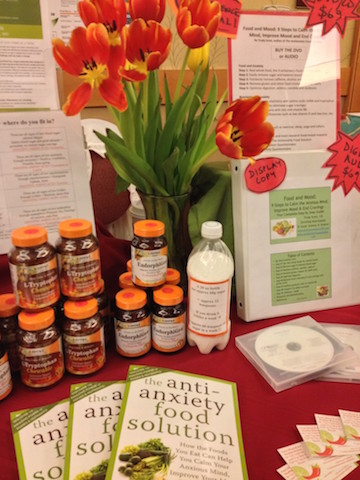
If you suspect pyroluria and low levels of any of the neurotransmitters and do not yet have my book, The Antianxiety Food Solution – How the Foods You Eat Can Help You Calm Your Anxious Mind, Improve Your Mood, and End Cravings, I highly recommend getting it and reading it before jumping in and using the pyroluria protocol and amino acids on your own so you are knowledgeable. And be sure to share it with the practitioner/health team you or your loved one is working with.

There is an entire chapter on pyroluria and another chapter on the amino acids. There are also chapters on gut health, gluten, blood sugar control, sugar cravings, and more.

The book doesn’t include product names (per the publisher’s request) so this blog, The Antianxiety Food Solution Amino Acid and Pyroluria Supplements, lists the pyroluria supplements and the amino acids that I use with my individual clients and those in my group programs.

If, after reading this blog and my book, you don’t feel comfortable figuring things out on your own (i.e. doing the symptoms questionnaire and respective amino acids trials), a good place to get help is the GABA QuickStart Program (if you have low GABA symptoms too). This is a paid online/virtual group program where you get my guidance and community support.

If you are a practitioner, join us in The Balancing Neurotransmitters: the Fundamentals program. This is also a paid online/virtual program with an opportunity to interact with me and other practitioners who are also using the amino acids.

I’d love to hear from you if you resonate with being an introvert and the 23 questions in  Carolyn’s article (listed above).  Please comment below and tell us which of the introvert qualities you identify with? numbers are fine – so for example, just say #s 1, 4,5,6,7,8, 13-18, 20-23 = total of 18

Would you please also take a look at the pyroluria questionnaire and share how you score?  Again, which numbers and total score.  I acknowledge that this may not apply to all introverts but I would love to know how prevalent this is.

If you are an introvert and struggle with crowds or networking, feel anxious and have a busy mind and inner monologue, you may possibly find some relief with the pyroluria protocol. Let us know if the pyroluria nutrients have helped you and how much of each helps.

If you’re a practitioner do you see this connection with your clients/patients who are introverts?

Feel free to share and ask your questions below.

Filed Under: Antianxiety Food Solution, Anxiety and panic, Introversion, Pyroluria, Questionnaires

Amino Acids Mood Questionnaire from The Antianxiety Food Solution

May 24, 2013 By Trudy Scott 362 Comments

The targeted use of individual amino acid supplements will balance brain chemistry to alleviate anxiety, fear, worry, panic attacks, and feeling stressed or overwhelmed. They can also be helpful in addressing other problems that contribute to or exacerbate anxiety, such as sugar cravings and addictions. In addition, they can help with depression and insomnia, which often co-occur with anxiety. When you balance your brain chemistry, not only will you alleviate symptoms of anxiety, you’ll also have a great mood, eliminate cravings, sleep well, and have good energy and mental focus.

Worry and anxiety can be a result of low GABA and also low serotonin, so you may check off anxiety in both sections. Low GABA tends to result in a more physical anxiety, while low serotonin tends to result in more anxiety in the head, ruminating thoughts etc.

Low GABA

  • Physical tension/anxiety
  • Feeling worried or fearful
  • Panic attacks
  • Unable to relax or loosen up
  • Stiff or tense muscles
  • Feeling stressed and burned-out
  • Craving carbs for relaxation and calming
  • Craving alcohol for relaxation and calming
  • Craving drugs for relaxation and calming
  • Insomnia * (Aug 2019: GABA/theanine research)
  • Inability to prioritize planned actions * (Sept 2015: research and child ADHD case)
  • Poor focus/ADHD and spinning * (as above)
  • Have intrusive thoughts, perseverate or have an overactive brain (with unwanted thoughts about unpleasant memories, images or worries * (Nov 2017: research and case)
  • Acrophobia (fear of heights) * (Sep 2018: pharmaGABA research)
  • Rectal spasms (proctalgia fugax) * (Dec 2021: case studies)
  • Burning mouth * (Mar 2018: research)
  • Visceral pain/belly pain with IBS * (Aug 2018: research and case)
  • Bladder pain/interstitial cystitis and urgency * (Jan 2021: research)
  • Lyme-induced anxiety * (Jan 2022: neuropsychiatric Lyme disease and a case study)
  • Globus pharyngeus (lump in the throat) * (July 2022: research and case)
  • PCOS/polycystic ovarian syndrome * (Jan 2021: research and a case study)
  • Tourette’s syndrome (tics) * (Jan 2022: research and case)
  • Laryngospasm, “choking” episodes and swallowing problems * (Mar 2022: research and case)
  • Poor sensorimotor skills * (Dec 2022: research in autism, child with autism case study and adult case study)
  • Asthma* (Dec 2022: research and case)
  • Sound and tactile hypersensitivity * (Feb 2023: research and adult case study)
  • MS/multiple sclerosis * (April 2023: anxiety, muscle stiffness/spasms, swallowing issues and pain in MS)
  • Anger, rage and agitation * (June 2023: glutamate research and case studies and sundowning in Alzheimer’s disease)
  • High blood pressure * (Sept 2023: research)

Low Serotonin

  • Anxiety
  • Panic attacks or phobias
  • Feeling worried or fearful
  • Obsessive thoughts or behaviors
  • Perfectionism or being overly controlling
  • Irritability
  • Anxiety that’s worse in winter
  • Winter blues or seasonal affective disorder
  • Negativity or depression
  • Suicidal thoughts
  • Excessive self-criticism
  • Low self-esteem and poor self-confidence
  • PMS (premenstrual syndrome) or menopausal mood swings
  • Sensitivity to hot weather
  • Hyperactivity
  • Anger or rage
  • Digestive issues
  • Fibromyalgia, temporomandibular joint syndrome, or other pain syndromes
  • Difficulty getting to sleep
  • Insomnia or disturbed sleep
  • Afternoon or evening cravings for carbs, alcohol or drugs

Low Catecholamines

  • Depression and apathy
  • Easily bored
  • Lack of energy
  • Lack of focus
  • Lack of drive and low motivation
  • Attention deficit disorder
  • Procrastination and indecisiveness
  • Craving carbs, alcohol, caffeine, or drugs for energy

Low Endorphins

  • Heightened sensitivity to emotional pain
  • Heightened sensitivity to physical pain
  • Crying or tearing up easily
  • Eating to soothe your mood, or comfort eating
  • Really, really loving certain foods, behaviors, drugs, or alcohol
  • Craving a reward or numbing treat
  • PMS (premenstrual syndrome) or PMDD (premenstrual dysphoric disorder) * (Mar 2022: research published in 1989)

Low Blood Sugar

  • Crave sugar, starch or alcohol any time during the day
  • Irritable, shaky, headachey – especially if too long between meals
  • Intense cravings for sweets
  • Lightheaded if meals are missed
  • Eating relieves fatigue
  • Agitated, easily upset, nervous
  • Waking in the night or early hours with a jolt of anxiety/shakiness * (Feb 2024: case studies)
  • Binge eating and/or food addiction * (Feb 2024: research and a case study)

(* New additions that are not in my book. I’ve linked to some case studies above but there are many more on the blog so be sure to use the search feature)

Each of the above sections on specific neurotransmitter or brain chemical imbalances are found in The Antianxiety Food Solution: How the Foods You Eat Can Help You Calm Your Anxious Mind, Improve Your Mood and End Cravings. They were reprinted from The Mood Cure (2004) with permission from Julia Ross. They do contain some of my own modifications based on my experience with working with many clients, and the new additions as mentioned above.

Individual amino acids are used based on the above questionnaires and the results are profound and often felt within a few minutes:

  • check out this blog post on glutamine for low blood sugar and calming effects and watch how glutamine helped Nicole within 5 minutes.
  • check out how DPA was a miracle for Angie and her sugar cravings which were as a result of low endorphins.

Resources if you are new to using amino acids as supplements

If you suspect low levels of any of the neurotransmitters and do not yet have my book, The Antianxiety Food Solution – How the Foods You Eat Can Help You Calm Your Anxious Mind, Improve Your Mood, and End Cravings, (as I mentioned above) I highly recommend getting it and reading it before jumping in and using amino acids on your own so you are knowledgeable. And be sure to share it with the practitioner/health team you or your loved one is working with.

There is an entire chapter on the amino acids and they are discussed throughout the book in the sections on gut health, gluten, blood sugar control, sugar cravings, anxiety and mood issues.

The book doesn’t include product names (per the publisher’s request) so this blog, The Antianxiety Food Solution Amino Acid and Pyroluria Supplements, lists the amino acids that I use with my individual clients and those in my group programs. You can find them all in my online store.

If, after reading this blog and my book, you don’t feel comfortable figuring things out on your own (i.e. doing the symptoms questionnaire and respective amino acids trials), a good place to get help is the GABA QuickStart Program (if you have low GABA symptoms too). This is a paid online/virtual group program where you get my guidance and community support.

If you are a practitioner, join us in The Balancing Neurotransmitters: the Fundamentals program. This is also a paid online/virtual program with an opportunity to interact with me and other practitioners who are also using the amino acids.

Do you resonate with symptoms in more than one area? This is not unusual.

Do you resonate with some of the more recent additions to the low GABA section?

Feel free to share how the amino acids have helped you and if you found this symptoms questionnaire helpful for figuring out where to start.

If you have questions and other feedback please share here too.

Filed Under: Antianxiety Food Solution, Anxiety and panic, Questionnaires, Sugar addiction Tagged With: amino acids, Antianxiety Food Solution, anxiety, craving, Mood Questionnaire, panic

Low blood sugar can result in anxiety

March 12, 2012 By Trudy Scott 29 Comments

Signs of low blood sugar may include:

  • Anxiety, irritability, agitation, nervousness
  • Shaky between meals or when you skip a meal
  • Poor memory, focus and fatigue
  • Intense sweet craving at various times of the day
  • Feeling stressed and overwhelmed
  • Waking in the night (low blood sugar is one of many causes of insomnia)

When you have stable blood sugar, you will feel grounded, experience less overwhelm and stress, feel less anxious and have no cravings – if your cravings are blood sugar related (cravings can also be due to yeast, low serotonin, low endorphins, low catecholamines and low GABA)

Simple dietary changes to help stabilize your blood sugar

1.     Eat enough protein

  • Eat at least 20-25g (4oz or palm-sized portions) of good quality protein at each meal
  • Grassfed beef, lamb, wild fish, pastured chicken, turkey and eggs, dairy (if it’s not an issue for you), legumes
  • This is not negotiable – you must eat breakfast every day! And within an hour of waking
  • If you can’t quite give up your coffee make sure to eat breakfast first
  • Make sure to include protein at breakfast! (egg, fish, chicken sausage, cheese/yogurt, even dinner for breakfast)
  • Substitute packaged cereals with real oatmeal, buckwheat & other grains and add nuts, seeds, coconut, butter, yogurt or kefir or a scoop of whey protein
  • Smoothies are good too – use fruit like berries and banana, use water as your base, add 1/3 cup full-fat coconut milk, 20g whey protein powder (other optional additions: green powder or freshly juiced greens, yogurt or kefir, nut butters, freshly ground flax seeds)

2.     Eat 3 meals and 2 snacks

  • Protein, fat and carbohydrate at each meal and snack.
  • Lunch example: protein= Beef, lamb, fish, chicken, turkey, legumes fat=butter, olive oil, avocado; carbohydrate = starchy veggie like sweet potato or brown rice
  • Meal ideas: meat and veggies, salad and protein, veggie soup with protein, lentil soup
  • Snack ideas: boiled egg; crackers and hummus; fruit and a few nuts; crackers and cheese; raw carrots/zucchini and cream cheese
  • Always carry some nuts with you for emergencies! Pumpkin seeds are a great choice.

Thanks to Elizabeth E for her recent comment on Amazon (this is an excerpt):

“I just recently finished reading this book and am grateful for such a great resource! I’ve already begun employing some of the suggestions laid out and they are helping. For example, I am making sure to include more protein in my breakfast and it’s definitely helping my anxiety!”

There are nutrients that help with blood sugar control: the amino acid glutamine, and zinc and chromium. These will be addressed in a later blog post.

All of this and much more is covered in great detail in The Antianxiety Food Solution: How the Foods You Eat Can Help You Calm Your Anxious Mind, Improve Your Mood and End Cravings, now available in major books stores, at Amazon and via www.antianxietyfoodsolution.com

Filed Under: Antianxiety Food Solution, Anxiety and panic, Food and mood, Questionnaires, Recipes, Sugar addiction Tagged With: anxiety, blood sugar, breakfast, food, mood, stress

Low GABA Questionnaire from The Antianxiety Food Solution

December 10, 2011 By Trudy Scott 16 Comments

This questionnaire will help you identify whether you may have low levels of GABA. Check off any of the symptoms below that apply to you:

Anxiety and feeling overwhelmed

Feeling worried or fearful

Panic attacks

Unable to relax or loosen up

Stiff or tense muscles

Feeling stressed and burned-out

Craving carbs, alcohol, or drugs for relaxation and calming

If you checked off 3 or more symptoms, you may have low GABA levels.

You may benefit from taking a supplement containing GABA. GABA is the most important calming neurotransmitter, and is also an amino acid. Low levels of GABA are associated with anxiety, agitation, stress, and poor sleep. If you have sufficient GABA, you’ll feel relaxed and stress free. You won’t have anxiety or panic attacks, and you won’t eat sugary foods or other starchy foods or feel like you need a glass of wine in an effort to calm down.

Try some yoga, which has been shown to raise GABA levels. It’s also important to do whatever you can to reduce stress in your life. In addition to yoga, try tai chi, meditation, taking walks outdoors in a peaceful environment or taking a vacation.

It’s amazing how many women tolerate low-grade anxiety. I’m working with a client at the moment, who came to me because she has low energy and arthritis. It turns out, based on the Low GABA Questionnaire, she has low grade anxiety and stiff/tense muscles. Based on her Low Serotinin Questionnaire she also has mild depression, imposter syndrome and negative self-talk. When I asked why these were not on her list of health objectives, she said they were just so much a part of her everyday life, that she really didn’t think there was anything she could do about it. I’m pleased to report that there is plenty we can do and did do and she is feeling a LOT better after a few short weeks!

Worry and anxiety can be a result of low GABA and also low serotonin, so you may check off anxiety in both this questionnaire and the Low Serotonin Questionnaire. I’ll address this in a future post.

This questionnaire is taken from chapter 6 of The Antianxiety Food Solution: How the Foods You Eat Can Help You Calm Your Anxious Mind, Improve Your Mood and End Cravings, now available in major books stores, at Amazon and via www.antianxietyfoodsolution.com.

Filed Under: Antianxiety Food Solution, Anxiety and panic, Food and mood, General Health, Questionnaires, Women's health Tagged With: agitation, antianxiety. panic, anxiety, GABA, sleep, stress

Pyroluria Questionnaire from The Antianxiety Food Solution

October 13, 2011 By Trudy Scott 858 Comments

pyroluria questionnaire trudy scott

This questionnaire will help you identify whether you might have pyroluria, a social anxiety condition. The physical and emotional symptoms below are caused by deficiencies of vitamin B6 and zinc. When you experience high levels of stress, vitamin B6 and zinc will be further depleted, so you may notice worsening symptoms and more anxiety.

Based on my review of questionnaires and results of pyroluria tests for hundreds of clients, I’ve grouped the most common or classic signs and symptoms first. I’ve also labeled the symptoms that could be directly related to low levels of vitamin B6 or zinc so you can individualize your supplements and dosages. Symptoms without these designations are due to a deficiency of both vitamin B6 and zinc. Check off any of the following signs or symptoms that apply to you:

Most Common Signs and Symptoms

1. Being anxious, shy, or fearful or experiencing inner tension since childhood, but hiding these feelings from others
2. Having bouts of depression or nervous exhaustion
3. Poor dream recall, stressful or bizarre dreams, or nightmares (low vitamin B6)
4. Excessive reactions to tranquilizers, barbiturates, alcohol, or other drugs, in which a little produces a powerful response (low vitamin B6)
5. Preferring not to eat breakfast, experiencing light nausea in the morning, or being prone to motion sickness (low vitamin B6)
6. White spots or flecks on the fingernails or opaquely white or paper-thin nails (low zinc)
7. Liquid zinc sulfate having a mild taste or tasting like water (low zinc)
8. Poor appetite or having a poor sense of smell or taste (low zinc)
9. Joints popping, cracking, or aching; pain or discomfort between the shoulder blades; or cartilage problems (low zinc)
10. Pale or fair skin or being the palest in the family, or sunburning easily, now or when younger
11. Disliking protein or having ever been a vegetarian or vegan
12. Being sensitive to bright sunlight or noise
13. Upper abdominal pain on your left side under the ribs or, as a child, having a stitch in your side as you ran
14. Frequent fatigue
15. Being prone to iron anemia or low ferritin levels
16. Tending to have cold hands or feet
17. Having frequent colds or infections, or unexplained chills or fever
18. Reaching puberty later than normal or having irregular menstruation or PMS
19. Having allergies, adrenal issues, or problems with sugar metabolism
20. Having gluten sensitivity
21. Neurotransmitter imbalances, especially low serotonin
22. For women, belonging to an all-girl family or having look-alike sisters
23. For men, having a mother from an all-girl family or a mother with look-alike sisters, or all the females in the mother’s family bearing a strong resemblance to each other
24. Avoiding stress because it upsets your emotional balance
25. Tending to become dependent on one person whom you build your life around
26. Preferring the company of one or two close friends rather than a gathering of friends; becoming more of a loner as you age
27. Feeling uncomfortable with strangers
28. Being bothered by being seated in the middle of the room in a restaurant
29. Being easily upset by criticism

Less Common Signs and Symptoms

30. Stretch marks or poor wound healing (low zinc)
31. Crowded upper front teeth, many cavities, or inflamed gums or wearing braces (low zinc)
32. Bad breath and body odor (or a sweet, fruity odor), especially when ill or stressed (low zinc)
33. Being prone to acne, eczema, herpes, or psoriasis
34. Reduced amount of hair on your head, eyebrows, or eyelashes, or prematurely gray hair
35. Difficulty recalling past events and people in your life
36. Focusing internally, on yourself, rather than on the external world
37. Tending to have morning constipation
38. Tingling sensations or muscle spasms in your legs or arms
39. Feeling stressed by changes in your routine, such as traveling or being in new situations
40. Your face looking swollen when you’re under a lot of stress
41. Cluster headaches or blinding headaches
42. One or more of the following: a psychiatric disorder, schizophrenia, high or low histamine, alcoholism, learning and behavioral disorders, autism, Down syndrome, Lyme disease (and/or coinfections), mold toxicity, heavy metals, MCAS (mast cell activation syndrome), multiple chemical sensitivities, Alice in Wonderland syndrome, introversion, Ehlers Danlos syndrome, pectus excavatum and other connective tissue disorders, mutism, dystonia, dental issues, dietary oxalate issues, vagus nerve issues

If you check off 15 or more items, especially the more common ones, it’s highly probable that you have pyroluria.

I typically start my clients with zinc (30 mg), vitamin B6 (100mg) or P5P (25mg) and evening primrose oil (1300mg), plus a good multi-vitamin (with manganese and no copper) and a multi-mineral and sometimes additional magnesium.

For the zinc I have found Opti-zinc (without copper) to be very well absorbed by most of my clients. Using the liquid zinc sulfate/zinc status test is a useful way to assess your zinc levels.

We increase zinc based on the zinc test and the vitamin B6 based on dream recall. And obviously social anxiety symptoms too.

This questionnaire and information is taken from chapter 7 of my book, The Antianxiety Food Solution: How the Foods You Eat Can Help You Calm Your Anxious Mind, Improve Your Mood and End Cravings, available in major books stores and via Amazon.

It is based on my experience working with many clients with pyroluria, along with information from Depression-Free Naturally (2001), by Joan Mathews-Larson, Nutrition and Mental Illness (1987), by Carl Pfeiffer, and Natural Healing for Schizophrenia and Other Common Mental Disorders (2001), by Eva Edelman.

And this version of the questionnaire reflects a few updates made since my book was published in 2011.


11/5/2013 update – since doing this post, I’ve done a number of other posts related to zinc, vitamin B6, pyroluria and even introversion  and I am including links to some of them here:

  • Overcome your fear of public speaking
  • Zinc deficiency is common: using liquid zinc status test as an assessment tool
  • Am I an anxious introvert because of low zinc and vitamin B6? My response to Huffington Post blog
  • Quiet: introverts on the job – pyroluria, low blood sugar, gluten?
The comments on the posts about anxious introverts and the possible connection to pyroluria and/or low zinc and low vitamin B6 have been enlightening to say the least! Additional comments and feedback is always appreciated.

Filed Under: Antianxiety Food Solution, Anxiety and panic, Fear of public speaking, Introversion, Pyroluria, Questionnaires

Primary Sidebar

GABA QuickStart Homestudy

gaba quickstart homestudy

Free Report

9 Great Questions Women Ask about Food, Mood and their Health

You'll also receive a complimentary subscription to my ezine "Food, Mood and Gal Stuff"


Connect with me

Popular Posts

  • Amino Acids Mood Questionnaire from The Antianxiety Food Solution
  • The Antianxiety Food Solution Amino Acid and Pyroluria Supplements
  • Pyroluria Questionnaire from The Antianxiety Food Solution
  • Collagen and gelatin lower serotonin: does this increase your anxiety and depression?
  • Tryptophan for the worry-in-your-head and ruminating type of anxiety
  • GABA for the physical-tension and stiff-and-tense-muscles type of anxiety
  • The Antianxiety Food Solution by Trudy Scott
  • Seriphos Original Formula is back: the best product for anxiety and insomnia caused by high cortisol
  • Am I an anxious introvert because of low zinc and vitamin B6? My response to Huffington Post blog
  • Vagus nerve rehab with GABA, breathing, humming, gargling and key nutrients

Recent Posts

  • Her cravings for chips and peanut butter were triggered by stress: GABA ends cravings and reduces physical tension and fear of heights
  • It is truly miraculous to be able to move through life without crippling anxiety and panic
  • GABA and tryptophan combo provide immediate and noticeable relief for tremors and cervical dystonia in just 7 days
  • Red light therapy for back and neck pain, plantar fasciitis and low mood – a complement to the amino acids GABA, DPA and tryptophan
  • What do I use instead of Seriphos to help lower high cortisol that is affecting my sleep and making me anxious at night?

Categories

  • 5-HTP
  • AB575
  • Addiction
  • ADHD
  • Adrenals
  • Alcohol
  • Allergies
  • Alzheimer's disease
  • Amino Acids
  • Anger
  • Antianxiety
  • Antianxiety Food Solution
  • Antidepressants
  • Anxiety
  • Anxiety and panic
  • Autism
  • Autoimmunity
  • benzodiazapines
  • Bipolar disorder
  • Books
  • Caffeine
  • Cancer
  • Candida
  • Children/Teens
  • Collagen
  • Cooking equipment
  • Coronavirus/COVID-19
  • Cravings
  • Depression
  • Detoxification
  • Diabetes
  • Diet
  • DPA/DLPA
  • Drugs
  • EFT/Tapping
  • EMF
  • EMFs
  • Emotional Eating
  • Endorphins
  • Environment
  • Essential oils
  • Events
  • Exercise
  • Fear
  • Fear of public speaking
  • Fertility and Pregnancy
  • Fish
  • Food
  • Food and mood
  • Functional neurology
  • GABA
  • Gene polymorphisms
  • General Health
  • Giving
  • Giving back
  • Glutamine
  • Gluten
  • GMOs
  • Gratitude
  • Gut health
  • Heart health/hypertension
  • Histamine
  • Hormone
  • Hyperparathyroidism
  • Hypoglycemia
  • Immune system
  • Inflammation
  • Insomnia
  • Inspiration
  • Introversion
  • Joy and happiness
  • Ketogenic diet
  • Lithium orotate
  • Looking awesome
  • Lyme disease and co-infections
  • MCAS/histamine
  • Medication
  • Men's health
  • Mental health
  • Mercury
  • Migraine
  • Mold
  • Movie
  • MTHFR
  • Multiple sclerosis
  • Music
  • NANP
  • Nature
  • Nutritional Psychiatry
  • OCD
  • Osteoporosis
  • Oxalates
  • Oxytocin
  • Pain
  • Paleo
  • Parasites
  • Parkinson’s disease
  • PCOS
  • People
  • PMS
  • Postpartum
  • PTSD/Trauma
  • Pyroluria
  • Questionnaires
  • Real whole food
  • Recipes
  • Research
  • Schizophrenia
  • serotonin
  • SIBO
  • Sleep
  • Special diets
  • Sports nutrition
  • Stress
  • Sugar addiction
  • Sugar and mood
  • Supplements
  • Teens
  • Testimonials
  • Testing
  • The Anxiety Summit
  • The Anxiety Summit 2
  • The Anxiety Summit 3
  • The Anxiety Summit 4
  • The Anxiety Summit 5
  • The Anxiety Summit 6
  • Thyroid
  • Thyroid health
  • Toxins
  • Tryptophan
  • Tyrosine
  • Uncategorized
  • Vegan/vegetarian
  • Women's health
  • Yoga

Archives

  • May 2026
  • April 2026
  • October 2025
  • September 2025
  • August 2025
  • July 2025
  • June 2025
  • May 2025
  • April 2025
  • March 2025
  • February 2025
  • January 2025
  • November 2024
  • October 2024
  • September 2024
  • August 2024
  • July 2024
  • June 2024
  • May 2024
  • April 2024
  • March 2024
  • February 2024
  • January 2024
  • December 2023
  • November 2023
  • October 2023
  • September 2023
  • August 2023
  • July 2023
  • June 2023
  • May 2023
  • April 2023
  • March 2023
  • February 2023
  • January 2023
  • December 2022
  • November 2022
  • October 2022
  • September 2022
  • August 2022
  • July 2022
  • June 2022
  • May 2022
  • April 2022
  • March 2022
  • February 2022
  • January 2022
  • December 2021
  • November 2021
  • October 2021
  • September 2021
  • August 2021
  • July 2021
  • June 2021
  • May 2021
  • April 2021
  • March 2021
  • February 2021
  • January 2021
  • December 2020
  • November 2020
  • October 2020
  • September 2020
  • August 2020
  • July 2020
  • June 2020
  • May 2020
  • April 2020
  • March 2020
  • February 2020
  • January 2020
  • December 2019
  • November 2019
  • October 2019
  • September 2019
  • August 2019
  • July 2019
  • June 2019
  • May 2019
  • April 2019
  • March 2019
  • February 2019
  • January 2019
  • December 2018
  • November 2018
  • October 2018
  • September 2018
  • August 2018
  • July 2018
  • June 2018
  • May 2018
  • April 2018
  • March 2018
  • February 2018
  • January 2018
  • December 2017
  • November 2017
  • October 2017
  • September 2017
  • August 2017
  • July 2017
  • June 2017
  • May 2017
  • April 2017
  • March 2017
  • February 2017
  • January 2017
  • December 2016
  • November 2016
  • October 2016
  • September 2016
  • August 2016
  • July 2016
  • June 2016
  • May 2016
  • April 2016
  • March 2016
  • February 2016
  • January 2016
  • December 2015
  • November 2015
  • October 2015
  • September 2015
  • August 2015
  • July 2015
  • June 2015
  • May 2015
  • April 2015
  • March 2015
  • February 2015
  • January 2015
  • December 2014
  • November 2014
  • October 2014
  • September 2014
  • August 2014
  • July 2014
  • June 2014
  • May 2014
  • April 2014
  • March 2014
  • February 2014
  • January 2014
  • December 2013
  • November 2013
  • October 2013
  • September 2013
  • August 2013
  • July 2013
  • June 2013
  • May 2013
  • April 2013
  • March 2013
  • February 2013
  • January 2013
  • December 2012
  • November 2012
  • October 2012
  • August 2012
  • July 2012
  • June 2012
  • May 2012
  • April 2012
  • March 2012
  • February 2012
  • January 2012
  • December 2011
  • November 2011
  • October 2011
  • September 2011
  • August 2011
  • July 2011
  • June 2011
  • May 2011
  • April 2011
  • March 2011
  • February 2011
  • January 2011
  • December 2010
  • October 2010
  • September 2010
  • July 2010
  • May 2010
  • April 2010
  • March 2010
  • February 2010
  • January 2010
  • November 2009

Share the knowledge!

The above statements have not been evaluated by the Food and Drug Administration. Products listed in this website are not intended to diagnose, treat, cure or prevent any disease.

The information provided on this site is for informational and educational purposes only and is not intended as a substitute for advice from your physician or other health care professional. You should consult with a healthcare professional before starting or modifying any diet, exercise, or supplementation program, before taking or stopping any medication, or if you have or suspect you may have a health problem.


Copyright © 2026 Trudy Scott. All Rights Reserved. | Privacy | Terms and Conditions | Refund Policy | Medical Disclaimer

Free Report

9 Great Questions Women Ask about Food, Mood and their Health

You’ll also receive a complimentary subscription to my ezine “Food, Mood and Gal Stuff”