• Skip to primary navigation
  • Skip to main content
  • Skip to primary sidebar

everywomanover29 blog

Food, Mood and Women's Health – Be your healthiest, look and feel great!

  • Blog
  • About
  • Services
  • Store
  • Resources
  • Testimonials
  • The Book
  • Newsletter
  • Contact
  • Search this site

Essential oils

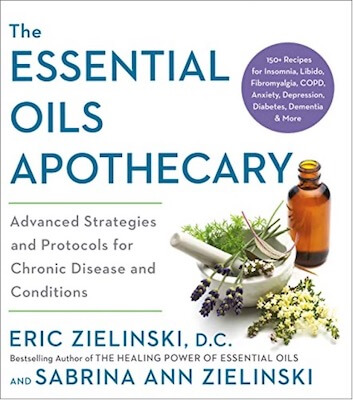
The Essential Oils Apothecary – Advanced Strategies and Protocols for Chronic Disease and Conditions by Eric Zielinski and Sabrina Ann Zielinski

September 10, 2021 By Trudy Scott Leave a Comment

essential oils apothecary

This wonderful new book was just released this week. It covers the basics and their recipes are wonderful as always. I really appreciate that Dr. Z and Mama Z include chapters on insomnia, stress and anxiety, depression and substance abuse. Even though I already know about and use essential oils, I picked up plenty of gems. I do love that they include the research too.

Here are a few highlights that resonated with me:

  • A new essential oil that I learned about is Bitter Orange. I love all the citrus essential oils and learn that this one “is used in Ayurvedic medicine as an aid to meditation and can be extremely helpful in easing stress and anxiety” … and that a “study from Iranian researchers found that when patients were given bitter orange prior to a minor operation, they felt more relaxed, with much less anxiety.”
  • Being reminded about Thyme essential oil for stress relief and anxiety support. I found this statement worth remembering and fascinating: “Like many essential oils, thyme oil works by stimulating smell receptors in the nose, which then transmit messages through the nervous system to the emotion-controlling limbic system in the brain.”
  • Learning about a study where “Japanese investigators evaluated the anti-stress benefit of aromatherapeutic hand massages in healthy women in their twenties.” I see a huge application for this in children, hospitalized loved ones and elderly parents too.
  • I love ginger and I was intrigued to learn about Plai root essential oil, a cousin to ginger and similar to eucalyptus “with additional spicy notes.” They share that a study with healthy male volunteers found  that plai improved mood “by easing the negative emotions and enhancing positive emotions, especially feelings of pleasure and contentment.” They also share that plai essential oil pairs well with rosemary, a favorite of mine for mood and anxiety support.
  • I was not aware that black pepper essential oil can “reduce cravings for cigarettes, alcohol, or marijuana. Black pepper oil can also help you fight withdrawal symptoms and keep you calm throughout….by elevating levels of the feel-good neurotransmitter serotonin in your brain.” They share a fun recipe for Quit Sticks to help folks quit these addictions.
  • The list of essential oils that are rich in linalool, “known for its calming, sedative, anticonvulsant, and anxiolytic (anti­anxiety) properties. Chemically, it is a monoterpenoid—a major compound found in essential oils – and is widely used as an antimicrobial agent and a fragrance.” The list includes Rosewood (82.3 to 90.3 percent), Coriander seed (59.0 to 87.5 percent), Magnolia leaf or flower (78.9 percent / 69.9 percent), Bergamot mint (24.9 to 55.2 percent), Neroli (31.4 to 54.3 percent), Lavender (25.0 to 45.0 percent) and many others.

I’ve highlighted some gems related to insomnia, stress and anxiety, depression and substance abuse but there are also sections on the following: chronic fatigue, fibromyalgia, low libido, Alzheimer’s and dementia, bone and joint disorders, cancer support, cardiovascular disease, chronic respiratory disease, diabetes and obesity, fatty liver, inflammatory bowel disease, Parkinson’s disease and epilepsy.

Here is the official blurb:

Soothing practices, healing rituals, and 100+ practical recipes for applying essential oils to the treatment and symptom management of chronic illness–by the bestselling author of The Healing Power of Essential Oils and his wife, Mama Z!

More and more people living with a chronic condition–from insomnia, hypertension, and fibromyalgia to migraines, insulin resistance, and even the effects of chemotherapy–are reaching for essential oils as a complementary therapy to treat their symptoms. Whether you apply them topically, infuse them in liquid, or diffuse them in the air, essential oils are proven to penetrate the skin and work on the body’s physiology gently and quickly.

Dr. Eric Zielinski, author of the bestselling primer on using essential oils for general health, The Healing Power of Essential Oils, and his wife, Sabrina, affectionately called Mama Z, now bring their masterful and authoritative knowledge to the complexities of chronic illness. The Essential Oil Apothecary shares more than 100 research-backed and easy-to-prepare formulations, from an Immune Boosting Blend to an Anxiety-Busting Body Oil, to help with symptoms of twenty-five common chronic conditions, including fatigue, pain, anxiety, and addiction. It also offers two life-changing tools: an essential home makeover to remove toxins that may be making you sicker, and self-care rituals (including Mama Z’s beauty rituals) that help you feel better when navigating any chronic illness.

Dr. and Mama Z’s evidence-based and holistic approach will help you experience the power of essential oils against chronic illness and build a lifetime of healthy habits and supportive lifestyle actions.

I see this as a book you’ll refer to again and again (like I refer to their first book “The Healing Power of Essential Oils”). I recommend it for essential oils beginners and for individuals (including practitioners) who are already using essential oils.

Use this link to order your copy and claim additional bonus digital content.   Or purchase from your favorite local bookstore or from Amazon (my link) and then use this link to claim your bonus content.

Let us know what gems you pick up when you read it!
Filed Under: Anxiety, Books, Cravings, Depression, Essential oils Tagged With: anxiety, Bitter Orange, black pepper essential oil, cravings for cigarettes. serotonin., depression, eric zielinski, essential oils, insomnia, linalool, Plai root, Sabrina Ann Zielinski, stress, substance abuse, The Essential Oils Apothecary, Thyme

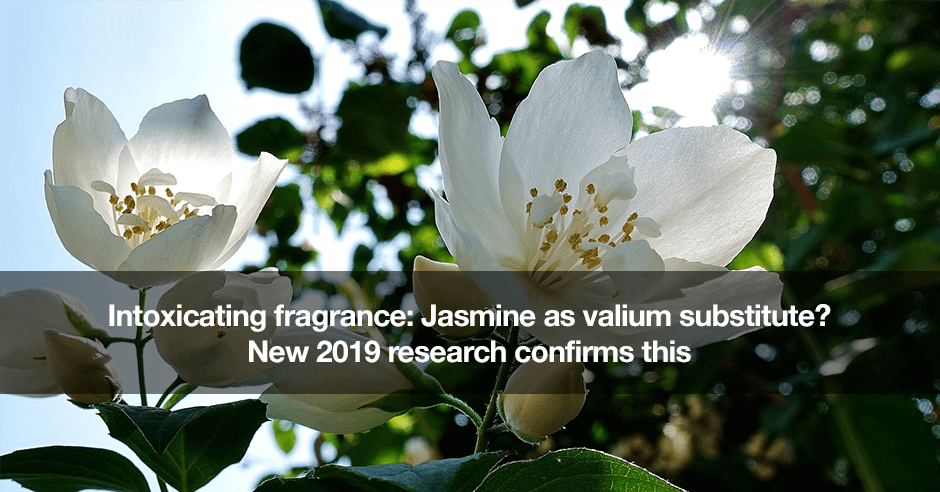
Intoxicating fragrance: Jasmine as valium substitute? New 2019 research confirms this

March 29, 2019 By Trudy Scott 11 Comments

A study from the University of the Ruhr, in Bochum, Germany, resulted in a press-release with a very provocative and enticing title – Intoxicating fragrance: Jasmine as valium substitute and a slew of articles which generated much interest. When I came across this 2010 press release recently, I was of course, intrigued and started digging deeper. Despite the fact that some folks felt it was a long stretch to extrapolate to humans, new research published this year confirms this headline may well have some merit.

Here are some highlights from the 2010 press release:

Instead of a sleeping pill or a mood enhancer, a nose full of jasmine from Gardenia jasminoides could also help, according to researchers in Germany. They have discovered that the two fragrances Vertacetal-coeur (VC) and the chemical variation (PI24513) have the same molecular mechanism of action and are as strong as the commonly prescribed barbiturates or propofol. They soothe, relieve anxiety and promote sleep.

The press release also shares that sedatives, sleeping pills and relaxants which increase the effect of GABA, are the most frequently prescribed psychotropic drugs. Also, “the benzodiazepines, which are now among the world’s most widely prescribed drugs” are “not only potentially addictive, but can also cause serious side effects, e.g. depression, dizziness, hypotension, muscle weakness and impaired coordination.” Valium, Xanax, Ativan and Klonopin are all benzodiazepines and I write more about these medications and why they are so problematic here.

Here are some really interesting facts from the press release/study:

  • The two fragrances vertacetal-coeur (VC) and the chemical variation (PI24513) were … able to increase the GABA effect by more than five times and thus act as strongly as the known drugs.
  • Injected or inhaled, the fragrances generated a calming effect.
  • Applications in sedation, anxiety, excitement and aggression relieving treatment and sleep induction therapy are all imaginable. The results can also be seen as evidence of a scientific basis for aromatherapy.

Here is a link to the 2010 paper: Fragrant dioxane derivatives identify beta1-subunit-containing GABAA receptors. I’ll be honest, it was challenging read for me and when I read the press release and actual paper at first, I wasn’t even sure they were talking about the same thing. You won’t find any mention of jasmine in the study, but instead will find vertacetal-coeur.

As I mentioned above, some organizations felt it was a long stretch to extrapolate to humans. The NHS in the UK was one example, publishing this:

Although some anti-anxiety medications are also known to interact with GABA receptors, it is far too soon to suggest that the effects of jasmine are similar to a recognised treatment for anxiety such as valium. People taking prescribed medication for anxiety should not change their treatment based on this study.

New 2019 research on jasmine for labor anxiety

However, a paper published just this month, A Systematic Review on the Anxiolytic Effect of Aromatherapy during the First Stage of Labor confirms the use of jasmine for reducing anxiety during the first stage of labor (in humans):

It is recommended that aromatherapy could be applied as a complementary therapy for reducing anxiety during the first stage of labor, but methodologically rigorous studies should be conducted in this area.

A total of 14 published papers and 2 unpublished papers were part of the review and other essential oils identified in the review for easing anxiety during labor include: rose, clary sage, geranium and frankincense, chamomile, bitter orange, sweet orange, peppermint, mandarin orange and clove.

Hopefully the NHS in the UK will update their article to include this new review.

Jasmine for other anxiety situations and feedback from real people

I feel very comfortable extrapolating this anxiety-reducing effect of jasmine during labor to other anxiety situations until we have more research.

I also asked folks on Facebook: “Do you use jasmine essential oil and love it? I’m working on a blog post on how jasmine impacts GABA levels and helps ease anxiety and I’d love to include some feedback (good or bad) in the blog. Care to share?” Here is some of the feedback –

Debra: “Never knew there was a Jasmine essential oil… love the smell of fresh Jasmine…will have to look out for it on days when I just need a bit more than what my antidepressant can do…”

Trish: “I use a blend from one of the companies called Joy that has Jasmine in it. It’s awesome, lightens the spirit, makes the day go happier. I use it as a perfume.”

Jessica: “I just started using it.. I really love it! I was using for facial purposes and then read it was good for anxiety and I do feel calm when using and just smelling it really.”

How to get some of the calming benefits of jasmine

There are many ways to enjoy the calming effects of jasmine. Here are some ideas for you:

  • Diffuse the jasmine essential oil alone in combination with other calming essential oils like lavender and one of the citrus oils like neroli or lemon. The Joy blend that Trish mentions above has bergamot, ylang ylang, geranium, lemon, coriander, tangerine, jasmine, roman chamomile, palmarosa and rose. Dr. Mariza, suggests this “Simply Soothing Diffuser Blend” in her new book The Essential Oils Hormone Solution (my review here)– 2 drops neroli, 2 drops jasmine and 2 drops ylang ylang essential oil
  • Use it topically with a carrier oil for a massage, alone or in a blend as above
  • Do what Trish suggests and use it as a perfume (I currently do this with neroli and am now going to try some jasmine)
  • Bring fresh jasmine flowers into your home or get a jasmine pot plant
  • Enjoy it in a tea. Organic India has a lovely tulsi tea that contains chamomile and jasmine. If you recall, tulsi or holy basil is an adaptogenic herb which has anti-stress effects
  • If you can tolerate caffeine, enjoy some Jasmine Oolong tea. Research suggests that the fragrant compounds in the tea “were absorbed by the brain and thereby potentiated the GABAA receptor response…and may therefore have a tranquillizing effect on the brain.”

Next steps: jasmine and GABA or jasmine alone?

It’s hard to know if jasmine used in any of the above ways will be enough to boost your GABA levels and ease your anxiety completely. The best way to find out is to try and see how you feel. It’s all very promising given that the 2010 study found that the compounds they used were able to increase the GABA effect by more than five times.

Until I’ve had clients use jasmine alone for this purpose, I’m still going to recommend the amino acid GABA (based on the questionnaire and a trial) and will suggest concurrent use of jasmine in some way. Once GABA levels have been boosted and all the other changes have been made (diet, blood sugar control, gut health, adrenals, low zinc, low vitamin B6 etc.), jasmine alone may be enough to keep GABA levels on an even keel.

However, right now I do see jasmine as a viable approach that is worth considering if you’re in the midst of tapering from a benzodiazepine and are not able to tolerate GABA and other oral supplements.

I’d love to get your feedback on jasmine and GABA and how you feel both help you (or have helped) with anxiety, depression, sleep or aggression? And if either has helped you taper off your benzodiazepine?

Please also share your favorite ways to use jasmine.

Feel free to post your questions here too.

Filed Under: Essential oils Tagged With: aggression, anxiety, anxiolytic, aromatherapy, benzodiazepine, calming, depression, essential oil, GABA, jasmine, labor, sleep, tulsi, Valium

The Essential Oils Hormone Solution by Dr. Mariza Snyder – my book review

February 22, 2019 By Trudy Scott 15 Comments

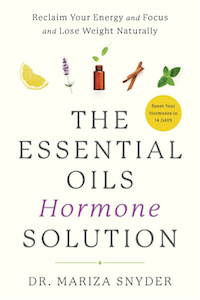
Together with dietary changes and key nutrients like GABA, tryptophan, zinc and vitamin B6, using essential oils are a wonderful tool for helping to ease anxiety, reduce stress, improve sleep and focus and contribute to overall hormonal health for women. Now we have a new book that is a wonderful essential oil resource specifically for women, The Essential Oils Hormone Solution: Reclaim Your Energy and Focus and Lose Weight Naturally by Dr. Mariza Snyder.

She shares this about essential oils:

Essential oils are natural aromatic com­pounds found in the roots, seeds, stems, bark, leaves, and flowers of various plants. They are super-charged, fifty to seventy times more potent than their dried-herbal counterparts. They’re simply the best plant-based remedy that exists, and they have been success­fully used for thousands of years.

Dr. Mariza lists these top 5 must-have hormone-support essential oils for perimenopausal and menopausal women: clary sage, geranium, lavender, peppermint and rosemary. Lavender and peppermint have been long-time favorites of mine and I recently learned about clary sage and rosemary and love both.

She covers so many wonderful essential oils in the book but for the purposes of this review I’ll focus on clary sage since it was new to me until recently and may be new to you too.

In the chapter on sleep, she shares this about the benefits of clary sage and how to use this essential oil:

CLARY SAGE (Salvia sclarea)

  • Promotes relaxation of the body for a restful night’s sleep
  • Calms and soothes the mind and body
  • Supportive during menstrual distress

Aromatic Use 

  • Apply 1–2 drops directly to bedclothes or pillow.
  • Diffuse 3–4 drops before bedtime.

Topical Use

  • Dilute 1–2 drops with your favorite carrier oil and massage into abdomen.
  • Add 2–3 drops to a warm bath with ¼ cup Epsom salts dis­solved in the water.
  • Dilute 1–2 drops with your favorite carrier oil and massage into your soles before bedtime.

I had looked into clary sage about 6 months ago when I learned that it supports serotonin production and also lowers high cortisol.

Interestingly, I didn’t care for the aroma of clary sage when I first purchased it and I diffused it with lavender and rosemary to disguise the aroma. But I have grown to really like it and use a drop on a hanky each night and look forward to how much it helps me sleep and the fact that it eased the mild hot flashes I had started to experience again.

I love the combinations/blends Dr. Mariza recommends in the book and would have welcomed these ideas when I first started using clary sage myself. Here is one example of a rollerball blend with clary sage:

Tense-Away Rollerball Blend

10 drops Lavender essential oil

10 drops Clary Sage essential oil

10 drops Peppermint essential oil

Carrier oil of choice

I also really like that Dr. Mariza describes different ways to use the oils other than only diffusing – like using rollerballs, using them for massages and in baths, and applying the essential oils on various parts of the body for a more direct impact. One such example is the Hormone Synergy Rollerball Blend (which contains clary sage, lavender, geranium, bergamot and ylang ylang). She recommends applying this blend directly over your ovaries.

I learned this direct application tip from Dr. Mariza last year and started using lavender, peppermint and rosemary (in a carrier oil) topically on my belly before bed. It helps with digestion, occasional belly bloat from SIBO (if I’ve eaten something that triggers symptoms) and is relaxing too. I think I’ll add clary sage to this belly blend too for the added hormone benefits. This could be one way to use clary sage for the benefits if you find you don’t really like the aroma (because it will be further from your nose!)

Here are some of the benefits of the other top 5 hormone-support essential oils for perimenopausal and menopausal women that Dr. Mariza shares:

  • geranium – calming and soothing and “rejuvenates and revitalizes skin, complexion, and hair” (I haven’t been using this one and looking forward to trying this one)
  • lavender – “eases and calms feelings of anxiety, stress, and tension while rebalancing emotions” and “relieves discomfort associated with menstrual cycles” (I’ve been using lavender for years)
  • peppermint – “stimulates mental focus and energy by enlivening the senses” and supports your respiratory system (I also use this one all the time. It’s also great for headaches and neck pain)
  • and rosemary – “increases memory, concentration, and focus” (I also use it for EMF/electromagnetic radiation protection. Research shows rosemary could play a protective role against this harmful effect through its antioxidant activity)

Clary sage is also featured in the libido chapter: “Commonly used to stimulate sexual energy and boost libido.” This aspect was new to me, but it makes sense given that it lowers cortisol and supports serotonin production (and hence estrogen). Dr. Mariza also covers many other wonderful essential oils that boost libido too: jasmine, neroli, rose, sandalwood, ylang ylang and geranium.  In one study neroli, lavender, fennel, geranium, and rose significantly improved sexual function in menopausal women.

Here is the official book blurb:

Have your hormones been hijacked? Do you feel energy-depleted and irritable, unable to sleep, stay focused, or lose weight? You may have attributed these symptoms to the natural hormonal fluctuations that occur with age. But behind the scenes, there are a host of pesky culprits wreaking havoc on your hormonal health: chronic stress, air pollution, chemical-laden foods and cleaning supplies, and the synthetic estrogens in personal care products. Women of all ages are left vulnerable to the consequences, suffering from unnecessary hormonal imbalance and frustrating symptoms that are often dismissed by their doctors.

Dr. Mariza Snyder is here to help put you back in control of your health. In The Essential Oils Hormone Solution, you will learn how to heal hormonal chaos and revitalize the body from the inside out with the support of high-quality essential oils. You’ll learn how essential oils work on a cellular level to mitigate the toxic loads we carry, and how to use essential oils to reduce cravings, get deep, restful sleep, ease stress, improve mood, banish the worst symptoms of PMS, regain focus and concentration, boost libido, and increase energy.

Featuring a 14-day plan to jumpstart your hormonal health, with over 100 essential oil blends, daily self-care rituals, and delicious, easy-to-prepare recipes, you’ll discover how to reset your body and pave the way for improved hormonal health, without taking hormones.

Grab your copy of The Essential Oils Hormone Solution here (my Amazon link).

I’d like to add my thoughts on what I have found to be safe use of essential oils, and what I share with my clients (I consider myself an essential oil user like you – I’m not an expert):

  • Always use a carrier oil, unless you are diffusing, and this includes using essential oils in the bath (I know there is some conflicting advice on this, but I like to err on the side of caution)
  • Don’t try to remove too much of an essential oil with water – it will only drive it deeper into the skin
  • Think low doses i.e. a little goes a long way
  • Be sure to rotate your essential oils
  • Don’t ingest the oils neat or even in a gelatin capsule. I would only consider doing so if I was working with an experienced practitioner and using an enteric coated capsule  (there is definitely conflicting advice on this one but again I like to err on the side of caution)

It’s a fun book with wonderful ideas for how to combine essential oils and use them to improve hormone imbalance. I love this quote from Dr. Mariza:

Inhaling them and applying them is like adorning yourself in something truly beautiful

What are your favorite essential oils and combinations for easing anxiety, reducing stress, improving sleep and balancing your hormones? How are you “adorning yourself” and what is your favorite way to use them – diffused, topically, via a rollerball, or via a massage or in the bath? Feel free to post questions here too.

Filed Under: Books, Essential oils Tagged With: anxiety, calming, clary sage, cortisol, Dr. Mariza Snyder, energy, essential oils, focus, hormone, hormones, insomnia, lavender, libido, mood, peppermint, PMS, serotonin, sleep, stress, The Essential Oils Hormone Solution

New book: The Healing Power of Essential Oils

March 19, 2018 By Trudy Scott Leave a Comment

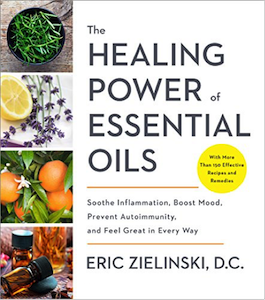
The Healing Power of Essential Oils: Soothe Inflammation, Boost Mood, Prevent Autoimmunity, and Feel Great in Every Way by Eric Zielinski, launched last week and I promised you a book review so here goes. I have always loved Dr. Z’s research-based approach and practical how-tos when it comes to essential oils and was so excited for this book. Well, all I can say is that this is one of the best books I’ve read this year! I read it cover-to-cover in one sitting and I have lists of things I want to try!

It’s perfect for you if you’re:

  • a total newbie to essential oils and have been hearing how great they are and want to learn the basics (and the science)
  • someone like me who does has been using essential oils for a few years but could really take things up notch in terms of therapeutic use and how to use blends
  • someone who is well versed in using essential oils therapeutically, making your own cleaning products and self-care products and wants the science behind each essential oil
  • looking for a great resource to give a loved one like your sister or mom, or to a friend, and if you’re a practitioner, as a resource for your clients and patients, so they too can benefit by what you already know
  • looking for a non-branded resource (Dr. Z has no brand loyalty but does teach you how to find quality brands of essential oils)

Here are some of the many reasons I love this book:

  • Dr. Z emphasizes biochemical individuality – just like with food and nutrients there is no one size fits all with essential oils and you have to find what works for you. He teaches you how to figure that out in the recipes sections
  • He addresses the ‘overwhelmed and where do I start’ aspect – he calls it “paralysis by analysis”. One way he does this in a few ways: 7 steps to start using them, a daily morning and/or evening practice and the tops oils everyone should start with. Here’s another idea (from me): start with a calming essential oil like lavender or neroli!
  • The background information is excellent: the source of the essential oil (for example cinnamon bark vs the leaf); why knowing the chemotype is important in terms of their different therapeutic effects; shelf life; how to find quality oils; why plants native to an area are better; dilution rules; inhalation, topical use and ingestion of oils
  • The research is comprehensive and best of all he refers to studies where the essential oil has been shown to provide therapeutic value, rather than referencing studies on various constituents
  • There is extensive coverage on carrier oils (like jojoba, coconut oil, fractionated coconut oil etc.) and emulsifiers (like Castile soap and aloe vera oil). He also shares that liquid stevia is a solubilizer (this one intrigues me)
  • All the wonderful recipes – from home cleaning to personal care products to many products for addressing specific health conditions like aching muscles, wounds, candida, dandruff and much more. Here are a few ways he shares how peppermint essential oil, one of my favorites, can help: as a digestive aid (I use it topically in coconut oil, together with lavender at night and love it!), to ease muscle tension, to clear sinuses, as a potential solution to antibiotic-resistant infections (I’ve used lavender and lemongrass when I had a boil but wasn’t aware peppermint had similar properties), to give you focus and provide an energy pick-up and much more.  Here is one application for your hair/scalp:

A few drops of peppermint essential oil included in your shampoo and conditioner will tingle your scalp and wake your senses. As a bonus, peppermint’s antiseptic properties can also help prevent or remove both lice and dandruff.


  • Here is a safe and effective bathroom cleaner recipe from the book – and it smells wonderful! I love the added bonus of getting a mood boost while cleaning!

    Tea Tree Citrus Bathroom Cleaner

    The star of this blend is orange essential oil, which is a known mood booster. You’ll be happier even though you’re stuck cleaning the bathroom!

    1 tablespoons Dr. Bronner’s liquid castile soap

    2 tablespoons baking soda

    20 drops tea tree essential oil

    15 drops orange or lemon essential oil (or 7 drops of each)

    15 drops lemon eucalyptus or lemon myrtle essential oil

    2 cups distilled water

    Supplies: 32 oz spray bottle, preferably glass

    1. Combine the liquid soap, baking soda and essential oils in the spray bottle and mix well.
    2. Pour in the water and shake well
    3. Use as you would any other bathroom cleaner. Shake before use.

    Elsewhere in the book, Dr. Z writes about how eucalyptus is highly antimicrobial, helping to clear surfaces of potential germs (and says you can use regular eucalyptus in the above recipe too).

  • There is a big focus on women’s health and anxiety and depression, so it’s perfect for you. The recipes for PMS, perimenopause and menopause are fabulous – with help for anxiety, depression, insomnia, vaginal dryness and much more. Here is one where clary sage helped with depression (anxiety was not assessed but we know high cortisol and low serotonin impacts both anxiety and depression)

Clary sage offers antidepressant effects as described in a 2014 study that was conducted on twenty-two women in Korea. The trial measured neurotransmitter levels found in blood samples of menopausal women and discovered that, by simply inhaling clary sage oil, levels of the stress hormone cortisol dropped considerably and serotonin levels were elevated. The result was an overall improvement in depression symptoms.

  • There is an entire chapter on essential oils for fertility, pregnancy and postpartum
  • Photosensitivity is explained and he lists all the oils that fall into this category (such as bergamot and expressed lemon)

Some essential oils can increase the photosensitivity of your skin. For example, chemicals in the citrus family such as bergapten are notable for their phototoxic effects. When bergapten is left on the skin and then exposed to the sun, it can amplify the effect of UV rays, potentially causing sunburn and leading to sunspots. Some people just decide not to use any bergapten-heavy oils topically, but simply avoiding the sun after use (for example, by applying them at night) is sufficient.

  • He addresses the concerns about lavender and tea tree being estrogenic and explaining why they are not (I get this question a lot!)
  • Plenty of oils and recipes for digestive support like a SIBO blend of a 1:1:1 ratio of caraway, lavender and neroli (which I am very interested in exploring further)

As you can see, this book is comprehensive, research-based, practical and I would even say pretty exciting and fun! Here is the official blurb about the book:

Eric Zielinski, D.C., host of the Essential Oils Revolution summits, offers a soup-to-nuts guide to mastering essential oils for vibrant health and well-being, featuring dozens of recipes and formulations for restful sleep, reduced inflammation, balanced hormones, and more.

Achieving true health is not an easy task. For many people, it might be easier to pop a pill or push aside lingering discomfort in favor of finishing everything on your to-do list. In The Healing Power of Essential Oils, Eric Zielinski, D.C. shows readers how to make their health a priority with the life-changing benefits of essential oils. Essential oils are the natural solution to everything from anxiety and depression to deep-seated inflammation.

For beginners, Dr. Z teaches everything you need to know to get started, including the top seven oils you should stock from Day 1 and the commonly used techniques and tools. He illustrates daily practices you can follow to enjoy the properties of essential oils, including a five-minute devotional using frankincense and neroli to set you up for a productive and stress-free day, and a simple bedtime routine harnessing the soporific effects of lavender.

Backed by extensive research, Dr. Z also supplies essential oil blends that promote hormone balance, reduced inflammation, improved digestion, increased immunity, and so much more. You’ll be armed with over 150 recipes for every health need, and a special section on women’s health includes dozens of formulations for PMS, fertility, pregnancy, candida, and menopause. Even those well-versed in essential oils will benefit from this thorough approach. With your newfound knowledge, you can begin tailoring an essential oils practice to your unique pain points and lifestyle right away – and start experiencing amazing results.

Grab a copy from your nearest bookstore or online store such as Amazon (this is my amazon affiliate link)

Be sure to grab the bonus gifts here after you’ve purchased the book

And let us know what you think and some of your favorite recipes and how they have helped you!

Filed Under: Books, Essential oils Tagged With: anxiety, clary sage, cortisol, depression, Dr. Z, eric zielinski, essential oils, lavender, menopause, The Healing Power of Essential Oils

Blend of lavender, ylang-ylang, marjoram, and neroli reduces stress and lowers cortisol

February 19, 2018 By Trudy Scott 6 Comments

As you know I’m a big fan of essential oils and the healing benefits they offer for anxiety and stress. Here is one example of the power of essential oils for both reducing stress and lowering cortisol levels.

In this study, Essential oil inhalation on blood pressure and salivary cortisol levels in prehypertensive and hypertensive subjects, 83 participants who were hypertensive (high blood pressure) or prehypertensive were asked to inhale an essential oil blend of lavender, ylang-ylang, marjoram, and neroli with the following ratio (20 : 15 : 10 : 2).

The study group experienced the relaxation effects of this particular blend of essential oils leading to:

  • significant decreases in the concentration of salivary cortisol
  • reduced blood pressure
  • and stress reduction.

Here is the rationale for the particular blend they used in this study:

Lavender alleviates cardiac excitation, lowers BP [blood pressure], and is effective in hypertension and palpitations. Ylang-ylang lowers BP [blood pressure], alleviates palpitations and nervous system excitation, and promotes emotional relaxation. Marjoram lowers sympathetic nervous system activity and stimulates the parasympathetic nervous system, resulting in vasodilatation to reduce cardiac strain and decrease BP [blood pressure]. Neroli brings forth emotional soothing and comfort and is effective in cardiac palpitations secondary to shock or fear.

Are you new to essential oils or want to learn more about using them?

Dr. Z and Mama Z’s 10-part video online masterclass called Essential Oils for Abundant Living offers practical steps for using essential oils.  It is science-based (which I love!) and they address potential risks. Dr. Z shares this:

We pride ourselves on providing safe, scientific and practical advice that is all non-branded. We do not sell essential oils so, regardless of what your favorite brand is, the information you will learn in this program applies.

Not to mention, because we don’t sell essential oils, we are not restricted by government or “compliance” regulations and we can freely communicate what the research REALLY says about the healing power of essential oils!

And here is the amazing line-up of video lessons you’ll have access to when you register for Essential Oils for Abundant Living. After watching the Quick Start Guide, a new lesson will air each day:

Setting the Foundation

  • Lesson 1: Aromatherapy Quick-Start Guide
  • Lesson 2: Inhalation Guide & Safety Tips
  • Lesson 3: Topical Application Guide & Safety Tips
  • Lesson 4: Internal Use Guide & Safety Tips

Natural Solutions for a Toxic-Free Home

  • Lesson 5: DIY Body Care Products
  • Lesson 6: DIY Cleaning Products
  • Lesson 7: Cooking with Essential Oils 

Regaining Control of Your Health

  • Lesson 8: Preventing Disease with Essential Oils
  • Lesson 9: Treating Disease with Essential Oils
  • Lesson 10: Advanced Strategies & Protocols

This video series will

  • give you the confidence that you need to use essential oils to make healing remedies for your body, as well as non-toxic natural recipes for your home.
  • provide many golden nuggets that you can start putting into practice today (no matter where you are in your essential oil journey)
  • offer an all-you-can-eat buffet of expert tips, recipes and DIY ideas to help you and your family enjoy abundant health with essential oils!

Reserve your spot for Essential Oils for Abundant Living HERE!

I hope you enjoy it and learn a ton!

After the no-cost online airing you’ll have an opportunity to upgrade and get additional content and also join the wonderful Facebook group. I’m a member and it’s a fabulous resource for asking questions and sharing what’s working!

Filed Under: Essential oils Tagged With: anxiety, cortisol, essential oils, Essential Oils for Abundant Living, lavender, marjoram, neroli, stress, ylang-ylang

Lemongrass essential oil for cancer and anxiety: The Truth About Cancer livestream

October 2, 2017 By Trudy Scott 4 Comments

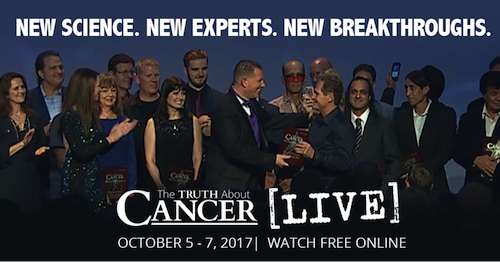
The Truth About Cancer live event which runs Oct 5-7 and the livestream broadcast starts on Thursday, October 5th at 9am Eastern. You can tune in and listen from home!

This event brings you the latest in natural cancer prevention, new therapies, cancer diets, toxins to avoid and much much more!

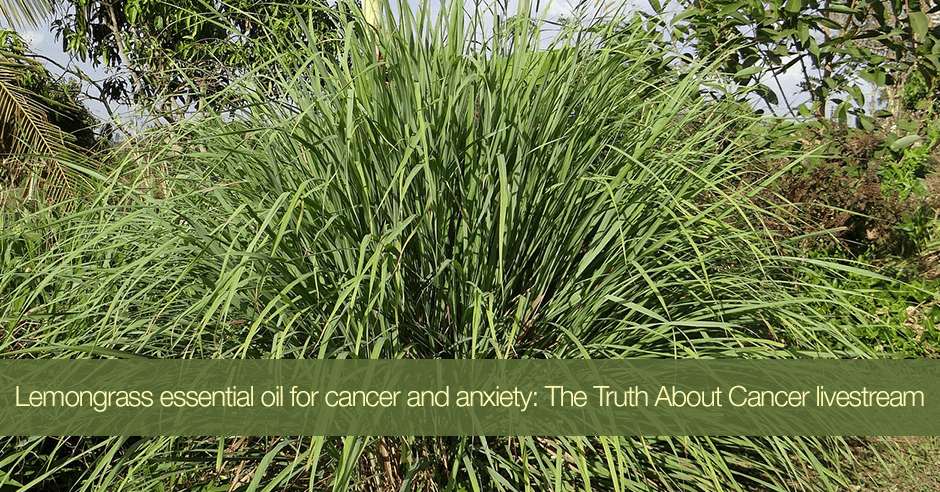
What’s so encouraging is that many of the natural treatments and approaches for cancer also help with reducing anxiety. One of these is the essential oil of lemongrass.

One of my favorite essential oil experts is Dr. Eric Zielinski and he is talking about Essential Oils, Aromatherapy, and Cancer. Dr. Z shares this about lemongrass essential oil and cancer:  

In 2009, an article was published that evaluated the essential oil of Cymbopogon flexuosus (a variety of lemongrass) for its in vitro cytotoxicity ability against 12 human cancer cell lines; as well as its anticancer effects on mice in vivo. The results were remarkable. Researchers discovered that the essential oil triggers a variety of mechanisms that kill cancer cells. “Our results indicate that the oil has a promising anticancer activity and causes loss in tumor cell viability by activating the apoptotic process as identified by electron microscopy.”

Research also shows that the GABAergic system contributes to the anxiety-reducing effect of essential oil from lemongrass (cymbopogon citratus).

A number of speakers are sharing the benefits of the ketogenic diet for cancer prevention and healing

  • Joseph Mercola – Ketogenic Diet and Cancer
  • Dr. Toni Bark – Ketogenic Diet and disease reversal and prevention
  • Cherie Calbom – Juice, Juice, and More Juice to Treat & Prevent Cancer: How Vegetable Juicing Complements a Ketogenic Diet

As you heard recently from Dr. David Jockers on the Mental Wellness Summit, the ketogenic diet helps with anxiety because it improves the ability of glutamate converting into GABA:

There is a relationship between glutamate, which is an excitatory neurotransmitter in the brain, and GABA, which is an inhibitory neurotransmitter. Glutamate naturally converts into GABA when certain nutrients are present – like magnesium and vitamin B6 – along with a properly working GAD enzyme.

Now, when we have ketones present, they have been shown to improve the ability to convert glutamate into GABA.

Dr. David Jockers is also a speaker at The Truth About Cancer and is covering The Sugar-Cancer Connection

The list of speakers is truly a Who’s Who of natural cancer therapies … and includes superstars like:

  • Patrick Quillin – Beating Cancer with Nutrition
  • Robert Scott Bell – Gut Health, the Microbiome, and Cancer
  • Rashid Buttar -The Cancer Conflict: Resolving the 5th Toxicity
  • Tony Jimenez – Treating Cancer with Sound and Light
  • Mike Adams – The importance of “ORGANIC”
  • Del Bigtree – Freedom of Choice in Medicine
  • Chris Wark – How “Chris Beat Cancer”
  • Sayer Ji – Epigenetics and Cancer
  • Dr. Darrell Wolfe – DETOX and the Lymphatic system
  • Jeffrey Smith – How GMOs have been linked to cancer
  • Doug Kaufman – The Fungal Link to Cancer
  • Pharmacist Ben Fuchs – Skin Health & Skin Cancer
  • Barbara Loe Fisher – Freedom of Choice in Medical Interventions
  • Dr. Stuart Nunnally – Biological Dentistry and Cancer Prevention
  • Dr. Ben Johnson – Stem Cells, Lasers, and Novel Approaches for Cancer
  • Dr. Marlene Siegel – Preventing and Treating Cancer in Pets

And many more!

It’s 3 days that could very well save your life or the life of someone you love.

You’re invited to watch it LIVE at no cost from the comfort of your own home.

Take a minute to get all the details right here. The broadcast starts Thursday, October 5th at 9am Eastern.

I don’t often share resources about cancer but I feel this is such an amazing opportunity to learn and feel empowered so you don’t have to feel anxious about cancer. These experts may just have the healing answers you’ve been looking for! Please share with your friends, family and anyone else you think could use this information!

Just like there is hope and solutions for anxiety, there is HOPE … and healing … and survival for cancer too.

To your health! See you on the livestream!

Filed Under: Cancer, Essential oils, Events Tagged With: anxiety, cancer, Dr. Eric Zielinski, essential oils, Ketogenic diet, lemongrass, The Truth About Cancer, Ty Bolinger

  • Page 1
  • Page 2
  • Go to Next Page »

Primary Sidebar

GABA QuickStart Homestudy

gaba quickstart homestudy

Free Report

9 Great Questions Women Ask about Food, Mood and their Health

You'll also receive a complimentary subscription to my ezine "Food, Mood and Gal Stuff"


Connect with me

Popular Posts

  • Amino Acids Mood Questionnaire from The Antianxiety Food Solution
  • The Antianxiety Food Solution Amino Acid and Pyroluria Supplements
  • Pyroluria Questionnaire from The Antianxiety Food Solution
  • Collagen and gelatin lower serotonin: does this increase your anxiety and depression?
  • Tryptophan for the worry-in-your-head and ruminating type of anxiety
  • GABA for the physical-tension and stiff-and-tense-muscles type of anxiety
  • The Antianxiety Food Solution by Trudy Scott
  • Seriphos Original Formula is back: the best product for anxiety and insomnia caused by high cortisol
  • Am I an anxious introvert because of low zinc and vitamin B6? My response to Huffington Post blog
  • Vagus nerve rehab with GABA, breathing, humming, gargling and key nutrients

Recent Posts

  • Her cravings for chips and peanut butter were triggered by stress: GABA ends cravings and reduces physical tension and fear of heights
  • It is truly miraculous to be able to move through life without crippling anxiety and panic
  • GABA and tryptophan combo provide immediate and noticeable relief for tremors and cervical dystonia in just 7 days
  • Red light therapy for back and neck pain, plantar fasciitis and low mood – a complement to the amino acids GABA, DPA and tryptophan
  • What do I use instead of Seriphos to help lower high cortisol that is affecting my sleep and making me anxious at night?

Categories

  • 5-HTP
  • AB575
  • Addiction
  • ADHD
  • Adrenals
  • Alcohol
  • Allergies
  • Alzheimer's disease
  • Amino Acids
  • Anger
  • Antianxiety
  • Antianxiety Food Solution
  • Antidepressants
  • Anxiety
  • Anxiety and panic
  • Autism
  • Autoimmunity
  • benzodiazapines
  • Bipolar disorder
  • Books
  • Caffeine
  • Cancer
  • Candida
  • Children/Teens
  • Collagen
  • Cooking equipment
  • Coronavirus/COVID-19
  • Cravings
  • Depression
  • Detoxification
  • Diabetes
  • Diet
  • DPA/DLPA
  • Drugs
  • EFT/Tapping
  • EMF
  • EMFs
  • Emotional Eating
  • Endorphins
  • Environment
  • Essential oils
  • Events
  • Exercise
  • Fear
  • Fear of public speaking
  • Fertility and Pregnancy
  • Fish
  • Food
  • Food and mood
  • Functional neurology
  • GABA
  • Gene polymorphisms
  • General Health
  • Giving
  • Giving back
  • Glutamine
  • Gluten
  • GMOs
  • Gratitude
  • Gut health
  • Heart health/hypertension
  • Histamine
  • Hormone
  • Hyperparathyroidism
  • Hypoglycemia
  • Immune system
  • Inflammation
  • Insomnia
  • Inspiration
  • Introversion
  • Joy and happiness
  • Ketogenic diet
  • Lithium orotate
  • Looking awesome
  • Lyme disease and co-infections
  • MCAS/histamine
  • Medication
  • Men's health
  • Mental health
  • Mercury
  • Migraine
  • Mold
  • Movie
  • MTHFR
  • Multiple sclerosis
  • Music
  • NANP
  • Nature
  • Nutritional Psychiatry
  • OCD
  • Osteoporosis
  • Oxalates
  • Oxytocin
  • Pain
  • Paleo
  • Parasites
  • Parkinson’s disease
  • PCOS
  • People
  • PMS
  • Postpartum
  • PTSD/Trauma
  • Pyroluria
  • Questionnaires
  • Real whole food
  • Recipes
  • Research
  • Schizophrenia
  • serotonin
  • SIBO
  • Sleep
  • Special diets
  • Sports nutrition
  • Stress
  • Sugar addiction
  • Sugar and mood
  • Supplements
  • Teens
  • Testimonials
  • Testing
  • The Anxiety Summit
  • The Anxiety Summit 2
  • The Anxiety Summit 3
  • The Anxiety Summit 4
  • The Anxiety Summit 5
  • The Anxiety Summit 6
  • Thyroid
  • Thyroid health
  • Toxins
  • Tryptophan
  • Tyrosine
  • Uncategorized
  • Vegan/vegetarian
  • Women's health
  • Yoga

Archives

  • May 2026
  • April 2026
  • October 2025
  • September 2025
  • August 2025
  • July 2025
  • June 2025
  • May 2025
  • April 2025
  • March 2025
  • February 2025
  • January 2025
  • November 2024
  • October 2024
  • September 2024
  • August 2024
  • July 2024
  • June 2024
  • May 2024
  • April 2024
  • March 2024
  • February 2024
  • January 2024
  • December 2023
  • November 2023
  • October 2023
  • September 2023
  • August 2023
  • July 2023
  • June 2023
  • May 2023
  • April 2023
  • March 2023
  • February 2023
  • January 2023
  • December 2022
  • November 2022
  • October 2022
  • September 2022
  • August 2022
  • July 2022
  • June 2022
  • May 2022
  • April 2022
  • March 2022
  • February 2022
  • January 2022
  • December 2021
  • November 2021
  • October 2021
  • September 2021
  • August 2021
  • July 2021
  • June 2021
  • May 2021
  • April 2021
  • March 2021
  • February 2021
  • January 2021
  • December 2020
  • November 2020
  • October 2020
  • September 2020
  • August 2020
  • July 2020
  • June 2020
  • May 2020
  • April 2020
  • March 2020
  • February 2020
  • January 2020
  • December 2019
  • November 2019
  • October 2019
  • September 2019
  • August 2019
  • July 2019
  • June 2019
  • May 2019
  • April 2019
  • March 2019
  • February 2019
  • January 2019
  • December 2018
  • November 2018
  • October 2018
  • September 2018
  • August 2018
  • July 2018
  • June 2018
  • May 2018
  • April 2018
  • March 2018
  • February 2018
  • January 2018
  • December 2017
  • November 2017
  • October 2017
  • September 2017
  • August 2017
  • July 2017
  • June 2017
  • May 2017
  • April 2017
  • March 2017
  • February 2017
  • January 2017
  • December 2016
  • November 2016
  • October 2016
  • September 2016
  • August 2016
  • July 2016
  • June 2016
  • May 2016
  • April 2016
  • March 2016
  • February 2016
  • January 2016
  • December 2015
  • November 2015
  • October 2015
  • September 2015
  • August 2015
  • July 2015
  • June 2015
  • May 2015
  • April 2015
  • March 2015
  • February 2015
  • January 2015
  • December 2014
  • November 2014
  • October 2014
  • September 2014
  • August 2014
  • July 2014
  • June 2014
  • May 2014
  • April 2014
  • March 2014
  • February 2014
  • January 2014
  • December 2013
  • November 2013
  • October 2013
  • September 2013
  • August 2013
  • July 2013
  • June 2013
  • May 2013
  • April 2013
  • March 2013
  • February 2013
  • January 2013
  • December 2012
  • November 2012
  • October 2012
  • August 2012
  • July 2012
  • June 2012
  • May 2012
  • April 2012
  • March 2012
  • February 2012
  • January 2012
  • December 2011
  • November 2011
  • October 2011
  • September 2011
  • August 2011
  • July 2011
  • June 2011
  • May 2011
  • April 2011
  • March 2011
  • February 2011
  • January 2011
  • December 2010
  • October 2010
  • September 2010
  • July 2010
  • May 2010
  • April 2010
  • March 2010
  • February 2010
  • January 2010
  • November 2009

Share the knowledge!

The above statements have not been evaluated by the Food and Drug Administration. Products listed in this website are not intended to diagnose, treat, cure or prevent any disease.

The information provided on this site is for informational and educational purposes only and is not intended as a substitute for advice from your physician or other health care professional. You should consult with a healthcare professional before starting or modifying any diet, exercise, or supplementation program, before taking or stopping any medication, or if you have or suspect you may have a health problem.


Copyright © 2026 Trudy Scott. All Rights Reserved. | Privacy | Terms and Conditions | Refund Policy | Medical Disclaimer

Free Report

9 Great Questions Women Ask about Food, Mood and their Health

You’ll also receive a complimentary subscription to my ezine “Food, Mood and Gal Stuff”