• Skip to primary navigation
  • Skip to main content
  • Skip to primary sidebar

everywomanover29 blog

Food, Mood and Women's Health – Be your healthiest, look and feel great!

  • Blog
  • About
  • Services
  • Store
  • Resources
  • Testimonials
  • The Book
  • Newsletter
  • Contact
  • Search this site

Antianxiety Food Solution

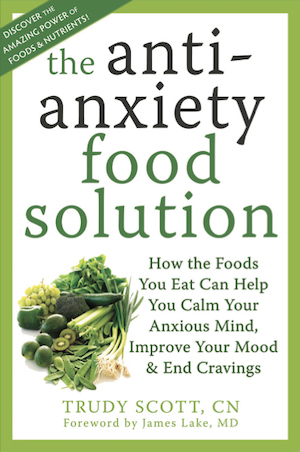
The Antianxiety Food Solution by Trudy Scott

April 26, 2021 By Trudy Scott 54 Comments

antianxiety food solution

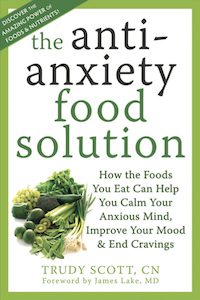
The Antianxiety Food Solution

– How the Foods You Eat Can Help You Calm Your Anxious Mind, Improve Your Mood and End Cravings
by Trudy Scott, CN (published by New Harbinger, 2011)

It’s remarkable how much the foods we eat can impact our brain chemistry and emotions. What and when we eat can make the difference between feeling anxious and staying calm and in control. But most of us don’t realize how much our diets influence our moods, thoughts, and feelings until we make a change. In this book, you’ll find four unique antianxiety diets designed to help you address nutritional deficiencies that may be at the root of your anxiety and enjoy the many foods that foster increased emotional balance.

This easy-to-use guide helps you choose the best plan for you and incorporates effective anxiety-busting foods and nutrients. You’ll soon be on the path to freeing yourself from anxiety—and enjoying an improved overall mood, better sleep, fewer cravings, and optimal health—the natural way!

In The Antianxiety Food Solution, you’ll discover:

  • How to assess your diet for anxiety-causing and anxiety-calming foods and nutrients
  • Foods and nutrients that balance your brain chemistry
  • Which anxiety-triggering foods and drinks you may need to avoid
  • Easy lifestyle changes that reduce anxiety and increase happiness

Buy your copy


Buy the book from Amazon
Buy the book from New Harbinger
Buy the Kindle from Amazon
Buy the book in German


Endorsements

This book “fills an important gap in the popular literature on anxiety. It provides clear, helpful guidelines for utilizing nutrition to overcome anxiety.Edmund Bourne, PhD, author of The Anxiety and Phobia Workbook
A great book with plenty of practical advice backed by science.Daniel G. Amen, MD, author of Change Your Brain, Change Your Life
Every one of the millions now suffering from anxiety has a new friend in Trudy Scott, whose book offers them a nutritional lifeline.  Replete with specific and practical suggestions, this book is backed up by research and clinical expertise.Julia Ross, MA, MFT, author of The Mood Cure and The Diet Cure
This book is a must-read if you have anxiety and want to treat the underlying causes and heal, rather than having to rely on medications. Adjust your brain chemistry with the right nutrients and you can reclaim your brain and your life!Hyla Cass, MD, author of 8 Weeks to Vibrant Health
This book is a real tour-de-force in complementary mental health literature and should be on the shelves of every anxiety sufferer. It’s a user-friendly and balanced book about foods and nutrients that can reduce anxiety, and it is also refreshingly original.Jonathan Prousky, MSc, ND, professor of clinical nutrition at the Canadian College of Naturopathic Medicine and author of Anxiety: Orthomolecular Diagnosis and Treatment
As a nutrition and fitness expert and the mother of a child with an emotional disorder, I find this book invaluable. It is one I will use myself and recommend to both clients and colleagues.JJ Virgin, CNS, CHFS, nutrition and fitness expert, author of Six Weeks to Sleeveless and Sexy, and cohost of TLC’s Freaky Eaters
A leader in the field of food and mental health, Trudy Scott supplements the core themes of food and gut health with chapters on amino acids, pyroluria, and lifestyle changes. Trudy aptly emphasizes that readers should try to find the root cause of their health problems.Lawrence E. Cormier, MD, holistic psychiatrist in Denver, CO
This book may be the key you’ve been looking for. It does an excellent job of explaining the science behind anxiety and then bringing it to a practical level, providing a nutritional and integrative approach to anxiety.Elizabeth Lipski, PhD, CCN, director of doctoral studies at Hawthorn University in Whitethorn, CA, and author of Digestive Wellness
Trudy Scott’s work communicates something I tell my patients every day: there is a powerful connection between what we eat and how we feel.Mike Dow, PsyD, cohost of TLC’s Freaky Eaters
I recommend this book not only to those who suffer from anxiety, but to their health care providers as well.Karla Maree, certified nutrition consultant, neuronutrient therapist, and director of nutritional therapy at Recovery Systems Clinic
A comprehensive book providing the nation with much-needed formulas for overcoming anxiety and restoring stable emotions!Joan Mathews-Larson, PhD, LADC, founder of the Health Recovery Center in Minneapolis, MN, and author of Depression-Free, Naturally
This book offers a wealth of useful information for those who would like to try dietary and other lifestyle changes in order to improve their mental health. It is also a valuable resource for clinicians interested in broadening their approach to the treatment of anxiety.Felice N. Jacka, PhD, research fellow at the University of Melbourne in Australia
Full of practical tips for restoring balance to your body and mind. I highly recommend it.Mark Atkinson, MD, author of The Mind-Body Bible
The Antianxiety Food Solution is one of the most comprehensive guides to nutritional healing for anxiety.Elizabeth Large, ND
Trudy Scott is an expert on the relationship between food and mood, an often neglected area. This book provides clearly presented practical information, which I believe to be important adjunctive help in the treatment of anxiety, depression, and serious mental illness.Katherine Falk, MD, psychiatrist in New York, NY
An easy-to-read book that should help many people with anxiety.Michael B. Schachter, MD, CNS, board-certified psychiatrist
Buy the book from Amazon
Buy the book from New Harbinger
Buy the Kindle from Amazon
Buy the book in German


Reviews from readers

I can “recommend it for practitioners who have patients/clients who want to improve their affect, increase energy levels (who doesn’t!), suffer from anxiety, poor memory or sleep issues. Pass on this book to them and ask them to read it through cover to cover. It’s got a wealth of tips and resources linking behaviour with nutrition, and does it gracefully and with much self-insight.

I’ve read many books on the subject of psychology and biochemical links, and this is definitely one of the best written. It’s aimed at the intelligent reader who may have a little knowledge of nutrition, as well as practitioners and those who use patient centred approaches within their practice.

Donald Scott, Osteopath & Naturopath, Natural Therapy Centre, Kilmacolm, Inverclyde, United Kingdom

I cried my way thru this book ~ out of JOY~ for finally finding a very helpful book! I have been on a journey for 10 years trying to navigate issues with depression, stress, anxiety, insomnia and other fun things. I’ve been to doctors, psychologists, psychiatrists and counselors. I’ve been put on medication which after many years of that left me suicidal, overweight, depressed and very angry. It is VERY frustrating trying to navigate doctors, testing and information out there that could help you. This summer I read several books that addressed depression from a dietary and nutrition standpoint. This one was the best in my opinion. It’s not too long, easy to read and understand, and well organized. And it agreed with several things I had read in other books ~ such as the use of amino acids, vitamins and issues with gluten and sugar to address depression, etc. There’s many good ‘life stories’ in it too which help you relate. Thanks Trudy Scott!

Kathy Masterson, Amazon review

Book reviews

  • by Mira Dessy, Certified Nutrition Educator and holistic health columnist and featured in Nourishing Bytes, the ezine produced by the National Association of Nutrition Professionals, June 2011.
  • by Dr Winston Chung, MD and Child Psychiatrist, and featured the SFGate blog City Brights.

Table of contents

Introduction

My Story
Anxiety Statistics and Facts
Causes of Anxiety
What Is a Natural Approach and Why Use It?
Overview of the Book

Chapter 1: Figure Out Your Optimum Antianxiety Diet

The Antianxiety Food Solution Diets

Antianxiety Food Solution Diet 1: Gluten Free
Antianxiety Food Solution Diet 2: Gluten Free and Dairy Free
Antianxiety Food Solution Diet 3: Grain Free and Dairy Free
Antianxiety Food Solution Diet 4: Traditional Foods

Foods to Include

Eat Real, Whole, Good-Quality Foods
Eat Frequently Enough
Eat Quality Animal Protein

Red Meat
Poultry and Eggs
Fish and Other Seafood

Eat Nonstarchy Fresh Vegetables
Eat Fresh Fruit
Eat Good Fats
Keep Hydrated
Eat Legumes
Eat Starchy Fresh Vegetables
Eat Gluten-Free Whole Grains
Consume Dairy
Eat Whole Grains That Contain Gluten

Foods to Avoid

Avoid Empty Foods
Other Foods You May Need to Avoid

Eat Bonus Foods
Recipe and Food Resources
Wrapping Up

Chapter 2: Avoid Sugar and Control Blood Sugar Swings

The Harmful Effects of Sugar and Sweeteners
Sugars and Sweeteners Defined
Where Sugar Is Found
Artificial Sweeteners
What to Use Instead of Unhealthy Sugars and Artificial Sweeteners
Control Blood Sugar Swings

Benefits of Controlling Blood Sugar Swings
Simple Dietary Changes to Help Control Blood Sugar Swings
Supplements

How Quickly You Can Expect Improvements
If You Have a Sugar or Carb Addiction and Can’t Quit

Chapter 3. Avoid Caffeine, Alcohol, and Nicotine

Coffee and Caffeine

Caffeine and Anxiety
Other Reasons to Consider Giving Up Caffeine
How to Quit Caffeine and What to Drink Instead
If You Do Want to Drink Coffee

Alcohol

Nutritional Deficiencies Due to Alcohol Consumption
Alcohol and Low Blood Sugar
Alcohol Sensitivity
How to Quit Alcohol

Nicotine

Nicotine and Anxiety
How to Quit Smoking

How Quickly You Can Expect Improvements

Chapter 4. Address Problems with Gluten and Other Foods

Why Food May Be Affecting Your Mood
True Food Allergies
Food Sensitivities or Delayed Food Reactions
Problems with Gluten

Gluten, Anxiety, and Other Mood Problems
Gluten and the Digestive System

Testing for Gluten Sensitivities

Two-Week Gluten Elimination-Challenge Trial
Lab Tests for Gluten Sensitivity

Salivary Antigliadin Antibodies
IgG Antibodies for Gluten-Containing Grains
Elevated Thyroid Antibodies

Testing for Celiac Disease

Alternatives to Grains That Contain Gluten
If Gluten Isn’t a Problem
Problems with Dairy Consumption
Problems with Other Foods
Problems with All Grains and Starchy Vegetables
Using Amino Acids to Reduce Cravings
Allergies and Anxiety Due to Low Blood Histamine
How Quickly You Can Expect Improvements

Chapter 5. Improve Your Digestion

The Digestive Process

Why Good Digestion and Absorption Are Important
Using Your Stool as a Clue to Your Digestive Function

Eating Guidelines for Good Digestion

Eat Foods That Promote Good Digestion and Skip Poor-Quality Food
Change Your Eating Habits

Causes of Poor Digestion and How to Improve Your Digestion

Low Levels of Stomach Acid or Pancreatic Enzymes

Testing for Low Stomach Acid and Pancreatic Enzymes
How to Correct Low Stomach Acid or Low Pancreatic Enzymes

Large Intestine Issues
Bacterial Imbalance or Parasites
Candida Overgrowth

Testing for Bacterial Imbalance, Parasites, and Candida
Controlling Candida and Increasing Beneficial Bacteria

Foods and Nutrients for Healing a Damaged Digestive System
Liver or Gallbladder Problems
How Quickly You Can Expect Improvements

Chapter 6. Balance Brain Chemistry with Amino Acids

GABA

Steps to Raise GABA Levels

Serotonin

Steps to Raise Serotonin Levels

Catecholamines

Steps to Raise Catecholamine Levels

Endorphins

Steps to Raise Endorphin Levels

Testing for Levels of Amino Acids
Drug of Choice
Guidelines for Supplementing with Amino Acids
Amino Acid Precautions
How Quickly You Can Expect Improvements

Chapter 7. Address Pyroluria or Low Levels of Zinc and Vitamin B6

Prevalence of Pyroluria and Co-occurring Disorders
Testing for Pyroluria

Pyroluria Urine Test
Zinc Taste Test
Vitamin B6 Testing
Fatty Acid Testing
Comprehensive Metabolic Profile

Zinc, Vitamin B6, and Fatty Acids for Pyroluria

Zinc Supplementation
Food Sources of Zinc
Vitamin B6 Supplementation
Food Sources of Vitamin B6
Fatty Acids for Pyroluria
Other Nutrients for Pyroluria

How Quickly You Can Expect Improvements

Chapter 8. Other Nutrients, Hormone Imbalances, Toxins, Medications, and Lifestyle Changes

Basic Supplements

Multivitamin and Multimineral with B Vitamins
Iron
Vitamin C

Individual Nutrients for Anxiety

Extra B Vitamins
Magnesium and Calcium
Vitamin D
Omega-3s and Omega-6s
Theanine and Lactium

Hormone Imbalances

Adrenal Dysfunction
Thyroid Dysfunction
Sex Hormone Imbalances in Women

Reduce Your Exposure to Toxins

Toxins in the Home
Heavy Metals

Understand the Effects of Medications

Make Important Lifestyle Changes

Do Some Exercise, Preferably Outdoors
Get Enough Sleep
Consider Therapy and Support Groups
Set Aside Time for Relaxation

Take Up Yoga, Tai Chi, Qigong, or Meditation
Take a Real Vacation Every Year
Try Guided Imagery
Other Techniques That May Help

Parting Words

Appendices

  1. Sue’s Story
  2. Food, Mood, Energy, Cravings, and Sleep Log

Resources

Internet Resources for Healthy Eating and Living
Lab Tests
Recommended Reading

Nutritional Healing
Food, Cooking, and Cookbooks

References

A selection of quotes and facts from each chapter

Here are a selection of quotes and facts from each chapter of the book:

Introduction

“There’s a reason why I’m so passionate about working with people with anxiety and why I’m writing this book. I’ve had my own personal journey with anxiety…”

Chapter 1: Figure Out Your Optimum Antianxiety Diet

There are 4 antianxiety diets but “Eating real, whole, good-quality food is the foundation of this book and any program to prevent and alleviate mental health issues such as anxiety….”

Chapter 2: Avoid Sugar and Control Blood Sugar Swings

“Sugar and alcohol may contribute to elevated levels of lactate in the blood, which can cause anxiety and panic attacks”

Chapter 3: Avoid Caffeine, Alcohol, and Nicotine

In a study, “…those with panic disorders experienced increases in symptoms such as nervousness, fear, nausea, heart palpitations, and tremors after consuming caffeine and said the effects were similar to how they felt during a panic attack…”

Chapter 4: Address Problems with Gluten and Other Foods

“Clinical experience and specific studies support the connection between gluten and anxiety, social phobia, depression, and even schizophrenia”

Chapter 5: Improve Your Digestion

“…people with digestive complaints such IBS, food allergies and sensitivities, small intestinal bacterial overgrowth and ulcerative colitis frequently suffer from anxiety and…depression.”

Chapter 6: Balance Brain Chemistry with Amino Acids

“GABA plays a major role in anxiety, and serotonin plays a role in at least some types of anxiety…. The great thing about supplementing with amino acids is that you’ll get immediate feedback: positive effects, adverse effects, or no changes at all.”

Chapter 7: Address Pyroluria or Low Levels of Zinc and Vitamin B6

“Low levels of zinc and vitamin B6 are frequently associated with a type of anxiety characterized by social anxiety, avoidance of crowds, a feeling of inner tension, and bouts of depression”

Chapter 8: Other Nutrients, Hormone Imbalances, Toxins, Medications, & Lifestyle Changes

“Mild to moderate deficiency of vitamin C may be associated with increased nervousness and anxiety… Supplemental magnesium together with vitamin B6 was shown to alleviate anxiety-related premenstrual symptoms, as well as breast tenderness and menstrual weight gain…”

As you can see, there are many factors that can affect how anxious you feel and since we are all biochemically unique it’s important to figure out and address what may be triggering your anxiety, mood issues and associated cravings.

Buy the book from Amazon
Buy the book from New Harbinger
Buy the Kindle from Amazon
Buy the book in German


Once you’ve read your copy (or listened to the audio version) I would love to hear back from you on how my book has helped you and/or family members – either here in the comments below or via an Amazon review or a review on another platform.

Feel free to post your questions too.

Filed Under: Antianxiety Food Solution, Anxiety, Books Tagged With: 5-HTP, anxiety, anxious, blood sugar, caffeine, diet, digestive, GABA, gluten, IBS, panic, premenstrual, pyroluria, real whole food, serotonin, sugar, the antianxiety food solution, Trudy Scott, tryptophan

Trudy’s favorites: new books and golden oldies for your reading pleasure and as gift ideas

December 15, 2017 By Trudy Scott 6 Comments

With the holiday’s almost upon us and an opportunity to curl up with a cup of herbal tea and a good book, and also as gifts ideas, here are some of my favorite new books and a few older ones too – mostly related to anxiety, mood and emotional eating/cravings and functional medicine and biochemical imbalances.

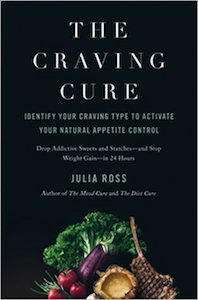
The Craving Cure: Identify Your Craving Type to Activate Your Natural Appetite Control by Julia Ross (Author)

Julia Ross, best-selling author and expert in nutrition and overeating, exposes the real reason so many of us can’t stick to a healthy diet: our favorite foods are engineered to be addictive. At her clinic in California, Julia Ross and her colleagues treat food addiction where it starts – in the brain – by triggering our natural appetite-regulating neurotransmitters with nutrients called amino acids. It turns out that these protein concentrates boost our neurotransmitters, which broadcast sensations of satisfaction that no food, including chocolate, can override. Thousands of Julia Ross’ clients have abolished their cravings for high-calorie confections using this simple nutritional strategy.

With The Craving Cure, Julia Ross grants all of us access to this revolutionary approach. The process begins with a five-part questionnaire that helps you identify your unique craving profile and specifies the amino acid supplements you need to curb your specific cravings. Julia Ross’ clear explanations of why and how to use the aminos empower you to reclaim your natural appetite control, and her anti-craving eating guidelines will permanently strengthen your dietary defenses. A well-researched and clinically-tested rejection of low-calorie, low-saturated fat, and low-protein diets, The Craving Cure reveals how we can effortlessly and permanently eradicate our cravings to lose weight, rediscover our nutritional heritage, and regain optimal mood, energy, and health.

Drop Addictive Sweets and Starches – and Stop Weight Gain – in 24 Hours

Julia is a pioneer in the use of amino acids for cravings and mood and I had the wonderful opportunity of learning from her while working in her clinic for 2 years. It’s thanks to her that I developed my foundational knowledge of amino acids – which I have now expanded on for their powerful effects for anxiety. With this new book, Julia takes a deep dive into using amino acids for the cravings aspect that goes hand-in-hand with anxiety and depression i.e. the emotional eating component.

Get your copy of The Craving Cure on Amazon here (this one just released this week)


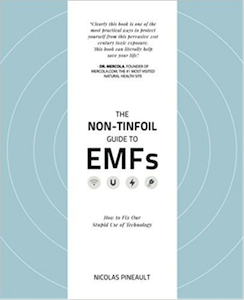
The Non-Tinfoil Guide to EMFs: How to Fix Our Stupid Use of Technology by Nicolas Pineault

Can you really feel years younger & make unexplained symptoms vanish with the click of a button — the “Airplane Mode” on your cell phone?

Investigative Health Journalist Nicolas Pineault used to think this all sounded like something only crazy people wearing tinfoil hats would say.

But the overwhelming amount of independent scientific evidence linking electromagnetic fields (EMFs) from wireless technologies with increased risks of cancer, infertility, insomnia, and depression sure has the uncanny ability to change a man’s mind.

The Non-Tinfoil Guide to EMFs is a simple and unconventional book that will teach you exactly how to reduce your exposure to this brand new 21st-century pollution without going back to the Stone Age.

You will learn:

  • What your smartphone, your wifi router and your microwave oven have in common (page 9)
  • Why policy makers and scientists all worldwide don’t agree about whether EMFs are dangerous or not (page 21)
  • Is Electro-Hypersensitivity as popularized in the TV show “Better Call Saul” real? Or is it all psychological? (page 62)
  • Why carrying a cell phone in your pocket can harm your fertility (201 studies prove it) (page 72)
  • The 1-click fix to reduce cellphone EMFs by 84% (page 142)
  • What is safer? Speakerphone, earbuds or a Bluetooth ear piece? (page 155)
  • The #1 worst source of EMF radiation at home (page 160)
  • Why baby monitors are worse than smartphones, and better alternatives (page 208)

It’s true. The jury is still out about whether cellphone radiation is the new smoking or just a temporary scare. But why take chances?

Instead, read The Non-Tinfoil Guide to EMFs — the technological seat belt you might just need to use your new gadgets safely.

This is the most comprehensive and balanced book I have read on the topic of EMFs. It covers the risks (supported by research) and also offers a myriad of practical solutions. I had the wonderful opportunity to see Nicolas present on this topic earlier this year and he is clearly passionate about getting this message out. I am thrilled he’s now published a book on the subject because I believe EMFs are one of the most under-reported factors when it comes to anxiety and many other chronic health conditions.  

Get your copy of The Non-Tinfoil Guide to EMFs on Amazon here (this is a new book that published in November).


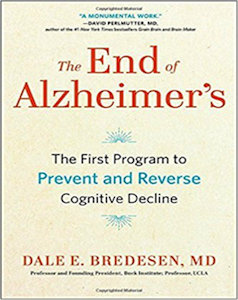
The End of Alzheimer’s – The First Program to Prevent and Reverse Cognitive Decline by Dale Bredesen, MD

A groundbreaking plan to prevent and reverse Alzheimer’s Disease that fundamentally changes how we understand cognitive decline.
 
Everyone knows someone who has survived cancer, but until now no one knows anyone who has survived Alzheimer’s Disease. 
 
In this paradigm shifting book, Dale Bredesen, MD, offers real hope to anyone looking to prevent and even reverse Alzheimer’s Disease and cognitive decline.  Revealing that AD is not one condition, as it is currently treated, but three, The End of Alzheimer’s outlines 36 metabolic factors (micronutrients, hormone levels, sleep) that can trigger “downsizing” in the brain. The protocol shows us how to rebalance these factors using lifestyle modifications like taking B12, eliminating gluten, or improving oral hygiene.
 
The results are impressive. Of the first ten patients on the protocol, nine displayed significant improvement with 3-6 months; since then the protocol has yielded similar results with hundreds more. Now, The End of Alzheimer’s brings new hope to a broad audience of patients, caregivers, physicians, and treatment centers with a fascinating look inside the science and a complete step-by-step plan that fundamentally changes how we treat and even think about AD.

I am familiar with the powerful results of his research and had been waiting in anticipation for the launch of this groundbreaking book.

Here is the Amazon link to the book: The End of Alzheimer’s (this book released in August)


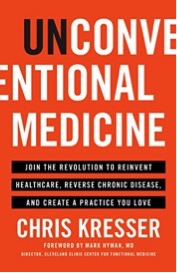
Unconventional Medicine: Join the Revolution to Reinvent Healthcare, Reverse Chronic Disease, and Create a Practice You Love by Chris Kresser

The world is facing the greatest healthcare crisis it has ever seen. Chronic disease is shortening our lifespan, destroying our quality of life, bankrupting governments, and threatening the health of future generations. Sadly, conventional medicine, with its focus on managing symptoms, has failed to address this challenge. The result is burned-out physicians, a sicker population, and a broken healthcare system.

In Unconventional Medicine, Chris Kresser presents a plan to reverse this dangerous trend. He shows how the combination of a genetically aligned diet and lifestyle, functional medicine, and a lean, collaborative practice model can create a system that better serves the needs of both patients and practitioners.

The epidemic of chronic illness can be stopped, if patients and practitioners can adapt.

This is a book that has been written primarily for practitioners but if you are a health enthusiast/health advocate who want to understand functional medicine you will enjoy it too.

I really enjoy the discussion about a collaborative practice model where there is a place for doctors, nutritionists, health coaches, and other allied health practitioners.

The only section in book I don’t agree with is where Chris states that: “Research suggests that depression is not actually caused by low serotonin.” Based on my experience, depression/anxiety is not always caused by low serotonin – it can be one of many causes. I am so vocal about this that I know you would will call me out on it if I don’t mention it!

Get your copy of Unconventional Medicine here on Amazon (newly published last month)


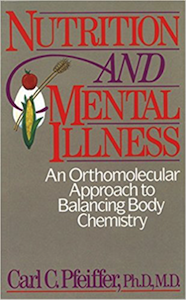
Nutrition and Mental Illness: An Orthomolecular Approach to Balancing Body Chemistry by Carl C. Pfeiffer Ph.D. M.D.

This book is a quick read and is one of my favorite older books on the subject of mental health and biochemical imbalances.

Believing that drugs and psychoanalysis were not always the best course of treatment for a variety of mental illnesses, Dr. Carl Pfeiffer began an extensive program of research into the causes and treatment of mental illness, and in 1973 opened the Brain Bio Center in Princeton, New Jersey. Here, with a team of scientists, he found that many psychological problems can be traced to biochemical imbalances in the body. With these patients, he achieved unprecedented success in treating a wide range of mental problems by adjusting diet and providing specific nutritional supplements for those conditions where deficiences exist. This book documents his approach.

Each year, thousands of people are diagnosed as schizophrenic; many more suffer from depression, anxiety, and phobias.

Dr. Pfeiffer’s methods of treatment presented in Nutrition and Mental Illness are a valuable adjunct to traditional therapies, and can bring hope of real wellness to many of those who suffer.

Get your copy of Nutrition and Mental Illness on Amazon here (this book was published in 1988)


antianxiety food solution

The Antianxiety Food Solution: How the Foods You Eat Can Help You Calm Your Anxious Mind, Improve Your Mood, and End Cravings by Trudy Scott

I’m sharing my book in case you don’t yet have a copy or as a reminder to share it with a loved one or friend if it helped you!

It’s remarkable how much the foods we eat can impact our brain chemistry and emotions. What and when we eat can make the difference between feeling anxious and staying calm and in control. But most of us don’t realize how much our diets influence our moods, thoughts, and feelings until we make a change.

In The Antianxiety Food Solution, you’ll find four unique antianxiety diets designed to help you address nutritional deficiencies that may be at the root of your anxiety and enjoy the many foods that foster increased emotional balance. This helpful guide allows you to choose the best plan for you and incorporates effective anxiety-busting foods and nutrients. You’ll soon be on the path to freeing yourself from anxiety—and enjoying an improved overall mood, better sleep, fewer cravings, and optimal health—the natural way! The book also includes an easy-to-use index.

In The Antianxiety Food Solution, you’ll discover:

  • How to assess your diet for anxiety-causing and anxiety-calming foods and nutrients
  • Foods and nutrients that balance your brain chemistry
  • Which anxiety-triggering foods and drinks you may need to avoid
  • Easy lifestyle changes that reduce anxiety and increase happiness

There are also complete chapters on the amino acids (with questionnaires and protocols for low serotonin/tryptophan, low GABA/GABA, low endorphins/DPA, low blood sugar/glutamine and low catecholamines/tyrosine) and the social anxiety condition called pyroluria (with the questionnaire and protocols for zinc, vitamin B6, GLA and other factors to consider).

Grab your copy of The Antianxiety Food Solution from Amazon here (published in 2011 but still very relevant)

Feel free to share some of the favorite nutritional books you are reading now or are planning to read….

Filed Under: Antianxiety Food Solution, Anxiety, Books, EMFs, Emotional Eating Tagged With: anxiety, cravings, EMFs, functional medicine

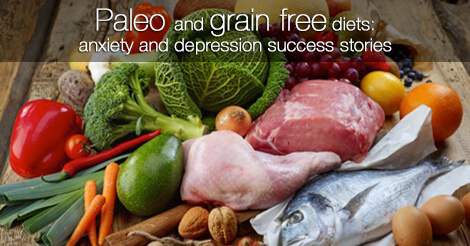
Paleo and grain free diets: anxiety and depression success stories

March 31, 2017 By Trudy Scott 16 Comments

I recently reached out to my community to hear your diet-depression or diet-anxiety success stories in anticipation of the new SMILES diet depression trial, published last month and which I covered in a blog post last week. In that post I promised to share some real-life success stories on how an anti-inflammatory and anti-anxiety diet i.e. nutritional psychiatry people’s lives for the better!

I also shared that everyone who responded with success stories was following a more “evolved” diet than those who participated in the SMILES trial, the first randomized controlled diet depression study where ONE THIRD of the dietary intervention group saw improvements in their depression symptoms by switching from processed/junk food to real food with no specific dietary restrictions!

What do I mean by a more evolved diet? Each of them was eating a real foods or traditional non-processed diet that was gluten-free, mostly or all grain-free and various permutations of the Paleo or cave-main diet.

The anxiety and depression success stories

Alice from Cape Town shared this about banting, a Paleo-type dietary approach that does include dairy products and has been popularized in South Africa by Professor Tim Noakes:

Three days after I stopped eating grains, my chronic depression lifted and has never returned (it’s three years later now). I had been a vegetarian most of my life, discovered in my early 50s that I was gluten intolerant, went off grains, started banting (Cape Town craze!) and have never felt better. Gut, mood, bones, energy, skin … all better!

Andrea shared this about her diet-mood results, also with a grain-free and high fat diet:

I happened upon a fat loss diet that had me cut out grains, most dairy, and sugar while focusing on mostly meat, fish, fats from nature such as butter, olive, and coconut oils. Nuts, seeds, and legumes were allowed too. These rules made it so I had to avoid processed foods. There was one day a week of eating anything.

Within 6 weeks I was shocked that I got much much more than fat loss. My depression, anxiety, mood swings, sleep issues and all but one pesky health symptom was left disappeared. I was stronger, faster, and felt energy I never remember having.

Holly shared how she healed severe depression and anxiety by changing her diet:

Over the course of a year and a half, I was given 10 different psychiatric diagnoses and cycled through 10 different medications. I discovered the healing power of diet completely by accident, and it changed my life. I now live with no diagnoses and no symptoms.

I started with the Whole30 (strict paleo), then went paleo, dabbled with a ketogenic approach, and now I eat a modified paleo diet, with some rice and goat dairy.

Krysti shared how diet reduced her severe mood swings and panic attacks:

I was dx with bipolar at 18 years old. Suffered panic attacks and the random severe mood swings that made absolutely no sense. I was sad for days to weeks only to be followed with unrealistic overly-exuberant highs where I had the energy of a toddler on sugar and the signature grandiose thoughts that I could simultaneously fly and conquer the world and do all the things! For a day. Then the next day felt numb. And resorted back to “cutting” just to feel something. I never cut for attention. In fact not even my closest friends knew I did it. It was for me and I hid it.

…my oldest sister introduced me to Paleo. I was soon dx celiac, cut out grains and have been med and *mostly* mood swing/manic free ever since. No panic attacks. I have never felt more emotionally stable. Even through the death of my youngest sister and big life events, my emotions have been that of a normal person. Explicable. Expected. Level. No extremes.

You can read their entire inspiring diet-depression stories and other ones in the comments on this blog.

Thanks to Alice, Andrea, Holly and Krysti for sharing your wonderful and very hopeful stories! It warms my heart and I know it inspires my community!

And here is my story again:

For me it was anxiety and panic attacks that resolved when I made dietary and other nutritional and lifestyle changes.   I had been eating a vegetarian diet for a few years and I suspect the non-organic/GMO processed soy products (soy milk, soy yogurt, soy “butter” etc) were a big issue for me and damaged my gut.  When I added back quality animal protein (grass-fed red meat, wild fish, pastured eggs and chicken), switched to organic produce, added healthy fats and removed gluten my mood improved dramatically.  Now I eat a combination of a Paleo/SCD /low FODMAPS/low oxalate diet.

During the severe anxiety and panic attacks I also needed additional support in the way of the targeted amino acids GABA (this was a life-saver and stopped the panic attacks in a few days) and tryptophan, plus zinc, vitamin B6, evening primrose oil, a good multi and B complex and adrenal support.  I still continue with some of these basic nutrients today.

My health issues have been complex as I’ve also had to deal with heavy metals, poor gut health and much more so I had what I call “a perfect storm” and yet diet has had such a huge impact for me!

Getting off medications

Lead researcher Professor Felice Jacka was quoted in an ABC article saying this in response to the SMILES trial:

people suffering from depression should not replace therapy and drug treatments with the Mediterranean diet.

Based on my experience working with clients and feedback I receive on the blog, finding the ideal diet and addressing all nutritional deficiencies often allows my clients to work with their doctors on eliminating all their depression and antianxiety medications. Other medications also go by the wayside: pain meds, high blood pressure meds, allergy meds, reflux meds etc.

What is Paleo?

I had the pleasure of hearing Australian Chef Pete Evans at an all-day Sydney event earlier this year, in celebration of the launch of his new book The Complete Gut Health Cookbook, with co-author Dr. Helen Padarin. He is a big time Paleo advocate and this is what he said on stage at the start of his presentation and wonderful day of cooking demos:

Paleo is basically a meat and 3 vegetables – it’s that simple!

To expand on this a bit…this means quality animal proteins like grass-fed red meat, wild fish, pastured eggs and chickens, organic vegetables (typically lower carb) and fruit, soaked nuts (if tolerated), bone broths, fermented vegetables and broths, and health fats like coconut and avocado. Many in the Paleo community say no to dairy and butter but I do find that some of my clients do fine with small amounts and some people do better with fermented dairy like kefir and yogurt or goat/sheep and even camel milk rather than cow’s milk.

I also got to meet both Pete and Helen at the book signing – they are both wonderful and very down-to-earth!

Meeting the famous (and very down-to-earth) Chef Pete Evans at the book signing

Can you imagine my surprise when Pete invited me on to stage to welcome me to Australia and share a bit about my work with diet and anxiety!?

Here is a 5 minute clip of me on stage with Pete and Helen where we talk about:

  • How what we eat has a direct impact on our brains and how we feel
  • How our gut bacteria make some of our brain chemicals like serotonin and GABA when we consume fermented foods [and other foods rich in amino acids and organic produce]
  • The term “psychobiotics” coined by Dr. Ted Dinan ie. good bacteria that improve our mood
  • Kelly Brogan’s wonderful work around depression and diet and medication tapering, and her great book A Mind of Your Own
  • How quickly can diet lead to anxiety and depression symptoms improving and allowing you to get off medications? …biochemical individuality, diet alone, addressing gut health, adding fermented foods, addressing low zinc and other root causes, looking at gene defects
  • Real food, liver, rooibos tea, herbs
  • My story of anxiety and panic attacks and changing from a vegetarian diet to a modified Paleo diet
  • The Anxiety Summit and my book The Antianxiety Food Solution as resources


As you’ve read with these success stories and heard me say on Pete’s stage, many people can do it with diet alone (even if their anxiety is very severe), many need additional nutritional support, and many need the targeted individual amino acids to get immediate relief from their anxiety or depression while they are looking for all their root causes. Many also need the amino acids to break their gluten and sugar addictions. But making the dietary changes are the foundation!

Stay tuned for more about Pete Evans, some of his recipes and gut healing protocols and the unfortunate grilling he’s been getting in the Australian media for advocating a Paleo diet! In the meantime, I will say that all his books come highly recommended!

In case you’re wondering about the research on the Paleo diet, while we don’t have a study that’s looking directly at anxiety and depression, we do have these papers on the overall benefits of a Paleolithic diet:

  • January 2017: Benefits of a Paleolithic diet with and without supervised exercise on fat mass, insulin sensitivity, and glycemic control: a randomized controlled trial in individuals with type 2 diabetes
  • June 2016: Paleolithic and Mediterranean Diet Pattern Scores Are Inversely Associated with Biomarkers of Inflammation and Oxidative Balance in Adults
  • January 2016: Cutting through the Paleo hype: The evidence for the Palaeolithic diet

And in this paper co-authored by Professor Felice Jacka – Nutritional psychiatry research: an emerging discipline and its intersection with global urbanization, environmental challenges and the evolutionary mismatch, they mention

a potential evolutionary mismatch between our ancestral past (Paleolithic, Neolithic) and the contemporary nutritional environment.

We do, of course, have many studies supporting a diet-mood connection:

  • Anxiety and Hypoglycemia Symptoms Improve with Diet Modification
  • Western diet is associated with a smaller left hippocampus and anxiety
  • Integrative Medicine Approach to Pediatric Obsessive-Compulsive Disorder and Anxiety
  • Reduced anxiety in forensic inpatients – long-term intervention with Atlantic salmon

And Professor Felice Jacka shared this during our interview on The Anxiety Summit: The Research – Food to prevent and treat anxiety and depression?

One of the hypotheses that I had during the Ph.D. was that increased intake of animal foods would be toxic and would be associated with more mental disorders.

This did not turn out to be the case: In our study, out of every single dietary food grouping that I looked at including vegetables, fruits, salads, beans, etc the strongest correlate of mental health was red meat intake [grass-fed red meat of course.]

Consistently, women who have less than the recommended intake of red meat seem to be in an increased risk for common mental disorders [like anxiety and depression] and bipolar disorder.

She was referring to the results of her Ph.D. paper that was published in the American Journal of Psychiatry in 2010: “Association of Western and Traditional Diets with Depression and Anxiety in Women.”

Have you changed your diet to a Paleo way of eating and observed a reduction or elimination of anxiety or depression? Was a dietary change enough or did you need to address brain chemical imbalances and other nutritional deficiencies too?

If you’re a practitioner, have you seen results like this with your clients or patients?

Filed Under: Antianxiety, Antianxiety Food Solution, Paleo Tagged With: anxiety, depression, felice jacka, grain-free, grains, paleo, Pete Evans, red meat, vegetables

Tryptophan 500mg or Tryptophan Complete (by Lidtke)?

February 19, 2016 By Trudy Scott 143 Comments

tryptogold-lidke
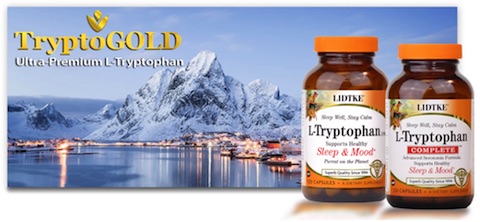
Lidtke Tryptophan 500mg and Lidtke Tryptophan Complete (credit: Lidtke)

If you’ve been following me and have read my book The Antianxiety Food Solution and heard me speak at conferences and on summits, you know I have been an avid fan of the Lidtke tryptophan 500mg for years and years because of the quality and because it works SO well for my anxious clients. The Lidtke brand is the ONLY tryptophan I recommend (and I’m not paid to say this) for boosting serotonin levels. You can find it and the other amino acids I use on the supplements blog.

This week I had a great conversation with Ron Sturtz, Owner and product formulator of the products at Lidtke Technologies. We discussed tryptophan in general and concerns about it not going down the serotonin pathway and instead converting to quinolinic acid.

We talked extensively about the Lidtke Tryptophan Complete and why they include vitamin C, niacinaminde, P5P (the active form of vitamin B6), curcumin, lysine, magnesium glycinate, magnesium taurinate and folate (from lemon peel) in the product. As a result of that discussion I now want to learn more about the Lidtke Tryptophan Complete product for you and for my clients.

I’ll be sharing more information with links to the research as to why these ingredients are important in the serotonin pathway but here is the short version: with these ingredients and co-factors less tryptophan is reportedly needed and there is less chance of it going down the wrong pathway to produce neurotoxic quinolinic acid instead of going down the pathway to make serotonin. We obviously want the latter to happen.

I’ve also decided I want to interview Ron on the next Anxiety Summit. The biochemistry is too important not to share. Hearing him say “we are fanatical about safety!” makes me even more of a fan of this company and their products!

Anyway, according to Ron, you should need less of the Lidtke Tryptophan Complete. He shared that 500mg Lidtke Tryptophan is approximately equivalent to 350mg Lidtke Tryptophan Complete, since it has all the co-factors.

I asked for feedback in some Facebook groups I host and got this:

I’ve used the Tryptophan Complete product and actually like it a lot better than the 500mg version. The Tryptophan Complete gave a much deeper state of relaxation and a way more solid sleep than the 500 mg version. I thought I would try the latter [the 500mg] and although it is good, once it is done, I’m going to go back to the Lidke Tryptophan Complete. For me, it seems that the addition of the other ingredients really worked well for my body chemistry, leaving me feeling grounded, focused and well rested. 🙂

With the Tryptophan Complete she needed just 1 tablet (350mg) an hour before bed and with the Tryptophan 500 mg, she took 2 tabs (1000mg) an hour before bed.

My concerns right now would be individual reactions to any or all the other ingredients, since we all have very individualized needs. Someone did share this on one of my Facebook posts:

Can’t do the p5p! Makes me agitated.

I’m not yet sure what my final recommendations will be but these are my initial thoughts (which may be revised in the future):

  • I like to have my clients do a trial of the amino acids so they can find the ideal dose for their needs and right now I still feel this would still be the best approach to take – using 500mg tryptophan. Once you have figured out you do well with tryptophan-only product and have your dose, then consider reducing it slightly after about 2-3 weeks and adding in additional Tryptophan Complete.
  • The other option is this: if you don’t get the expected results with Tryptophan 500mg, then try the Tryptophan Complete. You may need the other ingredients for it to work well for you.
  • Don’t use the Tryptophan Complete if you know you react to any of the other ingredients
  • If you do better with higher doses of tryptophan don’t use more than the recommended 3x Tryptophan Complete because you’ll end up with too much of the other ingredients. Rather make up the difference with extra capsules of the 500mg Tryptophan

So for now, since I’m in learning mode/discovery mode I’d love your feedback.

I’d love to hear if you’ve used the Lidtke Tryptophan Complete product (personally or with clients/patients)? And what you’ve observed? Better or worse?

Have you also tried the Lidtke 500mg tryptophan in the past and noticed any difference when using the Lidtke Tryptophan Complete?

And how much of each did you find you needed?

So is it Tryptophan 500mg or Tryptophan Complete or a combination for you?

Filed Under: Amino Acids, Antianxiety Food Solution, Anxiety and panic, Tryptophan Tagged With: amazing amino acids, amino acids, anxiety, lidke, supplements, the antianxiety food solution, tryptophan, tryptophan complete

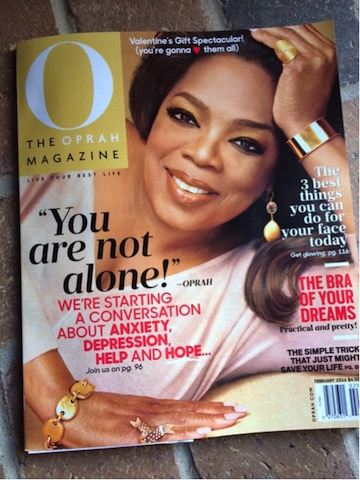
Oprah on anxiety and depression: You are not alone, there is hope and help

February 5, 2016 By Trudy Scott 9 Comments

oprah-mag-cover
You are not alone! We’re starting a conversation about anxiety, depression, help and hope… ~ Oprah

I’m SO pleased to see this on the cover the February issue of O Magazine. Helping women with anxiety is my mission because I personally experienced the most awful anxiety and panic attacks in my late 30s and found complete resolution with food and nutrients!

Oprah shares how she has recently come face-to face with mental illness and recognizes that there is shame, that more help is needed and that we need to start talking about it. I commend her for these wise and compassionate words.

And I agree with so much of this: there is no shame, we are not alone and we need to be talking about it and offering help and hope. There is a solution for each one of us (it’s just a matter of finding the right one) and each of us deserves to feel on top of the world again!

I’m hoping to see some coverage of the growing field of nutritional psychiatry in one of the next two issues of O Magazine.

The fact that something like the removal of gluten could eliminate anxiety has not yet reached the mainstream and stories like the ones below would go a long way towards making that happen.

Lauren was feeling overwhelmed with life, she had some stressors that triggered heightened feelings of anxiety and fear. Her daily meditations were not enough to curb the anxiety and the supplements she trialed (inositol, Kava Kava and others) didn’t help either. But she did find a solution that worked for her and shares this in her blog: Tried & True: Gluten-Free Anxiety Fix

At the start of the new year, I found my saving grace. I had discovered an article written by Dr. Kelly Brogan, a Holistic Psychiatrist, in which she discusses the detrimental effects of gluten and the positive use of probiotics in treating neurological disorders.  A light bulb went off in my brain. I’ve always considered myself a health-conscious eater, but I’d never paid much attention to the gluten-free trend. I figured since I don’t have celiac disease there was no way gluten could be negatively affecting me. Right?  Wrong! There’s plenty of research linking gluten sensitivity to anxiety and depression and numerous testimonials of people who have cured their anxiety and depression by giving up gluten.

It was around this same time that I’d purchased a book called The Antianxiety Food Solution by Trudy Scott who also highly suggests eliminating gluten. The more I delved into the relationship between gluten and anxiety, the less I could convince myself that gluten-sensitivity wasn’t a possible issue for me.

On January 1st, Lauren cut all gluten from her diet. She shares:

It felt like a last ditch effort and I had little hope that it would actually work. Much to my surprise, I started to feel drastically better within a few days of going gluten-free.  I would go hours without feeling anxious (a rare feat in the previous month). I was able to enjoy life again! And since I couldn’t eat bread or other gluten-filled foods, I found myself eating a lot more vegetables and protein.  It was exactly what my body needed, a healthy, whole foods diet. Within 2 weeks, I was feeling 75% better. Not only did my mind feel better, but my whole body felt better.

Lauren went gluten-free and went from feeling anxious, fearful, defeated, baffled and out of control to feeling better than ever (90% better) in just 24 days.

For some people it’s the removal of gluten that makes the difference, for other it’s addressing biochemical imbalances and other nutritional deficiencies. With Jan it was a matter of addressing low GABA levels with the amino acid GABA and using zinc, vitamin B6 and evening primrose oil for her pyroluria symptoms. She recently shared her lovely results in the comments of this blog post – GABA, the calming amino acid: products and results:

After reading your book The Antianxiety Food Solution and taking one of your workshops I have had a great deal of improvement in my life. I did something I thought I would never be able to do again (not solo yet), but I drove further than I have in over 5 years, which gives me a lot of hope of regaining my independence. I’m a small step taker, but it’s working! I’ve had no panic attacks and so many improvements since I started taking the aminos and using the Pyroluria protocol. I take the GABA before I’m in any of the situations (like driving) that might trigger anxiety and its working! I couldn’t be happier!!!! Thank you, thank you, thank you!!!!… I’m getting my life back!

It warms my heart to hear powerful results like this and I appreciate both Lauren and Jan sharing and inspiring others with their hopeful stories.

Be sure to read Lauren’s whole blog post and the GABA blog (to see plenty of feedback from others who have also benefited from GABA).

Now we just need to get to get this information into the mainstream. Hopefully with Oprah starting the conversation and including stories like this, we can make this happen.

There certainly is help and much hope if you have anxiety, depression and other mental health disorders.

Do you have a story of hope to share? Please let us know in the comments.

Filed Under: Antianxiety Food Solution Tagged With: oprah, oprah magazine

My Anxiety Gift ideas for you!

December 15, 2015 By Trudy Scott Leave a Comment

giftboxes-pastel

I’ve got some great gift ideas for you for the anxious person in your life, and for you too because you deserve a gift (or two) too!  

A national tradition of Iceland is called Jolabokaflod or the “Christmas Book Flood”. It involves giving books as presents on the night of the 24th and people spend the night reading. I love books and just love this so I’m starting with some book ideas for you:

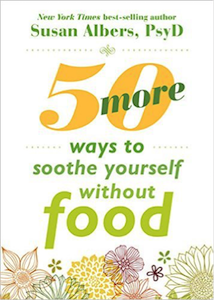
(1) A wonderful new book by my friend and colleague Susan Albers, PsyD: 50 More Ways to Soothe Yourself Without Food: Mindfulness Strategies to Cope with Stress and End Emotional Eating. It is wonderful and includes many techniques that are new to me – like Skull-Shining Breath, Madras, Power-posing, Mala Bead Meditation (and more) and so many of my favorites like smiling, forest bathing, yoga, and thalassotherapy (the therapeutic use of seawater). There are 50 of them! I love it!

50-ways-to-soothe-food

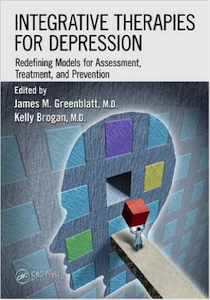
(2) An excellent new book edited by Dr. Kelly Brogan MD, Holistic Psychiatrist and Dr. James Greenblatt MD: Integrative Therapies for Depression: Redefining Models for Assessment, Treatment and Prevention. There are contributions from some of my other favorite integrative/holistic practitioners: Dr. Kat Toups MD, Julia Rucklidge PhD, Dr. William Shaw (Exposure to Toxic Chemicals as a Cause of Depression), Dr. Sara Gottfried MD (The Hypothalamic-Pituitary-Adrenal Axis in Mood Disorders), and Dr. Peter Bongiorno ND (Stress, Fear, Trauma, and Distress: Underlying Factors in Depression). I have not yet read it but based on the table of contents I can’t wait and I’ve placed my preorder. Great for you as a practitioner or as a gift for your favorite practitioner!   [you can also get it here – use promo code AMQ21 and SAVE 25% plus FREE Shipping Worldwide]

integrative-therapies-depression

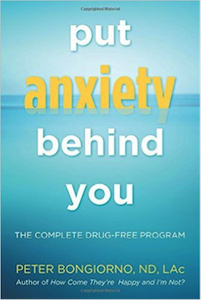
(3) A new book by Anxiety Summit speaker Dr. Peter Bongiorno ND: Put Anxiety Behind You – The Complete Drug-Free Program. I have a copy and it’s excellent! This blurb sums it up so well: “he offers his holistic approach to healing anxiety and avoiding relapse, with a toolkit that includes foods and plant-based medicines, plus anxiety-reducing yoga poses, massage techniques, and acupressure points you can try on your own for lasting relief.” He also “tackles how to safely wean from anti-anxiety medication.”

anxiety-behind

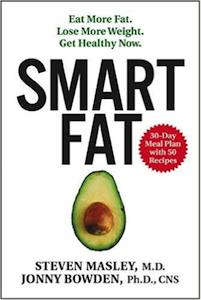
(4) Here is a new book that will be released in early January – Smart Fat: Eat More Fat. Lose More Weight. Get Healthy Now by Dr. Steven Masley MD and Jonny Bowden PhD. Here is some information from the summary blurb: “The innovative guide that reveals how eating more fat – the smart kind – is the key to health, longevity, and permanent weight loss” and they explain “the amazing properties of healthy fat, including its ability to balance hormones for increased energy and appetite control, and its incredible anti-inflammatory benefits” all of which is key for a good mood and reducing anxiety.

smart-fat

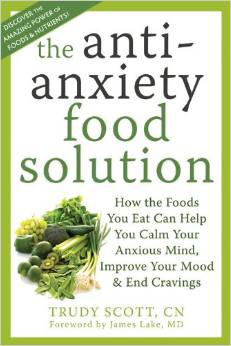
(5) And of course my book: The Antianxiety Food Solution – How the Foods You Eat Can Help You Calm Your Anxious Mind, Improve Your Mood, and End Cravings. It’s remarkable how much the foods we eat can impact our brain chemistry and emotions. What and when we eat can make the difference between feeling anxious and staying calm and in control. But most of us don’t realize how much our diets influence our moods, thoughts, and feelings until we make a change. It also contains whole chapters on brain chemicals and pyroluria, with detailed protocols.

trudy scott the antianxiety food solution

(6) If you’re looking for a digital gift, the Anxiety Summit season 1, season 2 and season 3 is on sale for the holidays. Learn about nutritional and biochemical causes of anxiety: gut health and the microbiome, hormone imbalance, methylation issues, low neurotransmitter levels (amino acids are amazing for this), pyroluria (causing social anxiety), oxalates/gluten (special diets), pyschoneuroendocrinology, heavy metals, poor liver health, adrenal issues like high cortisol, mold, candida, parasites and much more. Note: We extended the holiday 54% off prices until Wednesday December 16th at 12 midnight eastern time.

Check out your purchase options here: https://www.theanxietysummit.com/holiday2015/

(7) For the gadget-loving person check out the new Nima sensor, a portable device that tests liquid and solid foods for the presence of gluten in about two minutes. It’s an “easy, fast, chemistry test for your food that can be done at the table, discreetly.” They’re taking pre-orders for the Nima sensor and should start shipping sometime in Spring of 2016.

nima-sensor

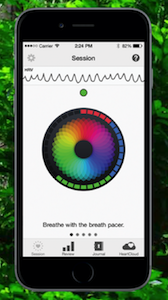
(8) This is one of my favorite tech tools for stress reduction: HeartMath. It’s cool meditation tool that “scientifically monitors your emotional and physical health – and helps you improve it.” There is the Inner Balance™ for iPhone & iPad (pictured below) or emWave2® in hand or at your computer (perfect for the busy person who is on the computer a lot). Heartmath is offering 25% off products through December 31, 2015.

(credit: Heartmath)
(credit: Heartmath)

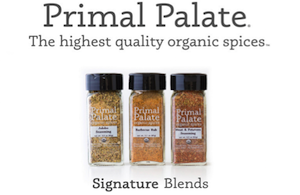
(9) If you’re looking for a yummy edible gift, here are the highest quality organic spices from Primal Palate. This says it all: “These are the highest quality spices available. Period. Our spices are certified USDA-Organic, Whole30 Approved, Certified Gluten-Free, Kosher, Non-GMO, and Non-Irradiated. In other words, they are un-messed-around-with, and just as nature intended!” Beautiful! This one is our favorites – Meat & Potatoes Seasoning, their “signature blend for seasoning home fries and meatballs. It adds wonderful flavor to just about anything. Unsure how to season a certain dish? Try this!” Check out the ingredients: Pink Himalayan Salt, Paprika, Onion, Garlic, Black Pepper, Oregano.  

primal-palateprimal-palate2

(10) How about a gift card from a non-profit? KIVA is a wonderful non-profit that offers microfinancing that “helps to empower women, thus promoting gender-equity and improving household well-being.” My passion is educating women about how important real whole food is, so I choose to lend money to women who have businesses related to food and farming. You can read more about KIVA here and some of the women I have chosen to support here and get information about gift KIVA cards here.

(credit: Kiva)
(credit: Kiva)

(11) And finally how about fostering a baby elephant? I’m a born and bred African (born in Zimbabwe and grew up in South Africa) so I can’t resist adding this one: Foster an Orphan Elephant as a Christmas Gift – from the David Sheldrick Wildlife Trust. As they say on the site it’s a “truly unique and novel gift that can be enjoyed throughout the year.” And contributes to the future of these magnificent creatures!

(credit: David Sheldrick Wildlife Trust)

I hope this has given you some ideas for gift-giving this holiday season! Happy shopping!

Filed Under: Antianxiety Food Solution, Giving, Giving back Tagged With: anxiety, Heartmath, Kelly Brogan, NIMA, Peter Bongiorno, the antianxiety food solution, Trudy Scott

  • Page 1
  • Page 2
  • Page 3
  • Interim pages omitted …
  • Page 17
  • Go to Next Page »

Primary Sidebar

GABA QuickStart Homestudy

gaba quickstart homestudy

Free Report

9 Great Questions Women Ask about Food, Mood and their Health

You'll also receive a complimentary subscription to my ezine "Food, Mood and Gal Stuff"


Connect with me

Popular Posts

  • Amino Acids Mood Questionnaire from The Antianxiety Food Solution
  • The Antianxiety Food Solution Amino Acid and Pyroluria Supplements
  • Pyroluria Questionnaire from The Antianxiety Food Solution
  • Collagen and gelatin lower serotonin: does this increase your anxiety and depression?
  • Tryptophan for the worry-in-your-head and ruminating type of anxiety
  • GABA for the physical-tension and stiff-and-tense-muscles type of anxiety
  • The Antianxiety Food Solution by Trudy Scott
  • Seriphos Original Formula is back: the best product for anxiety and insomnia caused by high cortisol
  • Am I an anxious introvert because of low zinc and vitamin B6? My response to Huffington Post blog
  • Vagus nerve rehab with GABA, breathing, humming, gargling and key nutrients

Recent Posts

  • Her cravings for chips and peanut butter were triggered by stress: GABA ends cravings and reduces physical tension and fear of heights
  • It is truly miraculous to be able to move through life without crippling anxiety and panic
  • GABA and tryptophan combo provide immediate and noticeable relief for tremors and cervical dystonia in just 7 days
  • Red light therapy for back and neck pain, plantar fasciitis and low mood – a complement to the amino acids GABA, DPA and tryptophan
  • What do I use instead of Seriphos to help lower high cortisol that is affecting my sleep and making me anxious at night?

Categories

  • 5-HTP
  • AB575
  • Addiction
  • ADHD
  • Adrenals
  • Alcohol
  • Allergies
  • Alzheimer's disease
  • Amino Acids
  • Anger
  • Antianxiety
  • Antianxiety Food Solution
  • Antidepressants
  • Anxiety
  • Anxiety and panic
  • Autism
  • Autoimmunity
  • benzodiazapines
  • Bipolar disorder
  • Books
  • Caffeine
  • Cancer
  • Candida
  • Children/Teens
  • Collagen
  • Cooking equipment
  • Coronavirus/COVID-19
  • Cravings
  • Depression
  • Detoxification
  • Diabetes
  • Diet
  • DPA/DLPA
  • Drugs
  • EFT/Tapping
  • EMF
  • EMFs
  • Emotional Eating
  • Endorphins
  • Environment
  • Essential oils
  • Events
  • Exercise
  • Fear
  • Fear of public speaking
  • Fertility and Pregnancy
  • Fish
  • Food
  • Food and mood
  • Functional neurology
  • GABA
  • Gene polymorphisms
  • General Health
  • Giving
  • Giving back
  • Glutamine
  • Gluten
  • GMOs
  • Gratitude
  • Gut health
  • Heart health/hypertension
  • Histamine
  • Hormone
  • Hyperparathyroidism
  • Hypoglycemia
  • Immune system
  • Inflammation
  • Insomnia
  • Inspiration
  • Introversion
  • Joy and happiness
  • Ketogenic diet
  • Lithium orotate
  • Looking awesome
  • Lyme disease and co-infections
  • MCAS/histamine
  • Medication
  • Men's health
  • Mental health
  • Mercury
  • Migraine
  • Mold
  • Movie
  • MTHFR
  • Multiple sclerosis
  • Music
  • NANP
  • Nature
  • Nutritional Psychiatry
  • OCD
  • Osteoporosis
  • Oxalates
  • Oxytocin
  • Pain
  • Paleo
  • Parasites
  • Parkinson’s disease
  • PCOS
  • People
  • PMS
  • Postpartum
  • PTSD/Trauma
  • Pyroluria
  • Questionnaires
  • Real whole food
  • Recipes
  • Research
  • Schizophrenia
  • serotonin
  • SIBO
  • Sleep
  • Special diets
  • Sports nutrition
  • Stress
  • Sugar addiction
  • Sugar and mood
  • Supplements
  • Teens
  • Testimonials
  • Testing
  • The Anxiety Summit
  • The Anxiety Summit 2
  • The Anxiety Summit 3
  • The Anxiety Summit 4
  • The Anxiety Summit 5
  • The Anxiety Summit 6
  • Thyroid
  • Thyroid health
  • Toxins
  • Tryptophan
  • Tyrosine
  • Uncategorized
  • Vegan/vegetarian
  • Women's health
  • Yoga

Archives

  • May 2026
  • April 2026
  • October 2025
  • September 2025
  • August 2025
  • July 2025
  • June 2025
  • May 2025
  • April 2025
  • March 2025
  • February 2025
  • January 2025
  • November 2024
  • October 2024
  • September 2024
  • August 2024
  • July 2024
  • June 2024
  • May 2024
  • April 2024
  • March 2024
  • February 2024
  • January 2024
  • December 2023
  • November 2023
  • October 2023
  • September 2023
  • August 2023
  • July 2023
  • June 2023
  • May 2023
  • April 2023
  • March 2023
  • February 2023
  • January 2023
  • December 2022
  • November 2022
  • October 2022
  • September 2022
  • August 2022
  • July 2022
  • June 2022
  • May 2022
  • April 2022
  • March 2022
  • February 2022
  • January 2022
  • December 2021
  • November 2021
  • October 2021
  • September 2021
  • August 2021
  • July 2021
  • June 2021
  • May 2021
  • April 2021
  • March 2021
  • February 2021
  • January 2021
  • December 2020
  • November 2020
  • October 2020
  • September 2020
  • August 2020
  • July 2020
  • June 2020
  • May 2020
  • April 2020
  • March 2020
  • February 2020
  • January 2020
  • December 2019
  • November 2019
  • October 2019
  • September 2019
  • August 2019
  • July 2019
  • June 2019
  • May 2019
  • April 2019
  • March 2019
  • February 2019
  • January 2019
  • December 2018
  • November 2018
  • October 2018
  • September 2018
  • August 2018
  • July 2018
  • June 2018
  • May 2018
  • April 2018
  • March 2018
  • February 2018
  • January 2018
  • December 2017
  • November 2017
  • October 2017
  • September 2017
  • August 2017
  • July 2017
  • June 2017
  • May 2017
  • April 2017
  • March 2017
  • February 2017
  • January 2017
  • December 2016
  • November 2016
  • October 2016
  • September 2016
  • August 2016
  • July 2016
  • June 2016
  • May 2016
  • April 2016
  • March 2016
  • February 2016
  • January 2016
  • December 2015
  • November 2015
  • October 2015
  • September 2015
  • August 2015
  • July 2015
  • June 2015
  • May 2015
  • April 2015
  • March 2015
  • February 2015
  • January 2015
  • December 2014
  • November 2014
  • October 2014
  • September 2014
  • August 2014
  • July 2014
  • June 2014
  • May 2014
  • April 2014
  • March 2014
  • February 2014
  • January 2014
  • December 2013
  • November 2013
  • October 2013
  • September 2013
  • August 2013
  • July 2013
  • June 2013
  • May 2013
  • April 2013
  • March 2013
  • February 2013
  • January 2013
  • December 2012
  • November 2012
  • October 2012
  • August 2012
  • July 2012
  • June 2012
  • May 2012
  • April 2012
  • March 2012
  • February 2012
  • January 2012
  • December 2011
  • November 2011
  • October 2011
  • September 2011
  • August 2011
  • July 2011
  • June 2011
  • May 2011
  • April 2011
  • March 2011
  • February 2011
  • January 2011
  • December 2010
  • October 2010
  • September 2010
  • July 2010
  • May 2010
  • April 2010
  • March 2010
  • February 2010
  • January 2010
  • November 2009

Share the knowledge!

The above statements have not been evaluated by the Food and Drug Administration. Products listed in this website are not intended to diagnose, treat, cure or prevent any disease.

The information provided on this site is for informational and educational purposes only and is not intended as a substitute for advice from your physician or other health care professional. You should consult with a healthcare professional before starting or modifying any diet, exercise, or supplementation program, before taking or stopping any medication, or if you have or suspect you may have a health problem.


Copyright © 2026 Trudy Scott. All Rights Reserved. | Privacy | Terms and Conditions | Refund Policy | Medical Disclaimer

Free Report

9 Great Questions Women Ask about Food, Mood and their Health

You’ll also receive a complimentary subscription to my ezine “Food, Mood and Gal Stuff”