• Skip to primary navigation
  • Skip to main content
  • Skip to primary sidebar

everywomanover29 blog

Food, Mood and Women's Health – Be your healthiest, look and feel great!

  • Blog
  • About
  • Services
  • Store
  • Resources
  • Testimonials
  • The Book
  • Newsletter
  • Contact
  • Search this site

Lyme disease and co-infections

The importance of addressing pyroluria with chronic Lyme disease (and co-infections), MCAS (Mast Cell Activation Syndrome) and other chronic illnesses

August 5, 2022 By Trudy Scott 27 Comments

addressing pyroluria

Pyroluria is a social anxiety condition that responds well to zinc, vitamin B6, evening primrose oil and a few other key nutrients, typically resulting in resolution of social anxiety symptoms within a few weeks with the correct combination and dosing. However there is much more to pyroluria than meets the eye. Addressing this biochemical imbalance is crucial for recovery from chronic Lyme disease (and co-infections), MCAS (Mast Cell Activation Syndrome) and other chronic illnesses caused by heavy metal toxicity, mold toxicity, multiple chemical sensitivities and Ehlers Danlos syndrome (amongst others).

Dr. Neil Nathan, MD, author of Toxic: Heal Your Body from Mold Toxicity, Lyme Disease, Multiple Chemical Sensitivities, and Chronic Environmental Illness (2018), shares this about pyroluria and chronic illness:

This biochemical imbalance is surprisingly common in chronically ill patients, and missing this diagnosis (by neglecting to test for and treat it) also denies us the opportunity to provide a simple, benign treatment that can help quiet down patients’ already overstimulated nervous systems.

(Here is my Amazon link to his book, which is excellent)

For over 15 years Dr. Dietrich Klinghardt has been saying you won’t see success with Lyme disease without also addressing pyroluria. He has seen a correlation with all his patients with chronic illness and pyroluria.

Let me quote from an article by Scott Forsgren, FDN-P and Dr. Dietrich Klinghardt, MD PhD: Kryptopyrroluria (aka Hemopyrrollactamuria): A Major Piece of the Puzzle in Overcoming Chronic Lyme Disease (a Townsend letter article published in 2017):

Based on testing with a lab in Holland, Klinghardt has found the incidence of KPU [Kryptopyrroluria or pyroluria] in Lyme disease to be 80% or higher; incidence of KPU over 75% in patients with heavy metal toxicity (lead, mercury, aluminum, cadmium, and others) and in children with autism over 80%.

These are very significant percentages of the patient population with chronic illness that may benefit from a treatment program that addresses KPU.

They also state what has long been known when it comes to pyroluria: symptoms are made worse by stress and “chronic infections, such as Lyme disease, may themselves serve as a trigger for the condition (of pyroluria).”

When it comes to MCAS, an updated version of this same article states that:

Klinghardt has worked with biochemists in Germany that are beginning to link KPU with mastocytosis or mast cell activation syndrome (MCAS).

They have observed that KPU treatment repairs the heme molecule, which notably stabilizes the mast cells and lowers the response to these relative rises in histamine.

I use the term pyroluria in this article, throughout my blog and in my book. It was coined by Carl Pfeiffer, MD PhD in the 1970s (after its discovery by Abram Hoffer in 1958). You’ll see these other terms used in various articles and in some of the older research: kryptopyrroluria (KPU), hemopyrrollactamuria (HPU), pyrrole disorder, mauve factor and sometimes malvaria.

As I shared in my interview with Dr. Kelly MCann on the summit, The Many Manifestations of Mast Cell Activation, it would be wonderful to get the terminology standardized and to get some case studies published. This would allow it to gain more acceptance in the mainstream and in functional medicine.

These papers, Discerning the Mauve Factor, Part 1 and 2, highlight some of the mechanisms as to why addressing pyroluria is so important:

  • “Treatment with nutrients – particularly vitamin B6 and zinc – reduces urinary excretion of HPL and improves diverse neurobehavioral symptoms in subjects with elevated urinary HPL.
  • Heightened HPL excretion classically associates with emotional stress, which in turn is known to associate with oxidative stress.
  • HPL correlated inversely with plasma glutathione
  • HPL is a promising biomarker for oxidative stress. HPL is known to cause non-erythroid heme depression, which lowers zinc, increases nitric oxide, and increases oxidative stress.”

The Forsgren/Klinghardt article above, covers additional mechanisms. With regards to MCAS specifically, the pyroluria supplements – zinc, vitamin B and evening primrose oil – all play a role in reducing histamine, providing immune support and reducing inflammation. And they provide nutritional support for the anxiety and mental health aspects of the condition – directly for pyroluria and indirectly via neurotransmitter support (since they are necessary cofactors for making serotonin and GABA).

Here is some of the research I gathered on some of the ways zinc, vitamin B6 and evening primrose oil (EPO) may help when it comes to MCAS:

  • This paper, Role of Zinc Signaling in the Regulation of Mast Cell-, Basophil-, and T Cell-Mediated Allergic Responses, states that “zinc signaling dysregulation is a leading health problem in inflammatory disease and allergy…. These findings may lead to future therapeutic applications for suppressing inflammatory or allergic responses.”
  • In this paper, Effect of pyridoxine on histamine liberation and degranulation of rat mast cells, the authors share that vitamin B6 “significantly inhibited rat mast cell degranulation and histamine release induced by egg albumin allergen.” This paper also discusses the lack of toxicity of vitamin B6 and “the possibility that other mechanisms of action may be involved, such as the improvement in tryptophan metabolism.”
  • This paper, Alterations of mast cell mediator production and release by gamma-linolenic and docosahexaenoic acid/DHA, was looking at mastocytoma (a type of mastocytosis) using a cell line as a model for canine atopic dermatitis (cells were incubated with the wasp venom peptide.) They found that “GLA decreased histamine release …and DHA diminished prostaglandin production.” Evening primrose oil is a source of GLA and fish oil is a source of DHA.

If you’re new to MCAS, Dr. Jill Carnahan has an excellent overview here: Mast Cell Activation Syndrome: Here’s What You Need to Know When Histamine Goes Haywire and I’ve blogged about PharmaGABA often being an issue and making anxiety worse when you have MCAS or histamine issues.

The ramifications of this biochemical imbalance are far-reaching

Here is the pyroluria questionnaire / symptoms list (from my book, The Antianxiety Food Solution). It has been updated with recently with additional conditions. You can read about pyroluria prevalence and associated conditions here.

Here are some of my pyroluria blog posts you may find useful (click each of the linked articles to read further). As you will see the ramifications of this biochemical imbalance are far-reaching:

  • Alice in Wonderland Syndrome – is there a pyroluria connection?
  • I was called a vulture for preying on sensitive people in a social anxiety group – because I mentioned pyroluria and a nutritional solution
  • Intrusive thoughts are a thing with anxiety: low GABA, low serotonin, pyroluria (low zinc & vitamin B6) and hormone imbalances as possible causes
  • Increased sociability improves vagus nerve function: the role of social anxiety, pyroluria and low zinc
  • Joint hypermobility / Ehlers-Danlos Syndrome and pyroluria?

Feel free to use the search feature on the blog to find additional information about pyroluria. I have written about it extensively. I have it myself and it’s really common – I see it in about 80% of my community – so I am pretty passionate about the topic.

Resources if you are new to pyroluria

If you are new to pyroluria, there is an entire chapter on the topic in my book, The Antianxiety Food Solution – How the Foods You Eat Can Help You Calm Your Anxious Mind, Improve Your Mood, and End Cravings. I highly recommend getting it and reading it before jumping in and using the pyroluria supplements on your own. And be sure to share it with the practitioner/health team you or your loved one is working with. We need the wider practitioner community to be aware of this condition and the importance of addressing it.

I use individual amino acids such as GABA and tryptophan with all my anxious clients and we always layer in the pyroluria protocol. There is also an entire chapter on the amino acids and they are discussed throughout the book in the sections on gut health, gluten, blood sugar control, sugar cravings, self-medicating with alcohol and more.

The book doesn’t include product names (per the publisher’s request) so this blog, The Antianxiety Food Solution Amino Acid and Pyroluria Supplements, lists the amino acids and pyroluria supplements that I use with my individual clients and those in my group programs.

If you are a practitioner, join us in The Balancing Neurotransmitters: the Fundamentals program. This is a paid online/virtual program with an opportunity to interact with me and other practitioners who are also using the amino acids and pyroluria protocol with success with their clients/patients.

Have you used the pyroluria protocol as part of your recovery from chronic Lyme disease or MCAS (or another chronic illness)?

Did you learn about this from your practitioner or elsewhere? (please share where)

If you’re a practitioner, is the pyroluria protocol part of your  plan for clients and patients? And has it been a game-changer for them?

If you have questions please share them here too.
Filed Under: Lyme disease and co-infections, MCAS/histamine, Pyroluria Tagged With: Alice in Wonderland Syndrome, Balancing Neurotransmitters: the Fundamentals program for practitioners, chronic illnesses, chronic Lyme disease, Dr. Dietrich Klinghardt Kryptopyrroluria, Ehlers-Danlos Syndrome, evening primrose oil, heavy metal toxicity, Hemopyrrollactamuria, intrusive thoughts, KPU, lyme, mast cell activation syndrome, MCAS, mold toxicity, multiple chemical sensitivities, pyroluria, social anxiety, vagus, vitamin B6, zinc

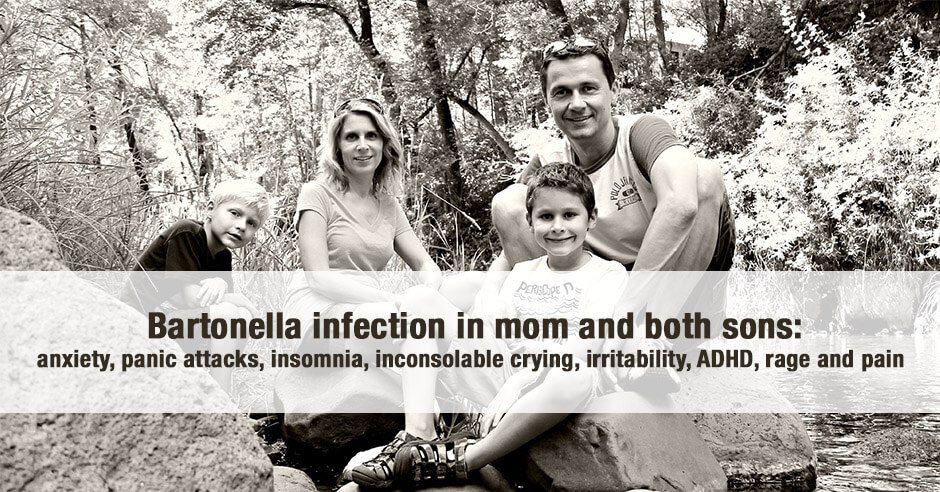
Bartonella infection in mom and both sons: anxiety, panic attacks, insomnia, inconsolable crying, irritability, ADHD, rage and pain

March 12, 2021 By Trudy Scott 32 Comments

bartonella infection

A mom and both her sons experienced a variety of emotional/mood and pain symptoms between them as a result of a Bartonella infection: anxiety, panic attacks, insomnia, irritability, inconsolable crying, ADHD, rage, eye pain, joint pain and pain in the legs. This family case study was published in Parasites and Vectors in 2013. I would love to see individual amino acids being used to ease some of these symptoms while the infection is being treated (more on this below).

Here are some of the emotional and mood-related symptoms they experienced:

  • the mother and both sons developed recurrent rash-like skin lesions, disruptive sleep patterns and both boys developed anxiety accompanied by episodes of inconsolable crying, irritability, and panic attacks
  • subsequent to the spider infestation of the apartment, [the mother] developed fatigue, memory difficulties, headaches, irritability, eye pain, insomnia, chest pain, blurred vision, shortness of breath, rash and skin lesions and anxiety attacks.
  • The youngest son… awakened at night crying and complaining of pain in his legs
  • The older son experienced increased irritability and rage episodes. In addition, the boy’s teacher indicated a lack of attention during class, and suggested that the child might have an Attention Deficit Hyperactivity Disorder (ADHD).

The youngest son also developed severe neurological symptoms and was diagnosed with Guillain-Barre syndrome and Chronic Inflammatory Demyelinating Polyradiculoneuropathy.

You can read the full investigation, timing, sequence of events and all the symptoms in the paper: Bartonella henselae infection in a family experiencing neurological and neurocognitive abnormalities after woodlouse hunter spider bites

Creating awareness, motivating, inspiring and educating

I’d like to highlight some of the reasons for sharing this paper:

  • creating more awareness about the emotional/mood symptoms that can occur with a Bartonella henselae infection
  • educating about this infection in general so other families can find solutions quicker than this family did
  • motivating and inspiring you to not give up looking for answers for you and your family – this mom suspected Bartonella infection after doing internet searches (almost 3 years after all this started)
  • creating more awareness about possible hosts other than ticks (in this case woodlice and woodlice hunter spiders)
  • highlighting how family members exposed to the same infection can have different symptoms and how some family members may not be infected at all (in this case the father was not affected)
  • highlighting that some individuals (the mom in this case) do not recall being bitten and yet still get sick
  • educating on how amino acids can offer much symptom relief during the investigation and treatment of the infection (more on this below)

Treatment with antibiotics and Chinese herbs

This family was successfully treated with antibiotics and other medications once it was determined Bartonella was the cause of their symptoms:

The parents report that the [youngest] child is actively socializing with other children and now runs and plays like he had never done before.

Following this antibiotic course, the mother reported substantial overall improvement and was almost symptom free. However, she continues to experience occasional irritability, confusion, dizziness, nausea, and pain involving the shoulder, hip and the bottoms of her feet.

One of the common symptoms of Bartonella is burning feet and this article, How to Put Out the Fire in Your Burning Bartonella Feet, mentions a herb from the Zhang protocol:

In Chinese herbal medicine, an herb called “houttuynia” is classified as “Clearing Heat and Relieving Toxicity.” This herb has been successfully used to treat Bartonella by a Chinese physician in New York named Dr. Q. Zhang. This herb has antibacterial and antiviral properties in addition to clearing heat and toxins. Fortunately this herb can be combined with other herbs to help relieve Bartonella symptoms.

I mention this because I am personally familiar with the Zhang protocol, having used it when working with Dr. Darin Ingels to address my Lyme disease (Borrelia). Dr. Ingels is the author of  The Lyme Solution and writes about the Zhang protocol in this excellent book.

Using amino acids to address anxiety, panic attacks, sleep problems, crying and pain

Individual amino acids, used as supplements, can offer much symptom relief during the investigation and treatment of the Bartonella infection, however they are seldom recommended. I would love to see this change and become the norm.

In this blog post, GABA helps with Lyme anxiety (while addressing the underlying disease), Tricia shares that “Lyme, Bartonella and Babesia are all known to cause anxiety and other psychological disorders ranging from mild to very severe.” She also shares that her daughter used GABA:

We’ve used Source Naturals GABA Calm sublinguals with good results. I learned about GABA helping anxiety and because I was treating my young daughter I purchased this because it was easy for her to take.

Looking at some of the emotional symptoms this family experienced, and how the amino acids could have helped:

  • anxiety, irritability, and panic attacks: can be eased by using tryptophan/5-HTP
  • disruptive sleep patterns and waking: can be helped by using calming GABA
  • inconsolable crying: can be eased by using DPA to boost endorphins
  • headaches, pain in the legs, shoulders and elsewhere: can be eased with DPA and/or tryptophan
  • rage episodes: can be eased with tryptophan/5-HTP
  • ADHD: can be helped with GABA in some instances and 5-HTP in other instances

I feel for this poor family. It certainly was a very complex family case and reflects the need to dig deep to find the root cause. And I appreciate the case being written up so more awareness can be created.

Have you or your family experienced something like this? And has your practitioner introduced you to the amino acids for some symptom relief while they are addressing the infection/s?

If you’re a practitioner working with Lyme disease and coinfections such as Bartonella, have you seen cases similar to this one? Do you use amino acids for some symptom relief while addressing the infection/s?

Feel free to post your questions and feedback in the comments below.

Filed Under: ADHD, Anxiety, Children/Teens, Lyme disease and co-infections Tagged With: ADHD, amino acids, anxiety, Bartonella henselae infection, Bartonella infection, burning feet, DPA, emotional, eye pain, GABA, inconsolable crying, insomnia, irritability, joint pain, Lyme anxiety, mood, neurocognitive, neurological, pain, pain in the legs, panic attacks, rage, sleep, The Lyme Solution book, tryptophan, woodlouse hunter spider bites, Zhang protocol

Lyme Disease: An Overlooked Underlying Cause of IBS & SIBO

August 23, 2018 By Trudy Scott 5 Comments

Lyme disease is an overlooked underlying cause of IBS & SIBO and Dr. Tom Messinger addresses this fascinating connection in his interview on the IBS & SIBO SOS Summit, happening September 3-10, 2018.

Summit host, Shivan Sarna, found out about this connection when she told Dr. Messinger that her feet really hurt. He responded with this:

You know, the spirochetes from Lyme do like the feet

Who knew!?

He also shared that an acute presentation of Lyme disease can manifest with GI symptoms such as nausea, vomiting, diarrhea:

a common underlying cause of SIBO is what’s considered either a GI flu or food poisoning. Most times, clinically, you can’t tease out which of those two scenarios happened. The person just has the same symptoms—nausea, vomiting, diarrhea, abdominal cramping.

However, there is research—and that’s published research—showing that one of the ways an acute presentation of Lyme disease can manifest is that those GI symptoms—nausea, vomiting, diarrhea.

So, a person that has that, and then years down the road is diagnosed with SIBO, it’s traced back to that as probably the onset, and thinking, “Well, it’s probably a GI flu,” you don’t get worked up for it, or it was a food poisoning, but it could’ve actually been a tick bite, Lyme disease, that caused that. And it was written off as it was just a GI flu. So an acute presentation, Borrelia can cause those symptoms that may lead down the road to SIBO.

And there is more:

  • We know that Borrelia does live in the intestinal lining cells
  • Borrelia has an affinity for nervous system tissue and that’s why there’s a lot of neurological symptoms in Lyme. But as we know, the GI system has a lot of nervous system tissue in it. It’s felt that Borrelia has an impact on the migrating motor complex and definitely has a profound impact on motility. It could either make motility hyperactive or hypoactive (diarrhea or constipation).
  • Borrelia has a great affinity for that and usually will impact the vagus nerve. The vagus nerve is your main parasympathetic nerve in your body that helps to regulate all of your digestive function—hydrochloric acid secretion, pancreatic enzyme secretion, motility.

He reminds us to not discount the possibility of Lyme disease based on the following belief:

Well, I don’t live in the northeast. I don’t hike. I’ve never had a tick bite with a bulls eye rash. So there’s no way I could have Lyme disease

Dr. Messinger goes on to talk about the incidence of Lyme, how it can be transmitted, how it affects many body systems (digestion, neurological, hormones etc.), the challenges with Lyme testing, treatment and how overall toxicity may be playing a role in symptom severity.

I have chronic SIBO myself and I’m a speaker on the summit too. I cover how GABA reduces the visceral pain of IBS & SIBO, eases anxiety and helps with insomnia, plus some other protocols for easing the pain when the dreaded belly bloat occurs and you can’t sleep.

I’m also in the process of testing for Lyme disease. I wonder if this is one of the underlying causes of my SIBO? You’ll be sure to hear from me once I find out more.

Summit host, Shivan, asks the excellent questions YOU would ask if you were in the room with these experts. She draws on her own experience with painful digestive issues and years of failed treatments (alternative and conventional) to be YOUR champion for improved health…

…and she’s here to share her knowledge with you!

Join us at The IBS & SIBO SOS Summit to learn more about:

  • Identifying the root cause of your digestive struggles
  • Saving money from wasted doctor visits and ineffective treatments
  • Identifying which foods cause your flares
  • Naturopathic and conventional principles important to gut healing
  • Strategies for food reintroduction
  • Treatments, protocols and diets for IBS and/or SIBO
  • And more!

The IBS & SIBO SOS Summit is online and complimentary from September 3-10, 2018!

I’ll see you online at this educational summit when you register here today

Filed Under: Events, Lyme disease and co-infections Tagged With: IBS, SIBO, sibo sos summit

The Lyme Solution by Dr. Darin Ingels

March 30, 2018 By Trudy Scott 4 Comments

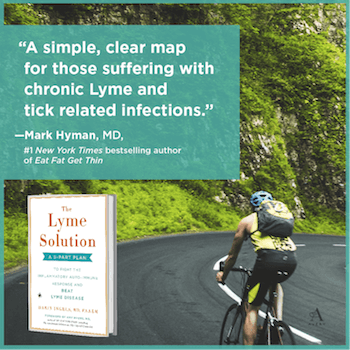
I highly recommend Dr. Darin Ingels, ND new book The Lyme Solution: A 5-Part Plan to Fight the Inflammatory Auto-Immune Response and Beat Lyme Disease. As a functional medicine practitioner, he provides a natural approach to treating Lyme disease that is both comprehensive and designed to each person’s own unique needs i.e. he doesn’t use a one size fits all approach. His uniquely holistic approach to treating this rampant disease, treats both the infection and the resulting autoimmune response. He’s also recovered from Lyme disease himself so he really gets it!

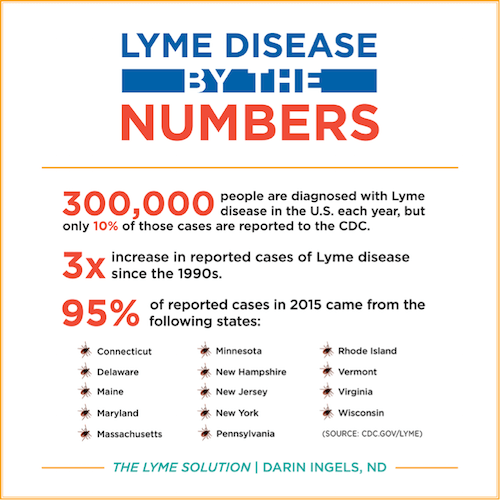
According to the CDC, over 300,000 cases of Lyme are reported every year in the U.S.A.

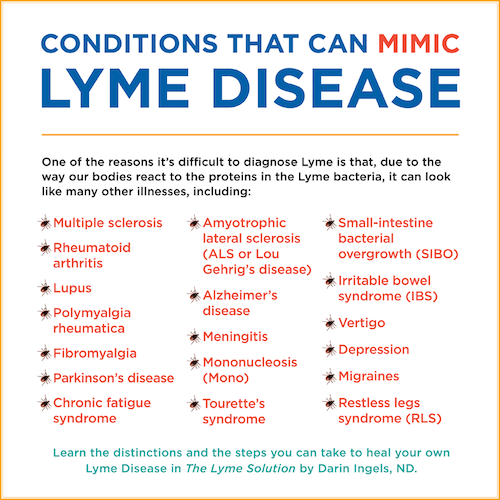
As you can see, many conditions can mimic Lyme disease, including anxiety and depression.

Many in my community have both Lyme disease and anxiety and many nutritional solutions, such as GABA (a calming amino acid supplement), can ease their anxiety while my client is working with a doctor such as Dr. Ingels in order to address and eliminate the Lyme disease.

Tricia Soderstrom from Abounding in Hope With Lyme shares her Lyme GABA story here: GABA helps with Lyme anxiety (while addressing the underlying disease)

Dr. Ingels shared this with me when I asked about what GABA products he likes and why:

I use DFH PharmaGaba and Allergy Research Liposomal GABA, which also has theanine. Liposomal GABA works beautifully for anxiety and sleep disturbances in my Lyme patients and children with autism. I also love how quickly it seems to affect people, often within 10-15 minutes of taking it.

Including the latest research about the diagnosis and treatment of Lyme, The Lyme Solution provides a path to wellness by strengthening the body’s ability to heal from within. Dr. Ingels suggests an actionable 5-Part Plan to:

  • Fortify gut health and restore the immune system
  • Follow a diet that increases immunity and reduces inflammation
  • Thwart and target an active infection
  • Identify hidden toxins that worsen Lyme
  • Lifestyle suggestions to help healing

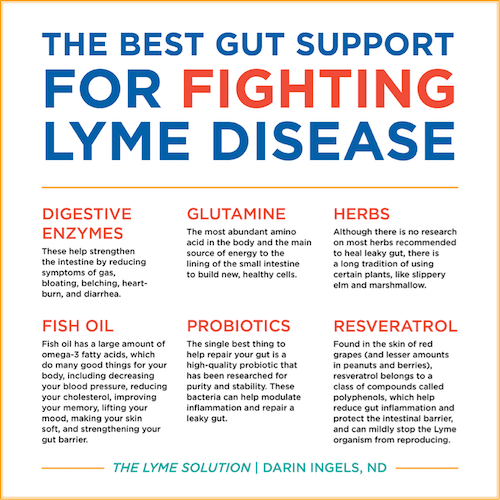
Here are some of his gut support protocols: digestive enzymes, glutamine, resveratrol, herbs like slippery elm and marshmallow, fish oil and probiotics:

The Lyme Solution is a simple guide for how you can advocate for your own health and use innovative treatments to maintain wellness, using the least invasive ways to facilitate treatment. By following this plan, you can become even stronger than you were before the Lyme and better equipped to manage recurring symptoms.

UPDATE: April 20, 2018 – My actual review  

I highly recommend this book if you have Lyme disease or if you suspect that Lyme disease may be playing a role in your ill-health or have chronic anxiety (or another chronic health condition) and have not yet found a solution. I also highly recommend it for practitioners who are both treating Lyme disease patients and those, like myself, who want to really understand all aspects in order to make good referrals for Lyme treatment.

I read it cover to cover in one sitting and could not put it down!

Chapter 1 – An excellent discussion about the problems with long-term antibiotics for chronic Lyme disease and when antibiotics should be used. The chronic inflammatory autoimmune connection is unique to Dr. Ingels’ approach for treating Lyme disease and makes a great deal of sense. The Lyme facts are invaluable: Lyme spirochete going dormant and hiding in scar tissue and lymph nodes; the nymph the most dangerous; Lyme-reactive antibodies form against proteins in the brain, giving rise to neurological symptoms.

Chapter 2 – Covers complex and controversial issues with diagnosis and pitfalls of the various testing that is available. It contains Lyme signs/symptoms and a Lyme questionnaire. It was eye-opening to learn that the bull’s-eye rash is Lyme specific and that changes in handwriting and mixing up words may be a sign of chronic Lyme disease. This is one of my favorite chapters of the book and is very comprehensive.

Chapter 3 – Gut and immune restoring protocols and more on the autoimmune connection. Addressing gut health is key to any condition and Dr. Ingels reiterates that addressing the immune system is key for recovery from Lyme.

Chapter 4 – Immune boosting diet and the importance of alkalinity. This is my least favorite chapter because I’m an advocate of the Paleo diet and have found that when done well with large amounts of vegetables, it is healing and alkaline. (He did connect with me on this and agrees in principle with a Paleo diet that does include plenty of vegetables). I am pleased to see coffee is off the list but would have liked to hear his experiences with intermittent fasting.

Chapter 5 – Covers targeting the infection in a way that doesn’t impact gut flora and undermine the immune system. This chapter has extensive coverage of the herbal protocols Dr. Ingels has found to be effective for his patients: Zhang protocol, his version of the Cowden protocol and others. He goes into great detail for each herb, including products to help with a Herxheimer reaction, as well as the rationale and protocols for breaking up biofilm. It’s also one of my favorite chapters in the book.

Chapter 6 – Cleaning your home and environment and getting rid of toxic chemicals and products, as well as addressing mold. This is also common-sense to address for any condition so it’s great to cover for Lyme.

Chapter 7 – Sleep, exercise and stress reduction. This is also common-sense to address for any condition. I do have a professional difference of opinion for the GABA recommendation for sleep and typically start my clients on much lower doses. I also love GABA for stress and anxiety.

Chapter 8 – Advanced protocols for specific symptoms: mitochondrial issues, neuropathy and balance, low dose immunotherapy, LDN and other approaches where you’ll need to work with a health care provider. Another favorite chapter of mine.

Chapter 9 – Additional lab testing, SIBO, Mast cell activation syndrome and POTS are addressed in relation to Lyme disease. This chapter is enlightening.

The case studies throughout the book reflect the complex nature of Lyme disease and help us get a better understanding about unexpected symptoms, as well as Dr. Ingels’ level of expertise. One such example is Peter’s story: he developed tics but none of the other classic Lyme symptoms, PANS was found and then Lyme disease.

Given that neuropsychiatric symptoms are common in Lyme disease I hope to see more coverage of this in a later edition or follow-up book. I work with individuals with anxiety and underlying Lyme disease is very common, with benzodiazepines and SSRIs commonly prescribed. Using nutritional approaches for the anxiety and/or depression and since it gets to the root cause it’s more effective, plus it lowers the toxic burden and side-effects of added medications. (He also connected with me about this and said he agrees but word-count was the challenge in this first book).

Overall, this book is an excellent resource and I highly recommend it! It offers practical solutions and hope for those who are been suffering with chronic Lyme disease and are seeking a solution.

Learn more and get your copy here on Amazon (my link) or at major bookstores. Get access to a digital version of chapter 1 here.

Filed Under: Books, Lyme disease and co-infections Tagged With: anxiety, autoimmune, Darin Ingels, GABA, glutamine, gut, Lyme Disease, The Lyme Solution

New testing approach for Lyme disease: ultrasound and PCR urine testing

June 7, 2017 By Trudy Scott 16 Comments

Dr. Dietrich Klinghardt’s interview with Dr Jay Davidson, host The Chronic Lyme Disease Summit 2 is one of the most interesting and encouraging Lyme disease interviews I’ve heard for a long time! He covers the Latest on Lyme Testing and Treatments. The reason it’s so encouraging is that chronic Lyme disease is notoriously difficult to test for.

Dr. Klinghardt starts by sharing why Lyme disease goes undiagnosed in many instances:

Lyme is highly compartmentalized. That means it sets up sanctuaries in different body compartments, and chronic Lyme is not living in the blood. Lyme may be in the blood in acute Lyme but not in chronic Lyme.

In chronic Lyme it may be in the right hippocampus but not in the entire brain, maybe in the brain stem but not the liver. It may be in your disk of L4-L5 but not in other disks and so on and so forth.

It lives in biofilm. We know that. It lives in the cell, but it doesn’t stray.

He goes on to share that the common immune system-based Lyme disease tests that use blood testing are misleading because with chronic Lyme

the blood or the white blood cells are not in contact with the actual microbes and you do not get the immune activation…So many cases go undiagnosed.

Dr. Klinghardt shares a wonderful technique that he and one of the world’s most renowned ultrasound radiologists, Dr. Marco Ruggiero, have developed for both testing and to improve treatment:

We know that when you put ultrasound …on a group of cells, it squeezes and relaxes the cells at a very high speed and squeezes out things from the cell that shouldn’t be in there. And so, we had the theory if you apply ultrasound to an area where we suspect Lyme spirochetes or Bartonella or Babesia or Ehrlichia, then those microbes are forced into the connective tissue. And some of them will stray from there into the blood, and some of them will be excreted through the kidneys into the urine.

With that principle, we found an incredible increase in our findings that most of the people that were suspected of having chronic Lyme disease didn’t just have Borrelia burgdorferi, but they had also Borrelia miyamotoi. They had Babesia duncani, Babesia microti. They had Bartonella henselae.

So what we do, we have set up a certain sequence of using ultrasound on the brain, on the thymus, on the spleen, on the vagus nerve, and on the brain stem. We drive out the microbes, and then we collect the urine and find the microbes. This is by far the best test we use – the PCR testing – looking for whole strands of DNA of the bugs in the urine.

That testing has been the most rewarding test in my whole lifetime. We are publishing a paper that comes out later this month in the American Journal of Immunology where we lay out the details of this technique. That’s what we do at the Sophia Health Institute.

The whole treatment takes less than 10 minutes, and then it’s the first urine that naturally occurs after that that’s collected. And then we send it to the lab for PCR testing, and insurance pays if you do it with Lab Corp. There’s other labs that offer this test now. And it can cost up to $500 to test for 14 of the coinfections.

Here is the title of that paper: The Ruggiero-Klinghardt (RK) Protocol for the Diagnosis and Treatment of Chronic Conditions with Particular Focus on Lyme Disease and the lab DNA Connexions is mentioned in this paper. 

He goes on to explain how they also use the therapeutic ultrasound as an instrument to optimize drug uptake and utilization in specific areas of the body order to eliminate the bacteria.

Later on in the interview Dr. Klinghardt makes this bold and rather concerning statement:

Most of my patients with severe, persistent Lyme disease have never had a tick bite. They had a spider bite or a flea bite or a bite from a stinging fly. So these are insect-borne diseases but not tick-borne diseases.

Dr. Klinghardt has been at the forefront of Lyme disease treatment for years and now bringing even further wisdom to this very challenging condition. I really look forward to learning more about all this from this amazing practitioner.

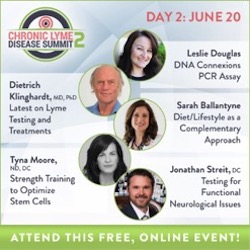
The Chronic Lyme Disease Summit 2 runs June 19-26, 2017 and Dr. Klinghardt’s interview airs on day 2 of the summit.

Be sure to also listen to:

  • Leslie Douglas: DNA Connexions PCR Assay (the testing Dr. Klinghardt uses) and
  • Jonathan Streit: Testing for Functional Neurological Issues

This summit will help you understand symptoms (common and rare), diagnosis and testing, practical at-home health tips, healing protocol explanations and more!

And it will hopefully give you some insights to any ongoing health issues you may have that may actually be due to Lyme disease (even if you have not yet been diagnosed). It’s something I consider with all my clients that are not seeing symptom resolution.

Register here for The Chronic Lyme Disease Summit 2

Last year I was interviewed on Lyme anxiety and how to use GABA and other amino acids to ease the anxiety while you are working on addressing the Lyme disease. I’m not speaking this year but that interview and some of my other Lyme anxiety resources are available to summit purchasers. I actually mention Dr Klinghardt in that interview because he finds that his Lyme patients don’t get well until they have addressed pyroluria.

If you live in Sydney, Australia, you can hear Dr. Kinghardt present live this weekend during his 1 day event: Core Protocols for Chronic Illness. If you’re not a practitioner be sure to let your healthcare provider know about this event.

Feel free to post questions or feedback below.

Filed Under: Events, Lyme disease and co-infections Tagged With: anxiety, Chronic Lyme Summit, Dr. Jay Davidson, Dr. Klinghardt, GABA, Lyme Disease, pyroluria, ultrasound

Lyme Disease – my anxiety GABA interview, ACEs and replay reminders

April 10, 2016 By Trudy Scott 8 Comments

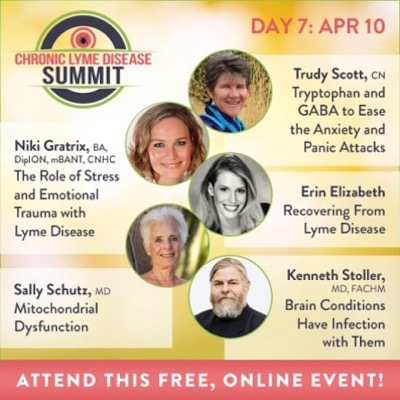
lyme-summit-day7

Just a quick reminder that today is the last day of new interviews for the Chronic Lyme Disease Summit and tomorrow you get a full day of replays of ALL the interviews.

Here is the line-up for today, day 7:

My interview airs today: Tryptophan and GABA to ease the Anxiety and Panic Attacks

  • Many people with chronic Lyme disease have chronic anxiety too and the focus of my interview is how to use targeted individual amino acids GABA and tryptophan to top up low levels of GABA and serotonin while the Lyme is being addressed.
  • This gives Lyme sufferers resolution from much of the anxiety (if not all) right away and they don’t need to resort to meds like benzodiazepines or anti-depressants (like the women in the study below). There is also a big connection between Lyme disease and pyroluria and I cover this too.

You can read a bit more about some of the research I discuss here: 
https://www.everywomanover29.com/blog/chronic-lyme-disease-summit-anxiety-pyroluria/

Here is a snippet from The Role of Stress & Emotional Trauma with Lyme Disease, a fascinating interview with Niki Gratrix (we’ve met and I love the work she is doing in this area of ACEs):

lyme-niki-gratrix

…stress and emotional trauma have a primary effect on your biology. So emotional trauma in childhood, if you like, your biography becomes your biology. And emotional trauma in childhood, unfortunately time does not heal, it conceals. And the body will remember the trauma. And so to 20, 30 years down the line, you’re going to start to have physical expression of illness due to the unresolved trauma.

So ACEs, which are these adverse childhood experiences, they were first studied in the mid-1990s by the CDC and Kaiser Permanente.

And they looked first at 17,500 adults. And they were looking at the health statistics over a lifetime and correlated them with the number of ACEs that they had. When we talk about ACEs, what do we mean? In the context of that study, they were looking at physical, sexual, and emotional abuse, physical and emotional neglect. They were looking at parents separating or divorce, domestic violence or mental illness in the family, substance abuse, and someone in the family being incarcerated.

So as a child, if you experienced one or more of those ACEs, these were some of the statistics. First of all, 67% of all adults said they’d had at least one ACE. And of 67%, 80% of those had 4 or more ACEs. And essentially, if you have a high level of ACEs, this was correlated with a dramatic increase in the risk of 7 out 10 leading causes of death in the U.S. so if you have four or more ACEs, your relative risk of things like cancer is twice as high, hepatitis 2.5 times as high, depression 4.5 times as high, chronic obstructive pulmonary disease 2.5 times higher, and suicide 12 times more likely to commit suicide with 4 ACEs in childhood. If you have 8 or more ACEs, you have triple the risk of lung cancer and 3.5 times the risk of getting heart disease.

But there’s also a very interesting later study done on 15,500 people by the same researchers, which was the CDC and Kaiser Permanente, just specifically looking at autoimmune disorders. And what they found, again, dramatic statistics. Two or more ACEs, you’re 100% more likely to be diagnosed with rheumatic diseases.

…

How that’s translated in the brain is it’s a chronic fear response that is constantly there. And the brain responds by actually increasing the number of neurons in the brain that react to fear and stress. The amygdala expands. It becomes more activated. That will translate through the hypothalamus, through the HPA axis, the hypothalamic–pituitary–adrenal axis, and that will translate, also impacting the immune system.

…

there’s many experts in the Lyme field who acknowledge that this emotional trauma is a primary impact. And I happen to know Dr. Dietrich Klinghardt’s work very well, very familiar with his work and having interviewed him on my summit, he has his, I think it’s called the “Klinghardt axiom,” which is for each amount of bacterial infection in the body, there will be an equal amount of unresolved toxicity. And for each amount of unresolved toxicity, there will be an equal amount of unresolved emotional trauma. So these things all go hand-in-hand. And they need a multifactorial approach, if that makes sense.

If you are not yet registered you can do so here and catch interviews today and the replays on Monday: 
https://qt247.isrefer.com/go/LYME16reg/trudyscottcn

And a reminder if you are considering purchasing the series for later listening and learning, the process will increase when then summit ends. Here is that purchase link: 
https://qt247.isrefer.com/go/LYME16order/trudyscottcn/

PS. Tomorrow you get a full day of replays of ALL the interviews so enjoy the rest of the summit!

Filed Under: Events, Lyme disease and co-infections Tagged With: Chronic Lyme Disease Summit, GABA, interview, summit

  • Page 1
  • Page 2
  • Go to Next Page »

Primary Sidebar

GABA QuickStart Homestudy

gaba quickstart homestudy

Free Report

9 Great Questions Women Ask about Food, Mood and their Health

You'll also receive a complimentary subscription to my ezine "Food, Mood and Gal Stuff"


Connect with me

Popular Posts

  • Amino Acids Mood Questionnaire from The Antianxiety Food Solution
  • The Antianxiety Food Solution Amino Acid and Pyroluria Supplements
  • Pyroluria Questionnaire from The Antianxiety Food Solution
  • Collagen and gelatin lower serotonin: does this increase your anxiety and depression?
  • Tryptophan for the worry-in-your-head and ruminating type of anxiety
  • GABA for the physical-tension and stiff-and-tense-muscles type of anxiety
  • The Antianxiety Food Solution by Trudy Scott
  • Seriphos Original Formula is back: the best product for anxiety and insomnia caused by high cortisol
  • Am I an anxious introvert because of low zinc and vitamin B6? My response to Huffington Post blog
  • Vagus nerve rehab with GABA, breathing, humming, gargling and key nutrients

Recent Posts

  • Her cravings for chips and peanut butter were triggered by stress: GABA ends cravings and reduces physical tension and fear of heights
  • It is truly miraculous to be able to move through life without crippling anxiety and panic
  • GABA and tryptophan combo provide immediate and noticeable relief for tremors and cervical dystonia in just 7 days
  • Red light therapy for back and neck pain, plantar fasciitis and low mood – a complement to the amino acids GABA, DPA and tryptophan
  • What do I use instead of Seriphos to help lower high cortisol that is affecting my sleep and making me anxious at night?

Categories

  • 5-HTP
  • AB575
  • Addiction
  • ADHD
  • Adrenals
  • Alcohol
  • Allergies
  • Alzheimer's disease
  • Amino Acids
  • Anger
  • Antianxiety
  • Antianxiety Food Solution
  • Antidepressants
  • Anxiety
  • Anxiety and panic
  • Autism
  • Autoimmunity
  • benzodiazapines
  • Bipolar disorder
  • Books
  • Caffeine
  • Cancer
  • Candida
  • Children/Teens
  • Collagen
  • Cooking equipment
  • Coronavirus/COVID-19
  • Cravings
  • Depression
  • Detoxification
  • Diabetes
  • Diet
  • DPA/DLPA
  • Drugs
  • EFT/Tapping
  • EMF
  • EMFs
  • Emotional Eating
  • Endorphins
  • Environment
  • Essential oils
  • Events
  • Exercise
  • Fear
  • Fear of public speaking
  • Fertility and Pregnancy
  • Fish
  • Food
  • Food and mood
  • Functional neurology
  • GABA
  • Gene polymorphisms
  • General Health
  • Giving
  • Giving back
  • Glutamine
  • Gluten
  • GMOs
  • Gratitude
  • Gut health
  • Heart health/hypertension
  • Histamine
  • Hormone
  • Hyperparathyroidism
  • Hypoglycemia
  • Immune system
  • Inflammation
  • Insomnia
  • Inspiration
  • Introversion
  • Joy and happiness
  • Ketogenic diet
  • Lithium orotate
  • Looking awesome
  • Lyme disease and co-infections
  • MCAS/histamine
  • Medication
  • Men's health
  • Mental health
  • Mercury
  • Migraine
  • Mold
  • Movie
  • MTHFR
  • Multiple sclerosis
  • Music
  • NANP
  • Nature
  • Nutritional Psychiatry
  • OCD
  • Osteoporosis
  • Oxalates
  • Oxytocin
  • Pain
  • Paleo
  • Parasites
  • Parkinson’s disease
  • PCOS
  • People
  • PMS
  • Postpartum
  • PTSD/Trauma
  • Pyroluria
  • Questionnaires
  • Real whole food
  • Recipes
  • Research
  • Schizophrenia
  • serotonin
  • SIBO
  • Sleep
  • Special diets
  • Sports nutrition
  • Stress
  • Sugar addiction
  • Sugar and mood
  • Supplements
  • Teens
  • Testimonials
  • Testing
  • The Anxiety Summit
  • The Anxiety Summit 2
  • The Anxiety Summit 3
  • The Anxiety Summit 4
  • The Anxiety Summit 5
  • The Anxiety Summit 6
  • Thyroid
  • Thyroid health
  • Toxins
  • Tryptophan
  • Tyrosine
  • Uncategorized
  • Vegan/vegetarian
  • Women's health
  • Yoga

Archives

  • May 2026
  • April 2026
  • October 2025
  • September 2025
  • August 2025
  • July 2025
  • June 2025
  • May 2025
  • April 2025
  • March 2025
  • February 2025
  • January 2025
  • November 2024
  • October 2024
  • September 2024
  • August 2024
  • July 2024
  • June 2024
  • May 2024
  • April 2024
  • March 2024
  • February 2024
  • January 2024
  • December 2023
  • November 2023
  • October 2023
  • September 2023
  • August 2023
  • July 2023
  • June 2023
  • May 2023
  • April 2023
  • March 2023
  • February 2023
  • January 2023
  • December 2022
  • November 2022
  • October 2022
  • September 2022
  • August 2022
  • July 2022
  • June 2022
  • May 2022
  • April 2022
  • March 2022
  • February 2022
  • January 2022
  • December 2021
  • November 2021
  • October 2021
  • September 2021
  • August 2021
  • July 2021
  • June 2021
  • May 2021
  • April 2021
  • March 2021
  • February 2021
  • January 2021
  • December 2020
  • November 2020
  • October 2020
  • September 2020
  • August 2020
  • July 2020
  • June 2020
  • May 2020
  • April 2020
  • March 2020
  • February 2020
  • January 2020
  • December 2019
  • November 2019
  • October 2019
  • September 2019
  • August 2019
  • July 2019
  • June 2019
  • May 2019
  • April 2019
  • March 2019
  • February 2019
  • January 2019
  • December 2018
  • November 2018
  • October 2018
  • September 2018
  • August 2018
  • July 2018
  • June 2018
  • May 2018
  • April 2018
  • March 2018
  • February 2018
  • January 2018
  • December 2017
  • November 2017
  • October 2017
  • September 2017
  • August 2017
  • July 2017
  • June 2017
  • May 2017
  • April 2017
  • March 2017
  • February 2017
  • January 2017
  • December 2016
  • November 2016
  • October 2016
  • September 2016
  • August 2016
  • July 2016
  • June 2016
  • May 2016
  • April 2016
  • March 2016
  • February 2016
  • January 2016
  • December 2015
  • November 2015
  • October 2015
  • September 2015
  • August 2015
  • July 2015
  • June 2015
  • May 2015
  • April 2015
  • March 2015
  • February 2015
  • January 2015
  • December 2014
  • November 2014
  • October 2014
  • September 2014
  • August 2014
  • July 2014
  • June 2014
  • May 2014
  • April 2014
  • March 2014
  • February 2014
  • January 2014
  • December 2013
  • November 2013
  • October 2013
  • September 2013
  • August 2013
  • July 2013
  • June 2013
  • May 2013
  • April 2013
  • March 2013
  • February 2013
  • January 2013
  • December 2012
  • November 2012
  • October 2012
  • August 2012
  • July 2012
  • June 2012
  • May 2012
  • April 2012
  • March 2012
  • February 2012
  • January 2012
  • December 2011
  • November 2011
  • October 2011
  • September 2011
  • August 2011
  • July 2011
  • June 2011
  • May 2011
  • April 2011
  • March 2011
  • February 2011
  • January 2011
  • December 2010
  • October 2010
  • September 2010
  • July 2010
  • May 2010
  • April 2010
  • March 2010
  • February 2010
  • January 2010
  • November 2009

Share the knowledge!

The above statements have not been evaluated by the Food and Drug Administration. Products listed in this website are not intended to diagnose, treat, cure or prevent any disease.

The information provided on this site is for informational and educational purposes only and is not intended as a substitute for advice from your physician or other health care professional. You should consult with a healthcare professional before starting or modifying any diet, exercise, or supplementation program, before taking or stopping any medication, or if you have or suspect you may have a health problem.


Copyright © 2026 Trudy Scott. All Rights Reserved. | Privacy | Terms and Conditions | Refund Policy | Medical Disclaimer

Free Report

9 Great Questions Women Ask about Food, Mood and their Health

You’ll also receive a complimentary subscription to my ezine “Food, Mood and Gal Stuff”