• Skip to primary navigation
  • Skip to main content
  • Skip to primary sidebar

everywomanover29 blog

Food, Mood and Women's Health – Be your healthiest, look and feel great!

  • Blog
  • About
  • Services
  • Store
  • Resources
  • Testimonials
  • The Book
  • Newsletter
  • Contact
  • Search this site

Exercise

GABA Supplementation Increased Heart-Rate Variability, Emotional Response, Sleep Efficiency and Reduced Depression in Sedentary Overweight Women

March 29, 2024 By Trudy Scott 17 Comments

gaba supplementation trial

In a new GABA study published earlier this year, the authors report that supplementation with the calming amino acid, GABA (gamma-aminobutyric acid), helped to reduce stress and depression, and improved emotional response and sleep in overweight women. The intervention group was given 200 mg GABA per day for 90 days. Here is the study abstract:

Gamma-aminobutyric acid (GABA) serves as a pivotal neurotransmitter implicated in the pathogenesis of stress, anxiety, sleep-related disorders, and heart rate (HR) reactions.

Heart-rate variability (HRV), modulated by the sympathetic and parasympathetic branches of the autonomic nervous system (ANS), offers insights into cardiac autonomic control and cardiovascular well-being.

The present study aimed to explore the impact of GABA supplementation on emotional metrics, sleep quality, and HRV in sedentary women with overweight or obesity partaking in physical exercise.

A randomized, double-blind, placebo-controlled clinical trial was undertaken involving 30 sedentary women with overweight or obesity. Volunteers were assigned randomly to two groups: the intervention group receiving GABA (200 mg) once daily for a total of 90 supplementation doses, and the placebo group. Both groups engaged in physical exercise, while the supplementation regimen spanned 90 days.

Assessments were conducted at three intervals: baseline (T0), midway through the study (T45), and study culmination (T90).

Following 90 days of GABA supplementation, the intervention group demonstrated enhancements in habitual sleep efficiency, as indicated by reductions in Pittsburgh Sleep Quality Index (PSQI) scores. Moreover, an improved emotional response was observed, characterized by diminished negative affect. GABA supplementation yielded ameliorations in depression scores as per the Depression, Anxiety, and Stress Scale (DASS-21). Notably, an augmented HRV was noted, attributed to heightened parasympathetic autonomic nervous system predominance.

GABA supplementation elicited noteworthy enhancements in heart rate variability, emotional response, depression mitigation, and sleep efficiency following a 90-day supplementation.

I received a full copy of the paper, GABA Supplementation, Increased Heart-Rate Variability, Emotional Response, Sleep Efficiency and Reduced Depression in Sedentary Overweight Women Undergoing Physical Exercise: Placebo-Controlled, Randomized Clinical Trial. I thanked them for doing this research and shared my clinical insights and the fact that I do use GABA a little differently. More on that below.

The type of GABA, how it was used, the timing and fillers

The study participants were given GABA and not pharmaGABA, it was swallowed and it was used before bed.

Both the GABA and placebo contained starch and talc. The starch may be an issue with someone with SIBO (small intestinal bacterial overgrowth) or an IgG reaction to whatever the starch is made from, such as corn (used in this study) or rice or wheat.

Talc is simply not necessary in any supplements. With so many of my clients being very sensitive to excipients, ideally we want to be using fewer fillers and using a clean supplement just like when it comes to eating real whole good quality food.

My feedback on the 200 mg GABA dose used in the study

Given that many studies use much higher doses it’s wonderful that they used just 200 mg GABA.

They used the same dose for everyone for 90 days at night only.

This illustrates how effective GABA can be when used in the same manner for all study participants. It is, however, very possible that the fact they were exercising and just being part of a study also contributed to many of their improvements:

While both study groups engaged in physical exercise, it is plausible to surmise that the act of participating in physical activities may have contributed to the improved stress, anxiety, and depression profiles in the placebo group. Furthermore, study participation alone can instill a positive effect, potentially fostering volunteers’ motivation to embrace healthier lifestyle habits and enhance overall well-being.

My approach for using GABA is personalized

The study provides a great foundation for future research and clinical use.

My approach is personalized dosing based on symptoms and increased to find the optimal dose. I typically have clients start on 125 mg GABA used sublingually, which is a nice low starting dose for most folks. I have clients use GABA 1-5 times a day, including the night, based on their unique needs and only if they have low GABA type of physical/tension anxiety). I have clients rate 1 or 2 symptoms on a scale of 1-10 with 10 being worst, do an initial one-off trial of GABA and rate the symptoms again right afterwards (in the next 2 to 30 minutes). Based on this we decide if we’ll continue with GABA and how much to use.

I speculate there would likely be even better outcomes with a GABA only powder used on the tongue and held in the mouth for up to 2 minutes. And of course, dosing according to each person’s needs is ideal but impractical in a study.

Feedback illustrates how GABA use (and the benefits) can differ per person

When I shared the research on Facebook I received this feedback from Doula Michelle Jackson:

25 mg GABA twice a day has done wonders for me. I used to take 750 mg of GABA Calm Mind at night and it made me very weepy. Lower dosing works best for me. It helps with sleep, anxiety and depression.

(The 750 mg GABA Calm Mind is a hard tablet and is not the same as the 125mg GABA Calm sublingual product I recommend. The product that works for her is Kal GABA 25mg.)

Carrie shared this: “I always put GABA under the tongue myself.”

Tara said: “GABA is the one thing I can rely on to get a good night’s rest. I open a 420 mg cap about 45 minutes before bed.”

Patrice said: “I take GABA about 30 minutes before bedtime. I open a capsule and use about 100-200 mg in water. It helps to calm my mind and stop ruminating. I think I sleep better.”

Elmas shared this about her son’s results: “GABA can be a game changer. We just started last week and can see it improves my boy’s tics and stimming. Thanks to Trudy’s recommendation on Mind Body and vagus nerve connection summit, we started only 100mg (Superior Sources sublingual) in water. And increased to approx 1/8 tsp about 380mg (Sources Naturals GABA powder) yesterday.”

Both Sue and her husband benefit from GABA:“Trudy posted once about GABA helping with pain in the colon so I tried it and was so amazed at how quickly it worked. I use 200 mg and take the capsule whole, not opening the caps and it works in 15 minutes for me. I have found it also helps me with times that I get anxiety, crabbiness, restless legs and the blues. This is such a blessing for me.

Even my husband will take 200 mg when he’s feeling grouchy with the customers and within 15 to 20 minutes, he’s a different person. It’s a wonder supplement. I tell EVERYBODY about it.”

As you can see from the above, it really is different strokes for different folks and a personalized approach to using GABA.

A few GABA product options  – a sublingual and a powder
gaba calm
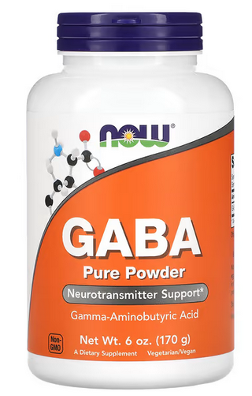
gaba pure poder

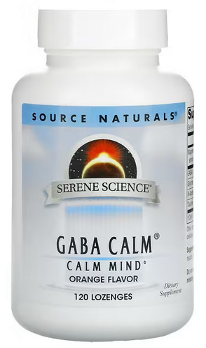
Products I recommend include Source Naturals GABA Calm lozenges and Now GABA Powder.  You can purchase these from my online store (Fullscript – only available to US customers – use this link to set up an account).

If you’re not in the US, these same products are available via iherb (use this link to save 5%).

Additional resources when you are new to using GABA and other amino acids as supplements

As I mentioned above, I use the symptoms questionnaire to figure out if low GABA or other neurotransmitter imbalances may be an issue for you.

If you suspect low levels of any of the neurotransmitters and do not yet have my book, The Antianxiety Food Solution – How the Foods You Eat Can Help You Calm Your Anxious Mind, Improve Your Mood, and End Cravings, I highly recommend getting it and reading it before jumping in and using amino acids on your own so you are knowledgeable. And be sure to share it with the practitioner/health team you or your loved one is working with.

There is an entire chapter on the amino acids and they are discussed throughout the book in the sections on gut health, gluten, blood sugar control (this is covered in an entire chapter too), sugar cravings, anxiety and mood issues.

The book doesn’t include product names (per the publisher’s request) so this blog, The Antianxiety Food Solution Amino Acid and Pyroluria Supplements, lists the amino acids that I use with my individual clients and those in my group programs (over and above the few I mentioned above).

If, after reading this blog and my book, you don’t feel comfortable figuring things out on your own (i.e. doing the symptoms questionnaire and respective amino acids trials), a good place to get help is the GABA QuickStart Program (if you have low GABA symptoms too). This is a paid online/virtual group program where you get my guidance and community support.

If you are a practitioner, join us in The Balancing Neurotransmitters: the Fundamentals program. This is also a paid online/virtual program with an opportunity to interact with me and other practitioners who are also using the amino acids.

Wrapping up and your feedback

I do appreciate the researchers and do hope my clinical insights and community feedback help with further research. The team has plans to do similar research with men and older individuals, and I look forward to these outcomes. I’ll be sure to share these at a later date.

I’ll end here with this statement from the conclusion:

Consequently, GABA supplementation emerges as a promising avenue for augmenting both cardiovascular and emotional well-being among individuals actively participating in physical exercise.

How has GABA helped your emotions, depression, stress and sleep? And what doses work best for you?

Have you tweaked your dosing to find the ideal doses for your needs?

If yes, which products have helped and do you find sublingual or swallowed is more effective?

If you’re a practitioner do you use GABA with clients/patients and how do you use it?

And please let me know if it’s helpful that I’m now including product recommendations and where to get them?

Feel free to share and ask your questions below.
Filed Under: Depression, Exercise, GABA, Sleep, Supplements Tagged With: clinical trial, exercise, GABA, overweight

Side stitch when running or exercising: the anxiety/stress connection (and the pyroluria protocol of zinc and vitamin B6 as a solution?)

August 4, 2023 By Trudy Scott 21 Comments

side stitch and anxiety

If you get a painful side stitch when running or doing other exercise or experienced a side stitch  when you were a kid, you may be as intrigued as I was to learn there is new research that points to an anxiety/stress connection. This cross-sectional observational study was done involving an anonymous survey of one hundred sixty-eight male and female adults who were running at least 10 miles/16 km per week.

The conclusion of this study, Thorn in Your Side or Thorn in Your Head? Anxiety and Stress as Correlates of Exercise-Related Transient Abdominal Pain, is as follows: “anxiety and stress are associated with the presence of ETAP.” A runner’s side stitch is referred to as ETAP i.e. exercise-related transient abdominal pain. The authors mention the fact that this is the first study to reveal this anxiety/stress connection. This is relevant given the numerous recent studies looking for a cause and no definitive solutions.

This research is also really intriguing to me given what Dr. Carl Pfeiffer MD, PhD, identified 50+ years ago in the 1970s i.e. side stitches are common in those with pyroluria/social anxiety. What’s important is the fact that the pyroluria nutrient protocol eases social anxiety and prevents side stitches in my clients. You’ll read feedback from individuals in the community who resonate with this research and the pyroluria connections. I share more about pyroluria below in case it’s new to you and a possible cause of the side stitch pain.

My feedback and feedback from others in the community

I have pyroluria and always got a left side stitch as a kid, in my teens when running and playing squash and in my 20s/30s when running. And then they stopped (and the social anxiety and related symptoms resolved) when I addressed my pyroluria with zinc, B6 and EPO, and a copper-free multi that contains manganese. I see these kinds of results with my clients all the time so a light-bulb went off when I read this new research .

I shared this research and the anxiety/stress/pyroluria connection on Facebook and asked: did you/do you get side stitches when running/exercising? Here is some of the feedback I received, where the pyroluria protocol did help.

Kameka shared this: “I had side stitches as a kid and as an adult. Running was the main exercise that caused it and it was usually the left side. Now that you mention it, I haven’t had them since I started supplementing for pyroluria. Also, my social anxiety is sooo much better as well!”

She did the symptoms questionnaire and the pyroluria urine test (which can give false negative results) and confirmed she takes vitamin B6, zinc, magnesium, and primrose oil.

Bec shared this: “I hated PE at high school for that reason. While everyone was running, I was suffering from side stitches (I think it was my right side) and having breaks. I have pyroluria with lots of symptoms. I do well with zinc and P5P.”

Not everyone reported an improvement with the protocol but many folks resonated with the side stitch/pyroluria connections:

Megan said: “Couldn’t run as a kid. A stitch every time. I can’t recall which side, never really paid too much attention. Looking at the pyroluria symptoms, I think I may have always had it.”

Janie exclaimed: “Oh, boy, did I!” (while distance running). She finds it hard to remember but thinks it may have been on her right side. She also shared that “tests for zinc come back normal, but I have many of the [pyroluria] symptoms, especially the less common ones. I scored high. I always want breakfast but all the other questions fit me like a glove, like pieces of a puzzle with my photo on the box.

My lack of dream recall is another sign. I take 25 mg of methylated B6, but still no dreams. The question regarding being seated in the middle of a restaurant…THAT IS ME!! My throat will feel like it’s closing up, so much tension.”

I explained that most zinc testing is not accurate and that we increase until we get symptom resolution. I also referred her to the pyroluria chapter in my book.

Susie shared this: “Yes I always got side stitches so I gave up running. I suspected pyroluria but not sure if I have it.”

Leah said “I’d say my daughter and I both [had side stitches] more when we were younger. Both socially anxious and pyroluria. Less exercising now too.”

Information if you’re new to pyroluria

Pyroluria is frequently associated with a type of anxiety characterized by social anxiety, avoidance of crowds, a feeling of inner tension, and bouts of depression. People with this problem experience varying degrees of anxiety or fear, often starting in childhood, but they usually manage to cover it up and push through. They tend to build their life around one person, become more of a loner over time, have difficulty handling stress or change, and have heightened anxiety symptoms when under more stress.

Also on the list of symptoms is this one: “Upper abdominal pain on your left side under the ribs or, as a child, having a stitch in your side as you ran.”

Addressing low levels of the mineral zinc and vitamin B6, together with some other nutrients and stress management, are key to addressing these symptoms.

Here is the complete symptoms questionnaire on the blog. This questionnaire can also be found in the pyroluria chapter in my book, The Antianxiety Food Solution. You’ll find the detailed supplement protocol and additional information on how to assess for low zinc and low vitamin B6 in this chapter too.

You can read more about the prevalence and associated conditions here. It’s most often considered a genetic condition but is possibly environmentally triggered too.

There are many pyroluria blog posts where I cover various aspects such as the importance of addressing pyroluria for recovery from MCAS and Lyme, pyroluria and Ehlers Danlos Syndrome, pyroluria and intrusive thoughts and many more. I encourage you to use the search feature on the blog.

A possible cause of the side stitch in pyroluria

Here is an excerpt from a paper published in 1974 by Dr. Pfeiffer and colleagues, Treatment of Pyroluric Schizophrenia Malvaria With Large Doses of Pyridoxine and zinc, describing why the side pain probably occurs:

This 15-year-old upper middle-class patient (now 19 after studying for four years) represents a case of nutrient deficiency in which vitamins (specifically B6) and the trace minerals manganese and zinc were inadequate for the development of normal knee joints and normal brain function.

The deficiency was sufficiently severe at its peak to cause prolonged psychosis, atypical seizures, arthritis, amenorrhea, constipation, and splenic pain. The pain is probably due to hemolytic crisis in which red cell fragments engorge the Kupfer cells of the spleen and liver, extend the capsule, and cause pain. The double deficiency is produced by the formation of KP [kryptopyrroles] which combines with pyridoxal and zinc.

Based on the above and other publications by Dr. Pfeiffer, when the stitch happens on the left side, my understanding is that the pain is in the spleen. And when it happens on the right side, the pain is in the liver area. Most individuals with pyroluria say they felt/feel their side stitch on the left side. Either way it appears to be caused by low zinc, low vitamin B6 and the other nutrients needed by those with pyroluria. And resolved when on the pyroluria protocol.

I would love to see these ETAP researchers take their anxiety/stress research one step further and identify how common pyroluria is in runners who get side stitches and if the pyroluria protocol prevents the side stitches.

My book as a resource and pyroluria supplements

As mentioned above, there is an entire chapter on pyroluria in my book, The Antianxiety Food Solution – How the Foods You Eat Can Help You Calm Your Anxious Mind, Improve Your Mood, and End Cravings, I highly recommend getting it and reading it before jumping in and addressing these deficiencies. And be sure to share it with the practitioner/health team you or your loved one is working with.

Keep in mind that these nutrients are cofactors for making neurotransmitters and are a key part of my protocol when working with individual amino acids.

The book doesn’t include product names (per the publisher’s request) so this blog, The Antianxiety Food Solution Amino Acid and Pyroluria Supplements, lists the pyroluria supplements and amino acids that I use with my individual clients and those in my group programs. You can find them all in my online store.

If you are a practitioner, join us in The Balancing Neurotransmitters: the Fundamentals program. This is also a paid online/virtual program with an opportunity to interact with me and other practitioners who are also using the amino acids and pyroluria protocol.

Thanks to everyone who contributed to the discussion on Facebook. Now I would love to hear from you so I can approach the authors with their feedback and yours too.

Did you get a side stitch as a kid and did it affect your ability to take part in school sports?

Do you still get a side stitch when running or doing other exercises? If yes, does it hold you back and with which exercise?

Did/does the side stitch occur on the left or right side?

And do you have pyroluria? (based on the symptoms questionnaire and/or pyroluria urine test)?

Does the pyroluria protocol prevent your painful side stitches? And had you made the connection to pyroluria/anxiety/stress?

Are you seeing a similar pattern with your kid/s? (pyroluria, side stitch and the protocol helps them too)

If you have questions and feedback please share them here too.

Filed Under: Anxiety, Exercise, Pyroluria Tagged With: anxiety, Carl Pfeiffer, ETAP, exercise, exercise-related transient abdominal pain, exercising, liver, painful side stitch, pyroluria, running, side stitch, social anxiety, spleen, stress, vitamin B6, zinc

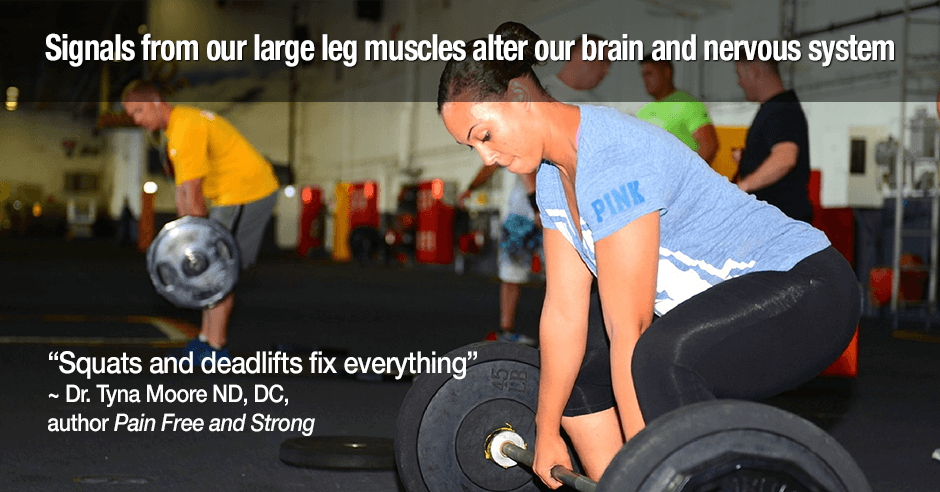
Squats and deadlifts fix everything: Signals from our large leg muscles alter our brain and nervous system

June 1, 2018 By Trudy Scott 22 Comments

A new paper published in Frontiers in Neuroscience reports new research that highlights how signals from our large leg muscles alter our brain and nervous system:

Groundbreaking research shows that neurological health depends as much on signals sent by the body’s large, leg muscles to the brain as it does on directives from the brain to the muscles… the study fundamentally alters brain and nervous system medicine – giving doctors new clues as to why patients with motor neuron disease, multiple sclerosis, spinal muscular atrophy and other neurological diseases often rapidly decline when their movement becomes limited.

My friend and colleague, Dr. Tyna Moore ND, DC, author Pain Free and Strong said this when she shared the study on social media: “Told ya – squats and deadlifts fix everything!”

Study author, Dr. Raffaella Adami, shares this about body chemistry being altered:

Our study supports the notion that people who are unable to do load-bearing exercises – such as patients who are bed-ridden, or even astronauts on extended travel – not only lose muscle mass, but their body chemistry is altered at the cellular level and even their nervous system is adversely impacted.

Here are some points from the discussion section in the actual study that relate directly to anxiety, depression and cognition:

The level of glutamate was up-regulated… the concentration of serotonin, dopamine, GABA, and epinephrine was reduced

What this means is that people who are not able to do load-bearing exercise had glutamate up-regulated (likely leading to more anxiety and excitotoxicity), reduced serotonin and GABA (contributing to more anxiety, worry, fear, depression and carb cravings), and lower dopamine and epinephrine (so more depression, less energy and less motivation).  (You can read all the symptoms associated with out of balance neurotransmitters here and how I use targeted individual amino acids to address low levels – which you want to do in conjunction with dietary and lifestyle changes such as resistance training.)

The study goes on to share that:

Prospective studies indicate that physical inactivity is one of the most frequent avoidable risk factors for developing Alzheimer’s disease. Moreover, elevated physical activity levels are associated with a lower risk of Alzheimer’s disease. The Alzheimer’s disease patient who undertook exercise training showed decreased neuropsychiatric symptoms, improvement in cognitive function, and a slower decline in the activities of daily life.

This was an animal study conducted with mice but we have many human studies that highlight the benefits of exercise for both anxiety and depression. In this recent meta-analysis “of 33 clinical trials including 1877 participants, resistance exercise training was associated with a significant reduction in depressive symptoms.”

When I shared the Frontiers in Neuroscience paper on Facebook, I received this feedback that correlates with the research:

Chris: My son’s concussion symptoms improved by leaps when he began consistent light cardio and added some leg weight training

Katie: I wonder if this is why my mom “lost her mind” (suddenly dementia) when she broke her ankle. I thought it was the antibiotics but maybe it was the extended reclining recovery

Jessica: I had a brain injury due to being hit by a car while crossing the street a year ago. I had to dig deep to heal – meditation, fish oil….. But I thought I had hit a plateau in my healing. About 2 months ago I was able to start doing yoga again, and move my body… wow, what a difference it has made in my brain healing! I am feeling able to focus again and have more brain energy! The body is connected from head to toes

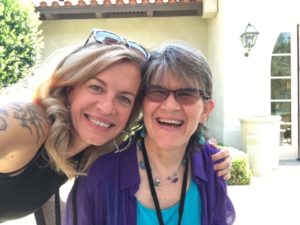
As you’ve gathered from Dr. Tyna Moore’s quote about squats and deadlifts, she is a big fan of resistance training, and she is my go-to person for questions on this topic. I’ve been following her online for a few years, love her posts and we finally got to meet in person last summer.

Tyna and trudy
Tyna and I last summer

Dr. Tyna has written a great ebook called Pain Free and Strong (you can download a copy here). She shares how sarcopenia or muscle wasting results from “deconditioning and lack of strength training exercises,” and this wisdom about movement and resistance training, also referred to as strength training:

Movement is the key to life. Without movement, your cells cannot do their thing. Your blood and lymph do not pump well. Your metabolism slows, your hormones suffer and your sleep becomes compromised. More than anything, you hurt. Motion is lotion and movement is medicine.

We have been taught as a society to do cardiovascular exercises, such as running, biking or walking as the core of our exercise routines. When I discuss exercise with my patients, I talk about “appropriate and strategic exercise” and what I’m referring to is strength training.

the most potent exercises for orthopedic health, improving metabolism, balancing hormones, decreasing inflammation, modulating immune function, reducing pain, lowering blood pressure, improving heart health and increasing resilience revolve around adding and maintaining healthy lean skeletal muscle mass to the body, and keeping it there as we age.

The entire chapter on movement is well-worth reading to get a better understanding of the importance of adding and maintaining healthy lean skeletal muscle mass.

Dr. Tyna also has the answer on how we can do this, sharing that squats and deadlifts “are king and the cornerstone to any strength and conditioning program”:

Compound lifts like squats and deadlifts can give us more bang for our buck metabolically, while also providing profound hormetic and hormonal benefits. Studies have also shown that free weights may be more potent than machines, and that machines put you into an unnatural position at times, which can lead to further injury. If machines are all you have access to, so be it. Just know that free weights are optimal and you need [a professional] to show you how to use them safely.

If you’re new to squats and deadlifts like I am, you may be like me and prefer to know what you’re letting yourself in for so here are 2 excellent blog posts with great images on how to and how not to do deadlifts and squats.  For women, the exercise section in this book looks excellent: The New Rules of Lifting for Women: Lift Like a Man, Look Like a Goddess (my Amazon link). The exercise information is more than half the book and has in-depth explanations on the mechanisms, going into much more in detail than I can cover in a blog. I would pass on the nutritional sections as the advice about canola, Splenda and low-fat is clearly outdated information. But as Dr. Tyna says in her ebook, you can’t learn this from  a book or video – find a personal trainer to guide you if you’re new to free weights.

In case you’re wondering about aerobic exercise it’s still good. In fact, one study reports how both aerobic exercise and resistance training offer slightly different benefits if you suffer from anxiety:

aerobic exercise improved general psychological distress and anxiety, while resistance training improved disorder-specific symptoms, anxiety sensitivity, distress tolerance, and intolerance of uncertainty.

So go for your walk, ride your bike, swim in the ocean, go hiking, play tennis – and all the better if you can do this out in nature for the added benefits of sunshine, fresh air, greenery and the scenery – but don’t forget the huge benefits of resistance training and find a personal trainer to get you up to speed on doing squats and deadlifts and using free weights.

And remember what Dr. Tyna says: “squats and deadlifts fix everything!”

Let us know if this is new to you and you’re now interested in doing squats and deadlifts and using free weights?

I’ve done plenty of resistance training with free weights over the years, especially when I was rock-climbing every weekend, but have not done deadlifts or squats with free weights and have decided it’s time to start. I’ll keep you posted on my progress. Feel free to share your progress too.

If you’re already doing squats and deadlifts and using free weights we’d love to hear how you enjoy it, how long you’ve been doing it and the benefits you’ve seen?  And please do share tips or words of encouragement for us newbies.

Filed Under: Exercise Tagged With: ALS, anxiety, brain, brain chemicals, deadlifts, depression, hormones, leg muscles, lifting weights, nervous system, squats, weights

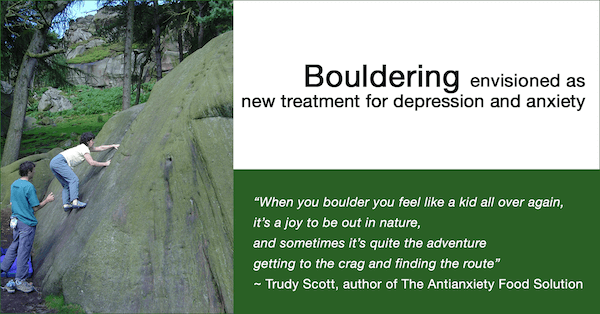
Bouldering envisioned as new treatment for depression and anxiety

June 16, 2017 By Trudy Scott 2 Comments

Climbing was my main sport for 15 years and I absolutely loved it. Bouldering, a type of climbing where you don’t use ropes, is really fun and exciting, as well as a great form of exercise. So you can imagine my delight when I read about new research that suggests it may also be used to effectively treat symptoms of depression and anxiety. I’ve added anxiety because we see similar underlying causes and solutions, and many individuals with depression also suffer from anxiety.

Here are the details from the University of Arizona (UA) press release

A growing body of research suggests that bouldering, a form of rock climbing, can help build muscle and endurance while reducing stress — and a new study co-led by a University of Arizona doctoral student of psychology suggests that the activity also may be used to effectively treat symptoms of depression.

UA researcher Eva-Maria Stelzer and Katharina Luttenberger of the University of Erlangen-Nuremberg led a team that involved more than 100 individuals in a bouldering intervention in Germany, where some hospitals have begun to use climbing as a therapeutic treatment.

The participants were randomly split into two groups. One immediately began the intervention, while the other group had to wait to start bouldering, which involves climbing rocks or walls to a moderate height without ropes or a harness. Each participant bouldered for three hours a week over the course of eight weeks.

Depression symptoms improved from moderate depression to mild depression over 8 weeks:

The team’s major finding was that, during the therapy, the immediate intervention group’s Beck’s Depression scores improved by 6.27 points, but for the same time period the group that was initially wait-listed improved by only 1.4 points. This drop in score reflects an improvement of one severity grade from moderate to mild depression levels.

“Bouldering, in many ways, is a positive physical activity,” said Stelzer, who began researching the benefits of bouldering while completing her master’s in psychology at the University of Erlangen-Nuremberg in Germany and is now completing her doctorate at the UA. “There are different routes for your physical activity level, and there’s a social aspect along with the feeling of an immediate accomplishment when bouldering.”

Stelzer presented the study and findings during the 29th annual Association for Psychological Science Convention, recently held in Boston.

Like me, the study authors, Stelzer, Luttenberger and Schopper have experienced bouldering first hand:

Invested in improving interventions to aid with such conditions, Stelzer, Luttenberger and Schopper, who have offered bouldering sessions for patients at a care center in Germany, drew on their own experiences as avid rock climbers and boulderers to investigate the benefits the sport could provide to those dealing with anxiety, depression, social isolation and self-esteem issues.

This is how I describe bouldering: you feel like a kid all over again, it’s a joy to be out in nature, sometimes it’s quite the adventure getting to the crag and finding the routes, and the sense of accomplishment when you succeed at a difficult route is quite amazing. It’s very meditative and your focus has to be spot on. There is also problem-solving involved as you figure out the moves.

The social aspect is also great – encouraging and supporting your fellow-climbers/friends and then being encouraged by them when it’s your turn. There is also a big trust aspect as you “spot” each other, making sure you each land safely on the bouldering mat should you fall off the climb or decide to jump off because it’s too challenging.

There is of course the exercise aspect too. After the hike in to the rocks or crags, bouldering builds strength and stamina, and improved balance and flexibility.

Here are some pictures of us bouldering in the UK with friends Marc and Cath a few years ago.

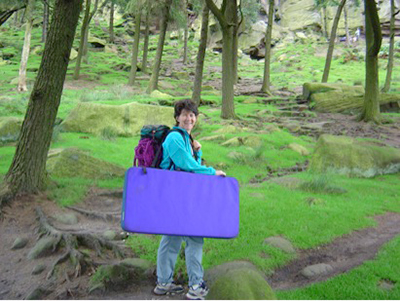
Hiking in to the crags in an almost “fairy-glen-like” setting. The big blue thing I am carrying is a bouldering mat for helping with a soft and safe landing.
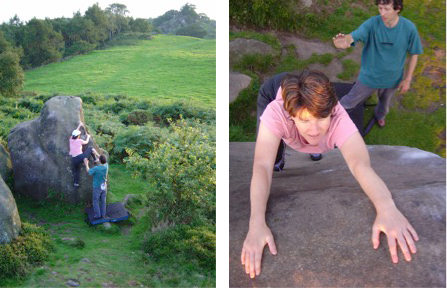
Marc “spots” me as a I climb a fun and easy route. The left is me at the start of the bouldering route and the right is me topping out.
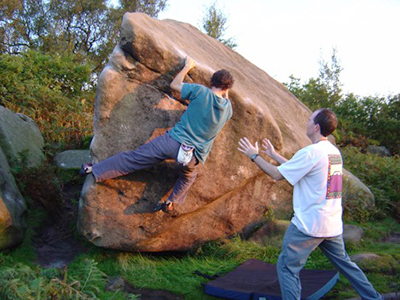
Brad “spots” Marc on a more difficult bouldering route (notice the bouldering mat below)

I highly recommend bouldering if you ever get the opportunity. There are also indoor climbing gyms with bouldering walls if you don’t have a rock-climbing area near where you live, or if you’d like to give it a go there first before venturing out to the crags.

Luttenberger’s message is the same one I have for my clients:

I’d always encourage patients to do the sport they like — may it be climbing or something else — as sport is a wonderful possibility to prevent all possible sorts of illnesses, mental and physical.

Given the positive results, the team believes that bouldering may be used to complement traditional care for clinical depression:

Team members are now working to develop a manual that could be adopted for an eight-week program integrating bouldering and psychotherapeutic interventions for groups.

I really look forward to recommending a program like this for my clients, in conjunction with dietary changes and supportive nutrients!

Have you tried climbing or bouldering? Would you be open to an 8-week recommended supervised bouldering program?

If you haven’t tried climbing or bouldering and this isn’t your thing I’d love to hear what exercise you love to do in nature?

Filed Under: Exercise Tagged With: bouldering

Breast Cancer Awareness: don’t be driven by fear

October 13, 2014 By Trudy Scott 13 Comments

DrNalini Chilkov’s new book
Dr. Nalini Chilkov’s new book

October is Breast Cancer awareness month so here are 7 resources to keep you informed, hopeful and inspired to take charge of your overall health and breast health – for prevention and healing – and no more fear!

#1 Reduce stress in your life. Here is a blog post I wrote in 2010 with information from my colleague Ellyn Hilliard: 10 Unique Ways to Support You During Breast Cancer Awareness Month

Reduce the stresses in your life. Calm the nervous system. Meditate, go on a walk…

Start to look at chemicals in your life. Find natural alternatives to cleaning products.

#2 Exercise to prevent cancer and have fun at the same time

up to a third of breast cancer cases in Western countries could be avoided with a nutritious diet and exercise

If exercise is a chore, find something fun to do and it will be a totally different experience

#3 Be aware that a lot of pinkwashing goes on – it’s quite awful how people are being taken advantage of. And know there is so much you can do that is healing and preventative. You can read more here: Pinkwashing for the cure (ridiculous!) or green for prevention?

Pinkwasher: (pink’-wah-sher) noun. A company or organization that claims to care about breast cancer by promoting a pink ribbon product, but at the same time produces, manufactures and/or sells products that are linked to the disease.

Helyane Waldman’s book “The Whole-Food Guide for Breast Cancer Survivors: A Nutritional Approach to Preventing Recurrence”

Rebecca Katz’s “The Cancer-Fighting Kitchen: Nourishing, Big-Flavor Recipes for Cancer Treatment and Recovery”

#4 Ann Louise Gittleman, author of The Fat Flush Diet and Get the Sugar Out, just posted a great blog on how to become a breast health warrior

Raise your daily Vitamin D intake (D is like a hormone rather than a vitamin) to at least 1,000 – 4,000 IU to reach a level of at least 52 ng/mL. Women with serum levels at

Get the Sugar Out! Plain and simple, cancer feeds on sugar which is known to immobilize white blood cells for up to five hours.

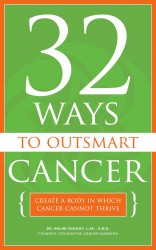
#5 Dr Nalini Chilkov is my cancer referral source and she has a new cancer booklet called 32 Ways to OutSmart Cancer. It has beautiful back-to-basics advice about eating nourishing nutrient-dense, antioxidant- and polyphenol-rich real whole food. I especially like the section on herbs and spices and love the chapter on gratitude. Here is a yummy salmon recipe from her blog.

#6 Be hopeful and optimistic. My colleague Fran Sussman shares her journey and story of recovery from breast cancer in this article called I am a breast cancer survivor: There is hope. Fran will be offering six-week support classes for women diagnosed with breast cancer starting in December.

I’ve come through it, with great resilience and rebounding health. I feel better than ever post-breast cancer, at age 60. I am healthy; my doctors concur.

What can you do for prevention? Support your body with optimal nutrition, exercise, sleep and hydration. Use nutrition to minimize inflammation and insulin resistance.

 Acknowledge and work with your fear, but don’t be driven by it.

#7 And my final piece of advice is stated so beautifully by Fran: “Acknowledge and work with your fear, but don’t be driven by it.” Anxiety and depression is very common in people who have been diagnosed with cancer.  This is understandable, but I encourage you to look for and get support in this area too, so you are not driven by your fear.

You may need to address low GABA levels, keep your blood sugar stable with good quality protein at breakfast, support your adrenals, and drink calming carob instead of coffee.  There is so much you can do.

If you’re looking for more great resources for your healing journey, I invite you to join us on The Anxiety Summit, Nov 3-16, and learn more about nutritional and natural solutions for anxiety.  The topics our expert address will also lead to improved overall health, improved heart health and will help with cancer prevention too.


Filed Under: Anxiety and panic, Cancer, Exercise, Real whole food, Women's health Tagged With: breast cancer, fran sussman, nalini chilkov, real whole food, stress, vitamin D

Exercise and nature for mood, social anxiety, memory and hot flashes

June 19, 2012 By Trudy Scott 9 Comments

Beautiful sunset at Lake Natoma, CA – after a fun time windsurfing

June is Celebrate the Great Outdoors month and June 15th was Nature Photography Day. These are just one of the many great reasons to get outside to exercise and enjoy nature.

I’ve blogged a great deal about exercise and the outdoors a great deal – when I reported back about food-exercise-biofeedback from the ADAA conference and nature and calm in Yosemite.

Here is some very recent research on some more great health benefits to motivate you!

(1)  Improved mood and better memory

A recent paper and titled Interacting with nature improves cognition and affect for individuals with depression and published in the Journal of Affective Disorders found that something as simple and easy as 50 minute walk in the park improved cognition and mood.

(2)  Improved sleep and reduction in hot flashes in menopausal women

Another recent paper titled Sleep quality and aerobic training among menopausal women-A randomized controlled trial and published in the Finnish Journal Maturitas found that aerobic training for 6 months may improve sleep quality and reduce hot flushes among symptomatic menopausal women.

(3)  Less social anxiety and depression

This recent paper titled A Randomized Trial of MBSR Versus Aerobic Exercise for Social Anxiety Disorder and published in the Journal of Clinical Psychology found that both mindfulness-based stress reduction and aerobic exercise “were associated with reductions in social anxiety and depression and increases in subjective well-being”.

Exercising has always been a big part of my life and I feel really flat when I don’t exercise. I grew up in a tennis family and played tennis for years and then switched to squash (similar to the US racket ball) when I got to high-school. In my 20s and 30s I did a lot of 5K and 10K runs, trail running and a few half-marathons – all in the beautiful Colorado mountains. I actually met my wonderful husband rock-climbing and we spent many fun years rock-climbing, ice-climbing and mountaineering!

These days we love to windsurf, hike and mountain bike in the summer. In the winter I telemark ski and Brad does snowboarding.

So I encourage you to get outside to celebrate the great outdoors, have fun exercising and take some beautiful photos.

At your next social event you’ll be chatty, calm and happy, will remember everyone’s name and you won’t be having hot-flashes! And you’ll come home and have a wonderful deep restful sleep.

Have fun and please share what you love to do for exercise now and what you loved to do as a child.

Filed Under: Anxiety and panic, Exercise, Looking awesome, Women's health

  • Page 1
  • Page 2
  • Go to Next Page »

Primary Sidebar

GABA QuickStart Homestudy

gaba quickstart homestudy

Free Report

9 Great Questions Women Ask about Food, Mood and their Health

You'll also receive a complimentary subscription to my ezine "Food, Mood and Gal Stuff"


Connect with me

Popular Posts

  • Amino Acids Mood Questionnaire from The Antianxiety Food Solution
  • The Antianxiety Food Solution Amino Acid and Pyroluria Supplements
  • Pyroluria Questionnaire from The Antianxiety Food Solution
  • Collagen and gelatin lower serotonin: does this increase your anxiety and depression?
  • Tryptophan for the worry-in-your-head and ruminating type of anxiety
  • GABA for the physical-tension and stiff-and-tense-muscles type of anxiety
  • The Antianxiety Food Solution by Trudy Scott
  • Seriphos Original Formula is back: the best product for anxiety and insomnia caused by high cortisol
  • Am I an anxious introvert because of low zinc and vitamin B6? My response to Huffington Post blog
  • Vagus nerve rehab with GABA, breathing, humming, gargling and key nutrients

Recent Posts

  • Her cravings for chips and peanut butter were triggered by stress: GABA ends cravings and reduces physical tension and fear of heights
  • It is truly miraculous to be able to move through life without crippling anxiety and panic
  • GABA and tryptophan combo provide immediate and noticeable relief for tremors and cervical dystonia in just 7 days
  • Red light therapy for back and neck pain, plantar fasciitis and low mood – a complement to the amino acids GABA, DPA and tryptophan
  • What do I use instead of Seriphos to help lower high cortisol that is affecting my sleep and making me anxious at night?

Categories

  • 5-HTP
  • AB575
  • Addiction
  • ADHD
  • Adrenals
  • Alcohol
  • Allergies
  • Alzheimer's disease
  • Amino Acids
  • Anger
  • Antianxiety
  • Antianxiety Food Solution
  • Antidepressants
  • Anxiety
  • Anxiety and panic
  • Autism
  • Autoimmunity
  • benzodiazapines
  • Bipolar disorder
  • Books
  • Caffeine
  • Cancer
  • Candida
  • Children/Teens
  • Collagen
  • Cooking equipment
  • Coronavirus/COVID-19
  • Cravings
  • Depression
  • Detoxification
  • Diabetes
  • Diet
  • DPA/DLPA
  • Drugs
  • EFT/Tapping
  • EMF
  • EMFs
  • Emotional Eating
  • Endorphins
  • Environment
  • Essential oils
  • Events
  • Exercise
  • Fear
  • Fear of public speaking
  • Fertility and Pregnancy
  • Fish
  • Food
  • Food and mood
  • Functional neurology
  • GABA
  • Gene polymorphisms
  • General Health
  • Giving
  • Giving back
  • Glutamine
  • Gluten
  • GMOs
  • Gratitude
  • Gut health
  • Heart health/hypertension
  • Histamine
  • Hormone
  • Hyperparathyroidism
  • Hypoglycemia
  • Immune system
  • Inflammation
  • Insomnia
  • Inspiration
  • Introversion
  • Joy and happiness
  • Ketogenic diet
  • Lithium orotate
  • Looking awesome
  • Lyme disease and co-infections
  • MCAS/histamine
  • Medication
  • Men's health
  • Mental health
  • Mercury
  • Migraine
  • Mold
  • Movie
  • MTHFR
  • Multiple sclerosis
  • Music
  • NANP
  • Nature
  • Nutritional Psychiatry
  • OCD
  • Osteoporosis
  • Oxalates
  • Oxytocin
  • Pain
  • Paleo
  • Parasites
  • Parkinson’s disease
  • PCOS
  • People
  • PMS
  • Postpartum
  • PTSD/Trauma
  • Pyroluria
  • Questionnaires
  • Real whole food
  • Recipes
  • Research
  • Schizophrenia
  • serotonin
  • SIBO
  • Sleep
  • Special diets
  • Sports nutrition
  • Stress
  • Sugar addiction
  • Sugar and mood
  • Supplements
  • Teens
  • Testimonials
  • Testing
  • The Anxiety Summit
  • The Anxiety Summit 2
  • The Anxiety Summit 3
  • The Anxiety Summit 4
  • The Anxiety Summit 5
  • The Anxiety Summit 6
  • Thyroid
  • Thyroid health
  • Toxins
  • Tryptophan
  • Tyrosine
  • Uncategorized
  • Vegan/vegetarian
  • Women's health
  • Yoga

Archives

  • May 2026
  • April 2026
  • October 2025
  • September 2025
  • August 2025
  • July 2025
  • June 2025
  • May 2025
  • April 2025
  • March 2025
  • February 2025
  • January 2025
  • November 2024
  • October 2024
  • September 2024
  • August 2024
  • July 2024
  • June 2024
  • May 2024
  • April 2024
  • March 2024
  • February 2024
  • January 2024
  • December 2023
  • November 2023
  • October 2023
  • September 2023
  • August 2023
  • July 2023
  • June 2023
  • May 2023
  • April 2023
  • March 2023
  • February 2023
  • January 2023
  • December 2022
  • November 2022
  • October 2022
  • September 2022
  • August 2022
  • July 2022
  • June 2022
  • May 2022
  • April 2022
  • March 2022
  • February 2022
  • January 2022
  • December 2021
  • November 2021
  • October 2021
  • September 2021
  • August 2021
  • July 2021
  • June 2021
  • May 2021
  • April 2021
  • March 2021
  • February 2021
  • January 2021
  • December 2020
  • November 2020
  • October 2020
  • September 2020
  • August 2020
  • July 2020
  • June 2020
  • May 2020
  • April 2020
  • March 2020
  • February 2020
  • January 2020
  • December 2019
  • November 2019
  • October 2019
  • September 2019
  • August 2019
  • July 2019
  • June 2019
  • May 2019
  • April 2019
  • March 2019
  • February 2019
  • January 2019
  • December 2018
  • November 2018
  • October 2018
  • September 2018
  • August 2018
  • July 2018
  • June 2018
  • May 2018
  • April 2018
  • March 2018
  • February 2018
  • January 2018
  • December 2017
  • November 2017
  • October 2017
  • September 2017
  • August 2017
  • July 2017
  • June 2017
  • May 2017
  • April 2017
  • March 2017
  • February 2017
  • January 2017
  • December 2016
  • November 2016
  • October 2016
  • September 2016
  • August 2016
  • July 2016
  • June 2016
  • May 2016
  • April 2016
  • March 2016
  • February 2016
  • January 2016
  • December 2015
  • November 2015
  • October 2015
  • September 2015
  • August 2015
  • July 2015
  • June 2015
  • May 2015
  • April 2015
  • March 2015
  • February 2015
  • January 2015
  • December 2014
  • November 2014
  • October 2014
  • September 2014
  • August 2014
  • July 2014
  • June 2014
  • May 2014
  • April 2014
  • March 2014
  • February 2014
  • January 2014
  • December 2013
  • November 2013
  • October 2013
  • September 2013
  • August 2013
  • July 2013
  • June 2013
  • May 2013
  • April 2013
  • March 2013
  • February 2013
  • January 2013
  • December 2012
  • November 2012
  • October 2012
  • August 2012
  • July 2012
  • June 2012
  • May 2012
  • April 2012
  • March 2012
  • February 2012
  • January 2012
  • December 2011
  • November 2011
  • October 2011
  • September 2011
  • August 2011
  • July 2011
  • June 2011
  • May 2011
  • April 2011
  • March 2011
  • February 2011
  • January 2011
  • December 2010
  • October 2010
  • September 2010
  • July 2010
  • May 2010
  • April 2010
  • March 2010
  • February 2010
  • January 2010
  • November 2009

Share the knowledge!

The above statements have not been evaluated by the Food and Drug Administration. Products listed in this website are not intended to diagnose, treat, cure or prevent any disease.

The information provided on this site is for informational and educational purposes only and is not intended as a substitute for advice from your physician or other health care professional. You should consult with a healthcare professional before starting or modifying any diet, exercise, or supplementation program, before taking or stopping any medication, or if you have or suspect you may have a health problem.


Copyright © 2026 Trudy Scott. All Rights Reserved. | Privacy | Terms and Conditions | Refund Policy | Medical Disclaimer

Free Report

9 Great Questions Women Ask about Food, Mood and their Health

You’ll also receive a complimentary subscription to my ezine “Food, Mood and Gal Stuff”