• Skip to primary navigation
  • Skip to main content
  • Skip to primary sidebar

everywomanover29 blog

Food, Mood and Women's Health – Be your healthiest, look and feel great!

  • Blog
  • About
  • Services
  • Store
  • Resources
  • Testimonials
  • The Book
  • Newsletter
  • Contact
  • Search this site

microbiome

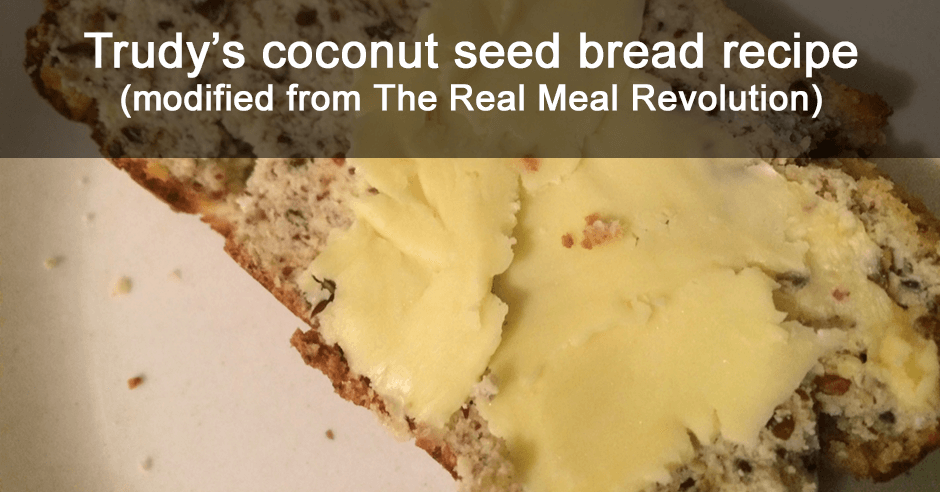
Trudy’s coconut seed bread recipe (modified from The Real Meal Revolution)

July 21, 2017 By Trudy Scott 27 Comments

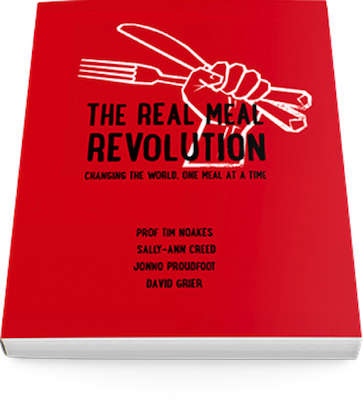
My favorite “bread” and the only one that I can actually eat right now is a coconut seed bread that I bake myself. I adapted a recipe from Tim Noake’s wonderful book The Real Meal Revolution, a recipe book from where I grew up – South Africa.

Why I modified the recipe

  • I opted to leave out the sunflower seeds and almond flour because of the higher levels of oxalates in these seeds and nuts. I have an oxalate issue right now but I’m also concerned with all the nuts that I see in Paleo recipes. Another possible issue for someone with anxiety and low zinc is the high copper levels in nut flours.
  • I typically don’t add sugar or anything sweet to baked goods so just left out the stevia/xylitol
  • I love coconut anything so why not try all coconut flour – it worked out great!

The ingredients and recipe for my version  

0.5 cup ground flax seeds (freshly ground)
1.5 cups coconut flour
2 tablespoons psyllium husk
250g / 1 cup plain Greek yogurt
6 organic or pastured eggs
10ml /2 teaspoons aluminum-free baking powder
0.5 teaspoon sea salt

Grind the seeds and mix all the dry ingredients in a bowl.
Mix the wet ingredients and combine with the dry ingredients using a wooden spoon.
Pour into a loaf pan that has been greased with butter.

Bake at 350 F/ 175 C for 50 minutes. I check it at 40 minutes and then take it out at 50 minutes once it starts to look brown on top and on the sides (I use a glass/pyrex loaf pan).

How to enjoy it?

It’s lovely eaten right away, warm and with loads of butter. I slice it thinly and keep a few slices in the fridge and freeze the rest in batches to use as needed through the next few weeks. It freezes really well and needs about 30 minutes to thaw at room temperature.

A few days a week I’ll have a slice with butter (I love butter!) and soft-boiled eggs, topped with whatever fermented vegetables we have on hand, and a side of avocado and left over vegetables from dinner the night before.
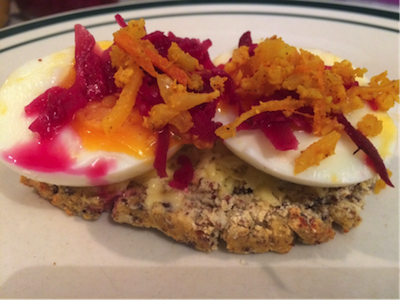
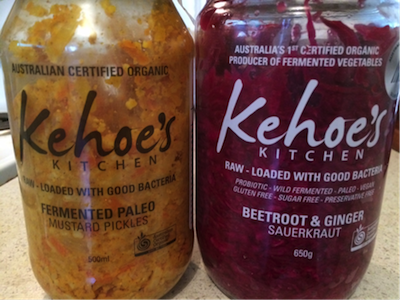
In case you’re curious, on this particular day, I used Kehoe’s Kitchen Fermented Paleo Mustard Pickles (it has a lot of cauliflower) and Kehoe’s Kitchen Beetroot & Ginger Sauerkraut. Both of these products are firm favorites in this household!

Similar products in the USA are made by The Brinery or FireFly Kitchens (just search online for “organic fermented vegetables”). Or make your own!

Remember if you buy fermented vegetables make sure to get them in the refrigerated section of the store. They need to be RAW in order to get all the benefits of the good bacteria for gut health and balancing your microbiome, and ultimately helping with reducing anxiety and depression.
The original recipe

Here is the original recipe from Tim Noake’s book (I don’t have the recipe book in hand right now as it’s still packed away with our move but I think this is the original)

0.5 cup ground flax seeds (freshly ground)
0.5 cup ground sunflower
1 cup almond flour or coconut flour
2 tablespoons psyllium husk
250g / 1 cup plain Greek yogurt or sour cream
6 organic or pastured eggs
10ml /2 teaspoons aluminum-free baking powder
0.5 teaspoon sea salt
Pinch stevia or teaspoon xylitol

Optional: Cinnamon, caraway seeds, pumpkin seeds, various chopped nuts and/or cranberries/raisins
Tim Noakes and anxiety and depression success stories

Here is some additional information about The Real Meal Revolution. It started out as a Banting recipe book and has grown into a movement in South Africa. Banting is similar to Paleo but does include dairy. My darling sister gave me a copy of this very popular book on one of my trips back to visit family and I really like it! It is fastest selling cook book in South African history with over 200,000 copies sold and is now available internationally in the UK, Australia and New Zealand.

In this blog post about anxiety and depression success stories when eating Paleo and grain-free, Alice shared this about her change to a Banting way of eating:

Three days after I stopped eating grains, my chronic depression lifted and has never returned (it’s three years later now). I had been a vegetarian most of my life, discovered in my early 50s that I was gluten intolerant, went off grains, started banting (Cape Town craze!) and have never felt better. Gut, mood, bones, energy, skin … all better!

Let us know if you try this recipe and enjoy it and do share some of your favorite fermented vegetable companies or recipe books.

And do let us know if you do better on a grain-free diet.
Filed Under: Food and mood, Recipes Tagged With: anxiety, coconut bread, depression, microbiome, oxalate, recipe, Trudy’s coconut seed bread

Butyrate, oxalates, sleep and the health of the microbiome

May 14, 2017 By Trudy Scott 11 Comments

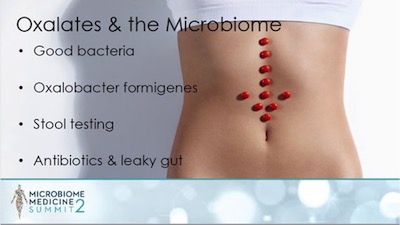
Butyrate, oxalates and sleep are all closely tied to the health of the microbiome. Here are a few snippets from some of my favorite interviews on the Microbiome Medicine Summit 2:

Healthy Messages from Body to Brain: Dr. David Perlmutter

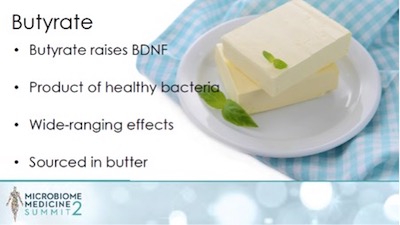
Butyrate is one of the 3 very important short chain fatty acids that are made in the gut: butyrate, propionate, and acetic acid are the products of the healthy bacteria.

And it turns out that butyrate has some far reaching effects in the body. It acts as a fuel for the cells that line the gut. It acts as a modulator of our gene expression, a fancy term called histone deacetylase inhibitor, but it changes the expression of our DNA.

It regulates the leakiness of the gut lining. It regulates the leakiness of the blood brain barrier, and it also simulates specific receptors on immune cells called G protein receptors that code for things like the formation of inflammatory chemicals, so it has wide-ranging effects.

We can increase our butyrate by having healthier gut bacteria. We can eat butyrate in certain foods. It comes from the word butter; butter is probably nature’s richest source of butyrate.

Special Diets & the Microbiome: Julie Matthews

What’s interesting about oxalates is they can affect and actually damage mitochondria. Mitochondria, those little powerhouses in the cell, there are millions and millions of those going on every second that supply our entire body, every cell, every organ of our body with energy at every second.

Issues with mitochondria are very common not only on autism but variety of conditions including fibromyalgia and all sorts of pain-related condition. And we often see when people have mitochondrial issues that they have issues with three or more systems. So if they’ve got issues with their gut and maybe something in their central nervous system or their immune system.

And interestingly, there is a microbiome connection with oxalates as well. And what that is, is that oxalates have to be broken down by good bacteria, particularly there is a bacteria called Oxalobacter formigenes and its job is to break down oxalates. There are other bacteria. There are Lactobacillus bacteria that can help break down oxalates, as well. Oxalobacter is particularly sensitive to antibiotics. Even a single round of antibiotics can really damage this population, sometimes not only for the short-term but sometimes for the longer term, particularly when someone has had multiple rounds.

Cleansing the Microbiome: Donna Gates

People probably don’t have this picture of the microbiome in their mind. But it’s very dynamic. It changes all the time. If you change your diet, your microbiome is going to change. If you travel, it’s going to change because you’re eating different foods and so on.

It’s also very cyclical. So, what happens at night when we go to sleep—the microbiome changes. There are certain microbes that become dormant—become quiet. And they don’t do anything much. And other ones become very active at night when we’re sleeping.

What happens if you have sleep disorders—like sleep apnea, for example, where you’re not breathing well at night—that’s going to change the diversity of the microbes in your gut. So, you want to correct sleep disorders.

You may not realize that when you don’t sleep, you’re harming the microbes in your gut. And you’re allowing the pathogenic crypts to have a heyday down in the gut. So, sleep is very important, very much connected to the microbiome.

I hope you’ll join the host Dr. Raphael Kellman and all the great speakers on the last few days of The Microbiome Medicine Summit 2.

Filed Under: Events Tagged With: Butyrate, Donna Gates, Dr. Kellman, Dr. Perlmutter, Julie Matthews, microbiome, microbiome medicine summit, oxalates, sleep

Alzheimer’s disease: address the root cause to reverse symptoms (Microbiome summit)

May 7, 2017 By Trudy Scott 4 Comments

Dr. Jill Carnahan’s interview on the Microbiome Medicine Summit 2 covers cutting edge new information about Alzheimer’s disease, based on the work and research of Dr. Dale Bredesen. They start with the gut-brain connection and Dr. Carnahan shares this:

we used to think of early-onset cognitive decline and dementias and mood disorders as being in their own bucket. And so, we saw psychiatrists or neurological doctors or neurologists to treat those diseases. And now we’re finding as we knew for several years with functional medicine that, obviously, it’s all connected.

And the gut is especially important because this reservoir holds so many of our microbes and possibly pathogens and that speaks to the brain through the vagus nerve and through cytokines and through inflammatory molecules of all types.

And so, this conversation between our gut and our brain is very profound and has a huge impact on things like multiple sclerosis or dementia, Alzheimer’s, or even things like bipolar disorder, schizophrenia, depression, anxiety, and sleep disorders.

So what we’re finding is by addressing the immune system and the gut which are intricately connected, we can often get profound effects on areas in the body that are far from that, like the brain.

Dr. Kellman asks Dr. Carnahan to share a study that will be the slam dunk for really believing in this connection and she mentions a paper titled Microbes and Alzheimer’s Disease. It cites pathogens like herpes simplex virus type 1 (HSV1), Chlamydia pneumoniae, and several types of spirochaete which can affect the brain and play a role in Alzheimer’s disease.

Dr. Carnahan then covers Dr. Dale Bredesen’s subtypes of early-onset dementia which allows you to treat the root cause and actually reverse symptoms. She goes into it in great detail so I’m going to give you the summary version here:

Type #1 is inflammatory

  • This could be from inflammation or infections or other poor dietary habits. And that’s where the microbiome could play into that.
  • You might see elevated CRP, IL-6, TNF-alpha. You might see a low albumin to globulin ratio. You might see high homocysteine, hypothyroid, elevated cortisol

Type #1.5 is glycotoxic

  • The pure pre-diabetic, diabetic
  • That’s kind of the pure elevated insulin, elevated fasting blood sugar, elevated cortisol, low testosterone, high triglycerides, low HDL (and has an element of inflammation)

Type #2 is atrophic: So that’s someone who loses their trophic factor of support like estrogen, testosterone, insulin, and vitamin D3.

And often, these type 1s and type 2s actually have ApoE-4 double mutations which are higher risk for Alzheimer’s.

Type #3 is toxic:

  • Toxic mold exposure, biotoxins from Lyme disease, or heavy metals or other chemicals.
  • Often these chemicals will act on the tight junctions of the gut and increase permeability. And then that permeability leads to massive endotoxemia.
  • Younger onset of symptoms (like 40s and 50s) and reversible once you find and remove the root cause

Type #4 is vascular: inflammation of the blood vessels, high homocysteine

Type #5 is traumatic: wrestlers or boxers or football players that have had multiple head injuries or trauma.

By addressing the various root causes, Dr. Bredesen reports a reduction and in some instances reversal of dementia symptoms.

Of course, we know anxiety is common when it comes to Alzheimer’s and dementia. By addressing many of these above root causes we’re also able to reduce anxiety symptoms at the same time.

It was a fascinating interview and I hope you enjoy it as much as I did. I learned a great deal and find it very useful to group the symptoms into types.

There does seem to be one aspect that Dr. Carnahan didn’t address and I haven’t seen it covered in Dr. Bredesen’s papers: the impact of benzodiazepines on dementia and Alzheimer’s disease.  There is conflicting research on this but I feel there is enough research that does show a correlation – enough for us to be concerned.   Here is a recent paper looking at high-dose benzodiazepine use in Chinese patients , supporting an association.

This 2016 paper – Benzodiazepine Use and Risk of Dementia in the Elderly Population: A Systematic Review and Meta-Analysis states:

Our results suggest that benzodiazepine use is significantly associated with dementia risk. However, observational studies cannot clarify whether the observed epidemiologic association is a causal effect or the result of some unmeasured confounding variable. Therefore, more research is needed.

This may likely fall under type #3 (toxic).  I plan to reach out to them as a follow-up.

UPDATE: May 9, 2017.  I did hear back from Dr. Carnahan and she shared that she always discusses history and physical and lab testing, and history of benzodiazepine use or other neuroactive substances. 

And new research shows that it’s more than the benzodiazepines: SSRIs, SRNIs and atypical antipsychotics increase the risk of dementia in veterans with PTSD and even in those who don’t have PTSD. 

I hope you’ll join the host Dr. Raphael Kellman and all the great speakers on the Microbiome Medicine Summit 2, May 8-15, 2017 to learn more.

If you have questions or comments please feel free to share in the comments.


Filed Under: Alzheimer's disease, Events Tagged With: Alzheimer’s disease, anxiety, benzodiazepines, dementia, Dr. Dale Bredesen, Dr. Jill Carnahan, Dr. Kellman, gut-brain, microbiome, microbiome medicine summit, SRNI, SSRI

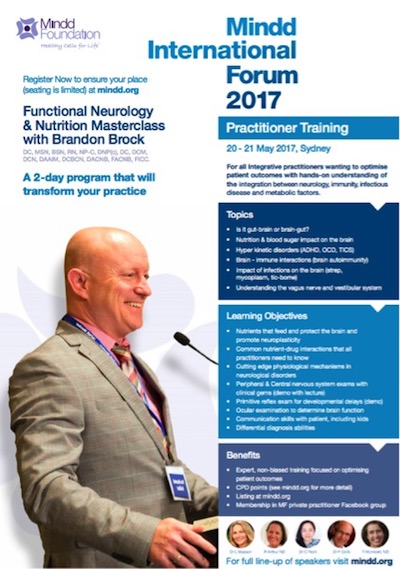
Mindd International Forum 2017, Sydney, Australia

April 21, 2017 By Trudy Scott Leave a Comment

The Mindd Forum Practitioner Training 2017 runs 20-21 May, 2017 at University of New South Wales, Sydney.

It will focus on brain-immuno-gut health in children and women, covering case studies, pre-natal care and women’s health (healthy mothers lead to better healthcare outcomes for the whole family). Here are some of the speakers/topics:

  • Robyn Cosford: Herbs in treating PANDAS
  • Rachel Arthur, ND: Getting your bearings regarding the pregnant thyroid – for mum and baby
  • Christine Houghton: Nutrigenomics in Treating Autism Spectrum Disorders
  • Dr Nirala Jacobi, BHSc, ND (USA): Diagnosis and treatment of small intestine bacterial overgrowth (SIBO)
  • Dr Christabelle Yeoh: Microbial energy economics- our mitochondria
  • John Smartt: Osteopathic treatment for improving the gut function of people with brain-gut conditions

Masterclass training will feature the power of combining Functional Nutrition and Functional Neurology with expert clinician Brandon Brock MSN, BSN, RN.

Dr. Brock has a passion for lecturing and giving learners didactic and academic skills in a way that is easy to digest, comprehend and utilize in a clinical setting. He has developed over 5000 hours of curriculum pertaining to neurology, nutrition, physical diagnosis, pharmacology, immunology, endocrinology and students of all from multiple educational backgrounds, including medical doctors, nurse practitioners and chiropractors

In his Mindd Masterclass Dr Brock will cover how to assess and treat a range of brain-immuno-gut conditions including ASD, ADHD, OCD, Anorexia, LD, SPD, CFS, PANDAS, Tic-Borne Illness and more.

Topics that Dr Brock will cover:

  • Is it gut-brain or brain-gut?
  • Nutrition and blood sugar impact on the brain
  • Hyper kinetic disorders (ADHD, OCD, TICS)
  • Brain – immune interactions (brain autoimmunity)
  • Impact of infections on the brain (strep, mycoplasm, tic-borne)
  • Understanding the vagus nerve and vestibular system

Details and registration for MINDD Forum 2017 here. This is a practitioner-only training and I will share highlights afterwards.


Filed Under: Events Tagged With: Brandon Brock, Functional neurology, mental health, microbiome, mindd, Mindd International Forum 2017

Zinc deficiency alters chick gut bacteria makeup and function

September 2, 2016 By Trudy Scott 11 Comments

chick-gut-mulfunction

A press release published by Cornell University shares research that has found that zinc deficiency alters gut bacteria makeup and function:

The researchers used broiler chickens in the study, partly due to their omnivorous appetites – which allowed the researchers to feed them purified diets – and because of their fatty acids and genetic similarities to humans.

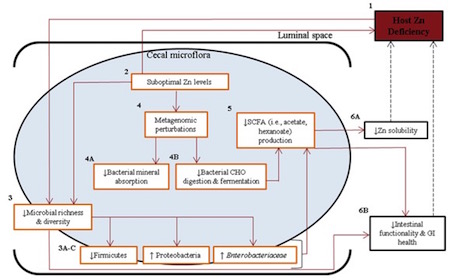
There is a great diagram in the actual study: Chronic Zinc Deficiency Alters Chick Gut Microbiota Composition and Function. It explains the proposed mechanisms by which a zinc-deficient gut microbiome may perpetuate a zinc-deficient state.

zinc-chick-diagram

Figure 8. Schematic diagram depicting proposed mechanisms by which a Zn [zinc] deficient gut microbiome may worsen a Zn deficient phenotype. Zn deficiency (1), caused by insufficient dietary Zn (2), induces a decrease in gut microbial diversity (3), and an outgrowth of bacteria particularly suited to low Zn conditions, leading to dysbiosis [3A–C]. Lack of dietary Zn also leads to alterations in the functional capacity of the microflora (4), causing multiple effects including decreased expression of pathways related to mineral (i.e., Zn) absorption (4A) and carbohydrate digestion and fermentation (4B). A decrease in the latter pathway may also cause a depression in the production of SCFAs [short chain fatty acids] (5), compounds responsible for improving the bioavailability of Zn. Altogether, these microbial effects may decrease Zn absorbability (6A) and disturb GI health (6B), thereby perpetuating a Zn deficient state. Red arrows and orange–lined boxes denote observations of this study, and dashed arrows and black–lined boxes describe published findings.

The above is shared here under the Creative Commons Attribution License and can be found here: Reed, S.; Neuman, H.; Moscovich, S.; Glahn, R.P.; Koren, O.; Tako, E. Chronic Zinc Deficiency Alters Chick Gut Microbiota Composition and Function. Nutrients 2015, 7, 9768-9784.

Zinc status is notoriously difficult to assess so I am fascinated by the findings of this Cornell University study suggesting

a simple new way to test for zinc deficiency by analyzing a patient’s fecal sample and seeing if the profile of gut bacteria matches the makeup one would expect in a zinc-deficient individual.

The authors suggest that with additional research this zinc stool test could become a noninvasive biomarker for zinc deficiency.

Zinc deficiency is common, affecting 25 percent of the world’s population, especially in the developing world.

Zinc deficiency plays a major role in anxiety and depression. Here is a recent paper on the connection between low serum zinc, high CRP (a marker of inflammation) and pre- and post-natal anxiety and depression: Lower Serum Zinc and Higher CRP Strongly Predict Prenatal Depression and Physio-somatic Symptoms, Which All Together Predict Postnatal Depressive Symptoms.

New research, soon to be published by the Journal of Neuroscience by researchers at the University of Auckland, shows the importance of zinc in autism. The study looks at how zinc can affect brain cell communication that is altered at the cellular level.

The researchers suggest this research may have applications for psychiatric disorders such as schizophrenia (and presumably anxiety and depression too).

I feel that we have an under-recognized opportunity to have a bigger impact on mental and physical health if we take zinc deficiency more seriously.

Have you had your zinc status assessed and do you supplement accordingly?

If you’re a practitioner, do you regularly check the zinc status of all your patients/clients?

Filed Under: Gut health Tagged With: anxiety, autism, depression, gut, Gut bacteria, microbiome, zinc, Zinc stool test

GABA-consuming bacteria discovered: Evtepia gabavorous

July 15, 2016 By Trudy Scott 25 Comments

bacteria

New bacteria that consumes GABA, the main calming neurotransmitter, has been discovered. It has provisionally been named KLE1738 Evtepia gabavorous (vorous means “eating”).

This new discovery was presented at the recent American Society for Microbiology conference in Boston in the Microbial Mind Control session.

Here is the entire abstract: Gaba Modulating Bacteria of the Human Gut Microbiome:

The gut microbiome affects many different diseases, and has been recently linked to human mental health. The microbiome community is diverse, but 50-80% of its diversity remains uncultured. We previously reported that uncultured bacteria from the marine environment require growth factors from neighboring species, and by using co-culture, we could cultivate novel diversity. In the present study, we used a similar co-culture approach to grow bacteria from humans stool samples. KLE1738, a “Most-Wanted” member of the human gut microbiome only known by its 16S rDNA signature, was found to require the presence of Bacteroides fragilis KLE1758 for growth. Using bio-assay driven purification of B. fragilis KLE1758 supernatant, γ-aminobutyric acid (GABA), the major inhibitory neurotransmitter of the central nervous system, was identified as the growth factor for KLE1738. We found no other tested compound but GABA supported the growth of KLE1738, and genomic analysis suggests an unusual metabolism focused on consuming GABA. Due to this unique growth requirement, we provisionally name KLE1738 Evtepia gabavorous. Using growth of E. gabalyticus as an indicator, we then identified novel GABA producing bacteria from the gut microbiome. Reduced levels of GABA are associated with depression, and we found fewer GABA producers in a human cohort of depressed individuals. By modulating the level of GABA, microbial producers and consumers of this neurotransmitter may be influencing host behavior.

If you’re anxious and especially if you have physical anxiety, it’s worth considering if low GABA is an issue and addressing your anxiety by trying to raise your GABA levels by taking GABA as a supplement, with lifestyle activities like yoga sessions, by eating a real whole foods traditional diet and by addressing gut health.

There is much research supporting the gut-brain connection and how imbalances of the microbiome i.e. intestinal dysbiosis, can contribute to:

  • anxiety, depression, social behaviour, cognition and visceral pain
  • neurobehavioral alterations in offspring
  • anorexia and anxiety/depression
  • alcohol use disorders and anxiety

Could Evtepia gabavorous be a factor in all of the above? It’s too soon to know but I expect we’ll know more as more research is completed.

If you’re looking for more information on GABA and the gut:

  • I recently covered GABA in my presentation during season 4 of the Anxiety Summit
  • and I’ve had the pleasure of interviewing Ted Dinan on psychobiotics on a previous summit
  • I also have a whole chapter on digestion and gut health in my book The Antianxiety Food Solution. It is still very relevant but could do with the addition of all this new research!

We certainly appreciate Postdoctoral Research Associate, Phillip Strandwitz and his team for the work they are doing. Strandwitz shares this on his bio:

my work has led me to focus on the gut-microbe-brain axis, specifically microbes able to modulate levels of neurotransmitters

I reached out to I asked him why he is interested this area of research and he shared this with me:

I think mental health is an incredible burden to society and there is not nearly enough spotlight nor funding to understand and treat these issues. I believe the microbiome is involved (at least to some capacity), and I’m passionate about trying to understand this involvement to create novel therapies to help those in need. I’m also a strong supporter of diet/lifestyle changes for better cognition!

How wonderful is this!

It’s early days and right now we can only speculate but it may be worth to considering if the presence of Evtepia gabavorous may be a reason why some individuals continue to need to take GABA supplements long-term to keep anxiety at bay. It also gives us additional reasons to focus on addressing gut health and boosting good bacteria to help to reduce the need for ongoing GABA supplementation.

As soon as the paper is published, I’ll have more details to share. In the meantime, enjoy the fascination and wonderment of the human body and our microbiome.

Please share if you have signs of low GABA and have you been taking GABA supplements long-term? Do you also have gut issues and dysbiosis too (based on stool testing)?

PS. So many of you contacted me with a link to this preliminary research so I’d just like to say thanks!

Filed Under: GABA Tagged With: anxiety, bacteria, depression, dysbiosis, GABA, Gabavorous, gut health, microbiome

  • « Go to Previous Page
  • Page 1
  • Page 2
  • Page 3
  • Page 4
  • Page 5
  • Go to Next Page »

Primary Sidebar

GABA QuickStart Homestudy

gaba quickstart homestudy

Free Report

9 Great Questions Women Ask about Food, Mood and their Health

You'll also receive a complimentary subscription to my ezine "Food, Mood and Gal Stuff"


Connect with me

Popular Posts

  • Amino Acids Mood Questionnaire from The Antianxiety Food Solution
  • The Antianxiety Food Solution Amino Acid and Pyroluria Supplements
  • Pyroluria Questionnaire from The Antianxiety Food Solution
  • Collagen and gelatin lower serotonin: does this increase your anxiety and depression?
  • Tryptophan for the worry-in-your-head and ruminating type of anxiety
  • GABA for the physical-tension and stiff-and-tense-muscles type of anxiety
  • The Antianxiety Food Solution by Trudy Scott
  • Seriphos Original Formula is back: the best product for anxiety and insomnia caused by high cortisol
  • Am I an anxious introvert because of low zinc and vitamin B6? My response to Huffington Post blog
  • Vagus nerve rehab with GABA, breathing, humming, gargling and key nutrients

Recent Posts

  • Her cravings for chips and peanut butter were triggered by stress: GABA ends cravings and reduces physical tension and fear of heights
  • It is truly miraculous to be able to move through life without crippling anxiety and panic
  • GABA and tryptophan combo provide immediate and noticeable relief for tremors and cervical dystonia in just 7 days
  • Red light therapy for back and neck pain, plantar fasciitis and low mood – a complement to the amino acids GABA, DPA and tryptophan
  • What do I use instead of Seriphos to help lower high cortisol that is affecting my sleep and making me anxious at night?

Categories

  • 5-HTP
  • AB575
  • Addiction
  • ADHD
  • Adrenals
  • Alcohol
  • Allergies
  • Alzheimer's disease
  • Amino Acids
  • Anger
  • Antianxiety
  • Antianxiety Food Solution
  • Antidepressants
  • Anxiety
  • Anxiety and panic
  • Autism
  • Autoimmunity
  • benzodiazapines
  • Bipolar disorder
  • Books
  • Caffeine
  • Cancer
  • Candida
  • Children/Teens
  • Collagen
  • Cooking equipment
  • Coronavirus/COVID-19
  • Cravings
  • Depression
  • Detoxification
  • Diabetes
  • Diet
  • DPA/DLPA
  • Drugs
  • EFT/Tapping
  • EMF
  • EMFs
  • Emotional Eating
  • Endorphins
  • Environment
  • Essential oils
  • Events
  • Exercise
  • Fear
  • Fear of public speaking
  • Fertility and Pregnancy
  • Fish
  • Food
  • Food and mood
  • Functional neurology
  • GABA
  • Gene polymorphisms
  • General Health
  • Giving
  • Giving back
  • Glutamine
  • Gluten
  • GMOs
  • Gratitude
  • Gut health
  • Heart health/hypertension
  • Histamine
  • Hormone
  • Hyperparathyroidism
  • Hypoglycemia
  • Immune system
  • Inflammation
  • Insomnia
  • Inspiration
  • Introversion
  • Joy and happiness
  • Ketogenic diet
  • Lithium orotate
  • Looking awesome
  • Lyme disease and co-infections
  • MCAS/histamine
  • Medication
  • Men's health
  • Mental health
  • Mercury
  • Migraine
  • Mold
  • Movie
  • MTHFR
  • Multiple sclerosis
  • Music
  • NANP
  • Nature
  • Nutritional Psychiatry
  • OCD
  • Osteoporosis
  • Oxalates
  • Oxytocin
  • Pain
  • Paleo
  • Parasites
  • Parkinson’s disease
  • PCOS
  • People
  • PMS
  • Postpartum
  • PTSD/Trauma
  • Pyroluria
  • Questionnaires
  • Real whole food
  • Recipes
  • Research
  • Schizophrenia
  • serotonin
  • SIBO
  • Sleep
  • Special diets
  • Sports nutrition
  • Stress
  • Sugar addiction
  • Sugar and mood
  • Supplements
  • Teens
  • Testimonials
  • Testing
  • The Anxiety Summit
  • The Anxiety Summit 2
  • The Anxiety Summit 3
  • The Anxiety Summit 4
  • The Anxiety Summit 5
  • The Anxiety Summit 6
  • Thyroid
  • Thyroid health
  • Toxins
  • Tryptophan
  • Tyrosine
  • Uncategorized
  • Vegan/vegetarian
  • Women's health
  • Yoga

Archives

  • May 2026
  • April 2026
  • October 2025
  • September 2025
  • August 2025
  • July 2025
  • June 2025
  • May 2025
  • April 2025
  • March 2025
  • February 2025
  • January 2025
  • November 2024
  • October 2024
  • September 2024
  • August 2024
  • July 2024
  • June 2024
  • May 2024
  • April 2024
  • March 2024
  • February 2024
  • January 2024
  • December 2023
  • November 2023
  • October 2023
  • September 2023
  • August 2023
  • July 2023
  • June 2023
  • May 2023
  • April 2023
  • March 2023
  • February 2023
  • January 2023
  • December 2022
  • November 2022
  • October 2022
  • September 2022
  • August 2022
  • July 2022
  • June 2022
  • May 2022
  • April 2022
  • March 2022
  • February 2022
  • January 2022
  • December 2021
  • November 2021
  • October 2021
  • September 2021
  • August 2021
  • July 2021
  • June 2021
  • May 2021
  • April 2021
  • March 2021
  • February 2021
  • January 2021
  • December 2020
  • November 2020
  • October 2020
  • September 2020
  • August 2020
  • July 2020
  • June 2020
  • May 2020
  • April 2020
  • March 2020
  • February 2020
  • January 2020
  • December 2019
  • November 2019
  • October 2019
  • September 2019
  • August 2019
  • July 2019
  • June 2019
  • May 2019
  • April 2019
  • March 2019
  • February 2019
  • January 2019
  • December 2018
  • November 2018
  • October 2018
  • September 2018
  • August 2018
  • July 2018
  • June 2018
  • May 2018
  • April 2018
  • March 2018
  • February 2018
  • January 2018
  • December 2017
  • November 2017
  • October 2017
  • September 2017
  • August 2017
  • July 2017
  • June 2017
  • May 2017
  • April 2017
  • March 2017
  • February 2017
  • January 2017
  • December 2016
  • November 2016
  • October 2016
  • September 2016
  • August 2016
  • July 2016
  • June 2016
  • May 2016
  • April 2016
  • March 2016
  • February 2016
  • January 2016
  • December 2015
  • November 2015
  • October 2015
  • September 2015
  • August 2015
  • July 2015
  • June 2015
  • May 2015
  • April 2015
  • March 2015
  • February 2015
  • January 2015
  • December 2014
  • November 2014
  • October 2014
  • September 2014
  • August 2014
  • July 2014
  • June 2014
  • May 2014
  • April 2014
  • March 2014
  • February 2014
  • January 2014
  • December 2013
  • November 2013
  • October 2013
  • September 2013
  • August 2013
  • July 2013
  • June 2013
  • May 2013
  • April 2013
  • March 2013
  • February 2013
  • January 2013
  • December 2012
  • November 2012
  • October 2012
  • August 2012
  • July 2012
  • June 2012
  • May 2012
  • April 2012
  • March 2012
  • February 2012
  • January 2012
  • December 2011
  • November 2011
  • October 2011
  • September 2011
  • August 2011
  • July 2011
  • June 2011
  • May 2011
  • April 2011
  • March 2011
  • February 2011
  • January 2011
  • December 2010
  • October 2010
  • September 2010
  • July 2010
  • May 2010
  • April 2010
  • March 2010
  • February 2010
  • January 2010
  • November 2009

Share the knowledge!

The above statements have not been evaluated by the Food and Drug Administration. Products listed in this website are not intended to diagnose, treat, cure or prevent any disease.

The information provided on this site is for informational and educational purposes only and is not intended as a substitute for advice from your physician or other health care professional. You should consult with a healthcare professional before starting or modifying any diet, exercise, or supplementation program, before taking or stopping any medication, or if you have or suspect you may have a health problem.


Copyright © 2026 Trudy Scott. All Rights Reserved. | Privacy | Terms and Conditions | Refund Policy | Medical Disclaimer

Free Report

9 Great Questions Women Ask about Food, Mood and their Health

You’ll also receive a complimentary subscription to my ezine “Food, Mood and Gal Stuff”