• Skip to primary navigation
  • Skip to main content
  • Skip to primary sidebar

everywomanover29 blog

Food, Mood and Women's Health – Be your healthiest, look and feel great!

  • Blog
  • About
  • Services
  • Store
  • Resources
  • Testimonials
  • The Book
  • Newsletter
  • Contact
  • Search this site

Archives for May 2016

Source Naturals GABA Calm™: Why I recommend it for anxiety

May 27, 2016 By Trudy Scott 185 Comments

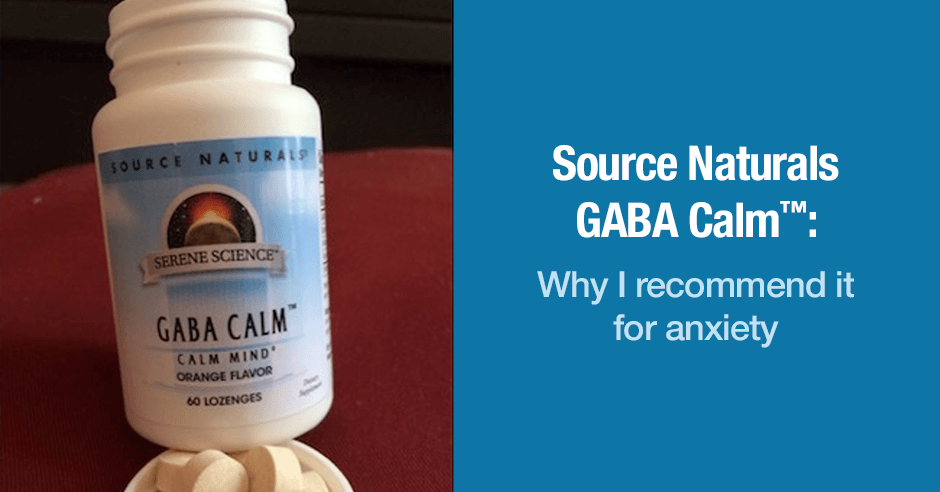
source naturals gaba calm

When you have low GABA levels you will have physical anxiety with stiff and tense muscles as well as feelings of stress, overwhelm and may even have panic attacks.

The amino acid GABA helps to raise GABA levels and ease these symptoms very quickly. I find that all GABA products are most effective when taken sublingually or opened on to the tongue. This is why I recommend the Source Naturals GABA Calm™ product.

It is a pleasant-tasting sublingual product that you can buy at your local health-store and in my online supplement store. It is a lozenge that contains 125mg GABA, 5mg magnesium, 50mg glycine, 25mg tyrosine and 20 mg taurine.

[Note: this product is a lozenge with 125mg GABA and is not to be confused with the Source Naturals, GABA Calm Mind, 750 mg tablets]

This is my most popular and most effective form of GABA I use with my clients. Here is the product description from the Source Naturals site:

GABA Calm™ combines two of the main inhibitory neurotransmitters, GABA and glycine, with N-acetyl L-tyrosine, which is a precursor to the neurotransmitters dopamine and norepinephrine. In addition, taurine supports the calming effects of GABA. The lozenge form dissolves in the mouth for quick and convenient delivery.
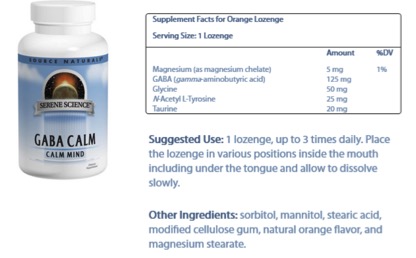
gaba-calm-supplement-facts 

The GABA, glycine and taurine are calming and the N-acetyl L-tyrosine (which boosts the catecholamines and can be more stimulating) counters some of the calming effects so you have a nice balance.

A typical starting dose could look like this:

  • 1 x GABA Calm on waking
  • 1 x GABA Calm mid-morning
  • 1 x GABA Calm mid-afternoon

If this works well but you still have some anxiety, then you could try 2 each time and even 3 each time.

I have all my clients do an amino acid trial to determine what will work best for their own needs.

As with all of the amino acids we review the Amino Acid Precautions before starting GABA Calm. The only precaution for using GABA is low blood pressure. I have yet to see it be an issue but it’s something to watch.

Since GABA Calm does contain tyrosine please be aware of these precautions. I don’t have my clients use it in these instances:

  • Overactive thyroid/Grave’s disease
  • Melanoma
  • Phenylketonuria (PKU)
  • Bipolar disorder

The amount of tyrosine in GABA Calm is so low it’s typically not an issue but I have my clients monitor their use of GABA Calm if they have

  • High Blood pressure
  • Migraine headaches

Some of my clients do fine taking this product at night and it calms them and helps them sleep. Here is feedback I recently received from someone:

I’ve been getting good results with taking 2 x Source Naturals GABA Calm lozenges of late, especially at night if I can’t get to sleep. I have tried several GABA supplements but this one seems to be the only one that works for me

Others find it affects their sleep and can only use it for easing their anxiety in the day time.

When I was experiencing my anxiety and panic attacks I used to take GABA Calm™ during the day (1-3, 3 times day) and it completely stopped the panic attacks and eased my anxiety while I dug deeper looking for the other contributing factors (like gluten issues, low progesterone, heavy metals and more). I took 2 of the Country Life GABA Relaxer at night. This product contains GABA, glycine, taurine, inositol, vitamin B6 and niacinamide.

It’s a great product to use with children. Trish Soderstrom shared how she used this product with her daughter’s Lyme anxiety.

We’ve used Source Naturals GABA Calm sublinguals with good results. I learned about GABA helping anxiety and because I was treating my young daughter I purchased this because it was easy for her to take.

She’ll be sharing more during her interview on the Anxiety Summit: How We Used GABA for Lyme Anxiety.

Dr. Zendi Moldenhauer, PhD, NP, RN will also be talking about how she uses this product in her interview: Anxiety in children, adolescents and young adults: an integrative psychiatric approach.

I recently received this comment on another blog post where I mentioned GABA Calm™:

Checked out gaba calm. Sounded great until I looked at the ingredients: sorbitol and mannitol are listed as first ingredients. These fake sugars can wreak havoc on your system. Also natural orange flavor… Heaven knows what that is. Too bad, sounded great. Any other suggestions?

Here is my response to this: I agree we could do better but it’s still a very effective product since sublingual GABA is best for most people. Sorbitol and mannitol are not fake sugars but sugar alcohols that don’t affect blood sugar. Very large amounts of sugar alcohols can sometimes cause lose stool but none of my clients have reported this effect from GABA Calm since it contains a very small amount.

If you choose not to use this product, I list other GABA products here on my supplements blog. Opening the capsule seems to be the best way to take GABA.

We are all different and many people do well with other types of GABA products as you can read here – GABA, the calming amino acid: products and results.

The blood brain barrier question comes up at least once a week. In fact, I was just asked this question last week:

Does a GABA supplement have to cross the blood brain barrier to be effective? A nutrition seminar I have been to, said it does not and GABA supplements are ineffective.

This is a myth and I am on a mission to change this thinking about GABA. GABA supplements are very effective for many anxious individuals.

I’d love to hear if you’ve used GABA Calm™ for anxiety, panic attacks, sleep and/or stress eating and how it’s worked for you. How often do you take it and how much do you take?

If you use it with clients I’d love to hear from you too.

If you use GABA Calm™ during the day and another GABA product at night please share that info too.

I’m sharing this information in preparation for my Anxiety Summit interview on GABA and dispelling the blood brain barrier myth. I’ll be sharing what we do know about how GABA works, what we don’t yet know and what we hope to learn through further research.
 

Filed Under: Antianxiety, GABA Tagged With: amino acids, GABA, GABA Calm, panic, the anxiety summit

The Anxiety Summit Season 4: All the speakers and topics

May 24, 2016 By Trudy Scott 32 Comments

as-season4-nocta

The Anxiety Summit Season 4: June 6 – 16, 2016
Nutritional Solutions for Anxiety
Hosted by Trudy Scott,
Food Mood Expert and Nutritionist, author of The Antianxiety Food Solution.

Here are all the speakers, their topics and blog posts with additional information, links to studies and more.  Each speaker title below links to the respective speaker blog.

“Anxiety Summit opening: benzos, electroshock, blueberries, sauerkraut and the vagus nerve” – Trudy Scott CN, author The Antianxiety Food Solution

“Anxiety: the role of fats, turmeric and wheat” – Cyndi O’Meara, Nutritionist, founder of Changing Habits

“Anxiety: The Stressed and Toxic Gut” – Dr. Josh Axe, DNM, DC, CNS, author of Eat Dirt

“Anxiety: the SCD diet, carbs, adrenals and leaky gut” – Steven Wright, creator of SCDlifestyle

“Is Coffee Your Hidden Anxiety Trigger and How to Substitute It with Delicious and Healing Drinks” – Magdalena Wszelaki, founder of Hormones Balance

“Gluten and anxiety: the testing conundrum solution” – Dr. Tom O’Bryan DC, CCN, host The Gluten Summit

“Anxiety and the Importance of Community” – James Maskell, creator of Functional Forum

“Nutrients that Fuel Brain Power and Reduce Anxiety” – Dr. Drew Ramsey, M.D., psychiatrist, farmer and author of Eat Complete

“Anxiety: The Link Between Low Cholesterol and Low Oxytocin” – Dr. Kurt Woeller, DO, integrative medicine physician

“Multiple sclerosis and anxiety: The Wahls Protocol” – Dr. Terry Wahls, MD, author of The Wahls Protocol

“The leptin obesity anxiety connection” – Mike Mutzel, MS, author of Belly Fat Effect

“Anxiety and digestion: the microbiome, stomach acid, bile and the vagus nerve” – Prof. Liz Lipski, PhD, CCN, CNS, author of Digestive Wellness

“Marijuana and anxiety: Panacea or Pandora’s Box?” – Dr. Hyla Cass, M.D., board-certified in psychiatry and integrative medicine, author of The Addicted Brain and How to Break Free

“GABA: Blood brain barrier controversy, concerns, best forms and how to do a trial for eliminating anxiety” – Trudy Scott CN, author The Antianxiety Food Solution

“Anxiety in children, adolescents and young adults: an integrative psychiatric approach” – Dr. Zendi Moldenhauer

“Anxiety and heavy metals: chelation of mercury and lead” – John Dempster, ND, host of the Mental Wellness Summit

“Addressing Anxiety in Individuals with Autism” – Julie Matthews, CNC, author of Nourishing Hope for Autism

“Serotonin and anxiety: tryptophan, 5-HTP, serotonin syndrome and medication tapers” – Dr. Peter Bongiorno, ND, author of Holistic Therapies for Anxiety and Depression

“Tryptophan for anxiety, depression and insomnia: why quality is key and the critical co-factors” – Ron Sturtz, Owner/President, Lidtke Technologies

“A functional medicine approach to eliminate Lyme disease and the anxiety it often causes” – Dr. Jay Davidson D.C, host of the Chronic Lyme Disease Summit

“Antibiotic Induced Anxiety – How Fluoroquinolone Antibiotics Induce Psychiatric Illness Symptoms” – Lisa Bloomquist, fluoroquinolone toxicity patient advocate

“Anxiety: Grass-fed beef, fermented foods and healthy snacks the Paleovalley way” – Autumn Fladmo Smith, co-founder Paleovalley

“Is My Anxiety and Depression from a Methylation, Pyrrole, or Copper-Zinc Imbalance?” – William J. Walsh, Ph.D., author of Nutrient Power

“How We Used GABA for Lyme Anxiety” – Tricia Soderstrom, Abounding in Hope With Lyme

“Anxiety Summit closing: Neurotransmitter testing, amino acid questions, hyperflexibility/EDS and pet anxiety” – Trudy Scott CN, author The Antianxiety Food Solution


Thank you for joining us on The Anxiety Summit Season 4! I hope you’ll join us again for the season 5 of The Anxiety Summit!

Want these incredible interviews for your learning library? or did you miss the summit?

Purchase the season 4 MP3s or MP3s + transcripts and listen when it suits you.

You can also find your purchasing options for season 1, 2 and 3 here: Anxiety Summit Season 1, Anxiety Summit Season 2, and Anxiety Summit Season 3.

Remember don’t tolerate how you feel. You deserve to feel your absolute best, and you can and should feel on top of the world always. You can completely eliminate your anxiety symptoms. Don’t give up hope, and just keep looking for answers until you have zero anxiety ~ Trudy

Filed Under: The Anxiety Summit 4 Tagged With: anxiety, the anxiety summit, Trudy Scott

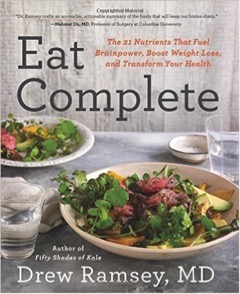
Dr. Drew Ramsey’s new book Eat Complete

May 23, 2016 By Trudy Scott Leave a Comment

eat-complete

Dr. Drew Ramsey’s newest book just released this week and it’s wonderful! Mine just arrived and the food photos are superb!

Check out Eat Complete: The 21 Nutrients That Fuel Brainpower, Boost Weight Loss, and Transform Your Health

From leading psychiatrist and author of Fifty Shades of Kale comes a collection of 100 simple, delicious, and affordable recipes to help you get the core nutrients your brain and body need to stay happy and healthy.

What does food have to do with brain health? Everything.

Your brain burns more of the food you eat than any other organ. It determines if you gain or lose weight, if you’re feeling energetic or fatigued, if you’re upbeat or depressed. In this essential guide and cookbook, Drew Ramsey, MD, explores the role the human brain plays in every part of your life, including mood, health, focus, memory, and appetite, and reveals what foods you need to eat to keep your brain—and by extension your body—properly fueled.

Drawing upon cutting-edge scientific research, Dr. Ramsey identifies the twenty-one nutrients most important to brain health and overall well-being—the very nutrients that are often lacking in most people’s diets. Without these nutrients, he emphasizes, our brains and bodies don’t run the way they should.

Eat Complete includes 100 appetizing, easy, gluten-free recipes engineered for optimal nourishment. It also teaches readers how to use food to correct the nutrient deficiencies causing brain drain and poor health for millions.

Featuring fifty stunning, full-color photographs, Eat Complete helps you pinpoint the nutrients missing from your diet and gives you tasty recipes to transform your health—and ultimately your life.

Of course blueberries are featured – so it’s a perfect tie-in to the new blueberry-PTSD research.

Dr. Ramsey is one of our expert speakers on the June Anxiety Summit (which airs June 6-16) and I can’t wait to share more with you! In the meantime, enjoy his new book and get inspired to get back into the kitchen!


Filed Under: Antianxiety, Books, Recipes Tagged With: anxiety, blueberries, drew ramsey, eat complete

Blueberries boost serotonin and may help with PTSD and anxiety

May 20, 2016 By Trudy Scott 11 Comments

blueberries

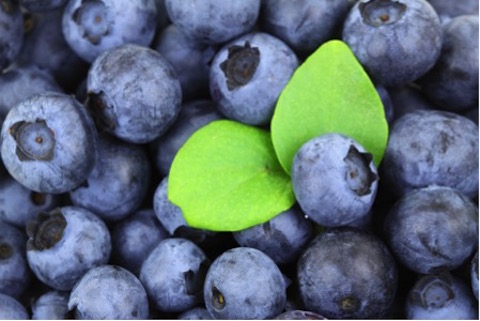
New research finds that blueberries boost serotonin and may help with PTSD and anxiety. This was an animal study and is very promising.

A press release issued by the American Physiological Society shares the following:

Up to 8 percent of people in the U.S. suffer from post-traumatic stress disorder (PTSD) as the result of witnessing or being the victim of a traumatic event.

People with PTSD have been in a situation in which they were at risk of death, serious injury or sexual violence or have seen first-hand loved ones faces such threats. They may experience flashbacks, emotional detachment and jumpiness, among other symptoms that affect their ability to function in everyday life.

Currently, the only approved therapy for PTSD is selective serotonin reuptake inhibitors (SSRIs), such as Zoloft and Paxil, but their effectiveness is marginal. Now researchers at Louisiana State University have found that a readily available superfood—the blueberry—could be an effective treatment.

Philip J. Ebenezer presented the poster titled “The Neuro-Protective Efficacy of Blueberry in an Animal Model of Post-Traumatic Stress Disorder (PTSD)” at the Experimental Biology meeting on March 30, 2016.

Here is the paper/poster abstract: The Neuro-protective Efficacy of Blueberry in an Animal Model of Post-Traumatic Stress Disorder (PTSD)

Post-traumatic stress disorder (PTSD) is a trauma and stressor-related disorder that results in a prolonged stress response. It is associated with increased oxidative stress and inflammation in the prefrontal cortex (PFC) and hippocampus (HC). Previous findings from our lab indicate that neurotransmitter levels are modulated in the brain of PTSD animals. The only approved therapy for PTSD is the use of selective serotonin re-uptake inhibitors (SSRI), but their efficacy is marginal. Recently, we demonstrated that over-activation of Norepinephrine (NE) along with Serotonin (5-HT) as the possible reason for the lack of efficacy of SSRI. Hence, there is a need for novel therapeutic approaches for the treatment of PTSD. In this study, we investigated the neuroprotective role of blueberries (BB) in modulating neurotransmitter levels in PTSD. Rats were fed with a blueberry-enriched (2%) or a control diet. Rats were exposed to cats for one hour on days 1 and 11 of a 31-day schedule to simulate traumatic conditions. At the end of the study, the rats were euthanized and PFC and HC were isolated. We measured monoamines and their metabolites by high-performance liquid chromatography. In our PTSD model, NE levels were increased and 5-HT levels were decreased when compared to control. In contrast, a BB diet increased 5-HT without affecting NE levels. These findings indicate non-pharmacological approaches might modulate neurotransmitters in PTSD. Further studies to understand the molecular mechanism of neuro-protection by BB can provide a potential therapeutic target for the treatment of PTSD.

In summary, the traumatized rats that were fed blueberries saw an increase in serotonin levels and the study authors suggest that the non-drug neuroprotection offered by the blueberries may offer support for those with PTSD. Presumably this could help those with anxiety and depression too, since low serotonin can also be a factor in these conditions.  

Here are some ways to incorporate blueberries:

  • Fresh blueberries as a healthy snack
  • Frozen blueberries, also eaten as is as healthy snack (kids love this treat)
  • In a smoothie for breakfast, together with coconut milk, a banana and some whey or pea protein powder (great for good blood sugar control and reducing anxiety and irritability too)
  • As a dessert with grass-fed organic ice-cream or cream, or coconut milk if dairy is an issue for you
  • Dunked in melted dark organic free-trade chocolate as an occasional treat

Make sure to buy organic blueberries as non-organic are on the Dirty Dozen list and are highly sprayed with pesticides.

I love blueberries! How about you? How do you like to eat them?

PS. We’ll be covering other new food anxiety research on the upcoming Anxiety Summit and hope you can join us.

Filed Under: Antianxiety, PTSD/Trauma Tagged With: anxiety, blueberries, PTSD, serotonin, the anxiety summit

Mental Health Month: anxiety, nutrition, gluten, GABA, leptin and fluoroquinolones

May 13, 2016 By Trudy Scott 21 Comments

egg-asparagus-salad

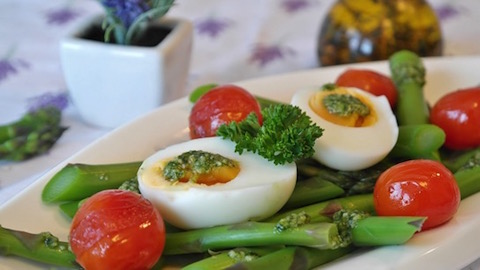
Since 1949, Mental Health America and affiliates across the country have led the observance of May is Mental Health Month by reaching millions of people both online and locally. They share this:

This year’s theme for Mental Health Month is – Life with a Mental Illness – and calls on individuals to share what life with a mental illness feels like for them in words, pictures and video by tagging their social media posts with #mentalillnessfeelslike (or submitting to MHA anonymously). Posts are being collected and displayed at mentalhealthamerica.net/feelslike.

I love that they say that spreading the word that mental health issues like anxiety, depression, bipolar and other disorders is something everyone should care about.

I’d love to educate and inspire many of those individuals who have already posted on social media using #mentalillnessfeelslike and have yet to find a solution. There are so many of them and it’s heart-breaking. You can go to mentalhealthamerica.net/feelslike now and see what is being said.

Here are a few examples:

Severe anxiety feels like you are lost in a big city where no one else can speak your language and you are trying to get home.. #mentalillnessfeelslike

#anxietyfeelslike #mentalillnessfeelslike a never ending battle to keep worry from creeping in to your every thought. Trying to be present

Anxiety Attack #mentalillnessfeelslike: I’m swirling in a cyclone while also being constructed by a Boa

#MentalIllnessFeelsLike Worrying About Passing This Semester Causing Your Anxiety To Mess Up More Although Your Anxiety Put You Here

And this profound quote by MentallyAbnormallyNormal (you can find her here on Facebook)

mentally-abnormally-normal-meme

I encourage you to participate if it feels ok to you. I’d especially love you to share how nutrition and nutrients like GABA, tryptophan, zinc, vitamin B12, and/or vitamin D have helped you. You can also respond directly to the posts others have made.

Here are some links to my prior blog posts on some of the many nutritional (and biomedical) approaches so feel free to also share some of this information and use it if you’re still on your healing journey to overcome anxiety, panic attacks, OCD, insomnia and other mood problems:

  • Nutritional medicine in modern psychiatry: position statement by ISNPR
  • Integrative Medicine Approach to Pediatric Obsessive-Compulsive Disorder and Anxiety
  • GABA, the calming amino acid: products and results
  • Tryptophan for anxiety, sleep and mood: in Put Anxiety Behind You
  • Sleep promoting effects of combined GABA and 5-HTP: new research
  • Neuropsychiatric Lyme Disease by Dr. Suruchi Chandra
  • 60+ Nutritional & Biochemical Causes of Anxiety

I’ll be adding to this last blog during season 4 of The Anxiety Summit which runs June 6th – 16th. As I continue to interview experts I learn more about the myriad of possible underlying causes of anxiety:

  • Mike Mutzel will be covering how leptin resistance affects the HPA axis contributing to cortisol imbalances and how we handle stress, inflammation, immune imbalances and obesity – all playing a role in anxiety, schizophrenia and depression, and OCD and even PTSD.
  • Lisa Bloomquist will be covering fluoroquinolone related neuropsychiatric toxicity and how to recover from fluoroquinolone toxicity. Fluoroquinolones are commonly prescribed antibiotics (ciprofoxacin, levofoxacin, and moxifoxacin) and can be a major factor in anxiety and depression. She shares how this toxicity can be as bad for some individuals as benzodiazepine tolerance and withdrawal.

For some of my clients, eliminating anxiety (and other mood disorders) can be as simple as switching to a real whole foods diet, eating to balance blood sugar, quitting sugar/gluten/caffeine and adding some key nutrients like zinc and vitamin D. Many benefit immensely when using targeted individual amino acids like GABA and tryptophan. And some need to dig deeper to find the root cause of the anxiety.

But let’s always keep looking for that root cause or causes – find YOUR root cause/s – and address it/them.

My heart goes out to you if you are still suffering and still seeking a solution (and to everyone tagging themselves with #mentalillnessfeelslike and #anxietyfeelslike).

I say let’s aims to change this to the past tense so instead of #mentalillnessfeelslike let’s get to #mentalillnessfeltlike. Or how about #anxietyfeltlike or even #nutritionfixedmyanxiety ?

It truly is possible with food and nutrients! Do you agree? What has worked for you? Feel free to share in the comments and tag yourself on social media.

And do join us on The Anxiety Summit next month and share this during the Mental Health Month of May.


Filed Under: Events, Mental health Tagged With: anxiety, depression, fluoroquinolone, GABA, Leptin resistance, Mental Health Month, nutrition, OCD, PTSD, schizophrenia, the anxiety summit, tryptophan

Tryptophan for anxiety, sleep and mood: in Put Anxiety Behind You

May 6, 2016 By Trudy Scott 98 Comments

put-anxiety-behind-you

Tryptophan is an amino acid I use with clients all the time. If you have the low serotonin symptoms of anxiety, worry, depression, insomnia, PMS, TMJ, anger issues, winter blues and afternoon/evening cravings, tryptophan can provide relief very quickly, provided you use a quality tryptophan product and find the right amount for your unique needs. I do a trial of each amino acid with my clients.

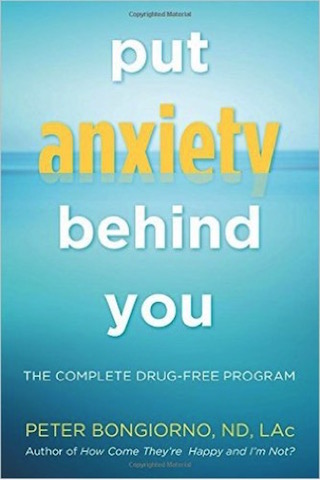
Dr. Peter Bongiorno, ND, a doctor of naturopathic medicine, also uses tryptophan with his patients. Here is an excerpt on tryptophan from his newest book Put Anxiety Behind You: The Complete Drug-Free Program:

Tryptophan (sometimes referred to as L-tryptophan) is a naturally derived amino acid that serves as a precursor to the neurotransmitter serotonin, which is needed to help you stay asleep. Low levels of tryptophan contribute to generalized anxiety and panic attacks. Back in the early 1990s, a laboratory I was associated with at Yale University performed “tryptophan depletion studies” and which volunteers who were already prone to anxiety were put on a tryptophan-free diet. Within days, these people were extremely anxious, panicky and unstable – and they had lots of trouble staying asleep.

I usually give people 500 – 1,000 mg of tryptophan at bedtime, but I may dose up to 2,500 mg. Take tryptophan at bedtime with a slice of simple carbohydrate (like an apple slice) – the carbohydrate will increase insulin levels and insulin will promote tryptophan absorption in the brain. In my clinic I use a supplement called Tryptophan Calmplete, which includes B vitamins.

Although most conventional psychiatrists are afraid to mix natural medicines like tryptophan with conventional medications studies suggest that they can be safely combined. One eight-week randomized controlled trial of thirty patients with major depression combined 20 mg of Prozac (an SSRI medication) with 2,000 mg of tryptophan as daily treatment for major depressive disorder. This study demonstrated that combining tryptophan and an SSRI improved mood and helped patients stay asleep.

If you look up tryptophan on websites like WebMD, they are going to tell you that tryptophan is unsafe. The reason for this is because in the early 1990s there was an incident of Eosinophilia Myalgia Syndrome, a condition contracted by thirty people who most unfortunately got sick (and some died) after ingesting tryptophan supplements. This tragic event occurred because the company making the supplement had no quality controls, and allowed the introduction of bacteria. These deaths had nothing to do with tryptophan itself. My sense is that the folks behind conventional websites WebMD, who should be doing their homework, let these ideas persist on purpose. The drug companies who advertise with these websites then benefit from continuing the misinformation. I have taken tryptophan myself, have used it with family members and countless patients with absolutely no problem save for the side benefit of better sleep and mood.

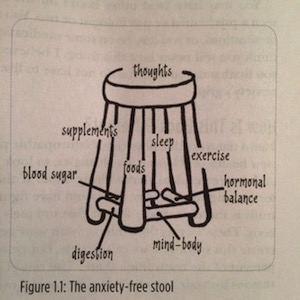
This book is an excellent resource for anxiety, where addressing nutritional imbalances with a supplement such as tryptophan is part of the bigger picture of addressing sleep, doing thought work and mind-body work, balancing hormones and blood sugar, exercising, adopting a healthy real foods diet, and making sure you have a healthy digestive system.

He uses the analogy of a stool – when one of the legs or supports is weak, your health suffers.

put-anxiety-behind-you-fig1

I’m a research-geek and love to be able to look at the studies so my only negative comment about the book is that all the studies mentioned in the text are not listed in the references and studies that are listed in the references are not numbered so they can be easily found in the text.

His other book Holistic Solutions for Anxiety and Depression: Combining Natural Remedies with Conventional Care is also excellent and is geared to therapists and other practitioners. You can read my review of that book here.

I had the pleasure of interviewing Dr. Bongiorno on The Anxiety Summit (season 3) – our topic: Serotonin and Anxiety, Happiness, Digestion and our Hormones. And I’m excited to share that he’ll be speaking on Season 4 of the Anxiety Summit. We’ll be taking a deeper dive into serotonin and tryptophan.

I also had the pleasure of meeting Dr. Bongiorno in person and hearing him present at the New York City Integrative Healthcare Symposium earlier this year.  

peter-trudy

Dr. Bongiorno is co-director of Inner Source Natural Health and Acupuncture in New York City. President of the New York Association of Naturopathic Physicians, he is a contributor to numerous blogs and online magazines, including DrOz.com and Sharecare.com, and is regularly interviewed as a natural medicine expert on national television and radio.

Dr. Bongiorno has been kind enough to offer a copy of Put Anxiety Behind You: The Complete Drug-Free Program as a giveaway. We’ll do a drawing and select one lucky reader and announce the winner next Friday. If you’d like to be entered in to the drawing simply comment below and share:

  • why you’d like to win the book
  • if you’ve used tryptophan and what results you saw/see
  • which section you’re most excited about reading and why (just go to the Amazon preview via this link and check out the table of contents and sections of the book)
  • which holistic approaches you already use personally or if you’re a practitioner, what you have used with your anxious patients/clients

5/12/16 UPDATE: Thanks for participating and commenting – the winner is Liz. We’ll contact you to get a mailing address and get a copy of the book to you! Enjoy it! 

If you missed out I encourage you to still check out the table of contents (with the look inside Amazon feature) and get the book if it feels like a fit for you. Check out the comments below to be inspired further.

Please share your feedback (and questions you may have) in the comments section below.


Filed Under: Anxiety and panic, Books, Sleep, Tryptophan Tagged With: amino acid, anxiety, panic, Peter Bongiorno, Put Anxiety Behind You, serotonin, sleep, tryptophan

  • Page 1
  • Page 2
  • Go to Next Page »

Primary Sidebar

GABA QuickStart Homestudy

gaba quickstart homestudy

Free Report

9 Great Questions Women Ask about Food, Mood and their Health

You'll also receive a complimentary subscription to my ezine "Food, Mood and Gal Stuff"


Connect with me

Popular Posts

  • Amino Acids Mood Questionnaire from The Antianxiety Food Solution
  • The Antianxiety Food Solution Amino Acid and Pyroluria Supplements
  • Pyroluria Questionnaire from The Antianxiety Food Solution
  • Collagen and gelatin lower serotonin: does this increase your anxiety and depression?
  • Tryptophan for the worry-in-your-head and ruminating type of anxiety
  • GABA for the physical-tension and stiff-and-tense-muscles type of anxiety
  • The Antianxiety Food Solution by Trudy Scott
  • Seriphos Original Formula is back: the best product for anxiety and insomnia caused by high cortisol
  • Am I an anxious introvert because of low zinc and vitamin B6? My response to Huffington Post blog
  • Vagus nerve rehab with GABA, breathing, humming, gargling and key nutrients

Recent Posts

  • Her cravings for chips and peanut butter were triggered by stress: GABA ends cravings and reduces physical tension and fear of heights
  • It is truly miraculous to be able to move through life without crippling anxiety and panic
  • GABA and tryptophan combo provide immediate and noticeable relief for tremors and cervical dystonia in just 7 days
  • Red light therapy for back and neck pain, plantar fasciitis and low mood – a complement to the amino acids GABA, DPA and tryptophan
  • What do I use instead of Seriphos to help lower high cortisol that is affecting my sleep and making me anxious at night?

Categories

  • 5-HTP
  • AB575
  • Addiction
  • ADHD
  • Adrenals
  • Alcohol
  • Allergies
  • Alzheimer's disease
  • Amino Acids
  • Anger
  • Antianxiety
  • Antianxiety Food Solution
  • Antidepressants
  • Anxiety
  • Anxiety and panic
  • Autism
  • Autoimmunity
  • benzodiazapines
  • Bipolar disorder
  • Books
  • Caffeine
  • Cancer
  • Candida
  • Children/Teens
  • Collagen
  • Cooking equipment
  • Coronavirus/COVID-19
  • Cravings
  • Depression
  • Detoxification
  • Diabetes
  • Diet
  • DPA/DLPA
  • Drugs
  • EFT/Tapping
  • EMF
  • EMFs
  • Emotional Eating
  • Endorphins
  • Environment
  • Essential oils
  • Events
  • Exercise
  • Fear
  • Fear of public speaking
  • Fertility and Pregnancy
  • Fish
  • Food
  • Food and mood
  • Functional neurology
  • GABA
  • Gene polymorphisms
  • General Health
  • Giving
  • Giving back
  • Glutamine
  • Gluten
  • GMOs
  • Gratitude
  • Gut health
  • Heart health/hypertension
  • Histamine
  • Hormone
  • Hyperparathyroidism
  • Hypoglycemia
  • Immune system
  • Inflammation
  • Insomnia
  • Inspiration
  • Introversion
  • Joy and happiness
  • Ketogenic diet
  • Lithium orotate
  • Looking awesome
  • Lyme disease and co-infections
  • MCAS/histamine
  • Medication
  • Men's health
  • Mental health
  • Mercury
  • Migraine
  • Mold
  • Movie
  • MTHFR
  • Multiple sclerosis
  • Music
  • NANP
  • Nature
  • Nutritional Psychiatry
  • OCD
  • Osteoporosis
  • Oxalates
  • Oxytocin
  • Pain
  • Paleo
  • Parasites
  • Parkinson’s disease
  • PCOS
  • People
  • PMS
  • Postpartum
  • PTSD/Trauma
  • Pyroluria
  • Questionnaires
  • Real whole food
  • Recipes
  • Research
  • Schizophrenia
  • serotonin
  • SIBO
  • Sleep
  • Special diets
  • Sports nutrition
  • Stress
  • Sugar addiction
  • Sugar and mood
  • Supplements
  • Teens
  • Testimonials
  • Testing
  • The Anxiety Summit
  • The Anxiety Summit 2
  • The Anxiety Summit 3
  • The Anxiety Summit 4
  • The Anxiety Summit 5
  • The Anxiety Summit 6
  • Thyroid
  • Thyroid health
  • Toxins
  • Tryptophan
  • Tyrosine
  • Uncategorized
  • Vegan/vegetarian
  • Women's health
  • Yoga

Archives

  • May 2026
  • April 2026
  • October 2025
  • September 2025
  • August 2025
  • July 2025
  • June 2025
  • May 2025
  • April 2025
  • March 2025
  • February 2025
  • January 2025
  • November 2024
  • October 2024
  • September 2024
  • August 2024
  • July 2024
  • June 2024
  • May 2024
  • April 2024
  • March 2024
  • February 2024
  • January 2024
  • December 2023
  • November 2023
  • October 2023
  • September 2023
  • August 2023
  • July 2023
  • June 2023
  • May 2023
  • April 2023
  • March 2023
  • February 2023
  • January 2023
  • December 2022
  • November 2022
  • October 2022
  • September 2022
  • August 2022
  • July 2022
  • June 2022
  • May 2022
  • April 2022
  • March 2022
  • February 2022
  • January 2022
  • December 2021
  • November 2021
  • October 2021
  • September 2021
  • August 2021
  • July 2021
  • June 2021
  • May 2021
  • April 2021
  • March 2021
  • February 2021
  • January 2021
  • December 2020
  • November 2020
  • October 2020
  • September 2020
  • August 2020
  • July 2020
  • June 2020
  • May 2020
  • April 2020
  • March 2020
  • February 2020
  • January 2020
  • December 2019
  • November 2019
  • October 2019
  • September 2019
  • August 2019
  • July 2019
  • June 2019
  • May 2019
  • April 2019
  • March 2019
  • February 2019
  • January 2019
  • December 2018
  • November 2018
  • October 2018
  • September 2018
  • August 2018
  • July 2018
  • June 2018
  • May 2018
  • April 2018
  • March 2018
  • February 2018
  • January 2018
  • December 2017
  • November 2017
  • October 2017
  • September 2017
  • August 2017
  • July 2017
  • June 2017
  • May 2017
  • April 2017
  • March 2017
  • February 2017
  • January 2017
  • December 2016
  • November 2016
  • October 2016
  • September 2016
  • August 2016
  • July 2016
  • June 2016
  • May 2016
  • April 2016
  • March 2016
  • February 2016
  • January 2016
  • December 2015
  • November 2015
  • October 2015
  • September 2015
  • August 2015
  • July 2015
  • June 2015
  • May 2015
  • April 2015
  • March 2015
  • February 2015
  • January 2015
  • December 2014
  • November 2014
  • October 2014
  • September 2014
  • August 2014
  • July 2014
  • June 2014
  • May 2014
  • April 2014
  • March 2014
  • February 2014
  • January 2014
  • December 2013
  • November 2013
  • October 2013
  • September 2013
  • August 2013
  • July 2013
  • June 2013
  • May 2013
  • April 2013
  • March 2013
  • February 2013
  • January 2013
  • December 2012
  • November 2012
  • October 2012
  • August 2012
  • July 2012
  • June 2012
  • May 2012
  • April 2012
  • March 2012
  • February 2012
  • January 2012
  • December 2011
  • November 2011
  • October 2011
  • September 2011
  • August 2011
  • July 2011
  • June 2011
  • May 2011
  • April 2011
  • March 2011
  • February 2011
  • January 2011
  • December 2010
  • October 2010
  • September 2010
  • July 2010
  • May 2010
  • April 2010
  • March 2010
  • February 2010
  • January 2010
  • November 2009

Share the knowledge!

The above statements have not been evaluated by the Food and Drug Administration. Products listed in this website are not intended to diagnose, treat, cure or prevent any disease.

The information provided on this site is for informational and educational purposes only and is not intended as a substitute for advice from your physician or other health care professional. You should consult with a healthcare professional before starting or modifying any diet, exercise, or supplementation program, before taking or stopping any medication, or if you have or suspect you may have a health problem.


Copyright © 2026 Trudy Scott. All Rights Reserved. | Privacy | Terms and Conditions | Refund Policy | Medical Disclaimer

Free Report

9 Great Questions Women Ask about Food, Mood and their Health

You’ll also receive a complimentary subscription to my ezine “Food, Mood and Gal Stuff”