• Skip to primary navigation
  • Skip to main content
  • Skip to primary sidebar

everywomanover29 blog

Food, Mood and Women's Health – Be your healthiest, look and feel great!

  • Blog
  • About
  • Services
  • Store
  • Resources
  • Testimonials
  • The Book
  • Newsletter
  • Contact
  • Search this site

Hormone

DLPA (DL-Phenylalanine) eases PMDD/PMS symptoms in women who experience declining endorphin levels in the second half of their cycles

March 18, 2022 By Trudy Scott 26 Comments

dlpa

Mood swings, intense sugar cravings, comfort/binge eating, sadness, anxiety, crying, cramps and increased pain, irritability, anger, fatigue, cognitive dysfunction, overwhelm, feelings of unease and dissatisfaction, aggression, heartache, and/or insomnia are common for many women during the second half of the menstrual cycle i.e. in the luteal phase. You may relate to all or some of these symptoms. And you may have been diagnosed with or may identify with PMS (premenstrual syndrome) or PMDD (premenstrual dysphoric disorder – similar to PMS but more serious).

Research shows improvements of these symptoms with the amino acids tryptophan (which provides serotonin support) and GABA (which supports GABA levels). Although there is no research that the pyroluria protocol improves symptoms it’s something I see clinically all the time. (I’ve written about this extensively and share more on this below)

A really interesting study published in 1989 identified low endorphins and low catecholamines as a probable cause for some women – Prevention of Late Luteal Phase Dysphoric Disorder Symptoms with DL-Phenylalanine in Women with Abrupt β-Endorphin Decline: A Pilot Study

I recently came across the above paper and prior to this, had not considered this as a primary root cause. Here is the excerpt from the abstract:

Twenty-two women with late luteal phase dysphoric disorder were treated with DL-phenylalanine during the 15 days prior to menses in a double-blind crossover study.

DL-Phenylalanine was shown to be more effective than placebo in attenuating many symptoms characteristic of luteal phase dysphoric disorder. This amino acid was chosen because of its hypothesized actions in attenuating the symptoms associated with the sharp decline in central β-endorphin levels during the late luteal phase in women with luteal phase dysphoric disorder.

Let’s review a few terms… Late luteal phase dysphoric disorder is a synonym for PMDD. The luteal phase is one stage of the menstrual cycle and occurs after ovulation and before your period. When you feel dysphoric you feel very unhappy, uneasy, or dissatisfied. With the downward endorphin shift at this time, period pain and other pain can be worse, and weepiness and emotional symptoms increase. The need for comfort or reward eating also increases. The study authors suggest these PMDD symptoms may “closely resemble those seen during morphine or heroin withdrawal.”

Based on my experience I do feel comfortable extrapolating these findings to PMS and even peri and post-menopausal women who experience some or all of these symptoms (other than actual periods and period issues in post-menopausal women).

Study participants, dosing and timing of DLPA and improvements

The participants in the study were white, middle-class, and between 24 and 29. Each woman took one 750 mg of DLPA at breakfast and lunch for the 15 days prior to the expected onset of their periods.

In the study groups, it was found that “initial improvement started at the end of the first month of DLPA therapy. Continued therapy brought increased relief from symptoms by the end of the second month. Interestingly, the greatest period of improvement occurred during the washout period” at the end of the third month possibly due to a delayed action of DL-phenylalanine.

The authors make the following conclusion:

DL-phenylalanine was found to be safe, well-accepted, and without significant side effects. The significant improvement it produced with many of the symptoms characteristic of Late Luteal Phase Dysphoric Disorder [PMDD] suggests that it may prove a useful addition to the therapeutic armamentarium for this syndrome.

Keep in mind that a typical starting dose of DLPA is 500mg used 2-3 x per day and it’s typically used between meals for best effects. Ideal is also to customize dosing to your unique needs. In this study, everyone received the same dose at the same time. For these reasons it’s even more impressive to see results like they did.

It makes sense but I have just not used DPLA alone and only in the second half of the cycle

It’s a very small pilot study but given my experience with the amino acids DLPA, DPA and tyrosine, and the vast number of women I have worked with who had symptoms like the above, it makes sense. Using the above three amino acids in combination with dietary changes, tryptophan, GABA and the pyroluria protocol, this approach has offered relief for many of my clients. I have just not used DPLA alone and only in the second half of the cycle.

In case you’re wondering why I mention the three amino acids DLPA, DPA and tyrosine above, it’s because:

  • DLPA (the amino acid used in this study) supports both endorphins and catecholamines (dopamine is one of them)
  • Or DPA (supports endorphins only) can be used with tyrosine (supports catecholamines only) instead of DLPA which does both

I blog about the differences between DLPA and DPA here, together with all the symptoms we look at when considering doing a trial.

In this study, they used DLPA which boosts endorphins and catecholamines. As I share in my DPA vs DLPA blog, I prefer DPA (d-phenylalanine) for endorphin support when symptoms are severe. But DPA is not always available so DLPA is a good alternative, assuming the person can handle the catecholamine support. Some people can’t and there are some contraindications too.

I’d love to see follow-on research covering the following:

  • A larger group of women using DLPA
  • Individualizing the dosing of DLPA to each person’s unique needs
  • Correlating results with the low endorphin and low catecholamine symptoms questionnaire
  • Comparing DLPA alone with a combination of DPA + tyrosine (with each individualized based on unique needs)

Serotonin and GABA support for PMS/PMDD, and the pyroluria protocol

In this paper, Premenstrual Dysphoric Disorder the authors share that PMDD

comprises emotional and physical symptoms and functional impairment that lie on the severe end of the continuum of premenstrual symptoms. Women with PMDD have a differential response to normal hormonal fluctuations.

It’s recognized that serotonin and GABA play a role:

This susceptibility may involve the serotonin system, altered sensitivity of the GABAA receptor to the neurosteroid allopregnanalone [a naturally occurring neurosteroid which is made from the hormone progesterone], and altered brain circuitry involving emotional and cognitive functions.

They share SSRIs that are considered as the first-line treatment. Second-line treatments include oral contraceptives, calcium, chasteberry, and cognitive-behavioral therapy.

However, as I share in this blog, research supports the use of tryptophan – Tryptophan for PMS: premenstrual dysphoria, mood swings, tension, and irritability

A study published in 1999, A placebo-controlled clinical trial of L-tryptophan in premenstrual dysphoria, tryptophan was found to reduce symptoms of PMS when used in the luteal phase or second half of the cycle (i.e. after ovulation).

I mention GABA in this blog and the fact that many anxious women I work with also have pyroluria or signs of low zinc and low vitamin B6 and adding these nutrients, together with evening primrose oil, provide additional hormonal and neurotransmitter support, and help with the social anxiety.

Resources if you are new to using DLPA (or other amino acids) as supplements

If you are new to using DLPA or the other amino acids as supplements, here is the Amino Acids Mood Questionnaire from The Antianxiety Food Solution (you can see the low endorphin and low catecholamine symptoms.)

If you suspect low levels of endorphins and/or low levels of catecholamine and do not yet have my book, The Antianxiety Food Solution – How the Foods You Eat Can Help You Calm Your Anxious Mind, Improve Your Mood, and End Cravings, I highly recommend getting it and reading it before jumping in and using amino acids on your own so you are knowledgeable. And be sure to share it with the team you or your loved one is working with. Blog posts like this are intended to add value to the chapter on amino acids, which contains detailed information on doses and time of the day for dosing.

The book doesn’t include product names (per the publisher’s request) so this blog, The Antianxiety Food Solution Amino Acid and Pyroluria Supplements, lists the amino acid products that I use with my individual clients and those in my group programs.

There is no Endorphin QuickStart Program (yet!) but be sure to let me know in the comments if you are interested in learning more about endorphin support with DLPA, DPA and other nutritional approaches to boost this key neurotransmitter. Ditto for the Dopamine QuickStart program and the use of tyrosine and DLPA for catecholamine support.

As I mentioned above GABA and serotonin support are key for PMS/PMDD and other hormonal imbalances too. If, after reading this blog and my book, you don’t feel comfortable figuring things out on your own (i.e. doing the symptoms questionnaire and respective amino acids trials), a good place to get help is the GABA QuickStart Program (if you have low GABA symptoms). This is a paid online/virtual group program where you get my guidance and community support. Another option is the budget-friendly GABA QuickStart Homestudy Program.

If you need serotonin support, the Serotonin QuickStart Program is a good place to get help. This is also a paid online/virtual group program where you get my guidance on using tryptophan and 5-HTP safely, and community support during 5 LIVE Q&A calls. You can sign up to be notified when the next live launch of this program is happening.

If you are a practitioner, join us in The Balancing Neurotransmitters: the Fundamentals program. This is also a paid online/virtual program with an opportunity to interact with me and other practitioners who are also using the amino acids.

Wrapping up and your feedback

Now I’d love to hear from you.

Have you considered that there may be different types of PMS (premenstrual syndrome) or PMDD (premenstrual dysphoric disorder) i.e. a different combination of root causes and therefore different solutions?

And have you had success with DLPA alone (providing both endorphin and dopamine support) or by using a combination of DPA (endorphin support only) and tyrosine (catecholamine/dopamine support only).

If you’re peri or post menopausal have you also seen success with any of these amino acids?

Have the other amino acids, tryptophan and GABA or the pyroluria protocol helped too?

And are you interested in the Endorphin Quickstart or Dopamine Quickstart programs?

If you’re a practitioner please share what you’ve seen with clients/patients.

Feel free to ask your questions here too.
Filed Under: Amino Acids, Anxiety, Hormone, PMS, Women's health Tagged With: aggression, anger, anxiety, catecholamines, Cognitive dysfunction, comfort/binge eating, cramps, crying, dissatisfaction, dl-phenylalanine, DLPA, endorphin, fatigue, feelings of unease, GABA, heartache, increased pain, insomnia, intense sugar cravings, irritability, luteal phase. premenstrual syndrome, menstrual cycle, mood swings, overwhelm, PMDD, PMS, premenstrual dysphoric disorder, pyroluria, sadness, second half of their cycles, serotonin, tryptophan

GABA eases anxiety and is protective against metabolic and reproductive disturbances in polycystic ovarian syndrome (PCOS)?

January 8, 2021 By Trudy Scott 40 Comments

gaba pcos

This question was recently asked in my online GABA Quickstart group program: What are your thoughts about using GABA with somebody who has polycystic ovarian syndrome (PCOS)? Are there any contraindications? My approach is always the same regardless of your diagnosis – if you have the low GABA symptoms of physical anxiety then it’s worth doing a trial to determine if supplementing with the calming amino acid GABA will help.

What is very interesting is that this rat study, Protective effects of GABA against metabolic and reproductive disturbances in letrozole induced polycystic ovarian syndrome in rats, reports some very specific benefits of GABA being protective against metabolic and reproductive disturbances in PCOS.

Letrozole or Femara, a non-steroidal aromatase inhibitor (i.e. it lowers estrogen production) is used to treat breast cancer in postmenopausal women and it induced PCOS in the rats.

The following benefits were found when GABA was used in the rats with PCOS:

  • reduced body weight
  • reduced body mass index
  • reduced testosterone
  • a favourable lipid profile
  • normal glucose tolerance
  • a decreased number of cystic follicles in the ovaries

These results are profound. But wait for it …”the effects observed with GABA were comparable to that with metformin” with none of the side-effects (which can actually include anxiety, a racing heart, shakiness and depression).

The authors conclude as follows:

The results suggest that GABA treatment has shown protective effects in PCOS and provides beneficial effects either by reducing insulin resistance or by inducing antioxidant defence mechanisms.

The above paper didn’t measure anxiety levels but it’s very common with PCOS. According to this paper, Polycystic Ovary Syndrome: A Review of Treatment Options With a Focus on Pharmacological Approaches

after PCOS is diagnosed, studies show that more than 50% of patients develop prediabetes or diabetes, and there is an increased risk of myocardial infarction (MI), dyslipidemia, hypertension, anxiety, depression, endometrial cancer, and sleep apnea.

So it makes sense that using GABA will also help to ease any anxiety symptoms that are present. As always, look at the low GABA symptoms and if they exist rate them on a scale of 1-10 (with 10 being most severe), do a trial with GABA, and rate your symptoms afterwards, adjusting up or down as needed based on symptom relief.

A quick recap if you are new to GABA, these are the symptoms of low GABA:

  • Unable to relax or loosen up
  • Stiff or tense muscles
  • Feeling stressed and burned-out
  • Feeling worried or fearful
  • Panic attacks
  • Craving carbs for relaxation and calming
  • Craving alcohol for relaxation and calming
  • Craving drugs for relaxation and calming
  • Insomnia *
  • Have intrusive thoughts, perseverate or have an overactive brain
    Or have unwanted thoughts – thoughts about unpleasant memories, images or worries (Updated Nov 17, 2017: new GABA research on intrusive thoughts) *
  • Inability to prioritize planned actions *
  • Acrophobia (fear of heights) * – possibly other phobias too
  • Poor focus *
  • Rectal spasms *
  • Burning mouth *
  • Visceral pain/belly pain with IBS *

(* New additions that are not in my book “The Antianxiety Food Solution”)

Keep in mind that the above PCOS GABA paper was an animal study and GABA was not listed as a treatment option in the second paper above so my approach would be to use GABA for easing the physical anxiety symptoms. At the same time, share this blog and study with your prescribing physician and request if they will work with you to adjust your Metformin as they monitor your testosterone, lipids, glucose, insulin and cystic follicles in the ovaries, as well as weight and body mass index.

I look forward to human GABA PCOS studies in the near future. I also look forward to hearing back from you if you have PCOS and are using GABA for easing your anxiety symptoms AND are also seeing some of the above metabolic and reproductive improvements.

Given the prevalence of PCOS it’s important we use everything at our disposal to help:

Research suggests that 5% to 10% of females 18 to 44 years of age are affected by PCOS, making it the most common endocrine abnormality among women of reproductive age in the U.S. Women seeking help from health care professionals to resolve issues of obesity, acne, amenorrhea, excessive hair growth, and infertility often receive a diagnosis of PCOS.

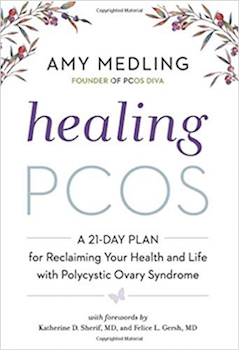
We must always use a comprehensive approach and this book by my friend and colleague, Amy Medling is wonderful: Healing PCOS.

Do you have PCOS and anxiety and has GABA helped? Have you also observed some of the above metabolic and reproductive improvements?

If you’re a practitioner working with women with PCOS, have you made any of these observations?

I’d also be curious to hear if you see changes in acne severity, amenorrhea (missed periods), excessive hair growth or infertility?

Please do share in the comments below.

Filed Under: Anxiety, Fertility and Pregnancy, GABA, Hormone, Women's health Tagged With: acne, amenorrhea, anxiety, cystic follicles, excessive hair growth, GABA, glucose tolerance, infertility, lipid profile, metabolic, obesity, ovaries, PCOS, polycystic ovarian syndrome, reduced body mass index, reduced body weight, reduced testosterone, reproductive

Healing PCOS: a new book by Amy Medling

May 4, 2018 By Trudy Scott Leave a Comment

Big congrats to my friend and colleague Amy Medling on the launch of her book this week: “Healing PCOS: A 21-Day Plan for Reclaiming Your Health and Life with Polycystic Ovary Syndrome.” This is a proven 21-day diet and lifestyle plan to help women with polycystic ovary syndrome (PCOS) take back control of their health and resolve their symptoms from a certified health coach and founder of the large PCOS Diva online community.

I’m excited to share this book as a PCOS resource for you because anxiety and depression are common symptoms with PCOS – as a result of insulin resistance, low blood sugar and high cortisol:

  • In the short term, insulin resistance is at the heart of most PCOS symptoms, including infertility, obesity, hirsutism [male-pattern hair growth in women], hyperandrogenism (elevated androgen levels), chronic fatigue syndrome, immune system defects, eating disorders, hypoglycemia [low blood sugar], gastrointestinal disorders, depression, and anxiety
  • many women with PCOS may naturally have higher cortisol levels. Being overweight also increases cortisol production. Raised levels of cortisol change the way your body manages other critical hormones, putting you at risk for insulin resistance, anxiety, depression, and thyroid dysfunction.

Anxiety symptoms can also be due to low progesterone, estrogen dominance, thyroid issues, and overall inflammation.

She shares so many gems: how it’s so important to begin your healing journey by establishing your PCOS Diva mindset and practicing mindfulness; that the best movement for women with PCOS is whatever you enjoy; that the best way to overcome gym anxiety is to think like a PCOS Diva i.e. don’t wait until you have lost weight and then go; the importance of the vagus nerve and improving vagal tone.

The sections on the difficulties of getting a diagnosis, testing and medications are invaluable.

The section describing the different types of inositol when it comes to PCOS is also excellent. She writes that research suggests that women with PCOS may not be able to efficiently convert other inositols to D-chiro-inositol (DCI).

When I shared the new book announcement on Facebook, Katie Moon Bodily posted this:

I love the opening paragraph that defines what a PCOS Diva is. She is full of hope, chooses to thrive, takes charge, advocates for herself, and looks beyond physical management and also cares for her mind and spirit. I love that Amy starts with retraining the mind before she dives in to making physical changes—unless you change the way you think, the changes won’t last. Her words are full of hope and encouragement. She holds your hand through the changes so that you do t get overwhelmed and start to feel like “hey, I CAN do this!” Everything she does impresses me, and it’s so exciting to see it all compiled into one book!

I have to agree! As well as being a fabulous practical PCOS resource, it is a wonderfully hopeful and encouraging book and you can feel her warm support with you throughout the book. I really love the opening pages where Amy says this:

I deserve to be a PCOS Diva. I need to be a PCOS Diva.

A PCOS Diva is a woman with hope. She has taken charge of her health and happiness and takes steps every day to enhance both. She chooses to thrive with PCOS and is empowered by the knowledge she gathers as she educates herself about PCOS.

Here is the official blurb:

“PCOS is one of the most common hormonal disorders, and the most common cause of female infertility, affecting roughly five million American women. Because it’s symptoms are widespread—including stubborn weight gain, acne, mood swings, abnormal hair loss or growth, and irregular menstrual cycles—women suffering from PCOS are often misdiagnosed and treated with “Band-Aid” pharmaceuticals with uncomfortable side effects that only mask PCOS’s root causes. While there is no cure for PCOS, women can learn to control their symptoms naturally. In this welcome guide, Amy Medling shows how to combine an anti-inflammatory and hormone-balancing diet, daily movement, and stress-reducing self-care to successfully treat their PCOS.

Grounded in the latest medical research and filled with the knowledge she’s acquired dealing with PCOS herself and working with thousands of women, Healing PCOS offers women small, manageable steps that help alleviate their symptoms and control the inflammation, hormonal imbalance, and insulin resistance that underlie the condition. Amy’s revolutionary program consists of:

  • A 21-day anti-inflammatory, hormone-balancing and gluten-free meal plan, including meal prep and plan-ahead tips to make eating this way simple and fast
  • 85 delicious recipes—half fan favorites and half new dishes
  • Daily self-care exercises, including meditation and journaling prompts

Amy has helped tens of thousands of women with PCOS take back control of their health and their lives through lasting, healing, and sustainable lifestyle change. Whether you’re newly diagnosed or have struggled with PCOS, her revolutionary program can now work for you.”

Get access to chapter 1 of Healing PCOS here

Grab your copy of Healing PCOS on Amazon (my link)

Feel free to post questions below and do let us know which steps have helped you (or your patients/clients).


Filed Under: Books, Hormone Tagged With: Amy Medling, anti-inflammatory, diet and lifestyle, PCOS, polycystic ovary syndrome, recipes, Self-care, stress-reducing

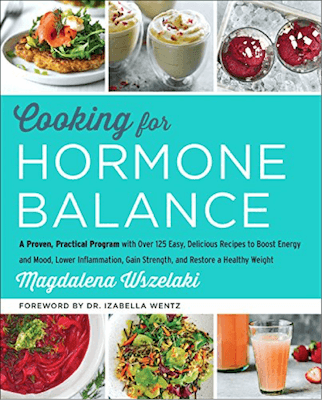
Cooking for Hormone Balance: a new book by Magdalena Wszelaki

April 18, 2018 By Trudy Scott 3 Comments

Cooking for Hormone Balance, a new book by my dear friend Magdalena Wszelaki, a hormone expert and chef and now author. It’s a magnificent book with a refreshingly unique combination of sage advice for hormone balancing, together with wonderfully delicious and therapeutic recipes and meal plans. It will inspire all of us women to fall in love with hormone balancing cooking plus guide us in learning to listen to our bodies as our hormones become more balanced!

The hormone quiz is great and the hormone overview comprehensive. It’s a

breakthrough program with more than 125 tempting, nutrient-dense recipes for thyroid conditions, Hashimoto’s, adrenal fatigue, menopause, endometriosis, fibroids, breast health, PMS, PCOS, and other hormonal imbalances.

There is also excellent coverage of gut health, low blood sugar and blood sugar balance, and the importance of the liver in hormone health. I love the 3-legged stool analogy!

The dairy reintroduction categories are practical – with explanations about cow and goat dairy and fermented dairy – not something we often see addressed.

I love the PFF breakfast (protein/fat/fiber), the 14-day meal plans, the fun tips like using the lemon rind and why, the section on castor oil packs, the seed rotation rationale/recipes, the Food Apothecary with superfoods and herbs and spices, and the fabulous healing teas. I also I love that this approach encompasses Paleo, AIP, Anti-candida and Low fodmaps

And of course, I love the recipe section, with all the beautiful and yummy images and the lovely blurb above each recipe – it feels like Magdalena is right here in the kitchen with me.

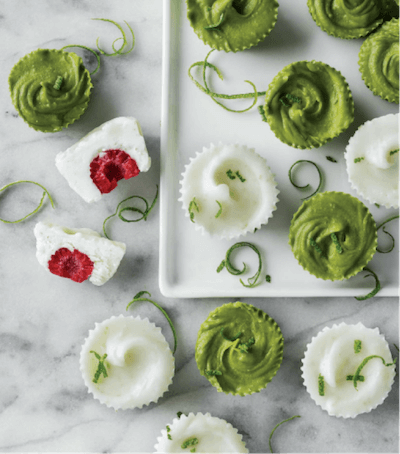
These are some of my favorite recipes: Coconut Yogurt, the Hearty Beef Stew, the Zucchini Olive Muffins, the Seriously Mushroom Soup, and the Raspberry and Green Tea Lime Melties (this last one is also my favorite picture in the book).


Raspberry and Green Tea Lime Melties
(from Cooking for Hormone Balance by Magdalena Wszelaki)

I’ve even had the good fortune of having Magdalena actually make some of these recipes for me and some colleagues at a conference (how lucky were we): the Farmer’s Wife Breakfast and the Decadent Chocolate Cherry Smoothie (I switched out the chocolate for carob and added some extra protein powder).

I can’t wait to try the Grain-Free Pizza with a topping of medicinal mushrooms, the Tart Cherry Sorbet, and Kudzu Calming Pudding!

It’s a recipe book (and much more) and I highly recommend it for all women and for practitioners who work with women. I know many of you – my community of anxious women and practitioners – are already enjoying it and it’s a book I’ll be recommending over and over again!

Grab your copy – Cooking for Hormone Balance: A Proven, Practical Program with Over 125 Easy, Delicious Recipes to Boost Energy and Mood, Lower Inflammation, Gain Strength, and Restore a Healthy Weight – from Amazon or your favorite online retailer or physical book store and enjoy it.

First chapter, 6 recipes and demo videos

If you’re still on the fence about getting a copy of the book, you can get access to chapter 1 and other bonus goodies here

Here is what the 1st Chapter Bundle contains:

  • The ABCs of Hormones
  • 6 recipes (everyone’s favorites are the dairy-free cheesecakes called “Melties”)
  • 6 videos of these recipes (so much easier to learn by watching)

Here’s a glance at some of the delicious recipes you will get:

  • Farmer’s Wife’s Breakfast
  • Honey Glazed Tarragon Chicken
  • Grain-Free Pizza – Two Ways
  • Red Velvet Grain-Free Brownies
  • Raspberry and Green Tea Lime Melties (this is the picture above! Gorgeous isn’t it!?)

Seed Rotation Method

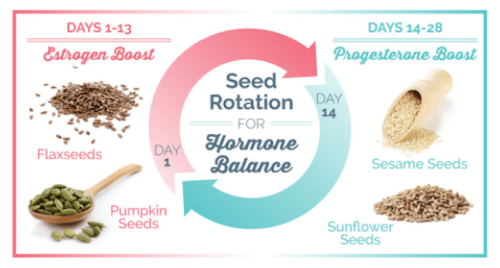
Magdalena’s been teaching the seed rotation method and helping thousands of women for several years and it’s covered in detail in the book.

It can help you if you’re struggling with PMS, irregular periods or lack of periods and if you’re going through perimenopause or are already menopausal. The seed rotation method is a simple, natural yet effective way to help us women rebalance our hormones.

This technique starts with flaxseed and pumpkin seeds to help rebalance estrogen levels. The second rotation requires sunflower and sesame seeds to help increase progesterone levels. The seed rotation technique has been taught to naturopaths as one of the first step in balancing hormones naturally and now you can learn how from Magdalena.

If you don’t yet have a copy of the book you can download the wonderful guide called Seed Rotation for Hormone Balance and learn how to implement this technique. In this guide you will discover:

  • How seeds can help painful PMS, irregular cycles, no periods or mid-cycle spotting
  • How to overcome menopausal symptoms such as hot flashes, night sweats and mid-belly fat
  • How to mitigate the hormonal rollercoaster of perimenopause
  • Recipes to add these seeds to your daily diet

Workshop: “How to Use Food to Rebalance Your Hormones”

And if you need more practical help than you can get with the book, Magdalena will show you how in her upcoming online workshop: “How to Use Food to Rebalance Your Hormones”

You may be struggling with hormone imbalance but don’t even know it. Check the list of symptoms below to see the surprising hormone imbalance that may be behind it…

  1. Flab and cellulite (high estrogen or high insulin)
  2. Poor sleep (low estrogen and/or progesterone, high or low cortisol)
  3. Weight gain (high or low cortisol, high or low estrogen, low thyroid or high insulin)
  4. Fatigue (low thyroid, high or low cortisol, low estrogen, high insulin)
  5. Incontinence (low estrogen)
  6. Hair loss, thinning hair (low or high thyroid, high testosterone or high estrogen)
  7. Crying spells (low cortisol)
  8. Belly fat (high testosterone or high insulin)
  9. Hip and thigh fat or cellulite (high estrogen)
  10. High cholesterol (low thyroid hormones)
  11. Foggy brain (low thyroid hormones, low estrogen, low cortisol)
  12. Anxiety, depression, feeling “blah” (low thyroid, low progesterone, high/low cortisol)
  13. Facial hair (high testosterone or high estrogen)
  14. Water retention (high estrogen)
  15. Miscarriages (low progesterone, low thyroid)

If you are suffering from any of these symptoms you need to get your hormones balanced!

Even if you think you know a lot about hormonal health, you’ll be surprised and inspired by her simple solutions and delicious hormone balancing recipes.

I’ve done this online cooking workshop and I know many of you in my community have done it (and then even gone on to do the longer 5-week cooking program with the amazingly supportive community).

You can register for the workshop here and get inspired even more: “How to Use Food to Rebalance Your Hormones”

You may recall our wonderful interviews on the Anxiety Summit. I know Magdalena is a favorite with you – my community – and I know you’ll love this and everything in her new book.

In summary here are those links again

  • The first chapter of the book and other bonus goodies here
  • Magdalena’s guide for Seed Rotation for Hormone Balance
  • The amazing handout on 20 Hormone Balancing Superfoods and 20 Power Herbs, Spices and Medicinal Mushrooms
  • Register for the workshop here: “How to Use Food to Rebalance Your Hormones”
  • The book on Amazon: Cooking for Hormone Balance: A Proven, Practical Program with Over 125 Easy, Delicious Recipes to Boost Energy and Mood, Lower Inflammation, Gain Strength, and Restore a Healthy Weight

Be sure to share this with all your women friends, your mom and sister, your sister-in-law, your daughter, your wife and any other special women in your life!

If you are already part of Magdalena’s community you get full access to her updated 5-week program – enjoy it! And enjoy the new book too!

Filed Under: Books, Hormone Tagged With: Cooking for Hormone Balance, Magdalena Wszelaki

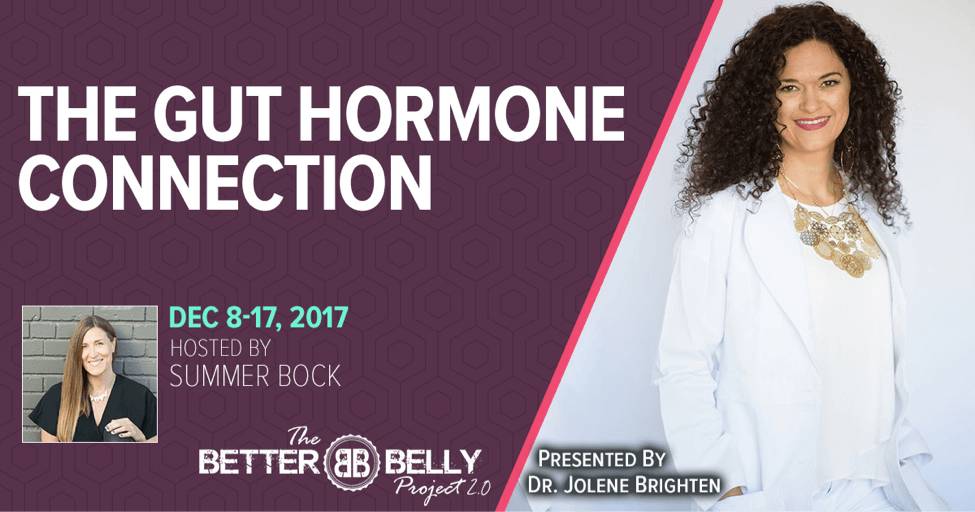
Gut Hormone Connection with Dr. Jolene Brighten: Better Belly Project 2.0

December 4, 2017 By Trudy Scott 2 Comments


Dr. Jolene Brighten is one of my favorite women’s health experts and her Gut Hormone Connection interview with Summer Bock on the Better Belly Project 2.0: is fascinating. Here are a few snippets for you to enjoy about the connection between your thyroid, digestion and SIBO (small intestinal bacterial overgrowth) specifically:

In the case with hypothyroidism, this is something that’s a really interesting phenomenon. Your thyroid can be functioning perfectly well, but you can still be hypothyroid because it’s not about just the thyroid function but the conversion of T4 to T3. T3 helps your mood, it’s what helps your menstrual cycle, it’s your metabolism. It does so many wonderful things. Every single cell needs that active T3.

Well, your gut and your liver are major sites of activating that T3. If they are unhealthy they’re not going to convert your T4 to T3. Then, you get into a loop because if you don’t have enough T3, now, you don’t stimulate hydrochloric acid. If you don’t stimulate hydrochloric acid production, then, none of the other gastrointestinal organs are going to work as well. Your gallbladder is not going to contract. You’re not going to have pancreatic enzymes, which sets up a perfect environment for SIBO.

She goes on to share how T3 also affects motility, which is a major factor when it comes to SIBO.

Adrenal issues and high cortisol issues are common with the clients I work and Jolene shares more on this topic too, and how this can play a role in anxiety (and insomnia):

If the gut is inflamed, so if you’ve got gut infections going on, then, those adrenal glands are going to kick into hyperdrive. We can see they’ll try to secrete cortisol so that we can drop that inflammation. In addition to that, they’ll start spiking epinephrine and norepinephrine over time, which when those hit the brain, we’re going to feel anxious and panicked.

She also covers orgasms, and so much about birth control pill concerns like the impacts on the microbiome and an increased risk of Crohn’s disease. It’s an interview that is not to be missed!

Summer Bock, one of the leading gut health experts, is interviewing 49 experts who are leaders in the field of digestion, nutrition, and health in this huge, week-long virtual conference called Better Belly Project 2.0: Crushing the Critters, Plugging the Leaks, & Balancing the Biome for Your Best Body Ever

Summer’s goal is to create a great resource with a few different tracks to make it easier for you to navigate the information:

  1. Gut Health Basics
  2. Gut-Brain Axis (my interview “Low zinc, social anxiety/pyroluria and the gut” is in this track)
  3. Wellness Professional
  4. Fermentation
  5. Microbiome & Probiotics

This online event will provide exceptional value, knowledge, and truly life-changing insights from authors, professors, scientists, fermented foods experts, and wellness practitioners who have an understanding on how you can improve your digestive health amidst all the processed foods, antibiotics, stress and lack of probiotic-rich foods in the diet.

The dates are December 8-14th and there’s no charge to attend when you register in time for the live event. You can see the event schedule and register here for Better Belly Project 2.0

I hope you enjoy it and get as much out of it as I plan too! I learn new information at all these online events too!

Do you have thyroid issues and digestive symptoms? Feel free to leave your questions and comments below.

Filed Under: Events, Gut health, Hormone Tagged With: better belly project, hormone, jolene brighten, summer bock

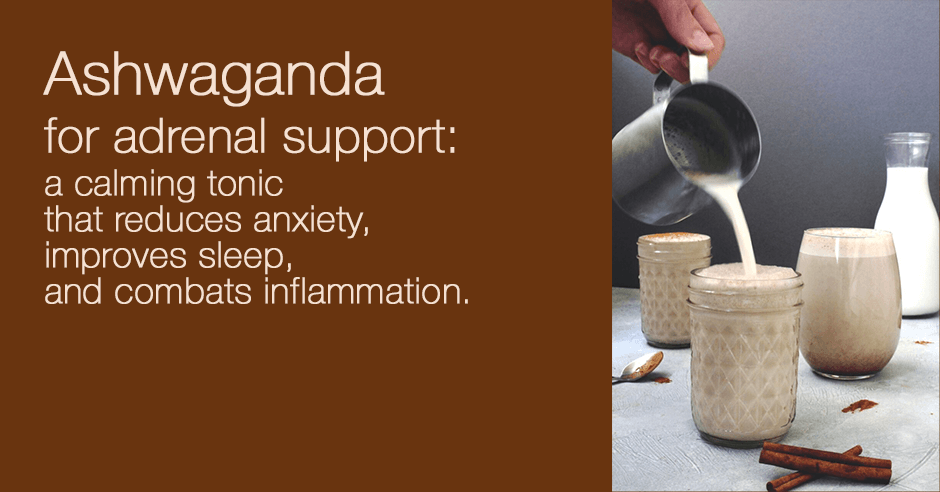
Ashwaganda for adrenal support: a calming tonic that reduces anxiety and improves sleep

September 16, 2017 By Trudy Scott 17 Comments

Overactive adrenals can leave you feeling like you’re constantly in “fight or flight” mode. First, your body releases high levels of stress chemicals like adrenaline and cortisol. To ensure you’re ready to defend yourself or run, these chemicals spike your blood sugar, as well as increasing heart rate, blood pressure, and insulin levels – making you feel anxious, stressed and wide awake at night.

Nature offers plenty of wonderful herbal remedies to support the adrenals. Herbal adaptogens such as ashwaganda and rhodiola are two of my favorite herbs for the adrenals. They gently calm your overactive system helping your body damp down your fight or flight response and reduce stress and anxiety.

  • Ashwaganda is often called “Indian Ginseng” and is widely used in Ayurvedic medicine to lower stress and stabilize thyroid hormones. It is a calming tonic that reduces anxiety, improves sleep, and combats inflammation.
  • Rhodiola is a another potent herbal adaptogen that helps your body reduce anxiety and irritability. At the same time, it boosts immune function, hormonal balance, and concentration.

You can learn how to use herbs like this in your everyday routine in this no-cost online workshop “How To Use Everyday Herbs and Spices To Rebalance Your Hormones”

In this online workshop, you will learn about 20 healing herbs and spices to help support and heal your thyroid, adrenals, menopause, weight, hair loss, cellulite, PCOS, hot flashes (and more).

  • Skullcap – used to treat conditions like panic attacks, anxiety and also helps to promote better quality sleep.
  • Chamomile is well known for its calming properties. After people drink chamomile tea their levels of glycine increase. Glycine is a nerve relaxant with mild sedative properties – all things that can help you to de-stress. Chamomile also has anti-spasmodic properties that help to relieve menstrual cramps in women. It also contains a potent flavonoid called apigenin, a mild tranquilizer that can help benefit sleep onset and sleep quality.
  • Lavender made into a tea is an effective tonic for jittery nerves because it encourages a calmer state of mind. Research comparing the use of lavender to (synthetic) benzodiazepine medication for anxiety has found it provides equal benefit, minus all the side effects.

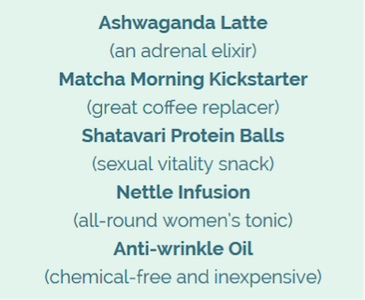
You will also learn 5 simple and delicious herbal recipes to restore and rebalance your hormones

Watch this video snippet to get a taste of some of what Magdalena will be covering in the online herbal workshop. One thing she’ll be making is the wonderful and nourishing Ashwaganda Latte for adrenal support.

And here is the recipe for the Ashwaganda Latte

Author: Magdalena Wszelaki

Ingredients

  • 1 cup of milk (almond or hazelnut works well, if using coconut milk, I would suggest ½ cup coconut milk and ½ cup water)
  • 1 teaspoon ashwagandha powder
  • ½ teaspoon cinnamon powder
  • ½ teaspoon maple syrup or honey

How To Make

  1. Warm the milk, then add the powdered spices and maple syrup or honey
  2. Stir well, using the whisk to blend, adjusting for sweetness if necessary
  3. Pour into a nice cup and drink an hour before bed

Equipment: Medium saucepan, whisk, strainer

You’ll also learn how to avoid common chemicals found in everyday skincare, personal care and house cleaning products that disrupt your hormones, and discover which herbs are best for your individual needs.

Hope to see you there! You can register for this online herbal workshop here

You may remember Magdalena from the Anxiety Summit and her wonderful interviews on eating for hormone balance! She is now taking hormone balance to the next level by teaching us how to use herbs. This wonderful workshop is a taste of what’s to come in her upcoming longer program so stay tuned for more on that!

Filed Under: Adrenals, Hormone Tagged With: adrenals, anxiety, ashwaganda, herbs, hormones, lavender, rhodiola, sleep, stress

  • Page 1
  • Page 2
  • Page 3
  • Go to Next Page »

Primary Sidebar

GABA QuickStart Homestudy

gaba quickstart homestudy

Free Report

9 Great Questions Women Ask about Food, Mood and their Health

You'll also receive a complimentary subscription to my ezine "Food, Mood and Gal Stuff"


Connect with me

Popular Posts

  • Amino Acids Mood Questionnaire from The Antianxiety Food Solution
  • The Antianxiety Food Solution Amino Acid and Pyroluria Supplements
  • Pyroluria Questionnaire from The Antianxiety Food Solution
  • Collagen and gelatin lower serotonin: does this increase your anxiety and depression?
  • Tryptophan for the worry-in-your-head and ruminating type of anxiety
  • GABA for the physical-tension and stiff-and-tense-muscles type of anxiety
  • The Antianxiety Food Solution by Trudy Scott
  • Seriphos Original Formula is back: the best product for anxiety and insomnia caused by high cortisol
  • Am I an anxious introvert because of low zinc and vitamin B6? My response to Huffington Post blog
  • Vagus nerve rehab with GABA, breathing, humming, gargling and key nutrients

Recent Posts

  • Her cravings for chips and peanut butter were triggered by stress: GABA ends cravings and reduces physical tension and fear of heights
  • It is truly miraculous to be able to move through life without crippling anxiety and panic
  • GABA and tryptophan combo provide immediate and noticeable relief for tremors and cervical dystonia in just 7 days
  • Red light therapy for back and neck pain, plantar fasciitis and low mood – a complement to the amino acids GABA, DPA and tryptophan
  • What do I use instead of Seriphos to help lower high cortisol that is affecting my sleep and making me anxious at night?

Categories

  • 5-HTP
  • AB575
  • Addiction
  • ADHD
  • Adrenals
  • Alcohol
  • Allergies
  • Alzheimer's disease
  • Amino Acids
  • Anger
  • Antianxiety
  • Antianxiety Food Solution
  • Antidepressants
  • Anxiety
  • Anxiety and panic
  • Autism
  • Autoimmunity
  • benzodiazapines
  • Bipolar disorder
  • Books
  • Caffeine
  • Cancer
  • Candida
  • Children/Teens
  • Collagen
  • Cooking equipment
  • Coronavirus/COVID-19
  • Cravings
  • Depression
  • Detoxification
  • Diabetes
  • Diet
  • DPA/DLPA
  • Drugs
  • EFT/Tapping
  • EMF
  • EMFs
  • Emotional Eating
  • Endorphins
  • Environment
  • Essential oils
  • Events
  • Exercise
  • Fear
  • Fear of public speaking
  • Fertility and Pregnancy
  • Fish
  • Food
  • Food and mood
  • Functional neurology
  • GABA
  • Gene polymorphisms
  • General Health
  • Giving
  • Giving back
  • Glutamine
  • Gluten
  • GMOs
  • Gratitude
  • Gut health
  • Heart health/hypertension
  • Histamine
  • Hormone
  • Hyperparathyroidism
  • Hypoglycemia
  • Immune system
  • Inflammation
  • Insomnia
  • Inspiration
  • Introversion
  • Joy and happiness
  • Ketogenic diet
  • Lithium orotate
  • Looking awesome
  • Lyme disease and co-infections
  • MCAS/histamine
  • Medication
  • Men's health
  • Mental health
  • Mercury
  • Migraine
  • Mold
  • Movie
  • MTHFR
  • Multiple sclerosis
  • Music
  • NANP
  • Nature
  • Nutritional Psychiatry
  • OCD
  • Osteoporosis
  • Oxalates
  • Oxytocin
  • Pain
  • Paleo
  • Parasites
  • Parkinson’s disease
  • PCOS
  • People
  • PMS
  • Postpartum
  • PTSD/Trauma
  • Pyroluria
  • Questionnaires
  • Real whole food
  • Recipes
  • Research
  • Schizophrenia
  • serotonin
  • SIBO
  • Sleep
  • Special diets
  • Sports nutrition
  • Stress
  • Sugar addiction
  • Sugar and mood
  • Supplements
  • Teens
  • Testimonials
  • Testing
  • The Anxiety Summit
  • The Anxiety Summit 2
  • The Anxiety Summit 3
  • The Anxiety Summit 4
  • The Anxiety Summit 5
  • The Anxiety Summit 6
  • Thyroid
  • Thyroid health
  • Toxins
  • Tryptophan
  • Tyrosine
  • Uncategorized
  • Vegan/vegetarian
  • Women's health
  • Yoga

Archives

  • May 2026
  • April 2026
  • October 2025
  • September 2025
  • August 2025
  • July 2025
  • June 2025
  • May 2025
  • April 2025
  • March 2025
  • February 2025
  • January 2025
  • November 2024
  • October 2024
  • September 2024
  • August 2024
  • July 2024
  • June 2024
  • May 2024
  • April 2024
  • March 2024
  • February 2024
  • January 2024
  • December 2023
  • November 2023
  • October 2023
  • September 2023
  • August 2023
  • July 2023
  • June 2023
  • May 2023
  • April 2023
  • March 2023
  • February 2023
  • January 2023
  • December 2022
  • November 2022
  • October 2022
  • September 2022
  • August 2022
  • July 2022
  • June 2022
  • May 2022
  • April 2022
  • March 2022
  • February 2022
  • January 2022
  • December 2021
  • November 2021
  • October 2021
  • September 2021
  • August 2021
  • July 2021
  • June 2021
  • May 2021
  • April 2021
  • March 2021
  • February 2021
  • January 2021
  • December 2020
  • November 2020
  • October 2020
  • September 2020
  • August 2020
  • July 2020
  • June 2020
  • May 2020
  • April 2020
  • March 2020
  • February 2020
  • January 2020
  • December 2019
  • November 2019
  • October 2019
  • September 2019
  • August 2019
  • July 2019
  • June 2019
  • May 2019
  • April 2019
  • March 2019
  • February 2019
  • January 2019
  • December 2018
  • November 2018
  • October 2018
  • September 2018
  • August 2018
  • July 2018
  • June 2018
  • May 2018
  • April 2018
  • March 2018
  • February 2018
  • January 2018
  • December 2017
  • November 2017
  • October 2017
  • September 2017
  • August 2017
  • July 2017
  • June 2017
  • May 2017
  • April 2017
  • March 2017
  • February 2017
  • January 2017
  • December 2016
  • November 2016
  • October 2016
  • September 2016
  • August 2016
  • July 2016
  • June 2016
  • May 2016
  • April 2016
  • March 2016
  • February 2016
  • January 2016
  • December 2015
  • November 2015
  • October 2015
  • September 2015
  • August 2015
  • July 2015
  • June 2015
  • May 2015
  • April 2015
  • March 2015
  • February 2015
  • January 2015
  • December 2014
  • November 2014
  • October 2014
  • September 2014
  • August 2014
  • July 2014
  • June 2014
  • May 2014
  • April 2014
  • March 2014
  • February 2014
  • January 2014
  • December 2013
  • November 2013
  • October 2013
  • September 2013
  • August 2013
  • July 2013
  • June 2013
  • May 2013
  • April 2013
  • March 2013
  • February 2013
  • January 2013
  • December 2012
  • November 2012
  • October 2012
  • August 2012
  • July 2012
  • June 2012
  • May 2012
  • April 2012
  • March 2012
  • February 2012
  • January 2012
  • December 2011
  • November 2011
  • October 2011
  • September 2011
  • August 2011
  • July 2011
  • June 2011
  • May 2011
  • April 2011
  • March 2011
  • February 2011
  • January 2011
  • December 2010
  • October 2010
  • September 2010
  • July 2010
  • May 2010
  • April 2010
  • March 2010
  • February 2010
  • January 2010
  • November 2009

Share the knowledge!

The above statements have not been evaluated by the Food and Drug Administration. Products listed in this website are not intended to diagnose, treat, cure or prevent any disease.

The information provided on this site is for informational and educational purposes only and is not intended as a substitute for advice from your physician or other health care professional. You should consult with a healthcare professional before starting or modifying any diet, exercise, or supplementation program, before taking or stopping any medication, or if you have or suspect you may have a health problem.


Copyright © 2026 Trudy Scott. All Rights Reserved. | Privacy | Terms and Conditions | Refund Policy | Medical Disclaimer

Free Report

9 Great Questions Women Ask about Food, Mood and their Health

You’ll also receive a complimentary subscription to my ezine “Food, Mood and Gal Stuff”