• Skip to primary navigation
  • Skip to main content
  • Skip to primary sidebar

everywomanover29 blog

Food, Mood and Women's Health – Be your healthiest, look and feel great!

  • Blog
  • About
  • Services
  • Store
  • Resources
  • Testimonials
  • The Book
  • Newsletter
  • Contact
  • Search this site

Archives for February 2015

Winter blues or SAD: light therapy

February 27, 2015 By Trudy Scott 44 Comments

Seasonal affective disorder (SAD) or “winter blues” is a form of depression most often associated with the lack of light during the fall and winter months. It is very common and may be associated with low serotonin levels. We often associate low serotonin with depression, however low serotonin can also be associated with: anxiety, excessive worry and feeling overly stressed. There’s evidence of seasonality in anxiety and panic attacks, just as there is with seasonal affective disorder (SAD). Another common sign of low serotonin is increased carbohydrate cravings, especially during the afternoon or evening.

One very effective approach for SAD is light therapy. I also find the use of targeted individual amino acids and a dietary approach to be very useful and share more about that below.

Winter Blues by Dr. Norman Rosenthal MD

I’ve just finished reading a really great book called Winter Blues: Everything You Need to Know to Beat Seasonal Affective Disorder by Dr. Norman Rosenthal MD, and the research is fascinating. He is a fellow South African who moved to the USA and found he was depressed each winter. After 3 seasons of this, he started doing research on light therapy and was one of the original SAD researchers. He is internationally recognized for his pioneering contributions to understanding SAD and using light therapy to treat it.

Feedback from colleagues: desk lamp, desk panels, floor lamps and light boxes

I asked some colleagues what they have used and/or liked, and recommend and share some of these below (providing my Amazon links in most cases so you can find them easily). Due to models being discontinued/revamped, I’ve made some updates as of Jan 2024.

Donna Kelley, Certified Holistic Nutritionist

I have a Blue Max, full spectrum, 70 watt dimmable desk lamp. I have had it for 3 years and actually use it to work by. It was recommended by Julia Ross in her certification program. (The company that makes this one is Full Spectrum Solutions)

 

winter-lamp

UPDATE: Jan 2024 – the above model is no longer available but a very comparable one is the Verilux HappyLight Duo – 2-in-1 Light Therapy & Task Desk Lamp. Be sure to read some of the reviews. This is a really good one: “providing me with light therapy to lift my mood some during these dark times (literally since it’s winter…and figuratively…). I genuinely think I feel better/lighter/cheerier after I’ve been working by my HappyLight Duo for several hours.”

Christine Wokowsky, Board Certified in Holistic Nutrition

My office is the darkest room in the house and I have one sitting on my desk, especially helpful in the winter. This is the second Verilux Happy Light I have used and I really like it. Living in Nevada where there is sunshine over 330 days of the year I am so accustomed to light and brightness if I am in a dark room or space for too long it really affects me. This has been a great product for me and I can recommend it.

happy-light

Tracey Schuyler, Owner, Nutrition Counselor at Redefining Food 4 Health, LLC, also likes the Verilux

Like Christine, I personally use the Verilux Happy Light, which I purchased recently. It made a difference right away. I live in Boise, Idaho, and we are accustomed to winter inversions … sometimes days / weeks on end without any sunlight! I place it on my bathroom counter, turn it on in the morning before I shower, and turn it off as I’m leaving the bathroom, after drying my hair, etc. (about 25 minutes).

UPDATE: Jan 2024 – the above model, Verilux Happy Light, is no longer available but a very comparable one by the same company is the Verilux® HappyLight® Alba – New Round UV-Free LED Therapy Lamp. This one has a count-down timer and is portable so can be moved from room to room easily.

Shirley Pastore McCormack, Writer, Life/Wellness Coach, Registered Yoga Teacher

I use the Blue Max Lighting (BlueMax 70W dimmable) floor lamp. I use it 20 minutes each morning from the fall to spring equinoxes. I noticed a great level of improvement, but even more improvement when a doctor prescribed Vitamin D therapy. I was moderately to severely deficient, and needed 10,000 IU for 4-6 weeks under her care to bring my levels up. I do well with the light therapy as long as it is used in conjunction with regular daily doses of D3 (I’m now on 2000IU daily). The light therapy just seems to be “part of the whole solution.” (The company that makes this one is also Full Spectrum Solutions.)”

blue-max

UPDATE: Jan 2024 – the above model, Blue Max Lighting floor lamp, is no longer available but a very comparable one is the Verilux® HappyLight® Duo – 2-in-1 Light Therapy & Task Floor Lamp.

Dr Josh Friedman, PHD, Integrative Psychotherapy of Omaha

I follow the guidelines of Columbia University’s Center for Environmental Therapeutics. They have done research on a variety of light boxes and the one on this page is inexpensive and effective [and is 10,000 lux]  You can find it on Amazon here: Carex Day-Light Classic Plus Bright Light Therapy Lamp

daylight-simulator

This is what the Center for Environmental Therapeutics has to say about this newer light therapy device:

This handsome new bright light therapy unit ― the Carex Day-light “Classic” Plus Model supersedes our former Daylight “Classic” Model, presenting the same benefits at lower cost and with enhanced design. The required parameters for 10,000 lux light therapy have been thoroughly clinically tested at major university centers, and have been established as the international standard for treatment of winter depression, milder “winter doldrums,” and other chronobiological, circadian rhythm sleep and mood disturbances.

Using light therapy with amino acids or adjusting up the amino acids or doing both

Additional Jan 2024 updates:

I often recommend the use of light therapy in conjunction with amino acids. We may just add light therapy and keep amino acid dosing the same or we may  use higher doses of amino acids like tryptophan, 5-HTP and GABA during the winter months. We may also do both depending on the person’s unique needs.

Here are some blog posts where I address adjusting up/increasing the amino acids during winter:

  • Increasing tryptophan or 5-HTP temporarily when a winter dip in serotonin causes more severe anxiety, OCD and/or the winter blues
  • The seasonality of GABA: worsening anxiety, insomnia and intrusive thoughts in winter (and the need for increased GABA supplementation)

There may even be a seasonal aspect to PMDD/PMS with an increase in hormonal binge eating, wine drinking and anxiety – with symptoms ramping up from October (click here to read that blog post).

More binge eating, emotional eating and carb cravings in Winter

This paper, The Role of Diet, Eating Behavior, and Nutrition Intervention in Seasonal Affective Disorder: A Systematic Review discusses the eating and drinking habits of individuals with SAD (seasonal affective disorder):

Compared with non-clinical subjects, SAD patients tended to consume significantly larger dinners and more evening snacks during weekdays and weekends and exhibit a higher frequency of binge eating, external eating, and emotional eating. Additionally, compared to healthy controls, SAD patients presented more cravings for starch-rich food and food with high fiber.

This paper also mentions vegetarianism being associated with higher SAD prevalence. As outlined in my book (link below) and various blogs, I am an advocate of quality animal protein as it provides amino acids, zinc, iron, omega-3s and vitamin B12 – all needed for neurotransmitter production.

It also mentions that alcoholism is “associated with higher SAD prevalence.”

Amino acids and light therapy help emotional eating and excessive drinking

The authors don’t offer a solution but I can share that the amino acids mentioned above help with sugar/carb  cravings and emotional eating and alcohol addiction.

Using light therapy is going to help too, with research suggesting that bright light therapy is potentially effective at improving both disordered-eating behavior and mood.

Seasonality to anxiety and panic disorder and how to use bright light therapy

There is a seasonality to anxiety and panic disorder just as there are seasonal variations in mood for certain susceptible individuals. You can read more about this and some of the basics like how to use bright light, and for how long, possible adverse effects and who should not use bright light therapy.

The blog is: How to use bright light therapy for increased anxiety, increased panic and SAD during the cold dark winter months

This information about bright light and mood disorders can be applied to anxiety and panic attacks, in addition to SAD.

Additional resources when you are new to using tryptophan and the other amino acids as supplements

We use the symptoms questionnaire to figure out if low serotonin or other neurotransmitter imbalances may be an issue for you.

If you suspect low levels of any of the neurotransmitters and do not yet have my book, The Antianxiety Food Solution – How the Foods You Eat Can Help You Calm Your Anxious Mind, Improve Your Mood, and End Cravings, I highly recommend getting it and reading it before jumping in and using amino acids on your own so you are knowledgeable. And be sure to share it with the practitioner/health team you or your loved one is working with.

There is an entire chapter on the amino acids and they are discussed throughout the book in the sections on gut health, gluten, blood sugar control, sugar cravings, anxiety and mood issues. The importance of quality animal protein is also covered.

The book doesn’t include product names (per the publisher’s request) so this blog, The Antianxiety Food Solution Amino Acid and Pyroluria Supplements, lists the amino acids that I use with my individual clients and those in my group programs.

If, after reading this blog and my book, you don’t feel comfortable figuring things out on your own (i.e. doing the symptoms questionnaire and respective amino acids trials), a good place to get help is the GABA QuickStart Program (if you have low GABA symptoms too). This is a paid online/virtual group program where you get my guidance and community support.

If you are a practitioner, join us in The Balancing Neurotransmitters: the Fundamentals program. This is also a paid online/virtual program with an opportunity to interact with me and other practitioners who are also using the amino acids.

Do you get the winter blues and increased anxiety in the winter months? Have you had success with light therapy?

If yes, which full spectrum lamp have you found to be the most useful? What time of the day do you use it, how often do you use it and for what duration?

Have you used a combination of amino acids and light therapy, and adjusted up your amino acids during the colder and darker winter months?

If you’re a practitioner do you recommend light therapy to your clients/patients?

Feel free to share and ask your questions below.
Filed Under: Anxiety and panic, Depression, Environment Tagged With: anxiety, depression, light therapy, SAD, winter blues

MTHFR and Methylation practitioner training by Coleen Walsh

February 23, 2015 By Trudy Scott 25 Comments

mthfr

Confused about Methylation and MTHFR?

MTHFR is one hot topic and many clients are getting their MTHFR results, but do not know what to do.

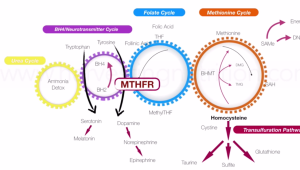
Methylation cycle abnormalities can predispose you to disease. The MTHFR SNP (Single Nucleotide Polymorphism) is at a key position in the methylation cycle and if not working properly, can affect the whole pathway, creating symptoms and disease, including mood issues like anxiety and depression. The good news is that nutritional protocols and lifestyle modifications can help tremendously.

Online Practitioner Training

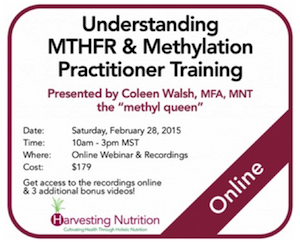
My friend and colleague, Coleen Walsh, dubbed the “methyl queen” is doing an online Practitioner Training (for Nutritionists and Healthcare Practitioners) on MTHFR and Methylation on February 28, 2015 from 10am MST – 3pm MST, so you may get a better understanding of Methylation Pathways and how to better help your clients with these SNPs

This 5-hour presentation breaks down the biochemistry of these pathways, and discusses epigenetics and holistic protocols to give you a solid understanding of the subject. 

Plus, when you purchase the event, you also will receive the recordings and 3 hours of bonus material! If you can’t make it at this day/time, you can still register and will get the materials a few days after the event.

A Bit About Coleen:

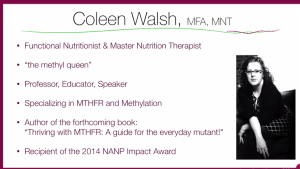
Coleen Walsh is a holistic and functional nutritionist that specializes in MTHFR and Methylation education and one on one client consultations.  She is author of the forthcoming book, “Thriving with MTHFR: A guide for the everyday mutant!”, dubbed the “Methyl Queen” by colleagues and winner of the 2014 NANP Impact Award based on her research & education on MTHFR & Methylation.  She trains and consults MDs, NDs, L.ACs, DOs and Nutritionists all over the United States and in Japan on the topic of MTHFR and Methylation and has completed hundreds of hours of additional research and education on these pathways.  Coleen suffered from many degenerative and autoimmune diseases and helped heal herself after finding out about her MTHFR status, her passion is to educate and help support others along their journey towards health.

coleen info

We met at the NANP/National Association of Nutrition Professionals conference last year and hit it off right away. I was so impressed with the work she was doing that I invited her to speak on season 1 of the Anxiety Summit.

methylation pathways

MTHFR interview from the Anxiety Summit – for your listening pleasure

I’d like to share that interview with you here, so you can get a taste of her level of expertise and for what she will be offering in the training. It’s yours to listen to whether or not you can attend the training and whether or not you’re a practitioner. Enjoy!

Are Your Genes Depressing You? MTHFR and Your Mood: Trudy Scott interviews Coleen Walsh on The Anxiety Summit

  • The Methylation Cycle overview, MTHFR and B vitamins as cofactors
  • How MTHFR effects the BH4 cycle and serotonin and dopamine
  • Factors that disturb methylation, how to test and what to do
  • Epigenetics and how SNPs are not our destiny

Listen to the recording here:

https://s3.amazonaws.com/trudyblog/Coleen-Walsh-MTHFR-from-Anxiety-Summit-for-webinar.mp3


Learn more and purchase

Here is the link to read more about Coleen’s online MTHFR/methylation practitioner training on February 28th and to make your purchase:

http://www.easywebautomation.com/app/?Clk=5393326

Hope to “see” you there – I plan on attending this new training too!

PS. If you do purchase Coleen’s training do let us know by sending a copy of your receipt to support [at] everywomanover29.com and we’ll send you a copy of the transcript of the above audio interview as a nice little added bonus to help solidify your learning!

PPS. Coleen will also be giving a 3 hour training for the general public on March 7th, starting at noon MST. This event will break down the science even more, so that even an “everyday mutant” can follow the information. Details coming soon!


Filed Under: Events, MTHFR Tagged With: anxiety summit, coleen walsh, MTHFR and Methylation

Cauliflower Garlic Bake

February 20, 2015 By Trudy Scott 27 Comments

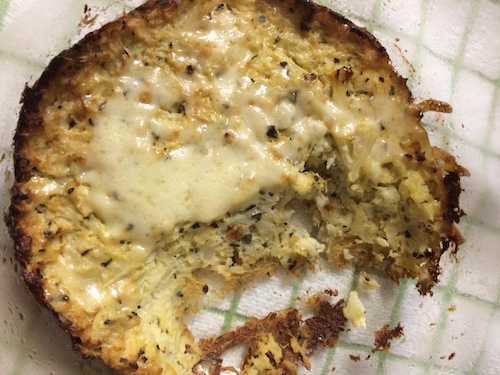
Cauliflower-Garlic-Bake-1

1 head of organic cauliflower
1 organic garlic head (yes it’s a lot of garlic but then I’m a bit of a garlic lover!)
3 T dried basil (or a handful of freshly chopped basil could also be used)
3 eggs, organic or pastured/free-range
2 T olive oil
1 T sea salt
1 T ground black pepper
½ cup grated organic mozzarella cheese (optional)

And another ½ to 1 cup grated organic mozzarella cheese for the topping (optional)

Butter to grease the casserole dishes (enough for 3 of them)

Chop the cauliflower finely (or place in a food processor) and steam until well cooked (about 15 minutes – longer than you’d typically steam it, so it’s quite soft). Once it’s soft, you may need to use a potato masher to get it really mushy and soft. Remove the garlic bulbs, peel and chop and add to the cooked cauliflower. Add the rest of the ingredients and mix together: dried or fresh basil, eggs, olive oil, sea salt, ground black pepper and grated mozzarella cheese (if dairy is not an issue).

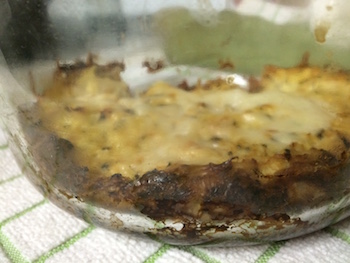
Grease 3 casserole dishes with butter and pour/spoon the mixture into them so it’s about 1 inch (or 2.5 cm) deep – this will make sure it sets nicely and has plenty of nice and crispy stuff at the bottom and sides. It’s purely optional to add some grated mozzarella cheese on top too.

Here you can see how deep the mixture should be to get the crispy stuff at the bottom and sides.
casserole dish
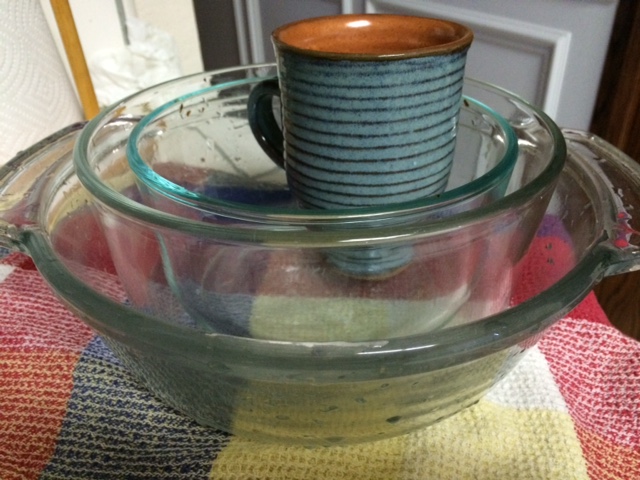
Here are the 3 casserole dishes I used – so you have an idea of size. The cup is just to give it scale.

Place the 3 casserole dishes into an oven that has been heated to 350°F (175°C) and bake for about 25 to 30 minutes until the mixture sets, the bottom/edges start to brown and the topping turns a nice golden color.

This makes a lot and the left-overs can easily be put in the fridge as is (covered of course) and heated up the next day in the same casserole dish at the same temperature (about 10-15 minutes seemed to work.

I love this recipe because you prepare once and get a super dish for at least 3 meals, plus there’s not a lot of washing of pots and casserole dishes to do.

This is a new recipe I created based on inspiration from another recipe I saw. I often do this – see something fun and yummy and tweak it to suit my needs and likes. Brad says it’s the best cauliflower he’s eaten and I must say that I feel the same way!

I hope you enjoy making it and enjoy eating it as much as we did!


Filed Under: Real whole food, Recipes Tagged With: Cauliflower Garlic Bake, recipe

BOUGHT the movie – watch at no charge

February 20, 2015 By Trudy Scott 44 Comments

bought

The movie that Big Pharma, the Vaccine Industry, the Medical Establishment and Big Ag DON’T WANT YOU TO SEE!


Watch it at NO CHARGE between February 20th – March 6th (details are below)

UPDATE 3/6/15: FREE VIEWING HAS BEEN EXTENDED THRU SUNDAY MARCH 15th – ENJOY! (the drawing will be done after this so keeping sharing and adding your WOWs in the comments!)

I’m thrilled to be able to share this incredible movie viewing with you. Jeff Hayes, producer of the new film BOUGHT, is a man on a mission, and he is making it available to view at no charge for a limited time.

BOUGHT is a groundbreaking documentary that exposes the shocking truth behind drugs, vaccines and GMOs. It’s all about Big Food, Big Ag, and Big Pharma and is all about money and profits.

The movie subtitle is perfect: “Your health – now brought to you by Wall Street.”

Watch this film and hear from acclaimed experts in science, medicine, and the law, plus the activists who are raising awareness to help protect their families and will help you protect your family.

Big Pharma funding medical education

You may recognize Dr. Kelly Brogan MD., integrative psychiatrist. I interviewed her on both season 1 and season 2 of the Anxiety Summit. She talks about how Big Pharma funded her medical education. She shared how she was heavily courted by the drug industry and taken to first class restaurants. Of course, she questioned all of this and now educates her patients about real food, gut health, inflammation, curcumin, low vitamin B12 etc.

Selling a drug (the antidepressant Paxil) off-label to children

Former drug sales rep (and now whistleblower) Blair Hamrick, was fired from GlaxoSmithKline when he reported that the company was selling a drug (the antidepressant Paxil) off-label to children. The drug was indicated for 18 years and above.

In July 2012, James Cole, Deputy Attorney General announced that GlaxoSmithKline (GSK) had to pay $3 billion dollars in fines. Carmen Ortiz, US Attorney, MA, shared that GlaxoSmithKline “bribed physicians to prescribe GSK drugs using every imaginable form high-priced entertainment.”

Here is a snippet about this from the New York Times

Prosecutors said the company had tried to win over doctors by paying for trips to Jamaica and Bermuda, as well as spa treatments and hunting excursions. In the case of Paxil, prosecutors claim GlaxoSmithKline employed several tactics aimed at promoting the use of the drug in children, including helping to publish a medical journal article that misreported data from a clinical trial.

A warning was later added to the drug that Paxil, like other antidepressants, might increase the risk of suicidal thoughts in teenagers.

Prosecutors said the company had marketed Wellbutrin for conditions like weight loss and sexual dysfunction when it was approved only to treat major depressive disorder.

Blair Hamrick shared this in the movie: “I have a new respect for doctors that didn’t want drug reps in their office.” Reps are given 3 week crash courses and are taught exactly what to say to the doctors. They are persuading doctors to make decisions about patient care.

Shocking Paxil study 329

One of my favorite integrative doctors, Dr. Tami Meraglia MD., talks more about the Paxil study 329. It found that suicide ideation tripled in adolescents who were on this antidepressant. The study authors omitted – yes omitted! – these parts from the study saying the adolescents were non-compliant, instead of reporting this as a side-effect! Had this been reported in the study, Paxil would not have been approved for use in adolescents.

A message of hope and empowerment

I love that it’s a movie with a mission and also with a message of hope and empowerment. It’s bringing these issues to light so we can make sure things get changed!  

Brad and I watched the movie earlier this week and we were riveted to our seats! I highly recommend it! You may not agree with everything and much of this is controversial (especially the vaccine information) but I encourage you to simply be open to listening to both sides.

Watch it at NO CHARGE

Just sign up HERE to get access to the full video viewing – enter your name and email and you’ll receive an email with a link to watch it at your leisure

Save your spot, enjoy the video, and do tell others about it!

You can also buy copies of the DVD and transcript (as a hardcopy booklet).  There are discounts for volume sales – for schools, organizations, clubs etc. or if you’d like to buy a copy for family and friends.

Addition 2/25/15: Let’s get this message out in a REALLY big way! 

  • Watch it and make a note of  1-3 things that made you go “Wow! I have to tell my sister/mother/husband/wife/best friend/daughter/son this right now!”  Also make note of the time elapsed (e.g. 13 minute mark)
  • For each of the 1-3 things/facts that made you go wow, come back and comment on the blog with each “wow fact” + the corresponding minute mark for each one. 
  • Here is an example: “Wow! Dr. Tami Meraglia – Paxil study – suicide ideation tripled in children – they omitted these parts from the study… 15 min mark”
  • This will inspire others to go and watch these sections and will give a great synopsis with minute marks each of us can go back to.

Win a copy of The Anxiety Summit

As a thank you, once the free viewing ends, I’ll do a drawing and 3 lucky winners will each win a copy of either season 1 or season 2 of The Anxiety Summit, 25+ hours of expert interviews on nutritional solutions for anxiety. If you already own a copy you’ll get a season 3 when it airs in May.

UPDATE: 4/17/15 – the winners have been selected – congratulations to Peace, Theresa and Susan!  Thanks to everyone for comments and shares!

Filed Under: Depression, Drugs, GMOs, Movie, Toxins Tagged With: anxiety, big ag, bought, depression, drugs, Jeff Hays, pharma, vaccine industry

The 5 Love Languages for fabulous mental and physical health

February 13, 2015 By Trudy Scott 10 Comments

lovelanguagebook

Without loving relationships, humans fail to flourish, even if all of their other basic needs are met.

Love is deeply biological.

It pervades every aspect of our lives and has inspired countless works of art.

Love also has a profound effect on our mental and physical state

The above are from The biochemistry of love: an oxytocin hypothesis published by The European Molecular Biology Organization.

With Valentine’s day coming up I’d like to share a wonderful resource for you to improve your loving relationships so you can truly flourish and see improvements in your mental and physical states.

It’s a book called The 5 Love Languages: The Secret to Love That Lasts by Gary Chapman, director of Marriage and Family Consultants.

This fabulous book will help you

single out your primary love language, what it means, and how you can use it to connect with your loved one with intimacy and fulfillment

And the great thing is that when you have your partner (and loved ones) do it too it will

benefit your partner [and loved ones] to know your primary love language in order to best express affection for you in ways that you interpret as love.

When I first heard what the 5 love languages were – Physical Touch, Quality Time, Words of Affirmation, Acts of Service and Receiving Gifts – I intuitively knew what my top ones would be. But it was still so helpful to do the 5 love languages online profile and read the book to get a really good understanding of it all! (If you’d prefer not to do the online quiz there is also one in the book itself)

As it says on the site:

The 5 Love Languages profile will give you a thorough analysis of your emotional communication preference.

The payoff of speaking each other’s love language is a greater sense of connection. This translates into better communication, increased understanding, and, ultimately, improved romance.

And, if I may add, fabulous mental and physical health!

In case you’re wondering about me, my top two are Physical Touch and Quality Time with Words of Affirmation a close third. Receiving Gifts was a zero for me!

I have to admit that learning that some people also don’t like Receiving Gifts was quite a relief to me. I’ve never been a gift person and always felt like it was kind of weird. Everyone likes getting gifts! Why don’t I? But now I know! I’ll take (and give) a big hug or spend quality time with Brad or my mom or sister before a gift!

Gary Chapman has written a number of books on the same topic but aimed at different audiences: for children, teens and even a one for the workplace. The book for the workplace is called The 5 Languages of Appreciation in the Workplace. I received a copy of this book at a recent business event and we all did the quiz. I was so impressed that I plan to use the quiz with folks that I work with so I can to show appreciation to my colleagues/team in ways that are meaningful to them.

Do let us know your love languages from highest to lowest ranking. And have your partner and loved ones do it too.


Filed Under: Joy and happiness, Mental health Tagged With: love languages, Valentine’s day

Pyroluria and focal musician’s dystonia or musician’s cramp

February 6, 2015 By Trudy Scott 50 Comments

Pyroluria and focal musician’s dystonia

In May 2014 a gentleman named Jay asked this question on my Pyroluria Questionnaire blog: “have you come across a connection between pyroluria and focal musician’s dystonia (musician’s cramp)?

I responded saying “I have not and until I looked it up I was not aware of this condition. I’m curious why you’re asking? Do you or someone you know have symptoms of pyroluria and focal musician’s dystonia?”

I’m a very curious person and always turn to the research and like to look for connections. I started to dig and came across the The Dystonia Society, a UK based organization that provides support, advocacy and information for anyone affected by the neurological movement condition known as dystonia. They have this definition on the About Dystonia page:

Dystonia is a neurological movement disorder. Faulty signals from the brain cause muscles to spasm and pull on the body incorrectly. This forces the body into twisting, repetitive movements or abnormal postures.

The various types of dystonia are listed and they discuss managing symptoms and say:

Remission from symptoms does sometimes occur but is rare – occurring in around 5-10% of cases.

I posted some feedback, starting a dialogue (both in the comments and via email) that led to me learning a whole lot more about dystonia and the finding out there does seem to be a connection to pyroluria, a social anxiety condition that is not well-recognized in the medical or mental health community. Symptoms include inner tension and discomfort in big groups. Many introverts relate to the symptoms of pyroluria too.

In the process Jay saw wonderful results, we heard from Dave and his success. And we’re getting to share this information in the hope of helping others like him and Dave.

Much of the information is buried in comments on various blogs so I’ve decided it needs a separate blog post – with the connections and research I discovered and some of the inspiring feedback from Jay and Dave.

Dystonia and possible connections with pyroluria

This is most of what I originally posted (with a few slight revisions).

I do see some overlaps with dystonia and mood so it’s possible there is a connection between pyroluria and musician’s dystonia:

(1) The Dystonia Society is a wealth of information and has this on their mental health page: “it is now thought that people affected by dystonia are more likely to experience mental health conditions such as depression, anxiety and OCD even before the physical symptoms of dystonia appear. It is not known why this is – but it appears that whatever causes dystonia may also affect mood and behaviour in some way.”  Now I wonder how common social anxiety is for those with dystonia?

(2) “An additional relation between dystonia and mental health conditions is that some drugs used to treat psychoses can cause tardive dystonia / dyskinesia. With the new generation of these drugs (called dopamine receptor blockers) this is much less likely than it used to be – but unfortunately a small risk remains.” (this is also from the above dystonia page)

(3) The drug treatments they recommend are also often used for anxiety and depression. I’d suggest assessing for low GABA, low serotonin and low catecholamines first (using the amino acid questionnaire and determining if targeted individual amino acids may give the same relief. I would avoid benzodiazapines – Dr. Catherine Pittman shared the many side-effects and withdrawal effects during the Anxiety Summit.

(4) If you have pyroluria, you’ll also have low levels of zinc and vitamin B6, key co-factors in making serotonin and GABA and other neurotransmitters which affect anxiety and depression.

(5) Depression, anxiety, pyroluria and dystonia have a possible autoimmune/gluten/diet connection. This paper “Movement disorders in autoimmune diseases” discusses how “Tremors, dystonia, chorea, ballism, myoclonus, parkinsonism, and ataxia may be the initial and even the only presentation of these autoimmune diseases.” And here is a case study where the dystonia resolved on a gluten-free diet: “She had complete resolution of her neurological symptoms with introduction of a gluten-free diet.” We know gluten can damage the gut and lead to low levels of nutrients such as zinc and also cause low serotonin.

(6) Wilson’s disease (a serious condition of high copper/low zinc) can have symptoms of dystonia. This 2012 paper states: “The clinical manifestations of neurologic Wilson’s disease include variable combinations of dysarthria, dystonia, tremor, parkinsonism, ataxia, and choreoathetosis.”

I’m so pleased Jay asked this question. I learned a lot by looking in to this initially and since then have learned a great deal more.

Jay and Dave: their results implementing the pyroluria protocol

And take a look at the fabulous results Jay and Dave saw when they implemented only the pyroluria protocol (the starting dose I use with clients is 100mg vitamin B6 and 30mg zinc and 1300mg Evening Primrose Oil):

From Jay in June 2014

I started taking B6 (Pyridoxine Hydrochloride) 120mg and Zinc USP 60mg 2 weeks ago and do find some relief already. As you may have guessed, I have had dystonia for a long time and had to put a professional musician’s career on hold, and when I read your site, I found that I have a large number of symptoms from your list – I am hopeful.

From Jay in September 2014

I think it is, at this point, safe to say that the pyroluria treatment is, at least in my case, the cure for pyroluria and dystonia. 90%+ of my symptoms have disappeared, I am working extensively on repertoire and I am thinking about getting back into performing.

Dave in September 2014

just writing here to say that i too have battled focal dystonia over the past 8+ years.  actually started as writer’s cramp and then worked it’s way into my guitar playing.  about  3 years ago i noticed symptoms lessened based on different things i ate and shortly after came across pyroluria.  in all questionairs i answer yes to most if not all questions.  

anyway,  for the past 2 years i’ve been on zinc and b6 and have had vast improvements.  for me, the muscle disorders don’t go away without retraining, but the b6 and especially zinc make retraining much more successful.   however, sometimes i do hit the jackpot and my hands work almost normal without the efforts of retraining.  my dose fluctuates between 25-60 mg zinc and 50-100 mg b6 which i seem to have more trouble taking.  i also experimented with methyl b12 but that led to a very painful rash.

the funny thing about all of this is that i feel nowadays that focal dystonia was only the canary in the coal mine for other symptoms that paid little or no attention to because i was only focused on being a musician.  as a result of taking supplements most of those other symptoms are much better and i’m soooooo close now to having proper movement in my fingers.

it’s really great to see what you and jay have posted here because it really validates what i’ve been doing.  i too believe there are many that can be helped by this.

Jay in October 2014

I am so happy to read this dystonia related success story! After my own experience, I still say an experience akin to rebirth as a musician and also as a person, this was the reason for me to post on this blog – to help get this out to musicians who are victims of dystonia and inadequate medical treatment.

Low GABA levels in focal and cervical dystonia

Update: Dec 6, 2024

I’m adding this section on a GABA connection to dystonia because cervical dystonia came up as a question in the GABA Quickstart 2.0 program this week. The research finds that there seems to be a low GABA connection to many different types of dystonia.

This 2002 paper, Impaired brain GABA in focal dystonia, reports on patients with writer’s cramp, a task specific dystonia, revealing “that brain GABA levels are decreased in specific brain regions of the focal dystonia patients compared to normal controls” and concludes that the “reduction of brain GABA in dystonia patients may explain the clinical symptomatology of focal dystonia.”

Cervical dystonia, “also called spasmodic torticollis, is a painful condition in which your neck muscles contract involuntarily, causing your head to twist or turn to one side. Cervical dystonia can also cause your head to uncontrollably tilt forward or backward.”

The objective of this 2021 paper, Cervical Dystonia Is Associated With Aberrant Inhibitory Signaling Within the Thalamus, was “to investigate whether alterations in the neurotransmission of gamma-aminobutyric acid (GABA) in the thalamus are present in patients with cervical dystonia compared to healthy controls.”

The authors report that “aberrant inhibitory signaling within the thalamus contributes to the pathophysiology of cervical dystonia. Additionally, these results suggest that an inadequate ability to compensate for the loss of GABA through upregulation of GABAA receptors may underlie more severe symptoms.”

Keep in mind that zinc and vitamin B6 are cofactor nutrients that are needed to make GABA. It’s common for someone with low GABA symptoms to also be on the pyroluria protocol.

I would be exploring low GABA in addition to low zinc and low vitamin B6 (and possibly pyroluria if someone has any type of dystonia.

Additional resources when you are new to using GABA and other amino acids as supplements

As always, I use the symptoms questionnaire to figure out if low GABA or other neurotransmitter imbalances may be an issue.

If you suspect low levels of any of the neurotransmitters and do not yet have my book, The Antianxiety Food Solution – How the Foods You Eat Can Help You Calm Your Anxious Mind, Improve Your Mood, and End Cravings, I highly recommend getting it and reading it before jumping in and using amino acids on your own so you are knowledgeable. And be sure to share it with the practitioner/health team you or your loved one is working with.

There is an entire chapter on the amino acids and they are discussed throughout the book in the sections on gut health, gluten, blood sugar control (this is covered in an entire chapter too), sugar cravings, anxiety and mood issues.

The book doesn’t include product names (per the publisher’s request) so this blog, The Antianxiety Food Solution Amino Acid and Pyroluria Supplements, lists the amino acids that I use with my individual clients and those in my group programs.

If, after reading this blog and my book, you don’t feel comfortable figuring things out on your own (i.e. doing the symptoms questionnaire and respective amino acids trials), a good place to get help is the GABA QuickStart Program (if you have low GABA symptoms). This is a paid online/virtual group program where you get my guidance and community support.

If you are a practitioner, join us in The Balancing Neurotransmitters: the Fundamentals program. This is also a paid online/virtual program with an opportunity to interact with me and other practitioners who are also using the amino acids.

Wrapping up and your feedback

I appreciate Jay and Dave for sharing their dystonia success stories. I am curious if using GABA too would have helped them see results more quickly.

We’re hoping we can generate some interest from various dystonia organizations/groups/forums and help more musicians find symptom resolution – certainly more than the 5-10% the Dystonia Society reports. The more people reporting success, the more likely approaches like this will be studied, accepted by the mainstream medical community and included on sites like the Dystonia Society.

If you relate to any of this please do comment and let us know what your results have been.

If you know someone with musician’s dystonia (or another form of dystonia) and pyroluria/social anxiety please do share this with them.

Filed Under: Introversion, Music, Pyroluria Tagged With: anxiety, depression, dystonia, gluten, introverts, musiciaian's dystonia, pyroluria, vitamin B6

Primary Sidebar

GABA QuickStart Homestudy

gaba quickstart homestudy

Free Report

9 Great Questions Women Ask about Food, Mood and their Health

You'll also receive a complimentary subscription to my ezine "Food, Mood and Gal Stuff"


Connect with me

Popular Posts

  • Amino Acids Mood Questionnaire from The Antianxiety Food Solution
  • The Antianxiety Food Solution Amino Acid and Pyroluria Supplements
  • Pyroluria Questionnaire from The Antianxiety Food Solution
  • Collagen and gelatin lower serotonin: does this increase your anxiety and depression?
  • Tryptophan for the worry-in-your-head and ruminating type of anxiety
  • GABA for the physical-tension and stiff-and-tense-muscles type of anxiety
  • The Antianxiety Food Solution by Trudy Scott
  • Seriphos Original Formula is back: the best product for anxiety and insomnia caused by high cortisol
  • Am I an anxious introvert because of low zinc and vitamin B6? My response to Huffington Post blog
  • Vagus nerve rehab with GABA, breathing, humming, gargling and key nutrients

Recent Posts

  • Her cravings for chips and peanut butter were triggered by stress: GABA ends cravings and reduces physical tension and fear of heights
  • It is truly miraculous to be able to move through life without crippling anxiety and panic
  • GABA and tryptophan combo provide immediate and noticeable relief for tremors and cervical dystonia in just 7 days
  • Red light therapy for back and neck pain, plantar fasciitis and low mood – a complement to the amino acids GABA, DPA and tryptophan
  • What do I use instead of Seriphos to help lower high cortisol that is affecting my sleep and making me anxious at night?

Categories

  • 5-HTP
  • AB575
  • Addiction
  • ADHD
  • Adrenals
  • Alcohol
  • Allergies
  • Alzheimer's disease
  • Amino Acids
  • Anger
  • Antianxiety
  • Antianxiety Food Solution
  • Antidepressants
  • Anxiety
  • Anxiety and panic
  • Autism
  • Autoimmunity
  • benzodiazapines
  • Bipolar disorder
  • Books
  • Caffeine
  • Cancer
  • Candida
  • Children/Teens
  • Collagen
  • Cooking equipment
  • Coronavirus/COVID-19
  • Cravings
  • Depression
  • Detoxification
  • Diabetes
  • Diet
  • DPA/DLPA
  • Drugs
  • EFT/Tapping
  • EMF
  • EMFs
  • Emotional Eating
  • Endorphins
  • Environment
  • Essential oils
  • Events
  • Exercise
  • Fear
  • Fear of public speaking
  • Fertility and Pregnancy
  • Fish
  • Food
  • Food and mood
  • Functional neurology
  • GABA
  • Gene polymorphisms
  • General Health
  • Giving
  • Giving back
  • Glutamine
  • Gluten
  • GMOs
  • Gratitude
  • Gut health
  • Heart health/hypertension
  • Histamine
  • Hormone
  • Hyperparathyroidism
  • Hypoglycemia
  • Immune system
  • Inflammation
  • Insomnia
  • Inspiration
  • Introversion
  • Joy and happiness
  • Ketogenic diet
  • Lithium orotate
  • Looking awesome
  • Lyme disease and co-infections
  • MCAS/histamine
  • Medication
  • Men's health
  • Mental health
  • Mercury
  • Migraine
  • Mold
  • Movie
  • MTHFR
  • Multiple sclerosis
  • Music
  • NANP
  • Nature
  • Nutritional Psychiatry
  • OCD
  • Osteoporosis
  • Oxalates
  • Oxytocin
  • Pain
  • Paleo
  • Parasites
  • Parkinson’s disease
  • PCOS
  • People
  • PMS
  • Postpartum
  • PTSD/Trauma
  • Pyroluria
  • Questionnaires
  • Real whole food
  • Recipes
  • Research
  • Schizophrenia
  • serotonin
  • SIBO
  • Sleep
  • Special diets
  • Sports nutrition
  • Stress
  • Sugar addiction
  • Sugar and mood
  • Supplements
  • Teens
  • Testimonials
  • Testing
  • The Anxiety Summit
  • The Anxiety Summit 2
  • The Anxiety Summit 3
  • The Anxiety Summit 4
  • The Anxiety Summit 5
  • The Anxiety Summit 6
  • Thyroid
  • Thyroid health
  • Toxins
  • Tryptophan
  • Tyrosine
  • Uncategorized
  • Vegan/vegetarian
  • Women's health
  • Yoga

Archives

  • May 2026
  • April 2026
  • October 2025
  • September 2025
  • August 2025
  • July 2025
  • June 2025
  • May 2025
  • April 2025
  • March 2025
  • February 2025
  • January 2025
  • November 2024
  • October 2024
  • September 2024
  • August 2024
  • July 2024
  • June 2024
  • May 2024
  • April 2024
  • March 2024
  • February 2024
  • January 2024
  • December 2023
  • November 2023
  • October 2023
  • September 2023
  • August 2023
  • July 2023
  • June 2023
  • May 2023
  • April 2023
  • March 2023
  • February 2023
  • January 2023
  • December 2022
  • November 2022
  • October 2022
  • September 2022
  • August 2022
  • July 2022
  • June 2022
  • May 2022
  • April 2022
  • March 2022
  • February 2022
  • January 2022
  • December 2021
  • November 2021
  • October 2021
  • September 2021
  • August 2021
  • July 2021
  • June 2021
  • May 2021
  • April 2021
  • March 2021
  • February 2021
  • January 2021
  • December 2020
  • November 2020
  • October 2020
  • September 2020
  • August 2020
  • July 2020
  • June 2020
  • May 2020
  • April 2020
  • March 2020
  • February 2020
  • January 2020
  • December 2019
  • November 2019
  • October 2019
  • September 2019
  • August 2019
  • July 2019
  • June 2019
  • May 2019
  • April 2019
  • March 2019
  • February 2019
  • January 2019
  • December 2018
  • November 2018
  • October 2018
  • September 2018
  • August 2018
  • July 2018
  • June 2018
  • May 2018
  • April 2018
  • March 2018
  • February 2018
  • January 2018
  • December 2017
  • November 2017
  • October 2017
  • September 2017
  • August 2017
  • July 2017
  • June 2017
  • May 2017
  • April 2017
  • March 2017
  • February 2017
  • January 2017
  • December 2016
  • November 2016
  • October 2016
  • September 2016
  • August 2016
  • July 2016
  • June 2016
  • May 2016
  • April 2016
  • March 2016
  • February 2016
  • January 2016
  • December 2015
  • November 2015
  • October 2015
  • September 2015
  • August 2015
  • July 2015
  • June 2015
  • May 2015
  • April 2015
  • March 2015
  • February 2015
  • January 2015
  • December 2014
  • November 2014
  • October 2014
  • September 2014
  • August 2014
  • July 2014
  • June 2014
  • May 2014
  • April 2014
  • March 2014
  • February 2014
  • January 2014
  • December 2013
  • November 2013
  • October 2013
  • September 2013
  • August 2013
  • July 2013
  • June 2013
  • May 2013
  • April 2013
  • March 2013
  • February 2013
  • January 2013
  • December 2012
  • November 2012
  • October 2012
  • August 2012
  • July 2012
  • June 2012
  • May 2012
  • April 2012
  • March 2012
  • February 2012
  • January 2012
  • December 2011
  • November 2011
  • October 2011
  • September 2011
  • August 2011
  • July 2011
  • June 2011
  • May 2011
  • April 2011
  • March 2011
  • February 2011
  • January 2011
  • December 2010
  • October 2010
  • September 2010
  • July 2010
  • May 2010
  • April 2010
  • March 2010
  • February 2010
  • January 2010
  • November 2009

Share the knowledge!

The above statements have not been evaluated by the Food and Drug Administration. Products listed in this website are not intended to diagnose, treat, cure or prevent any disease.

The information provided on this site is for informational and educational purposes only and is not intended as a substitute for advice from your physician or other health care professional. You should consult with a healthcare professional before starting or modifying any diet, exercise, or supplementation program, before taking or stopping any medication, or if you have or suspect you may have a health problem.


Copyright © 2026 Trudy Scott. All Rights Reserved. | Privacy | Terms and Conditions | Refund Policy | Medical Disclaimer

Free Report

9 Great Questions Women Ask about Food, Mood and their Health

You’ll also receive a complimentary subscription to my ezine “Food, Mood and Gal Stuff”