• Skip to primary navigation
  • Skip to main content
  • Skip to primary sidebar

everywomanover29 blog

Food, Mood and Women's Health – Be your healthiest, look and feel great!

  • Blog
  • About
  • Services
  • Store
  • Resources
  • Testimonials
  • The Book
  • Newsletter
  • Contact
  • Search this site

Sugar addiction

A 12 year old’s Diet Coke consumption and obsession with collecting the cans: can tryptophan and tyrosine help him quit with ease?

March 24, 2023 By Trudy Scott 14 Comments

diet coke and amino acids

A concerned mother, Rebble, posted a request for help for her 12 year old son who has suddenly started drinking Diet Coke and obsessively collecting the cans. I explain about the biochemistry of addiction and obsession. If your child, another loved one or  even you, are hooked on Diet Coke, this blog offers practical solutions in the way of amino acids to balance brain chemistry and make quitting no longer about willpower. I share why I’d consider starting with the amino acid supplement tryptophan for serotonin support and the amino acid supplement tyrosine for dopamine support. And then looking into low blood sugar. I also share some of the many harmful effects of soda/diet soda and some practical tips for her as she encourages her son to make changes.

Here are her questions and what she has already tried to help him quit:

To my horror, my 12yo son has just started buying/consuming Coke and principally Diet Coke regularly from our village shop. He has got obsessed about collecting the cans, some of which are from his friends’ consumption but more and more from his. He used to hate these drinks but now peer pressure has kicked in and he wants to consume what his friends (who live on the stuff and a horrendous amount of sugar) consume.

I’ve pointed out the ingredients, that they are toxic to his brain. He doesn’t care.

I’ve shown him a brilliant video clip of Renaldo removing coca cola bottles from the press table and promoting water instead (with good effect).

Yet still he keeps buying the stuff.

I’ve made it known with the shopkeeper that I don’t approve of my children buying caffeinated sugary drinks full of neurotoxic ingredients but he doesn’t wish to police my children (though he did give me a refund on the 8 cans he had just sold my son!) which I understand.

Do you have a short summary of why it’s so bad, for children in particular? Either something I could show my children, their friends and/or the shopkeeper?

Is it the caffeine that makes it addictive?

My son does exhibit some challenging behaviors (e.g. torturous noise at home, not able to sit still without fidgeting with things at meals, etc.) but seems to be able to turn this on / off at will. I don’t think he does this at other people’s homes or at school. I can’t say they are necessarily linked to the drinks as they precede the start of him consuming them but I’m certain the drinks cannot help.

This is tough but I’m glad Rebble is horrified and working to do something about it. Sadly many parents have no idea how harmful these drinks are for pre-teens and teens.

She mentions his challenging behaviors preceded his diet soda drinking. It’s common that we see someone self-medicating with sugar and/or artificial sweeteners. And it’s likely that that peer pressure was the tipping point for him and then once she started he was well and truly addicted.

This is the feedback I shared for her and my observations on where to start: when I hear obsessed, peer pressure and challenging behaviors, I immediately think neurotransmitter or brain chemicals imbalances and would look into low serotonin and possibly low dopamine because of his inability to sit still. Low blood sugar may also be an issue.

What emotions are driving his addiction and obsession?

With an addiction you need to figure out what emotions are driving the addiction and use the respective amino acid supplement/s (one or more of them) to help break the addiction and improve the mood/behavioral symptoms at the same time.

These are the questions I review with my clients who have a Diet Coke addiction, or other diet soda or regular soda addiction (or even alcohol or carb addiction):

  1. If you drink it to feel happy (and especially from late afternoon into the evening) then your cravings are likely due to low serotonin, and tryptophan (or 5-HTP) stops the cravings and boosts mood and reduces anxiety.
  2. If you drink it for an energy boost or to give you focus then it’s likely due to low catecholamines and tyrosine will stop those cravings and give you a mood and energy boost, and also help with mental clarity.
  3. If you have to drink it when you haven’t eaten in awhile it’s likely low blood sugar. Glutamine on the tongue stops the desire almost immediately and also helps with the low blood sugar symptoms of shakiness and irritability.
  4. If you stress-drink, your cravings are likely due to low GABA, and GABA will stop the stress-drinking and calm you down too.
  5. If you drink it for comfort or a reward then it’s likely due to low endorphins and DPA (d-phenylalanine) will stop that feeling of “I deserve-it” and also give you a hug-like mood boost.

Ideally mom would have him complete the amino acids symptoms questionnaire in order to figure out which areas are issues for her son.

This is where I would start

I don’t have all this information but based on mom’s feedback this is where I would start: serotonin support, dopamine support and address low blood sugar.

We do know he is obsessed with collecting the cans. Obsession and cravings for a sweet taste is a clear sign of low serotonin i.e. a big clue that #1 may apply to her son and that he may benefit by using tryptophan or 5-HTP.

We do also know he is “not able to sit still without fidgeting with things at meals.” The Diet Cokes may be helping him focus and this is a big clue that #2 and low dopamine may also apply to her son, and that he may benefit from tyrosine. Keep in mind tyrosine also helps to break the caffeine addiction too.

I’m not sure what his “torturous noise at home” could be related to but it may be a clue to #3  i.e. low blood sugar and irritability.  It may also be a symptom of rage or anger, also a sign of low serotonin and #1.

I would also look at his diet and make sure he is eating for blood sugar stability (quality protein for breakfast with healthy fats, healthy fats/protein at each meal and healthy snacks). And address everything else I cover in my book – gluten, microbiome etc.

It’s not unusual for someone to have imbalances in multiple areas. If this is the case, I  always recommend doing a trial of one amino acid at a time, so it’s easy to see the benefits.

Role models, the harmful effects of soda/diet soda and other things I’d try with this young man

On one hand, you could be surprised that the Renaldo press conference clip removing the Cokes (watch it here) didn’t make enough of an impression because having a sporting hero as a role model is powerful. BUT on the other hand, based on what I know about soda/diet soda.caffeine and addiction, role models are unfortunately just not enough for some folks.

I shared these other things I’d try:

1) Have someone other than mom tell him about the harmful effects of diet sodas – a respected teacher, favorite uncle or nutritionist.

2) Appeal to things that may make him think twice about it like acne and not being fit enough to play his favorite sport. Concerns about weight gain or not being able to get into his desired university (because of impacts on his academic grades) may be a driver too. It’s doubtful that he’d be concerned with tooth decay, adrenal dysfunction, diabetes, heart disease, inflammation, increased risk of osteoporosis or increased anxiety/depression and insomnia.

3) Suggest that he does a school project on the topic so he understands the many harmful effects and facts (the research confirms that adolescents lack knowledge regarding health risks of soda and diet soda consumption. The project could hail Renaldo as a hero and he could get his buddies to help.

4) Help him find something else he likes to drink. Fruit juice isn’t a good option but fizzy fermented drinks are and so is fruit-infused water.

5) Be sure the rest of the family is setting an example at home and when you go out

6) Keep planting the seeds with love and encouragement

However, none of the above or flat-out saying he cannot buy diet sodas will work if there is the addiction aspect and unbalanced brain chemistry.

Keep in mind there is a continuum with sugar/carb/artificial sweeteners/caffeine addiction i.e. some kids (and adults) can quit sugar/carbs/artificial sweeteners/caffeine more easily and others need some nutritional support and some need much more support for balancing brain chemistry with amino acids. If there are also behavioral issues/signs that’s the clue they likely need the amino acid support.

Once he has the facts and understands the harm he also has to be willing to make the changes to break the addiction if it’s severe. I have parents gently recommend a month trial to see if it will work. “No diet soda forever” is too much for a pre-teen/teen (and adults too) to grasp and be ok with especially when they are addicted.

Rebble posed her question on a blog about Diet Coke addiction: I need help with my Diet Coke addiction – when I stop, my fatigue, brain fog, anxiety/depression increase big time!

Be sure to read the above blog for further insights.

I appreciate her for reaching out and hope this additional information helps her son and helps you too.

Resources if you are new to using tryptophan or GABA as supplements

If you are new to using tryptophan or GABA as supplements, here is the Amino Acids Mood Questionnaire from The Antianxiety Food Solution (you can see all the symptoms of neurotransmitter imbalances, including low low serotonin and low doapmine).

If you suspect low levels of any of the neurotransmitters and do not yet have my book, The Antianxiety Food Solution – How the Foods You Eat Can Help You Calm Your Anxious Mind, Improve Your Mood, and End Cravings, I highly recommend getting it and reading it before jumping in and using amino acids on your own so you are knowledgeable. And be sure to share it with the practitioner/health team you or your loved one is working with.

There is an entire chapter on the amino acids and they are discussed throughout the book in the sections on gut health, gluten, blood sugar control, sugar cravings, anxiety and mood issues (which include rage/anger/irritability/self-harm).

The book doesn’t include product names (per the publisher’s request) so this blog, The Antianxiety Food Solution Amino Acid and Pyroluria Supplements, lists the amino acids that I use with my individual clients and those in my group programs. You can find them all in my online store. The above oral lavender products are available in my online store too.

If, after reading this blog and my book, you don’t feel comfortable figuring things out on your own (i.e. doing the symptoms questionnaire and respective amino acids trials), a good place to get help is the GABA QuickStart Program (if you have low GABA symptoms). This is a paid online/virtual group program where you get my guidance and community support.

If you are a practitioner, join us in The Balancing Neurotransmitters: the Fundamentals program. This is also a paid online/virtual program with an opportunity to interact with me and other practitioners who are also using the amino acids.

Has one of the amino acids helped with your preteen’s soda or diet soda addiction? Which one/s helped?

What helped your preteen be open to the idea of using the amino acids to quit?

What else helped?

Has any of the above helped you too? Or your clients/patients?

If you have questions and other feedback please share it here too.
Filed Under: Addiction, serotonin, Sugar addiction, Tryptophan, Tyrosine Tagged With: addiction, addictive, amino acids, balance brain chemistry, biochemistry, caffeine, coca cola, Diet Coke, diet soda, dopamine, emotions, harmful effects, low blood sugar, no willpower, obsession, quit, Renaldo, serotonin, soda, tryptophan, tyrosine

How much GABA should I use for my anxiety? It depends on your unique needs (and there is an extremely large variation in dosing)

February 25, 2022 By Trudy Scott 55 Comments

gaba dosage and needs

GABA is a calming amino acid, used as a supplement, to ease low GABA levels. With low GABA you’ll experience physical-tension and stiff-and-tense-muscles type of anxiety, panic attacks and insomnia. You may feel the need to self-medicate to calm down, often with alcohol but sometimes with carbs and sugary foods. GABA also helps with muscle spasms and provides pain relief when muscles are tight.

One of the most common questions I get from individuals who are excited to hear about the benefits of GABA but are totally new to using this amino acid is: “How much GABA should I use for my anxiety?” Even individuals who may be familiar with GABA and have even experimented with it themselves and are seeing some benefits may also have this question.

Most are not aware of the extremely large variations in dosing that may work for different individuals. Today I’ll share some examples to illustrate both the wonderful benefits and this range of dosing which can be as much as a 1000x to 2000x variation in some instances!

Syd gets sleep and body anxiety benefits with just 1.5 mg to 3 mg GABA

As you can see in this first example, Syd gets sleep and body anxiety benefits with just 1.5 mg to 3 mg GABA. She shared this on a recent blog post where I discussed how using too much GABA can cause a niacin-like flushing sensation

I think it’s useful to note that some, like me, start out with tiny doses and still get benefits with no side effects. I take around 1.5 mg to 3 mg GABA at a time and it works for me! Really helps me sleep at night.

I also take approximately 1.5mg if I feel body anxiety. I divide a melt-able 25mg tablet into 8ths or less. (Very approximate, of course. Sometimes it’s just crumbs!)

Right now, anything higher and I’m a wet noodle the next day, meaning I feel super depleted and can hardly stand up. But, no niacin flush-like symptoms.

I appreciate her sharing and I’m so glad she found her ideal dose. As you can see it’s really really low. We call folks like Syd “pixie dust” people because they do really well with tiny tiny doses. It also shows that some folks get flushed with too much GABA and some don’t. Syd just feels depleted.

In case you’re wondering which product Syd is using, it’s the Kal 25 mg GABA, which she breaks apart.

To give this perspective, a typical starting dose is 125mg GABA for adults and half that for children. I share more below on this and how to use the symptoms questionnaires and do a trial.

Christina’s agoraphobic client was able to leave the house with 3000 mg GABA

A colleague, Christina Veselak, MS, LMFT, CN shared this feedback about her client who had agoraphobia i.e. fear of outdoor spaces:

I once had a profoundly anxious, agoraphobic client who I sent home with instructions to trial GABA until she either got relief from her anxiety or an adverse reaction. She came back a few days later to say that she had arrived at 3000 mg of GABA in the morning as her ideal dose.

That dose allowed her not only to leave her bedroom but also leave her house, socialize and babysit her hyperactive grandsons!

Most of my other clients could not tolerate anything near to that dose without getting an adverse reaction but it was perfect for her.

This really adds perspective to the range of doses that folks may respond to. This dosage is 1000x higher than Syd’s maximum dose and 2000x higher than her lowest dose!

Let’s address this question: How much GABA should I use for my anxiety?

The answer is this – it depends on your unique needs and biochemistry. I know it’s not the answer you (and almost everyone else too) probably want to hear but there really is no one-size-fits-all when it comes to GABA and the other amino acids.

The best way to determine if you may have low GABA and may benefit from using GABA is to look at the low GABA symptoms, rate them on a scale of 1-10, with 10 being worst, do a trial of GABA and rate the symptoms again right afterwards (in the next 2 to 30 minutes).

Here are the symptoms.

From there you continue to adjust up (or down) over the next few weeks to find your ideal dose. If you go too high you may experience an uncomfortable tingling niacin-like flush.

I can share this: for GABA, 125mg is a typical starting dose for adults that I use with my clients. Half that or less is a good ballpark for starting a trial for children. As with all the amino acids, they are always best used sublingually and taken away from protein.

Below is an example from someone who figured out 1-3 of the 125 mg GABA Calm product was ideal for her own needs.

Melissa is much calmer, sleeps well and stopped craving sweets with 125 mg to 375 mg GABA Calm a day

Melissa started using Source Naturals GABA Calm in anticipation of holiday travel and holiday gatherings and shared how much she benefited:

I have been taking 1-3 per day for two weeks. I’m glad I bought it before traveling home for Christmas – I was cool as a cucumber at the airport and was much calmer when visiting family and friends compared to last year!

The true test of its efficacy will be in two weeks when the semester starts. For now, I notice a general calmness and am sleeping well.

An unexpected result was that I stopped craving sweets after about a week of taking it!

And how wonderful for her! And we have much appreciation for her sharing her success.

These results at this dosage are pretty typical for the majority of my clients. Of course there may need to be adjustments seasonally (possibly needing less after the holidays and closer to spring) or more around her period or more with added stresses in her life.

You can read more about the GABA Calm product she used here (you can find it in my online supplement store too).  

Resources if you are new to using GABA as a supplement

If you are new to using the the amino acid GABA as a supplement, here is the Amino Acids Mood Questionnaire from The Antianxiety Food Solution (you can see the low GABA and other low neurotransmitter symptoms)

If you suspect low levels of GABA or low serotonin and do not yet have my book, The Antianxiety Food Solution – How the Foods You Eat Can Help You Calm Your Anxious Mind, Improve Your Mood, and End Cravings, I highly recommend getting it and reading it before jumping in and using amino acids on your own so you are knowledgeable. And be sure to share it with the team you or your loved one is working with.

The book doesn’t include product names (per the publisher’s request) so this blog, The Antianxiety Food Solution Amino Acid and Pyroluria Supplements, lists the GABA products that I use with my individual clients and those in my group programs.

If you don’t feel comfortable reading my book, doing the low GABA symptoms questionnaire and doing trials of GABA on your own, you can get guidance from me in the GABA Quickstart Program.

If you are a practitioner, join us in The Balancing Neurotransmitters: the Fundamentals program. AS you’ve learned today, there are many nuances and best practices when using the amino acids. And it’s an opportunity to interact with me and other practitioners who are also using the amino acids.

What have you found to be your ideal dose of GABA? And how has it helped you?

What dose did you start with and did you go too high and then have to back down again to get to your ideal dose? (be sure to share which product worked for you too)

Are you surprised to learn about this huge variation in dosing GABA?  And if yes do you feel  inspired to experiment with your current dosing?

If you’re a practitioner have you seen these variations?

Feel free to ask your questions here too.

Filed Under: Anxiety, GABA, Insomnia, Sugar addiction Tagged With: Agoraphobia, alcohol, anxiety, calming amino acid, carbs, GABA, GABA Calm, GABA Quickstart program, how much, insomnia, pain, panic attacks, physical-tension, self-medicate, sleep, sugary foods, to calm down, unique needs, variation in dosing

Fatigue, sleep disorders, depression, anxiety, fibromyalgia and cardiac troubles as the expression of a classic mild thiamine deficiency

October 8, 2021 By Trudy Scott 15 Comments

coffee sugar thiamine

Fatigue, sleep disorders, depression, anxiety, fibromyalgia and cardiac troubles are some of the symptoms we see as the expression of a classic mild thiamine deficiency. Thiamine deficiency is very under-rated and under-recognized, and can have far reaching ramifications. And a magnesium deficiency and high dose magnesium can actually cause a thiamine deficiency. There are also many other causes of thiamine deficiency that may not be on your radar: a high carb/processed food/sugar diet, coffee, tea, alcohol, genetics, environmental toxins, medications, celiac disease, leaky gut, bariatric surgery and malabsorption.

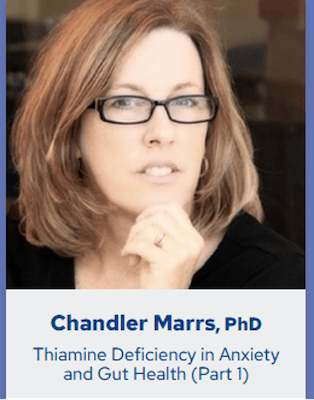
It’s for this reason that I invited Chandler Marrs, PhD to speak on the Anxiety Summit 5: Gut-Brain Axis. We had so much to cover and it ended up being so long, that we split it into part 1 and part 2.

chandler marrs

This is what we cover in Thiamine Deficiency in Anxiety and Gut Health (Part 1)

  • Excessive carbs, alcohol, medications and genetics as causes of low B1/thiamine
  • Dysbiosis, dysmotility, constipation, anxiety, depression, panic attacks, low energy
  • Psychiatric and digestive effects: research, history and other symptoms

This is what we cover in Thiamine Deficiency in Anxiety and Gut Health (Part 2)

  • The mitochondria, dysautonomia and POTS
  • Other symptoms: hyperemesis, exercise intolerance, muscle pain, neuropathy
  • Thiamine supplementation – forms, dosing and paradoxical reactions

Thiamine deficiency is under-rated and under-recognized

We start with why it’s an under-rated and under-recognized deficiency and Dr. Marrs shares that the assumption is that deficiency is not common and even when you test it looks like you are not deficient:

  • “The assumption is that there is no such thing [as a thiamine deficiency] and that it’s rare unless you are a chronic alcoholic. And even then, it’s missed 80% of the time. Or you have a severe injury or illness that depletes thiamine rapidly.
  • The presumption is that we’ve solved it, and it’s rare, and it only happens in countries where food availability is problematic.
  • The reality is that the chemistry of our foods, the chemistry of our environment, the medications that we take all combine and accrue to not only deplete the available thiamine on the basis of intake but to increase the need and to damage a lot of the enzymes involved in the processing of thiamine.
  • So a lot of folks are functionally deficient in that even though by definition they meet the daily requirement and they may, based upon lab testing, show up as being sufficient and not frankly deficient.
  • And so, I think that we just have taken our eye off of the ball with regard to this particular nutrient.”

Magnesium deficiency (and high dose magnesium) can actually cause a thiamine deficiency

Dr. Marrs also shares how a magnesium deficiency (which is very common) can actually cause a thiamine deficiency:

  • “One of the things that’s interesting is it requires magnesium to activate thiamine into its active form.
  • If someone is thiamine sufficient and magnesium deficient, then they are actually functionally deficient in thiamine because you cannot take the free thiamine and activate it into thiamine pyrophosphate.
  • So magnesium deficiency itself can cause thiamine deficiency. And there’s a good percentage of the population that doesn’t get enough magnesium.”

And she also shares how when taking high dose magnesium it’s so crucial to also be addressing low thiamine in order to prevent them becoming more thiamine deficient:

  • “Now, the flip side of that is really interesting. And I think this is important for your audience, in particular, is that magnesium supplementation, when someone has a problem with thiamine, will actually shut down thiamine processing and mitochondrial processing at one of the enzymes. Because if you don’t have thiamine with magnesium, then the enzyme α-ketoglutarate dehydrogenase kind of shuts the whole sequence down.
  • So if you are giving someone high dose magnesium, which is common to supplement, and not tackling the thiamine as well, you risk them becoming more thiamine deficient and reducing ATP output, energy output even further. So everything has to be in balance to some extent or another.”

I can think of one situation where this could be common. You use high dose magnesium due to constipation. Low thiamine may be one of the underlying causes of your constipation and now high dose magnesium is going to make the low thiamine situation worse.

Up to 30% of psychiatric patients have a thiamine deficiency

We talk about how up to 30% of psychiatric patients have a thiamine deficiency but that there hasn’t been enough work on psychiatric disorders which Dr. Marrs says “is strange given the fact that some of the strongest symptoms involve brain function and the most dangerous or some of the more dangerous damage is relative to areas of the brain.”

I share some quotes from a 2019 paper that does actually look at the psychiatric aspects – Neurological, Psychiatric, and Biochemical Aspects of Thiamine Deficiency in Children and Adults:

  • “The brain is highly vulnerable to thiamine deficiency due to its heavy reliance on mitochondrial ATP production. This is more evident during rapid growth, i.e., perinatal and children.
  • Thiamine deficiency contributes to a number of conditions spanning from mild neurological and psychiatric symptoms, confusion, reduced memory, sleep disturbances, and severe encephalopathy, ataxia, congestive heart failure, muscle atrophy, and even death.”

This paper also looks at the beneficial effect of thiamine supplementation in autism spectrum disorder (ASD) and other neurological conditions.

Below, I share some additional studies that we didn’t talk about in the interview but add value to the topic.

Fatigue, sleep disorders, depression, anxiety, fibromyalgia and cardiac troubles as the expression of a classic mild thiamine deficiency

This paper, High-dose thiamine improves the symptoms of fibromyalgia, states that “It is our opinion that fatigue, sleep disorders, depression, anxiety and cardiac troubles are the expressions of a classic mild thiamine deficiency.”

The authors share 3 cases where thiamine/vitamin B1 improved symptoms in all areas for all these women:

  • Patient 1: Female, 58 years old, weight 59 kg. From 1998, the patient began to have widespread pain accompanied by severe fatigue, depression, anxiety, irritability, sleep disorders, trouble concentrating, dry skin, general sickness, continuous headache, intolerance to low temperatures and, more recently, episodes of tachycardia and extrasystolia [alteration in heart rhythm].
  • Patient 2: Female, 37 years old, weight 74 kg. From 1999, the patient has had widespread pain and all the symptoms described for patient 1, with the only exception being that of cardiac symptoms.
  • Patient 3: Female, 60 years old, weight 65 kg. From 2006, the patient began to have widespread pain, fatigue, depression, anxiety, sleep disorders. Trouble concentrating.

As you can see the symptoms can be very varied and this is what makes it challenging to identify low thiamine as being the issue.

Thiamine deficiency after bariatric surgery

Here one case study where thiamine deficiency occurred after bariatric surgery: Wernicke’s encephalopathy mimicking multiple sclerosis in a young female patient post-bariatric gastric sleeve surgery:

We describe a case of Wernicke’s encephalopathy secondary to thiamine (B1) deficiency in a patient status post-bariatric sleeve gastrectomy.

The presenting symptoms of new-onset weakness, diplopia [double-vision], and confusion in a young female patient raised suspicion for multiple sclerosis (MS), but given a history of bariatric surgery, thiamine levels were checked, revealing significant Vitamin B1 (thiamine) deficiency.

This case highlights the importance of thorough history taking, as a misdiagnosis of MS in this case could have resulted in irreversible neurological deterioration and hematological and infectious consequences associated with the inappropriate administration of disease-modifying therapies.

Bariatric surgery is one of many causes of thiamine deficiency.

Some of the other many causes of thiamine deficiency

Other causes of thiamine deficiency include factors that may not be on your radar: a high carb/processed food/sugar diet (and even consistent smaller amounts of “healthy” sweeteners), coffee and tea consumption, alcohol consumption (excessive consumption and even moderate consumption i.e. social drinking), genetics (we talk about specific genes in the interview), environmental toxins, certain medications, celiac disease, leaky gut and malabsorption etc.

We do a deep dive into all this in the two interviews (and much more).

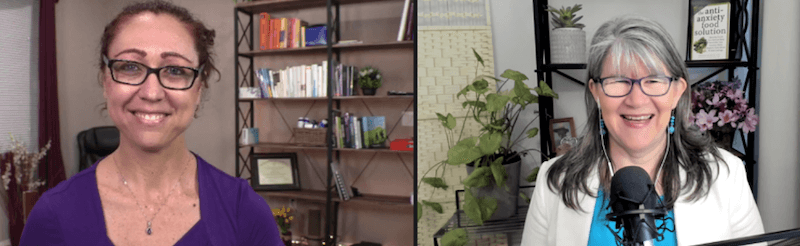
chandler marrs interview
(As you can see, when I do interviews I take notes throughout for a few reasons: writing consolidates the information into my brain and it allows me to make notes for follow-up questions. It also helps the video editing process later.)

Interviews that dove-tail well with this topic are these ones:

  • Michael Collins – Sugar/Fructose Addiction: Anxiety, ADHD and Aggression (because sugar and carbs lead to low thiamine)
  • My interviews, Glutamine, DPA and Tyrosine for Anxiety and Sugar Cravings and GABA & Tryptophan: Gut-Anxiety Connections (because the amino acids help you quit sugar/carbs, coffee and alcohol easily)
  • Tara Hunkin, NTP, CGP, RWP – Mitochondrial Dysfunction in Anxiety (because low thiamine adversely affects the mitochondria)

I encourage you to tune in if you have:

  • Anxiety & feel overwhelmed & stressed by little things
  • Panic attacks &/or obsessive thoughts or behaviors
  • Social anxiety/pyroluria
  • Phobias or fears (flying, spiders or even driving on a highway)

And also if you suffer from…

  • Food sensitivities, IBS/SIBO, parasites or gallbladder issues
  • Constipation, diarrhea, bloating, gas, pain & other digestive issues
  • Leaky gut, a leaky blood-brain barrier or vagus nerve issues

Join us if you are also an emotional eater with intense sugar cravings (and know you suffer from low blood sugar), experience insomnia, low mood, PMS, poor focus and/or low motivation.

This is THE online event to learn about the powerful individual amino acids – GABA, theanine, tryptophan, 5-HTP, glutamine, DPA and tyrosine – to quickly ease anxiety and help with gut symptoms while you are dealing with other root causes which take longer to address. (They also help with cravings as with this example, and sleep and immunity).

With research-based anxiety nutritional solutions and practical steps, you can determine your root causes, ease your anxiety and prevent it from coming back so you can feel on top of the world again!

If you are a practitioner, please join us too and find advanced solutions for your clients or patients too!

You’ve heard me say the Anxiety Summit has been called “a bouquet of hope!” My wish for you is that this summit is your bouquet of hope!

I hope you’ll join me and these incredible speakers, be enlightened and find YOUR solutions! More about this summit and other Anxiety Summits here.

Here’s to no more anxiety and you feeling on top of the world again!

Please share if these thiamine deficiency symptoms are new to you.

Also let us know if you’ve benefited from thiamine in the past or are currently using some form of thiamine – and how helped/is helping.

Have you seen this correlation between low magnesium and low thiamine OR taking high doses of magnesium and low thiamine symptoms?

Feel free to post your questions here too.

Learn more/purchase now

Filed Under: Anxiety, Depression, Sugar addiction, The Anxiety Summit 5 Tagged With: alcohol, anxiety, Anxiety Summit 5, carbs, cardiac, Chandler Marrs PhD., coffee, depression, fatigue, Fibromyalgia, insomnia, magnesium, neurological, psychiatric, sleep disorders, sugar, sugar craving, Thiamine, vitamin B1

“A demonic urge to eat sugar and all things sweet”: glutamine opened onto the tongue stops the urge every time!

October 1, 2021 By Trudy Scott 15 Comments

sugar urge and glutamine

In my interview, Glutamine, DPA & Tyrosine for Anxiety & Sugar Cravings, on the Anxiety Summit 5: Gut-Brain Axis, I share the story of a client of mine who described her sugar cravings as an “almost demonic urge  to eat sugar and all things sweet.”

Before working with me she had been trying to control her blood sugar levels by eating the right foods at the right times i.e. healthy fats and quality protein (especially at breakfast). But this wasn’t enough to eliminate her sweet cravings. She would make and eat sweet treats all day long, using “healthier” sweeteners like monk fruit and maple syrup.

The solution was using 500mg of glutamine opened onto her tongue. I had the same conversation  that  I have with all my clients who would obviously rather eat something sweet than open a glutamine capsule onto  their tongue: “If you have an intense craving for something sweet, tell yourself that  you’re  going to  indulge, but also humor your nutritionist and take the glutamine anyway. You may be surprised to find your urge completely disappears.”

She did that and it worked –  it stopped her demonic urge to eat something sweet every time and very quickly!

As a reminder here are the signs of low blood sugar –

Anxiety and mood:

  • Nervous, anxious, panic attacks
  • Irritable, shaky, headachey – especially if you go too long between meals
  • Lightheaded if meals are missed
  • Agitated, easily upset
  • Eating relieves fatigue

Sugar cravings:

  • Crave sugar, starch or alcohol any time during the day
  • Very intense cravings for sweets/sugar

I also share an excerpt from this March 2021 paper, The role of glutamine in supporting gut health and neuropsychiatric factors, highlighting the role of glutamine in gut health and depression/anxiety, and the gut-brain connection:

Glutamine can positively affect gut health by supporting the gut microbiome, gut mucosal wall integrity, and by modulating inflammatory responses.

As modulated by the vagus nerve, via the enteric nervous system, the gut-brain connection can impact the brain’s neurochemical environment.

Poor gut health can disrupt the balance of neurotransmitters, which can result in neuropsychiatric based conditions such as depression [and anxiety].

Glutamine supplementation may provide significant adjunctive nutritional support in cases of depression [and anxiety] by promoting proper gut health.

anxiety summit 5

Here are all the topics I cover in my interview:

  • Sugar addiction: impacts on the microbiome, tryptophan metabolism, zinc & B vitamins
  • Glutamine for intense sugar cravings, anxiety & support of the microbiome/mucosa
  • DPA for comfort/reward cravings, pain & acute stress
  • Tyrosine for focus & calm energy

Dr. Aimie Apigian, MD, kindly interviewed me. She is also a guest expert on the summit so be sure to tune into her excellent interview too: The Biology of Trauma and the Freeze Response.

I encourage you to tune in if you have:

  • Anxiety & feel overwhelmed & stressed by little things
  • Panic attacks &/or obsessive thoughts or behaviors
  • Social anxiety/pyroluria
  • Phobias or fears (flying, spiders or even driving on a highway)

And also if you suffer from…

  • Food sensitivities, IBS/SIBO, parasites or gallbladder issues
  • Constipation, diarrhea, bloating, gas, pain & other digestive issues
  • Leaky gut, a leaky blood-brain barrier or vagus nerve issues

Join us if you are also an emotional eater with intense sugar cravings (and know you suffer from low blood sugar), experience insomnia, low mood, PMS, poor focus and/or low motivation.

This is THE online event to learn about the powerful individual amino acids – GABA, theanine, tryptophan, 5-HTP, glutamine, DPA and tyrosine – to quickly ease anxiety and help with gut symptoms while you are dealing with other root causes which take longer to address. (They also help with cravings as with this example, and sleep and immunity).

With research-based anxiety nutritional solutions and practical steps, you can determine your root causes, ease your anxiety and prevent it from coming back so you can feel on top of the world again!

If you are a practitioner, please join us too and find advanced solutions for your clients or patients too!

You’ve heard me say the Anxiety Summit has been called “a bouquet of hope!”  My wish for you is that this summit is your bouquet of hope!

I hope you’ll join me and these incredible speakers, be enlightened and find YOUR solutions! More about this summit and other Anxiety Summits here.

Here’s to no more anxiety and you feeling on top of the world again!

Please share if glutamine has helped you with low blood sugar symptoms such as an intense desire for something sweet.

Feel free to post your questions here too.

Learn more/purchase now


Filed Under: Glutamine, Sugar addiction, The Anxiety Summit 5 Tagged With: Anxiety Summit 5, demonic urge, glutamine, low blood sugar, sugar, sugar craving, Trudy Scott

Ketogenic diet: reductions in auditory hallucinations and delusions, better mood and energy, and weight loss

April 6, 2018 By Trudy Scott 5 Comments

Two schizoaffective patients of Dr. Chris Palmer, a psychiatrist from Harvard’s McLean Hospital in Belmont, Massachusetts, tried a ketogenic diet for weight loss. As well as losing weight, they experienced reductions in auditory hallucinations and delusions, had a better mood and had more energy.

Here is additional information about these remarkable results, published late last year in this letter to the editor – Ketogenic diet in the treatment of schizoaffective disorder: Two case studies.

The male patient: lost weight, reductions in auditory hallucinations and delusions, better mood and energy

The male patient, diagnosed with schizoaffective disorder, with a prior psychiatric history of attention deficit hyperactivity disorder and major depression, experienced “dramatic” reductions in auditory hallucinations and delusions, as well as better mood and energy on the ketogenic diet. He also lost weight, losing 104 pounds over the course of a year.

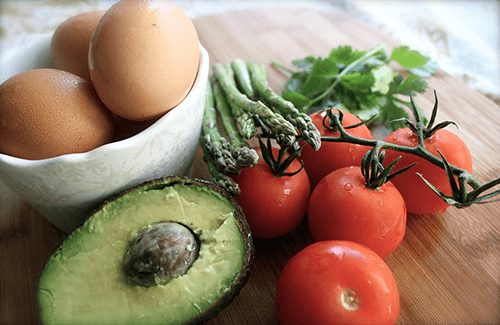
He weighed 322 lb and wanted to lose weight by following a ketogenic diet, typically consisting of coffee with medium chain triglyceride (MCT) oil and butter (“bulletproof coffee”), eggs, meat, fish, poultry, spinach, kale, and olive oil. Within 3 weeks, he had lost 15 lb, but also noted a dramatic reduction in his auditory hallucinations and delusions, and improvement in his mood, energy, and ability to concentrate. For the past year, he has largely remained on this ketogenic diet and has lost 104 lb.

His functioning has improved and he has become more independent:

He completed a certification course, successfully participates in an online college program, has friends, began dating, and moved from his father’s home into an independent apartment.

The female patient: lost weight, resolution of her delusions

After four weeks on the ketogenic diet, the female patient, also diagnosed with schizoaffective disorder, and with a prior psychiatric history of major depression and anorexia nervosa, had resolution of her delusions and lost ten pounds:

she wanted to lose weight, and went on a ketogenic diet, consisting mostly of coffee, eggs, poultry, and lettuce. Within 4 weeks, she lost 10 lb and noted that her delusions were no longer present, and that her mood and energy were much better. After 4 months, she lost a total of 30 lb and her PANSS score decreased to 70 [down from 107]

In both instances their symptoms returned when they stopped the diet, but then improved again when back on the ketogenic diet.

In case you’re not familiar with the ketogenic diet here is a quick summary:

The ketogenic diet is a high-fat / low carbohydrate [and low protein] diet that has been used since the 1920’s to treat childhood epilepsy, with some studies suggesting that over 50% of patients experience significant reductions in seizure frequency. The ketogenic diet results in ketone bodies, instead of glucose, being used as the primary energy source in the brain.

There simply is no psychiatric medication available with the power to accomplish these results

I had the pleasure of meeting Dr. Georgia Ede, MD  last year at the ISNPR conference. She is a Harvard-trained psychiatrist and nutrition consultant practicing at Smith College, and writes about these two schizoaffective cases in her article – Low-Carbohydrate Diet Superior to Antipsychotic Medications:

These outcomes are truly remarkable: improvement by dozens of points on the PANSS, significant weight loss, and better quality of life. There simply is no psychiatric medication available with the power to accomplish these results.

I agree with Dr. Ede especially when we look at the medications these patients had trialed. These medication trials for the male patient: methylphenidate, amphetamine salts, dextroamphetamine, bupropion, sertraline, paroxetine, buspirone, lamotrigine, lorazepam, clonazepam, gabapentin, haloperidol, perphenazine, aripiprazole, olanzapine, quetiapine, and clozapine. The female patient had a similarly long list of medication trials and she also received 23 electroconvulsive therapy treatments. For both of them, positive and negative symptoms persisted.

I do still have questions about the ketogenic diet

The research in epilepsy is extensive and the research in mental health is growing. I am really impressed with the results, but I do still have questions about the ketogenic diet. Perhaps you have some similar questions and concerns. Here goes…

  1. If this particular nutritional psychiatry approach works so well for severe mental health disorders such as schizophrenia and psychosis, how will it work for less severe conditions like anxiety and panic attacks? Are these severe cases like the “canaries in the coal-mine” paving the way and teaching us about the benefits of this way of eating?
  2. Should you use a ketogenic dietary approach as the first approach or consider it as a last resort once the other dietary approaches have been implemented and you’re not seeing full symptom resolution? In other words, should you start with a real whole foods diet, then implement a gluten-free diet, then a grain-free diet, then remove dairy (if it’s an issue), then incorporate low FODMAPs if needed and only then implement a ketogenic diet? (low oxalate, low salicylate and low histamine would be incorporated as needed earlier in the process, based on each person’s unique needs).  If we look only at schizoaffective disorder,  there is growing evidence of the role of gluten  in some individuals with this paper “suggesting that an antigliadin IgG positive population of schizophrenia could be a distinct subgroup.” This 2 person pilot study reports the benefits of a gluten-free diet: “this potential mechanism is exciting and may provide improvement for up to one-fourth of patients (antibody-positive) who suffer from this devastating disorder.”
  3. How do we clearly define a ketogenic diet and communicate this definition to practitioners and to those who choose to implement this way of eating on their own? I’ve had feedback from many people who tell me they have been on a ketogenic diet (and it’s worked well for them or maybe it hasn’t worked so well for them), only to discover they are not really eating a true ketogenic diet. How do we simplify this way of eating and make it easy for individuals to understand and then stay in ketosis?
  4. How do we create a ketogenic diet that is nutrient dense and also offers the benefits seen in this research. I have major concerns about long-term nutritional deficiencies with a diet of coffee, eggs, poultry, and lettuce (as eaten by the female patient in this case study). It should ideally include plenty of leafy greens, non-starchy vegetables like broccoli, cauliflower, asparagus etc. and healthy fats like avocado, grass-fed butter and coconut oil, together with fermented vegetables and bone broths. I’m also not convinced that coffee should be part of the ketogenic diet, especially if coffee increases your anxiety and affects your sleep.

  1. How do we help individuals make the switch to this way of low carb eating and help them maintain so they don’t feel deprived and are not relying on willpower alone? As you can see from these 2 cases, the diet can be challenging to sustain and slip ups are common. If you are eating enough health fats (and it’s a lot more than you’re used to eating), this typically helps with cravings. If you still have cravings and feel you are deprived and missing out on treats, the targeted individual amino acids offer powerful results: tryptophan (for afternoon cravings), GABA (for stress eating), DPA (for comfort eating), tyrosine (when there is low motivation) and glutamine (for low blood sugar cravings).
  2. Is the ketogenic diet the next big fad or weight-loss trend as we’re hearing in the media? Based on the above research it truly does have impressive therapeutic benefits beyond only weight-loss. So can we see similar benefits with a modified ketogenic diet, using intermittent fasting and/or cycling in and out of ketosis, and even adding in a ‘feasting day’ of carbs?
  3. Who shouldn’t adopt a ketogenic diet? For example: those with the APOE4 gene, women with adrenal and hormone issues, and individuals with thyroid issues and no gallbladder? The question then becomes this: of those suffering with anxiety and depression or another mental health disorder, who doesn’t have one of these issues? And how do we address the keto rash, constipation, fat malabsorption, fatigue, mineral deficiencies and other issues some people experience on a ketogenic diet?

Right now, this is my thinking: as with any nutritional or functional medicine approach, I would say there is no one-size-fits all for who should implement a ketogenic diet (we need to consider the unique biochemistry of each person) and there is no one set ketogenic diet (it will need to be customized for each person).

Please do share if you’ve adopted a ketogenic diet and the benefits you have experienced, and if you experienced any issues. Be sure to share what a typical day’s diet looks like for you.

Filed Under: Anxiety, Diet, Sugar addiction Tagged With: anxiety, coffee, delusions, depression, diet, Dr. Chris Palmer, energy, hallucinations, Ketogenic, mood, schizoaffective, weight-loss

How to make sugar cravings go away without massive willpower or without feeling deprived

May 19, 2017 By Trudy Scott 6 Comments

Do you believe that you can actually make sugar cravings go away without massive willpower or without feeling deprived? I’m going to tell you that is really is possible no matter how crazy it sounds! And share how to do it!

I was recently quoted in this great article: Is our addiction to sugar a spiritual crisis? Find out how to think your life sweeter, naturally, written by the talented Lisa Sanfilippo.

Lisa shares such a great description of how we get a hit of dopamine when we consume sugar in the same way addictive drugs give you that hit. Nicole Avena’s writings and videos illustrate:

how receptors on the tongue trip off the brain to ping its reward system. A hit of the brain chemical dopamine signals, ‘Oh, that’s good.’ A warm fuzzy feeling ensues. And we want to do the thing that stimulated that feeling again. Addictive drugs such as cocaine, nicotine, alcohol and heroin also stimulate this ‘feels-good-do-it-again’ pathway. Our brains light up when we think about a treat or a ‘hit’. The wanting or craving sets it in motion, too. We may not realise it but we are in a relationship with the thing that makes us feel good, even if it damages us.

When your brain chemistry is out of whack, you self-medicate with alcohol, painkillers, street drugs, or the most socially-acceptable and readily available of all – sugar. Here is my contribution to the article:

‘We must understand why sugar affects our brain chemistry like addictive drugs. We may use sugar to concentrate better, feel calmer or get happy when we’re low.’ But, Trudy says, ‘If we get the right nutritional balance or take specific amino acid supplements, we can boost the needed neurotransmitters, so that cravings go away without requiring massive willpower or without feeling deprived.’ Her recipe? Supplements. ‘Tyrosine boosts dopamine for concentration, GABA makes you feel calmer, and tryptophan boosts serotonin for happiness.’ So, a trip to a qualified nutritionist might help us to stop drugging with sugar.

You can read Lisa’s entire article here. I really love how she describes our unhealthy relationship with sugar, how she discovered she was self-medicating with the stuff and of course, some of the other practical advice like yoga for stress reduction.

Let’s take a deeper look into the imbalanced brain chemistry and addictions or cravings. I see this all the time when you have low levels of any of the neurotransmitters and by addressing these low levels with targeted individual amino acids you really can end the sugar cravings without massive willpower or without feeling deprived. Low levels of dopamine, low serotonin, low GABA and even low blood sugar and low endorphins can be addressed in this way.

Let’s look at low endorphins. The big problem with low endorphins is comfort eating and emotional eating. It’s like: “This is my reward. This is my treat. I deserve it.” And when you consume carbohydrates or sugar like a bowl of ice cream, a bowl of cereal and milk, a chocolate chip cookie, you feel like “this is my reward. I deserve it.” The amino acid DPA boosts endorphins and ends this comfort and emotional eating and the sad, weepy mood we see with low endorphins improves too.

When it comes to low serotonin you are going to crave sugar and carbs in the afternoon and evening. And we will also have the low serotonin mood symptoms which are depression, the worry type of anxiety, the ruminating thoughts, the worry and the fear.

And if you’re looking for resources on how to use amino acids to make sugar cravings go away without massive willpower or without feeling deprived here is some additional information:

  • GABA for ending sugar cravings (and anxiety and insomnia)
  • Glutamine for blood sugar stability, calming and gut healing

In this blog post – Neurotransmitters in food addiction: dopamine, endorphins, GABA and serotonin you can read Meme Grant’s feedback after using the amino acids after participating in my Amazing Aminos for Ending Emotional Eating program:

I still am amazed at how quickly the panic attacks, binge eating, and mood swings disappeared. Tyrosine enabled me to focus and gave me energy to do things again, glutamine allowed me to walk past the gluten and dairy free junk foods, d-phenylalanine [DPA] stopped my comfort eating, tryptophan enabled me to stop my negative thoughts and helped me sleep but the best was when GABA was introduced, the panic attacks disappeared.

You may notice that the amino acids eliminated her cravings AND helped her mood, anxiety and panic attacks.

How have the amino acids helped eliminate your sugar cravings and addictions? Were you surprised that you were able to quit without massive willpower or without feeling deprived?

If this is new to you what questions do you have and what have you already tried for reducing your sugar cravings?  

Filed Under: Sugar addiction Tagged With: Lisa Sanfilippo, sugar cravings

  • Page 1
  • Page 2
  • Page 3
  • Interim pages omitted …
  • Page 6
  • Go to Next Page »

Primary Sidebar

GABA QuickStart Homestudy

gaba quickstart homestudy

Free Report

9 Great Questions Women Ask about Food, Mood and their Health

You'll also receive a complimentary subscription to my ezine "Food, Mood and Gal Stuff"


Connect with me

Popular Posts

  • Amino Acids Mood Questionnaire from The Antianxiety Food Solution
  • The Antianxiety Food Solution Amino Acid and Pyroluria Supplements
  • Pyroluria Questionnaire from The Antianxiety Food Solution
  • Collagen and gelatin lower serotonin: does this increase your anxiety and depression?
  • Tryptophan for the worry-in-your-head and ruminating type of anxiety
  • GABA for the physical-tension and stiff-and-tense-muscles type of anxiety
  • The Antianxiety Food Solution by Trudy Scott
  • Seriphos Original Formula is back: the best product for anxiety and insomnia caused by high cortisol
  • Am I an anxious introvert because of low zinc and vitamin B6? My response to Huffington Post blog
  • Vagus nerve rehab with GABA, breathing, humming, gargling and key nutrients

Recent Posts

  • Her cravings for chips and peanut butter were triggered by stress: GABA ends cravings and reduces physical tension and fear of heights
  • It is truly miraculous to be able to move through life without crippling anxiety and panic
  • GABA and tryptophan combo provide immediate and noticeable relief for tremors and cervical dystonia in just 7 days
  • Red light therapy for back and neck pain, plantar fasciitis and low mood – a complement to the amino acids GABA, DPA and tryptophan
  • What do I use instead of Seriphos to help lower high cortisol that is affecting my sleep and making me anxious at night?

Categories

  • 5-HTP
  • AB575
  • Addiction
  • ADHD
  • Adrenals
  • Alcohol
  • Allergies
  • Alzheimer's disease
  • Amino Acids
  • Anger
  • Antianxiety
  • Antianxiety Food Solution
  • Antidepressants
  • Anxiety
  • Anxiety and panic
  • Autism
  • Autoimmunity
  • benzodiazapines
  • Bipolar disorder
  • Books
  • Caffeine
  • Cancer
  • Candida
  • Children/Teens
  • Collagen
  • Cooking equipment
  • Coronavirus/COVID-19
  • Cravings
  • Depression
  • Detoxification
  • Diabetes
  • Diet
  • DPA/DLPA
  • Drugs
  • EFT/Tapping
  • EMF
  • EMFs
  • Emotional Eating
  • Endorphins
  • Environment
  • Essential oils
  • Events
  • Exercise
  • Fear
  • Fear of public speaking
  • Fertility and Pregnancy
  • Fish
  • Food
  • Food and mood
  • Functional neurology
  • GABA
  • Gene polymorphisms
  • General Health
  • Giving
  • Giving back
  • Glutamine
  • Gluten
  • GMOs
  • Gratitude
  • Gut health
  • Heart health/hypertension
  • Histamine
  • Hormone
  • Hyperparathyroidism
  • Hypoglycemia
  • Immune system
  • Inflammation
  • Insomnia
  • Inspiration
  • Introversion
  • Joy and happiness
  • Ketogenic diet
  • Lithium orotate
  • Looking awesome
  • Lyme disease and co-infections
  • MCAS/histamine
  • Medication
  • Men's health
  • Mental health
  • Mercury
  • Migraine
  • Mold
  • Movie
  • MTHFR
  • Multiple sclerosis
  • Music
  • NANP
  • Nature
  • Nutritional Psychiatry
  • OCD
  • Osteoporosis
  • Oxalates
  • Oxytocin
  • Pain
  • Paleo
  • Parasites
  • Parkinson’s disease
  • PCOS
  • People
  • PMS
  • Postpartum
  • PTSD/Trauma
  • Pyroluria
  • Questionnaires
  • Real whole food
  • Recipes
  • Research
  • Schizophrenia
  • serotonin
  • SIBO
  • Sleep
  • Special diets
  • Sports nutrition
  • Stress
  • Sugar addiction
  • Sugar and mood
  • Supplements
  • Teens
  • Testimonials
  • Testing
  • The Anxiety Summit
  • The Anxiety Summit 2
  • The Anxiety Summit 3
  • The Anxiety Summit 4
  • The Anxiety Summit 5
  • The Anxiety Summit 6
  • Thyroid
  • Thyroid health
  • Toxins
  • Tryptophan
  • Tyrosine
  • Uncategorized
  • Vegan/vegetarian
  • Women's health
  • Yoga

Archives

  • May 2026
  • April 2026
  • October 2025
  • September 2025
  • August 2025
  • July 2025
  • June 2025
  • May 2025
  • April 2025
  • March 2025
  • February 2025
  • January 2025
  • November 2024
  • October 2024
  • September 2024
  • August 2024
  • July 2024
  • June 2024
  • May 2024
  • April 2024
  • March 2024
  • February 2024
  • January 2024
  • December 2023
  • November 2023
  • October 2023
  • September 2023
  • August 2023
  • July 2023
  • June 2023
  • May 2023
  • April 2023
  • March 2023
  • February 2023
  • January 2023
  • December 2022
  • November 2022
  • October 2022
  • September 2022
  • August 2022
  • July 2022
  • June 2022
  • May 2022
  • April 2022
  • March 2022
  • February 2022
  • January 2022
  • December 2021
  • November 2021
  • October 2021
  • September 2021
  • August 2021
  • July 2021
  • June 2021
  • May 2021
  • April 2021
  • March 2021
  • February 2021
  • January 2021
  • December 2020
  • November 2020
  • October 2020
  • September 2020
  • August 2020
  • July 2020
  • June 2020
  • May 2020
  • April 2020
  • March 2020
  • February 2020
  • January 2020
  • December 2019
  • November 2019
  • October 2019
  • September 2019
  • August 2019
  • July 2019
  • June 2019
  • May 2019
  • April 2019
  • March 2019
  • February 2019
  • January 2019
  • December 2018
  • November 2018
  • October 2018
  • September 2018
  • August 2018
  • July 2018
  • June 2018
  • May 2018
  • April 2018
  • March 2018
  • February 2018
  • January 2018
  • December 2017
  • November 2017
  • October 2017
  • September 2017
  • August 2017
  • July 2017
  • June 2017
  • May 2017
  • April 2017
  • March 2017
  • February 2017
  • January 2017
  • December 2016
  • November 2016
  • October 2016
  • September 2016
  • August 2016
  • July 2016
  • June 2016
  • May 2016
  • April 2016
  • March 2016
  • February 2016
  • January 2016
  • December 2015
  • November 2015
  • October 2015
  • September 2015
  • August 2015
  • July 2015
  • June 2015
  • May 2015
  • April 2015
  • March 2015
  • February 2015
  • January 2015
  • December 2014
  • November 2014
  • October 2014
  • September 2014
  • August 2014
  • July 2014
  • June 2014
  • May 2014
  • April 2014
  • March 2014
  • February 2014
  • January 2014
  • December 2013
  • November 2013
  • October 2013
  • September 2013
  • August 2013
  • July 2013
  • June 2013
  • May 2013
  • April 2013
  • March 2013
  • February 2013
  • January 2013
  • December 2012
  • November 2012
  • October 2012
  • August 2012
  • July 2012
  • June 2012
  • May 2012
  • April 2012
  • March 2012
  • February 2012
  • January 2012
  • December 2011
  • November 2011
  • October 2011
  • September 2011
  • August 2011
  • July 2011
  • June 2011
  • May 2011
  • April 2011
  • March 2011
  • February 2011
  • January 2011
  • December 2010
  • October 2010
  • September 2010
  • July 2010
  • May 2010
  • April 2010
  • March 2010
  • February 2010
  • January 2010
  • November 2009

Share the knowledge!

The above statements have not been evaluated by the Food and Drug Administration. Products listed in this website are not intended to diagnose, treat, cure or prevent any disease.

The information provided on this site is for informational and educational purposes only and is not intended as a substitute for advice from your physician or other health care professional. You should consult with a healthcare professional before starting or modifying any diet, exercise, or supplementation program, before taking or stopping any medication, or if you have or suspect you may have a health problem.


Copyright © 2026 Trudy Scott. All Rights Reserved. | Privacy | Terms and Conditions | Refund Policy | Medical Disclaimer

Free Report

9 Great Questions Women Ask about Food, Mood and their Health

You’ll also receive a complimentary subscription to my ezine “Food, Mood and Gal Stuff”