• Skip to primary navigation
  • Skip to main content
  • Skip to primary sidebar

everywomanover29 blog

Food, Mood and Women's Health – Be your healthiest, look and feel great!

  • Blog
  • About
  • Services
  • Store
  • Resources
  • Testimonials
  • The Book
  • Newsletter
  • Contact
  • Search this site

stress

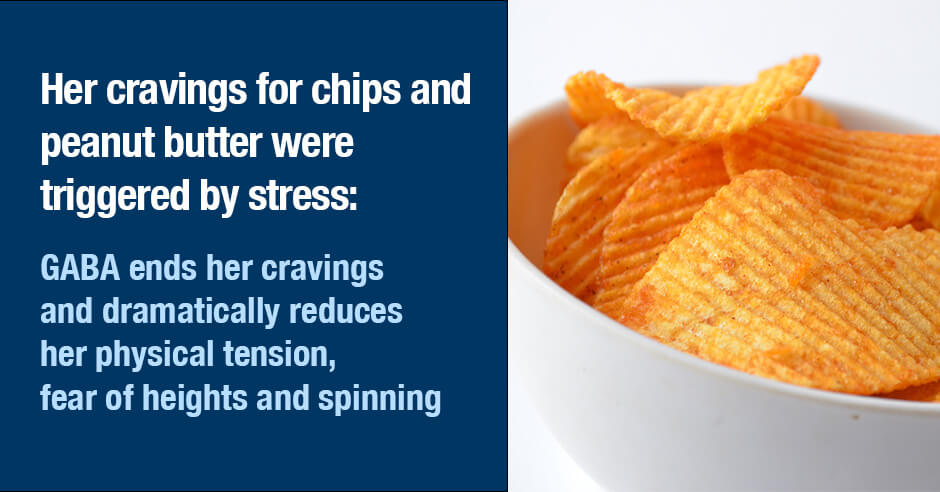
Her cravings for chips and peanut butter were triggered by stress: GABA ends cravings and reduces physical tension and fear of heights

May 29, 2026 By Trudy Scott Leave a Comment

cravings and gaba

JLs cravings for chips and peanut butter were triggered by stress. When using a GABA product that works best for her needs and with the correct doses and timing, she had zero cravings, with less physical tension, less fear of heights & reduced spinning:

Over the course of 5 weeks of using GABA, my physical tension, fear of heights and spinning were all reduced dramatically (physical tension went from 10/10 to 6/10, fear of heights from 8/10 to 3/10 and spinning from 8/10 to 3/10).

I was very happy that my cravings were completely gone using GABA (from 10/10 to 1/10).

Stress triggers me searching for something to eat. I had been following a low sugar diet already but with GABA I no longer needed chips or peanut butter around 4pm and I feel less stressed. ~ JL

I never get tired of feedback like this and I’m thrilled for her!

Read on to learn why she joined the program and what supplement changes she made; and why the initial GABA trial, and tracking sheet with symptom rating is very empowering.  Discover more about using GABA to reduce/end stress-eating;  how a fear of heights due to low GABA levels (and sometimes low serotonin too); and using a GABA cream and other approaches to reduce back and neck tension. You’ll also find additional resources if you need guidance using amino acids like tryptophan/5-HTP and GABA/theanine (and more about the program this woman did to get results like this for herself).

Why did she join the program and what supplement changes did she make?

This woman had been using a GABA/theanine product with no success when she joined the GABA QuickStart program but she took action anyway:

I joined because I wanted to see if it could help ease the physical stress in my shoulders, upper back and neck.

With Trudy’s help I learned how to do a trial and I was happy to feel some effect during the initial trial.

Because she switched to a different GABA-only product, used as a powder, she had zero cravings, got relief for physical stress and these other amazing results – over the next 5 weeks! And she got these results by making various adjustments to her GABA timing and dosing.

I’m thrilled for her and everyone who gives up on GABA and then decides to learn how to effectively and safely use it …and then experiences results like this.

The initial GABA trial, and tracking sheet with symptom rating is very empowering

In case you’re curious, in the program I teach participants how to do an initial one off trial to determine if the GABA product they’ve decided to use is worth trialing to find the ideal dose for your needs. JL mentions that she did feel some benefits during the initial trial.

You’ll also notice she mentions numerical changes in her symptoms i.e. “fear of heights from 8/10 to 3/10” and cravings “from 10/10 to 1/10.” The low GABA symptoms on their tracking sheets are rated on a scale of 1/10 with 10 being more severe. For someone to see their daily and weekly progression improve so much is very empowering and motivating. And it makes it easy to stick with the protocol. It’s also something they can refer back to in the future if they need to add GABA back.

Keep in mind, participants often do more than one initial trial, depending on their results and how many different GABA products they may end up needing.

The blog could have had this in the title “the right GABA product ends her cravings.”

It’s not unusual for GABA to reduce/end stress-eating and cravings

A mom in the community, Calle, shared how GABA helped her teenage ASD son sleep for the first time in years and reduced his cravings:

Our son has also really noticed a difference in his carb cravings since doing GABA. He went to grandma’s house and was not tempted by 6 pies, tons of cookies, sweet rolls etc. We were both shocked. This is a kid who would mow through tons of cookies, rolls and pastries.

Keep in mind that each of the neurotransmitter imbalances can lead to cravings so it’s a matter of figuring out which one is the culprit. It can be more than one too, and doing the trial and tracking (based on symptoms) will confirm

We use this symptoms questionnaire as a starting point.

A fear of heights due to low GABA levels (and sometimes low serotonin too)

As you can see from the low GABA symptoms on the above symptoms questionnaire, a fear of heights can be caused by low GABA. If it is, you’d expect GABA to reduce the fear when the optimal dose and timing is found.

I share one particular study in this blog post: Pharma-GABA: study participants with an irrational fear of heights are relaxed and less anxious when crossing a swaying suspension bridge

This paper refers to a pharmaGABA product which is not the same product as JL used but explains the mechanisms well.

JL shared that GABA reduced her “fear of heights from 8/10 to 3/10.” In order to get even better results she may need to:

  • Increase the dose or timing of the GABA product she is using, possibly in the situation where she is exposed to heights (like going over a bridge) and/or
  • Layer in a different GABA product like pharmaGABA and/or
  • Explore if some of her residual fear is also driven by low serotonin (and that would be the next thing to address once GABA is optimized).

A GABA cream and other approaches to reduce back and neck tension

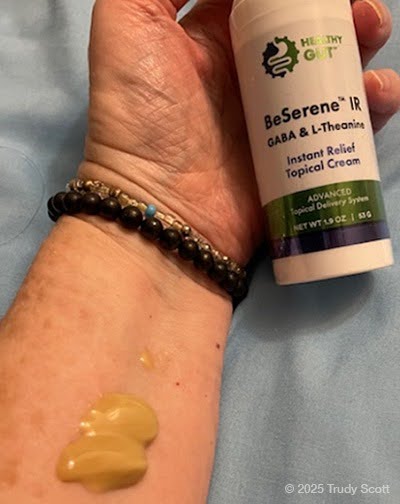
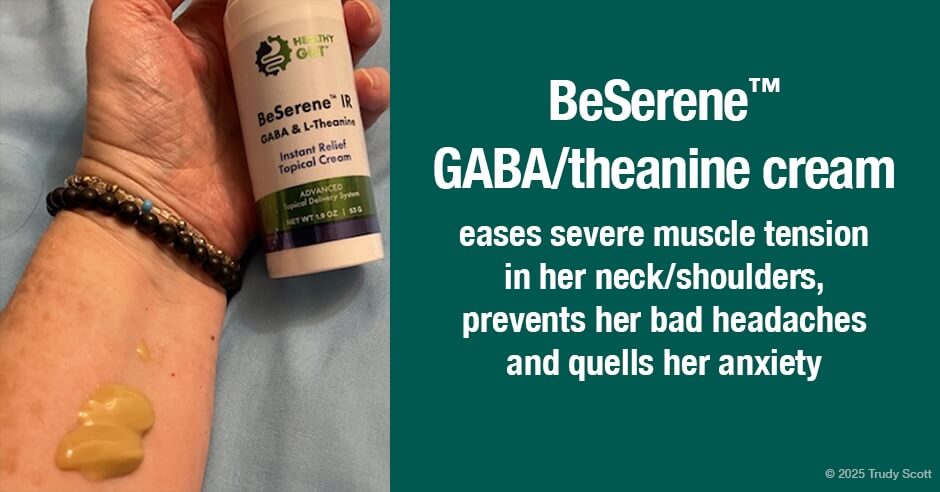
JL was looking to ease the physical stress in her shoulders, upper back and neck and reported that “physical tension went from 10/10 to 6/10.” This improvement is great and the addition of a GABA/theanine cream such as BeSerene, may be the next step for her.

I share more in this blog: BeSerene™ GABA/theanine cream eases severe muscle tension in her neck/shoulders, prevents her bad headaches and quells her anxiety

I love that Lisa shares this: “since the BeSerene™ cream works so efficiently on the muscle tension, it quells the anxiety that usually follows!” 

Looking into acupuncture, physical therapy, red light therapy, sauna and endorphin support with DPA (if there is also pain) are other approaches to consider.

Practical aspects of the GABA QuickStart program and the value

As shared by a GABA QuickStart participant a previous blog post:

The program is very well designed, very clear, and super easy to navigate and I loved the case studies. The tracking sheets are invaluable and the key to success with GABA!!

It can seem like a lot of money up front, but the gift of mental health is priceless!!

And honestly, Trudy has helped me and my daughter more than countless other practitioners, so in the end, it is actually very cost effective!!

(She also participated in the Serotonin QuickStart program and shared similar feedback).

Additional resources when you are new to using GABA or tryptophan as supplements

We use the symptoms questionnaire to figure out if low serotonin or low GABA or other neurotransmitter imbalances may be an issue for you.

If you suspect low levels of any of the neurotransmitters and do not yet have my book, The Antianxiety Food Solution – How the Foods You Eat Can Help You Calm Your Anxious Mind, Improve Your Mood, and End Cravings. I highly recommend getting it and reading it before jumping in and using amino acids on your own so you are knowledgeable. And be sure to share it with the practitioner/health team you or your loved one is working with.

There is an entire chapter on the amino acids and they are discussed throughout the book in the sections on gut health, gluten, blood sugar control (this is covered in an entire chapter too), sugar cravings, anxiety and mood issues. The importance of quality animal protein and healthy fats is also covered.

The book doesn’t include product names (per the publisher’s request) so this blog, The Antianxiety Food Solution Amino Acid and Pyroluria Supplements, lists the amino acids that I use with my individual clients and those in my group programs.

If, after reading this blog and my book, you don’t feel comfortable figuring things out on your own (i.e. doing the symptoms questionnaire and respective amino acids trials), a good place to get help is the GABA QuickStart Program (if you have low GABA symptoms). This is a paid online/virtual group program where you get my guidance and community support. Another option is the budget-friendly GABA QuickStart Homestudy Program.
Right now you can save $150 off the full price when you use promo/coupon code maymh150off. This 3 day special is for May Mental Health Awareness month and ends Monday June 1, 2026 at noon Pacific time. Click the image below to watch a GABA webinar and learn more.

If you need serotonin support, the Serotonin QuickStart Program is a good place to get help. This is also a paid online/virtual group program where you get my guidance on using tryptophan and 5-HTP safely, and community support during 5 LIVE Q&A calls. You can sign up to be notified when the next live launch of this program is happening.

If you are a practitioner, join us in The Balancing Neurotransmitters: the Fundamentals program. This is also a paid online/virtual program with an opportunity to interact with me and other practitioners who are also using the amino acids.

Wrapping up and your feedback

I’d love to hear how GABA has helped you …

Can you relate to seeing results like this with one of the many GABA products or even almost giving up and then getting relief?

Did adjusting the dose and timing make a big difference for you?

Has a topical GABA/theanine product helped you?

If you’ve completed the course material in the GABA Quickstart or Serotonin Quickstart programs feel free to share your results here so we can inspire others and give them hope.

Feel free to post your questions below.
Filed Under: Anxiety, Cravings, Fear, GABA Tagged With: amino acids, back tension, chips, cravings, fear of heights, GABA, GABA cream, GABA Quickstart, initial trial, less stressed, low GABA, low serotonin, neck tension, peanut butter, physical-tension, Serotonin Quickstart, spinning, stress, stress-eating, theanine, tracking sheet, triggered by stress

BeSerene™ GABA/theanine cream eases severe muscle tension in her neck/shoulders, prevents her bad headaches and quells her anxiety

October 24, 2025 By Trudy Scott 9 Comments

beserene

Hi there… I wanted to add my ‘two cents’ to the discussion about the BeSerene™ GABA/theanine product that you recommend. I LOVE it! I suffer from low GABA levels, which result in my having severe muscle tension in my neck and shoulders. Often, that resulted in bad muscle tension headaches, for which I couldn’t find anything to bring relief. The BeSerene™ GABA/theanine cream has been a real game changer.

If I wake up with one of those headaches in the middle of the night or in the morning, I use two pumps and rub it on my tight neck and shoulder muscles and within 15 minutes, I can feel the tension melting away! It literally goes away! I have  even been able to prevent a headache from occurring by using it on my neck muscles before I go to bed at night.

Insofar as anxiety, I get relief from that as well, because generally I start to get anxiety once the headaches start, as I never know if it is going to be manageable with just an ibuprofen or two, or if it is going to be one of ‘those’ headaches, i.e. a migraine that lasts for a day or more! Unfortunately, once the anxiety starts, it makes the muscle tension headache worse, which makes the anxiety worse, and it’s just a horrible vicious cycle!

So, since the BeSerene™ cream works so efficiently on the muscle tension, it quells the anxiety that usually follows!

It has changed my life, and I don’t know of any other product I can say that about. I can honestly say that I will not allow myself to ever be without it now!

Thank you so much Trudy, for recommending this product!

Lisa is a woman in the community who reached out to me via email with this message raving about how life-changing this cream has been for her. I am thrilled for her and never get tired of hearing results like this. I’m not surprised either and love to share these kinds of results! She kindly gave me permission to share, saying “I want others to experience what I have with this product!”

Read on below for more about why she gravitated towards using a cream, other benefits you may expect to see (like a reduction in stress-eating and/or drinking too much wine), my insights into when to consider using a GABA/theanine cream like this and how to use it, where to purchase this exact cream and additional resources if you are new to using GABA.

Why did Lisa gravitate to using a GABA/theanine cream?

Lisa shared that she just couldn’t seem to tolerate the sublingual or oral GABA:

I have tried sublingual GABA products but haven’t had much success, as I haven’t been able to find any without alcohol sugars (xylitol, sorbitol, etc.) Those ingredients give me a terrible taste in my mouth and I just can’t tolerate them. (Why can’t they make one with just real sugar from nature?)

Plus, I haven’t had a lot of success with the oral products as they just take too long to work on the headaches/muscle tension.

I’m really glad she recognized her symptoms were due to low GABA – muscle tension and pain, in conjunction with feeling physically anxious are common. And that she didn’t give up on GABA and persevered until she found what works for her symptoms.

What about other forms of GABA?

However, my advice for someone in Lisa’s situation is not to give up on other GABA products if she finds she needs additional support in the future or finds herself without the cream. With regards to taste and time to work, I recommend a GABA-only (or GABA/theanine) capsule opened on to the tongue or a GABA (and/or theanine) powder – both held on the tongue for 1-2 minutes for quick results.

Stress-eating and self-medication with wine are classic signs of low GABA

Interestingly, stress eating is not an issue for her but wine may be:

I’ve never really had any issues with stress-eating. In fact, I usually have no appetite when I’m stressed out! (That’s where the wine comes in…lol!)

We may self-medicate with wine when GABA is low because it relaxes us physically, helps us fit in socially and feels calming and pleasant. It’s mistakenly used to try and improve sleep but typically makes things worse.

Alcohol consumption damages the gut, depletes B vitamins (especially thiamine/vitamin B1) and zinc – and it’s addicting.

GABA can stop that addiction in its tracks so there are no feelings of deprivation. The reasons we are drawn to GABA are addressed too. And amazingly there is research that GABA may actually heal the gut after alcohol consumption.

Bumping up the GABA/theanine cream may help or considering one of the other GABA products mentioned above may be better.

Low GABA symptoms

As a reminder, if you are new to GABA, it’s an amino acid that helps to address low GABA levels and the associated symptoms: physical tension and feeling anxious, feeling worried or fearful, panic attacks, stiff or tense muscles, insomnia, feeling stressed and burned-out, craving carbs/alcohol for relaxation and calming, intrusive thoughts, spinning/poor focus, fear of heights, rectal spasms, burning mouth, and visceral pain/belly pain with IBS. See the most current list of low GABA symptoms here.

When to consider using a GABA/theanine cream like this?

These are some of the applications I consider

  • When other GABA products haven’t worked (like in Lisa’s situation)
  • When looking for something in addition to other GABA products, for example, GABA powder in the day while at work or play, and GABA/theanine cream at night for tension and sleep issues
  • When there is a specific need for a topical application – like with neck and shoulder tension or belly pain or period pain or leg spasms etc
  • For an aging parent with Alzheimer’s disease (and sundowning agitation/anxiety)
  • For a person with ARFID (avoidant-restrictive food intake disorder)
  • For a person with anorexia or other eating disorder
  • When a child or young adult has autism (with anxiety and sensorimotor issues), a child/adult who struggles with taking supplements and other special needs children/adults
  • For someone with multiple sclerosis (for anxiety and muscle spasms/spasticity)
  • When a person has severe digestive issues and prefers a cream
  • When someone just wants to take a break from sublingual/oral/powder GABA
  • For presurgery anxiety since supplements are typically not permitted (even though there is research showing both help)

Where to purchase BeSerene™ IR GABA and theanine cream and how to use it?

This cream can be purchased online with this link (this has my 15% discount built in – you’ll see the discount applied on the checkout page after you add it to the cart).

Purchase BeSerene™ IR

They recommend applying 1-2 pumps to your temples or wrists.

You could also use 1-2 pumps/squirts on your neck and shoulder (like Lisa did), the forearm or inner thigh (before bed for helping improve sleep), and/or belly (especially if belly pain or IBS/SIBO or PMS pain keeps you awake at night). It can also easily be applied if you wake in the night.

Personally, it’s a product I love at bedtime. I apply 2 pumps on my forearm and then rub my belly with any that is left over. It’s calming, improves my sleep and helps with belly pain at night.

I’m sure you can tell by now that this is a product I endorse. I recommend it to clients and to participants in my GABA Quickstart program. In fact, it’s one of the top ten GABA products I recommend and it’s even included in the training materials/handouts of the program!

Additional resources when you are new to using GABA or other amino acids as supplements

We use the symptoms questionnaire to figure out if low GABA (indicating a possible need for GABA or theanine) or low serotonin (indicating a need for tryptophan or 5-HTP) or low endorphins (indicating a possible need for DPA) or other neurotransmitter imbalances may be an issue for you.

If you suspect low levels of any of the neurotransmitters and do not yet have my book, The Antianxiety Food Solution – How the Foods You Eat Can Help You Calm Your Anxious Mind, Improve Your Mood, and End Cravings. I highly recommend getting it and reading it before jumping in and using amino acids on your own so you are knowledgeable. And be sure to share it with the practitioner/health team you or your loved one is working with.

There is an entire chapter on the amino acids and they are discussed throughout the book in the sections on gut health, gluten, blood sugar control, sugar cravings, anxiety and mood issues. The importance of quality animal protein and healthy fats is also covered.

The book doesn’t include product names (per the publisher’s request) so this blog, The Antianxiety Food Solution Amino Acid and Pyroluria Supplements, lists the amino acids that I use with my individual clients and those in my group programs.

If, after reading this blog and my book, you don’t feel comfortable figuring things out on your own (i.e. doing the symptoms questionnaire and respective amino acids trials), a good place to get help is the GABA QuickStart Program (if you have low GABA symptoms). This is a paid online/virtual group program where you get my guidance and community support. We’ll be launching a budget-friendly homestudy version in a few weeks – sign up for the wait list here (the live version with Q&A is offered only a few times a year).

If you also need serotonin support, the Serotonin QuickStart Program is a good place to get help. This is also a paid online/virtual group program where you get my guidance on using tryptophan and 5-HTP safely, and community support during 5 LIVE Q&A calls. You can sign up to be notified when the next live launch of this program is happening.

If you are a practitioner, join us in The Balancing Neurotransmitters: the Fundamentals program. This is also a paid online/virtual program with an opportunity to interact with me and other practitioners who are also using the amino acids.

Now I’d love to hear from you…

I appreciate Lisa’s willingness to share her wonderful results. Now I’d love to hear from you.

Have you used BeSerene™ GABA and theanine cream and how has it helped you?

How does using a GABA/theanine cream compare with other GABA products you have used (feel free to share specific brands and how you used them – sublingual, capsule-opened, liposomal or powder or even another brand of GABA cream)?

As  I shared above, some folks prefer a cream only and many use a combination of cream and sublingual.

Feel free to post your questions here too.

Filed Under: Anxiety, GABA, Pain, Stress Tagged With: anxiety, anxious, BeSerene, BeSerene™ GABA/theanine cream, cream, GABA, GABA cream, GABA Quickstart, Headaches, how to use a GABA cream, low GABA, migraine, muscle tension, neck, pain, shoulders, sleep issues, stress, stress-eating, wine

My kids and I used GABA to get through Hurricane Helene – I recommend it for everyone’s 72-hr kit now

July 15, 2025 By Trudy Scott 2 Comments

gaba in hurricane

My kids and I used GABA to get through Hurricane Helene. Freeways broken in 3 directions, no comms, no gas, no power, etc. GABA noticeably kept us calmer even as the days went by. It helped us stay calm enough to think about our escape plan and jump on opportunities to find gas and water.

So grateful we learned about it [from you years ago] and had it on hand… I recommend it for everyone’s 72-hr [emergency preparedness] kit now.

Alecia shared her wonderful results with GABA on a Facebook post. I’m sorry they went through this but I am so happy GABA helped. I also wish everyone had GABA on hand for situations like this.

She now also uses a manual device for vagus nerve stimulation (VNS) and feels a combination of “GABA and VNS would have been incredible.” I’m a big fan of a B complex too and zinc and extra B6 if you have pyroluria because the added stress depletes these nutrients and makes things worse. And serotonin and endorphin support can often be helpful too. More on all this below and details about the GABA product she used and what dose helped her.

Which GABA product helped her and her family and how much did she use?

I asked Alecia to share how much GABA helped during and after the hurricane and which product worked for her? And if she had been using it before for day-to-day low GABA symptoms of feeling anxious, stressed, overwhelmed with physical tension and sleep issues.

We use the pharmaGABA by Natural Factors. I usually only need 100 – 200 mg in my regular life. During the hurricane I needed 300 mg pharmaGABA a couple of times a day. And more when waiting in a gas line. Such intense stress. GABA really took the edge off.

It’s always helpful to know your baseline dose i.e. what you use on a day-to-day basis. And to expect that dose to increase in times of the added stress in the midst of the hurricane and the immediate aftermath – as it did for Alecia. She needed a higher dose and used it more frequently.

You may often find you need to continue with the higher dose for a few weeks to months after the disaster, especially during the clean-up and rebuilding period.

One other factor to consider is the form of GABA. She used pharmaGABA with much success and many do very well on this form but I find more folks do better with GABA. GABA works best when used sublingually, capsule-opened, powder (all held on the tongue 1-2 mins) or cream, and a low starting dose is used, and increased to find the optimal dose.

Vagus nerve stimulation (VNS) as an added benefit

Alecia now also uses a manual device for vagus nerve stimulation (VNS). She had it during Hurricane Helene but had not yet used it:

A combo of GABA and VNS would have been incredible. I found out my mom was diagnosed with stage 4 cancer the next week and finally started using both GABA and VNS. Game changer combo.

She has the Hoolest veRelief Prime device and says this:

I love the Hoolest VNS. It helps with anxiety, sleep, digestion, and higher performance. I like level 4 but my kids prefer level 1.

I used it daily for about 4-6 months and then I started to heal deeply. Now I only need it once every week or two.

(I did hear that her mom’s treatments are working)

Vagus nerve stimulation, anxiety, GABA and the potential with VNS devices

This paper, Vagus nerve stimulation: a physical therapy with promising potential for central nervous system disorders, discusses how “vagus nerve stimulation influences the central nervous system through the GABA system” and the fact that “VNS has been shown to alleviate anxiety symptoms”, depression, obsessive-compulsive disorder (OCD), panic disorder, and post-traumatic stress disorder (PTSD). Much of the research has been done with implantable vagus nerve stimulation (iVNS) but the potential with non-invasive vagus nerve stimulation devices is really exciting.

What is so interesting is that “Vagus nerve stimulation influences the central nervous system through the GABA system” and it’s “speculated that part of VNS’s therapeutic effects …might involve the GABA system.”

VNS benefits are also seen via impacts on serotonin and dopamine, BDNF (brain-derived neurotrophic factor), by reducing inflammation and the secretion of inflammatory cytokines and promoting neuroprotection.

You can read more about vagus nerve support on this blog: Vagus nerve rehab with GABA, breathing, humming, gargling and key nutrients. I share my vagus nerve/throat issue and how manual vagus nerve support exercises and GABA helped me.

Using a good B complex and the pyroluria protocol too

I told Alecia that I’m a big fan of a good B complex and the pyroluria protocol too. I share more in this blog – Nutrition solutions for psychological stress after a natural disaster.

If this is all that can be managed it would be my first choice for everyone. In fact, if you live in an area prone to hurricanes, floods, fires etc. I’d recommend being on a B complex all the time.

My colleagues Bonnie Kaplin and Julia Rucklidge published this paper in 2015: A randomised trial of nutrient supplements to minimise psychological stress after a natural disaster. Those consuming a B-Complex and a broad-spectrum mineral/vitamin formula showed significantly greater improvement in stress and anxiety than study participants consuming a vitamin D supplement.

It is well known that pyroluria symptoms are made worse in times of heightened stress. If you are on protocol for pyroluria, additional zinc and vitamin B6/P5P is likely going to be needed short-term too.

In addition to GABA I also mention serotonin and endorphin support:

  • Serotonin support with tryptophan or 5-HTP, especially if you’re feeling sad, worried, imagining the worst, feeling fearful and having problems sleeping. More on tryptophan products.
  • Endorphin support with Lidtke DPA if you’re feeling especially emotional and weepy and grieving the loss of your home and community. More on endorphins here.

And I also include some resources for disaster preparedness and things to consider after the fangers have passed (like mold toxicity).

Additional resources when you are new to using GABA and other amino acids as supplements

As always, I use the symptoms questionnaire to figure out if low GABA or low serotonin or other neurotransmitter imbalances may be an issue.

If you suspect low levels of any of the neurotransmitters and do not yet have my book, The Antianxiety Food Solution – How the Foods You Eat Can Help You Calm Your Anxious Mind, Improve Your Mood, and End Cravings, I highly recommend getting it and reading it before jumping in and using amino acids on your own so you are knowledgeable. And be sure to share it with the practitioner/health team you or your loved one is working with.

There is an entire chapter on the amino acids and they are discussed throughout the book in the sections on gut health, gluten, blood sugar control (this is covered in an entire chapter too), sugar cravings, anxiety and mood issues.

The book doesn’t include product names (per the publisher’s request) so this blog,The Antianxiety Food Solution Amino Acid and Pyroluria Supplements, lists the amino acids that I use with my individual clients and those in my group programs.

If, after reading this blog and my book, you don’t feel comfortable figuring things out on your own (i.e. doing the symptoms questionnaire and respective amino acids trials), a good place to get help is the GABA QuickStart Program (if you have low GABA symptoms). This is a paid online/virtual group program where you get my guidance and community support. You can sign up to be notified when the next live launch is happening.

If you need serotonin support, the Serotonin QuickStart Program is a good place to get help. This is also a paid online/virtual group program where you get my guidance on using tryptophan and 5-HTP safely, and community support during 5 LIVE Q&A calls. You can sign up to be notified when the next live launch of this program is happening.

If you are a practitioner, join us in The Balancing Neurotransmitters: the Fundamentals program. This is also a paid online/virtual program with an opportunity to interact with me and other practitioners who are also using the amino acids.

Wrapping up and your feedback

I appreciate Alecia for sharing her story and giving me permission to share on the blog.

Do you have GABA on hand all the time and include them in your 72-hr emergency preparedness kit?

Have you found vagus nerve stimulation (VNS) to be helpful – either manual exercises (which ones help you) or using a device (which one helps you)?

What about B vitamins and the pyroluria protocol – do they help too?

If you’re a practitioner do you recommend GABA, VNS, B vitamins and the pyroluria protocol?

Feel free to share and ask your questions below.

Filed Under: Anxiety, Fear, GABA Tagged With: 72-hr kit, B-complex, B6, calm, calmer, disaster, dopamine, emergency, endorphin, GABA, GABA Quickstart, Hurricane Helene, pharmaGABA, pyroluria, serotonin, Serotonin Quickstart, stress, vagus, vagus nerve stimulation, VNS, zinc

Exploring the Therapeutic Potential of Gamma-Aminobutyric Acid (GABA) in Stress and Depressive Disorders through the Gut–Brain Axis

January 31, 2025 By Trudy Scott 4 Comments

gaba and stress disorder

Research conducted on individuals with depression reveals that major depressive disorders (MDDs) coincide with diminished levels of the inhibitory neurotransmitter γ-aminobutyric acid (GABA) in the brain, as well as modifications in the subunit composition of the primary receptors (GABAA receptors) responsible for mediating GABAergic inhibition.

Furthermore, there is substantial evidence supporting the significant role of GABA in regulating stress within the brain, which is a pivotal vulnerability factor in mood disorders. GABA is readily available and approved as a food supplement in many countries.

Although there is substantial evidence indicating that orally ingested GABA may affect GABA receptors in peripheral tissues, there is comparatively less evidence supporting its direct action within the brain.

Emerging evidence highlights that oral GABA intake may exert beneficial effects on the brain and psyche through the gut–brain axis. While GABA enjoys wide consumer acceptance in Eastern Asian markets, with many consumers reporting favorable effects on stress regulation, mood, and sleep, rigorous independent research is still largely lacking.

Basic research, coupled with initial clinical findings, makes GABA an intriguing neuro-nutritional compound deserving of clinical studies in individuals with depression and other psychological problems.

This is the abstract from a recently published review paper: Exploring the Therapeutic Potential of Gamma-Aminobutyric Acid in Stress and Depressive Disorders through the Gut–Brain Axis

Does GABA exert calming and mood benefits via the gut-brain axis or is it really just a placebo effect? This paper discusses both possibilities. I’m excited by the former (and share more about this below) but I do not agree with the latter. Based on my clinical and personal experience, the calming effects of the amino acid GABA, used as a supplement (when you have low GABA symptoms/levels and used in a very specific way), is not a placebo effect. I also discuss this and share some cases that clearly confirm there is no placebo effect. Read on to be enlightened and encouraged about the power of GABA.

GABA and the microbiota-gut-brain axis

The authors describe the microbiome-gut-brain axis as “the bidirectional communication between the gastrointestinal tract, including its resident microbiota and the brain, linking emotional and cognitive centers of the brain with peripheral intestinal functions.”

They acknowledge that while we don’t quite understand the exact mechanisms of this bidirectional communication, “the vagus nerve, the endocrine and immune system, and the synthesis and metabolism of metabolites and neurotransmitters in the gut are critically involved.” This is exciting given what we know about the blood brain barrier.

If you are new to this concept of the gut-brain axis or want to read some of the latest updates, I encourage you to read the paper and learn about the benefits of probiotics (such as Lactobacillus and Bifidobacterium, and Lactococcus, Enterococcus, Streptococcus, and Leuconostoc) and prebiotics i.e. psychobiotics; and fermented foods – for mood improvement and stress reduction.

You’ll read this about GABA (both as a metabolite produced by the microbiome and as a supplement):

  • found in the enteric nervous system it contributes significantly to gut-brain axis functions and related disorders, including depression, anxiety, inflammatory, and cardiovascular disorders (they refer to GABA as a crucial ‘postbiotic’ i.e. a metabolite produced by the microbiome)
  • while GABA may not directly cross the blood-brain barrier in humans, an indirect influence through the enteric nervous system could potentially provide a viable pathway for the impact of GABA dietary supplements
  • although the connection between oral GABA administration i.e. GABA supplementation, the vagal nerve, and GABA levels in the brain has not been firmly established, considering the existing evidence, it represents a promising avenue for future research.

The last two bullets are worth emphasizing because one of the most common myths is that “GABA supplements don’t work because GABA is too big a molecule to get across the blood brain barrier.”  It really doesn’t need to get through the blood brain barrier in order to be calming.

I share more about this in a blog I published in 2023 – you can read it here.

GABA is a lifesaver and helps with mycotoxin-induced anxiety

Joie has Sjogren’s, Hashimoto’s, fibromyalgia & collagenous colitis (all diagnosed after severe mold exposure) and shares how GABA

has been a life saver for me (for my anxiety), and I share this with all I know who experience anxiety. I also use L-theanine at night because of insomnia. The 5-HTP has helped somewhat for sleep. L-tryptophan didn’t seem to make a difference. However the 5-HTP has made a significant difference in lessening my daily pain levels, which I am most grateful for.

Micki Contini, MS CNC, a board-certified holistic health and nutrition consultant, is a friend and colleague whose life was hugely impacted by mold toxicity. She shares this about how GABA helped her:

As they started tearing my house apart for remediation, I started eating GABA Calm like candy. At the beginning I had to have a lot more than I do now. GABA Calm takes me down a notch and I feel my shoulder coming away from my ears and I get closer to relaxing.

Here are a few other blogs that illustrate just how calming GABA can be when used as a supplement:

  • GABA Calm is a game changer for husband’s sound and tactile hypersensitivity, significant coordination problems and his anxiety
  • Her mum just passed away and although she is sad, GABA allows her to sit with a feeling of peace and calm most of the time
  • GABA worked amazingly for 18-year-old during a MCAS/histamine flare, helping with OCD, anxiety, rage and skin issues

If GABA works it’s a placebo effect?!

I find this statement in the conclusion of the review to be confusing given all that the authors share about the gut-brain axis, vagus nerve and bidirectional communication:

The dietary supplement form of GABA is readily accessible to consumers. While many individuals assert that they derive advantages from using these products, it remains uncertain whether these supplements provide benefits beyond what could be attributed to a placebo effect.

Their argument about conflict of interest and small sample sizes when it comes to studies doesn’t hold water with me.

As I mentioned above, based on my clinical experience, the calming effects of the amino acid GABA, used as a supplement when you have low GABA levels (and used in a very specific way), is not a placebo effect.

The following two cases clearly confirm there is no placebo effect (and these are just a few of many which I plan to share with the authors).

My 6 year old was having panic attacks getting out of the car for Kindergarten

My 6 year old son was having panic attacks getting out of the car going to Kindergarten and taking two GABA Calm has completely relieved him of his fears. He has been going for 3 straight weeks in a row.

I thought it may be low serotonin since this happened last winter as well but I gave him 5-HTP for a couple months and it didn’t seem to affect him and his anxiety. We had to have him repeat Kinder this year.

But wow, the GABA has been fabulous and Kindergarten is in full swing because of your help.

Lisa, a mom in the community, shared these wonderful results about her son. This is most definitely not a placebo effect.

You can read the entire story on the blog here. The school is actually in shock at how well carpooling is going for him.

GABA lessens anxiety, agitation and defiance in 98 year old mother who has been “sundowning” for a couple of years

My mother is 98 and has been “sundowning” for a couple of years. It starts around 3pm, sometimes earlier. Some days it’s no big deal. It is on those other days when she starts and then it goes to anxiety, agitation, then she can get sort of defiant which is so not her. She is a gentle soul, friendly, and kind so this is difficult on her as well as our family.

I just started to use my pestle and mortar to crush up a 125 mg GABA CALM supplement (Source Naturals) and I mix a little into her flavored yogurt when I start to see her having difficulty. I give it to her throughout the day. She only gets the 125 mg amount so I feel safe with that.

I believe that I do notice it lessens her anxiety. I pray that this will be helpful for her because that anxiety can be really draining for her. I have not noticed any adverse reactions.

This is another heartwarming success story shared by Marsha who used GABA Calm with her mother. It’s yet another one that is not a placebo effect either. You can read the entire blog post here.

My personal GABA results are also not a placebo effect

I can also share from first-hand experience that GABA was a life-saver for me in my late 30s when I had no idea what a panic attack was and knew very little about GABA other than the fact it calmed me down very quickly!

I still use GABA in various situations to this day: to help with back spasms after a fall, to help with rectal spasms, to help with throat spasms/pain caused by crying (after the loss of my darling mom), to help me sleep solidly and before doing an on-stage presentation, and much more.

GABA is effective and safe when used in a very specific way

Many people use GABA and report it didn’t work or that they had a strange or uncomfortable reaction to their GABA supplement (such as tingles or flush or feeling dizzy). I’m on a mission to educate folks how GABA is effective and safe when used in a very specific way:

  • Only if you have low GABA levels and symptoms of physical tension, overwhelm, fears, anxiousness, stiff and tense muscles, stress eating, drinking to calm down or fit in socially (you can see all the symptoms here)
  • Starting with a low dose of around 125mg (and less if you’re sensitive)
  • Only using it as a sublingual, powder or capsule opened on to the tongue, liposomal or GABA cream (to see results in 1-10 mins and to bypass the digestive system)
  • Titrating up (and sometimes back down) to find the ideal dose for your unique needs
  • Being open to trialing different products and forms and sometimes combining GABA with theanine
  • Understanding that there can be nuances to using GABA, making one change at a time and not giving up too soon
  • Tracking carefully and course-correcting as needed

I educate anxious individuals about all of the above and offer guidance and encouragement in the GABA Quickstart 2.0 online group 5 week program.

I hope this summary, the review paper and the cases leave you feeling enlightened and encouraged about the power of calming GABA.

Additional resources when you are new to using GABA and other amino acids as supplements

As always, I use the symptoms questionnaire to figure out if low GABA or other neurotransmitter imbalances may be an issue.

If you suspect low levels of any of the neurotransmitters and do not yet have my book, The Antianxiety Food Solution – How the Foods You Eat Can Help You Calm Your Anxious Mind, Improve Your Mood, and End Cravings, I highly recommend getting it and reading it before jumping in and using amino acids on your own so you are knowledgeable. And be sure to share it with the practitioner/health team you or your loved one is working with.

There is an entire chapter on the amino acids and they are discussed throughout the book in the sections on gut health, gluten, blood sugar control (this is covered in an entire chapter too), sugar cravings, anxiety and mood issues.

The book doesn’t include product names (per the publisher’s request) so this blog, The Antianxiety Food Solution Amino Acid and Pyroluria Supplements, lists the amino acids that I use with my individual clients and those in my group programs.

If, after reading this blog and my book, you don’t feel comfortable figuring things out on your own (i.e. doing the symptoms questionnaire and respective amino acids trials), a good place to get help is the GABA QuickStart Program (if you have low GABA symptoms). This is a paid online/virtual group program where you get my guidance and community support.

If you are a practitioner, join us in The Balancing Neurotransmitters: the Fundamentals program. This is also a paid online/virtual program with an opportunity to interact with me and other practitioners who are also using the amino acids.

Wrapping up and your feedback

Have you experienced the benefits of GABA for stress and/or low mood? Do you believe it’s more than a placebo effect?

And are you excited to understand the possible mechanisms and read the research? Or do you just want to know how GABA could help you and how to use it?

Have you tried GABA without success or only had limited success? Feel free to share and I’ll provide my feedback.

Feel free to ask your questions below.

Filed Under: Anxiety, Depression, GABA Tagged With: amino acid, anxiety, anxiousness, calming, depressive disorder, drinking, fears, GABA, GABA Quickstart, gamma-aminobutyric acid, gut-brain axis, inhibitory neurotransmitter, low mood, neurotransmitter, overwhelm, physical-tension, placebo effect, sleep, stiff and tense muscles, stress, stress-eating, vagus nerve

Calming GABA, tryptophan to relinquish the evening bottle of red wine, theanine for focus and the pyroluria protocol

November 29, 2024 By Trudy Scott 5 Comments

gaba tryptophan theanine

I’m 61 years old postmenopausal. 2 GABA Calm under my tongue the second my eyes open in the morning. I keep it at the bedside. So that’s 250mg.

In the beginning I would also use two if I woke up at 2AM with a panic attack. That doesn’t happen as much anymore. I keep a bottle in my purse for panic attacks during the day. I haven’t had one of those in a couple of years. When I have a low stress week ahead, such as no social interaction scheduled, I go several days without any, but then that clutch in my chest reminds me to start back.

I also am diligent in treating my Pyroluria (diagnosed with a urine test)…it makes a difference. Daily zinc, B vitamins (especially 15mg methylfolate/day – check out the research papers on that dose being as effective as most antidepressants, I’m heterozygous not homozygous, MTHFR), Magnesium Threonate.

I am having good results with 1000 mg L-Tryptophan/day. I’ve just started adding another 1000mg/day in a bid to relinquish my evening bottle of red wine.

I keep a bottle of L-theanine on hand if I have a day ahead that I need to focus. ADHD does not improve with age!! I seriously liked it better in my day when my third-grade teacher labeled me a “dreamer”. Fortunately, I live on a farm and the cows don’t seem to mind that it takes me a bit to focus long enough to get the chores done.

I also have a regular yoga practice and I do physical work outside and in the winter use a SAD light.

I will also add that the last 8 months I have been in a very stressful family situation at home and the above regimen is holding.

If anyone has stuck with this wandering post to the end, don’t give up. Keep fighting to find what works for you.

Jennifer responded with the above in response to my question on Facebook about your starting GABA dose and if it’s changed over the years based on stress levels, hormone changes and life events.

I thanked her for sharing and for her encouraging words for others in the community and asked if I could share her feedback as a blog. She said yes saying “I have learned so very much from the stories of others on the page” – so here we are …

Stories offer hope, motivation and inspiration and we do learn so much from them.

I also told her that she is a poster child for how we want to use GABA and share more about that and her desire to relinquish her bottle of wine (and how amino acids make it easier) below.

She is a poster child for how we want to use GABA

Initially a higher dose of GABA may be needed and then as GABA levels increase and we also start to address other underlying root causes, less GABA is needed on a regular basis.

Initially Jennifer needed 4 x GABA Calm (for a total of 400mg/day) and then just 250mg GABA per day once she addressed pyroluria and B vitamin deficiencies. Yoga also supports GABA production.

On some low-stress days she doesn’t need any GABA at all, but she wisely keeps some in her purse for “panic attacks during the day” (but hasn’t had one in a couple of years).

She had struggled with perimenopause: “I must say that postmenopausal is a hell of a lot better, even with the paper thin skin and wrinkles, than the hell that was perimenopause!!!!”

And she did mention her phenyl-GABA mistake/ignorance and the fact that I helped her identify this issue 5 years ago. If you’re not aware, phenyl-GABA or phenibut can cause similar tolerance, dependence and discontinuation issues to benzodiazepines. More on phenibut here.

All of the above very likely contributed to her higher need for GABA initially.

Additional serotonin support to relinquish her evening bottle of red wine

Jennifer is already supporting her serotonin with 1000mg tryptophan per day, a SAD light in winter and physical exercise on the farm.

Afternoon and evening cravings are common when serotonin isn’t optimal – this can be carb/sugar cravings and/or also a need to self-medicate with wine. The first step is to recognize and acknowledge that a bottle of wine each evening is too much.

This amount of alcohol affects the liver, contributes to leaky gut, can cause blood sugar swings and reduces B vitamins, especially thiamine/vitamin B3. And it could also be considered an added “stress” if you have pyroluria.

Most of us are aware of these harmful effects and yet cannot easily quit. Her use of the word relinquish is a clue as to how she feels about this i.e. some common synonyms of relinquish are “abandon, resign, surrender” which “may suggest some regret, reluctance, or weakness.”

But because she understands the power of amino acids, she plans to increase her tryptophan from 1000mg to 2000mg to address this addiction without the need for willpower or with no feelings of regret or surrender.

If you are new to using this tryptophan for this purpose, this blog is worth reading: Tryptophan had the added benefit of turning me completely off alcohol when I took it to improve mood and sleep during perimenopause

Theanine for when she needs additional focus

Theanine provides a feeling of calm focus, offering support for the following neurotransmitters: GABA, serotonin and dopamine.

Jennifer also uses 400mg of theanine (Suntheanine) for her focus issues, using it only on days she needs it. She says “I rarely have a day when I would need more than 3-4 hours of paperwork concentration as my life on the farm and keeping up with grandchildren is more physical than mental focus.”

Now that she has used GABA, tryptophan and theanine with success, she has these amino acids in her toolbox whenever she needs them in the future and when she needs to increase the dose if the situation requires a change.

A few GABA product options  – a sublingual and a powder

gaba calm
gaba pure poder

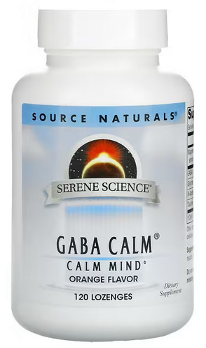
Jennifer used Source Naturals GABA Calm lozenges, a product I recommend. It’s a good low dose of 125 mg and is convenient and effective because it’s a sublingual lozenge.

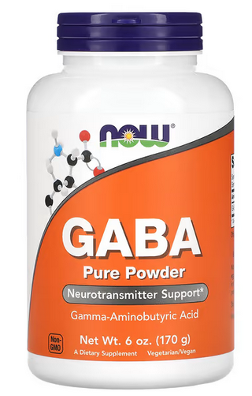
Now GABA Powder is another product I use and recommend. It does need to be measured out to provide a 125 mg typical starting dose. I have clients use a handy mini measuring spoon like this one (my Amazon link) and share more about how to measure out GABA powder on this blog).

For Source Naturals GABA Calm lozenges and Now GABA Powder:

  • You can purchase these from my online store (Fullscript – only available to US customers – use this link to set up an account).
  • If you’re not in the US, you can purchase these at iherb (use this link to save 5%).

Additional resources when you are new to using GABA, tryptophan and other amino acids as supplements

As always, I use the symptoms questionnaire to figure out if low GABA, low serotonin or other neurotransmitter imbalances may be an issue.

If you suspect low levels of any of the neurotransmitters and do not yet have my book, The Antianxiety Food Solution – How the Foods You Eat Can Help You Calm Your Anxious Mind, Improve Your Mood, and End Cravings, I highly recommend getting it and reading it before jumping in and using amino acids on your own so you are knowledgeable. And be sure to share it with the practitioner/health team you or your loved one is working with.

There is an entire chapter on the amino acids and they are discussed throughout the book in the sections on gut health, gluten, blood sugar control (this is covered in an entire chapter too), sugar cravings, anxiety and mood issues.

The book doesn’t include product names (per the publisher’s request) so this blog, The Antianxiety Food Solution Amino Acid and Pyroluria Supplements, lists the amino acids that I use with my individual clients and those in my group programs.

If, after reading this blog and my book, you don’t feel comfortable figuring things out on your own (i.e. doing the symptoms questionnaire and respective amino acids trials), a good place to get help is the GABA QuickStart Program (if you have low GABA symptoms). This is a paid online/virtual group program where you get my guidance and community support.

If you are a practitioner, join us in The Balancing Neurotransmitters: the Fundamentals program. This is also a paid online/virtual program with an opportunity to interact with me and other practitioners who are also using the amino acids.

Wrapping up and your feedback

I appreciate Jennifer for sharing and giving me permission to share her story on the blog. Despite the wine and her very stressful family situation I am thrilled she says she is doing well. I also love that she ends with this: “… don’t give up. Keep fighting to find what works for you.”

I’d love to hear from you – has any of this worked for you?

Feel free to share about your GABA success and how much it helps you and if this has changed over time. And let us know what you feel has contributed to the need for less or more GABA i.e. which other root causes have you addressed?

Feel free to share if tryptophan (or another amino acid) has helped with quitting wine or another alcoholic beverage.

And do share if you use theanine for calm focus.

Feel free to share and ask your questions below.

Filed Under: Addiction, Anxiety, GABA, serotonin, Tryptophan Tagged With: addiction, ADHD, amino acids, anxiety, anxious, calming, focus, GABA, GABA Calm, neurotransmitter, panic attack, pyroluria, red wine, stress, theanine, tryptophan

GABA and theanine for sedation, anxiety, and cognition in preoperative surgical patients (a randomized controlled study)

October 18, 2024 By Trudy Scott 7 Comments

amino acids for sedation

L-theanine is a unique amino acid found in green tea. It prevents stress, produces anxiolysis, modulates alpha activity, and provides beneficial effects on mental state, including sleep quality.

Gamma-aminobutyric acid (GABA) is a non-proteinogenic amino acid and a phytochemical that is the main inhibitory neurotransmitter in the mammalian brain. It is beneficial in anxiety and stress regulation.

This overview of theanine and GABA come from this paper, Comparison of the effects of two amino acids, Gamma-aminobutyric acid (GABA) and L-theanine, on sedation, anxiety, and cognition in preoperative surgical patients – A randomized controlled study, a very promising paper published in May this year.

This novel study was planned to study and compare the effects of L-theanine and GABA on anxiety, sedation, and cognition in preoperative patients posted for major elective surgeries under general anesthesia.

The conclusion is that: “GABA and L-theanine result in effective preoperative anxiolysis with minimal sedation and improvement of cognitive skills.”

In other words, both these amino acids are calming before a surgical procedure, don’t cause too much drowsiness and improve cognition.

There are a number of reasons why I feel this study is so promising: anxiety before surgery is very common; laryngospasms (or vocal cord spasms) during surgery are potentially life threatening and clinically we see GABA to be helpful outside of the surgical setting; and any research confirming the calming benefits of GABA (and other amino acids like theanine) supports what we see clinically and furthers the field. This is especially the case when it’s a randomized controlled study such as this one. More on all this below.

The study information and benzodiazepine comparison with GABA/theanine

It was a small study with a “total of 168 patients aged between 18 and 55 years .. who were randomly divided into three groups that received either oral L-theanine, oral GABA, or oral alprazolam 0.25 mg. The anxiety score, sedation score, and psychomotor and cognitive performance scores were noted 60 minutes before and after the administration of the drugs” and amino acids.

Alprazolam is an antianxiety medication known as a benzodiazepine which impairs “psychomotor performance and cause excessive sedation.” I’ve blogged extensively about many of the  known issues with benzodiazepines.

Because of this it’s worth noting that the authors share this exciting information: “To our knowledge, our study is the first comparative study that compares GABA with L-theanine and alprazolam.”

This in itself is very encouraging but more so because the outcome “showed that oral L-theanine, oral GABA, and oral alprazolam were equally effective in producing anxiolysis.”

How much GABA and theanine was used in the study? And what is optimal?

The authors had the study participants use 500 mg GABA and 200 mg of theanine. Both were used as capsules and swallowed. If you’ve been following my work, you’re aware that I find sublingual (or powder or liposomal or topical) use of GABA to be more effective than swallowing a capsule. For this reason it’s possible that using a lower dose sublingually may be as effective or possibly even more effective.

As always, dosing of GABA (and other amino acids such as theanine) is individualized to the unique needs of the person. Ideally, the person has figured out their optimal dose for easing anxiety in their day to day life before going in for surgery. They may find that a higher dose is needed the weeks leading up to surgery and the day of surgery.

You can read the entire study here: Comparison of the effects of two amino acids, Gamma-aminobutyric acid (GABA) and L-theanine, on sedation, anxiety, and cognition in preoperative surgical patients – A randomized controlled study

Laryngospasms during anesthetic – could GABA help prevent this?

Laryngospasm is a life threatening complication during the perioperative period (time of surgery) with an incidence of 0.78-5% depending on the surgical type, patient age, pre-existing conditions and anesthetic technique.”

It is described as “the sustained closure of the vocal cords resulting in the partial or complete loss of the patient’s airway. Although described in the conscious state and associated with silent reflux, laryngospasm is a problematic reflex which occurs often under general anaesthesia.”

The authors state that “a clear management plan is required to avoid significant morbidity and even mortality.” They do discuss the use of magnesium “due to both an increased depth of anaesthetic and muscle relaxation” and the authors state that this “agent may have a role to play in the future prevention of laryngospasm, but more studies are needed.”

Clinically we see GABA to be helpful for the prevention of laryngospasms outside of a surgical setting (I blogged about this here) and it’s intriguing to consider that the use of GABA before surgery may actually help prevent or reduce the severity of this complication. I look forward to future research on this application of GABA.

Until then it may be worth discussing with your surgeon and anesthetist. I have a family member who is susceptible to laryngospasms and GABA powder rubbed on the inside of his cheek during an episode, stops the spasm and stridor (abnormal high-pitched sound) in a matter of 30 seconds. Prior to a recent surgical procedure, he discussed this with his surgeon and anesthetist. We were both pleasantly surprised that they were both interested and open to having him take GABA with him into surgery.

GABA for anxiety, stress, muscle spasms and pain too

I shared this excerpt in a recent blog but it’s worth sharing again: a number of studies have shown that “GABA is implicated in a large number of diseases including anxiety and stress disorders, pain, musculoskeletal disorders, sleep disorders, depression, addiction and withdrawal syndromes.”

Let’s consider GABA (and theanine) during the often stressful and anxiety-provoking periods leading up to surgery and on the day of surgery. It’s likely to help with muscle spasms, pain reduction and sleep too.

A few GABA product options  – a sublingual, a powder and a cream

gaba calm
gaba pure poder
somnium gaba cream

The authors had the study participants use 500 mg GABA, swallowed. As I mentioned above, using a lower dose sublingually may be as effective or possibly even more effective. Also, dosing of GABA (and other amino acids) is individualized to the unique needs of the person.

One product I use and recommend is Source Naturals GABA Calm lozenges. It’s a good low dose of 125 mg and is convenient and effective because it’s a sublingual lozenge.

Now GABA Powder is another product I use and recommend. It does need to be measured out to provide a 125 mg typical starting dose. I have clients use a handy mini measuring spoon like this one (my Amazon link) and share more about how to measure out GABA powder on this blog).

For Source Naturals GABA Calm lozenges and Now GABA Powder:

  • You can purchase these from my online store (Fullscript – only available to US customers – use this link to set up an account).
  • If you’re not in the US, you can purchase these at iherb (use this link to save 5%).

Somnium GABA Cream is another option that could be considered especially for children and those with special needs. It is available in the US and elsewhere with international shipping. Read more about the product and who else may benefit from using a cream, and grab my coupon code to save 15%.

Additional resources when you are new to using GABA and other amino acids as supplements

As always, I use the symptoms questionnaire to figure out if low low GABA or other neurotransmitter imbalances may be an issue.

If you suspect low levels of any of the neurotransmitters and do not yet have my book, The Antianxiety Food Solution – How the Foods You Eat Can Help You Calm Your Anxious Mind, Improve Your Mood, and End Cravings, I highly recommend getting it and reading it before jumping in and using amino acids on your own so you are knowledgeable. And be sure to share it with the practitioner/health team you or your loved one is working with.

There is an entire chapter on the amino acids and they are discussed throughout the book in the sections on gut health, gluten, blood sugar control (this is covered in an entire chapter too), sugar cravings, anxiety and mood issues.

The book doesn’t include product names (per the publisher’s request) so this blog, The Antianxiety Food Solution Amino Acid and Pyroluria Supplements, lists the amino acids that I use with my individual clients and those in my group programs.

If, after reading this blog and my book, you don’t feel comfortable figuring things out on your own (i.e. doing the symptoms questionnaire and respective amino acids trials), a good place to get help is the GABA QuickStart Program (if you have low GABA symptoms). This is a paid online/virtual group program where you get my guidance and community support.

If you are a practitioner, join us in The Balancing Neurotransmitters: the Fundamentals program. This is also a paid online/virtual program with an opportunity to interact with me and other practitioners who are also using the amino acids.

Wrapping up and your feedback

I’d love to hear from you – does any of this resonate with you? Do you feel increasingly anxious before surgery and other medical procedures and is GABA and/or theanine part of your calming repertoire?

And have either helped you when experiencing a laryngospasm?

Have you ever discussed either of these two amino acids with your surgeon or anesthetist prior to surgery and were they open?

If you’re a practitioner do you recommend GABA and theanine to your anxious clients/patients and as a surgeon or anesthetist would you consider these amino acids in the future (especially in patients more prone to laryngospasm)?

Feel free to share and ask your questions below.

Filed Under: Anxiety, benzodiazapines, GABA Tagged With: amino acids, anesthesia, anxiety, anxiolysis, anxious, benzodiazepine, calming, cognition, GABA, inhibitory, l-theanine, laryngospasms, neurotransmitter, preoperative, sedation, sleep quality, stress, surgery, surgical, theanine

  • Page 1
  • Page 2
  • Page 3
  • Interim pages omitted …
  • Page 11
  • Go to Next Page »

Primary Sidebar

GABA QuickStart Homestudy

gaba quickstart homestudy

Free Report

9 Great Questions Women Ask about Food, Mood and their Health

You'll also receive a complimentary subscription to my ezine "Food, Mood and Gal Stuff"


Connect with me

Popular Posts

  • Amino Acids Mood Questionnaire from The Antianxiety Food Solution
  • The Antianxiety Food Solution Amino Acid and Pyroluria Supplements
  • Pyroluria Questionnaire from The Antianxiety Food Solution
  • Collagen and gelatin lower serotonin: does this increase your anxiety and depression?
  • Tryptophan for the worry-in-your-head and ruminating type of anxiety
  • GABA for the physical-tension and stiff-and-tense-muscles type of anxiety
  • The Antianxiety Food Solution by Trudy Scott
  • Seriphos Original Formula is back: the best product for anxiety and insomnia caused by high cortisol
  • Am I an anxious introvert because of low zinc and vitamin B6? My response to Huffington Post blog
  • Vagus nerve rehab with GABA, breathing, humming, gargling and key nutrients

Recent Posts

  • Her cravings for chips and peanut butter were triggered by stress: GABA ends cravings and reduces physical tension and fear of heights
  • It is truly miraculous to be able to move through life without crippling anxiety and panic
  • GABA and tryptophan combo provide immediate and noticeable relief for tremors and cervical dystonia in just 7 days
  • Red light therapy for back and neck pain, plantar fasciitis and low mood – a complement to the amino acids GABA, DPA and tryptophan
  • What do I use instead of Seriphos to help lower high cortisol that is affecting my sleep and making me anxious at night?

Categories

  • 5-HTP
  • AB575
  • Addiction
  • ADHD
  • Adrenals
  • Alcohol
  • Allergies
  • Alzheimer's disease
  • Amino Acids
  • Anger
  • Antianxiety
  • Antianxiety Food Solution
  • Antidepressants
  • Anxiety
  • Anxiety and panic
  • Autism
  • Autoimmunity
  • benzodiazapines
  • Bipolar disorder
  • Books
  • Caffeine
  • Cancer
  • Candida
  • Children/Teens
  • Collagen
  • Cooking equipment
  • Coronavirus/COVID-19
  • Cravings
  • Depression
  • Detoxification
  • Diabetes
  • Diet
  • DPA/DLPA
  • Drugs
  • EFT/Tapping
  • EMF
  • EMFs
  • Emotional Eating
  • Endorphins
  • Environment
  • Essential oils
  • Events
  • Exercise
  • Fear
  • Fear of public speaking
  • Fertility and Pregnancy
  • Fish
  • Food
  • Food and mood
  • Functional neurology
  • GABA
  • Gene polymorphisms
  • General Health
  • Giving
  • Giving back
  • Glutamine
  • Gluten
  • GMOs
  • Gratitude
  • Gut health
  • Heart health/hypertension
  • Histamine
  • Hormone
  • Hyperparathyroidism
  • Hypoglycemia
  • Immune system
  • Inflammation
  • Insomnia
  • Inspiration
  • Introversion
  • Joy and happiness
  • Ketogenic diet
  • Lithium orotate
  • Looking awesome
  • Lyme disease and co-infections
  • MCAS/histamine
  • Medication
  • Men's health
  • Mental health
  • Mercury
  • Migraine
  • Mold
  • Movie
  • MTHFR
  • Multiple sclerosis
  • Music
  • NANP
  • Nature
  • Nutritional Psychiatry
  • OCD
  • Osteoporosis
  • Oxalates
  • Oxytocin
  • Pain
  • Paleo
  • Parasites
  • Parkinson’s disease
  • PCOS
  • People
  • PMS
  • Postpartum
  • PTSD/Trauma
  • Pyroluria
  • Questionnaires
  • Real whole food
  • Recipes
  • Research
  • Schizophrenia
  • serotonin
  • SIBO
  • Sleep
  • Special diets
  • Sports nutrition
  • Stress
  • Sugar addiction
  • Sugar and mood
  • Supplements
  • Teens
  • Testimonials
  • Testing
  • The Anxiety Summit
  • The Anxiety Summit 2
  • The Anxiety Summit 3
  • The Anxiety Summit 4
  • The Anxiety Summit 5
  • The Anxiety Summit 6
  • Thyroid
  • Thyroid health
  • Toxins
  • Tryptophan
  • Tyrosine
  • Uncategorized
  • Vegan/vegetarian
  • Women's health
  • Yoga

Archives

  • May 2026
  • April 2026
  • October 2025
  • September 2025
  • August 2025
  • July 2025
  • June 2025
  • May 2025
  • April 2025
  • March 2025
  • February 2025
  • January 2025
  • November 2024
  • October 2024
  • September 2024
  • August 2024
  • July 2024
  • June 2024
  • May 2024
  • April 2024
  • March 2024
  • February 2024
  • January 2024
  • December 2023
  • November 2023
  • October 2023
  • September 2023
  • August 2023
  • July 2023
  • June 2023
  • May 2023
  • April 2023
  • March 2023
  • February 2023
  • January 2023
  • December 2022
  • November 2022
  • October 2022
  • September 2022
  • August 2022
  • July 2022
  • June 2022
  • May 2022
  • April 2022
  • March 2022
  • February 2022
  • January 2022
  • December 2021
  • November 2021
  • October 2021
  • September 2021
  • August 2021
  • July 2021
  • June 2021
  • May 2021
  • April 2021
  • March 2021
  • February 2021
  • January 2021
  • December 2020
  • November 2020
  • October 2020
  • September 2020
  • August 2020
  • July 2020
  • June 2020
  • May 2020
  • April 2020
  • March 2020
  • February 2020
  • January 2020
  • December 2019
  • November 2019
  • October 2019
  • September 2019
  • August 2019
  • July 2019
  • June 2019
  • May 2019
  • April 2019
  • March 2019
  • February 2019
  • January 2019
  • December 2018
  • November 2018
  • October 2018
  • September 2018
  • August 2018
  • July 2018
  • June 2018
  • May 2018
  • April 2018
  • March 2018
  • February 2018
  • January 2018
  • December 2017
  • November 2017
  • October 2017
  • September 2017
  • August 2017
  • July 2017
  • June 2017
  • May 2017
  • April 2017
  • March 2017
  • February 2017
  • January 2017
  • December 2016
  • November 2016
  • October 2016
  • September 2016
  • August 2016
  • July 2016
  • June 2016
  • May 2016
  • April 2016
  • March 2016
  • February 2016
  • January 2016
  • December 2015
  • November 2015
  • October 2015
  • September 2015
  • August 2015
  • July 2015
  • June 2015
  • May 2015
  • April 2015
  • March 2015
  • February 2015
  • January 2015
  • December 2014
  • November 2014
  • October 2014
  • September 2014
  • August 2014
  • July 2014
  • June 2014
  • May 2014
  • April 2014
  • March 2014
  • February 2014
  • January 2014
  • December 2013
  • November 2013
  • October 2013
  • September 2013
  • August 2013
  • July 2013
  • June 2013
  • May 2013
  • April 2013
  • March 2013
  • February 2013
  • January 2013
  • December 2012
  • November 2012
  • October 2012
  • August 2012
  • July 2012
  • June 2012
  • May 2012
  • April 2012
  • March 2012
  • February 2012
  • January 2012
  • December 2011
  • November 2011
  • October 2011
  • September 2011
  • August 2011
  • July 2011
  • June 2011
  • May 2011
  • April 2011
  • March 2011
  • February 2011
  • January 2011
  • December 2010
  • October 2010
  • September 2010
  • July 2010
  • May 2010
  • April 2010
  • March 2010
  • February 2010
  • January 2010
  • November 2009

Share the knowledge!

The above statements have not been evaluated by the Food and Drug Administration. Products listed in this website are not intended to diagnose, treat, cure or prevent any disease.

The information provided on this site is for informational and educational purposes only and is not intended as a substitute for advice from your physician or other health care professional. You should consult with a healthcare professional before starting or modifying any diet, exercise, or supplementation program, before taking or stopping any medication, or if you have or suspect you may have a health problem.


Copyright © 2026 Trudy Scott. All Rights Reserved. | Privacy | Terms and Conditions | Refund Policy | Medical Disclaimer

Free Report

9 Great Questions Women Ask about Food, Mood and their Health

You’ll also receive a complimentary subscription to my ezine “Food, Mood and Gal Stuff”