• Skip to primary navigation
  • Skip to main content
  • Skip to primary sidebar

everywomanover29 blog

Food, Mood and Women's Health – Be your healthiest, look and feel great!

  • Blog
  • About
  • Services
  • Store
  • Resources
  • Testimonials
  • The Book
  • Newsletter
  • Contact
  • Search this site

Archives for March 2018

Wi-Fi is an important threat to human health and may contribute to unresolved anxiety, SIBO, oxalate issues and high cortisol

March 30, 2018 By Trudy Scott 32 Comments

A new paper by Martin Pall, Wi-Fi is an important threat to human health, states the following:

Repeated Wi-Fi studies show that Wi-Fi causes oxidative stress, sperm/testicular damage, neuropsychiatric effects including EEG changes, apoptosis, cellular DNA damage, endocrine changes, and calcium overload.

He states that EMF effects are often cumulative, EMFs may impact young people more than adults and that voltage-gated calcium channel (VGCC) activation plays a role in all seven effects:

Each of these seven is also produced by downstream effects of the main action of such EMFs, voltage-gated calcium channel (VGCC) activation.

Peroxynitrite is a very powerful oxidant leading to major oxidative stress in the body and his landmark VGCC paper covers how peroxynitrite is created:

EMF activation of VGCCs leads to rapid elevation of intracellular Ca2+ [calcium ions], nitric oxide and in some cases at least, peroxynitrite

I’m studying the human threats of Wi-Fi and EMFs in the practitioner ElectrosmogRx course being taught by Nick Pineault, so the timing of this new paper is excellent.  Nick’s course is highly recommended too.

I’ll have much more to share once the course is over but this is just some of what I’ve learned so far about the biological impacts of EMFs (other than what is mentioned in the above new paper by Martin Pall):

  • A contribution to mitochrondrial dysfunction
  • Increased inflammation
  • Glutathione depletion
  • Glutamate excitotoxicty
  • Break down of the blood brain barrier and other barriers like the gut
  • Melatonin depletion

And much more – all of which have major implications for mental health (and other health conditions too of course).

My speculations about chronic anxiety, insomnia, benzodiazepine issues, SIBO and oxalate issues

Based on the above and making some extrapolations from the research I am speculating that EMF overload may play a role in the following situations in some susceptible individuals:

  • Why some individuals have chronic high cortisol and yet nutritional support for the adrenals offers minimal help? And why some individuals continue to experience anxiety and insomnia (due in part to high cortisol and/or low melatonin) despite making all the root cause changes to diet, addressing gut health and addressing nutritional deficiencies? Or why ongoing nutrient support is needed despite following a healthy lifestyle?
  • Why some individuals on benzodiazepines have such a difficult time with tolerance, physical dependence and tapering, and even continue to experience adverse effects long after their last dose. This is based on extrapolations from research showing “Chronic benzodiazepine administration potentiates high voltage-activated calcium currents in hippocampal CA1 neurons”
  • Why so many have issues with dietary oxalates (found in nuts, wheat, leafy greens like spinach, strawberries, eggplant, kiwi fruit and other healthy vegetables and fruits) leading to increased anxiety and pain. I’m just starting to look at all the research – here is one paper that discusses the effects of electromagnetic radiation on the rat kidney: “kidney tissue is extremely sensitive to oxidative damage since it is one of the organs involving intense oxidation processes”
  • Why we are seeing such an increase in SIBO (small intestinal bacterial overgrowth) and why are there so many individuals who cannot resolve their chronic SIBO.  I’m still looking for some research linking EMFs and SIBO and/or IBS but Nick writes about this in his book. Is the high use of the cell phone for texting and communicating on social media playing a role since you hold your phone on your lap right by your belly? I did find this interesting research: could oxalate issues be contributing to chronic SIBO?

If you can relate to any of the above and you are now wondering if your Wi-Fi exposure could be playing a role, I’d love to hear from you in the comments. Please share your situation and symptoms and your current Wi-Fi and EMF exposure i.e. what are you being exposed to and for how long each day are you using various devices.

How to start mitigating your EMF exposure

I’ll be sharing more in the next few weeks, connecting some of the dots, digging into the research and sharing all the steps you can take to mitigate your EMF exposure. Here are some tips to get you started right now:

  • No electric blanket or clock radio next to your bed
  • Never have your cell phone on in a moving car (you can use Google maps with your cell phone on airplane mode – just do the search first and then put your phone on airplane mode)
  • Always have your cell phone on airplane mode at night (it’s even better to switch it off completely) and when carrying it in your bag or on your person
  • Never hold your cell phone to your ear – only ever speak on your cell phone using the speaker or use a hollow-tube headset
  • Stop texting/reading social media with your phone on your lap (it’s right by your belly and may be affecting your microbiome)
  • Do not allow children to use your cell phone or iPad or similar smart device unless they are on airplane mode.
  • Remove Wi-Fi from your home or at least (for starters) switch it off at night
  • Get rid of your wireless “toys” like wireless keyboard and mouse (I really didn’t want to get rid of mine)
  • Work on your laptop via an external wired keyboard and work on battery mode (charging it when you’re not working)
  • Get rid of cordless phones and get a corded phone

Nicolas Pineault is an investigative journalist and is the author of “The Non-Tinfoil Guide to EMFs” (my Amazon link). He is an expert on EMFs and his book is a wealth of knowledge.

I’d love to hear your level of awareness and concerns about the risks of EMFs? And what you currently do to reduce the risk for you and your family? And have you noticed any improvements in health or strange symptoms?

Or are you not concerned?

If you’re a practitioner is this something you discuss with your clients or patients? Have you observed they respond better to your recommendations and heal more quickly?
Filed Under: EMFs, Environment Tagged With: anxiety, depression, DNA damage, EMF, glutathione, health, Inflammation, melatonin, peroxynitrite, VGCC, Wi-Fi

The Lyme Solution by Dr. Darin Ingels

March 30, 2018 By Trudy Scott 4 Comments

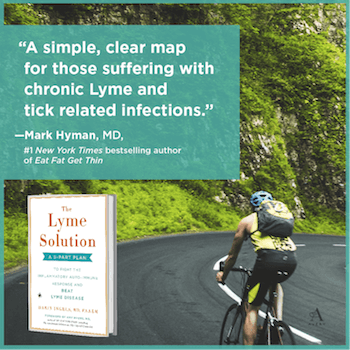
I highly recommend Dr. Darin Ingels, ND new book The Lyme Solution: A 5-Part Plan to Fight the Inflammatory Auto-Immune Response and Beat Lyme Disease. As a functional medicine practitioner, he provides a natural approach to treating Lyme disease that is both comprehensive and designed to each person’s own unique needs i.e. he doesn’t use a one size fits all approach. His uniquely holistic approach to treating this rampant disease, treats both the infection and the resulting autoimmune response. He’s also recovered from Lyme disease himself so he really gets it!

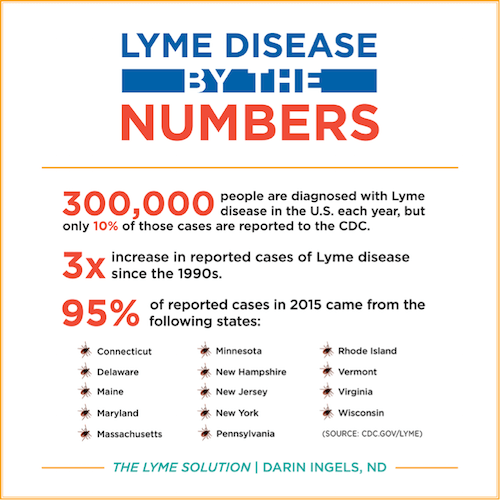
According to the CDC, over 300,000 cases of Lyme are reported every year in the U.S.A.

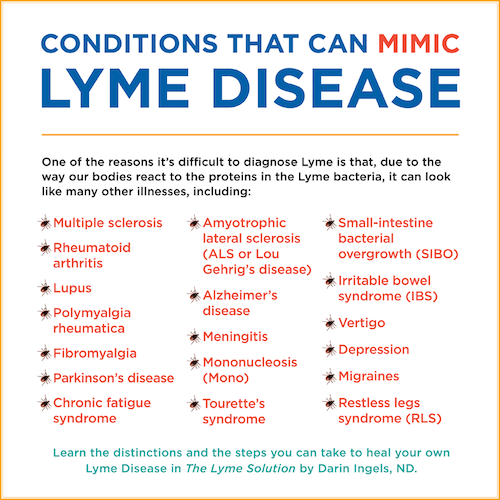
As you can see, many conditions can mimic Lyme disease, including anxiety and depression.

Many in my community have both Lyme disease and anxiety and many nutritional solutions, such as GABA (a calming amino acid supplement), can ease their anxiety while my client is working with a doctor such as Dr. Ingels in order to address and eliminate the Lyme disease.

Tricia Soderstrom from Abounding in Hope With Lyme shares her Lyme GABA story here: GABA helps with Lyme anxiety (while addressing the underlying disease)

Dr. Ingels shared this with me when I asked about what GABA products he likes and why:

I use DFH PharmaGaba and Allergy Research Liposomal GABA, which also has theanine. Liposomal GABA works beautifully for anxiety and sleep disturbances in my Lyme patients and children with autism. I also love how quickly it seems to affect people, often within 10-15 minutes of taking it.

Including the latest research about the diagnosis and treatment of Lyme, The Lyme Solution provides a path to wellness by strengthening the body’s ability to heal from within. Dr. Ingels suggests an actionable 5-Part Plan to:

  • Fortify gut health and restore the immune system
  • Follow a diet that increases immunity and reduces inflammation
  • Thwart and target an active infection
  • Identify hidden toxins that worsen Lyme
  • Lifestyle suggestions to help healing

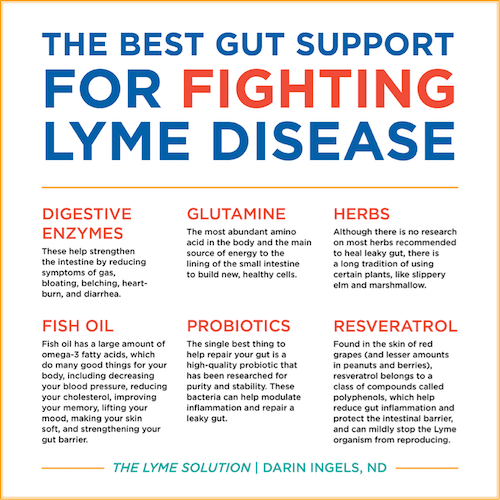
Here are some of his gut support protocols: digestive enzymes, glutamine, resveratrol, herbs like slippery elm and marshmallow, fish oil and probiotics:

The Lyme Solution is a simple guide for how you can advocate for your own health and use innovative treatments to maintain wellness, using the least invasive ways to facilitate treatment. By following this plan, you can become even stronger than you were before the Lyme and better equipped to manage recurring symptoms.

UPDATE: April 20, 2018 – My actual review  

I highly recommend this book if you have Lyme disease or if you suspect that Lyme disease may be playing a role in your ill-health or have chronic anxiety (or another chronic health condition) and have not yet found a solution. I also highly recommend it for practitioners who are both treating Lyme disease patients and those, like myself, who want to really understand all aspects in order to make good referrals for Lyme treatment.

I read it cover to cover in one sitting and could not put it down!

Chapter 1 – An excellent discussion about the problems with long-term antibiotics for chronic Lyme disease and when antibiotics should be used. The chronic inflammatory autoimmune connection is unique to Dr. Ingels’ approach for treating Lyme disease and makes a great deal of sense. The Lyme facts are invaluable: Lyme spirochete going dormant and hiding in scar tissue and lymph nodes; the nymph the most dangerous; Lyme-reactive antibodies form against proteins in the brain, giving rise to neurological symptoms.

Chapter 2 – Covers complex and controversial issues with diagnosis and pitfalls of the various testing that is available. It contains Lyme signs/symptoms and a Lyme questionnaire. It was eye-opening to learn that the bull’s-eye rash is Lyme specific and that changes in handwriting and mixing up words may be a sign of chronic Lyme disease. This is one of my favorite chapters of the book and is very comprehensive.

Chapter 3 – Gut and immune restoring protocols and more on the autoimmune connection. Addressing gut health is key to any condition and Dr. Ingels reiterates that addressing the immune system is key for recovery from Lyme.

Chapter 4 – Immune boosting diet and the importance of alkalinity. This is my least favorite chapter because I’m an advocate of the Paleo diet and have found that when done well with large amounts of vegetables, it is healing and alkaline. (He did connect with me on this and agrees in principle with a Paleo diet that does include plenty of vegetables). I am pleased to see coffee is off the list but would have liked to hear his experiences with intermittent fasting.

Chapter 5 – Covers targeting the infection in a way that doesn’t impact gut flora and undermine the immune system. This chapter has extensive coverage of the herbal protocols Dr. Ingels has found to be effective for his patients: Zhang protocol, his version of the Cowden protocol and others. He goes into great detail for each herb, including products to help with a Herxheimer reaction, as well as the rationale and protocols for breaking up biofilm. It’s also one of my favorite chapters in the book.

Chapter 6 – Cleaning your home and environment and getting rid of toxic chemicals and products, as well as addressing mold. This is also common-sense to address for any condition so it’s great to cover for Lyme.

Chapter 7 – Sleep, exercise and stress reduction. This is also common-sense to address for any condition. I do have a professional difference of opinion for the GABA recommendation for sleep and typically start my clients on much lower doses. I also love GABA for stress and anxiety.

Chapter 8 – Advanced protocols for specific symptoms: mitochondrial issues, neuropathy and balance, low dose immunotherapy, LDN and other approaches where you’ll need to work with a health care provider. Another favorite chapter of mine.

Chapter 9 – Additional lab testing, SIBO, Mast cell activation syndrome and POTS are addressed in relation to Lyme disease. This chapter is enlightening.

The case studies throughout the book reflect the complex nature of Lyme disease and help us get a better understanding about unexpected symptoms, as well as Dr. Ingels’ level of expertise. One such example is Peter’s story: he developed tics but none of the other classic Lyme symptoms, PANS was found and then Lyme disease.

Given that neuropsychiatric symptoms are common in Lyme disease I hope to see more coverage of this in a later edition or follow-up book. I work with individuals with anxiety and underlying Lyme disease is very common, with benzodiazepines and SSRIs commonly prescribed. Using nutritional approaches for the anxiety and/or depression and since it gets to the root cause it’s more effective, plus it lowers the toxic burden and side-effects of added medications. (He also connected with me about this and said he agrees but word-count was the challenge in this first book).

Overall, this book is an excellent resource and I highly recommend it! It offers practical solutions and hope for those who are been suffering with chronic Lyme disease and are seeking a solution.

Learn more and get your copy here on Amazon (my link) or at major bookstores. Get access to a digital version of chapter 1 here.

Filed Under: Books, Lyme disease and co-infections Tagged With: anxiety, autoimmune, Darin Ingels, GABA, glutamine, gut, Lyme Disease, The Lyme Solution

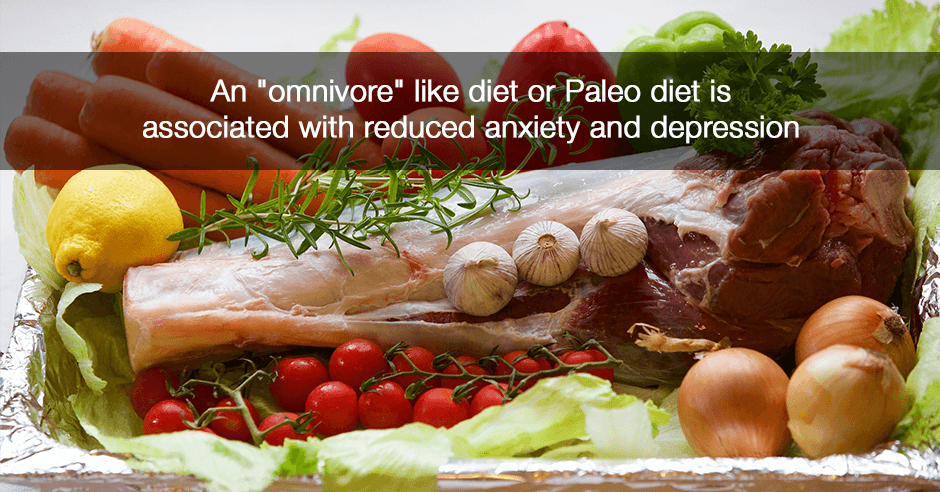
An “omnivore” like diet or Paleo diet is associated with reduced anxiety and depression

March 23, 2018 By Trudy Scott 12 Comments

A new study published last month, Do patterns of nutrient intake predict self-reported anxiety, depression and psychological distress in adults? SEPAHAN study, reports that

An “omnivore” like diet high in amino acids, cobalamin, zinc, phosphorus, saturated fat, cholesterol and pantothenic acid is associated with reduced psychological disorders.

This was a cross-sectional study, meaning it was a type of observational study design where the outcome and the exposures in the study participants are measured at the same time. The aim was to find an association (rather than causal relationship) between patterns of nutrients intake and psychological disorders such as anxiety and depression.

The study authors had 3846 Iranian adults between 18 and 55 of age complete questionnaires in order to assess their diets and nutrient patterns, as well as psychological factors including anxiety, depression, and overall health in general. This group comprised 1712 males and 2134 females.

The study results

After calculating the daily intakes of 57 nutrients (including individual amino acids,

starch, dietary fiber, simple sugars, different fatty acids, vitamins, minerals, and bioactive substances), 3 nutrient patterns were identified:

1) the “omnivore” pattern

high in individual amino acids, cobalamin, zinc, phosphorus, saturated fatty acids, cholesterol and pantothenic acid

in both women and men, with pyridoxine (vitamin B6) high in men only

2) the “grains and dairy” pattern

high in thiamin, folate, selenium, iron, starch, maltose, betaine, calcium, riboflavin, and niacin

and low in the following

mono-unsaturated fats, vitamin E and polyunsaturated fats

3) “fruits and vegetables” pattern

high in copper, vitamin C, glucose, fructose, potassium, dietary fiber, sucrose, vitamin A, magnesium and vitamin K.

These are the associations that were observed after adjusting for confounding factors:

  • Men in the top tertile of the omnivore nutrient pattern had lower anxietyand depression scores than those in the bottom tertile
  • Women in the top tertile of the omnivore nutrient pattern had better overall poor health scores than those in the bottom tertile and had lower odds of psychological distress, such as anxiety and depression.

This type of diet is also referred to as a Paleo or cave-man type of diet. Even though this study was only showing associations and not a cause-and-effect, it’s still very encouraging to see new research in the field of nutritional psychiatry, further supporting the results we see in clinical practice.

What are the mechanisms?

The high amino acids provide the building blocks for the production of our feel-good neurotransmitters such as serotonin, GABA, dopamine and endorphins, with zinc being a key co-factor for making these brain chemicals. The authors share some of the mechanisms for the association in the discussion section of the paper:

Dietary protein intake and also individual amino acid status have been linked to psychological status in previously published studies. For instance, methionine in the form of S-adenosyl-L-methionine, tryptophan and serine were inversely associated to depression. Lysine, arginine, beta-alanine, tryptophan and tyrosine have been shown to have anxiolytic effects. As amino acids are important precursors for neurotransmitters; they might affect psychological condition. Important neurotransmitters like dopamine and serotonin are made from amino acids tyrosine and tryptophan, respectively.

Pantothenic acid is a B vitamin that is key for stress and adrenal health. Low levels of B12 or cobalamin can be associated with both anxiety and depression, as well as fatigue. Both zinc and B12 are common deficiencies, and more so in vegetarian and vegan diets. The authors discuss some possible zinc mechanisms:

  • zinc has antidepressant-like activities such as up-regulation of the expression of brain derived neurotrophic factor (BDNF) gene
  • zinc is an antagonist of the glutamate/N-methyl-D-aspartate (NMDA) receptor

Seeing saturated fat and high cholesterol mentioned in favorable terms in a study – both of which are needed for a healthy brain and for good blood sugar control – is always exciting. The authors discuss these possible mechanisms:

low serum total cholesterol may increase the risk of depression and suicide attempts. It is hypothesized that low cholesterol intake might cause a depressed central serotonergic activity which in turn leads to depression.

Here is my addition to the discussion: in our interview on a prior Anxiety Summit, Dr. Kurt Woeller and I discuss the link between low cholesterol and low oxytocin and the role this plays in anxiety, social bonding and depression.

One area I’m a little confused about is the findings on pyridoxine (vitamin B6). They report it was high only in men in the omnivore group, and not in women. As they report, vitamin B6 is also a key co-factor in the serotonin-tryptophan pathway and we know it’s important for alleviating anxiety- related PMS symptoms in women. It’s mentioned in the concluding paragraph for playing a role in the association for both men and women and yet it is not mentioned in the abstract. I’ll report back as I find out more.

Here are some actual real-life results from someone eating this way

I blogged about anxiety and depression success stories on Paleo and grain free diets around this time last year. I shared Andrea’s feedback about her diet-mood results with a grain-free and high fat diet:

I happened upon a fat loss diet that had me cut out grains, most dairy, and sugar while focusing on mostly meat, fish, fats from nature such as butter, olive, and coconut oils. Nuts, seeds, and legumes were allowed too. These rules made it so I had to avoid processed foods. There was one day a week of eating anything.

Within 6 weeks I was shocked that I got much much more than fat loss. My depression, anxiety, mood swings, sleep issues and all but one pesky health symptom disappeared. I was stronger, faster, and felt energy I never remember having.

Have you found benefits with an omnivore or Paleo diet? Less anxiety and depression? Better overall health? More energy? Better sleep?

If you’re a practitioner have you found this approach works with your clients/patients?

Filed Under: Diet Tagged With: amino acids, anxiety, cave-man diet, depression, health, omnivore, paleo, psychological distress, saturated fats, zinc

The Truth about *PET* Cancer docu-series – save the lives of your precious pets

March 22, 2018 By Trudy Scott 4 Comments

Cancer is ruthless and this disease is stealing the lives our beloved animals. It’s sad but true. Each year, over 6 million dogs and 6 million cats are diagnosed with cancer. And millions die as a devastating result.

The experts at The Truth about *PET* Cancer share this:

The rate of cancer in pets is exploding! Just 50 years ago, 1 in 100 dogs got cancer. Today it is a staggering 1 in 1.65 dogs. Dogs have the highest rate of cancer of any mammal on the planet, and cats aren’t far behind, with 1 in every 3 receiving a cancer diagnosis.

I was shocked by these rates so I reached out to the hosts and they kindly sent me an article by Carol Beuchat PhD, Scientific Director of the Institute of Canine Biology: Do dogs have more cancer than other mammals?:

We can truthfully say that cancer in pets is at the epidemic stage right now, and just like most oncologists, the vast majority of vets don’t know about the countless natural therapies and protocols available to heal and prevent pet cancer.

Cancer is a problem not just in a few dog breeds but in many. Cancer rates of 20% or 30% are taken as “normal” because they are so much lower than the levels in breeds that are notorious for cancer – the ones up at 50% and 60%. Clearly, however, what is considered normal for dogs is much higher than what we see in mammals in general, and cancer rates that are “abnormally high” in dogs are actually off the charts.

She also compares cancer in dogs with other mammals and the Tasmanian Devil:

rates of cancer in dogs are higher- spectacularly so, in fact – compared to those for mammals in general. Cancer rates in other mammals are largely less than 20%, while in dogs there are only a handful of breeds in that range, and there are none at all lower than about 15%, where most of the mammals are. In fact, the Tasmanian Devil with its contagious cancer [and 50% rate] is matched by the Flatcoated Retriever and even outdone by the Irish Water Spaniel, with a half dozen more breeds almost as high.

What if your dogs and cats are tragically dying from cancer, simply because you haven’t heard about treatments that can truly heal them? In this groundbreaking 7-episode docu-series, 30 world-renowned pet health experts will reveal better, safer and more affordable cancer healing treatment. And you’ll discover simple prevention therapies (your vet probably doesn’t even know about) that can save the lives of your precious pets.

Here is one cancer prevention topic that will be covered by one of the experts Rodney Habib: Are there potatoes in your bag of pet food or in your pet’s diet?

Alas, the conventional potato tests positive for 35 different pesticides — more pesticides by weight than any other vegetable, according to EWG [Environmental Working Group] 2014 Dirty Dozen List

Unless you are feeding organic potatoes to your family and pets, you may want to give this information some serious consideration seeing that today’s cancer and disease rates are soaring at an all-time high! It is estimated that 5% of cancer is genetic and 95% is a result of lifestyle and environmental factors. The fewer toxins we have in our systems, the fewer problems we have. Period.

The experts will talk about topics from the pet food industry, diets and specific treatment protocols to reverse cancer, water intake, vaccinations (needed vs. those that are likely to cause cancer), essential oil recipes in place of flea/tick collars and overall homeopathy for pets.

I’ve seen natural health work wonders with anxious pets – such as theanine, a gluten-free diet and Thunder shirts – so let’s use natural approaches for cancer prevention and treatment too! You’ll find out everything you need to know in this cutting-edge series that starts in a few weeks.  

You’ll also discover that many of these natural approaches help with both pet cancer and pet anxiety too – such as a gluten-free diet, organic food, essential oils, nutrients like curcumin, vitamin D and much more.

If you want to protect your family pet from cancer… or heal your pet’s cancer when the vet says there’s nothing more to be done… or you want to give your pet the healthiest food and environment possible so they will live a long and happy life, then I encourage you to register for The Truth About PET Cancer docu-series now.

CLICK HERE to watch the video trailer and then register to watch this special event.

And check out this quiz: Do you know your pet’s risk for cancer?


Keywords


Filed Under: Cancer, Events Tagged With: anxiety, anxious, cancer, cat, dog, pets, potatoes, Prevention, treatment, Truth about pet cancer

New book: The Healing Power of Essential Oils

March 19, 2018 By Trudy Scott Leave a Comment

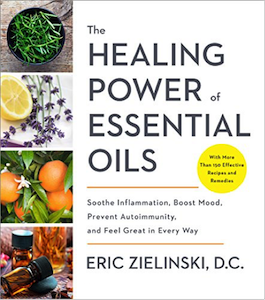
The Healing Power of Essential Oils: Soothe Inflammation, Boost Mood, Prevent Autoimmunity, and Feel Great in Every Way by Eric Zielinski, launched last week and I promised you a book review so here goes. I have always loved Dr. Z’s research-based approach and practical how-tos when it comes to essential oils and was so excited for this book. Well, all I can say is that this is one of the best books I’ve read this year! I read it cover-to-cover in one sitting and I have lists of things I want to try!

It’s perfect for you if you’re:

  • a total newbie to essential oils and have been hearing how great they are and want to learn the basics (and the science)
  • someone like me who does has been using essential oils for a few years but could really take things up notch in terms of therapeutic use and how to use blends
  • someone who is well versed in using essential oils therapeutically, making your own cleaning products and self-care products and wants the science behind each essential oil
  • looking for a great resource to give a loved one like your sister or mom, or to a friend, and if you’re a practitioner, as a resource for your clients and patients, so they too can benefit by what you already know
  • looking for a non-branded resource (Dr. Z has no brand loyalty but does teach you how to find quality brands of essential oils)

Here are some of the many reasons I love this book:

  • Dr. Z emphasizes biochemical individuality – just like with food and nutrients there is no one size fits all with essential oils and you have to find what works for you. He teaches you how to figure that out in the recipes sections
  • He addresses the ‘overwhelmed and where do I start’ aspect – he calls it “paralysis by analysis”. One way he does this in a few ways: 7 steps to start using them, a daily morning and/or evening practice and the tops oils everyone should start with. Here’s another idea (from me): start with a calming essential oil like lavender or neroli!
  • The background information is excellent: the source of the essential oil (for example cinnamon bark vs the leaf); why knowing the chemotype is important in terms of their different therapeutic effects; shelf life; how to find quality oils; why plants native to an area are better; dilution rules; inhalation, topical use and ingestion of oils
  • The research is comprehensive and best of all he refers to studies where the essential oil has been shown to provide therapeutic value, rather than referencing studies on various constituents
  • There is extensive coverage on carrier oils (like jojoba, coconut oil, fractionated coconut oil etc.) and emulsifiers (like Castile soap and aloe vera oil). He also shares that liquid stevia is a solubilizer (this one intrigues me)
  • All the wonderful recipes – from home cleaning to personal care products to many products for addressing specific health conditions like aching muscles, wounds, candida, dandruff and much more. Here are a few ways he shares how peppermint essential oil, one of my favorites, can help: as a digestive aid (I use it topically in coconut oil, together with lavender at night and love it!), to ease muscle tension, to clear sinuses, as a potential solution to antibiotic-resistant infections (I’ve used lavender and lemongrass when I had a boil but wasn’t aware peppermint had similar properties), to give you focus and provide an energy pick-up and much more.  Here is one application for your hair/scalp:

A few drops of peppermint essential oil included in your shampoo and conditioner will tingle your scalp and wake your senses. As a bonus, peppermint’s antiseptic properties can also help prevent or remove both lice and dandruff.


  • Here is a safe and effective bathroom cleaner recipe from the book – and it smells wonderful! I love the added bonus of getting a mood boost while cleaning!

    Tea Tree Citrus Bathroom Cleaner

    The star of this blend is orange essential oil, which is a known mood booster. You’ll be happier even though you’re stuck cleaning the bathroom!

    1 tablespoons Dr. Bronner’s liquid castile soap

    2 tablespoons baking soda

    20 drops tea tree essential oil

    15 drops orange or lemon essential oil (or 7 drops of each)

    15 drops lemon eucalyptus or lemon myrtle essential oil

    2 cups distilled water

    Supplies: 32 oz spray bottle, preferably glass

    1. Combine the liquid soap, baking soda and essential oils in the spray bottle and mix well.
    2. Pour in the water and shake well
    3. Use as you would any other bathroom cleaner. Shake before use.

    Elsewhere in the book, Dr. Z writes about how eucalyptus is highly antimicrobial, helping to clear surfaces of potential germs (and says you can use regular eucalyptus in the above recipe too).

  • There is a big focus on women’s health and anxiety and depression, so it’s perfect for you. The recipes for PMS, perimenopause and menopause are fabulous – with help for anxiety, depression, insomnia, vaginal dryness and much more. Here is one where clary sage helped with depression (anxiety was not assessed but we know high cortisol and low serotonin impacts both anxiety and depression)

Clary sage offers antidepressant effects as described in a 2014 study that was conducted on twenty-two women in Korea. The trial measured neurotransmitter levels found in blood samples of menopausal women and discovered that, by simply inhaling clary sage oil, levels of the stress hormone cortisol dropped considerably and serotonin levels were elevated. The result was an overall improvement in depression symptoms.

  • There is an entire chapter on essential oils for fertility, pregnancy and postpartum
  • Photosensitivity is explained and he lists all the oils that fall into this category (such as bergamot and expressed lemon)

Some essential oils can increase the photosensitivity of your skin. For example, chemicals in the citrus family such as bergapten are notable for their phototoxic effects. When bergapten is left on the skin and then exposed to the sun, it can amplify the effect of UV rays, potentially causing sunburn and leading to sunspots. Some people just decide not to use any bergapten-heavy oils topically, but simply avoiding the sun after use (for example, by applying them at night) is sufficient.

  • He addresses the concerns about lavender and tea tree being estrogenic and explaining why they are not (I get this question a lot!)
  • Plenty of oils and recipes for digestive support like a SIBO blend of a 1:1:1 ratio of caraway, lavender and neroli (which I am very interested in exploring further)

As you can see, this book is comprehensive, research-based, practical and I would even say pretty exciting and fun! Here is the official blurb about the book:

Eric Zielinski, D.C., host of the Essential Oils Revolution summits, offers a soup-to-nuts guide to mastering essential oils for vibrant health and well-being, featuring dozens of recipes and formulations for restful sleep, reduced inflammation, balanced hormones, and more.

Achieving true health is not an easy task. For many people, it might be easier to pop a pill or push aside lingering discomfort in favor of finishing everything on your to-do list. In The Healing Power of Essential Oils, Eric Zielinski, D.C. shows readers how to make their health a priority with the life-changing benefits of essential oils. Essential oils are the natural solution to everything from anxiety and depression to deep-seated inflammation.

For beginners, Dr. Z teaches everything you need to know to get started, including the top seven oils you should stock from Day 1 and the commonly used techniques and tools. He illustrates daily practices you can follow to enjoy the properties of essential oils, including a five-minute devotional using frankincense and neroli to set you up for a productive and stress-free day, and a simple bedtime routine harnessing the soporific effects of lavender.

Backed by extensive research, Dr. Z also supplies essential oil blends that promote hormone balance, reduced inflammation, improved digestion, increased immunity, and so much more. You’ll be armed with over 150 recipes for every health need, and a special section on women’s health includes dozens of formulations for PMS, fertility, pregnancy, candida, and menopause. Even those well-versed in essential oils will benefit from this thorough approach. With your newfound knowledge, you can begin tailoring an essential oils practice to your unique pain points and lifestyle right away – and start experiencing amazing results.

Grab a copy from your nearest bookstore or online store such as Amazon (this is my amazon affiliate link)

Be sure to grab the bonus gifts here after you’ve purchased the book

And let us know what you think and some of your favorite recipes and how they have helped you!

Filed Under: Books, Essential oils Tagged With: anxiety, clary sage, cortisol, depression, Dr. Z, eric zielinski, essential oils, lavender, menopause, The Healing Power of Essential Oils

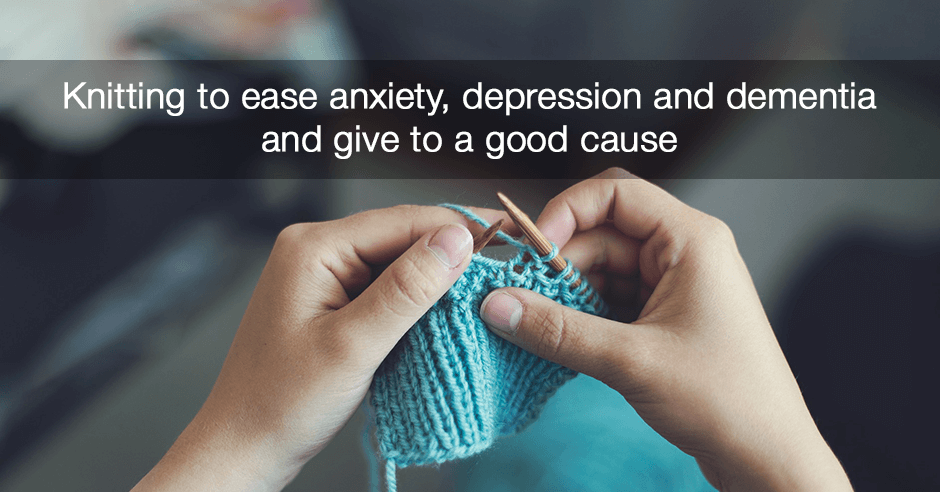
Knitting to ease anxiety, depression and dementia and give to a good cause

March 16, 2018 By Trudy Scott 3 Comments

Knit for Peace, a UK based charity that “matches knitters with good causes” has published an extensive review of studies that reports the many physical and mental benefits of knitting, including easing anxiety and depression, benefiting those with dementia, helping with chronic pain, promoting a sense of community and improving sociability.

There is evidence-based research that shows that knitting does the following:

  • Lowers blood pressure
  • Reduces depression and anxiety
  • Slows the onset of dementia
  • Is as relaxing as yoga
  • Distracts from chronic pain
  • Provides an opportunity for creativity (at a time of reducing capacity)
  • Increases sense of wellbeing
  • Reduces loneliness and isolation
  • Increases sense of usefulness and inclusion in society

Knitting for those in need is a volunteering activity that can carry on into extreme old age and can be undertaken by those whose sight, hearing and mobility are severely limited. It provides an activity that gives a sense of purpose. Knitting for charity makes people feel more useful and worthwhile. Self-worth is important post retirement, especially with physical decline.

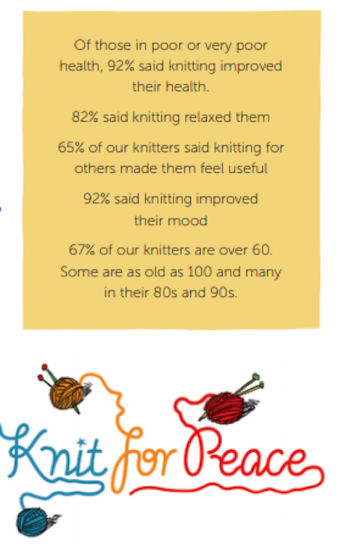
They also surveyed their members about their knitting experiences. Here is some of the feedback they received:

You can read a summary of that report here and request the entire digital report here.

You’ll be able to read some of the heartwarming backstory of Knit for Peace in the above summary… how they “started as an income generation project for Hutu and Tutsi widows, victims of the Rwandan genocide and civil war” and grew to a similar project in India “bringing together Hindu and Muslim women in the slums of Delhi” and then “Knit for Peace groups were set up in Pakistan, Bangladesh, Nepal and Afghanistan.” … And then “when people in the UK heard about this project they asked if they could knit for the children of Afghanistan.” “Through word of mouth the idea spread, and we were soon receiving a positive tsunami of knitted goods.”

Positive feedback about knitting

I asked my community on Facebook if they knit and how it makes them feel.

Diane shared this: I noticed that knitting lowers my blood pressure but interesting to note that crochet lowers it even more. Maybe because the crochet is an easier pattern?

Catriona shared this: I did some knitting when I had horrible anxiety and depressive symptoms. Really helped keep me focused on the present, which made it hard to ruminate and worry while doing it. Like mindfulness. And you end up with a nice gift at the end of it.

Maria shared this: I don’t knit but I crochet a lot. Very therapeutic 

Knitting is not for everyone

Knitting certainly isn’t for everyone. Bonnie shared this:  Knitting did not lower my stress level at all. First of all, I don’t like to sit or stand still that much, it bothered my wrists and was not easy to pick up. I think I was more stressed from doing it. Mountain biking is my stress reliever!

Aminda shared this: Knitting leads me to want to poke out eyes with knitting needles lol. I’ll stick to my crossword puzzles. I’m super tired of being told I just have to try it and being treated like something is wrong with me because I find crafts the opposite of de-stress. I’m glad people love knitting… I’m just not one of them and I only got happier when I stopped trying to fit onto the mold.

If knitting isn’t for you don’t worry about it, rather find something that you love to do.

Knitting is for kids too

I was very fortunate to have my granny teach me when I was about 8 years old. We had such fun time together, making scarves, gloves, baby clothes for my dolls and then my baby sister and eventually jerseys/jumpers for myself. It was a very special bonding time and it’s a skill I’ll always have. My granny was fearful of storms and I’d like to think knitting helped ease some of her anxieties.

I feel we should be encouraging kids to knit too. Many anxious kids could benefit from anxiety relief and contribute to a worthy cause by giving away their finished items.

Christina shared this on the Huffington Post blog: I’m an elementary teacher and I have a knitting group at lunch on Wednesday’s! The kids love it! It promotes patience, concentration and perseverance! I have about 25 students ages 10-12, both girls and boys!

Some of the research

In this Norwegian study, Knitters in a Day Center: The Significance of Social Participation for People With Mild to Moderate Dementia, the main activity of elderly women with mild dementia was knitting. It was found that

the social activity of knitting facilitated conversations about different topics, required various forms of memory and problem solving, and involved different participant statuses. Being part of the knitting group appeared to help the participants maintain their skills and facilitated sociability.

In this study, Managing anxiety in eating disorders with knitting, 38 women with anorexia reported these benefits of knitting:

  • it lessened the intensity of their fears and thoughts and cleared their minds of eating disorder preoccupations (74%)
  • it had a calming and therapeuticeffect (74%)
  • it provided satisfaction, pride and a sense of accomplishment (53%)

Where do you start if you don’t know how to knit?

If you didn’t learn to knit as a kid and want to learn now or possibly want your child or grandchild to learn, knitting is inexpensive and easily learned. Here are some resources for you:

  • The Complete Beginner’s Guide to Knitting (DVD). “Beautiful and clear demonstrations can get you started knitting in just 30 minutes.” You’ll learn all the basic stitches, get a booklet with scarf patterns and other bonus goodies.
  • A good starter yarn such as Lion Brand’s Wool Ease is recommended. Avoid dark colors when you are first learning to knit.
  • Wooden needles like Brittany 10-inch long Single Point Birch Knitting Needles are also suggested, US Size 10, 10.5 or 11. They say to avoid the more slippery metal needles (although I used these and they were fine), and the “grippy” plastics. (All these links are my Amazon affiliate links)

Knit as part of a group and give to someone in need

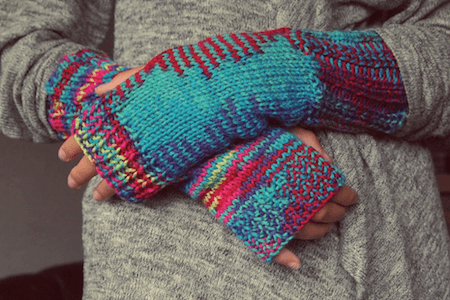
Whether or not you’re new to knitting, consider getting a knitting group together for that wonderful community aspect and once you’ve knitted enough goodies for family and friends, start to send knitted goods to a charity such as Knit for Peace or take them to a local shelter.

If you work in a nursing home or long-term care facility, in a school or after-school program, or are part of a church group, I encourage you to get a group knitting program together. Or you could even get together with friends and start knitting.

Notice the calmness you feel when you knit and the joy of giving your finished product to someone in need.

We’d love to hear if you knit and when you learned? And how do you feel when you knit? Are you part of a community knitting group and who do you knit for?

Filed Under: Antianxiety Tagged With: anxiety, calming, dementia, depression, fears, give, knit for peace, knitting, memory, sociability

  • Page 1
  • Page 2
  • Go to Next Page »

Primary Sidebar

GABA QuickStart Homestudy

gaba quickstart homestudy

Free Report

9 Great Questions Women Ask about Food, Mood and their Health

You'll also receive a complimentary subscription to my ezine "Food, Mood and Gal Stuff"


Connect with me

Popular Posts

  • Amino Acids Mood Questionnaire from The Antianxiety Food Solution
  • The Antianxiety Food Solution Amino Acid and Pyroluria Supplements
  • Pyroluria Questionnaire from The Antianxiety Food Solution
  • Collagen and gelatin lower serotonin: does this increase your anxiety and depression?
  • Tryptophan for the worry-in-your-head and ruminating type of anxiety
  • GABA for the physical-tension and stiff-and-tense-muscles type of anxiety
  • The Antianxiety Food Solution by Trudy Scott
  • Seriphos Original Formula is back: the best product for anxiety and insomnia caused by high cortisol
  • Am I an anxious introvert because of low zinc and vitamin B6? My response to Huffington Post blog
  • Vagus nerve rehab with GABA, breathing, humming, gargling and key nutrients

Recent Posts

  • Her cravings for chips and peanut butter were triggered by stress: GABA ends cravings and reduces physical tension and fear of heights
  • It is truly miraculous to be able to move through life without crippling anxiety and panic
  • GABA and tryptophan combo provide immediate and noticeable relief for tremors and cervical dystonia in just 7 days
  • Red light therapy for back and neck pain, plantar fasciitis and low mood – a complement to the amino acids GABA, DPA and tryptophan
  • What do I use instead of Seriphos to help lower high cortisol that is affecting my sleep and making me anxious at night?

Categories

  • 5-HTP
  • AB575
  • Addiction
  • ADHD
  • Adrenals
  • Alcohol
  • Allergies
  • Alzheimer's disease
  • Amino Acids
  • Anger
  • Antianxiety
  • Antianxiety Food Solution
  • Antidepressants
  • Anxiety
  • Anxiety and panic
  • Autism
  • Autoimmunity
  • benzodiazapines
  • Bipolar disorder
  • Books
  • Caffeine
  • Cancer
  • Candida
  • Children/Teens
  • Collagen
  • Cooking equipment
  • Coronavirus/COVID-19
  • Cravings
  • Depression
  • Detoxification
  • Diabetes
  • Diet
  • DPA/DLPA
  • Drugs
  • EFT/Tapping
  • EMF
  • EMFs
  • Emotional Eating
  • Endorphins
  • Environment
  • Essential oils
  • Events
  • Exercise
  • Fear
  • Fear of public speaking
  • Fertility and Pregnancy
  • Fish
  • Food
  • Food and mood
  • Functional neurology
  • GABA
  • Gene polymorphisms
  • General Health
  • Giving
  • Giving back
  • Glutamine
  • Gluten
  • GMOs
  • Gratitude
  • Gut health
  • Heart health/hypertension
  • Histamine
  • Hormone
  • Hyperparathyroidism
  • Hypoglycemia
  • Immune system
  • Inflammation
  • Insomnia
  • Inspiration
  • Introversion
  • Joy and happiness
  • Ketogenic diet
  • Lithium orotate
  • Looking awesome
  • Lyme disease and co-infections
  • MCAS/histamine
  • Medication
  • Men's health
  • Mental health
  • Mercury
  • Migraine
  • Mold
  • Movie
  • MTHFR
  • Multiple sclerosis
  • Music
  • NANP
  • Nature
  • Nutritional Psychiatry
  • OCD
  • Osteoporosis
  • Oxalates
  • Oxytocin
  • Pain
  • Paleo
  • Parasites
  • Parkinson’s disease
  • PCOS
  • People
  • PMS
  • Postpartum
  • PTSD/Trauma
  • Pyroluria
  • Questionnaires
  • Real whole food
  • Recipes
  • Research
  • Schizophrenia
  • serotonin
  • SIBO
  • Sleep
  • Special diets
  • Sports nutrition
  • Stress
  • Sugar addiction
  • Sugar and mood
  • Supplements
  • Teens
  • Testimonials
  • Testing
  • The Anxiety Summit
  • The Anxiety Summit 2
  • The Anxiety Summit 3
  • The Anxiety Summit 4
  • The Anxiety Summit 5
  • The Anxiety Summit 6
  • Thyroid
  • Thyroid health
  • Toxins
  • Tryptophan
  • Tyrosine
  • Uncategorized
  • Vegan/vegetarian
  • Women's health
  • Yoga

Archives

  • May 2026
  • April 2026
  • October 2025
  • September 2025
  • August 2025
  • July 2025
  • June 2025
  • May 2025
  • April 2025
  • March 2025
  • February 2025
  • January 2025
  • November 2024
  • October 2024
  • September 2024
  • August 2024
  • July 2024
  • June 2024
  • May 2024
  • April 2024
  • March 2024
  • February 2024
  • January 2024
  • December 2023
  • November 2023
  • October 2023
  • September 2023
  • August 2023
  • July 2023
  • June 2023
  • May 2023
  • April 2023
  • March 2023
  • February 2023
  • January 2023
  • December 2022
  • November 2022
  • October 2022
  • September 2022
  • August 2022
  • July 2022
  • June 2022
  • May 2022
  • April 2022
  • March 2022
  • February 2022
  • January 2022
  • December 2021
  • November 2021
  • October 2021
  • September 2021
  • August 2021
  • July 2021
  • June 2021
  • May 2021
  • April 2021
  • March 2021
  • February 2021
  • January 2021
  • December 2020
  • November 2020
  • October 2020
  • September 2020
  • August 2020
  • July 2020
  • June 2020
  • May 2020
  • April 2020
  • March 2020
  • February 2020
  • January 2020
  • December 2019
  • November 2019
  • October 2019
  • September 2019
  • August 2019
  • July 2019
  • June 2019
  • May 2019
  • April 2019
  • March 2019
  • February 2019
  • January 2019
  • December 2018
  • November 2018
  • October 2018
  • September 2018
  • August 2018
  • July 2018
  • June 2018
  • May 2018
  • April 2018
  • March 2018
  • February 2018
  • January 2018
  • December 2017
  • November 2017
  • October 2017
  • September 2017
  • August 2017
  • July 2017
  • June 2017
  • May 2017
  • April 2017
  • March 2017
  • February 2017
  • January 2017
  • December 2016
  • November 2016
  • October 2016
  • September 2016
  • August 2016
  • July 2016
  • June 2016
  • May 2016
  • April 2016
  • March 2016
  • February 2016
  • January 2016
  • December 2015
  • November 2015
  • October 2015
  • September 2015
  • August 2015
  • July 2015
  • June 2015
  • May 2015
  • April 2015
  • March 2015
  • February 2015
  • January 2015
  • December 2014
  • November 2014
  • October 2014
  • September 2014
  • August 2014
  • July 2014
  • June 2014
  • May 2014
  • April 2014
  • March 2014
  • February 2014
  • January 2014
  • December 2013
  • November 2013
  • October 2013
  • September 2013
  • August 2013
  • July 2013
  • June 2013
  • May 2013
  • April 2013
  • March 2013
  • February 2013
  • January 2013
  • December 2012
  • November 2012
  • October 2012
  • August 2012
  • July 2012
  • June 2012
  • May 2012
  • April 2012
  • March 2012
  • February 2012
  • January 2012
  • December 2011
  • November 2011
  • October 2011
  • September 2011
  • August 2011
  • July 2011
  • June 2011
  • May 2011
  • April 2011
  • March 2011
  • February 2011
  • January 2011
  • December 2010
  • October 2010
  • September 2010
  • July 2010
  • May 2010
  • April 2010
  • March 2010
  • February 2010
  • January 2010
  • November 2009

Share the knowledge!

The above statements have not been evaluated by the Food and Drug Administration. Products listed in this website are not intended to diagnose, treat, cure or prevent any disease.

The information provided on this site is for informational and educational purposes only and is not intended as a substitute for advice from your physician or other health care professional. You should consult with a healthcare professional before starting or modifying any diet, exercise, or supplementation program, before taking or stopping any medication, or if you have or suspect you may have a health problem.


Copyright © 2026 Trudy Scott. All Rights Reserved. | Privacy | Terms and Conditions | Refund Policy | Medical Disclaimer

Free Report

9 Great Questions Women Ask about Food, Mood and their Health

You’ll also receive a complimentary subscription to my ezine “Food, Mood and Gal Stuff”