• Skip to primary navigation
  • Skip to main content
  • Skip to primary sidebar

everywomanover29 blog

Food, Mood and Women's Health – Be your healthiest, look and feel great!

  • Blog
  • About
  • Services
  • Store
  • Resources
  • Testimonials
  • The Book
  • Newsletter
  • Contact
  • Search this site

Food and mood

Can food and nutrients really help me if I have very severe anxiety and/or panic attacks and I’m using medications?

June 21, 2019 By Trudy Scott 8 Comments

food, nutrients and med

As I prepare for “The Anxiety Summit 5: Gut-Brain Axis” (airing in November 2019) I have been going through interviews from the first Anxiety Summit in 2014 and would like to share something that I addressed in my opening interview as a good recap for you as you are on your healing journey with anxiety (or in case this comes up again in the future) – you truly can eliminate anxiety entirely!

This is a question I am often asked: “Can I really eliminate anxiety using food, nutrients (and a functional medicine approach) if I have very severe anxiety and/or panic attacks and I’m using medications?”

Way too many folks don’t believe it’s possible but yes, you can! You can completely eliminate full blown anxiety, panic attacks, social anxiety (where you cannot go out to social event or go and feel so anxious), phobias like fear of spiders or agoraphobia (where you cannot get out of the house), and even obsessive-compulsive disorder (OCD).

Many folks believe their anxiety is much too severe and that food and nutrients couldn’t possibly help. I’m here to tell you this is just not true.

It’s not uncommon for well-known thought leaders to perpetuate this myth, implying anxiety and fears never go away.

Ali Brown, entrepreneurial guru for women, and one of my amazing business mentors, created a program to help businesswomen overcome their fears. She shared this in the program information: “Let’s not forget women’s darkest best friends: anxiety and worry” and admitted “I still have to fight it. I come from a long line of worriers.”

I say no, you don’t have to fight it. Just because you come from a long line of worriers doesn’t necessarily mean that you have to put up with it and live with it. There is something you can do to eliminate the anxiety, worries and fears.

Seth Godin, author and thought leader, says this: “When fear shows up, understand that it never goes away. Dance with it instead.”

While I really enjoy the dance suggestion – it’s fun and the joy of dancing and the exercise may help – however I really do disagree with the fact that he says fear never goes away.

In season 1 interviewed Julia Ross, MA, my mentor and author of The Mood Cure (my Amazon link), on using amino acids for anxiety and she summed it up perfectly:

On a scale from zero to 10, zero is not an unrealistic goal when it comes to anxiety. It’s really the human potential and GABA and tryptophan give us access to it.

I’m going to repeat this because I think it’s really worth repeating. Zero is not an unrealistic goal when it comes to anxiety. Bravo Julia – I totally agree with this and I want you to know this!

It starts with doing trials of GABA and tryptophan, and using food and nutrients, and finding all the root causes and addressing them.

I really want you to know this, remember this, and don’t stop looking for the answer and the root causes. It may be food changes that you need to make. It may be breakfast that you need to eat. It may be low serotonin or low GABA. It may be foods that are problems for you like gluten or dairy. It may be additives in the foods that you’re eating. It may be toxins in your environment. There are many possible root causes, and you may have one or many root causes that are causing your anxiety.

Addressing these root causes with food and nutrients (and a functional medicine approach you can completely eliminate your anxiety even if you have very severe anxiety and/or panic attacks and you’re using medications.

Resources for you

  • My book The Antianxiety Food Solution (my Amazon affiliate link) covers the 9 steps I use with clients. Read it and become a savvy health-advocate for yourself. Share a copy with your doctor and point out the references.
  • Here is a blog on: How to do an amino acid trial for anxiety
  • You can find GABA and tryptophan and other nutrients in my supplement store here
  • Here is a blog on: 60+ Nutritional & Biochemical Causes of Anxiety

Do you believe your anxiety is much too severe for food and nutrients to be of help?

Or did you believe this and started looking at nutritional and biochemical root causes anyway and found solutions and anxiety resolution?
Filed Under: Food and mood Tagged With: anxiety, food, medications, nutrients, panic attacks, root causes, social anxiety

Happiness is driven by biological factors like diet, the microbiome and serotonin, plus epigenetics

March 9, 2018 By Trudy Scott 5 Comments

As a food mood expert and nutritionist, I believe one very overlooked way we can address the lack of happiness or joy is the biochemical aspect.

One classic root cause of depression or unhappiness is low serotonin and this low serotonin can also lead to fear, worry, anxiety, self-doubt, lack of confidence, ruminations, insomnia and imposter syndrome, all of which are classic signs of low serotonin.  

A poor diet or a diet that is not right for you is a big factor in serotonin production and therefore happiness and a sense of calm.

The biological or biochemical connections to lack of happiness

This paper, Happiness & Health: The Biological Factors – Systematic Review Article, supports the biological or biochemical connections to lack of happiness (and the other signs of low serotonin), listing endogenic (or internal) as well as exogenic (or external) factors :

Happiness underlying factors are considerable from two dimensions:

  • endogenic factors (biological, cognitive, personality and ethical sub-factors) and
  • exogenic factors (behavioral, social/cultural, economical, geographical, life events and aesthetics sub-factors).

Among all endogenic [or internal] factors, biological sub-factors are the significant predictors of happiness.

The external factors are the ones we’re most familiar with i.e. things that are going on in our lives like relationships, income, where we live and life events. It’s the internal factors that we don’t discuss.

This study looked at biological factors (one of the internal factors) that underlie happiness and optimism. Five sub-groups of biological factors were found:

  1. brain and neurotransmitters (dopamine, serotonin and endorphins playing a role in happiness)
  2. endocrinology and hormones (cortisol and oxytocin playing a role in happiness)
  3. physical health
  4. physical attractiveness
  5. genetic (this accounted for 35-50% of happiness)

Nutritional psychiatry and the first 4 sub-groups

The work of nutritional psychiatry, a new and growing field, shows that food and nutrients have a direct impact on the first 4 groups: brain and neurotransmitters, on endocrinology and hormones and on physical health (and thereby physical attractiveness too):

The International Society for Nutritional Psychiatry Research hosted their first international conference in August last year in Bethesda, MD, and I had the pleasure of attending.

The new SMILES trial was presented at the conference: the first randomized controlled diet depression study where ONE THIRD of the dietary intervention group saw improvements in their depression and anxiety symptoms by switching from processed/junk food to real food with no specific dietary restrictions.

Here I am with world-renowned nutritional psychiatry researcher, Professor Felice Jacka

I participated in the rapid fire presentation session at the conference. In my talk, Applications of the Paleo diet and Gluten-free diet for Anxiety, I shared how Paleo and grain-free diets can increase happiness and reduce anxiety.

This November 2017 review, Nutritional psychiatry: the present state of the evidence, mentions the SMILES trial and provides the latest overview of the evidence in nutritional psychiatry:

Potential biological pathways related to mental disorders include inflammation, oxidative stress, the gut microbiome, epigenetic modifications and neuroplasticity. Consistent epidemiological evidence, particularly for depression, suggests an association between measures of diet quality and mental health, across multiple populations and age groups; these do not appear to be explained by other demographic, lifestyle factors or reverse causality.

Genetics (the last sub-group), epigenetics, diet and the microbiome

It saddens me when I hear someone say: “depression runs in my family – my grandmother suffered, I suffer with depression and I don’t know what kind of life my daughter is going to have.”

Even though genetics (the last sub-group) is reported to accounted for 35-50% of happiness, we now know that “our genes are not our destiny” and we can actually switch on good genes and switch off bad genes when we change our diet and environment.

This paper, Microbiome, inflammation, epigenetic alterations, and mental diseases, sums it up perfectly, reporting that recent findings show that the onset and development of mental diseases such as autism, bipolar disorder, schizophrenia, and depression cannot be well described by the one-gene/one-disease approach:

Even though the involvement of many genes are likely, up regulating and activation or down regulation and silencing of these genes by the environmental factors play a crucial role in contributing to their pathogenesis. Much of this interplay may be moderated by epigenetic changes.

Environmental factors such as diet, gut microbiota, and infections have significant role in these epigenetic modifications.

The authors conclude that the potential interactions of diet, gastrointestinal microbiome, and inflammation can all contribute to epigenetic alterations in psychiatric disorders.

If the term epigenetic is new to you, here is a helpful explanation:

The word “epigenetic” literally means “in addition to changes in genetic sequence.” The term has evolved to include any process that alters gene activity without changing the DNA sequence, and leads to modifications that can be transmitted to daughter cells.

What this means is that you can change your destiny in a positive way – by changing your diet – even if you have bad genes passed on from your grandmother and mother or other family members.

And don’t forget the environmental factors (as stated in the above paper) that can change your genes in a negative way: heavy metals, pesticides, diesel exhaust, tobacco smoke, polycyclic aromatic hydrocarbons (environmental pollutants from coal, oil, petrol, and wood), radioactivity, viruses and bacteria.

The take-aways are to eat quality real whole food, avoid sugar, caffeine and gluten, address the microbiome and nutritional deficiencies, avoid toxins/chemicals, detox if needed, address infections and the adrenals. This is exactly what my book The Antianxiety Food Solution covers so if you don’t yet have a copy, grab one from your nearest bookstore or from Amazon here (my affiliate link).

For a deeper dive into the epigenetics aspect and detoxification, I recommend Dr. Ben Lynch’s new book called Dirty Genes (my Amazon link).

Are you ready to find the biological root causes of your lack of happiness and anxiety?

Or are you already there and have seen the benefits already?

Filed Under: Food and mood Tagged With: anxiety, biochemical, biological, depression, epigenetics, food, genes, happiness, microbiome

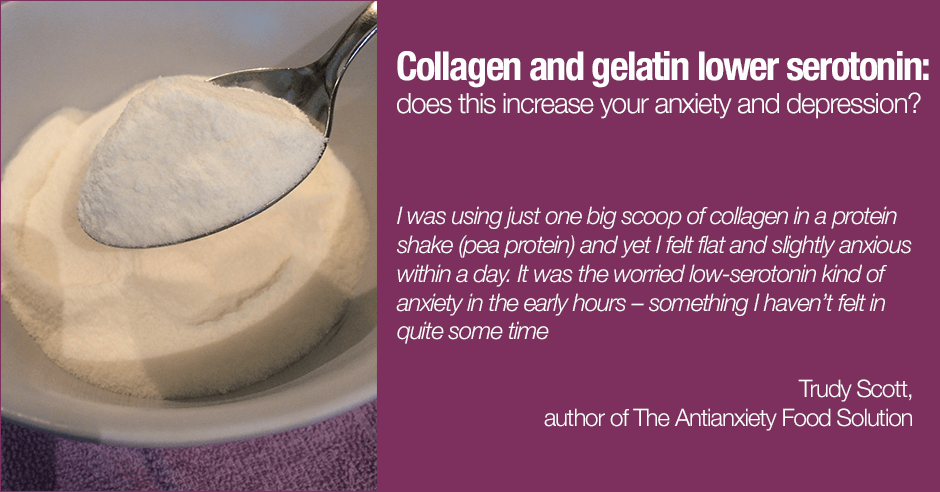
Collagen and gelatin lower serotonin: does this increase your anxiety and depression?

September 29, 2017 By Trudy Scott 471 Comments

I see everyone raving about gelatin and collagen – and rightly so – they have amazing health benefits. However, no-one is addressing the fact that gelatin is actually used in tryptophan-depletion studies to lower serotonin (gelatin is derived from collagen: when collagen breaks down, it becomes gelatin). When I first discovered this fact it really concerned me that this very important aspect is ignored so I added it to my long list of topics to investigate.

I posted the above on Facebook last month as part of a fact-finding exercise and appreciate all the feedback and questions. Today I share some of the feedback and research and I’d love to hear from you what your experiences have been.

I share how my experience with collagen left me flat and worried until I added tryptophan; feedback from individuals who wondered if collagen was affecting their sleep, making them moody, on edge or feeling night-time anxiety; some reported no mood issues when using collagen with tryptophan; feedback from many who didn’t notice any obvious mood issues at all ;and one woman who uses collagen ‘therapeutically’ to lower her serotonin levels.

I also share some very interesting research on why some people seem to be adversely impacted by acute tryptophan depletion/ATD (caused by collagen or gelatin consumption) while others are not. There are definitely some folks who are more susceptible.

The health benefits of collagen

In case you’re new to collagen, Dr. Josh Axe provides an excellent overview of the health benefits of collagen

  1. Improves Health of Skin and Hair
  2. Reduces Joint Pains and Degeneration
  3. Helps Heal Leaky Gut
  4. Boosts Metabolism, Muscle Mass and Energy Output
  5. Strengthens Nails, Hair and Teeth
  6. Improves Liver Health
  7. Protects Cardiovascular Health

Gelatin is used in tryptophan depletion studies

Tryptophan-depletion studies have been done for years, as a way to study the relationship between low serotonin and depression.  Often a tryptophan-deficient amino acid mixture is used for this purpose.  More recently, collagen and gelatin are being used.

Collagen and gelatin are an excellent source of these amino acids: proline, glycine, glutamine and arginine, but they do not contain the amino acid tryptophan.

This paper, Pharmacokinetics of acute tryptophan depletion using a gelatin-based protein in male and female Wistar rats summarizes what we find in a number of studies that use gelatin for the purpose of lowering serotonin levels, in order to study the relationship between serotonin and behavior:

The essential amino acid tryptophan is the precursor of the neurotransmitter serotonin. By depleting the body of tryptophan, brain tryptophan and serotonin levels are temporarily reduced. In this paper, several experiments are described in which dose and treatment effects of acute tryptophan depletion (ATD) using a gelatin-based protein-carbohydrate mixture were studied in male and female Wistar rats.

My experience with collagen – flat and worried until I added tryptophan

When I recently injured my back and sprained my ankle, I decided to add collagen to speed up the healing and very quickly had to take a deeper dive into the topic because I noticed it affected my mood right away! I was using just one big scoop of collagen in a protein shake (pea protein) and yet I felt flat and slightly anxious within a day. It was the worried low-serotonin kind of anxiety in the early hours – something I haven’t felt in quite some time.

I wondered if it was due to the injury and inflammation my body was dealing with or if it was related to the effects of tryptophan depletion. I stopped the collagen and then added it back and had the same experience. I did this a few times and experienced similar feelings each time.

When I used tryptophan mid-afternoon and at bedtime I felt fine and was able to continue taking the collagen with no problems. I am prone to low serotonin – it was one of the root causes of my big anxiety issues in my late 30s – so I may be more affected than the average person.

Wondering if collagen causing mood issues and an increase in anxiety?

Here is feedback from someone who is wondering if collagen is causing her mood to dive:

I have wondered if it affects my mood so I haven’t been using it lately. Interested to see what other people say. I was using about a table spoon in a drink that I would sip on throughout the morning. My moods just take dives now and then. I have isolated gluten as a HUGE factor. I am forever wondering what else causes the dives and I began to wonder if collagen was causing problems so I haven’t used it in several months.

Stephanie feels moody when using collagen:

I have found that the days I take collagen that I’m moody. I’ve kept trying, but am always surprised by the reaction. I even mentioned it to my naturopath recently. Curious to see if there’s a connection.

Here is feedback from someone also reporting mood dives and feeling on edge (although as I pointed out to her the feeling on edge is very likely due to or partly due to the coffee):

I take collagen (grass-fed and grass-finished) in my coffee every morning. I’ve also had some mood dives consistently the last few months and feel more on edge. I’ve honestly never made the connection and actually thought it was hormones. Something to think about!

Melissa shared it affected her sleep:

As soon as I started taking gelatin daily I have had difficult falling asleep.

Katinka began having strange night time anxiety:

I did [Vital Proteins grass fed beef gelatin] for 2 weeks in bone broth. My nails grew like crazy, but at the same time I begun having strange night time anxiety: worry, obsessive, but not any of the other symptoms like depression and cravings. It is interesting to me because this was the only time I had anxiety at night since going gluten free.

Collagen caused a racing heart for Beverly:

Used to take Vital Proteins products. Was woken up several times in the night with racing heartbeat and out of breath. This went away when I stopped the collagen. I have symptoms of low serotonin but have not tried tryptophan

No noticeable problems

Many people shared that they didn’t notice any obvious mood issues so it’s clearly not a problem for everyone:

  • Jaime: Interesting, I use it almost daily for protein at breakfast. I will pay attention better. No obvious problems now (used for 9 months).
  • Angela: …I don’t think I have any side effects and I do have serotonin issues. I think I will have to do more research
  • Courtney: I just started using collagen peptides but not every day. Maybe once or twice a week. I haven’t noticed any difference in mood but I also just started taking it a few weeks ago.
  • Debra: I take 1bsp of Great Lakes Collagen Hydrosylate every day and take it to help heal my leaky gut….haven’t noticed any particular side-effects. I alternate it with the normal gelatin. I suffer from complex PTSD, anxiety and depression…I haven’t noticed any difference in that either

Jessica Drummond, nutritionist and physical therapist, and an expert on female pelvic pain and women’s health shared:

I use collagen regularly and I also eat quite a lot of meat and fish. For me both help me to feel very grounded and less anxious. I think of collagen as balancing for all of the muscle meat that we eat. I eat anywhere from 10-20 grams 4-5 days per week.


Feels anxious using gelatin, stop using it and anxiety is gone/less

Laura’s anxiety got worse within a few months of adding daily gelatin:

Wow, I never heard that gelatin can lower serotonin. I started using [Puritan’s Pride brand], 650mg, daily about 6 months ago to strengthen my nails. It’s worked very well for that. About a couple months ago my anxiety started to get worse again. My anxiety shows up as fear and worry mostly and not being able to quiet my mind. I had gotten it under control for almost 2 years now. I wonder if there is a connection. I’m going to stop taking the gelatin and see if my anxiety improves. I have not tried tryptophan, but I have found GABA helped quiet my mind and let me sleep better.

She decided to stop taking it to see if her anxiety symptoms would reduce and when I checked back with her she shared this:

I was surprised to find after about 2 weeks of stopping the gelatin, I began to feel more calm again and it’s been a lasting change. I still take zinc, vitamin b6 and lysine in the morning and GABA in the evening. This combination works well for me. I’m so grateful for all the information you share! Thank you!

Toni experienced something similar:

I’ve been using Organic collagen for about 8 months now… love the hair and skin results. My tummy felt better at first but not currently. My anxiety and panic attacks are off the charts: panic attacks, heart racing, sweating, brain fog. I want to escape -like fight or flight. Definately obsessing and fears. Memory difficulty. I have an upcoming GI appointment to check for Candida /SIBO… but I had no idea this could add to my anxiety. I’ll be looking forward to more information, Seriously.

And a few weeks after stopping the collagen she shared this:

I stopped using the collagen. Since then, my anxiety and panic are decreased by less than half. Mild in comparison. I’m definately taking a long break.

Keep in mind I’m not suggesting we should not be using collagen – just that if it seems to lower serotonin and increase anxiety/depression doing a trial with tryptophan may be the solution (more on that and some other possible causes of anxiety below).

When used with tryptophan – no mood issues

Karen uses collagen and tryptophan at night:

I use collagen every day. But hey, I also take L-tryptophan every night for anxiety. It runs in the family and a small amount of Tyrptophan at night helps resolve mine. No clue there was a connection

Maxine uses it every morning and takes 1 tryptophan before bed and reports no mood issues

I take it [Great Lakes gelatin and Vital Choice collagen] every morning in my tea and at night in my bone broth for my skin and joints and I take one tryptophan before bed. The tryptophan with GABA before bed is for better sleep. No mood issues.


Used ‘therapeutically’ to lower serotonin

Misty reports using it ‘therapeutically’ to lower her high serotonin levels. This application is new to me and I find it quite fascinating:

I use it to reduce tryptophan because I have a tendency toward high serotonin. I have suffered my entire life with ADD, tics as a child, grinding teeth, general anxiety, lack of motivation and later, IBS. In my quest to maximize my health, I finally came to these web pages for help. In my 53 years I’ve never been as calm as I am now. If I’m not careful, I can get a bout of IBS (not food related and trust me, from GAPS to AIP, nothing really affects me). I reduce tryptophan and I’m balanced. It seems contrary but it works for me and so many others

She links to these articles Tryptophan, Sleep, and Depression and The Sadder Side of Serotonin which both refer to the work of Ray Peat who I recently discovered is very much against the use of tryptophan.

I agree with the premise of too much serotonin causing issues (often the same symptoms we see with serotonin that is too low) but not the general message that tryptophan supplements and foods high in tryptophan are harmful and should be avoided by everyone. Based on the clinical results myself and other practitioners see boosting low serotonin with tryptophan and/or 5-HTP -and the wonderful results they experience – in my opinion, this is really all about biochemical individuality.

I decided to share this story here, even with the controversial tryptophan articles, because it illustrates that it is highly likely that the collagen is lowering her serotonin levels and making her feel better. I’ll tackle the above negative articles about serotonin and tryptophan in a separate blog post.

Why are some people adversely impacted by acute tryptophan depletion/ATD while others are not?

UPDATE: Dec 22, 2017. This section adds additional evidence or possibly some theories for why some people are adversely impacted when consuming collagen, while others are not impacted mood-wise – all related to the lowering of serotonin levels. These are called ATD or acute tryptophan depletion studies.

This paper: The effect of raising and lowering tryptophan levels on human mood and social behavior explains that effects of ATD can vary based on susceptibility of the study participants to clinical depression:

Acute tryptophan depletion (ATD) studies indicate that low serotonin can lower mood and also increase aggression, although results vary somewhat between studies with similar participants. Lowering of mood after ATD is related to the susceptibility of the study participants to clinical depression, and some participants show no effect on mood.

In healthy individuals, there is little or no lowering of mood, although results can be quite variable between studies, with some lowering of mood seen more often in women than in men.

The author reports the following variable responses:

In healthy participants with a family history of depression, there is a lowering of mood although mood remains within the normal range of mood.

In newly recovered depressed patients on antidepressants that act on the serotonergic system, 50 per cent or more of the patients show a temporary reappearance of the depressed mood they experienced before recovery.

In recovered depressed patients off antidepressants, only a small percentage of the patients show a marked lowering of mood.

In recovered depressed on noradrenergic antidepressants, there is no lowering of mood.

The results of the ATD studies suggest that lowering serotonin synthesis can lower mood in some circumstances, and that the magnitude of the effect tends to be greater in people with a greater susceptibility for depression.

Other studies report on these groups of people that were adversely affected with a lowered mood after ATD:

OCD / obsessive compulsive disorder: Patients with OCD experienced a decrease in control and an increase in interfering thoughts after acute tryptophan depletion. There was no effect on anxiety in this group.

Genetic polymorphisms: A number of papers show some genetic polymorphisms make some individuals vulnerable to increased depression after acute tryptophan depletion, such as MAOA and 5-HTTLPR (the serotonin transporter gene). In one 5-HTTLPR polymorphism study differences were seen between men and women: healthy men became more impulsive, whereas healthy women showed a mood reduction after ATD. Keep in mind that having a polymorphism doesn’t mean there will always be an issue, instead, it means there may be a predisposition.

Smokers: The moderating influence of nicotine and smoking on resting-state mood and EEG changes in remitted depressed patients during tryptophan depletion.

Comorbidity between depression and tobacco use may reflect self-medication of serotonergically mediated mood dysregulation [and acute tryptophan depletion or ATD] increased self-ratings of depressed mood [in certain smokers].

Although this study was looking at the role of nicotinic receptors in disordered mood and the self-medication of mood by smoking, we may be able to extrapolate this for our purposes because it was this one subset of smokers who were more depressed after tryptophan depletion. Could it be that smokers or even former smokers are more likely see increased depression after consuming collagen because it contains no tryptophan? Or is it that smokers tend to be drawn to smoking because they are prone to low serotonin?

Women ecstasy users: The effect of acute tryptophan depletion on mood and impulsivity in polydrug ecstasy users.

Women polydrug ecstasy users appear to be more susceptible than men to the effects of lowered serotonin levels [when they] received a tryptophan-deficient amino acid mixture and a control amino acid mixture containing tryptophan, at least 1 week apart.

The women who were impacted – with a lowering of their mood – used a tryptophan-deficient amino acid mixture and not collagen. The authors suggest this could be due to the drug-use causing progressive damage of serotonin neurons. Could this also happen with collagen consumption in current and possibly prior drug users? What about users of other street drugs or even medications that may also damage serotonin neurons?

Interestingly, in a study looking at five chronic fatigue/CFS patients, none of them showed any significant differences in fatigue, depression and concentration when subjected to acute tryptophan depletion /ATD. Was this group of patients too small or were none of them susceptible to low serotonin?

This is just a small selection of studies looking at the effects of acute tryptophan depletion or ATD but they give us much to think about when it comes to considering the varied effects we are seeing when individuals consume collagen.

If collagen affects you adversely and makes you feel more depressed, more anxious and experience worse sleep, can you relate to any of the above scenarios?

More questions and looking for your feedback

As you can see we have very different experiences but there are enough unanswered questions we need to be asking:

  • Are the negative effects because of low serotonin? If yes, are some of us more susceptible to the serotonin-lowering effects than others and should we stop using collagen despite all the health benefits?
  • And should we be assessing for low serotonin levels before using collagen or gelatin, and supplementing with tryptophan when it is low (more on this below)? There is one company that has added tryptophan to their collagen – is this a good idea?
  • Or are the negative effects some people experience due to glutamates, arginine, histamine, because of quality issues and glyphosate levels, an increase in oxalates or something else such as not eating enough animal protein?

I’ll address the above questions and share some additional research and feedback from collagen experts in part 2 of this article.

Until then, if you have observed a mood dip or increase in anxiety since using collagen or gelatin, I would suggest you stop using collagen/gelatin and see how you feel, then add it back and see how you feel. If you do see a correlation, do the low serotonin questionnaire and a trial of tryptophan (after checking the precautions) to see if this improves your mood when using collagen/gelatin. I recently blogged about tryptophan here (brand is important).

Resources if you are new to using the amino acids as supplements

If you are new to using any of the amino acids as supplements, here is the Amino Acids Mood Questionnaire from The Antianxiety Food Solution (you can see all the symptoms of neurotransmitter imbalances, including low endorphins).

If you suspect low levels of any of the neurotransmitters and do not yet have my book, The Antianxiety Food Solution – How the Foods You Eat Can Help You Calm Your Anxious Mind, Improve Your Mood, and End Cravings, I highly recommend getting it and reading it before jumping in and using amino acids on your own so you are knowledgeable. And be sure to share it with the practitioner/health team you or your loved one is working with.

There is an entire chapter on the amino acids and they are discussed throughout the book in the sections on gut health, gluten, blood sugar control, sugar cravings, self-medicating with alcohol and more.

The book doesn’t include product names (per the publisher’s request) so as mentioned above, this blog, The Antianxiety Food Solution Amino Acid and Pyroluria Supplements, lists the amino acids that I use with my individual clients and those in my group programs.

As mentioned above, Lidtke Endorphigen is the DPA product I’ve had the most success with (and it can be found in my online store). Doctor’s Best D-phenylalanine is also a good product.

If, after reading this blog and my book, you don’t feel comfortable figuring things out on your own (i.e. doing the symptoms questionnaire and respective amino acids trials), a good place to get help is the GABA Quickstart Program (if you have low GABA symptoms). This is a paid online/virtual group program where you get my guidance and community support. There are many moms in the program who are having much success with their kids.

You can then use this knowledge to then trial DPA and other amino acids or move on to the Amazing Aminos for Anxiety Program and get help there.

If you are a practitioner, join us in The Balancing Neurotransmitters: the Fundamentals program. This is also a paid online/virtual program with an opportunity to interact with me and other practitioners who are also using the amino acids with success with their clients/patients.


I would love your feedback. Do you use gelatin or collagen regularly i.e. daily or weekly? And why do you use it? How do you use it and what benefits do you notice?

Have you noticed any worsening of mood or an increase in anxiety or any of the other low serotonin symptoms? Do you take tryptophan to offset the fact that gelatin or collagen doesn’t contain any tryptophan?

Have you done the off/on test with collagen/gelatin and what was the outcome?

I’d love your feedback in the comments. Be sure to share what you’re using (collagen or gelatin and the brand), how much, how often you consume it, what you take it with, how much caffeine you consume, how much protein you consume on a daily basis and what kind of protein, and how you react to home made bone broth. If you’re comfortable with sharing how you score on the low serotonin questionnaire (now or in the past i.e. are you prone to low serotonin) and if you’re using a SSRI (or have in the recent past), this may help us piece the puzzle together.

Filed Under: Anxiety, Depression, Food and mood, serotonin Tagged With: anxiety, collagen, depression, gelatin, mood, serotonin, tryptophan

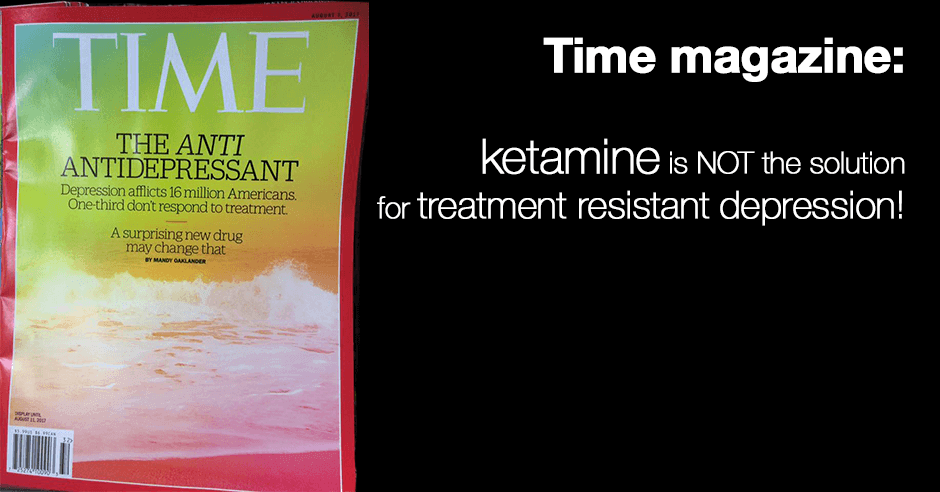
Time magazine: ketamine is NOT the solution for treatment resistant depression!

August 11, 2017 By Trudy Scott 25 Comments

Seen at LAX airport en route back to Australia – this cover of Time magazine:

The Anti Antidepressant. Depression affects 16 million Americans. One third don’t respond to treatment. A surprising new drug may change that.

It’s scary to think that ketamine and ketamine-like drugs are being considered the solution to “treatment resistant depression”. I’ve never liked this term and in my opinion, what it really means is that the root cause of the depression has not been found. To me it looks like the mainstream medical mental health community is desperate!

It really is time to get all the well-researched nutritional psychiatry approaches to the forefront! They do work! The timing of this article is even more interesting since I was returning from the first international meeting of the International Society for Nutritional Psychiatry Research in Bethesda, MD.

Lead food mood researcher Professor Felice Jacka presented her SMILES paper where dietary changes from a junk food diet to a real whole foods diet reduced depression in 30% of the participants.

Microbiome researcher Professor John Cryan discussed the gut brain connection. This paper: Recent developments in understanding the role of the gut microbiota in brain health and disease, was published just last week:

recent preclinical and clinical evidence suggest that targeting the microbiota through prebiotic, probiotic, or dietary interventions may be an effective “psychobiotic” strategy for treating symptoms in mood, neurodevelopmental disorders, and neurodegenerative diseases

And research on sulforaphane for psychosis, and depression and anxiety was presented: Sulforaphane produces antidepressant- and anxiolytic-like effects in adult mice

these findings demonstrated that SFN [sulforaphane] has antidepressant- and anxiolytic-like activities in stressed mice model of depression, which likely occurs by inhibiting the hypothalamic-pituitary-adrenal (HPA) axis and inflammatory response to stress. These data support further exploration for developing SFN [sulforaphane] as a novel agent to treat depression and anxiety disorders.

I presented on the benefits of a gluten-free/grain free/Paleo diet for certain individuals for depression and anxiety, and did a poster presentation on GABA for eliminating anxiety. 

As you can see from the TIME Magazine article the only approaches that have been considered (and have failed) are medications in various different combinations:

Every week, when Ian Hanley sits down with his therapist, he goes through a list of depression treatments he’s been researching online. The best-known treatments at the top of the list–half a dozen antidepressants and known combinations of those drugs–are all crossed out….

Most diagnoses do not come with 20-plus medicines approved by the Food and Drug Administration to treat it–and yet with depression, more options don’t always mean better outcomes. Ever since the first antidepressants were introduced 60 years ago, doctors have had patients like Hanley–people who don’t seem to get better even after they’ve worked their way through the lengthy list of available drugs. About 30% of all people with depression don’t respond adequately to the available treatments. That’s a dismal failure rate for a class of drugs designed to improve a person’s basic ability to function.

According to this article in Time magazine:

The biggest development has been the rediscovery of a promising, yet fraught, drug called ketamine. It’s best known as a psychedelic club drug that makes people hallucinate, but it may also have the ability to ease depression–and fast. In a race to shape the next generation of antidepressants, Johnson & Johnson and Allergan are fast-tracking new medicines inspired by ketamine.

I encourage you to read the entire article and take note of the following: the side-effects seen with medications over the years and the fact that doctors “don’t know the consequences and potential side effects of taking tiny doses of ketamine over and over again”; “she tried nearly everything” (you’ll read this in all the articles advocating for ketamine but unfortunately they are only referring to medications); the ketamine effects are temporary and cost $15,000 per year (and are not covered by insurance); and ketamine “is thought to stimulate an opioid receptor in the brain” and is already known to be addictive.  

When I shared this image and article on my Facebook page I discovered that is a pretty divided topic with a number of people feeling really strongly about the fact that this approach needs to be researched further and considered.  I acknowledge their concern for the individuals who have not found a solution for their depression. BUT my question is this: have all the dietary and nutritional approaches been considered and looked into with these people who have not responded to antidepressants? 

I strongly believe that ketamine is NOT the solution and that nutritional psychiatry is!

Have you used this ketamine approach personally or with patients?

Would you consider using ketamine personally if the antidepressants didn’t work for you? Or would you be more willing to work with a functional medicine or functional nutrition practitioner to find your true root causes and address them with diet, nutrients and a functional medicine approach?

Filed Under: Depression, Food and mood, Mental health, Nutritional Psychiatry, Real whole food Tagged With: anxiety, depression, GABA, gluten, ketamine, nutritional psychiatry, sulforaphane, time magazine, treatment resistant

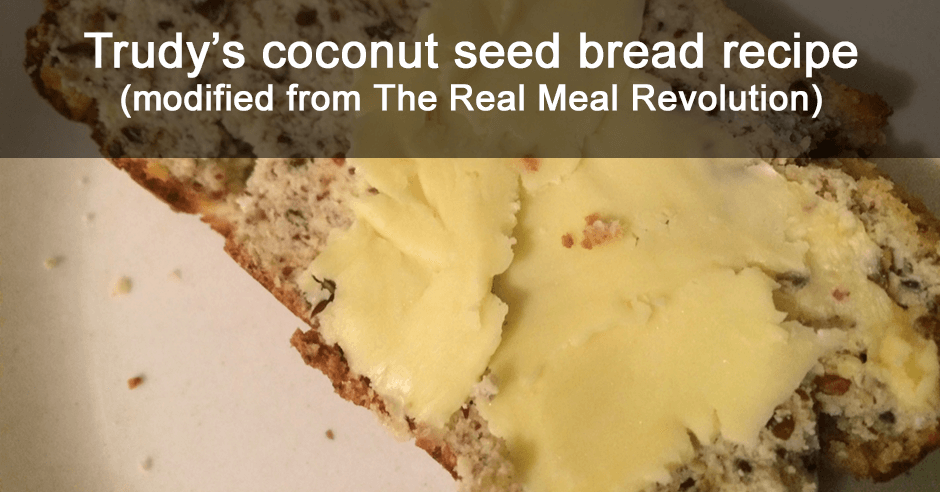
Trudy’s coconut seed bread recipe (modified from The Real Meal Revolution)

July 21, 2017 By Trudy Scott 27 Comments

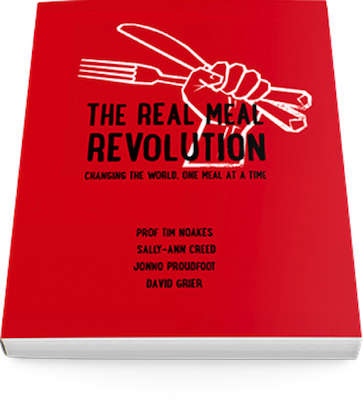
My favorite “bread” and the only one that I can actually eat right now is a coconut seed bread that I bake myself. I adapted a recipe from Tim Noake’s wonderful book The Real Meal Revolution, a recipe book from where I grew up – South Africa.

Why I modified the recipe

  • I opted to leave out the sunflower seeds and almond flour because of the higher levels of oxalates in these seeds and nuts. I have an oxalate issue right now but I’m also concerned with all the nuts that I see in Paleo recipes. Another possible issue for someone with anxiety and low zinc is the high copper levels in nut flours.
  • I typically don’t add sugar or anything sweet to baked goods so just left out the stevia/xylitol
  • I love coconut anything so why not try all coconut flour – it worked out great!

The ingredients and recipe for my version  

0.5 cup ground flax seeds (freshly ground)
1.5 cups coconut flour
2 tablespoons psyllium husk
250g / 1 cup plain Greek yogurt
6 organic or pastured eggs
10ml /2 teaspoons aluminum-free baking powder
0.5 teaspoon sea salt

Grind the seeds and mix all the dry ingredients in a bowl.
Mix the wet ingredients and combine with the dry ingredients using a wooden spoon.
Pour into a loaf pan that has been greased with butter.

Bake at 350 F/ 175 C for 50 minutes. I check it at 40 minutes and then take it out at 50 minutes once it starts to look brown on top and on the sides (I use a glass/pyrex loaf pan).

How to enjoy it?

It’s lovely eaten right away, warm and with loads of butter. I slice it thinly and keep a few slices in the fridge and freeze the rest in batches to use as needed through the next few weeks. It freezes really well and needs about 30 minutes to thaw at room temperature.

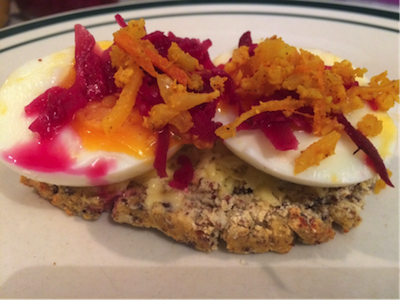
A few days a week I’ll have a slice with butter (I love butter!) and soft-boiled eggs, topped with whatever fermented vegetables we have on hand, and a side of avocado and left over vegetables from dinner the night before.

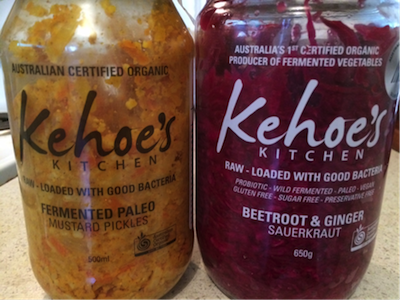
In case you’re curious, on this particular day, I used Kehoe’s Kitchen Fermented Paleo Mustard Pickles (it has a lot of cauliflower) and Kehoe’s Kitchen Beetroot & Ginger Sauerkraut. Both of these products are firm favorites in this household!

Similar products in the USA are made by The Brinery or FireFly Kitchens (just search online for “organic fermented vegetables”). Or make your own!

Remember if you buy fermented vegetables make sure to get them in the refrigerated section of the store. They need to be RAW in order to get all the benefits of the good bacteria for gut health and balancing your microbiome, and ultimately helping with reducing anxiety and depression.

The original recipe

Here is the original recipe from Tim Noake’s book (I don’t have the recipe book in hand right now as it’s still packed away with our move but I think this is the original)

0.5 cup ground flax seeds (freshly ground)
0.5 cup ground sunflower
1 cup almond flour or coconut flour
2 tablespoons psyllium husk
250g / 1 cup plain Greek yogurt or sour cream
6 organic or pastured eggs
10ml /2 teaspoons aluminum-free baking powder
0.5 teaspoon sea salt
Pinch stevia or teaspoon xylitol

Optional: Cinnamon, caraway seeds, pumpkin seeds, various chopped nuts and/or cranberries/raisins

Tim Noakes and anxiety and depression success stories

Here is some additional information about The Real Meal Revolution. It started out as a Banting recipe book and has grown into a movement in South Africa. Banting is similar to Paleo but does include dairy. My darling sister gave me a copy of this very popular book on one of my trips back to visit family and I really like it! It is fastest selling cook book in South African history with over 200,000 copies sold and is now available internationally in the UK, Australia and New Zealand.

In this blog post about anxiety and depression success stories when eating Paleo and grain-free, Alice shared this about her change to a Banting way of eating:

Three days after I stopped eating grains, my chronic depression lifted and has never returned (it’s three years later now). I had been a vegetarian most of my life, discovered in my early 50s that I was gluten intolerant, went off grains, started banting (Cape Town craze!) and have never felt better. Gut, mood, bones, energy, skin … all better!

Let us know if you try this recipe and enjoy it and do share some of your favorite fermented vegetable companies or recipe books.

And do let us know if you do better on a grain-free diet.

Filed Under: Food and mood, Recipes Tagged With: anxiety, coconut bread, depression, microbiome, oxalate, recipe, Trudy’s coconut seed bread

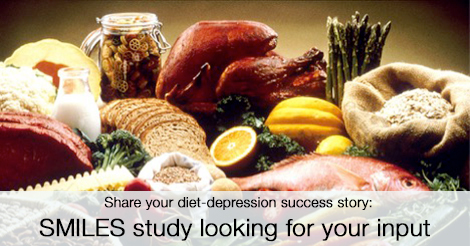
Share your diet-depression success story: SMILES study looking for your input

January 19, 2017 By Trudy Scott 18 Comments

Professor Felice Jacka, nutritional psychiatry researcher and founder of ISNPR/International Society for Nutritional Psychiatry Research posted this exciting news and important request on the ISNPR facebook page:

The SMILES RCT, which is the first randomised controlled trial to test whether dietary improvement can actually treat depression, has now been accepted for publication in BMC Medicine (publication date 31st January).

As part of the media campaign, we will be needing to identify people who are willing to be interviewed. If there is anyone who has personally experienced a benefit from improving their diet, would you please volunteer for this purpose?

It’s a very important role, as the media coverage for SMILES will be limited if we can’t provide personal, first-person experiences to journalists. Clearly – for the sake of the field – it will be important to generate extensive media in order for clinicians and the general public to understand the implications and possibilities that arise from the RCT. Your help is enormously appreciated!

You can read more about this SMILES RCT here and the Anxiety Summit interview with Felice Jacka here: The Research – Food to prevent and treat anxiety and depression?.

Although anxiety was looked at in the study, Felice shared this regarding the type of interviewees they are looking for:

  • We really need to keep a focus on the topic of the RCT, which is depression
  • And to also keep it to those who improved the quality of their diet i.e. moving from a processed food diet, to one high in plant foods and healthy fats and healthy proteins
  • Not a particular type of diet (e.g. not paleo, not gluten free).

If you’ve personally benefited from changing your diet in this way and you’d like to help by sharing your story with the media please comment on the blog (or send an email to support [at] everywomanover29.com) with details of your story and willingness to be interviewed, plus your location. Be sure to let us know how best to contact you.

Right now we’ll just be calling on those who meet the above criteria for the media interviews.

BUT if you’ve benefited from any other changes to your diet – for either anxiety or depression – feel free to share anyway, so we can inspire others to do the same.

Here is my story:

For me it was anxiety and panic attacks that resolved when I made dietary and other nutritional and lifestyle changes.   I had been eating a vegetarian diet for a few years and I suspect the non-organic/GMO processed soy products (soy milk, soy yogurt, soy “butter” etc) were a big issue for me and damaged my gut.  When I added back quality animal protein (grass-fed red meat, wild fish, pastured eggs and chicken), switched to organic produce, added healthy fats and removed gluten my mood improved dramatically.  Now I eat a combination of a Paleo/SCD /low FODMAPS/low oxalate diet. 

During the severe anxiety and panic attacks I also needed additional support in the way of the targeted amino acids GABA (this was a life-saver and stopped the panic attacks in a few days) and tryptophan, plus zinc, vitamin B6, evening primrose oil, a good multi and B complex and adrenal support.  I still continue with some of these basic nutrients today.

My health issues have been complex as I’ve also had to deal with heavy metals, poor gut health and much more so I had what I call “a perfect storm” and yet diet has had such a huge impact for me!

Thanks for sharing your story! I’ll be sharing more as soon as the paper is actually published. Stay tuned for an interview with Felice too! 

And  big congrats to Felice and her team on this ground-breaking research!

UPDATE January 30, 2017: Here is the link to the research – A randomised controlled trial of dietary improvement for adults with major depression (the ‘SMILES’ trial)


Filed Under: Depression, Food and mood, Research Tagged With: anxiety, depression, diet, felice jacka, food, smiles study

  • Page 1
  • Page 2
  • Page 3
  • Interim pages omitted …
  • Page 22
  • Go to Next Page »

Primary Sidebar

GABA QuickStart Homestudy

gaba quickstart homestudy

Free Report

9 Great Questions Women Ask about Food, Mood and their Health

You'll also receive a complimentary subscription to my ezine "Food, Mood and Gal Stuff"


Connect with me

Popular Posts

  • Amino Acids Mood Questionnaire from The Antianxiety Food Solution
  • The Antianxiety Food Solution Amino Acid and Pyroluria Supplements
  • Pyroluria Questionnaire from The Antianxiety Food Solution
  • Collagen and gelatin lower serotonin: does this increase your anxiety and depression?
  • Tryptophan for the worry-in-your-head and ruminating type of anxiety
  • GABA for the physical-tension and stiff-and-tense-muscles type of anxiety
  • The Antianxiety Food Solution by Trudy Scott
  • Seriphos Original Formula is back: the best product for anxiety and insomnia caused by high cortisol
  • Am I an anxious introvert because of low zinc and vitamin B6? My response to Huffington Post blog
  • Vagus nerve rehab with GABA, breathing, humming, gargling and key nutrients

Recent Posts

  • Her cravings for chips and peanut butter were triggered by stress: GABA ends cravings and reduces physical tension and fear of heights
  • It is truly miraculous to be able to move through life without crippling anxiety and panic
  • GABA and tryptophan combo provide immediate and noticeable relief for tremors and cervical dystonia in just 7 days
  • Red light therapy for back and neck pain, plantar fasciitis and low mood – a complement to the amino acids GABA, DPA and tryptophan
  • What do I use instead of Seriphos to help lower high cortisol that is affecting my sleep and making me anxious at night?

Categories

  • 5-HTP
  • AB575
  • Addiction
  • ADHD
  • Adrenals
  • Alcohol
  • Allergies
  • Alzheimer's disease
  • Amino Acids
  • Anger
  • Antianxiety
  • Antianxiety Food Solution
  • Antidepressants
  • Anxiety
  • Anxiety and panic
  • Autism
  • Autoimmunity
  • benzodiazapines
  • Bipolar disorder
  • Books
  • Caffeine
  • Cancer
  • Candida
  • Children/Teens
  • Collagen
  • Cooking equipment
  • Coronavirus/COVID-19
  • Cravings
  • Depression
  • Detoxification
  • Diabetes
  • Diet
  • DPA/DLPA
  • Drugs
  • EFT/Tapping
  • EMF
  • EMFs
  • Emotional Eating
  • Endorphins
  • Environment
  • Essential oils
  • Events
  • Exercise
  • Fear
  • Fear of public speaking
  • Fertility and Pregnancy
  • Fish
  • Food
  • Food and mood
  • Functional neurology
  • GABA
  • Gene polymorphisms
  • General Health
  • Giving
  • Giving back
  • Glutamine
  • Gluten
  • GMOs
  • Gratitude
  • Gut health
  • Heart health/hypertension
  • Histamine
  • Hormone
  • Hyperparathyroidism
  • Hypoglycemia
  • Immune system
  • Inflammation
  • Insomnia
  • Inspiration
  • Introversion
  • Joy and happiness
  • Ketogenic diet
  • Lithium orotate
  • Looking awesome
  • Lyme disease and co-infections
  • MCAS/histamine
  • Medication
  • Men's health
  • Mental health
  • Mercury
  • Migraine
  • Mold
  • Movie
  • MTHFR
  • Multiple sclerosis
  • Music
  • NANP
  • Nature
  • Nutritional Psychiatry
  • OCD
  • Osteoporosis
  • Oxalates
  • Oxytocin
  • Pain
  • Paleo
  • Parasites
  • Parkinson’s disease
  • PCOS
  • People
  • PMS
  • Postpartum
  • PTSD/Trauma
  • Pyroluria
  • Questionnaires
  • Real whole food
  • Recipes
  • Research
  • Schizophrenia
  • serotonin
  • SIBO
  • Sleep
  • Special diets
  • Sports nutrition
  • Stress
  • Sugar addiction
  • Sugar and mood
  • Supplements
  • Teens
  • Testimonials
  • Testing
  • The Anxiety Summit
  • The Anxiety Summit 2
  • The Anxiety Summit 3
  • The Anxiety Summit 4
  • The Anxiety Summit 5
  • The Anxiety Summit 6
  • Thyroid
  • Thyroid health
  • Toxins
  • Tryptophan
  • Tyrosine
  • Uncategorized
  • Vegan/vegetarian
  • Women's health
  • Yoga

Archives

  • May 2026
  • April 2026
  • October 2025
  • September 2025
  • August 2025
  • July 2025
  • June 2025
  • May 2025
  • April 2025
  • March 2025
  • February 2025
  • January 2025
  • November 2024
  • October 2024
  • September 2024
  • August 2024
  • July 2024
  • June 2024
  • May 2024
  • April 2024
  • March 2024
  • February 2024
  • January 2024
  • December 2023
  • November 2023
  • October 2023
  • September 2023
  • August 2023
  • July 2023
  • June 2023
  • May 2023
  • April 2023
  • March 2023
  • February 2023
  • January 2023
  • December 2022
  • November 2022
  • October 2022
  • September 2022
  • August 2022
  • July 2022
  • June 2022
  • May 2022
  • April 2022
  • March 2022
  • February 2022
  • January 2022
  • December 2021
  • November 2021
  • October 2021
  • September 2021
  • August 2021
  • July 2021
  • June 2021
  • May 2021
  • April 2021
  • March 2021
  • February 2021
  • January 2021
  • December 2020
  • November 2020
  • October 2020
  • September 2020
  • August 2020
  • July 2020
  • June 2020
  • May 2020
  • April 2020
  • March 2020
  • February 2020
  • January 2020
  • December 2019
  • November 2019
  • October 2019
  • September 2019
  • August 2019
  • July 2019
  • June 2019
  • May 2019
  • April 2019
  • March 2019
  • February 2019
  • January 2019
  • December 2018
  • November 2018
  • October 2018
  • September 2018
  • August 2018
  • July 2018
  • June 2018
  • May 2018
  • April 2018
  • March 2018
  • February 2018
  • January 2018
  • December 2017
  • November 2017
  • October 2017
  • September 2017
  • August 2017
  • July 2017
  • June 2017
  • May 2017
  • April 2017
  • March 2017
  • February 2017
  • January 2017
  • December 2016
  • November 2016
  • October 2016
  • September 2016
  • August 2016
  • July 2016
  • June 2016
  • May 2016
  • April 2016
  • March 2016
  • February 2016
  • January 2016
  • December 2015
  • November 2015
  • October 2015
  • September 2015
  • August 2015
  • July 2015
  • June 2015
  • May 2015
  • April 2015
  • March 2015
  • February 2015
  • January 2015
  • December 2014
  • November 2014
  • October 2014
  • September 2014
  • August 2014
  • July 2014
  • June 2014
  • May 2014
  • April 2014
  • March 2014
  • February 2014
  • January 2014
  • December 2013
  • November 2013
  • October 2013
  • September 2013
  • August 2013
  • July 2013
  • June 2013
  • May 2013
  • April 2013
  • March 2013
  • February 2013
  • January 2013
  • December 2012
  • November 2012
  • October 2012
  • August 2012
  • July 2012
  • June 2012
  • May 2012
  • April 2012
  • March 2012
  • February 2012
  • January 2012
  • December 2011
  • November 2011
  • October 2011
  • September 2011
  • August 2011
  • July 2011
  • June 2011
  • May 2011
  • April 2011
  • March 2011
  • February 2011
  • January 2011
  • December 2010
  • October 2010
  • September 2010
  • July 2010
  • May 2010
  • April 2010
  • March 2010
  • February 2010
  • January 2010
  • November 2009

Share the knowledge!

The above statements have not been evaluated by the Food and Drug Administration. Products listed in this website are not intended to diagnose, treat, cure or prevent any disease.

The information provided on this site is for informational and educational purposes only and is not intended as a substitute for advice from your physician or other health care professional. You should consult with a healthcare professional before starting or modifying any diet, exercise, or supplementation program, before taking or stopping any medication, or if you have or suspect you may have a health problem.


Copyright © 2026 Trudy Scott. All Rights Reserved. | Privacy | Terms and Conditions | Refund Policy | Medical Disclaimer

Free Report

9 Great Questions Women Ask about Food, Mood and their Health

You’ll also receive a complimentary subscription to my ezine “Food, Mood and Gal Stuff”