• Skip to primary navigation
  • Skip to main content
  • Skip to primary sidebar

everywomanover29 blog

Food, Mood and Women's Health – Be your healthiest, look and feel great!

  • Blog
  • About
  • Services
  • Store
  • Resources
  • Testimonials
  • The Book
  • Contact
  • Search this site

nutritional

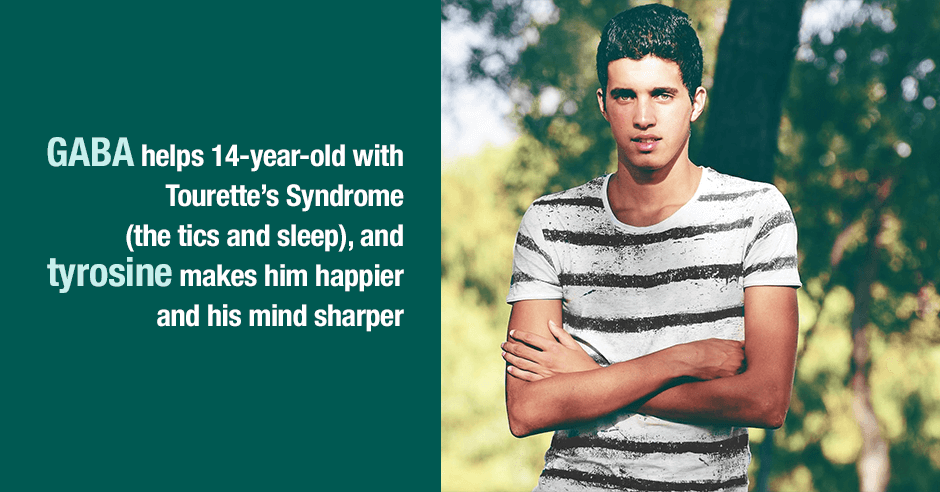
GABA helps 14-year-old with Tourette’s Syndrome (the tics and sleep), and tyrosine makes him happier and his mind sharper

January 21, 2022 By Trudy Scott 30 Comments

gaba tyrosine teenager

We typically associate low GABA, a calming neurotransmitter, with a physical-type of tension- anxiety that also often affects sleep. However there is evidence that low GABA is also a factor in other conditions. One of these conditions is Tourette’s Syndrome, which is characterized by the presence of chronic tics which can be motor/movement and vocal. In today’s blog I share some research that suggests a deficit in GABAergic transmission may contribute to symptoms in Tourette’s and a case study where a teenage boy found relief from his tics when using the amino acid GABA as a supplement. GABA also improved his sleep. He also made some dietary changes – no gluten, no sugar and no caffeine – and supplemented with magnesium and melatonin. The amino acid tyrosine, used as a supplement, also improved his low mood and focus, both of which can be issues with Tourette’s.

Kim, a mom in this community, shared this wonderful feedback about her son in response to a Facebook post a few years ago:

Because of your book, I started using GABA for my 14-year-old son with moderate to severe Tourette’s Syndrome, and the results have been significant. Highly recommended for tics, and sleep for these individuals. Thank you.

I asked her how much GABA he used and how often and she shared this:

He used 750mg GABA nightly before bed, and if tics are really active then additional 300mg. Lots of water and a balanced diet with no caffeine…. life-saver.

Keep in mind that 750mg is considered a high dose. We typically start with 125mg GABA and increase based on each person’s unique needs. There is the temptation to think “I have tics and this is a very severe condition so I need a high dose to start.” You don’t want to be thinking like this. Some people may not need this much and others may need this high dose. We always use the trial method to figure out the ideal dose.

She also shared that when he added tyrosine, he saw benefits from that amino acid supplement too:

He recently added 300mg of l-tyrosine, and it promotes happiness and a sharper mind, due to brain fog. He says he really notices a difference. He has read your book as well.

How wonderful is this? GABA helped reduce his tics and improved his sleep, and tyrosine improved his mood and focus.

I love that he’s read my book – good for him and this mom! It’s never too early to have you and your child read this information. It’s empowering for them so they understand the changes they need to make and why these amino acids, dietary changes and elimination of caffeine make such a difference.

I recently checked in to see how he is doing now and asked what other nutritional approaches helped/help other than GABA, a balanced diet and no caffeine. She shared this:

He’s gluten free, magnesium for sure for the muscle tics, and melatonin for good sleep (Touretters need a routine sleep schedule).

He’s 18 now and is doing way better as he matures, but GABA no doubt has improved his life. We promote GABA and educate others as much as possible.

All this is so great to hear and I love that they now help to educate others about GABA too.

I appreciate that she gave me permission to share, hence this post. (The image above is a stock image and not her son.)

Tourette’s Syndrome and reduced GABA function

This paper, Reduced GABAergic inhibition and abnormal sensory symptoms in children with Tourette syndrome, describes the condition and the role of reduced GABA function:

Tourette Syndrome is characterized by the presence of chronic tics. Individuals with Tourette Syndrome often report difficulty with ignoring (habituating to) tactile sensations, and some patients perceive that this contributes to a “premonitory urge” to tic. While common, the physiological basis of impaired tactile processing in Tourette Syndrome, and indeed tics themselves, remain poorly understood.

It has been well established that GABAergic processing plays an important role in shaping the neurophysiological response to tactile stimulation. Furthermore, there are multiple lines of evidence suggesting that a deficit in GABAergic transmission may contribute to symptoms found in Tourette Syndrome.

In this study, the authors used testing (magnetic resonance spectroscopy) and tasks that were vibrotactile (the perception of vibration through touch) to investigate the role of GABA and atypical sensory processing in these 8-12-year old children with Tourette Syndrome.

They found the following:

  • lower concentration of GABA in the sensorimotor cortex and “impaired performance on tactile detection and adaptation tasks, consistent with altered GABAergic function”
  • the altered/reduced GABAergic function correlated with the severity of motor tics and sensory impairments, “linking the core feature of Tourette Syndrome directly to … brain neurochemistry.”

The authors conclude that this provides a foundation for novel interventions (i.e. medications) but unfortunately do not offer the use of the amino acid GABA as one of these solutions. This is very unfortunate but not unexpected. I plan to reach out to the authors and share this case study and blog.

This research supports why GABA works so well for Kim’s son and why he needed higher amounts of GABA when his tics were more active/severe. And now I’m curious to find out if her son has/had sensory issues and how they improve/improved with GABA. I’ll report back if I hear from her about this.

It’s no surprise that GABA helps his sleep too. There is much evidence supporting this – like the the sleep promoting effects of combined GABA and 5-HTP (or GABA alone or 5-HTP alone).  I’ve also shared many GABA-sleep success stories on the blog. Here is one: Since starting GABA my child sleeps for the first time in years and really notices a difference in his carb cravings. (Use the search feature and “GABA sleep” to find additional blog posts)

Interestingly only 8% of the children in the study had generalized anxiety disorder. Given how common low GABA is in anxiety, and that low serotonin can also be a factor with tics, I would have expected anxiety to be higher.

Evidence supporting the other nutritional changes he made

There is evidence to support the other nutritional changes that Kim’s son made:

  • There are reports that “an increase in tics has been related to the consumption of caffeine and refined sugar.” The authors acknowledge that there is no one diet for Tourette’s, so as always, it’s a matter of figuring out the ideal diet for each child (or adult) with tics. Oligoantigenic diets have been identified as significantly reducing tics. This involves removing foods that can potentially cause a food sensitivity leading to tics and/or behavioral impacts and/or insomnia.
  • A gluten-free diet maintained for one year in patients with Tourette’s Syndrome was shown to markedly reduce tics and OCD in children and adults
  • Magnesium is one of the most used supplements in children with Tourette’s Syndrome. When used with probiotics, omega-3 and multivitamins “Seventy-five per cent of supplement users in the Tourette syndrome group noted improvement, mainly in motor and vocal tics, sleep quality and anxiety reduction.”
  • Melatonin is listed with a number of medications commonly prescribed for tic disorders where sleep issues are also a factor

Keep in mind that the above is not a protocol for relief from tics for everyone with Tourette’s Syndrome. It’s what worked for the unique biochemical needs of Kim’s son.

That said, this could be a framework to start with and build upon.

Tyrosine improves his mood and focus

Tyrosine helps with low catecholamines, improving the curl-up-in-bed low-energy kind of low mood and poor focus. (You can see all the symptoms here.) The typical dose is 500mg tyrosine a few times a day. Kim’s son found just 300mg to be beneficial.

Interestingly, 48% of the children in this study had attention-deficit/hyperactivity disorder (ADHD) with about half of those on stimulant medication. I wonder how many would have also benefited from tyrosine for improving their focus, as it did for Kim’s son.

You can read more about tyrosine for focus and mood, and motivation and energy here.

Resources if you are new to using GABA or tyrosine as a supplement

If you are new to using the the amino acid GABA or tyrosine as supplements, here is the Amino Acids Mood Questionnaire from The Antianxiety Food Solution (you can see the low serotonin and other low neurotransmitter symptoms) and a brief overview here: Anxiety and targeted individual amino acid supplements: a summary.

If you suspect low levels of GABA or catecholamines and do not yet have my book, The Antianxiety Food Solution – How the Foods You Eat Can Help You Calm Your Anxious Mind, Improve Your Mood, and End Cravings, I highly recommend getting it and reading it before jumping in and using amino acids so you are knowledgeable.

And be sure to share it with the team you or your loved one is working with. As I mentioned above, it’s empowering for your teen and also relatively easy reading too.

The book doesn’t include product names (per the publisher’s request) so this blog, The Antianxiety Food Solution Amino Acid and Pyroluria Supplements, lists the GABA and tyrosine products that I use with my individual clients and those in my group programs.

Have you seen results with GABA or any of the above approaches? Or has another approach helped you or your child?

If you’re a practitioner have you seen GABA and any of the above to help? What else has helped your clients/patients?

If you suffer from Tourette’s Syndrome, do you also experience ADHD, insomnia, low mood and/or anxiety?

Feel free to ask your questions here too.
Filed Under: ADHD, GABA, Insomnia Tagged With: ADHD, anxiety, caffeine, focus, GABA, gluten, low mood, magnesium, melatonin, mind sharper, nutritional, sleep, sugar, teen, tics, Tourette’s Syndrome, tyrosine, tyrosine happier

SSRI/antidepressant impact on the microbiome, discontinuation syndrome and safe tapering

October 16, 2021 By Trudy Scott 2 Comments


Antidepressants can have an antibiotic effect, causing dysbiosis and impacting serotonin, GABA and dopamine production. This can cause psychiatric symptoms and even suicidal thoughts or behaviors. Various SSRI (selective serotonin reuptake inhibitors) and SNRI (serotonin norepinephrine reuptake inhibitors) have more of an effect than others. And the top known side effects for SSRIs are gut symptoms: nausea, diarrhea and vomiting.

These medications are seldom prescribed with informed consent and can cause severe psychological, cognitive, physical and neurological withdrawal side effects (also known as discontinuation syndrome). A functional medicine and nutritional approach using 5-HTP, GABA, theanine and glycine can often be used to smooth the taper process.

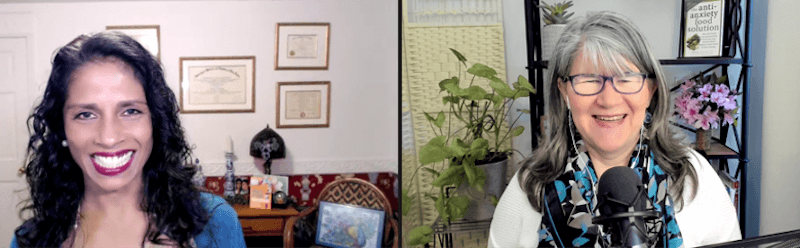
Dr. Achina Stein addresses all this in her interview, SSRI Impact on the Microbiome and Safe SSRI Tapering, on The Anxiety Summit 5: Gut-Brain Axis.

achina stein and trudy scott

We cover the following:

  • Antibiotic effect of antidepressants: dysbiosis and impacts on serotonin/GABA/dopamine
  • Withdrawal/discontinuation syndrome symptoms of SSRIs and benzodiazepines
  • 5-HTP, GABA, theanine and glycine to smooth the taper process

Here are a few snippets from our interview.

We start with a discussion on the antibiotic effect of antidepressants and a review of this paper – Serotonin Reuptake Inhibitors and the Gut Microbiome: Significance of the Gut Microbiome in Relation to Mechanism of Action, Treatment Response, Side Effects, and Tachyphylaxis.

Dr. Stein comments on this study sharing how SSRIs affect the gut and microbiome in many different ways:

  • “This paper is important. It’s one of several papers that talk about how the SSRIs or serotonin reuptake inhibitors affect the gastrointestinal tract. And as you know, the gastrointestinal tract is really full of serotonin.
  • SSRIs, as well as other psychotropic medications, actually exert an antibiotic effect, which can have a direct consequence in disrupting the integrity and stability of the gut microbiome.
  • And the ones that are most likely to do that are Sertraline, fluoxetine, and paroxetine in that order. And it’s followed by fluvoxamine, escitalopram, and citalopram, having the least impact.
  • What they’re noticing is that this antibiotic effect actually results in dysbiosis.
  • The top known side effects for SSRIs are gut symptoms: nausea, diarrhea, vomiting.
  • We know that the gut microbiome has a significant effect on emotions, behaviors, and metabolic changes.
  • And it’s involved in the metabolism of drugs, and this combination is what really causes psychiatric symptoms and even suicidal thoughts or behaviors.”

She also talks about the bidirectional gut-brain connection/communication, the microbiome and short-chain fatty acids (which are a common theme you’ll hear throughout the summit):

  • “There is this huge connection between the gut microbiome and the brain.
  • And there’s also other indirect communication pathways because we’ve always wondered, well, how does this happen that the gut is connected to the brain?
  • So the other pathways which are more indirect are the hypothalamic-pituitary-adrenal axis.
  • And there’s also an immune-mediated connection where there’s a communication between short-chain fatty acids and microglia in the brain.
  • So short-chain fatty acids are the main metabolites produced by the microbiota in the large intestine through bacterial fermentation of indigestible polysaccharides, which are dietary fiber and resistant starch. And they possess neuroactive properties. So they influence the communication between these short-chain fatty acids between the gut and the microglia of the brain.
  • And it’s a bidirectional communication too.”

And we talk about tachyphylaxis or the poop-out effect of antidepressants.

The discussion on the SSRI (selective serotonin reuptake inhibitors) and SNRI (serotonin norepinephrine reuptake inhibitors) discontinuation syndrome (or withdrawal symptoms) is eye-opening and sobering, Here are just a few of the many psychological symptoms that she says patients may experience when tapering:

I’m just going to read them off because I think it’s important for people to know: mood swings, unstable moods, hypomania, hyperarousal, anxiety, medication-induced agitation – which is described as being caffeinated – impulsive behavior, aggression, irritability, crying spells, lowered mood or depression.

Dr. Stein also shares the many cognitive, physical and neurological side effects, and how she works with her patients with a functional medicine and nutritional approach to try and mitigate the side effects. She likes to use 5-HTP, GABA, theanine and glycine to smooth the taper process.

We also have a lengthy discussion about informed consent and the fact that it’s not happening and should be.

We do a deep dive into all this and much more.

The interviews that dove-tail well with this topic are as follows:

  • My interviews, GABA & Tryptophan: Gut-Anxiety Connections and Glutamine, DPA and Tyrosine for Anxiety and Sugar Cravings. The amino acids help during the  tapering process and help you make the dietary changes.
  • Thiamine Deficiency in Anxiety and Gut Health (Part 1 and 2) with Chandler Marrs. She talks about how medications can deplete thiamine. Could this contribute to some of the severe discontinuation syndrome symptoms we see?
  • Anxiety, Gut-Brain Communication and Diet with David Perlmutter, MD, FACN, ABIHM. This one gives you an excellent overview of the gut-brain communication and fermented foods, short-chain fatty acids and histone deacetylases (HDACs).
  • Gut-Brain Axis and Mental Health with Peter Bongiorno, ND, LAc. This is also a great overview on the mental health impacts of the microbiome. He goes deep into serotonin and GABA production mechanisms.

I encourage you to tune in if you have:

  • Anxiety & feel overwhelmed & stressed by little things
  • Panic attacks &/or obsessive thoughts or behaviors
  • Social anxiety/pyroluria
  • Phobias or fears (flying, spiders or even driving on a highway)

And also if you suffer from…

  • Food sensitivities, IBS/SIBO, parasites or gallbladder issues
  • Constipation, diarrhea, bloating, gas, pain & other digestive issues
  • Leaky gut, a leaky blood-brain barrier or vagus nerve issues

Join us if you are also an emotional eater with intense sugar cravings (and know you suffer from low blood sugar), experience insomnia, low mood, PMS, poor focus and/or low motivation.

This is THE online event to learn about the powerful individual amino acids – GABA, theanine, tryptophan, 5-HTP, glutamine, DPA and tyrosine – to quickly ease anxiety and help with gut symptoms while you are dealing with other root causes which take longer to address. (They also help with cravings as with this example, and sleep and immunity).

With research-based anxiety nutritional solutions and practical steps, you can determine your root causes, ease your anxiety and prevent it from coming back so you can feel on top of the world again!

If you are a practitioner, please join us too and find advanced solutions for your clients or patients too!

You’ve heard me say the Anxiety Summit has been called “a bouquet of hope!”  My wish for you is that this summit is your bouquet of hope!

I hope you’ll join me and these incredible speakers, be enlightened and find YOUR solutions!

Here’s to no more anxiety and you feeling on top of the world again!

Learn more/purchase now


How have antidepressants impacted your gut and digestion?

Have you experienced discontinuation syndrome when tapering from an SSRI or SNRI or benzodiazepines? And have diet and the amino acids helped smooth the taper process?

Feel free to post your questions here too.

Filed Under: Antidepressants, Anxiety, Depression, The Anxiety Summit 5 Tagged With: 5-HTP, antibiotic, antidepressant, anxiety summit, cognitive, discontinuation syndrome, dopamine, Dr. Achina Stein, dysbiosis, functional medicine, GABA, glycine, gut-brain, informed consent, microbiome, neurological, nutritional, physical, psychiatric symptoms, psychological, safe tapering, serotonin, SNRI, SSRI, Suicidal, taper, theanine, withdrawal side effects

The effect of emotional freedom technique on nurses’ stress, anxiety, and burnout levels during the pandemic

February 12, 2021 By Trudy Scott 4 Comments

emotional freedom technique and nurses

Nurses who are working with patients during this pandemic “are particularly vulnerable to emotions such as fear and anxiety, due to fatigue, discomfort, and helplessness related to their high intensity work.” A new paper published Dec 2020, The effect of Emotional Freedom Techniques on nurses’ stress, anxiety, and burnout levels during the COVID-19 pandemic: A randomized controlled trial reports the benefits of just one online session of EFT (emotional freedom technique) or tapping.

As this paper mentions, “The basic principle of EFT is to send activating and deactivating signals to the brain by stimulating points on the skin that have distinctive electrical properties, usually by tapping on them.”

The study participants were shown a picture of the acupressure points and shown how to “gently tap on them using their index and middle fingers. After this demonstration, the participants followed the basic steps of an EFT session, following the researcher’s example:

  1. Identify an anxiety-evoking issue and determine the SUD level [the SUD is a subjective unit of distress ranging from 0 to 10 with 10 being most severe]
  2. Creating a personal acceptance and reminder statement in the general form of “I accept myself despite this ……….”
  3. Tapping seven times on each acupressure point
  4. After tapping these points, the affirmation/reminder statement is repeated.
  5. A sequence of physical movements and vocalizations called “The Nine Gamut Procedure” is carried out.
  6. Steps 3 and 4 are repeated.
  7. Another SUD rating is given [in other words how they felt afterwards on a scale of 0 to 10]

The study conclusion is as follows: “A single online group EFT session reduced stress, anxiety, and burnout levels in nurses treating COVID-19.” You can read the full study here and see the picture of the acupressure points.

This is a powerful intervention for nurses, other healthcare and frontline workers – and anyone dealing with anxiety, stress and burnout!

Tapping leads to psychological and physiological improvements

As well as psychological improvements, tapping also leads to physiological improvements. In a 2019 study, “after a 4-day training workshop on tapping, the researchers reported that happiness increased by 31% and the following declines in psychological symptoms in 203 participants were reported:

  • anxiety (-40%)
  • depression (-35%)
  • posttraumatic stress disorder (-32%)
  • pain (-57%) and
  • cravings (-74%)

I find it fascinating that EFT/tapping leads to physiological improvements too. In this same 2019 study these changes were reported:

  • resting heart rate (-8%)
  • salivary cortisol (-37%)
  • systolic blood pressure (-6%) and diastolic blood pressure (-8%)
  • heart rate variability and heart coherence
  • salivary immunoglobulin A (SigA) (+113%)

You can read more about this study here: Tapping (or EFT) for reducing anxiety, depression, pain and cravings, plus physiological changes in cortisol, heart rate, blood pressure and SigA

Combining tapping with nutritional approaches for easing anxiety

As I mention in the above blog, I have great success with amino acids like GABA, tryptophan and glutamine to provide quick anxiety-relief, end the overwhelm and stop the carb cravings for my clients. So until recently, I hadn’t really felt the need to look into tapping.

However, I believe we need to use everything at our disposal. We also respond differently to different approaches and what may work for one person may not work as well for someone else.

I love that EFT/emotional freedom technique/tapping compliments the dietary/nutritional/biochemical approach I use with my clients for helping to ease anxiety, overwhelm and stress.

Ideally these nurses (and you and anyone who is stressed or anxious) could could use tapping/EFT and combine it with nutritional support for possibly even more benefits:

  • Use targeted amino acids such as tryptophan or 5-HTP for the low serotonin worry-in-your-head anxiety where folks may also experience fears, panic attacks, ruminations, phobias, insomnia, PMS, anger, irritability and cravings; and GABA for the low GABA physical-anxiety that also includes muscle tension, overwhelm, insomnia and the need to self-medicate with alcohol to calm down
  • DPA (d-phenylalanine), also an amino acid, boosts endorphins (in a similar way to acupuncture) and helps my clients who are experiencing weepiness, pain and are big comfort/reward eaters. I blog about this here: DPA for weepiness, pain and comfort and reward eating)

In April last year I blogged about nutritional and lifestyle approaches after reading a very somber and eye-opening article in the New York Times titled: The Psychological Trauma That Awaits Our Doctors and Nurses. You can read about B vitamins, melatonin, nature and more on this blog here.

EFT/tapping resources

If you’re new to EFT/tapping and would like to learn more, the 13th Annual Tapping World Summit airs online starting Feb 22, 2021:

  • This is a great introductory video from summit host Nick Ortner (register to watch it and get access to the summit)
  • Here is the main summit registration page

Nick has also written a best-selling book “The Tapping Solution: A Revolutionary System for Stress-Free Living” (my Amazon link)

Are you a nurse or other frontline worker who has used EFT with success?

Do you use both with success: EFT and the amino acids like GABA, tryptophan, 5-HTP, theanine or glutamine? What about EFT and dietary changes like no gluten, no sugar and no caffeine?

I also want to give a shoutout to all the nurses and other frontline workers who are doing so much during this pandemic. We appreciate you!

Filed Under: Anxiety Tagged With: anxiety, burnout, cortisol, DPA, eft, endorphins, GABA, Nick Ortner, nurses, nutritional, pandemic, physiological, psychological, serotonin, stress, tapping, Tapping Summit, trauma, tryptophan

MDMA-Assisted Psychotherapy for Treating Chronic PTSD: Why I feel we can do better and the role of nutrition and amino acids like GABA

November 2, 2018 By Trudy Scott 7 Comments

You may be familiar with MDMA (3,4-methylenedioxymethamphetamine), also known as “ecstasy”, because of its reputation as a party drug. And you have likely seen some of the media reports on the new research and growing support for MDMA-Assisted psychotherapy for treating chronic PTSD (post-traumatic stress disorder). Due to adverse effects I’d like to share my concerns about this research and treatment and why I feel we can do better – by addressing nutrition and using amino acids like GABA and others.

In a recent press release, Colorado Study Shows Lasting Benefits of MDMA-Assisted Psychotherapy for Treating Chronic PTSD, the non-profit organization, Multidisciplinary Association for Psychedelic Studies (MAPS) reports these study results:

28 participants found that one month after their second day-long experimental session, 42.9% in the active-dose (100 mg and 125 mg) MDMA groups did not qualify for a diagnosis of PTSD, compared to 33.3% in the low-dose MDMA (40 mg active placebo) control group.

The results were even more notable 12 months after the third active-dose experimental session, which found that one year following treatment with MDMA-assisted psychotherapy, 76% of participants no longer had PTSD.

It is the largest U.S. FDA-regulated double-blind, placebo-controlled clinical trial of MDMA-assisted psychotherapy for the treatment of chronic PTSD and the results are impressive: 76% of the study participants no longer had PTSD after a year and 3 treatment sessions. I’m really happy for the participants BUT I believe we can do better because there are adverse reactions to this treatment and there are other safer approaches for recovery.

This comment about an acceptable risk profile and adverse reactions concerns me (and I suspect it concerns you too):

The study replicated previous research showing an acceptable risk profile for MDMA, with the most frequently reported adverse reactions during experimental sessions being anxiety, jaw clenching, headache, muscle tension, dizziness, fatigue, and low mood.

Adverse reactions one week following treatment included insomnia, low mood, irritability, and ruminations. Temporary elevations in pulse, blood pressure, and temperature were also recorded during MDMA sessions, and did not require medical intervention.

A common theme we see in the research on psychedelics is how effective it is for PTSD that doesn’t respond to therapy or medications. This paper states:

There is an immense need for innovative treatment options that improve outcomes, especially for PTSD refractory to psychotherapy and/or pharmacotherapies

I agree there is an immense need for successful treatment approaches, but jumping to MDMA from psychotherapy and/or psychiatric medications is skipping out the entire nutritional and biochemical step which is SO powerful and doesn’t have the above adverse effects. I’m concerned too many who have not seen benefits from therapy or medications are seeing MDMA as THE solution and are going to be harmed even further.

This paper, The Potential Dangers of Using MDMA for Psychotherapy, the author is concerned about the fact that “acute MDMA can stimulate the release of difficult feelings and memories, which may be distressing” and also the negative moods that occur after MDMA treatment:

This period of negative cognitions may be counter-productive, especially in psychiatrically vulnerable clients, for instance those with predispositions to anxiety, depression, or psychosis. For example, it could increase the likelihood of suicide in those individuals with strong post-recovery feelings of depression.

Because of this, I wholeheartedly agree with the author’s position:

it will always be far safer to undertake psychotherapy without using co-drugs. In selected cases MDMA might provide an initial boost, but it also has far too many potentially damaging effects for safe general usage.

In addition to psychotherapy, there are also so many nutritional and biochemical factors we can consider when it comes to PTSD. These don’t have any of the above damaging effects seen with MDMA. Here are a few to consider:

  • In this blog post, PTSD from 3 tours in Afghanistan: Can GABA help with the anxiety? how low GABA can lead to physical anxiety, muscle tension and the need to self-medicate with alcohol or sugary foods in order to calm down and relax. We also have research supporting the use of GABA for helping with unwanted obtrusive thoughts which are common with PTSD. When low GABA is suspected we do an amino acid trial with GABA, one of the calming amino acids.
  • A 2016 reports that blueberries boost serotonin and may help with PTSD and anxiety https://www.everywomanover29.com/blog/blueberries-serotonin-ptsd-anxiety/. This was an animal study where the traumatized rats were fed a blueberry-enriched diet. The study authors report an increase in serotonin levels, suggesting that “non-pharmacological approaches might modulate neurotransmitters in PTSD.”
  • A recent meta-analysis, Association between posttraumatic stress disorder and lack of exercise, poor diet, obesity, and co-occuring smoking, confirms the diet and lifestyle connection to being more impacted by trauma when health is not optimal.

I feel it is these above approaches and others like this that we need to be using to address PTSD, rather than subjecting individuals who are already suffering to treatments that have adverse reactions AND are not addressing underlying nutritional deficiencies of low GABA, low serotonin, out of balance endocannabinoid system and overall health, to name a few of many possible underlying biochemical factors.

If this treatment approach is approved, I would hope that all the adverse effects and dangers are clearly explained and I’d also like there to be informed consent before it is used – so individuals know exactly what they are getting into. Hopefully, by the time it is approved, nutritional psychiatry will be more accepted.

I’d love to hear your thoughts on this research and treatment approach. Is it something you have considered or would possibly consider in the future – you personally or with patients?

Or do you have similar concerns that I have?

Have you already tried MDMA recreationally (possibly for therapeutic reasons) and what were your experiences like?

Filed Under: PTSD/Trauma Tagged With: anxiety, biochemical, blueberries, depression, GABA, insomnia, irritability, low mood, MAPS, MDMA, nutrition, nutritional, PTSD, ruminations

Nutritional and lifestyle support for mercury toxicity and detoxification in general

February 4, 2018 By Trudy Scott 7 Comments


I’ve poured through most of the transcripts of the Heavy Metals Summit and there is so much information on nutritional and lifestyle support for mercury toxicity and the detoxification process in general:

  • sweating and using a sauna in order to detox through the skin
  • broccoli sprouts (due to a glutathione boost from sulforaphane, an organosulfur compound – in Julie Matthews’s interview)
  • reducing EMF/ELF and microwave exposure – in Dr. Mercola’s talk! He shares how all this can make matters worse and has some simple approaches like turning off power in the bedroom at night! This was new to me and a brilliant approach!
  • eating organic (to minimize GMO/glyphosate effects on a leaky gut and a leaky blood brain barrier) and never using Roundup
  • addressing low zinc and low selenium
  • supporting methylation so the body can detox on it’s own
  • supporting the liver and increasing bile production which is needed for detoxification
  • addressing low stomach acid which is needed for bile production and absorption of minerals like zinc (which is depleted by heavy metals)
  • avoiding meds like PPIs (which reduce stomach acid) and NSAIDs (which contribute to leaky gut)
  • thyroid support/iodine (as needed)
  • getting the brain’s glymphatic system working with sufficient sleep, melatonin (liposomal) and even liposomal GABA (in Dr. Christine Schaffer’s interview)
  • supporting the vagus nerve in order to improve digestion and detoxification
  • using an air filter and water filters
  • using foods/products like curcumin, ginger, probiotics, apple pectin
  • adding DPP-4 enzyme for gluten issues (mercury depletes this)
  • avoid energy-efficient bulbs (they are high mercury)
  • having Epsom salts baths
  • improving elimination from the bowels and much more

This is the support I offer as a nutritionist and it’s wonderful to hear all these doctors/practitioners discuss about all this with a tie back to mercury, lead and other metals.

Whey is not mentioned on the summit but since someone shared how it’s benefiting her (in the comments of the Boyd Haley blog) I’m sharing here too since it helps with glutathione production. In this paper “a case is made for the use of hydrolyzed whey protein to support metal detoxification and neurological function.” I recommend whey to clients if tolerated.

Many years ago I heard a presentation by a biological dentist who then became a nutritionist – he shared that he used whey with mercury toxic patients (together with other nutrients) and saw metals go up in hair analysis and then come down as their symptoms improved.

As I’ve mentioned in the past, mercury chelation is a controversial topic and you’ll see comments very divided on what the safest approach is. This is not my area of expertise and I’m very cautious with recommendations in this area as I’ve had reports of harm from individuals using all the approaches you’ll hear about on the summit (and even the Andy Cutler protocol which is not covered). My best advice is to follow all the nutritional/lifestyle recommendations and if you do decide to go the chelation root, do your homework, find a practitioner to work with and listen to your gut. If what you’re doing doesn’t feel right then stop doing it.

As with any chronic health condition, mercury detox is a comprehensive approach and very individualized.

There is also a discussion about safe removal of amalgams/mercury fillings. They do need to be done safely so as not to cause further issues. The IOMT also offers excellent guidelines.

The summit also covers other metals like copper (Ann Louise Gittleman covers this and I blog about it here), arsenic (Dr. Joseph Pizzorno covers this – reducing consumption is a big factor; and non-organic chicken is a source) and aluminum.

You can still register here to hear day 7 interviews and the encores: The Heavy Metals Summit.

Have you seen benefits with a nutritional approach?

Filed Under: Events Tagged With: anxiety, broccoli, detox, detoxification, heavy metals summit, liver support, magnesium, mercury, mercury toxicity, minerals, nutritional, nutritional support, sauna, sleep, zinc

60+ Nutritional & Biochemical Causes of Anxiety

May 19, 2015 By Trudy Scott 50 Comments

nutritional causes of anxiety

I shared these 60+ Nutritional & Biochemical Causes of Anxiety on my closing call  of the The Anxiety Summit season 3. Since then I’ve kept this list updated as I find additional research, connections and case studies.  In conjunction with my book “The Antianxiety Food Solution”, interviews and other blogs, I hope this list will help you put the puzzle pieces together to resolve your anxiety. 

Keep in mind it’s not uncommon to have many root causes so if it feels too overwhelming, addressing low serotonin and/or low GABA first, really does help with the overwhelm, fear, anxiety and negativity.

The Foundational Causes from The Antianxiety Food Solution :

  1. Food – real whole food, organic (pesticides may be problematic), quality protein (grass-fed, wild, pastured), healthy fats; avoid junk/processed food with additives/colors/trans fats/GMOs
  2. Sugar – depletes zinc and magnesium and fills us up. We should not feel the need for treats/fruit should satisfy our desire for sweet
  3. Low blood sugar – breakfast/protein/healthy snacks/no coffee
  4. Caffeine/Coffee – even decaf coffee may be an issue. Coffee has high-levels of pesticides, affects blood sugar and affects hormones
  5. Tobacco – depletes key nutrients like zinc, vitamin C
  6. alcohol – depletes key nutrients like zinc, vitamin C
  7. Food sensitivities – gluten (plus glyphosates/roundup affect serotonin/zinc etc), dairy, GAPs, grains
  8. Digestive system – low HCl
  9. Digestive system – Low good bacteria/probiotics
  10. Digestive system – other enzymes are low
  11. Digestive system – candida
  12. Digestive system – parasites
  13. Digestive system – leaky gut
  14. Digestive system – liver/gallbladder issues
  15. Digestive system – SIBO
  16. Brain chemicals/neurotransmitters: low GABA (covered in detail in season 4 of the Anxiety Summit)
  17. Brain chemicals/neurotransmitters: low serotonin
  18. Brain chemicals/neurotransmitters: low endorphins
  19. Brain chemicals/neurotransmitters: low catecholamines (need for coffee/sugar) or high catecholamines. Gut health, what you eat, coffee, gluten all affect the brain chemicals
  20. Pyroluria/social anxiety – zinc, vitamin B6 and EPO (addressing this improves brain chemical imbalances and hormone imbalances)
  21. A need for zinc
  22. A need for vitamin B6
  23. A need for EPO
  24. Toxins/pesticides/plastics/BPA
  25. Medication side-effects/withdrawal (benzos are the worst)
  26. Sex hormones imbalances (especially low progesterone)
  27. Thyroid problems – hyperthyroid/Hashimoto’s thyroiditis can cause anxiety symptoms; low thyroid symptoms – amino acids are not as effective
  28. Adrenals issues: cortisol imbalance can affect how you handle stress, digestion, inflammation; high cortisol can have direct impact on anxiety levels
  29. Low total cholesterol (<150)
  30. Low levels of vitamin D, magnesium, vitamin C
  31. Low levels of vitamin B12
  32. Low levels of folate
  33. Low levels of iron (test ferritin)
  34. Not getting exercise
  35. Not working on stress-reduction (tai chi, meditation, guided imagery, yoga)
  36. Not getting out in nature
  37. Not getting at least 8 hours of sleep
[the above are all covered in great detail in my book  The Antianxiety Food Solution ]

Other possible nutritional/biochemical/physical causes of anxiety/depression

  1. Drug-induced nutrient deficiencies (for example: the birth control pill depletes vitamin B6, folate, magnesium)
  2. MVP (mitral valve prolapse) – it feel like the “heart is skipping a beat” (magnesium may help)
  3. Infections – strep can cause OCD/PANDAS/PANS. Also consider: H/Pylori, Lyme disease, clostridia
  4. Heavy metals like mercury or lead.  We covered mercury in season 2 – Your hidden mercury burden: A likely root cause of the other root causes of anxiety and mercury/lead detox in season 4 with Dr. John Dempster
  5. Anything that increases inflammation in the body (high CRP is a good clue)
  6. Herbicide/Roundup use in the home/garden
  7. Genetic polymorphisms – MTHFR, COMT, MAOA, GAD – Dr. Ben Lynch is an excellent resource and has shared his expertise on season 2 – Anxiety: Biochemical and genetic predispositionsand season 3 – How Methylfolate can make you Feel Worse and even Cause Anxiety
  8. Apolipoprotein E ?4 (ApoE ?4) gene polymorphism
  9. Other possible hormone issues: high prolactin, low oxytocin
  10. Histamine reaction to certain foods (Yasmina covers this in her interview in season 3: Histamine-containing Foods: their Role in Anxiety, Depression and Schizophrenia )
  11. Oxalates reaction (berries, leafy greens, nuts). A good resource is lowoxalateinfo
  12. SIBO and FODMAPs/fructose malabsorption (affects serotonin levels)
  13. Too much of some nutrients: fish oil, a B complex, tyrosine, folate
  14. Low lithium (impacts GABA levels)
  15. Copper toxicity i.e. high copper and low zinc
  16. EMFs, air pollution, noise pollution, cell phone use, smart meters
  17. Marijuana use – used recreationally or as medical marijuana (Dr. Hyla Cass covers this in season 4 of the Anxiety Summit – cognitive issues, anxiety, psychosis, schizophrenia, social anxiety)
  18. Toxic mold exposure (Dr. Jill Carnahan covers this in season 3)
  19. Fluoride exposure
  20. Poor mouth health
  21. Toxoplasma gondii
  22. Metals/chemicals/drugs in the tap water
  23. Low leptin (signals satiety/fullness) and high ghrelin
  24. Over-the counter drugs, inner ear issues/cochlear damage, light sensitivity (Sharon Heller shared Hidden Causes of Anxiety on season 2)
  25. Physical pain (from an injury)
  26. Gas leaks
  27. Plastics/BPA
  28. Accutane, the acne drug can lead to psychiatric disorders in some people

May 14, 2016 updates after Season 4 of the Anxiety Summit:

66. Leptin resistance, obesity, skinny-fat and high body fat % (Mike Mutzel covers this in season 4 – anxiety, inflammation, microbiome, PTSD, cortisol and HPA axis)

67. Fluoroquinolone antibiotics (Lisa Bloomquist covers this in season 4 – anxiety, psychosis, connective tissue damage, mitochondrial impacts)

68. Low histamine/histapenia/overmethylation or high histamine/histadelia/undermethylation – read more here and the season 4 interview with Dr. William Walsh

69. Lack of community and social connection (James Maskell covers this in season 4)

Note: these causes do not include psychological or physical trauma or abuse (both past and current).

If the idea of 60+ causes feels too overwhelming and scary for you start with the basic food changes and look at the Amino Acids Mood Questionnaire from The Antianxiety Food Solution. GABA and serotonin support benefits most of my clients.  You can see how to do a trial here  and find the products I use with my clients here – such as tryptophan and GABA.

Missed this interview or can’t listen live? Or want this and the other great interviews for your learning library? Purchase the MP3s or MP3s + transcripts and listen when it suits you.

You can find your purchasing options here: Anxiety Summit Season 1, Anxiety Summit Season 2, and Anxiety Summit Season 3.

Filed Under: Amino Acids, Antianxiety, Food and mood, Gluten, Real whole food, The Anxiety Summit 3 Tagged With: amino acid questionnaire, anxiety, biochemical, nutritional, real whole food, the anxiety summit, Trudy Scott

  • Page 1
  • Page 2
  • Go to Next Page »

Primary Sidebar

NEW! GABA QuickStart Homestudy (with special intro pricing)

gaba quickstart homestudy

Free Report

9 Great Questions Women Ask about Food, Mood and their Health

You'll also receive a complimentary subscription to my ezine "Food, Mood and Gal Stuff"


Connect with me

Popular Posts

  • Amino Acids Mood Questionnaire from The Antianxiety Food Solution
  • The Antianxiety Food Solution Amino Acid and Pyroluria Supplements
  • Pyroluria Questionnaire from The Antianxiety Food Solution
  • Collagen and gelatin lower serotonin: does this increase your anxiety and depression?
  • Tryptophan for the worry-in-your-head and ruminating type of anxiety
  • GABA for the physical-tension and stiff-and-tense-muscles type of anxiety
  • The Antianxiety Food Solution by Trudy Scott
  • Seriphos Original Formula is back: the best product for anxiety and insomnia caused by high cortisol
  • Am I an anxious introvert because of low zinc and vitamin B6? My response to Huffington Post blog
  • Vagus nerve rehab with GABA, breathing, humming, gargling and key nutrients

Recent Posts

  • What do I use instead of Seriphos to help lower high cortisol that is affecting my sleep and making me anxious at night?
  • BeSerene™ GABA/theanine cream eases severe muscle tension in her neck/shoulders, prevents her bad headaches and quells her anxiety
  • How the correct approach, dose and sublingual use of GABA can be calming and not cause a flushed and itchy face and neck
  • The amino acid glutamine improves low mood by addressing gut health, and it has calming effects too
  • Flight anxiety with heightened breath, physical tension and also fearing the worst (the role of low GABA and low serotonin)

Categories

  • 5-HTP
  • AB575
  • Addiction
  • ADHD
  • Adrenals
  • Alcohol
  • Allergies
  • Alzheimer's disease
  • Amino Acids
  • Anger
  • Antianxiety
  • Antianxiety Food Solution
  • Antidepressants
  • Anxiety
  • Anxiety and panic
  • Autism
  • Autoimmunity
  • benzodiazapines
  • Bipolar disorder
  • Books
  • Caffeine
  • Cancer
  • Candida
  • Children/Teens
  • Collagen
  • Cooking equipment
  • Coronavirus/COVID-19
  • Cravings
  • Depression
  • Detoxification
  • Diabetes
  • Diet
  • DPA/DLPA
  • Drugs
  • EFT/Tapping
  • EMF
  • EMFs
  • Emotional Eating
  • Endorphins
  • Environment
  • Essential oils
  • Events
  • Exercise
  • Fear
  • Fear of public speaking
  • Fertility and Pregnancy
  • Fish
  • Food
  • Food and mood
  • Functional neurology
  • GABA
  • Gene polymorphisms
  • General Health
  • Giving
  • Giving back
  • Glutamine
  • Gluten
  • GMOs
  • Gratitude
  • Gut health
  • Heart health/hypertension
  • Histamine
  • Hormone
  • Hyperparathyroidism
  • Hypoglycemia
  • Immune system
  • Inflammation
  • Insomnia
  • Inspiration
  • Introversion
  • Joy and happiness
  • Ketogenic diet
  • Lithium orotate
  • Looking awesome
  • Lyme disease and co-infections
  • MCAS/histamine
  • Medication
  • Men's health
  • Mental health
  • Mercury
  • Migraine
  • Mold
  • Movie
  • MTHFR
  • Multiple sclerosis
  • Music
  • NANP
  • Nature
  • Nutritional Psychiatry
  • OCD
  • Osteoporosis
  • Oxalates
  • Oxytocin
  • Pain
  • Paleo
  • Parasites
  • Parkinson’s disease
  • PCOS
  • People
  • PMS
  • Postpartum
  • PTSD/Trauma
  • Pyroluria
  • Questionnaires
  • Real whole food
  • Recipes
  • Research
  • Schizophrenia
  • serotonin
  • SIBO
  • Sleep
  • Special diets
  • Sports nutrition
  • Stress
  • Sugar addiction
  • Sugar and mood
  • Supplements
  • Teens
  • Testimonials
  • Testing
  • The Anxiety Summit
  • The Anxiety Summit 2
  • The Anxiety Summit 3
  • The Anxiety Summit 4
  • The Anxiety Summit 5
  • The Anxiety Summit 6
  • Thyroid
  • Thyroid health
  • Toxins
  • Tryptophan
  • Tyrosine
  • Uncategorized
  • Vegan/vegetarian
  • Women's health
  • Yoga

Archives

  • October 2025
  • September 2025
  • August 2025
  • July 2025
  • June 2025
  • May 2025
  • April 2025
  • March 2025
  • February 2025
  • January 2025
  • November 2024
  • October 2024
  • September 2024
  • August 2024
  • July 2024
  • June 2024
  • May 2024
  • April 2024
  • March 2024
  • February 2024
  • January 2024
  • December 2023
  • November 2023
  • October 2023
  • September 2023
  • August 2023
  • July 2023
  • June 2023
  • May 2023
  • April 2023
  • March 2023
  • February 2023
  • January 2023
  • December 2022
  • November 2022
  • October 2022
  • September 2022
  • August 2022
  • July 2022
  • June 2022
  • May 2022
  • April 2022
  • March 2022
  • February 2022
  • January 2022
  • December 2021
  • November 2021
  • October 2021
  • September 2021
  • August 2021
  • July 2021
  • June 2021
  • May 2021
  • April 2021
  • March 2021
  • February 2021
  • January 2021
  • December 2020
  • November 2020
  • October 2020
  • September 2020
  • August 2020
  • July 2020
  • June 2020
  • May 2020
  • April 2020
  • March 2020
  • February 2020
  • January 2020
  • December 2019
  • November 2019
  • October 2019
  • September 2019
  • August 2019
  • July 2019
  • June 2019
  • May 2019
  • April 2019
  • March 2019
  • February 2019
  • January 2019
  • December 2018
  • November 2018
  • October 2018
  • September 2018
  • August 2018
  • July 2018
  • June 2018
  • May 2018
  • April 2018
  • March 2018
  • February 2018
  • January 2018
  • December 2017
  • November 2017
  • October 2017
  • September 2017
  • August 2017
  • July 2017
  • June 2017
  • May 2017
  • April 2017
  • March 2017
  • February 2017
  • January 2017
  • December 2016
  • November 2016
  • October 2016
  • September 2016
  • August 2016
  • July 2016
  • June 2016
  • May 2016
  • April 2016
  • March 2016
  • February 2016
  • January 2016
  • December 2015
  • November 2015
  • October 2015
  • September 2015
  • August 2015
  • July 2015
  • June 2015
  • May 2015
  • April 2015
  • March 2015
  • February 2015
  • January 2015
  • December 2014
  • November 2014
  • October 2014
  • September 2014
  • August 2014
  • July 2014
  • June 2014
  • May 2014
  • April 2014
  • March 2014
  • February 2014
  • January 2014
  • December 2013
  • November 2013
  • October 2013
  • September 2013
  • August 2013
  • July 2013
  • June 2013
  • May 2013
  • April 2013
  • March 2013
  • February 2013
  • January 2013
  • December 2012
  • November 2012
  • October 2012
  • August 2012
  • July 2012
  • June 2012
  • May 2012
  • April 2012
  • March 2012
  • February 2012
  • January 2012
  • December 2011
  • November 2011
  • October 2011
  • September 2011
  • August 2011
  • July 2011
  • June 2011
  • May 2011
  • April 2011
  • March 2011
  • February 2011
  • January 2011
  • December 2010
  • October 2010
  • September 2010
  • July 2010
  • May 2010
  • April 2010
  • March 2010
  • February 2010
  • January 2010
  • November 2009

Share the knowledge!

The above statements have not been evaluated by the Food and Drug Administration. Products listed in this website are not intended to diagnose, treat, cure or prevent any disease.

The information provided on this site is for informational and educational purposes only and is not intended as a substitute for advice from your physician or other health care professional. You should consult with a healthcare professional before starting or modifying any diet, exercise, or supplementation program, before taking or stopping any medication, or if you have or suspect you may have a health problem.


Copyright © 2026 Trudy Scott. All Rights Reserved. | Privacy | Terms and Conditions | Refund Policy | Medical Disclaimer

Free Report

9 Great Questions Women Ask about Food, Mood and their Health

You’ll also receive a complimentary subscription to my ezine “Food, Mood and Gal Stuff”