• Skip to primary navigation
  • Skip to main content
  • Skip to primary sidebar

everywomanover29 blog

Food, Mood and Women's Health – Be your healthiest, look and feel great!

  • Blog
  • About
  • Services
  • Store
  • Resources
  • Testimonials
  • The Book
  • Newsletter
  • Contact
  • Search this site

detox

How can I help my anxious daughter withdraw from vaping? She wants to quit but gets more anxious when she tries to quit!

September 5, 2025 By Trudy Scott 2 Comments

withdraw from vaping

I have been trying to help my daughter withdraw from vaping but it is proving such a vicious cycle.

She wants to quit but has anxiety and gets health anxiety when she doesn’t use the vape within a certain period – the physical withdrawal signs come thru very quickly for her – rapid heart beat, pain inside etc. which freaks her out and then she vapes…

It’s a hopeless cycle of withdrawals with horrible physical symptoms and then the emotional frustration of using vaping to manage the symptoms and feeling so frustrated with herself.

We tried 5-HTP which did not help. I make sure she gets a great protein, veg, good fat and some carbs for breakfast and she takes home made food to work but she works in hospitality and has really late night / early morning finishes and I feel like we are dealing with a lot more than the addiction here. I’d love to try and find a way to get her use down and hopefully kicked to the kerb.

If we could put her into a deep deep sleep for a few days till the toxin is washed out of her system and have a way to deal with the emotional aspect of withdrawal I think myself and so many other parents in Australia would be grateful.

Vaping is a huge problem in our young people – it’s all thru the schools too. It doesn’t smell, tastes like lollies and parents can’t detect it easily.

Louise is a mom in the community who posted this question on one of the blogs. I feel for her and her daughter and hear her concerns – vaping is a huge problem. However, there is a solution that doesn’t involve putting her daughter into a deep deep sleep – addressing neurotransmitter imbalances as a root cause.

Read on below for information on vaping and the very harmful effects (on the lungs and even bones); how to figure out which emotions are driving the need to use vaping to self-medicate and which amino acids to trial (including my insights for Louise’s daughter); why the amino acids are so powerful when it comes to vaping and other addictions; dietary aspects are foundational and important too, as are really late nights; and additional amino acid resources.

What is vaping and why is it so harmful?

This 2023 Harvard Health Publishing article, Can vaping damage your lungs? What we do (and don’t) know, provides an overview of vaping if you’re not exactly sure what is involved:

Vaping involves heating a liquid and inhaling the aerosol into the lungs. With vaping, a device such as an e-cigarette is used that heats up a liquid (called vape juice or e-liquid) until it turns into a vapor that is inhaled. These devices are commonly called vapes, mods, e-hookahs, sub-ohms, tank systems, and vape pens. They may all look a bit different, but work in similar ways.

These devices heat up various flavorings, nicotine, marijuana, or other potentially harmful substances.

The authors list the potentially harmful substances found in vapes:

  • nicotine
  • ultrafine particles that can be inhaled deep into the lungs
  • flavorings such as diacetyl, a chemical linked to a serious lung disease
  • volatile organic compounds
  • cancer-causing chemicals
  • heavy metals such as nickel, tin, and lead.

And they explain some of the serious lung problems that occur in those who vape: EVALI (e-cigarette, or vaping, product use-associated lung injury) and “popcorn lung” or bronchiolitis obliterans (BO).

One adverse effect that I seldom see mentioned is the potential harms to bone health, including “accelerating bone associated disease progression, impacting skeletal development in younger users and to advise patients following orthopaedic surgery, dental surgery, or injury to maximise bone healing.”

Unfortunately it’s the flavors in nicotine and cannabis vape products – candy/dessert, fruit, and fruit-ice combination vs tobacco flavor – that increased adolescents’ willingness to try them. “Comprehensive bans on flavored vapes would likely reduce adolescent use.”

There is growing awareness of these issues and fortunately rates of vaping are declining, however we do have to address why teens and young adults are seeking something calming or soothing such as vaping (or smoking or drinking) i.e. neurotransmitter imbalances.

How to figure out which emotions are driving the need to use vaping to self-medicate and which amino acids to trial?

This is how I would suggest this mom works with her daughter to help them figure out which emotions are driving the need to use vaping to self-medicate and which amino acids to trial:

How do you feel before vaping? How do you feel after vaping? Likely brain chemistry imbalance Amino acid/s to supplement
Anxious or stressed (physical anxiety) Calm or relaxed Low GABA GABA, pharmaGABA or theanine
Low mood, worried, fearful? (mental anxiety) Happy or content Low serotonin Tryptophan or 5-HTP
Tired, unfocused, low motivation Energetic, alert, or focused Low catecholamines, low dopamine Tyrosine
Desire for a reward or treat, sad (weepy), emotional Rewarded or comforted Low endorphins DPA (d-phenylalanine) or DLPA
Irritable and shaky Grounded or stable Low blood sugar Glutamine

We use this in conjunction with the symptoms questionnaire for each neurotransmitter and trial the respective amino acids one at a time.

I often see low GABA to be a driving reason for vaping, smoking cigarettes and drinking alcohol – they are all ways of self-medicating in order to calm down and reduce stress. And research supports this connection with “disturbances to GABA dynamics” “found to play a key role in … substance dependence and addiction.”

Louise mentions her daughter notices “physical withdrawal signs” of “rapid heart beat, pain inside” when trying to quit so it’s very possible there is a low GABA aspect to her addiction. I would consider a trial of GABA to start if she also has other low GABA symptoms.

She also shares that her daughter has “health anxiety” and freaks out when she starts to get withdrawal symptoms. If she resonates with being fearful and worried then it’s possible there is also a low serotonin aspect for her. Louise mentions that 5-HTP didn’t help but not how much they trialed or if they increased to try and find the ideal amount. If her daughter has other low serotonin symptoms I’d revisit this and also consider a trial of tryptophan as some individuals do better on one vs the other. I’d also use both as powder on the tongue in case that makes a difference.

And when I hear “hopeless” and “emotional” I would also be considering low endorphins and a trial of DPA (d-phenylalanine).

Why the amino acids are so powerful when it comes to vaping and other addictions

The amino acids play many roles in addressing a vaping addiction:

  • They address the root cause of the addiction i.e. the neurotransmitter imbalance/s
  • They help you to quit vaping with no willpower and without feeling deprived
  • They help to mitigate many of the adverse effects (like worse sleep issues and feeling more anxious)
  • They address the emotional aspect so mood and anxiety is improved
  • They prevent the need to find a replacement like sugar, coffee, Diet soda and alcohol and cigarettes (intake of any of these may increase when vaping is stopped, unless the neurotransmitter imbalances are addressed)

Many individuals with addiction issues have imbalances in all areas. We use a similar approach for vaping as we use for addictions to alcohol, cigarettes and sugar/carb/junk food i.e. we tackle one imbalance at a time so we know which amino acid is helping and how much is needed.

Dietary aspects are foundational and important too, as are really late nights and detox

I love that mom makes sure her daughter is well-nourished with real whole food – it’s foundational, as I explain in my book “The Antianxiety Food Solution.”

Louise mentions she gets a good breakfast. I’d be making sure she has good quality animal protein at breakfast in order to help with blood sugar stability as this helps with addictions too. And I’d want to make sure she takes healthy protein snacks to work too – like a boiled egg, beef jerky/biltong, a grass-fed beef stick etc.

With really late night / early morning finishes we always consider adrenal issues and address that as needed, after doing salivary testing.

And once Louise’s daughter has quit I would be focusing on detoxification of the toxins using sauna, red light, dry skin brushing and other detox approaches. And making a concerted effort to focus on improving antioxidants and other nutritional deficiencies, and assessing and working to improve her bone health.

Additional resources when you are new to using GABA, tryptophan and other amino acids as supplements

As always, I use the symptoms questionnaire to figure out if low GABA or low serotonin or other neurotransmitter imbalances may be an issue.

If you suspect low levels of any of the neurotransmitters and do not yet have my book, The Antianxiety Food Solution – How the Foods You Eat Can Help You Calm Your Anxious Mind, Improve Your Mood, and End Cravings, I highly recommend getting it and reading it before jumping in and using amino acids on your own so you are knowledgeable. And be sure to share it with the practitioner/health team you or your loved one is working with.

There is an entire chapter on the amino acids and they are discussed throughout the book in the sections on gut health, gluten, blood sugar control (this is covered in an entire chapter too), sugar cravings, anxiety and mood issues.

The book doesn’t include product names (per the publisher’s request) so this blog, The Antianxiety Food Solution Amino Acid and Pyroluria Supplements, lists the amino acids that I use with my individual clients and those in my group programs.

If, after reading this blog and my book, you don’t feel comfortable figuring things out on your own (i.e. doing the symptoms questionnaire and respective amino acids trials), a good place to get help is the GABA QuickStart Program (if you have low GABA symptoms). This is a paid online/virtual group program where you get my guidance and community support. You can sign up to be notified when the next live launch is happening.

If you need serotonin support, the Serotonin QuickStart Program is a good place to get help. This is also a paid online/virtual group program where you get my guidance on using tryptophan and 5-HTP safely, and community support during 5 LIVE Q&A calls. You can sign up to be notified when the next live launch of this program is happening.

If you are a practitioner, join us in The Balancing Neurotransmitters: the Fundamentals program. This is also a paid online/virtual program with an opportunity to interact with me and other practitioners who are also using the amino acids.

Wrapping up and your feedback

I appreciate Louise for asking this question so I could share on this blog and enlighten her and other parents whose teen and young adult children are struggling with vaping.

Does your teen or young adult child struggle with quitting vaping? And have the amino acids helped – if yes, which ones?

Have you personally had a similar issue?

And are you aware how harmful vaping is – for the lungs and even the bones?

Feel free to share and ask your questions below.
Filed Under: Addiction, Amino Acids, Anxiety, GABA, serotonin, Teens Tagged With: 5-HTP, amino acids, anxious, anxious daughter, bones, detox, DPA, emotional, endorphins, flavorings, GABA, late nights, lung damage, lungs, neurotransmitter imbalances, nicotine, protein, rapid heart beat, self-medicate, serotonin, teens, tryptophan, vaping, wants to quit, withdraw from vaping, young adults

An amino acid supplement with DLPA, glutamine and 5-HTP eases alcohol withdrawal symptoms at an inpatient detoxification program

April 8, 2022 By Trudy Scott 18 Comments

amino acid and alcohol

An amino acid supplement with DLPA, glutamine and 5-HTP (and a few other nutrients) eases alcohol withdrawal symptoms at an inpatient detoxification program. Other than anxiety (I’ll share more on this below), there was also a significant decrease in psychiatric symptoms. Here is an excerpt from the study, The use of a food supplementation with D-phenylalanine, L-glutamine and L-5-hydroxytriptophan in the alleviation of alcohol withdrawal symptoms:

We described the use of a food supplementation with D-phenylalanine, L-glutamine and L-5-hydroxytryptophan in the alleviation of alcohol withdrawal symptoms in patients starting a detoxification therapy.

Since abstinence from ethanol causes a hypodopaminergic and a hypoopioidergic environment in the reward system circuits, manifesting with withdrawal symptoms, food supplements that contains D-phenylalanine, a peptidase inhibitor (of opioid inactivation) and L-amino-acids (for dopamine synthesis) were used to replenish a lack in neurotransmitters and alleviate the symptoms of alcohol withdrawal.

First I cover some translation issues and then more about the actual product and study results. I also share my commentary on the amino acids and dosing used in the study (and the fact that anxiety did not resolve). I include how to apply this information if you have a loved one in an alcohol treatment/rehab program or if you recognize social drinking is an issue for you. And I wrap up with additional resources if you are new to using GABA as a supplement, the GABA Quickstart online program and the practitioner training.

The study was completed and published in Slovenia and there are a few translation issues I’d like to clarify:

  • The study title states D-phenylalanine (DPA) was in the amino acid product, however DL-phenylalanine (DLPA) was actually used. You can read about the difference between DPA and DLPA here. In summary, DPLA works on both dopamine and endorphin support and DPA works on endorphin support only.
  • As you can see from the excerpt above, hypodopaminergic refers to low dopamine and hypoopioidergic refers to low endorphins. During withdrawal from ethanol/alcohol, both low dopamine and low endorphins cause withdrawal symptoms.
  • L-5-hydroxytryptophan is incorrectly spelled as L-5-hydroxytriptophan and reward system is incorrectly spelled as reword system. (Clarifications are provided for facilitating online searches in the research literature.)

More about the product, the study and the conclusion

It was a small randomized, double blind study with just 20 patients and the amino acid product was used for 40 days of the inpatient alcohol detox or rehab program.

This is the actual combination product used:

300 mg DLPA

150 mg glutamine

5 mg 5-HTP

1 mg  vitamin B6

50 mg calcium gluconate

25 mg magnesium oxide

0.01 mg folic acid

Psychiatric symptoms were measured using the SCL- 90R and included assessing for “somatization, obsessive-compulsive, interpersonal sensitivity, depression, anxiety, hostility, phobic anxiety, paranoid, and psychoticism.” During their rehab there was a significant decrease in these categories of psychiatric symptoms in the study group, except for their anxiety symptoms.

The authors conclude that “abstinence causes a major stress for the patients. The use of a food supplement containing D-phenylalanine [it was actually DL-phenylalanine], L-glutamine and L-5-hydroxytryptophan alleviates the withdrawal symptoms.”

As expected, once alcohol consumption was stopped, cortisol levels, liver enzymes and total bilirubin all decreased in the study group and the control group.

My commentary on the amino acids and dosing used in the study (and the fact that anxiety did not resolve)

Keep in mind the same dosing was used for all study participants. What I use clinically with folks with low levels of these neurotransmitters, is an individualized approach based on each person’s needs, for endorphin and dopamine support (from the DLPA), blood sugar support (from glutamine) and serotonin support (from 5-HTP). This means identifying symptoms in each category and doing a trial of each respective amino acid, starting low and increasing based on symptom resolution.

Given that anxiety symptoms didn’t resolve in the study group, I would have loved to see the amino acid GABA included, also dosed according to individual needs. GABA helps ease the physical tension-type anxiety and low GABA tension often drives the need to self-medicate with alcohol in order to relax and fit in socially.

The authors do mention GABA too: “the physiological craving for alcohol may be the result of a deficiency of the naturally occurring opiate like substances as well as other neurochemical deficits (i.e., dopaminergic, GABAergic, and serotonergic).

Also, an animal study shows that GABA helps with gut damage caused by alcohol consumption, so there is this additional benefit.

A higher dose of glutamine and/or 5-HTP may have also helped ease anxiety. They used 150 mg glutamine whereas a typical starting dose for glutamine is 500 mg (and we increase from there). Going up to 1000 mg to 1500 mg three or 4 times a day is not unusual and is typically very beneficial for alcoholics – for blood sugar stability, an additional calming effect and for healing the leaky gut which has been damaged by the alcohol consumption.

With regards to 5-HTP, they used 5 mg 5-HTP which is considered extremely low. I wonder if it was in fact 50 mg, which is a typical starting dose? Going up to 150 mg 5-HTP use 2 or 3 times a day is not unusual. Serotonin support with 5-HTP (or tryptophan) is very beneficial for the worry-type of ruminating anxiety.

For some individuals DLPA may have been too stimulating and contributing to anxiety via a dopamine boost. For these individuals, DPA may have been a better option for endorphin support.

I am not in favor of folic acid and prefer methylfolate, and although magnesium is an important cofactor for neurotransmitter production, magnesium oxide does not provide much usable magnesium.

Outside of the amino acids and other nutrients used, a vitamin B1 (thiamine) deficiency would need to be addressed and any other deficiencies (such as all the B vitamins, zinc, vitamin D, magnesium etc.) caused by chronic alcohol consumption. This is not a comprehensive list and a full functional workup will help to identify all possible deficiencies.

Despite my quibbles, the outcome of the study is very encouraging, I appreciate the researchers and I hope to see it replicated and refined in other settings.

How to apply this information if you have a loved one in an alcohol treatment/rehab program

Unfortunately the amino acids are seldom incorporated at in-patient detox and rehab centers but they should be. Your options are to:

  • Share this study and my blog with the treatment center
  • Educate yourself (on using the questionnaire and doing the amino acid trials) so you can use them with your loved one once rehab is over. This is key for preventing a relapse and for swapping alcohol addiction for sugar or caffeine or nicotine addiction.
  • Introduce one amino acid at a time so you can figure out which one/s they need and how much
  • Read my book, The Antianxiety Food Solution – How the Foods You Eat Can Help You Calm Your Anxious Mind, Improve Your Mood, and End Cravings, and share a copy with the treatment center (and your loved one and their treatment team)
  • Address diet, nutritional deficiencies and gut health

Keep in mind that the amino acids are used with success for cocaine, heroin and other drug addictions.

How to apply this information if you recognize social drinking is an issue for you

New research shares that “low-level alcohol consumption is commonly perceived as being inconsequential or even beneficial for overall health, with some reports suggesting that it may protect against dementia or cardiovascular risks”, however, as the authors suggest “even low-level alcohol consumption is associated with premature brain aging.”

Social drinking is the norm and is way too prevalent. And it’s often used as a calming measure in order to relax and fit in socially.  If this sounds like you:

  • Educate yourself (on using the questionnaire and doing the amino acid trials) so you can use them to quit drinking easily with no willpower and no feelings of being deprived. This is key for preventing the swapping out the need for alcohol (to relax or fit in socially) with a sugar or caffeine or nicotine addiction. In this case, GABA helps a young man who has recently given up alcohol, Adderall and nicotine.
  • Introduce one amino acid at a time so you can figure out which one/s you need and how much
  • Read my book, The Antianxiety Food Solution – How the Foods You Eat Can Help You Calm Your Anxious Mind, Improve Your Mood, and End Cravings, and share a copy with your loved one/spouse/partner and practitioners/therapists.
  • Address diet, nutritional deficiencies and gut health

Resources if you are new to using the amino acids as supplement

If you are new to using the amino acids as supplements, here is the Amino Acids Mood Questionnaire from The Antianxiety Food Solution (you can see all the low neurotransmitter symptoms).

If you suspect low levels of any of the neurotransmitters and do not yet have my book, The Antianxiety Food Solution – How the Foods You Eat Can Help You Calm Your Anxious Mind, Improve Your Mood, and End Cravings, I highly recommend getting it and reading it before jumping in and using amino acids on your own so you are knowledgeable. And be sure to share it with the team you or your loved one is working with.

There is a section on alcohol but keep in mind that all the sections on sugar craving/addiction apply to alcohol addiction and self-medicating with alcohol too. Some individuals use alcohol to numb out and some use sugar. Many use both and once alcohol addiction is addressed, it’s often replaced with sugar and caffeine addiction. This is why addressing neurotransmitter imbalances is key.

The book doesn’t include product names (per the publisher’s request) so this blog, The Antianxiety Food Solution Amino Acid and Pyroluria Supplements, lists the amino acids that I use with my individual clients and those in my group programs.

If you don’t feel comfortable reading my book and figuring things out on your own (doing the symptoms questionnaire and doing respective trials), you can get guidance from me in the GABA Quickstart Program (online/virtual).

If you are a practitioner, join us in The Balancing Neurotransmitters: the Fundamentals program. It’s an opportunity to interact with me and other practitioners who are also using the amino acids.

Have you used amino acids with success as part of an alcohol detox program (for yourself or for a loved one)? Or to help stop social drinking of alcohol?

Which neurotransmitter imbalances were driving your need to self-medicate with alcohol and which amino acids helped?

If you’re a practitioner do you use the amino acids (via an individualized approach) to help with alcohol withdrawal and cessation with your patients and/or clients?

Feel free to ask your questions here too.

Filed Under: 5-HTP, Addiction, Amino Acids, Anxiety, DPA/DLPA, GABA, Glutamine, Tryptophan Tagged With: 5-HTP, alcohol, alcohol withdrawal symptoms, amino acid supplement, anxiety, B1, calming, d-phenylalanine, detox, dl-phenylalanine, DLPA, GABA, GABA Quickstart, glutamine, gut, hypodopaminergic, hypoopioidergic, inpatient detoxification program, L-5-hydroxytriptophan, L-glutamine, practitioner training, psychiatric symptoms, rehab, social drinking, tension, Thiamine, worry

Nutritional and lifestyle support for mercury toxicity and detoxification in general

February 4, 2018 By Trudy Scott 7 Comments


I’ve poured through most of the transcripts of the Heavy Metals Summit and there is so much information on nutritional and lifestyle support for mercury toxicity and the detoxification process in general:

  • sweating and using a sauna in order to detox through the skin
  • broccoli sprouts (due to a glutathione boost from sulforaphane, an organosulfur compound – in Julie Matthews’s interview)
  • reducing EMF/ELF and microwave exposure – in Dr. Mercola’s talk! He shares how all this can make matters worse and has some simple approaches like turning off power in the bedroom at night! This was new to me and a brilliant approach!
  • eating organic (to minimize GMO/glyphosate effects on a leaky gut and a leaky blood brain barrier) and never using Roundup
  • addressing low zinc and low selenium
  • supporting methylation so the body can detox on it’s own
  • supporting the liver and increasing bile production which is needed for detoxification
  • addressing low stomach acid which is needed for bile production and absorption of minerals like zinc (which is depleted by heavy metals)
  • avoiding meds like PPIs (which reduce stomach acid) and NSAIDs (which contribute to leaky gut)
  • thyroid support/iodine (as needed)
  • getting the brain’s glymphatic system working with sufficient sleep, melatonin (liposomal) and even liposomal GABA (in Dr. Christine Schaffer’s interview)
  • supporting the vagus nerve in order to improve digestion and detoxification
  • using an air filter and water filters
  • using foods/products like curcumin, ginger, probiotics, apple pectin
  • adding DPP-4 enzyme for gluten issues (mercury depletes this)
  • avoid energy-efficient bulbs (they are high mercury)
  • having Epsom salts baths
  • improving elimination from the bowels and much more

This is the support I offer as a nutritionist and it’s wonderful to hear all these doctors/practitioners discuss about all this with a tie back to mercury, lead and other metals.

Whey is not mentioned on the summit but since someone shared how it’s benefiting her (in the comments of the Boyd Haley blog) I’m sharing here too since it helps with glutathione production. In this paper “a case is made for the use of hydrolyzed whey protein to support metal detoxification and neurological function.” I recommend whey to clients if tolerated.

Many years ago I heard a presentation by a biological dentist who then became a nutritionist – he shared that he used whey with mercury toxic patients (together with other nutrients) and saw metals go up in hair analysis and then come down as their symptoms improved.

As I’ve mentioned in the past, mercury chelation is a controversial topic and you’ll see comments very divided on what the safest approach is. This is not my area of expertise and I’m very cautious with recommendations in this area as I’ve had reports of harm from individuals using all the approaches you’ll hear about on the summit (and even the Andy Cutler protocol which is not covered). My best advice is to follow all the nutritional/lifestyle recommendations and if you do decide to go the chelation root, do your homework, find a practitioner to work with and listen to your gut. If what you’re doing doesn’t feel right then stop doing it.

As with any chronic health condition, mercury detox is a comprehensive approach and very individualized.

There is also a discussion about safe removal of amalgams/mercury fillings. They do need to be done safely so as not to cause further issues. The IOMT also offers excellent guidelines.

The summit also covers other metals like copper (Ann Louise Gittleman covers this and I blog about it here), arsenic (Dr. Joseph Pizzorno covers this – reducing consumption is a big factor; and non-organic chicken is a source) and aluminum.

You can still register here to hear day 7 interviews and the encores: The Heavy Metals Summit.

Have you seen benefits with a nutritional approach?

Filed Under: Events Tagged With: anxiety, broccoli, detox, detoxification, heavy metals summit, liver support, magnesium, mercury, mercury toxicity, minerals, nutritional, nutritional support, sauna, sleep, zinc

Mercury detox: NBMI as a safe and non-toxic heavy metal chelator

January 22, 2018 By Trudy Scott 208 Comments

Mercury toxicity is a big issue when it comes to anxiety. Detoxification of mercury can be a complex process and is often controversial. I recently had the opportunity to hear Professor Boyd Haley’s interview on the Heavy Metals Summit where he addresses all this so well and shares some cutting-edge information. I was really quite blown away with what I learned.

Effective Mercury Detoxification Strategies is covered by Professor Haley, a researcher I have been following for years. He is interviewed by one of the summit hosts, Dr. Dietrich Klinghardt who asks brilliant questions. Be prepared for deep questions and some pretty technical feedback.

Professor Haley shares this about mercury amalgams in the mouth and iron that is displaced:

mercury vapor can penetrate any part of the body it wants. Mercury would rather be in fatty tissues, and that makes the brain a prime target. Plus, you can take it in through the axonal nerves… from the nasal cavity up into the brain. And if you breathe it, it gets into the body and it travels, basically penetrating every cell or any membrane.

When mercury is converted from Hg0 [elemental mercury] to Hg2+ [inorganic mercury] it displaces iron from iron sulfur centers in the brain. And that iron is now free, and iron is a very potent oxidative stress inducer…that’s associated with Alzheimer’s disease and other neurological illnesses [such as anxiety].

He talks about the synergistic effect of aluminum and mercury, and offers that the DMPS challenge test does show mercury body burden but isn’t good enough for reducing body burden, and that both DMPS and DMSA can make some people sicker and affect their kidneys. This has always been one of my concerns with this approach. I shared how I reacted badly to DMPS in my anxiety summit interview with Dr. John Dempster.

Professor Haley then shares how he set out to find a safe and non-toxic heavy metal chelator that would cross the blood-brain barrier, get inside the cells and bind the mercury. The compound was initially sold as an antioxidant (as OSR), is now called NBMI and is in phase 2 clinical trials:

It was sold for a long time, and called OSR, Oxidative Stress Relief. And now, it’s called NBMI…it takes a carboxybenzoate which is found in berries and couples to the carboxyl groups cystamine which is cysteine without the carboxyl group. And when you do that, you neutralize both of the charges, and you make an uncharged compound that has two sulfurs off two arms that can surround a mercury atom or any atom of any size.

And that compound is what we’re working on today. We’re now going into phase two studies. When we gave it to humans in a phase one study, the safety and pharmacokinetics, it was 60-80% absorbed into the blood. And we didn’t have one single adverse effect reported. It is the same thing we had when we sold it as a dietary antioxidant – this compound not only does it bind mercury, it is a very potent oxygen-radical scavenger, just like glutathione.

As of now this compound is only available in Switzerland and chelates any metal that binds sulfur – like mercury, lead, iron, cadmium, copper – all of which can increase anxiety when levels are high.

Dr. Klinghardt has been using it with success and feels Professor Haley deserves the Nobel Prize for his work! This is so promising because as you’ll hear in Dr. Klinghardt’s interview: Biophysics of Heavy Metal Detox (don’t miss this one either) heavy metal toxicity is at the root of most illnesses:

I found over the years that decreasing the body burden off metals, especially aluminum, lead, and mercury – if you can get that down – there is a point when we have been effective where all the vitality comes back.

I am so excited to share more as I learn more.

A good complement to the above two interviews is co-host, Dr. Christine Shaffer’s interview on Metal Allergies and Detoxing the Brain, where she shares much of what makes a detox successful. The discussion on how to get the brain’s glymphatic system working well is fascinating: sleep, melatonin (liposomal) and even GABA (also liposomal), looking at the vagus nerve and much more.


Update 7/10/20:

Here are updates on progress, new studies and proposed new applications – Mercury & gadolinium toxicity, iron overload, COVID-19: NBMI research update and potential applications.

The EmeraMed site has information about which countries are allowing early access. Please contact the company directly rather than ask me about how to obtain the product as I am simply sharing what they have shared with me. I also encourage you to sign up for EmeraMed’s newsletter so you can keep up to date with progress and access information.

I still find NBMI intriguing and look forward to it being readily available once the studies are completed. I’ll share again when I have additional information.

Filed Under: Anxiety, Detoxification, Events, Mercury, Toxins Tagged With: anxiety, Boyd Haley, detox, Dr. Dietrich Klinghard, GABA, heavy metals summit, melatonin, mercury, NBMI, non-toxic

BPA Exposure: Anxiety, depression and hyperactivity in children

September 21, 2016 By Trudy Scott 10 Comments

bpa-exposure

BPA is a chemical that’s found in hard plastics. And it behaves in a very similar way to estrogen and other hormones in the body. And because of this it’s called an endocrine disrupter. And we may find it in water bottles and it’s actually found in baby bottles as well. Interestingly enough, it’s found in dental fillings and sealants and other dental devices. And it’s used as a coating inside food containers and drink cans. So it’s very prevalent. It’s also used on receipts. So we are exposed to it in many different ways. And unfortunately children and babies are especially sensitive to the effects of BPA.

These are snippets from my response to questions Dr. Jay Davidson asks me during my interview on the Detox Project (an online summit) which runs Sept 26 to October 3: can we start talking about neuroendocrine and the toxic effects of maybe something like BPA, Bisphenol A? What is it? Where is it found? And then of course you’re the anxiety expert, so how does that even tie into anxiety as a chemical?

There have been a number of papers that look at the direct effects of a chemical such as BPA on anxiety. And there was a paper actually published earlier this year in March. And it was titled “Bisphenol A Exposure and Children’s Behavior: A Systematic Review.” And what that means is they’re looking at the results of a number of papers. And I’ll just read a few quotes here from the paper.

“We concluded original studies reporting on the association between prenatal and childhood BPA exposure.”

So they’re looking at exposure to BPA before the child is even born. They found that prenatal exposure was related to high levels of anxiety, depression, aggression, and hyperactivity in children. Think about how many kids are put on ADHD medications. Maybe it’s an issue simply because they were exposed to BPA before they were even born.

They also found that BPA exposure in childhood was associated with high levels of anxiety, depression, hyperactivity, and attention problems.

So we’ve got to really look at the chemicals and see is that causing some of these problems. And so it’s always getting back to the root cause and not necessarily thinking, “Well, we need to go ahead and medicate right away.”

I also cover why BPA-free is no longer an option, what to use instead of plastic, the effects of pesticides in our foods and the toxicity of benzodiazepines. My interview is called: Toxicity of Benzodiazepine Medication for Anxiety.

Detoxify your body to aid in prevention of – and possibly overcome – chronic illnesses! The unhealthy amounts of chemicals and toxins in our bodies are causing tremendously negative consequences! Let’s overcome this crisis! I hope you can join us to hear the many topics being covered:

  • Kelly Brogan, MD -Toxic Impact of Antidepressants
  • Suzanne Somers – Tox-Sick: From Toxic to Not Sick
  • Jeffrey Smith – The Toxicity of Glyphosate and GMOs
  • Wendy Myers – Toxic Metals that Cause Fatigue and How to Detox Them
  • Narelle Chenery – Toxic Chemicals Found in “Natural” Skin Care Products!

detox-project

Use this link to register for access: 
https://qt247.isrefer.com/go/DETOX16reg/trudyscottcn/

Use this link to purchase at pre-summit special prices: 
https://qt247.isrefer.com/go/DETOX16order/trudyscottcn/

Filed Under: Detoxification, Events Tagged With: BPA, detox, detox project

Bile and modified citrus pectin for detox: Medicinal Supplements Summit

September 16, 2016 By Trudy Scott 23 Comments

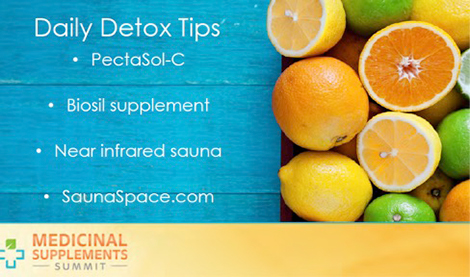
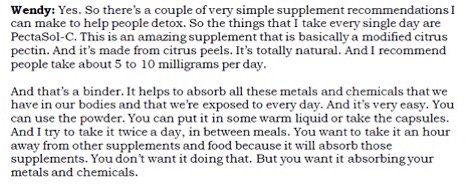
Wendy Myers, co-host of the Medicinal Supplements Summit, addresses minerals, toxins and heavy metals and shares one her favorite supplements for detox support: modified citrus pectin. This entire interview is fascinating!

medicinal-supplements-summit-detox

wendy-detox

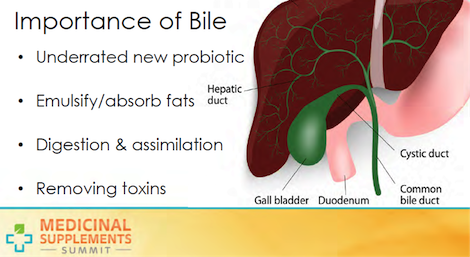
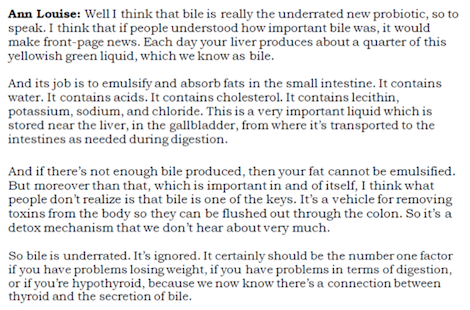
I just love Ann Louise Gittleman’s interview on the importance of bile for absorbing fats, hormone production, removing toxins, thyroid health, digestion and anxiety, and so much more. For promoting bile production and thinning, she covers choline, taurine, beets, lipase, bitter greens, apple-cider vinegar, hot lemon water and more.

bile

ann-louise-gittleman-bile

medicinal-supplements-summit-attend

Tune in to hear these entire interviews and all the other great speakers!

You can use this link to register for access https://qt247.isrefer.com/go/SUPP16reg/trudyscottcn/

And use this link to purchase at summit special prices https://qt247.isrefer.com/go/SUPP16order/trudyscottcn/

Filed Under: Detoxification, Events Tagged With: ann louise gittleman, bile, detox, Medicinal supplements summit, supplements

Primary Sidebar

GABA QuickStart Homestudy

gaba quickstart homestudy

Free Report

9 Great Questions Women Ask about Food, Mood and their Health

You'll also receive a complimentary subscription to my ezine "Food, Mood and Gal Stuff"


Connect with me

Popular Posts

  • Amino Acids Mood Questionnaire from The Antianxiety Food Solution
  • The Antianxiety Food Solution Amino Acid and Pyroluria Supplements
  • Pyroluria Questionnaire from The Antianxiety Food Solution
  • Collagen and gelatin lower serotonin: does this increase your anxiety and depression?
  • Tryptophan for the worry-in-your-head and ruminating type of anxiety
  • GABA for the physical-tension and stiff-and-tense-muscles type of anxiety
  • The Antianxiety Food Solution by Trudy Scott
  • Seriphos Original Formula is back: the best product for anxiety and insomnia caused by high cortisol
  • Am I an anxious introvert because of low zinc and vitamin B6? My response to Huffington Post blog
  • Vagus nerve rehab with GABA, breathing, humming, gargling and key nutrients

Recent Posts

  • Her cravings for chips and peanut butter were triggered by stress: GABA ends cravings and reduces physical tension and fear of heights
  • It is truly miraculous to be able to move through life without crippling anxiety and panic
  • GABA and tryptophan combo provide immediate and noticeable relief for tremors and cervical dystonia in just 7 days
  • Red light therapy for back and neck pain, plantar fasciitis and low mood – a complement to the amino acids GABA, DPA and tryptophan
  • What do I use instead of Seriphos to help lower high cortisol that is affecting my sleep and making me anxious at night?

Categories

  • 5-HTP
  • AB575
  • Addiction
  • ADHD
  • Adrenals
  • Alcohol
  • Allergies
  • Alzheimer's disease
  • Amino Acids
  • Anger
  • Antianxiety
  • Antianxiety Food Solution
  • Antidepressants
  • Anxiety
  • Anxiety and panic
  • Autism
  • Autoimmunity
  • benzodiazapines
  • Bipolar disorder
  • Books
  • Caffeine
  • Cancer
  • Candida
  • Children/Teens
  • Collagen
  • Cooking equipment
  • Coronavirus/COVID-19
  • Cravings
  • Depression
  • Detoxification
  • Diabetes
  • Diet
  • DPA/DLPA
  • Drugs
  • EFT/Tapping
  • EMF
  • EMFs
  • Emotional Eating
  • Endorphins
  • Environment
  • Essential oils
  • Events
  • Exercise
  • Fear
  • Fear of public speaking
  • Fertility and Pregnancy
  • Fish
  • Food
  • Food and mood
  • Functional neurology
  • GABA
  • Gene polymorphisms
  • General Health
  • Giving
  • Giving back
  • Glutamine
  • Gluten
  • GMOs
  • Gratitude
  • Gut health
  • Heart health/hypertension
  • Histamine
  • Hormone
  • Hyperparathyroidism
  • Hypoglycemia
  • Immune system
  • Inflammation
  • Insomnia
  • Inspiration
  • Introversion
  • Joy and happiness
  • Ketogenic diet
  • Lithium orotate
  • Looking awesome
  • Lyme disease and co-infections
  • MCAS/histamine
  • Medication
  • Men's health
  • Mental health
  • Mercury
  • Migraine
  • Mold
  • Movie
  • MTHFR
  • Multiple sclerosis
  • Music
  • NANP
  • Nature
  • Nutritional Psychiatry
  • OCD
  • Osteoporosis
  • Oxalates
  • Oxytocin
  • Pain
  • Paleo
  • Parasites
  • Parkinson’s disease
  • PCOS
  • People
  • PMS
  • Postpartum
  • PTSD/Trauma
  • Pyroluria
  • Questionnaires
  • Real whole food
  • Recipes
  • Research
  • Schizophrenia
  • serotonin
  • SIBO
  • Sleep
  • Special diets
  • Sports nutrition
  • Stress
  • Sugar addiction
  • Sugar and mood
  • Supplements
  • Teens
  • Testimonials
  • Testing
  • The Anxiety Summit
  • The Anxiety Summit 2
  • The Anxiety Summit 3
  • The Anxiety Summit 4
  • The Anxiety Summit 5
  • The Anxiety Summit 6
  • Thyroid
  • Thyroid health
  • Toxins
  • Tryptophan
  • Tyrosine
  • Uncategorized
  • Vegan/vegetarian
  • Women's health
  • Yoga

Archives

  • May 2026
  • April 2026
  • October 2025
  • September 2025
  • August 2025
  • July 2025
  • June 2025
  • May 2025
  • April 2025
  • March 2025
  • February 2025
  • January 2025
  • November 2024
  • October 2024
  • September 2024
  • August 2024
  • July 2024
  • June 2024
  • May 2024
  • April 2024
  • March 2024
  • February 2024
  • January 2024
  • December 2023
  • November 2023
  • October 2023
  • September 2023
  • August 2023
  • July 2023
  • June 2023
  • May 2023
  • April 2023
  • March 2023
  • February 2023
  • January 2023
  • December 2022
  • November 2022
  • October 2022
  • September 2022
  • August 2022
  • July 2022
  • June 2022
  • May 2022
  • April 2022
  • March 2022
  • February 2022
  • January 2022
  • December 2021
  • November 2021
  • October 2021
  • September 2021
  • August 2021
  • July 2021
  • June 2021
  • May 2021
  • April 2021
  • March 2021
  • February 2021
  • January 2021
  • December 2020
  • November 2020
  • October 2020
  • September 2020
  • August 2020
  • July 2020
  • June 2020
  • May 2020
  • April 2020
  • March 2020
  • February 2020
  • January 2020
  • December 2019
  • November 2019
  • October 2019
  • September 2019
  • August 2019
  • July 2019
  • June 2019
  • May 2019
  • April 2019
  • March 2019
  • February 2019
  • January 2019
  • December 2018
  • November 2018
  • October 2018
  • September 2018
  • August 2018
  • July 2018
  • June 2018
  • May 2018
  • April 2018
  • March 2018
  • February 2018
  • January 2018
  • December 2017
  • November 2017
  • October 2017
  • September 2017
  • August 2017
  • July 2017
  • June 2017
  • May 2017
  • April 2017
  • March 2017
  • February 2017
  • January 2017
  • December 2016
  • November 2016
  • October 2016
  • September 2016
  • August 2016
  • July 2016
  • June 2016
  • May 2016
  • April 2016
  • March 2016
  • February 2016
  • January 2016
  • December 2015
  • November 2015
  • October 2015
  • September 2015
  • August 2015
  • July 2015
  • June 2015
  • May 2015
  • April 2015
  • March 2015
  • February 2015
  • January 2015
  • December 2014
  • November 2014
  • October 2014
  • September 2014
  • August 2014
  • July 2014
  • June 2014
  • May 2014
  • April 2014
  • March 2014
  • February 2014
  • January 2014
  • December 2013
  • November 2013
  • October 2013
  • September 2013
  • August 2013
  • July 2013
  • June 2013
  • May 2013
  • April 2013
  • March 2013
  • February 2013
  • January 2013
  • December 2012
  • November 2012
  • October 2012
  • August 2012
  • July 2012
  • June 2012
  • May 2012
  • April 2012
  • March 2012
  • February 2012
  • January 2012
  • December 2011
  • November 2011
  • October 2011
  • September 2011
  • August 2011
  • July 2011
  • June 2011
  • May 2011
  • April 2011
  • March 2011
  • February 2011
  • January 2011
  • December 2010
  • October 2010
  • September 2010
  • July 2010
  • May 2010
  • April 2010
  • March 2010
  • February 2010
  • January 2010
  • November 2009

Share the knowledge!

The above statements have not been evaluated by the Food and Drug Administration. Products listed in this website are not intended to diagnose, treat, cure or prevent any disease.

The information provided on this site is for informational and educational purposes only and is not intended as a substitute for advice from your physician or other health care professional. You should consult with a healthcare professional before starting or modifying any diet, exercise, or supplementation program, before taking or stopping any medication, or if you have or suspect you may have a health problem.


Copyright © 2026 Trudy Scott. All Rights Reserved. | Privacy | Terms and Conditions | Refund Policy | Medical Disclaimer

Free Report

9 Great Questions Women Ask about Food, Mood and their Health

You’ll also receive a complimentary subscription to my ezine “Food, Mood and Gal Stuff”