• Skip to primary navigation
  • Skip to main content
  • Skip to primary sidebar

everywomanover29 blog

Food, Mood and Women's Health – Be your healthiest, look and feel great!

  • Blog
  • About
  • Services
  • Store
  • Resources
  • Testimonials
  • The Book
  • Newsletter
  • Contact
  • Search this site

Anxiety

Sjogren’s syndrome: tryptophan and GABA for anxiety, and moisturizing for dry skin and inflammation?

May 10, 2019 By Trudy Scott 33 Comments

sjogren's syndrome

A few weeks ago I blogged about a new pilot study about the use of a skin moisturizer twice a day reduced inflammation in older adults. I use the inflammation research to question if this may be applicable and helpful for you if you suffer from anxiety, extrapolating that it may well be given the added benefits of touch and an oxytocin boost.

I received a number of great questions about how to apply this information and have decided to share a question from someone with both Sjogren’s syndrome and anxiety, in order to illustrate how I’d work with someone like this.

Here is the question I received:

I would like to know how much of one’s body needs to be moisturized, and if it is also necessary to be done twice per day? Such a simple but effective way to help with anxiety. Will be slathering a lot more in the future! I have Sjogren’s so everything is dry – skin, mouth, eyes, hair. I have been trying to keep my face much “moister” and I am sure my wrinkles have lessened. I find rice bran oil is also quite good.

I’m going to address her moisturizing question below and share more about anxiety in Sjogren’s syndrome and some nutritional solutions, but first let me explain what Sjogren’s syndrome is.

An overview of Sjogren’s syndrome

Let me explain what Sjogren’s (SHOW-grins) is in case you’re not familiar with this condition. It’s an autoimmune condition and is described as follows on the Mayo Clinic site:

often accompanies other immune system disorders, such as rheumatoid arthritis and lupus. In Sjogren’s syndrome, the mucous membranes and moisture-secreting glands of your eyes and mouth are usually affected first — resulting in decreased tears and saliva.

Although you can develop Sjogren’s syndrome at any age, most people are older than 40 at the time of diagnosis. The condition is much more common in women.

The site goes on to say that other than dry eyes and mouth, some people experience joint pain and stiffness, swollen salivary glands, skin rashes or dry skin, vaginal dryness, persistent dry cough and prolonged fatigue. It’s worth a read to learn more about complications like more dental cavities, yeast infections, vision issues, problems in the lungs, kidneys or liver, the risk of lymphoma and peripheral neuropathy.

My feedback about moisturizing

In the study, moisturizing was done twice a day. I’m not sure how much of the body needs to be moisturized but if everything is dry, I’d want to moisturize as much as possible.

Given that chronic inflammation is a major factor in Sjogren’s and other autoimmune conditions like systemic lupus erythematosus, it’s feasible to expect similar benefits in terms of reduced inflammation. Hopefully we’ll see research on autoimmune conditions in the future.

When it comes to anxiety, I do want to make it clear that I was and still am extrapolating from the research on inflammation and measuring reduced anxiety was not part of the study. Moisturizing may or may not help with anxiety and I certainly wouldn’t only use this intervention.

Anxiety in Sjogren’s – low serotonin and GABA?

You may not be aware that anxiety/depression is very common in Sjogren’s. In one study they

found 33.8% patients with anxiety, and 36.9% had depression, which were significantly higher than controls.

I use a comprehensive nutritional and lifestyle approach to help my clients ease their anxiety and as I mention above, I would not only rely on moisturizing.

I would use the serotonin questionnaire to determine if low serotonin is contributing to the anxiety (the worry-in-the head and rumination type of anxiety) and do a trial of tryptophan or 5-HTP.

Interestingly, a number of studies suggest the involvement of the serotonin system in the development of Sjogren’s, with one study reporting

Significantly lower platelet levels of serotonin in Sjogren’s patients as compared to healthy controls.

They didn’t find a correlation between the levels of serotonin and how severe the Sjogren’s symptoms were, which falls in line with what we know about biochemical individuality and why doing a trial of tryptophan or 5-HTP (to find your ideal dose) is the best approach for serotonin support.

I would use also the GABA questionnaire to determine if low GABA (physical tension type of anxiety) is a factor, and do a trial of GABA.

If you recall, in the Mayo Clinic description above, stiffness is a common symptom of Sjogren’s and GABA eases stiffness.

I haven’t found any research on GABA in Sjogren’s, but one case study reports that a patient experiencing athetoid movements (a movement dysfunction, characterized by involuntary writhing movements), reported symptom improvement with hydroxychloroquine (which can have severe psychiatric effects in susceptible individuals), pilocarpine, gabapentin, and clonazepam. The latter two medications work on the GABA system.

You can find the tryptophan and GABA products I use with my clients here.

Poor sociability in Sjogrens – could this be related to pyroluria?

A study published earlier this year is reportedly the first study to conclude that patients with Sjogren’s score “high on neuroticism and anxiety and low on sociability.”

If social anxiety is a concern, I’d have her do the pyroluria questionnaire and address this if needed.

If you recall, in the Mayo Clinic description above, joint pain and dental cavities are common symptoms. These are also very common with pyroluria, so using a nutritional approach helps ease the social anxiety, and improves joint issues and mouth health.

The other factor that makes me suspect pyroluria may be common in Sjogren’s is that it’s considered a systemic connective tissue disorder, together with systemic lupus erythematosus and rheumatoid arthritis. You can read more about pyroluria and connective tissue disorders on the pyroluria prevalence blog and the Ehlers Danlos/joint hypermobility blog.

Poor mouth health is also common with histapenia/low histamine so I’d want to look into this too.

You can find the pyroluria supplements I use with my clients here.

Sjogren’s and the Autoimmune-Paleo diet

Since Sjogren’s is an autoimmune condition, following an Autoimmune-Paleo (AIP) diet is key too. Here are some books that are well-worth making part of your library, even though they are not specific to Sjogren’s syndrome they offer support for autoimmune conditions (and many individuals often have more than one autoimmune disease)

  • Hashimoto’s Protocol by Dr. Izabella Wentz (Hashimoto’s is an autoimmune thyroid condition)
  • Hashimoto’s Food Pharmacology, a recipe book by Dr. Izabella Wentz (both on Hashimoto’s but applicable to any autoimmune condition)
  • Cooking for Hormone Balance: a recipe book by Magdalena Wszelaki (she has AIP recipes)
  • The Autoimmune Solution Cookbook by Amy Myers MD

I haven’t dived into the research on all the other autoimmune conditions and the above connections (low serotonin, low GABA and pyroluria) but it’s highly likely similar connections exist. So, if you have any autoimmune condition and anxiety this could all apply for you too.

If you have been diagnosed with Sjogren’s syndrome please share if GABA and tryptophan have helped ease your anxiety, and if the pyroluria protocol has helped you with social anxiety?

And let us know if moisturizing is helping your dry skin and possibly reducing inflammation and anxiety too?
Filed Under: Anxiety, Autoimmunity, GABA, Pyroluria, serotonin, Tryptophan Tagged With: AIP diet, anxiety, autoimmune, dry skin, GABA, hashimoto's, Inflammation, moisturizer, pyroluria, serotonin, Sjogren’s syndrome, social anxiety, tryptophan

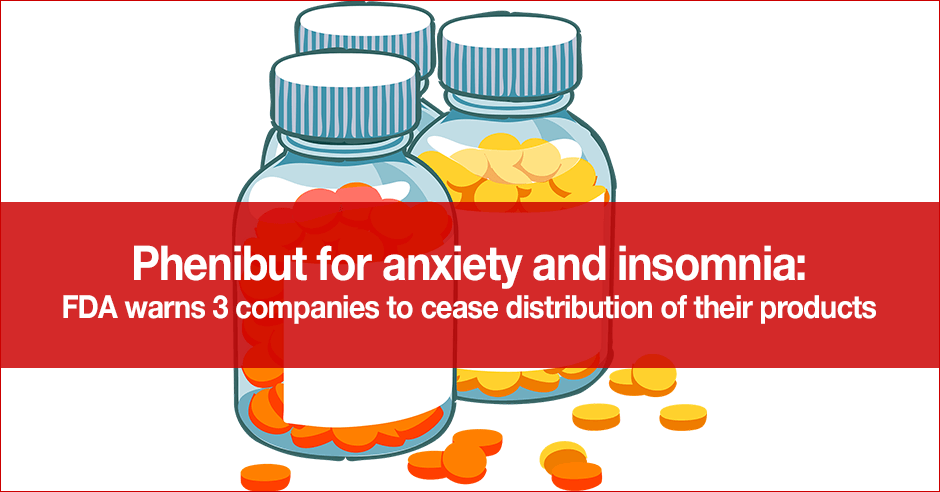
Phenibut for anxiety and insomnia: FDA warns 3 companies to cease distribution of their products

April 19, 2019 By Trudy Scott 71 Comments

Earlier this week, on April 16, 2019, the FDA issued warning letters to 3 companies have products that are marketed as dietary supplements with a label saying they contain Phenibut. These companies have been told to stop distribution of the current products and to let the FDA know within 15 days what they plan to do to be compliant with the law.

Quite frankly, I’m surprised it’s taken this long, and I actually agree with the decision. However, there are some major problems that are being overlooked with a decision like this, such as the dire consequences for susceptible individuals currently tapering from Phenibut or needing to do a slow taper once they no longer have access to Phenibut (more on that below).

The good news is that GABA, when used correctly i.e. used sublingually as part of a trial process to find the ideal amount for each person, is as effective and with none of the dependence and withdrawal issues.

Here is the announcement on the FDA site:

Phenibut has been found in products labeled as dietary supplements, sometimes marketed for uses such as a sleep aid. Phenibut does not meet the definition of a dietary ingredient Under the Federal Food, Drug, and Cosmetic Act (FD&C Act). Products labeled as dietary supplements that list phenibut as a dietary ingredient are misbranded.

Phenibut is also known as:

  • fenibut
  • phenigam
  • PhGaba
  • Phenigamma
  • Phenygam
  • 4-Amino-3-phenylbutanoic acid
  • β-(aminomethyl)benzenepropanoic acid
  • beta-(Aminomethyl)hydrocinnamic acid
  • β-phenyl-γ-aminobutyric acid

The companies have 15 business days from the date of receipt of the letter to communicate to the agency the specific steps they will take to bring their products into compliance with the law. The warning letters also caution the companies that the FDA may take enforcement action without further notice if they do not immediately cease distribution of the products.

A reaffirmed commitment to traditional advisory and enforcement actions, such as warning letters, in combination with the newly launched rapid-response tool, the Dietary Supplement Ingredient Advisory List, are integral parts of the FDA’s overall effort to strengthen the agency’s regulation and oversight of dietary supplements. We continue to look for ways to modernize our approach to protecting consumers from misbranded, unsafe, or otherwise unlawful dietary supplements.

I have always been very open with my warnings and have never recommended Phenibut because of the dependence issues and the fact that withdrawal can be similar to benzodiazepines. I blogged about my concerns back in 2016: Why I recommend GABA for anxiety instead of Phenibut

Here are a few highlights from this blog:

  • I have concerns with Phenibut and I don’t feel anyone should be using it
  • It is widely used in Russia as a prescription medication for anxiety, tension, fear, to improve sleep, pre- or post-operatively, depression, post-traumatic stress, stuttering and vestibular disorders
  • It’s available over-the-counter and as a supplement in the USA and the UK. It’s no longer available in Australia as a supplement
  • It’s very effective for anxiety and insomnia and this is why anxious individuals really love it and many practitioners recommend it before they start to see problems
  • One of the reasons Phenibut seems to work so well is because it is so similar to benzodiazepines.
  • The adverse effects can be similar to those experienced with benzos. This case study is one of many that report physical dependence can develop, including tolerance and withdrawal

Here are a few more recent case studies, reviews and papers on Phenibut:

  • Phenibut exposures and clinical effects reported to a regional poison center (the numbers are small: “56 exposure calls over 19 years with 48 (85.7%) calls within the past five years” but we know not everyone feels the need to call poison control)
  • Phenibut (β-Phenyl-γ-Aminobutyric Acid): an Easily Obtainable “Dietary Supplement” With Propensities for Physical Dependence and Addiction

Over the last several years, multiple case reports have highlighted phenibut’s potential to produce the conditions of physical dependence, withdrawal, and addiction. In cases involving intoxication, patients have presented with a varying degree of mental status changes, from being minimally responsive to manifesting symptoms of an agitated delirium. Phenibut is a potent psychoactive substance with GABAB agonist properties, which is emerging as a drug of misuse through growing internet sales. Its marketing as a “dietary supplement” is inaccurate and misleading, given its pharmacological profile and ability to induce the physiological changes associated with withdrawal and physical dependence

  • Acute phenibut withdrawal: A comprehensive literature review and illustrative case report . In many of the published cases “Patients were typically younger and had coexisting substance abuse disorders to other drugs” but based on feedback I’ve had from folks in my community and elsewhere this is certainly not the case across the board. However it may be that prior benzodiazepine or fluoroquinolone use may play a role in individuals being more susceptible to issues.
  • Phenibut (β-Phenyl-γ-Aminobutyric Acid) Psychosis. This case study was a situation of recreational abuse but even so it shows how severe symptoms can be.

I see no reason to use a product like Phenibut given the potential to cause harm and because GABA (when used correctly i.e. used sublingually as part of a trial process to find the ideal amount for each person) is as effective and with none of the dependence and withdrawal issues.

Phenibut: initially very promising results and then rebound anxiety, panic and insomnia

I’d like to share a story from someone in my community who posted on the 2016 blog above. He shared this about the addictive aspects he observed when he used a Phenibut product called GABA Wave, saying his initial reaction was very positive and quite extreme compared to his previous trials of GABA:

The initial response in the first couple of weeks was great, especially a couple of hours after taking it. The effects were a marked elevation in mood to the point of euphoria, enhanced appreciation for music, improved focus and cognition initially (but that became memory difficulty), marked relief of anxiety, increased motivation, renewed interest in things, being more talkative, a significant calming/relaxation effect, generally a deep and great night’s sleep the night of the morning it is taken.

He then shares how this changed after a few weeks with rebound insomnia, panic and anxiety, and other adverse symptoms:

However, after a few weeks it was the reaction on the following day of taking it that kicked me in the butt, literally. On the following day I began to feel very low, groggy and spaced out, almost like a hangover and then during the following night I began having brutal insomnia – a complete turn-around from the night before. A kind of rebound response. I imagine that’s when the tolerance and addiction begins to develop because one craves the next dose to provide the good night’s sleep after the bad sleep on the second night. Other side effects included mood swings, irritability, rebound anxiety, panic, loss of short-term memory, total and utter loss of any form of libido and constipation!

He shared that his diet and self-care are excellent, but he is dealing with and working past emotional and psychological traumas – and this may make him more susceptible to the adverse effects.

And this is one of the problems with Phenibut – you’ll hear excellent initial reports and for some people this continues. Not everyone is adversely affected but you just don’t know in advance if you will be someone who is adversely affected or just how badly you’ll be affected.

Merry has had very severe ongoing adverse effects from Phenibut.

Merry Citoli shares her warnings about benzodiazepine, lunesta and Phenibut withdrawal

Merry Citoli shares her warnings about benzodiazepine, lunesta and Phenibut withdrawal. Lunesta and then Phenibut were recommended to help her taper from the benzodiazepine she was prescribed for perimenopausal anxiety. At the time of this recording, she had tapered off the benzo and lunesta, but was having great difficulties tapering off Phenibut – almost as bad as her benzo taper.

You can learn more about Merry on Follow Your Bliss. She shares how cathartic it is to share her story and the desire to help stop others going through what she has been through. I’d like to acknowledge Merry for doing this (and all of you for sharing your stories and posting encouraging messages here on the blog for each other).

I’d also like to give a shout out to the Benzodiazepine Information Coalition who is doing amazing advocacy and educational work about these awful medications.

The comments in my 2016 blog: Why I recommend GABA for anxiety instead of Phenibut are worth a read if this affects you. You’ll see there are some very different thoughts on Phenibut safety and folks saying GABA won’t work. This is typical of what you can expect to hear elsewhere online.

I don’t have all the answers

I know many Phenibut users are going to be very concerned about this and we’ll be dealing with many withdrawal issues and folks looking for an alternative. I recognize that this is not going to be easy if there is no Phenibut available for tapering. There are also very serious concerns for those who can’t go cold-turkey off Phenibut and won’t have the time to taper. Abrupt discontinuation of Phenibut may result in withdrawal which can be severe and require hospitalization.

What I don’t know:

  • if other companies and products will be targeted too?
  • if Phenibut will be made available as prescription in some form or another?
  • what resources are in place or going to be put in place for individuals who are in the process for trying to taper from Phenibut right now (or if there is even the awareness that this is an issue and very needed? For people like Merry, cold-turkeying off Phenibut could be life-threatening)
  • what advocacy groups and benzo support groups know and what advice do they have?
  • what my colleagues know and are planning to do?
  • why so many practitioners recommended it and why so many companies made it available as a supplement, given the research/case studies and the issues so many individuals report?
  • if there will be a place to submit concerns and complaints?

What I do know – GABA and the foundations

Give GABA serious consideration for safe and comfortable tapering (assuming there is enough Phenibut to do slow tapers) and for ongoing support of the low GABA symptoms of physical anxiety and tension.

It’s really best that you work with your practitioner. As with a benzodiazepine, before starting a Phenibut taper, I’ve always found it’s best to get nutritionally stable as possible first and address all root causes of anxiety before starting to taper and then tapering Phenibut very very very slowly. For some folks it’s just very uncomfortable for a few weeks and for others it’s a long-term ordeal.

I use GABA sublingually after an initial trial to find the ideal amount for each person. I have found that for both a benzo and Phenibut taper, very very tiny amounts (like a pinch or dab) will be enough for some folks.

Other nutrients are used based on each person’s need – such as theanine, tryptophan, melatonin, niacinamide, zinc and vitamin B6 and others. Light therapy, exercise, yoga, meditation, getting out in nature and essential oils like lavender, citrus and jasmine are also wonderful to incorporate. Of course, diet, blood sugar control and gut health are the foundation.

These are various GABA products I use. You can find some examples on my supplements blog here:

  • Source Naturals GABA Calm (with additional information here)
  • Nutritional Fundamentals for Health GABA-T SAP: gamma-aminobutyric acid (GABA) 300 mg, l-theanine 150 mg. This is pleasant-tasting when opened on to the tongue and works very well when GABA Calm can’t be used.  I find best results when it is used opened on to the tongue.
  • Enzymatic Therapy GABA: gamma-aminobutyric acid (GABA) 250 mg. This is also pleasant-tasting when opened on to the tongue and works very well when GABA Calm can’t be used.  As with all GABA products, I find best results when it is used opened on to the tongue.
  • ProThera 500mg GABA: gamma-aminobutyric acid (GABA) 500 mg.  You will likely need to open this up and start with less than a full capsule during the day. A full capsule may be fine at night for some individuals.

They can all be purchased from my online store here.

As you can see, I don’t have all the answers about this FDA announcement, but I wanted to share what I do know so you are aware of what’s going on.

In the next few weeks I’m going to be reaching out to benzodiazepine groups, colleagues, the companies affected and individuals who are in the process for trying to taper from Phenibut. As I learn more, I’ll share what I learn.

In the meantime, please post questions you may have, and I’ll do my best to either answer them now or find answers for you.

And please do share your Phenibut stories (both good and bad), your concerns, and any resources you may have.

And do share if GABA has help you taper from Phenibut.

Filed Under: Anxiety Tagged With: anxiety, fda, GABA, GABA Calm, insomnia, panic, phenibut, theanine, tolerance, withdrawal

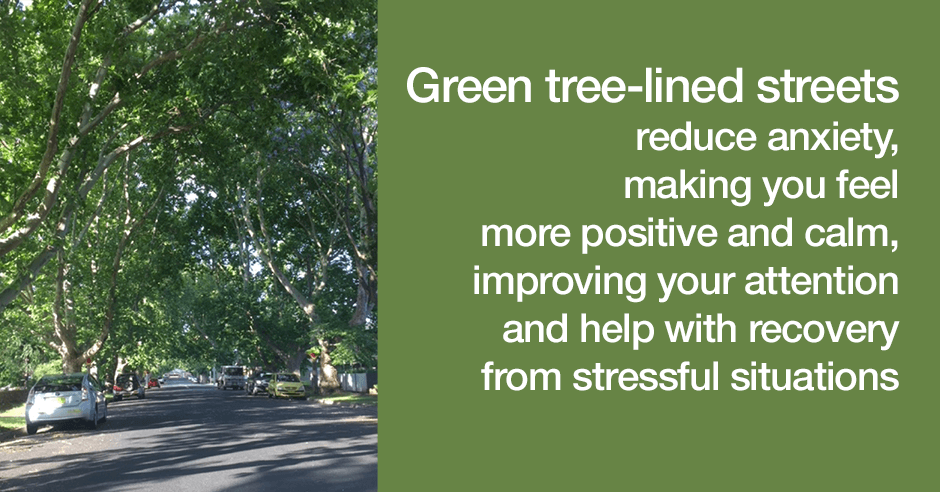
Green tree-lined streets reduce anxiety, making you feel more positive and calm, improving your attention and help with recovery from stressful situations.

January 11, 2019 By Trudy Scott 8 Comments

I’m a nature-lover and don’t need to be told that seeing trees or walking under them or driving along a tree-lined street has research supporting their benefits. I just feel the sense of wonderment, the calming effects and a heightened sense of joy and pleasure as soon as I’m in amongst trees in a street like the one above.

This is a quiet side street in the small town of Richmond in NSW, Australia. It runs perpendicular to a really busy road that heads up to North Richmond and beyond. Now the traffic doesn’t come close to comparing with Los Angeles traffic but for a small town it can be rather hectic from 4pm. If we happen to be heading towards North Richmond, we always take a detour along this wonderful tree-lined road and other similar tree-lined roads to get to where we’re going. As well as avoiding the bumper to bumper traffic we get this sense of ahhhhh!

I mentioned that I don’t need to be told there is research supporting the calming effects of tree lined-roads. But you know me: I’m always curious about the science so when I heard there was research I was of course intrigued about it and wanted to understand why they make us feel so good.

Here is some of the research I found: In Benefits of nature: what we are learning about why people respond to nature we discover that in general we respond in a positive way to nature and to trees in particular, especially “trees with spreading forms” reminiscent of trees on the African savanna. I was born in Africa and spent 32 years there so I find this so interesting! This paper also reports that

all colors were calming, but bright green trees were more calming than other tree colors, including less bright greens and oranges

and that

Adult responses to plants are also influenced by their childhood interactions with nature. We have shown that the more interaction people have with nature as children, the more positive are their attitudes towards nature as adults.

In this study: Stress recovery during exposure to natural and urban environments, the 120 participants were exposed to “color/sound videotapes of one of six different natural and urban settings” after watching a stressful movie. Watching the natural settings had a measurable impact on parasympathetic measures such as heart rate and muscle tension and they felt more positive, experienced improved attention and had better stress recovery.

In another study The View From the Road: Implications for Stress Recovery and Immunization, drivers were presented with a stress-causing stimulus and their reactions measured as they recovered from the stress. The Safe Streets report from the University of Washington summarizes the outcome:

Those viewing built-up, strip-mall-style roadside environments in a simulated drive after the stressful experience showed a slower and physiologically incomplete recovery and reported more negative feelings. Study participants seeing more natural roadside scenes (forests or golf courses) returned to normal baseline measures faster. An “immunization effect” was also detected, as initial exposure to a natural roadside setting decreased the magnitude of response to a subsequent stressful task.

And finally, the research about forest-bathing (known as Shinrin-yoku), although not directly related to stress-reduction from driving along tree-lined streets is worth mentioning. Just the word “forest-bathing” makes me smile.

Research on forest-bathing shows how spending time in forests can lower high blood pressure, and help ease modern-day “stress-state” and “technostress”. In one study, Effects of Short Forest Bathing Program on Autonomic Nervous System Activity and Mood States in Middle-Aged and Elderly Individuals:

The Profile of Mood States negative mood subscale scores of “tension-anxiety”, “anger-hostility”, “fatigue-inertia”, “depression-dejection”, and “confusion-bewilderment” were significantly lower, whereas the positive mood subscale score of “vigor-activity” was higher.

In summary, in this study, the 128 middle-aged and elderly individuals spent only 2 hours in a forest setting and felt less tense, had reduced anxiety, experienced less anger and hostility, felt less fatigued, were not depressed or dejected, felt less confused/bewildered and had more vigor and energy. This was after only 2 hours of forest-bathing!

Here are some ways you can get the most out of this information for your own sense of calm:

  • Take a detour like we do if at all possible and enjoy the calming effects of driving along a tree-lined street. Better yet, take a moment to get out the car and soak in the beauty while walking down the road. And best of all, take a full-day hike on a weekend or go camping for 2 days.
  • Plant a tree (or more than one) outside your home or get involved with a tree-planting committee at your child’s or your grand-child’s school or place of work to do the same
  • Talk to your local mayor and council members to make tree planting in your community a priority
  • If you live in a built-up city and can’t do any of the above, make an effort to spend quiet time in a nearby park
  • Find a tree-planting charity that is a good fit and make a donation in the name of a loved one in lieu of a gift or just do it for yourself
  • If you’re housebound (with agoraphobia for some other reason), find some pictures or a poster of green trees or dig out some old photos. Just looking at pictures of nature and greenery have a stress reducing effect.

On that note here is the bigger version of my Richmond tree-lined street image so you can enjoy looking at it while reading this blog AND get some of the stress-reducing benefits…until you’re in your own tree-lined street or out in nature.

Tree-lined street stress-reducing


I hope this motivates and inspires you to drive down more tree-lined streets and to do something tree-related in your life in addition to all the nutritional changes you’re making to eliminate your anxiety!

We’d love to hear how much you love trees and the outdoors. Do you have a favorite tree-planting charity? Feel free to share your feedback and questions too.

Filed Under: Anxiety, Nature Tagged With: anxiety, attention, calm, green, happy, positive, recovery from stressful situations, streets, stress, tree-lined

The role of low serotonin, low vitamin B6 and low iron in anxiety and panic attacks

December 7, 2018 By Trudy Scott 17 Comments

Low serotonin can cause anxiety and panic attacks. Because vitamin B6 and iron are required raw materials for making serotonin, we know that low levels of these two nutrients often contribute to anxiety and panic attacks.

We have some pretty recent research supporting all this: Low serum concentrations of vitamin B6 and iron are related to panic attack and hyperventilation attack

Reduced serotonin level is known as one of the causes of panic attacks and hyperventilation attacks ….

In the serotonin synthesis system of the brain, vitamin B6 is a coenzyme for tryptophan hydroxylase, which is involved in the conversion of tryptophan into 5-hydroxytryptophan and iron serves as a cofactor for aromatic L-amino acid decarboxylase involved in the formation of serotonin from 5-hydroxytryptophan. Therefore, a reduction in vitamin B6 and iron levels can suppress the progression of the serotonin synthesis.

The study authors measured serum levels of vitamins B2, B6, and B12 and iron in 21 premenopausal women who had been admitted to the emergency room with panic attacks.

The results were compared with lab values from 20 volunteers, also premenopausal women, and this is what they reported:

We found that both vitamin B6 and iron levels were significantly lower in the panic attack/hyperventilation attack group than in the volunteer group. There was no significant difference in the serum levels of vitamins B2 or B12.

These results suggest that low serum concentrations of vitamin B6 and iron are involved in panic attacks and hyperventilation attacks.

This certainly confirms what I see with my clients. When I’m working with someone with anxiety, we always assess for low serotonin, low iron and low vitamin B6 levels, and when we address low levels we almost always see improvements – both in the reduction of anxiety and panic attacks. We’ll often see a mood boost too, sleep improvements and a reduction in carb cravings.

Here are some additional factors to consider:

  • Vitamin B6 can be challenging to measure in serum so I like to also use the pyroluria questionnaire and poor dream recall as a clue. The authors mention that serum pyridoxal 5-phosphate (PLP) is often used as an indication of B6 status, however they opted to use pyridoxal (PAL) after conversion from PLP.
  • Supplementing with vitamin B6 can often lead to some improvements in a few weeks with many folks who have pyroluria reporting feeling less anxious and more social within a week.
  • There is the potential for vitamin B6 toxicity. I have yet to see any signs of toxicity in my clients, but I have also not ever recommended more than 500mg/day. However, there are some individuals who have issues with very small amounts of vitamin B6. Unfortunately, I do not know why this happens.
  • Testing ferritin levels are an excellent way to assess iron levels and iron should never be supplemented unless iron is low. Dr. Izabella Wentz, shares in her book Hashimoto’s Protocol and blog that the optimal ferritin level for thyroid function is between 90-110 ng/m. Addressing low iron levels can take awhile to see a shift in labs.
  • Because zinc and magnesium are also cofactors for making serotonin, low levels may also need to be addressed. I would have loved to see these included in this study,
  • As always, we assess for low serotonin levels using the amino acid questionnaire and start on tryptophan or 5-HTP right away, based on doing trials – so we can see anxiety reduction and relief from panic attacks right away, while the other changes are starting to provide the raw materials for serotonin production.

Keep in mind that low serotonin and low iron and/or low vitamin B6 – although very common with anxiety and panic attacks – are not the only root cause and many other factors may also need to be addressed.

We’d love to hear if addressing low iron and/or low vitamin B6 levels have helped you? Did you use tryptophan and/or 5-HTP at the same time?

If you’re a practitioner, are often do you see low iron and/or low vitamin B6 in your anxious clients/patients?

Filed Under: Anxiety Tagged With: 5-HTP, anxiety, ferritin, hyperventilation attacks, iron, magnesium, panic attacks, premenopausal, serotonin, tryptophan, vitamin B6, women, zinc

Using amino acids for anxiety and depression: does the right dose ever change or need a tweak?

October 19, 2018 By Trudy Scott 14 Comments

If you are using targeted individual amino acids for anxiety and/or depression and doing well on them, you’ll likely get to the point when you’re asking questions like how to discontinue them and does the right dose ever change or need a tweak, especially after some stressful life events. Amy posted this question in the comments section of the blog on using tyrosine to create a sense of calm energy (paraphrased and formatting for ease of reading)

Trudy you are a God send! I stumbled upon your work after following Julia Ross. I have depression and anxiety. I’m currently taking:

1000 mg tyrosine 2x daily

500 mg glutamine morning, 1000mg mid-morning and afternoon

500mg DPA (Endorphigen) 3 x daily (previously I was using DLPA but your recommended DPA was so much better and less stimulating)

50 mg 5-HTP afternoon and

1500mg tryptophan at night

I used the amino acids to treat what used to be referred to as “atypical” depression: loss of motivation, tiredness, lethargic, intense carb craving, feelings of guilt and hopelessness. I would become paralyzed with depression, barely able to get through the days. When I was younger I treated these episodes with antidepressants but as I got older could no longer tolerate the side effects. I’m also still on birth control pills at the age of 46 and believe I may be in perimenopause but can’t stop the pills for medical reasons.

Tyrosine gave me my energy back, glutamine cut the carb cravings. DPA and True Calm work wonders for my anxiety.

I watch my sugar intake and always consume lots of animal protein. I’m so grateful for this solution.

After trialing this seems to be the right combo. I always get confused when is it time to discontinue supplements? Do you stop or slowly reduce or taper?

Does the “right” dose ever change? I’ve been on this combo about 2 months. I’ve felt great but some anxiety/panic creeping back up …. wondering if supplements need a tweak or is this just the result of some stressful life events. Advice appreciated!

I was really pleased to hear the wonderful results she was having and glad that she had trialed the amino acids to find the correct amount for her unique needs and situation. I don’t see this happening often enough and it really is the most effective way to get results. It’s what I do with all my clients – methodical, step-by-step trialing of each amino acid, one at a time and carefully documenting results (both good and bad) in order to find the optimal dose of each one.

When and how to discontinue the amino acids?

To answer her question about when and how to discontinue this is my feedback:

Once you are feeling back to your old self with no more anxiety, panic attacks or depression, you may choose to stop everything at once, but I prefer to slowly lower the amount of one amino acid at a time and add back if your symptoms come back. They don’t need to be “tapered” but doing it this way it helps with preventing your original anxiety and depression symptoms going back to really bad in one big swoop and having to start all over again.

I will add that I have had feedback from someone saying when she stopped tryptophan abruptly she felt the same withdrawal effects as when she weaned off meds but based on my experience this is very rare.

After posting her question Amy made some adjustments – taking less of all of them. As I mentioned above I find it better to lower the amount of one amino acid at a time – kind of reverse of the trialing method you use when starting the amino acids. Also, since she mentioned she felt anxiety/panic creeping back up, I would have expected her to increase some of the calming amino acids.

Does the right dose ever change or need a tweak?

And to answer Amy’s other question: does the right dose ever change or need a tweak?

Yes, the “right dose” can change based on stressful life events especially if you have pyroluria – stressful life events can cause you to dump more zinc and vitamin B6 affecting serotonin and GABA production and increasing the social anxiety.

Amy does mention that she’s on the birth control pill and this depletes zinc and vitamin B6 and hence serotonin) and has an impact on the microbiome – so this may well be playing a role in the need to tweak doses.

There are many other factors that could lead to the need to adjust the amino acids (or other supplement protocols):

  • hormonal changes like PMS, perimenopause or menopause
  • something contributing to leaky gut like adding back gluten or accidental exposure to gluten
  • antibiotics (affecting the microbiome and serotonin/GABA levels)
  • artificial sweeteners (because of their effect on the microbiome and hormones)
  • starting on other medications (since many cause nutritional depletions)
  • adding in a new food like collagen/gelatin (for some people collagen and gelatin may lower serotonin levels)
  • running a marathon (it likely depletes zinc and may ramp up cortisol)
  • a formulation changing completely without you knowing (one example is Seriphos – used to lower high cortisol – where the core ingredient changed completely and the labeling stayed the same)
  • a product changing from using gelatin to cellulose capsules (this may be problematic if you have SIBO)
  • you move into a new home and get mold exposure
  • you get a new dog or cat and start using Frontline Plus for fleas (fipronil, the active ingredient, targets GABA receptors and recent research points to increased anxiety, aggressive behavior, memory problems)
  • you have started using a sauna (depletion of zinc and other minerals, as well as stirring up toxins)
  • your need for serotonin support increases as you head into winter-time (some low serotonin folks are more susceptible to the winter blues)
  • a recent course of fluoroquinolone antibiotics (impacts on magnesium and GABA levels and the mitochondria)
  • you may no longer need them

This is not a complete list of reasons that could impact you but this will give you an idea of what to start to think about.

Hopefully this shows how important it is to monitor how you’re doing and adjust as needed (either up or down) and think about what is changing in your life.

If you’d like to read about the amino acids products Amy uses – the same ones I recommend and use with clients – you can find them listed on my supplements blog.

We appreciate Amy for allowing me to share her results and posting these questions which are a great learning opportunity for you.  She shared this with me:

I hope my “story” is helpful. Keep doing this important work! I work in the behavior health field. My colleagues think this is radical thinking and continue to only support the medical model. I’ve done a lot of my own research and trial and error. I wish there were more-open minded clinicians.

Hopefully with success stories like this, all the nutritional psychiatry research and behavioral health practitioners like Amy who have experienced it first hand and/or with clients/patients and family, we’ll change how mental health care is approached.

Do success stories like this lead you to be more open-minded about anxiety nutrition solutions? Have they worked for you?

And have you found the ideal dose of amino acids and then needed to adjust them up or down based on any of the above? How methodical were you in doing your adjustments?

Filed Under: Amino Acids, Anxiety, Anxiety and panic, Tryptophan Tagged With: adjust, anxiety, depression, discontinue, DPA, microbiome, right dose, stress, taper, tryptophan, tweak, tyrosine

Tyrosine for alleviating anxiety and panic attacks and creating a feeling of calm focus

August 31, 2018 By Trudy Scott 72 Comments

If you had anxiety, felt hugely stressed and were having panic attacks would you consider using tyrosine to help calm you? It’s not the first approach I use with a client as I typically want to calm things down first by addressing the low serotonin symptoms of anxiety (such as worry, overwhelm, insomnia and panic attacks) and the low GABA physical symptoms of anxiety (physical tension, stiff and tense muscles, overwhelm and panic attacks).

However, for some individuals addressing low catecholamines with tyrosine is the best approach to take, even if it feels counter-intuitive. Since everyone is different using the trial method is the best way to figure out what you need.

Here is another success story from someone using tyrosine, as shared in the comments on a recent blog post on tyrosine:

Tyrosine for anxiety has done wonders for me! I have tried GABA and Tryptophan. The GABA seemed to take the edge off a little when panic attacks occurred but wasn’t keeping anxiety from occurring.

I have been under tremendous pressure at work. The internal stress has been overwhelming! I haven’t been able to remember anything, even things I’ve done for years! I am in the process of learning new software at work. In the very first class my mind just went blank. The more I tried to focus the more stressed I became. All I could do was sit and stare at my screen while the rest of the class moved forward.

In short order I developed a migraine and panic. The internal pressure felt as if someone was wringing out my brain like one would do to a wash rag! I had to leave the class earlier. From this point on I was struggling to even do my job as I have done the last few years. Every time I tried to think I’d immediately become overwhelmed and shut down. I felt like crying most of the time from the sheer force of the internal pressure (this is embarrassing to admit as I’m someone with a competitive career). This stress just completely shut down my ability to learn and problem solve.

So, I decided to start some tyrosine. I was hesitant because I have heard it can cause panic attacks and I definitely don’t need more of those! I bought some powder and took 400mg on an empty stomach about 30 minutes before breakfast. WOW!!! Within an hour the stress just melted away!

I wasn’t stressed on my way to work either which normally I am. I was able to sit down and think thru my problems without feeling overwhelmed at all. Also, I was communicating with people much more easily. I noticed better eye-contact. I seemed less concerned of anyone’s opinions too.

I take another 400mg 30 minutes before lunch. I simply cannot believe how much better I am doing!

Just a few weeks prior I was telling my wife that I may need to start thinking about starting the process for disability because I simply could not function well enough to do my job.

I’d also add that the stress from the anxiety was so bad I felt like I had the flu for a few weeks. This also has dissipated since starting the tyrosine.

It’s still early in this experiment but I am hopeful for once. Nothing, and I mean NOTHING has worked so well so fast for me than tyrosine. It’s the closest thing to a miracle I’ve ever experienced. A night and day experience!

What wonderful results! I’m thrilled to hear about his “miracle” and that he’s doing so much better, that he has hope and that the stress from the anxiety has dissipated!

What approach to follow if you can relate to this situation

Of course, I thanked him for sharing his success story with tyrosine and added my response for other blog readers who may relate to this situation and may consider a trial of tyrosine as a first step when anxiety is an issue.

I still stand by my advice to start with GABA and tryptophan when you have anxiety whether it’s the low serotonin-type anxiety (worry in the head) or the low GABA-type anxiety (physical anxiety). I always have clients start by addressing these deficiencies first before adding tyrosine for the low catecholamine symptoms because tyrosine is too stimulating for many and can increase anxiety and insomnia (and may also cause a panic attack).

With the majority of the anxious clients that I’ve worked with, the order of doing trials is as follows: tryptophan or GABA first and then tyrosine.

Addressing his low catecholamine symptoms was what he needed

For this gentleman, clearly GABA and tryptophan support was not what he needed or was not enough to ease his anxiety. Addressing his low catecholamine symptoms was what he needed to do.

In case you’re wondering how he’s doing now – I reached out to him and he reports he’s still taking tyrosine and is still doing great!

He is the third person that I know of who has experienced these types of results with tyrosine so I expect there are others who could benefit too – which is why I decided to share his story.

Increased anxiety because of lack of focus and low motivation

Here is another similar story from a prior client of mine. She had terrible anxiety, and we trialed both GABA and tryptophan. While she did get some benefits with both it just wasn’t enough.

She was sleeping better but still felt so stressed and anxious when preparing for an important meeting at work which she was in charge of running. The anxiety also seemed to get worse during the meetings. She did also score high on the low catecholamines section on the amino acid questionnaire (poor focus, low motivation, fatigue, ADHD, depression) but were working on the low serotonin and low GABA types of anxiety before addressing poor focus and low motivation.

It turned out that her anxiety escalated around her work meetings because of her lack of focus and low motivation – she was pushing herself to get through them. Once she added tyrosine her anxiety was under control. In this instance tyrosine actually helped ease the anxiety because her ADHD symptoms diminished and her motivation and drive improved!

This is what biochemically individuality is all about and how we all have our own unique needs. And is why I love the trial-method for determining which amino acid is best for your own unique needs.

Here are some related blog posts that you may find helpful:

  • Amino Acids Mood Questionnaire from The Antianxiety Food Solution
  • How to do an amino acid trial for anxiety
  • Tyrosine for focus, motivation, energy, a good mood and possibly even anxiety

Do let us know if you have experienced less anxiety and a sense of calm focus when taking tyrosine?

Filed Under: Anxiety Tagged With: Amino acid trial, anxiety, calm, catecholamines, GABA, serotonin, stress, tyrosine

  • « Go to Previous Page
  • Page 1
  • Interim pages omitted …
  • Page 27
  • Page 28
  • Page 29
  • Page 30
  • Page 31
  • Interim pages omitted …
  • Page 34
  • Go to Next Page »

Primary Sidebar

GABA QuickStart Homestudy

gaba quickstart homestudy

Free Report

9 Great Questions Women Ask about Food, Mood and their Health

You'll also receive a complimentary subscription to my ezine "Food, Mood and Gal Stuff"


Connect with me

Popular Posts

  • Amino Acids Mood Questionnaire from The Antianxiety Food Solution
  • The Antianxiety Food Solution Amino Acid and Pyroluria Supplements
  • Pyroluria Questionnaire from The Antianxiety Food Solution
  • Collagen and gelatin lower serotonin: does this increase your anxiety and depression?
  • Tryptophan for the worry-in-your-head and ruminating type of anxiety
  • GABA for the physical-tension and stiff-and-tense-muscles type of anxiety
  • The Antianxiety Food Solution by Trudy Scott
  • Seriphos Original Formula is back: the best product for anxiety and insomnia caused by high cortisol
  • Am I an anxious introvert because of low zinc and vitamin B6? My response to Huffington Post blog
  • Vagus nerve rehab with GABA, breathing, humming, gargling and key nutrients

Recent Posts

  • Her cravings for chips and peanut butter were triggered by stress: GABA ends cravings and reduces physical tension and fear of heights
  • It is truly miraculous to be able to move through life without crippling anxiety and panic
  • GABA and tryptophan combo provide immediate and noticeable relief for tremors and cervical dystonia in just 7 days
  • Red light therapy for back and neck pain, plantar fasciitis and low mood – a complement to the amino acids GABA, DPA and tryptophan
  • What do I use instead of Seriphos to help lower high cortisol that is affecting my sleep and making me anxious at night?

Categories

  • 5-HTP
  • AB575
  • Addiction
  • ADHD
  • Adrenals
  • Alcohol
  • Allergies
  • Alzheimer's disease
  • Amino Acids
  • Anger
  • Antianxiety
  • Antianxiety Food Solution
  • Antidepressants
  • Anxiety
  • Anxiety and panic
  • Autism
  • Autoimmunity
  • benzodiazapines
  • Bipolar disorder
  • Books
  • Caffeine
  • Cancer
  • Candida
  • Children/Teens
  • Collagen
  • Cooking equipment
  • Coronavirus/COVID-19
  • Cravings
  • Depression
  • Detoxification
  • Diabetes
  • Diet
  • DPA/DLPA
  • Drugs
  • EFT/Tapping
  • EMF
  • EMFs
  • Emotional Eating
  • Endorphins
  • Environment
  • Essential oils
  • Events
  • Exercise
  • Fear
  • Fear of public speaking
  • Fertility and Pregnancy
  • Fish
  • Food
  • Food and mood
  • Functional neurology
  • GABA
  • Gene polymorphisms
  • General Health
  • Giving
  • Giving back
  • Glutamine
  • Gluten
  • GMOs
  • Gratitude
  • Gut health
  • Heart health/hypertension
  • Histamine
  • Hormone
  • Hyperparathyroidism
  • Hypoglycemia
  • Immune system
  • Inflammation
  • Insomnia
  • Inspiration
  • Introversion
  • Joy and happiness
  • Ketogenic diet
  • Lithium orotate
  • Looking awesome
  • Lyme disease and co-infections
  • MCAS/histamine
  • Medication
  • Men's health
  • Mental health
  • Mercury
  • Migraine
  • Mold
  • Movie
  • MTHFR
  • Multiple sclerosis
  • Music
  • NANP
  • Nature
  • Nutritional Psychiatry
  • OCD
  • Osteoporosis
  • Oxalates
  • Oxytocin
  • Pain
  • Paleo
  • Parasites
  • Parkinson’s disease
  • PCOS
  • People
  • PMS
  • Postpartum
  • PTSD/Trauma
  • Pyroluria
  • Questionnaires
  • Real whole food
  • Recipes
  • Research
  • Schizophrenia
  • serotonin
  • SIBO
  • Sleep
  • Special diets
  • Sports nutrition
  • Stress
  • Sugar addiction
  • Sugar and mood
  • Supplements
  • Teens
  • Testimonials
  • Testing
  • The Anxiety Summit
  • The Anxiety Summit 2
  • The Anxiety Summit 3
  • The Anxiety Summit 4
  • The Anxiety Summit 5
  • The Anxiety Summit 6
  • Thyroid
  • Thyroid health
  • Toxins
  • Tryptophan
  • Tyrosine
  • Uncategorized
  • Vegan/vegetarian
  • Women's health
  • Yoga

Archives

  • May 2026
  • April 2026
  • October 2025
  • September 2025
  • August 2025
  • July 2025
  • June 2025
  • May 2025
  • April 2025
  • March 2025
  • February 2025
  • January 2025
  • November 2024
  • October 2024
  • September 2024
  • August 2024
  • July 2024
  • June 2024
  • May 2024
  • April 2024
  • March 2024
  • February 2024
  • January 2024
  • December 2023
  • November 2023
  • October 2023
  • September 2023
  • August 2023
  • July 2023
  • June 2023
  • May 2023
  • April 2023
  • March 2023
  • February 2023
  • January 2023
  • December 2022
  • November 2022
  • October 2022
  • September 2022
  • August 2022
  • July 2022
  • June 2022
  • May 2022
  • April 2022
  • March 2022
  • February 2022
  • January 2022
  • December 2021
  • November 2021
  • October 2021
  • September 2021
  • August 2021
  • July 2021
  • June 2021
  • May 2021
  • April 2021
  • March 2021
  • February 2021
  • January 2021
  • December 2020
  • November 2020
  • October 2020
  • September 2020
  • August 2020
  • July 2020
  • June 2020
  • May 2020
  • April 2020
  • March 2020
  • February 2020
  • January 2020
  • December 2019
  • November 2019
  • October 2019
  • September 2019
  • August 2019
  • July 2019
  • June 2019
  • May 2019
  • April 2019
  • March 2019
  • February 2019
  • January 2019
  • December 2018
  • November 2018
  • October 2018
  • September 2018
  • August 2018
  • July 2018
  • June 2018
  • May 2018
  • April 2018
  • March 2018
  • February 2018
  • January 2018
  • December 2017
  • November 2017
  • October 2017
  • September 2017
  • August 2017
  • July 2017
  • June 2017
  • May 2017
  • April 2017
  • March 2017
  • February 2017
  • January 2017
  • December 2016
  • November 2016
  • October 2016
  • September 2016
  • August 2016
  • July 2016
  • June 2016
  • May 2016
  • April 2016
  • March 2016
  • February 2016
  • January 2016
  • December 2015
  • November 2015
  • October 2015
  • September 2015
  • August 2015
  • July 2015
  • June 2015
  • May 2015
  • April 2015
  • March 2015
  • February 2015
  • January 2015
  • December 2014
  • November 2014
  • October 2014
  • September 2014
  • August 2014
  • July 2014
  • June 2014
  • May 2014
  • April 2014
  • March 2014
  • February 2014
  • January 2014
  • December 2013
  • November 2013
  • October 2013
  • September 2013
  • August 2013
  • July 2013
  • June 2013
  • May 2013
  • April 2013
  • March 2013
  • February 2013
  • January 2013
  • December 2012
  • November 2012
  • October 2012
  • August 2012
  • July 2012
  • June 2012
  • May 2012
  • April 2012
  • March 2012
  • February 2012
  • January 2012
  • December 2011
  • November 2011
  • October 2011
  • September 2011
  • August 2011
  • July 2011
  • June 2011
  • May 2011
  • April 2011
  • March 2011
  • February 2011
  • January 2011
  • December 2010
  • October 2010
  • September 2010
  • July 2010
  • May 2010
  • April 2010
  • March 2010
  • February 2010
  • January 2010
  • November 2009

Share the knowledge!

The above statements have not been evaluated by the Food and Drug Administration. Products listed in this website are not intended to diagnose, treat, cure or prevent any disease.

The information provided on this site is for informational and educational purposes only and is not intended as a substitute for advice from your physician or other health care professional. You should consult with a healthcare professional before starting or modifying any diet, exercise, or supplementation program, before taking or stopping any medication, or if you have or suspect you may have a health problem.


Copyright © 2026 Trudy Scott. All Rights Reserved. | Privacy | Terms and Conditions | Refund Policy | Medical Disclaimer

Free Report

9 Great Questions Women Ask about Food, Mood and their Health

You’ll also receive a complimentary subscription to my ezine “Food, Mood and Gal Stuff”