• Skip to primary navigation
  • Skip to main content
  • Skip to primary sidebar

everywomanover29 blog

Food, Mood and Women's Health – Be your healthiest, look and feel great!

  • Blog
  • About
  • Services
  • Store
  • Resources
  • Testimonials
  • The Book
  • Newsletter
  • Contact
  • Search this site

Anxiety

Imposter syndrome and low serotonin: is tryptophan the solution?

February 28, 2020 By Trudy Scott 75 Comments

imposter syndrome

An article published on Psychology Today states that imposter syndrome and “feelings of inadequacy are surprisingly common” and cites the results of a 2020 systematic review:

62 studies with over 14,000 participants found that a staggering 56 percent to 82 percent of individuals, across genders, backgrounds, and ages, experienced imposter feelings at some point.

In case you aren’t familiar with the term imposter syndrome, many of my clients who appear to have very successful careers will say to me … “I feel like I’m an imposter. They’re going to catch me out at what I’m doing. I’m not really as good as everyone thinks I am.” Perhaps you can relate to this? You just don’t feel that you’re good enough – you’re faking it until you make it and putting on a brave face.

No-one is talking about the biochemical and low serotonin aspect of imposter syndrome and the role tryptophan plays. This really does need to be part of the discussion and part of the solution.

Read on for examples of imposter syndrome you may resonate with and the typical tools that are offered to help you reframe and be kind to yourself (hint: it’s hard work when it’s a biochemical imbalance); and the simple biochemical solution i.e. addressing low serotonin. You also need to figure out why serotonin is low and address this. There is no research supporting this low serotonin connection but there is a proposal to investigate serotonin, oxytocin, and dopamine systems among those who suffer with imposter syndrome. You’ll also find additional resources if you need guidance using amino acids like tryptophan/5-HTP and GABA.

There is more awareness but it’s really hard work to reframe and be kind to yourself

Valerie Young’s excellent book, The Secret Thoughts of Successful Women: Why Capable People Suffer from the Impostor Syndrome and How to Thrive in Spite of It, [my Amazon link] has created the awareness we need and offers so much in terms of recognizing the way imposter syndrome mani­fests in our lives. She shares these examples which you may also resonate with:

From the high-achieving Ph.D. candidate convinced she’s only been admitted to the program because of a clerical error to the senior executive who worries others will find out she’s in way over her head, a shocking number of accomplished women in all ca­reer paths and at every level feel as though they are faking it – impostors in their own lives and careers.

This article in Harvard Business Review, Overcoming Imposter Syndrome, states

Imposter syndrome can be defined as a collection of feelings of inadequacy that persist despite evident success. ‘Imposters’ suffer from chronic self-doubt and a sense of intellectual fraudulence that override any feelings of success or external proof of their competence.

The article mentions phrases such as “I must not fail”, “I feel like a fake” and “it’s all down to luck”, offering these tools: recognize the imposter feelings, reframe, talk about how you feel, be kind to yourself, visualize success and seek support.

This is all great advice but it’s hard work when you’re already struggling and when it’s actually a biochemical imbalance! What if there was a simple solution that involved addressing low serotonin with an amino acid supplement such as tryptophan or 5-HTP?

What if there was a simple biochemical solution i.e. address low serotonin?

If your serotonin is low you WILL feel like this: plenty of self-doubt, lack of confidence and negative self talk. It’s common to feel anxious and inadequate, have ruminating thoughts, do lots of reprocessing and overthinking, and be a perfectionist (you may get stuck because of the perfectionism and overthinking things). This often occurs together with carb cravings (especially late afternoon and evening), PMS/perimenopausal/menopausal symptoms. Insomnia is common and this is when much of the ruminations and negative self-talk occurs.

There is a very simple solution. Figure out if low serotonin is the issue and address it with tryptophan or 5-HTP.  Using co-factors like zinc, vitamin B6, iron, magnesium, and diet and lifestyle changes may be necessary too. Other neurotransmitter imbalances like low GABA, low endorphins and low dopamine may also be factors.

I can relate to all this personally. I had a very successful corporate job in my late 30s and I started to feel sure I was useless and that I was going to lose my job. I felt like they were going to figure I didn’t really know what I was doing despite my leadership abilities! Then the dreadful perimenopausal symptoms and anxiety and panic attacks started. And then I figured out it was low serotonin, low GABA and hormone imbalances, and a number of other root causes that contributed to my low neurotransmitters.  I list many typical root causes below.

Why is serotonin low (and address the root causes)

You need to figure out why serotonin is low and address this. Low serotonin may be caused by many factors such as:

  • dysbiosis and a messed up microbiome (we make so much serotonin in the gut)
  • stress and the adrenals (cortisol affects your sex hormone production)
  • the birth control pill (which lowers zinc and vitamin B6, both of which are needed for serotonin production)
  • gluten issues (leading to low serotonin and other nutritional deficiencies)
  • not consuming enough quality animal protein (amino acids are the building blocks of our neurotransmitters, and grass fed red meat provides zinc, iron and omega-3s – all needed to make serotonin)
  • low stomach acid (meaning you can’t digest the protein you’re consuming)
  • sex hormone imbalances (serotonin and estrogen are very closely linked)
  • liver issues (affecting how you process xenoestrogens)
  • low bile production (so you’re not digesting the healthy fats you’re eating)
  • statins (leading to cholesterol that is too low)
  • not getting enough exercise, sunshine or nature
  • mold exposure
  • heavy metal toxicity
  • Lyme disease and other co-infections
  • and more

I’ve poured through the research on imposter syndrome and there is no mention of serotonin. A few articles – like this one in Forbes, Why You Need To Understand The Neuroscience Of Imposter Syndrome – do mention serotonin and dopamine:

feelings of “not deserving” correlate with lower levels of the neurotransmitter serotonin which relates to mood, and low levels of dopamine which are connected to reward and motivation

There is no mention of tryptophan (or 5-HTP) or any of the above approaches for raising serotonin (other than exercise) or tyrosine to help raise dopamine. However, clinically we see all the signs of imposter syndrome disappear once low serotonin is addressed, and motivation improve once low dopamine is addressed.

New 2020 research:  the need to explore the role of serotonin and other neurotransmitters

A paper published in 2020, shortly after this blog was published, Focusing on the Neuro-Psycho-Biological and Evolutionary Underpinnings of the Imposter Syndrome, does mention the need to explore the role of serotonin and other neurotransmitters:

exploring the serotonin, oxytocin, and dopamine systems among imposterism sufferers could be a worthy research pursuit. Likewise, it would be intriguing to know how these neuro-hormones and other bioactive molecules are functionally interconnected, and how they are related to the feelings of self-doubt in the syndromal imposters.

Based on my experience, I suspect research will eventually confirm that low serotonin is a major factor with imposter syndrome but also that many other neurotransmitters play a role too – with low levels of oxytocin, dopamine, endorphins and GABA.  The above paper also mentions a possible role of cortisol and sex hormones.  And just as we see with anxiety, fears and worries, the combination of root cause factors will likely be unique for each person.

Additional resources when you are new to using tryptophan and other amino acids as supplements

As always, I use the symptoms questionnaire to figure out if low serotonin or other neurotransmitter imbalances may be an issue.

If you suspect low levels of any of the neurotransmitters and do not yet have my book, The Antianxiety Food Solution – How the Foods You Eat Can Help You Calm Your Anxious Mind, Improve Your Mood, and End Cravings, I highly recommend getting it and reading it before jumping in and using amino acids on your own so you are knowledgeable. And be sure to share it with the practitioner/health team you or your loved one is working with.

There is an entire chapter on the amino acids and they are discussed throughout the book in the sections on gut health, gluten, blood sugar control (this is covered in an entire chapter too), sugar cravings, anxiety and mood issues.

The book doesn’t include product names (per the publisher’s request) so this blog, The Antianxiety Food Solution Amino Acid and Pyroluria Supplements, lists the amino acids that I use with my individual clients and those in my group programs.

If, after reading this blog and my book, you don’t feel comfortable figuring things out on your own (i.e. doing the symptoms questionnaire and respective amino acids trials), and you need serotonin support, the Serotonin QuickStart Program is a good place to get help. This is a paid online/virtual group program where you get my guidance on using tryptophan and 5-HTP safely, and community support during 5 LIVE Q&A calls. You can sign up to be notified when the next live launch of this program is happening.

The next way to get help is the GABA QuickStart Program (if you have low GABA symptoms too). This is a paid online/virtual group program where you get my guidance and community support. Another option is the budget-friendly GABA QuickStart Homestudy Program.

If you are a practitioner, join us in The Balancing Neurotransmitters: the Fundamentals program. This is also a paid online/virtual program with an opportunity to interact with me and other practitioners who are also using the amino acids.

Imposter syndrome and low serotonin? Have you made the connection and can you relate?

Please comment below if imposter syndrome resonates with you so we can all learn from each other. I’d love to hear:

  • how imposter syndrome shows up in your life and how you’d describe it to your best friend?
  • when do you feel like this – at work, all the time (work and home life) or only certain situations?
  • are these new feelings and if yes when did they start?  or have you always felt like this?
  • what type of job do you have? or are you an entrepreneur?
  • have you sought help for imposter syndrome and what has helped?
  • are you surprised to learn there is a biochemical aspect and nutritional solutions?
  • what other low serotonin symptoms do you have?
  • have you used tryptophan (or 5-HTP) for other low serotonin symptoms (like anxiety, ruminations, insomnia etc) and then realized that imposter syndrome is no longer an issue for you?
  • have you figured out and addressed some of the root causes of your low serotonin?
  • have you found that other neurotransmitter support has helped too – such as GABA (for low GABA) or DPA (for low endorphins) or tyrosine (for low dopamine) or glutamine (for low blood sugar)?

(if you feel more comfortable sharing some of this anonymously feel free to use a nickname when commenting – I’m aware that there is a stigma to admitting this in the corporate world)

Feel free to post your questions too.
Filed Under: Anxiety Tagged With: 5-HTP, anxiety, fake, fraud, Imposter syndrome, inadequate, low serotonin, overthinking, perfectionist, reprocessing, self-doubt, serotonin, The Secret Thoughts of Successful Women, tryptophan, Valerie Young

Tapping (or EFT) for reducing anxiety, depression, pain and cravings, plus physiological changes in cortisol, heart rate, blood pressure and SigA

February 21, 2020 By Trudy Scott 16 Comments

tapping and anxiety

Awareness about tapping or EFT (emotional freedom technique) is growing and so is the research. I’ve been intrigued by tapping for some time and I’m impressed by some of the very positive feedback I’ve heard about how it reduces anxiety, depression, pain and cravings. I’m now more intrigued after reading a 2019 paper that describes some of the physiological changes (i.e. changes in the body) that improve after tapping.

This paper, Clinical EFT (Emotional Freedom Techniques) Improves Multiple Physiological Markers of Health, describes EFT as “an evidence-based self-help therapeutic method”, reporting that “over 100 studies demonstrate its efficacy.”

It’s further described as “a brief intervention combining elements of exposure, cognitive therapy, and somatic [or physical] stimulation of acupressure points on the face and body.” The full paper here goes into great detail if you’d like to read more.

The objectives of this study were to measure and describe some of the physiological changes that occur after tapping, in order to understand some of the mechanisms. Up until now “information about the physiological effects of EFT is limited.”

As far as physiological changes, these included: heart rate variability and heart coherence, resting heart rate and blood pressure, salivary cortisol (to show changes in the endocrine system), and salivary immunoglobulin A (SigA) (to show impacts on the immune system).

They also measured these psychological symptoms: anxiety, depression, posttraumatic stress disorder, pain, and cravings. After a 4-day training workshop on tapping, the researchers reported that happiness increased by 31% and the following declines in psychological symptoms in 203 participants were reported:

  • anxiety (-40%)
  • depression (-35%)
  • posttraumatic stress disorder (-32%)
  • pain (-57%) and
  • cravings (-74%)

These physiological improvements were found in the subset of 31 participants that were tested:

  • resting heart rate (-8%)
  • salivary cortisol (-37%)
  • systolic blood pressure (-6%) and diastolic blood pressure (-8%)
  • heart rate variability and heart coherence
  • salivary immunoglobulin A (SigA) (+113%)

The authors conclude that

gains were maintained on follow-up, indicating EFT results in positive health effects as well as increased mental well-being.

If you’ve been following me for awhile you know I like to look into the research so I’m excited by this study and look forward to further research and gaining a better understanding of this tool.

I also look forward to learning how lasting these psychological and physiological changes are and if you need to keep tapping in order to sustain the changes.

Possible impacts on boosting neurotransmitter levels

Because of the psychological benefits I was also curious about the possible impacts of tapping on boosting neurotransmitter levels such as GABA and serotonin. I found this research on acupuncture which we may be able to partially extrapolate from since EFT does have the acupressure aspect: Effect of Acupuncture on Neurotransmitters/Modulators

In general, acupuncture enhances the activity of the endogenous opioid peptides, serotonin, dopamine, ACh [actelyl-choline], and inhibitory amino acids such as γ-aminobutyric acid (GABA), glycine, taurine, and lactamine, while it attenuates the activity of noradrenalin and excitatory amino acids including glutamate and aspartic acid.

Compliments the dietary/nutritional/biochemical approach

Based on what I’ve been recently learned, tapping compliments the dietary/nutritional/biochemical approach I use my clients for helping to ease anxiety, overwhelm and stress.

I reached out on Facebook and here is some of the feedback I received:

  • Maria shares how she uses both EFT and tryptophan: I started using EFT and it has helped – wasn’t expecting it to, but it really does work. However, having had a particular problem for many years, I realize that it’s going to take time to really be at the level I want to be. I also got a teenager to try it, and to their amazement, it did settle their anxiousness – from what they initially said was a 10 -11 – down to 7 in just a few minutes. Last night, I tried the Lidtke Tryptophan and couldn’t believe how deeply and undisturbed I slept – thank you Trudy – I learnt about that product from you during the anxiety summit. By the way, I will be joining the Tapping Summit – can’t wait for that one!
  • Terri Hirning is a practitioner and shares that her and her biz partner bring it to their clients in conjunction with lifestyle changes for maximum effect. She shares: I find that anxiety is a big issue for my clients. So while they are implementing dietary or supplement changes, tapping can help reduce those emotions while their biochemistry comes into alignment.

She also says: I taught it to my children and they have The Tapping Solution app and will proactively use it when they need to shift things. I am so thankful for this work.

  • Meeta Darji is a health coach and says this: YES! EFT is profound in helping with anxiety and stress. I have been doing it for the last two years and use it on my kids too. I’m training at the moment and learning how it can help with cravings and addictions. Absolutely incredible and I can’t wait to add it to my health coaching practice.

She does use amino acids like GABA, tryptophan, DPA, glutamine for anxiety and cravings/addictions and agrees that EFT is definitely a good compliment. EFT is great for using with limiting beliefs, traumas, addictions, fears and so much more, so together with amino acids, it’s very powerful.

  • Benita Scott shares this: EFT is so great! I use it as part of my professional practice as a psychologist and in conjunction with Nutritional therapies it’s a game changer for so many vulnerable clients. It’s been shown to increase GABA levels, decrease cortisol and alter brain cells in relation to food cravings too. There has been a paradigm shift in psychology recently and I think EFT, Matrix and nutritional supplements are changing how we work and heal.
  • Dede shares how EFT changed her life: I was on permanent disability for 20 years due to panic attacks. EFT changed all that so I became a practitioner. This was 11 years ago.

She shares how she went through “the literal hell of getting off psych meds. I wouldn’t have survived without EFT and food changes.”

It does seem to be very individualized and works very well for some folks and not very well or not at all for others:

  • One person said EFT is soothing in the moment but she didn’t find any significant or lasting benefits.
  • Someone else shared: I have tried it, my daughter and her son went to a practitioner, and it did nothing for me or them. I have studied how to do it on-line from well known sites, and still nothing. I’m wondering if a lot of healings are the placebo effect.
  • It doesn’t seem to work for me either (more on that below)

My tapping experience is very limited

I will admit that, at this point, my tapping experience is very limited.  I have such great success with amino acids like GABA, tryptophan and glutamine to provide quick anxiety-relief, end the overwhelm and stop the carb cravings for my clients, I haven’t felt the need to look into tapping.

In case you’re new to me and my work, here is a sampling of a few tools I use with my anxious clients:

  • My main approach is using targeted amino acids such as tryptophan or 5-HTP for the low serotonin worry-in-your-head anxiety where folks may also experience fears, panic attacks, ruminations, phobias, insomnia, PMS, anger, irritability and cravings; and GABA for the low GABA physical-anxiety that also includes muscle tension, overwhelm, insomnia and the need to self-medicate with alcohol to calm down
  • Another amino acid is DPA (d-phenylalanine) and I’m mentioning this one because it boosts endorphins (in a similar way to acupuncture) and helps my clients who are experiencing weepiness, pain and are big comfort/reward eaters. I blog about this here: DPA for weepiness, pain and comfort and reward eating)
  • Since the EFT study mentions cortisol, I’ll share one of my key nutrients for lowering cortisol – Seriphos (I blog about this here: Seriphos Original Formula is back: the best product for anxiety and insomnia caused by high cortisol)
  • And of course everything else: diet, no sugar, no caffeine, gut health, improving sleep, toxin removal and addressing all nutritional deficiencies etc (covered in great detail in my book “The Antianxiety Food Solution” and elsewhere on this blog.)

I’m getting newly acquainted with EFT

I have been hearing about tapping/EFT for years – first from Dr. Mercola and then had a group session at a conference with Brad Yates and didn’t notice any benefits. I’ve tried it again a few times and have yet to experience any profound benefits. I’d expect to be a good candidate given my history with anxiety/insomnia.

I really do like to be able to share resources and products I have experienced personally but in this instance I’m still a newbie.

As of now I don’t know why tapping/EFT doesn’t help me and some other folks. Perhaps there is a bioindividual aspect? Just like some folks do well with herbs and some with vitamins/amino acids; some folks thrive on spinach and some have oxalate issues; some folks do well with  meditation and others struggle with it; some find nature to be an elixir and others find dancing to be their magic?

However, based on what I’ve recently learned about the physiological changes and the feedback I’ve heard, I’m getting newly acquainted with EFT and it’s an additional resource I want to offer you – my community of anxious women.

Right now I’m seeing it as another tool in the toolbox (for some folks), together with dietary changes, addressing biochemical imbalances, gut health, getting out in nature etc.

Resources for additional learning

If you’re new to tapping and would like to learn more, the 13th Annual Tapping World Summit airs online Feb 24 – March 7. Here is the main summit registration page.

This is a great introductory video from summit host Nick Ortner (register to watch it and get access to the summit)

I’d love to hear back from you in the comments below

  • Do you use tapping/EFT in conjunction with dietary/nutritional/biochemical changes to help ease your anxiety, stress, overwhelm? (if you’re a practitioner, do you use both with clients/patients?)
  • Do you find one approach to be better than the other?
  • Have you tried tapping without success?
  • If you’re new to tapping/EFT are you interested in learning how to incorporate it into your life?

Please share so I can learn from you and we can all learn from each other (and thanks to everyone who has contributed to the discussion already).

Filed Under: Anxiety, EFT/Tapping Tagged With: anxiety, blood pressure, cortisol, cravings, dawson church, depression, eft, emotional freedom technique, GABA, happiness, heart rate, Nick Ortner, pain, physiological, psychological, seriphos, serotonin, sIgA, tapping, tapping solution

Microdose lithium formulation is capable of halting signs of advanced Alzheimer’s and improving cognition

February 7, 2020 By Trudy Scott 60 Comments

microdose lithium formulation and alzheimer

In a new study, a team of researchers has shown that, when given in a formulation that facilitates passage to the brain, lithium in doses up to 400 times lower than what is currently being prescribed for mood disorders is capable of both halting signs of advanced Alzheimer’s pathology and of recovering lost cognitive abilities.

The above snippet is from a press release published in January 2020 on Science Daily: Can lithium halt progression of Alzheimer’s disease? Keep in mind that this is an animal study but the results are so promising.  I’m also very intrigued by the delivery method (more on that below).

In order to give this microdosing context, a typical adult prescription is 900-1800mg lithium carbonate/day.  I reached out to the lead author for clarification about the dosing of this new formulation and lead researcher Dr. Cuello shared this with me:

I calculate that our lithium dosage is 285 times lower concentration than the 900 mg dose (based on 70 kg of body weight) and 570 times lower than the 1800 mg dose.

This translates to around 3.2 mg to 6.4 mg NP03 based on 70kg of body weight (which is around 154.3 lbs).

NP03 is a disease-modifying nano dose formulation of lithium citrate which is used sublingually. I assume it’s not yet commercially available.

Also from the press release: “our findings show that microdoses of lithium in formulations such as the one we used, which facilitates passage to the brain through the brain-blood barrier while minimizing levels of lithium in the blood, sparing individuals from adverse effects, should find immediate therapeutic applications.”

Here is a link to the actual paper: NP03, a Microdose Lithium Formulation, Blunts Early Amyloid Post-Plaque Neuropathology in McGill-R-Thy1-APP Alzheimer-Like Transgenic Rats

Can we compare NP03 to low dose lithium orotate?

What is really interesting is that low dose lithium in the form of lithium orotate is commonly recommended by integrative practitioners for anxiety, mild mood swings, brain fog, ADHD and insomnia. I have found it to be extremely beneficial for many of my clients and have used it personally with success (for brain fog and insomnia).

Just how much lithium orotate is low dose? Typical doses are 5-10 mg per day, increasing to 20mg per day.

Can we compare NP03 to low dose lithium orotate? It’s too early to know for sure but we I believe we can start to make extrapolations, especially given that both are very low doses.

Integrative psychiatrist, Dr. James Greenblatt, MD has written extensively about low dose lithium orotate for the above purposes and for Alzheimer’s too. In this article, Lithium: The Cinderella Story About a Mineral That May Prevent Alzheimer’s Disease, he shares that

Scientists first became interested in the use of lithium for treating neurodegenerative disorders when they observed that bipolar patients using lithium therapy seemed to have lower rates of cognitive decline than peers on other medications.

He writes how an enzyme called Glycogen Synthase Kinase-3 (GSK-3) – a serine/threonine protein kinase – normally plays a major role in neural growth and development and how lithium

works as a direct GSK-3 inhibitor… halting inappropriate amyloid production and the hyper-phosphoryation of tau proteins before they become problematic.

If all this fascinates you as much as it does me, Dr. Greenblatt writes more about lithium orotate in his excellent book: “Nutritional Lithium: A Cinderella Story: The Untold Tale of a Mineral That Transforms Lives and Heals the Brain” (my Amazon link).

Lithium deficiency and the onset of Alzheimer’s disease: a 2025 study

Update August 8,  2025:

A new animal study, Lithium deficiency and the onset of Alzheimer’s disease (and published Aug 2025), supports the above, concluding that lithium orotate is “a potential approach to the prevention and treatment of Alzheimer’s disease.” The authors share this about lithium in the brain:

endogenous lithium is dynamically regulated in the brain and contributes to cognitive preservation during ageing. Of the metals we analysed, lithium was the only one that was significantly reduced in the brain in individuals with mild cognitive impairment (MCI), a precursor to Alzheimer’s disease. Lithium bioavailability was further reduced in Alzheimer’s disease by amyloid sequestration.

The authors explored the role of endogenous lithium in the brain (i.e. lithium within the brain) by depleting it from the diet of wild-type and Alzheimer’s disease mouse models and found that:

Reducing endogenous cortical lithium by approximately 50% markedly increased the deposition of amyloid-β and the accumulation of phospho-tau, and led to pro-inflammatory microglial activation, the loss of synapses, axons and myelin, and accelerated cognitive decline.

It’s exciting that they found that lithium orotate, “a lithium salt with reduced amyloid binding, prevents pathological changes and memory loss in Alzheimer’s disease mouse models and ageing wild-type mice.” And this paper also mentions the fact that these “effects were mediated, at least in part, through activation of the kinase GSK3β.”

They conclude that:

These findings reveal physiological effects of endogenous lithium in the brain and indicate that disruption of lithium homeostasis may be an early event in the pathogenesis (cause) of Alzheimer’s disease. Lithium replacement with amyloid-evading salts [such as lithium orotate] is a potential approach to the prevention and treatment of Alzheimer’s disease.

Given the concerns with the toxicity of high dose prescription lithium carbonate, I appreciate that this was addressed:

An important limitation in the treatment of aged individuals with pharmacological doses of lithium [i.e. lithium carbonate] is kidney and thyroid toxicity. It is encouraging that toxicity could not be detected following long-term treatment of ageing mice with a low dose of lithium orotate.

Alzheimer’s and cognitive decline have many root causes

Keep in mind that Alzheimer’s and cognitive decline have many root causes that must be considered. This may include inflammation, stress and candida, and even insecticide exposure.

The best Alzheimer’s book is “The End of Alzheimer’s: The First Program to Prevent and Reverse Cognitive Decline” by Dr. Dale Bredeson (my Amazon link). He doesn’t mention lithium orotate so I look forward to hearing his thoughts on this new research. [I’ll come and update the blog when I do]

You can read about some of Dr. Bredesen’s work here: Alzheimer’s disease, mercury and mycotoxins.

Benzodiazepines have also been linked to increased Alzheimer’s risk which is why a nutritional approach for anxiety is the best approach. Let’s use the amino acids like GABA (for physical anxiety), and tryptophan (for worry and fears), as well as dietary changes and improving gut health instead of anti-anxiety medications (more on these below).

Additional resources when you are new to using tryptophan and other amino acids as supplements

As always, I use the symptoms questionnaire to figure out if low serotonin or other neurotransmitter imbalances may be an issue.

If you suspect low levels of any of the neurotransmitters and do not yet have my book, The Antianxiety Food Solution – How the Foods You Eat Can Help You Calm Your Anxious Mind, Improve Your Mood, and End Cravings, I highly recommend getting it and reading it before jumping in and using amino acids on your own so you are knowledgeable. And be sure to share it with the practitioner/health team you or your loved one is working with.

There is an entire chapter on the amino acids and they are discussed throughout the book in the sections on gut health, gluten, blood sugar control (this is covered in an entire chapter too), sugar cravings, anxiety and mood issues.

The book doesn’t include product names (per the publisher’s request) so this blog, The Antianxiety Food Solution Amino Acid and Pyroluria Supplements, lists the amino acids that I use with my individual clients and those in my group programs.

If, after reading this blog and my book, you don’t feel comfortable figuring things out on your own (i.e. doing the symptoms questionnaire and respective amino acids trials), a good place to get help is the GABA QuickStart Program (if you have low GABA symptoms). This is a paid online/virtual group program where you get my guidance and community support. You can sign up to be notified when the next live launch is happening.

If you need serotonin support, the Serotonin QuickStart Program is a good place to get help. This is also a paid online/virtual group program where you get my guidance on using tryptophan and 5-HTP safely, and community support during 5 LIVE Q&A calls. You can sign up to be notified when the next live launch of this program is happening.

If you are a practitioner, join us in The Balancing Neurotransmitters: the Fundamentals program. This is also a paid online/virtual program with an opportunity to interact with me and other practitioners who are also using the amino acids.

Wrapping up and your feedback

I look forward to human clinical trials of NP03. Dr. Cuello “ believes that there is an excellent opportunity to launch initial clinical trials of this formulation with populations with detectable preclinical Alzheimer’s pathology or with populations genetically predisposed to Alzheimer’s, such as adult individuals with Down Syndrome.”

I also look forward to human clinical trials of lithium orotate for Alzheimer’s disease. And  I would love to see lithium orotate compared to NP03 in future research.

In the meantime I feel this research is exciting because it supports so much of what is being seen clinically with lithium orotate.

Have you used lithium orotate with success? How much has helped you and have you seen cognitive benefits? What about a more even mood, better sleep and less anxiety?

And have you or a family member seen improvements with the Bredesen protocol?

Filed Under: Alzheimer's disease, Anxiety Tagged With: alzheimer's, anxiety, benzodizepines, brain fog, cognition, cognitive, Dr. Dale Bredesen, Dr. James Greenblatt, insomnia, lithium, lithium citrate, lithium orotate, low-dose, Microdose, mood swings

Coronavirus: my immune boosting and antiviral plans (and what to use if you’re anxious)

January 31, 2020 By Trudy Scott 107 Comments

coronavirus immunity


3/27/20: Updated with a good blog post on elderberry (addressing cytokine storm concerns); an excellent video on “The Coronavirus Explained”; 3 new and promising coronavirus/COVID-19 studies on gut health and melatonin; an excellent hand-washing video I encourage you to watch with your families; a recap on using GABA, tryptophan, DPA, glutamine and tyrosine for emotional support

3/20/20: Updated with webinar information so you can post your questions.

3/12/20: Updated as a result of the situation in Italy and the WHO pandemic declaration – Italy overwhelmed with not enough ICU beds and ventilators; predictions the USA healthcare system (and other countries) will likely not be able to handle a similar situation; stay home and immune-boosting advice from Dr. David Brady; additional resources from Dr. Elisa Song; and more on hand-washing

1/31/20: Originally published – vitamin C and foundational nutrients; my other immune boosting nutrients and first aid kit; GABA or tryptophan if you are worried, overly anxious or fearful


UPDATES 3/27/20:

Coronavirus explained, gut health, elderberry, melatonin and more

So much is changing so quickly and there is so much to learn about the coronavirus. I am spending all my time pouring through the literature, learning from other practitioners, reaching out to researchers and trying to connect some of the dots for you. For this reason I’ve decided to do an update each week to this blog and add new findings and relevant information for you.

I’ve updated this blog again TODAY with a good blog post on elderberry, an excellent video on “The Coronavirus Explained” and 3 new and promising coronavirus/COVID-19 studies on gut health and melatonin. I will be taking a deeper dive into these studies, sharing my perspectives related to the anxiety nutrition work I do. I also share an excellent hand-washing video I encourage you to watch with your families!  And a recap on using GABA, tryptophan, DPA, glutamine and tyrosine for emotional support.

Elderberry concerns about it triggering a cytokine storm – put to rest

There have been many questions about elderberry and concerns about it possibly triggering a cytokine storm. Suzy Cohen addresses all these concerns here: In Defense of Precious Elderberries

The misinformation you’re getting was based upon a research article that evaluated blood cells in test tubes. It was not a well-designed, placebo-controlled clinical trial. It was not even done on real live people (in vivo).

A number of my respected colleagues agree with her conclusions: “compounds from elderberries can directly inhibit the [flu] virus’s entry and replication in human cells, and can help strengthen a person’s immune response to the virus.” More here.

Understanding the Coronavirus

I found this video very helpful for understanding the coronavirus: The Coronavirus Explained & What You Should Do


New and promising coronavirus/COVID-19 studies on gut health

Here are two new coronavirus/COVID-19 gut health studies. I will be taking a deeper dive into these studies in a future blog post, sharing my perspectives related to the anxiety nutrition work I do. For now, here are the links.  It’s very preliminary research but if you tuned in to the recent Anxiety Summit 5: Gut-Brain Axis, you know how promising this is:

  • 2019 novel coronavirus infection and gastrointestinal tract

Although no specific antiviral treatment has been recommended to date, we speculate that probiotics may modulate the gut microbiota to alter the gastrointestinal symptoms favorably and may also protect the respiratory system

  • Management of Corona Virus disease-19 (COVID-19): The Zhejiang Experience

Nutritional and gastrointestinal function should be assessed for all patients. Nutritional support and application of prebiotics or probiotics were suggested to regulate the balance of intestinal microbiota and reduce the risk of secondary infection due to bacterial translocation.

Anxiety and fear were common in patients with COVID-19. Therefore, we established dynamic assessment and warning for psychological crisis.

I address anxiety in all the work I do an agree it needs to be at the forefront for everyone.  I take a deeper dive into GABA and theanine and the anxiety/sleep/immunity connections in this recent blog: GABA and theanine for easing anxiety, improving sleep and supporting immunity.

Melatonin as a potential treatment: new research

This in press and pre-proof paper on melatonin is also very promising: COVID-19: Melatonin as a potential adjuvant treatment:

Melatonin, a well-known anti-inflammatory and anti-oxidative molecule, is protective against ALI/ARDS [acute lung injury/acute respiratory distress syndrome] caused by viral and other pathogens. Melatonin is effective in critical care patients by reducing vessel permeability, anxiety, sedation use, and improving sleeping quality, which might also be beneficial for better clinical outcomes for COVID-19 patients. Notably, melatonin has a high safety profile.

I will also be taking a deeper dive into this study in a future blog post, sharing my perspectives on serotonin, melatonin, anxiety and sleep.

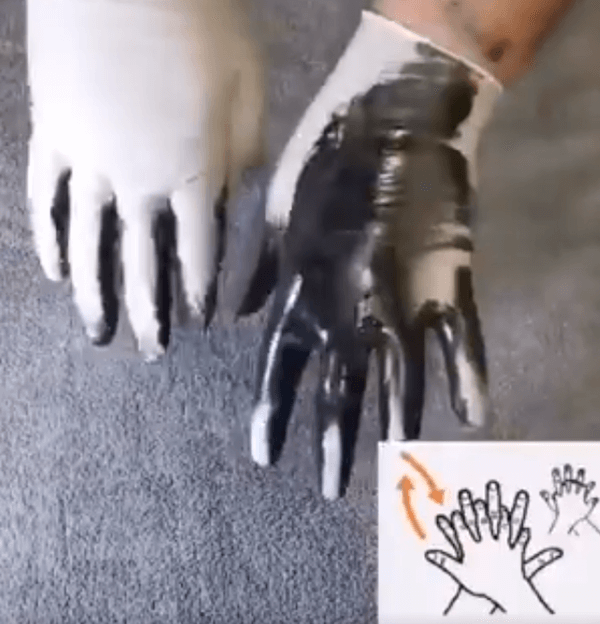
THE best hand-washing video!

This is THE best hand-washing video I’ve come across. It was even retweeted and acknowledged by WHO Director General, Dr Tedros Adhanom Ghebreyesus.

I’m pretty sure I may have been missing my thumbs! What about you?

handwashing

I don’t know how to share a video from twitter other than share the twitter link so I hope you can watch it.

We’re using soap at home and have one designated person in our household of four adults going out to pick up food items. This is the time we use hand-sanitizer (and gloves). Here is another blog on How to Make Your Own Hand Sanitizer in case you’re in a similar situation to us and can’t find ingredients to make more. Suzy mentions vinegar and colloidal silver in this one and shares a number of practical recipes.

IV vitamin C, oxalates, anti-malarial drugs and losss of smell and taste

It’s so encouraging that New York hospitals are treating coronavirus patients with vitamin C.  There are, however, concerns for folks who have dietary oxalate issues (with both oral and IV vitamin C). I’ve been gathering feedback and research on this topic and will hopefully have more to share next week.

I also have some major concerns about the anti-malarial drugs chloroquine and hydroxychloroquine and will share those, together with my perspectives on the loss of smell and taste as a possible marker of infection.


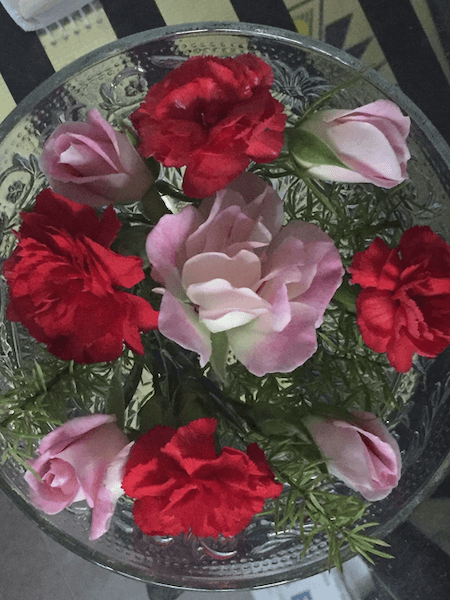
bouquet of hope

Until then, here is another little “bouquet of hope” from our garden to you … My darling mom-in-law brought this lovely little arrangement to me in my home office earlier this week! Aren’t I a lucky girl!?

Amino acids for emotional support, good sleep and to prevent comfort-eating

Finally, don’t forget about the amino acids for added emotional and nutritional support (our needs are higher at a time like this):

  • GABA for physical tension and anxiety (more here)
  • tryptophan for excessive worrying and feeling fearful (more here)
  • glutamine if you’re not eating well and getting blood sugar crashes, and for gut healing (more here)
  • tyrosine if you just can’t focus and want to curl up in bed (more here)
  • and DPA if you’re feeling overly emotional and weepy, comfort-eating is your support right now (more here)

This blog, The Antianxiety Food Solution Amino Acid and Pyroluria Supplements, lists the products that I use with my individual clients and those in my group programs.

Please feel free to comment on any of the above new developments and share what you are learning too. And do let me know if this format is helpful for you.

Keeping you in my thoughts! And keeping you informed and empowered so anxiety is less of an issue.


UPDATES 3/20/2020:

I’m planning a series of webinars to get your coronavirus questions answered:

  1. I’m planning to interview a health coach/colleague living in Italy/Germany right now and have her share her experiences about living in lock-down and more about the situation in Europe
  2. I’m planning to interview Dr. David Brady to share his patient protocols for immunity,  testing and much more
  3. I’ll be doing one with me talking about best how to deal with the anxiety, worry and laying awake until 3am fearful.  Anxiety and lack of sleep adversely impact immunity so we have to sort that out. I’ll also cover the many nutrients for anxiety that also support immunity
  4. I’m looking for an expert to talk about vitamin C and the risks for those with dietary oxalate issues, and other viable and safe options instead of vitamin C
  5. I’ll be interviewing a doctor on the role of melatonin in counteracting severe inflammatory responses such as pro-inflammatory cytokines. It’s being theorized that older individuals are being more impacted because of low melatonin levels and it’s because children have higher levels of melatonin they are less impacted.

I hope these will be helpful for you? What questions do you have for each webinar (please list the webinar # and the question/s when you comment below. Please don’t send your questions via email – as you can imagine we are receiving a large number of emails!) Let me know what other information you are looking for.


UPDATES 3/12/2020:

The situation in Italy has me concerned

At the time of initial publication of this blog at the end of January, I was in agreement with what the Orthomolecular Medicine News Service were suggesting – we were reading a lot of media hype.

I am not one for fear-mongering, but after reading this very sobering account by two Italian doctors 2 days ago, I am now much more concerned about the coronavirus for the folks who will be most severely impacted – the elderly and the immune-compromised.

In Italy they do not have enough ventilators or ICU beds. Dr. Jason Van Schoor shared warnings from a colleague working in Northern Italy:

I feel the pressure to give you a quick personal update about what is happening in Italy, and also give some quick direct advice about what you should do.

First, Lombardy is the most developed region in Italy and it has a extraordinary good healthcare, I have worked in Italy, UK and Aus and don’t make the mistake to think that what is happening is happening in a 3rd world country.

The current situation is difficult to imagine and numbers do not explain things at all. Our hospitals are overwhelmed by Covid-19, they are running 200% capacity

We’ve stopped all routine, all ORs have been converted to ITUs and they are now diverting or not treating all other emergencies like trauma or strokes. There are hundreds of pts with severe resp failure and many of them do not have access to anything above a reservoir mask.

Patients above 65 or younger with comorbidities are not even assessed by ITU, I am not saying not tubed, I’m saying not assessed and no ITU staff attends when they arrest.

We have seen the same pattern in different areas a week apart, and there is no reason that in a few weeks it won’t be the same everywhere

You can read the entire thread on Twitter here. At first glance there is skepticism and disbelief this could be happening but a trusted colleague in San Francisco has heard similar accounts from doctors she knows in Italy. It’s thanks to her that I started digging deeper into the situation in Italy and had my mind changed.

And this article in the New York Times was also just published confirming much of this: Italy’s Health Care System Groans Under Coronavirus — a Warning to the World. They they do mention doctors being muzzled which is very concerning. We need transparency if we are to learn.

Predictions the USA healthcare system (and other countries) will likely not be able to handle a similar situation

This article supports what is happening in Italy, with serious predictions for the USA (and presumably other countries too) – What does the coronavirus mean for the U.S. healthcare system? Some simple math offers alarming answers

What does an avalanche of uncharacteristically severe respiratory viral illness cases mean for our health care system? How much excess capacity currently exists, and how quickly could Covid-19 cases saturate and overwhelm the number of available hospital beds, face masks, and other resources …

….like in Italy where this is happening right now!

This is why I am now fully behind social distancing and staying home

I’m still of the opinion I need to focus on healthy living/eating and boosting my immunity (and it’s what me and my family are currently doing) but I am now fully behind social distancing, staying home, not attending big events and not traveling – so this virus can be contained as much as possible. Knowing what I now know about Italy makes this an easy decision which is why I’m sharing it here today – even if it is frightening.

Dr. David Brady, ND, author of The Fibro Fix, provides some basic advice on staying as healthy as possible in this recent video posted on Facebook. His is the calm voice of reason, sharing precautions to take during the COVID-19 pandemic and also fully supporting the social isolation and stay home message.  He does mention andrographis for antiviral support, garlic, elderberry, vitamin C, lauric acid (monolaurin), vitamin D, preformed vitamin A (as opposed to beta-carotene), zinc and echinacea as all good nutrients to consider for his patients and family.

Unfortunately, many of my colleagues are still saying it’s media hype, out of control fear-mongering, is not as bad as the flu and there is no way this could happen in a country like the USA, Australia, UK and elsewhere.  I know they’ll get on board with all this once they have this information too.

I sincerely hope I am wrong about this and things don’t get as bad as Italy. For now I’m playing it safe.

My hand-washing research

I got called out for not mentioning hand-washing when I first published this blog. My focus was to share my first-aid kit i.e. nutraceuticals I use but KT was is absolutely right

Hand hygiene is the single most important intervention for reducing healthcare associated infections and preventing the spread of antimicrobial resistance.

My assumption was that this is common knowledge but based on this statement in the same paper, perhaps this isn’t the case?

while tremendous progress has certainly been made in this field, a significant amount of work is yet to be done in both strengthening the evidence regarding the impact of hand hygiene and maximizing its implementation

With regard to what to use: antibacterial soap showed little added benefit compared with regular soap

Interestingly this paper also states “Hand hygiene is clearly effective against gastrointestinal and, to a lesser extent, respiratory infections. Studies examining hygiene practices during respiratory illness and interventions targeting aerosol transmission are needed.” I’m not sure of the implications of this for the coronavirus. For now I’m following the guidelines outlined in Dr. Song’s blog (below).

This 2017 Time article, Washing Hands In Cold Water Works As Well As Hot Against Germs, clears up what they say is often conflicting data and has some good guidelines from a study published the same year (it was looking at E. coli bacteria and not viruses): wash hands in cold water, at least 10 secs of lathering and use regular soap. Hand lotion afterwards seems to help too.

Additional resources

I’ve also got some blogs from colleagues to share with you so you have additional resources:

  • My friend and colleague Dr. Elisa Song MD shares this very comprehensive blog – Coronavirus (COVID-19): What a Pediatrician Wants You to Know (published late Feb so a little out of date with some of the stats). I’m so pleased to see Dr. Song write about IV Vitamin C and look forward to the outcome of the clinical trial she refers to: Vitamin C Infusion for the Treatment of Severe 2019-nCoV Infected Pneumonia.

It’s an approach the physicians of the Orthomolecular Medicine News Service are recommending and it’s gives me a higher level of comfort in these days ahead.

As I mentioned above I do have some questions and concerns about this vitamin C IV approach (and high doses of oral vitamin C) for folks with oxalate issues (myself included) and for folks with G6PD deficiencies and hemochromatosis. I’ll share more as I learn more.

  • And this one from Dr. Song too – Handwashing and Coronavirus: Are you doing it the right way? I encourage you to watch the hand-washing demo videos she links to and show them to your children! This fact is astounding: “If 60% rather than 20% of air travelers maintained clean hands, it could slow down the spread of infections by almost 70%“
  • Dr. Song also shares How to Make a 60% Alcohol-Based Hand Sanitizer. “Washing hands with soap and water is the #1 recommended way to prevent the spread of Coronavirus. But if you don’t have access to soap and water, what can you do? The CDC recommends using a hand sanitizer with at least 60% alcohol.“
  • A blog from Paleohacks: Thieves Oil What It Is, Benefits & How to Make It. Use Thieves oil as a natural disinfectant around your home. “It’s great for wiping down counters, cleaning toys, disinfecting cutting boards, removing stale odors, freshening trash cans and gym bags, and even cleaning veggies.”

Originally published 1/31/20:

How are you handling all the coronavirus news? Worried? Anxious? Fearful? Or are calmly watching and listening and making sure your immune system is in good shape and you have natural antivirals on hand if necessary? (and updated 3/12/20 – are you taking the stay at home message seriously? much more on that below)

There are still many unknowns but I’ve been gathering some articles and resources for my own personal use. I’m not an expert in infections but since folks in my community are asking I promised to share my first-aid kit and rationale in a blog post.

I can help with the anxiety and fear aspect if all this doesn’t put your mind at ease. I cover how I use individual amino acids with my clients at the end of this blog post.

Vitamin C and other foundational nutrients

This newly published blog by Andrew Saul PhD, Vitamin C Protects Against Coronavirus, offers sage foundational advice that resonates with what I already know:

The physicians of the Orthomolecular Medicine News Service and the International Society for Orthomolecular Medicine urge a nutrient-based method to prevent or minimize symptoms for future viral infection. The following inexpensive supplemental levels are recommended for adults; for children reduce these in proportion to body weight:

Vitamin C: 3,000 milligrams (or more) daily, in divided doses.

Vitamin D3: 2,000 International Units daily. (Start with 5,000 IU/day for two weeks, then reduce to 2,000)

Magnesium: 400 mg daily (in citrate, malate, chelate, or chloride form)

Zinc: 20 mg daily

Selenium: 100 mcg (micrograms) daily

Vitamin C, Vitamin D, magnesium, zinc, and selenium have been shown to strengthen the immune system against viruses.

Additional rationale for vitamin C

In another blog by Andrew Saul PhD, Nutritional Treatment of Coronavirus, offers additional rationale for vitamin C: “Abundant clinical evidence confirms vitamin C’s powerful antiviral effect when used in sufficient quantity” and states that the “physicians on the Orthomolecular Medicine News Service review board specifically recommend at least 3,000 milligrams (or more) of vitamin C daily, in divided doses. Vitamin C empowers the immune system and can directly denature many viruses.”

It’s very encouraging to read that just 200mg a day“given to the elderly resulted in improvement in respiratory symptoms in the most severely ill, hospitalized patients.”

This statement from the above blog puts much of what is considered to be media hype and fear-mongering into perspective: (see below why I no longer feel this is media hype)

“The common cold is a coronavirus, and SARS is a coronavirus, so they are the same viral type” ~ David Jenkins, MD, Professor of Medicine and Nutritional Science, University of Toronto.

I do have some questions and concerns about using high doses of oral vitamin C and vitamin C IV for folks with oxalate issues (myself included). I’m actively seeking answers.

Vitamin D, olive leaf extract, oregano oil, elderberry, NAC and diet

Here are some additional links that I have found or were shared with me (thank you if you shared one of these with me!):

  • Vitamin D and the anti-viral state “These results support the hypothesis that vitamin D … may play a major role in the inhibition of viruses.” I’m very aware of the immune-boosting properties of vitamin D.
  • Olive leaf extract “decreased the duration of upper respiratory illness in high school athletes.” We always have this on hand and it appears to work well for me and my family so I’ll make sure to keep this in mind.
  • Oregano oil – per this article on Holistic Primary care “A number of preliminary in vitro or animal studies have shown that compounds in oregano oil are virustatic and virucidal against several viral pathogens.” I always have oregano oil on hand (and especially when flying) and it always works well for me at the first sign of any bug. I was pleased to come across this research even though we don’t yet have a human study.
  • Black elderberry liquid extract “displays an inhibitory effect on the propagation of human pathogenic influenza viruses” and has antimicrobial effects against bacteria responsible for infections of the upper respiratory tract. This is also a firm favorite in our household in the winter months and I seldom need more than one or two doses at the first sign of the sniffles.
  • N-acetyl-L-cysteine (NAC) “antioxidants like NAC represent a potential additional treatment option that could be considered in the case of an influenza A virus pandemic.” I’ll be giving NAC more consideration.
  • Here are some well-balanced perspectives from Peter D’Adamo on Facebook mentions drinking plenty of water, stocks, garlic (freshly crushed), onions, leeks, elderberry and Andrographis paniculata. He does say “Keep in mind these are just my opinions and observations over a thin veneer of facts.”

Consider lomatium?

Lomatium is not my first choice but I’m listing it here out of interest. Lomatium by Barlow Herbals “During the flu pandemic of 1917-1918, the root came into extensive use by the two Washoe Indian tribes near Carson City, Nevada.” I have yet to try this one but have heard Jane from Barlow Herbals talk about lomatium on a number of summits and I’m intrigued.

My first-aid kit

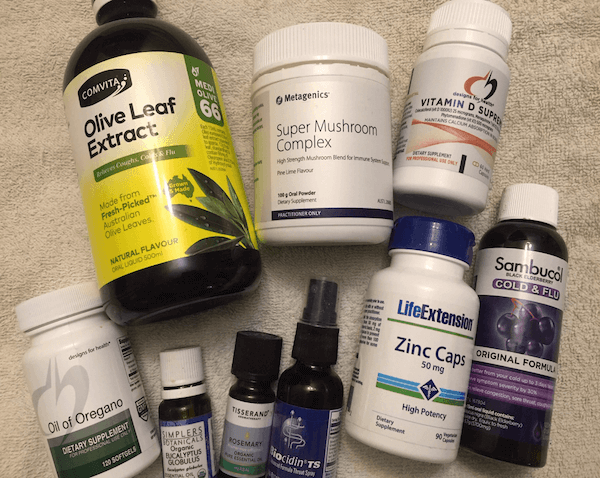
In summary, here is my first-aid kit: Vitamin C, zinc, extra selenium, vitamin D, magnesium, oil of oregano, olive leaf extract, black elderberry and Biocidin Throat Spray and Xlear Nasal Spray (the latter two are always on hand and I always also travel with them).

I also always have essential oils on hand: tea tree oil, eucalyptus, peppermint, rosemary, lavender and others. I’ll be adding sage per Dr. Elisa Song’s blog (see below).

This is pretty much what I always use other than adding in extra selenium, so it was very affirming to gather all this research.

trudy first aid kit
Here are just a few products from my first-aid kit.

GABA or tryptophan: if worried or overly anxious or fearful

If you’re feeling worried or overly anxious or fearful, the best way is to be informed and prepared. Interestingly, some of the very same nutrients mentioned above also help ease anxiety – vitamin C, zinc, vitamin D, magnesium and selenium and B vitamins – because they are co-factors for making neurotransmitters like serotonin, GABA and dopamine.

If all this information and being prepared isn’t enough to calm you down, then don’t forget the individual amino acids for quick relief. I use GABA for clients who are feeling physically tense and tryptophan or 5-HTP for worry-type of anxiety and if they are imagining the worst and can’t switch off their busy mind off.

We use the trial method to find the ideal amount for each person, starting low and titrating up based on symptoms and then down if not added benefits are seen.

You can find my most popular amino acid products on the supplements blog here (and with details for how to set up an account for my online store). You can find everything else I write about in the store too. Just be sure to work with your practitioner.


My thoughts are with you and all of those currently ill and those who will get ill. We will get through this together.

My hope is that you are less anxious and fearful as you become more informed.

Please share your immune-boosting remedies and your thoughts and plans.

As I mentioned above, these are resources and information I’ve gathered for my own personal use, and are in no way intended to be recommendations.


Filed Under: Amino Acids, Anxiety, GABA, Immune system Tagged With: Andrew Saul, anxious, comfort eating, Coronavirus, COVID-19, diet, DPA, elderberry, fearful, GABA, garlic, gut health, homeopathy, lomatium, magnesium, melatonin, NAC, olive leaf extract, onions, oregano oil, orthomolecular, selenium, Suzy Cohen, tryptophan, vitamin C, vitamin D, worried, zinc

Why social anxiety, introversion and loneliness can be lethal and a simple nutritional solution

January 10, 2020 By Trudy Scott 40 Comments

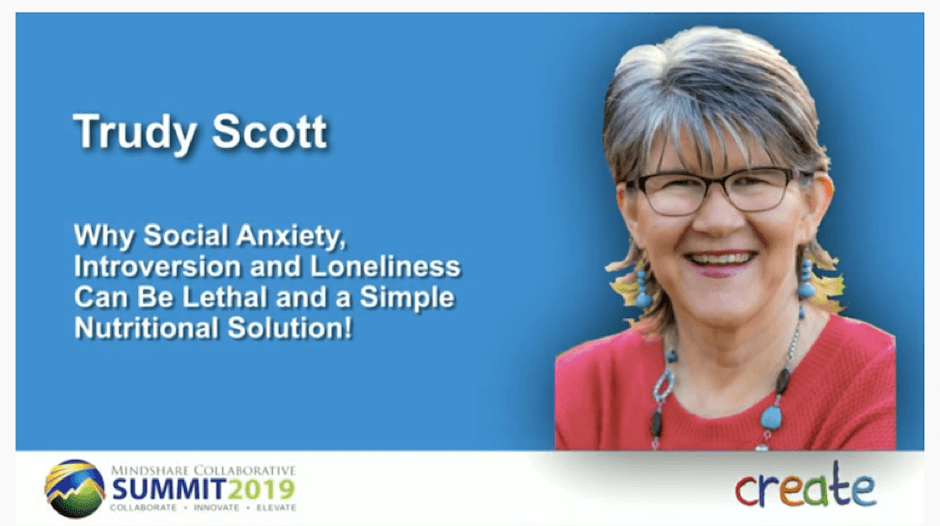
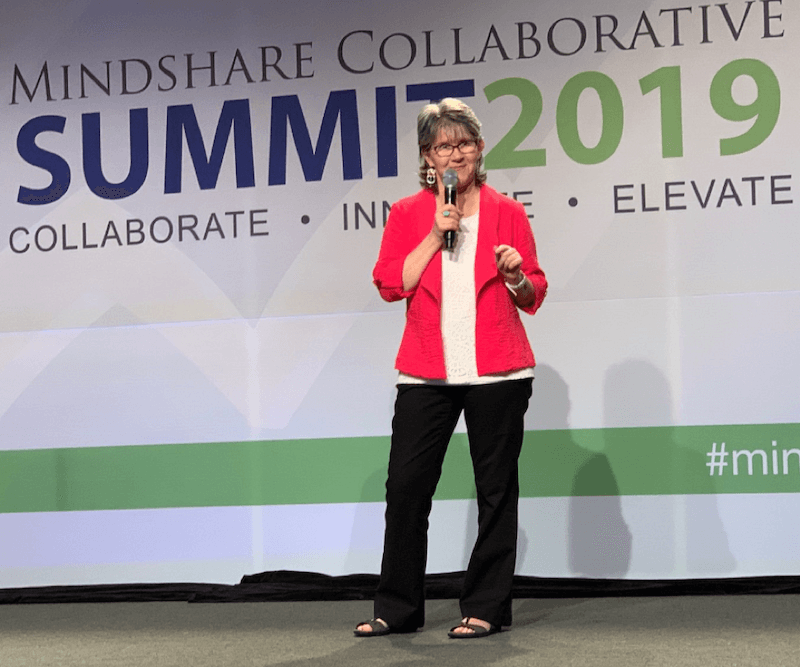
trudy scott mindshare

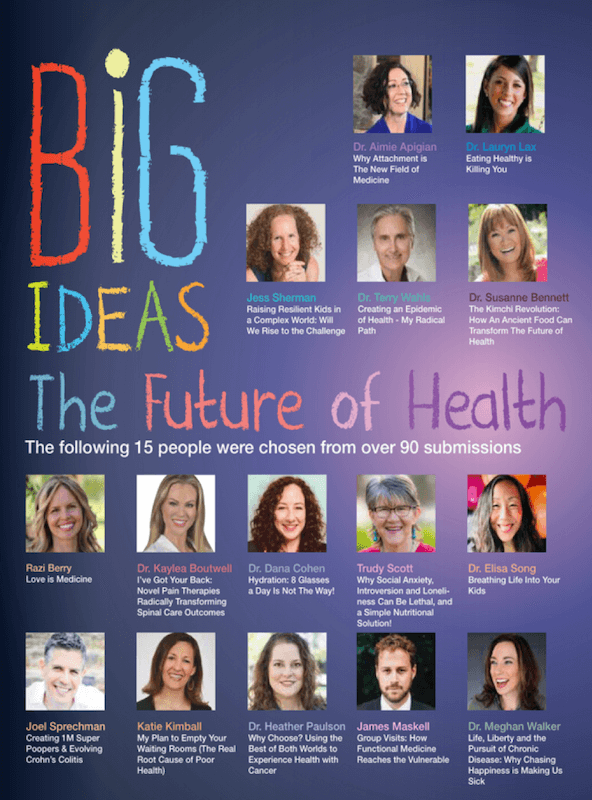
It was an honor to be selected as one of fifteen participants for The Future of Health presentations at Mindshare in August 2019. I presented this to my peers in the integrative health and nutrition space but it’s applicable to everyone and I’d like to share it with you today.

Here is my video presentation: Why social anxiety, introversion and loneliness can be lethal and a simple nutritional solution  (click below to watch the video)

Here are some additional reading resources on much of what I cover in my 5 minute presentation:

  • Pyroluria is a social anxiety condition that is not well recognized in the medical community. It responds really well to a few key nutrients, with zinc and vitamin B6 forming the foundation. I cover this in this blog post: Pyroluria, high mauve, pyrrole disorder, malvaria, elevated kryptopyrroles and social anxiety.
  • Here is a link to the Pyroluria Questionnaire from my book The Antianxiety Food Solution (which has an entire chapter on the topic). I created this questionnaire using the work of Carl Pfeiffer and Joan Mathews-Larson, modifying it based on feedback I receive from my clients.
  • I discuss how I first discovered the pyroluria-introversion connection here – Am I an anxious introvert because of low zinc and vitamin B6? My response to Huffington Post blog. I wrote this in response to the Huffington Post article, “23 Signs You’re Secretly An Introvert”, by Carolyn Gregoire.
  • Here is the webmd loneliness article with this quote: “Loneliness has the same impact on mortality as smoking 15 cigarettes a day, making it even more dangerous than obesity” ~ Douglas Nemecek, MD, chief medical officer for behavioral health, Cigna
  • And this loneliness paper, Loneliness and Social Isolation as Risk Factors for Mortality: A Meta-Analytic Review
  • In this blog I write about how Increased sociability improves vagus nerve function: the role of social anxiety, pyroluria and low zinc

This is the the amazing and inspiring group of speakers who I shared the stage with:

  • Amie Apigan – Why Attachment is the New Field of Medicine
  • Lauryn Lax – Eating Healthy is Killing You
  • Jess Sherman – Raising Resilient Kids in a Complex World: Will we Rise to the Challenge
  • Terry Wahls – Creating an Epidemic of Health – My Radical Path
  • Susanne Bennett – The Kimchi Revolution: How an Ancient Food Can Transform the Future of Health
  • Razi Berry – Love is Medicine
  • Kaylea Boutwell – I’ve Got Your Back: Novel Pain Therapies Transforming Spinal Care Outcomes
  • Dana Cohen – Hydration: 8 Glasses a Day is not the Way!
  • Elisa Song – Breathing Life into Your Kids
  • Joel Sprechman – Creating 1M Super Poopers & Evolving Crohn’s Colitis
  • Katy Kimball – My Plan to Empty Your Waiting Rooms (the Real Root Cause of Poor Health)
  • Heather Paulson – Why Choose? Using the Best of Both Worlds to Experience Health with Cancer
  • James Maskell – Group Visits: How Functional Medicine Reaches the Vulnerable
  • Mehgan Walker – Life, Liberty and the Pursuit of Chronic Disease: Why Chasing Happiness is Making us Sick

(do let me know if you’d like me to share any of these presentations in the follow-up blog)

mindshare speakers
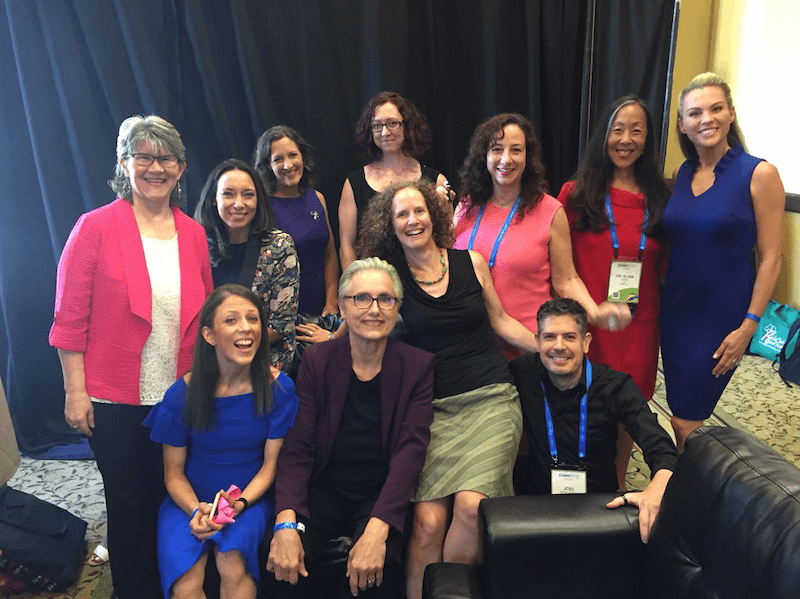
Mindshare 2019 green room
Here are some of us in the backstage “green room” and getting ready to go on stage!

We each had a maximum of 5 minutes to present and were not allowed slides or notes. The last time I had memorized my talks and had them timed was 15 years ago when I was in Toastmasters. Before that it was when I was in school. I wasn’t even sure if I could do it when I entered my proposal to speak. When practicing the day before I was still unsure I could manage. Because of my Lyme disease, my memory and word recall isn’t as great as it used to be.

If you pay close attention and you’ll notice the spot where I almost freeze – everything just went out of my head! I simply breathed in calmly, made an attempt to look like I had paused and was fortunate that most of the ending came back to me! Whew!

trudy scott mindshare 2019


I’d love to hear what you think of my message and if it resonates with you or a loved one. Feel free to share your pyroluria score and how you score on the introvert questionnaire.

Please also share if you’ve seen the benefits of no social anxiety, introversion and/or loneliness (or much less) when on the pyroluria protocol.

Filed Under: Anxiety, Introversion, Pyroluria Tagged With: anxiety, Future of Health, introversion, loneliness, mindshare, pyroluria, sociability, social anxiety, social isolation, vagus nerve, vitamin B6, zinc

IMMH highlights: mold, oxalates, anxiety, panic attacks and depersonalization

August 30, 2019 By Trudy Scott 3 Comments

IMMH highlights

Today I’m sharing some highlights from three different presentations at the recent IMMH/Integrative Medicine for Mental Health Conference – on mold and the connection to oxalate issues, as well as a major trigger of anxiety, panic attacks, depression and depersonalization.

Matthew Pratt-Hyatt, PhD: “The Hidden Threats of Mycotoxins.”

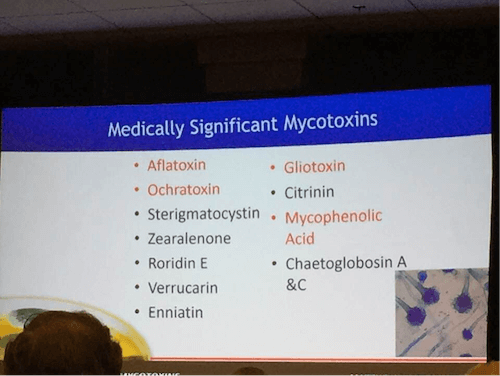
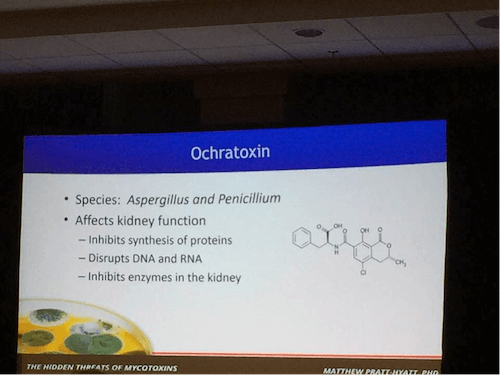
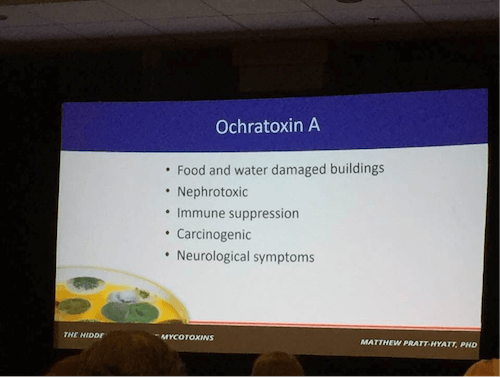
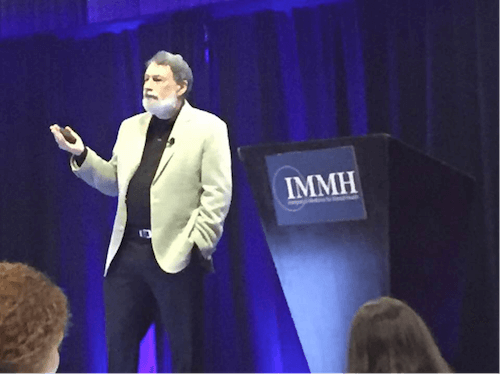
Matthew Pratt-Hyatt, PhD presented on “The Hidden Threats of Mycotoxins.” He shared medically significant mycotoxins and that ochratoxin affects the kidneys and my first thought was: “I wonder if this plays a role in oxalate issues?”

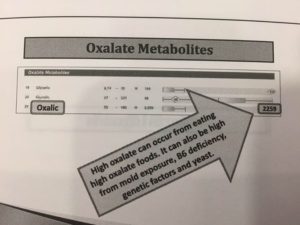
I asked Dr. Pratt-Hyatt after his presentation and he said yes, the mycotoxins produce oxalates and then dietary oxalates can be the tipping point. He wasn’t aware of any research on the mycotoxin-oxalate connection but sees the connection on the Great Plains MycoTOX lab test and Organic Acids test

Matthew Pratt-Hyatt

Matthew Pratt-Hyatt

Matthew Pratt-Hyatt

Matthew Pratt-Hyatt

Dr. Neil Nathan: “Mold Toxicity as an Unrecognized Cause of Mental Health issues.”

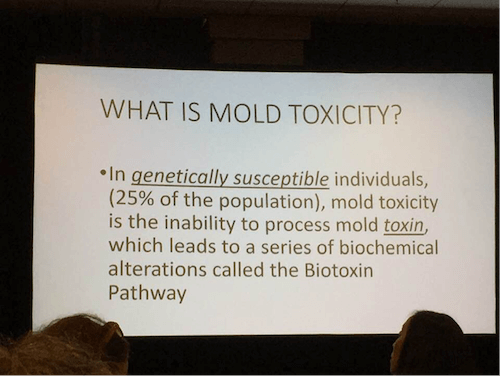
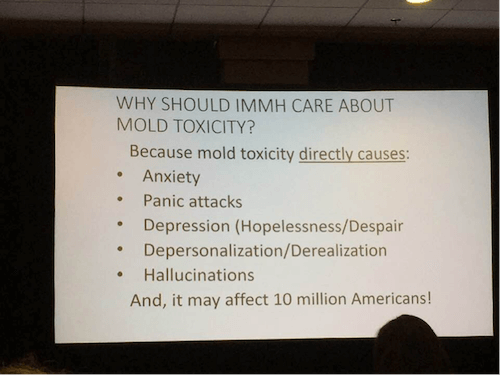
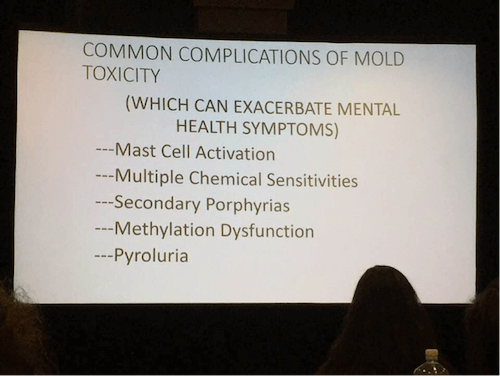
One of my favorite presentations was the one delivered by Dr. Neil Nathan on “Mold Toxicity.” He defines mold toxicity and how it can directly trigger anxiety, panic attacks, depression, depersonalization and hallucinations, as well as some of the common complications which can exacerbate mental health symptoms. These include mast cell activation, multiple chemical sensitivities, secondary porphyrias, methylation dysfunction and pyroluria.

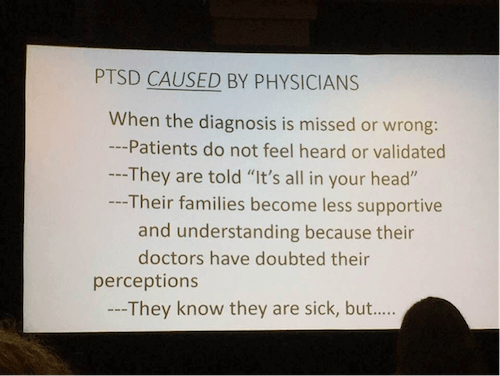
I do appreciate the fact that he addressed that there can be PTSD caused by physicians when someone knows they are sick – especially with mold toxicity – and yet they do not feel heard or validated. This can even lead to their families being less supportive.

Dr. Nathan is a brilliant and compassionate practitioner, and the author of the excellent book – Toxic: Heal Your Body from Mold Toxicity, Lyme Disease, Multiple Chemical Sensitivities, and Chronic Environmental Illness (my Amazon link)

Neil Nathan

Neil Nathan

Neil Nathan

Neil Nathan

Neil Nathan

Dr. Kurt Woeller: “Metabolic Products in Mental Health – How Fungal, Bacterial, Mitochondrial and Other Compounds Influence the Brain.”

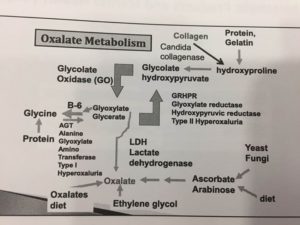
Dr. Kurt Woeller shared more about oxalates and mold in his presentation: “Metabolic Products in Mental Health.” I really like the Oxalate Metabolism diagram that shows the role of low vitamin B6, dietary oxalates including ascorbic acid, collagen and gelatin, mold, yeast and genetics in someone with high oxalates.

On a side note, low serotonin is often a factor with collagen and gelatin but it can be a source of oxalates.

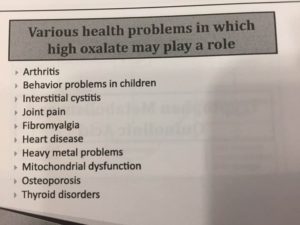
He mentions various health problems associated with high oxalates – pain issues are common and so is fatigue and behavioral issues. Dr. Woeller works primarily with children but I have seen anxiety and depression in adults with oxalate issues too.   If mold is one of the triggers then the mental health issues can be further impacted.


In case you missed the previous two IMMH blogs:

  • Last week I shared a few highlights from my IMMH presentation: “GABA for Anxiety, Insomnia, ADHD, Autism and Addictions: Research and Practical Applications” – benzodiazepines are not the solution, some new 2019 research on the far-reaching benefits of GABA, and the role of GABA in ADHD.
  • The previous week I wrote this blog post on one of the new studies in my presentation: how a combination of GABA and theanine improves sleep and reduces anxiety.

What wasn’t discussed were some of the other mechanisms that may be causing the increased anxiety – such as the impacts of toxic mold on neurotransmitters and low levels of zinc.

Have you been exposed to toxic mold and was this a trigger for your anxiety, panic attacks and other mood issues?

Did GABA, tryptophan and zinc (and other nutritional support approaches) help ease some of the anxiety symptoms while you were remediating your home and detoxing from the mold toxicity?

Do you have oxalate issues and have you ruled out the fact that toxic mold may be a trigger? I personally have oxalate issues (I share more about this here) and plan to do the MycoTOX test to learn more. I’ll keep you posted on what I find.

As a practitioner, do you want to learn more about how to incorporate GABA and the other targeted individual amino acids, tryptophan/5-HTP, DPA, glutamine and tyrosine, into your work to help your clients/patients with anxiety triggered by toxic mold? I invite you to check out my new online practitioner training here: Balancing Neurotransmitters – The Fundamentals. I’m extending the $100 discount offered at IMMH for a few weeks (use coupon code immh2019).

Filed Under: Anxiety, Depression, Environment, Events, GABA, Mold Tagged With: ADHD and addictions, anxiety, autism, benzodiazepines, depersonalization, depression, GABA, IMMH, insomnia, Integrative Medicine for Mental Health conference, mold, oxalates, panic attacks

  • « Go to Previous Page
  • Page 1
  • Interim pages omitted …
  • Page 26
  • Page 27
  • Page 28
  • Page 29
  • Page 30
  • Interim pages omitted …
  • Page 34
  • Go to Next Page »

Primary Sidebar

GABA QuickStart Homestudy

gaba quickstart homestudy

Free Report

9 Great Questions Women Ask about Food, Mood and their Health

You'll also receive a complimentary subscription to my ezine "Food, Mood and Gal Stuff"


Connect with me

Popular Posts

  • Amino Acids Mood Questionnaire from The Antianxiety Food Solution
  • The Antianxiety Food Solution Amino Acid and Pyroluria Supplements
  • Pyroluria Questionnaire from The Antianxiety Food Solution
  • Collagen and gelatin lower serotonin: does this increase your anxiety and depression?
  • Tryptophan for the worry-in-your-head and ruminating type of anxiety
  • GABA for the physical-tension and stiff-and-tense-muscles type of anxiety
  • The Antianxiety Food Solution by Trudy Scott
  • Seriphos Original Formula is back: the best product for anxiety and insomnia caused by high cortisol
  • Am I an anxious introvert because of low zinc and vitamin B6? My response to Huffington Post blog
  • Vagus nerve rehab with GABA, breathing, humming, gargling and key nutrients

Recent Posts

  • Her cravings for chips and peanut butter were triggered by stress: GABA ends cravings and reduces physical tension and fear of heights
  • It is truly miraculous to be able to move through life without crippling anxiety and panic
  • GABA and tryptophan combo provide immediate and noticeable relief for tremors and cervical dystonia in just 7 days
  • Red light therapy for back and neck pain, plantar fasciitis and low mood – a complement to the amino acids GABA, DPA and tryptophan
  • What do I use instead of Seriphos to help lower high cortisol that is affecting my sleep and making me anxious at night?

Categories

  • 5-HTP
  • AB575
  • Addiction
  • ADHD
  • Adrenals
  • Alcohol
  • Allergies
  • Alzheimer's disease
  • Amino Acids
  • Anger
  • Antianxiety
  • Antianxiety Food Solution
  • Antidepressants
  • Anxiety
  • Anxiety and panic
  • Autism
  • Autoimmunity
  • benzodiazapines
  • Bipolar disorder
  • Books
  • Caffeine
  • Cancer
  • Candida
  • Children/Teens
  • Collagen
  • Cooking equipment
  • Coronavirus/COVID-19
  • Cravings
  • Depression
  • Detoxification
  • Diabetes
  • Diet
  • DPA/DLPA
  • Drugs
  • EFT/Tapping
  • EMF
  • EMFs
  • Emotional Eating
  • Endorphins
  • Environment
  • Essential oils
  • Events
  • Exercise
  • Fear
  • Fear of public speaking
  • Fertility and Pregnancy
  • Fish
  • Food
  • Food and mood
  • Functional neurology
  • GABA
  • Gene polymorphisms
  • General Health
  • Giving
  • Giving back
  • Glutamine
  • Gluten
  • GMOs
  • Gratitude
  • Gut health
  • Heart health/hypertension
  • Histamine
  • Hormone
  • Hyperparathyroidism
  • Hypoglycemia
  • Immune system
  • Inflammation
  • Insomnia
  • Inspiration
  • Introversion
  • Joy and happiness
  • Ketogenic diet
  • Lithium orotate
  • Looking awesome
  • Lyme disease and co-infections
  • MCAS/histamine
  • Medication
  • Men's health
  • Mental health
  • Mercury
  • Migraine
  • Mold
  • Movie
  • MTHFR
  • Multiple sclerosis
  • Music
  • NANP
  • Nature
  • Nutritional Psychiatry
  • OCD
  • Osteoporosis
  • Oxalates
  • Oxytocin
  • Pain
  • Paleo
  • Parasites
  • Parkinson’s disease
  • PCOS
  • People
  • PMS
  • Postpartum
  • PTSD/Trauma
  • Pyroluria
  • Questionnaires
  • Real whole food
  • Recipes
  • Research
  • Schizophrenia
  • serotonin
  • SIBO
  • Sleep
  • Special diets
  • Sports nutrition
  • Stress
  • Sugar addiction
  • Sugar and mood
  • Supplements
  • Teens
  • Testimonials
  • Testing
  • The Anxiety Summit
  • The Anxiety Summit 2
  • The Anxiety Summit 3
  • The Anxiety Summit 4
  • The Anxiety Summit 5
  • The Anxiety Summit 6
  • Thyroid
  • Thyroid health
  • Toxins
  • Tryptophan
  • Tyrosine
  • Uncategorized
  • Vegan/vegetarian
  • Women's health
  • Yoga

Archives

  • May 2026
  • April 2026
  • October 2025
  • September 2025
  • August 2025
  • July 2025
  • June 2025
  • May 2025
  • April 2025
  • March 2025
  • February 2025
  • January 2025
  • November 2024
  • October 2024
  • September 2024
  • August 2024
  • July 2024
  • June 2024
  • May 2024
  • April 2024
  • March 2024
  • February 2024
  • January 2024
  • December 2023
  • November 2023
  • October 2023
  • September 2023
  • August 2023
  • July 2023
  • June 2023
  • May 2023
  • April 2023
  • March 2023
  • February 2023
  • January 2023
  • December 2022
  • November 2022
  • October 2022
  • September 2022
  • August 2022
  • July 2022
  • June 2022
  • May 2022
  • April 2022
  • March 2022
  • February 2022
  • January 2022
  • December 2021
  • November 2021
  • October 2021
  • September 2021
  • August 2021
  • July 2021
  • June 2021
  • May 2021
  • April 2021
  • March 2021
  • February 2021
  • January 2021
  • December 2020
  • November 2020
  • October 2020
  • September 2020
  • August 2020
  • July 2020
  • June 2020
  • May 2020
  • April 2020
  • March 2020
  • February 2020
  • January 2020
  • December 2019
  • November 2019
  • October 2019
  • September 2019
  • August 2019
  • July 2019
  • June 2019
  • May 2019
  • April 2019
  • March 2019
  • February 2019
  • January 2019
  • December 2018
  • November 2018
  • October 2018
  • September 2018
  • August 2018
  • July 2018
  • June 2018
  • May 2018
  • April 2018
  • March 2018
  • February 2018
  • January 2018
  • December 2017
  • November 2017
  • October 2017
  • September 2017
  • August 2017
  • July 2017
  • June 2017
  • May 2017
  • April 2017
  • March 2017
  • February 2017
  • January 2017
  • December 2016
  • November 2016
  • October 2016
  • September 2016
  • August 2016
  • July 2016
  • June 2016
  • May 2016
  • April 2016
  • March 2016
  • February 2016
  • January 2016
  • December 2015
  • November 2015
  • October 2015
  • September 2015
  • August 2015
  • July 2015
  • June 2015
  • May 2015
  • April 2015
  • March 2015
  • February 2015
  • January 2015
  • December 2014
  • November 2014
  • October 2014
  • September 2014
  • August 2014
  • July 2014
  • June 2014
  • May 2014
  • April 2014
  • March 2014
  • February 2014
  • January 2014
  • December 2013
  • November 2013
  • October 2013
  • September 2013
  • August 2013
  • July 2013
  • June 2013
  • May 2013
  • April 2013
  • March 2013
  • February 2013
  • January 2013
  • December 2012
  • November 2012
  • October 2012
  • August 2012
  • July 2012
  • June 2012
  • May 2012
  • April 2012
  • March 2012
  • February 2012
  • January 2012
  • December 2011
  • November 2011
  • October 2011
  • September 2011
  • August 2011
  • July 2011
  • June 2011
  • May 2011
  • April 2011
  • March 2011
  • February 2011
  • January 2011
  • December 2010
  • October 2010
  • September 2010
  • July 2010
  • May 2010
  • April 2010
  • March 2010
  • February 2010
  • January 2010
  • November 2009

Share the knowledge!

The above statements have not been evaluated by the Food and Drug Administration. Products listed in this website are not intended to diagnose, treat, cure or prevent any disease.

The information provided on this site is for informational and educational purposes only and is not intended as a substitute for advice from your physician or other health care professional. You should consult with a healthcare professional before starting or modifying any diet, exercise, or supplementation program, before taking or stopping any medication, or if you have or suspect you may have a health problem.


Copyright © 2026 Trudy Scott. All Rights Reserved. | Privacy | Terms and Conditions | Refund Policy | Medical Disclaimer

Free Report

9 Great Questions Women Ask about Food, Mood and their Health

You’ll also receive a complimentary subscription to my ezine “Food, Mood and Gal Stuff”