• Skip to primary navigation
  • Skip to main content
  • Skip to primary sidebar

everywomanover29 blog

Food, Mood and Women's Health – Be your healthiest, look and feel great!

  • Blog
  • About
  • Services
  • Store
  • Resources
  • Testimonials
  • The Book
  • Newsletter
  • Contact
  • Search this site

Anxiety

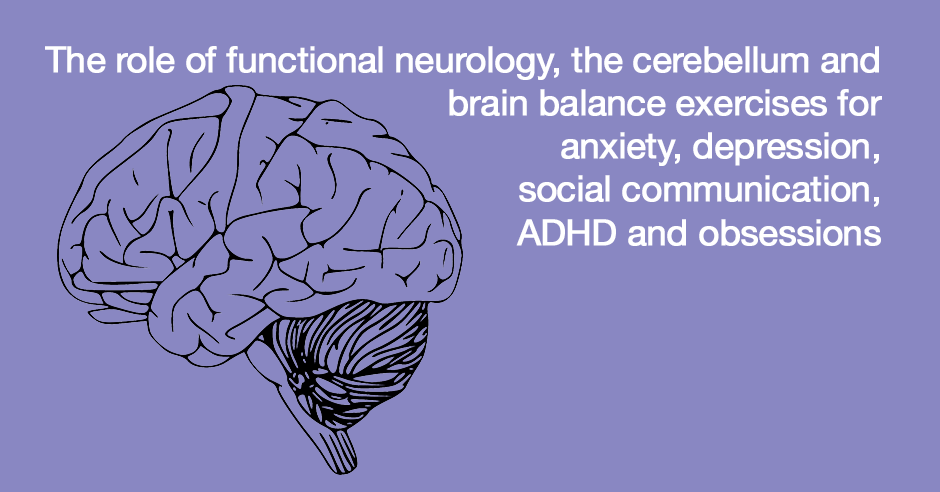
The role of functional neurology, the cerebellum and brain balance exercises for anxiety, depression, social communication, ADHD and obsessions

June 20, 2018 By Trudy Scott 29 Comments

Here are some snippets from a fascinating interview sharing cutting edge information on functional neurology and the cerebellum on the Autism, ADHD and Sensory Processing Disorder Summit.

Dr. Peter Scire, DC covers: How to Induce Neuroplastic Change in Your Teenager and Make it Fun. He shares how brain hemisphere imbalances and misfiring can be assessed and corrected with very specific exercises to induce neuroplastic change (in both children and even adults). 

I want to bring attention to, really what Schmahmann calls the cerebellum cognitive affective syndrome, so CCAS. It’s been in the literature now for 20 years. And now he’s developed a way to actually do a checklist and to look at these different aspects. But ultimately what he’s saying is that the cerebellum networks have huge relationships to your cognition of executive functions: like working memory, linguistics (your ability to generate language and to actually comprehend language), your affect, so your mood and your emotional stability. Being able to not only generate emotions, but also be able to receive emotions.

These are things that we thought for a long time were at the higher center of the brain, more of the frontal lobe specifically….. But again, the more that we’re looking at the neuro anatomy through neuroimaging, we’re able to really say, guess what? There are certain pockets of the cerebellum that specifically drive these networks.

He talks about the 3 major parts of the cerebellum, 10 subparts and how 5 of these subparts actually deal with non-motor aspects (i.e. mood and emotions, ADHD etc.). It’s this latter aspect – the non-moto aspects – that is not recognized in mainstream neurology and that forms the some of the central aspects of functional neurology: 

What we know about the cerebellum is that we have three major parts to it, and then there’s actually like 10 sub parts to it. And these 10 sub parts to it have different connections and when you look at the 10 sub parts, the first 5 have to do with more sensory motor aspects of the cerebellum. And then really the other 10 or so, give or take, are really dealing with non-motor aspects.

We have areas from the cortex that speak back to the cerebellum. We call them cerebral cerebellum loops. And then we have cerebellum back to the cerebrum. It kind of makes this bio directional system. Now it’s a little bit more complicated than that. There are other parts of the motor center, the basal ganglia and these other parts in the limbic system and stuff like that. But from a simple standpoint, for most of our attendees that understand brain gut access, just think about it in that sense. Cerebellum … brain, cerebellum, cerebellum back to the brain, okay?

And so we can have dysfunction in those systems. But again, most of the clinical model has always been looking at brain to cerebellum, not cerebellum back to the brain. And I think in my experience over the last 15 plus years, most of the work in functional neurology has actually been centered around, even chiropractic per se has been centered around cerebellum to brain, but we now are even getting more specific with our therapeutic entities.

Dr. Scire discusses the under-recognized relationships between the cerebellum networks and ADHD, social communication, mood, and emotional aspects, relationships, obsessions, compulsions, anxiety and depression: 

Again, when you look at the different phases of his work, you want to look at executive function – the whole ADHD population. You look at the linguistic processing. Obviously, we know language and social communication for autism spectrum disorders. Looking at spatial cognition so visual spatial information, visual memory aspects. Then you can begin to look at not only mood, and emotional aspects, but also relationships, obsessions, compulsions, anxiety and depression.

All this continuum of symptomatology can be traced back to the cerebellum. I agree with Doctor Melillo on this hemisphere communication model. But at the same time, in my opinion, I think that we can take it one step further and even get into the specifics of starting with these networks in the cerebellum. It starts out with this very specific examination to say okay, I want to look at motor functions of the cerebellum and I also want to look at non-motor functions of the cerebellum. And then my therapeutic entity is going to be based on that.

Dr. Scire shares the research published by Dr. Schmahmann. In this paper, The neuropsychiatry of the cerebellum – insights from the clinic they discuss the behaviors that they witnessed and that were described by patients and families:

distractibility and hyperactivity, impulsiveness, disinhibition, anxiety, ritualistic and stereotypical behaviors, illogical thought and lack of empathy, as well as aggression and irritability. Ruminative and obsessive behaviors, dysphoria and depression, tactile defensiveness and sensory overload, apathy, childlike behavior, and inability to appreciate social boundaries and assign ulterior motives were also evident.

He also recommends Dr. Robert Melillo’s book: Disconnected Kids: The Groundbreaking Brain Balance Program for Children with Autism, ADHD, Dyslexia, and Other Neurological Disorders (my Amazon link). I’ve skimmed it and will be doing a review –the functional neurology information is brilliant. I’d love to see the dietary information expanded upon.

In this interview you will learn…

  • What the latest research says about the role of the cerebellum in cognition and motor planning [and the role it also plays in anxiety, depression and ADHD]
  • What to look for when assessing cerebellar function.
  • How the cerebellum impacts executive function.
  • How to rehabilitate the brain and the importance of movement.
  • How to treat young adults with neurological disorders.
  • How what may seem to be “simple” exercises you can do at home with your child can have a major impact on their cognitive function.

I learned so much from his interview and will be delving into this aspect of functional neurology in order to add this element for clients who need this support beyond nutrition and functional medicine.

If you’re new to my work and the targeted individual amino acids be sure to catch my interview: Self-care strategies for parents that are stressed out, anxious and depressed – without using medications.

Using the targeted individual amino acids (such as tryptophan, GABA and DPA) provides quick relief from anxiety and overwhelm, giving my clients hope from day one.  And then we start to dig deeper for other root causes which can often take some time.

In this interview my focus was for stress and overwhelm support for parents but the use of amino acids is very applicable to children (and was the topic I covered in my interview in the first season).

As I learn more I expect to find that the amino acids used in conjunction with functional neurology is going to provide more comprehensive results for many individuals who also have cerebellum dysfunctions.

This event brings together 30+ of the leading doctors, nutritionists, and researchers working to help parents by sharing the latest information and strategies for achieving recovery for children with Autism, ADHD and Sensory Processing Disorder.

If you have (or a loved one has) anxiety, depression, OCD,  social anxiety, anger issues and other behavioral symptoms this event is one I highly recommend. Alzheimer’s disease, dementia and Parkinson’s disease are also covered in Dr. Scire’s interview.  This information has a wider application than autism, Asperger’s syndrome, ADHD and SPD and you will learn a great deal.

If you’ve benefited from functional neurology and these brain balancing exercises please do share in the comments. Feel free to post questions too.

Filed Under: Amino Acids, Anxiety, Autism, Children/Teens, Functional neurology, OCD, Teens Tagged With: ADHD, amino acids, anxiety, cerebellum, Dr Scire, Functional neurology, obsessions, OCD, social anxiety

Amyotrophic lateral sclerosis/ALS: ketogenic diet, GABA, 5-HTP and environmental toxins

May 25, 2018 By Trudy Scott 31 Comments

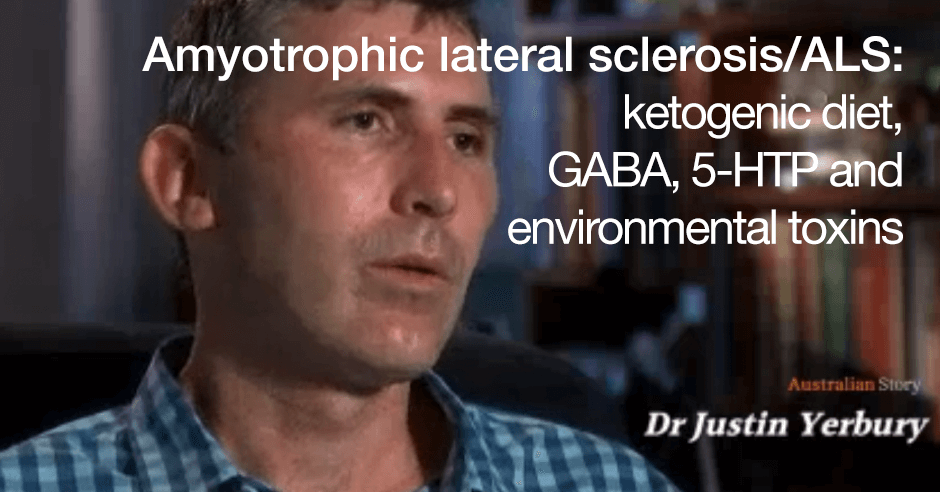
(Image from ABC: The Enemy Within – Australian Story)

I recently watched a documentary on the life and work of Justin Yerbury, a basket-ball player turned scientist who has motor neuron disease (also referred to as ALS) and is seeking a cure. It was aired on ABC and called The Enemy Within – Australian Story

When Justin Yerbury’s family members began to die from motor neurone disease he made a life-changing decision.

He turned his back on a professional basketball career and enrolled in a science degree. Almost 20 years later, he is an internationally recognised expert on the disease, leading the way in the search for a treatment.

Recently, however, Justin’s work took on a terrible urgency as he too developed symptoms of MND.

As Australian Story filmed with Justin and his family, his condition deteriorated dramatically, requiring difficult decisions to enable him to continue his search for a cure.

Having met Justin in 2017, Professor Stephen Hawking recorded the introduction to this story shortly before his death from motor neurone disease.

(the Australian spellings are neurone instead of neuron and recognised instead of recognized)

I felt very moved by his story and work and felt compelled to reach out to Dr. Yerbury to share what I have learned about this condition in the last few years. I know of a number of practitioners who work with individuals with this condition and even some colleagues with family members who have been diagnosed with this condition. I have also had enough queries that it’s time for a blog post on the topic so you are informed too.

What is Amyotrophic lateral sclerosis (ALS) and motor neuron disease (MND)?

Let’s start with the fact sheet on Amyotrophic lateral sclerosis from the NIH (National Institute of Neurological Disorders and Stroke). They describe ALS as follows:

Amyotrophic lateral sclerosis (ALS) is a group of rare neurological diseases that mainly involve the nerve cells (neurons) responsible for controlling voluntary muscle movement. Voluntary muscles produce movements like chewing, walking, and talking. The disease is progressive, meaning the symptoms get worse over time. Currently, there is no cure for ALS and no effective treatment to halt, or reverse, the progression of the disease.

ALS belongs to a wider group of disorders known as motor neuron diseases, which are caused by gradual deterioration (degeneration) and death of motor neurons. Motor neurons are nerve cells that extend from the brain to the spinal cord and to muscles throughout the body. These motor neurons initiate and provide vital communication links between the brain and the voluntary muscles.

I encourage you to watch the 30 minute program if you want to learn more about this condition and Dr. Yerbury’s work (they call it MND rather than ALS in the documentary.)

You may also be familiar with the life and story of Professor Stephen Hawking – he had ALS or motor neuron disease.

Ketogenic diet for ALS?

Here is some of the information I sent to Dr. Yerbury, explaining my work as a nutritionist working with women with anxiety using nutritional psychiatry approaches. Many of these nutritional psychiatry approaches – such as the SMILES study – have been spear-headed in Australia by Professor Felice Jacka.

I’ve recently being looking at the growing research base on the ketogenic diet and mental health and when I saw his story on ABC my first thought was – I wonder if there is research on ketogenic diets and ALS/MND? After a very quick search I found these papers:

  • High-Fat and Ketogenic Diets in Amyotrophic Lateral Sclerosis

there are strong epidemiologic data showing that malnutrition is a common symptom of amyotrophic lateral sclerosis both in humans and in mice and may contribute to disease progression. There is also epidemiologic evidence that increased dietary fat and cholesterol intake might reduce the risk of amyotrophic lateral sclerosis and the rate disease progression. Finally, data from animal studies strongly suggest that increasing dietary intake of fat ameliorates disease progression. However, determining whether amyotrophic lateral sclerosis patients should be treated with a high-fat or ketogenic diet can be based only on randomized double-blind placebo-controlled interventional trials.

  • Neuroprotection in Metabolism-Based Therapy

Metabolism-based therapy [which includes the ketogenic diet] has been used successfully in the treatment of seizures but study of its use in other neurodegenerative disorders [such as Alzheimer’s disease, Parkinson’s disease and ALS] is growing.

A gluten-free diet?

We must always consider gluten with every chronic health condition. There is a case report of celiac disease with neurologic manifestations misdiagnosed as amyotrophic lateral sclerosis:

he was diagnosed as having CD, and a gluten-free diet was immediately begun. At a 4-month follow-up, his weight and the quality of his stool had improved gradually, and the neurological manifestations had not progressed.

Another study reports that in certain cases, ALS may be associated with autoimmunity and gluten sensitivity, with elevated transglutaminase 6 antibodies in the serum of 23 patients.

GABA and 5-HTP: the Deanna Protocol

Awhile back I was contacted by someone in my community about the Deanna Protocol for ALS because it uses amino acids GABA and 5-HTP and other nutrients like niacin and CoQ10:

It is determined that the substances in the DP™ Plan provide energy to cells that are dying and in doing so keeps them alive.  This is very important because when nerve cells die, they release glutamate which kills the contiguous cells.  If too many cells are dying then we cannot supply enough energy to keep up with the rate of death of the cells.  When the DP™ Plan​ is taken in sufficient quantities, it will support the nerves that are challenged by glutamate.

As you may already know I use targeted individual amino acids such as GABA and tryptophan/5-HTP with clients so I am very familiar with their therapeutic benefits for anxiety and I am fascinated they also ease symptoms in ALS.

There is an animal study supporting this approach: Metabolic therapy with Deanna Protocol supplementation delays disease progression and extends survival in amyotrophic lateral sclerosis (ALS) mouse model.

Anxiety and depression

There is also research indicating that psychiatric symptoms often precede an ALS diagnosis:

neuropsychiatric conditions are overrepresented in amyotrophic lateral sclerosis (ALS) patient kindreds and psychiatric symptoms may precede the onset of motor symptoms…. A diagnosis of depression was significantly associated with a first record of ALS ≥5 years later, in keeping with growing evidence for major depressive disorder as an early marker of cerebral neurodegeneration.

This doesn’t mean if you have anxiety or depression that ALS or another neurodegenerative disorder is in your future, because we can address so many of the root causes before we get to that diagnosis. Many of the nutrients in the Deanna Protocol will help both the person with ALS and the caregivers who also suffer psychological distress.

Environmental toxins and ALS

We recently spent 3 days at Shell Harbour just south of the Wollongong area and we loved it!

Lovely Red Sands Beach, NSW

As beautiful as it was I couldn’t help but be concerned about the toxins being released into the air from the steel production plants. Dr. Yerbury lives in the area and is conducting his research at the University of Wollongong. I know toxins play a role in many diseases and wondered about an ALS connection. I found this paper: Association of Environmental Toxins With Amyotrophic Lateral Sclerosis

Pollution in Wollongong

I also shared that I’m a total research geek and pretty passionate about the power of nutrition, lifestyle and environmental factors because this was how I was able to eliminate my own anxiety and panic attacks.

You can learn more about Dr. Yerbury and his publications here. We appreciate the work him and his research team are doing and thank him for sharing his story.

It would be wonderful if some of this information can help Dr. Yerbury and even be considered for future research by his very passionate research team. I also hope this information will be helpful for you or a loved one suffering with ALS or MND.

Filed Under: Anxiety, Gluten, Toxins Tagged With: 5-HTP, ALS, amyotrophic lateral sclerosis, anxiety, caregiver, depression, Dr. Justin Yerbury, environmental toxins, GABA, gluten, Ketogenic diet, MND, motor neuron disease

The Human Longevity Project – Secrets of the World’s Healthiest People

May 12, 2018 By Trudy Scott Leave a Comment

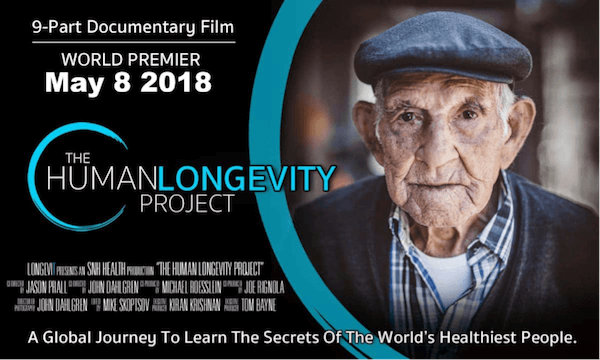
The Human Longevity Project is a first-of-it’s-kind 9 part online documentary filmed over 2 years, in over 50 locations, with over 90 expert interviews!

Join Health Researcher, Jason Prall, as he travels the world investigating why certain people live extraordinarily, healthy, happy and long lives.

Here is a trailer to inspire you to watch and learn and go on this amazing journey with Jason and the people he interviews:

With this documentary he wants to share that there are

  • populations all over the world that are virtually free of chronic disease
  • places where people typically live well into their 90s and 100s
  • ways to live a healthier, longer and happier life, using strategies that work for the oldest populations… free of fad diets and short-lived health trends.
  • ways to get clear on what naturally works to cure depression, anxiety, and overwhelm
  • new and proven ways to treat and prevent most epidemic diseases
  • tools to turn your mitochondria into a powerhouse for your body, so you get more energy and stamina throughout the day

Jason not only traveled the world to learn from these healthy populations, he interviewed leading researchers, doctors and experts to uncover the underlying mechanisms that afforded them such long, healthy and happy lives.

The results are stunning and scenery is superb!

(It’s truly magnificent and I’ve only seen snippets! It takes me back to my late 20s when I backpacked through Europe and lived like the locals did, eating amazing local food, explored beautiful Greece and Turkey and met incredible people!)

What’s wonderful is that you can now learn the secrets of the world’s healthiest people, and how to apply their wisdom to your modern life.

Here are some of my favorite quotes from just a few of the amazing speakers:

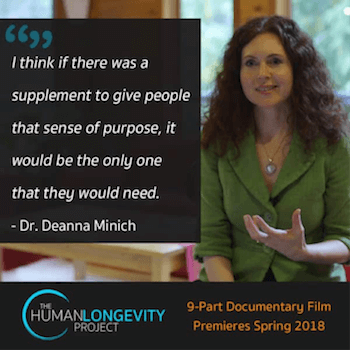
Yes to having a sense of purpose – a sense of purpose is the only one thing you need! Purpose is SO important and Deanna Minich, PhD shares why on The Human Longevity Project.

Do you have a sense of purpose? And how has it helped you heal and live a fuller life?

I know that quitting my computer job over 15 years ago and going back to school to become a nutritionist was the best thing I ever did! Helping others finding nutritional solutions for their anxiety symptoms is so incredibly rewarding. It’s my purpose in life – that’s for sure! I actually consider my own anxiety and panic attacks a gift now – a gift that led me to what I do today!

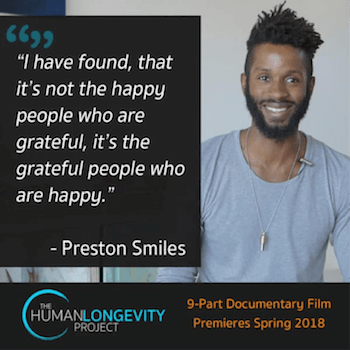
I love this quote from Preston Smiles:

It’s not the happy people who are grateful, it’s the grateful people who are happy

And don’t you just love his name and lovely smile too!? So much wisdom!

And wisdom from 68-year old Cristina in Costa Rica – go barefoot and walk on the ground to raise our defenses and build immunity.

Ayako, from Japan, is 83 years old and she says this:

The most important thing is balance in your way of eating, sleeping and work. If there is an imbalance you will get sick

I hope you feel as excited about this as I do! You can register for The Human Longevity Project here

Enjoy every beautiful minute of it!

Filed Under: Anxiety, Events Tagged With: anxiety, balance, grateful, health, Jason Prall, longevity, purpose, The Human Longevity Project

GABA, 5-HTP and melatonin isn’t working anymore for my insomnia and tryptophan gives me a migraine – what should I do?

May 11, 2018 By Trudy Scott 20 Comments

Today I’m addressing a great question I received on a recent tryptophan blog about insomnia and the use of the amino acids GABA and 5-HTP in a combination product together with melatonin, and what the next steps should be when you are not getting the expected results. And if continuing with tryptophan is a good idea when it seems to be causing a migraine and isn’t leading to a whole night’s sleep. Here is the question:

I have suffered from insomnia for most of my life. I just got your book and am loving it! Thank you for all that you do. My symptoms seem to be high for both low GABA and low serotonin [here is the questionnaire].

I also believe I have a blood sugar problem, so I’m starting to follow your suggestions for that.

I’ve been taking a supplement for sleep that has both GABA and 5-HTP in it, along with melatonin. It worked for a year, however it just recently stopped working.

I thought maybe I should try tryptophan. After taking only 220 mg per night, along with 5 mg of melatonin, I was able to sleep, but not through the entire night. However, the next day I woke up with a horrible headache/migraine. I know it was the tryptophan because I did a trial and tried a night without it and then again with it and the nights I took it, sure enough, the migraine would return.

I must add that I had bloodwork done and tested low for melatonin, which is why I was adding the melatonin into my protocol.

My question is: do I continue with a higher dose of GABA, 5-HTP and melatonin, since it worked for a year i.e. do I up the dosage of the supplement I’ve been taking? Or do I continue trying different doses of tryptophan?

I shared this response in my comment (with some additions for this blog post).

Always first address the nutritional foundational aspects

Firstly, I was glad to hear she is loving my book The Antianxiety Food Solution (my Amazon link) and implementing dietary changes. This is so foundational to any protocol for both anxiety and insomnia. Too often, someone hears me talking about the amazing amino acids and forgets the nutritional basics of real whole food, quality animal protein (like wild fish, pastured eggs and chicken, grass-fed red meat), organic veggies and fruit, healthy fats (like olive oil, coconut oil and butter), fermented foods and broths, and no gluten, caffeine or sugar.

I don’t ever have clients push through

With regards to her trial of tryptophan I shared that I don’t ever have clients push through on a product that is causing any adverse effects, and especially when it’s a migraine. She was smart and trialed the tryptophan twice to make sure it was the tryptophan that caused the migraine and not something else.

Capitalize on what has worked and increase one at a time

With regards to the GABA, 5-HTP and melatonin I shared that I always like to capitalize on what has worked in the past (or is currently working) and would rather increase the 5-HTP and/or melatonin and/or GABA one at a time.

Notice that I said increase these products one at a time. She is taking a combination product so it’s impossible for her to do this. Maybe her GABA levels are now good (because her progesterone levels have improved due to be on a regular zinc supplement or because she has been doing regular yoga sessions) and maybe she needs more serotonin support (because her estrogen levels are off because of recent exposure to xenoestrogens in plastics).

Even though is research showing that a combination product containing GABA and 5-HTP improved sleep and sleep duration more than the use of either of the two amino acids alone, based on her feedback, if we were working together I would have her do each of the GABA, 5-HTP and melatonin separately. This way it’s easy to mix and match and increase one and possibly lower the other, until the ideal combination is found for her unique needs at this time in her life.

She may even find she only needs GABA or only needs 5-HTP or only melatonin. She may also find she needs sublingual melatonin for helping her fall asleep and timed-release melatonin for helping her stay asleep.

She mentions the amino acid questionnaire so it sounds like she is clear on her symptoms: low GABA physical anxiety affecting her sleep and low serotonin mental worry-type of anxiety affecting her sleep. So as she trials the individual amino acids she can see how she does symptom-wise in order to find the ideal amount.

Other factors to consider with insomnia

It’s often straight-forward with the amino acids and the great thing is that one you have the correct combination you will see results in a few days to a few weeks. But There are other factors we may need to consider with insomnia:

  • Keep in mind that 5-HTP can raise cortisol and low blood sugar can indicate adrenal issues so looking at high cortisol as a factor in the sleep problems would be something to consider. A 4-collection saliva test will measure this and my favorite product for lowering high cortisol is Seriphos. Other nutrients for adrenal support may be needed too.
  • Just addressing low blood sugar can often improve insomnia. Eating to support blood sugar swings, early morning sunlight and no blue light after dark can make a world of difference.
  • Other sleep factors we always want to consider: sex hormone imbalances, parasites (they are more active at night and can keep you awake and play a role in high cortisol), accidental gluten exposure, SIBO (small intestinal bacterial overgrowth), candida, sleep apnea and mouth breathing, EMFs (WiFi in the home, commuting with the iphone on, a new cordless phone etc.) and medication side-effects (benzodiazepines are a common one).

I really appreciate questions like this being posted on the blog so others like you also get to benefit. This question also demonstrates just how our needs for certain nutrients can change over time and how we may to keep adjusting what we are doing.

In case you have questions about specific products that I use with clients, here is my supplements blog and more information on GABA for the physical type of anxiety and 5-HTP/tryptophan for the worry-type of anxiety.

Can you relate to this scenario? Feel free to ask your questions about sleep, GABA, 5-HTP, tryptophan and melatonin and share your experiences with these products and how they have helped you or if you’ve had issues with any of them.

Filed Under: Anxiety, GABA, Insomnia Tagged With: 5-HTP, anxiety, benzodiazepines, cortisol, GABA, insomnia, melatonin, migraine, sleep, tryptophan, worry

KetoNutrition: From Science to Emerging Applications and Practical Implementation

May 4, 2018 By Trudy Scott Leave a Comment

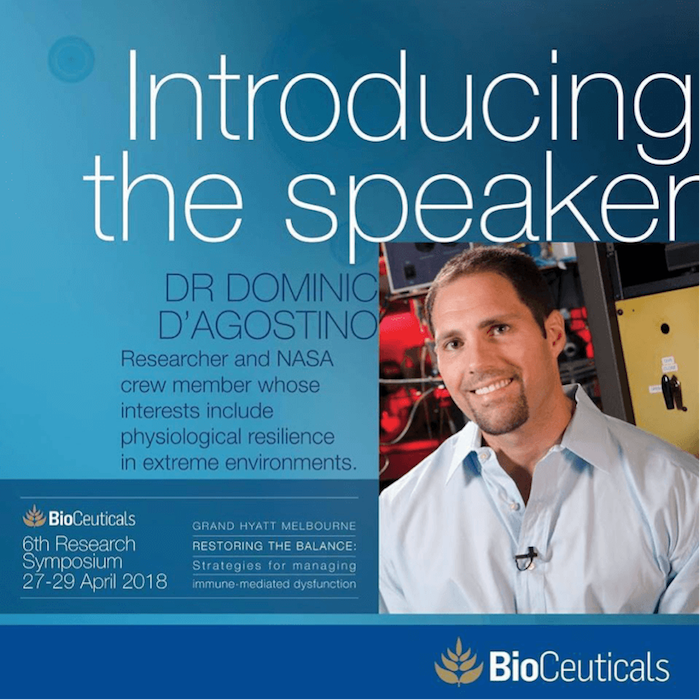
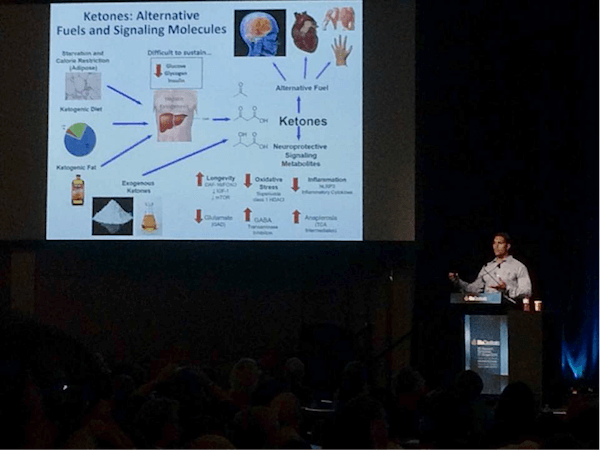
I had the pleasure of hearing Dominic D’Agostino, NASA crew member, researcher and Associate Professor at the University of South Florida present on “KetoNutrition: From Science to Emerging Applications and Practical Implementation” at the 6th BioCeuticals Research Symposium in Melbourne last weekend. His presentation was based on decades of evidence that supports the anticonvulsant and neuroprotective properties of nutritional ketosis. It was one of my favorite presentations and I’m thrilled to share some of the highlights with you here.

Ketones are alternative fuels and neuroprotective signaling metabolites – increasing longevity, lowering inflammation, dampening oxidative stress, lowering glutamate and raising GABA.

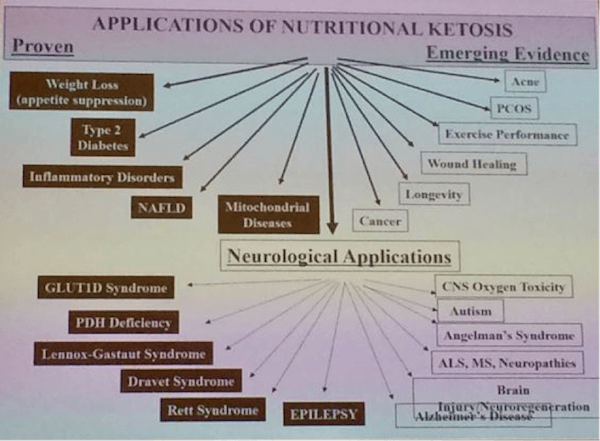
In this slide he shared how the proven applications of nutritional ketosis are extensive – including epilepsy, type 2 diabetes, weight loss, NAFLD, mitochondrial disease and inflammation, GLUTID Syndrome, PDH Deficiency, Lennox-Gastaut Syndrome, Dravet Syndrome and Rett Syndrome.

There is emerging evidence for acne, PCOS, exercise performance, wound healing, longevity, cancer, CNS Oxygen Toxicity, autism, Angelman’s Syndrome, ALS, MS, Neuropathies, Alzheimer’s disease, brain injury, neurodegeneration, anxiety, depression, bipolar and schizoaffective disorder.

Seizures, cancer and the ketogenic diet


In his TEDx talk from 2013 Dr. D’Agostino shares the benefits of a ketogenic diet for seizures and how while studying the effects of gasses on the brains of Navy Seal divers, he developed an approach for metabolically starving cancer cells through diet and compressed oxygen, replacing chemotherapy, surgery, or radiation.

He ends by saying this:

Future treatments and prevention of many diseases may fall back on the ancient wisdom of Hippocrates when he said “let food be thy medicine”

As you can see from the applications slide above, much more research has been done on the therapeutic benefits of a ketogenic diet since this 2013 TEDx talk.  And food truly is medicine!

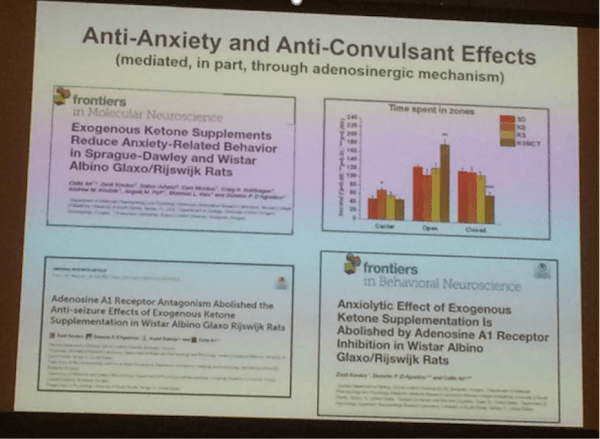
In one of his studies, the first paper above, ketone supplementation was found to have an anti-anxiety effect – Exogenous Ketone Supplements Reduce Anxiety-Related Behavior in Sprague-Dawley and Wistar Albino Glaxo/Rijswijk Rats:

We conclude that ketone supplementation may represent a promising anxiolytic strategy through a novel means of inducing nutritional ketosis.

Adenosine and the adenosinergic mechanism

He shared a number of studies that describe how the anti-anxiety and anti-convulsant effects of ketone supplementation are mediated, in part, through the adenosinergic mechanism. This was one of his papers – Anxiolytic Effect of Exogenous Ketone Supplementation Is Abolished by Adenosine A1 Receptor Inhibition in Wistar Albino Glaxo/Rijswijk Rats.

Adenosine is a neurochemical which many coffee-drinkers may be familiar with since: “Caffeine increases wakefulness [and often anxiety] by antagonizing adenosine receptors, and adenosine itself promotes sleepiness” and a feeling of calm.

Older research finds that there is the “involvement of adenosinergic receptor system in anxiety related behaviours.” More recent research describes adenosine as “a mediator with multisystemic effects”, and it is produced by almost all cells, playing a role in heart function, sleep, bone health, activation of the immune system and mediating the effect of various hormones. I expect we’ll be hearing a great deal more about adenosine in relation to ketogenic diets in the near future.

The microbiomes of astronauts sync up and so do their serotonin levels

This was one of my favorite presentations at the BioCeuticals Symposium and it was really great to meet Dominic afterwards and learn more about future anxiety research. He shared that his lab has planned research on the benefits of ketosis for both anxiety and improved cognitive function.

It was also fascinating learning from someone who has been in space and hearing how the microbiomes of the astronauts sync up when they are all in space together. And so do their serotonin levels.

If the ketogenic diet is new for you or you want to see the latest research, check out Dominic’s work at Keto Nutrition. And if you want to learn more from Dominic and other keto experts, the Keto Edge Summit runs all of next week.

I also write about two schizoaffective case studies here and share questions and concerns I have about the ketogenic diet. It’s not a panacea for everyone in all instances. But the therapeutic benefits are profound when someone needs to adopt this dietary approach.

Feel free to ask questions and share you experiences with a ketogenic diet – in the comments below.

Filed Under: Anxiety, Bipolar disorder, Ketogenic diet Tagged With: adenosine, adenosinergic, anxiety, autism, cancer, depression, Dominic D'Agostino, keto, Ketogenic diet, ketosis, schizoaffective disorder, seizures, weight-loss

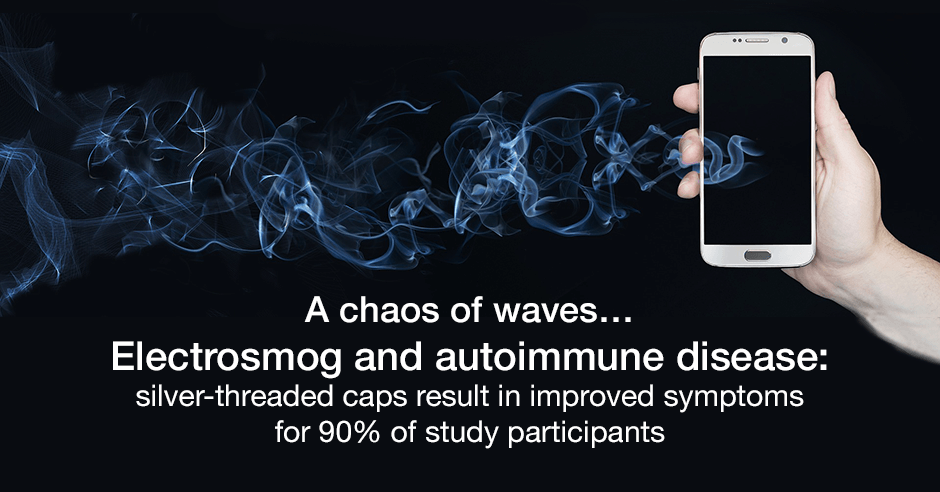
Electrosmog and autoimmune disease: silver-threaded caps result in improved symptoms for 90% of study participants

April 27, 2018 By Trudy Scott 40 Comments

One of the most compelling studies I learned about in the recent Electrosmog Rx course (hosted by Nick Pineault) is the study by Trevor Marshall, MD and Trudy Heil, RN: Electrosmog and autoimmune disease. In this study, 90% of the participants – all with an autoimmune diagnosis of either arthritis, lupus, multiple sclerosis, sjogrens or celiac disease – reported improved symptoms as a result of wearing silver-threaded EMF protective caps.

The paper provides a good overview from NASA on what electrosmog is i.e. all the electromagnetic waves we’re exposed to on a daily basis:

As you sit watching TV, not only are there visible light waves from the TV striking your eyes, but also radio waves, transmitting from a nearby station, and microwaves carrying cellphone calls and text messages, and waves from your neighbor’s WiFi, and GPS units in the cars driving by. There is a chaos of waves from all across the spectrum passing through your room right now.

Patients who were participating in Dr. Marshall’s autoimmune/VDR/electrosmog research were purchasing commercially available shielded clothing and tenting on their own from retailers and reporting symptom improvements:

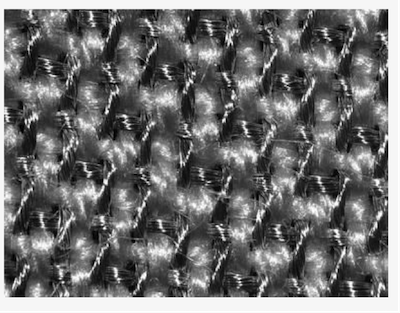
This clothing typically has silver-coated polyester threads interwoven with the supporting fabric so that the garment is capable of partially blocking microwave Electrosmog.

Fig. 5: A X20 micrograph of a microwave-blocking fabric woven with a mesh of silver-coated polyester strands among the supporting bamboo fibers (Electrosmog and autoimmune disease)

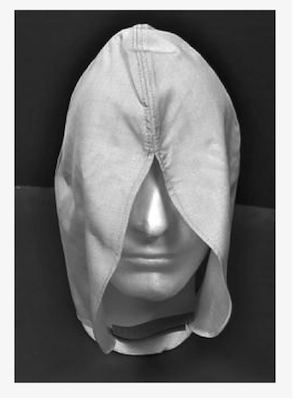
Because there were frequent anecdotal reports of symptom improvement, especially when their brain and brain stem were “shielded” during sleep, Dr. Marshall and his team decided to create a standardized sleeping cap so the EMF shielding effect could be easily analyzed and optimized.

Fig. 6: A photograph of a sleeping cap sewn from the microwave-shielding fabric (Electrosmog and autoimmune disease)

Study participants wore the cap once for 4 hours during sleeping and once for 4 hours during normal activity. The results were impressive, with 90 % of the 64 patients reporting a “Definite” or “Strong” change in their symptoms.

The authors share that those with an autoimmune condition seem to be predisposed to Electrosmog hypersensitivity (now being called EHS) at levels currently existing in typical home and work environments. They suggest the following:

effective control of environmental Electrosmog immunomodulation may soon become necessary for successful therapy of autoimmune disease.

Caution does need to be exercised as some people can feel worse when going from being bombarded by EMFs on a daily basis to much less exposure. This could almost be considered a Herxheimer reaction and is described in the paper as follows:

When the Electrosmog in a patient’s environment is reduced, the immune system tends to become more active. This may result in immunopathology. Indeed, some patients have reported a surge in disease symptoms, occasionally an intolerable surge, after WiFi routers and cell phones have been switched off in their homes. Others have reported that travel to a very quiet area, such as a remote canyon, caused a surge in their immune symptoms.

This is something that Dr. Klinghardt finds when working with his patients and the authors agree that we need a plan on how best to address this. I can attest to this personally – I have discovered that I have Electrosmog hypersensitivity – and as I have started to mitigate my own EMF exposure I’ve had to be careful.

This proposed go-slow EMF mitigation plan includes:

  • the basic foundational work based on my book “The Antianxiety Food Solution” and the material on my blog
  • additional nutritional support specific to the EMF detox: mitochondria support, added antioxidants and melatonin, rosemary, propolis, kombucha, vitamin D and more
  • and only then removal of EMF sources, EMF-protective clothing, grounding and devices such as pendants, and supporting specific symptoms such as increased insomnia/anxiety
  • working with a knowledgeable functional medicine practitioner if heavy metals are being stirred up and are causing worse symptoms (Dr. Klinghardt reports this to be a common issue).
  • reducing some of the support nutrients once EMF mitigation is in place and the ‘herxheimer’ reaction is over, adding them back when you know you’ll be exposed to WiFi i.e. during travel and when ill or during times of stress

I’ll be sharing more about my journey and my detailed proposed go-slow EMF mitigation plan with links to research in a future blog.

Going back to the study – we are still learning more about what this may all mean for someone with an autoimmune disease. The results are clearly very powerful and the benefits wonderful. But for me this study is so promising on many other levels because it shows that:

  • EMFs can and do have an adverse impact on health and this adds to the growing body of evidence (despite this research and many more studies, the dangers of EMFs are not common knowledge)
  • we have control and can do something about the adverse effects of EMFs
  • those of us with less severe symptoms but still sensitive to EMFs, can also hopefully expect to see some improvements when mitigation approaches like this are implemented

I write about how Wi-Fi is an important threat to human health and may contribute to unresolved anxiety, SIBO, oxalate issues and high cortisol. This is just the tip of the iceberg and it’s something we all need to be taking seriously.

I’d love to hear from you. How concerned are you about EMFs and what changes have you made? Did you experience a Herxheimer reaction when reducing EMF exposure and what helped you?

If you’re a practitioner – are you talking to your clients/patients about this and seeing improvements in their symptoms when they make changes? Are you interested in learning more about this topic so you can further help them? If yes, the evergreen digital version of the Electrosmog Rx program created by investigative health journalist Nicolas Pineault is now available.  You can learn more about the program here. I highly recommend it!

His book, “The Non-Tinfoil Guide to EMFs” (my Amazon link), is also recommended reading for all of us.


Filed Under: Anxiety, EMFs Tagged With: anxiety, arthritis, autoimmune disease, celiac, Dr. Marshall, electrosmog, EMFs, high cortisol, MS, SIBO, silver-threaded caps

  • « Go to Previous Page
  • Page 1
  • Interim pages omitted …
  • Page 29
  • Page 30
  • Page 31
  • Page 32
  • Page 33
  • Page 34
  • Go to Next Page »

Primary Sidebar

GABA QuickStart Homestudy

gaba quickstart homestudy

Free Report

9 Great Questions Women Ask about Food, Mood and their Health

You'll also receive a complimentary subscription to my ezine "Food, Mood and Gal Stuff"


Connect with me

Popular Posts

  • Amino Acids Mood Questionnaire from The Antianxiety Food Solution
  • The Antianxiety Food Solution Amino Acid and Pyroluria Supplements
  • Pyroluria Questionnaire from The Antianxiety Food Solution
  • Collagen and gelatin lower serotonin: does this increase your anxiety and depression?
  • Tryptophan for the worry-in-your-head and ruminating type of anxiety
  • GABA for the physical-tension and stiff-and-tense-muscles type of anxiety
  • The Antianxiety Food Solution by Trudy Scott
  • Seriphos Original Formula is back: the best product for anxiety and insomnia caused by high cortisol
  • Am I an anxious introvert because of low zinc and vitamin B6? My response to Huffington Post blog
  • Vagus nerve rehab with GABA, breathing, humming, gargling and key nutrients

Recent Posts

  • Her cravings for chips and peanut butter were triggered by stress: GABA ends cravings and reduces physical tension and fear of heights
  • It is truly miraculous to be able to move through life without crippling anxiety and panic
  • GABA and tryptophan combo provide immediate and noticeable relief for tremors and cervical dystonia in just 7 days
  • Red light therapy for back and neck pain, plantar fasciitis and low mood – a complement to the amino acids GABA, DPA and tryptophan
  • What do I use instead of Seriphos to help lower high cortisol that is affecting my sleep and making me anxious at night?

Categories

  • 5-HTP
  • AB575
  • Addiction
  • ADHD
  • Adrenals
  • Alcohol
  • Allergies
  • Alzheimer's disease
  • Amino Acids
  • Anger
  • Antianxiety
  • Antianxiety Food Solution
  • Antidepressants
  • Anxiety
  • Anxiety and panic
  • Autism
  • Autoimmunity
  • benzodiazapines
  • Bipolar disorder
  • Books
  • Caffeine
  • Cancer
  • Candida
  • Children/Teens
  • Collagen
  • Cooking equipment
  • Coronavirus/COVID-19
  • Cravings
  • Depression
  • Detoxification
  • Diabetes
  • Diet
  • DPA/DLPA
  • Drugs
  • EFT/Tapping
  • EMF
  • EMFs
  • Emotional Eating
  • Endorphins
  • Environment
  • Essential oils
  • Events
  • Exercise
  • Fear
  • Fear of public speaking
  • Fertility and Pregnancy
  • Fish
  • Food
  • Food and mood
  • Functional neurology
  • GABA
  • Gene polymorphisms
  • General Health
  • Giving
  • Giving back
  • Glutamine
  • Gluten
  • GMOs
  • Gratitude
  • Gut health
  • Heart health/hypertension
  • Histamine
  • Hormone
  • Hyperparathyroidism
  • Hypoglycemia
  • Immune system
  • Inflammation
  • Insomnia
  • Inspiration
  • Introversion
  • Joy and happiness
  • Ketogenic diet
  • Lithium orotate
  • Looking awesome
  • Lyme disease and co-infections
  • MCAS/histamine
  • Medication
  • Men's health
  • Mental health
  • Mercury
  • Migraine
  • Mold
  • Movie
  • MTHFR
  • Multiple sclerosis
  • Music
  • NANP
  • Nature
  • Nutritional Psychiatry
  • OCD
  • Osteoporosis
  • Oxalates
  • Oxytocin
  • Pain
  • Paleo
  • Parasites
  • Parkinson’s disease
  • PCOS
  • People
  • PMS
  • Postpartum
  • PTSD/Trauma
  • Pyroluria
  • Questionnaires
  • Real whole food
  • Recipes
  • Research
  • Schizophrenia
  • serotonin
  • SIBO
  • Sleep
  • Special diets
  • Sports nutrition
  • Stress
  • Sugar addiction
  • Sugar and mood
  • Supplements
  • Teens
  • Testimonials
  • Testing
  • The Anxiety Summit
  • The Anxiety Summit 2
  • The Anxiety Summit 3
  • The Anxiety Summit 4
  • The Anxiety Summit 5
  • The Anxiety Summit 6
  • Thyroid
  • Thyroid health
  • Toxins
  • Tryptophan
  • Tyrosine
  • Uncategorized
  • Vegan/vegetarian
  • Women's health
  • Yoga

Archives

  • May 2026
  • April 2026
  • October 2025
  • September 2025
  • August 2025
  • July 2025
  • June 2025
  • May 2025
  • April 2025
  • March 2025
  • February 2025
  • January 2025
  • November 2024
  • October 2024
  • September 2024
  • August 2024
  • July 2024
  • June 2024
  • May 2024
  • April 2024
  • March 2024
  • February 2024
  • January 2024
  • December 2023
  • November 2023
  • October 2023
  • September 2023
  • August 2023
  • July 2023
  • June 2023
  • May 2023
  • April 2023
  • March 2023
  • February 2023
  • January 2023
  • December 2022
  • November 2022
  • October 2022
  • September 2022
  • August 2022
  • July 2022
  • June 2022
  • May 2022
  • April 2022
  • March 2022
  • February 2022
  • January 2022
  • December 2021
  • November 2021
  • October 2021
  • September 2021
  • August 2021
  • July 2021
  • June 2021
  • May 2021
  • April 2021
  • March 2021
  • February 2021
  • January 2021
  • December 2020
  • November 2020
  • October 2020
  • September 2020
  • August 2020
  • July 2020
  • June 2020
  • May 2020
  • April 2020
  • March 2020
  • February 2020
  • January 2020
  • December 2019
  • November 2019
  • October 2019
  • September 2019
  • August 2019
  • July 2019
  • June 2019
  • May 2019
  • April 2019
  • March 2019
  • February 2019
  • January 2019
  • December 2018
  • November 2018
  • October 2018
  • September 2018
  • August 2018
  • July 2018
  • June 2018
  • May 2018
  • April 2018
  • March 2018
  • February 2018
  • January 2018
  • December 2017
  • November 2017
  • October 2017
  • September 2017
  • August 2017
  • July 2017
  • June 2017
  • May 2017
  • April 2017
  • March 2017
  • February 2017
  • January 2017
  • December 2016
  • November 2016
  • October 2016
  • September 2016
  • August 2016
  • July 2016
  • June 2016
  • May 2016
  • April 2016
  • March 2016
  • February 2016
  • January 2016
  • December 2015
  • November 2015
  • October 2015
  • September 2015
  • August 2015
  • July 2015
  • June 2015
  • May 2015
  • April 2015
  • March 2015
  • February 2015
  • January 2015
  • December 2014
  • November 2014
  • October 2014
  • September 2014
  • August 2014
  • July 2014
  • June 2014
  • May 2014
  • April 2014
  • March 2014
  • February 2014
  • January 2014
  • December 2013
  • November 2013
  • October 2013
  • September 2013
  • August 2013
  • July 2013
  • June 2013
  • May 2013
  • April 2013
  • March 2013
  • February 2013
  • January 2013
  • December 2012
  • November 2012
  • October 2012
  • August 2012
  • July 2012
  • June 2012
  • May 2012
  • April 2012
  • March 2012
  • February 2012
  • January 2012
  • December 2011
  • November 2011
  • October 2011
  • September 2011
  • August 2011
  • July 2011
  • June 2011
  • May 2011
  • April 2011
  • March 2011
  • February 2011
  • January 2011
  • December 2010
  • October 2010
  • September 2010
  • July 2010
  • May 2010
  • April 2010
  • March 2010
  • February 2010
  • January 2010
  • November 2009

Share the knowledge!

The above statements have not been evaluated by the Food and Drug Administration. Products listed in this website are not intended to diagnose, treat, cure or prevent any disease.

The information provided on this site is for informational and educational purposes only and is not intended as a substitute for advice from your physician or other health care professional. You should consult with a healthcare professional before starting or modifying any diet, exercise, or supplementation program, before taking or stopping any medication, or if you have or suspect you may have a health problem.


Copyright © 2026 Trudy Scott. All Rights Reserved. | Privacy | Terms and Conditions | Refund Policy | Medical Disclaimer

Free Report

9 Great Questions Women Ask about Food, Mood and their Health

You’ll also receive a complimentary subscription to my ezine “Food, Mood and Gal Stuff”