• Skip to primary navigation
  • Skip to main content
  • Skip to primary sidebar

everywomanover29 blog

Food, Mood and Women's Health – Be your healthiest, look and feel great!

  • Blog
  • About
  • Services
  • Store
  • Resources
  • Testimonials
  • The Book
  • Newsletter
  • Contact
  • Search this site

Anxiety and panic

Waking with a jolt, feeling shaky and anxious: low blood sugar/hypoglycemia, glutamine and eating for blood sugar stability

February 2, 2024 By Trudy Scott 22 Comments

blood sugar stability

Low blood sugar is one of a number of causes of waking in the night or early hours, often with a jolt and feelings of anxiety or feeling like you’re having a panic attack. As shared in a recent blog post, cortisol that is high at night can cause very similar symptoms.

Because of a low blood sugar question on the high cortisol blog, today I’m explaining the very different solutions to each root cause: glutamine and eating for blood sugar stability when you have low blood sugar versus Seriphos when you have high cortisol.

Katherine shares that she has low cortisol and suspects hypoglycemia or low blood sugar, and is hesitant about using Seriphos:

My last 4 point cortisol test showed mine is low throughout the day. But I’m having episodes where I’m waking up in the mornings feeling a jolt (every time I wake up from sleeping) and sometimes also shaky and anxious.

A functional pharmacist suggested my blood sugar may be dropping during the night and hypoglycemia could cause an adrenaline surge.

I don’t know. I’m nervous to try something [such as Seriphos] to lower cortisol when it seems mine is already too low.

I agree with her functional pharmacist that hypoglycemia is likely a factor as it often is with adrenal dysfunction and low cortisol. And I am glad Katherine is being cautious about using Seriphos.

I shared that Seriphos is not the solution in this instance because she doesn’t have high cortisol based on her adrenal saliva test (4 collections). Instead, she has low cortisol throughout the day and using Seriphos would lower her cortisol even further. What many folks don’t realize is that high cortisol and low cortisol can lead to similar symptoms of anxiety, shakiness and waking in the night and early hours.

The good news is it’s relatively easy to figure out if low blood sugar is causing your symptoms. First I have clients rate their symptoms on the low blood sugar questionnaire and do a trial of glutamine. Next is figuring out the dosing and timing of glutamine, looking at a current food log and making dietary changes as needed.

If Katherine notices improvements – typically seen within a week – it’s very likely that hypoglycemia is a factor.

Finally, if additional support is needed for her anxiety I’d consider looking at low GABA and low serotonin symptoms and doing a trial of GABA and/or tryptophan.

Longer term solutions include all the dietary changes mentioned in my book – gluten-free, no sugar, no caffeine or alcohol, using nutritional support for the adrenals and addressing toxins, infections, trauma etc.

Low blood sugar symptoms

First I have clients rate their symptoms on the low blood sugar questionnaire and do a trial of glutamine if they have low blood sugar symptoms.

Here are the low blood sugar symptoms which are rated on a scale of 1 to 10, with 10 being most severe:

  • Crave sugar, starch or alcohol any time during the day
  • Irritable, shaky, headachey – especially if too long between meals
  • Intense cravings for sweets
  • Lightheaded if meals are missed
  • Eating relieves fatigue
  • Agitated, easily upset, nervous
  • Waking in the night or early hours with a jolt of anxiety/shakiness

If the ratings indicate the possibility of low blood sugar i.e. any cluster of the above symptoms, we do a trial of the amino acid glutamine on the tongue and record before and after ratings of a few symptoms.

Glutamine is a key amino acid for blood sugar stability and helps quickly while the adrenals heal and the dietary changes are figured out.

Glutamine for low blood sugar: dosing and timing

Typically 500 mg glutamine is a good starting dose. I see many folks start too high, like 5000 mg / 5 g and up multiple times a day, and it’s not necessary. However, we increase based on individual needs and you may find you do need to use 500 mg -1000 mg two to three times a day. Using a glutamine powder is a great way to use it especially if you find you do need more than 500 mg each time.

When you use glutamine powder directly on the tongue (rather than mixed in water), the benefits are seen almost immediately.

For someone like Katherine, using glutamine throughout the day may set her up for night time or early morning low blood sugar. She may also find she needs to use some glutamine just before bed too.

GABA and/or serotonin support too?

Depending on the causes of her anxiety and shakiness, in addition to glutamine, Katherine may need to consider GABA and/or tryptophan too. We use the low GABA and low serotonin symptoms questionnaire and do trials of GABA and/or tryptophan/5-HTP.

All three amino acids can be used before bed and during the night if needed but trials are best done one at a time.

Glutamine for low blood sugar, healing the gut, to reduce sugar cravings and for better sleep

In addition to helping with blood sugar stability and sleep issues, glutamine also helps to heal the gut and helps reduce sugar cravings. Laura shared how it’s been helping her with all of this on another blog:

I am currently struggling with gastritis (inflammation of the stomach lining) as well as a lifetime of low blood sugar and irritability. I started glutamine a few days ago (15 grams a day) and I am amazed at how it has calmed my gut as well as calmed the sugar cravings. I am also sleeping better!

I did share that 15 g is considered a high starting dose of glutamine. She may well get similar benefits with much less.

Glutamine for early morning low blood sugar and headaches

As you can see in this case, Cat finds 500 mg glutamine just once a day works well for her unique needs:

I found a powder that I mix approximately 500 mg of with water. It works within about 15 minutes and keeps me going for about 2 – 3 hours — long enough to reach a reasonable time for lunch.

I’m thrilled to have this option as anytime that I travel, low blood sugar becomes a huge issue as I suffer from ketotic hypoglycemia and end up with massive headaches and vomiting for 6-8 hours.

You can read more about Cat’s success here – Glutamine for hypoglycemia/low blood sugar: “500mg mixed in water works in 15 minutes and keeps me going for 2 – 3 hours”.

Dietary changes for blood sugar control and adrenal support

All my clients keep a food log and we look at what they are eating on a typical day and when. It’s key to eat in a certain way in order to control blood sugar:. breakfast on waking, healthy snacks 3 to 4  x day and some folks do well with a snack before bed. These meals and snacks should include quality animal protein and healthy fats. This is all outlined in detail in the diet and low blood sugar chapters in my book “The Antianxiety Food Solution”.

A protein smoothie in the morning is a good option too and especially helpful if you have the social anxiety condition pyroluria, where morning nausea and a low appetite is common initially. This blog highlights a research paper about breakfast smoothies helping to reduce anxiety and hypoglycemia symptoms.

Nutritional support for adrenal function includes a good B vitamin complex, extra vitamin B5/pantothenic acid, vitamin C and adaptogenic herbs such as rhodiola and ashwagandha.

Glutamine product options – capsule vs powder
l-glutamine
l-glutamine

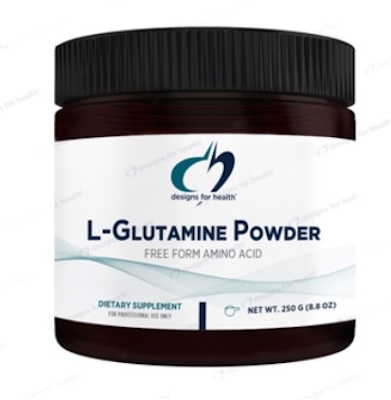
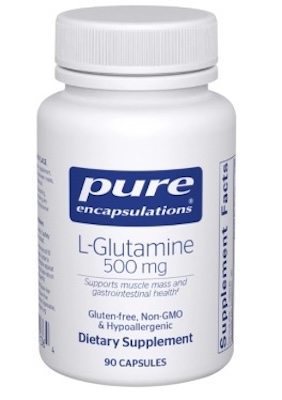
Products I recommend include Pure Encapsulations 500 mg l-glutamine (capsules opened on to your tongue) and Designs for Health l-glutamine powder as you find you need higher amounts.  You can purchase these from my online store (Fullscript – only available to US customers – use this link to set up an account).
l-glutamine
l-glutamine

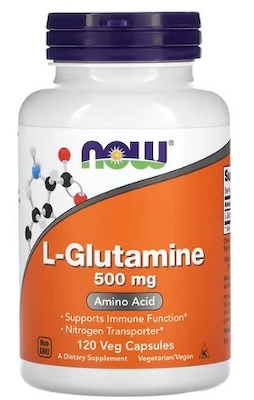
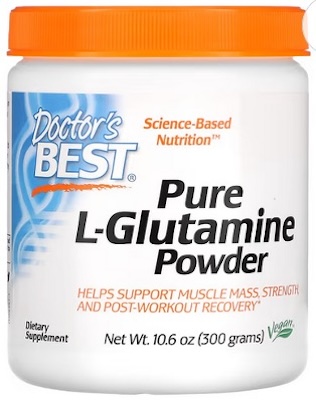
If you’re not in the US, Now l-glutamine 500 mg and Doctor’s best l-glutamine powder are products I recommend on iherb (use this link to save 5%).

Additional resources when you are new to using amino acids as supplements

We use the symptoms questionnaire to figure out if low blood sugar and/or low serotonin and/or low GABA and other neurotransmitter imbalances may be an issue for you.

If you suspect low levels of any of the neurotransmitters and do not yet have my book, The Antianxiety Food Solution – How the Foods You Eat Can Help You Calm Your Anxious Mind, Improve Your Mood, and End Cravings, I highly recommend getting it and reading it before jumping in and using amino acids on your own so you are knowledgeable. And be sure to share it with the practitioner/health team you or your loved one is working with.

There is an entire chapter on the amino acids and they are discussed throughout the book in the sections on gut health, gluten, blood sugar control (this is covered in an entire chapter too), sugar cravings, anxiety and mood issues. The importance of quality animal protein and healthy fats is also covered.

The book doesn’t include product names (per the publisher’s request) so this blog, The Antianxiety Food Solution Amino Acid and Pyroluria Supplements, lists the amino acids that I use with my individual clients and those in my group programs.

If, after reading this blog and my book, you don’t feel comfortable figuring things out on your own (i.e. doing the symptoms questionnaire and respective amino acids trials), a good place to get help is the GABA QuickStart Program (if you have low GABA symptoms too). This is a paid online/virtual group program where you get my guidance and community support.

If you are a practitioner, join us in The Balancing Neurotransmitters: the Fundamentals program. This is also a paid online/virtual program with an opportunity to interact with me and other practitioners who are also using the amino acids.

Have you had success with glutamine for blood sugar stability and waking with a jolt of anxiety/panic at night or in the early hours?

Have you used it for blood sugar stability, reduced cravings, leaky gut and anxiety during the day?

If yes, how much helps you? And how often do you use it?

Have dietary changes and adrenal support helped too?

If you’re a practitioner do you use glutamine and dietary approaches with clients/patients with low blood sugar?

And please let me know if it’s helpful that I’m now including product recommendations and where to get them?

Feel free to share and ask your questions below.
Filed Under: Adrenals, Anxiety and panic, Glutamine, Insomnia Tagged With: anxiety, cortisol, dosage, GABA Quickstart; Balancing Neurotransmitters: the Fundamentals program for practitioners, glutamine, Hypoglycemia, insomnia, jolt, low blood sugar, panic, salivary testing, shakiness, shaky, Timing, waking

Seriphos to lower high cortisol: Help prevent an adrenaline-type surge and waking with anxiety and panic. Your questions answered

January 26, 2024 By Trudy Scott 16 Comments

seriphos and high cortisol

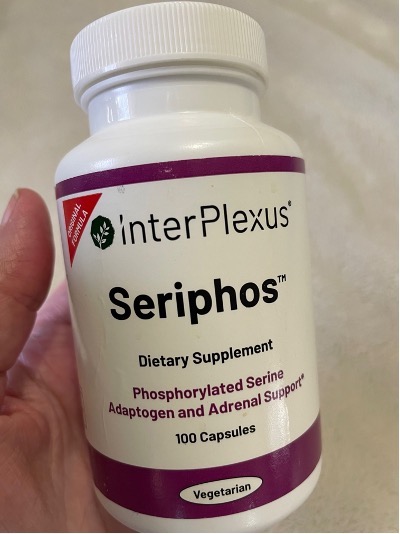
When you have high night-time cortisol it can cause you to wake in the middle of the night with anxiety and/or feeling like you’re having a panic attack. If your cortisol is really high in the early morning (outside of the normal range), you can also wake with a jolt and feelings of anxiety and panic. Seriphos, a phosphorylated serine product, can help to lower your high cortisol and eventually prevent these symptoms.

Today I’m addressing your questions about how to use Seriphos to lower high cortisol and help prevent an adrenaline-type surge – like dosing/timing at night and in the early morning, how long you can take it for, cortisol salivary testing, interactions, brands and another option to Seriphos.

Soma shared her symptoms on Facebook when I said I’d be taking questions:

Can feel the adrenaline rush “crash” over me. I responded so so to beta blockers but still having fitful sleep and occasional “shocks” into wakefulness in the night as if tragedy struck … fight or flight upon waking. Tremendous night sweats. Generally hyper vigilant as a person.

This is her question: “What dosage and when to take (how soon before bed) is recommended?”

Addressing dosage and timing is a good place to start (and a common question) but I asked her if she has done a 4-5x cortisol salivary collection to confirm that her night time cortisol is high. She has not done this simple and very effective adrenal test and I highly recommend it before using Seriphos. The reason is that low cortisol can often have similar symptoms to high cortisol and using Seriphos is going to make things worse.

What dosage and when to take Seriphos (how soon before bed) is recommended?

Assuming Soma has done the adrenal saliva test and knows her middle of the night cortisol (5th saliva collection) is high, using 1-3 capsules a few hours before the high cortisol seems to be most effective. For example, for 2-4 am waking this typically means taking Seriphos right before bed. In some instances, taking 1 on waking in the night can help too (for a maximum of 3).

If her late evening 10 pm (4th saliva collection) is high too, the dose can be split. For example, taking 1 Seriphos at 7- 8 pm (a few hours before the high cortisol at 10 pm) and 1-2 right before bed for the 2 -4 am high cortisol.

The bottle states to use 1 capsule with water 15 minutes before a meal. I’m really not sure why they state this.

How to use Seriphos for high morning cortisol and adrenaline surge on waking?

Syd asks this question about high morning cortisol (as confirmed by saliva adrenal testing):

Opinion about using it for confirmed high MORNING cortisol? (Yup, I know cortisol is supposed to be highest in the morning, but this is off the charts, literally, high.)

“Adrenaline surge” or “catecholamine surge” is exactly how I’ve explained it to people!! No cognitive worrying, just that surge.

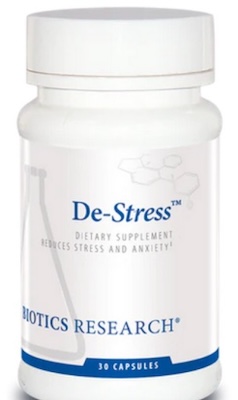
Because Seriphos works best taken a few hours in advance of high cortisol, I typically have clients use Lactium in this situation. It’s a hydrolyzed casein product that also lowers high cortisol. If casein is an issue then Relora is another option. I’ve blogged about both – Lactium here and Relora here.

One other option is to experiment with Seriphos – using it in the morning and also trying it at bedtime.

Should I take two Seriphos? I wake halfway through the night

Anne asks this question:

I only take one capsule? Should I take two? I wake halfway through the night, usually due to a full bladder. I fall back to sleep easily if I use a CBD gummy. Tested high for cortisol throughout the day on a DUTCH complete test, which measures at least 4 times.

Anne has done a DUTCH test which includes 4 adrenal saliva collections but doesn’t know if her cortisol is high in the middle of the night.  As mentioned above, 1-3 capsules of Seriphos is ideal so I have clients start with 1 and increase to 2 and then 3. Since her cortisol is high throughout the day she may do better using Seriphos in the day and continuing with CBD at night when she wakes.

She may also want to consider low GABA and/or low serotonin as factors causing her to not sleep through the night. This applies to anyone using Seriphos to lower high cortisol. More on amino acids below.

If she does have bladder issues addressing this is key too.

For how long can Seriphos be taken?

It is recommended to take a one-month break after 3 months of Seriphos use. Ideally, once some or all the root causes of high cortisol are addressed (like gluten, stress, parasites, infections, trauma etc), you should be able to stop anyway.  Or take a break, retest cortisol and then continue.

Does Seriphos have any interactions? And is there any cohort who should not use it?

Someone asked about using Seriphos with a beta blocker and someone else asked about using it with a SSRI. I’m not aware of any medication interactions but it’s best to always discuss with the prescribing physician.

What brands make Seriphos and where can I find it?

seriphos

There is only one product and it’s called Interplexis Seriphos. You can purchase this from my online store (Fullscript – only available to US customers – use this link to set up an account) and you can also find it on iherb (use this link to save 5%).

de-stress
bioactive milk peptides

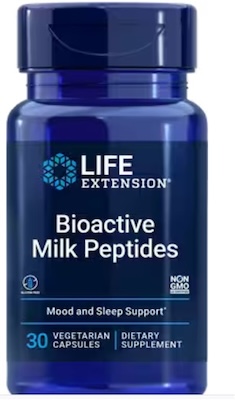
Since I mentioned Lactium above, Biotics Research De-Stress contains 150mg hydrolyzed casein or lactium. You can find this in my online Fullscript too – use this link to set up an account.  For non-US customers, Life Extension Bioactive Milk Peptides also contains 150mg hydrolyzed casein or lactium (you’ll see casein decapeptide and lactium on the label.)  You can find this on iherb (use this link to save 5%).

Additional resources when you are new to using amino acids as supplements

We use the symptoms questionnaire to figure out if low serotonin or low GABA and other neurotransmitter imbalances may be an issue for you.

If you suspect low levels of any of the neurotransmitters and do not yet have my book, The Antianxiety Food Solution – How the Foods You Eat Can Help You Calm Your Anxious Mind, Improve Your Mood, and End Cravings, I highly recommend getting it and reading it before jumping in and using amino acids on your own so you are knowledgeable. And be sure to share it with the practitioner/health team you or your loved one is working with.

There is an entire chapter on the amino acids and they are discussed throughout the book in the sections on gut health, gluten, blood sugar control, sugar cravings, anxiety and mood issues. The importance of quality animal protein is also covered.

The book doesn’t include product names (per the publisher’s request) so this blog, The Antianxiety Food Solution Amino Acid and Pyroluria Supplements, lists the amino acids that I use with my individual clients and those in my group programs.

If, after reading this blog and my book, you don’t feel comfortable figuring things out on your own (i.e. doing the symptoms questionnaire and respective amino acids trials), a good place to get help is the GABA QuickStart Program (if you have low GABA symptoms too). This is a paid online/virtual group program where you get my guidance and community support.

If you are a practitioner, join us in The Balancing Neurotransmitters: the Fundamentals program. This is also a paid online/virtual program with an opportunity to interact with me and other practitioners who are also using the amino acids.

Have you had success with Seriphos (or Lactium or Relora) to lower high cortisol and help with anxiety, panic and/or adrenaline-type surges?

Have you used Seriphos in combination with amino acids and dietary changes?

If you’re a practitioner do you use Seriphos with clients/patients?

Feel free to share and ask your questions below.
Filed Under: Adrenals, Anxiety and panic, Insomnia Tagged With: adrenaline-type surge, anxiety, cortisol, de-stress, dosage, fight or flight, high cortisol, interactions; GABA Quickstart; Balancing Neurotransmitters: the Fundamentals program for practitioners, jolt, lactium, panic, phosphorylated serine, safe, salivary testing, seriphos, shocks, Timing, waking

How to use bright light therapy for increased anxiety, increased panic and SAD during the cold dark winter months

January 19, 2024 By Trudy Scott 2 Comments

bright light therapy

There is a seasonality to anxiety and panic disorder just as there are seasonal variations in mood for certain susceptible individuals:

Following a clinical observation of increased anxiety symptoms and mood changes during winter in panic disorder patients, the Seasonal Pattern Assessment Questionnaire (SPAQ) was completed by 133 patients. Global Seasonality Scores (GSS), and the prevalence of Seasonal Affective Disorder (SAD), were significantly higher than reported in general population studies.

Seasonal changes were also found in anxiety and panic attacks.

These findings suggest the possibility of a common aetiology [etiology or cause] for panic disorder and SAD, that seasonality may be a far more general phenomenon in psychopathology, and that light therapy may be a useful treatment for some panic disorder patients.

The above abstract is from this paper: Seasonality in panic disorder

If you’re new to bright light therapy or are currently using it with success and would like to learn more, I’d like to point you to this excellent review paper, Bright Light as a Personalized Precision Treatment of Mood Disorders. The authors of the above paper cover some of the basics like how to use bright light for SAD (seasonal affective disorder) or the winter blues, and for how long, possible adverse effects and who should not use bright light therapy (this last aspect is theoretical).

This information about bright light and mood disorders can be applied to anxiety and panic attacks, in addition to SAD.

As you’ll read below there are also often benefits for non seasonal depression, bipolar disorder, fatigue, sleep issues, emotional eating and other conditions too.  And bright light therapy can be used in conjunction with the amino acids tryptophan or 5-HTP, and is often used with psychiatric medications too.

How to use bright light for SAD and winter anxiety/panic and for how long?

You sit in front of the light box or full spectrum lamp – on a table or your desk – with open eyes.  Using a standing lamp as a source of light is another option.

The authors of the Bright Light paper share the following approach for SAD (seasonal affective disorder or the winter blues), all of which is applicable for increased anxiety and panic attacks in winter too):

  • Start with a “duration of 30 minutes, using a light intensity of 10,000 lux.” (more on lux comparisons below)
  • “Early morning administration offers greater chances for remission” (although there is documented research and clinical results that for some folks later in the day works well too).
  • “Measured at eye level, a therapeutic distance of 60–80 cm from the light box can be seen as standard requirements (some other devices recommend a distance of 30 cm, so we advise to follow the device recommendations that take into account light parameters and distance).” Most of the lights/devices I recommend state a distance of 30 cm so it’s best to follow the manufacturer’s guidelines.
  • “Lower intensities also appear to be effective, but need longer exposure durations: 2,500 Lux for 2 hours per day or 5,000 Lux for 1 hour a day.” This means sitting further away may allow you to sit in front of the lamp/device for longer duration and get the same benefits.
  • “Significant effects appear only at 2–3 weeks of treatment.” Based on my clinical results, I have clients start to feel some improvements right away with the correct distance and a good lamp.
  • “Treatment is usually continued until the time of usual spontaneous remission in the spring or summer” (and is ideally started as fall/autumn starts to approach rather than in the middle of winter).

I’m also adding this missing and yet important fact from another paper: “The light box is angled ~30° from the line of gaze. The user does not stare directly into the light.”

They also discuss guidelines for year round use of bright light therapy for non-seasonal unipolar depression, another term for major depressive disorder. And midday or morning use for bipolar depression (when on mood stabilizers). I share more about this in my blog: Midday bright light therapy for bipolar depression. I refer you to the study for this information so it can be discussed with your doctor.

Bright light therapy for insomnia and decreased alertness/fatigue

The Bright Light paper also mentions how light therapy “may also be useful to improve sleep quality” … and … “abnormalities in circadian rhythms such as sleep phase delay syndrome, that are frequently associated in mood disorders.”

The authors also mention how light therapy can also help “decreased alertness”, presumably as a result of poor sleep.

Clinically, I see these benefits for clients in similar ways that tryptophan or 5-HTP help with sleep issues. This is related to the serotonin boosting mechanism of bright light therapy. Keep in mind anxiety and panic are symptoms of low serotonin.

What are some possible adverse effects of bright light therapy?

The authors state that bright light therapy “is well-tolerated by patients; adverse effects such as headache, eyestrain, nausea and agitation, are usually transient and mild.” Clinically, I have seldom seen clients experience headache, eyestrain and nausea.

However, I have seen agitation and other low serotonin symptoms get worse – like feeling more sad or more worried or more angry or more irritated or more sleep issues (or all of the above). Too much bright light therapy can ramp up low serotonin symptoms in a similar way that too much tryptophan or 5-HTP can. In other words, it can be overdone and more is not necessarily better. You have to find a balance and figure out what works best for your needs.

I also have clients who are prescribed antidepressants discuss light therapy with their prescribing doctor as I suspect there is the possibility of serotonin syndrome. I don’t see any reports of this in the research and a number of reports of bright light therapy being used successfully in conjunction with antidepressants.

Who should not use bright light therapy?

The authors share these contraindications: “ophthalmic disorders (cataract, macular degeneration, glaucoma, retinitis pigmentosa) and disorders affecting the retina (retinopathy, diabetes, herpes, etc.).” They recommend getting an eye examination if you are in doubt.

Other papers state that the above is theoretical and there are no documented cases of eye damage from bright light therapy. But if you suspect you may be at high risk, get the approval from your ophthalmologist and ongoing monitoring too.

Recommended lights, lamps and panels: always 10,000 lux

This blog post, Winter blues or SAD: light therapy has been updated (as of Jan 2024) with new links for recommended lights/lamps/panels, all 10,000 lux. You can also read feedback from folks who use and find the benefits of full spectrum light or bright light therapy. For example, Chrstine shared this:

My office is the darkest room in the house and I have one sitting on my desk, especially helpful in the winter. This is the second Verilux Happy Light I have used and I really like it. Living in Nevada where there is sunshine over 330 days of the year I am so accustomed to light and brightness that if I am in a dark room or space for too long it really affects me. This has been a great product for me and I can recommend it.

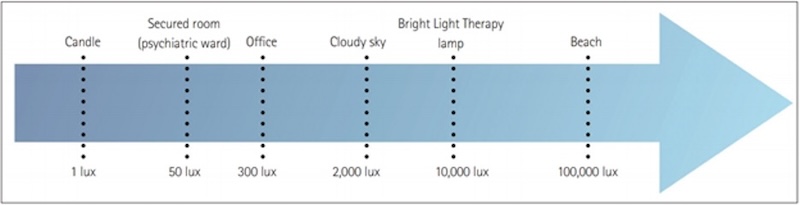
If you’re curious about lux, it is a unit of illumination and this paper, Light Therapy in Mood Disorders: A Brief History with Physiological Insights, includes this very useful lux comparison image:

light therapy and mood disorders
The above is shared under the Creative Commons Attribution License and can be found here .

The combination of using bright light therapy with amino acids such as tryptophan and 5-HTP

I often recommend the use of light therapy in conjunction with amino acids such as tryptophan and 5-HTP. This offers additional serotonin support and helps ease worry-type anxiety, panic attacks, low mood, insomnia, cravings and more. I discuss this combination approach in the winter blues blog.

When someone is already using amino acids with some success, we may just add light therapy and keep amino acid dosing the same or we may use higher doses of amino acids like tryptophan, 5-HTP and GABA during the winter months. We may also use both depending on the person’s unique needs.

I had one client who did really well with tryptophan: his anxiety decreased dramatically but then ramped up before winter. Increasing tryptophan was too much for him so we kept the original tryptophan dose and he started bright light therapy. This worked very well for him until the end of spring when he was able to stop the light therapy.

I also share links to increased OCD (obsessive compulsive disorder), intrusive thoughts, PMDD (premenstrual dysphoric disorder), PMS (premenstrual syndrome), binge eating/emotional eating and drinking/alcoholism in the winter months – and the role of light therapy and amino acids.

Additional resources when you are new to using tryptophan or other amino acids as supplements

We use the symptoms questionnaire to figure out if low serotonin or other neurotransmitter imbalances may be an issue for you.

If you suspect low levels of any of the neurotransmitters and do not yet have my book, The Antianxiety Food Solution – How the Foods You Eat Can Help You Calm Your Anxious Mind, Improve Your Mood, and End Cravings, I highly recommend getting it and reading it before jumping in and using amino acids on your own so you are knowledgeable. And be sure to share it with the practitioner/health team you or your loved one is working with.

There is an entire chapter on the amino acids and they are discussed throughout the book in the sections on gut health, gluten, blood sugar control, sugar cravings, anxiety and mood issues. The importance of quality animal protein is also covered.

The book doesn’t include product names (per the publisher’s request) so this blog, The Antianxiety Food Solution Amino Acid and Pyroluria Supplements, lists the amino acids that I use with my individual clients and those in my group programs.

If, after reading this blog and my book, you don’t feel comfortable figuring things out on your own (i.e. doing the symptoms questionnaire and respective amino acids trials), a good place to get help is the GABA QuickStart Program (if you have low GABA symptoms too). This is a paid online/virtual group program where you get my guidance and community support.

If you are a practitioner, join us in The Balancing Neurotransmitters: the Fundamentals program. This is also a paid online/virtual program with an opportunity to interact with me and other practitioners who are also using the amino acids.

Do you experience increased anxiety, panic attacks and/or the winter blues in the winter months? Have you had success with bright light therapy?

If yes, which full spectrum lamp have you found to be the most useful? What time of the day do you use it, how often do you use it and for what duration?

Have you used a combination of amino acids and light therapy, and adjusted up your amino acids during the colder and darker winter months?

If you’re a practitioner do you recommend light therapy to your clients/patients?

Feel free to share and ask your questions below.
Filed Under: Amino Acids, Anxiety and panic, Depression, Emotional Eating Tagged With: 000 lux, 10, 5-HTP, anxiety, Bipolar, Bright light therapy, depression, emotional eating amino acids, fatigue, GABA Quickstart; Balancing Neurotransmitters: the Fundamentals program for practitioners, how to use, light therapy, mood, panic, SAD, seasonal affective disorder, seasonality, sleep, tryptophan, winter, winter blues

Using amino acids for anxiety and depression: does the right dose ever change or need a tweak?

October 19, 2018 By Trudy Scott 14 Comments

If you are using targeted individual amino acids for anxiety and/or depression and doing well on them, you’ll likely get to the point when you’re asking questions like how to discontinue them and does the right dose ever change or need a tweak, especially after some stressful life events. Amy posted this question in the comments section of the blog on using tyrosine to create a sense of calm energy (paraphrased and formatting for ease of reading)

Trudy you are a God send! I stumbled upon your work after following Julia Ross. I have depression and anxiety. I’m currently taking:

1000 mg tyrosine 2x daily

500 mg glutamine morning, 1000mg mid-morning and afternoon

500mg DPA (Endorphigen) 3 x daily (previously I was using DLPA but your recommended DPA was so much better and less stimulating)

50 mg 5-HTP afternoon and

1500mg tryptophan at night

I used the amino acids to treat what used to be referred to as “atypical” depression: loss of motivation, tiredness, lethargic, intense carb craving, feelings of guilt and hopelessness. I would become paralyzed with depression, barely able to get through the days. When I was younger I treated these episodes with antidepressants but as I got older could no longer tolerate the side effects. I’m also still on birth control pills at the age of 46 and believe I may be in perimenopause but can’t stop the pills for medical reasons.

Tyrosine gave me my energy back, glutamine cut the carb cravings. DPA and True Calm work wonders for my anxiety.

I watch my sugar intake and always consume lots of animal protein. I’m so grateful for this solution.

After trialing this seems to be the right combo. I always get confused when is it time to discontinue supplements? Do you stop or slowly reduce or taper?

Does the “right” dose ever change? I’ve been on this combo about 2 months. I’ve felt great but some anxiety/panic creeping back up …. wondering if supplements need a tweak or is this just the result of some stressful life events. Advice appreciated!

I was really pleased to hear the wonderful results she was having and glad that she had trialed the amino acids to find the correct amount for her unique needs and situation. I don’t see this happening often enough and it really is the most effective way to get results. It’s what I do with all my clients – methodical, step-by-step trialing of each amino acid, one at a time and carefully documenting results (both good and bad) in order to find the optimal dose of each one.

When and how to discontinue the amino acids?

To answer her question about when and how to discontinue this is my feedback:

Once you are feeling back to your old self with no more anxiety, panic attacks or depression, you may choose to stop everything at once, but I prefer to slowly lower the amount of one amino acid at a time and add back if your symptoms come back. They don’t need to be “tapered” but doing it this way it helps with preventing your original anxiety and depression symptoms going back to really bad in one big swoop and having to start all over again.

I will add that I have had feedback from someone saying when she stopped tryptophan abruptly she felt the same withdrawal effects as when she weaned off meds but based on my experience this is very rare.

After posting her question Amy made some adjustments – taking less of all of them. As I mentioned above I find it better to lower the amount of one amino acid at a time – kind of reverse of the trialing method you use when starting the amino acids. Also, since she mentioned she felt anxiety/panic creeping back up, I would have expected her to increase some of the calming amino acids.

Does the right dose ever change or need a tweak?

And to answer Amy’s other question: does the right dose ever change or need a tweak?

Yes, the “right dose” can change based on stressful life events especially if you have pyroluria – stressful life events can cause you to dump more zinc and vitamin B6 affecting serotonin and GABA production and increasing the social anxiety.

Amy does mention that she’s on the birth control pill and this depletes zinc and vitamin B6 and hence serotonin) and has an impact on the microbiome – so this may well be playing a role in the need to tweak doses.

There are many other factors that could lead to the need to adjust the amino acids (or other supplement protocols):

  • hormonal changes like PMS, perimenopause or menopause
  • something contributing to leaky gut like adding back gluten or accidental exposure to gluten
  • antibiotics (affecting the microbiome and serotonin/GABA levels)
  • artificial sweeteners (because of their effect on the microbiome and hormones)
  • starting on other medications (since many cause nutritional depletions)
  • adding in a new food like collagen/gelatin (for some people collagen and gelatin may lower serotonin levels)
  • running a marathon (it likely depletes zinc and may ramp up cortisol)
  • a formulation changing completely without you knowing (one example is Seriphos – used to lower high cortisol – where the core ingredient changed completely and the labeling stayed the same)
  • a product changing from using gelatin to cellulose capsules (this may be problematic if you have SIBO)
  • you move into a new home and get mold exposure
  • you get a new dog or cat and start using Frontline Plus for fleas (fipronil, the active ingredient, targets GABA receptors and recent research points to increased anxiety, aggressive behavior, memory problems)
  • you have started using a sauna (depletion of zinc and other minerals, as well as stirring up toxins)
  • your need for serotonin support increases as you head into winter-time (some low serotonin folks are more susceptible to the winter blues)
  • a recent course of fluoroquinolone antibiotics (impacts on magnesium and GABA levels and the mitochondria)
  • you may no longer need them

This is not a complete list of reasons that could impact you but this will give you an idea of what to start to think about.

Hopefully this shows how important it is to monitor how you’re doing and adjust as needed (either up or down) and think about what is changing in your life.

If you’d like to read about the amino acids products Amy uses – the same ones I recommend and use with clients – you can find them listed on my supplements blog.

We appreciate Amy for allowing me to share her results and posting these questions which are a great learning opportunity for you.  She shared this with me:

I hope my “story” is helpful. Keep doing this important work! I work in the behavior health field. My colleagues think this is radical thinking and continue to only support the medical model. I’ve done a lot of my own research and trial and error. I wish there were more-open minded clinicians.

Hopefully with success stories like this, all the nutritional psychiatry research and behavioral health practitioners like Amy who have experienced it first hand and/or with clients/patients and family, we’ll change how mental health care is approached.

Do success stories like this lead you to be more open-minded about anxiety nutrition solutions? Have they worked for you?

And have you found the ideal dose of amino acids and then needed to adjust them up or down based on any of the above? How methodical were you in doing your adjustments?

Filed Under: Amino Acids, Anxiety, Anxiety and panic, Tryptophan Tagged With: adjust, anxiety, depression, discontinue, DPA, microbiome, right dose, stress, taper, tryptophan, tweak, tyrosine

Toxoplasma gondii: schizophrenia, bipolar disorder, OCD and unresolved anxiety?

August 14, 2017 By Trudy Scott 17 Comments

Toxoplasma gondii is a microscopic parasite that infects cats and can be found in the soil – research shows it may be a factor in schizophrenia, bipolar disorder and OCD in susceptible individuals. Could toxoplasma gondii could be one of the root causes of unresolved anxiety? I believe so and feel it’s under-rated.

This is the one of the parasitic infections I cover in an interview I did on The Parasite Summit.

Here are a few snippets from my interview:

A single-celled parasite called Toxoplasma gondii causes a disease known as toxoplasmosis.

Toxoplasma gondii is a microscopic parasite that infects cats and can be found in the soil. The infection can be acquired by ingesting contaminated food or water, by handling contaminated cat litter, or by transmission from mother-to-child.

According to the CDC – as of Mar 1, 2017 – in the United States it is estimated that 11% of the population 6 years and older have been infected with Toxoplasma. In various places throughout the world, it has been shown that up to 95% of some populations have been infected with Toxoplasma.

I love cats and have always been a cat person and pets are wonderful companions helping many of us humans recovering from PTSD and trauma – but we always need to dig deeper:

  • some individuals don’t respond as well to dietary changes, brain chemical balancing and addressing other biochemical/nutritional factors
  • I’m always looking for root possible causes. I’ve identified 70+ causes of anxiety and one of them is parasites
  • any parasite could be a factor – it causes stress and inflammation in the body, and we may see high cortisol leading to increased anxiety, insomnia and inflammation
  • could toxoplasma gondii could be one of the root causes of unresolved anxiety? I believe so and feel it’s under-rated – and believe we’ll be hearing more about it as more research comes out

I discuss this review paper published this year: Is Toxoplasma gondii a Trigger of Bipolar Disorder?

The association between T. gondii and schizophrenia/schizoaffective disorder is one of the most studied links between one pathogen and a psychiatric disorder.

However, growing emerging evidence has also documented an association between latent toxoplasmosis and the risk of [bipolar disorder] and suicidal/aggressive behaviors. T. gondii infection, as previously suggested for schizophrenia, may contribute to the onset and the progressive course of the disease interacting with genetic hereditary predisposing factors, as well as affecting neurotransmitter systems and immune responses, which have recently been shown to be closely linked to the pathogenesis of BD and its medical comorbidities.

The link between this parasite and psychiatric disorders could be also explained by its ability to influence neurotransmitter pathways. Indeed, T. gondii has been shown to increase dopamine levels, as well as to modulate serotonin, gamma-aminobutyric acid (GABA) and glutamate signaling.

With the impacts on neurotransmitters it’s clear how this parasite could directly trigger anxiety, panic attacks, fears, worry and even OCD. I cover this and more (malaria and malaria medications too) in my interview and book.

Parasites may be silently impacting your health and they’re FAR MORE COMMON than you think! Parasites aren’t just found in third-world countries, millions are already infected in industrialized countries and parasites could be silently hampering your health. Fortunately, with awareness and appropriate care, parasites can be prevented and treated, once detected.

If you’re struggling with any of the following, it may be worth looking into parasites:

  • Gastrointestinal: pain/cramps, excess gas, bloating, constipation/diarrhea
  • Infertility and hormone disorders
  • Skin issues: acne, itching, rashes
  • Mental health: depression, bipolar disorder, anxiety, OCD, schizophrenia
  • Challenges with autoimmune disease recovery (Toxoplasma gondii may also be a factor in Hashimoto’s thyroiditis)

Please share feedback and ask questions in the comments below.

Filed Under: Anxiety and panic, Events, Parasites Tagged With: anxiety, bipolar disorder, cats, dopamine, GABA, hashimoto's thyroiditis, OCD, parasite, schizophrenia, serotonin, The Parasite Summit, toxoplasma gondii, Trudy Scott

Electromagnetic frequency pollution and wireless: a significant risk factor for disease

July 23, 2017 By Trudy Scott 23 Comments

…it’s my deepest belief that electromagnetic frequency pollution, especially coming from most of the wireless devices used today, is a significant risk factor for disease”
~ Dr. Dietrich Klinghardt, during his interview on the Immune Defense Summit

Dr. Klinghardt is founder of the Klinghardt Academy, the American Academy of Neural Therapy, medical director of the Institute of Neural Biology, and lead clinician at the Sophia Health Institute shares this:

All the research points to the fact that it’s the cumulative effect of all the sources of Wi-Fi. We have the Wi-Fi router in the home; unfortunately, most of the cordless phones that are used in the US are also based on Wi-Fi technology. And they use 900 MHz, and they’re broadcasting 24/7 into the rooms in the home. Then we have the baby monitors, a huge source. And then the alarm systems in the house. And the new source, of course, the new kid on the block, is the smart meters…which create devastating amounts of radiation in the home, usually in a sheet that kind of goes horizontally through the house on the level where the smart meter is.

This is an in-depth interview and one of the best I’ve heard on the topic of EMFs and wireless technology and the dangers! He covers mercury containing compact fluorescent lights; Wi-Fi in schools; the responsible use of the cell phone; the impacts of this wireless technology on autism and insomnia, GABA and anxiety levels; how mold becomes more virulent in the presence of Wi-Fi; and how heavy metals in the brain can make you much more susceptible to microwave and wireless technology; how moisture contained in your mattress makes it a microwave receiver and more.    

He doesn’t expand on the insomnia mechanisms but because he mentions GABA I would assume using GABA as a supplement would help with both anxiety and sleep issues, in a similar way GABA helps with Lyme anxiety and GABA protects against fluoride-induced hypothyroidism.  This is an area I’m going to be researching further but clearly we want to be removing the source of exposure and not use GABA as a band-aid but rather as a tool to address the low GABA levels and anxiety/insomnia in the interim.

Dr. Klinghardt shares so much about how to protect yourself on the Immune Defense Summit. Here is some advice on how to protect your home from the incoming radio waves from the cell phone towers nearby, and from the neighbors:

We recommend the German system building biology. They have developed wall paints that can be applied to outside the home or inside the home with a graphite paint that’s electroconductive. It creates a faraday cage, basically, that needs to be grounded into the ground wire of your electric system, and shielding curtains that are made from silver coated cloth that deflect the incoming radio waves. That’s pretty much what we do with all of our clients.

He also offers the following tips for reducing exposure:

  • a sleep sanctuary that looks like a mosquito net that’s put over the bed that reduces the radiation to one-ten thousandths on the inside of it
  • only switch it on the Wi-Fi router if you need it – if you’re actually doing something with it
  • Stetzer filters

and much much more.

I was surprised that Dr. Klinghardt didn’t mention the Blushield devices which I learned about recently at the Sydney MINDD conference. I’m going to be following up with him to find out what results he has seen with these protective devices and will report back.

I do hope you can join us! Click here to register. The summit runs July 24-31

Be prepared – this interview is not for the faint of heart – Dr. Klinghardt is direct and to the point and doesn’t hold back.

Feel free to post questions and share your tips and experiences with EMFs and wireless in the comments.

Filed Under: Anxiety and panic, Environment, Events Tagged With: anxiety, Dr. Dietrich Klinghardt, electromagnetic frequency pollution, EMF, GABA, heavy metals, Immune Defense Summit, mold, wireless

  • « Go to Previous Page
  • Page 1
  • Page 2
  • Page 3
  • Page 4
  • Interim pages omitted …
  • Page 27
  • Go to Next Page »

Primary Sidebar

GABA QuickStart Homestudy

gaba quickstart homestudy

Free Report

9 Great Questions Women Ask about Food, Mood and their Health

You'll also receive a complimentary subscription to my ezine "Food, Mood and Gal Stuff"


Connect with me

Popular Posts

  • Amino Acids Mood Questionnaire from The Antianxiety Food Solution
  • The Antianxiety Food Solution Amino Acid and Pyroluria Supplements
  • Pyroluria Questionnaire from The Antianxiety Food Solution
  • Collagen and gelatin lower serotonin: does this increase your anxiety and depression?
  • Tryptophan for the worry-in-your-head and ruminating type of anxiety
  • GABA for the physical-tension and stiff-and-tense-muscles type of anxiety
  • The Antianxiety Food Solution by Trudy Scott
  • Seriphos Original Formula is back: the best product for anxiety and insomnia caused by high cortisol
  • Am I an anxious introvert because of low zinc and vitamin B6? My response to Huffington Post blog
  • Vagus nerve rehab with GABA, breathing, humming, gargling and key nutrients

Recent Posts

  • Her cravings for chips and peanut butter were triggered by stress: GABA ends cravings and reduces physical tension and fear of heights
  • It is truly miraculous to be able to move through life without crippling anxiety and panic
  • GABA and tryptophan combo provide immediate and noticeable relief for tremors and cervical dystonia in just 7 days
  • Red light therapy for back and neck pain, plantar fasciitis and low mood – a complement to the amino acids GABA, DPA and tryptophan
  • What do I use instead of Seriphos to help lower high cortisol that is affecting my sleep and making me anxious at night?

Categories

  • 5-HTP
  • AB575
  • Addiction
  • ADHD
  • Adrenals
  • Alcohol
  • Allergies
  • Alzheimer's disease
  • Amino Acids
  • Anger
  • Antianxiety
  • Antianxiety Food Solution
  • Antidepressants
  • Anxiety
  • Anxiety and panic
  • Autism
  • Autoimmunity
  • benzodiazapines
  • Bipolar disorder
  • Books
  • Caffeine
  • Cancer
  • Candida
  • Children/Teens
  • Collagen
  • Cooking equipment
  • Coronavirus/COVID-19
  • Cravings
  • Depression
  • Detoxification
  • Diabetes
  • Diet
  • DPA/DLPA
  • Drugs
  • EFT/Tapping
  • EMF
  • EMFs
  • Emotional Eating
  • Endorphins
  • Environment
  • Essential oils
  • Events
  • Exercise
  • Fear
  • Fear of public speaking
  • Fertility and Pregnancy
  • Fish
  • Food
  • Food and mood
  • Functional neurology
  • GABA
  • Gene polymorphisms
  • General Health
  • Giving
  • Giving back
  • Glutamine
  • Gluten
  • GMOs
  • Gratitude
  • Gut health
  • Heart health/hypertension
  • Histamine
  • Hormone
  • Hyperparathyroidism
  • Hypoglycemia
  • Immune system
  • Inflammation
  • Insomnia
  • Inspiration
  • Introversion
  • Joy and happiness
  • Ketogenic diet
  • Lithium orotate
  • Looking awesome
  • Lyme disease and co-infections
  • MCAS/histamine
  • Medication
  • Men's health
  • Mental health
  • Mercury
  • Migraine
  • Mold
  • Movie
  • MTHFR
  • Multiple sclerosis
  • Music
  • NANP
  • Nature
  • Nutritional Psychiatry
  • OCD
  • Osteoporosis
  • Oxalates
  • Oxytocin
  • Pain
  • Paleo
  • Parasites
  • Parkinson’s disease
  • PCOS
  • People
  • PMS
  • Postpartum
  • PTSD/Trauma
  • Pyroluria
  • Questionnaires
  • Real whole food
  • Recipes
  • Research
  • Schizophrenia
  • serotonin
  • SIBO
  • Sleep
  • Special diets
  • Sports nutrition
  • Stress
  • Sugar addiction
  • Sugar and mood
  • Supplements
  • Teens
  • Testimonials
  • Testing
  • The Anxiety Summit
  • The Anxiety Summit 2
  • The Anxiety Summit 3
  • The Anxiety Summit 4
  • The Anxiety Summit 5
  • The Anxiety Summit 6
  • Thyroid
  • Thyroid health
  • Toxins
  • Tryptophan
  • Tyrosine
  • Uncategorized
  • Vegan/vegetarian
  • Women's health
  • Yoga

Archives

  • May 2026
  • April 2026
  • October 2025
  • September 2025
  • August 2025
  • July 2025
  • June 2025
  • May 2025
  • April 2025
  • March 2025
  • February 2025
  • January 2025
  • November 2024
  • October 2024
  • September 2024
  • August 2024
  • July 2024
  • June 2024
  • May 2024
  • April 2024
  • March 2024
  • February 2024
  • January 2024
  • December 2023
  • November 2023
  • October 2023
  • September 2023
  • August 2023
  • July 2023
  • June 2023
  • May 2023
  • April 2023
  • March 2023
  • February 2023
  • January 2023
  • December 2022
  • November 2022
  • October 2022
  • September 2022
  • August 2022
  • July 2022
  • June 2022
  • May 2022
  • April 2022
  • March 2022
  • February 2022
  • January 2022
  • December 2021
  • November 2021
  • October 2021
  • September 2021
  • August 2021
  • July 2021
  • June 2021
  • May 2021
  • April 2021
  • March 2021
  • February 2021
  • January 2021
  • December 2020
  • November 2020
  • October 2020
  • September 2020
  • August 2020
  • July 2020
  • June 2020
  • May 2020
  • April 2020
  • March 2020
  • February 2020
  • January 2020
  • December 2019
  • November 2019
  • October 2019
  • September 2019
  • August 2019
  • July 2019
  • June 2019
  • May 2019
  • April 2019
  • March 2019
  • February 2019
  • January 2019
  • December 2018
  • November 2018
  • October 2018
  • September 2018
  • August 2018
  • July 2018
  • June 2018
  • May 2018
  • April 2018
  • March 2018
  • February 2018
  • January 2018
  • December 2017
  • November 2017
  • October 2017
  • September 2017
  • August 2017
  • July 2017
  • June 2017
  • May 2017
  • April 2017
  • March 2017
  • February 2017
  • January 2017
  • December 2016
  • November 2016
  • October 2016
  • September 2016
  • August 2016
  • July 2016
  • June 2016
  • May 2016
  • April 2016
  • March 2016
  • February 2016
  • January 2016
  • December 2015
  • November 2015
  • October 2015
  • September 2015
  • August 2015
  • July 2015
  • June 2015
  • May 2015
  • April 2015
  • March 2015
  • February 2015
  • January 2015
  • December 2014
  • November 2014
  • October 2014
  • September 2014
  • August 2014
  • July 2014
  • June 2014
  • May 2014
  • April 2014
  • March 2014
  • February 2014
  • January 2014
  • December 2013
  • November 2013
  • October 2013
  • September 2013
  • August 2013
  • July 2013
  • June 2013
  • May 2013
  • April 2013
  • March 2013
  • February 2013
  • January 2013
  • December 2012
  • November 2012
  • October 2012
  • August 2012
  • July 2012
  • June 2012
  • May 2012
  • April 2012
  • March 2012
  • February 2012
  • January 2012
  • December 2011
  • November 2011
  • October 2011
  • September 2011
  • August 2011
  • July 2011
  • June 2011
  • May 2011
  • April 2011
  • March 2011
  • February 2011
  • January 2011
  • December 2010
  • October 2010
  • September 2010
  • July 2010
  • May 2010
  • April 2010
  • March 2010
  • February 2010
  • January 2010
  • November 2009

Share the knowledge!

The above statements have not been evaluated by the Food and Drug Administration. Products listed in this website are not intended to diagnose, treat, cure or prevent any disease.

The information provided on this site is for informational and educational purposes only and is not intended as a substitute for advice from your physician or other health care professional. You should consult with a healthcare professional before starting or modifying any diet, exercise, or supplementation program, before taking or stopping any medication, or if you have or suspect you may have a health problem.


Copyright © 2026 Trudy Scott. All Rights Reserved. | Privacy | Terms and Conditions | Refund Policy | Medical Disclaimer

Free Report

9 Great Questions Women Ask about Food, Mood and their Health

You’ll also receive a complimentary subscription to my ezine “Food, Mood and Gal Stuff”