• Skip to primary navigation
  • Skip to main content
  • Skip to primary sidebar

everywomanover29 blog

Food, Mood and Women's Health – Be your healthiest, look and feel great!

  • Blog
  • About
  • Services
  • Store
  • Resources
  • Testimonials
  • The Book
  • Newsletter
  • Contact
  • Search this site

stress

Does GABA offer gut protection after drinking alcohol?

September 22, 2017 By Trudy Scott 12 Comments

A paper published earlier this year has us asking the question: will oral GABA supplementation offer gut protection in humans who drink too much alcohol? It’s too soon to know but the results from the animal study leave me spell-bound by this calming amino acid yet again!

The paper, Gastroprotective effect of gamma-aminobutyric acid on ethanol-induced gastric mucosal injury

aimed to investigate the gastroprotective effect of gamma-aminobutyric acid (GABA) on ethanol-induced gastric mucosal injury and gastric epithelial cells injury [in rats].

Ethanol or alcohol is known to damage the gut and the study was carried out on rats given GABA and then ethanol.

It was also tested using the human gastric epithelial cell line GES-1 (more here on how human cell lines are commonly used in research) which was incubated with GABA and then treated with ethanol to induce cell injury.

The use of GABA prior to treatment with ethanol

showed that GABA pretreatment significantly reduced gastric ulcer index in a dose-dependent manner.

Administration with GABA could not only remarkably restrain oxidative stress by increase of superoxide dismutase, catalase activities and decrease of malondialdehyde content in gastric tissue and cells, but also significantly reduced pro-inflammatory factors activities (interleukin-6 and tumor necrosis factor α) in gastric tissue.

These studies clearly provided evidence that GABA had a considerable gastroprotective effect on ethanol-induced gastric mucosal injury and gastric epithelial cells injury. The underlying mechanism of mitigating lesions may be ascribed to the improvement of anti-inflammatory and anti-oxidant status as well as the increases of PGE2 [prostaglandin E2] and NO [nitric oxide] levels.

In summary, the use of GABA shows the potential for less ulcers, less oxidative damage, less inflammation in the gut, and gastroprotective properties after alcohol consumption. Human studies will show if oral GABA supplementation offers gut protection in those who drink too much alcohol.

Many social drinkers are not connecting their drinking to stress

We are a stressed society and this leads a great deal of “social” drinking. Many social drinkers are not connecting their drinking to stress and their need to self-medicate and de-stress.

As I found when I posted new study this on facebook – Moderate alcohol consumption as risk factor for adverse brain outcomes and cognitive decline – many social drinkers also get upset when you point out research like this because they don’t want to have to give it up. This CNN article, Moderate drinking may alter brain, summarizes the study and reports that the

moderate group was drinking about 14 to 21 units of alcohol per week, or about a medium glass of wine each night, plus a little extra on the weekends.

Update: Dec 2025
This 2024 paper, A qualitative analysis investigating drinking practices and meanings among a sample of Australian working mothers, explores the emotional/stress connection and how alcohol is their escape and coping tool:

Women felt they had to be available to both their employers and their children at the same time. For some, this led to internalized feelings of guilt and fatigue, increasing women’s desire to drink, and limiting their capacity to be mindful of the amount of alcohol they were consuming.

Women also described feeling overloaded and under-supported, where alcohol was viewed as being relaxing and rewarding, as well as a way to escape, cope, and recover from their day-to-day stressors.

Furthermore, through a combination of targeted marketing and broader social normalisation, women felt alcohol was presented as a solution to stress and problems among working mothers.

GABA also helps reduce your need to self-medicate or self-soothe with alcohol (or sugar/carbs)

What is so interesting is that this very same calming amino acid, GABA, when used to address low GABA levels can help reduce your need to self-medicate or self-soothe with alcohol (or sugar/carbs). Don’t forget, with low GABA levels, you’ll also experience physical anxiety, stiff and tense muscles, overwhelm and panic attacks. I recently blogged about GABA here: GABA for the physical-tension and stiff-and-tense-muscles type of anxiety

Of course, I’d recommend using GABA supplements to address the low GABA and prevent so much “social” drinking that may damage to the gut (i.e. addressing the root cause as always), rather than using GABA to prevent gut damage when you do drink.

If you are a big “social” drinker and choose the latter (use GABA to prevent gut damage when you do drink) be warned, you’ll feel calmer and less stressed and very likely reduce your desire and need for a drink!

My blog mentions “social” drinking because of the paper about moderate alcohol consumption above but all this could be equally applicable to heavy drinkers and alcoholics too.

In summary, the amino acid GABA can achieve the following:

  • help you quit alcohol and not feel deprived and having to use willpower
  • leave you feeling calm and stress-free with no need to self-medicate with alcohol
  • heal damage caused to your gut if you do indulge once in awhile (based on projections from the above research)

Additional resources when you are new to using GABA or other amino acids as supplements

We use the symptoms questionnaire to figure out if low GABA (indicating a possible need for GABA or theanine) or low serotonin (indicating a need for tryptophan or 5-HTP) or low endorphins (indicating a possible need for DPA) or other neurotransmitter imbalances may be an issue for you.

If you suspect low levels of any of the neurotransmitters and do not yet have my book, The Antianxiety Food Solution – How the Foods You Eat Can Help You Calm Your Anxious Mind, Improve Your Mood, and End Cravings. I highly recommend getting it and reading it before jumping in and using amino acids on your own so you are knowledgeable. And be sure to share it with the practitioner/health team you or your loved one is working with.

There is an entire chapter on the amino acids and they are discussed throughout the book in the sections on gut health, gluten, blood sugar control, sugar cravings, anxiety and mood issues. The importance of quality animal protein and healthy fats is also covered.

The book doesn’t include product names (per the publisher’s request) so this blog, The Antianxiety Food Solution Amino Acid and Pyroluria Supplements, lists the amino acids that I use with my individual clients and those in my group programs.

If, after reading this blog and my book, you don’t feel comfortable figuring things out on your own (i.e. doing the symptoms questionnaire and respective amino acids trials), a good place to get help is the GABA QuickStart Program (if you have low GABA symptoms). This is a paid online/virtual group program where you get my guidance and community support. Another option is the budget-friendly GABA QuickStart Homestudy program.

If you also need serotonin support, the Serotonin QuickStart Program is a good place to get help. This is also a paid online/virtual group program where you get my guidance on using tryptophan and 5-HTP safely, and community support during 5 LIVE Q&A calls. You can sign up to be notified when the next live launch of this program is happening.

If you are a practitioner, join us in The Balancing Neurotransmitters: the Fundamentals program. This is also a paid online/virtual program with an opportunity to interact with me and other practitioners who are also using the amino acids.

Now I’d like to hear from you

Do you drink alcohol in order to relieve your stress?

Have you noticed that GABA reduces your need to drink alcohol?

And have you noticed any improvements in gut health since using GABA?

Feel free to post your questions below.
Filed Under: Anxiety, GABA, Stress Tagged With: alcohol, anxiety, de-stress, GABA, gastroprotective, gut damage, self-medicate, stress

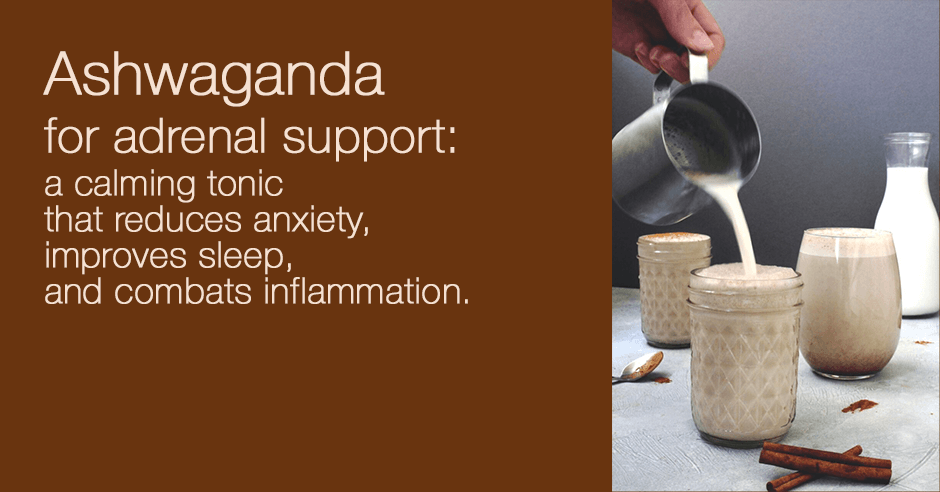
Ashwaganda for adrenal support: a calming tonic that reduces anxiety and improves sleep

September 16, 2017 By Trudy Scott 17 Comments

Overactive adrenals can leave you feeling like you’re constantly in “fight or flight” mode. First, your body releases high levels of stress chemicals like adrenaline and cortisol. To ensure you’re ready to defend yourself or run, these chemicals spike your blood sugar, as well as increasing heart rate, blood pressure, and insulin levels – making you feel anxious, stressed and wide awake at night.

Nature offers plenty of wonderful herbal remedies to support the adrenals. Herbal adaptogens such as ashwaganda and rhodiola are two of my favorite herbs for the adrenals. They gently calm your overactive system helping your body damp down your fight or flight response and reduce stress and anxiety.

  • Ashwaganda is often called “Indian Ginseng” and is widely used in Ayurvedic medicine to lower stress and stabilize thyroid hormones. It is a calming tonic that reduces anxiety, improves sleep, and combats inflammation.
  • Rhodiola is a another potent herbal adaptogen that helps your body reduce anxiety and irritability. At the same time, it boosts immune function, hormonal balance, and concentration.

You can learn how to use herbs like this in your everyday routine in this no-cost online workshop “How To Use Everyday Herbs and Spices To Rebalance Your Hormones”

In this online workshop, you will learn about 20 healing herbs and spices to help support and heal your thyroid, adrenals, menopause, weight, hair loss, cellulite, PCOS, hot flashes (and more).

  • Skullcap – used to treat conditions like panic attacks, anxiety and also helps to promote better quality sleep.
  • Chamomile is well known for its calming properties. After people drink chamomile tea their levels of glycine increase. Glycine is a nerve relaxant with mild sedative properties – all things that can help you to de-stress. Chamomile also has anti-spasmodic properties that help to relieve menstrual cramps in women. It also contains a potent flavonoid called apigenin, a mild tranquilizer that can help benefit sleep onset and sleep quality.
  • Lavender made into a tea is an effective tonic for jittery nerves because it encourages a calmer state of mind. Research comparing the use of lavender to (synthetic) benzodiazepine medication for anxiety has found it provides equal benefit, minus all the side effects.

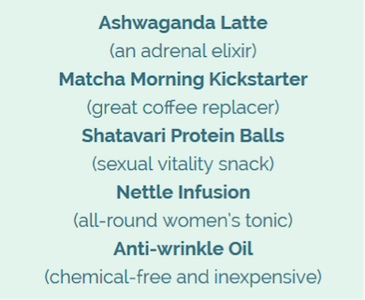
You will also learn 5 simple and delicious herbal recipes to restore and rebalance your hormones

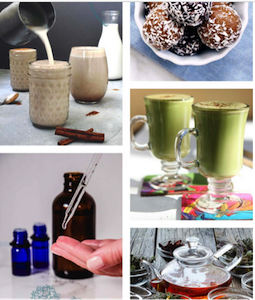
Watch this video snippet to get a taste of some of what Magdalena will be covering in the online herbal workshop. One thing she’ll be making is the wonderful and nourishing Ashwaganda Latte for adrenal support.

And here is the recipe for the Ashwaganda Latte

Author: Magdalena Wszelaki

Ingredients

  • 1 cup of milk (almond or hazelnut works well, if using coconut milk, I would suggest ½ cup coconut milk and ½ cup water)
  • 1 teaspoon ashwagandha powder
  • ½ teaspoon cinnamon powder
  • ½ teaspoon maple syrup or honey

How To Make

  1. Warm the milk, then add the powdered spices and maple syrup or honey
  2. Stir well, using the whisk to blend, adjusting for sweetness if necessary
  3. Pour into a nice cup and drink an hour before bed

Equipment: Medium saucepan, whisk, strainer

You’ll also learn how to avoid common chemicals found in everyday skincare, personal care and house cleaning products that disrupt your hormones, and discover which herbs are best for your individual needs.

Hope to see you there! You can register for this online herbal workshop here

You may remember Magdalena from the Anxiety Summit and her wonderful interviews on eating for hormone balance! She is now taking hormone balance to the next level by teaching us how to use herbs. This wonderful workshop is a taste of what’s to come in her upcoming longer program so stay tuned for more on that!

Filed Under: Adrenals, Hormone Tagged With: adrenals, anxiety, ashwaganda, herbs, hormones, lavender, rhodiola, sleep, stress

Nutrition solutions for psychological stress after a natural disaster

September 8, 2017 By Trudy Scott 8 Comments

There is much that can be done nutritionally in support of psychological stress and PTSD (post-traumatic stress disorder) during and after a natural disaster. I’ve written this blog for you if you’ve been impacted by the recent storm and flooding due to Hurricane Harvey in the Houston area (the pictures of people returning home are so sad), and for everyone impacted by Irma and about to be impacted by Irma. This is for you if

  • you had to be rescued and had to evacuate your home, are displaced and/or saw neighbors in trouble, have lost your belongings and home – and anything else that may have happened during this natural disaster
  • you have been involved in on-the-ground rescue efforts or working online helping with rescue efforts and you have working long hours, not getting enough sleep and likely not eating well
  • you had a loved one in trouble and feared for their lives
  • and if you’re on observer feeling distressed by what you have witnessed

You may be feeling on edge and anxious about the future, fearful about losing your job, worried about expenses and the chemical soup of flood waters you were exposed to, exhausted and yet not able to sleep, feeling overly emotional and weepy, having nightmares and flashbacks and feeling frazzled.

I wasn’t even in Texas and my contribution was a very small one, helping online rescue efforts from Australia via a volunteer rescue group created by McCall McPherson, but I felt really burned out after just a few days and quite distressed by some of the rescues we were trying to facilitate. I have had to really walk my talk and implement some of what I’m sharing here even though I would consider myself resilient because my nutrient balance is good.

B-Complex for everyone

My first recommendation is a B complex and if this is all that can be managed it would be my first choice for everyone. In fact, if you live in an area prone to hurricanes, flood, fires etc. I’d recommend being on a B complex all the time.

My colleagues Bonnie Kaplin and Julia Rucklidge published this paper in 2015: A randomised trial of nutrient supplements to minimise psychological stress after a natural disaster. They share that:

After devastating flooding in southern Alberta in June 2013, we attempted to replicate a New Zealand randomised trial that showed that micronutrient (minerals, vitamins) consumption after the earthquakes of 2010-11 resulted in improved mental health. Residents of southern Alberta were invited to participate in a study on the potential benefit of nutrient supplements following a natural disaster.

Fifty-six adults aged 23-66 were randomised to receive one of the following for 6 weeks:

  1. vitamin D as a single nutrient
  2. a B-Complex formula or a
  3. broad-spectrum mineral/vitamin formula

The study participants monitored changes in depression, anxiety and stress via self-reporting. All of the above 3 groups showed substantial decreases on all measures. However, those consuming the B-Complex and the broad-spectrum mineral/vitamin formula showed significantly greater improvement in stress and anxiety compared with those consuming the vitamin D alone, with the results being similar for the group using the B-Complex and the broad-spectrum mineral/vitamin formula.

The authors report that:

The use of nutrient formulas with multiple minerals and/or vitamins to minimise stress associated with natural disasters is now supported by three studies.

Further research should be carried out to evaluate the potential population benefit that might accrue if such formulas were distributed as a post-disaster public health measure.

I would love to see either a B-Complex or broad-spectrum mineral/vitamin formula be given out to everyone as part of relief efforts for all natural disasters.

The B-Complex used in the study was made by Douglas labs but other similar B-Complex products would be fine too.  I happen to use Designs for Health B Supreme with my clients.

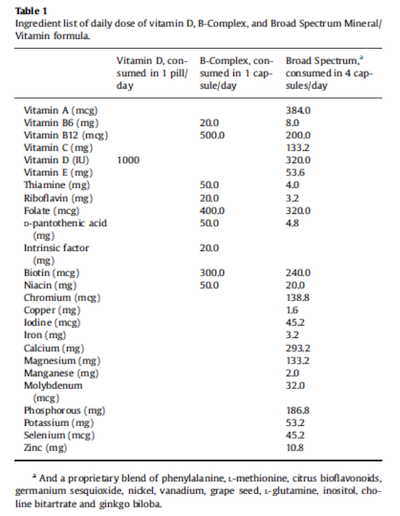
The broad-spectrum mineral/vitamin formula in the study was EmpowerPlus made by TrueHope.

From: A randomised trial of nutrient supplements to minimise psychological stress after a natural disaster

Vitamin D based on levels

In the above study, some participants in the vitamin D group did see benefits and it’s likely to have been those who were low in vitamin D at the time of the flooding since other research supports a connection between low vitamin D and anxiety and depression. I like to see vitamin D results before recommending supplementation.

Serotonin, GABA and endorphin support based on symptoms and a trial

As well as a B-complex and/or vitamin D, I’d also consider the following neurotransmitter support on a case by case basis, and after doing the amino acid questionnaire and a trial of each amino acid:

  • Serotonin support with Lidtke tryptophan or Lidtke Tryptophan Complete or Lidtke Combat Stress (a tryptophan product formulated for stress support) – especially if you’re feeling sad, worried, resolving to try and feel positive, imagining the worst, feeling fearful and having problem sleeping. I blogged about tryptophan products last week.
  • GABA support for physical tension and an increased need to self-medicate with alcohol in order to stay calm. New research shows that reduced plasma levels of GABA observed in PTSD could be considered as a possible biomarker for PTSD severity. This is not something I typically look at but it’s something I will be considering going forward. I blogged about some specific GABA products earlier this week.
  • Endorphin support with Lidtke DPA if you’re feeling especially emotional and weepy.

Serotonin and GABA play a role in stress resilience and when we have enhanced stress resilience mechanisms we have the ability to adapt more successfully to stressful situations like natural disasters.    

Additional adrenal support if needed

The adrenals are part of the hypothalamic-pituitary axis (HPA) and also need nutritional support after stress and trauma. I recommend a good adrenal support product with rhodiola, Vitamin C, pantothenic acid, eleuthero and ashwagandha. Designs for Health Adrenotone is a good product.

If it’s known that cortisol levels are high then the addition of Seriphos and/or a lactium product (such as Biotics Research De-Stress) helps to lower high cortisol, reduce anxiety and help with insomnia.

Additional pyroluria support if needed

It is well known that pyroluria symptoms are made worse in times of heightened stress. If you are on protocol for pyroluria, additional zinc and vitamin B6/P5P is likely going to be needed short-term too.

Essential oils

Essential oils like lavender and citrus are wonderful for the stress, anxiety and sleepless nights. An animal study reports that passively inhaling orange essential oil could potentially reduce PTSD symptoms in humans


Some other considerations include the following once things start to get back to some kind of normal:

  • trying to eat as well as you can and not skipping meals
  • trying to get enough sleep (the GABA and tryptophan support mentioned above can help in this area)
  • getting outside into nature as soon as it’s possible. If this is impossible right away, simply looking at images of nature can help you feel calmer, less irritable, and more empathetic. I hope you enjoy this flower photograph I took in Australia!   
  • meditating and doing yoga
  • community support and helping others if you’re able to
  • getting a cat or dog (veterans who were given pet dogs showed significant improvement in their PTSD symptoms)

I would recommend a similar approach for any natural disaster or in fact for any other traumatic event, always working individually with each person.  

If you have found some approach to be particularly useful for you please do share it.

And if you have any connections for getting this information into the hands of public health officials and non-profits offering aid please let me know. I feel that protocols similar to this one need to be made available to everyone subjected to a natural disaster.

I wish you and your families much healing and a speedy recovery.

Additional resources

I added these additional resources after September 20, 2017:

  • How to Stay Safe in a Disaster: Emergency Preparedness List by Katie Wells on the Wellness Mama blog. She says this: “The point of putting together an emergency preparedness plan is not to create any undue anxiety, but to help alleviate some of the stress of a disaster in case it hits.”
  • What to Do After a Hurricane: The Dangers Lurking Beyond the Storm by Dr. Jill Carnahan. This blog addresses both mold and bacteria in flood waters, and practical steps on how to deal with these issues.  Mold needs to be taken seriously – I interviewed Dr. Carnahan on the topic of mold toxicity and anxiety during one the Anxiety Summits – Is Toxic Mold the Hidden Cause of Your Anxiety?
  • My Flood Story and What to Do About Mold by Dave Asprey. This blog offers practical solutions on how best to do clean-up after a flood and the dangers of mold. He is also very kindly making his documentary, Moldy available for viewing at no charge.
  • Beyond Meditation: Making Mindfulness Accessible for Everyone by Mira Dessy and Kerry McClure. Mira is a dear friend whose home was flooded by Harvey and went I spoke to her last week she shared how much her meditation practice has been helping her.  I love that she has a book on the topic so that it can be shared far and wide to help those affected.
  • My book The Antianxiety Food Solution: How the Foods You Eat Can Help You Calm Your Anxious Mind, Improve Your Mood and End Cravings, available in major books stores and via online stores like Amazon. You can find out more here.
  • I am also the host of The Anxiety Summit, now in it’s 4th season and called a “bouquet of hope”. It’s a wealth of information on all topics related to anxiety. More on the Anxiety Summit here. 

If you have links to additional useful resources please let me know and I’ll add them.

Filed Under: PTSD/Trauma, Stress Tagged With: essential oils, floods, GABA, Houston, Hurricane Harvey, lactium, natural disaster, nature, nutrition solutions, psychological stress, PTSD, seriphos, stress, tryptophan, vitamin B6, zinc

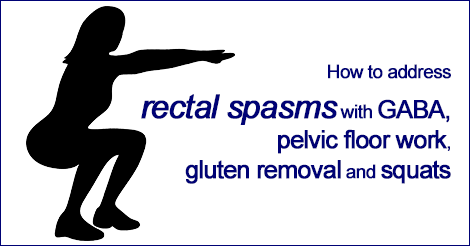
How to address rectal spasms with GABA, pelvic floor work, gluten removal and squats

July 7, 2017 By Trudy Scott 43 Comments

Last week I wrote about proctalgia fugax, a condition that leads to rectal spasms and sharp fleeting pain in the lower rectum or anus, often described as excruciating and agonizing. Proctalgia fugax actually means anal pain of unknown cause but I am seriously questioning this definition because as you’ll see below there are a number of possible root causes!

I have experienced this horrible pain and was not willing to use medications. Instead, because I could find no other solutions, I experimented with sublingual GABA during an episode and then figured out how to prevent a spasm at the first hint of pain.  You can read all the details on this blog: How GABA eases agonizing rectal pain and spasms in under 2 minutes

I promised to share part 2 with some root causes and other solutions but this article has grown because of all the wonderful feedback on the above blog. I’ve gathered some of it here as additional resources.

What is the pain like?

Here are some additional descriptions of the pain (sharing here so others can relate and feel comforted that this is not something weird):

  • horrible, shooting pain up the lower rectum/spine area
  • I have had this issue since I was about 45 (I’m now 60) at least a few times per year. It lasts usually 15 to 30 minutes and is extremely painful.
  • I have had this pretty much all my life. More common with my period and the spasm lasts for close to 1/2 hour or so. Very deep aching pain.
  • It stops me in my tracks. The pain is so bad sometimes I can’t breathe. It’s scary.

For some people the fear of having a spasm when out and about is extremely traumatic:

It seems no one in the mainstream medical field is concerned about it. It may be physically harmless but I know many people on other forums who live in constant fear of an attack – especially publicly. It is far from psychologically harmless.

I loved all the feedback: pleased to find out there is a name for it and feel comforted to know you’re not alone. Many have been worried and embarrassed to ask for help. And across the board you are all very interested in experimenting with GABA (or theanine or taurine) to see if it helps reduce or eliminate the spasms in the moment.

This GABA approach is a good one because it helps ease the pain and spasms and because stress is a common underlying factor.

Positive feedback about GABA helping

I am pleased to get some positive feedback that GABA is helping:

I used to get these right before my period – hormonally related for me. Interestingly, I have been taking Pharmagaba to help me sleep better and to help me relax…noticed that I haven’t had one of these “butt cramps” as I call them, in months.

And this wonderful result from someone else:

There were times I literally had to sleep in the tub for 5 hours at a time and keep refilling it hot water. Most excruciating pain I’ve ever had and I’ve birthed a child naturally! I’m taking GABA for other reasons and after reading this (facebook post), I realize I haven’t had this since!

Concerns about using GABA

A few of you had concerns about using GABA – for example: GABA causes palpitations for me but I will seriously consider trying it.

I wouldn’t use GABA if it causes palpitations or I would at least experiment with super small amounts. I mentioned I’ve used up to 500mg – for many people this is too much and even 100mg may help. Taurine may be an option too. If you can’t tolerate GABA or taurine the next section covers some other options and how to address some of the possible root causes.

And someone shared that when she took GABA in the past for anxiety it really seemed to make her more anxious:

Since I did not have the expected result for anxiety, I wonder if it would not be the best choice for me in this situation either . . . I would like to use something which works quickly, so the sublingual option would have been appealing. I have used l-theanine with good results (for anxiety) and have never tried taurine before.

I would not recommend GABA for someone who gets more anxious with it. When something does work, like theanine, I’d go with that approach. Or I would consider a very small dose of GABA and build up slowly.

There are some common patterns

When looking at common patterns many who responded on the GABA blog:

  • Have had a hysterectomy, vaginal prolapsing and/or abdominal surgeries like repair of a large umbilical hernia (but not everyone)
  • Have IBS and digestive issues, as well as food sensitivities
  • Identify with stress being a factor and relate to feeling “irritable, perfectionistic, meticulous, obsessional, tense, and anxious.” As I mentioned above, GABA addresses the spasms and also relieves some of the stress and tension. And by addressing low serotonin with tryptophan this eases the worry, irritability and perfectionism
  • Observe spasms during ovulation and/or when menstruating. GABA and tryptophan help with hormone balancing too

Medications for relief

Many find relief with medications but side-effects always need to be considered and it makes the most sense to get to the root causes and address them. Here are some mentioned:

  • Benzodiazepines: I would dissolve a tab under my tongue and it would help the pain within a few minutes. As I would expect benzodiazepines to help but open up another whole can of worms – with tolerance (and needing higher doses), addiction and withdrawal).
  • Naproxen (an NSAID) has side-effects as does a medication like Cyclobenzaprine (a muscle relaxer)

Addressing tight pelvic floor muscles and stress

We always want to get to the root causes of an issue and that is the most logical step. I reached out to the practitioners in my community to ask them how they help their clients and patients with this and what approaches they have used to end the spasm and pain. My colleague, Jessica Drummond, nutritionist and physical therapist, and an expert on female pelvic pain and women’s health, shares this advice:

For women with proctalgia fugax, the acute rectal spasm can come at any time unexpectedly. Usually, this is a sign that your pelvic floor muscles are tight and need to be relaxed. Avoid doing Kegel exercises, and see a physical therapist who is a pelvic floor specialist in order to release the muscles of your pelvic floor.

Additionally, it’s important to be sure that you’re finding time each day to fully relax, breathe deeply, and receive support from your family or friends. Often women with pelvic floor muscle spasm feel stressed or a lack of safety in their lives and bodies. So, working with a skilled professional to address your stress is key.

Lorraine shared these wonderful results with her pelvic floor therapy (on the GABA blog) and how much it’s been helping her:

Anxiety or stressful times was a huge trigger (I am still pretty type A) and I finally learned one reason among many that stress triggers it. My naturopathic doctor sent me to see the ‘guru’ in pelvic floor therapy–Caroline Allen in Ottawa. I suffered for years with anxiety and did not realize that I was still constantly holding my tummy in as an old habit to stress even now that I have overcome my anxiety disorder. She taught me how to relax the core which was a challenge at first and required much conscious thought–those muscles had many years of training to stay tight. I was also breathing incorrectly and she showed me that when our breathing is incorrect, our diaphragm is tight and then it pulls up and tightens the entire pelvic floor. I can often prevent or significantly decrease the severity of an attack by reminding myself to relax certain key muscles and breathing into the pelvic floor.

Gluten sensitivity, other food sensitivities and functional imbalances

Jessica also shares what can worsen pelvic floor function:

You may have nutrient deficiencies or [gluten or other] food sensitivities that can worsen your pelvic floor muscle function. And, if you have IBS or constipation that should be addressed by a nutrition professional who specializes in digestive or pelvic health.

Here is some of the feedback I received on the GABA blog, observing links to gluten sensitivity, other food sensitivities and functional imbalances:

  • Gluten sensitivity
    • I found that once I eliminated gluten from my diet, this almost eliminated the problem.
  • Other food sensitivities – keeping a food-stress-spasm log will help you figure this out
    • We have found a sensitivity to corn, coconut, and nightshades and eating these brings on an attack. I suspect gluten as well but don’t always get an attack the way corn will
    • Food too high in phytic acid is a huge trigger for me…I avoid nuts like the plague
    • I do have gluten intolerance, and have been gluten free since 2009. I also stay away from dairy, all grains, and eggs. Recently I went off of all nightshades and on a lectin free diet. I haven’t seen any difference yet, and it has been over a month, but then again I haven’t had a spasm lately either. Not sure if that is a coincidence or not.
    • I have discovered that the following foods bring it on the next day: gluten, onions, citrus, especially orange juice, and black tea. Staying away from these foods has made a huge difference, but I still get episodes, which makes me think there’s another trigger I haven’t discovered
  • Any functional imbalance
    • I’ve recently been seeing a new naturopathic doctor who addressed SIBO, hormone imbalance as well as a stubborn parasite. My attacks most often occurred in correlation with constipation, digestive upset and ovulation pain (I had low zinc and low progesterone). Addressing all three factors has helped.

Other possible factors that should be considered: low magnesium, low potassium, low serotonin, low vitamin D, low zinc and dehydration, and look at drug-induced nutrient depletions from the BCP, fluroquinolones and proton pump inhibitors.

Jessica provides a comprehensive overview in this article: Physical Therapy and Nutrition: A Powerful Combination To Heal Pelvic Pain. It’s written for health professionals but is an excellent overview for anyone.

Some other possible solutions

I received so much wonderful feedback on the GABA blog that I’ve gathered these other possible solutions into a list:

  • Skullcap and valerian for mild symptoms
  • Designs for Health Gastromend, a product that is healing for entire GI tract helps in 15 minutes. Drinking Aloe juice may be helping
  • Sitting on the toilet and pushing down like with a bowel movement [this doesn’t feel good when I do it] or sitting on my foot to apply upward pressure before the spasm gets to deep will generally shorten the duration. I have found that stretching and holding the stretch for a few minutes will ease the intensity and duration of the spasm.
  • Nothing seems to help me except for a really hot heating pad. It usually takes about 20 minutes or a little longer for the spasms to go away

Squats, reflexology and downward dog for immediate relief

I also received these solutions that provide immediate relief while you’re figuring out and addressing the bigger root causes:

  • My gastroenterogist recommended going into a deep squat when the spasm starts. I tried and it worked!
  • I rub the inner ankle area (above the bone) in an upward motion – both sides. I rub as hard as I can. It takes a few minutes of rubbing but the pain reduces almost immediately. I went to a foot reflexologist and she said that this area relates to the rectum.
  • Downward dog yoga pose

I appreciate all the wonderful feedback on the GABA blog and the opportunity to share this so more of us get answers more quickly! Too often we think it’s just us but I encourage seeking solutions no matter what weird quirks we think we have!

I have one more article to share on the topic so stay tuned for part 3 with an exercise that strengthens the pelvic area and reverses rectal spasms.

Feel free to share what’s worked for you, what your possible triggers are and if GABA or any of these approaches resonate with you.

Filed Under: GABA Tagged With: anal, anus, anxiety, cramp, food senistivities, GABA, gluten, menstruation, pain, pelvic floor, Proctalgia fugax, rectal spasm, stress, taurine

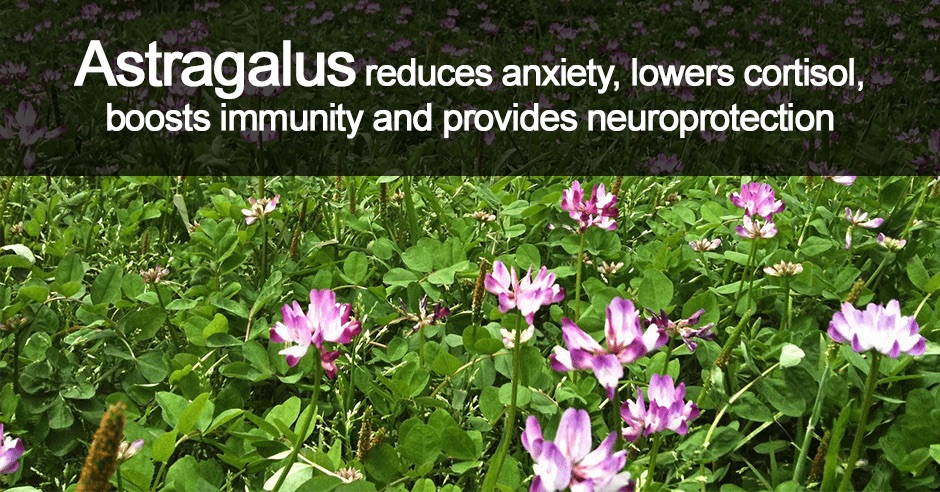
Astragalus reduces anxiety, lowers cortisol, boosts immunity and provides neuroprotection

July 5, 2017 By Trudy Scott 19 Comments

Astragalus is a herb that is well recognized for it’s immune boosting benefits and David Christopher, one of the experts on Immune Defense Summit, shares that it’s his favorite herb for protecting the immune system.

We know the immune system plays a role in anxiety and depression. I’m sure you’ve heard the term psychoneuroimmunology: the study of the interaction between psychological processes and the nervous and immune systems of the human body. So I went searching to see if this herb has any evidence for reducing anxiety and I wasn’t disappointed

It was encouraging to discover very recent research that supports that it has benefits for reducing anxiety and that it offers neuroprotection.

In an animal Alzheimer’s disease study published in 2016, Neuroprotection and anxiety like behavior reduction of Allium hirtifolium and Astragalus hamosus in the Aβ-injected rat it was shown that oral administration of both Allium hirtifolium and Astragalus hamosus decreased anxiety-like behavior.

The results of this study also revealed

potential neuroprotective properties of Allium hirtifolium and Astragalus hamosus as herbal remedies that could play a role in fostering healthy aging and be considered as useful candidates in decreasing Alzheimer’s disease related symptoms.

David doesn’t cover the above this in his interview so I’m sharing this here to provide you with some context on the importance of supporting the immune system beyond colds and flu.

This is what David does say about astragalus in his interview with Immune Defense Summit host Jonathan Landsman:

I think it is the number one herb for protecting the immune system. And the nice thing about astragalus is it’s a tonic. And tonics are substances that will go either way – if you’ve got over-functioning or if you’ve got under-functioning – it will go whatever the body needs. They also call them adaptogens.

Because astragalus is an adaptogen, it is one of many herbs that can be used to support the HPA axis, thereby helping to reduce high cortisol, and hence anxiety via another mechanism. This paper, Effect of hypothalamic-pituitary-adrenal axis alterations on glucose and lipid metabolism in diabetic rats, reports that astragalus may improve HPA axis functioning and aid in the treatment of diabetes by lowering blood sugar and high levels of corticosterone (the rat version of cortisol).

David goes on to share that astragalus does a lot of things for the immune system:

It actually increases the interferon which is the chemical message that the immune system uses to communicate between the cells.

One of the things that astragalus does is it stimulates the production of and activity of the macrophage, the part of the immune system that gobbles up impurities, so it’s nonspecific. And it tends to last for a long, long period of time. They’ve done the studies showing that when you take astragalus, it immediately affects your immune system (within six hours). And it’ll last 72 hours. So it’s fast-working and it’ll last a long time.

I can’t think of anything in the medical profession that has as many benefits as astragalus has. Nothing. Astragalus is my favorite herb for the immune system.

David shares more about astragalus and other immune boosting herbs like echinacea (which also happens to help with reducing anxiety) on the Immune Defense Summit which runs July 24-31.

I do hope you can join us to hear from many experts on various topics related to immunity, many of which have a direct connection to anxiety, mood and overall health.

Click here to register

Have you used astragalus with good results? For stress and anxiety? To help lower high cortisol? For immune-boosting? For cognition?

Filed Under: Events Tagged With: anxiety, astragalus, high cortisol, Immune Defense Summit, immune-boosting, immunity, neuroprotection, stress

TouchPoints™ neuroscience device for stress relief, improved sleep and focus and reduced cravings

June 30, 2017 By Trudy Scott 20 Comments

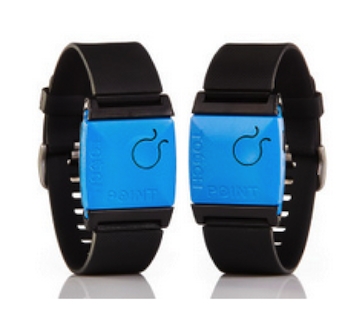
TouchPoints™ basic are non-invasive neuroscientific lifestyle wearables that use patent pending neuroscience to relieve stress, improve sleep, performance, and focus, and can reduce cravings and anger.

I shared some information about these TouchPoints™ neuroscience devices a short time ago and it created some interest. This week I was just on a private call with one of the founders, Dr. Amy Serin and I’m so impressed with what I learned about these EMDR-type devices that I’m sharing their indiegogo campaign (happening right now) for the new lower price point device (the basic). The Basic device doesn’t use an iphone or ipad. I am somewhat concerned about EMFs with their other device and I’m still looking into this to determine if it is an issue.

This Basic device can be worn on a wrist-band or can be worn on a belt, socks, shirt etc.

I have NOT yet used one of these devices myself or with clients but I have purchased one to test and will share more as I learn more. Please do share your experiences too!

As with addressing any imbalance too much of something can be problematic. I received this feedback from a colleague who is a psychotherapist:

We use bilateral stimulation in our work with various gadgets – bilateral music with headphones, bilateral tappers etc. It’s been used with EMDR for 20 years. I haven’t seen this gadget before but the idea is not new. It can also be TOO activating and increase sympathetic arousal for some people.

If they work you I do see these as a great add-on to the nutrition work I do for anxiety (diet, adrenals, amino acids like GABA etc.) and could be especially helpful if you can’t tolerate supplements right now (like during a benzodiazepine taper or being highly sensitive).

You can find all the details here


Filed Under: Sleep, Stress Tagged With: anxiety, cravings, EMDR, focus, stress, TouchPoints

  • « Go to Previous Page
  • Page 1
  • Interim pages omitted …
  • Page 5
  • Page 6
  • Page 7
  • Page 8
  • Page 9
  • Interim pages omitted …
  • Page 11
  • Go to Next Page »

Primary Sidebar

GABA QuickStart Homestudy

gaba quickstart homestudy

Free Report

9 Great Questions Women Ask about Food, Mood and their Health

You'll also receive a complimentary subscription to my ezine "Food, Mood and Gal Stuff"


Connect with me

Popular Posts

  • Amino Acids Mood Questionnaire from The Antianxiety Food Solution
  • The Antianxiety Food Solution Amino Acid and Pyroluria Supplements
  • Pyroluria Questionnaire from The Antianxiety Food Solution
  • Collagen and gelatin lower serotonin: does this increase your anxiety and depression?
  • Tryptophan for the worry-in-your-head and ruminating type of anxiety
  • GABA for the physical-tension and stiff-and-tense-muscles type of anxiety
  • The Antianxiety Food Solution by Trudy Scott
  • Seriphos Original Formula is back: the best product for anxiety and insomnia caused by high cortisol
  • Am I an anxious introvert because of low zinc and vitamin B6? My response to Huffington Post blog
  • Vagus nerve rehab with GABA, breathing, humming, gargling and key nutrients

Recent Posts

  • Her cravings for chips and peanut butter were triggered by stress: GABA ends cravings and reduces physical tension and fear of heights
  • It is truly miraculous to be able to move through life without crippling anxiety and panic
  • GABA and tryptophan combo provide immediate and noticeable relief for tremors and cervical dystonia in just 7 days
  • Red light therapy for back and neck pain, plantar fasciitis and low mood – a complement to the amino acids GABA, DPA and tryptophan
  • What do I use instead of Seriphos to help lower high cortisol that is affecting my sleep and making me anxious at night?

Categories

  • 5-HTP
  • AB575
  • Addiction
  • ADHD
  • Adrenals
  • Alcohol
  • Allergies
  • Alzheimer's disease
  • Amino Acids
  • Anger
  • Antianxiety
  • Antianxiety Food Solution
  • Antidepressants
  • Anxiety
  • Anxiety and panic
  • Autism
  • Autoimmunity
  • benzodiazapines
  • Bipolar disorder
  • Books
  • Caffeine
  • Cancer
  • Candida
  • Children/Teens
  • Collagen
  • Cooking equipment
  • Coronavirus/COVID-19
  • Cravings
  • Depression
  • Detoxification
  • Diabetes
  • Diet
  • DPA/DLPA
  • Drugs
  • EFT/Tapping
  • EMF
  • EMFs
  • Emotional Eating
  • Endorphins
  • Environment
  • Essential oils
  • Events
  • Exercise
  • Fear
  • Fear of public speaking
  • Fertility and Pregnancy
  • Fish
  • Food
  • Food and mood
  • Functional neurology
  • GABA
  • Gene polymorphisms
  • General Health
  • Giving
  • Giving back
  • Glutamine
  • Gluten
  • GMOs
  • Gratitude
  • Gut health
  • Heart health/hypertension
  • Histamine
  • Hormone
  • Hyperparathyroidism
  • Hypoglycemia
  • Immune system
  • Inflammation
  • Insomnia
  • Inspiration
  • Introversion
  • Joy and happiness
  • Ketogenic diet
  • Lithium orotate
  • Looking awesome
  • Lyme disease and co-infections
  • MCAS/histamine
  • Medication
  • Men's health
  • Mental health
  • Mercury
  • Migraine
  • Mold
  • Movie
  • MTHFR
  • Multiple sclerosis
  • Music
  • NANP
  • Nature
  • Nutritional Psychiatry
  • OCD
  • Osteoporosis
  • Oxalates
  • Oxytocin
  • Pain
  • Paleo
  • Parasites
  • Parkinson’s disease
  • PCOS
  • People
  • PMS
  • Postpartum
  • PTSD/Trauma
  • Pyroluria
  • Questionnaires
  • Real whole food
  • Recipes
  • Research
  • Schizophrenia
  • serotonin
  • SIBO
  • Sleep
  • Special diets
  • Sports nutrition
  • Stress
  • Sugar addiction
  • Sugar and mood
  • Supplements
  • Teens
  • Testimonials
  • Testing
  • The Anxiety Summit
  • The Anxiety Summit 2
  • The Anxiety Summit 3
  • The Anxiety Summit 4
  • The Anxiety Summit 5
  • The Anxiety Summit 6
  • Thyroid
  • Thyroid health
  • Toxins
  • Tryptophan
  • Tyrosine
  • Uncategorized
  • Vegan/vegetarian
  • Women's health
  • Yoga

Archives

  • May 2026
  • April 2026
  • October 2025
  • September 2025
  • August 2025
  • July 2025
  • June 2025
  • May 2025
  • April 2025
  • March 2025
  • February 2025
  • January 2025
  • November 2024
  • October 2024
  • September 2024
  • August 2024
  • July 2024
  • June 2024
  • May 2024
  • April 2024
  • March 2024
  • February 2024
  • January 2024
  • December 2023
  • November 2023
  • October 2023
  • September 2023
  • August 2023
  • July 2023
  • June 2023
  • May 2023
  • April 2023
  • March 2023
  • February 2023
  • January 2023
  • December 2022
  • November 2022
  • October 2022
  • September 2022
  • August 2022
  • July 2022
  • June 2022
  • May 2022
  • April 2022
  • March 2022
  • February 2022
  • January 2022
  • December 2021
  • November 2021
  • October 2021
  • September 2021
  • August 2021
  • July 2021
  • June 2021
  • May 2021
  • April 2021
  • March 2021
  • February 2021
  • January 2021
  • December 2020
  • November 2020
  • October 2020
  • September 2020
  • August 2020
  • July 2020
  • June 2020
  • May 2020
  • April 2020
  • March 2020
  • February 2020
  • January 2020
  • December 2019
  • November 2019
  • October 2019
  • September 2019
  • August 2019
  • July 2019
  • June 2019
  • May 2019
  • April 2019
  • March 2019
  • February 2019
  • January 2019
  • December 2018
  • November 2018
  • October 2018
  • September 2018
  • August 2018
  • July 2018
  • June 2018
  • May 2018
  • April 2018
  • March 2018
  • February 2018
  • January 2018
  • December 2017
  • November 2017
  • October 2017
  • September 2017
  • August 2017
  • July 2017
  • June 2017
  • May 2017
  • April 2017
  • March 2017
  • February 2017
  • January 2017
  • December 2016
  • November 2016
  • October 2016
  • September 2016
  • August 2016
  • July 2016
  • June 2016
  • May 2016
  • April 2016
  • March 2016
  • February 2016
  • January 2016
  • December 2015
  • November 2015
  • October 2015
  • September 2015
  • August 2015
  • July 2015
  • June 2015
  • May 2015
  • April 2015
  • March 2015
  • February 2015
  • January 2015
  • December 2014
  • November 2014
  • October 2014
  • September 2014
  • August 2014
  • July 2014
  • June 2014
  • May 2014
  • April 2014
  • March 2014
  • February 2014
  • January 2014
  • December 2013
  • November 2013
  • October 2013
  • September 2013
  • August 2013
  • July 2013
  • June 2013
  • May 2013
  • April 2013
  • March 2013
  • February 2013
  • January 2013
  • December 2012
  • November 2012
  • October 2012
  • August 2012
  • July 2012
  • June 2012
  • May 2012
  • April 2012
  • March 2012
  • February 2012
  • January 2012
  • December 2011
  • November 2011
  • October 2011
  • September 2011
  • August 2011
  • July 2011
  • June 2011
  • May 2011
  • April 2011
  • March 2011
  • February 2011
  • January 2011
  • December 2010
  • October 2010
  • September 2010
  • July 2010
  • May 2010
  • April 2010
  • March 2010
  • February 2010
  • January 2010
  • November 2009

Share the knowledge!

The above statements have not been evaluated by the Food and Drug Administration. Products listed in this website are not intended to diagnose, treat, cure or prevent any disease.

The information provided on this site is for informational and educational purposes only and is not intended as a substitute for advice from your physician or other health care professional. You should consult with a healthcare professional before starting or modifying any diet, exercise, or supplementation program, before taking or stopping any medication, or if you have or suspect you may have a health problem.


Copyright © 2026 Trudy Scott. All Rights Reserved. | Privacy | Terms and Conditions | Refund Policy | Medical Disclaimer

Free Report

9 Great Questions Women Ask about Food, Mood and their Health

You’ll also receive a complimentary subscription to my ezine “Food, Mood and Gal Stuff”