• Skip to primary navigation
  • Skip to main content
  • Skip to primary sidebar

everywomanover29 blog

Food, Mood and Women's Health – Be your healthiest, look and feel great!

  • Blog
  • About
  • Services
  • Store
  • Resources
  • Testimonials
  • The Book
  • Contact
  • Search this site

alcohol

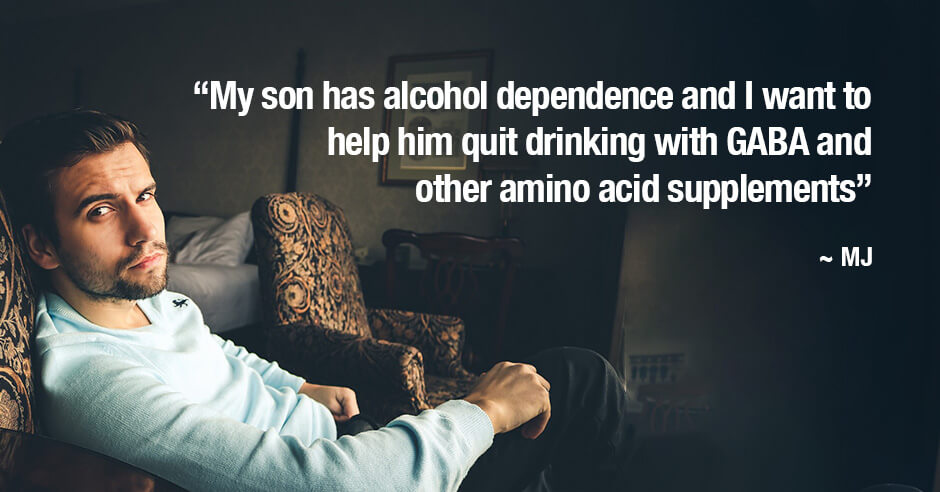
My son has alcohol dependence and I want to help him quit drinking with GABA and other amino acid supplements

September 8, 2023 By Trudy Scott 15 Comments

alcohol and gaba

My son has alcohol dependence and I want to help him quit drinking with GABA and other amino acid supplements. Alcohol and the benzodiazepines used in treatment both block GABA receptors, but I assume having GABA available in your system is better than none (especially as nutrition has been very poor). Have you an article on this? Thank you for your knowledge and understanding.

MJ posted this question on one of the GABA blogs and I shared a few blogs to get her started (some of those are listed below). I also shared that with addictions to alcohol (and sugar and drugs) it’s a matter of figuring out which amino acids are needed in order to balance the neurotransmitters and help you to quit with no willpower and without feeling deprived. This can differ for each person and it’s a matter of doing a trial of each amino acid based on unique needs.

He may well need GABA if he self-medicates with alcohol when under stress, but he may also need serotonin support with tryptophan or 5-HTP if he drinks when depressed and needs a mood lift.

I decided to create a new blog because it’s a much needed topic and so I could share additional resources and a table I use (see below) to help you figure out where your need may be. We use this in conjunction with the symptoms questionnaire for each neurotransmitter.

In addition to addressing her benzodiazepine question, I also shared the need to address low blood sugar, low vitamin B1 and overall nutrient status. She does mention nutrition has been poor and it often is with alcohol addiction.

Which emotions are driving the need to self-medicate with alcohol and which amino acids to trial?

This is how I help you figure out which emotions are driving the need to self-medicate with alcohol and which amino acids to trial:

How do you feel before drinking alcohol? How do you feel after drinking alcohol? Likely brain chemistry imbalance Amino acid/s to supplement
Anxious or stressed (physical anxiety) Calm or relaxed Low GABA GABA, pharmaGABA or theanine
Depressed or worried? (mental anxiety) Happy or content Low serotonin Tryptophan or 5-HTP
Tired or unfocused Energetic, alert, or focused Low catecholamines Tyrosine
Wanting a reward or treat, and sad (weepy) Rewarded or comforted Low endorphins DPA (d-phenylalanine) or DLPA
Irritable and shaky Grounded or stable Low blood sugar Glutamine

We use this in conjunction with the symptoms questionnaire for each neurotransmitter.

Many individuals with alcohol addiction have imbalances in all areas. We use the same approach when it comes to alcohol addictions that we use sugar/carb/junk food addictions i.e. we tackle one imbalance at a time so we know which amino acid is helping and how much is needed.

The amino acids play many roles in addressing alcohol addiction:

  • They help you to quit alcohol with no willpower and without feeling deprived
  • They help to mitigate many of the adverse effects of quitting (like insomnia and increased anxiety and depression)
  • They address the root cause of the addiction i.e. neurotransmitter imbalances
  • They address the emotional aspect so mood and anxiety is improved
  • They help to heal the damage that has been done to the gut: glutamine, GABA and tryptophan
  • They prevent the need to find a replacement like sugar, coffee, Diet soda and cigarettes (intake is often ramped up when drinking ceases)
  • They even help children who have had prenatal exposure to alcohol – 5-HTP benefits both adopted daughters who had prenatal exposure to alcohol: they are happier, more focused and can stay on task

PharmaGABA eases physical anxiety, amino acids ease alcohol withdrawal symptoms, and tryptophan turns you off alcohol

These blog posts illustrate the many applications of amino acids when it comes to quitting alcohol

  • PharmaGABA eases physical anxiety in a young man who has recently given up Adderall, alcohol and nicotine (some folks do better with GABA and some with pharmaGABA)
  • An amino acid supplement with DLPA, glutamine and 5-HTP eases alcohol withdrawal symptoms at an inpatient detoxification program
  • Tryptophan had the added benefit of turning me completely off alcohol when I took it to improve mood and sleep during perimenopause (this need for serotonin support could be applicable for a male too and at any age)

As I mentioned above, be sure to use the search feature to find other blogs on this site: use alcohol, addiction and sugar (and replace sugar with alcohol in the sugar blogs).

Does his prior benzodiazepine prescription prevent him from being able to use GABA?

MJ asks if her son’s prior benzodiazepine prescription will prevent him from being able to use GABA. He will need to taper very very slowly under the guidance of someone knowledgeable and with oversight by the prescribing physician.

It is true that GABA receptors can be affected by benzodiazepines but despite this, many of my clients and others in my community do get relief from GABA during the taper period and afterwards.

We do start with a very small dose – I typically have someone start with 25mg GABA and go up from there – and only use sublingual GABA (or pharmaGABA). For some very sensitive folks we will start even lower as in this example where Syd gets sleep and body anxiety benefits with just 1.5 mg to 3 mg GABA.

I share more on this blog – Rebound insomnia after tapering a benzodiazepine: will taking GABA or any other natural supplement interfere with healing?

One big caveat is that nutritional stability is key when it comes to tapering benzodiazepines. It is also imperative when it comes to addiction recovery.

Good nutritional status, low blood sugar and low vitamin B1

MJ does mention that her son’s nutrition has been poor. It often is with alcohol addiction. I also shared with her the need to address low blood sugar and overall nutrient status.

When you are new to the amino acids and anxiety nutrition solutions my book “The Antianxiety Food Solution” is an excellent resource for all of the above – and the information applies to those with addictions too.  

Here is a blog with additional information and a study on the importance of addressing low blood sugar when it comes to anxiety and also addictions – Anxiety and Hypoglycemia Symptoms Improve with Diet Modification.

This highlights the importance of consuming enough protein, fats and fiber, especially at breakfast. There is an entire chapter on blood sugar in my book – it’s that important.

Finally, low thiamine/vitamin B1 must be addressed: “alcohol misuse is the most common risk factor for thiamine deficiency.” More about this here.

A complete nutritional assessment for other issues should be done too: low vitamin D, low zinc, other vitamin B deficiencies, low magnesium, adrenal insufficiency, leaky gut and more.

Medically assisted withdrawal treatment

If you are wanting to quit alcohol and don’t have an alcohol use disorder, all of the above approaches can be safely used.

However, medically assisted withdrawal treatment may be needed in some instances: “Excessive chronic alcohol users, and particularly patients with alcohol use disorder, may present an alcohol withdrawal syndrome if they abruptly stop drinking. Alcohol withdrawal syndrome requires pharmacological treatment for the treatment of withdrawal symptoms and to prevent withdrawal complications. Medically assisted withdrawal treatment is used in alcohol treatment units, but it is also frequently required in patients admitted to hospital for other conditions.”

It’s important that this is recognized for those who need it. MJ mentions benzodiazepines were used in her son’s treatment so presumably he had medically assisted withdrawal treatment.

In this situation, once her son has safely quit alcohol everything I mention above would then apply – looking at the amino acids and nutritional status so there is no relapse. And so recovery is easier and sustainable with a stable mood and no anxiety.

Resources if you are new to using amino acids as supplements

If you suspect low levels of any of the neurotransmitters and do not yet have my book, The Antianxiety Food Solution – How the Foods You Eat Can Help You Calm Your Anxious Mind, Improve Your Mood, and End Cravings, I highly recommend getting it and reading it before jumping in and using amino acids on your own so you are knowledgeable. And be sure to share it with the practitioner/health team you or your loved one is working with.

There is an entire chapter on the amino acids and they are discussed throughout the book in the sections on gut health, gluten, blood sugar control, sugar cravings, anxiety and mood issues.

The book doesn’t include product names (per the publisher’s request) so this blog, The Antianxiety Food Solution Amino Acid and Pyroluria Supplements, lists the amino acids that I use with my individual clients and those in my group programs. You can find them all in my online store.

If, after reading this blog and my book, you don’t feel comfortable figuring things out on your own (i.e. doing the symptoms questionnaire and respective amino acids trials), a good place to get help is the GABA QuickStart Program (if you have low GABA symptoms too). This is a paid online/virtual group program where you get my guidance and community support.

If you are a practitioner, join us in The Balancing Neurotransmitters: the Fundamentals program. This is also a paid online/virtual program with an opportunity to interact with me and other practitioners who are also using the amino acids.

Have you or a loved one used the amino acids to help with alcohol dependence/alcohol use disorder?

If benzodiazepines were used in the treatment center, was GABA still helpful?

Have the amino acids helped prevent new addictions to sugar/coffee/cigarettes and improved anxiety, depression and insomnia?

If you have questions and other feedback please share in the comments too.
Filed Under: Addiction, Alcohol, Amino Acids, GABA Tagged With: 5-HTP, alcohol, alcohol dependence, amino acid, benzodiazepines, depressed, deprived, drinking, drugs, emotions, GABA, low blood sugar, low vitamin B1, Medically assisted withdrawal treatment; GABA Quickstart; Balancing Neurotransmitters: the Fundamentals program for practitioners, neurotransmitters, nutrition, pharmaGABA, quit drinking, self-medicates, serotonin, stress, sugar, tryptophan, willpower

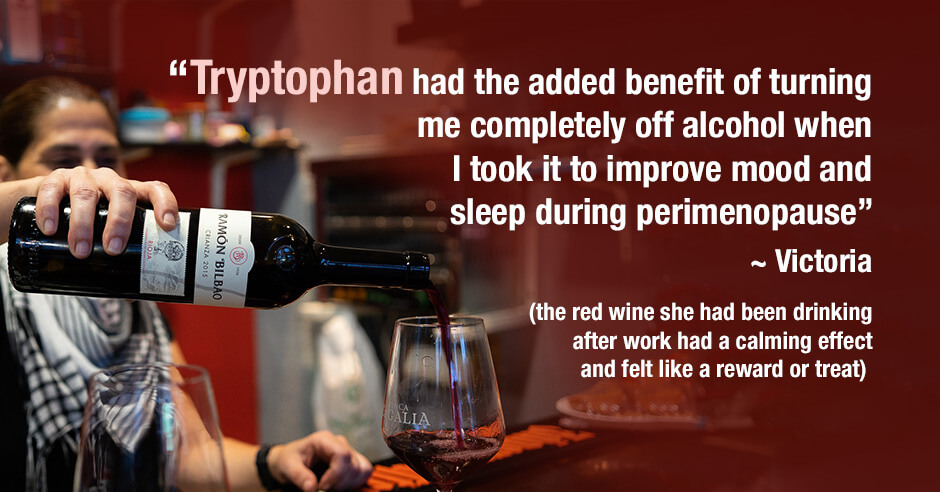
Tryptophan had the added benefit of turning me completely off alcohol when I took it to improve mood and sleep during perimenopause

May 12, 2023 By Trudy Scott 33 Comments

tryptophan alcohol

I started taking tryptophan 3 years ago to improve mood and sleep (not recognizing I was in perimenopause which it helped), but had the added benefit of turning me completely off alcohol! Lol. What serendipitous timing! I use amino therapy with pretty much all my perimenopause patients now. Thanks to you and Julia Ross’s work. Forever grateful.

Victoria shared this wonderful feedback about the benefits she experienced with tryptophan on a recent Facebook thread and kindly gave me permission to share.

Self-medicating with wine (and other alcoholic beverages) is common when we are anxious or stressed and typically we use it to wind down at the end of the day and to fit in socially. This is common when GABA levels are low and also happens due to low serotonin which declines from mid-afternoon into the evening.

I asked what she had been drinking and how often? And if it was calming for her? This was her response:

Red wine the minute I walked in the door in the evening. I guess it was calming… maybe more reward driven? It would be my reward for getting home from work via picking kids up from sport and doing a grocery shop and … (fill in the blank) that we working mums do and then having to walk straight into the kitchen to start on dinner.

The wine was like my little treat or reward to motivate me to just keep moving with my chores. No time to sit and unwind, just pour the wine and start chopping! Lol… I had tried to stop before but just couldn’t pick up a knife without the wine glass!

Within days, the tryptophan made the wine taste like cat’s pee! Haven’t touched it since. No desire at all. Almost hypnosis like?

How much tryptophan Victoria used and how did it help her quit?

Victoria used the Now Tryptophan 1000 mg at 3pm and 9pm for about a year, eventually stopping it and saying: “Alcohol still does not interest me at all.”

What wonderful results! A typical starting dose for tryptophan is 500 mg midafternoon and evening and she increased this to find her ideal dose of 1000 mg twice a day. She did report that 5-HTP didn’t work for her the way tryptophan did. This is not unusual as some folks do better with one versus the other.   

She has a great explanation regarding how tryptophan helped her quit without having to use willpower. She had no time to sit and unwind ….. so she was experiencing some of the calming aspects of getting serotonin support with the amino acid tryptophan. This is a very common benefit.

Serotonin appears to regulate the secretion of beta-endorphins

It is interesting that Victoria mentions a reward/treat benefit which is often due to low endorphins rather than low serotonin. This paper, Roles of β-Endorphin in Stress, Behavior, Neuroinflammation, and Brain Energy Metabolism, states that β-endorphins, in addition to their “potent analgesic effects” i.e. pain relief (both physical and emotional pain), are also involved in “reward-centric and homeostasis-restoring behaviors.”

However, as stated in this same paper, beta-endorphins play a role in stress-relief (common with working moms like Victoria) and are closely connected with serotonin. In fact “serotonin appears to regulate the secretion of β-endorphins” and vice versa. The body is fascinating and so smart.

Amino acids for alcohol addiction: 5-HTP, DLPA and glutamine

We know that amino acids help with alcohol cravings and addiction and have even been used in inpatient settings. This blog illustrates this well – An amino acid supplement with DLPA, glutamine and 5-HTP (and a few other nutrients) eases alcohol withdrawal symptoms at an inpatient detoxification program.

The study authors state that: “the physiological craving for alcohol may be the result of a deficiency of the naturally occurring opiate like substances as well as other neurochemical deficits (i.e., dopaminergic, GABAergic, and serotonergic).

Both tryptophan and 5-HTP support low serotonin worry-type anxiety, low mood and insomnia. Victoria happened to benefit from tryptophan. Someone else may benefit more from 5-HTP or DLPA or glutamine or a combination as illustrated in the above study. And even GABA, which can help with stress-drinking or stress-eating, as well as physical anxiety.

DPA and DLPA support endorphins and provide the reward/treat benefits from red wine that Victoria mentions.  You can read about the difference between DPA and DLPA here.

What if you have afternoon and evening sugar cravings instead of wine?

You may self-medicate with sugar, carbs, gluten, dairy instead of wine. Late afternoon/evening cravings are typically related to low serotonin when there are other low serotonin symptoms like low mood, anxiety, ruminations, worry, insomnia, PMS etc. You can see all the low serotonin symptoms here.

In this case, tryptophan or 5-HTP can be used in a similar way to stop the cravings with no willpower required and no feelings of being deprived. You’ll also experience reduced anxiety, improved mood and better sleep. Read more about this on this blog: Would using 5-HTP or tryptophan help when you crave sugar (as a sort of antidepressant) late afternoon/evening?

Other changes Victoria made and how is she doing now?

Victoria did also share that hot flushes “got me in the end though and I gave in to body identical progesterone for the final year of peri” and takes estradiol transdermally now that she is in menopause. Based on seeing these benefits while in perimenopause, she is now trialing tryptophan again for increased irritability. That is a huge plus with amino acids: once we’ve experienced the benefits, you have them at our disposal again and again in the future as your hormones or situation starts to change.

I love that she now uses tryptophan with her patients. She is a physio/physical therapist and exercise scientist turned Functional Health Practitioner having studied with IFM during the pandemic.

Of course, I thanked her for the kind words and shared how fortunate I was to work in Julia Ross’ clinic for 2 years. I also appreciate her for sharing this feedback and allowing me to share it here as a blog post so you get to learn, be inspired and have hope.

And finally, all this illustrates that there is no one-size-fits-all and we often get unexpected side-benefits when using amino acids.

Tryptophan and 5-HTP product options

Victoria happens to respond well to tryptophan and yet some folks do better with 5-HTP so it’s a matter of doing a trial of each.

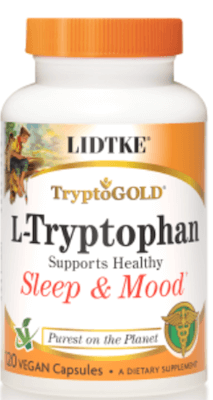
lydke l-tryptophan
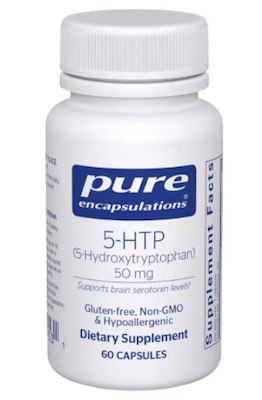
pure 5htp

Products I recommend include Lidtke 500 mg Tryptophan, and Pure Encapsulations 50 mg 5-HTP.  You can purchase these from my online store (Fullscript – only available to US customers – use this link to set up an account).

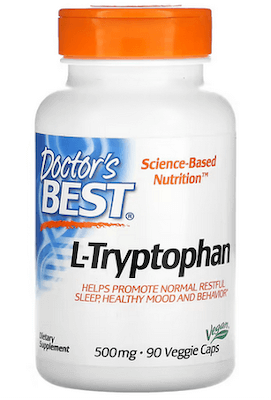
nature's best l-tryptophan
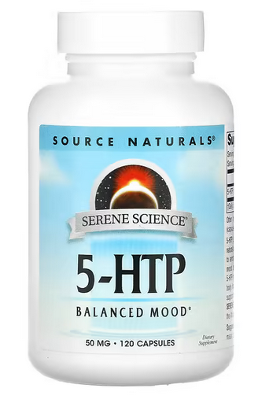
source natural 5-htp

If you’re not in the US, Doctor’s Best L-Tryptophan 500mg and Source Naturals 50 mg 5-HTP  are products I recommend on iherb (use this link to save 5%).

Resources if you are new to using amino acids as supplements

If you are new to using amino acids as supplements, here is the Amino Acids Mood Questionnaire from The Antianxiety Food Solution (you can see all the symptoms of neurotransmitter imbalances, including low GABA, low serotonin and low endorphins).

If you suspect low levels of any of the neurotransmitters and do not yet have my book, The Antianxiety Food Solution – How the Foods You Eat Can Help You Calm Your Anxious Mind, Improve Your Mood, and End Cravings, I highly recommend getting it and reading it before jumping in and using amino acids on your own so you are knowledgeable. And be sure to share it with the practitioner/health team you or your loved one is working with.

There is an entire chapter on the amino acids and they are discussed throughout the book in the sections on gut health, gluten, blood sugar control, sugar cravings, anxiety and mood issues.

The book doesn’t include product names (per the publisher’s request) so this blog, The Antianxiety Food Solution Amino Acid and Pyroluria Supplements, lists the amino acids that I use with my individual clients and those in my group programs. You can find them all in my online store.

If, after reading this blog and my book, you don’t feel comfortable figuring things out on your own (i.e. doing the symptoms questionnaire and respective amino acids trials), a good place to get help is the GABA QuickStart Program (if you have low GABA symptoms too). This is a paid online/virtual group program where you get my guidance and community support.

If you are a practitioner, join us in The Balancing Neurotransmitters: the Fundamentals program. This is also a paid online/virtual program with an opportunity to interact with me and other practitioners who are also using the amino acids.

Has tryptophan helped you quit alcohol easily when you could not do so with willpower alone?

Does tryptophan also help with your low mood, anxiety and sleep issues?

What about 5-HTP (some folks do better on one versus the other)?

And has either tryptophan or 5-HTP helped with other afternoon/evening cravings like sugar and other carbs?

If you have questions and other feedback please share it here too.

Filed Under: Addiction, Amino Acids, Anxiety, Tryptophan Tagged With: 5-HTP, alcohol, alcohol addiction, amino acids, anxious, beta-endorphins, calming, DLPA, evening, GABA, GABA Quickstart online program; Balancing Neurotransmitters: the Fundamentals program for practitioners, glutamine, mid-afternoon, mood, perimenopause, red wine, reward, self-medicating, serotonin, sleep, stressed, sugar cravings, treat, tryptophan, wine

Multiple sclerosis: low endorphin research and the amino acid DPA (d-phenylalanine) for pain, depression, comfort and trauma support

April 28, 2023 By Trudy Scott 8 Comments

MS support

The research on the role of low endorphins in multiple sclerosis (MS) is exciting because it creates more awareness about a powerful way to offer pain and mood support if you have been diagnosed with this condition. Typically, I ignore the diagnosis when assessing for low levels of neurotransmitters (via a symptoms questionnaire) and have clients do a trial of the amino acid DPA (d-phenylalanine) if they have physical pain symptoms, experience emotional pain symptoms with excessive weepiness/crying and seek comfort via treats/rewarding foods or the numbing effects of alcohol. However, we now know low endorphins play a role in MS (via the endogenous opioid system). By addressing low levels with DPA, you can find some relief of the above pain/depression symptoms and a need for comfort and numbing. DPA may also offer some trauma support if past trauma is a contributing factor (more on all of this below).

Low endorphins play a role in multiple sclerosis: the research

This 2021 paper, Multiple Sclerosis and the Endogenous Opioid System describes MS and the fact that current therapies have limited efficacy: “Multiple sclerosis (MS) is an autoimmune disease characterized by chronic inflammation, neuronal degeneration and demyelinating lesions within the central nervous system. The mechanisms that underlie the pathogenesis and progression of MS are not fully known and current therapies have limited efficacy.”

What is exciting is the identification of the role of the endogenous opioid system and specific opioid peptides in MS:

Preclinical investigations using the murine experimental autoimmune encephalomyelitis (EAE) model of MS, as well as clinical observations in patients with MS, provide converging lines of evidence implicating the endogenous opioid system in the pathogenesis of this disease.

In recent years, it has become increasingly clear that endogenous opioid peptides, binding μ- (MOR), κ- (KOR) and δ-opioid receptors (DOR), function as immunomodulatory molecules within both the immune and nervous systems.

The endogenous opioid system is also well known to play a role in the development of chronic pain and negative affect [i.e. depression], both of which are common comorbidities in MS. As such, dysregulation of the opioid system may be a mechanism that contributes to the pathogenesis of MS and associated symptoms.

Endogenous means internal i.e natural compounds produced by the body and involved in pain relief and mood improvement. This article, Opioid Peptides, describes peptides as compounds that “produce the same effects as the chemicals known as classic alkaloid opiates, which include morphine and heroin.”

It also mentions three major categories of opioid receptors – mu, delta, and kappa – referred to as MOR, DOR and KOR above.

D-phenylalanine for human “endorphin deficiency diseases”

Unfortunately neither of these papers mentions the amino acid DPA (d-phenylalanine) and the fact that it supports endorphin production (by inhibiting the breakdown of endorphins), reducing pain and improving mood – quickly (as in 5-10 minutes).

The use of DPA is not new information as you can read in this paper from 1982 – D-phenylalanine and other enkephalinase inhibitors as pharmacological agents: implications for some important therapeutic application

A number of compounds have been shown to inhibit the degradation of enkephalins. As expected, these compounds produce naloxone reversible analgesia and potentiate the analgesia produced by enkephalins and by acupuncture.

One of these, D-phenylalanine, is also anti-inflammatory.

D-phenylalanine has proven to be beneficial in many human patients with chronic, intractable pain. It is proposed the enkephalinase inhibitors may be effective in a number of human “endorphin deficiency diseases” such as depression, schizophrenia, convulsive disorders and arthritis.

Such compounds may alleviate other conditions associated with decreased endorphin levels such as opiate withdrawal symptoms.

Prevalence of anxiety/depression and alcohol abuse in MS

As I shared in the recent post addressing low GABA symptoms (anxiety, muscle stiffness, swallowing/voice issues and pain) in multiple sclerosis, anxiety and depression is common in this condition. Alcohol abuse is also high. I shared this paper, The incidence and prevalence of psychiatric disorders in multiple sclerosis: A systematic Review, with the following results:

Among population-based studies, the prevalence of anxiety was 21.9% (and up to 35.0% in some papers), 23.7% for depression …and 14.8% for alcohol abuse.

The above Opioid Peptides paper highlights that the endogenous opioid system may be related to excessive alcohol-drinking behavior. In the work I do with amino acids, I see alcohol used as a way to numb out.

All this supports the fact that the amino acid DPA may help ease symptoms of depression and weepiness seen in MS, and self-medicating with alcohol.

The goal is to use these amino acids instead of needing to use benzodiazepines (covered in the above GABA blog), antidepressants and pain medications.

DPA may help trauma in MS, and the freeze response

This paper, Childhood Trauma in Multiple Sclerosis: A Case-Control Study, suggests an association between childhood trauma and early-life stress and MS:

Although childhood trauma was not associated with the degree of current MS-related disability, patients with MS with histories of physical and/or sexual abuse had significantly higher relapse rates than patients without early-life stress.

DPA may also offer some trauma support if past trauma is a contributing factor. I learned about trauma and the low energy freeze state (a survival mechanism) from Dr. Aimie Apigian, MD, MS, MPH. There is the feeling of numbness and being disconnected when in the freeze state and this eventually becomes the default pattern that the nervous system has been wired into.

Individuals with low endorphins are often in the freeze state and are more emotionally sensitive to everything and because of this they experience much more stress. They also experience a feeling of numbness and feel disconnected. The encouraging news is that the amino acid DPA helps ease the low endorphin symptoms while they are addressing their trauma in other ways, like with somatic work and addressing other biological underpinnings of trauma.

DPA is comforting, helps you feel safe and is often described as feeling like someone just hugged you.

Endorphins and the amino acid DPA (d-phenylalanine) and DLPA (dl-phenylalanine)

If you’re new to endorphins and the amino acid DPA and DLPA here are some blog posts:

  • When using the amino acid DPA (d-phenylalanine) I have more resilience and more buffer in the caregiving work I do, and just the oops’s of life
  • What is the difference between DPA and DLPA (amino acids) and which one do I use for weepiness, heart-ache, pain and energy?
  • Wean off prescription pain medication, improve sleep and reduce emotional eating with DPA (an endorphin-boosting amino acid)
  • DPA for weepiness, pain and comfort and reward eating
  • How best to use the amino acid DPA for easing heart-ache, weepiness, comfort eating and a compulsive desire for food

Low GABA and low serotonin are common in multiple sclerosis too

Low endorphins are just the tip of the iceberg when it comes to the underlying neurotransmitter imbalances in MS. Low GABA and low serotonin are common too.

As mentioned, I recently blogged about the GABA research and applications of GABA when it comes to multiple sclerosis. Here is that link.

When that blog was published I had a number of questions (see the comments in the above link) from folks asking if GABA could help with similar symptoms in Parkinson’s: swallowing and voice problems, pain and hand spasms. I said yes – if GABA is low, the amino acid GABA will help. As important as your diagnosis is, it’s always the questionnaire/symptoms that help you figure out if it’s worth trialing GABA, DPA or one of the other amino acids.

Both GABA and DPA can help pain symptoms via different mechanisms, so it’s a matter of doing a trial of each amino acid, one at a time and monitoring your response.

Tryptophan and/or 5-HTP may help ease some of the low serotonin worry-type of anxiety, fear, panic attacks, obsessing, low mood and MS-specific pain issues and insomnia.

If you do have more than one imbalance (which is not unusual), you need to figure out which imbalance you have and address that with the relevant amino acids, one at a time. I have clients pick the area that is more problematic for them and start there.

I gathered some of this research while preparing for an interview with the wonderful Dr. Terry Wahls, MD and author of “The Wahls Protocol.” We were both pleasantly surprised to see these endorphin/MS and other neurotransmitter connections.

I really look forward to seeing future research on the use of the amino acids DPA, GABA and tryptophan in MS. And I’d love to be involved in some studies if you are associated with a research facility or do research.

Resources if you are new to using amino acids as supplements

If you are new to using amino acids as supplements, here is the Amino Acids Mood Questionnaire from The Antianxiety Food Solution (you can see all the symptoms of neurotransmitter imbalances, including low GABA, low serotonin and low endorphins).

If you suspect low levels of any of the neurotransmitters and do not yet have my book, The Antianxiety Food Solution – How the Foods You Eat Can Help You Calm Your Anxious Mind, Improve Your Mood, and End Cravings, I highly recommend getting it and reading it before jumping in and using amino acids on your own so you are knowledgeable. And be sure to share it with the practitioner/health team you or your loved one is working with.

There is an entire chapter on the amino acids and they are discussed throughout the book in the sections on gut health, gluten, blood sugar control, sugar cravings, anxiety and mood issues.

The book doesn’t include product names (per the publisher’s request) so this blog, The Antianxiety Food Solution Amino Acid and Pyroluria Supplements, lists the amino acids that I use with my individual clients and those in my group programs. You can find them all in my online store.

If, after reading this blog and my book, you don’t feel comfortable figuring things out on your own (i.e. doing the symptoms questionnaire and respective amino acids trials), a good place to get help is the GABA QuickStart Program (if you have low GABA symptoms too). This is a paid online/virtual group program where you get my guidance and community support.

If you are a practitioner, join us in The Balancing Neurotransmitters: the Fundamentals program. This is also a paid online/virtual program with an opportunity to interact with me and other practitioners who are also using the amino acids.

Do you have multiple sclerosis and has the amino acid DPA helped with your low endorphin symptoms: pain, depression, alcohol addiction, comfort and trauma support?

How much has helped and which product do you use?

Do you find opening a capsule of DPA helps more than swallowing the DPA capsule?

Were you surprised that DPA would help so much?

What else has helped your multiple sclerosis symptoms? And have you also addressed low GABA and serotonin with amino acids GABA and tryptophan?

If you have questions and other feedback please share it here too.

Filed Under: Addiction, Amino Acids, DPA/DLPA, Endorphins, Multiple sclerosis Tagged With: alcohol, alcohol addiction, comfort, crying, d-phenylalanine, depression, dl-phenylalanine, DLPA, DPA, emotional pain, endogenous opioid system, endorphin, endorphins, freeze response, GABA, GABA Quickstart online program; Balancing Neurotransmitters: the Fundamentals program for practitioners, multiple sclerosis, numbing, pain, reward, serotonin, trauma, treats, weepiness

An amino acid supplement with DLPA, glutamine and 5-HTP eases alcohol withdrawal symptoms at an inpatient detoxification program

April 8, 2022 By Trudy Scott 18 Comments

amino acid and alcohol

An amino acid supplement with DLPA, glutamine and 5-HTP (and a few other nutrients) eases alcohol withdrawal symptoms at an inpatient detoxification program. Other than anxiety (I’ll share more on this below), there was also a significant decrease in psychiatric symptoms. Here is an excerpt from the study, The use of a food supplementation with D-phenylalanine, L-glutamine and L-5-hydroxytriptophan in the alleviation of alcohol withdrawal symptoms:

We described the use of a food supplementation with D-phenylalanine, L-glutamine and L-5-hydroxytryptophan in the alleviation of alcohol withdrawal symptoms in patients starting a detoxification therapy.

Since abstinence from ethanol causes a hypodopaminergic and a hypoopioidergic environment in the reward system circuits, manifesting with withdrawal symptoms, food supplements that contains D-phenylalanine, a peptidase inhibitor (of opioid inactivation) and L-amino-acids (for dopamine synthesis) were used to replenish a lack in neurotransmitters and alleviate the symptoms of alcohol withdrawal.

First I cover some translation issues and then more about the actual product and study results. I also share my commentary on the amino acids and dosing used in the study (and the fact that anxiety did not resolve). I include how to apply this information if you have a loved one in an alcohol treatment/rehab program or if you recognize social drinking is an issue for you. And I wrap up with additional resources if you are new to using GABA as a supplement, the GABA Quickstart online program and the practitioner training.

The study was completed and published in Slovenia and there are a few translation issues I’d like to clarify:

  • The study title states D-phenylalanine (DPA) was in the amino acid product, however DL-phenylalanine (DLPA) was actually used. You can read about the difference between DPA and DLPA here. In summary, DPLA works on both dopamine and endorphin support and DPA works on endorphin support only.
  • As you can see from the excerpt above, hypodopaminergic refers to low dopamine and hypoopioidergic refers to low endorphins. During withdrawal from ethanol/alcohol, both low dopamine and low endorphins cause withdrawal symptoms.
  • L-5-hydroxytryptophan is incorrectly spelled as L-5-hydroxytriptophan and reward system is incorrectly spelled as reword system. (Clarifications are provided for facilitating online searches in the research literature.)

More about the product, the study and the conclusion

It was a small randomized, double blind study with just 20 patients and the amino acid product was used for 40 days of the inpatient alcohol detox or rehab program.

This is the actual combination product used:

300 mg DLPA

150 mg glutamine

5 mg 5-HTP

1 mg  vitamin B6

50 mg calcium gluconate

25 mg magnesium oxide

0.01 mg folic acid

Psychiatric symptoms were measured using the SCL- 90R and included assessing for “somatization, obsessive-compulsive, interpersonal sensitivity, depression, anxiety, hostility, phobic anxiety, paranoid, and psychoticism.” During their rehab there was a significant decrease in these categories of psychiatric symptoms in the study group, except for their anxiety symptoms.

The authors conclude that “abstinence causes a major stress for the patients. The use of a food supplement containing D-phenylalanine [it was actually DL-phenylalanine], L-glutamine and L-5-hydroxytryptophan alleviates the withdrawal symptoms.”

As expected, once alcohol consumption was stopped, cortisol levels, liver enzymes and total bilirubin all decreased in the study group and the control group.

My commentary on the amino acids and dosing used in the study (and the fact that anxiety did not resolve)

Keep in mind the same dosing was used for all study participants. What I use clinically with folks with low levels of these neurotransmitters, is an individualized approach based on each person’s needs, for endorphin and dopamine support (from the DLPA), blood sugar support (from glutamine) and serotonin support (from 5-HTP). This means identifying symptoms in each category and doing a trial of each respective amino acid, starting low and increasing based on symptom resolution.

Given that anxiety symptoms didn’t resolve in the study group, I would have loved to see the amino acid GABA included, also dosed according to individual needs. GABA helps ease the physical tension-type anxiety and low GABA tension often drives the need to self-medicate with alcohol in order to relax and fit in socially.

The authors do mention GABA too: “the physiological craving for alcohol may be the result of a deficiency of the naturally occurring opiate like substances as well as other neurochemical deficits (i.e., dopaminergic, GABAergic, and serotonergic).

Also, an animal study shows that GABA helps with gut damage caused by alcohol consumption, so there is this additional benefit.

A higher dose of glutamine and/or 5-HTP may have also helped ease anxiety. They used 150 mg glutamine whereas a typical starting dose for glutamine is 500 mg (and we increase from there). Going up to 1000 mg to 1500 mg three or 4 times a day is not unusual and is typically very beneficial for alcoholics – for blood sugar stability, an additional calming effect and for healing the leaky gut which has been damaged by the alcohol consumption.

With regards to 5-HTP, they used 5 mg 5-HTP which is considered extremely low. I wonder if it was in fact 50 mg, which is a typical starting dose? Going up to 150 mg 5-HTP use 2 or 3 times a day is not unusual. Serotonin support with 5-HTP (or tryptophan) is very beneficial for the worry-type of ruminating anxiety.

For some individuals DLPA may have been too stimulating and contributing to anxiety via a dopamine boost. For these individuals, DPA may have been a better option for endorphin support.

I am not in favor of folic acid and prefer methylfolate, and although magnesium is an important cofactor for neurotransmitter production, magnesium oxide does not provide much usable magnesium.

Outside of the amino acids and other nutrients used, a vitamin B1 (thiamine) deficiency would need to be addressed and any other deficiencies (such as all the B vitamins, zinc, vitamin D, magnesium etc.) caused by chronic alcohol consumption. This is not a comprehensive list and a full functional workup will help to identify all possible deficiencies.

Despite my quibbles, the outcome of the study is very encouraging, I appreciate the researchers and I hope to see it replicated and refined in other settings.

How to apply this information if you have a loved one in an alcohol treatment/rehab program

Unfortunately the amino acids are seldom incorporated at in-patient detox and rehab centers but they should be. Your options are to:

  • Share this study and my blog with the treatment center
  • Educate yourself (on using the questionnaire and doing the amino acid trials) so you can use them with your loved one once rehab is over. This is key for preventing a relapse and for swapping alcohol addiction for sugar or caffeine or nicotine addiction.
  • Introduce one amino acid at a time so you can figure out which one/s they need and how much
  • Read my book, The Antianxiety Food Solution – How the Foods You Eat Can Help You Calm Your Anxious Mind, Improve Your Mood, and End Cravings, and share a copy with the treatment center (and your loved one and their treatment team)
  • Address diet, nutritional deficiencies and gut health

Keep in mind that the amino acids are used with success for cocaine, heroin and other drug addictions.

How to apply this information if you recognize social drinking is an issue for you

New research shares that “low-level alcohol consumption is commonly perceived as being inconsequential or even beneficial for overall health, with some reports suggesting that it may protect against dementia or cardiovascular risks”, however, as the authors suggest “even low-level alcohol consumption is associated with premature brain aging.”

Social drinking is the norm and is way too prevalent. And it’s often used as a calming measure in order to relax and fit in socially.  If this sounds like you:

  • Educate yourself (on using the questionnaire and doing the amino acid trials) so you can use them to quit drinking easily with no willpower and no feelings of being deprived. This is key for preventing the swapping out the need for alcohol (to relax or fit in socially) with a sugar or caffeine or nicotine addiction. In this case, GABA helps a young man who has recently given up alcohol, Adderall and nicotine.
  • Introduce one amino acid at a time so you can figure out which one/s you need and how much
  • Read my book, The Antianxiety Food Solution – How the Foods You Eat Can Help You Calm Your Anxious Mind, Improve Your Mood, and End Cravings, and share a copy with your loved one/spouse/partner and practitioners/therapists.
  • Address diet, nutritional deficiencies and gut health

Resources if you are new to using the amino acids as supplement

If you are new to using the amino acids as supplements, here is the Amino Acids Mood Questionnaire from The Antianxiety Food Solution (you can see all the low neurotransmitter symptoms).

If you suspect low levels of any of the neurotransmitters and do not yet have my book, The Antianxiety Food Solution – How the Foods You Eat Can Help You Calm Your Anxious Mind, Improve Your Mood, and End Cravings, I highly recommend getting it and reading it before jumping in and using amino acids on your own so you are knowledgeable. And be sure to share it with the team you or your loved one is working with.

There is a section on alcohol but keep in mind that all the sections on sugar craving/addiction apply to alcohol addiction and self-medicating with alcohol too. Some individuals use alcohol to numb out and some use sugar. Many use both and once alcohol addiction is addressed, it’s often replaced with sugar and caffeine addiction. This is why addressing neurotransmitter imbalances is key.

The book doesn’t include product names (per the publisher’s request) so this blog, The Antianxiety Food Solution Amino Acid and Pyroluria Supplements, lists the amino acids that I use with my individual clients and those in my group programs.

If you don’t feel comfortable reading my book and figuring things out on your own (doing the symptoms questionnaire and doing respective trials), you can get guidance from me in the GABA Quickstart Program (online/virtual).

If you are a practitioner, join us in The Balancing Neurotransmitters: the Fundamentals program. It’s an opportunity to interact with me and other practitioners who are also using the amino acids.

Have you used amino acids with success as part of an alcohol detox program (for yourself or for a loved one)? Or to help stop social drinking of alcohol?

Which neurotransmitter imbalances were driving your need to self-medicate with alcohol and which amino acids helped?

If you’re a practitioner do you use the amino acids (via an individualized approach) to help with alcohol withdrawal and cessation with your patients and/or clients?

Feel free to ask your questions here too.

Filed Under: 5-HTP, Addiction, Amino Acids, Anxiety, DPA/DLPA, GABA, Glutamine, Tryptophan Tagged With: 5-HTP, alcohol, alcohol withdrawal symptoms, amino acid supplement, anxiety, B1, calming, d-phenylalanine, detox, dl-phenylalanine, DLPA, GABA, GABA Quickstart, glutamine, gut, hypodopaminergic, hypoopioidergic, inpatient detoxification program, L-5-hydroxytriptophan, L-glutamine, practitioner training, psychiatric symptoms, rehab, social drinking, tension, Thiamine, worry

How much GABA should I use for my anxiety? It depends on your unique needs (and there is an extremely large variation in dosing)

February 25, 2022 By Trudy Scott 54 Comments

gaba dosage and needs

GABA is a calming amino acid, used as a supplement, to ease low GABA levels. With low GABA you’ll experience physical-tension and stiff-and-tense-muscles type of anxiety, panic attacks and insomnia. You may feel the need to self-medicate to calm down, often with alcohol but sometimes with carbs and sugary foods. GABA also helps with muscle spasms and provides pain relief when muscles are tight.

One of the most common questions I get from individuals who are excited to hear about the benefits of GABA but are totally new to using this amino acid is: “How much GABA should I use for my anxiety?” Even individuals who may be familiar with GABA and have even experimented with it themselves and are seeing some benefits may also have this question.

Most are not aware of the extremely large variations in dosing that may work for different individuals. Today I’ll share some examples to illustrate both the wonderful benefits and this range of dosing which can be as much as a 1000x to 2000x variation in some instances!

Syd gets sleep and body anxiety benefits with just 1.5 mg to 3 mg GABA

As you can see in this first example, Syd gets sleep and body anxiety benefits with just 1.5 mg to 3 mg GABA. She shared this on a recent blog post where I discussed how using too much GABA can cause a niacin-like flushing sensation

I think it’s useful to note that some, like me, start out with tiny doses and still get benefits with no side effects. I take around 1.5 mg to 3 mg GABA at a time and it works for me! Really helps me sleep at night.

I also take approximately 1.5mg if I feel body anxiety. I divide a melt-able 25mg tablet into 8ths or less. (Very approximate, of course. Sometimes it’s just crumbs!)

Right now, anything higher and I’m a wet noodle the next day, meaning I feel super depleted and can hardly stand up. But, no niacin flush-like symptoms.

I appreciate her sharing and I’m so glad she found her ideal dose. As you can see it’s really really low. We call folks like Syd “pixie dust” people because they do really well with tiny tiny doses. It also shows that some folks get flushed with too much GABA and some don’t. Syd just feels depleted.

In case you’re wondering which product Syd is using, it’s the Kal 25 mg GABA, which she breaks apart.

To give this perspective, a typical starting dose is 125mg GABA for adults and half that for children. I share more below on this and how to use the symptoms questionnaires and do a trial.

Christina’s agoraphobic client was able to leave the house with 3000 mg GABA

A colleague, Christina Veselak, MS, LMFT, CN shared this feedback about her client who had agoraphobia i.e. fear of outdoor spaces:

I once had a profoundly anxious, agoraphobic client who I sent home with instructions to trial GABA until she either got relief from her anxiety or an adverse reaction. She came back a few days later to say that she had arrived at 3000 mg of GABA in the morning as her ideal dose.

That dose allowed her not only to leave her bedroom but also leave her house, socialize and babysit her hyperactive grandsons!

Most of my other clients could not tolerate anything near to that dose without getting an adverse reaction but it was perfect for her.

This really adds perspective to the range of doses that folks may respond to. This dosage is 1000x higher than Syd’s maximum dose and 2000x higher than her lowest dose!

Let’s address this question: How much GABA should I use for my anxiety?

The answer is this – it depends on your unique needs and biochemistry. I know it’s not the answer you (and almost everyone else too) probably want to hear but there really is no one-size-fits-all when it comes to GABA and the other amino acids.

The best way to determine if you may have low GABA and may benefit from using GABA is to look at the low GABA symptoms, rate them on a scale of 1-10, with 10 being worst, do a trial of GABA and rate the symptoms again right afterwards (in the next 2 to 30 minutes).

Here are the symptoms.

From there you continue to adjust up (or down) over the next few weeks to find your ideal dose. If you go too high you may experience an uncomfortable tingling niacin-like flush.

I can share this: for GABA, 125mg is a typical starting dose for adults that I use with my clients. Half that or less is a good ballpark for starting a trial for children. As with all the amino acids, they are always best used sublingually and taken away from protein.

Below is an example from someone who figured out 1-3 of the 125 mg GABA Calm product was ideal for her own needs.

Melissa is much calmer, sleeps well and stopped craving sweets with 125 mg to 375 mg GABA Calm a day

Melissa started using Source Naturals GABA Calm in anticipation of holiday travel and holiday gatherings and shared how much she benefited:

I have been taking 1-3 per day for two weeks. I’m glad I bought it before traveling home for Christmas – I was cool as a cucumber at the airport and was much calmer when visiting family and friends compared to last year!

The true test of its efficacy will be in two weeks when the semester starts. For now, I notice a general calmness and am sleeping well.

An unexpected result was that I stopped craving sweets after about a week of taking it!

And how wonderful for her! And we have much appreciation for her sharing her success.

These results at this dosage are pretty typical for the majority of my clients. Of course there may need to be adjustments seasonally (possibly needing less after the holidays and closer to spring) or more around her period or more with added stresses in her life.

You can read more about the GABA Calm product she used here (you can find it in my online supplement store too).  

Resources if you are new to using GABA as a supplement

If you are new to using the the amino acid GABA as a supplement, here is the Amino Acids Mood Questionnaire from The Antianxiety Food Solution (you can see the low GABA and other low neurotransmitter symptoms)

If you suspect low levels of GABA or low serotonin and do not yet have my book, The Antianxiety Food Solution – How the Foods You Eat Can Help You Calm Your Anxious Mind, Improve Your Mood, and End Cravings, I highly recommend getting it and reading it before jumping in and using amino acids on your own so you are knowledgeable. And be sure to share it with the team you or your loved one is working with.

The book doesn’t include product names (per the publisher’s request) so this blog, The Antianxiety Food Solution Amino Acid and Pyroluria Supplements, lists the GABA products that I use with my individual clients and those in my group programs.

If you don’t feel comfortable reading my book, doing the low GABA symptoms questionnaire and doing trials of GABA on your own, you can get guidance from me in the GABA Quickstart Program.

If you are a practitioner, join us in The Balancing Neurotransmitters: the Fundamentals program. AS you’ve learned today, there are many nuances and best practices when using the amino acids. And it’s an opportunity to interact with me and other practitioners who are also using the amino acids.

What have you found to be your ideal dose of GABA? And how has it helped you?

What dose did you start with and did you go too high and then have to back down again to get to your ideal dose? (be sure to share which product worked for you too)

Are you surprised to learn about this huge variation in dosing GABA?  And if yes do you feel  inspired to experiment with your current dosing?

If you’re a practitioner have you seen these variations?

Feel free to ask your questions here too.

Filed Under: Anxiety, GABA, Insomnia, Sugar addiction Tagged With: Agoraphobia, alcohol, anxiety, calming amino acid, carbs, GABA, GABA Calm, GABA Quickstart program, how much, insomnia, pain, panic attacks, physical-tension, self-medicate, sleep, sugary foods, to calm down, unique needs, variation in dosing

The seasonality of GABA: worsening anxiety, insomnia and intrusive thoughts in winter (and the need for increased GABA supplementation)

January 7, 2022 By Trudy Scott 33 Comments

seasonability of gaba

Seasonal variations in serotonin have long been documented with much research on the winter blues and SAD lamps. There is less awareness about GABA seasonality and I only recently started to look into the research when I wrote about the need to increase tryptophan or 5-HTP temporarily when a winter dip in serotonin causes more severe anxiety, OCD and/or the winter blues.

Following on from my blog post on the seasonality of serotonin, it’s important to be aware of the seasonality of GABA and that GABA levels may also be lower in the winter months. This is also due to shorter days and less light because of more overcast and cloudy/rainy/snowy days.

You may find you need to increase your GABA supplement dosing during this time, in order to get the same benefits for your low GABA physical anxiety, stiff and tense muscles, insomnia (the low GABA lying-awake-tense type), feelings of overwhelm, intrusive thoughts (the low-GABA type), and stress-eating or self-medicating with alcohol.

Read on to learn more about seasonal fluctuations in GABA, an example of how adjusting GABA could look and some of the possible mechanisms.

Intuitively increased GABA without knowing about the seasonality of GABA

A few weeks ago I shared on Facebook that GABA has a seasonal aspect and an increase may be needed in winter when it’s darker earlier and colder. Elicia offered this input:.

I use GABA Calm and usually take 1 or 2 a day. The past two days I’ve taken 4 because I suspected that I needed an increase.

I take it for physical anxiety, insomnia and intrusive thoughts. My symptoms had been worsening recently. The increased GABA seems to be helping.

She also asked what an increase in GABA would look like.

My feedback for her is (you guessed it!) that it depends on each person. If 4 x instead of 1 or 2 x GABA Calm a day helps to ease her symptoms then that’s the right amount for her unique needs at this time. It may be less or more for someone else. And it’s going to change again after the winter season.

I’m so glad to hear she intuitively increased her dose without knowing about the seasonality of GABA and that she saw her worsening symptoms improve.

Other approaches to boost GABA levels may help too: Yoga, meditation, tai chi and essential oils.

Seasonal fluctuations are also found in anxiety disorders and bulimia nervosa

As I mentioned above, SAD or seasonal affective disorder, appears to be relatively common and is well-recognized.

This review paper, An overview of epidemiological studies on seasonal affective disorder mentions anxiety and other conditions too:

  • Seasonal variations in mood, depressive symptoms usually peaking in winter
  • SAD was more prevalent at higher northern latitudes, but the prevalence varied across ethnic groups.
  • SAD has also been identified in children and adolescents.
  • Seasonal exacerbations and remissions are not limited to mood disorders, it has also been found in bulimia nervosa, anxiety disorders and other psychiatric illnesses.

Some of this may be related to low serotonin and as you’ll see below, melatonin and low GABA (and low dopamine too), and the liver, all may play a role too.

GABA is higher in summer/lower in winter and tied to liver function

In this animal study, Effect of the pineal gland on 5-hydroxytryptamine and γ-aminobutyric acid secretion in the hippocampus of male rats during the summer and winter, they report that

GABA secretion in the hippocampus of rats had a seasonal rhythm consisting of increased secretion in summer and decreased secretion in the winter.

Additionally, the liver can regulate the content of active substances, including GABA, and its function is controlled by brain centers, especially in the marginal lobe.

This paper reports similar seasonal changes with respect to serotonin, stating that both fluctuations may be related to the seasonal changes of “regulation by the liver”. The authors remind us that in Chinese Medicine the liver is closely related to emotions, and that the liver functions well in hot weather and is weak in winter.

GABA exhibits seasonal rhythms related to the pineal gland and melatonin

The introduction of this animal study (by the same authors), Molecular mechanisms of seasonal photoperiod effects of the pineal gland on the hippocampus in rats highlights a number of points related to seasonal variations in mood:

Based on the theory of “five Zang-organs corresponding to the seasons” in traditional Chinese medicine (TCM), physiological functions including emotions vary with the seasons.

The production of mood-related neurotransmitters such as 5-hydroxytryptamine [serotonin], γ-aminobutyric acid [GABA], dopamine, and norepinephrine exhibits seasonal rhythms, which are related to the regulation of the hippocampus by the pineal gland-MT [melatonin] system.

In other words, GABA (and these other neurotransmitters) exhibit seasonal rhythms related to melatonin secreted by the pineal gland, thereby impacting the hippocampus.

Be sure to read the paper for additional information on depression, seasonal affective disorder and bright light therapy; the seasonal effects of the pineal gland on the hippocampus; the role of melatonin and photoperiod/length of night; the hippocampus and melatonin receptors and more.

The authors were looking for direct evidence of the signalling mechanisms that cause this to happen:

Our findings suggest that the MTR-Gs/Gi-cAMP-PKA-CREB signaling pathway is involved in the seasonal photoperiod [length of night] effects of the pineal gland on the hippocampus and may underpin seasonal changes in emotions.

Feel free to read more about all this in the paper too as it’s beyond the topic of this blog.

Other factors to consider: sugar/alcohol, stress/pyroluria and low serotonin

I’d also consider the following:

  • The increased consumption of sugar at this time can lead to reduced zinc, magnesium and B vitamins (like vitamin B6 and thiamine) and this can further reduce GABA levels, which relies on these nutrients as cofactors for production. By boosting GABA levels with the amino acid GABA (and higher amounts if needed) you can actually reduce some of the cravings and stress-eating.
  • Overindulging in alcoholic holiday beverages can also deplete zinc and B vitamins, further affecting GABA production. Using higher amounts of the amino acid GABA (if needed) can also prevent self-medicating with alcohol. This often happens when trying to fit in and socialize.
  • If you have the social anxiety condition called pyroluria, the added stress of family and holiday gatherings can also contribute to zinc and vitamin B6 being dumped, and further impacting serotonin production.
  • The need to also increase tryptophan or 5-HTP temporarily when a winter dip in serotonin causes more severe anxiety (the low serotonin worry-type), OCD and/or the winter blues.

Resources if you are new to using GABA as a supplement

If you are new to using the the amino acid GABA as a supplements, here is the Amino Acids Mood Questionnaire from The Antianxiety Food Solution (you can see the low GABA and other low neurotransmitter symptoms) and a brief overview here: Anxiety and targeted individual amino acid supplements: a summary.

If you suspect low levels of GABA and do not yet have my book, The Antianxiety Food Solution – How the Foods You Eat Can Help You Calm Your Anxious Mind, Improve Your Mood, and End Cravings, I highly recommend getting it and reading it before jumping in and using amino acids so you are knowledgeable. And be sure to share it with the team you or your loved one is working with.

The book doesn’t include product names (per the publisher’s request) so this blog, The Antianxiety Food Solution Amino Acid and Pyroluria Supplements, lists the GABA products that I use with my individual clients and those in my group programs.

Have you noticed worsening anxiety, insomnia, intrusive thoughts or even bulimia in the winter months?

Have you noticed you need more GABA in the winter? And then you ease off at the end of winter again?

What changes in your dosing have made a difference with your symptoms?

Did you adjust intuitively or were you aware of the GABA seasonality aspect?

And do you notice something similar with serotonin support and needing additional melatonin in winter too (if you already use it)?

If you’re a practitioner, do you have your clients/patients make adjustments too?

Feel free to ask your questions here too.

Filed Under: Anxiety, GABA, Insomnia, serotonin Tagged With: alcohol, anxiety, bulimia, depression, GABA, insomnia, intrusive thoughts, liver, melatonin, pineal gland, pyroluria, SAD lamps, seasonality, self-medicating, serotonin, stress-eating, sugar, winter, winter blues

  • Page 1
  • Page 2
  • Page 3
  • Go to Next Page »

Primary Sidebar

NEW! GABA QuickStart Homestudy (with special intro pricing)

gaba quickstart homestudy

Free Report

9 Great Questions Women Ask about Food, Mood and their Health

You'll also receive a complimentary subscription to my ezine "Food, Mood and Gal Stuff"


Connect with me

Popular Posts

  • Amino Acids Mood Questionnaire from The Antianxiety Food Solution
  • The Antianxiety Food Solution Amino Acid and Pyroluria Supplements
  • Pyroluria Questionnaire from The Antianxiety Food Solution
  • Collagen and gelatin lower serotonin: does this increase your anxiety and depression?
  • Tryptophan for the worry-in-your-head and ruminating type of anxiety
  • GABA for the physical-tension and stiff-and-tense-muscles type of anxiety
  • The Antianxiety Food Solution by Trudy Scott
  • Seriphos Original Formula is back: the best product for anxiety and insomnia caused by high cortisol
  • Am I an anxious introvert because of low zinc and vitamin B6? My response to Huffington Post blog
  • Vagus nerve rehab with GABA, breathing, humming, gargling and key nutrients

Recent Posts

  • What do I use instead of Seriphos to help lower high cortisol that is affecting my sleep and making me anxious at night?
  • BeSerene™ GABA/theanine cream eases severe muscle tension in her neck/shoulders, prevents her bad headaches and quells her anxiety
  • How the correct approach, dose and sublingual use of GABA can be calming and not cause a flushed and itchy face and neck
  • The amino acid glutamine improves low mood by addressing gut health, and it has calming effects too
  • Flight anxiety with heightened breath, physical tension and also fearing the worst (the role of low GABA and low serotonin)

Categories

  • 5-HTP
  • AB575
  • Addiction
  • ADHD
  • Adrenals
  • Alcohol
  • Allergies
  • Alzheimer's disease
  • Amino Acids
  • Anger
  • Antianxiety
  • Antianxiety Food Solution
  • Antidepressants
  • Anxiety
  • Anxiety and panic
  • Autism
  • Autoimmunity
  • benzodiazapines
  • Bipolar disorder
  • Books
  • Caffeine
  • Cancer
  • Candida
  • Children/Teens
  • Collagen
  • Cooking equipment
  • Coronavirus/COVID-19
  • Cravings
  • Depression
  • Detoxification
  • Diabetes
  • Diet
  • DPA/DLPA
  • Drugs
  • EFT/Tapping
  • EMF
  • EMFs
  • Emotional Eating
  • Endorphins
  • Environment
  • Essential oils
  • Events
  • Exercise
  • Fear
  • Fear of public speaking
  • Fertility and Pregnancy
  • Fish
  • Food
  • Food and mood
  • Functional neurology
  • GABA
  • Gene polymorphisms
  • General Health
  • Giving
  • Giving back
  • Glutamine
  • Gluten
  • GMOs
  • Gratitude
  • Gut health
  • Heart health/hypertension
  • Histamine
  • Hormone
  • Hyperparathyroidism
  • Hypoglycemia
  • Immune system
  • Inflammation
  • Insomnia
  • Inspiration
  • Introversion
  • Joy and happiness
  • Ketogenic diet
  • Lithium orotate
  • Looking awesome
  • Lyme disease and co-infections
  • MCAS/histamine
  • Medication
  • Men's health
  • Mental health
  • Mercury
  • Migraine
  • Mold
  • Movie
  • MTHFR
  • Multiple sclerosis
  • Music
  • NANP
  • Nature
  • Nutritional Psychiatry
  • OCD
  • Osteoporosis
  • Oxalates
  • Oxytocin
  • Pain
  • Paleo
  • Parasites
  • Parkinson’s disease
  • PCOS
  • People
  • PMS
  • Postpartum
  • PTSD/Trauma
  • Pyroluria
  • Questionnaires
  • Real whole food
  • Recipes
  • Research
  • Schizophrenia
  • serotonin
  • SIBO
  • Sleep
  • Special diets
  • Sports nutrition
  • Stress
  • Sugar addiction
  • Sugar and mood
  • Supplements
  • Teens
  • Testimonials
  • Testing
  • The Anxiety Summit
  • The Anxiety Summit 2
  • The Anxiety Summit 3
  • The Anxiety Summit 4
  • The Anxiety Summit 5
  • The Anxiety Summit 6
  • Thyroid
  • Thyroid health
  • Toxins
  • Tryptophan
  • Tyrosine
  • Uncategorized
  • Vegan/vegetarian
  • Women's health
  • Yoga

Archives

  • October 2025
  • September 2025
  • August 2025
  • July 2025
  • June 2025
  • May 2025
  • April 2025
  • March 2025
  • February 2025
  • January 2025
  • November 2024
  • October 2024
  • September 2024
  • August 2024
  • July 2024
  • June 2024
  • May 2024
  • April 2024
  • March 2024
  • February 2024
  • January 2024
  • December 2023
  • November 2023
  • October 2023
  • September 2023
  • August 2023
  • July 2023
  • June 2023
  • May 2023
  • April 2023
  • March 2023
  • February 2023
  • January 2023
  • December 2022
  • November 2022
  • October 2022
  • September 2022
  • August 2022
  • July 2022
  • June 2022
  • May 2022
  • April 2022
  • March 2022
  • February 2022
  • January 2022
  • December 2021
  • November 2021
  • October 2021
  • September 2021
  • August 2021
  • July 2021
  • June 2021
  • May 2021
  • April 2021
  • March 2021
  • February 2021
  • January 2021
  • December 2020
  • November 2020
  • October 2020
  • September 2020
  • August 2020
  • July 2020
  • June 2020
  • May 2020
  • April 2020
  • March 2020
  • February 2020
  • January 2020
  • December 2019
  • November 2019
  • October 2019
  • September 2019
  • August 2019
  • July 2019
  • June 2019
  • May 2019
  • April 2019
  • March 2019
  • February 2019
  • January 2019
  • December 2018
  • November 2018
  • October 2018
  • September 2018
  • August 2018
  • July 2018
  • June 2018
  • May 2018
  • April 2018
  • March 2018
  • February 2018
  • January 2018
  • December 2017
  • November 2017
  • October 2017
  • September 2017
  • August 2017
  • July 2017
  • June 2017
  • May 2017
  • April 2017
  • March 2017
  • February 2017
  • January 2017
  • December 2016
  • November 2016
  • October 2016
  • September 2016
  • August 2016
  • July 2016
  • June 2016
  • May 2016
  • April 2016
  • March 2016
  • February 2016
  • January 2016
  • December 2015
  • November 2015
  • October 2015
  • September 2015
  • August 2015
  • July 2015
  • June 2015
  • May 2015
  • April 2015
  • March 2015
  • February 2015
  • January 2015
  • December 2014
  • November 2014
  • October 2014
  • September 2014
  • August 2014
  • July 2014
  • June 2014
  • May 2014
  • April 2014
  • March 2014
  • February 2014
  • January 2014
  • December 2013
  • November 2013
  • October 2013
  • September 2013
  • August 2013
  • July 2013
  • June 2013
  • May 2013
  • April 2013
  • March 2013
  • February 2013
  • January 2013
  • December 2012
  • November 2012
  • October 2012
  • August 2012
  • July 2012
  • June 2012
  • May 2012
  • April 2012
  • March 2012
  • February 2012
  • January 2012
  • December 2011
  • November 2011
  • October 2011
  • September 2011
  • August 2011
  • July 2011
  • June 2011
  • May 2011
  • April 2011
  • March 2011
  • February 2011
  • January 2011
  • December 2010
  • October 2010
  • September 2010
  • July 2010
  • May 2010
  • April 2010
  • March 2010
  • February 2010
  • January 2010
  • November 2009

Share the knowledge!

The above statements have not been evaluated by the Food and Drug Administration. Products listed in this website are not intended to diagnose, treat, cure or prevent any disease.

The information provided on this site is for informational and educational purposes only and is not intended as a substitute for advice from your physician or other health care professional. You should consult with a healthcare professional before starting or modifying any diet, exercise, or supplementation program, before taking or stopping any medication, or if you have or suspect you may have a health problem.


Copyright © 2026 Trudy Scott. All Rights Reserved. | Privacy | Terms and Conditions | Refund Policy | Medical Disclaimer

Free Report

9 Great Questions Women Ask about Food, Mood and their Health

You’ll also receive a complimentary subscription to my ezine “Food, Mood and Gal Stuff”