• Skip to primary navigation
  • Skip to main content
  • Skip to primary sidebar

everywomanover29 blog

Food, Mood and Women's Health – Be your healthiest, look and feel great!

  • Blog
  • About
  • Services
  • Store
  • Resources
  • Testimonials
  • The Book
  • Newsletter
  • Contact
  • Search this site

alcohol

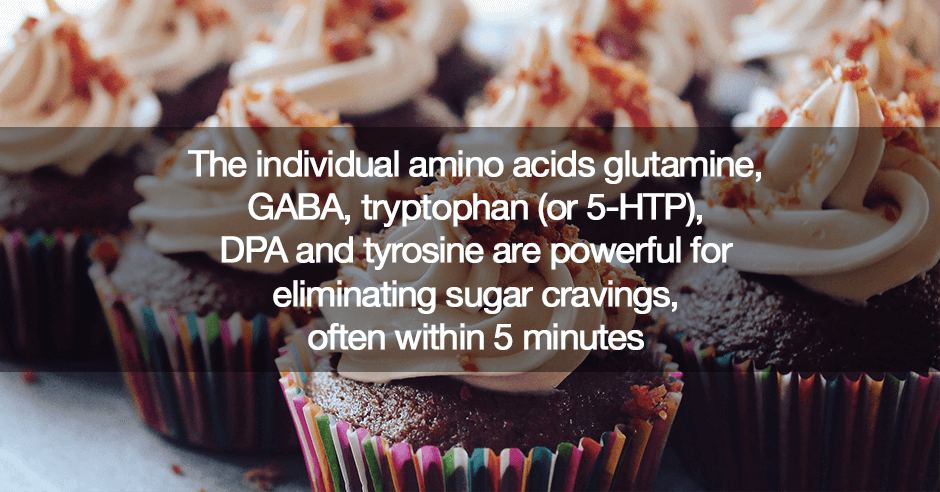
The individual amino acids glutamine, GABA, tryptophan (or 5-HTP), DPA and tyrosine are powerful for eliminating sugar cravings, often within 5 minutes

November 30, 2018 By Trudy Scott 30 Comments

The individual amino acids glutamine, GABA, tryptophan (or 5-HTP), DPA and tyrosine are powerful for eliminating sugar cravings, often within 5 minutes. It seems that this wonderful benefit – over and above the anxiety-reducing and mood-boosting benefits – is often overlooked or poorly understood.

I recently posted this on Facebook: GABA for ending sugar cravings (and anxiety and insomnia) and I’m writing this blog today because it’s clear there is some confusion about this cravings aspect.

Let me first recap Melissa’s experience with Source Naturals GABA Calm during her family holiday trip (the link above has all the details):

I’m glad I bought it before traveling home for Christmas – I was cool as a cucumber at the airport and was much calmer when visiting family and friends compared to last year! I notice a general calmness and am sleeping well.

As well as the calming benefits of GABA, Melissa found this unexpected reduction in cravings for sweets, chocolates, truffles and ice cream after about a week of taking it:

I didn’t even realize this until I was grocery shopping and out of habit walked towards the ice cream – I stopped and realized I didn’t want ice cream. So I walked toward the chocolate – same reaction. For once in my life, I was not craving sweets. I made truffles for a NYE party and only ate two. But what is really shocking is that the leftovers are still in my refrigerator two days later and I haven’t touched them.

This is a very typical response that I see with my clients and when I shared the above blog, others on Facebook shared similar experiences and surprise about the connections. Kim found it fascinating and very timely saying:

I ran out of GABA a month ago. Not only has my anxiety been very difficult to manage but literally I haven’t been able to stop eating. Sugary, high carb, total junk has consumed my thoughts. I never realized the correlation.

April also seemed surprised to learn that GABA was also actually helping with her sugar cravings too:

I think my sugar cravings are down (not looking for something sweet every night after dinner, maybe I treat myself to once a week and not overindulge when I do) and when I think about it, I’ve lost a bit of weight as a result. Most of all it helps me sleep and reduces tension in my neck.

In the above examples, due to low GABA levels in these women, GABA was helped with both the anxiety and the stress-eating, leading to a calming effect and reduced sugar cravings. If you have low blood sugar cravings then glutamine is the amino acid to use; low serotonin cravings then tryptophan or 5-HTP will help; low endorphin cravings then DPA will do the trick; and low catecholamines then tyrosine is the amino acid to use.

The best way to figure it which neurotransmitter deficiency is affecting your sugar cravings

The best way to figure it which neurotransmitter deficiency is affecting your sugar cravings is to do the amino acid mood questionnaire and also review this list for further clarification:

  1. If you have to eat sugar when you haven’t eaten in awhile it’s likely low blood sugar and glutamine on the tongue stops the sugar desire almost immediately and also helps with the low blood sugar symptoms of shakiness and irritability
  2. If you stress-eat your sugar cravings are likely due to low GABA, and GABA will stop the stress-eating and calm you down
  3. If you eat sugar or carbs to feel happy (and especially from late afternoon into the evening) then your sugar cravings are likely due to low serotonin, and tryptophan (or 5-HTP) stops the cravings and boosts mood and reduces anxiety
  4. If you are a comfort-eater then it’s likely due to low endorphins and DPA will stop that feeling of “I deserve-it” kind of reward-eating or comfort-eating and also give you a hug-like mood boost
  5. If you eat sugar for an energy boost or to give your focus then it’s likely due to low catecholamines and tyrosine will stop those cravings and give you a mood and energy boost, and help with mental clarity

It’s not uncommon for my anxious clients to have issues in all these areas and I have them address low blood sugar and each neurotransmitter deficiency one by one (for 2 through 5) and very methodically so they know exactly which areas are problematic for them.

When it comes to low blood sugar, addressing adrenal health is also key. And as always, we need to be making dietary changes, fixing gut health, addressing other deficiencies, removing toxins and more, using a complete functional medicine approach.

How quickly can you expect to get results?

However, using the amino acids in a targeted way like this gets you results quickly while you’re figuring out everything else.

You may say “what exactly do you mean by quickly”?   When opened onto the tongue and used with the trial method, based on your unique needs, if you have low levels, you can expect to notice effects in as quickly as 5 minutes and sometimes up to 15 minutes in some cases! This is why I like to refer to them as the amazing amino acids! They truly are amazing for eliminating cravings, reducing anxiety and improving mood and even sleep – provided they are needed.

Each of the individual amino acids

Last year I wrote a series of blog posts on each of the above-mentioned amino acids. If you missed them you may find them helpful for getting a better understanding, even though they are not specific about sugar cravings:

  • Glutamine for calming, intense sugar cravings, gut healing and low blood sugar
  • GABA for low GABA symptoms (physical anxiety)
  • Tryptophan for low serotonin (worry-in-the-head anxiety)
  • DPA for weepiness, pain and comfort and reward eating
  • Tyrosine for focus, motivation, energy, a good mood and possibly even anxiety

You can find the amino acid supplements that I use with my clients here.

The amino acids help you make dietary changes with ease

Keep in mind the amino acids are intended for relatively short-term use so the goal is to work on your diet, gut health, adrenals, nutritional deficiencies etc. so they are no longer needed or only needed in times of added stress. My book, The Antianxiety Food Solution – How the Foods You Eat Can Help You Calm Your Anxious Mind, Improve Your Mood, and End Cravings (my Amazon link), covers in-depth how to implement much of what is mentioned in the above article: a real food Mediterranean diet, red meat, oily fish, the importance of zinc, vitamin D, antioxidants and so on, and the powerful role of nutrition in immunity, inflammation, sleep, stress, anxiety and food cravings.

The amino acids help you make those dietary changes with ease, end your cravings and stress-eating or excessive drinking, so no will power is needed and you don’t feel deprived.

Pandemic stress pushed people toward overeating, mostly looking for sugary “comfort foods”

(UPDATE 4/17/2020 for coronavirus pandemic)

Keep in mind that in times of added stress – like being in the midst of a pandemic such as the coronavirus – you may find your sugar and carbohydrate cravings have increased, and you may be over-indulging, emotional-eating, comfort-eating and/or stress-eating as a way to self-medicate in order to feel calm and good.

This paper, Nutritional recommendations for CoVID-19 quarantine, published just a few days ago, shares how continuously hearing or reading about the pandemic without a break can be stressful and may be

pushing people toward overeating, mostly looking for sugary “comfort foods”. This desire to consume a specific kind of food is defined as “food craving”, which is a multidimensional concept including emotional (intense desire to eat), behavioral (seeking food), cognitive (thoughts about food), and physiological (salivation) processes.

We can apply this knowledge and logic to any stressful situation we may find ourselves experiencing.

Self-medication with alcohol as a way to calm down

You may also find you are more drawn to alcohol as a way to calm down and relax i.e. self-medication with alcohol.  According to this Forbes article, Nielsen reports that online sales of alcohol increased by 291% compared to the end of March 2019.

You may be surprised to learn that the amino acids also help with reducing alcohol cravings and the need to self-medicate with this “drug-of-choice.”  If one glass of wine leads finishing to an entire bottle in one evening or if you’re drinking beer or spirits excessively, know that the words “sweets”, “sugar”, “carbs” can be substituted in the blog post below with “alcohol” and consider trials of the respective amino acids.

This blog post illustrates this perfectly: Tryptophan had the added benefit of turning me completely off alcohol when I took it to improve mood and sleep during perimenopause.

Resources if you are new to using amino acids as supplements

If you are new to using amino acids as supplements, here is the Amino Acids Mood Questionnaire from The Antianxiety Food Solution (you can see all the symptoms of neurotransmitter imbalances, including low GABA, low serotonin and low endorphins).

If you suspect low levels of any of the neurotransmitters and do not yet have my book, The Antianxiety Food Solution – How the Foods You Eat Can Help You Calm Your Anxious Mind, Improve Your Mood, and End Cravings, I highly recommend getting it and reading it before jumping in and using amino acids on your own so you are knowledgeable. And be sure to share it with the practitioner/health team you or your loved one is working with.

There is an entire chapter on the amino acids and they are discussed throughout the book in the sections on gut health, gluten, blood sugar control, sugar cravings, anxiety and mood issues.

The book doesn’t include product names (per the publisher’s request) so this blog, The Antianxiety Food Solution Amino Acid and Pyroluria Supplements, lists the amino acids that I use with my individual clients and those in my group programs. You can find them all in my online store.

If, after reading this blog and my book, you don’t feel comfortable figuring things out on your own (i.e. doing the symptoms questionnaire and respective amino acids trials), a good place to get help is the GABA QuickStart Program (if you have low GABA symptoms too). This is a paid online/virtual group program where you get my guidance and community support.

If you are a practitioner, join us in The Balancing Neurotransmitters: the Fundamentals program. This is also a paid online/virtual program with an opportunity to interact with me and other practitioners who are also using the amino acids.

Have you found any of the amino acids to help you eliminate your cravings for sweets, chocolate, ice-cream and other high-carb foods? Were you pleasantly surprised to experience this lovely benefit when you were initially looking for anxiety-relief?

Were you / are you drinking more and have you figured out which amino acids help you quit?

If you’re a practitioner, do you see similar cravings benefits with your anxious clients/patients?

Are you still struggling with comfort-eating, stress-eating of carb/sugar or drinking alcohol to “self-medicate” and feel better?

Feel free to ask your questions and share challenges and/or successes you’ve had too.
Filed Under: Amino Acids, Coronavirus/COVID-19 Tagged With: alcohol, amino acids, anxiety, catecholamines, comfort eating, Coronavirus, COVID-19, cravings, diet, DPA, emotional-eating, endorphins, GABA, glutamine, self-eating, serotonin, sugar, tryptophan, tyrosine

Does GABA offer gut protection after drinking alcohol?

September 22, 2017 By Trudy Scott 12 Comments

A paper published earlier this year has us asking the question: will oral GABA supplementation offer gut protection in humans who drink too much alcohol? It’s too soon to know but the results from the animal study leave me spell-bound by this calming amino acid yet again!

The paper, Gastroprotective effect of gamma-aminobutyric acid on ethanol-induced gastric mucosal injury

aimed to investigate the gastroprotective effect of gamma-aminobutyric acid (GABA) on ethanol-induced gastric mucosal injury and gastric epithelial cells injury [in rats].

Ethanol or alcohol is known to damage the gut and the study was carried out on rats given GABA and then ethanol.

It was also tested using the human gastric epithelial cell line GES-1 (more here on how human cell lines are commonly used in research) which was incubated with GABA and then treated with ethanol to induce cell injury.

The use of GABA prior to treatment with ethanol

showed that GABA pretreatment significantly reduced gastric ulcer index in a dose-dependent manner.

Administration with GABA could not only remarkably restrain oxidative stress by increase of superoxide dismutase, catalase activities and decrease of malondialdehyde content in gastric tissue and cells, but also significantly reduced pro-inflammatory factors activities (interleukin-6 and tumor necrosis factor α) in gastric tissue.

These studies clearly provided evidence that GABA had a considerable gastroprotective effect on ethanol-induced gastric mucosal injury and gastric epithelial cells injury. The underlying mechanism of mitigating lesions may be ascribed to the improvement of anti-inflammatory and anti-oxidant status as well as the increases of PGE2 [prostaglandin E2] and NO [nitric oxide] levels.

In summary, the use of GABA shows the potential for less ulcers, less oxidative damage, less inflammation in the gut, and gastroprotective properties after alcohol consumption. Human studies will show if oral GABA supplementation offers gut protection in those who drink too much alcohol.

Many social drinkers are not connecting their drinking to stress

We are a stressed society and this leads a great deal of “social” drinking. Many social drinkers are not connecting their drinking to stress and their need to self-medicate and de-stress.

As I found when I posted new study this on facebook – Moderate alcohol consumption as risk factor for adverse brain outcomes and cognitive decline – many social drinkers also get upset when you point out research like this because they don’t want to have to give it up. This CNN article, Moderate drinking may alter brain, summarizes the study and reports that the

moderate group was drinking about 14 to 21 units of alcohol per week, or about a medium glass of wine each night, plus a little extra on the weekends.

Update: Dec 2025
This 2024 paper, A qualitative analysis investigating drinking practices and meanings among a sample of Australian working mothers, explores the emotional/stress connection and how alcohol is their escape and coping tool:

Women felt they had to be available to both their employers and their children at the same time. For some, this led to internalized feelings of guilt and fatigue, increasing women’s desire to drink, and limiting their capacity to be mindful of the amount of alcohol they were consuming.

Women also described feeling overloaded and under-supported, where alcohol was viewed as being relaxing and rewarding, as well as a way to escape, cope, and recover from their day-to-day stressors.

Furthermore, through a combination of targeted marketing and broader social normalisation, women felt alcohol was presented as a solution to stress and problems among working mothers.

GABA also helps reduce your need to self-medicate or self-soothe with alcohol (or sugar/carbs)

What is so interesting is that this very same calming amino acid, GABA, when used to address low GABA levels can help reduce your need to self-medicate or self-soothe with alcohol (or sugar/carbs). Don’t forget, with low GABA levels, you’ll also experience physical anxiety, stiff and tense muscles, overwhelm and panic attacks. I recently blogged about GABA here: GABA for the physical-tension and stiff-and-tense-muscles type of anxiety

Of course, I’d recommend using GABA supplements to address the low GABA and prevent so much “social” drinking that may damage to the gut (i.e. addressing the root cause as always), rather than using GABA to prevent gut damage when you do drink.

If you are a big “social” drinker and choose the latter (use GABA to prevent gut damage when you do drink) be warned, you’ll feel calmer and less stressed and very likely reduce your desire and need for a drink!

My blog mentions “social” drinking because of the paper about moderate alcohol consumption above but all this could be equally applicable to heavy drinkers and alcoholics too.

In summary, the amino acid GABA can achieve the following:

  • help you quit alcohol and not feel deprived and having to use willpower
  • leave you feeling calm and stress-free with no need to self-medicate with alcohol
  • heal damage caused to your gut if you do indulge once in awhile (based on projections from the above research)

Additional resources when you are new to using GABA or other amino acids as supplements

We use the symptoms questionnaire to figure out if low GABA (indicating a possible need for GABA or theanine) or low serotonin (indicating a need for tryptophan or 5-HTP) or low endorphins (indicating a possible need for DPA) or other neurotransmitter imbalances may be an issue for you.

If you suspect low levels of any of the neurotransmitters and do not yet have my book, The Antianxiety Food Solution – How the Foods You Eat Can Help You Calm Your Anxious Mind, Improve Your Mood, and End Cravings. I highly recommend getting it and reading it before jumping in and using amino acids on your own so you are knowledgeable. And be sure to share it with the practitioner/health team you or your loved one is working with.

There is an entire chapter on the amino acids and they are discussed throughout the book in the sections on gut health, gluten, blood sugar control, sugar cravings, anxiety and mood issues. The importance of quality animal protein and healthy fats is also covered.

The book doesn’t include product names (per the publisher’s request) so this blog, The Antianxiety Food Solution Amino Acid and Pyroluria Supplements, lists the amino acids that I use with my individual clients and those in my group programs.

If, after reading this blog and my book, you don’t feel comfortable figuring things out on your own (i.e. doing the symptoms questionnaire and respective amino acids trials), a good place to get help is the GABA QuickStart Program (if you have low GABA symptoms). This is a paid online/virtual group program where you get my guidance and community support. Another option is the budget-friendly GABA QuickStart Homestudy program.

If you also need serotonin support, the Serotonin QuickStart Program is a good place to get help. This is also a paid online/virtual group program where you get my guidance on using tryptophan and 5-HTP safely, and community support during 5 LIVE Q&A calls. You can sign up to be notified when the next live launch of this program is happening.

If you are a practitioner, join us in The Balancing Neurotransmitters: the Fundamentals program. This is also a paid online/virtual program with an opportunity to interact with me and other practitioners who are also using the amino acids.

Now I’d like to hear from you

Do you drink alcohol in order to relieve your stress?

Have you noticed that GABA reduces your need to drink alcohol?

And have you noticed any improvements in gut health since using GABA?

Feel free to post your questions below.

Filed Under: Anxiety, GABA, Stress Tagged With: alcohol, anxiety, de-stress, GABA, gastroprotective, gut damage, self-medicate, stress

  • « Go to Previous Page
  • Page 1
  • Page 2
  • Page 3

Primary Sidebar

GABA QuickStart Homestudy

gaba quickstart homestudy

Free Report

9 Great Questions Women Ask about Food, Mood and their Health

You'll also receive a complimentary subscription to my ezine "Food, Mood and Gal Stuff"


Connect with me

Popular Posts

  • Amino Acids Mood Questionnaire from The Antianxiety Food Solution
  • The Antianxiety Food Solution Amino Acid and Pyroluria Supplements
  • Pyroluria Questionnaire from The Antianxiety Food Solution
  • Collagen and gelatin lower serotonin: does this increase your anxiety and depression?
  • Tryptophan for the worry-in-your-head and ruminating type of anxiety
  • GABA for the physical-tension and stiff-and-tense-muscles type of anxiety
  • The Antianxiety Food Solution by Trudy Scott
  • Seriphos Original Formula is back: the best product for anxiety and insomnia caused by high cortisol
  • Am I an anxious introvert because of low zinc and vitamin B6? My response to Huffington Post blog
  • Vagus nerve rehab with GABA, breathing, humming, gargling and key nutrients

Recent Posts

  • Her cravings for chips and peanut butter were triggered by stress: GABA ends cravings and reduces physical tension and fear of heights
  • It is truly miraculous to be able to move through life without crippling anxiety and panic
  • GABA and tryptophan combo provide immediate and noticeable relief for tremors and cervical dystonia in just 7 days
  • Red light therapy for back and neck pain, plantar fasciitis and low mood – a complement to the amino acids GABA, DPA and tryptophan
  • What do I use instead of Seriphos to help lower high cortisol that is affecting my sleep and making me anxious at night?

Categories

  • 5-HTP
  • AB575
  • Addiction
  • ADHD
  • Adrenals
  • Alcohol
  • Allergies
  • Alzheimer's disease
  • Amino Acids
  • Anger
  • Antianxiety
  • Antianxiety Food Solution
  • Antidepressants
  • Anxiety
  • Anxiety and panic
  • Autism
  • Autoimmunity
  • benzodiazapines
  • Bipolar disorder
  • Books
  • Caffeine
  • Cancer
  • Candida
  • Children/Teens
  • Collagen
  • Cooking equipment
  • Coronavirus/COVID-19
  • Cravings
  • Depression
  • Detoxification
  • Diabetes
  • Diet
  • DPA/DLPA
  • Drugs
  • EFT/Tapping
  • EMF
  • EMFs
  • Emotional Eating
  • Endorphins
  • Environment
  • Essential oils
  • Events
  • Exercise
  • Fear
  • Fear of public speaking
  • Fertility and Pregnancy
  • Fish
  • Food
  • Food and mood
  • Functional neurology
  • GABA
  • Gene polymorphisms
  • General Health
  • Giving
  • Giving back
  • Glutamine
  • Gluten
  • GMOs
  • Gratitude
  • Gut health
  • Heart health/hypertension
  • Histamine
  • Hormone
  • Hyperparathyroidism
  • Hypoglycemia
  • Immune system
  • Inflammation
  • Insomnia
  • Inspiration
  • Introversion
  • Joy and happiness
  • Ketogenic diet
  • Lithium orotate
  • Looking awesome
  • Lyme disease and co-infections
  • MCAS/histamine
  • Medication
  • Men's health
  • Mental health
  • Mercury
  • Migraine
  • Mold
  • Movie
  • MTHFR
  • Multiple sclerosis
  • Music
  • NANP
  • Nature
  • Nutritional Psychiatry
  • OCD
  • Osteoporosis
  • Oxalates
  • Oxytocin
  • Pain
  • Paleo
  • Parasites
  • Parkinson’s disease
  • PCOS
  • People
  • PMS
  • Postpartum
  • PTSD/Trauma
  • Pyroluria
  • Questionnaires
  • Real whole food
  • Recipes
  • Research
  • Schizophrenia
  • serotonin
  • SIBO
  • Sleep
  • Special diets
  • Sports nutrition
  • Stress
  • Sugar addiction
  • Sugar and mood
  • Supplements
  • Teens
  • Testimonials
  • Testing
  • The Anxiety Summit
  • The Anxiety Summit 2
  • The Anxiety Summit 3
  • The Anxiety Summit 4
  • The Anxiety Summit 5
  • The Anxiety Summit 6
  • Thyroid
  • Thyroid health
  • Toxins
  • Tryptophan
  • Tyrosine
  • Uncategorized
  • Vegan/vegetarian
  • Women's health
  • Yoga

Archives

  • May 2026
  • April 2026
  • October 2025
  • September 2025
  • August 2025
  • July 2025
  • June 2025
  • May 2025
  • April 2025
  • March 2025
  • February 2025
  • January 2025
  • November 2024
  • October 2024
  • September 2024
  • August 2024
  • July 2024
  • June 2024
  • May 2024
  • April 2024
  • March 2024
  • February 2024
  • January 2024
  • December 2023
  • November 2023
  • October 2023
  • September 2023
  • August 2023
  • July 2023
  • June 2023
  • May 2023
  • April 2023
  • March 2023
  • February 2023
  • January 2023
  • December 2022
  • November 2022
  • October 2022
  • September 2022
  • August 2022
  • July 2022
  • June 2022
  • May 2022
  • April 2022
  • March 2022
  • February 2022
  • January 2022
  • December 2021
  • November 2021
  • October 2021
  • September 2021
  • August 2021
  • July 2021
  • June 2021
  • May 2021
  • April 2021
  • March 2021
  • February 2021
  • January 2021
  • December 2020
  • November 2020
  • October 2020
  • September 2020
  • August 2020
  • July 2020
  • June 2020
  • May 2020
  • April 2020
  • March 2020
  • February 2020
  • January 2020
  • December 2019
  • November 2019
  • October 2019
  • September 2019
  • August 2019
  • July 2019
  • June 2019
  • May 2019
  • April 2019
  • March 2019
  • February 2019
  • January 2019
  • December 2018
  • November 2018
  • October 2018
  • September 2018
  • August 2018
  • July 2018
  • June 2018
  • May 2018
  • April 2018
  • March 2018
  • February 2018
  • January 2018
  • December 2017
  • November 2017
  • October 2017
  • September 2017
  • August 2017
  • July 2017
  • June 2017
  • May 2017
  • April 2017
  • March 2017
  • February 2017
  • January 2017
  • December 2016
  • November 2016
  • October 2016
  • September 2016
  • August 2016
  • July 2016
  • June 2016
  • May 2016
  • April 2016
  • March 2016
  • February 2016
  • January 2016
  • December 2015
  • November 2015
  • October 2015
  • September 2015
  • August 2015
  • July 2015
  • June 2015
  • May 2015
  • April 2015
  • March 2015
  • February 2015
  • January 2015
  • December 2014
  • November 2014
  • October 2014
  • September 2014
  • August 2014
  • July 2014
  • June 2014
  • May 2014
  • April 2014
  • March 2014
  • February 2014
  • January 2014
  • December 2013
  • November 2013
  • October 2013
  • September 2013
  • August 2013
  • July 2013
  • June 2013
  • May 2013
  • April 2013
  • March 2013
  • February 2013
  • January 2013
  • December 2012
  • November 2012
  • October 2012
  • August 2012
  • July 2012
  • June 2012
  • May 2012
  • April 2012
  • March 2012
  • February 2012
  • January 2012
  • December 2011
  • November 2011
  • October 2011
  • September 2011
  • August 2011
  • July 2011
  • June 2011
  • May 2011
  • April 2011
  • March 2011
  • February 2011
  • January 2011
  • December 2010
  • October 2010
  • September 2010
  • July 2010
  • May 2010
  • April 2010
  • March 2010
  • February 2010
  • January 2010
  • November 2009

Share the knowledge!

The above statements have not been evaluated by the Food and Drug Administration. Products listed in this website are not intended to diagnose, treat, cure or prevent any disease.

The information provided on this site is for informational and educational purposes only and is not intended as a substitute for advice from your physician or other health care professional. You should consult with a healthcare professional before starting or modifying any diet, exercise, or supplementation program, before taking or stopping any medication, or if you have or suspect you may have a health problem.


Copyright © 2026 Trudy Scott. All Rights Reserved. | Privacy | Terms and Conditions | Refund Policy | Medical Disclaimer

Free Report

9 Great Questions Women Ask about Food, Mood and their Health

You’ll also receive a complimentary subscription to my ezine “Food, Mood and Gal Stuff”