• Skip to primary navigation
  • Skip to main content
  • Skip to primary sidebar

everywomanover29 blog

Food, Mood and Women's Health – Be your healthiest, look and feel great!

  • Blog
  • About
  • Services
  • Store
  • Resources
  • Testimonials
  • The Book
  • Contact
  • Search this site

teens

How can I help my anxious daughter withdraw from vaping? She wants to quit but gets more anxious when she tries to quit!

September 5, 2025 By Trudy Scott 2 Comments

withdraw from vaping

I have been trying to help my daughter withdraw from vaping but it is proving such a vicious cycle.

She wants to quit but has anxiety and gets health anxiety when she doesn’t use the vape within a certain period – the physical withdrawal signs come thru very quickly for her – rapid heart beat, pain inside etc. which freaks her out and then she vapes…

It’s a hopeless cycle of withdrawals with horrible physical symptoms and then the emotional frustration of using vaping to manage the symptoms and feeling so frustrated with herself.

We tried 5-HTP which did not help. I make sure she gets a great protein, veg, good fat and some carbs for breakfast and she takes home made food to work but she works in hospitality and has really late night / early morning finishes and I feel like we are dealing with a lot more than the addiction here. I’d love to try and find a way to get her use down and hopefully kicked to the kerb.

If we could put her into a deep deep sleep for a few days till the toxin is washed out of her system and have a way to deal with the emotional aspect of withdrawal I think myself and so many other parents in Australia would be grateful.

Vaping is a huge problem in our young people – it’s all thru the schools too. It doesn’t smell, tastes like lollies and parents can’t detect it easily.

Louise is a mom in the community who posted this question on one of the blogs. I feel for her and her daughter and hear her concerns – vaping is a huge problem. However, there is a solution that doesn’t involve putting her daughter into a deep deep sleep – addressing neurotransmitter imbalances as a root cause.

Read on below for information on vaping and the very harmful effects (on the lungs and even bones); how to figure out which emotions are driving the need to use vaping to self-medicate and which amino acids to trial (including my insights for Louise’s daughter); why the amino acids are so powerful when it comes to vaping and other addictions; dietary aspects are foundational and important too, as are really late nights; and additional amino acid resources.

What is vaping and why is it so harmful?

This 2023 Harvard Health Publishing article, Can vaping damage your lungs? What we do (and don’t) know, provides an overview of vaping if you’re not exactly sure what is involved:

Vaping involves heating a liquid and inhaling the aerosol into the lungs. With vaping, a device such as an e-cigarette is used that heats up a liquid (called vape juice or e-liquid) until it turns into a vapor that is inhaled. These devices are commonly called vapes, mods, e-hookahs, sub-ohms, tank systems, and vape pens. They may all look a bit different, but work in similar ways.

These devices heat up various flavorings, nicotine, marijuana, or other potentially harmful substances.

The authors list the potentially harmful substances found in vapes:

  • nicotine
  • ultrafine particles that can be inhaled deep into the lungs
  • flavorings such as diacetyl, a chemical linked to a serious lung disease
  • volatile organic compounds
  • cancer-causing chemicals
  • heavy metals such as nickel, tin, and lead.

And they explain some of the serious lung problems that occur in those who vape: EVALI (e-cigarette, or vaping, product use-associated lung injury) and “popcorn lung” or bronchiolitis obliterans (BO).

One adverse effect that I seldom see mentioned is the potential harms to bone health, including “accelerating bone associated disease progression, impacting skeletal development in younger users and to advise patients following orthopaedic surgery, dental surgery, or injury to maximise bone healing.”

Unfortunately it’s the flavors in nicotine and cannabis vape products – candy/dessert, fruit, and fruit-ice combination vs tobacco flavor – that increased adolescents’ willingness to try them. “Comprehensive bans on flavored vapes would likely reduce adolescent use.”

There is growing awareness of these issues and fortunately rates of vaping are declining, however we do have to address why teens and young adults are seeking something calming or soothing such as vaping (or smoking or drinking) i.e. neurotransmitter imbalances.

How to figure out which emotions are driving the need to use vaping to self-medicate and which amino acids to trial?

This is how I would suggest this mom works with her daughter to help them figure out which emotions are driving the need to use vaping to self-medicate and which amino acids to trial:

How do you feel before vaping? How do you feel after vaping? Likely brain chemistry imbalance Amino acid/s to supplement
Anxious or stressed (physical anxiety) Calm or relaxed Low GABA GABA, pharmaGABA or theanine
Low mood, worried, fearful? (mental anxiety) Happy or content Low serotonin Tryptophan or 5-HTP
Tired, unfocused, low motivation Energetic, alert, or focused Low catecholamines, low dopamine Tyrosine
Desire for a reward or treat, sad (weepy), emotional Rewarded or comforted Low endorphins DPA (d-phenylalanine) or DLPA
Irritable and shaky Grounded or stable Low blood sugar Glutamine

We use this in conjunction with the symptoms questionnaire for each neurotransmitter and trial the respective amino acids one at a time.

I often see low GABA to be a driving reason for vaping, smoking cigarettes and drinking alcohol – they are all ways of self-medicating in order to calm down and reduce stress. And research supports this connection with “disturbances to GABA dynamics” “found to play a key role in … substance dependence and addiction.”

Louise mentions her daughter notices “physical withdrawal signs” of “rapid heart beat, pain inside” when trying to quit so it’s very possible there is a low GABA aspect to her addiction. I would consider a trial of GABA to start if she also has other low GABA symptoms.

She also shares that her daughter has “health anxiety” and freaks out when she starts to get withdrawal symptoms. If she resonates with being fearful and worried then it’s possible there is also a low serotonin aspect for her. Louise mentions that 5-HTP didn’t help but not how much they trialed or if they increased to try and find the ideal amount. If her daughter has other low serotonin symptoms I’d revisit this and also consider a trial of tryptophan as some individuals do better on one vs the other. I’d also use both as powder on the tongue in case that makes a difference.

And when I hear “hopeless” and “emotional” I would also be considering low endorphins and a trial of DPA (d-phenylalanine).

Why the amino acids are so powerful when it comes to vaping and other addictions

The amino acids play many roles in addressing a vaping addiction:

  • They address the root cause of the addiction i.e. the neurotransmitter imbalance/s
  • They help you to quit vaping with no willpower and without feeling deprived
  • They help to mitigate many of the adverse effects (like worse sleep issues and feeling more anxious)
  • They address the emotional aspect so mood and anxiety is improved
  • They prevent the need to find a replacement like sugar, coffee, Diet soda and alcohol and cigarettes (intake of any of these may increase when vaping is stopped, unless the neurotransmitter imbalances are addressed)

Many individuals with addiction issues have imbalances in all areas. We use a similar approach for vaping as we use for addictions to alcohol, cigarettes and sugar/carb/junk food i.e. we tackle one imbalance at a time so we know which amino acid is helping and how much is needed.

Dietary aspects are foundational and important too, as are really late nights and detox

I love that mom makes sure her daughter is well-nourished with real whole food – it’s foundational, as I explain in my book “The Antianxiety Food Solution.”

Louise mentions she gets a good breakfast. I’d be making sure she has good quality animal protein at breakfast in order to help with blood sugar stability as this helps with addictions too. And I’d want to make sure she takes healthy protein snacks to work too – like a boiled egg, beef jerky/biltong, a grass-fed beef stick etc.

With really late night / early morning finishes we always consider adrenal issues and address that as needed, after doing salivary testing.

And once Louise’s daughter has quit I would be focusing on detoxification of the toxins using sauna, red light, dry skin brushing and other detox approaches. And making a concerted effort to focus on improving antioxidants and other nutritional deficiencies, and assessing and working to improve her bone health.

Additional resources when you are new to using GABA, tryptophan and other amino acids as supplements

As always, I use the symptoms questionnaire to figure out if low GABA or low serotonin or other neurotransmitter imbalances may be an issue.

If you suspect low levels of any of the neurotransmitters and do not yet have my book, The Antianxiety Food Solution – How the Foods You Eat Can Help You Calm Your Anxious Mind, Improve Your Mood, and End Cravings, I highly recommend getting it and reading it before jumping in and using amino acids on your own so you are knowledgeable. And be sure to share it with the practitioner/health team you or your loved one is working with.

There is an entire chapter on the amino acids and they are discussed throughout the book in the sections on gut health, gluten, blood sugar control (this is covered in an entire chapter too), sugar cravings, anxiety and mood issues.

The book doesn’t include product names (per the publisher’s request) so this blog, The Antianxiety Food Solution Amino Acid and Pyroluria Supplements, lists the amino acids that I use with my individual clients and those in my group programs.

If, after reading this blog and my book, you don’t feel comfortable figuring things out on your own (i.e. doing the symptoms questionnaire and respective amino acids trials), a good place to get help is the GABA QuickStart Program (if you have low GABA symptoms). This is a paid online/virtual group program where you get my guidance and community support. You can sign up to be notified when the next live launch is happening.

If you need serotonin support, the Serotonin QuickStart Program is a good place to get help. This is also a paid online/virtual group program where you get my guidance on using tryptophan and 5-HTP safely, and community support during 5 LIVE Q&A calls. You can sign up to be notified when the next live launch of this program is happening.

If you are a practitioner, join us in The Balancing Neurotransmitters: the Fundamentals program. This is also a paid online/virtual program with an opportunity to interact with me and other practitioners who are also using the amino acids.

Wrapping up and your feedback

I appreciate Louise for asking this question so I could share on this blog and enlighten her and other parents whose teen and young adult children are struggling with vaping.

Does your teen or young adult child struggle with quitting vaping? And have the amino acids helped – if yes, which ones?

Have you personally had a similar issue?

And are you aware how harmful vaping is – for the lungs and even the bones?

Feel free to share and ask your questions below.
Filed Under: Addiction, Amino Acids, Anxiety, GABA, serotonin, Teens Tagged With: 5-HTP, amino acids, anxious, anxious daughter, bones, detox, DPA, emotional, endorphins, flavorings, GABA, late nights, lung damage, lungs, neurotransmitter imbalances, nicotine, protein, rapid heart beat, self-medicate, serotonin, teens, tryptophan, vaping, wants to quit, withdraw from vaping, young adults

The marketing of Risperdal and how atypical antipsychotics became a multi-billion-dollar industry – a shockingly eye-opening article!

August 22, 2025 By Trudy Scott 2 Comments

marketing of risperdal

Even though I’m very aware this happens, this shockingly eye-opening article by Lydia Green is  the best explanation I’ve heard….

I didn’t set out to shape the field of psychiatry. I was just a copywriter working in pharmaceutical advertising. But over time, I found myself at the center of a campaign that would help transform how mental illness—and its treatment—are understood in the U.S. This is the story of how we marketed one drug, Risperdal, and how that effort helped turn atypical antipsychotics into a multi-billion-dollar industry.

If you’ve ever wondered how this powerful class of drugs ended up being prescribed for everything from adolescent mood swings to agitated nursing home patients, you’re not alone. The rise of atypical antipsychotics was a business and marketing phenomenon—driven in part by a wave of pharmaceutical mergers in the 1990s. First introduced for schizophrenia, atypical antipsychotics were promoted as more effective and safer than older drugs like Haldol or Thorazine.

While journalists and regulators have addressed this issue, I want to share my memories of marketing Risperdal—the first widely prescribed atypical antipsychotic. This is the story of how we promoted Risperdal not just as a medication, but as a revolution in psychiatric care. It’s also the story of how we redefined schizophrenia, rewrote the safety narrative of antipsychotics, and helped drive one of the most successful (and concerning) pharmaceutical launches in history.

It was also my first realization of the immense power marketers have to shape their version of the truth—and how I eventually came to question the very system I helped build.

This is an excerpt from the excellent article recently published on the Mad in America site.  We all need to be aware what happened with this medication and is still happening. It’s so wrong and is just heart-breaking to think how individuals and their families were manipulated and impacted. Unfortunately it’s very likely also happening with many other block-buster medications too – like Ozempic (for weight-loss),  Evenity (for osteoporosis) and more.

In this blog, I share stories from social workers and psychologists who were working in the field at time, the overprescribing of atypical antipsychotics to children and teens in the mid-1990s and now, and the powerful effects of tryptophan, GABA, other nutrients and diet for anxiety, agitation, rage and sleep issues in autism, dementia and ADHD.

You can read the full article here – Confessions of an Ad Writer: How I Helped Turn Atypical Antipsychotics into a Billion-Dollar Industry.

Be sure to read some of the many comments from individuals and families who bore the brunt of this. It’s heartbreaking.

Stories from individuals who were working in the trenches at the time

I shared this article on Facebook and here is some of the feedback I received from the community. Laura Ann’s response:

Thank you for sharing this article. I can remember when I was fresh out of my grad social work program and was working in child psychiatry at the University of Maryland, our docs were pushing this drug for young children with ADHD and conduct disorder. Unbelievable! These companies and their executives should be criminally prosecuted.

We tend to think of these scandals as something that happened but aren’t currently happening. I think we will be reading similar articles about GLP-1’s.

I appreciate her for sharing what she was seeing as a social worker at the time. This is so sad and so wrong. I agree that these companies should be prosecuted. Instead they pay massive fines which are part of their marketing and just-doing-business budget, and continue as before.

Unfortunately Laura Ann is spot on, as much of this continues with Risperdal and other psychiatric meds and it’s already happening with GLP-1s. I share more on this below.

Elizabeth Mary’s response:

Just reading your post gave me chills and made my stomach turn. I worked with folks with developmental disabilities during this time period, I had for years! I watched as the antipsychotics and various psych meds infiltrated the group homes and joined a team of co-workers to fight it. We lost. It was disgusting. And I had no idea all this was happening in the background

My heart breaks for these individuals and their families. Bravo to her for trying to fight it and I appreciate her for sharing what she saw happening.

And this feedback from someone else in the community:

This drug was pushed on individuals with ASD (autism spectrum disorder)! Probably still is! Very sad!

I am a retired psychologist who worked primarily with individuals with developmental disabilities. I saw it all the time. The “medical model” was used a lot, meaning many saw psychiatrists and/or PCPs (primary care providers) who prescribed these meds. It has a long history.

Overprescribing of atypical antipsychotics and other psychiatric medications to children and teens – then and now

As mentioned above, I’ve been aware for some time that there is overprescribing of psychiatric medications to children and teens. In one of my interviews on an Anxiety Summit, “Psychiatric Medications in Children and Teens” with Dr. Nicole Beurkens, we discuss these results from this 2019 paper, Current Pattern of Psychiatric Comorbidity and Psychotropic Drug Prescription in Child and Adolescent Patients:

  • Our study indicates that the rate of presentation to child and adolescent psychiatry outpatient clinics is increasing, and rates of diagnosis and initiation of psychiatry drugs are high among the presented children.
  • The prevalence of ADHD shows an increase in males and females in our country, and psychiatric polypharmacy (multiple medications) has reached significant rates.

Keep in mind that Lydia Green shared her marketing work began in the mid-1990s, about 25 years before the above paper was published.

Unfortunately not much has changed. This 2025 paper from Swedish authors reports that the “number of prescriptions to children aged 5-17 years has increased” and that “most prescribed drugs were risperidone [Risperdal] and aripiprazole.”

This 2025 paper report that in a group of Australian children with intellectual disability, autism spectrum disorder and cerebral palsy, “risperidone was the most prescribed antipsychotic medication” and it was often prescribed off-label.

Similar increases in antipsychotic prescriptions are also reported in children and teens in Israel in 2025. The list of papers goes on and on and there are similar papers for dementia and other conditions.

There are versions of this story about a lot of diseases: osteoporosis is another one

Melissa’s response to the Risperdal article was this: “Makes you wonder about therapies they are pushing today.” It’s creating awareness which is what we need and she is asking a great question. Yes – there are many versions of this story about other medications.

Here is a perfect quote from this 2009 article: How A Bone Disease Grew To Fit The Prescription

There’s a powerful economic incentive for pharmaceutical firms to expand the boundaries of the use of different therapies. So whether you consider treatments for osteoporosis or treatments for depression or treatments for high cholesterol — in all of these settings — pharmaceutical firms stand to benefit if the therapies for these diseases are broadly used, even if they’re used among people who have very mild forms of these diseases.

In this same article, Caleb Alexander, a pharmaco-epidemiologist at the University of Chicago, is writing about the marketing of osteoporosis medications and says “the dynamic is well understood.” But all this applies equally to the marketing of all medications i.e. “There are versions of this story about a lot of diseases.”

Dubious marketing by the makers of Ozempic and Wegovy (GLP-1s for weight loss)

This is happening right now for GLP-1s. There were already reports in 2023 about dubious marketing by Novo Nordisk, the makers of Ozempic and Wegovy:

In Great Britain, the company has paid within three years a total of around 21.7 million pounds (24.7 million euros) to experts and organisations including important opinion leaders who have since touted semaglutide as a “game changer” in obesity in a campaign described as an “orchestrated PR campaign.

Sadly I expect their marketing campaigns to run unchecked and get more and more sophisticated, with unsuspecting consumers being taken advantage of and harmed.

Families are not aware of the powerful effects of tryptophan, GABA, other nutrients and diet

My goal is to try and change this lack of awareness so families and individuals can explore other options when they are faced with decisions about some of these medications.

Instead of using antipsychotics for a family member with dementia or Alzheimer’s who is experiencing agitation, aggression and anxiety, consider tryptophan and melatonin, and GABA:

  • Sundowning in Alzheimer’s and dementia: melatonin/tryptophan for the agitation, restlessness, anxiety, disturbed sleep and aggression
  • GABA lessens anxiety, agitation and defiance in 98 year old mother who has been “sundowning” for a couple of years

Instead of using antipsychotics, explore the use of 5-HTP/tryptophan and/or GABA for kids with ADHD:

  • ADHD: 5-HTP melts have been a miracle for one of my adopted kids
  • GABA for children: ADHD, focus issues, irritability, anxiety and tantrums

Instead of antipsychotics and other psychotropic medications in autism, explore tryptophan and GABA:

  • Pathological Demand Avoidance (PDA) in children with autism – how much is behavioral and how much is due to low serotonin?
  • Half a crushed GABA Calm for my autistic child: sleep, anxiety and sensorimotor skills (writing, horse riding and swimming) improve

This is by no means a conclusive approach to addressing these symptoms in dementia/Alzheimer’s, ADHD and autism. We also need to consider and address diet, other nutritional imbalances, infections, gut health, toxins and much more.

Additional resources when you are new to using GABA and tryptophan as supplements

As always, I use the symptoms questionnaire to figure out if low GABA or low serotonin or other neurotransmitter imbalances may be an issue.

If you suspect low levels of any of the neurotransmitters and do not yet have my book, The Antianxiety Food Solution – How the Foods You Eat Can Help You Calm Your Anxious Mind, Improve Your Mood, and End Cravings, I highly recommend getting it and reading it before jumping in and using amino acids on your own so you are knowledgeable. And be sure to share it with the practitioner/health team you or your loved one is working with.

There is an entire chapter on the amino acids and they are discussed throughout the book in the sections on gut health, gluten, blood sugar control (this is covered in an entire chapter too), sugar cravings, anxiety and mood issues.

The book doesn’t include product names (per the publisher’s request) so this blog, The Antianxiety Food Solution Amino Acid and Pyroluria Supplements, lists the amino acids that I use with my individual clients and those in my group programs.

If, after reading this blog and my book, you don’t feel comfortable figuring things out on your own (i.e. doing the symptoms questionnaire and respective amino acids trials), a good place to get help is the GABA QuickStart Program (if you have low GABA symptoms). This is a paid online/virtual group program where you get my guidance and community support. You can sign up to be notified when the next live launch is happening.

If you need serotonin support, the Serotonin QuickStart Program is a good place to get help. This is also a paid online/virtual group program where you get my guidance on using tryptophan and 5-HTP safely, and community support during 5 LIVE Q&A calls. You can sign up to be notified when the next live launch of this program is happening.

If you are a practitioner, join us in The Balancing Neurotransmitters: the Fundamentals program. This is also a paid online/virtual program with an opportunity to interact with me and other practitioners who are also using the amino acids.

Wrapping up and your feedback

I appreciate Lydia for sharing this and enlightening us, and Mad in Arica for inviting her to do the article. And I appreciate community members for sharing and allowing me to share on this blog

Have you or a family member been the victim of the overprescribing of atypical antipsychotics ?

Have you seen this overprescribing of atypical antipsychotics happening in the work you do as a social worker, psychologist, doctor or other health professional?

Are you surprised to learn about similar strategies being used for marketing osteoporosis and GLP-1 medications?

Feel free to share and ask your questions below.
Filed Under: ADHD, Alzheimer's disease, Autism, GABA, Medication, serotonin Tagged With: ADHD, agitation, anxiety, atypical antipsychotics, autism, children, dementia, diet, Evenity, GABA, Lydia Green, marketing, mood swings, multi-billion-dollar industry, osteoporosis, overprescribing, Ozempic, pharmaceutical, psychiatry, rage, risperdal, sleep, teens, tryptophan, weight-loss

Using tryptophan and GABA amino acid supplements together for anxiety, sleep, ruminations and TMJ: questions and answers

February 23, 2024 By Trudy Scott 18 Comments

amino acids q and a

I am taking 250 mg tryptophan, 100-200 mg GABA. Tryptophan is helping with rumination. GABA is helping with feeling less tension in the body. I am also taking 500mg DPA. DLPA used to help me but I thought it was too stimulating so I’m trying DPA now. I couldn’t feel much when taking it on its own.

But the combination of tryptophan, DPA & GABA is generally helping me to feel less wound up. I still struggle with rumination and I have a really difficult time making decisions. I get really overwhelmed when I have a lot of decisions to make – it sends me in a tailspin and leads to more rumination. I’m not sure which amino acid would be good for that?

I generally have trouble relaxing and feeling calm and I feel the tension in my body. I am not sure if I should try increasing the dosage of one of the above?

I am wondering, is it important to take l-tyrosine to balance the tryptophan since tryptophan can lower dopamine over time? Or is the DPA enough since it’s a precursor to tyrosine?

I get many questions like this about using both tryptophan and GABA amino acid supplements together for easing anxiety and today I’m sharing some of these questions and my answers. This will also give you the opportunity to ask questions you may have related to using both these amino acids together. You’ll also read many success stories like the above and how to tweak the amino acids for optimal results.

Read on for my response to the above question from TT and other questions about using GABA and tryptophan together –  how to measure GABA and serotonin levels for using with teens, adding tryptophan for sleep separately from GABA, how to test both for jaw clenching, and the precaution about serotonin syndrome.

My response and feedback for TT – adjustments for even better results

My response and feedback for TT … It’s wonderful that this combination is helping so much. It’s a great start but there are adjustments I’d consider to get even better results. The tryptophan dose is low, with a typical starting dose of 500mg so I’d consider increasing this a few times over a few weeks to see if the ruminations decrease even further. This may also help with the overwhelm and decision making.

Increasing the GABA over a few weeks (after the trial of increased tryptophan) may well improve her ongoing tension and inability to relax. I’d want to make sure she is using GABA sublingually for the best effects.

She asks about the need to take tyrosine to balance the tryptophan but I don’t have clients do this as a rule of thumb and only have clients take tyrosine if they have symptoms of low dopamine. In this instance since TT mentions difficulties with decision-making, a trial of tyrosine may be worth considering, after she has increased tryptophan and increased GABA. More about tyrosine benefits here.

I do want to mention that DPA is not a precursor to dopamine but DLPA does offer some dopamine support. I share more about the differences between DPA and DLPA here.

I want to give my teens GABA and tryptophan – how do I measure GABA and serotonin levels?

I have two teenagers ages 14 and 16 who suffer from anxiety and depression. My daughter has more difficulty with depression and my son with ruminating thoughts . My father had similar issues. We have tried supplements, and medications that help a little.

I want to try giving them GABA and tryptophan, but to make sure that they in fact meet the criteria you describe. Is there a lab test that measures GABA and serotonin levels? Also, how can I figure out the dose and times to give them?

Here is my feedback for Maria …. The best way to determine if someone may have low GABA/serotonin is to look at the low GABA/serotonin symptoms questionnaire (here is that link), rate 1 or 2 symptoms on a scale of 1-10 with 10 being worst, do an initial one-off trial of the respective amino acid and rate the symptoms again right afterwards (in the next 2 to 30 minutes). Based on this we decide if we’ll continue with the amino acid and how much to use.

Dosing is unique to each person’s needs and timing differs for each amino acid – tryptophan is best mid-afternoon and evening and GABA throughout the day and evening if needed too.

I don’t use the urinary neurotransmitter test as it’s not considered an accurate assessment. I blogged about this here.

It’s a comprehensive approach – amino acids AND diet. This mom mentions supplements and medications but nothing about what their diets are like right now – gluten-free, sugar-free, caffeine-free, eating protein at breakfast for blood sugar control, real whole foods, grass-fed red meat, wild fish, fermented foods etc?

I also suggest my book “The Antianxiety Food Solution”  as a great place to start when you are new to the amino acids and other anxiety nutrition solutions like gluten/sugar/caffeine removal, blood sugar control, gut health, pyroluria etc.

And this blog is a wonderful example and gives hope to moms – Tryptophan for my teenager: she laughs and smiles, her OCD and anxiety has lessened, and she is more goal oriented and focused on school. It’s one of many similar blogs so be sure to use the search feature to find others.

GABA and theanine help my anxiety, if I add tryptophan for sleep should I take it separately?

I have taken Gaba and L-theanine for anxiety for the last few years on and off as recommended by a doctor, it really does help although I still have sleeping problems. I also have a lot of symptoms on your low serotonin list so if I add tryptophan to see if it helps with sleep should I take it with the Gaba or separately?

Here is my response and feedback for Diane … I was glad to hear GABA and theanine are helping with the anxiety. I have many clients with low serotonin and low GABA symptoms take GABA, theanine and tryptophan at bedtime at the same time for improving sleep that is caused by low serotonin.

Diane has already identified that she has a lot of low serotonin symptoms from the questionnaire, so like I shared for Maria above, a trial is worth considering.

We always want to capitalize on what is already working so when GABA/theanine is helping with anxiety and offers some help with sleep we will often increase that before considering a trial of tryptophan.

I’m assuming she is addressing dietary factors too and other root causes that may also affect her sleep – like low blood sugar and high cortisol.

Would GABA or tryptophan help with jaw clenching and how do I test to see if they would help?

Would Gaba or tryptophan help with jaw clenching, not grinding, which I assume is an anxiety thing even when I’m unaware of any anxiety? Since I already use Gaba on and off for anxiety or if I can’t sleep (only taking 200 mg) how would I go about testing tryptophan to see if it would help for clenching?

Here is my feedback for Diane … Jaw clenching/TMJ (temporomandibular joint) issues can be related to both low GABA because of the muscle tension and also when serotonin is low.

In the same way we do a trial with the amino acids for anxiety or low self-esteem (or another symptom like cravings) we would do a trial for the jaw clenching i.e. rate the severity on a scale of 1-10 with 10 being worst, do a trial of tryptophan and then GABA (separately) and rate the symptoms again right afterwards (in the next 2 to 30 minutes). And go from there, increasing each as needed (one at a time) and tracking symptom improvement.

Here is a case as an example: Tryptophan ends TMJ pain, headaches and worry, and improves mood and sleep.

Precaution about serotonin syndrome with tryptophan/5-HTP

There are precautions when using certain amino acids and I always review them with all my clients. If they have been prescribed an SSRI, I have them discuss the use of tryptophan/5-HTP with their prescribing doctor so they can be monitored for serotonin syndrome. With careful monitoring and doctor approval I feel comfortable having my clients use tryptophan/5-HTP 6 hours away from their one and only SSRI.

If they are using more than one SSRI and/or a combination of psychiatric medications, the use of tryptophan/5-HTP is not advised.

None of the above applied in these situations but it’s important to be aware of.

Tryptophan and GABA product options

lydke l-tryptophan
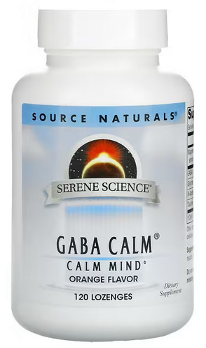
gaba calm
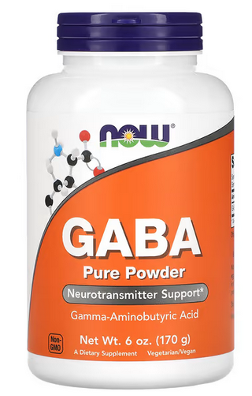
gaba pure poder

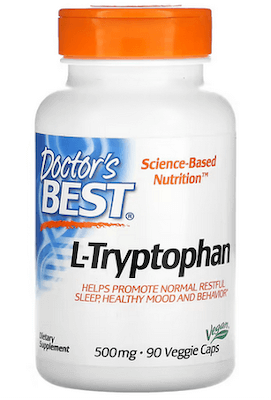
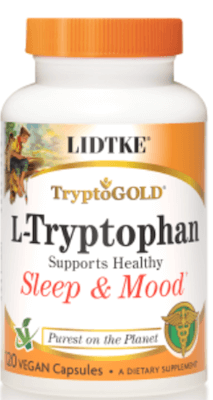
Products I recommend include Lidtke 500 mg Tryptophan, Source Naturals GABA Calm lozenges and Now GABA Powder.  You can purchase these from my online store (Fullscript – only available to US customers – use this link to set up an account).

nature's best l-tryptophan
gaba calm
gaba pure poder

If you’re not in the US, Doctor’s Best L-Tryptophan 500mg and Source Naturals GABA Calm lozenges and Now GABA Powder are products I recommend on iherb (use this link to save 5%).

Additional resources when you are new to using tryptophan or GABA and other amino acids as supplements

We use the symptoms questionnaire to figure out if low serotonin or low GABA or other neurotransmitter imbalances may be an issue for you.

If you suspect low levels of any of the neurotransmitters and do not yet have my book, The Antianxiety Food Solution – How the Foods You Eat Can Help You Calm Your Anxious Mind, Improve Your Mood, and End Cravings, I highly recommend getting it and reading it before jumping in and using amino acids on your own so you are knowledgeable. And be sure to share it with the practitioner/health team you or your loved one is working with.

There is an entire chapter on the amino acids and they are discussed throughout the book in the sections on gut health, gluten, blood sugar control (this is covered in an entire chapter too), sugar cravings, anxiety and mood issues. The importance of quality animal protein and healthy fats is also covered.

The book doesn’t include product names (per the publisher’s request) so this blog, The Antianxiety Food Solution Amino Acid and Pyroluria Supplements, lists the amino acids that I use with my individual clients and those in my group programs.

If, after reading this blog and my book, you don’t feel comfortable figuring things out on your own (i.e. doing the symptoms questionnaire and respective amino acids trials), if you need serotonin support, the Serotonin QuickStart Program is a good place to start. This is a paid online/virtual group program where you get my guidance on using tryptophan and 5-HTP safely, and community support during 5 LIVE Q&A calls. You can sign up to be notified when the next live launch of this program is happening. We take a deep dive into product options including Lidtke products and others if you’re not able to access Lidtke.

Low GABA can also affect sleep and cause stress eating. If you also have low GABA symptoms, the next step to get help is the GABA QuickStart Program. This is also a paid online/virtual group program where you get my guidance and community support. Another option is the budget-friendly GABA QuickStart Homestudy Program.

If you are a practitioner, join us in The Balancing Neurotransmitters: the Fundamentals program. This is also a paid online/virtual program with an opportunity to interact with me and other practitioners who are also using the amino acids.

This blog is a follow-on from the previous blog on this topic so be sure to read that blog too. It also features many valuable questions in the comments and my responses, hence this new post. I hope this has been helpful for you.

Wrapping up

Now I’d love to hear from you…

Have you had success using GABA and tryptophan together for anxiety, insomnia, ruminations, depression, overwhelm, TMJ etc?

Have you tweaked your dosing to find the ideal doses for your needs?

If yes, what doses and which products have helped?

If you’re a practitioner do you use tryptophan and GABA with clients/patients with these low serotonin and low GABA symptoms?

And please let me know if it’s helpful that I’m now including product recommendations and where to get them?

Feel free to share and ask your questions below.
Filed Under: Anxiety and panic, Children/Teens, GABA, Insomnia, Tryptophan Tagged With: amino acid supplements, anxiety, dopamine, GABA, GABA Quickstart; Balancing Neurotransmitters: the Fundamentals program for practitioners, jaw clenching, making decisions, neurotransmitters, ruminations, serotonin, serotonin syndrome, sleep, teens, tension, TMJ, tryptophan, tyrosine

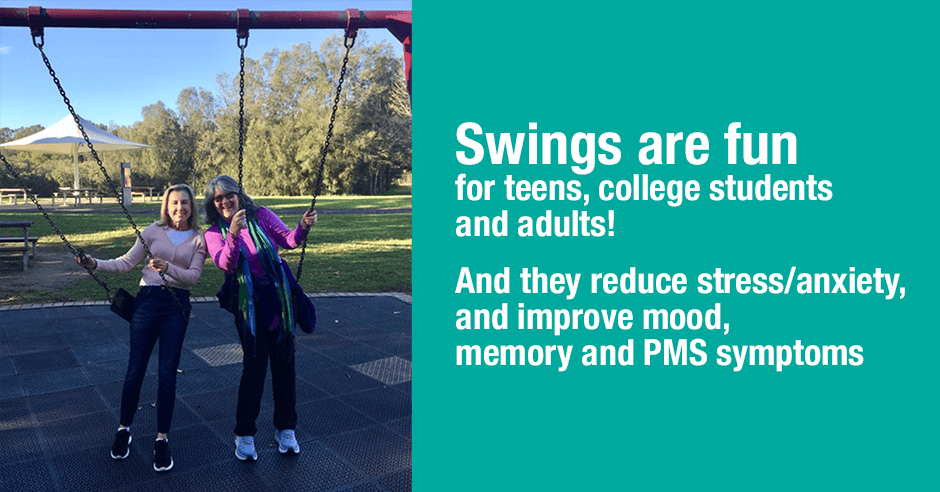
Swings are fun for teens, college students and adults! And they reduce stress/anxiety, and improve mood, memory and PMS symptoms

June 18, 2021 By Trudy Scott 21 Comments

swings for anxiety

Earlier this month I met up with a dear childhood friend for a walk and catch-up and we both rediscovered the joy of swings. I always suggest a walk or hike or swim when meeting with friends and colleagues, and this time was no different except that I really wanted to go somewhere with a swing!

The reason that I wanted to find a swing set was because I had just read an article about swings and teen girls needing a better place to hang out. I love the outdoors and love to play, laugh and have fun, and I couldn’t resist it once I started looking at the research. I discovered all the wonderful benefits of improved mood, reduced anxiety and stress, improved cognition and memory, reduced PMS symptoms, improved social relationships and reduced pain.

These pictures are us swinging and catching up – we laughed and laughed and had such fun!  It’s hard to believe we’ve been friends for close to 50 years and it always feels like we were never apart when we do get together.

swings

Our swing experience made it extra special this time! You can see the pure joy on our faces!

Teen girls needing a better public space to hang out

The recent Bloomberg article I had read, Teen Girls Need Better Public Spaces to Hang Out shares this:

Making space for girls means rethinking which age groups need to swing and climb, how to encourage physical activity (and not just playing a sport), and how to make a safe, sheltered place for outdoor conversation.

And this about movement:

While lack of activity among teens is a major public health issue, many girls are looking for more creative, less competitive ways of moving their bodies.

It features really cool images of swings called “Swing Time.” They are designed by Höweler + Yoon Architecture and deliver “the kind of fun, physical outdoor experience with room for face-to-face conversation that many teen girls are looking for.”

As I mentioned above, I was immediately intrigued because I love the idea of outdoor play and social interaction in a safe place for young girls.

Beth Jones, a Mindset and Wellness Coach who works with teen girls and their moms incorporating movement, play and nutrition, posted the Bloomberg article on Facebook saying:

I love this idea so much. I used to love going to the playground in my teens to swing, hang out, just have a space for me. There’s a reason why my business logo has a girl on a swing. That swinging and twisting are also so great for the vestibular system and can help calm anxiety (the back and forth swinging). Maybe they should bring back some swings to middle and high schools.

I’m familiar with the use of swings in occupational therapy to address sensory processing disorders in children. But I was also very interested to know if there was any research on the health benefits of swings for teens and adults. I went searching and was very pleased with what I found, hence this blog post.

Before we get into the research I’d like to extend a big thanks to Beth Jones for the inspiration for all this! Now the research …..

PMS symptoms improved: mood, stress, anxiety, social relationships, pain and memory

This small study, Vestibular stimulation for management of premenstrual syndrome found the following benefits after 2 months of using the swing in females 18-30 years of age:

  • Depression and stress scores decreased
  • Anxiety scores decreased (although it was not statistically significant)
  • Serum cortisol levels decreased.
  • Social relationships improved
  • Systolic blood pressure decreased (there was no change in diastolic blood pressure and pulse rate)
  • Pain levels decreased
  • Spatial and verbal memory improved

These are amazing benefits using something as simple as a swing. I feel we could safely extrapolate to younger teen girls and even women above 30 years of age too.

Swings for stress management in college students

Vestibular stimulation using swings is the specialty of Dr. Mukkadan, Founder and Research Director of Little Flower Medical Research Centre in India. Together with his team, he published the above PMS paper and this paper on Vestibular Stimulation for Stress Management in Students.

They recommend “placement of swings in college campuses … which may be a simple approach to alleviate stress among college students.”

This is such a simple and yet powerful (and also fun!) intervention especially given the huge rise in anxiety and mental health issues in students. It would be a perfect approach to use in conjunction with amino acid supplements and nutritional psychiatry for these students.

According to another study published by his team, college students will also see improved spatial and verbal memory.

What about swings for teen boys and all adults too?

Once I saw the images in the Bloomberg article, and after reading the research, and after playing on swings again after all these years, my thinking started expanding. I believe everyone could benefit from using a swing.

I certainly wanted to swing right away (hence the walk and swing meet up with my friend a few weeks ago) and now seek out swings when I go for walks. I would love to see an area set aside in parks for teen girls (and boys too) and as Beth says, in middle and high schools too. And how about a designated area in parks for adults who want to swing too?

There are now parks with Liberty swings for children and adults in wheelchairs. The vestibular benefits of rocking chairs are helping veterans dealing with substance abuse and mood issues. I also see an application for stress reduction in the workplace. The opportunities are endless.

Here are some of my recommendations:

  • Seek out swings in parks. Give it a try to see how you feel and how much you enjoy it!
  • Advocate for swings in your communities, middle schools, high schools, colleges and place of business.
  • Get a rocking chair for yourself and/or older family members
  • Get a swing for your backyard (suitable for teens and adults). I’m looking into options for my backyard and will share more once I find some suitable options.

When did you last go for a swing as an adult? How much fun was it!?

If it’s been some time, does this – my pictures and the research – inspire you to want to look for a swing and have a go again?

Does your teen or college student seek out outdoor play like swings and see benefits?

If you are an OT/occupational therapist or exercise physiologist or other health professional using vestibular therapy with swings please do share so we can all learn.

Feel free to post any questions here too.

Filed Under: Anxiety, Joy and happiness, Stress, Teens, Women's health Tagged With: adults, amino acids, anxiety, calm anxiety, cognition, college students, Dr. Mukkadan, fun, joy, laugh, liberty swing, memory, mood, nutritional psychiatry, pain, play, PMS, premenstrual syndrome, social relationships, stress, stress management, swing, Swings, teen girls, teens, vestibular system, veterans

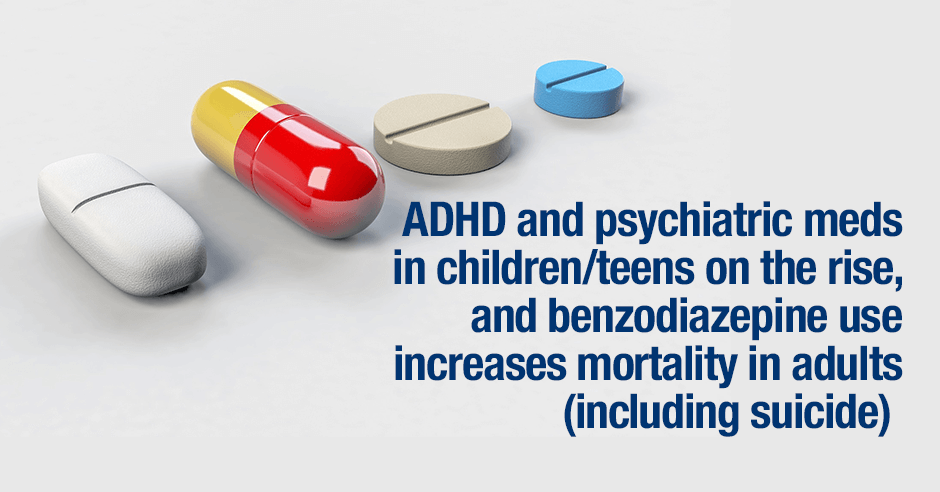
ADHD and psychiatric meds in children/teens on the rise, and benzodiazepine use increases mortality in adults (including suicide)

October 7, 2020 By Trudy Scott Leave a Comment

meds teens children

Registration for my Anxiety Summit 6: Toxins/Meds/Infections is now open and in the spirit of continuing to share valuable snippets leading up to the summit, here goes for today.

(If you’ve already registered I do hope you find these snippets of value and they help you figure out more about which interviews to tune into first. If you’re only hearing about the summit for the first time, you can register here)

Today I want to highlight some aspects from two of the interviews on psychiatric medications.

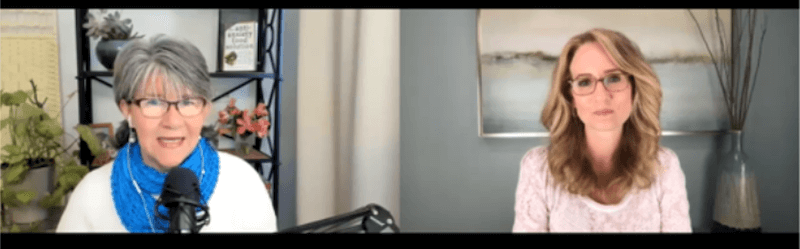
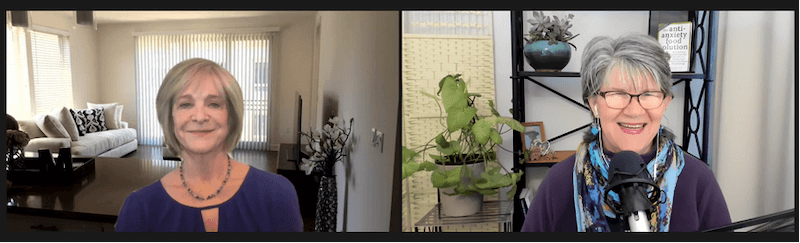
In the interview Psychiatric Medications in Children and Teens with Dr. Nicole Beurkens, we discuss these results from a 2019 paper:

  • Our study indicates that the rate of presentation to child and adolescent psychiatry outpatient clinics is increasing, and rates of diagnosis and initiation of psychiatry drugs are high among the presented children.
  • The prevalence of ADHD shows an increase in males and females in our country, and psychiatric polypharmacy has reached significant rates.

Polypharmacy means concurrent use of multiple medications by a patient. The fact that psychiatric polypharmacy is increasing in children and adolescents is most concerning. There are safer solutions that address the root causes of ADHD, anxiety and depression.

Here is what we cover in this interview:

  • Increasing ADHD, anti-anxiety, SSRI and antipsychotic meds and discontinuation syndrome
  • Disparities in BIPOC communities;
  • Psychiatric side effects of acne, constipation and asthma medications
  • Nutritional psychiatry/targeted nutrients/gut, sleep, movement, screen time and play

nicole beurkens interview

In the interview SSRIs, Benzodiazepines, Alcohol and Amino acids with Dr. Hyla Cass, she shares how benzodiazepines (a class of antianxiety medications that include Xanax, Ativan, Valium and others) are:

  • strongly associated with all cause mortality, including suicide (even when used for short durations of treatment
  • the cause of many accidents even if taken the previous day

Here is what we cover in this interview:

  • SSRI and benzodiazepine side-effects
  • Discontinuation syndrome, pre-taper protocols and tapering
  • The harmful effects of alcohol and the impacts on sleep
  • The dangers of combining alcohol with benzodiazepines, and the risks of antabuse (commonly used in alcohol addiction treatment plans)
  • GABA, tryptophan, 5-HTP, glutamine, DPA, CBD and key nutrient co-factors for medication taper, alcohol addiction, carb cravings and anxiety

hyla cass interview

Dr. Nicole Beurkens’ interview is focused on children and adolescents, and Dr. Hyla Cass’ interview is focused on adults but both are invaluable resources if you want to learn more about psychiatric medications, discontinuation syndrome, tapering and addressing the root-causes with nutritional other non-medication solutions.

Other related medication interviews of interest would be:

  • GABA and Tryptophan vs Meds for Hormone Balance – one of my 3 interviews (I also cover the birth control pill and more about using the amino acids)
  • Benzodiazepines: Short-Term Benefits, Long-Term Harms – Catherine M. Pittman, PhD, HSPP
  • 5-HTP: Anxiety, Depression, Insomnia and Liver Protection – Michael Murray, ND (he shares studies comparing 5-HTP to SSRIs)
  • Neuropsychiatric Toxicity from Fluoroquinolone Antibiotics – Lisa Bloomquist
  • Your Brain on Food: Anxiety, OCD and PTSD – Uma Naidoo, MD, PCP (she also shares studies comparing psychiatric meds to NAC and inositol)

In case you missed the first few emails about the summit … as you know, anxiety can be related to your daily life experiences BUT it can also be triggered by:

  • foods you eat and what you drink (like wheat, oxalates, alcohol and more)
  • environmental toxins (like lead, plastics, fragrances, insecticides, fluoride and more)
  • many types of medications (like the benzos/SSRIs, birth control pill, acne medication, fluoroquinolone antibiotics and more) and/or
  • chronic infections (like Lyme disease, PANDAS, parasites, candida and more).

Once you identify the root causes and understand anxiety’s mechanisms you can support the liver/gallbladder, detox, address infections, implement targeted and supportive solutions, and get relief!

This is my 6th Anxiety Summit, featuring all new topics and the latest research related to anxiety and toxins, medications and infections.

anxiety summit 6

Over the course of the next 6 weeks you’ll be seeing frequent emails from me with snippets and highlights from various interviews – like this one. I do hope you continue to enjoy them and get excited about the summit! Please do share if you know someone who has anxiety!

You’ve heard me say the Anxiety Summit has been called “a bouquet of hope!”  My wish for you is that this summit is your bouquet of hope!

I hope you’ll join me and these incredible speakers, be enlightened and find YOUR solutions!

Here’s to no more anxiety and you feeling on top of the world again!

If you’re already familiar with some of this information and practice some of this already please share how it’s helped you. That way we can all learn.

If you’d like to ask a question, please post in the comments below.

I’d also love to hear from you once you’ve listened to this interview. Please do come back and comment about some of the highlights of this interview and what changes you plan to make.

Filed Under: The Anxiety Summit 6 Tagged With: ADHD, amino acids, anxiety, benzodiazepine, cbd, children, depression, GABA, Hyla Cass, medications, mortality, Nicole Beurkens, psychiatric meds, SSRI, suicide, teens, The Anxiety Summit 6, tryptophan

The best food-mood-nutrient topics of 2017

December 29, 2017 By Trudy Scott Leave a Comment

As we move into 2018, it’s time to recap and share the best of 2017 – from both blog posts and facebook posts. Hopefully these topics have helped you move forward as you address your anxiety symptoms and will help you (and your clients/patients if you’re a practitioner) take even bigger leaps as you move into 2018!

Most popular blog posts

Here are the most popular blog posts of 2017, based on comments and questions. If you have already read one of these and found it interesting at the time of publication, it’s worth a re-read for all the valuable comments/questions and my feedback.

Collagen and gelatin lower serotonin: does this increase your anxiety and depression?

I see everyone raving about gelatin and collagen – and rightly so – they have amazing health benefits. However, no-one is addressing the fact that gelatin is actually used in tryptophan-depletion studies to lower serotonin.

Some people get more anxious and depressed when consuming collagen, some do just fine and some even use it to lower their serotonin. Many need to use it with added tryptophan. I recently made some additional updates to this blog and have more to add so stay tuned for more on this topic.

How much GABA should I use and which GABA product is best?

There is no simple answer! It requires a blog post to provide a good answer because we are all unique, have different needs and these needs can even differ at different times depending on the issue and what is going on in our lives at the moment.

My Kid is Not Crazy and PANS/PANDAS awareness day 2017

PANDAS (Pediatric Autoimmune Neuropsychiatric Disorders Associated with Streptococcal Infections) occurs when strep triggers a misdirected immune response results in inflammation on a child’s brain. In turn, the child quickly begins to exhibit life changing symptoms such as OCD, anxiety, tics, personality changes, decline in math and handwriting abilities, sensory sensitivities, restrictive eating, and more.

Anxiety, compulsive thinking, counting behaviors: gluten, tryptophan and inositol

Today I’m going to share my feedback on a question I received on how to approach working with a child with anxiety, compulsive thinking and counting behaviors in the hope it can help you or someone you know (or are working with if you’re a practitioner)

DPA for weepiness, pain and comfort and reward eating

This amino acid is a favorite with so many of my clients because it helps with [weepiness, pain and comfort and reward eating] by boosting your endorphins and when you chew a capsule you feel like you just got a big hug.

How to Beat Anxiety and Resolve Panic Attacks with Targeted Amino Acids: Wellness Mama podcast

I share my wonderful interview with Katie, the “Wellness Mama”. We talk about my favorite topic: How to Beat Anxiety and Resolve Panic Attacks with Targeted Amino Acids, with some extra questions about pregnancy and nursing that I’m not often asked about.

GABA for the physical-tension and stiff-and-tense-muscles type of anxiety

I’m going to review some GABA products for the physical-tension and stiff-and-tense-muscles type of anxiety, and share some additional resources for you….

I share that sublingual is best, do a trial and start low, my favorite GABA products and when it works and when it doesn’t.

Tryptophan for the worry-in-your-head and ruminating type of anxiety

I’m going to review some tryptophan products for the worry-in-your-head and ruminating type of anxiety… Lidtke is the only brand of tryptophan that I recommend simply because I see it work so well and because of quality issues with tryptophan in the past.

I also share when to use tryptophan and when to use GABA, and tryptophan for PMS.

GABA: an amino acid supplement for neurotransmitter support and anxiety relief

I recently attended the first international meeting of International Society for Nutritional Psychiatry Research and was honored and thrilled to present my poster – GABA: an amino acid supplement for neurotransmitter support and anxiety relief Because you were not able to be there, here are the contents of my poster word for word.

How GABA eases agonizing rectal pain and spasms in under 2 minutes

Proctalgia fugax is described as a condition that leads to rectal spasms and sharp fleeting pain in the lower rectum or anus. In some people it can be more than fleeting and is often described as excruciating and agonizing.

I have experienced this awful anal sphincter spasm and pain myself so I want to shine some light on this condition and offer the simplest and most effective solution: oral and sublingual GABA. It works to completely eliminate the pain in 1-2 minutes! And it can also be used to prevent a full-on spasm if you catch it in advance.

Migraines, Anxiety and Antiphospholipid Syndrome: on the Chronic Headache & Migraine Summit

The autoimmune condition called Antiphospholipid Syndrome (APS) is one of many possible contributing factors for both migraines and anxiety.

Cognitive impairment, strokes and livedo reticularis is common.

GABA protects against hypothyroidism caused by fluoride and reduces anxiety

To the best of our knowledge, this is the first study to establish the therapeutic efficacy of GABA as a natural antioxidant in inducing thyroprotection against fluoride-induced toxicity.

GABA for children: ADHD, focus issues, irritability, anxiety and tantrums

My daughter hasn’t been diagnosed with ADHD but has a lot of ADHD qualities. We were having a huge amount of behavior problems as she is getting older (she’s 11). I did some research and went to the health food store and bought a bottle [of GABA Calm]. At this point I was mentally exhausted from all the fighting and drama at home and at school. I was desperate and didn’t want to put her on any hard medication.

She has had amazing behavior at school and at home since giving it to her. She’s almost like different child. GABA has truly changed our life. She’s been taking it for almost 2 months.

Anxiety: when to use GABA and tryptophan and how much to use

When you have anxiety it can be confusing trying to figure out the root cause. I like to start by assessing for low GABA and low serotonin because when you address these with targeted individual amino acids you typically see results right away and feel hopeful (and now have time to look for other root causes like gluten issues, high cortisol, gut issues, dietary changes etc).

But there may still be some confusion about when to use GABA and when to use tryptophan and how much of each of these amino acids to use.

Vulvodynia: oxalates, GABA, tryptophan and physical therapy

I just listened to the webinar talking about oxalates. I was shocked and delighted to hear the mention of the connection between high oxalates and vulvodynia.

Research shows there is serotonin involvement with vulvodynia and SSRIs are often prescribed, as are benzodiazepines. My recommendation is trials of tryptophan and/or GABA.

Seriphos Original Formula is back: the best product for anxiety and insomnia caused by high cortisol

If you have high nighttime cortisol (as measured by an adrenal saliva test) it can cause insomnia and anxiety. Using 1-3 x Seriphos about 1-3 hours before the high cortisol is the best way I know for lowering the high cortisol and providing relief.

The product was reformulated and didn’t work like it used to and then the original formula was brought back.

GABA takes some of the anxiety edge away and now I want to add tryptophan: how do I do this?

I would say this – ask yourself what low GABA anxiety symptoms (this is the physical anxiety) have improved with the GABA and how much (rate each one before – out of 10; and what are they now – out of 10). From your question it sounds like they could improve more – so if we were working together I’d continue to increase GABA before adding something new.

The most popular facebook posts

And here are some of the most popular Facebook posts on TrudyScottAntianxietyFoodSolution (based on comments and shares). Many of these link to other sources like the research or other blogs with additional information. Most of them have a great back and forth discussion on the Facebook post so feel free to join in there.

Canola oil linked to worsened memory and learning ability in Alzheimer’s

Canola oil is one of the most widely consumed vegetable oils in the world, yet surprisingly little is known about its effects on health. Now, a new study published online December 7 in the journal Scientific Reports by researchers at the Lewis Katz School of Medicine at Temple University (LKSOM) associates the consumption of canola oil in the diet with worsened memory, worsened learning ability and weight gain in mice which model Alzheimer’s disease. The study is the first to suggest that canola oil is more harmful than healthful for the brain.

Canola oil is not something I’ve ever recommended and I’m really glad to see this research. You have to read labels because it’s in a lot of salad dressings and processed foods!

Nestle to buy vitamin maker Atrium Innovations for $2.3 billion

The following brands are now owned by Nestle: Garden of Life, Douglas Laboratories, Pure Encapsulations.

This is not good! Other than the fact that the formulations will likely be changed, there is much to be said about Nestle and their ethics.

The Big Vitamin D Mistake

This could lead to a recommendation of 1000 IU for children <1 year on enriched formula and 1500 IU for breastfed children older than 6 months, 3000 IU for children >1 year of age, and around 8000 IU for young adults and thereafter. Actions are urgently needed to protect the global population from vitamin D deficiency.

Do you use a zinc supplement every day?

1) how much and what form? and with or without copper?
2) how did you decide to add zinc (or was it recommended by a practitioner)
3) how did you assess your zinc status (alk phos? zinc challenge/tally? mood symptoms? white flecks on nails? poor digestion? pyroluria questionnaire? blood work? other?)
4) how it helps you? (less anxious? more social? less depressed? less cravings? better digestion? better skin? less aches/pains? better blood sugar control? less PMS/hormone symptoms? better adrenal health? better immunity? other?)

Scary new information about benzodiazepine deaths

The five most frequently occurring drugs found in decedents were ethyl alcohol (5,318), benzodiazepines (5,167, including 1,851 alprazolam occurrences), cocaine (2,882), cannabinoids (2,292), and morphine (2,040).

With teen mental health deteriorating over five years, there’s a likely culprit

In a new paper published in Clinical Psychological Science, my colleagues and I found that the increases in depression, suicide attempts and suicide appeared among teens from every background – more privileged and less privileged, across all races and ethnicities and in every region of the country. All told, our analysis found that the generation of teens I call “iGen” – those born after 1995 – is much more likely to experience mental health issues than their millennial predecessors.

What happened so that so many more teens, in such a short period of time, would feel depressed, attempt suicide and commit suicide? After scouring several large surveys of teens for clues, I found that all of the possibilities traced back to a major change in teens’ lives: the sudden ascendance of the smartphone.

Gabapentin and pregabalin are as problematic as benzodiazepines

Crippling toll of the new valium that’s ruining the lives of MILLIONS

Can you relate to the term high-functioning anxiety?

Busy and in control. High-achieving and perfectionistic. Driven by details and order in a desperate attempt to calm racing thoughts, worry, and the fear that invade every ounce of the mind and body. An over-thinker with a tendency to perseverate, dwell, and stew on everything.

I used to be like this before the panic attacks and it’s a big clue that it’s time to do something about it but too often we push and push and push and then it gets really bad. I would love to be able to reach women (and men) at this stage before it gets really bad!

Great article about squatting and the benefits

How often do you squat? and do you use a device like the Squatty Potty?

Screen time might boost depression, suicide behaviors in teens

A new study finds that teens, especially girls, who spend several hours per day on phones and tablets are more likely to be depressed and have suicide-related outcomes.

When it comes to cravings, addiction and appetite we have this research supporting the use of glutamine

– Glutamine and glutamatergic metabolism is a factor in cravings and alcohol dependence
– A combination of tyrosine, lecithin, glutamine and 5-HTP helped withdrawal syndromes and mental symptoms in detoxified heroin addicts
– Glutamine has been shown to decrease secretion of ghrelin, the hormone that impacts appetite regulation. High levels of ghrelin appear to make high-calorie foods look more appealing.

Why the vaginal mesh scandal could be ‘bigger than thalidomide’

More than 92,000 women had vaginal mesh implants between 2007 and 2015 in England, and about one in 11 is said to have complications. More than 800 of these women are now taking legal action against the NHS and mesh manufacturers.

Please be aware of the dangers of vaginal mesh (and other procedures that use mesh) – it’s something I’ve always warned my clients about and it needs to become common knowledge

Do you take probiotics on a daily basis and do they help? Have you had to stop taking probiotics because of any adverse effects?

Melatonin–estrogen interactions in breast cancer

Individualized protocols in Dr. Nalini Chilkov’s OutSmart Cancer system include melatonin at 10-20mg at bedtime (to match nature’s cycling of melatonin…not for sleep issues) . MANY breast cancer patients have low or aberrant melatonin patterns.

The anti antidepressant. Depression affects 16 million Americans.

One third don’t respond to treatment. A surprising new drug may change that: ketamine.

I’m quite surprised how many women who are smart and savvy when it comes to eating and natural health continue to color their hair (or straighten or perm or treat).

I’m curious if you are one of those people ? And if yes why? Do you know the risks or would you just prefer not to know?

Excellent article on toxic sunscreen ingredients

I have always avoided conventional sunscreens and teach my clients about this but wish more people were aware of these issues. It’s not just sunscreens either…so many skin care products, makeup, hair products and household products have ingredients that are endocrine disrupters, cause DNA and oxidative damage and affect our health – both physically and mentally! What sunscreen do you use?

My favorite protein powder

I love this one because _______. I use it in these ways ______, _______, ________.

Right now my favorite protein powder is a pea protein (made by Nuzest). I love this one because it’s gluten-free, dairy and soy free, GMO-free and is pea only (no other ingredients!). I just found out it’s also available in USA and other countries.

My favorite healthy protein bar

I love it because _______ AND/OR I tried ______ and don’t like it because ________. My clients are always looking for protein bars for a quick healthy snack but so many are loaded with sugar OR don’t have enough protein and fat OR are full of processed soy OR contain a ton of nuts OR aren’t gluten-free.

Thank you for being such a huge part of this community, for sharing your stories and successes and for offering words of encouragement to others in the community. Thank you too, for asking your questions. Keep the questions coming – they keep me on my toes and help me to learn too!

I’d love to hear how the above topics have helped you and what topics you’d like me to cover in 2018, plus which areas you’d like me to take an even deeper dive into.

Filed Under: Antianxiety Tagged With: anxiety, collagen, cravings, depression, DPA, GABA, melatonin, mesh, migraines, PANDAS, seriphos, serotonin, teens, tryptophan, vitamin D, vulvodynia, zinc

  • Page 1
  • Page 2
  • Go to Next Page »

Primary Sidebar

NEW! GABA QuickStart Homestudy (with special intro pricing)

gaba quickstart homestudy

Free Report

9 Great Questions Women Ask about Food, Mood and their Health

You'll also receive a complimentary subscription to my ezine "Food, Mood and Gal Stuff"


Connect with me

Popular Posts

  • Amino Acids Mood Questionnaire from The Antianxiety Food Solution
  • The Antianxiety Food Solution Amino Acid and Pyroluria Supplements
  • Pyroluria Questionnaire from The Antianxiety Food Solution
  • Collagen and gelatin lower serotonin: does this increase your anxiety and depression?
  • Tryptophan for the worry-in-your-head and ruminating type of anxiety
  • GABA for the physical-tension and stiff-and-tense-muscles type of anxiety
  • The Antianxiety Food Solution by Trudy Scott
  • Seriphos Original Formula is back: the best product for anxiety and insomnia caused by high cortisol
  • Am I an anxious introvert because of low zinc and vitamin B6? My response to Huffington Post blog
  • Vagus nerve rehab with GABA, breathing, humming, gargling and key nutrients

Recent Posts

  • What do I use instead of Seriphos to help lower high cortisol that is affecting my sleep and making me anxious at night?
  • BeSerene™ GABA/theanine cream eases severe muscle tension in her neck/shoulders, prevents her bad headaches and quells her anxiety
  • How the correct approach, dose and sublingual use of GABA can be calming and not cause a flushed and itchy face and neck
  • The amino acid glutamine improves low mood by addressing gut health, and it has calming effects too
  • Flight anxiety with heightened breath, physical tension and also fearing the worst (the role of low GABA and low serotonin)

Categories

  • 5-HTP
  • AB575
  • Addiction
  • ADHD
  • Adrenals
  • Alcohol
  • Allergies
  • Alzheimer's disease
  • Amino Acids
  • Anger
  • Antianxiety
  • Antianxiety Food Solution
  • Antidepressants
  • Anxiety
  • Anxiety and panic
  • Autism
  • Autoimmunity
  • benzodiazapines
  • Bipolar disorder
  • Books
  • Caffeine
  • Cancer
  • Candida
  • Children/Teens
  • Collagen
  • Cooking equipment
  • Coronavirus/COVID-19
  • Cravings
  • Depression
  • Detoxification
  • Diabetes
  • Diet
  • DPA/DLPA
  • Drugs
  • EFT/Tapping
  • EMF
  • EMFs
  • Emotional Eating
  • Endorphins
  • Environment
  • Essential oils
  • Events
  • Exercise
  • Fear
  • Fear of public speaking
  • Fertility and Pregnancy
  • Fish
  • Food
  • Food and mood
  • Functional neurology
  • GABA
  • Gene polymorphisms
  • General Health
  • Giving
  • Giving back
  • Glutamine
  • Gluten
  • GMOs
  • Gratitude
  • Gut health
  • Heart health/hypertension
  • Histamine
  • Hormone
  • Hyperparathyroidism
  • Hypoglycemia
  • Immune system
  • Inflammation
  • Insomnia
  • Inspiration
  • Introversion
  • Joy and happiness
  • Ketogenic diet
  • Lithium orotate
  • Looking awesome
  • Lyme disease and co-infections
  • MCAS/histamine
  • Medication
  • Men's health
  • Mental health
  • Mercury
  • Migraine
  • Mold
  • Movie
  • MTHFR
  • Multiple sclerosis
  • Music
  • NANP
  • Nature
  • Nutritional Psychiatry
  • OCD
  • Osteoporosis
  • Oxalates
  • Oxytocin
  • Pain
  • Paleo
  • Parasites
  • Parkinson’s disease
  • PCOS
  • People
  • PMS
  • Postpartum
  • PTSD/Trauma
  • Pyroluria
  • Questionnaires
  • Real whole food
  • Recipes
  • Research
  • Schizophrenia
  • serotonin
  • SIBO
  • Sleep
  • Special diets
  • Sports nutrition
  • Stress
  • Sugar addiction
  • Sugar and mood
  • Supplements
  • Teens
  • Testimonials
  • Testing
  • The Anxiety Summit
  • The Anxiety Summit 2
  • The Anxiety Summit 3
  • The Anxiety Summit 4
  • The Anxiety Summit 5
  • The Anxiety Summit 6
  • Thyroid
  • Thyroid health
  • Toxins
  • Tryptophan
  • Tyrosine
  • Uncategorized
  • Vegan/vegetarian
  • Women's health
  • Yoga

Archives

  • October 2025
  • September 2025
  • August 2025
  • July 2025
  • June 2025
  • May 2025
  • April 2025
  • March 2025
  • February 2025
  • January 2025
  • November 2024
  • October 2024
  • September 2024
  • August 2024
  • July 2024
  • June 2024
  • May 2024
  • April 2024
  • March 2024
  • February 2024
  • January 2024
  • December 2023
  • November 2023
  • October 2023
  • September 2023
  • August 2023
  • July 2023
  • June 2023
  • May 2023
  • April 2023
  • March 2023
  • February 2023
  • January 2023
  • December 2022
  • November 2022
  • October 2022
  • September 2022
  • August 2022
  • July 2022
  • June 2022
  • May 2022
  • April 2022
  • March 2022
  • February 2022
  • January 2022
  • December 2021
  • November 2021
  • October 2021
  • September 2021
  • August 2021
  • July 2021
  • June 2021
  • May 2021
  • April 2021
  • March 2021
  • February 2021
  • January 2021
  • December 2020
  • November 2020
  • October 2020
  • September 2020
  • August 2020
  • July 2020
  • June 2020
  • May 2020
  • April 2020
  • March 2020
  • February 2020
  • January 2020
  • December 2019
  • November 2019
  • October 2019
  • September 2019
  • August 2019
  • July 2019
  • June 2019
  • May 2019
  • April 2019
  • March 2019
  • February 2019
  • January 2019
  • December 2018
  • November 2018
  • October 2018
  • September 2018
  • August 2018
  • July 2018
  • June 2018
  • May 2018
  • April 2018
  • March 2018
  • February 2018
  • January 2018
  • December 2017
  • November 2017
  • October 2017
  • September 2017
  • August 2017
  • July 2017
  • June 2017
  • May 2017
  • April 2017
  • March 2017
  • February 2017
  • January 2017
  • December 2016
  • November 2016
  • October 2016
  • September 2016
  • August 2016
  • July 2016
  • June 2016
  • May 2016
  • April 2016
  • March 2016
  • February 2016
  • January 2016
  • December 2015
  • November 2015
  • October 2015
  • September 2015
  • August 2015
  • July 2015
  • June 2015
  • May 2015
  • April 2015
  • March 2015
  • February 2015
  • January 2015
  • December 2014
  • November 2014
  • October 2014
  • September 2014
  • August 2014
  • July 2014
  • June 2014
  • May 2014
  • April 2014
  • March 2014
  • February 2014
  • January 2014
  • December 2013
  • November 2013
  • October 2013
  • September 2013
  • August 2013
  • July 2013
  • June 2013
  • May 2013
  • April 2013
  • March 2013
  • February 2013
  • January 2013
  • December 2012
  • November 2012
  • October 2012
  • August 2012
  • July 2012
  • June 2012
  • May 2012
  • April 2012
  • March 2012
  • February 2012
  • January 2012
  • December 2011
  • November 2011
  • October 2011
  • September 2011
  • August 2011
  • July 2011
  • June 2011
  • May 2011
  • April 2011
  • March 2011
  • February 2011
  • January 2011
  • December 2010
  • October 2010
  • September 2010
  • July 2010
  • May 2010
  • April 2010
  • March 2010
  • February 2010
  • January 2010
  • November 2009

Share the knowledge!

The above statements have not been evaluated by the Food and Drug Administration. Products listed in this website are not intended to diagnose, treat, cure or prevent any disease.

The information provided on this site is for informational and educational purposes only and is not intended as a substitute for advice from your physician or other health care professional. You should consult with a healthcare professional before starting or modifying any diet, exercise, or supplementation program, before taking or stopping any medication, or if you have or suspect you may have a health problem.


Copyright © 2026 Trudy Scott. All Rights Reserved. | Privacy | Terms and Conditions | Refund Policy | Medical Disclaimer

Free Report

9 Great Questions Women Ask about Food, Mood and their Health

You’ll also receive a complimentary subscription to my ezine “Food, Mood and Gal Stuff”