• Skip to primary navigation
  • Skip to main content
  • Skip to primary sidebar

everywomanover29 blog

Food, Mood and Women's Health – Be your healthiest, look and feel great!

  • Blog
  • About
  • Services
  • Store
  • Resources
  • Testimonials
  • The Book
  • Newsletter
  • Contact
  • Search this site

serotonin

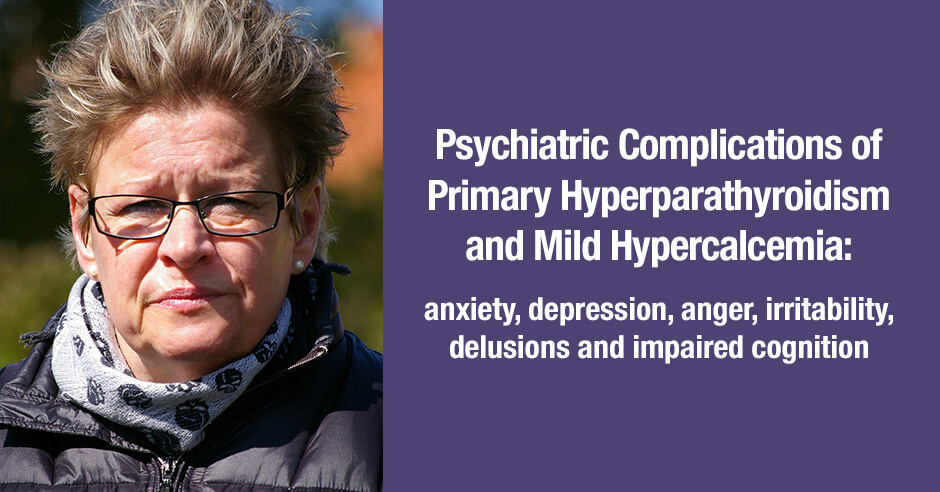
Psychiatric Complications of Primary Hyperparathyroidism and Mild Hypercalcemia: anxiety, depression, anger, irritability, delusions and impaired cognition

July 7, 2023 By Trudy Scott 38 Comments

primary hyperparathyroidism

In samples of patients undergoing parathyroidectomy for primary hyperparathyroidism (PHPT), these disturbances have been identified at a rate of 43.1%–53.0% for anxiety, 33.0%–62.1% for depression, 22.0% for thoughts of death or suicide, 51.9% for anger and irritability, 5.0%–20.0% for hallucinations and delusions, and 37.3%–46.5% for impaired cognition.

In fact, it has been noted that there are more neuropsychiatric phenomena in PHPT than is often recognized and that these symptoms are easily missed, particularly in the elderly population.

This excerpt is from, Psychiatric Complications of Primary Hyperparathyroidism and Mild Hypercalcemia, published in Psychiatry Online.

I’ve recently been reading as much as I can about this condition, for personal and professional reasons. As soon as I learn about something new I go digging to see if there is an anxiety connection. And I must say I was very surprised to read these stats. It’s not something I’ve heard discussed or taught at mental health conferences.

The authors also state this about the condition:

The incidence of primary hyperparathyroidism (PHPT) is about 21 cases per 100,000 person-years, and the disorder is usually caused by a solitary parathyroid adenoma. PHPT has traditionally been recognized by its characteristic symptoms, including urolithiasis (“stones”); osteopenia and osteoporosis (“bones”); abdominal cramping, nausea, and peptic ulceration (“moans”); and depression, anxiety, cognitive dysfunction, insomnia, confusion, and personality changes (“psychiatric overtones”).

How do changes in serum calcium levels contribute to mental health and cognitive symptoms?

It’s always helpful to understand the mechanism and it was the first thought that went through my mind – how does hyperparathyroidism and changes in serum calcium levels cause these mental health and cognitive symptoms? The authors share this:

Although the pathogenesis [or cause] of psychiatric symptoms in primary hyperparathyroidism remains unclear, calcium is thought to figure prominently in determining changes in monoamine metabolism in the central nervous system(CNS), thereby modifying neurotransmission and resulting in alterations in mood and cognition.

I went digging and found this paper – Acute psychosis secondary to suspected hyperparathyroidism: A case report and literature review.

The authors also state that the mechanism isn’t known for certain. And although they are referring specifically to psychosis, the explanation could be applied to other symptoms too: “It is thought that the changes in serum calcium level slow down nerve function and neurotransmission rate, inducing psychosis (and other symptoms like anxiety, depression, anger, irritability and suicidal thoughts).

Understanding this possible mechanism helps us find a temporary solution for these symptoms until the hyperparathyroidism is addressed with surgery i.e. using amino acids as supplements.

Using amino acids to ease symptoms while you are seeking the root cause/s

If you’ve been following my work and have read my book The Antianxiety Food Solution, you’ll be familiar with using targeted amino acids as supplements to support low levels of neurotransmitters. These provide quick relief of symptoms (in a day or less) while you are seeking the root cause.

If we look at the above symptoms:

  • Anxiety can be a sign of low serotonin (worry type of anxiety) and/or low GABA (physical type of anxiety) – and tryptophan/5-HTP and/or GABA help ease symptoms.
  • Depression can be a sign of low serotonin (negativity), low dopamine (curl-up-in-bed depression) an/or low endorphins (weepy depression) – and tryptophan/5-HTP, tyrosine and/or DPA help ease symptoms.
  • Irritability and anger are common with low serotonin – and tryptophan/5-HTP helps to ease symptoms.
  • Low GABA can also be involved with anger and rage
  • Cognitive issues can be caused by low dopamine and low GABA – and tyrosine and/or GABA help ease symptoms

(You can find the symptoms questionnaire here. As always, amino acids are used based on symptom clusters and dosed according to your unique needs.)

If you find you have been using the amino acids long term and have explored all the possible root causes described in my book and summarized here, it may be worth investigating primary hyperthyroidism especially if you’re menopausal.

Case: “I had to have a parathyroid gland removed a few years ago… I literally felt better from the moment I came round from the surgery”

We always want to find the root cause when we have various symptoms. With this condition, it’s common to observe very quick resolution of symptoms after parathyroid surgery to remove the adenoma/s. Someone in our community shared this:

I had to have a parathyroid gland removed a few years ago … I literally felt better from the moment I came round from the surgery. It’s a miserable disease. I thought I was going to die! Lots of people get so low that they don’t feel like they can go on.

Bone pain was awful. Fatigue, depression etc.

I had had some dental issues around that time. One of my teeth crumbled. My Vitamin D went down to 9 so I am sure that was a large part of the puzzle.

I was actually diagnosed fairly quickly but was retested many times. I self-referred to a surgeon that was in-network in the end as my insurance wouldn’t cover various surgeons that my doctor wanted me to go too.

I had had breast cancer a few years ago and so had had weekly blood tests and, when I went back and looked, my calcium had been high for years. So important to read our own results.

The surgery was so easy.

What an amazing outcome for this woman and I appreciate her for sharing so we all get to learn and benefit from her journey. And yes, I agree, we need to advocate for ourselves and ask for and keep copies of all our labs. And get educated and ask questions. It’s really unfortunate that high calcium and hyperparathyroidism is so often missed.

Not everyone has all the listed symptoms of primary hyperparathyroidism. This woman did experience fatigue, depression and bone pain. She did not experience anxiety and didn’t have kidney stones. I do suspect dietary oxalate issues (without kidney stones) can be an issue for some folks because of the calcium disruption.

Some reasons why hyperparathyroidism is underdiagnosed

In the last few months I have learned that primary hyperparathyroidism is underdiagnosed. PTH (parathyroid hormone) is not routinely tested and I believe that it should be. Also, as you read above, elevated calcium levels are often ignored or brushed off as being a non-issue. And to complicate things further calcium is not always elevated. Hyperparathyroidism is also underdiagnosed and undertreated in the elderly.

For many women (and men) the discovery happens after they are diagnosed with osteoporosis and then calcium and PTH are tested, and/or past elevated calcium levels are “discovered.” If the hyperparathyroidism diagnosis happens first then osteoporosis screening is not always done and I believe it should be. And don’t get me started on when I believe osteoporosis screening should start (at 45 and not 65 or 70 years old) and issues with DEXA screening (more to come on this).

The good news is that primary hyperparathyroidism is a well-established cause of secondary osteoporosis which starts to resolve after the surgery too.

I’m still very much in learning mode

Primary hyperparathyroidism only recently appeared on my radar as a result of the 2023 osteoporosis summit, hosted by my friend and colleague, Margie Bissinger, Physical Therapist and osteoporosis coach. Dr. Deva Boone was a speaker on this condition on the summit and her site is a wealth of information. I appreciate them both.

As I mentioned above, I am also amazed it’s not something I’ve heard about at mental health or integrative health conferences and when doing continuing education.

I will admit I’m no expert and I’m still very much in learning mode – for myself and for you and this community. But, as you know, I like to share what I learn. As I continue to learn, I plan to share additional perspectives and the osteoporosis/menopause and oxalate links.

I am also in the process of creating a hyperparathyroidism questionnaire to use with my clients. Not everyone has all the above symptoms and not all the papers and resources list all the symptoms covered here today. For example, fatigue is listed on many sites but not in the above two papers and very few sites emphasize the mental health symptoms.

I’m also learning there are clues to look for – like forearm results on the DEXA scan and a good TBS/trabecular bone score has some significance. Stay tuned.

Resources if you are new to using amino acids as supplements

If you are new to using amino acids as supplements, here is the Amino Acids Mood Questionnaire from The Antianxiety Food Solution (you can see all the symptoms of neurotransmitter imbalances, including low GABA, low serotonin, low dopamine and low endorphins).

If you suspect low levels of any of the neurotransmitters and do not yet have my book, The Antianxiety Food Solution – How the Foods You Eat Can Help You Calm Your Anxious Mind, Improve Your Mood, and End Cravings, I highly recommend getting it and reading it before jumping in and using amino acids on your own so you are knowledgeable. And be sure to share it with the practitioner/health team you or your loved one is working with.

There is an entire chapter on the amino acids and they are discussed throughout the book in the sections on gut health, gluten, blood sugar control, sugar cravings, anxiety and mood issues.

The book doesn’t include product names (per the publisher’s request) so this blog, The Antianxiety Food Solution Amino Acid and Pyroluria Supplements, lists the amino acids that I use with my individual clients and those in my group programs. You can find them all in my online store.

If, after reading this blog and my book, you don’t feel comfortable figuring things out on your own (i.e. doing the symptoms questionnaire and respective amino acids trials), a good place to get help is the GABA QuickStart Program (if you have low GABA symptoms too). This is a paid online/virtual group program where you get my guidance and community support.

If you are a practitioner, join us in The Balancing Neurotransmitters: the Fundamentals program. This is also a paid online/virtual program with an opportunity to interact with me and other practitioners who are also using the amino acids.

If you’ve been diagnosed with hyperparathyroidism (or a family member has been) you can likely relate to much of this. Please share your/their journey. I’d love to hear how long it took for a diagnosis and treatment and what symptoms resolved after surgery, and how quickly.

Did you find the amino acids helped anxiety, mood and cognition symptoms in the short term, and then were no longer needed after surgery?

If you’re new to hyperparathyroidism, feel free to ask your questions and share what you’d like to hear more about in the follow-up blog.

If you are a practitioner, is primary hyperparathyroidism on your radar and do you recommend PTH testing in addition to calcium testing? Have you found the amino acids to be a good short-term solution for your clients/patients?

And if hyperparathyroidism is your area of expertise, feel free to add to the discussion.

Feel free to post your feedback here in the comments.
Filed Under: Anger, Anxiety, Depression, Hyperparathyroidism, Osteoporosis Tagged With: abdominal cramping, amino acids, anger, anxiety, cognition, delusions, depression, dopamine, GABA, hallucinations, Hypercalcemia, insomnia, irritability, neuropsychiatric, osteopenia, osteoporosis, parathyroid adenoma. Urolithiasis, Primary Hyperparathyroidism, psychiatric, psychosis, resources if you are new to the amino acids; the GABA Quickstart online program; and Balancing Neurotransmitters: the Fundamentals program for practitioners, serotonin, serum calcium, tryptophan, tyrosine

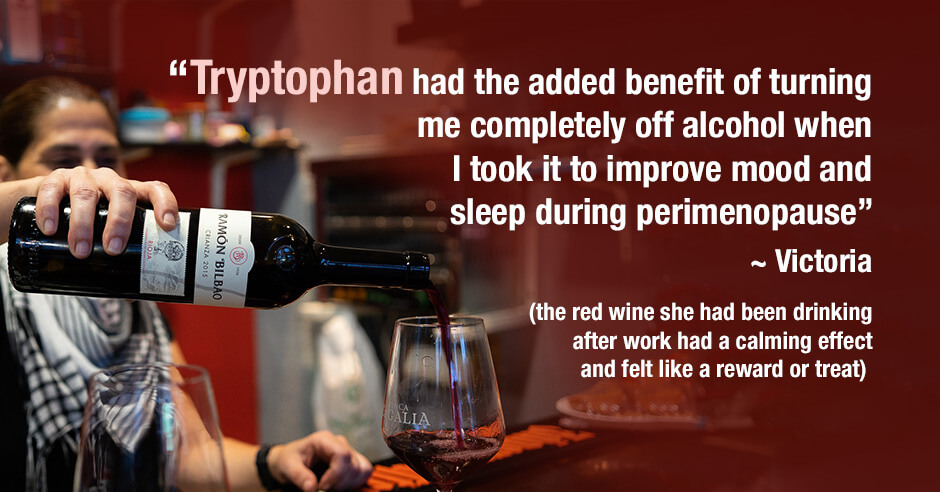
Tryptophan had the added benefit of turning me completely off alcohol when I took it to improve mood and sleep during perimenopause

May 12, 2023 By Trudy Scott 33 Comments

tryptophan alcohol

I started taking tryptophan 3 years ago to improve mood and sleep (not recognizing I was in perimenopause which it helped), but had the added benefit of turning me completely off alcohol! Lol. What serendipitous timing! I use amino therapy with pretty much all my perimenopause patients now. Thanks to you and Julia Ross’s work. Forever grateful.

Victoria shared this wonderful feedback about the benefits she experienced with tryptophan on a recent Facebook thread and kindly gave me permission to share.

Self-medicating with wine (and other alcoholic beverages) is common when we are anxious or stressed and typically we use it to wind down at the end of the day and to fit in socially. This is common when GABA levels are low and also happens due to low serotonin which declines from mid-afternoon into the evening.

I asked what she had been drinking and how often? And if it was calming for her? This was her response:

Red wine the minute I walked in the door in the evening. I guess it was calming… maybe more reward driven? It would be my reward for getting home from work via picking kids up from sport and doing a grocery shop and … (fill in the blank) that we working mums do and then having to walk straight into the kitchen to start on dinner.

The wine was like my little treat or reward to motivate me to just keep moving with my chores. No time to sit and unwind, just pour the wine and start chopping! Lol… I had tried to stop before but just couldn’t pick up a knife without the wine glass!

Within days, the tryptophan made the wine taste like cat’s pee! Haven’t touched it since. No desire at all. Almost hypnosis like?

How much tryptophan Victoria used and how did it help her quit?

Victoria used the Now Tryptophan 1000 mg at 3pm and 9pm for about a year, eventually stopping it and saying: “Alcohol still does not interest me at all.”

What wonderful results! A typical starting dose for tryptophan is 500 mg midafternoon and evening and she increased this to find her ideal dose of 1000 mg twice a day. She did report that 5-HTP didn’t work for her the way tryptophan did. This is not unusual as some folks do better with one versus the other.   

She has a great explanation regarding how tryptophan helped her quit without having to use willpower. She had no time to sit and unwind ….. so she was experiencing some of the calming aspects of getting serotonin support with the amino acid tryptophan. This is a very common benefit.

Serotonin appears to regulate the secretion of beta-endorphins

It is interesting that Victoria mentions a reward/treat benefit which is often due to low endorphins rather than low serotonin. This paper, Roles of β-Endorphin in Stress, Behavior, Neuroinflammation, and Brain Energy Metabolism, states that β-endorphins, in addition to their “potent analgesic effects” i.e. pain relief (both physical and emotional pain), are also involved in “reward-centric and homeostasis-restoring behaviors.”

However, as stated in this same paper, beta-endorphins play a role in stress-relief (common with working moms like Victoria) and are closely connected with serotonin. In fact “serotonin appears to regulate the secretion of β-endorphins” and vice versa. The body is fascinating and so smart.

Amino acids for alcohol addiction: 5-HTP, DLPA and glutamine

We know that amino acids help with alcohol cravings and addiction and have even been used in inpatient settings. This blog illustrates this well – An amino acid supplement with DLPA, glutamine and 5-HTP (and a few other nutrients) eases alcohol withdrawal symptoms at an inpatient detoxification program.

The study authors state that: “the physiological craving for alcohol may be the result of a deficiency of the naturally occurring opiate like substances as well as other neurochemical deficits (i.e., dopaminergic, GABAergic, and serotonergic).

Both tryptophan and 5-HTP support low serotonin worry-type anxiety, low mood and insomnia. Victoria happened to benefit from tryptophan. Someone else may benefit more from 5-HTP or DLPA or glutamine or a combination as illustrated in the above study. And even GABA, which can help with stress-drinking or stress-eating, as well as physical anxiety.

DPA and DLPA support endorphins and provide the reward/treat benefits from red wine that Victoria mentions.  You can read about the difference between DPA and DLPA here.

What if you have afternoon and evening sugar cravings instead of wine?

You may self-medicate with sugar, carbs, gluten, dairy instead of wine. Late afternoon/evening cravings are typically related to low serotonin when there are other low serotonin symptoms like low mood, anxiety, ruminations, worry, insomnia, PMS etc. You can see all the low serotonin symptoms here.

In this case, tryptophan or 5-HTP can be used in a similar way to stop the cravings with no willpower required and no feelings of being deprived. You’ll also experience reduced anxiety, improved mood and better sleep. Read more about this on this blog: Would using 5-HTP or tryptophan help when you crave sugar (as a sort of antidepressant) late afternoon/evening?

Other changes Victoria made and how is she doing now?

Victoria did also share that hot flushes “got me in the end though and I gave in to body identical progesterone for the final year of peri” and takes estradiol transdermally now that she is in menopause. Based on seeing these benefits while in perimenopause, she is now trialing tryptophan again for increased irritability. That is a huge plus with amino acids: once we’ve experienced the benefits, you have them at our disposal again and again in the future as your hormones or situation starts to change.

I love that she now uses tryptophan with her patients. She is a physio/physical therapist and exercise scientist turned Functional Health Practitioner having studied with IFM during the pandemic.

Of course, I thanked her for the kind words and shared how fortunate I was to work in Julia Ross’ clinic for 2 years. I also appreciate her for sharing this feedback and allowing me to share it here as a blog post so you get to learn, be inspired and have hope.

And finally, all this illustrates that there is no one-size-fits-all and we often get unexpected side-benefits when using amino acids.

Tryptophan and 5-HTP product options

Victoria happens to respond well to tryptophan and yet some folks do better with 5-HTP so it’s a matter of doing a trial of each.

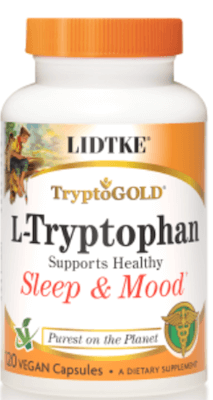
lydke l-tryptophan
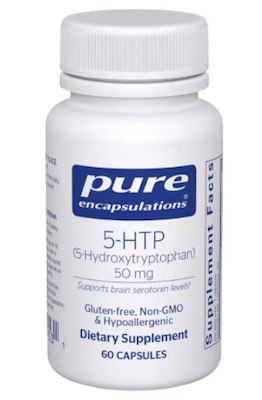
pure 5htp

Products I recommend include Lidtke 500 mg Tryptophan, and Pure Encapsulations 50 mg 5-HTP.  You can purchase these from my online store (Fullscript – only available to US customers – use this link to set up an account).

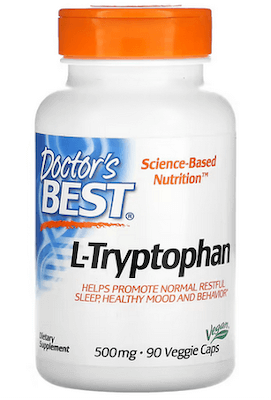
nature's best l-tryptophan
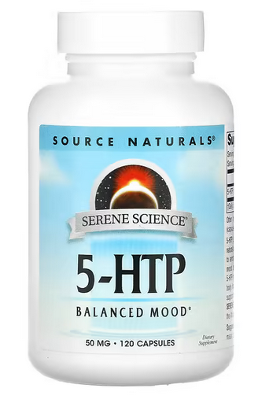
source natural 5-htp

If you’re not in the US, Doctor’s Best L-Tryptophan 500mg and Source Naturals 50 mg 5-HTP  are products I recommend on iherb (use this link to save 5%).

Resources if you are new to using amino acids as supplements

If you are new to using amino acids as supplements, here is the Amino Acids Mood Questionnaire from The Antianxiety Food Solution (you can see all the symptoms of neurotransmitter imbalances, including low GABA, low serotonin and low endorphins).

If you suspect low levels of any of the neurotransmitters and do not yet have my book, The Antianxiety Food Solution – How the Foods You Eat Can Help You Calm Your Anxious Mind, Improve Your Mood, and End Cravings, I highly recommend getting it and reading it before jumping in and using amino acids on your own so you are knowledgeable. And be sure to share it with the practitioner/health team you or your loved one is working with.

There is an entire chapter on the amino acids and they are discussed throughout the book in the sections on gut health, gluten, blood sugar control, sugar cravings, anxiety and mood issues.

The book doesn’t include product names (per the publisher’s request) so this blog, The Antianxiety Food Solution Amino Acid and Pyroluria Supplements, lists the amino acids that I use with my individual clients and those in my group programs. You can find them all in my online store.

If, after reading this blog and my book, you don’t feel comfortable figuring things out on your own (i.e. doing the symptoms questionnaire and respective amino acids trials), if you need serotonin support, the Serotonin QuickStart Program is a good place to start. This is a paid online/virtual group program where you get my guidance on using tryptophan and 5-HTP safely, and community support during 5 LIVE Q&A calls. You can sign up to be notified when the next live launch of this program is happening. We take a deep dive into product options including Lidtke products and others if you’re not able to access Lidtke.

Low GABA can also affect sleep and cause stress eating. If you also have low GABA symptoms, the next step to get help is the GABA QuickStart Program. This is also a paid online/virtual group program where you get my guidance and community support. Another option is the budget-friendly GABA QuickStart Homestudy Program.

If you are a practitioner, join us in The Balancing Neurotransmitters: the Fundamentals program. This is also a paid online/virtual program with an opportunity to interact with me and other practitioners who are also using the amino acids.

Wrapping up

Now I’d love to hear from you ….

Has tryptophan helped you quit alcohol easily when you could not do so with willpower alone?

Does tryptophan also help with your low mood, anxiety and sleep issues?

What about 5-HTP (some folks do better on one versus the other)?

And has either tryptophan or 5-HTP helped with other afternoon/evening cravings like sugar and other carbs?

If you have questions and other feedback please share it here too.

Filed Under: Addiction, Amino Acids, Anxiety, Tryptophan Tagged With: 5-HTP, alcohol, alcohol addiction, amino acids, anxious, beta-endorphins, calming, DLPA, evening, GABA, GABA Quickstart online program; Balancing Neurotransmitters: the Fundamentals program for practitioners, glutamine, mid-afternoon, mood, perimenopause, red wine, reward, self-medicating, serotonin, sleep, stressed, sugar cravings, treat, tryptophan, wine

Multiple sclerosis: low endorphin research and the amino acid DPA (d-phenylalanine) for pain, depression, comfort and trauma support

April 28, 2023 By Trudy Scott 8 Comments

MS support

The research on the role of low endorphins in multiple sclerosis (MS) is exciting because it creates more awareness about a powerful way to offer pain and mood support if you have been diagnosed with this condition. Typically, I ignore the diagnosis when assessing for low levels of neurotransmitters (via a symptoms questionnaire) and have clients do a trial of the amino acid DPA (d-phenylalanine) if they have physical pain symptoms, experience emotional pain symptoms with excessive weepiness/crying and seek comfort via treats/rewarding foods or the numbing effects of alcohol. However, we now know low endorphins play a role in MS (via the endogenous opioid system). By addressing low levels with DPA, you can find some relief of the above pain/depression symptoms and a need for comfort and numbing. DPA may also offer some trauma support if past trauma is a contributing factor (more on all of this below).

Low endorphins play a role in multiple sclerosis: the research

This 2021 paper, Multiple Sclerosis and the Endogenous Opioid System describes MS and the fact that current therapies have limited efficacy: “Multiple sclerosis (MS) is an autoimmune disease characterized by chronic inflammation, neuronal degeneration and demyelinating lesions within the central nervous system. The mechanisms that underlie the pathogenesis and progression of MS are not fully known and current therapies have limited efficacy.”

What is exciting is the identification of the role of the endogenous opioid system and specific opioid peptides in MS:

Preclinical investigations using the murine experimental autoimmune encephalomyelitis (EAE) model of MS, as well as clinical observations in patients with MS, provide converging lines of evidence implicating the endogenous opioid system in the pathogenesis of this disease.

In recent years, it has become increasingly clear that endogenous opioid peptides, binding μ- (MOR), κ- (KOR) and δ-opioid receptors (DOR), function as immunomodulatory molecules within both the immune and nervous systems.

The endogenous opioid system is also well known to play a role in the development of chronic pain and negative affect [i.e. depression], both of which are common comorbidities in MS. As such, dysregulation of the opioid system may be a mechanism that contributes to the pathogenesis of MS and associated symptoms.

Endogenous means internal i.e natural compounds produced by the body and involved in pain relief and mood improvement. This article, Opioid Peptides, describes peptides as compounds that “produce the same effects as the chemicals known as classic alkaloid opiates, which include morphine and heroin.”

It also mentions three major categories of opioid receptors – mu, delta, and kappa – referred to as MOR, DOR and KOR above.

D-phenylalanine for human “endorphin deficiency diseases”

Unfortunately neither of these papers mentions the amino acid DPA (d-phenylalanine) and the fact that it supports endorphin production (by inhibiting the breakdown of endorphins), reducing pain and improving mood – quickly (as in 5-10 minutes).

The use of DPA is not new information as you can read in this paper from 1982 – D-phenylalanine and other enkephalinase inhibitors as pharmacological agents: implications for some important therapeutic application

A number of compounds have been shown to inhibit the degradation of enkephalins. As expected, these compounds produce naloxone reversible analgesia and potentiate the analgesia produced by enkephalins and by acupuncture.

One of these, D-phenylalanine, is also anti-inflammatory.

D-phenylalanine has proven to be beneficial in many human patients with chronic, intractable pain. It is proposed the enkephalinase inhibitors may be effective in a number of human “endorphin deficiency diseases” such as depression, schizophrenia, convulsive disorders and arthritis.

Such compounds may alleviate other conditions associated with decreased endorphin levels such as opiate withdrawal symptoms.

Prevalence of anxiety/depression and alcohol abuse in MS

As I shared in the recent post addressing low GABA symptoms (anxiety, muscle stiffness, swallowing/voice issues and pain) in multiple sclerosis, anxiety and depression is common in this condition. Alcohol abuse is also high. I shared this paper, The incidence and prevalence of psychiatric disorders in multiple sclerosis: A systematic Review, with the following results:

Among population-based studies, the prevalence of anxiety was 21.9% (and up to 35.0% in some papers), 23.7% for depression …and 14.8% for alcohol abuse.

The above Opioid Peptides paper highlights that the endogenous opioid system may be related to excessive alcohol-drinking behavior. In the work I do with amino acids, I see alcohol used as a way to numb out.

All this supports the fact that the amino acid DPA may help ease symptoms of depression and weepiness seen in MS, and self-medicating with alcohol.

The goal is to use these amino acids instead of needing to use benzodiazepines (covered in the above GABA blog), antidepressants and pain medications.

DPA may help trauma in MS, and the freeze response

This paper, Childhood Trauma in Multiple Sclerosis: A Case-Control Study, suggests an association between childhood trauma and early-life stress and MS:

Although childhood trauma was not associated with the degree of current MS-related disability, patients with MS with histories of physical and/or sexual abuse had significantly higher relapse rates than patients without early-life stress.

DPA may also offer some trauma support if past trauma is a contributing factor. I learned about trauma and the low energy freeze state (a survival mechanism) from Dr. Aimie Apigian, MD, MS, MPH. There is the feeling of numbness and being disconnected when in the freeze state and this eventually becomes the default pattern that the nervous system has been wired into.

Individuals with low endorphins are often in the freeze state and are more emotionally sensitive to everything and because of this they experience much more stress. They also experience a feeling of numbness and feel disconnected. The encouraging news is that the amino acid DPA helps ease the low endorphin symptoms while they are addressing their trauma in other ways, like with somatic work and addressing other biological underpinnings of trauma.

DPA is comforting, helps you feel safe and is often described as feeling like someone just hugged you.

Endorphins and the amino acid DPA (d-phenylalanine) and DLPA (dl-phenylalanine)

If you’re new to endorphins and the amino acid DPA and DLPA here are some blog posts:

  • When using the amino acid DPA (d-phenylalanine) I have more resilience and more buffer in the caregiving work I do, and just the oops’s of life
  • What is the difference between DPA and DLPA (amino acids) and which one do I use for weepiness, heart-ache, pain and energy?
  • Wean off prescription pain medication, improve sleep and reduce emotional eating with DPA (an endorphin-boosting amino acid)
  • DPA for weepiness, pain and comfort and reward eating
  • How best to use the amino acid DPA for easing heart-ache, weepiness, comfort eating and a compulsive desire for food

Low GABA and low serotonin are common in multiple sclerosis too

Low endorphins are just the tip of the iceberg when it comes to the underlying neurotransmitter imbalances in MS. Low GABA and low serotonin are common too.

As mentioned, I recently blogged about the GABA research and applications of GABA when it comes to multiple sclerosis. Here is that link.

When that blog was published I had a number of questions (see the comments in the above link) from folks asking if GABA could help with similar symptoms in Parkinson’s: swallowing and voice problems, pain and hand spasms. I said yes – if GABA is low, the amino acid GABA will help. As important as your diagnosis is, it’s always the questionnaire/symptoms that help you figure out if it’s worth trialing GABA, DPA or one of the other amino acids.

Both GABA and DPA can help pain symptoms via different mechanisms, so it’s a matter of doing a trial of each amino acid, one at a time and monitoring your response.

Tryptophan and/or 5-HTP may help ease some of the low serotonin worry-type of anxiety, fear, panic attacks, obsessing, low mood and MS-specific pain issues and insomnia.

If you do have more than one imbalance (which is not unusual), you need to figure out which imbalance you have and address that with the relevant amino acids, one at a time. I have clients pick the area that is more problematic for them and start there.

I gathered some of this research while preparing for an interview with the wonderful Dr. Terry Wahls, MD and author of “The Wahls Protocol.” We were both pleasantly surprised to see these endorphin/MS and other neurotransmitter connections.

I really look forward to seeing future research on the use of the amino acids DPA, GABA and tryptophan in MS. And I’d love to be involved in some studies if you are associated with a research facility or do research.

Resources if you are new to using amino acids as supplements

If you are new to using amino acids as supplements, here is the Amino Acids Mood Questionnaire from The Antianxiety Food Solution (you can see all the symptoms of neurotransmitter imbalances, including low GABA, low serotonin and low endorphins).

If you suspect low levels of any of the neurotransmitters and do not yet have my book, The Antianxiety Food Solution – How the Foods You Eat Can Help You Calm Your Anxious Mind, Improve Your Mood, and End Cravings, I highly recommend getting it and reading it before jumping in and using amino acids on your own so you are knowledgeable. And be sure to share it with the practitioner/health team you or your loved one is working with.

There is an entire chapter on the amino acids and they are discussed throughout the book in the sections on gut health, gluten, blood sugar control, sugar cravings, anxiety and mood issues.

The book doesn’t include product names (per the publisher’s request) so this blog, The Antianxiety Food Solution Amino Acid and Pyroluria Supplements, lists the amino acids that I use with my individual clients and those in my group programs. You can find them all in my online store.

If, after reading this blog and my book, you don’t feel comfortable figuring things out on your own (i.e. doing the symptoms questionnaire and respective amino acids trials), a good place to get help is the GABA QuickStart Program (if you have low GABA symptoms too). This is a paid online/virtual group program where you get my guidance and community support.

If you are a practitioner, join us in The Balancing Neurotransmitters: the Fundamentals program. This is also a paid online/virtual program with an opportunity to interact with me and other practitioners who are also using the amino acids.

Do you have multiple sclerosis and has the amino acid DPA helped with your low endorphin symptoms: pain, depression, alcohol addiction, comfort and trauma support?

How much has helped and which product do you use?

Do you find opening a capsule of DPA helps more than swallowing the DPA capsule?

Were you surprised that DPA would help so much?

What else has helped your multiple sclerosis symptoms? And have you also addressed low GABA and serotonin with amino acids GABA and tryptophan?

If you have questions and other feedback please share it here too.

Filed Under: Addiction, Amino Acids, DPA/DLPA, Endorphins, Multiple sclerosis Tagged With: alcohol, alcohol addiction, comfort, crying, d-phenylalanine, depression, dl-phenylalanine, DLPA, DPA, emotional pain, endogenous opioid system, endorphin, endorphins, freeze response, GABA, GABA Quickstart online program; Balancing Neurotransmitters: the Fundamentals program for practitioners, multiple sclerosis, numbing, pain, reward, serotonin, trauma, treats, weepiness

Her mum just passed away and although she is sad, GABA allows her to sit with a feeling of peace and calm most of the time

April 7, 2023 By Trudy Scott 33 Comments

gaba healing

Sandra shared this heartening feedback on how GABA helped right after the passing of her mum. She also voiced her surprise that it could have such a profound effect at a sad time like this, asking me if this was possible:

I recently started taking GABA Calm lozenges. I settled on a small dose of one lozenge at bedtime. Initially I took this for tense neck and shoulder muscles due to years of anxiety.

What I have noticed in the past month is that I seem quite calm although I do still have tense neck muscles.

Last week I experienced a profound bereavement with the passing of my mum who I have been caring for. I am genuinely surprised at how I have handled this stressful situation including the funeral. I have always been quite emotional and I have found myself, although sad, sitting in a feeling of peace and calm most of the time.

Is it possible that the GABA Calm is contributing to this? It was my understanding this product would assist with my tense muscles but I feel like it has helped me tremendously with my mindset, emotions and mood.

I look forward to your reply.

I offered my condolences for the loss of her mum and said how heartened I felt, hearing that she had a feeling of peace and calm most of the time. And the fact that GABA had helped with the stressful events of the funeral and her mindset, emotions and mood. I would expect the feeling of peace and calm, and helping reduce overall stress. The calming amino acid supplement, GABA, has long been recognized to help ease the more physical type of anxiety.

But because the amount of GABA she was taking didn’t help with her tense muscles, some of the benefits may have been as a result of GABA reducing the distressing unwanted thoughts. The emotions and mood are added benefits that we don’t always hear about with GABA but are not unheard of (more on this below).

I thanked Sandra for sharing this wonderful feedback, letting her know I’d share it as a separate blog, so we can offer support to others in similar situations. I’ll also be sharing this blog with her so she understands some of the mechanisms better too. In fact, I only made the unwanted thoughts connection after having responded to her.

GABA helps with inhibition of unwanted thoughts

In the past I’ve blogged about how Scientists identified a mechanism that helps us inhibit unwanted thoughts:

We are sometimes confronted with reminders of unwanted thoughts – thoughts about unpleasant memories, images or worries. When this happens, the thought may be retrieved, making us think about it again even though we prefer not to. While being reminded in this way may not be a problem when our thoughts are positive, if the topic was unpleasant or traumatic, our thoughts may be very negative, worrying or ruminating about what happened, taking us back to the event.

Scientists have identified a key chemical within the ‘memory’ region of the brain that allows us to suppress unwanted thoughts, helping explain why people who suffer from disorders such as anxiety, post-traumatic stress disorder (PTSD), depression, and schizophrenia often experience persistent intrusive thoughts when these circuits go awry.

Professor Anderson, Dr. Schmitz and colleagues showed that the ability to inhibit unwanted thoughts relies on a neurotransmitter – a chemical within the brain that allows messages to pass between nerve cells – known as GABA.

GABA is the main ‘inhibitory’ neurotransmitter in the brain, and its release by one nerve cell can suppress activity in other cells to which it is connected.

Anderson and colleagues discovered that GABA concentrations within the hippocampus – a key area of the brain involved in memory – predict people’s ability to block the retrieval process and prevent thoughts and memories from returning.

You can read more on the blog post here: GABA helps with inhibition of unwanted thoughts

If you are using the GABA with success already and experience the loss of a loved one, you may find you need to increase your dose for a period of time.

There is individual variability in the capacity to cope with stress during bereavement

Research supports that there is “individual variability in the capacity to cope with stress” during bereavement and there are differences in symptoms and physiological changes. This paper, Long-term immune-endocrine effects of bereavement: relationships with anxiety levels and mood, identified changes in depression, anxiety,  adrenocorticotropin and cortisol plasma concentrations, beta-endorphins, and reduced “functional activity of natural killer cells.” And the two different groups of people in the study had different symptoms and physiological changes.

GABA and glutamate, and the HPA axis in depression/bereavement

The above paper doesn’t mention GABA but growing evidence indicates that glutamate and GABA, and the HPA axis/corticotropin-releasing hormone, plays a role in depression and presumably bereavement too. This may be another mechanism that led to the feelings of calm that Sandra experienced.

You’ll need to figure out your unique biochemical needs

When you experience the loss of a loved one, you’ll need to figure out your unique biochemical needs and address them one by one. You may need GABA support like Sandra and/or may find you need serotonin support (with tryptophan or 5-HTP) and/or may need endorphin support (with the amino acid DPA/d-phenylalanine).

Both GABA and serotonin support also helps to address sleep problems. DPA helps especially with the emotional pain and weepiness, and if you’re self-medicating with comfort foods while grieving.

If you have high cortisol you may benefit from Seriphos or Lactium.

Keep in mind that nutritional support is immensely helpful during caregiving too. Here is just one example: When using the amino acid DPA (d-phenylalanine) I have more resilience and more buffer in the caregiving work I do, and just the oops’s of life

Helping Sandra ease her still tense neck muscles

For her ongoing tense neck and shoulder muscles I suggested a higher amount of GABA may be needed. She reported back that taking it in the morning made her sleepy and a couple of times she noticed a headache.

When GABA in the day causes sleepiness I have clients use less GABA more frequently or to take more at night to carry over the next day. In this case probably a GABA-only product because of her headaches.

She did share that GABA was her starting point with the intention of including tryptophan for ruminating and fearful thoughts which do stop her from participating in various activities. Low serotonin does cause TMJ (temporomandibular joint) pain and it’s possible this is contributing to her ongoing tense neck and shoulder muscles, and tryptophan may be the solution.

We also address low magnesium if applicable. I’d also suggest looking into dietary oxalates too and getting checked for physical issues by a chiropractor and/or osteopath and/or physical therapist.

You can read our discussion on this blog.

Resources if you are new to using GABA or tryptophan or DPA as supplements

If you are new to using GABA or tryptophan or DPA as supplements, here is the Amino Acids Mood Questionnaire from The Antianxiety Food Solution (you can see all the symptoms of neurotransmitter imbalances, including low GABA, low serotonin and low endorphins).

If you suspect low levels of any of the neurotransmitters and do not yet have my book, The Antianxiety Food Solution – How the Foods You Eat Can Help You Calm Your Anxious Mind, Improve Your Mood, and End Cravings, I highly recommend getting it and reading it before jumping in and using amino acids on your own so you are knowledgeable. And be sure to share it with the practitioner/health team you or your loved one is working with.

There is an entire chapter on the amino acids and they are discussed throughout the book in the sections on gut health, gluten, blood sugar control, sugar cravings, anxiety and mood issues (which include rage/anger/irritability/self-harm).

The book doesn’t include product names (per the publisher’s request) so this blog, The Antianxiety Food Solution Amino Acid and Pyroluria Supplements, lists the amino acids that I use with my individual clients and those in my group programs. You can find them all in my online store. The above oral lavender products are available in my online store too.

If, after reading this blog and my book, you don’t feel comfortable figuring things out on your own (i.e. doing the symptoms questionnaire and respective amino acids trials), a good place to get help is the GABA QuickStart Program (if you have low GABA symptoms). This is a paid online/virtual group program where you get my guidance and community support.

If you are a practitioner, join us in The Balancing Neurotransmitters: the Fundamentals program. This is also a paid online/virtual program with an opportunity to interact with me and other practitioners who are also using the amino acids.

Has GABA or tryptophan or DPA helped you after the loss of a loved one? How did each one help?

Were you surprised that they would help so much?

If you were using the aminos with success already did you find you needed to increase your dose for a period of time?

What else has helped you at a time of loss?

If you have questions and other feedback please share it here too.

Filed Under: Amino Acids, Endorphins, GABA, serotonin, Tryptophan Tagged With: amino acids, anxiety, bereavement, calm, cortisol; the GABA Quickstart online program; and Balancing Neurotransmitters: the Fundamentals program for practitioners, depression, distressing, DPA, emotions, funeral, GABA, GABA Calm, glutamate, HPA axis, loss of loved one, passing of my mum, peace, SAD, serotonin, stressful, tense neck and shoulder muscles, unwanted thoughts

A 12 year old’s Diet Coke consumption and obsession with collecting the cans: can tryptophan and tyrosine help him quit with ease?

March 24, 2023 By Trudy Scott 14 Comments

diet coke and amino acids

A concerned mother, Rebble, posted a request for help for her 12 year old son who has suddenly started drinking Diet Coke and obsessively collecting the cans. I explain about the biochemistry of addiction and obsession. If your child, another loved one or  even you, are hooked on Diet Coke, this blog offers practical solutions in the way of amino acids to balance brain chemistry and make quitting no longer about willpower. I share why I’d consider starting with the amino acid supplement tryptophan for serotonin support and the amino acid supplement tyrosine for dopamine support. And then looking into low blood sugar. I also share some of the many harmful effects of soda/diet soda and some practical tips for her as she encourages her son to make changes.

Here are her questions and what she has already tried to help him quit:

To my horror, my 12yo son has just started buying/consuming Coke and principally Diet Coke regularly from our village shop. He has got obsessed about collecting the cans, some of which are from his friends’ consumption but more and more from his. He used to hate these drinks but now peer pressure has kicked in and he wants to consume what his friends (who live on the stuff and a horrendous amount of sugar) consume.

I’ve pointed out the ingredients, that they are toxic to his brain. He doesn’t care.

I’ve shown him a brilliant video clip of Renaldo removing coca cola bottles from the press table and promoting water instead (with good effect).

Yet still he keeps buying the stuff.

I’ve made it known with the shopkeeper that I don’t approve of my children buying caffeinated sugary drinks full of neurotoxic ingredients but he doesn’t wish to police my children (though he did give me a refund on the 8 cans he had just sold my son!) which I understand.

Do you have a short summary of why it’s so bad, for children in particular? Either something I could show my children, their friends and/or the shopkeeper?

Is it the caffeine that makes it addictive?

My son does exhibit some challenging behaviors (e.g. torturous noise at home, not able to sit still without fidgeting with things at meals, etc.) but seems to be able to turn this on / off at will. I don’t think he does this at other people’s homes or at school. I can’t say they are necessarily linked to the drinks as they precede the start of him consuming them but I’m certain the drinks cannot help.

This is tough but I’m glad Rebble is horrified and working to do something about it. Sadly many parents have no idea how harmful these drinks are for pre-teens and teens.

She mentions his challenging behaviors preceded his diet soda drinking. It’s common that we see someone self-medicating with sugar and/or artificial sweeteners. And it’s likely that that peer pressure was the tipping point for him and then once she started he was well and truly addicted.

This is the feedback I shared for her and my observations on where to start: when I hear obsessed, peer pressure and challenging behaviors, I immediately think neurotransmitter or brain chemicals imbalances and would look into low serotonin and possibly low dopamine because of his inability to sit still. Low blood sugar may also be an issue.

What emotions are driving his addiction and obsession?

With an addiction you need to figure out what emotions are driving the addiction and use the respective amino acid supplement/s (one or more of them) to help break the addiction and improve the mood/behavioral symptoms at the same time.

These are the questions I review with my clients who have a Diet Coke addiction, or other diet soda or regular soda addiction (or even alcohol or carb addiction):

  1. If you drink it to feel happy (and especially from late afternoon into the evening) then your cravings are likely due to low serotonin, and tryptophan (or 5-HTP) stops the cravings and boosts mood and reduces anxiety.
  2. If you drink it for an energy boost or to give you focus then it’s likely due to low catecholamines and tyrosine will stop those cravings and give you a mood and energy boost, and also help with mental clarity.
  3. If you have to drink it when you haven’t eaten in awhile it’s likely low blood sugar. Glutamine on the tongue stops the desire almost immediately and also helps with the low blood sugar symptoms of shakiness and irritability.
  4. If you stress-drink, your cravings are likely due to low GABA, and GABA will stop the stress-drinking and calm you down too.
  5. If you drink it for comfort or a reward then it’s likely due to low endorphins and DPA (d-phenylalanine) will stop that feeling of “I deserve-it” and also give you a hug-like mood boost.

Ideally mom would have him complete the amino acids symptoms questionnaire in order to figure out which areas are issues for her son.

This is where I would start

I don’t have all this information but based on mom’s feedback this is where I would start: serotonin support, dopamine support and address low blood sugar.

We do know he is obsessed with collecting the cans. Obsession and cravings for a sweet taste is a clear sign of low serotonin i.e. a big clue that #1 may apply to her son and that he may benefit by using tryptophan or 5-HTP.

We do also know he is “not able to sit still without fidgeting with things at meals.” The Diet Cokes may be helping him focus and this is a big clue that #2 and low dopamine may also apply to her son, and that he may benefit from tyrosine. Keep in mind tyrosine also helps to break the caffeine addiction too.

I’m not sure what his “torturous noise at home” could be related to but it may be a clue to #3  i.e. low blood sugar and irritability.  It may also be a symptom of rage or anger, also a sign of low serotonin and #1.

I would also look at his diet and make sure he is eating for blood sugar stability (quality protein for breakfast with healthy fats, healthy fats/protein at each meal and healthy snacks). And address everything else I cover in my book – gluten, microbiome etc.

It’s not unusual for someone to have imbalances in multiple areas. If this is the case, I  always recommend doing a trial of one amino acid at a time, so it’s easy to see the benefits.

Role models, the harmful effects of soda/diet soda and other things I’d try with this young man

On one hand, you could be surprised that the Renaldo press conference clip removing the Cokes (watch it here) didn’t make enough of an impression because having a sporting hero as a role model is powerful. BUT on the other hand, based on what I know about soda/diet soda.caffeine and addiction, role models are unfortunately just not enough for some folks.

I shared these other things I’d try:

1) Have someone other than mom tell him about the harmful effects of diet sodas – a respected teacher, favorite uncle or nutritionist.

2) Appeal to things that may make him think twice about it like acne and not being fit enough to play his favorite sport. Concerns about weight gain or not being able to get into his desired university (because of impacts on his academic grades) may be a driver too. It’s doubtful that he’d be concerned with tooth decay, adrenal dysfunction, diabetes, heart disease, inflammation, increased risk of osteoporosis or increased anxiety/depression and insomnia.

3) Suggest that he does a school project on the topic so he understands the many harmful effects and facts (the research confirms that adolescents lack knowledge regarding health risks of soda and diet soda consumption. The project could hail Renaldo as a hero and he could get his buddies to help.

4) Help him find something else he likes to drink. Fruit juice isn’t a good option but fizzy fermented drinks are and so is fruit-infused water.

5) Be sure the rest of the family is setting an example at home and when you go out

6) Keep planting the seeds with love and encouragement

However, none of the above or flat-out saying he cannot buy diet sodas will work if there is the addiction aspect and unbalanced brain chemistry.

Keep in mind there is a continuum with sugar/carb/artificial sweeteners/caffeine addiction i.e. some kids (and adults) can quit sugar/carbs/artificial sweeteners/caffeine more easily and others need some nutritional support and some need much more support for balancing brain chemistry with amino acids. If there are also behavioral issues/signs that’s the clue they likely need the amino acid support.

Once he has the facts and understands the harm he also has to be willing to make the changes to break the addiction if it’s severe. I have parents gently recommend a month trial to see if it will work. “No diet soda forever” is too much for a pre-teen/teen (and adults too) to grasp and be ok with especially when they are addicted.

Rebble posed her question on a blog about Diet Coke addiction: I need help with my Diet Coke addiction – when I stop, my fatigue, brain fog, anxiety/depression increase big time!

Be sure to read the above blog for further insights.

I appreciate her for reaching out and hope this additional information helps her son and helps you too.

Resources if you are new to using tryptophan or GABA as supplements

If you are new to using tryptophan or GABA as supplements, here is the Amino Acids Mood Questionnaire from The Antianxiety Food Solution (you can see all the symptoms of neurotransmitter imbalances, including low low serotonin and low doapmine).

If you suspect low levels of any of the neurotransmitters and do not yet have my book, The Antianxiety Food Solution – How the Foods You Eat Can Help You Calm Your Anxious Mind, Improve Your Mood, and End Cravings, I highly recommend getting it and reading it before jumping in and using amino acids on your own so you are knowledgeable. And be sure to share it with the practitioner/health team you or your loved one is working with.

There is an entire chapter on the amino acids and they are discussed throughout the book in the sections on gut health, gluten, blood sugar control, sugar cravings, anxiety and mood issues (which include rage/anger/irritability/self-harm).

The book doesn’t include product names (per the publisher’s request) so this blog, The Antianxiety Food Solution Amino Acid and Pyroluria Supplements, lists the amino acids that I use with my individual clients and those in my group programs. You can find them all in my online store. The above oral lavender products are available in my online store too.

If, after reading this blog and my book, you don’t feel comfortable figuring things out on your own (i.e. doing the symptoms questionnaire and respective amino acids trials), a good place to get help is the GABA QuickStart Program (if you have low GABA symptoms). This is a paid online/virtual group program where you get my guidance and community support.

If you are a practitioner, join us in The Balancing Neurotransmitters: the Fundamentals program. This is also a paid online/virtual program with an opportunity to interact with me and other practitioners who are also using the amino acids.

Has one of the amino acids helped with your preteen’s soda or diet soda addiction? Which one/s helped?

What helped your preteen be open to the idea of using the amino acids to quit?

What else helped?

Has any of the above helped you too? Or your clients/patients?

If you have questions and other feedback please share it here too.

Filed Under: Addiction, serotonin, Sugar addiction, Tryptophan, Tyrosine Tagged With: addiction, addictive, amino acids, balance brain chemistry, biochemistry, caffeine, coca cola, Diet Coke, diet soda, dopamine, emotions, harmful effects, low blood sugar, no willpower, obsession, quit, Renaldo, serotonin, soda, tryptophan, tyrosine

GABA lessens anxiety, agitation and defiance in 98 year old mother who has been “sundowning” for a couple of years

March 17, 2023 By Trudy Scott 11 Comments

gaba and sundowning

Marsha shared this feedback on one of the blogs, saying that GABA lessens anxiety in her 98 year old mother:

My mother is 98 and has been “sundowning” for a couple of years. It starts around 3pm, sometimes earlier. Some days it’s no big deal. It is on those other days when she starts and then it goes to anxiety, agitation, then she can get sort of defiant which is so not her. She is a gentle soul, friendly, and kind so this is difficult on her as well as our family.

I just started to use my pestle and mortar to crush up a 125 mg GABA CALM supplement (Source Naturals) and I mix a little into her flavored yogurt when I start to see her having difficulty. I give it to her throughout the day. She only gets the 125 mg amount so I feel safe with that.

I believe that I do notice it lessens her anxiety. I pray that this will be helpful for her because that anxiety can be really draining for her. I will keep you posted. I have not noticed any adverse reactions. Thank you Trudy for all your info.

Anxiety, fear and agitation in sundowning syndrome: circadian dysfunction and low GABA

I responded, saying how wonderful to hear that she is noticing supplemental GABA lessens her mother’s anxiety (and presumably her agitation and defiance too). And I shared that GABA may be involved in sundowning syndrome.

This paper describes “sundowning syndrome,” as “a poorly understood (and even controversial) clinical phenomenon in Alzheimer’s and dementia patients that is characterized by agitation, aggression, and delirium during the late afternoon and early evening hours.”

The authors are focusing on potential pathways for circadian rhythm – physical, mental, and behavioral changes that follow a 24-hour cycle – dysfunction in sundowning. They also mention the presence of fear and anxiety and the fact that there is a circadian aspect of these emotional processes.

What is interesting is that the “master circadian pacemaker” i.e. “the suprachiasmatic nucleus of the hypothalamus” has impacts on both GABA and serotonin, and also dopamine and orexin (involved in sleep-wake processes).

Given the circadian aspect addressed in the above paper, “properly timed light exposure” i.e. early morning sunlight, is also worth exploring.

This paper, Implications of GABAergic Neurotransmission in Alzheimer’s Disease, focuses onGABA and shares that “of the two major types of synapses in the central nervous system (CNS): glutamatergic and GABAergic, which provide excitatory and inhibitory outputs respectively, abundant data implicate an impaired glutamatergic system during disease progression.” 

The amino acid GABA helps to ease anxiety symptoms and agitation and restlessness, also helping with disturbed sleep.

GABA Calm dosing in the elderly with sundowning syndrome: my observations

I also expressed how this is a smart way to use the GABA Calm. I’m going to make some assumptions and share my observations:

  • Marsha uses GABA Calm herself and has a good level of comfort based on personal results. She knows how she feels after using it and is observing her mother’s symptoms. I have guided many family members in doing the same type of thing – mom’s working to help a child and a granddaughter helping a grandparent – and it works well.
  • Marsha has also started with a low dose of 125 mg. This is a typical starting dose and is a reasonable dose that may suffice for the entire day for someone this age. She may also need more and increasing the dose and observing is the way to go when someone can’t articulate how the amino acid is helping them. For some folks, 125mg may be too much – making them too sleepy or even more agitated/anxious – the dose can be reduced in this case (after using vitamin C as an antidote).
  • Marsha crushes the GABA Calm chewable/sublingual and mixes it into her mother’s flavored yogurt, since having her suck on the chewable is not an option. This is a great plan but as she continues to help her, she may see better results using a non-protein source to mix it in – like apple sauce or mashed banana.
  • Finally, she gives it to her mother when she starts to see her having difficulty. Again, it’s wonderful she is observing and helping her at the moment, but this could be a clue that she needs more GABA to provide even better results. We also don’t want to wait for the anxiety and then address it. Instead, we want to get GABA levels up and prevent it.

You can read more about Source Naturals GABA Calm product and why I use it with clients here.

Low serotonin, tryptophan and melatonin in sundowning syndrome

I also told Marsha that when I hear symptoms like agitation and defiance, especially with the 3pm start, I also would also consider low serotonin since it starts to decline afternoon into evening.

Her mother’s anxiety may be a mix of low GABA physical-type anxiety and low serotonin worry-type anxiety. She’ll only really know once she trials the respective amino acids.

I’ve seen low serotonin worry-type anxiety, agitation and defiance symptoms improve with tryptophan and/or melatonin and share more about this in this blog post – Sundowning in Alzheimer’s and dementia: melatonin/tryptophan for the agitation, restlessness, anxiety, disturbed sleep and aggression

Dietary factors and low dose lithium

Marsha says some days it’s no big deal. I would recommend keeping a food-mood log and make sure it’s not something in her diet that may be a trigger: hidden gluten, dietary oxalates or even blood sugar swings.

These are mentioned in the above blog, together with low dose lithium orotate which can help keep moods more even.

Microdose lithium is also capable of halting signs of advanced Alzheimer’s and improving cognition. More on that here.

It’s with much appreciation that Marsha shared this feedback. I’m thrilled for her and her mother. Hopefully, my feedback on this blog means she’ll be able to fine-tune things. And you get to learn and benefit from this feedback too – for your loved one.

A few GABA product options  – a sublingual, a powder and a cream

A product I use and recommend is Source Naturals GABA Calm lozenges. This is one Marsha uses for herself and is using with her mother.  It’s a good low dose of 125 mg and is convenient and effective because it’s a sublingual lozenge.

Now GABA Powder is another product I use and recommend. It does need to be measured out to provide a 125 mg typical starting dose or less (as needed), and could be mixed in water in a situation like this. I have clients use a handy mini measuring spoon like this one (my Amazon link) and share more about how to measure out GABA powder on this blog).

For Source Naturals GABA Calm lozenges and Now GABA Powder:

  • You can purchase these from my online store (Fullscript – only available to US customers – use this link to set up an account).
  • If you’re not in the US, you can purchase these at iherb (use this link to save 5%).

Somnium GABA Cream is another option that could be considered especially for those with Alzheimer’s or dementia who may struggle with using a supplement. It is available in the US and elsewhere with international shipping. Read more about the product and who else may benefit from using a cream, and grab my coupon code to save 15%.

Resources if you are new to using tryptophan or GABA as supplements

If you are new to using tryptophan or GABA as supplements, here is the Amino Acids Mood Questionnaire from The Antianxiety Food Solution (you can see all the symptoms of neurotransmitter imbalances, including low GABA and low serotonin).

If you suspect low levels of any of the neurotransmitters and do not yet have my book, The Antianxiety Food Solution – How the Foods You Eat Can Help You Calm Your Anxious Mind, Improve Your Mood, and End Cravings, I highly recommend getting it and reading it before jumping in and using amino acids on your own so you are knowledgeable. And be sure to share it with the practitioner/health team you or your loved one is working with.

There is an entire chapter on the amino acids and they are discussed throughout the book in the sections on gut health, gluten, blood sugar control, sugar cravings, anxiety and mood issues (which include rage/anger/irritability/self-harm).

The book doesn’t include product names (per the publisher’s request) so this blog, The Antianxiety Food Solution Amino Acid and Pyroluria Supplements, lists the amino acids that I use with my individual clients and those in my group programs. You can find them all in my online store. The above oral lavender products are available in my online store too.

If, after reading this blog and my book, you don’t feel comfortable figuring things out on your own (i.e. doing the symptoms questionnaire and respective amino acids trials), a good place to get help is the GABA QuickStart Program (if you have low GABA symptoms). This is a paid online/virtual group program where you get my guidance and community support.

If you are a practitioner, join us in The Balancing Neurotransmitters: the Fundamentals program. This is also a paid online/virtual program with an opportunity to interact with me and other practitioners who are also using the amino acids.

Have you found GABA to help in a situation like this?

If yes, which symptoms have resolved and how much GABA/which product are you using/did you use?

What time did the symptoms start to ramp up?

And has serotonin support with tryptophan and/or melatonin also helped?

If you have questions and other feedback please share it here too.

Filed Under: GABA, Lithium orotate, serotonin, Tryptophan Tagged With: agitation, alzheimer's, amino acids, anxiety, anxious; GABA Quickstart online program; Balancing Neurotransmitters: the Fundamentals program for practitioners, circadian dysfunction, defiance, dementia, dietary factors, elderly, fear, GABA, GABA Calm, lithium, melatonin, serotonin, Sundowning, tryptophan

  • « Go to Previous Page
  • Page 1
  • Interim pages omitted …
  • Page 3
  • Page 4
  • Page 5
  • Page 6
  • Page 7
  • Interim pages omitted …
  • Page 28
  • Go to Next Page »

Primary Sidebar

GABA QuickStart Homestudy

gaba quickstart homestudy

Free Report

9 Great Questions Women Ask about Food, Mood and their Health

You'll also receive a complimentary subscription to my ezine "Food, Mood and Gal Stuff"


Connect with me

Popular Posts

  • Amino Acids Mood Questionnaire from The Antianxiety Food Solution
  • The Antianxiety Food Solution Amino Acid and Pyroluria Supplements
  • Pyroluria Questionnaire from The Antianxiety Food Solution
  • Collagen and gelatin lower serotonin: does this increase your anxiety and depression?
  • Tryptophan for the worry-in-your-head and ruminating type of anxiety
  • GABA for the physical-tension and stiff-and-tense-muscles type of anxiety
  • The Antianxiety Food Solution by Trudy Scott
  • Seriphos Original Formula is back: the best product for anxiety and insomnia caused by high cortisol
  • Am I an anxious introvert because of low zinc and vitamin B6? My response to Huffington Post blog
  • Vagus nerve rehab with GABA, breathing, humming, gargling and key nutrients

Recent Posts

  • Her cravings for chips and peanut butter were triggered by stress: GABA ends cravings and reduces physical tension and fear of heights
  • It is truly miraculous to be able to move through life without crippling anxiety and panic
  • GABA and tryptophan combo provide immediate and noticeable relief for tremors and cervical dystonia in just 7 days
  • Red light therapy for back and neck pain, plantar fasciitis and low mood – a complement to the amino acids GABA, DPA and tryptophan
  • What do I use instead of Seriphos to help lower high cortisol that is affecting my sleep and making me anxious at night?

Categories

  • 5-HTP
  • AB575
  • Addiction
  • ADHD
  • Adrenals
  • Alcohol
  • Allergies
  • Alzheimer's disease
  • Amino Acids
  • Anger
  • Antianxiety
  • Antianxiety Food Solution
  • Antidepressants
  • Anxiety
  • Anxiety and panic
  • Autism
  • Autoimmunity
  • benzodiazapines
  • Bipolar disorder
  • Books
  • Caffeine
  • Cancer
  • Candida
  • Children/Teens
  • Collagen
  • Cooking equipment
  • Coronavirus/COVID-19
  • Cravings
  • Depression
  • Detoxification
  • Diabetes
  • Diet
  • DPA/DLPA
  • Drugs
  • EFT/Tapping
  • EMF
  • EMFs
  • Emotional Eating
  • Endorphins
  • Environment
  • Essential oils
  • Events
  • Exercise
  • Fear
  • Fear of public speaking
  • Fertility and Pregnancy
  • Fish
  • Food
  • Food and mood
  • Functional neurology
  • GABA
  • Gene polymorphisms
  • General Health
  • Giving
  • Giving back
  • Glutamine
  • Gluten
  • GMOs
  • Gratitude
  • Gut health
  • Heart health/hypertension
  • Histamine
  • Hormone
  • Hyperparathyroidism
  • Hypoglycemia
  • Immune system
  • Inflammation
  • Insomnia
  • Inspiration
  • Introversion
  • Joy and happiness
  • Ketogenic diet
  • Lithium orotate
  • Looking awesome
  • Lyme disease and co-infections
  • MCAS/histamine
  • Medication
  • Men's health
  • Mental health
  • Mercury
  • Migraine
  • Mold
  • Movie
  • MTHFR
  • Multiple sclerosis
  • Music
  • NANP
  • Nature
  • Nutritional Psychiatry
  • OCD
  • Osteoporosis
  • Oxalates
  • Oxytocin
  • Pain
  • Paleo
  • Parasites
  • Parkinson’s disease
  • PCOS
  • People
  • PMS
  • Postpartum
  • PTSD/Trauma
  • Pyroluria
  • Questionnaires
  • Real whole food
  • Recipes
  • Research
  • Schizophrenia
  • serotonin
  • SIBO
  • Sleep
  • Special diets
  • Sports nutrition
  • Stress
  • Sugar addiction
  • Sugar and mood
  • Supplements
  • Teens
  • Testimonials
  • Testing
  • The Anxiety Summit
  • The Anxiety Summit 2
  • The Anxiety Summit 3
  • The Anxiety Summit 4
  • The Anxiety Summit 5
  • The Anxiety Summit 6
  • Thyroid
  • Thyroid health
  • Toxins
  • Tryptophan
  • Tyrosine
  • Uncategorized
  • Vegan/vegetarian
  • Women's health
  • Yoga

Archives

  • May 2026
  • April 2026
  • October 2025
  • September 2025
  • August 2025
  • July 2025
  • June 2025
  • May 2025
  • April 2025
  • March 2025
  • February 2025
  • January 2025
  • November 2024
  • October 2024
  • September 2024
  • August 2024
  • July 2024
  • June 2024
  • May 2024
  • April 2024
  • March 2024
  • February 2024
  • January 2024
  • December 2023
  • November 2023
  • October 2023
  • September 2023
  • August 2023
  • July 2023
  • June 2023
  • May 2023
  • April 2023
  • March 2023
  • February 2023
  • January 2023
  • December 2022
  • November 2022
  • October 2022
  • September 2022
  • August 2022
  • July 2022
  • June 2022
  • May 2022
  • April 2022
  • March 2022
  • February 2022
  • January 2022
  • December 2021
  • November 2021
  • October 2021
  • September 2021
  • August 2021
  • July 2021
  • June 2021
  • May 2021
  • April 2021
  • March 2021
  • February 2021
  • January 2021
  • December 2020
  • November 2020
  • October 2020
  • September 2020
  • August 2020
  • July 2020
  • June 2020
  • May 2020
  • April 2020
  • March 2020
  • February 2020
  • January 2020
  • December 2019
  • November 2019
  • October 2019
  • September 2019
  • August 2019
  • July 2019
  • June 2019
  • May 2019
  • April 2019
  • March 2019
  • February 2019
  • January 2019
  • December 2018
  • November 2018
  • October 2018
  • September 2018
  • August 2018
  • July 2018
  • June 2018
  • May 2018
  • April 2018
  • March 2018
  • February 2018
  • January 2018
  • December 2017
  • November 2017
  • October 2017
  • September 2017
  • August 2017
  • July 2017
  • June 2017
  • May 2017
  • April 2017
  • March 2017
  • February 2017
  • January 2017
  • December 2016
  • November 2016
  • October 2016
  • September 2016
  • August 2016
  • July 2016
  • June 2016
  • May 2016
  • April 2016
  • March 2016
  • February 2016
  • January 2016
  • December 2015
  • November 2015
  • October 2015
  • September 2015
  • August 2015
  • July 2015
  • June 2015
  • May 2015
  • April 2015
  • March 2015
  • February 2015
  • January 2015
  • December 2014
  • November 2014
  • October 2014
  • September 2014
  • August 2014
  • July 2014
  • June 2014
  • May 2014
  • April 2014
  • March 2014
  • February 2014
  • January 2014
  • December 2013
  • November 2013
  • October 2013
  • September 2013
  • August 2013
  • July 2013
  • June 2013
  • May 2013
  • April 2013
  • March 2013
  • February 2013
  • January 2013
  • December 2012
  • November 2012
  • October 2012
  • August 2012
  • July 2012
  • June 2012
  • May 2012
  • April 2012
  • March 2012
  • February 2012
  • January 2012
  • December 2011
  • November 2011
  • October 2011
  • September 2011
  • August 2011
  • July 2011
  • June 2011
  • May 2011
  • April 2011
  • March 2011
  • February 2011
  • January 2011
  • December 2010
  • October 2010
  • September 2010
  • July 2010
  • May 2010
  • April 2010
  • March 2010
  • February 2010
  • January 2010
  • November 2009

Share the knowledge!

The above statements have not been evaluated by the Food and Drug Administration. Products listed in this website are not intended to diagnose, treat, cure or prevent any disease.

The information provided on this site is for informational and educational purposes only and is not intended as a substitute for advice from your physician or other health care professional. You should consult with a healthcare professional before starting or modifying any diet, exercise, or supplementation program, before taking or stopping any medication, or if you have or suspect you may have a health problem.


Copyright © 2026 Trudy Scott. All Rights Reserved. | Privacy | Terms and Conditions | Refund Policy | Medical Disclaimer

Free Report

9 Great Questions Women Ask about Food, Mood and their Health

You’ll also receive a complimentary subscription to my ezine “Food, Mood and Gal Stuff”