• Skip to primary navigation
  • Skip to main content
  • Skip to primary sidebar

everywomanover29 blog

Food, Mood and Women's Health – Be your healthiest, look and feel great!

  • Blog
  • About
  • Services
  • Store
  • Resources
  • Testimonials
  • The Book
  • Newsletter
  • Contact
  • Search this site

Mercury & gadolinium toxicity, iron overload, COVID-19: NBMI research update and potential applications

July 10, 2020 By Trudy Scott 15 Comments

mercury toxicity

Professor Boyd Haley set out to find a safe and non-toxic heavy metal chelator that would cross the blood-brain barrier, get inside the cells and bind mercury. The compound was initially sold as an antioxidant called OSR and is now called NBMI. In 2018 I wrote a blog about this – Mercury detox: NBMI as a safe and non-toxic heavy metal chelator. At the time NBMI was in phase 2 clinical trials. The blog was a popular one then and still gets many comments and requests for updates. Today I’m sharing some updates on progress, new studies and proposed new applications. I still find NBMI intriguing and look forward to it being readily available once the studies are completed.

The recent newsletter from EmeraMed, reports that their projects are all running according to plan (despite coronavirus setbacks) and “producing the anticipated positive results necessary to bring our drug to market. When we complete the studies requested last year by the FDA, EmeraMed will file a new drug application (NDA), which then starts the FDA approval process.” 

Studies on metal binding have shown that NBMI is strongly attracted to mercury, arsenic, lead, cadmium, uranium, gadolinium [used as a contrast agent in MRIs] and free iron and copper.

EmeraMed are expanding the clinical trials to look at other disorders that NBMI can potentially improve. These updates were shared in the newsletter:

  • The Colombian drug regulatory agency INVIMA approved a trial for mercury intoxication in May 2020:

…mercury intoxication and kidney disease are a serious life-threatening intractable condition and prominent in Colombia

…mercury from fish in the Santa Margareta river is one potential source for kidney injury leading to dialysis treatment. It will be a double-blind placebo controlled pivotal study, the participants health and results will be carefully monitored.

The treatment will be much longer than our earlier trials with gold miners and will look at numerous physiological parameters.

  • There are two pilot studies on iron overload in Europe:

Excess iron causes many devastating disorders, some lethal. Atypical Parkinson, an always fatal disease, is partially finished.

We expect to receive an interim report by July 2020 on a Thalassemia study that shows a highly significant benefit from NBMI. 8 out of 8 improved without any reported drug induce toxic side effects. “Impressive” in the words of one reviewer.

  • A potential use for COVID-19 based on NBMI increasing glutathione levels:

The mechanism of action is based on the ability of Emeramide to: 1; enter cells and cross the blood brain barrier, 2; scavenge and remove existing hydroxyl free radicals lowering oxidative stress and 3; chelate into non-reactive and non-toxic complexes several toxic metals and most importantly Fe2+ a redox metal that has been proposed to be displaced from hemoglobin by the COVID-19 infection.

We know NBMI would help because viruses need to release free iron to be able to reproduce. That iron causes oxidative stress possibly leading to a cytokine storm.

Another potential application is environmental clean-up of rivers, lakes and streams:

Arsenic (As) in drinking water is a well-recognized problem but since it is very difficult to remove, EPA maximum drinking water standard allows drinking water to have arsenic levels that cause significant amounts of bladder and lung cancers.

And one more potential application is the improved “treatment of waste-water sewer sludge to remove mercury or other toxic metals before it is spread on farms.”

Here is the mercury feasibility trial mentioned in the newsletter: Efficacy of N,N’bis-(2-mercaptoethyl) Isophthalamide on Mercury Intoxication: A Randomized Controlled Trial, where NBMI was given to 36 gold miners with high levels of mercury in their urine:

Although this study was designed with a small sample size to test for feasibility, the gained results with 300 mg NBMI already showed an effect on physical fatigue with statistical significance and there were indications to positive effects on other symptoms, like sleeping problems.

You can read more about this mercury research here.

The newsletter link above has information about which countries are allowing early access. Please contact the company directly rather than ask me about how to obtain the product as I am simply sharing what they have shared with me. I also encourage you to sign up for EmeraMed’s newsletter so you can keep up to date with progress and access information.

I find it intriguing and look forward to it being readily available once the studies are completed.

Please share if you used the original OSR product with any success or if you have managed to obtain NBMI and trial it?

And feel free to post your questions for Professor Boyd Haley. I’m hoping to have him speak on Anxiety Summit 6: Toxins/Meds/Infections.
Filed Under: Anxiety, Coronavirus/COVID-19 Tagged With: Boyd Haley, Coronavirus, COVID-19, emeramed, environmental, gadolinium toxicity, glutathione, iron overload, mercury toxicity, NBMI, toxicity, water treatment

Anxiety and globus pharyngeus (lump in the throat): GABA to the rescue?

July 3, 2020 By Trudy Scott 69 Comments

globus pharyngeus and gaba

Low levels of GABA, a calming neurotransmitter can lead to anxiety, fears and panic attacks. With low GABA, the anxiety is a physical kind of anxiety with muscle tension or muscle spasms.  Today you’ll read how low GABA may be one possible root cause of globus pharyngeus, which you may have experienced as a rather scary golf-ball-like lump or constriction in the throat.

Let me describe globus pharyngeus and then I’ll share my story with globus pharyngeus, why low GABA may be a factor (and supplemental sublingual GABA to the rescue) and other possible root causes that should be considered.

This 2015 paper, Globus pharyngeus: an update for general practice, defines it as follows:

Globus pharyngeus or globus sensation is the painless sensation of a lump in the throat and may be described as a foreign body sensation, a tightening or choking feeling.

Globus means globe or sphere and it can actually feel like you have a golf-ball sized object in your throat.

You may have experienced it without even knowing the medical name. Only a few of my clients and those in my community have ever heard the term. I also only learned about the name many years after my episode.

What is very surprising is that, according to the above paper, up to 45% of the population have experienced it.

My story with globus pharyngeus

I’m one of the 45% and for me it was a terrifying experience.  As you may know, I experienced anxiety, PMS, fears and panic attacks in my late 30s and early 40s (it’s why I do this work).

Fortunately I only had one episode. It truly felt like I had a golf-ball in my throat and was horrifying. I knew I needed to swallow so I could get rid of this obstruction but at the same time I was terrified to swallow in case it got stuck and choked and killed me.

I remember going to the mirror to try and see this golf-ball sized object in my throat. I was so surprised that I couldn’t see anything.

Looking back, I suspect the addition of GABA Calm to my protocol prevented further episodes. I was also using progesterone cream at the time and this promotes GABA production too.

I’ve had many clients report that looking back they also realized their episodes stopped once they addressed their low GABA levels.

I was also under a great deal of stress at the time: work stress (long hours and my adrenals were a mess) and physical stress (due to amalgam removal, gluten issues, perimenopausal changes and much more).

Globus pharyngeus and GABA

The fact that the throat or pharynx “is a muscular tube that runs from the back of your nose down into your neck” is one reason for considering a muscle spasm and low GABA as a root cause.

The amino acid GABA, when used sublingually, eases muscle spasms within 15 seconds to 2 minutes. Some examples where we see this:

  • Physical tension with anxiety
  • Rectal spasms or proctalgia fugax
  • Throat spasms caused by vagus nerve issues

If you’re in the midst of an episode it’s impossible to open a capsule of GABA into your mouth. Until a client knows how much they can tolerate we start with 100-125 mg and increased based on the trial.  Taking the powder and dabbing it with a wet finger and putting the finger to the inside cheek a few times is the best way for quick relief.

A product that is GABA-only in a capsule such as Enzymatic Therapy GABA or ProThera 500mg GABA are my choices for in-the moment relief (more on these in my supplement store here).

Source Naturals GABA Calm is my most popular GABA product and is my choice for everyday use.

Of course, I recommend this approach to doing nothing. The authors state: “simple reassurance may be all that is required” or “Advise patients to resist the urge to dry swallow.” We can do better.

Once your GABA levels are sufficient, it’s less likely to happen unless you’re under a great deal of stress and/or there are psychological factors at play:

There is increased reporting of stressful life events prior to development of symptoms and research suggests that as many as 96% of patients with globus sensation report an exacerbation of symptoms during times of emotional intensity.

During times of added stress, folks may experience other “physical symptoms such as palpitations, poor sleep, and feelings of panic.”

Other root causes and possible solutions

The above paper does also list other root causes and solutions that would need to be investigated if GABA doesn’t help or possibly in conjunction with GABA support: tonsil issues, hiatus hernia, reflux in 23 -68% of individuals (I would look for the root cause rather than using a proton pump inhibitor/PPI), sinusitis, post-nasal drip, goitre, an actual foreign body, high consumption of alcohol/caffeine/tobacco and cancer (which they state is rare).

Interestingly, speech and language therapy has been shown to improve globus pharyngeus in two studies, possibly due to the reassurance experienced.

The paper concludes as follows:

Finally the link between anxiety and globus sensation must be considered. Evidence supports the use of cognitive behavioural therapy, but very little evidence exists for the use of anxiolytics or antidepressants.

I’ll add to this: the link between low GABA and globus sensation must also be considered, especially if you experience the physical type of low GABA anxiety. GABA to the rescue!

Based on the research, low serotonin, vagus nerve function, thyroid health and h/pylori may also be factors. I suspect food sensitivities play a role. And pyroluria too, because of the additional loss of zinc and vitamin B6 which is needed for GABA production. I’ll leave all this for a follow-up blog.

Have you experienced a globus sensation episode? And what did it feel like?

Did you get a diagnosis or is the term new to you?

Has GABA helped … in the moment or if you look back on your use of GABA for anxiety?

Did you discover other root causes and solutions? Please do share.

Please share if  you have pyroluria and your episodes were triggered by a very stressful event

And feel free to post your questions.

If you’re a practitioner I’d love to hear your feedback too.

Filed Under: Amino Acids, Anxiety, GABA Tagged With: anxiety, choked, choking, constriction in the throat, GABA, GABA Calm, globus pharyngeus, golf ball, lump in the throat, panic attack, spasm, swallow, vagus nerve

Oxalate crystal disease, dietary oxalates and pain: the research & questions

June 26, 2020 By Trudy Scott 143 Comments

oxalate crystal disease

This blog post came out of my quest for finding a medical explanation/term for my own pain caused by dietary oxalates and a desire to gain a better understanding for my clients who experience similar pain. It’s been on my writing list for some time and I’ve been gathering articles and research but the current coronavirus pandemic and recommendations for high vitamin C intake had me concerned enough to blog about it and ask for feedback from my community.

This is the blog, Coronavirus and vitamin C for immune support: new pain or more severe pain due to oxalate issues?, where I pose the question about recent increased intake of vitamin C or the addition of large doses for immune support and increased pain: joint pain, eye pain, foot pain, vulvodynia, bladder issues, insomnia, gut pain, kidney pain, changes in thyroid health/labs, bone pain etc?  The feedback on this blog and on Facebook has been huge and confirms the connection.  Thank you if you’ve already contributed to the discussion!

Today I’ll share an overview of oxalates, my pain issues with dietary oxalates, a deeper dive into the condition called oxalate crystal disease (with some of my insights and questions), and the autism and atherosclerosis research. It’s by no means a comprehensive blog on all things oxalates but rather a way to try and connect some dots and pose some questions for going deeper.

The next blog will address my vitamin C/oxalate/pain story and the research on vitamin C, oxalates and pain, together with questions.

Oxalates defined and food sources

Before we review oxalate crystal disease, let’s define calcium oxalates. Julie Matthews, my good friend and colleague and an oxalate expert shares this in her blog, Oxalates: Their Influence on Chronic Disease

Oxalates present in our body as sharp crystals or crystalline structures with jagged edges that cause pain, irritation, and distress. They can bind with certain minerals; particularly calcium and magnesium, as well as iron and copper

You’ll find many different lists of low, medium and high oxalate foods. When I started eating low oxalate I found Susan Owen’s site simple and very helpful. I then joined the Trying Low Oxalates Facebook group for support and feedback.

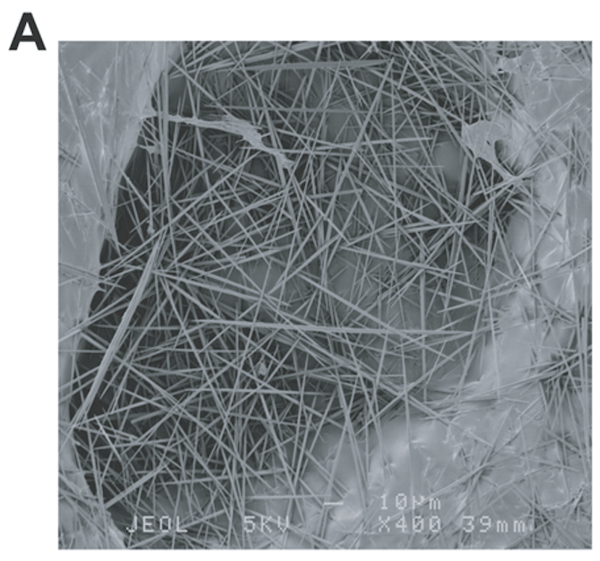
In summary, these are the common medium-oxalate and high-oxalate foods that many folks have problems with: nuts, nut-butters and nut-flour (something to watch when eating Paleo or GAPS), wheat, chocolate, kiwi fruit (very high – see the raphides image below), star fruit (also very high), beets, potatoes, legumes, berries, spinach and soy.

You can see why these needle shaped calcium oxalate crystals found in kiwi fruit could inflict pain. This is just one example – there are many different shapes of calcium oxalate crystals.

raphides purified from kiwifruit
Raphides purified from kiwifruit. Raphides, needle shaped calcium oxalate crystals, were collected from kiwifruit homogenate through heavy media separation using a dense CsCl solution. (A) The SEM image of purified raphides (x400). Shared from: Synergistic Defensive Function of Raphides and Protease through the Needle Effect via Creative Commons.

My oxalate story: severe foot pain and eye pain

I personally had severe dietary oxalate issues in 2012 which manifested as excruciating foot pain. It was a combination of hot-burning-coals-pain and shards-of-glass-pain. It was just after my book, The Antianxiety Solution (my Amazon link), came out. Due to my book tours and events, I would be on my feet all day presenting, often for 3 full consecutive days, so I figured that must be the reason. When I travelled, I took a blender and made smoothies with berries, ate plenty of healthy nuts as my snacks and took kale chips with me to make sure I was getting my greens. Kiwi fruit was a favorite of mine!

I was eating a high oxalate diet and had no idea until I heard Julie present at an Integrative Medicine for Mental Health Conference on dietary oxalates and autism. A light-bulb went off and then I worked with her to learn about oxalates and figure out if it was in fact because of oxalates and sure enough, as soon as I removed high and medium oxalate foods the pain resolved. Note: the advice is NOT to remove all high and medium oxalate foods at once because dumping can occur. I was fortunate that this didn’t happen with me, possibly because of the vitamin B6 I was already taking as part of the pyroluria protocol.

When I eat a low oxalate diet I do really well. However, more recently dietary oxalates have been causing me eye pain when I have a treat like eggplant or carob. It starts out as a kind of scratchy discomfort and mild pain and then gets worse and worse. I also have a goopy kind of discharge from the inner part of my eye and burning/redness crystal-like teariness on the outer parts of my eyes.  I recently had one very severe incident where the eye pain in my left eye was agonizing for about 2 hours. I was beside myself and tried GABA, DPA and tryptophan for an attempt at pain relief – with no success. When I took 500mg of vitamin B6 the pain eased immediately.

The theory is that oxalates cause issues where you have a weakness. I injured my left eye walking into a low tree-branch while rock-climbing 15 years ago, so I suspect this is why my left eye is more severely affected.

Oxalate crystal disease

The condition “oxalate crystal disease” is the closest explanation I’ve found that explains the pain I’ve experienced and makes the most sense, other than the fact that all the studies mention kidney disease and yet I don’t have kidney disease and have never had kidney stones. I’ve also never had a problem with my estimated Glomerular Filtration Rate (eGFR). In case eGFR is new to you it measures how well your kidneys filter the wastes from your blood and is the best overall measure of kidney function/damage.

This paper, Update on oxalate crystal disease, summarizes it:

Oxalate arthropathy is a rare cause of arthritis characterized by deposition of calcium oxalate crystals within synovial fluid. This condition typically occurs in patients with underlying primary or secondary hyperoxaluria. Primary hyperoxaluria constitutes a group of genetic disorders resulting in endogenous overproduction of oxalate, whereas secondary hyperoxaluria results from gastrointestinal disorders associated with fat malabsorption and increased absorption of dietary oxalate. In both conditions, oxalate crystals can deposit in the kidney leading to renal failure. Since oxalate is primarily renally eliminated, it accumulates throughout the body in renal failure, a state termed oxalosis. Affected organs can include bones, joints, heart, eyes, and skin. Since patients can present with renal failure and oxalosis before the underlying diagnosis of hyperoxaluria has been made, it is important to consider hyperoxaluria in patients who present with unexplained soft tissue crystal deposition. The best treatment of oxalosis is prevention. If patients present with advanced disease, treatment of oxalate arthritis consists of symptom management and control of the underlying disease process.

Let me break this down because I’ve had to look up terminology and read and re-read papers in order to get a better understanding of things:

#1 Oxalate arthropathy is a rare cause of arthritis characterized by deposition of calcium oxalate crystals within synovial fluid.

Oxalate arthropathy is a disease of the joints caused by oxalates depositing in the synovial fluid of the joints.  The paper states it is a rare cause of arthritis, but I suspect it is much more common given what we’re seeing clinically.

Also, because all the research connects oxalate crystal disease with kidney disease, it may be overlooked when there is no kidney disease (more on that below).

Synovial fluid is the fluid between the joints that acts as a lubricant and nutrient source.

#2 This condition typically occurs in patients with underlying primary or secondary hyperoxaluria.

Hyperoxaluria occurs when you have “too much oxalate in your urine.”

#3 Primary hyperoxaluria constitutes a group of genetic disorders resulting in endogenous overproduction of oxalate and… secondary hyperoxaluria results from gastrointestinal disorders associated with fat malabsorption and increased absorption of dietary oxalate.

Primary hyperoxaluria is genetic and results in endogenous or internal overproduction of oxalate, causing too much oxalate in the urine.

The secondary hyperoxaluria description mentions “gastrointestinal disorders associated with fat malabsorption and increased absorption of dietary oxalate.”  There are a number of other factors which I’ll address in a future blog.

According to this paper and others, secondary hyperoxaluria also results in too much oxalate in the urine.

#4 In both conditions, oxalate crystals can deposit in the kidney leading to renal failure. Since oxalate is primarily renally eliminated, it accumulates throughout the body in renal failure, a state termed oxalosis.

Affected organs can include bones, joints, heart, eyes, and skin.

Mayo clinic states oxalosis occurs if your kidneys fail. “Because your body can no longer eliminate the extra oxalate, it starts accumulating — first in your blood, then in your eyes, bones, skin, muscles, blood vessels, heart and other organs.”

My comment is that in some instances, oxalates accumulate in various parts of the body without kidney failure. I share more about this aspect and what we see clinically below, plus an autism and atherosclerosis study.

This paper, Oxalate crystal deposition disease, also mentions the following: “osteopathy, acute and chronic arthropathy with chondrocalcinosis, synovial calcification, and miliary skin calcium oxalate deposits and vascular calcifications that affect mainly the hands and feet.” The paper is focused on primary hyperoxaluria (and does also discuss the kidney involvement) but I’m including it because of the conditions listed. You may have received one of these diagnoses and not linked it back to dietary oxalates and/or vitamin C intake possibly playing a role.

The authors do report “systemic life-threatening cardiovascular, neurologic, and hematologic manifestations”, saying they are rare.

Calcium oxalates: anxiety, sleep, headaches, fatigue and other symptoms

Calcium oxalate crystals can also be found in the thyroid, and ear, leading to hearing loss under some circumstances.

Julie Matthews, in her blog, Oxalates: Their Influence on Chronic Disease, also shares that

Clinical studies and anecdotal experience indicate that oxidative stress, mitochondrial disruption and damage, and nutrient depletions, trigger widely varied symptoms including fatigue and inflammatory cascades, joint pain or pain anywhere in the body. Chronic low energy is very common because of a reduction in ATP in the mitochondria. Oxalates could be a hidden source of headaches, urinary pain, genital irritation, joint, muscle, intestinal or eye pain.

Other common oxalate-caused symptoms may include mood conditions, anxiety, sleep problems, weakness, or burning feet. Indicators can be digestive, respiratory, or even bedwetting for children.

What the researchers are saying – always kidney disease

I’ve reached out to a number of researchers, practitioners and labs and they all state that oxalate crystal disease only happens with kidney disease/kidney stones. This is what one researcher shared with me: “Plasma oxalate concentrations only elevate enough to cause systemic disease when there is significant kidney disease (typically GFR <20-30). I have never seen a significantly elevated plasma oxalate without chronic kidney disease.”

Could this be the case because they are kidney specialists and therefore only seeing patients who already have kidney disease?

The good news is that a number of them are intrigued and interested in learning more.

Oxalate crystals in autism and atherosclerosis without kidney issues

However, based on my own experience and according to many in this community and other communities like the Trying Low Oxalates Facebook group, pain issues related to dietary oxalate intake may occur without kidney issues/kidney stones, and often does.

These papers offer some support for what I suspect we are seeing clinically – systemic oxalate deposits can occur deposits without kidney stones or renal failure:

  • A Potential Pathogenic Role of Oxalate in Autism

Children with ASD [autism spectrum disorder] demonstrated 3-fold greater plasma oxalate levels … and 2.5-fold greater urinary oxalate concentrations. Despite significant hyperoxaluria no evidence of kidney stone disease…was observed

  • Atherosclerotic Oxalosis in Coronary Arteries

calcium oxalate crystals were observed within atherosclerotic plaques in the coronary arteries. Similar deposits were seen in the thyroid gland and other organs but not in the kidneys. None of the patients had chronic renal failure…. We suggest the phrase “atherosclerotic oxalosis” to describe this finding.

These are the disconnects I’m seeing in the research and questions I have:

  • Oxalate crystal disease is reported to be rare and it only happens with kidney disease/kidney stones – could it be more common than reported? As Julie states: “New science and clinical experience reveal concerns about oxalates that far exceed traditional kidney stone pathology.”
  • Should we be calling it hyperoxaluria. “too much oxalate in your urine” if the kidney is not involved? Or do we need to expand the definition of hyperoxaluria to include too much oxalate in other tissues outside the kidney and urine?
  • Could oxalate crystal disease with no kidney disease be a new syndrome that has yet to be widely and clearly identified in the research?

I mean no disrespect to the study authors and researchers by sharing my insights and questions here and in the section above.  I appreciate the work they do and the opportunity to learn from them.

Searching through the literature on this has been extremely challenging because studies always refer to the kidney. It may well be that there is a perfectly logical explanation for much of this and someone has already gone through the research and has answers to all my questions.  I am very willing to be enlightened so please do share if you’ve come across a good explanation.

Either way, please share your insights based on what I’ve shared in this blog and in relation to your experiences with pain caused by dietary oxalates and/or pain caused by vitamin C intake. I will be sharing this blog and the comments with the researchers and practitioners who are open to all this.

Read all posts in this series:

  • Coronavirus and vitamin C for immune support: new pain or more severe pain due to oxalate issues? (part 1)
  • Oxalate crystal disease, dietary oxalates and pain: the research & questions (part 2)
  • Vitamin C causes oxalate formation resulting in pain, anxiety, and insomnia (when there is a defect in ascorbic acid or oxalate metabolism)? (part 3)
  • Willow’s survival story: Easter Lilies cause acute renal failure in cats and Peace Lilies cause oxalate issues (part 4)
  • Waking in the night due to environmental toxins: impacts on the liver, gallbladder and fat digestion (making oxalate issues worse) (part 5)
  • Increased kidney stones in postmenopausal women with lower estradiol levels. What about increased dietary oxalate issues too?
  • Vulvodynia: oxalates, GABA, tryptophan and physical therapy
  • Ox bile as a supplement: to help counter the effects of dietary oxalates very likely caused by bile issues and poor fat digestion
  • Low oxalate success stories: resolution of joint/body pain, insomnia, peripheral neuropathy and can walk without a cane
  • Bright light to reset circadian rhythm: a solution for jet lag (with melatonin) and for disturbed sleep caused by bile issues?

Filed Under: Oxalates Tagged With: atherosclerosis, autism, calcium oxalates, dietary oxalates, eyes, Julie Matthews, kidney disease, oxalate crystal disease, oxalates, pain, questions, research, susan owen, vulvodynia, xalate crystal disease

Social anxiety caused by pyroluria: oxytocin, the vagus nerve, pectus excavatum and Ehlers-Danlos Syndrome

June 12, 2020 By Trudy Scott 19 Comments

social anxiety pyroluria

Pyroluria is associated with a type of anxiety characterized by social anxiety, avoidance of crowds, a feeling of inner tension, and bouts of depression. If you have pyroluria you may experience varying degrees of anxiety or fear, often starting in childhood, and you usually manage to cover it up and push through. You may build your life around one person, become more of a loner over time, have difficulty handling stress or change, and have heightened anxiety symptoms when under more stress.

It’s not well-recognized in the medical profession and has long been considered a genetic condition. More recently some practitioners have been proposing that it may be triggered by environmental toxins and that it’s not only genetic. Either way, symptoms can start to resolve within a week when low levels of zinc and vitamin B6, together with some other nutrients are addressed. Stress management is key. This can be emotional stress and the stress of toxin exposure, infections like Lyme disease, mold toxicity and even low blood sugar and gluten issues.

We would typically not connect social anxiety/pyroluria with low oxytocin, vagus nerve function or connective tissue disorders but if you read on you’ll see there are some interesting connections.

Oxytocin, social anxiety and zinc

Research has found that oxytocin levels correlate strongly with levels of social anxiety. A paper published in the Journal of Psychiatric Research looked at how variations in the oxytocin receptor (OXTR) gene is associated with an increased risk of anxiety, stress and depression in individuals with a history of exposure to early life stress. Supporting low levels of oxytocin can ease the threats of social interactions.

What is interesting is that zinc, a key nutrient for pyroluria, is needed for binding oxytocin to its receptor. You can read more about all this here: Oxytocin, social anxiety, pyroluria and autism

Sociability improves vagus nerve function and thriving at home alone

Increased sociability helps improve vagus nerve function. It’s all good and well to recommend getting out and hanging out with more people but if you have pyroluria it’s really challenging. It’s also hard work, very stressful and the added stress makes your pyroluria symptoms worse so it becomes a vicious cycle.

You can read all about this here: Increased sociability improves vagus nerve function: the role of social anxiety, pyroluria and low zinc. There is an updated section on social isolation during coronavirus and how some people are thriving being home alone.

Pectus excavatum and Ehlers-Danlos Syndrome

Pectus excavatum is an indentation in the chest wall and is related to problems with connective tissue. When it comes to pyroluria and pectus excavatum, this is what we see in common: social anxiety and depression, low zinc and low vitamin B6, dental crowding and sometimes Ehlers-Danlos Syndrome (EDS). I write more about this here: Pectus excavatum and pyroluria: is there a connection?.

I’ve written an entire blog on Joint hypermobility / Ehlers-Danlos Syndrome and pyroluria. Anxiety, depression, attention deficit (and hyperactivity) disorder, autism spectrum disorders, and obsessive-compulsive personality disorders are all common with EDS. Many folks with EDS report better less social anxiety, improved mood and often improved physical symptoms/reduced pain on the pyroluria protocol of zinc, vitamin B6, evening primrose oil and a good copper-free multi.

Resources for you

  • My book The Antianxiety Food Solution (my Amazon affiliate link) has an entire chapter on pyroluria. Read it and become a savvy health-advocate for yourself. Share a copy with your doctor and point out the references.
  • Here is the pyroluria questionnaire. Here is a blog if you’re new to pyroluria and the associated conditions.
  • You can find the pyroluria products in my supplement store here.

Please do share if you have pyroluria or score high on the questionnaire and have seen improvements in your social anxiety and any physical symptoms.

Filed Under: Anxiety, Pyroluria Tagged With: anxiety, Ehlers-Danlos Syndrome, oxytocin, Pectus Excavatum, pyroluria, social anxiety, vagus nerve, vitamin B6, zinc

Depression, anxiety and intergenerational trauma due to racism in the Black community

June 5, 2020 By Trudy Scott 12 Comments

anxiety in black community

I feel sickened by George Floyd’s death and the police brutality we all witnessed. I stand by Black Lives Matter and an end to racism, social injustice and inequalities. In the light of current events in the USA and around the world, today’s article highlights the prevalence of mental health in the Black community, the biological impacts of trauma, racism and intergenerational trauma, some reasons why mental health services are not being used, the impacts of racism on physical health and some resources geared to Black mental health.

In this recent article by Columbia University Department of Psychiatry, Addressing Mental Health in the Black Community, we learn the following:

Research suggests that the adult Black community is 20% more likely to experience serious mental health problems, such as Major Depressive Disorder or Generalized Anxiety Disorder.

Additionally, Black emerging adults (ages 18-25) also experience higher rates of mental health problems and lower rates of mental health service utilization compared to White emerging adults, and older Black adults.

What shocked me was reading this statistic: “the Black community comprises approximately 40% of the homeless population, 50% of the prison population, and 45% of children in the foster care system.” All of this puts the Black community is at more risk for mental health issues.

The article also highlights the biological impacts of trauma“through enslavement, oppression, colonialism, racism, and segregation” and shares that “intergenerational trauma may be passed down biologically from one generation to the next.”

Some of the factors that may lead to mental health services not being used amongst the Black community are lack of trust, lack of finances and fear:

Lack of trust in the medical system due to historical abuses of Black people in the guise of health care, less access to adequate insurance, culturally responsive mental health providers, financial burden, and past history with discrimination in the mental health system.

I encourage you to read the entire article at this link.

This paper, Transgenerational Consequences of Racial Discrimination for African American Health goes further into the intergenerational effects of racism on both psychological and physical health: immune health, heart health, obesity, diabetes and so on. The paper concludes as follows:

without addressing the harmful consequences of racial discrimination, improving the health of African Americans as well as other marginalized groups, will remain inadequately addressed.

This inspiring quote is from Nelson Mandela from his autobiography, Long Walk to Freedom  (1994) and no-one says it better than him. It is a message of hope!

Nelson Mandela Quote
from the Nelson Mandela facebook page

Here are some resources geared specifically to Black mental health

  • Black Mental Health Resources to Fight the Harmful Effects of Racism
  • Black lives matter. Black mental health matters too.

With regards to nutritional support for anxiety, depression and PTSD, everything that I write about in terms of nutritional psychiatry applies. My book, The Antianxiety Food Solution, covers the foundations of diet and how to use amino acids. This recent blog, The psychological trauma of coronavirus – nutritional support for doctors, nurses and their loved ones could easily be adapted to be: The psychological trauma of racism – nutritional support for the Black Community.

I am very aware that when it comes to working with a functional medicine practitioner or a nutritionist, and purchasing supplements/doing special diets may be a major stumbling block for many Blacks with financial hardships. This needs to become the standard of care so everyone has access to resources like these.

Until then finding access to real whole foods is a powerful first step.  In the SMILES diet depression trial,  the first randomized controlled diet depression study, ONE THIRD of the dietary intervention group saw improvements in their depression and anxiety symptoms. This was simply by switching from processed/junk food to real food with no specific dietary restrictions.

This is the power of nutritional psychiatry:

Although the growth in scientific research related to nutrition in psychiatry may be recent, it is now at a stage where it can no longer be ignored. In light of this, we aim to provide a platform to move towards a new integrated paradigm in psychiatry whereby nutritional considerations (both educational and prescriptive) can be considered “mainstream”.

The International Society for Nutritional Psychiatry Research/ISNPR made the above statement via a letter published in 2015 in World Psychiatry, the official journal of the World Psychiatric Association –   “International Society for Nutritional Psychiatry Research consensus position statement: nutritional medicine in modern psychiatry.” You can read more about this here.

This recent paper, Nutritional Psychiatry: Towards Improving Mental Health by What You Eat, further adds to the discussion, providing an “overview of the emerging field of nutritional psychiatry, exploring the scientific evidence exemplifying the importance of a well-balanced diet for mental health.”

I recently heard integrative psychiatrist Dr. Kelly Brogan, share this on The Trauma and MindBody Super Conference:“it’s best to address trauma when your nervous system has physiologically improved.” She always starts with addressing physiology: diet, gluten issues, the gut and microbiome, blood sugar stability, micronutrient deficiencies such as low B12, low thyroid and other contributing physiological root causes.

By incorporating nutritional psychiatry and functional medicine approaches we can provide additional healing support for the depression, anxiety, current trauma and intergenerational trauma caused by racism and inequalities.


Updates 7/7/20:

The above SMILES Diet Depression study doesn’t mention race. There are, however, many studies that didn’t make it into the blog because I felt compelled to publish something quickly.

 Here are some of them:

  • Variation in the Prevalence of Depression and Patterns of Association, Sociodemographic and Lifestyle Factors in Community-Dwelling Older Adults in Six Low- And Middle-Income Countries

China, Ghana, India, Mexico, the Russian Federation, and South Africa…examine the relationship between demographic and lifestyle characteristics and depression….. Increased fruit and vegetable intake appeared to co-occur with significantly lower rates of depression, suggesting diet as a modifiable factor for addressing depression burden.

  • Community-based Fortified Dietary Intervention Improved Health Outcomes Among Low-Income African-American Women 

Among overweight/obese women, improvement in health-related quality of life related to physical health, a significant decrease in depressive score, and a reduction in waist circumference were noted.

I am not an authority on Black mental health, racism or intergenerational trauma. As I look into the research, read articles and listen to podcasts, I acknowledge that I’ve been learning a great deal. And I know I still have much to learn.

I am, however, an authority on food and using a nutritional approach for anxiety. Real whole nutrient-dense food is the foundation and always will be – for every single human regardless of race.  We do, however, need more programs and studies that are specific for people of color. 

This needs to be a public health initiative where we also address the food security issues. According to this paper, Food Insecurity and Maternal Mental Health Among African American Single Mothers Living With HIV/AIDS in the Alabama Black Belt, “Food insecurity places low-income African American women at risk of depression.”  This is one of many similar such studies.  

Together with this we need to address racism. This paper, Experiences of Racial and Ethnic Discrimination Are Associated with Food Insecurity and Poor Health, sums up with this:

Public health interventions intended to improve food security and health may be only partially effective without simultaneously addressing racism and discrimination

If you have information on non-profit organizations, community gardens, community kitchens and other resources for supporting Black communities when it comes to nutritional supplements, food insecurity and food deserts, and eating real foods please share in the comments.

For now check out and be inspired by Ron Finley, the Gangsta Gardener – and his amazing community garden and gardening masterclasses: 

Ron envisions a world where gardening is gangsta, where cool kids know their nutrition and where communities embrace the act of growing, knowing and sharing the best of the earth’s fresh-grown food. 

Determined to change South Central Los Angeles from food desert to food forest, he wants his actions to be educational, inspiring, and nutritious. He wants kids to grow up with the option of healthy food, instead of fried, fattening staples. He wants to sweep up and transform his street, his hood, the city of LA and communities everywhere.

Please also share your experiences supporting mental health in Black communities. And if you’ve been subject to racism and felt the mental and physical effects please share too. We’re here to support you and learn how we can do better.

Filed Under: Anxiety, Depression, PTSD/Trauma Tagged With: anxiety, Black community, depression, George Floyd, intergenerational, mental health, Nelson Mandela, racism, trauma

Dr. Datis Kharrazian’s GABA Challenge for a leaky blood brain barrier is a theory and we still have much to learn

May 29, 2020 By Trudy Scott 16 Comments

gaba challenge theory

I highly respect Dr. Datis Kharrazian and his work and had the pleasure of interviewing him last November on the Anxiety Summit 5: Gut-Brain Axis. During our preparations I asked if we could talk about his GABA challenge for a leaky blood brain barrier and he graciously agreed.

I wanted to address this topic in our interview because two of the most common questions I get asked are these:

  • “How can GABA work if it can’t cross the blood brain barrier?” and
  • “If GABA works does this mean I have a leaky blood brain barrier?”

We had such a great conversation on the topic I’ve decided to pull this part of the transcript into a blog so I can share it here with you and use the blog link to share it more widely as I’m asked these questions on social media and elsewhere.

You will learn how Dr. Kharrazian came up with the GABA Challenge, what his thoughts are today, his reservations with GABA and my excellent results with low doses of sublingual GABA. I also share some links to success stories, some of the research and how to figure out if GABA is for you.

Here it is, word for word.

Trudy: So while we’re talking about the leaky blood brain barrier, I want to just talk briefly about GABA and the GABA challenge that you have proposed as a tool for testing for a leaky blood brain barrier. And as you know, I use GABA extensively with clients with the low GABA physical type of anxiety.

I’ve always been a huge fan of you and your work but we do have a professional difference of opinion in this area. And I’ve never actually been a proponent of using the GABA challenge, and I’ve been pretty vocal about it. So I’m really glad that we had a discussion about this in the Facebook group of your neuroinflammation training, and you shared some insights because I was asking some questions about this.

I’d love you to just share some of what we talked about in that discussion. Because if we don’t talk about it, my community is going to say, “Hey, why didn’t you talk to Dr. Kharrazian about this?”

Dr. Kharrazian: Sure, no problem. I don’t think we have this big a disagreement. I think we just have different ways of looking at what’s out there and what we are observing as people working with people, patients who have anxiety.

So ultimately, we have a bunch of theory right now and a bunch of potential models, but we don’t have any clear studies to show what’s really happening. So, one of the things that I proposed in my book before… you understand, I was working with brain patients for over 20 years now….before we had S100 B readily available for many years, it was only in research; you couldn’t get it from conventional labs, even though research was showing it. And the blood brain permeability test was not available either. These have really become more available the past five years and prior to that, we didn’t really have a great test to evaluate if the blood brain barrier was breached.

In an effort to work with what’s out there, what we could do, one of the things that I was doing was doing a test that we called the GABA challenge test. It was really based on the lactulose mannitol test. So the lactulose mannitol test is a well-established test in gastroenterology where they measure leaky gut. So, in that test what the person does is they consume a monosaccharide and a disaccharide, lactulose and mannitol. Lactulose is a disaccharide, it’s very large, and mannitol is very small. And if mannitol doesn’t get absorbed, then there’s a malabsorption issue. And if lactose, which is very large; that should not get through the tight junctions of the gut, gets absorbed in a post urine test, after they drink it, then it shows they have leaky gut. So the whole premise of when you find particle sizes too large to cross, can be a clue to an indication of permeability.

So the GABA challenge that I write about in my book, Why Isn’t My Brain Working? (my Amazon link) was really a way for us to have patients consume GABA. If you look at the molecular weight of GABA, the Dalton size, it’s several hundred Daltons. Several hundred Daltons cannot cross the blood brain barrier. So the concept was, well if someone is taking GABA and they have an effect, then there’s a potential for it to cross the blood brain barrier. And it was kind of following the theory of the lactulose mannitol test. So there’s patients out there who take GABA and nothing happens and some patients take it and go, “It was amazing. Best thing ever. It finally helped me sleep,” or, “Helped reduce anxiety for me.” So, one of the theories was that maybe for some of these people, their blood brain barrier is breached.

Now I know we talked and there is actually the possibility of other pathways that can impact GABA, maybe directly to the gut itself, through the vagus, so I don’t discount those possibilities because we still don’t know. I mean, ultimately, there’d have to be a study designed where they look at it. And it would have to be an animal study, there’s no way you can get an IRB for human studies to check if it’s crossing the brain. It’s some really advanced isotope tracing techniques and I just don’t think the level of dyes they would have to consume to look at the gut and the brain is peripheral and separate… it wouldn’t be possible. So the real answer is, we don’t know.

For me, I still am always suspicious if someone takes GABA and they have a reaction. I always want to go and check the blood brain barrier. And it’s not 100%, I mean, I can tell you without question, there’s people who take GABA, you do a blood brain barrier test, they feel benefit from it, but their blood brain barrier doesn’t have any markers to show permeability.

So it’s not hard for me to consider the possibility that there’s some exogenous pathways too. But at the same time, it’s also really hard to look at the molecular weight of GABA and look at what can cross a healthy blood brain barrier. This Dalton size, we’re talking nanoparticles to a huge, huge particle. So I don’t know but I think we’ll just have to see what happens. And ultimately, if you feel better with GABA, that’s great. If it’s not harmful to you, and if you feel like taking it, that’s great.

I like to also use things like Valerian root, passion flower, and hops because those compounds cross the blood brain barrier. They cross the blood brain barrier and they bind to GABA receptors.

So, the other thing too with actually using GABA you always have the potential for your neurotransmitter receptor sites to down regulate. And this is seen all the time too, patients take GABA and they feel great and then they have to increase their dose and they don’t get the effect as they first did. And they increase the dose and finally, they just don’t get much of an effect from it. And that’s potentially due to receptor site down regulation, which is not as common if you take agonists like Valerian root or passion flower, or hops. These things bind to GABA receptors. So I did a review in my book, where I went over all the literature of the different GABA compounds, which have been published in the literature.

But I’m not going to deny the possibility that there is a potential exogenous source but I also can’t let go the possibility that the blood brain barrier is permeable. So I’m still waiting.

Trudy: Yes, I think it’s great because the fact that you write about that and you taught about that, and you teach about it. It got me looking into the research further and it got me more curious; and it’s good, it’s good to have a healthy discussion and a healthy debate, and be open to possibilities. I’m very open to having my mind changed if something comes up.

I just see GABA works so well with my clients and we use very, very small amounts. I know with your GABA challenge, it’s… what is the amount, its 1,500 milligrams, I think or 1,500 to 2,000? So I’ll start my clients on 125 milligrams of GABA sublingually and get results. I have not noticed the effect that they need more and more, and more. So that’s interesting that you say that. But yeah, it’s good, I’m glad that we’ve had this discussion.

And the other thing that you did say in the online discussion, you said, if someone has a response to taking oral GABA, in other words, taking a GABA supplement does help them, you would want to test for the blood brain barrier permeability, just to see what’s going on. And I like that you say we can track. I’ve actually been in discussions with Cyrex and said, “Hey, why don’t we monitor people who are doing the Cyrex test and have a response to GABA, either therapeutically for the anxiety or with your challenge?” We may start to see some patterns, which I think would be very interesting.

Dr. Kharrazian: Yes, the best we can do with the data in that scenario is just the correlation statistical analysis. But it still wouldn’t answer it.

Trudy: No, I know. But maybe that will trigger someone to want to do a study. So, the good news is we’re seeing more and more research on GABA in the literature. So, it’s exciting. Well, thank you for discussing that with me.

You can read more from our very enlightening interview here: Fix the Brain to Fix the Gut. Dr Kharrazian covers the impact of brain injury and impaired vagal activity (as well as motility and breakdown of the blood brain barrier), how to activate your neurons, using polyphenols for neuroinflammation and butyrate for leaky gut/brain.

These blogs have additional information on GABA and some of the many possible mechanisms:

  • GABA and theanine for easing anxiety, improving sleep and supporting immunity
  • Oral GABA supplementation allows better prioritizing of planned actions
  • GABA helps with inhibition of unwanted thoughts
  • Pharma-GABA: study participants with an irrational fear of heights are relaxed and less anxious when crossing a swaying suspension bridge

Here are some blogs with feedback from folks who have benefited from using sublingual GABA for dental anxiety, ADHD/focus issues and Lyme anxiety:

  • GABA, Rescue Remedy & essential oils for eliminating dental anxiety
  • GABA for children: ADHD, focus issues, irritability, anxiety and tantrums
  • GABA helps with Lyme anxiety (while addressing the underlying disease)

The best way for you to figure out if you will benefit from GABA is to use the trial method. Do the low GABA questionnaire and do a trial of GABA (used sublingually), starting low and increasing until you find the right amount to ease anxiety and improve sleep. You can find the GABA products I recommend on my supplements blog.

Please do share if you’ve benefited from using GABA or if you use it with success with your clients or patients.

Filed Under: Anxiety, GABA Tagged With: ADHD, anxiety, anxiety summit, blood brain barrier, Dr. Datis Kharrazian, Dr. Kharrazian, GABA, GABA Challenge, leaky, Lyme anxiety, sleep, theanine, unwanted thoughts

  • « Go to Previous Page
  • Page 1
  • Interim pages omitted …
  • Page 34
  • Page 35
  • Page 36
  • Page 37
  • Page 38
  • Interim pages omitted …
  • Page 160
  • Go to Next Page »

Primary Sidebar

GABA QuickStart Homestudy

gaba quickstart homestudy

Free Report

9 Great Questions Women Ask about Food, Mood and their Health

You'll also receive a complimentary subscription to my ezine "Food, Mood and Gal Stuff"


Connect with me

Popular Posts

  • Amino Acids Mood Questionnaire from The Antianxiety Food Solution
  • The Antianxiety Food Solution Amino Acid and Pyroluria Supplements
  • Pyroluria Questionnaire from The Antianxiety Food Solution
  • Collagen and gelatin lower serotonin: does this increase your anxiety and depression?
  • Tryptophan for the worry-in-your-head and ruminating type of anxiety
  • GABA for the physical-tension and stiff-and-tense-muscles type of anxiety
  • The Antianxiety Food Solution by Trudy Scott
  • Seriphos Original Formula is back: the best product for anxiety and insomnia caused by high cortisol
  • Am I an anxious introvert because of low zinc and vitamin B6? My response to Huffington Post blog
  • Vagus nerve rehab with GABA, breathing, humming, gargling and key nutrients

Recent Posts

  • Her cravings for chips and peanut butter were triggered by stress: GABA ends cravings and reduces physical tension and fear of heights
  • It is truly miraculous to be able to move through life without crippling anxiety and panic
  • GABA and tryptophan combo provide immediate and noticeable relief for tremors and cervical dystonia in just 7 days
  • Red light therapy for back and neck pain, plantar fasciitis and low mood – a complement to the amino acids GABA, DPA and tryptophan
  • What do I use instead of Seriphos to help lower high cortisol that is affecting my sleep and making me anxious at night?

Categories

  • 5-HTP
  • AB575
  • Addiction
  • ADHD
  • Adrenals
  • Alcohol
  • Allergies
  • Alzheimer's disease
  • Amino Acids
  • Anger
  • Antianxiety
  • Antianxiety Food Solution
  • Antidepressants
  • Anxiety
  • Anxiety and panic
  • Autism
  • Autoimmunity
  • benzodiazapines
  • Bipolar disorder
  • Books
  • Caffeine
  • Cancer
  • Candida
  • Children/Teens
  • Collagen
  • Cooking equipment
  • Coronavirus/COVID-19
  • Cravings
  • Depression
  • Detoxification
  • Diabetes
  • Diet
  • DPA/DLPA
  • Drugs
  • EFT/Tapping
  • EMF
  • EMFs
  • Emotional Eating
  • Endorphins
  • Environment
  • Essential oils
  • Events
  • Exercise
  • Fear
  • Fear of public speaking
  • Fertility and Pregnancy
  • Fish
  • Food
  • Food and mood
  • Functional neurology
  • GABA
  • Gene polymorphisms
  • General Health
  • Giving
  • Giving back
  • Glutamine
  • Gluten
  • GMOs
  • Gratitude
  • Gut health
  • Heart health/hypertension
  • Histamine
  • Hormone
  • Hyperparathyroidism
  • Hypoglycemia
  • Immune system
  • Inflammation
  • Insomnia
  • Inspiration
  • Introversion
  • Joy and happiness
  • Ketogenic diet
  • Lithium orotate
  • Looking awesome
  • Lyme disease and co-infections
  • MCAS/histamine
  • Medication
  • Men's health
  • Mental health
  • Mercury
  • Migraine
  • Mold
  • Movie
  • MTHFR
  • Multiple sclerosis
  • Music
  • NANP
  • Nature
  • Nutritional Psychiatry
  • OCD
  • Osteoporosis
  • Oxalates
  • Oxytocin
  • Pain
  • Paleo
  • Parasites
  • Parkinson’s disease
  • PCOS
  • People
  • PMS
  • Postpartum
  • PTSD/Trauma
  • Pyroluria
  • Questionnaires
  • Real whole food
  • Recipes
  • Research
  • Schizophrenia
  • serotonin
  • SIBO
  • Sleep
  • Special diets
  • Sports nutrition
  • Stress
  • Sugar addiction
  • Sugar and mood
  • Supplements
  • Teens
  • Testimonials
  • Testing
  • The Anxiety Summit
  • The Anxiety Summit 2
  • The Anxiety Summit 3
  • The Anxiety Summit 4
  • The Anxiety Summit 5
  • The Anxiety Summit 6
  • Thyroid
  • Thyroid health
  • Toxins
  • Tryptophan
  • Tyrosine
  • Uncategorized
  • Vegan/vegetarian
  • Women's health
  • Yoga

Archives

  • May 2026
  • April 2026
  • October 2025
  • September 2025
  • August 2025
  • July 2025
  • June 2025
  • May 2025
  • April 2025
  • March 2025
  • February 2025
  • January 2025
  • November 2024
  • October 2024
  • September 2024
  • August 2024
  • July 2024
  • June 2024
  • May 2024
  • April 2024
  • March 2024
  • February 2024
  • January 2024
  • December 2023
  • November 2023
  • October 2023
  • September 2023
  • August 2023
  • July 2023
  • June 2023
  • May 2023
  • April 2023
  • March 2023
  • February 2023
  • January 2023
  • December 2022
  • November 2022
  • October 2022
  • September 2022
  • August 2022
  • July 2022
  • June 2022
  • May 2022
  • April 2022
  • March 2022
  • February 2022
  • January 2022
  • December 2021
  • November 2021
  • October 2021
  • September 2021
  • August 2021
  • July 2021
  • June 2021
  • May 2021
  • April 2021
  • March 2021
  • February 2021
  • January 2021
  • December 2020
  • November 2020
  • October 2020
  • September 2020
  • August 2020
  • July 2020
  • June 2020
  • May 2020
  • April 2020
  • March 2020
  • February 2020
  • January 2020
  • December 2019
  • November 2019
  • October 2019
  • September 2019
  • August 2019
  • July 2019
  • June 2019
  • May 2019
  • April 2019
  • March 2019
  • February 2019
  • January 2019
  • December 2018
  • November 2018
  • October 2018
  • September 2018
  • August 2018
  • July 2018
  • June 2018
  • May 2018
  • April 2018
  • March 2018
  • February 2018
  • January 2018
  • December 2017
  • November 2017
  • October 2017
  • September 2017
  • August 2017
  • July 2017
  • June 2017
  • May 2017
  • April 2017
  • March 2017
  • February 2017
  • January 2017
  • December 2016
  • November 2016
  • October 2016
  • September 2016
  • August 2016
  • July 2016
  • June 2016
  • May 2016
  • April 2016
  • March 2016
  • February 2016
  • January 2016
  • December 2015
  • November 2015
  • October 2015
  • September 2015
  • August 2015
  • July 2015
  • June 2015
  • May 2015
  • April 2015
  • March 2015
  • February 2015
  • January 2015
  • December 2014
  • November 2014
  • October 2014
  • September 2014
  • August 2014
  • July 2014
  • June 2014
  • May 2014
  • April 2014
  • March 2014
  • February 2014
  • January 2014
  • December 2013
  • November 2013
  • October 2013
  • September 2013
  • August 2013
  • July 2013
  • June 2013
  • May 2013
  • April 2013
  • March 2013
  • February 2013
  • January 2013
  • December 2012
  • November 2012
  • October 2012
  • August 2012
  • July 2012
  • June 2012
  • May 2012
  • April 2012
  • March 2012
  • February 2012
  • January 2012
  • December 2011
  • November 2011
  • October 2011
  • September 2011
  • August 2011
  • July 2011
  • June 2011
  • May 2011
  • April 2011
  • March 2011
  • February 2011
  • January 2011
  • December 2010
  • October 2010
  • September 2010
  • July 2010
  • May 2010
  • April 2010
  • March 2010
  • February 2010
  • January 2010
  • November 2009

Share the knowledge!

The above statements have not been evaluated by the Food and Drug Administration. Products listed in this website are not intended to diagnose, treat, cure or prevent any disease.

The information provided on this site is for informational and educational purposes only and is not intended as a substitute for advice from your physician or other health care professional. You should consult with a healthcare professional before starting or modifying any diet, exercise, or supplementation program, before taking or stopping any medication, or if you have or suspect you may have a health problem.


Copyright © 2026 Trudy Scott. All Rights Reserved. | Privacy | Terms and Conditions | Refund Policy | Medical Disclaimer

Free Report

9 Great Questions Women Ask about Food, Mood and their Health

You’ll also receive a complimentary subscription to my ezine “Food, Mood and Gal Stuff”