• Skip to primary navigation
  • Skip to main content
  • Skip to primary sidebar

everywomanover29 blog

Food, Mood and Women's Health – Be your healthiest, look and feel great!

  • Blog
  • About
  • Services
  • Store
  • Resources
  • Testimonials
  • The Book
  • Newsletter
  • Contact
  • Search this site

Anxiety case study: a very very slow SSRI taper with tryptophan and other nutritional support

August 28, 2020 By Trudy Scott 14 Comments

anxiety case study

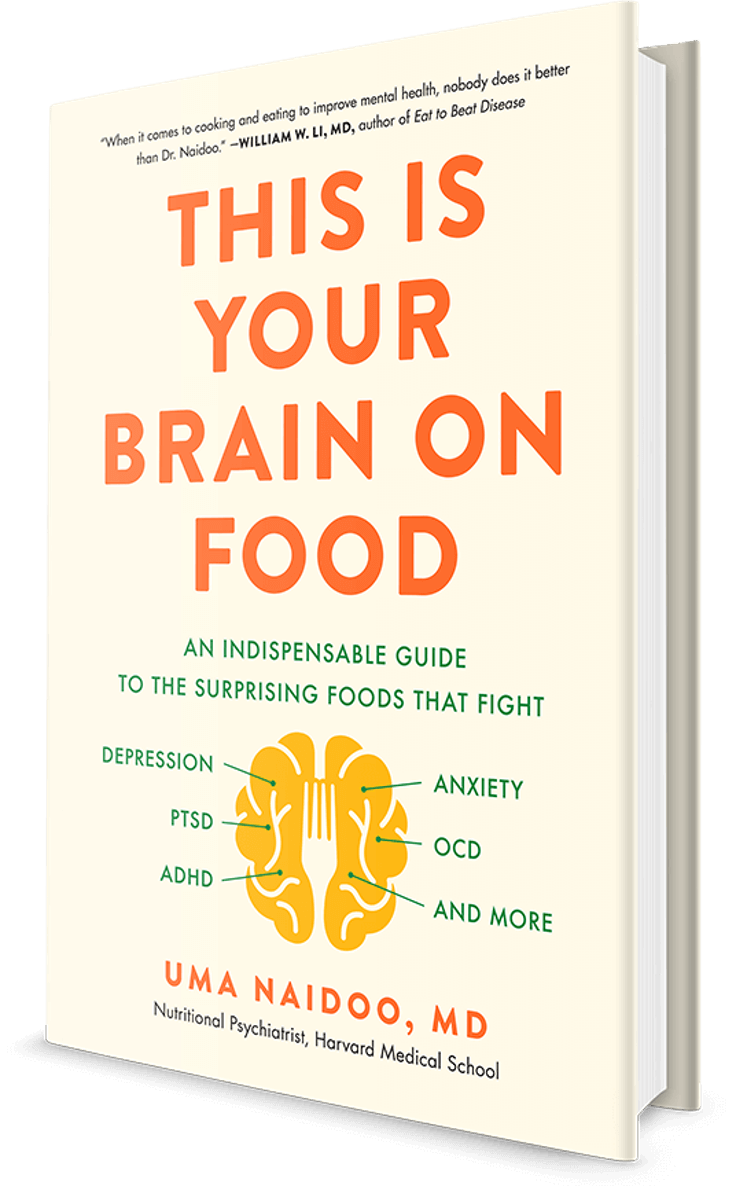
Today I’m sharing an update from someone in my community who is tapering from an SSRI (Cipralex/lexapro) in the best way possible – very methodically and doing a very very slow taper, using compounded medication and nutritional support. It is a team approach with a supportive doctor monitoring for serotonin syndrome, her pharmacist compounding her medication and input from me.

She has an excellent diet that contains enough healthy protein and fats, plenty of vegetables, and no sugar or caffeine. She has the basic nutrients covered and is on the pyroluria protocol (these nutrients help make serotonin). She is using the amino acid tryptophan for serotonin support as she tapers. And she is out walking in nature and practicing mindfulness.

All of this sets her up for success and being able to avoid antidepressant discontinuation syndrome.

Here is her story:

I began tapering off 10 mg of Cipralex in November 2017. I have my little “Support Team” that includes a compounding pharmacist and my GP. Feeling very fortunate that I have these people as my taper has not exactly gone as planned (although far better than my last two attempts)

Originally, the plan was to go down by 10% of the dose and stay at that dose for 4 weeks. That didn’t work for me. I was fine when I dropped from 10mg to 9, but after my next 10% drop I experienced that familiar withdrawal hell. I got a little scared, but stuck with it, and decided to stay at that dose for a bit longer. While I leveled out, I did a lot of reading about how SSRIs work. I learned about the 1/2 life of Cipralex (all SSRIs have a different 1/2 life) and what was actually happening physiologically as my body adjusts to the lower dose. It’s a recovery process.

With that new knowledge, I decided to try another approach. I knew I couldn’t handle a drop of 10%. So, I started to taper at a rate of 0.1mg once a week (far less than 10%!). By day three at the new dose, I could feel the withdrawal, but it was far less severe. Small drops=small “withdrawal wave”. I discovered that I am able to manage a 2% drop of the current dose and I have been able to drop that % each week. So, I’m still reducing by 8% a month, which means I am close to the original plan of dropping by 10% a month. At this time I am at 6.24mg.

Yes, it is a very slow process and I have a long way to go, but it’s working. I have read that some people have to reduce by 1% of their current dose and remain at that dose for 4 weeks to allow their body the time to heal and adjust to life on the lower dose. Having the liquid compound has made such a difference! You sure would have difficulty accurately shaving off a pill by 2%!! If anyone is trying to come off of this drug, do your best to find a compounding pharmacist!

I find that I must stick to a very healthy diet. I eat a lot of fresh, raw and cooked vegetables. I mean a LOT of vegetables. I eat good sources of protein and walk for at least 45 min almost every day. I steer clear of sugar and caffeine. Both make my withdrawal much worse.

Every day I take omega 3, vitamin C, vitamin D, vitamin B complex. I take the supplements for pyroluria, vitamin B6, evening primrose oil and zinc. I take magnesium at night. I took Trudy’s amino acids course online and did all of the amino acid trials. I discovered all I really need is tryptophan. It has made a huge difference for me. Yes, I take Lidke tryptophan. For us Canadians, it can be ordered online.

I practice mindfulness. I’ve read a lot about the anxious brain (the reason I took Cipralex in the first place) so I understand what is happening now, what is real and what is just noise in my head.

Antidepressant discontinuation syndrome

This is the best way to taper SSRI medications in order to avoid withdrawal effects, also known as discontinuation syndrome which can be very severe for some folks.

Accordingly to this paper, Antidepressant discontinuation syndrome occurs in about 20% of patients who reduce the dose or abruptly stop an antidepressant that they have been taking for one month. This paper states that “symptoms are usually mild….occur within two to four days after drug cessation and usually last one to two weeks.”

It also states that occasionally symptoms “may persist up to one year…and if the same or a similar drug is started, the symptoms will resolve within one to three days.”

I typically hear from individuals who fall into the category of severe symptoms that are persisting past 2 weeks. It’s not uncommon to see symptoms continue for a year and often longer in some cases.

Also from the above paper, is the mnemonic FINISH which summarizes these symptoms:

  • Flu-like symptoms (lethargy, fatigue, headache, achiness, sweating)
  • Insomnia (with vivid dreams or nightmares)
  • Nausea (sometimes vomiting)
  • Imbalance (dizziness, vertigo, light-headedness)
  • Sensory disturbances (“burning,” “tingling,” “electric-like” or “shock-like” sensations) and
  • Hyperarousal (anxiety, irritability, agitation, aggression, mania, jerkiness).”

How you will feel if your serotonin is low and how to learn more

With low serotonin you will have the worry-in-your-head and ruminating type of anxiety, panic attacks and phobias, lack of confidence, depression, negativity, imposter syndrome, PMS, irritability, anger issues, insomnia and afternoon/evening cravings.

If you suspect low serotonin symptoms and are new to using the amino acids and do not have my book I highly recommend getting it and reading it before jumping in to taking supplements and navigating this with your prescribing physician: The Antianxiety Food Solution – How the Foods You Eat Can Help You Calm Your Anxious Mind, Improve Your Mood, and End Cravings. You may need to lend him/her a copy of my book too.

There is a complete chapter on the amino acids and one for pyroluria, plus information on real whole food, sugar and blood sugar, gluten, digestion and much more.  If you’re not a reader there is now also an audible version.

Here is the Amino Acids Mood Questionnaire from The Antianxiety Food Solution and additional information on Anxiety and targeted individual amino acid supplements: a summary

Please also read and follow these Amino Acid Precautions.

This lists The Antianxiety Food Solution Amino Acid and Pyroluria Supplements that I use with my individual clients and those in my group programs – you will find the Lidtke Tryptophan here. You can also read more about why I prefer the Lidtke tryptophan on this blog.

I would like to end off by saying how much I appreciate this woman and others sharing their stories like this so we can all learn!

Please also share your taper story and what you did to make it easier.  If you had challenges share those too. Let us know if you can relate to any of the above FINISH symptoms and how long they lasted.

Feel free to post your questions here too.
Filed Under: Anxiety, Tryptophan Tagged With: achiness, aggression, agitation, antidepressant, anxiety, B6, burning, cravings, diet, Dizziness, fatigue, flu-like symptoms, headache, insomnia, irritability, jerkiness, lethargy, light-headedness, mania, nausea, Nightmares, nutritional support, panic, serotonin, shock-like sensations, SSRI, SSRI taper, sweating, tingling, tryptophan, vertigo, vivid dreams, vomiting, worry, zinc

This Is Your Brain on Food by Uma Naidoo, MD (video interview and review)

August 21, 2020 By Trudy Scott 6 Comments

brain on food

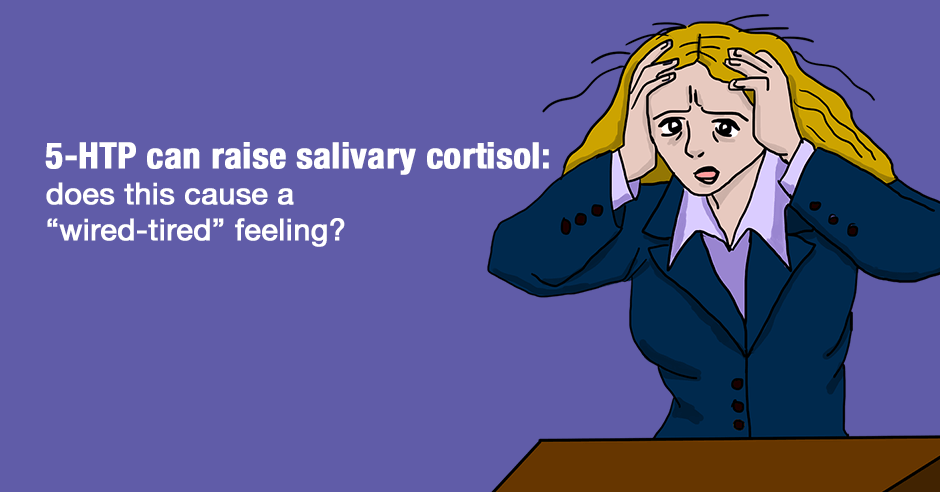
Dr. Uma Naidoo has a wonderful new book called This Is Your Brain on Food: An Indispensable Guide to the Surprising Foods that Fight Depression, Anxiety, PTSD, OCD, ADHD, and More (my Amazon link)

Her big bold message is this “Until we solve nutritional problems, no amount of medication and psychotherapy is going to be able to stem the tide of mental issues in our society.”  This is something I wholeheartedly agree with!

I had the wonderful opportunity to interview Dr. Naidoo and we talked about the benefits of fermented foods and social anxiety, vitamin D and anxiety, dietary sources of polyphenols for ADHD and much more:

  • A 2015 study, Fermented foods, neuroticism, and social anxiety, reports that people eating fermented foods saw a reduction in their social anxiety and neurotic traits
  • Dr. Naidoo recommends unflavored kefir (which can be used to make a creamy dressing), miso, fermented vegetables and kombucha (watch the added sugars)
  • I mention kombucha as a source of fluoride (watch if you have issues with fluoride)
  • Vitamin D and anxiety: we discuss a 2019 study, Effect of Vitamin D Supplement on Mood Status and Inflammation in Vitamin D Deficient Type 2 Diabetic Women with Anxiety: A Randomized Clinical Trial

51 women with type 2 diabetes and vitamin D deficiency were randomly allocated to receive one oral pearl of 50,000 IU vitamin D3 (26 women) or a placebo (25 women) fortnightly for 16 weeks

Anxiety score changes were significantly lower in vitamin D group than the controls

  • Dr . Naidoo recommends these sources of vitamin D: egg yolks, salmon, mushrooms and sun exposure (sun through a window doesn’t count)
  • Dietary polyphenols and ADHD: We talk about a 2018 study, Rationale for Dietary Antioxidant Treatment of ADHD

Dietary polyphenols… have antioxidant capacities as well as immunoregulatory effects and, therefore, appear appropriate in ADHD therapy.

  • Dr. Naidoo recommends these sources of polyphenols: berries and other fruit, vegetables, extra virgin olive oil.
  • I’m fascinated by the fact that polyphenols “act as a low-dose toxin that trains the body to mount an immune response in a process called hormesis” (there are many geeky gems like this in the book)
  • Dr. Naidoo shares the story of her 36 year old patient with severe anxiety. He was a binge eater and also had a history of alcohol abuse. Vitamin B1 (250mg) was every effective for him…“In animal studies, thiamine appears to reduce stress-like responses because it protects the hippocampus”
  • We talk about chamomile tea and how it helps with sleep. There are some cautions if you’re on a blood thinner prescription or going to have surgery. Pregnant women should also avoid it.
  • Dr. Naidoo shares a delicious Golden Milk recipe with tips on how to use turmeric (one her favorite spices and inspired by her grandmother’s cooking) with black pepper. You’ll find this in the recipes section.
  • Dr Naidoo also shares one of her favorite comfort foods – a yummy lentil soup recipe called dal in south Indian cuisines. It’s a great source of fiber, plant-based protein and is very affordable. And really healthy when cooked with vegetables and spices like mustard seeds, ginger, garlic and turmeric. She shares a tip to improve the flavors – making tadka (listen to the interview below, enjoy and be inspired!)


It’s a wonderful book that I highly recommend if:

  • you are new to nutritional psychiatry and the power of food
  • you are a seasoned foodie and want to geek out on mechanisms and the science
  • you want to learn about foods and nutrients (all science-based) specifically for depression, anxiety, PTSD, OCD, ADHD and insomnia
  • you are a practitioner and want to learn and share a wonderful book with your patients or clients

I read it cover to cover and picked up so many gems. I also loved reading about her memories of cooking with her Pinetown granny (Pinetown is just outside Durban where we both happened to grow up)!

We do have a few professional differences of opinion that I feel I should mention:

  • I am not in favor of canola oil and I’d switch out the recipes that call for canola oil with olive oil
  • I have a difficult time extrapolating high-fat diets in rat studies to concerns about saturated fat consumption in humans (given the nature of the rat chow in many of these studies)
  • I’m more concerned with portion-size of carbs than I am with portion-size of healthy fats (and typically recommend full-fat coconut milk, and chicken and turkey with skin-on)
  • I find grass-red meat to be beneficial for my clients with anxiety and mood issues
  • Many of my anxious clients cannot tolerate any caffeine and I consider 14 alcoholic drinks a week for men and 7 alcoholic drinks a week for women to be excessive
  • I prefer stove-top and oven cooking to using a microwave.

This is the official book blurb:

Did you know that blueberries can help you cope with the aftereffects of trauma? That salami can cause depression, or that boosting Vitamin D intake can help treat anxiety?

When it comes to diet, most people’s concerns involve weight loss, fitness, cardiac health, and longevity. But what we eat affects more than our bodies; it also affects our brains. And recent studies have shown that diet can have a profound impact on mental health conditions ranging from ADHD to depression, anxiety, sleep disorders, OCD, dementia and beyond.

A triple threat in the food space, Dr. Uma Naidoo is a board-certified psychiatrist, nutrition specialist, and professionally trained chef. In This Is Your Brain on Food, she draws on cutting-edge research to explain the many ways in which food contributes to our mental health, and shows how a sound diet can help treat and prevent a wide range of psychological and cognitive health issues.

Packed with fascinating science, actionable nutritional recommendations, and delicious, brain-healthy recipes, This Is Your Brain on Food is the go-to guide to optimizing your mental health with food.

Uma Naidoo, MD is board-certified psychiatrist (Harvard Medical School), professional chef (Cambridge School of Culinary Arts), and nutrition specialist (Cornell University). She is currently the Director of Nutritional and Lifestyle Psychiatry at Massachusetts General Hospital (MGH), where she consults on nutritional interventions for the psychiatrically and medically ill; Director of Nutritional Psychiatry at the Massachusetts General Hospital Academy; and has a private practice in Newton, MA. She also teaches at The Cambridge School of Culinary Arts.

Dr. Naidoo speaks frequently at conferences at Harvard, for Goop audiences, the New York City Jewish Community Center (JCC), and Ivy Boston. She blogs for Harvard Health and Psychology Today and completed a unique video cooking series for the MGH Academy which teaches Nutritional Psychiatry using culinary techniques in the kitchen.

You can get your copy of This Is Your Brain on Food here (my Amazon link) and find additional information about Dr. Naidoo here and the book here.

Let us know what you think in the comments below and be sure to leave Dr. Naidoo a review once you read your copy!

Feel free to post your questions here too.
Filed Under: Anxiety, Books Tagged With: ADHD, anxiety, brain, chamomile tea, dal, depression, Dr. Uma Naidoo, fermented food, food, insomnia, OCD, polyphenols, PTSD, sleep, This Is Your Brain on Food, turmeric, Uma Naidoo, vitamin D

5-HTP can raise salivary cortisol: does this cause a “wired-tired” feeling?

August 14, 2020 By Trudy Scott 48 Comments

5-htp salivary

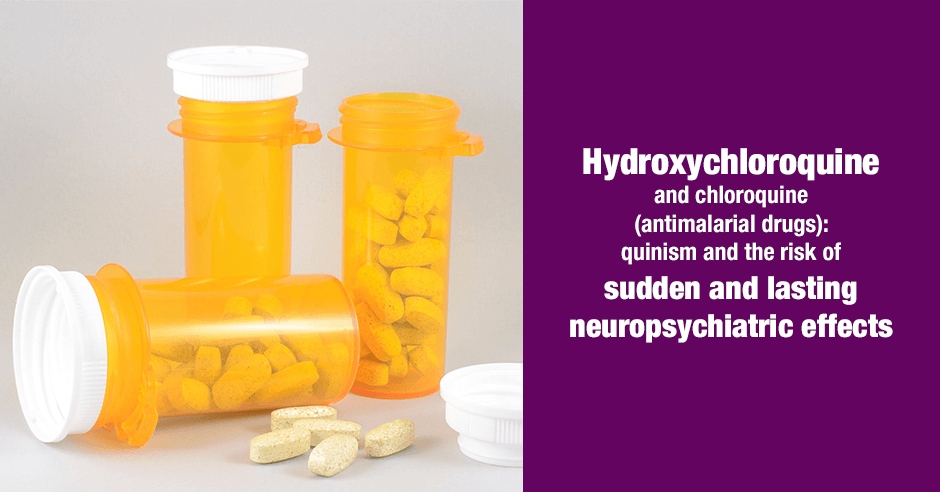
Are you aware that 5-HTP – an amino acid supplement that supports serotonin levels – can raise cortisol levels and leave you feeling “wired-tired”? You may be able to relate to this if you’ve ever used 5-HTP to help with anxiety and insomnia and ended up feeling more anxious and more wide-awake despite your exhaustion and need for sleep. You feel “wired-tired” and it’s not pleasant at all.

Both 5-HTP and tryptophan, used as supplements, help to boost serotonin levels so you can feel happy, calm, sleep well and not crave carbs in the afternoon/evening. They also help with panic attacks and phobias, lack of confidence, depression, negativity, imposter syndrome, PMS, irritability, anger issues, pain/fibromyalgia, TMJ and anger. I typically have my clients with low serotonin symptoms start with a trial of tryptophan because I see such excellent results with this amino acid. That being said, some people simply do better on one versus the other and you may do better with 5-HTP.

However there is one big caveat with 5-HTP. I don’t recommend 5-HTP when a client has elevated cortisol levels because we know that it can raise cortisol levels in certain individuals. This can leave you feeling agitated, cranky, as well as wired and yet tired at the same time.

In this 2002 study, L-5-hydroxytryptophan induced increase in salivary cortisol in panic disorder patients and healthy volunteers

Salivary cortisol levels were measured in 24 panic disorder patients and 24 healthy volunteers, following ingestion of 200 mg L-5-hydroxytryptophan or placebo.

The experiment was carried out in the afternoon, “when basal cortisol secretion is more stable.” The first saliva sample was obtained at 1pm and the subjects ingested the 200mg 5-HTP at 2pm. Additional saliva samples were obtained at 2:30pm, 3:00pm and 3:30pm.

They report the following:

A significant rise in cortisol was observed in both patients and controls following ingestion of L-5-hydroxytryptophan. No such effects were seen in the placebo condition.

Here are a few additional comments and my thoughts:

  • This study was done to find evidence for “serotonin receptor hypersensitivity in panic disorder” and not specifically to test for the effects of 5-HTP on cortisol levels but it serves this purpose rather nicely (and it’s one of many similar studies, some of which measure plasma cortisol levels)
  • Keep in mind 200mg of 5-HTP is a large starting dose. It’s typical to start with 50mg so may be a factor to consider
  • In this study they did not assess cortisol levels beyond the 1.5 hours from ingestion of the 5-HTP. It would have been useful to see when levels started to go down
  • We would want to consider the ramifications of using 5-HTP for weeks (whether it’s 50 or 200mg). What impact would that have on cortisol and the adrenals? (I am not aware of a study like this having been done)
  • I’m also not aware of a study being done with 50mg but if you feel worse and feel “wired-tired” with 5-HTP and switch to tryptophan (the equivalent starting dose is 500mg) and your anxiety and other low serotonin symptoms resolve then you have found your solution
  • You may be wondering: “could I use 5-HTP to raise my low cortisol levels”? Theoretically yes and possibly very short-term. But I would question the timing since 5-HTP and tryptophan are best dosed mid-afternoon and later. This is when we would expect our cortisol levels to be on the downward slope as we end our day. I’d also want to nourish the adrenals with B vitamins and herbal adaptogen and remove the trigger/s that are leading to low cortisol.

If you suspect low serotonin symptoms and are new to using the amino acids and do not have my book I highly recommend getting it and reading it before jumping in to taking supplements: The Antianxiety Food Solution – How the Foods You Eat Can Help You Calm Your Anxious Mind, Improve Your Mood, and End Cravings.

There is a complete chapter on the amino acids and one for pyroluria, plus information on real whole food, sugar and blood sugar, gluten, digestion and much more.  If you’re not a reader there is now also an audible version.

Here is the Amino Acids Mood Questionnaire from The Antianxiety Food Solution and additional information on Anxiety and targeted individual amino acid supplements: a summary

Please also read and follow these Amino Acid Precautions.

This lists The Antianxiety Food Solution Amino Acid and Pyroluria Supplements that I use with my individual clients and those in my group programs.

Have you used 5-HTP with success? Or have you used it and felt “wired-tired”? Have you correlated the success or failure of your 5-HTP use with your salivary cortisol levels?

If you switched from 5-HTP to tryptophan did you have success with that?

If you’re a practitioner is this something you see with your clients/patients and take into consideration?

Feel free to post your questions here too.
Filed Under: Antianxiety Tagged With: 5-HTP, adrenals, amino acid, anger, anger issues, calm, cortisol, depression, Fibromyalgia, happy, Imposter syndrome, irritability, L-5-hydroxytryptophan, negativity, pain, panic attacks, Panic disorder, phobias, PMS, serotonin, sleep, TMJ, tryptophan, wired-tired

Hydroxychloroquine and chloroquine (antimalarial drugs): quinism and the risk of sudden and lasting neuropsychiatric effects

July 31, 2020 By Trudy Scott 80 Comments

Hydroxychloroquine

The Quinism Foundation, a nonprofit charitable organization “promotes and supports education and research on quinism, the family of medical disorders caused by poisoning by mefloquine, tafenoquine, chloroquine, and related quinoline drugs.”

Executive Director of the foundation, Dr. Remington Nevin, MD, MPH, DrPH, is a Johns-Hopkins trained psychiatric epidemiologist and drug safety expert and former U.S. Army public health physician. He has published extensively on the subject.

The foundation share the symptoms of chronic quinoline encephalopathy, also known as neuropsychiatric quinism:

The term “quinism” may seem new, but the symptoms of poisoning by mefloquine (previously marketed as Lariam®), tafenoquine (marketed as Krintafel® and Arakoda™), chloroquine (marketed as Aralen®), and related quinoline drugs are all too familiar: Tinnitus. Dizziness. Vertigo. Paresthesias. Visual disturbances. Gastroesophageal and intestinal problems. Nightmares. Insomnia. Sleep apnea. Anxiety. Agoraphobia. Paranoia. Cognitive dysfunction. Depression. Personality change. Suicidal thoughts.

These symptoms are not “side effects,” they are symptoms of poisoning by a class of drug that is neurotoxic and that injures the brain and brainstem. This poisoning causes a disease, and this disease has a name: Chronic quinoline encephalopathy — also known as quinism.

In March they published this press release: The Quinism Foundation Warns of Dangers from Use of Antimalarial Quinolines Against COVID‑19. Here are some highlights:

  • A risk of sudden and lasting neuropsychiatric effects from the use of antimalarial quinolines against COVID‑19, the disease caused by the novel coronavirus
  • In susceptible individuals, these drugs act as idiosyncratic neurotoxicants, potentially causing irreversible brain and brainstem dysfunction, even when used at relatively low doses

What is concerning is lasting neuropsychiatric effects and the fact that even low doses can cause irreversible effects. The Foundation “has urged policy makers, physicians, and members of the public to be alert to such effects.”

Dr. Nevin states that “these are not safe drugs” and “While it may be tempting to attribute anxiety, depression, paranoia, or other mental health symptoms to the psychological effects of the COVID‑19 pandemic, these symptoms may be an early warning sign of idiosyncratic neurotoxicity, and must be taken seriously.” 

You can read the entire March 2020 press release here. It contains a link to U.S. Food and Drug Administration’s MedWatch program for reporting adverse effects.

Another press release published late July also cautions the use of tafenoquine against COVID-19 which The Qunism Foundation states “is a neurotoxic quinoline antimalarial drug with a similar adverse effect profile to mefloquine.”

New COVID-19 research on chloroquine and hydroxychloroquine

It’s encouraging to see that new research published on COVID-19 and these medications also highlights the possibility of neuropsychiatric side effects (even through the authors state it’s considered uncommon): Psychiatric Aspects of Chloroquine and Hydroxychloroquine Treatment in the Wake of COVID-19: Psychopharmacological Interactions and Neuropsychiatric Sequelae

…neuropsychiatric side effects are very uncommon but possible, and include a potentially prolonged phenomenon of “psychosis following chloroquine.” Hydroxychloroquine has less information available about its neuropsychiatric side effects than chloroquine, with psychosis literature limited to several case reports

Case reports on psychiatric symptoms induced by hydroxychloroquine

Here is one of these case reports: Psychiatric symptoms induced by hydroxychloroquine.  A 36-year-old woman was diagnosed with Systemic Lupus Erythematosus (SLE) and antiphospholipid syndrome, and was treated with prednisone 10 mg and hydroxychloroquine 200 mg every 24 hours. Her arthritis improved but

One month after initiation of treatment, the patient began with generalized anxiety, suicidal ideation and the appearance of auditory and kinaesthetic [tactile] hallucinations.

She had similar adverse effects 5 years later  when hydroxychloroquine (without prednisone) was prescribed following an outbreak of cutaneous SLE

A week later, the patient was admitted to the Department of Psychiatry because of suicidal ideation, self-harm and kinaesthetic and auditory hallucinations, which improved after withdrawal of hydroxychloroquine and treatment in a psychiatric setting. 

Since then, the patient has not been taking hydroxychloroquine and has had no further episodes of kinaesthetic [tactile] or auditory hallucinations.

Here are two other case reports: Hydroxychloroquine-induced acute psychosis in a systemic lupus erythematosus female and Hydroxychloraquine-induced acute psychotic disorder in a female patient with rheumatoid arthritis: a case report.

Risk factors for susceptibility

This review article from 2018, Neuropsychiatric clinical manifestations in elderly patients treated with hydroxychloroquine: A review article mentions that these adverse events can range from less severe nervousness to “actual psychosis and suicidal tendencies.” 

It also lists possible risk factors that may make certain individuals more susceptible:

co-exposure to interacting drugs, alcohol intake, familial history of psychiatric diseases, female gender, and the concomitant use of low-dose glucocorticoids [such as prednisone]. 

Malaria drug causes brain damage that mimics PTSD

I first learned of this neuropsychiatric connection a number of years ago when I read about the “case of a service member diagnosed with post-traumatic stress disorder but found instead to have brain damage caused by a malaria drug.” You can read about this here – Malaria drug causes brain damage that mimics PTSD: case study.

A few years ago I also blogged about the anti-malaria medication mefloquine and how it was known to contribute to neuropsychiatric symptoms in susceptible individuals: PTSD from 3 tours in Afghanistan: Can GABA help with the anxiety?

My concerns about long-term prophylactic use and lack of awareness

My concerns are long-term prophylactic use. There are a number of clinical trials planned or in progress for long-term use in healthcare workers. If they are stressed, anxious, depressed and exhausted because of the COVID-19 work they have been doing, they may incorrectly attribute some of their symptoms to all that rather than the medication side-effects. And if they do get COVID-19, they may confuse the neurological and psychiatric effects of COVID-19 with those of chloroquine or hydroxychloroquine.

What also concerns me is the lack of awareness. None of the advocates of this class of medications mentions quinism, the possible neuropsychiatric side-effects and long-term risks, or who may be susceptible.

I would be very happy if chloroquine or hydroxychloroquine is found to be a solution (or part of a solution) for COVID-19 – alone or in combination with zinc – for certain individuals.

But I believe we do need to be very aware about side-effects as serious as these. I’d also like to see education for healthcare providers and the consumer, as well as informed consent for the consumer.

Similar concerns with other medications

In the past I’ve written about similar concerns with other medications such as benzodiazepines, SSRIs and fluoroquinolone antibiotics:

  • Antibiotic Induced Anxiety – How Fluoroquinolone Antibiotics Induce Psychiatric Illness Symptoms
  • World Benzodiazepine Awareness Day – say NO to Benzodiazepines for anxiety! 
  • The benzodiazepine valium blocks DAO and impacts histamine levels: wisdom from Yasmina Ykelenstam and a tribute to her brilliance
  • Little evidence for SSRI use in anxiety and compulsions in ASD: my interview on Nourishing Hope for Autism Summit 

Your feedback and questions so we can all learn

I encourage you to keep all this in mind as you navigate what you hear in the news, read on social media and/or read in the research on hydroxychloroquine.

Keep all this in mind too if you have future plans to travel to a malaria area for a vacation in the future (wouldn’t we love that – a trip!?).

Have you used chloroquine or hydroxychloroquine for COVID-19 and experienced psychiatric side-effects? Or know someone who has?

Have you used antimalarial medications in the past and experienced psychiatric side-effects? Was this a short-course or long-term prophylactic use?

Have you used these medications for lupus or rheumatoid arthritis with success and without psychiatric side-effects? Or have you experienced adverse effects and had to stop?

If you have had adverse psychiatric effects please share which medication, dosage and frequency? Also do you have any of the predisposing risk factors: alcohol intake at the time, history of psychiatric diseases (you or family members), are female, and were also prescribed low-dose glucocorticoids such as prednisone, and/or other medications (and which ones)?

Feel free to post your questions here too.
Filed Under: Medication Tagged With: Agoraphobia, antimalarial drugs, anxiety, benzodiazepines, chloroquine, chronic quinoline encephalopathy, Cognitive dysfunction, Coronavirus, COVID-19, depression, Dizziness, fluoroquinolone antibiotics, Hydroxychloroquine, insomnia, lasting neuropsychiatric effects, mental health symptoms, neuropsychiatric, Nightmares, paranoia, Personality change, quinism, Quinism Foundation, Sleep apnea, SSRI, Suicidal, Tinnitus, vertigo

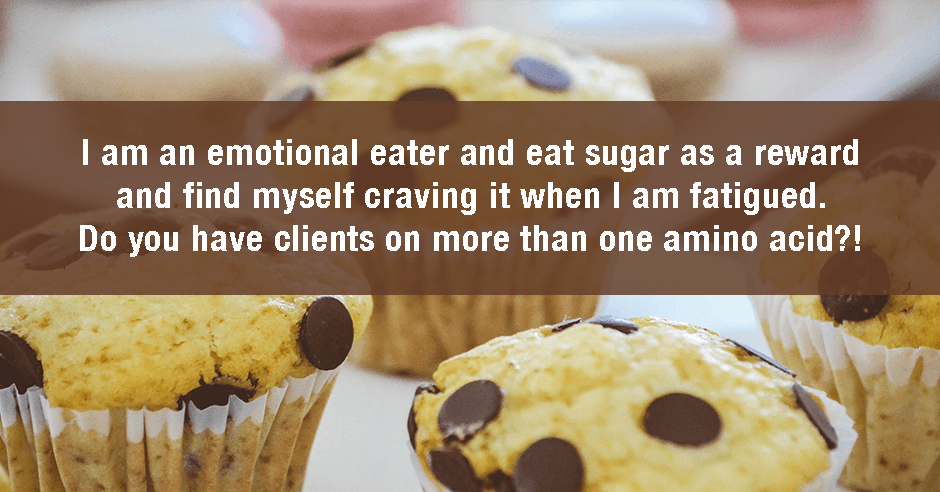
I am an emotional eater and eat sugar as a reward and find myself craving it when I am fatigued. Do you have clients on more than one amino acid?!

July 24, 2020 By Trudy Scott 24 Comments


emotional eating and amino acides

This is a question I received from a stressed out mom in my community. She has identified when she craves sugar and the emotion connected to her cravings. Now she has questions about how to trial and use amino acids to stop her cravings, get her energy back and feel emotionally stable:

I know I am an emotional eater, I know I eat sugar as a reward and I do find myself craving it when I am fatigued. I also seem to crave it after a very savory meal; especially one with garlic. What is THAT about?! Do you have clients on more than one amino acid?!

I have been a caregiver for my son (multiple disabilities) for 30 years; he has uncontrolled seizures and my husband has PTSD. It is a stressful household.

This is what I shared with her about the brain chemical imbalances and amino acids:

  • Many of my clients need more than one amino acid but it’s best to trial one at a time. When I hear my client say they eat sugar as a reward we immediately consider a trial of DPA (d-phenylalanine) especially if they are also overly emotional/weepy and also have physical pain.
  • When I hear my client say “I do find myself craving sugar when I am fatigued” we consider low catecholamines and a trial of tyrosine especially if they also have poor focus, low motivation and a flat mood. If the fatigue is caused by low blood sugar this can cause fatigue, irritability/crankiness and anxiety and a trial of glutamine may be a better option. If the DPA helps the emotional-reward-eating after a week or two, then we may do a trial of tyrosine and/or glutamine (one at a time) and use them in addition to the DPA.
  • When I hear “sugar cravings after a savory meal” we consider low serotonin and a trial of tryptophan if it’s after lunch or dinner. Serotonin dips in the afternoon and evening triggering this type of craving. With low serotonin we also see worry, anxiety, depression, anger, PMS, insomnia and irritability. Let’s assume the DPA helps and the tyrosine helps with the fatigue, then we’d consider a trial of tryptophan and add that.

So yes I do have many clients needing more than one amino acid! But we always trial one at a time and find a good baseline before adding the next one or doing a new trial if the first one didn’t give expected results.

With regards to which amino acid trial to do first, I always ask my client which area is causing the most problem or distress in your life and we start there. Since she mentioned emotional eating and then fatigue and then cravings after a savory meal, this sequence may be best for her. But addressing the fatigue with tyrosine first may be a better approach for someone else.

With regards to cravings after a savory meal we also look into how much protein and healthy fats the client has in that meal. I don’t know why garlic would be a trigger other than it’s possibly stirring up candida. Candida is also a big factor when it comes to sugar cravings, fatigue and feeling sad/emotional so we would also possibly need to address this too.

Adrenal and sleep support is also key and I recommend this resource for additional caregiver support for her – The psychological trauma of coronavirus – nutritional support for doctors, nurses and their loved ones.

For her husband’s PTSD I recommend this resource – PTSD from 3 tours in Afghanistan: Can GABA help with the anxiety?

For her son’s seizures I recommend this paper, Ketogenic Diet and Epilepsy: What We Know So Far, and working with a practitioner who could offer consultation and guidance on a ketogenic diet.  Another useful resource is this one – Use of Cannabidiol in the Treatment of Epilepsy: Efficacy and Security in Clinical Trials.

If you suspect low levels of any any of the neurotransmitters and are new to using the amino acids and do not have my book I highly recommend getting it and reading it before jumping in to taking supplements: The Antianxiety Food Solution – How the Foods You Eat Can Help You Calm Your Anxious Mind, Improve Your Mood, and End Cravings.

There is a complete chapter on the amino acids and one for pyroluria, plus information on real whole food, sugar and blood sugar, gluten, digestion and much more.  If you’re not a reader there is now also an audible version.

Here is the Amino Acids Mood Questionnaire from The Antianxiety Food Solution and additional information on Anxiety and targeted individual amino acid supplements: a summary

Please also read and follow these Amino Acid Precautions.

This lists The Antianxiety Food Solution Amino Acid and Pyroluria Supplements that I use with my individual clients and those in my group programs. You’ll find DPA, tyrosine and tryptophan listed here.

Please share your emotional eating and sugar craving success story if you have one using DPA.

And let us know if tyrosine helps with your fatigue and low-energy driven sugar cravings?

And does tryptophan help your afternoon and evening sugar cravings?

Feel free to post your questions here too.
Filed Under: Cravings Tagged With: anxiety, DPA, emotional eating, endorphins, energy, fatigue, glutamine, insomnia, low mood, pain, PTSD, seizures, serotonin, stressed, sugar, tryptophan, worry

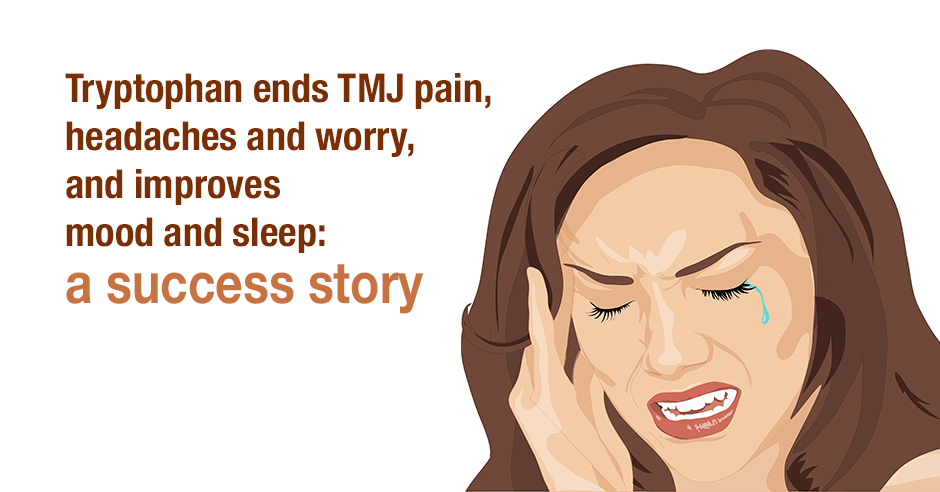
Tryptophan ends TMJ pain, headaches and worry, and improves mood and sleep: a success story

July 17, 2020 By Trudy Scott 32 Comments

tryptophan success story

Today I’m sharing a success story on how the amino acid tryptophan, taken as a supplement, ends  TMJ (temporomandibular joint) pain and headaches in a woman in my community. She had the added benefits of an improved mood and less worrying and her sleep improved too.

There is evidence to support the low serotonin connection to TMJ and pain like fibromyalgia and I share that research below.

Before I share the success story, in case you’re new to neurotransmitter imbalances, the other symptoms we see with low serotonin are the worrying-type of anxiety, panic attacks and phobias, lack of confidence, depression, negativity, imposter syndrome, PMS, irritability, anger issues, insomnia and afternoon/evening cravings. Tryptophan can be used to boost serotonin levels and improve these symptoms as you’ll see below.

Right after speaking on the recent Trauma and Mind-Body Super Conference, Renee shared her wonderful success story on Facebook:

Out of all the interviews I felt yours gave the most actionable steps. I was taking amitriptyline for TMJ and didn’t like the side effects, however what other options did I have? Not many according to my GP [general practitioner]. Luckily I found your suggestion of tryptophan. And I can’t explain how much of a change it made! I weaned off the medicine and took tryptophan instead and not only did it help the TMJ but also helped me feel more even emotionally.

I am being referred for trauma therapy and I am optimistic that I will be discomfort free soon.

So huge thanks for sharing your knowledge. It helped me at a time when I was really starting to think there were no ‘natural’ options and conventional meds were all I could take.

I checked in with her, thanking her and acknowledging her wonderful feedback. I also asked how much tryptophan made this difference and how quickly she saw an improvement. And what side-effects she was seeing with the medication. She shared this:

I am a week into taking tryptophan, and I’m taking 500mg. I saw improvements with the TMJ within an hour of taking it. My jaw felt loose and I had no headaches, I also felt more ‘even’ mood wise. Like an underlying worry had gone. [worry is a classic symptom of low serotonin – more on that here]

I also had some stress yesterday that usually would have made me crumble, but instead I was able to stand up for myself and see subjectively the extent of the issue and resolve it. I am amazed!

My original medication (amitriptyline) had given me extreme dry mouth, which I found hard to manage, the headaches were also not relieved as much as I had hoped, plus I was having sessions of palpitations.

I haven’t had any palpitations from the day I started tryptophan whereas the dry mouth took some time to subside.

These really are wonderful results and typical that we’d see results this quickly with tryptophan if the root cause of the TMJ and headaches is low serotonin. It can sometimes take a few weeks to find the ideal dose but Renee found it with the initial trial amount of 500mg.

Sleep improved but made her too sleepy too early (some of the medication side-effects went away too)

The tryptophan also improved her sleep (and the palpitations and dry mouth side-effects from the medication stopped):

I was struggling to get to sleep and stay asleep, suffering bouts of insomnia, prior to any medication. I still am sleeping well taking tryptophan which I am pleased about.

She did however share that the timing of the tryptophan was making her too sleepy too early in the evening and she was planning to shift the timing:

I am finding tryptophan is making me feel drowsy in the evening, so I am trying different times during the day to take it. Hopefully I can push back the tiredness to perhaps 8/9 at night to coincide with bedtime.

My advice to her was that I have my clients use tryptophan MA (mid-afternoon) and evening and if MA makes them too sleepy they just do an evening dose. That can be enough for TMJ the next day. Sometimes more than 1 x 500mg in the evening is needed for easing TMJ and headache pain that night and the next day too.

I did check with her about weaning off the medication as cold-turkey quitting of psychiatric medications are dangerous and not advised. She shared this:

I weaned off over 1 week, but I was only on it for 8 weeks in total before I found tryptophan.

A slow taper under the guidance of the prescribing doctor is always recommended (more on this for amitriptyline/Elavil withdrawal here).

Some research supporting this serotonin/TMJ connection

  • Plasma tryptophan and kynurenine in females with temporomandibular disorders and fibromyalgia – An exploratory pilot study

…both temporomandibular disorders myalgia (TMDM) and fibromyalgia (FM) have been linked to central and peripheral changes in serotonin availability.” (tryptophan is not used in this study which also makes the serotonin/anxiety connection)

  • The effects of dietary tryptophan on chronic maxillofacial pain and experimental pain tolerance

Over the 4 weeks of the study, there was a greater reduction in reported clinical pain and a greater increase in pain tolerance threshold in the tryptophan group than in the placebo group. The tryptophan group was given “three grams of tryptophan in conjunction with a high carbohydrate, low fat, low protein diet.”

Additional resources when you are new to using tryptophan and other amino acids as supplements

As always, I use the symptoms questionnaire to figure out if low serotonin or other neurotransmitter imbalances may be an issue.

If you suspect low levels of any of the neurotransmitters and do not yet have my book, The Antianxiety Food Solution – How the Foods You Eat Can Help You Calm Your Anxious Mind, Improve Your Mood, and End Cravings, I highly recommend getting it and reading it before jumping in and using amino acids on your own so you are knowledgeable. And be sure to share it with the practitioner/health team you or your loved one is working with.

There is an entire chapter on the amino acids and they are discussed throughout the book in the sections on gut health, gluten, blood sugar control (this is covered in an entire chapter too), sugar cravings, anxiety and mood issues.

The book doesn’t include product names (per the publisher’s request) so this blog,The Antianxiety Food Solution Amino Acid and Pyroluria Supplements, lists the amino acids that I use with my individual clients and those in my group programs.

If, after reading this blog and my book, you don’t feel comfortable figuring things out on your own (i.e. doing the symptoms questionnaire and respective amino acids trials), a good place to get help is the GABA QuickStart Program (if you have low GABA symptoms). This is a paid online/virtual group program where you get my guidance and community support. You can sign up to be notified when the next live launch is happening.

If you need serotonin support, the Serotonin QuickStart Program is a good place to get help. This is also a paid online/virtual group program where you get my guidance on using tryptophan and 5-HTP safely, and community support during 5 LIVE Q&A calls. You can sign up to be notified when the next live launch of this program is happening.

If you are a practitioner, join us in The Balancing Neurotransmitters: the Fundamentals program. This is also a paid online/virtual program with an opportunity to interact with me and other practitioners who are also using the amino acids.

Wrapping up and your feedback

I appreciate Renee sharing her success story and I’m thrilled with her results.

Please share your TMJ/headache tryptophan success story if you have one (and how much tryptophan or 5-HTP helped you).

What about mood, anxiety and sleep (and any other low serotonin symptoms) – did they improve too?

And do share if other nutrients or approaches have helped.

And feel free to post your questions here too.

Filed Under: Anxiety, Pain, Tryptophan Tagged With: anxiety, Headaches, insomnia, mood, pain, palpitations, serotonin, sleep, temporomandibular joint pain, TMJ, TMJ pain, tryptophan, worry

  • « Go to Previous Page
  • Page 1
  • Interim pages omitted …
  • Page 33
  • Page 34
  • Page 35
  • Page 36
  • Page 37
  • Interim pages omitted …
  • Page 160
  • Go to Next Page »

Primary Sidebar

GABA QuickStart Homestudy

gaba quickstart homestudy

Free Report

9 Great Questions Women Ask about Food, Mood and their Health

You'll also receive a complimentary subscription to my ezine "Food, Mood and Gal Stuff"


Connect with me

Popular Posts

  • Amino Acids Mood Questionnaire from The Antianxiety Food Solution
  • The Antianxiety Food Solution Amino Acid and Pyroluria Supplements
  • Pyroluria Questionnaire from The Antianxiety Food Solution
  • Collagen and gelatin lower serotonin: does this increase your anxiety and depression?
  • Tryptophan for the worry-in-your-head and ruminating type of anxiety
  • GABA for the physical-tension and stiff-and-tense-muscles type of anxiety
  • The Antianxiety Food Solution by Trudy Scott
  • Seriphos Original Formula is back: the best product for anxiety and insomnia caused by high cortisol
  • Am I an anxious introvert because of low zinc and vitamin B6? My response to Huffington Post blog
  • Vagus nerve rehab with GABA, breathing, humming, gargling and key nutrients

Recent Posts

  • Her cravings for chips and peanut butter were triggered by stress: GABA ends cravings and reduces physical tension and fear of heights
  • It is truly miraculous to be able to move through life without crippling anxiety and panic
  • GABA and tryptophan combo provide immediate and noticeable relief for tremors and cervical dystonia in just 7 days
  • Red light therapy for back and neck pain, plantar fasciitis and low mood – a complement to the amino acids GABA, DPA and tryptophan
  • What do I use instead of Seriphos to help lower high cortisol that is affecting my sleep and making me anxious at night?

Categories

  • 5-HTP
  • AB575
  • Addiction
  • ADHD
  • Adrenals
  • Alcohol
  • Allergies
  • Alzheimer's disease
  • Amino Acids
  • Anger
  • Antianxiety
  • Antianxiety Food Solution
  • Antidepressants
  • Anxiety
  • Anxiety and panic
  • Autism
  • Autoimmunity
  • benzodiazapines
  • Bipolar disorder
  • Books
  • Caffeine
  • Cancer
  • Candida
  • Children/Teens
  • Collagen
  • Cooking equipment
  • Coronavirus/COVID-19
  • Cravings
  • Depression
  • Detoxification
  • Diabetes
  • Diet
  • DPA/DLPA
  • Drugs
  • EFT/Tapping
  • EMF
  • EMFs
  • Emotional Eating
  • Endorphins
  • Environment
  • Essential oils
  • Events
  • Exercise
  • Fear
  • Fear of public speaking
  • Fertility and Pregnancy
  • Fish
  • Food
  • Food and mood
  • Functional neurology
  • GABA
  • Gene polymorphisms
  • General Health
  • Giving
  • Giving back
  • Glutamine
  • Gluten
  • GMOs
  • Gratitude
  • Gut health
  • Heart health/hypertension
  • Histamine
  • Hormone
  • Hyperparathyroidism
  • Hypoglycemia
  • Immune system
  • Inflammation
  • Insomnia
  • Inspiration
  • Introversion
  • Joy and happiness
  • Ketogenic diet
  • Lithium orotate
  • Looking awesome
  • Lyme disease and co-infections
  • MCAS/histamine
  • Medication
  • Men's health
  • Mental health
  • Mercury
  • Migraine
  • Mold
  • Movie
  • MTHFR
  • Multiple sclerosis
  • Music
  • NANP
  • Nature
  • Nutritional Psychiatry
  • OCD
  • Osteoporosis
  • Oxalates
  • Oxytocin
  • Pain
  • Paleo
  • Parasites
  • Parkinson’s disease
  • PCOS
  • People
  • PMS
  • Postpartum
  • PTSD/Trauma
  • Pyroluria
  • Questionnaires
  • Real whole food
  • Recipes
  • Research
  • Schizophrenia
  • serotonin
  • SIBO
  • Sleep
  • Special diets
  • Sports nutrition
  • Stress
  • Sugar addiction
  • Sugar and mood
  • Supplements
  • Teens
  • Testimonials
  • Testing
  • The Anxiety Summit
  • The Anxiety Summit 2
  • The Anxiety Summit 3
  • The Anxiety Summit 4
  • The Anxiety Summit 5
  • The Anxiety Summit 6
  • Thyroid
  • Thyroid health
  • Toxins
  • Tryptophan
  • Tyrosine
  • Uncategorized
  • Vegan/vegetarian
  • Women's health
  • Yoga

Archives

  • May 2026
  • April 2026
  • October 2025
  • September 2025
  • August 2025
  • July 2025
  • June 2025
  • May 2025
  • April 2025
  • March 2025
  • February 2025
  • January 2025
  • November 2024
  • October 2024
  • September 2024
  • August 2024
  • July 2024
  • June 2024
  • May 2024
  • April 2024
  • March 2024
  • February 2024
  • January 2024
  • December 2023
  • November 2023
  • October 2023
  • September 2023
  • August 2023
  • July 2023
  • June 2023
  • May 2023
  • April 2023
  • March 2023
  • February 2023
  • January 2023
  • December 2022
  • November 2022
  • October 2022
  • September 2022
  • August 2022
  • July 2022
  • June 2022
  • May 2022
  • April 2022
  • March 2022
  • February 2022
  • January 2022
  • December 2021
  • November 2021
  • October 2021
  • September 2021
  • August 2021
  • July 2021
  • June 2021
  • May 2021
  • April 2021
  • March 2021
  • February 2021
  • January 2021
  • December 2020
  • November 2020
  • October 2020
  • September 2020
  • August 2020
  • July 2020
  • June 2020
  • May 2020
  • April 2020
  • March 2020
  • February 2020
  • January 2020
  • December 2019
  • November 2019
  • October 2019
  • September 2019
  • August 2019
  • July 2019
  • June 2019
  • May 2019
  • April 2019
  • March 2019
  • February 2019
  • January 2019
  • December 2018
  • November 2018
  • October 2018
  • September 2018
  • August 2018
  • July 2018
  • June 2018
  • May 2018
  • April 2018
  • March 2018
  • February 2018
  • January 2018
  • December 2017
  • November 2017
  • October 2017
  • September 2017
  • August 2017
  • July 2017
  • June 2017
  • May 2017
  • April 2017
  • March 2017
  • February 2017
  • January 2017
  • December 2016
  • November 2016
  • October 2016
  • September 2016
  • August 2016
  • July 2016
  • June 2016
  • May 2016
  • April 2016
  • March 2016
  • February 2016
  • January 2016
  • December 2015
  • November 2015
  • October 2015
  • September 2015
  • August 2015
  • July 2015
  • June 2015
  • May 2015
  • April 2015
  • March 2015
  • February 2015
  • January 2015
  • December 2014
  • November 2014
  • October 2014
  • September 2014
  • August 2014
  • July 2014
  • June 2014
  • May 2014
  • April 2014
  • March 2014
  • February 2014
  • January 2014
  • December 2013
  • November 2013
  • October 2013
  • September 2013
  • August 2013
  • July 2013
  • June 2013
  • May 2013
  • April 2013
  • March 2013
  • February 2013
  • January 2013
  • December 2012
  • November 2012
  • October 2012
  • August 2012
  • July 2012
  • June 2012
  • May 2012
  • April 2012
  • March 2012
  • February 2012
  • January 2012
  • December 2011
  • November 2011
  • October 2011
  • September 2011
  • August 2011
  • July 2011
  • June 2011
  • May 2011
  • April 2011
  • March 2011
  • February 2011
  • January 2011
  • December 2010
  • October 2010
  • September 2010
  • July 2010
  • May 2010
  • April 2010
  • March 2010
  • February 2010
  • January 2010
  • November 2009

Share the knowledge!

The above statements have not been evaluated by the Food and Drug Administration. Products listed in this website are not intended to diagnose, treat, cure or prevent any disease.

The information provided on this site is for informational and educational purposes only and is not intended as a substitute for advice from your physician or other health care professional. You should consult with a healthcare professional before starting or modifying any diet, exercise, or supplementation program, before taking or stopping any medication, or if you have or suspect you may have a health problem.


Copyright © 2026 Trudy Scott. All Rights Reserved. | Privacy | Terms and Conditions | Refund Policy | Medical Disclaimer

Free Report

9 Great Questions Women Ask about Food, Mood and their Health

You’ll also receive a complimentary subscription to my ezine “Food, Mood and Gal Stuff”