• Skip to primary navigation
  • Skip to main content
  • Skip to primary sidebar

everywomanover29 blog

Food, Mood and Women's Health – Be your healthiest, look and feel great!

  • Blog
  • About
  • Services
  • Store
  • Resources
  • Testimonials
  • The Book
  • Contact
  • Search this site

stressed

Tryptophan and GABA for relaxation, jaw pain, sleep, anger and mood symptoms

June 13, 2025 By Trudy Scott 10 Comments

tryptophan gaba relaxation

I typically start clients on tryptophan if they have signs of low serotonin: stressed, overwhelmed worry, fears, obsessing, feeling anxious, ruminations, low mood, anger issues/rage, sleep problems, pain issues, PMS, low self-esteem, imposter syndrome, and afternoon/evening carb cravings etc. If we don’t get expected results we switch to 5-HTP as some people do better on one vs the other.

With signs of low GABA – a more physical kind of anxiety, with some overwhelm, intrusive thoughts, tension, sleep issues (often lying awake tense), stress-eating and/or drinking and pain – I typically recommend a GABA only product (as a powder or capsule opened) or GABA Calm (a sublingual). In some cases we may consider theanine and pharmaGABA.

The best way to assess low GABA and low serotonin is the symptoms questionnaire and a trial of the respective amino acids – one at a time. But the key is to find the ideal amount for the unique needs of each person. We do that by methodically and systematically increasing the amino acid slowly and tracking improvements for each increase.

In this blog you can read some success stories from women who used tryptophan and GABA for relaxation, jaw pain, sleep, anger and mood symptoms, and my commentary with some additional insights.

Tryptophan and GABA (as powders) – for her stress and pain

Amy uses both tryptophan and GABA for relaxation and jaw pain:

I use both tryptophan and GABA, I just take them separately. When my jaw was really bad the tryptophan really helped. I also do vagus nerve stimulating exercises that make me yawn and it stretches and releases the jaw.

As for the GABA …when I’m very stressed, I need extra to feel the effects. I use a pinch between the fingers of the Now powder and let it dissolve on my tongue. I feel my body relax in about 30 seconds. If nothing then I take a second pinch. Most days 1 pinch is enough.

I also let tryptophan dissolve in my mouth and most days I feel the same physical relaxation after a few moments. It’s not always obvious with the tryptophan though. I use 1/4 tsp of powder but you can use capsules. I mix the powder with pudding powder because it’s very bitter.

Both tryptophan and GABA can help with pain, and also feeling anxious and stressed.

The benefits are via different mechanisms – tryptophan boosts low serotonin and it’s typically more of a mental type of relaxation. This blog illustrates the use of tryptophan for TMJ (temporomandibular joint) – Tryptophan ends TMJ pain, headaches and worry, and improves mood and sleep: a success story.

The amino acid GABA boots low GABA levels and it provides more of a physical type of relaxation and also helps with pain relief.

I like that Amy is using both amino acids as powder and I’m happy for her. GABA powder tastes pleasant and is much more effective used this way (or capsule opened or sublingual).

Tryptophan can be swallowed but many find it more effective as a powder or capsule opened. As Amy says, it’s very bitter as a powder.

Tryptophan or 5-HTP and different forms of GABA – for sleep, anger and mood symptoms

Kerry tried 5-HTP and pharmaGABA but did better with tryptophan and GABA Calm:

My naturopath had me on 5-HTP but I never felt a benefit, and pharmaGaba was a histamine trigger. After reading your book I tried tryptophan and spent many months on 2 x 500mg at bedtime. This helped with sleep and definitely stopped the surges of anger that happened often.

I read a lady say her staple was 2 x Gaba Calm at bedtime and on rising, so I tried this and it helped.

I now take both tryptophan and Gaba Calm only if I feel niggly mood symptoms.

My previous diet was standard vegetarian, then vegan for several years. I now have lots of protein in the form of beef liver capsules, eggs and protein powder. I don’t like meat.

Kerry shared all this in a recent blog comment, describing how tryptophan and GABA Calm were big game-changers for her, in addition to “a long slow mold detox …addressing nutritional deficiencies and implementing dietary changes.”

Mycotoxins caused by mold, nutritional deficiencies and a poor quality diet can impact neurotransmitter production. The good news is that when you find the right combination of amino acids – in this case tryptophan and GABA Calm – you can get relief  right away while the other factors are being addressed. It reduces the overwhelm, stress and fears too.

Kerry’s approach of consistent use of both amino acids is the best way to go and I’m so happy for her. And once levels are sufficient they can be used as needed, provided other underlying causes (like toxins, diet etc) are being addressed.

I will add that some individuals do better on 5-HTP and some do better on tryptophan so it’s often a matter of doing a trial of both. I typically recommend tryptophan to start because 5-HTP can be an issue if cortisol is high.

I also always recommend starting with some forms of GABA because of the potential histamine issues with pharmaGABA. That said, some individuals do tolerate pharamGABA so it’s worth doing a trial of both. And we may also consider theanine when we want to support low GABA, low serotonin and low dopamine.

Theanine and tryptophan and diet/lifestyle changes – and feeling her best!

Luna worked with a health practitioner to taper off Prozac (very slowly) and used amino acids during the taper and afterwards:

As someone who took Prozac for years and eventually came off, please pay special attention to Trudy’s advice to come off it SLOWLY. I’d say do it so slowly it may seem ridiculous.

I tried three times to get off Prozac and it was only with the help of an ND/PharmD did I finally get the info needed to come off it without *awful* side effects. To do it well, the process takes MONTHS – not weeks as many doctors recommend.

These days, I take L-Theanine and L-Tryptophan. And I’m preparing to add some GABA soon. Combined with daily 45 minute walks outside, and a low-sugar/low-gluten diet, I’m doing the best I have in my adult life.

A comprehensive approach that includes amino acids, dietary changes, and getting out in nature can make a world of difference. I love it when I hear feedback like this.

Additional resources when you are new to using tryptophan and GABA and other amino acids as supplements

As always, I use the symptoms questionnaire to figure out if low serotonin or low GABA or other neurotransmitter imbalances may be an issue.

If you suspect low levels of any of the neurotransmitters and do not yet have my book, The Antianxiety Food Solution – How the Foods You Eat Can Help You Calm Your Anxious Mind, Improve Your Mood, and End Cravings, I highly recommend getting it and reading it before jumping in and using amino acids on your own so you are knowledgeable. And be sure to share it with the practitioner/health team you or your loved one is working with.

There is an entire chapter on the amino acids and they are discussed throughout the book in the sections on gut health, gluten, blood sugar control (this is covered in an entire chapter too), sugar cravings, anxiety and mood issues.

The book doesn’t include product names (per the publisher’s request) so this blog, The Antianxiety Food Solution Amino Acid and Pyroluria Supplements, lists the amino acids that I use with my individual clients and those in my group programs.

If, after reading this blog and my book, you don’t feel comfortable figuring things out on your own (i.e. doing the symptoms questionnaire and respective amino acids trials), a good place to get help is the GABA QuickStart Program (if you have low GABA symptoms). This is a paid online/virtual group program where you get my guidance and community support.

If you are a practitioner, join us in The Balancing Neurotransmitters: the Fundamentals program. This is also a paid online/virtual program with an opportunity to interact with me and other practitioners who are also using the amino acids.

Wrapping up and your feedback

Now I’d love to hear from you – how has tryptophan and GABA helped you or a loved one?

If you’d like to get on the notification list for the next Serotonin Quickstart Program (a paid online/virtual group program where you get my guidance and community support during 5 LIVE Q&A calls), please do so here.

If you’re a practitioner do you use tryptophan and GABA with your clients/patients?

Feel free to share and ask your questions below.
Filed Under: Anxiety, Cravings, GABA, Pain, serotonin, Tryptophan Tagged With: 5-HTP, afternoon/evening carb cravings, anger, fears, feeling anxious, GABA, GABA Calm, Imposter syndrome, intrusive thoughts, jaw pain, low mood, low self-esteem, low serotonin, mood symptoms, obsessing, overwhelmed, pharmaGABA, physical anxiety, PMS, rage, relaxation, ruminations, Serotonin Quickstart, sleep, stress-eating and/or drinking and pain, stressed, tension, theanine, tryptophan, worry

DLPA vs DPA for pain, food cravings, depression, grief, lack of joy; and impacts of DLPA on sleep, and feeling more stressed/anxious

April 5, 2024 By Trudy Scott Leave a Comment

dlpa vs dpa

A very common question I get is from folks asking about the difference between the amino acids DPA (d-phenylalanine) and DLPA (dl-phenylalanine) for endorphin support and endorphin/dopamine support. I dedicate an entire blog to this question explaining the differences and which one I use for weepiness, heart-ache, pain and energy. I also discuss where tyrosine (for dopamine support) fits in. If you missed that or need a recap you can read about this on the blog.

The blog post generated some great questions that I’m sharing today, with my feedback, in case you have similar questions. I discuss a question about DLPA vs DPA for pain and impacts on sleep; a question about DLPA (used by mistake) raising already high dopamine levels and why DPA isn’t working any more for food cravings; a question about using DPA with GABA; and a question about DPA for depression and lack of joy caused by grief.

Here is the question from Gloria who shared this feedback about her use of DLPA (as part of a pain relief product) but says she can’t use it past noon. She also wants to know more about DPA for pain relief:

My experience with DLPA is as part of a supplement called Curamin for pain relief from arthritis that also has curcumin and boswellia. It works quite well in the AM but I can’t tolerate it past noon or it negatively affects my sleep.

Interesting to learn it is similar to tyrosine which I have had sleep problems with in the past.

Does DPA work as well for pain? Is it best to take amino acids on an empty stomach for best absorption? Does that mean an hour before a meal or two hours after? Thank you for your blogs and book!

It’s great that this combination product offers pain relief and it’s good that she has made the connection to poor sleep when it’s used after noon. This is a popular product that I would like to see include the possible impacts on sleep and the other precautions for DLPA . It is a proprietary formulation so you don’t actually know how much DLPA you’re getting. I really don’t like not knowing.

One other concern is that curcumin is high-oxalate and for some this can make pain worse. Otherwise, curcumin and boswellia are excellent for pain relief and reducing inflammation.

DPA is more effective for pain than DLPA because it offers a bigger endorphin boost. If oxalates are not an issue, one option could be to continue with the Curamin before noon and if needed, add standalone DPA in the afternoon and evening, for added pain relief.

Amino acids are more effective on an empty stomach and even more effective when opened on to the tongue. I share more about opening DPA onto the tongue in this blog.

DLPA (used by mistake) raised already high dopamine levels and why isn’t DPA working any more for food cravings?

Rhonda shared how she found out the difference between DPA and DLPA the hard way and wants to go back to DPA:

I certainly found out the difference the hard way. I had used Lidtke Endorphigen for a few years and I think it helped a bit with food cravings. As I am in Australia, I depend on my sister’s visits from US for my supply. When I ran out last year, I bought DLPA by mistake.

After 1 week I was unable to cope with life, totally stressed out about everything, wanting to cry or scream or run away. Zero tolerance towards anyone. After 10 days I realized my mistake and I went back to normal in 24 hrs.

I believe DLPA resulted in very high dopamine as I already have a very slow COMT gene activity for breaking down dopamine.

I now take Endorphigen again but not seeing much effect on sugar cravings this time.

That is quite the reaction she experienced but I’m glad she figured it out so quickly. It’s not uncommon for some folks to react to DLPA like this, feeling more stressed and even anxious. High dopamine, and norepinephrine and epinephrine (so a huge adrenalin rush), related to slow COMT activity could well be the cause.

When Endorphigen (or any of the amino acids) work well initially we continue with trials of higher doses to find the ideal dose. It may also be that a reset is needed after the shift in dopamine.

Rhonda did say she thinks Endorphigen “helped a bit with food cravings.” When it only helps a bit it may be that the dose isn’t high enough or we may need to consider other neurotransmitter imbalances. They can all cause cravings for slightly different reasons: GABA/stress, serotonin/worry or low mood, glutamine/low blood sugar. More on that and the respective amino acids here.

Can GABA be used with DPA?

Ray asks: “Can I use GABA 25mg and also take DPA? Would either/or offset the other?”

My feedback: If someone has low GABA symptoms and GABA helps and they also have low endorphin symptoms and DPA helps then they are absolutely fine to use together and even at the same time. However, I have my clients trial one at a time in order to find the ideal dose and so you know how each one is working

What can I use for my depression and lack of joy, caused by grief?

Vee says she needs something “to get through my grief depression”:

Completely flat, no joy. I always had a calm flat disposition, but now it’s a complete zero. I need my brain to produce some oxytocin so I can like myself, my family and remember all I should be grateful for. I sleep good. I don’t take any meds, and I don’t abuse alcohol. Does tyrosine affect the brain in the way of producing oxytocin?

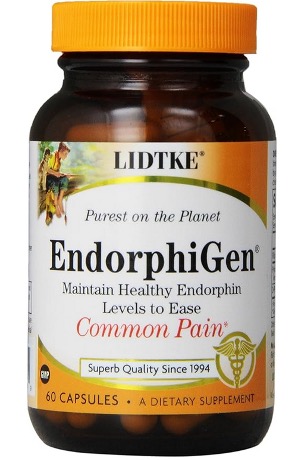
My feedback: I use DPA/Lidtke Endorphigen for this very purpose. It’s wonderful for grief, depression, lack of joy and the weepiness we see with low endorphins. It also helps with emotional eating that can show up as we try to self-medicate with treats in order to try and feel better.

When the depression also includes being flat, blah and curl-up in bed we use DLPA instead of DPA, or a combination of DPLA/DPA or tyrosine/DPA. Trials of each, one by one, helps you figure out what works best for your unique needs.

And for some folks GABA is helpful as shared by this woman who found GABA allowed her to sit with a feeling of peace and calm most of the time after her mum passed away.

Research does shows a link between dopamine and oxytocin, with oxytocin “emerging as one particular neural substrate that may be influenced by the altered dopamine levels.” Also, for oxytocin support I’d focus on hugs, massage, touch, laughter, making love, yoga, and petting a dog or cat.

DPA and DLPA product options

lidke endorphigen
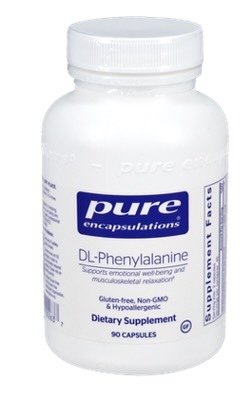
pure dlp

Products I recommend include Lidtke EndorphiGen (which is DPA) and Pure Encapsulations DL-Phenylalanine (DLPA).  You can purchase these from my online store (Fullscript – only available to US customers – use this link to set up an account).

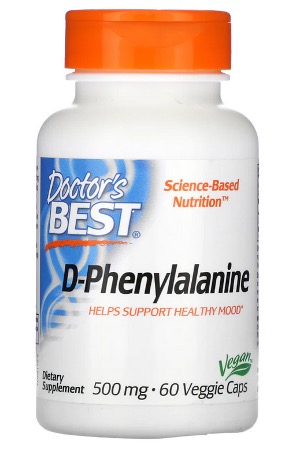
dr's best dpa
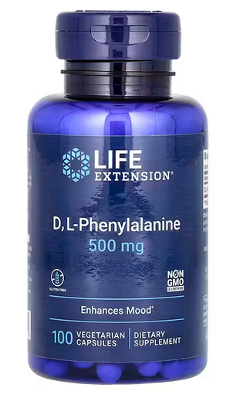
life dlp

If you’re not in the US, these products are available via iherb: Doctor’s Best D-Phenylalanine (or DPA) and Life Extension D, L-Phenylalanine (or DLPA) (use this link to save 5%).

Additional resources when you are new to using DPA and DLPA, and other amino acids as supplements

As always, I use the symptoms questionnaire to figure out if low endorphins or low dopamine or other neurotransmitter imbalances may be an issue for you.

If you suspect low levels of any of the neurotransmitters and do not yet have my book, The Antianxiety Food Solution – How the Foods You Eat Can Help You Calm Your Anxious Mind, Improve Your Mood, and End Cravings, I highly recommend getting it and reading it before jumping in and using amino acids on your own so you are knowledgeable. And be sure to share it with the practitioner/health team you or your loved one is working with.

There is an entire chapter on the amino acids and they are discussed throughout the book in the sections on gut health, gluten, blood sugar control (this is covered in an entire chapter too), sugar cravings, anxiety and mood issues.

The book doesn’t include product names (per the publisher’s request) so this blog, The Antianxiety Food Solution Amino Acid and Pyroluria Supplements, lists the amino acids that I use with my individual clients and those in my group programs (over and above the few I mentioned above).

If, after reading this blog and my book, you don’t feel comfortable figuring things out on your own (i.e. doing the symptoms questionnaire and respective amino acids trials), a good place to get help is the GABA QuickStart Program (if you have low GABA symptoms too). This is a paid online/virtual group program where you get my guidance and community support.

If you are a practitioner, join us in The Balancing Neurotransmitters: the Fundamentals program. This is also a paid online/virtual program with an opportunity to interact with me and other practitioners who are also using the amino acids.

Wrapping up and your feedback

I do always appreciate questions and feedback like this so keep your questions coming. I do hope my sharing these ones have been helpful to you.

How has DPA or DLPA helped your pain, depression, lack of joy, weepiness, and grief? And has DLPA affected your sleep or made you feel more anxious or stressed?

If yes, which products have helped and do you find swallowed or capsule opened is more effective?

If you’re a practitioner do you use DPA and/or DLPA with clients/patients?

And please let me know if it’s helpful that I’m now including product recommendations and where to get them?

Feel free to share and ask your questions below.
Filed Under: Anxiety and panic, Depression, DPA/DLPA, Endorphins, Insomnia, Pain Tagged With: amino acids, anxiety, anxious, cravings, d-phenylalanine, depression, dl-phenylalanine, DLPA, dopamine, DPA, endorphin, energy, GABA Quickstart; Balancing Neurotransmitters: the Fundamentals program for practitioners, grief, heart-ache, insomnia, lack of joy, neurotransmitters, pain, sleep, stressed, tyrosine, weepiness

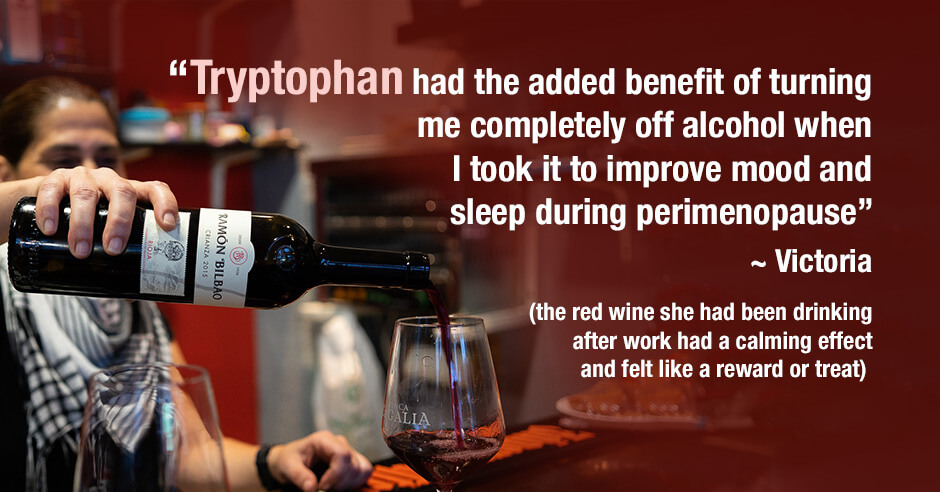
Tryptophan had the added benefit of turning me completely off alcohol when I took it to improve mood and sleep during perimenopause

May 12, 2023 By Trudy Scott 33 Comments

tryptophan alcohol

I started taking tryptophan 3 years ago to improve mood and sleep (not recognizing I was in perimenopause which it helped), but had the added benefit of turning me completely off alcohol! Lol. What serendipitous timing! I use amino therapy with pretty much all my perimenopause patients now. Thanks to you and Julia Ross’s work. Forever grateful.

Victoria shared this wonderful feedback about the benefits she experienced with tryptophan on a recent Facebook thread and kindly gave me permission to share.

Self-medicating with wine (and other alcoholic beverages) is common when we are anxious or stressed and typically we use it to wind down at the end of the day and to fit in socially. This is common when GABA levels are low and also happens due to low serotonin which declines from mid-afternoon into the evening.

I asked what she had been drinking and how often? And if it was calming for her? This was her response:

Red wine the minute I walked in the door in the evening. I guess it was calming… maybe more reward driven? It would be my reward for getting home from work via picking kids up from sport and doing a grocery shop and … (fill in the blank) that we working mums do and then having to walk straight into the kitchen to start on dinner.

The wine was like my little treat or reward to motivate me to just keep moving with my chores. No time to sit and unwind, just pour the wine and start chopping! Lol… I had tried to stop before but just couldn’t pick up a knife without the wine glass!

Within days, the tryptophan made the wine taste like cat’s pee! Haven’t touched it since. No desire at all. Almost hypnosis like?

How much tryptophan Victoria used and how did it help her quit?

Victoria used the Now Tryptophan 1000 mg at 3pm and 9pm for about a year, eventually stopping it and saying: “Alcohol still does not interest me at all.”

What wonderful results! A typical starting dose for tryptophan is 500 mg midafternoon and evening and she increased this to find her ideal dose of 1000 mg twice a day. She did report that 5-HTP didn’t work for her the way tryptophan did. This is not unusual as some folks do better with one versus the other.   

She has a great explanation regarding how tryptophan helped her quit without having to use willpower. She had no time to sit and unwind ….. so she was experiencing some of the calming aspects of getting serotonin support with the amino acid tryptophan. This is a very common benefit.

Serotonin appears to regulate the secretion of beta-endorphins

It is interesting that Victoria mentions a reward/treat benefit which is often due to low endorphins rather than low serotonin. This paper, Roles of β-Endorphin in Stress, Behavior, Neuroinflammation, and Brain Energy Metabolism, states that β-endorphins, in addition to their “potent analgesic effects” i.e. pain relief (both physical and emotional pain), are also involved in “reward-centric and homeostasis-restoring behaviors.”

However, as stated in this same paper, beta-endorphins play a role in stress-relief (common with working moms like Victoria) and are closely connected with serotonin. In fact “serotonin appears to regulate the secretion of β-endorphins” and vice versa. The body is fascinating and so smart.

Amino acids for alcohol addiction: 5-HTP, DLPA and glutamine

We know that amino acids help with alcohol cravings and addiction and have even been used in inpatient settings. This blog illustrates this well – An amino acid supplement with DLPA, glutamine and 5-HTP (and a few other nutrients) eases alcohol withdrawal symptoms at an inpatient detoxification program.

The study authors state that: “the physiological craving for alcohol may be the result of a deficiency of the naturally occurring opiate like substances as well as other neurochemical deficits (i.e., dopaminergic, GABAergic, and serotonergic).

Both tryptophan and 5-HTP support low serotonin worry-type anxiety, low mood and insomnia. Victoria happened to benefit from tryptophan. Someone else may benefit more from 5-HTP or DLPA or glutamine or a combination as illustrated in the above study. And even GABA, which can help with stress-drinking or stress-eating, as well as physical anxiety.

DPA and DLPA support endorphins and provide the reward/treat benefits from red wine that Victoria mentions.  You can read about the difference between DPA and DLPA here.

What if you have afternoon and evening sugar cravings instead of wine?

You may self-medicate with sugar, carbs, gluten, dairy instead of wine. Late afternoon/evening cravings are typically related to low serotonin when there are other low serotonin symptoms like low mood, anxiety, ruminations, worry, insomnia, PMS etc. You can see all the low serotonin symptoms here.

In this case, tryptophan or 5-HTP can be used in a similar way to stop the cravings with no willpower required and no feelings of being deprived. You’ll also experience reduced anxiety, improved mood and better sleep. Read more about this on this blog: Would using 5-HTP or tryptophan help when you crave sugar (as a sort of antidepressant) late afternoon/evening?

Other changes Victoria made and how is she doing now?

Victoria did also share that hot flushes “got me in the end though and I gave in to body identical progesterone for the final year of peri” and takes estradiol transdermally now that she is in menopause. Based on seeing these benefits while in perimenopause, she is now trialing tryptophan again for increased irritability. That is a huge plus with amino acids: once we’ve experienced the benefits, you have them at our disposal again and again in the future as your hormones or situation starts to change.

I love that she now uses tryptophan with her patients. She is a physio/physical therapist and exercise scientist turned Functional Health Practitioner having studied with IFM during the pandemic.

Of course, I thanked her for the kind words and shared how fortunate I was to work in Julia Ross’ clinic for 2 years. I also appreciate her for sharing this feedback and allowing me to share it here as a blog post so you get to learn, be inspired and have hope.

And finally, all this illustrates that there is no one-size-fits-all and we often get unexpected side-benefits when using amino acids.

Tryptophan and 5-HTP product options

Victoria happens to respond well to tryptophan and yet some folks do better with 5-HTP so it’s a matter of doing a trial of each.

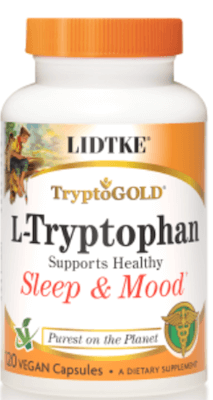
lydke l-tryptophan
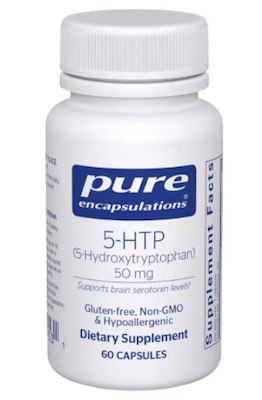
pure 5htp

Products I recommend include Lidtke 500 mg Tryptophan, and Pure Encapsulations 50 mg 5-HTP.  You can purchase these from my online store (Fullscript – only available to US customers – use this link to set up an account).

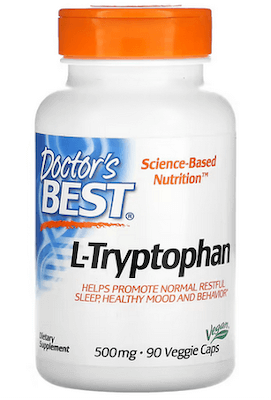
nature's best l-tryptophan
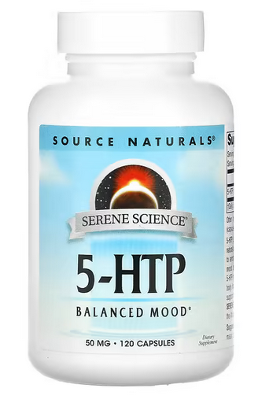
source natural 5-htp

If you’re not in the US, Doctor’s Best L-Tryptophan 500mg and Source Naturals 50 mg 5-HTP  are products I recommend on iherb (use this link to save 5%).

Resources if you are new to using amino acids as supplements

If you are new to using amino acids as supplements, here is the Amino Acids Mood Questionnaire from The Antianxiety Food Solution (you can see all the symptoms of neurotransmitter imbalances, including low GABA, low serotonin and low endorphins).

If you suspect low levels of any of the neurotransmitters and do not yet have my book, The Antianxiety Food Solution – How the Foods You Eat Can Help You Calm Your Anxious Mind, Improve Your Mood, and End Cravings, I highly recommend getting it and reading it before jumping in and using amino acids on your own so you are knowledgeable. And be sure to share it with the practitioner/health team you or your loved one is working with.

There is an entire chapter on the amino acids and they are discussed throughout the book in the sections on gut health, gluten, blood sugar control, sugar cravings, anxiety and mood issues.

The book doesn’t include product names (per the publisher’s request) so this blog, The Antianxiety Food Solution Amino Acid and Pyroluria Supplements, lists the amino acids that I use with my individual clients and those in my group programs. You can find them all in my online store.

If, after reading this blog and my book, you don’t feel comfortable figuring things out on your own (i.e. doing the symptoms questionnaire and respective amino acids trials), a good place to get help is the GABA QuickStart Program (if you have low GABA symptoms too). This is a paid online/virtual group program where you get my guidance and community support.

If you are a practitioner, join us in The Balancing Neurotransmitters: the Fundamentals program. This is also a paid online/virtual program with an opportunity to interact with me and other practitioners who are also using the amino acids.

Has tryptophan helped you quit alcohol easily when you could not do so with willpower alone?

Does tryptophan also help with your low mood, anxiety and sleep issues?

What about 5-HTP (some folks do better on one versus the other)?

And has either tryptophan or 5-HTP helped with other afternoon/evening cravings like sugar and other carbs?

If you have questions and other feedback please share it here too.

Filed Under: Addiction, Amino Acids, Anxiety, Tryptophan Tagged With: 5-HTP, alcohol, alcohol addiction, amino acids, anxious, beta-endorphins, calming, DLPA, evening, GABA, GABA Quickstart online program; Balancing Neurotransmitters: the Fundamentals program for practitioners, glutamine, mid-afternoon, mood, perimenopause, red wine, reward, self-medicating, serotonin, sleep, stressed, sugar cravings, treat, tryptophan, wine

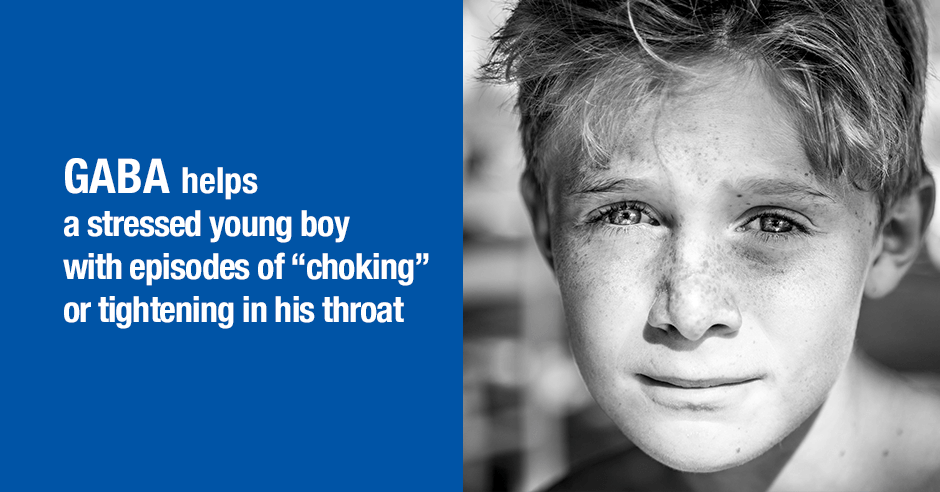
GABA helps a stressed young boy with episodes of “choking” or tightening in his throat

December 25, 2020 By Trudy Scott 34 Comments

gaba throat relief

Earlier this year I blogged about how the calming amino acid GABA is often a solution for both anxiety and globus pharyngeus (lump in the throat) and a mom shared this about her son’s episodes of “choking” or tightening in his throat (to the point that he cannot swallow), especially when school stress gets high:

My son, (8 y.o.) has a history of public school use of physical aversion intervention for behaviors that result from a significant language impairment often reports “choking” or tightening in his throat to the point that he cannot swallow. When school stress gets high, he ceases to swallow his saliva which creates a long period of “spitting” out substances including food and natural spit as he is fearful of “choking” to death. During panic attacks he immediately reports “choking” which furthers his panic. You are the first practitioner I have come across that has explained the relationship between globus pharyngeus, stress reaction and low GABA levels. I always felt his throat tightening (involuntary muscle response) was a stress response but was not aware of it’s connection to GABA levels. Thank you for this informative piece!

I voiced my concern for what her son was going through and how I can’t imagine how scary it must be for someone his age, asking her to keep us updated on his progress.

And just over a month later she reported the success her son was having with GABA:

We started a GABA supplement which has positively impacted my son. While he still struggles with hypersalivation when in distress or anxious, his self-reports of feeling like he is “choking” or his throat is closing, has not been present since GABA has been started. We are about a month in and I am inspired that we will continue to have progress. I have been referring to your work as a source to everyone I know that struggles with anxiety. Thank you for all that you do from a very grateful parent.

What wonderful results for her son! Getting feedback like this warms my heart and I appreciate her for sharing so I can share here.

I did ask what GABA product he was using, how much/how often he uses it and how quickly he noticed an improvement but did not hear back. My recommendation is 125mg to start for adults and less for children and I like the GABA Calm product as it’s a sublingual form and easy to use for kids.

I also commented on the fact that he still has “hypersalivation when in distress or anxious.” I would focus on trying to reduce the anxiety with higher doses of GABA and also consider addressing low serotonin because of the anxiety, panic attacks and being “fearful of “choking” to death”.

The anxiety could trigger hypersalivation but the hypersalivation could also be as a result of a food sensitivity like gluten or dairy. Both these and other food sensitivities could also contribute to low GABA/low serotonin and be a trigger for anxiety.

Of course, bullying at school should always be considered and so should the social anxiety condition pyroluria, speech therapy, gut health and vagus nerve support.

Could this be a case of laryngopharyngeal reflux (LPR)?

I always like to try and connect the dots and wonder if this could be a case of laryngopharyngeal reflux (LPR)?  I don’t know but it’s possible. This paper, Laryngopharyngeal reflux: A confounding cause of aerodigestive dysfunction, states that LPR is “defined by the retrograde passage of gastric contents beyond the upper oesophageal sphincter, with contamination of the larynx, pharynx and lungs” and states that “half of the laryngeal complaints referred to ear, nose and throat (ENT) services are ultimately diagnosed as LPR.

It also mentions globus pharyngeus and dysphagia (which is difficulty swallowing), sharing that changes in pH suggest reflux occurs in “50% of patients with hoarseness, 64% with globus, 55% with chronic cough and 35% with dysphagia.”

This same paper reports that “30% of patients with LPR-like symptoms report anxiety, compared with 6% of healthy controls.”

Prevalence of reflux disease in children and LPR symptoms by age

This paper, Laryngopharyngeal Reflux Disease in Children, reports that “Although the exact prevalence is unknown, it is estimated that nearly 1 in 5 children likely suffers from reflux disease.” This 1 in 5 number is for both GERD (gastroesophageal reflux disease) and LPR.

The authors also share that it usually presents with a different set of symptoms depending on age:

  • Infants typically present with regurgitation, vomiting, dysphagia [difficulty swallowing], anorexia, failure to thrive, apnea, recurrent croup, laryngomalacia [softening of the laryngeal structure], subglottic stenosis [narrowing of the airway], or chronic respiratory issues.
  • School-age children tend to demonstrate chronic cough, dyspnea [shortness of breath], dysphonia [hoarseness], persistent sore throat, halitosis [bad breath], and globus sensation.
  • Older children may also complain of regurgitation, heartburn, vomiting, nausea, or have chronic respiratory issues.

Low levels of GABA, a calming neurotransmitter

In case you’re new to GABA: low levels of GABA, a calming neurotransmitter can lead to anxiety, fears and panic attacks. With low GABA, the anxiety is a physical kind of anxiety with muscle tension or muscle spasms. Low GABA may be one possible root cause of globus pharyngeus, which leads to a rather scary golf-ball-like lump or constriction in the throat – or as this young boy describes, episodes of “choking” or tightening in his throat.

The amino acid GABA raises GABA levels and in this instance helps ease this tightening, choking or throat muscle spasms.

To be clear, there is no research (yet) on the use of the amino acid GABA for these types of symptoms, however in one study gabapentin was compared to baclofen for the treatment of gastro-oesophageal reflux-induced chronic cough and in another study there were improvements with both proton pump inhibitors and gabapentin for globus pharyngeus. If GABA works I’m all for it, rather than these  medications, which do have a long list of side-effects.

Has your child been diagnosed with globus pharyngeus or laryngopharyngeal reflux disease?

Have you observed episodes like this in your child, personally or with clients/patients and has GABA helped?

Have you found other contributing factors like low serotonin, food sensitivities, gut issues, vagus nerve issues or pyroluria?

Feel free to post your questions here on the blog too.

Filed Under: Anxiety, Children/Teens, GABA Tagged With: anxiety, anxious, calming, choking, episodes of choking, GABA, GERD, globus pharyngeus, hypersalivation, laryngopharyngeal reflux, LPR, lump in the throat, reflux, serotonin, stress, stressed, throat tightening, tightening in his throat

I am an emotional eater and eat sugar as a reward and find myself craving it when I am fatigued. Do you have clients on more than one amino acid?!

July 24, 2020 By Trudy Scott 24 Comments


emotional eating and amino acides

This is a question I received from a stressed out mom in my community. She has identified when she craves sugar and the emotion connected to her cravings. Now she has questions about how to trial and use amino acids to stop her cravings, get her energy back and feel emotionally stable:

I know I am an emotional eater, I know I eat sugar as a reward and I do find myself craving it when I am fatigued. I also seem to crave it after a very savory meal; especially one with garlic. What is THAT about?! Do you have clients on more than one amino acid?!

I have been a caregiver for my son (multiple disabilities) for 30 years; he has uncontrolled seizures and my husband has PTSD. It is a stressful household.

This is what I shared with her about the brain chemical imbalances and amino acids:

  • Many of my clients need more than one amino acid but it’s best to trial one at a time. When I hear my client say they eat sugar as a reward we immediately consider a trial of DPA (d-phenylalanine) especially if they are also overly emotional/weepy and also have physical pain.
  • When I hear my client say “I do find myself craving sugar when I am fatigued” we consider low catecholamines and a trial of tyrosine especially if they also have poor focus, low motivation and a flat mood. If the fatigue is caused by low blood sugar this can cause fatigue, irritability/crankiness and anxiety and a trial of glutamine may be a better option. If the DPA helps the emotional-reward-eating after a week or two, then we may do a trial of tyrosine and/or glutamine (one at a time) and use them in addition to the DPA.
  • When I hear “sugar cravings after a savory meal” we consider low serotonin and a trial of tryptophan if it’s after lunch or dinner. Serotonin dips in the afternoon and evening triggering this type of craving. With low serotonin we also see worry, anxiety, depression, anger, PMS, insomnia and irritability. Let’s assume the DPA helps and the tyrosine helps with the fatigue, then we’d consider a trial of tryptophan and add that.

So yes I do have many clients needing more than one amino acid! But we always trial one at a time and find a good baseline before adding the next one or doing a new trial if the first one didn’t give expected results.

With regards to which amino acid trial to do first, I always ask my client which area is causing the most problem or distress in your life and we start there. Since she mentioned emotional eating and then fatigue and then cravings after a savory meal, this sequence may be best for her. But addressing the fatigue with tyrosine first may be a better approach for someone else.

With regards to cravings after a savory meal we also look into how much protein and healthy fats the client has in that meal. I don’t know why garlic would be a trigger other than it’s possibly stirring up candida. Candida is also a big factor when it comes to sugar cravings, fatigue and feeling sad/emotional so we would also possibly need to address this too.

Adrenal and sleep support is also key and I recommend this resource for additional caregiver support for her – The psychological trauma of coronavirus – nutritional support for doctors, nurses and their loved ones.

For her husband’s PTSD I recommend this resource – PTSD from 3 tours in Afghanistan: Can GABA help with the anxiety?

For her son’s seizures I recommend this paper, Ketogenic Diet and Epilepsy: What We Know So Far, and working with a practitioner who could offer consultation and guidance on a ketogenic diet.  Another useful resource is this one – Use of Cannabidiol in the Treatment of Epilepsy: Efficacy and Security in Clinical Trials.

If you suspect low levels of any any of the neurotransmitters and are new to using the amino acids and do not have my book I highly recommend getting it and reading it before jumping in to taking supplements: The Antianxiety Food Solution – How the Foods You Eat Can Help You Calm Your Anxious Mind, Improve Your Mood, and End Cravings.

There is a complete chapter on the amino acids and one for pyroluria, plus information on real whole food, sugar and blood sugar, gluten, digestion and much more.  If you’re not a reader there is now also an audible version.

Here is the Amino Acids Mood Questionnaire from The Antianxiety Food Solution and additional information on Anxiety and targeted individual amino acid supplements: a summary

Please also read and follow these Amino Acid Precautions.

This lists The Antianxiety Food Solution Amino Acid and Pyroluria Supplements that I use with my individual clients and those in my group programs. You’ll find DPA, tyrosine and tryptophan listed here.

Please share your emotional eating and sugar craving success story if you have one using DPA.

And let us know if tyrosine helps with your fatigue and low-energy driven sugar cravings?

And does tryptophan help your afternoon and evening sugar cravings?

Feel free to post your questions here too.

Filed Under: Cravings Tagged With: anxiety, DPA, emotional eating, endorphins, energy, fatigue, glutamine, insomnia, low mood, pain, PTSD, seizures, serotonin, stressed, sugar, tryptophan, worry

Primary Sidebar

NEW! GABA QuickStart Homestudy (with special intro pricing)

gaba quickstart homestudy

Free Report

9 Great Questions Women Ask about Food, Mood and their Health

You'll also receive a complimentary subscription to my ezine "Food, Mood and Gal Stuff"


Connect with me

Popular Posts

  • Amino Acids Mood Questionnaire from The Antianxiety Food Solution
  • The Antianxiety Food Solution Amino Acid and Pyroluria Supplements
  • Pyroluria Questionnaire from The Antianxiety Food Solution
  • Collagen and gelatin lower serotonin: does this increase your anxiety and depression?
  • Tryptophan for the worry-in-your-head and ruminating type of anxiety
  • GABA for the physical-tension and stiff-and-tense-muscles type of anxiety
  • The Antianxiety Food Solution by Trudy Scott
  • Seriphos Original Formula is back: the best product for anxiety and insomnia caused by high cortisol
  • Am I an anxious introvert because of low zinc and vitamin B6? My response to Huffington Post blog
  • Vagus nerve rehab with GABA, breathing, humming, gargling and key nutrients

Recent Posts

  • What do I use instead of Seriphos to help lower high cortisol that is affecting my sleep and making me anxious at night?
  • BeSerene™ GABA/theanine cream eases severe muscle tension in her neck/shoulders, prevents her bad headaches and quells her anxiety
  • How the correct approach, dose and sublingual use of GABA can be calming and not cause a flushed and itchy face and neck
  • The amino acid glutamine improves low mood by addressing gut health, and it has calming effects too
  • Flight anxiety with heightened breath, physical tension and also fearing the worst (the role of low GABA and low serotonin)

Categories

  • 5-HTP
  • AB575
  • Addiction
  • ADHD
  • Adrenals
  • Alcohol
  • Allergies
  • Alzheimer's disease
  • Amino Acids
  • Anger
  • Antianxiety
  • Antianxiety Food Solution
  • Antidepressants
  • Anxiety
  • Anxiety and panic
  • Autism
  • Autoimmunity
  • benzodiazapines
  • Bipolar disorder
  • Books
  • Caffeine
  • Cancer
  • Candida
  • Children/Teens
  • Collagen
  • Cooking equipment
  • Coronavirus/COVID-19
  • Cravings
  • Depression
  • Detoxification
  • Diabetes
  • Diet
  • DPA/DLPA
  • Drugs
  • EFT/Tapping
  • EMF
  • EMFs
  • Emotional Eating
  • Endorphins
  • Environment
  • Essential oils
  • Events
  • Exercise
  • Fear
  • Fear of public speaking
  • Fertility and Pregnancy
  • Fish
  • Food
  • Food and mood
  • Functional neurology
  • GABA
  • Gene polymorphisms
  • General Health
  • Giving
  • Giving back
  • Glutamine
  • Gluten
  • GMOs
  • Gratitude
  • Gut health
  • Heart health/hypertension
  • Histamine
  • Hormone
  • Hyperparathyroidism
  • Hypoglycemia
  • Immune system
  • Inflammation
  • Insomnia
  • Inspiration
  • Introversion
  • Joy and happiness
  • Ketogenic diet
  • Lithium orotate
  • Looking awesome
  • Lyme disease and co-infections
  • MCAS/histamine
  • Medication
  • Men's health
  • Mental health
  • Mercury
  • Migraine
  • Mold
  • Movie
  • MTHFR
  • Multiple sclerosis
  • Music
  • NANP
  • Nature
  • Nutritional Psychiatry
  • OCD
  • Osteoporosis
  • Oxalates
  • Oxytocin
  • Pain
  • Paleo
  • Parasites
  • Parkinson’s disease
  • PCOS
  • People
  • PMS
  • Postpartum
  • PTSD/Trauma
  • Pyroluria
  • Questionnaires
  • Real whole food
  • Recipes
  • Research
  • Schizophrenia
  • serotonin
  • SIBO
  • Sleep
  • Special diets
  • Sports nutrition
  • Stress
  • Sugar addiction
  • Sugar and mood
  • Supplements
  • Teens
  • Testimonials
  • Testing
  • The Anxiety Summit
  • The Anxiety Summit 2
  • The Anxiety Summit 3
  • The Anxiety Summit 4
  • The Anxiety Summit 5
  • The Anxiety Summit 6
  • Thyroid
  • Thyroid health
  • Toxins
  • Tryptophan
  • Tyrosine
  • Uncategorized
  • Vegan/vegetarian
  • Women's health
  • Yoga

Archives

  • October 2025
  • September 2025
  • August 2025
  • July 2025
  • June 2025
  • May 2025
  • April 2025
  • March 2025
  • February 2025
  • January 2025
  • November 2024
  • October 2024
  • September 2024
  • August 2024
  • July 2024
  • June 2024
  • May 2024
  • April 2024
  • March 2024
  • February 2024
  • January 2024
  • December 2023
  • November 2023
  • October 2023
  • September 2023
  • August 2023
  • July 2023
  • June 2023
  • May 2023
  • April 2023
  • March 2023
  • February 2023
  • January 2023
  • December 2022
  • November 2022
  • October 2022
  • September 2022
  • August 2022
  • July 2022
  • June 2022
  • May 2022
  • April 2022
  • March 2022
  • February 2022
  • January 2022
  • December 2021
  • November 2021
  • October 2021
  • September 2021
  • August 2021
  • July 2021
  • June 2021
  • May 2021
  • April 2021
  • March 2021
  • February 2021
  • January 2021
  • December 2020
  • November 2020
  • October 2020
  • September 2020
  • August 2020
  • July 2020
  • June 2020
  • May 2020
  • April 2020
  • March 2020
  • February 2020
  • January 2020
  • December 2019
  • November 2019
  • October 2019
  • September 2019
  • August 2019
  • July 2019
  • June 2019
  • May 2019
  • April 2019
  • March 2019
  • February 2019
  • January 2019
  • December 2018
  • November 2018
  • October 2018
  • September 2018
  • August 2018
  • July 2018
  • June 2018
  • May 2018
  • April 2018
  • March 2018
  • February 2018
  • January 2018
  • December 2017
  • November 2017
  • October 2017
  • September 2017
  • August 2017
  • July 2017
  • June 2017
  • May 2017
  • April 2017
  • March 2017
  • February 2017
  • January 2017
  • December 2016
  • November 2016
  • October 2016
  • September 2016
  • August 2016
  • July 2016
  • June 2016
  • May 2016
  • April 2016
  • March 2016
  • February 2016
  • January 2016
  • December 2015
  • November 2015
  • October 2015
  • September 2015
  • August 2015
  • July 2015
  • June 2015
  • May 2015
  • April 2015
  • March 2015
  • February 2015
  • January 2015
  • December 2014
  • November 2014
  • October 2014
  • September 2014
  • August 2014
  • July 2014
  • June 2014
  • May 2014
  • April 2014
  • March 2014
  • February 2014
  • January 2014
  • December 2013
  • November 2013
  • October 2013
  • September 2013
  • August 2013
  • July 2013
  • June 2013
  • May 2013
  • April 2013
  • March 2013
  • February 2013
  • January 2013
  • December 2012
  • November 2012
  • October 2012
  • August 2012
  • July 2012
  • June 2012
  • May 2012
  • April 2012
  • March 2012
  • February 2012
  • January 2012
  • December 2011
  • November 2011
  • October 2011
  • September 2011
  • August 2011
  • July 2011
  • June 2011
  • May 2011
  • April 2011
  • March 2011
  • February 2011
  • January 2011
  • December 2010
  • October 2010
  • September 2010
  • July 2010
  • May 2010
  • April 2010
  • March 2010
  • February 2010
  • January 2010
  • November 2009

Share the knowledge!

The above statements have not been evaluated by the Food and Drug Administration. Products listed in this website are not intended to diagnose, treat, cure or prevent any disease.

The information provided on this site is for informational and educational purposes only and is not intended as a substitute for advice from your physician or other health care professional. You should consult with a healthcare professional before starting or modifying any diet, exercise, or supplementation program, before taking or stopping any medication, or if you have or suspect you may have a health problem.


Copyright © 2026 Trudy Scott. All Rights Reserved. | Privacy | Terms and Conditions | Refund Policy | Medical Disclaimer

Free Report

9 Great Questions Women Ask about Food, Mood and their Health

You’ll also receive a complimentary subscription to my ezine “Food, Mood and Gal Stuff”