• Skip to primary navigation
  • Skip to main content
  • Skip to primary sidebar

everywomanover29 blog

Food, Mood and Women's Health – Be your healthiest, look and feel great!

  • Blog
  • About
  • Services
  • Store
  • Resources
  • Testimonials
  • The Book
  • Contact
  • Search this site

nutrition

My son has alcohol dependence and I want to help him quit drinking with GABA and other amino acid supplements

September 8, 2023 By Trudy Scott 15 Comments

alcohol and gaba

My son has alcohol dependence and I want to help him quit drinking with GABA and other amino acid supplements. Alcohol and the benzodiazepines used in treatment both block GABA receptors, but I assume having GABA available in your system is better than none (especially as nutrition has been very poor). Have you an article on this? Thank you for your knowledge and understanding.

MJ posted this question on one of the GABA blogs and I shared a few blogs to get her started (some of those are listed below). I also shared that with addictions to alcohol (and sugar and drugs) it’s a matter of figuring out which amino acids are needed in order to balance the neurotransmitters and help you to quit with no willpower and without feeling deprived. This can differ for each person and it’s a matter of doing a trial of each amino acid based on unique needs.

He may well need GABA if he self-medicates with alcohol when under stress, but he may also need serotonin support with tryptophan or 5-HTP if he drinks when depressed and needs a mood lift.

I decided to create a new blog because it’s a much needed topic and so I could share additional resources and a table I use (see below) to help you figure out where your need may be. We use this in conjunction with the symptoms questionnaire for each neurotransmitter.

In addition to addressing her benzodiazepine question, I also shared the need to address low blood sugar, low vitamin B1 and overall nutrient status. She does mention nutrition has been poor and it often is with alcohol addiction.

Which emotions are driving the need to self-medicate with alcohol and which amino acids to trial?

This is how I help you figure out which emotions are driving the need to self-medicate with alcohol and which amino acids to trial:

How do you feel before drinking alcohol? How do you feel after drinking alcohol? Likely brain chemistry imbalance Amino acid/s to supplement
Anxious or stressed (physical anxiety) Calm or relaxed Low GABA GABA, pharmaGABA or theanine
Depressed or worried? (mental anxiety) Happy or content Low serotonin Tryptophan or 5-HTP
Tired or unfocused Energetic, alert, or focused Low catecholamines Tyrosine
Wanting a reward or treat, and sad (weepy) Rewarded or comforted Low endorphins DPA (d-phenylalanine) or DLPA
Irritable and shaky Grounded or stable Low blood sugar Glutamine

We use this in conjunction with the symptoms questionnaire for each neurotransmitter.

Many individuals with alcohol addiction have imbalances in all areas. We use the same approach when it comes to alcohol addictions that we use sugar/carb/junk food addictions i.e. we tackle one imbalance at a time so we know which amino acid is helping and how much is needed.

The amino acids play many roles in addressing alcohol addiction:

  • They help you to quit alcohol with no willpower and without feeling deprived
  • They help to mitigate many of the adverse effects of quitting (like insomnia and increased anxiety and depression)
  • They address the root cause of the addiction i.e. neurotransmitter imbalances
  • They address the emotional aspect so mood and anxiety is improved
  • They help to heal the damage that has been done to the gut: glutamine, GABA and tryptophan
  • They prevent the need to find a replacement like sugar, coffee, Diet soda and cigarettes (intake is often ramped up when drinking ceases)
  • They even help children who have had prenatal exposure to alcohol – 5-HTP benefits both adopted daughters who had prenatal exposure to alcohol: they are happier, more focused and can stay on task

PharmaGABA eases physical anxiety, amino acids ease alcohol withdrawal symptoms, and tryptophan turns you off alcohol

These blog posts illustrate the many applications of amino acids when it comes to quitting alcohol

  • PharmaGABA eases physical anxiety in a young man who has recently given up Adderall, alcohol and nicotine (some folks do better with GABA and some with pharmaGABA)
  • An amino acid supplement with DLPA, glutamine and 5-HTP eases alcohol withdrawal symptoms at an inpatient detoxification program
  • Tryptophan had the added benefit of turning me completely off alcohol when I took it to improve mood and sleep during perimenopause (this need for serotonin support could be applicable for a male too and at any age)

As I mentioned above, be sure to use the search feature to find other blogs on this site: use alcohol, addiction and sugar (and replace sugar with alcohol in the sugar blogs).

Does his prior benzodiazepine prescription prevent him from being able to use GABA?

MJ asks if her son’s prior benzodiazepine prescription will prevent him from being able to use GABA. He will need to taper very very slowly under the guidance of someone knowledgeable and with oversight by the prescribing physician.

It is true that GABA receptors can be affected by benzodiazepines but despite this, many of my clients and others in my community do get relief from GABA during the taper period and afterwards.

We do start with a very small dose – I typically have someone start with 25mg GABA and go up from there – and only use sublingual GABA (or pharmaGABA). For some very sensitive folks we will start even lower as in this example where Syd gets sleep and body anxiety benefits with just 1.5 mg to 3 mg GABA.

I share more on this blog – Rebound insomnia after tapering a benzodiazepine: will taking GABA or any other natural supplement interfere with healing?

One big caveat is that nutritional stability is key when it comes to tapering benzodiazepines. It is also imperative when it comes to addiction recovery.

Good nutritional status, low blood sugar and low vitamin B1

MJ does mention that her son’s nutrition has been poor. It often is with alcohol addiction. I also shared with her the need to address low blood sugar and overall nutrient status.

When you are new to the amino acids and anxiety nutrition solutions my book “The Antianxiety Food Solution” is an excellent resource for all of the above – and the information applies to those with addictions too.  

Here is a blog with additional information and a study on the importance of addressing low blood sugar when it comes to anxiety and also addictions – Anxiety and Hypoglycemia Symptoms Improve with Diet Modification.

This highlights the importance of consuming enough protein, fats and fiber, especially at breakfast. There is an entire chapter on blood sugar in my book – it’s that important.

Finally, low thiamine/vitamin B1 must be addressed: “alcohol misuse is the most common risk factor for thiamine deficiency.” More about this here.

A complete nutritional assessment for other issues should be done too: low vitamin D, low zinc, other vitamin B deficiencies, low magnesium, adrenal insufficiency, leaky gut and more.

Medically assisted withdrawal treatment

If you are wanting to quit alcohol and don’t have an alcohol use disorder, all of the above approaches can be safely used.

However, medically assisted withdrawal treatment may be needed in some instances: “Excessive chronic alcohol users, and particularly patients with alcohol use disorder, may present an alcohol withdrawal syndrome if they abruptly stop drinking. Alcohol withdrawal syndrome requires pharmacological treatment for the treatment of withdrawal symptoms and to prevent withdrawal complications. Medically assisted withdrawal treatment is used in alcohol treatment units, but it is also frequently required in patients admitted to hospital for other conditions.”

It’s important that this is recognized for those who need it. MJ mentions benzodiazepines were used in her son’s treatment so presumably he had medically assisted withdrawal treatment.

In this situation, once her son has safely quit alcohol everything I mention above would then apply – looking at the amino acids and nutritional status so there is no relapse. And so recovery is easier and sustainable with a stable mood and no anxiety.

Resources if you are new to using amino acids as supplements

If you suspect low levels of any of the neurotransmitters and do not yet have my book, The Antianxiety Food Solution – How the Foods You Eat Can Help You Calm Your Anxious Mind, Improve Your Mood, and End Cravings, I highly recommend getting it and reading it before jumping in and using amino acids on your own so you are knowledgeable. And be sure to share it with the practitioner/health team you or your loved one is working with.

There is an entire chapter on the amino acids and they are discussed throughout the book in the sections on gut health, gluten, blood sugar control, sugar cravings, anxiety and mood issues.

The book doesn’t include product names (per the publisher’s request) so this blog, The Antianxiety Food Solution Amino Acid and Pyroluria Supplements, lists the amino acids that I use with my individual clients and those in my group programs. You can find them all in my online store.

If, after reading this blog and my book, you don’t feel comfortable figuring things out on your own (i.e. doing the symptoms questionnaire and respective amino acids trials), a good place to get help is the GABA QuickStart Program (if you have low GABA symptoms too). This is a paid online/virtual group program where you get my guidance and community support.

If you are a practitioner, join us in The Balancing Neurotransmitters: the Fundamentals program. This is also a paid online/virtual program with an opportunity to interact with me and other practitioners who are also using the amino acids.

Have you or a loved one used the amino acids to help with alcohol dependence/alcohol use disorder?

If benzodiazepines were used in the treatment center, was GABA still helpful?

Have the amino acids helped prevent new addictions to sugar/coffee/cigarettes and improved anxiety, depression and insomnia?

If you have questions and other feedback please share in the comments too.
Filed Under: Addiction, Alcohol, Amino Acids, GABA Tagged With: 5-HTP, alcohol, alcohol dependence, amino acid, benzodiazepines, depressed, deprived, drinking, drugs, emotions, GABA, low blood sugar, low vitamin B1, Medically assisted withdrawal treatment; GABA Quickstart; Balancing Neurotransmitters: the Fundamentals program for practitioners, neurotransmitters, nutrition, pharmaGABA, quit drinking, self-medicates, serotonin, stress, sugar, tryptophan, willpower

“A catatonic woman awakened after 20 years. Her story may change psychiatry.” (Her schizophrenia was an untreated autoimmune disease)

June 16, 2023 By Trudy Scott 8 Comments

catatonic woman

Today I’m sharing some highlights from a recent eye-opening article in the Washington Post: A catatonic woman awakened after 20 years. Her story may change psychiatry

Before she became a patient, April had been an outgoing, straight-A student majoring in accounting at the University of Maryland Eastern Shore. But after a traumatic event when she was 21, April suddenly developed psychosis and became lost in a constant state of visual and auditory hallucinations. The former high school valedictorian could no longer communicate, bathe or take care of herself.

April was diagnosed with a severe form of schizophrenia

April was hospitalized, medicated and eventually institutionalized. It got to the point where she no longer recognized her family and she became catatonic, “unmoving, unblinking and unknowing of where or who she was.”

Twenty years after April’s original diagnosis it was discovered that she has an autoimmune condition. Dr. Sander Markx is director of precision psychiatry at Columbia University and I have so much admiration for his dedication to the field and the fact that he facilitated this testing and discovery so long after meeting April, when he was a student:

Markx and his colleagues discovered that although April’s illness was clinically indistinguishable from schizophrenia, she also had lupus, an underlying and treatable autoimmune condition that was attacking her brain.

After months of targeted treatments – and more than two decades trapped in her mind – April woke up.

April’s transformation is truly heartwarming and it’s wonderful that the doctors plan to do similar testing and offer similar treatments for others living with schizophrenia who are in mental health institutions in New York State.

Researchers in other countries are making similar connections and it’s really exciting to read that they are recognizing that “underlying autoimmune and inflammatory processes may be more common in patients with a variety of psychiatric syndromes than previously believed.”

We can and should be doing better when looking for root causes

I believe we can and should be doing better when it comes to looking for root causes. Many individuals may have an autoimmune/inflammatory condition and many may have other root cause/s. If I was on an advisory panel these would be my recommendations:

  • Use this powerful outcome to really turn psychiatry on its head and screen for lupus and other autoimmune conditions in every single person with schizophrenia. Dr. Markx “believes highly sensitive and inexpensive blood tests to detect different antibodies should become part of the standard screening protocol for psychosis.”
  • Do the same for every single person with mental illnesses and illnesses with a behavioral aspect – including anxiety, depression, bipolar, OCD/obsessive compulsive disorder. ADD/ADHD, autism/ASD (autism spectrum disorders), developmental disorders and neurological disorders.
  • Go beyond autoimmune screening and do a comprehensive functional medicine and nutritional deficiency assessment for every single person, including low serotonin, low GABA, low vitamin D, low zinc, low vitamin B6, hormone imbalances (sex hormones, adrenals, thyroid health), gut health, liver health etc. This includes testing for infections (such as Lyme and strep), looking at toxin exposure (phthalates, mold, heavy metals) and medication side effects.

If you’re new to the concept of root causes and functional medicine/nutritional testing these two blogs will be helpful. They are specific to anxiety because I work with anxious individuals but much of it can also be applied to other mental health and even physical health conditions (like rheumatoid arthritis and say multiple sclerosis):

  • Nutritional testing for figuring out the root cause/s of your anxiety
  • 60+ Nutritional & Biochemical Causes of Anxiety

Functional medicine and nutrition for maintaining symptom resolution in the long term

As you read in the article, April received “short, but powerful “pulses” of intravenous steroids for five days, plus a single dose of cyclophosphamide, a heavy-duty immunosuppressive drug typically used in chemotherapy and borrowed from the field of oncology. She was also treated with rituximab, a drug initially developed for lymphoma.”

Incredibly, she recovered completely and was eventually discharged from the psychiatric hospital and has been living in a rehab center for 3 years. Unfortunately “she has recently regressed because she was not receiving adequate maintenance care.”

I see the next step for April and others like her, is maintaining resolution of symptoms in the long term. This is where functional medicine and nutrition shines.

The ISNPR shared this about Nutritional psychiatry in 2015 in a letter published in World Psychiatry, the official journal of the World Psychiatric Association:

In addition to dietary modification, we recognize that nutrient-based (nutraceutical) prescription has the potential to assist in the management of mental disorders at the individual and population level.

In other words, diet and nutrient-based approaches need to be included for mental health treatment and for prevention. One of many examples is the ketogenic diet which has been shown to reduce auditory hallucinations and delusions in those with schizophrenia. Another is the low carb diet helping to reduce bizarre intrusive thoughts. And the SMILES trial was the first randomized controlled trial to show that dietary improvement can actually treat depression.

Specific nutrients can be very powerful too. One example is a case where a woman in my community experienced a drastic reduction in intrusive thoughts, anxiety and fears (and better sleep) with GABA, tryptophan, 5-HTP and the pyroluria protocol (zinc, vitamin B6 and evening primrose oil). More on the blog. Intrusive thoughts can be alleviated with a similar combination of nutrients and by addressing hormonal imbalances too.

These blogs/research illustrate a few of the many root causes of schizophrenia and psychosis other than lupus:

  • Case Study: Bartonella and Sudden-Onset Adolescent Schizophrenia
  • Toxoplasma gondii: schizophrenia, bipolar disorder, OCD and unresolved anxiety?
  • Gluten sensitivity and relationship to psychiatric symptoms in people with schizophrenia

  • Late-Onset Psychotic Symptoms Associated With Vitamin B12 Deficiency in a Patient With Celiac Disease

When it comes to autoimmunity in general I refer you to the work of Dr. Tom O’Bryan, Dr. Izabella Wentz, Dr. Terry Wahls, Dr. Amy Myers and others who teach about using functional medicine and diet for reversing a number of different autoimmune conditions.

The above approaches can all be explored and used when individuals are initially diagnosed too. But keep in mind that there is no one size fits all and it’s a matter of finding the root causes for each person.

We are moving in the right direction and there is hope but…

We are moving in this direction, awareness is growing and there is hope. But I know we can get there sooner.

What Dr. Markx and his colleagues have discovered and shared with the world will hopefully help us get there much more quickly.

(You can read the whole story here and a similar transformation experienced by Devine Cruz.)

I’m thrilled for April and Devine and their families, and appreciate them sharing these stories with the world. Let’s hope their stories do change psychiatry!

Resources if you are new to using amino acids as supplements

If you are new to using amino acids as supplements, here is the Amino Acids Mood Questionnaire from The Antianxiety Food Solution (you can see all the symptoms of neurotransmitter imbalances, including low GABA, low serotonin and low endorphins).

If you suspect low levels of any of the neurotransmitters and do not yet have my book, The Antianxiety Food Solution – How the Foods You Eat Can Help You Calm Your Anxious Mind, Improve Your Mood, and End Cravings, I highly recommend getting it and reading it before jumping in and using amino acids on your own so you are knowledgeable. And be sure to share it with the practitioner/health team you or your loved one is working with.

There is an entire chapter on the amino acids and they are discussed throughout the book in the sections on gut health, gluten, blood sugar control, sugar cravings, anxiety and mood issues.

The book doesn’t include product names (per the publisher’s request) so this blog, The Antianxiety Food Solution Amino Acid and Pyroluria Supplements, lists the amino acids that I use with my individual clients and those in my group programs. You can find them all in my online store.

If, after reading this blog and my book, you don’t feel comfortable figuring things out on your own (i.e. doing the symptoms questionnaire and respective amino acids trials), a good place to get help is the GABA QuickStart Program (if you have low GABA symptoms too). This is a paid online/virtual group program where you get my guidance and community support.

If you are a practitioner, join us in The Balancing Neurotransmitters: the Fundamentals program. This is also a paid online/virtual program with an opportunity to interact with me and other practitioners who are also using the amino acids.

Does this heartwarming story give you hope for psychiatry?

What do you feel we should be doing to advance nutritional psychiatry even more quickly?

Can you or a family member relate to this and what did you discover in terms of testing and nutritional support/functional medicine?

Feel free to post your feedback and questions here in the comments.

Filed Under: Anxiety, Autism, Autoimmunity, Depression, Nutritional Psychiatry, Schizophrenia Tagged With: amino acids, auditory hallucinations, autoimmune disease, brain, catatonic, functional medicine, GABA, intrusive thoughts, lupus, nutrition, nutritional psychiatry, psychiatry, psychosis, root causes, schizophrenia, the GABA Quickstart online program; and Balancing Neurotransmitters: the Fundamentals program for practitioners, tryptophan, visual hallucinations, vitamin B6, zinc

I was called a vulture for preying on sensitive people in a social anxiety group – because I mentioned pyroluria and a nutritional solution

April 30, 2021 By Trudy Scott 74 Comments

I was called a vulture

Earlier this week I was called a vulture for preying on sensitive people in a social anxiety group because I mentioned pyroluria and a nutritional solution in response to someone asking for help. I shared much of this on Facebook and the response has been huge – supportive, understanding and encouraging, and also something many of you have also faced and can relate to. I’m publishing it as a blog post too because I feel there are many takeaways and lessons we can all learn from this.

The person asking for help posted this:

I’m seriously stuck. I’ve been battling social anxiety disorder my whole life. I feel like my social skills have gotten worse during 2020-2021. Is anyone the same way? And If possible can anyone give me some good advice?

I posted this in response to the request for advice:

Look into pyroluria and the nutrient protocol – life-changing for me (and my clients – disclaimer: I’m a nutritionist)

And this is the response from someone else in the group:

So not medicine. I think as a nutritionist you shouldn’t be advising people to avoid actual medical help. Foods can’t help but most depression and anxiety isn’t stress based. It’s a biological chemical imbalance. Food won’t help it in the long run. As someone who’s had bipolar, depression, anxiety, social anxiety, insomnia and possible schizo. I have known people to get seriously ill from people that couldn’t manage to be actual doctors. I’ve lost a friend due to them being advised to stop meds and take some herb. Please unless you are actually here because you have social anxiety and such. Could you please leave and stop acting like a vulture over the sensitive people.

I get that it can be tough to grasp that nutrition and nutrients could be a solution for social anxiety but even with a response like this I will continue to share my message.

This was my response:

Correct, not medicine … nutrition. I had social anxiety and panic attacks and diet (gluten-free, caffeine-free, sugar-free etc) and nutrients like zinc, vitamin B6, GABA, tryptophan and more solved my anxiety. I’m passionate about creating awareness because I’ve seen “nutritional psychiatry” work for 100s of thousands of folks.

Please be open-minded … and google “nutritional psychiatry”, “gut-brain”, “pyroluria social anxiety” and “gluten schizophrenia” … you will be pleasantly surprised. It’s going to take some time for all this to be part of mainstream psychiatry but it’s in the research and awareness and acceptance is growing.

I’m sorry about your loss but I would never advise anyone to stop taking their meds. For folks who want to explore this approach we always work in conjunction with their prescribing doctor.

It’s also not very nice calling someone a vulture but I understand that the idea that food and nutrients could be so powerful when it comes to anxiety and mental health can be tough when you first hear about it.

Why I’m sharing this – it’s not for sympathy or to call this person out

I’m not sharing this here for sympathy.

I’m not sharing this to call out this person who called me a vulture or to judge or shame them.

I’m sharing it to illustrate the challenge we have with getting this message out.

I’m sharing it in case you’ve tried to tell a loved one or friend or colleague about the power of anxiety nutrition solutions and have had push-back.

I’m sharing here so we remember to have empathy for someone who doesn’t yet know or understand what we have learned and experienced (no matter what they say or how they say it or even if they have even been preyed on in the past so a comment like this may be justified in their mind).

I’m sharing here because I truly believe in the power of planting seeds of knowledge.

I’m sharing here because I believe everyone deserves to feel their absolute best every single day.

I’m sharing here because everyone struggling with anxiety and social anxiety deserves to know about the growing field of “nutritional psychiatry” in mainstream medicine.

This is why I’m sharing here and why I’ll continue to share nutritional solutions in groups where folks are asking for help for social anxiety, anxiety and panic attacks (and other conditions where pyroluria and neurotransmitter imbalances are common, and there is a role for diet and nutrients).

Why the disconnect and the possible role of neurotransmitter imbalances

I’m hoping all this can help you as you reach out and offer support to someone in an online group. And also help you as you share what you have learned or experienced personally when it comes to nutritional solutions for social anxiety/anxiety – with loved ones, community members, friends and colleagues who are sometimes less than receptive.

I suspect one big disconnect is comprehending that lifestyle/diet/nutrients could help with anxiety and mental health challenges. Heart disease, diabetes, high blood pressure and cancer are more recognized as being lifestyle conditions even dietary and lifestyle changes are not always implemented.

I also often hear this: “my anxiety or social anxiety or panic attacks are so severe (or so complex) there is no way nutrients and nutrition could help! I need medications for sure.”

If someone has nutritional deficiencies or neurotransmitter imbalances, that may also be playing a role in how they respond. For example, low serotonin can make you feel hopeless, fearful, negative, overwhelmed and even angry. This is in addition to feeling anxious and not sleeping well, so you’re more likely to be cranky and irritable.

Links to resources for you to share

Here are links if you need some resources to share or in case you’re new to some of this:

  • Nutritional medicine in modern psychiatry: position statement by ISNPR (published in 2015)
  • SMILES diet depression trial: reduced depression and anxiety – the first randomized controlled diet depression study and ONE THIRD of the dietary intervention group saw improvements in their depression symptoms. This was just diet alone and switching from processed/junk food to real food with no specific dietary restrictions!
  • Paleo and grain free diets: anxiety and depression success stories
  • Nutritional Psychiatry: How Diet Affects Brain through Gut Microbiota
  • Anxiety and digestion: the microbiome, stomach acid, bile and the vagus nerve
  • A gut feeling – the gut microbiome in health, diseases and behavior
  • Berries: cognition, PTSD, inflammation, microbiome, anxiety and depression
  • Pyroluria prevalence and associated conditions
  • Randomized controlled trial of a gluten-free diet in patients with schizophrenia positive for antigliadin antibodies (AGA IgG): a pilot feasibility study
  • Ketogenic diet: reductions in auditory hallucinations and delusions, better mood and energy, and weight loss

Tamara’s wonderful feedback about gluten and vitamin D

This was Tamara Underwood’s response to my vulture post and her powerful feedback about gluten and vitamin D:

That was a thoughtful response Trudy. I think when people have complex health issues, they think the solution needs to be complex. I had no idea how powerful nutrients could be until it solved my own health issues. Often, it is returning to basics and using foundational support in a targeted way.

I’ve had chronic migraines (3-4 a week) since I was a toddler. Tried every medication, label and off label, to manage them for 40+ years. Removing gluten was life changing. I’ve been migraine free for 8 years now.

Also, about 10yrs ago, I experienced a very dark, unexplained depression for nearly a year. Of course drugs and therapy are the first line treatments. Not sure why I was opposed to starting there but thankful. My Vit D was 4.1. I felt so radically better within a week of starting repletion that I went back to school for my MS in Clinical Nutrition.

I think about how different life might be now, 10 yrs later, had I not pushed for testing. Psych meds wouldn’t have improved my Vit D so I would have been prescribed all the variations and combos and told how complex my case was when it didn’t help. [One study supporting an association between low vitamin D and depression]

There are just so many toxicities, deficiencies, and imbalances worth exploring if your mental wellness suffers. I’m passionate about this subject and a big fan of yours Trudy.

I’m thrilled that going gluten free and addressing low vitamin D solved her migraines and depression. It’s so wonderful to hear Tamara was inspired to go back to school to study nutrition. She now does this work helping professionals (firefighters, EMTS etc.) who shoulder a greater burden of stress and trauma. Check out Underwood Functional Wellness. I appreciate her for allowing me to share here.

I plan to update this blog with more of the wonderful insights from my community on Facebook but folks are still actively engaging and I need to get permission to share here. Stay tuned for more.  You can also join the discussion on the Facebook post here.

Until then, feel free to post your insights, thoughts, experiences (and questions if you have them) in the comments below.

Let us know how nutritional approaches have helped your anxiety and/or other health issues?

What made you open to this approach and were you initially skeptical?

And let us know if you continue to share your success and plant seeds even when you get negative feedback – and why? And do you have resources you like to share?

Filed Under: Anxiety, Nutritional Psychiatry, Pyroluria Tagged With: anxiety, GABA, gluten, gluten schizophrenia, gut-brain, mainstream, nutrients, nutrition, nutritional psychiatry, panic attacks, psychiatry, pyroluria, pyroluria social anxiety, schizophrenia, social anxiety, Solutions, tryptophan, vulture

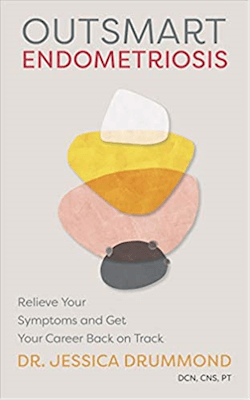
Outsmart Endometriosis by Dr. Jessica Drummond

February 5, 2021 By Trudy Scott Leave a Comment

outsmart endometriosis

Dr. Jessica Drummond, DCN, CNS, PT, is a good friend and colleague whose work in women’s health I highly respect. Her book, Outsmart Endometriosis (now available in paperback), is integrative, evidence-based, practical and empowering!

She is a leader in the field and her vast experience and compassion makes this a must-read. As a nutritionist working with women with anxiety, I am thrilled to have this comprehensive evidence-based book as a resource for those in my community who are on their endometriosis healing journey, and for practitioners who work with women with endometriosis.

Here is the official book blurb:

Endometriosis does not have to ruin your career.

Wouldn’t it be nice to stop worrying about how your endometriosis symptoms are going to hold you back from hitting your career goals? Or to have tools that you can use to reduce your pain and manage your energy so you don’t have to miss out on important opportunities? Sometimes, it can feel like endometriosis is controlling your life.

Sought-after endometriosis, pelvic pain, and nutrition expert Dr. Jessica Drummond, DCN, CNS, PT, has helped thousands of women relieve their pelvic pain in over twenty years of practice. In Outsmart Endometriosis, she offers not another “one-size-fits-none endo diet,” but a comprehensive approach to managing your symptoms using simple, repeatable strategies, and without having to wait for an appointment with your doctor.

In Outsmart Endometriosis, Dr. Drummond can help you to:

  • Stop missing important work meetings or deadlines because of your endometriosis pain, fatigue, anxiety, and/or digestive symptoms
  • Let go of your worries about your fertility
  • Clear your brain fog so you can do your best work
  • Get control over your symptoms so you can feel more comfortable, and no longer just power through or be forced to quit
  • Build a team of the right professionals to support you along the way

Read Outsmart Endometriosis and become the boss of your symptoms and your career.

Get your copy on Amazon here (my Amazon link) or from Target, Barnes and Noble or independent bookstores.  You can also download book bonuses here.

Filed Under: Anxiety, Women's health Tagged With: anxiety, brain fog, digestive symptoms, Dr. Jessica Drummond, endometriosis, fatigue, fertility, nutrition, pain, pelvic pain, team, women, women’s health

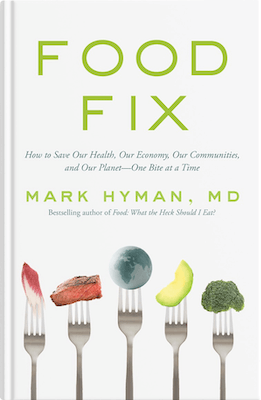
Food Fix by Dr. Mark Hyman – my review

February 27, 2020 By Trudy Scott 4 Comments

food fix by mark hyman

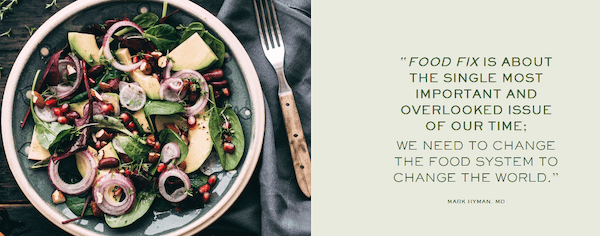
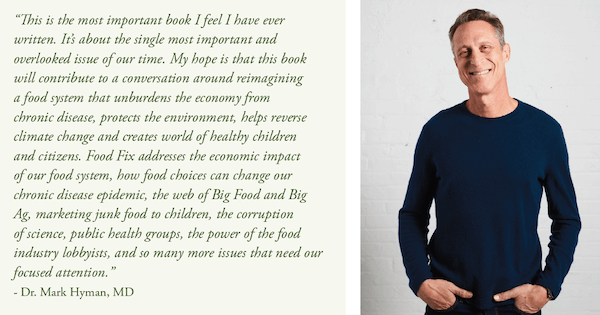
Dr. Mark Hyman has a brilliant new book called called Food Fix: How to Save Our Health, Our Economy, Our Communities, and Our Planet – One Bite at a Time and his big bold message is that: “We need to change the food system to change the world.”  It is an issue that is seriously overlooked and he wants to change this.

food fix

Watch this short video clip to hear it from Dr. Hyman himself.

food fix

Here are some of the key messages from Food Fix

  • If we don’t change the food system, we’re going to spend $95 trillion dollars on chronic disease – heart disease, obesity, type 2 diabetes, cancer, and dementia – over the next 35 years.
  • Big food spends a lot of money in Washington to keep us fat and sick.
  • The food industry preys on our most vulnerable citizens – children.

According to the American Psychological Association, children under the age of 8 don’t instinctively recognize the difference between TV Commercials and programs, which makes them particularly vulnerable.

  • Big Food buys partnerships with public schools.
  • Minorities are also targeted by the food industry.

Researchers at the University of Connecticut found that junk food companies spend the most on ads that target African Americans and Spanish speakers. Guess which products were most heavily advertised toward minorities—Gatorade, Pop Tarts, Twix Candy Bar, Cinnamon Toast Crunch Cereal, and Tyson Frozen Entrees

The worse the nutritional profile the more heavily the products were promoted through advertising.

Where are the broccoli ads?

These findings, the researchers noted, “highlight important disparities in the food and beverage industry’s heavy marketing of unhealthy foods to Hispanic and black youth, and the corresponding lack of promotion of healthier options.”

  • Bad food is making us anxious, depressed, and is messing with our brains. I’m thrilled that Dr. Hyman highlights how nutritional medicine is a key to mental health and psychiatry. Here are some snippets :

Studies show that adults with many types of mental health issues and children with ADHD have very low levels of antioxidants (which come from fruits and vegetables), such as the fifty-six-year-old man with lifelong crippling depression who improved by cleaning up his diet and taking a cocktail of B vitamins. I remember one man who presented with severe panic attacks every afternoon. Turned out he was eating a diet very high in sugar and starch and had wild swings in his blood sugar, which triggered the anxiety. When he cut out sugar and starch, his anxiety and panic attacks vanished. These stories are not anomalies. They are predictable results from applying nutritional medicine.

In recent years, major medical journals have clearly shown the link between nutrition and mental health. The Lancet Psychiatry, a top medical journal, maps out just how nutritional medicine is a key to mental health and psychiatry. Overall diet quality, high sugar loads, and rampant nutritional deficiencies (including omega‑3 fats, zinc, magnesium, vitamin D, and B vitamins) all drive mental illness. In other words, the culprit is once again the American and increasingly global industrial diet. We have discussed the costs of obesity and chronic disease, but most don’t connect mental illness to the costs of chronic disease. In fact, the cost of mental illness to the economic burden is far greater than the costs of heart disease, diabetes, and cancer.

Population studies have found that more fruits and vegetables and less french fries, fast food, and sugar are associated with a lower prevalence of mental illness, and that junk food creates moderate to severe psychological distress. The good news is that interventional studies have shown that treatment of mental illness with diet works well (especially since most medications for mental illness don’t work that well, despite being the second biggest category of drugs sold).

And here are a few of the many solutions proposed in the book:

  • Support regenerative agriculture and sustainable food.
  • Stop purchasing franken-foods:

Today 60% of our diet is ultra-processed food made from commodity crops—corn, soy, and wheat—that’s turned into various sizes, shapes, and colors from the raw materials—high fructose corn syrup, white flour, and refined soybean oil. When you vote with your dollars and your fork to stay away from these foods, you send a message to big food to stop subsidizing commodity crops and grow more fruits and vegetables!

  • End food waste:

Buy only what you need.  If food may go bad soon, make a soup or stew. Get a compost bucket for your kitchen.  Start a compost pile in your backyard, or buy an in-home composter.  Use it in your garden or donate it to someone who has a garden.

  • Be an activist and teach your family why food matters.
  • Address food deserts and food swamps in African American communities, and recognize that this is:

“food apartheid,” an embedded social and political form of discrimination.

Here is the official book blurb:

Help to transform the planet in crisis with this indispensable guide to healthy, ethical, and economically sustainable food from #1 New York Times bestselling author Mark Hyman, MD.

Food is our most powerful tool to reverse the global epidemic of chronic disease, heal the environment, reform politics, and revive economies. What we eat has tremendous implications not just for our waistlines, but also for the planet, society, and the global economy. What we do to our bodies, we do to the planet; and what we do to the planet, we do to our bodies. 

In Food Fix, Mark Hyman explains how our food and agriculture policies are corrupted by money and lobbies that drive our biggest global crises: the spread of obesity and food-related chronic disease, climate change, poverty, violence, educational achievement gaps, and more.

Pairing the latest developments in nutritional and environmental science with an unflinching look at the dark realities of the global food system and the policies that make it possible, Food Fix is a hard-hitting manifesto that will change the way you think about – and eat – food forever, and will provide solutions for citizens, businesses, and policy makers to create a healthier world, society, and planet.

I love that Dr. Hyman says he is left with a sense of hope and possibility after writing this book … “understanding the problems and challenges we face sets the foundations for the solutions.”

Wise words indeed! This book is much-needed, brilliant, eye-opening and shocking at times, but hopeful and solution-based.

You can get your copy of Food Fix here (my Amazon link) and find additional information and resources on the official book site here.

Filed Under: Books Tagged With: African Americans, chronic disease, climate change, education, environmental, food, food and agriculture policies, food deserts, Food Fix, food swamps, mark hyman, mental health, nutrition, Nutritional medicine, obesity, poverty, psychiatry, the planet, violence

Anxiety & the Gut-Brain Axis in Autism with Julie Matthews: The Anxiety Summit 5

October 21, 2019 By Trudy Scott 8 Comments

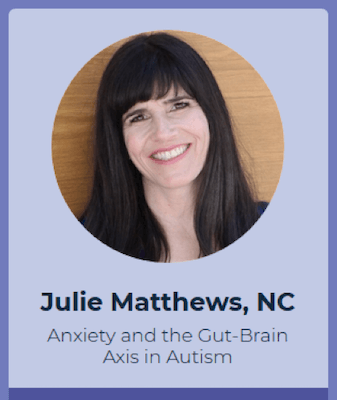
Julie Matthews, CNC, is one my guest experts on The Anxiety Summit 5: Gut-Brain Axis and our topic is: Anxiety & the Gut-Brain Axis in Autism. In this interview you’ll learn:

  • Nutritional and dietary intervention in autism (and the new study Julie contributed to)
  • Gut-immune-brain axis, mTOR and amino acids (we talk about tryptophan at length)
  • Significance of fecal microbiota transplants (and significance and future of this approach)

julie matthews

We start with a discussion about how common anxiety disorders are in autism, and how psychiatric medications are frequently prescribed.

This is why I’m so thrilled about the study Julie was part of: Comprehensive Nutritional and Dietary Intervention for Autism Spectrum Disorder-A Randomized, Controlled 12-Month Trial.

  • study participants had a significant improvement in anxiety from a special diet and various nutritional supplements
  • study participants saw improved communication skills as well as improved daily living skills and social skills – all of which can lead to reduced anxiety and social anxiety, and improved overall happiness
  • there were also improvements in happiness, focus, IQ and language, as well as symptoms of autism

We talk about some of this in the in-person interview we did recently in San Diego.

(Note: The dates for the 2021 Anxiety Summit 5 is November 8-14, 2021)

(I also blogged about this study last year, shortly after the paper was published. You can read about it here so you’re familiar with all the details when you listen to our summit interview.)

Julie and I are both research geeks and in our full interview on the summit we get geeky and talk about new research on:

  • The Gut-Immune-Brain Axis in Autism Spectrum Disorders A Focus on Amino Acids (we discuss mTOR and have a good discussion on the use of tryptophan vs 5-HTP)
  • Fecal transplants in autism (the outcomes are incredibly promising! I’ve since heard that another bigger study is being planned by the same researchers)

julie matthews and trudy scott

You’re likely familiar with Julie’s autism nutrition work and practitioner training on special diets which I wholeheartedly endorse. In case you’re new to her work, Julie is a Certified Nutrition Consultant and published researcher specializing in complex neurological, digestive, and immune conditions, most notably autism. She is the author of the award-winning book, Nourishing Hope for Autism, and co-author of a study proving the efficacy of nutrition and dietary intervention for autism published in the peer-reviewed journal, Nutrients (the study I mention above).

If you’re looking for autism/anxiety and autism/gut solutions you won’t want to miss this interview.

If you are looking for anxiety nutritional and gut solutions but don’t have an autism spectrum disorder/ASD or family member with ASD I encourage you to listen in anyway.  Julie’s approach is based on the BioIndividual Nutrition® needs of each person and stems from her 18 years of work with autism. Using autism as a model for complex chronic disease, her approach and methodology helps practitioners specializing in varied disorders improve the health and healing of their clients through her BioIndividual Nutrition Training for practitioners.

The above statement – using autism as a model for complex chronic disease – is an important one. In the short video clip above I mention how those with ASD are like the canaries in the coal mine. And we talk about many of the overlapping root causes we see in both anxiety disorders and ASD – such as methylation, nutritional deficiencies, gut issues and food sensitivities, heavy metals and so much more.  Julie and I have been highlighting these overlaps for years. Much of what we cover in the interview has wide-reaching implications for anxiety and other chronic health conditions.

I am so appreciative to Julie for helping me figure out my own dietary oxalate issues which were causing excruciating hot-coals/shards-of-glass type foot pain. I’ve learned so much from Julie on this topic and you’ll hear me bring up oxalates in a number of interviews.

julie and trudy 

We also happen to be really good friends and love to laugh together (as you can tell!). These two pictures were taken in San Diego at the Mindshare conference (left) and Integrative Medicine for Mental Health conference (right), where we both presented.

You can listen to each of the interviews (and get transcripts) by purchasing The Anxiety Summit 5: Gut-Brain Axis.

If you’d like to give feedback or ask a question, please post in the comments section. I’d love to hear from you once you’ve listened in.

If you’d like to give feedback or ask a question, please post in the comments section at the bottom.

I’d love to hear from you once you’ve listened in to this interview and the others.

Filed Under: The Anxiety Summit 5 Tagged With: anxiety, Anxiety & the Gut-Brain Axis in Autism, anxiety summit, autism, diet, fecal transplant, gut-brain, Julie Matthews, microbiome, mTOR, nutrition, serotonin, tryptophan

  • Page 1
  • Page 2
  • Page 3
  • Go to Next Page »

Primary Sidebar

NEW! GABA QuickStart Homestudy (with special intro pricing)

gaba quickstart homestudy

Free Report

9 Great Questions Women Ask about Food, Mood and their Health

You'll also receive a complimentary subscription to my ezine "Food, Mood and Gal Stuff"


Connect with me

Popular Posts

  • Amino Acids Mood Questionnaire from The Antianxiety Food Solution
  • The Antianxiety Food Solution Amino Acid and Pyroluria Supplements
  • Pyroluria Questionnaire from The Antianxiety Food Solution
  • Collagen and gelatin lower serotonin: does this increase your anxiety and depression?
  • Tryptophan for the worry-in-your-head and ruminating type of anxiety
  • GABA for the physical-tension and stiff-and-tense-muscles type of anxiety
  • The Antianxiety Food Solution by Trudy Scott
  • Seriphos Original Formula is back: the best product for anxiety and insomnia caused by high cortisol
  • Am I an anxious introvert because of low zinc and vitamin B6? My response to Huffington Post blog
  • Vagus nerve rehab with GABA, breathing, humming, gargling and key nutrients

Recent Posts

  • What do I use instead of Seriphos to help lower high cortisol that is affecting my sleep and making me anxious at night?
  • BeSerene™ GABA/theanine cream eases severe muscle tension in her neck/shoulders, prevents her bad headaches and quells her anxiety
  • How the correct approach, dose and sublingual use of GABA can be calming and not cause a flushed and itchy face and neck
  • The amino acid glutamine improves low mood by addressing gut health, and it has calming effects too
  • Flight anxiety with heightened breath, physical tension and also fearing the worst (the role of low GABA and low serotonin)

Categories

  • 5-HTP
  • AB575
  • Addiction
  • ADHD
  • Adrenals
  • Alcohol
  • Allergies
  • Alzheimer's disease
  • Amino Acids
  • Anger
  • Antianxiety
  • Antianxiety Food Solution
  • Antidepressants
  • Anxiety
  • Anxiety and panic
  • Autism
  • Autoimmunity
  • benzodiazapines
  • Bipolar disorder
  • Books
  • Caffeine
  • Cancer
  • Candida
  • Children/Teens
  • Collagen
  • Cooking equipment
  • Coronavirus/COVID-19
  • Cravings
  • Depression
  • Detoxification
  • Diabetes
  • Diet
  • DPA/DLPA
  • Drugs
  • EFT/Tapping
  • EMF
  • EMFs
  • Emotional Eating
  • Endorphins
  • Environment
  • Essential oils
  • Events
  • Exercise
  • Fear
  • Fear of public speaking
  • Fertility and Pregnancy
  • Fish
  • Food
  • Food and mood
  • Functional neurology
  • GABA
  • Gene polymorphisms
  • General Health
  • Giving
  • Giving back
  • Glutamine
  • Gluten
  • GMOs
  • Gratitude
  • Gut health
  • Heart health/hypertension
  • Histamine
  • Hormone
  • Hyperparathyroidism
  • Hypoglycemia
  • Immune system
  • Inflammation
  • Insomnia
  • Inspiration
  • Introversion
  • Joy and happiness
  • Ketogenic diet
  • Lithium orotate
  • Looking awesome
  • Lyme disease and co-infections
  • MCAS/histamine
  • Medication
  • Men's health
  • Mental health
  • Mercury
  • Migraine
  • Mold
  • Movie
  • MTHFR
  • Multiple sclerosis
  • Music
  • NANP
  • Nature
  • Nutritional Psychiatry
  • OCD
  • Osteoporosis
  • Oxalates
  • Oxytocin
  • Pain
  • Paleo
  • Parasites
  • Parkinson’s disease
  • PCOS
  • People
  • PMS
  • Postpartum
  • PTSD/Trauma
  • Pyroluria
  • Questionnaires
  • Real whole food
  • Recipes
  • Research
  • Schizophrenia
  • serotonin
  • SIBO
  • Sleep
  • Special diets
  • Sports nutrition
  • Stress
  • Sugar addiction
  • Sugar and mood
  • Supplements
  • Teens
  • Testimonials
  • Testing
  • The Anxiety Summit
  • The Anxiety Summit 2
  • The Anxiety Summit 3
  • The Anxiety Summit 4
  • The Anxiety Summit 5
  • The Anxiety Summit 6
  • Thyroid
  • Thyroid health
  • Toxins
  • Tryptophan
  • Tyrosine
  • Uncategorized
  • Vegan/vegetarian
  • Women's health
  • Yoga

Archives

  • October 2025
  • September 2025
  • August 2025
  • July 2025
  • June 2025
  • May 2025
  • April 2025
  • March 2025
  • February 2025
  • January 2025
  • November 2024
  • October 2024
  • September 2024
  • August 2024
  • July 2024
  • June 2024
  • May 2024
  • April 2024
  • March 2024
  • February 2024
  • January 2024
  • December 2023
  • November 2023
  • October 2023
  • September 2023
  • August 2023
  • July 2023
  • June 2023
  • May 2023
  • April 2023
  • March 2023
  • February 2023
  • January 2023
  • December 2022
  • November 2022
  • October 2022
  • September 2022
  • August 2022
  • July 2022
  • June 2022
  • May 2022
  • April 2022
  • March 2022
  • February 2022
  • January 2022
  • December 2021
  • November 2021
  • October 2021
  • September 2021
  • August 2021
  • July 2021
  • June 2021
  • May 2021
  • April 2021
  • March 2021
  • February 2021
  • January 2021
  • December 2020
  • November 2020
  • October 2020
  • September 2020
  • August 2020
  • July 2020
  • June 2020
  • May 2020
  • April 2020
  • March 2020
  • February 2020
  • January 2020
  • December 2019
  • November 2019
  • October 2019
  • September 2019
  • August 2019
  • July 2019
  • June 2019
  • May 2019
  • April 2019
  • March 2019
  • February 2019
  • January 2019
  • December 2018
  • November 2018
  • October 2018
  • September 2018
  • August 2018
  • July 2018
  • June 2018
  • May 2018
  • April 2018
  • March 2018
  • February 2018
  • January 2018
  • December 2017
  • November 2017
  • October 2017
  • September 2017
  • August 2017
  • July 2017
  • June 2017
  • May 2017
  • April 2017
  • March 2017
  • February 2017
  • January 2017
  • December 2016
  • November 2016
  • October 2016
  • September 2016
  • August 2016
  • July 2016
  • June 2016
  • May 2016
  • April 2016
  • March 2016
  • February 2016
  • January 2016
  • December 2015
  • November 2015
  • October 2015
  • September 2015
  • August 2015
  • July 2015
  • June 2015
  • May 2015
  • April 2015
  • March 2015
  • February 2015
  • January 2015
  • December 2014
  • November 2014
  • October 2014
  • September 2014
  • August 2014
  • July 2014
  • June 2014
  • May 2014
  • April 2014
  • March 2014
  • February 2014
  • January 2014
  • December 2013
  • November 2013
  • October 2013
  • September 2013
  • August 2013
  • July 2013
  • June 2013
  • May 2013
  • April 2013
  • March 2013
  • February 2013
  • January 2013
  • December 2012
  • November 2012
  • October 2012
  • August 2012
  • July 2012
  • June 2012
  • May 2012
  • April 2012
  • March 2012
  • February 2012
  • January 2012
  • December 2011
  • November 2011
  • October 2011
  • September 2011
  • August 2011
  • July 2011
  • June 2011
  • May 2011
  • April 2011
  • March 2011
  • February 2011
  • January 2011
  • December 2010
  • October 2010
  • September 2010
  • July 2010
  • May 2010
  • April 2010
  • March 2010
  • February 2010
  • January 2010
  • November 2009

Share the knowledge!

The above statements have not been evaluated by the Food and Drug Administration. Products listed in this website are not intended to diagnose, treat, cure or prevent any disease.

The information provided on this site is for informational and educational purposes only and is not intended as a substitute for advice from your physician or other health care professional. You should consult with a healthcare professional before starting or modifying any diet, exercise, or supplementation program, before taking or stopping any medication, or if you have or suspect you may have a health problem.


Copyright © 2026 Trudy Scott. All Rights Reserved. | Privacy | Terms and Conditions | Refund Policy | Medical Disclaimer

Free Report

9 Great Questions Women Ask about Food, Mood and their Health

You’ll also receive a complimentary subscription to my ezine “Food, Mood and Gal Stuff”