• Skip to primary navigation
  • Skip to main content
  • Skip to primary sidebar

everywomanover29 blog

Food, Mood and Women's Health – Be your healthiest, look and feel great!

  • Blog
  • About
  • Services
  • Store
  • Resources
  • Testimonials
  • The Book
  • Contact
  • Search this site

focus

Understanding the function of the GABAergic system and its potential role in rheumatoid arthritis (for pain, anxiety, sleep issues and more)

January 3, 2025 By Trudy Scott 2 Comments

GABAergic system and its potential role in rheumatoid arthritis

This is a great question posed by a woman in my GABA/anxiety online group program:

Can GABA be good for rheumatoid arthritis, and in its early stages? If so, in what ways would someone see signs of improvement with GABA?

When I looked into some of the recent research on GABA and rheumatoid arthritis I was fascinated. A 2023 review paper, Understanding the function of the GABAergic system and its potential role in rheumatoid arthritis, discusses the relationship between rheumatoid arthritis (RA), an autoimmune condition, and GABA (gamma-amino butyric acid), a calming neurotransmitter.

The authors discuss “a new mechanism of action in RA” and the fact that “bidirectional communication occurs between the brain and immune system…and neuroinflammatory responses in the brain.”

The paper discusses GABA and neurosignalling, immunomodulatory effects and inflammation, stating that the:

GABAergic system may modulate the abnormal pain response in RA patients.

So to answer her question, if she has low GABA levels we would expect to see some reduction in her RA pain.

As always, we look for the signs and symptoms of low GABA regardless of the diagnosis or possible diagnosis. So if someone has low GABA symptoms of physical tension, overwhelm, fears, anxiousness, stiff and tense muscles, focus issues, pain, stress eating or drinking to calm down, and poor sleep, we consider a trial of the amino acid GABA, and could expect improvements in all or some of the above symptoms.

I would also recommend that she tracks markers of inflammation (like hs CRP, IL-6, IL-1β, and TNF-α) and RA markers to see if they shift in a positive direction with her use of GABA too.

I share more below about the incidence of anxiety and sleep issues in rheumatoid arthritis and some of the mechanisms covered in the review paper. Also, there are lab tests to track and there are other nutritional approaches for supporting an autoimmune condition such as RA.

Some of the mechanisms covered in the review paper

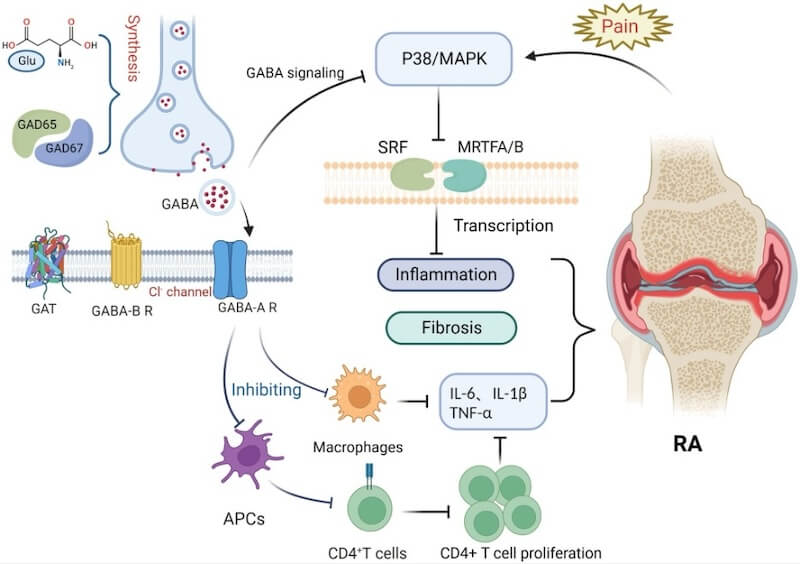
This image from the paper and the explanation provides some insights on the mechanisms at play.

  • Glutamate interacts with glutamate decarboxylase (GAD65 and GAD67) to produce gamma-aminobutyric acid (GABA).
  • Binding of GABA to GABA-A receptors inhibits macrophage activation and decreases the release of inflammatory factors such as IL-6, IL-1β, and TNF-α. Antigen presentation by antigen-presenting cells, however, is impaired, inhibiting CD4+ T cell proliferation and differentiation and reducing the expression of inflammatory factors such as IL-6, IL-1β, and TNF-α.
  • Pain signaling activates the P38/MAPK pathway, whereas GABA binding to GABA-A receptors inhibits P38/MAPK. The P38/MAPK signaling pathway contributes to inflammation and is involved in the activation of myocardin-related transcription factor A (MRTFA), myocardin-related transcription factor B (MRTFB), and serum response factor (SRF) that played key roles in fibroblast activation.
gaba and rheumatoid arthritis
Figure 1. Understanding the function of the GABAergic system and its potential role in rheumatoid arthritis

The authors don’t mention the use of the amino acid GABA as a supplement for RA but do list a number of clinical trials (mostly diabetes patients) where GABA has been used with success. It’s a start and I look forward to future research in this area.

Anxiety, depression, insomnia, cognitive issues and stress-eating in RA

This paper, Psychiatric aspects of rheumatoid arthritis: Review of literature, reports that

Among the major psychiatric disorders found in RA, the anxiety and depressive disorders are prevalent (13 to 48% of patients), as well as suicide, insomnia and tiredness. The impairment of quality of life is markedly after age 65.

This paper, A 30-Day Adjunct Wellness Intervention for the Management of Extra-Articular Symptoms of Rheumatoid Arthritis: A Formative Study, also mentions “cognitive and physical dysfunction” and “stress-related eating” in addition to anxiety, depression and insomnia in RA patients.

Doing a trial of GABA (and other amino acids such as tryptophan and d-phenylalanine/ DPA), will confirm which symptoms are related to which neurotransmitter deficiencies. It’s exciting to consider a very possible role of GABA and other amino acids given the fact that “individuals with rheumatoid arthritis (RA) continually fall short of treatment targets using standard drug therapies alone”

Looking further than GABA and other amino acids: a gluten-free diet and other root causes

With RA we obviously want to address more than just GABA (and other amino acids). Gluten removal is recommended but I do want to mention that the research is surprisingly mixed. This paper, Efficacy of gluten-free diet in patients with rheumatoid arthritis states that

Gluten seems to be a glycoprotein with a clinically relevant inflammatory effect. Several observational studies and anecdotal cases reported a correlation between gluten and various diseases, including autoimmune diseases, such as rheumatoid arthritis. This study aimed to evaluate whether gluten-free diet could be effective in controlling inflammation and ongoing rheumatoid arthritis symptoms.

We report 4 cases of patients with long-standing rheumatoid arthritis with no response to several conventional and biotechnological drugs, treated with a gluten-free diet concurrently with the drug therapy. Our patients presented different degrees of response to the diet, in terms of disease remission and improvement of symptoms. Our cases confirm that a gluten-free diet may improve symptoms of rheumatoid arthritis, even in patients resistant to conventional drug therapies.

Many other papers dismiss the role of gluten and inflammatory diets. This one is an example of a number of similar papers.

The benefits of addressing neurotransmitter imbalances with GABA and other amino acids means the addiction is stopped and quitting bread and cookies now no longer requires willpower,

Here are some autoimmune recipe resources:

  • The Autoimmune Solution Cookbook by Amy Myers MD
  • The Autoimmune Fix by Dr. Tom O’Bryan: gluteomorphins, casomorphins and withdrawal
  • Hashimoto’s Food Pharmacology, a new recipe book by Dr. Izabella Wentz

In addition to dietary changes, a full functional medicine approach is warranted as there is much research supporting the benefits of the following for RA: omega-3 fatty acids, olive oil, low vitamin B6, addressing heavy metals such as mercury and much much more.

I cover 60+ root causes of anxiety here – I’d be carefully assessing each of these root causes for RA too.

Additional resources when you are new to using GABA and other amino acids as supplements

As always, I use the symptoms questionnaire to figure out if low serotonin or low GABA or other neurotransmitter imbalances may be an issue.

If you suspect low levels of any of the neurotransmitters and do not yet have my book, The Antianxiety Food Solution – How the Foods You Eat Can Help You Calm Your Anxious Mind, Improve Your Mood, and End Cravings, I highly recommend getting it and reading it before jumping in and using amino acids on your own so you are knowledgeable. And be sure to share it with the practitioner/health team you or your loved one is working with.

There is an entire chapter on the amino acids and they are discussed throughout the book in the sections on gut health, gluten, blood sugar control (this is covered in an entire chapter too), sugar cravings, anxiety and mood issues.

The book doesn’t include product names (per the publisher’s request) so this blog, The Antianxiety Food Solution Amino Acid and Pyroluria Supplements, lists the amino acids that I use with my individual clients and those in my group programs.

If, after reading this blog and my book, you don’t feel comfortable figuring things out on your own (i.e. doing the symptoms questionnaire and respective amino acids trials), a good place to get help is the GABA QuickStart Program (if you have low GABA symptoms). This is a paid online/virtual group program where you get my guidance and community support, and is where this question was asked of me during one of the live Q&A calls.

If you are a practitioner, join us in The Balancing Neurotransmitters: the Fundamentals program. This is also a paid online/virtual program with an opportunity to interact with me and other practitioners who are also using the amino acids.

Wrapping up and your feedback

Do you have rheumatoid arthritis (RA) or another autoimmune condition and has GABA helped?

Were you aware of these possible connections?

What about dietary and nutritional approaches?

Feel free to share your feedback and ask your questions below.

Filed Under: Anxiety, GABA, Pain Tagged With: amino acids, anxiety, anxious, anxiousness, autoimmune, calming, drinking, fears, focus, GABA, GABA Quickstart, GABAergic system, Inflammation, neurotransmitter, overwhelm, pain, physical-tension, rheumatoid arthritis, sleep issues, stiff and tense muscles, stress-eating

Calming GABA, tryptophan to relinquish the evening bottle of red wine, theanine for focus and the pyroluria protocol

November 29, 2024 By Trudy Scott 5 Comments

gaba tryptophan theanine

I’m 61 years old postmenopausal. 2 GABA Calm under my tongue the second my eyes open in the morning. I keep it at the bedside. So that’s 250mg.

In the beginning I would also use two if I woke up at 2AM with a panic attack. That doesn’t happen as much anymore. I keep a bottle in my purse for panic attacks during the day. I haven’t had one of those in a couple of years. When I have a low stress week ahead, such as no social interaction scheduled, I go several days without any, but then that clutch in my chest reminds me to start back.

I also am diligent in treating my Pyroluria (diagnosed with a urine test)…it makes a difference. Daily zinc, B vitamins (especially 15mg methylfolate/day – check out the research papers on that dose being as effective as most antidepressants, I’m heterozygous not homozygous, MTHFR), Magnesium Threonate.

I am having good results with 1000 mg L-Tryptophan/day. I’ve just started adding another 1000mg/day in a bid to relinquish my evening bottle of red wine.

I keep a bottle of L-theanine on hand if I have a day ahead that I need to focus. ADHD does not improve with age!! I seriously liked it better in my day when my third-grade teacher labeled me a “dreamer”. Fortunately, I live on a farm and the cows don’t seem to mind that it takes me a bit to focus long enough to get the chores done.

I also have a regular yoga practice and I do physical work outside and in the winter use a SAD light.

I will also add that the last 8 months I have been in a very stressful family situation at home and the above regimen is holding.

If anyone has stuck with this wandering post to the end, don’t give up. Keep fighting to find what works for you.

Jennifer responded with the above in response to my question on Facebook about your starting GABA dose and if it’s changed over the years based on stress levels, hormone changes and life events.

I thanked her for sharing and for her encouraging words for others in the community and asked if I could share her feedback as a blog. She said yes saying “I have learned so very much from the stories of others on the page” – so here we are …

Stories offer hope, motivation and inspiration and we do learn so much from them.

I also told her that she is a poster child for how we want to use GABA and share more about that and her desire to relinquish her bottle of wine (and how amino acids make it easier) below.

She is a poster child for how we want to use GABA

Initially a higher dose of GABA may be needed and then as GABA levels increase and we also start to address other underlying root causes, less GABA is needed on a regular basis.

Initially Jennifer needed 4 x GABA Calm (for a total of 400mg/day) and then just 250mg GABA per day once she addressed pyroluria and B vitamin deficiencies. Yoga also supports GABA production.

On some low-stress days she doesn’t need any GABA at all, but she wisely keeps some in her purse for “panic attacks during the day” (but hasn’t had one in a couple of years).

She had struggled with perimenopause: “I must say that postmenopausal is a hell of a lot better, even with the paper thin skin and wrinkles, than the hell that was perimenopause!!!!”

And she did mention her phenyl-GABA mistake/ignorance and the fact that I helped her identify this issue 5 years ago. If you’re not aware, phenyl-GABA or phenibut can cause similar tolerance, dependence and discontinuation issues to benzodiazepines. More on phenibut here.

All of the above very likely contributed to her higher need for GABA initially.

Additional serotonin support to relinquish her evening bottle of red wine

Jennifer is already supporting her serotonin with 1000mg tryptophan per day, a SAD light in winter and physical exercise on the farm.

Afternoon and evening cravings are common when serotonin isn’t optimal – this can be carb/sugar cravings and/or also a need to self-medicate with wine. The first step is to recognize and acknowledge that a bottle of wine each evening is too much.

This amount of alcohol affects the liver, contributes to leaky gut, can cause blood sugar swings and reduces B vitamins, especially thiamine/vitamin B3. And it could also be considered an added “stress” if you have pyroluria.

Most of us are aware of these harmful effects and yet cannot easily quit. Her use of the word relinquish is a clue as to how she feels about this i.e. some common synonyms of relinquish are “abandon, resign, surrender” which “may suggest some regret, reluctance, or weakness.”

But because she understands the power of amino acids, she plans to increase her tryptophan from 1000mg to 2000mg to address this addiction without the need for willpower or with no feelings of regret or surrender.

If you are new to using this tryptophan for this purpose, this blog is worth reading: Tryptophan had the added benefit of turning me completely off alcohol when I took it to improve mood and sleep during perimenopause

Theanine for when she needs additional focus

Theanine provides a feeling of calm focus, offering support for the following neurotransmitters: GABA, serotonin and dopamine.

Jennifer also uses 400mg of theanine (Suntheanine) for her focus issues, using it only on days she needs it. She says “I rarely have a day when I would need more than 3-4 hours of paperwork concentration as my life on the farm and keeping up with grandchildren is more physical than mental focus.”

Now that she has used GABA, tryptophan and theanine with success, she has these amino acids in her toolbox whenever she needs them in the future and when she needs to increase the dose if the situation requires a change.

A few GABA product options  – a sublingual and a powder

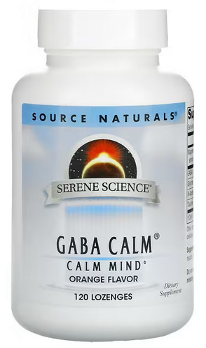
gaba calm
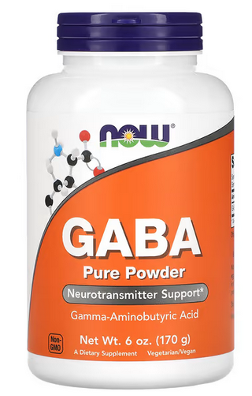
gaba pure poder

Jennifer used Source Naturals GABA Calm lozenges, a product I recommend. It’s a good low dose of 125 mg and is convenient and effective because it’s a sublingual lozenge.

Now GABA Powder is another product I use and recommend. It does need to be measured out to provide a 125 mg typical starting dose. I have clients use a handy mini measuring spoon like this one (my Amazon link) and share more about how to measure out GABA powder on this blog).

For Source Naturals GABA Calm lozenges and Now GABA Powder:

  • You can purchase these from my online store (Fullscript – only available to US customers – use this link to set up an account).
  • If you’re not in the US, you can purchase these at iherb (use this link to save 5%).

Additional resources when you are new to using GABA, tryptophan and other amino acids as supplements

As always, I use the symptoms questionnaire to figure out if low GABA, low serotonin or other neurotransmitter imbalances may be an issue.

If you suspect low levels of any of the neurotransmitters and do not yet have my book, The Antianxiety Food Solution – How the Foods You Eat Can Help You Calm Your Anxious Mind, Improve Your Mood, and End Cravings, I highly recommend getting it and reading it before jumping in and using amino acids on your own so you are knowledgeable. And be sure to share it with the practitioner/health team you or your loved one is working with.

There is an entire chapter on the amino acids and they are discussed throughout the book in the sections on gut health, gluten, blood sugar control (this is covered in an entire chapter too), sugar cravings, anxiety and mood issues.

The book doesn’t include product names (per the publisher’s request) so this blog, The Antianxiety Food Solution Amino Acid and Pyroluria Supplements, lists the amino acids that I use with my individual clients and those in my group programs.

If, after reading this blog and my book, you don’t feel comfortable figuring things out on your own (i.e. doing the symptoms questionnaire and respective amino acids trials), a good place to get help is the GABA QuickStart Program (if you have low GABA symptoms). This is a paid online/virtual group program where you get my guidance and community support.

If you are a practitioner, join us in The Balancing Neurotransmitters: the Fundamentals program. This is also a paid online/virtual program with an opportunity to interact with me and other practitioners who are also using the amino acids.

Wrapping up and your feedback

I appreciate Jennifer for sharing and giving me permission to share her story on the blog. Despite the wine and her very stressful family situation I am thrilled she says she is doing well. I also love that she ends with this: “… don’t give up. Keep fighting to find what works for you.”

I’d love to hear from you – has any of this worked for you?

Feel free to share about your GABA success and how much it helps you and if this has changed over time. And let us know what you feel has contributed to the need for less or more GABA i.e. which other root causes have you addressed?

Feel free to share if tryptophan (or another amino acid) has helped with quitting wine or another alcoholic beverage.

And do share if you use theanine for calm focus.

Feel free to share and ask your questions below.

Filed Under: Addiction, Anxiety, GABA, serotonin, Tryptophan Tagged With: addiction, ADHD, amino acids, anxiety, anxious, calming, focus, GABA, GABA Calm, neurotransmitter, panic attack, pyroluria, red wine, stress, theanine, tryptophan

GABA Calm and 5-HTP twice a day, after struggling with ADD-like symptoms, have made our day-to-day life so much better!

June 14, 2024 By Trudy Scott 14 Comments

gaba calm and add-like symptoms

Kimberly is a mom in the community and shared this wonderful feedback about her 8-year old son who is using just two amino acids:

I started my son on Gaba Calm and Serotrex (5-htp) twice a day after struggling with ADD-like symptoms for about 9 months. I’m not sure if he really has ADD or if his gut problems are to blame, but the amino acids have made our day-to-day life so much better!

I think we may need to do some work with his nervous system and on helping him learn to regulate his emotions, but he’s much less mouthy and argumentative than he was before. We still have hard days, but the supplements have helped pull me out of being exhausted and discouraged all the time from fighting with him constantly over everything.

I never get tired of hearing feedback like this and it’s not uncommon for young children (and adults) to see benefits like this very quickly.

She doesn’t know if he has ADD (attention deficit disorder) but she used the amino acids based on his symptoms (low GABA and low serotonin). We know it was the right choice because of his results. Could his symptoms improve even further? Absolutely! We typically increase one amino acid at a time watching for further improvement and stop when we reach the ideal dose.

Because she says “we still have hard days” I’d want to see her increase the GABA and 5-HTP (as mentioned above) and also consider a trial of DPA/d-phenylalanine (for low endorphin emotional symptoms) and possibly tyrosine (for low dopamine focus and attention issues). Low blood sugar can also cause an emotional rollercoaster and eating for blood sugar stability and glutamine helps so much.

When I hear “mouthy” and “argumentative” I immediately consider low serotonin but low blood sugar comes to mind too.

These additional amino acid trials would also be done one at a time with careful tracking of symptoms and adjustments up and down as needed.

If you’re not familiar with the symptoms of low serotonin, low GABA, low endorphins, low dopamine and low blood sugar you can see them all here.

Kimberly acknowledges that they may need to do work in other areas too – like learning to regulate his emotions and addressing gut issues. This is good as it’s seldom just one approach that is going to shift things.

Kimberly has also seen benefits with 5-HTP

I also love this feedback from Kimberly because she is less exhausted and no longer discouraged because her son is doing so much better.

By the way, this mom also experiences benefits from amino acids. 5-HTP helps her with sugar cravings. I shared her feedback in a blog post last year: Would using 5-HTP or tryptophan help when you crave sugar (as a sort of antidepressant) late afternoon/evening?

I was taking a break from tryptophan/5-HTP and realized after reading this post that that might be a mistake! So I added 5-HTP back in mid-afternoon and my sugar cravings are almost completely gone.

And 5-HTP also helped her late afternoon sadness and despair:

I took a 50 mg 5-HTP along with my mid-afternoon Endorphigen capsule, and within just a few minutes I felt the sadness and despair that I often feel in the late afternoon, start to lift. I was astonished at how quickly it worked!

I just love it when the amino acids work for mom and then mom helps her child.

It goes without saying that dietary changes are foundational in situations like this – often for the entire family. This means eating real whole foods, quality animal protein (especially at breakfast to help with blood sugar stability), organic veggies and fruit, fermented foods, healthy fats and no sugar/gluten/caffeine (all covered in detail in my book).

Assessing for and addressing nutritional deficiencies (like low zinc, low vitamin B6, low omega-3s, low iron etc.), removing toxins, addressing the gut (more on this below) and addressing infections are all important too. It’s always a comprehensive approach. But the good news is that you start to get results right away with amino acid supplementation, while you are figuring out everything else.

Gut issues and 5-HTP/serotonin and GABA

As mentioned above Kimberly also suspects possible gut problems with her son. These could include dysbiosis (microbiome imbalance), food sensitivities, leaky gut, parasites, candida and or digestive enzyme issues etc.  These always need to be investigated and addressed – because they can all contribute to low GABA and low serotonin – but until the issues are resolved, you can start to see some symptom resolution with the amino acids.

The amino acids he is taking offer an added gut benefit too. In an animal study, Effects of Serotonin and Slow-Release 5-Hydroxytryptophan on Gastrointestinal Motility in a Mouse Model of Depression, 5-HTP was shown to normalize gut motility and growth of the enteric epithelium. The paper concludes that slow release 5-HTP “might be used to treat patients with intestinal dysfunction associated with low levels of serotonin.”

Interestingly, an in-vitro (test-tube) study found that: “Serotonin showed antifungal activity towards all isolates of candida.” This was for certain strains, such as albicans, glabrata, tropicalis, and a few others).

This review article published earlier this year, Gamma-aminobutyric acid as a potential postbiotic mediator in the gut-brain axis discusses the role GABA plays in “psychological disorders, including anxiety, depression, and stress” and also attention deficit hyperactivity disorder. The authors also share that GABA has an impact on “gut microbiota composition” and confirms what has been reported in other research and what we see clinically: the “possibility that GABA may be a potent mediator of the gut-brain axis.”

Additional resources when you are new to using amino acids as supplements

As always, I use the symptoms questionnaire to figure out if low GABA or low serotonin or other neurotransmitter imbalances may be an issue.

If you suspect low levels of any of the neurotransmitters and do not yet have my book, The Antianxiety Food Solution – How the Foods You Eat Can Help You Calm Your Anxious Mind, Improve Your Mood, and End Cravings, I highly recommend getting it and reading it before jumping in and using amino acids on your own so you are knowledgeable. And be sure to share it with the practitioner/health team you or your loved one is working with.

There is an entire chapter on the amino acids and they are discussed throughout the book in the sections on gut health, gluten, blood sugar control (this is covered in an entire chapter too), sugar cravings, anxiety and mood issues.

The book doesn’t include product names (per the publisher’s request) so this blog, The Antianxiety Food Solution Amino Acid and Pyroluria Supplements, lists the amino acids that I use with my individual clients and those in my group programs.

If, after reading this blog and my book, you don’t feel comfortable figuring things out on your own (i.e. doing the symptoms questionnaire and respective amino acids trials), a good place to get help is the GABA QuickStart Program (if you have low GABA symptoms too). This is a paid online/virtual group program where you get my guidance and community support.

If you are a practitioner, join us in The Balancing Neurotransmitters: the Fundamentals program. This is also a paid online/virtual program with an opportunity to interact with me and other practitioners who are also using the amino acids.

Wrapping up and your feedback

I’m thrilled Kimberly saw these benefits with 5-HTP and then helped her son with 5-HTP and GABA. I asked if I could share here to inspire other moms and give them hope and she said yes. I do always appreciate feedback from the community and being able to share it on the blog.

Now I’d love to hear from you – Does any of this resonate with you? If yes, which amino acid has helped you and your child and how has it helped?

If you’re a practitioner have you seen GABA and 5-HTP help in situations like this?

Filed Under: 5-HTP, ADHD, Anxiety, Children/Teens, GABA Tagged With: 5-HTP, ADD, amino acids, argumentative, attention deficit disorder, children, discouraged, dopamine, DPA endorphin, emotional symptoms, emotions, exhausted, focus, GABA, GABA Calm, glutamine, gut health; GABA Quickstart; Balancing Neurotransmitters: the Fundamentals program for practitioners, low blood sugar, mouthy, serotonin, Serotrex, tyrosine

What is the difference between DPA and DLPA (amino acids) and which one do I use for weepiness, heart-ache, pain and energy?

March 11, 2022 By Trudy Scott 75 Comments

dpa and dlpa

Today we address a very common question I get: “What is the difference between DPA and DLPA?” The follow-up question is this: “And what symptoms do they help with?” These are both amino acids that help to boost certain feel-good neurotransmitters. DPA (d-phenylalanine) supports endorphins, whereas DLPA (dl-phenylalanine) supports both endorphins (to a lesser extent than DPA) and catecholamines (to a lesser extent than tyrosine).

Depending on your imbalances and symptoms, they could help with weepiness, heart-ache, comfort eating, emotional support, pain relief, better focus and energy, and even improved motivation.  

I mostly recommend DPA (which I call a-hug-in-a-bottle) and share the reasons why below, but some people do really well with DLPA. It’s a matter of figuring out the best one and dose for your unique needs.

DPA for low endorphin symptoms

DPA (d-phenylalanine) is an amino acid that destroys the enzyme that breaks down endorphins. Endorphins are feel-good chemicals that you experience with an endorphin rush when you go for a run or when someone gives you a big hug, when you show kindness to someone or an individual does something nice for you.

Taking the amino acid, DPA, as a supplement helps to raise your endorphins and helps when you feel weepy and overly emotional and reduces the need to self-medicate with treats as a reward or for comfort.

This amino acid is a favorite with so many of my clients and community because it makes them feel so lovely … a warm and fuzzy feeling. I often call it a-hug-in-a-bottle!

Here are the low endorphin symptoms I have my clients rate if they are considering a trial of DPA:

  • Heightened sensitivity to emotional pain
  • Heightened sensitivity to physical pain
  • Crying or tearing up easily
  • Eating to soothe your mood, or comfort eating
  • Really, really loving certain foods, behaviors, drugs, or alcohol
  • Craving a reward or numbing treat

Tyrosine for low catecholamine symptoms

Tyrosine is the amino acid that boosts catecholamines and helps with focus, motivation, energy (especially when you crave carbs for energy) and the blah kind of depression. It’s wonderful for helping you easily quit coffee/caffeine (when you are using it to “self-medicate” due to low catecholamines). It also provides support for the thyroid.

Here are the low catecholamine symptoms I have my clients rate if they are considering a trial of the amino acid tyrosine:

  • Depression and apathy
  • Easily bored
  • Lack of energy
  • Lack of focus
  • Lack of drive and low motivation
  • Attention deficit disorder
  • Procrastination and indecisiveness
  • Craving carbs, alcohol, caffeine, or drugs for energy

DLPA for both low endorphin and low catecholamine symptoms

If someone has both low endorphin and low catecholamine symptoms, a trial of DLPA could be considered.  DLPA supports both endorphins (to a lesser extent than DPA alone) and also catecholamines (to a lesser extent than tyrosine used alone). You could think of it as doing half and half of each.

Low endorphin symptoms:

  • Heightened sensitivity to emotional pain
  • Heightened sensitivity to physical pain
  • Crying or tearing up easily
  • Eating to soothe your mood, or comfort eating
  • Really, really loving certain foods, behaviors, drugs, or alcohol
  • Craving a reward or numbing treat

And low catecholamine symptoms:

  • Depression and apathy
  • Easily bored
  • Lack of energy
  • Lack of focus
  • Lack of drive and low motivation
  • Attention deficit disorder
  • Procrastination and indecisiveness
  • Craving carbs, alcohol, caffeine, or drugs for energy

Why I prefer my clients use DPA and tyrosine, rather than DLPA

Many people do well with DLPA (you can read one example below) but over the years I have streamlined my amino acid recommendations and seldom suggest DLPA. Here are the reasons why I prefer DPA:

  • DPA is not stimulating and doesn’t affect sleep. However, DLPA can be stimulating for anxious folks (and the majority of my clients have anxiety). For this reason, DLPA can not be used later than 3pm as it can affect sleep and for some folks with really bad sleep issues it can’t be tolerated later than mid-morning (in a similar way to tyrosine).
  • I like to have clients use DPA alone so we can clearly identify the benefits they are experiencing for their low endorphin symptoms and then use tyrosine alone so we can clearly identify their low catecholamine benefits.
  • There are no precautions or contraindications with DPA. However, DLPA has the same precautions as tyrosine. This limits using it for endorphin support. These are the precautions:
    • Overactive thyroid/Grave’s disease: tyrosine, DLPA (avoid)
    • Phenylketonuria (PKU): tyrosine, DLPA (avoid)
    • Melanoma: tyrosine, DLPA (avoid)
    • High Blood pressure: tyrosine, DLPA (watch)
    • Migraine headaches: tyrosine, DLPA (watch)
    • Bipolar disorder: tyrosine, DLPA, glutamine (watch)
  • The women I work with who do have low endorphin symptoms have reported superior benefits from DPA compared to DLPA, especially for emotional pain and emotional eating.
  • Some folks can’t tolerate tyrosine and these same folks have a hard time with DLPA.

The one disadvantage with DPA is that it’s not as widely and readily available as DLPA. It often needs to be purchased online (I list some brands below).

Here is some feedback from folks to give you an idea how these amino acids have helped them.

As you’ll see, there are some individuals who do well with DLPA so it’s really a matter of looking at the symptoms and doing a trial.

DPA helps Missy with weepiness and a deep heart-ache (and tastes like dark chocolate)

Missy shares how DPA helped her deep heart-ache sort of feeling:

I have found I was using this product incorrectly. If you are feeling fine, you do not feel much of anything from it. But today I was weepy and felt that deep, heart-ache sort of feeling. I chewed 1000 mgs (2 capsules) and it DID help lift that awful feeling within 15 minutes.

Notice that she said if you’re feeling fine you don’t feel much at all. This is true of all the amino acids – they only make a difference when you need them.

Missy said that she chewed the capsule, however around 2019, the gelatin capsule was replaced with a cellulose capsule. It’s much more palatable when it’s opened up into the mouth. I blog more about opening the capsule here.

She also reported what about half my clients say:

Tastes like slightly bitter dark chocolate 🙂

The remainder of my clients don’t like the taste at all, although many say the taste grows on them. I’ve always been in the dark chocolate camp and find it quite pleasant tasting.

DLPA helps Toby with energy and pain relief (he has CFS and fibromyalgia)

Toby has a diagnosis of CFS (chronic fatigue syndrome) and fibromyalgia and shared how DLPA helps him:

I’ve played around with (I think) all variations of these aminos and have found unequivocally (in the sense of definite and fast observable changes as opposed to none) that DLPA is the one that works for me. I have wondered what that means. I am male, 45, diagnosed with CFS and fibromyalgia and have speculated that in lay terms the DLPA gives me a bit of energy and pain relief (endorphins). Is that a logical conclusion?

He posted an image of the DLPA product he used and said this:

After putting it on my tongue, very quickly I get an agreeable boost in energy and pain relief. I have not experienced this with DPA or tyrosine.

Based on what I’ve covered above with the symptoms you can see that Toby has made a very logical conclusion. He is getting both endorphin support (the pain relief) and catecholamine support (the energy).

Resources if you are new to using DPA or DLPA as supplements

If you are new to using the amino acids DPA or DLPA as supplements, here is the Amino Acids Mood Questionnaire from The Antianxiety Food Solution (you can see the low endorphin and low catecholamine symptoms.)

If you suspect low levels of endorphins and/or low levels of catecholamine and do not yet have my book, The Antianxiety Food Solution – How the Foods You Eat Can Help You Calm Your Anxious Mind, Improve Your Mood, and End Cravings, I highly recommend getting it and reading it before jumping in and using amino acids on your own so you are knowledgeable. And be sure to share it with the team you or your loved one is working with. Blog posts like this are intended to add value to the chapter on amino acids, which contains detailed information on doses and time of the day for dosing.

The book doesn’t include product names (per the publisher’s request) so this blog, The Antianxiety Food Solution Amino Acid and Pyroluria Supplements, lists the DPA and DLPA products that I use with my individual clients and those in my group programs.

For DPA I have used the Lidtke Endorphigen product for years and it’s a firm favorite with my clients (and I’ve used it myself).

I recently purchased  a bottle of Doctor’s Best D-Phenylalanine to test and it works just as well as the Lidtke product.

If you are a practitioner, join us in The Balancing Neurotransmitters: the Fundamentals program. It’s an opportunity to interact with me and other practitioners who are also using the amino acids.

Do you have any of the low endorphin and/or low catecholamine symptoms and have you seen benefit with DPA, DLPA and/or tyrosine?  If yes, please share what benefits.

Has this blog provided clarification on DPA vs DLPA, and will you be changing how you use these amino acids going forward?

If you’re a practitioner please share what you use with clients/patients.

Feel free to ask your questions here too.

Filed Under: Amino Acids, Emotional Eating, Pain, Women's health Tagged With: amino acids, anxiety, anxious, catecholamines, cfs, comfort eating, d-phenylalanine, Dark chocolate, dl-phenylalanine, DLPA, DPA, emotional support, endorphins, energy, Fibromyalgia, focus, heart-ache, hug, insomnia, motivation, neurotransmitters, pain, symptoms, tyrosine, weepiness, What is the difference between DPA and DLPA

GABA helps 14-year-old with Tourette’s Syndrome (the tics and sleep), and tyrosine makes him happier and his mind sharper

January 21, 2022 By Trudy Scott 30 Comments

gaba tyrosine teenager

We typically associate low GABA, a calming neurotransmitter, with a physical-type of tension- anxiety that also often affects sleep. However there is evidence that low GABA is also a factor in other conditions. One of these conditions is Tourette’s Syndrome, which is characterized by the presence of chronic tics which can be motor/movement and vocal. In today’s blog I share some research that suggests a deficit in GABAergic transmission may contribute to symptoms in Tourette’s and a case study where a teenage boy found relief from his tics when using the amino acid GABA as a supplement. GABA also improved his sleep. He also made some dietary changes – no gluten, no sugar and no caffeine – and supplemented with magnesium and melatonin. The amino acid tyrosine, used as a supplement, also improved his low mood and focus, both of which can be issues with Tourette’s.

Kim, a mom in this community, shared this wonderful feedback about her son in response to a Facebook post a few years ago:

Because of your book, I started using GABA for my 14-year-old son with moderate to severe Tourette’s Syndrome, and the results have been significant. Highly recommended for tics, and sleep for these individuals. Thank you.

I asked her how much GABA he used and how often and she shared this:

He used 750mg GABA nightly before bed, and if tics are really active then additional 300mg. Lots of water and a balanced diet with no caffeine…. life-saver.

Keep in mind that 750mg is considered a high dose. We typically start with 125mg GABA and increase based on each person’s unique needs. There is the temptation to think “I have tics and this is a very severe condition so I need a high dose to start.” You don’t want to be thinking like this. Some people may not need this much and others may need this high dose. We always use the trial method to figure out the ideal dose.

She also shared that when he added tyrosine, he saw benefits from that amino acid supplement too:

He recently added 300mg of l-tyrosine, and it promotes happiness and a sharper mind, due to brain fog. He says he really notices a difference. He has read your book as well.

How wonderful is this? GABA helped reduce his tics and improved his sleep, and tyrosine improved his mood and focus.

I love that he’s read my book – good for him and this mom! It’s never too early to have you and your child read this information. It’s empowering for them so they understand the changes they need to make and why these amino acids, dietary changes and elimination of caffeine make such a difference.

I recently checked in to see how he is doing now and asked what other nutritional approaches helped/help other than GABA, a balanced diet and no caffeine. She shared this:

He’s gluten free, magnesium for sure for the muscle tics, and melatonin for good sleep (Touretters need a routine sleep schedule).

He’s 18 now and is doing way better as he matures, but GABA no doubt has improved his life. We promote GABA and educate others as much as possible.

All this is so great to hear and I love that they now help to educate others about GABA too.

I appreciate that she gave me permission to share, hence this post. (The image above is a stock image and not her son.)

Tourette’s Syndrome and reduced GABA function

This paper, Reduced GABAergic inhibition and abnormal sensory symptoms in children with Tourette syndrome, describes the condition and the role of reduced GABA function:

Tourette Syndrome is characterized by the presence of chronic tics. Individuals with Tourette Syndrome often report difficulty with ignoring (habituating to) tactile sensations, and some patients perceive that this contributes to a “premonitory urge” to tic. While common, the physiological basis of impaired tactile processing in Tourette Syndrome, and indeed tics themselves, remain poorly understood.

It has been well established that GABAergic processing plays an important role in shaping the neurophysiological response to tactile stimulation. Furthermore, there are multiple lines of evidence suggesting that a deficit in GABAergic transmission may contribute to symptoms found in Tourette Syndrome.

In this study, the authors used testing (magnetic resonance spectroscopy) and tasks that were vibrotactile (the perception of vibration through touch) to investigate the role of GABA and atypical sensory processing in these 8-12-year old children with Tourette Syndrome.

They found the following:

  • lower concentration of GABA in the sensorimotor cortex and “impaired performance on tactile detection and adaptation tasks, consistent with altered GABAergic function”
  • the altered/reduced GABAergic function correlated with the severity of motor tics and sensory impairments, “linking the core feature of Tourette Syndrome directly to … brain neurochemistry.”

The authors conclude that this provides a foundation for novel interventions (i.e. medications) but unfortunately do not offer the use of the amino acid GABA as one of these solutions. This is very unfortunate but not unexpected. I plan to reach out to the authors and share this case study and blog.

This research supports why GABA works so well for Kim’s son and why he needed higher amounts of GABA when his tics were more active/severe. And now I’m curious to find out if her son has/had sensory issues and how they improve/improved with GABA. I’ll report back if I hear from her about this.

It’s no surprise that GABA helps his sleep too. There is much evidence supporting this – like the the sleep promoting effects of combined GABA and 5-HTP (or GABA alone or 5-HTP alone).  I’ve also shared many GABA-sleep success stories on the blog. Here is one: Since starting GABA my child sleeps for the first time in years and really notices a difference in his carb cravings. (Use the search feature and “GABA sleep” to find additional blog posts)

Interestingly only 8% of the children in the study had generalized anxiety disorder. Given how common low GABA is in anxiety, and that low serotonin can also be a factor with tics, I would have expected anxiety to be higher.

Evidence supporting the other nutritional changes he made

There is evidence to support the other nutritional changes that Kim’s son made:

  • There are reports that “an increase in tics has been related to the consumption of caffeine and refined sugar.” The authors acknowledge that there is no one diet for Tourette’s, so as always, it’s a matter of figuring out the ideal diet for each child (or adult) with tics. Oligoantigenic diets have been identified as significantly reducing tics. This involves removing foods that can potentially cause a food sensitivity leading to tics and/or behavioral impacts and/or insomnia.
  • A gluten-free diet maintained for one year in patients with Tourette’s Syndrome was shown to markedly reduce tics and OCD in children and adults
  • Magnesium is one of the most used supplements in children with Tourette’s Syndrome. When used with probiotics, omega-3 and multivitamins “Seventy-five per cent of supplement users in the Tourette syndrome group noted improvement, mainly in motor and vocal tics, sleep quality and anxiety reduction.”
  • Melatonin is listed with a number of medications commonly prescribed for tic disorders where sleep issues are also a factor

Keep in mind that the above is not a protocol for relief from tics for everyone with Tourette’s Syndrome. It’s what worked for the unique biochemical needs of Kim’s son.

That said, this could be a framework to start with and build upon.

Tyrosine improves his mood and focus

Tyrosine helps with low catecholamines, improving the curl-up-in-bed low-energy kind of low mood and poor focus. (You can see all the symptoms here.) The typical dose is 500mg tyrosine a few times a day. Kim’s son found just 300mg to be beneficial.

Interestingly, 48% of the children in this study had attention-deficit/hyperactivity disorder (ADHD) with about half of those on stimulant medication. I wonder how many would have also benefited from tyrosine for improving their focus, as it did for Kim’s son.

You can read more about tyrosine for focus and mood, and motivation and energy here.

Resources if you are new to using GABA or tyrosine as a supplement

If you are new to using the the amino acid GABA or tyrosine as supplements, here is the Amino Acids Mood Questionnaire from The Antianxiety Food Solution (you can see the low serotonin and other low neurotransmitter symptoms) and a brief overview here: Anxiety and targeted individual amino acid supplements: a summary.

If you suspect low levels of GABA or catecholamines and do not yet have my book, The Antianxiety Food Solution – How the Foods You Eat Can Help You Calm Your Anxious Mind, Improve Your Mood, and End Cravings, I highly recommend getting it and reading it before jumping in and using amino acids so you are knowledgeable.

And be sure to share it with the team you or your loved one is working with. As I mentioned above, it’s empowering for your teen and also relatively easy reading too.

The book doesn’t include product names (per the publisher’s request) so this blog, The Antianxiety Food Solution Amino Acid and Pyroluria Supplements, lists the GABA and tyrosine products that I use with my individual clients and those in my group programs.

Have you seen results with GABA or any of the above approaches? Or has another approach helped you or your child?

If you’re a practitioner have you seen GABA and any of the above to help? What else has helped your clients/patients?

If you suffer from Tourette’s Syndrome, do you also experience ADHD, insomnia, low mood and/or anxiety?

Feel free to ask your questions here too.

Filed Under: ADHD, GABA, Insomnia Tagged With: ADHD, anxiety, caffeine, focus, GABA, gluten, low mood, magnesium, melatonin, mind sharper, nutritional, sleep, sugar, teen, tics, Tourette’s Syndrome, tyrosine, tyrosine happier

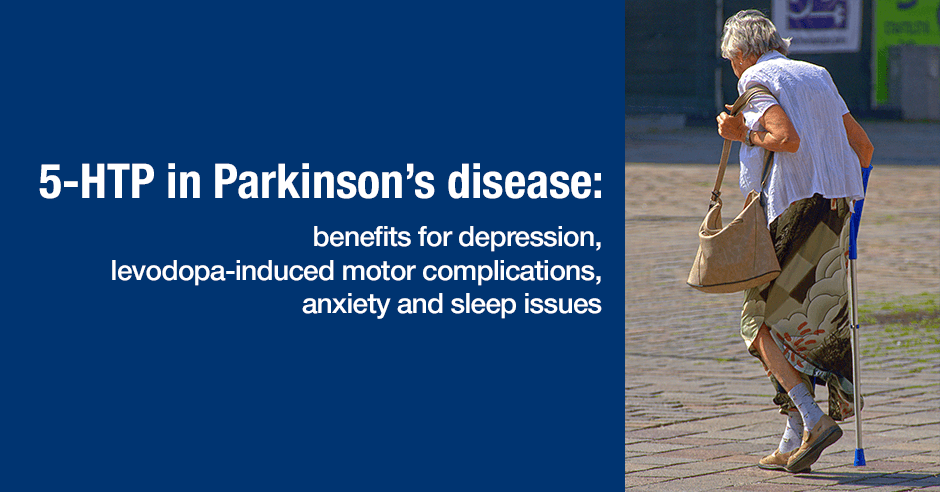
5-HTP in Parkinson’s disease: benefits for depression, levodopa-induced motor complications, anxiety and sleep issues

March 19, 2021 By Trudy Scott 37 Comments

5-HTP and Parkinson's Disease

Research shows that the amino acid 5-HTP (5-hydroxytryptophan), the intermediate metabolite of tryptophan in the production of serotonin, offers benefits for Parkinson’s disease patients. It has been reported to ease depression and to reduce levodopa-induced motor complications. This was reported in two separate studies by the same research team at the University of Cagliari, Cagliari, Italy. They were small studies and considered preliminary. However, given what I know about the effectiveness of 5-HTP (for depression, anxiety and insomnia), I consider it a major step forward for Parkinson’s disease patients.

In this study, Efficacy and safety of 5-hydroxytryptophan on depression and apathy in Parkinson’s disease: a preliminary finding, 25 individuals with Parkinson’s disease were enrolled and “patients received placebo or 50 mg of 5-HTP daily over a period of 4 weeks”

The findings were as follows:

a significant improvement of depressive symptoms during the 50-mg 5-HTP treatment compared with placebo.

In this study 5-HTP was not shown to reduce apathy symptoms. This is not surprising to me, given that we typically see the amino acid tyrosine help with apathy symptoms associated with low catecholamines, rather than low serotonin.

In this study, Efficacy and safety of 5-Hydroxytryptophan on levodopa-induced motor complications in Parkinson’s disease: A preliminary finding, 12 Parkinson’s patients who were diagnosed with levodopa-induced dyskinesias (involuntary, erratic, writhing movements of the face, arms, legs or trunk) and motor fluctuations were included. Patients received placebo or 50 mg of 5-HTP daily over 4 weeks.

The findings were as follows:

a significant improvement of levodopa-induced dyskinesias during the 50 mg 5-HTP treatment.

The study authors make the serotonin-dyskinesias connection, stating that “Several studies have indicated that altered serotonergic neurotransmission may contribute to the motor features commonly associated with Parkinson’s disease drug treatment such as levodopa-induced dyskinesias.”

Both studies were single-center, randomized, double-blind placebo-controlled cross-over trials, and both recommend larger studies, longer treatment duration and different doses in order to corroborate these early findings.

Sleep disorders, gastrointestinal dysfunction, and anxiety in Parkinson’s disease

As reported in this paper, Spectrum of Non-Motor Symptoms in Parkinson’s Disease

Despite their significant clinical importance, the awareness of non-motor symptoms is quite negligible. Sleep disorders, gastrointestinal dysfunction, olfactory disturbances, anxiety, and depressive episodes are some of the most common non-motor presentations.

5-HTP helps with depression, anxiety, sleep issues (more here: Sleep promoting effects of combined GABA and 5-HTP)  and digestive issues.

Given what I know about the effectiveness of 5-HTP in my clients with anxiety, low mood and sleep issues, I consider this research a major step forward for Parkinson’s disease patients who may also experience anxiety, depression and sleep issues.

5-HTP also improves focus and when to switch to tryptophan

I was surprised to read that it has been hypothesized that ADHD and Parkinson’s disease share “several overlapping anatomical and neurochemical changes.”

As you can see from these blog posts, in addition to boosting mood, 5-HTP also improves focus and ADHD symptoms:

  • 5-HTP benefits both adopted daughters who had prenatal exposure to alcohol: they are happier, more focused and can stay on task
  • ADHD: 5-HTP melts have been a miracle for one of my adopted kids

One caution with 5-HTP is that it can raise salivary cortisol and cause a “wired-tired” feeling. When this happens we switch to tryptophan, always starting with a trial in order to figure out the ideal dose.

Typical dosing of 5-HTP for low serotonin-type anxiety

I find that using 50 mg of 5-HTP 1-3 times a day is a typical starting dose for my adult clients who have the low serotonin-type of anxiety (mental anxiety, worry, panic attacks, ruminations), low mood, insomnia, sugar cravings, irritability, PMS, anger issues and TMJ.

Keep in mind that in these 2 studies, 50 mg of 5-HTP was used only once a day, and everyone was given the same dose. There is never a one-size fits all approach with the amino acids and we adjust up or down based on symptoms, using a trial approach. I’d love to see this approach used with follow-up studies.

If you are new to the concept of low serotonin and the use of tryptophan or 5-HTP you will find this blog helpful.

Parkinson’s disease and GABA, flavonoids in parsley and insecticides

Here are some other useful blogs on Parkinson’s disease:

  • GABA and tryptophan for pain and anxiety in Parkinson’s disease?
  • Apigenin, a flavonoid in parsley increases brain connections, reduces anxiety
  • Fipronil insecticide: GABA/glutamate and anxiety, aggressive behavior, memory and Alzheimer’s disease in humans?

Have you or a family member with Parkinson’s disease used 5-HTP (or tryptophan) for easing depression and improving levodopa-induced motor complications?

Have you seen reduced anxiety, improved sleep, better digestion and better focus too?

If you’re a practitioner working with Parkinson’s patients have you used 5-HTP or tryptophan with success?

Feel free to post your questions and feedback in the comments below.

Filed Under: 5-HTP, Anxiety, Depression, Parkinson’s disease Tagged With: 5-HTP, anxiety, apathy, depression, dyskinesias, flavonoids, focus, GABA, gastrointestinal dysfunction, insecticides, levodopa-induced motor complications, Parkinson's disease, serotonin, sleep, tryptophan, tyrosine

  • Page 1
  • Page 2
  • Page 3
  • Go to Next Page »

Primary Sidebar

NEW! GABA QuickStart Homestudy (with special intro pricing)

gaba quickstart homestudy

Free Report

9 Great Questions Women Ask about Food, Mood and their Health

You'll also receive a complimentary subscription to my ezine "Food, Mood and Gal Stuff"


Connect with me

Popular Posts

  • Amino Acids Mood Questionnaire from The Antianxiety Food Solution
  • The Antianxiety Food Solution Amino Acid and Pyroluria Supplements
  • Pyroluria Questionnaire from The Antianxiety Food Solution
  • Collagen and gelatin lower serotonin: does this increase your anxiety and depression?
  • Tryptophan for the worry-in-your-head and ruminating type of anxiety
  • GABA for the physical-tension and stiff-and-tense-muscles type of anxiety
  • The Antianxiety Food Solution by Trudy Scott
  • Seriphos Original Formula is back: the best product for anxiety and insomnia caused by high cortisol
  • Am I an anxious introvert because of low zinc and vitamin B6? My response to Huffington Post blog
  • Vagus nerve rehab with GABA, breathing, humming, gargling and key nutrients

Recent Posts

  • What do I use instead of Seriphos to help lower high cortisol that is affecting my sleep and making me anxious at night?
  • BeSerene™ GABA/theanine cream eases severe muscle tension in her neck/shoulders, prevents her bad headaches and quells her anxiety
  • How the correct approach, dose and sublingual use of GABA can be calming and not cause a flushed and itchy face and neck
  • The amino acid glutamine improves low mood by addressing gut health, and it has calming effects too
  • Flight anxiety with heightened breath, physical tension and also fearing the worst (the role of low GABA and low serotonin)

Categories

  • 5-HTP
  • AB575
  • Addiction
  • ADHD
  • Adrenals
  • Alcohol
  • Allergies
  • Alzheimer's disease
  • Amino Acids
  • Anger
  • Antianxiety
  • Antianxiety Food Solution
  • Antidepressants
  • Anxiety
  • Anxiety and panic
  • Autism
  • Autoimmunity
  • benzodiazapines
  • Bipolar disorder
  • Books
  • Caffeine
  • Cancer
  • Candida
  • Children/Teens
  • Collagen
  • Cooking equipment
  • Coronavirus/COVID-19
  • Cravings
  • Depression
  • Detoxification
  • Diabetes
  • Diet
  • DPA/DLPA
  • Drugs
  • EFT/Tapping
  • EMF
  • EMFs
  • Emotional Eating
  • Endorphins
  • Environment
  • Essential oils
  • Events
  • Exercise
  • Fear
  • Fear of public speaking
  • Fertility and Pregnancy
  • Fish
  • Food
  • Food and mood
  • Functional neurology
  • GABA
  • Gene polymorphisms
  • General Health
  • Giving
  • Giving back
  • Glutamine
  • Gluten
  • GMOs
  • Gratitude
  • Gut health
  • Heart health/hypertension
  • Histamine
  • Hormone
  • Hyperparathyroidism
  • Hypoglycemia
  • Immune system
  • Inflammation
  • Insomnia
  • Inspiration
  • Introversion
  • Joy and happiness
  • Ketogenic diet
  • Lithium orotate
  • Looking awesome
  • Lyme disease and co-infections
  • MCAS/histamine
  • Medication
  • Men's health
  • Mental health
  • Mercury
  • Migraine
  • Mold
  • Movie
  • MTHFR
  • Multiple sclerosis
  • Music
  • NANP
  • Nature
  • Nutritional Psychiatry
  • OCD
  • Osteoporosis
  • Oxalates
  • Oxytocin
  • Pain
  • Paleo
  • Parasites
  • Parkinson’s disease
  • PCOS
  • People
  • PMS
  • Postpartum
  • PTSD/Trauma
  • Pyroluria
  • Questionnaires
  • Real whole food
  • Recipes
  • Research
  • Schizophrenia
  • serotonin
  • SIBO
  • Sleep
  • Special diets
  • Sports nutrition
  • Stress
  • Sugar addiction
  • Sugar and mood
  • Supplements
  • Teens
  • Testimonials
  • Testing
  • The Anxiety Summit
  • The Anxiety Summit 2
  • The Anxiety Summit 3
  • The Anxiety Summit 4
  • The Anxiety Summit 5
  • The Anxiety Summit 6
  • Thyroid
  • Thyroid health
  • Toxins
  • Tryptophan
  • Tyrosine
  • Uncategorized
  • Vegan/vegetarian
  • Women's health
  • Yoga

Archives

  • October 2025
  • September 2025
  • August 2025
  • July 2025
  • June 2025
  • May 2025
  • April 2025
  • March 2025
  • February 2025
  • January 2025
  • November 2024
  • October 2024
  • September 2024
  • August 2024
  • July 2024
  • June 2024
  • May 2024
  • April 2024
  • March 2024
  • February 2024
  • January 2024
  • December 2023
  • November 2023
  • October 2023
  • September 2023
  • August 2023
  • July 2023
  • June 2023
  • May 2023
  • April 2023
  • March 2023
  • February 2023
  • January 2023
  • December 2022
  • November 2022
  • October 2022
  • September 2022
  • August 2022
  • July 2022
  • June 2022
  • May 2022
  • April 2022
  • March 2022
  • February 2022
  • January 2022
  • December 2021
  • November 2021
  • October 2021
  • September 2021
  • August 2021
  • July 2021
  • June 2021
  • May 2021
  • April 2021
  • March 2021
  • February 2021
  • January 2021
  • December 2020
  • November 2020
  • October 2020
  • September 2020
  • August 2020
  • July 2020
  • June 2020
  • May 2020
  • April 2020
  • March 2020
  • February 2020
  • January 2020
  • December 2019
  • November 2019
  • October 2019
  • September 2019
  • August 2019
  • July 2019
  • June 2019
  • May 2019
  • April 2019
  • March 2019
  • February 2019
  • January 2019
  • December 2018
  • November 2018
  • October 2018
  • September 2018
  • August 2018
  • July 2018
  • June 2018
  • May 2018
  • April 2018
  • March 2018
  • February 2018
  • January 2018
  • December 2017
  • November 2017
  • October 2017
  • September 2017
  • August 2017
  • July 2017
  • June 2017
  • May 2017
  • April 2017
  • March 2017
  • February 2017
  • January 2017
  • December 2016
  • November 2016
  • October 2016
  • September 2016
  • August 2016
  • July 2016
  • June 2016
  • May 2016
  • April 2016
  • March 2016
  • February 2016
  • January 2016
  • December 2015
  • November 2015
  • October 2015
  • September 2015
  • August 2015
  • July 2015
  • June 2015
  • May 2015
  • April 2015
  • March 2015
  • February 2015
  • January 2015
  • December 2014
  • November 2014
  • October 2014
  • September 2014
  • August 2014
  • July 2014
  • June 2014
  • May 2014
  • April 2014
  • March 2014
  • February 2014
  • January 2014
  • December 2013
  • November 2013
  • October 2013
  • September 2013
  • August 2013
  • July 2013
  • June 2013
  • May 2013
  • April 2013
  • March 2013
  • February 2013
  • January 2013
  • December 2012
  • November 2012
  • October 2012
  • August 2012
  • July 2012
  • June 2012
  • May 2012
  • April 2012
  • March 2012
  • February 2012
  • January 2012
  • December 2011
  • November 2011
  • October 2011
  • September 2011
  • August 2011
  • July 2011
  • June 2011
  • May 2011
  • April 2011
  • March 2011
  • February 2011
  • January 2011
  • December 2010
  • October 2010
  • September 2010
  • July 2010
  • May 2010
  • April 2010
  • March 2010
  • February 2010
  • January 2010
  • November 2009

Share the knowledge!

The above statements have not been evaluated by the Food and Drug Administration. Products listed in this website are not intended to diagnose, treat, cure or prevent any disease.

The information provided on this site is for informational and educational purposes only and is not intended as a substitute for advice from your physician or other health care professional. You should consult with a healthcare professional before starting or modifying any diet, exercise, or supplementation program, before taking or stopping any medication, or if you have or suspect you may have a health problem.


Copyright © 2026 Trudy Scott. All Rights Reserved. | Privacy | Terms and Conditions | Refund Policy | Medical Disclaimer

Free Report

9 Great Questions Women Ask about Food, Mood and their Health

You’ll also receive a complimentary subscription to my ezine “Food, Mood and Gal Stuff”