• Skip to primary navigation
  • Skip to main content
  • Skip to primary sidebar

everywomanover29 blog

Food, Mood and Women's Health – Be your healthiest, look and feel great!

  • Blog
  • About
  • Services
  • Store
  • Resources
  • Testimonials
  • The Book
  • Contact
  • Search this site

cravings

Essential tremor, dystonia, anxiety and cravings – diet, GABA, tryptophan, zinc and vitamin B6

January 17, 2020 By Trudy Scott 83 Comments

Essential tremor, dystonia, anxiety and cravings

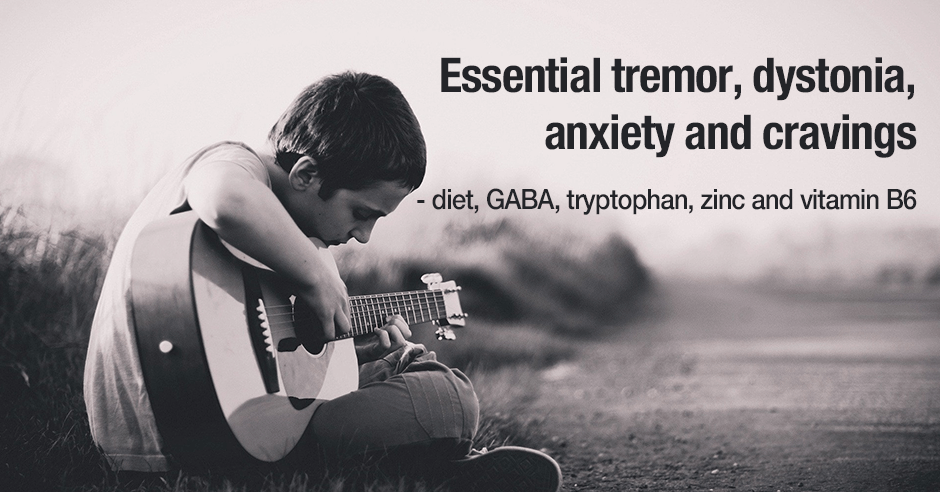
Today I’m sharing how diet, GABA, tryptophan, zinc, vitamin B6 and other B vitamins can resolve essential tremor and sugar cravings in 2 months, and also resolve musician’s dystonia and social anxiety within 4 months.

According to Medical News Today essential tremor is a movement disorder that can cause hand tremors and “is among the most common movement disorders.” … “The tremor usually affects both sides of the body, but it may be more noticeable in the dominant hand. It tends to occur when the person is moving as well as when standing still. Genetics may be responsible for around half of the cases of essential tremor.”

Essential tremor – diet, GABA, tryptophan and B vitamins

This Croatian paper, Treatment of Essential Tremor with Multi-Modal Nutritional Therapy in a Teenage Patient, reports the “case of a 13-year-old boy with [essential tremor] causing severe functional impairment” over the previous 2 years.

“A multi-modal nutritional therapy approach” was used to target three possible areas that could be contributing to the tremors: a poor diet that was high in sugar, low GABA levels and low serotonin. These changes were implemented:

(i) diet (specifically adopting a Mediterranean diet)

(ii) GABA (through oral supplementation) and

(iii) L-tryptophan/vitamin B pathways (Triptobel oral supplement).

The papers states: “After two months of therapy, his tremor decreased significantly and he regained normal function.”

Once the essential tremor resolved, this teen was able to resume his plans to pursue a musical career as a guitar player (which had been put on hold due to the tremor and his inability to play). What wonderful results!

I’m thrilled to see tryptophan and GABA being used for this condition and am really pleased to read this case report.  Here is my commentary on the supplements and doses he used for anyone wishing to try and replicate this nutritional approach (keeping in mind there is no one-size-fits-all).

  • He used 150 mg of the Triptobel supplement three times daily at 8 am, 1 pm, and 6 pm. One capsule of  the Triptobel contains 150mg L-tryptophan and a B vitamin complex of thiamine (vitamin B1), riboflavin (vitamin B2), niacin (vitamin B3), pantothenic acid (vitamin B5), vitamin B6, folic acid (vitamin B9), and cyanocobalamin (vitamin B12).  The total tryptophan dose was 450mg per day. A typical starting dose for someone with anxiety is 500mg 2 x day so his dose was on the low-end.  The Triptobel was also used at mealtimes and according to the label “on a full stomach after a light meal, preferably without protein.” I like to use tryptophan between meals (away from protein) and a B complex with meals so I’m intrigued by this application (but wonder when protein was consumed).
  • He also used 750mg GABA twice daily at 10 am and 4 pm. This is considered a high starting dose for the majority of my clients with anxiety and I start low and build up to this amount.

Anxiety and low mood was not mentioned so I don’t know if they were factors.

It appears sugar and carb cravings were very likely a factor given that his normal daily diet contained “large amounts of refined sugars (chocolate, cake, biscuits, ice cream, etc).” The amino acids would have helped him with those cravings.

With regards to his diet, given how common movement disorders are with gluten issues, I would also consider I gluten-free diet which has been shown to have an adverse impact on neurotransmitter levels and B vitamins. Could gluten have triggered these nutritional deficiencies and the tremors?

And now to share a very similar case in an adult male … with a different and yet related approach.

Dystonia and hand tremors – and the pyroluria connection

This same Medical News Today article also describes dystonic tremor/dystonia as a movement disorder that can also cause hand tremors, stating that “the brain sends incorrect messages, resulting in overactive muscles, abnormal postures, and sustained undesired movements. Young adults and those in middle age are most likely to develop dystonic tremors, which can occur in any muscle.”

If you’ve been reading my recent articles on pyroluria (the pyroluria-vagus nerve connection and the introversion-pyroluria-loneliness connection) I’m sure you’ll be be interested to learn that there appears to be a strong link between pyroluria and focal musician’s dystonia (or musician’s cramp) in some individuals.

As you read in the blog above, Jay, also a guitar player, had to put his professional music career on hold due to musician’s dystonia. He also happened to have social anxiety and he started to notice improvements in his anxiety and tremors within the first 2 weeks. At the end of 4 months of being on the pyroluria protocol, he shared this:

I think it is, at this point, safe to say that the pyroluria treatment [120mg vitamin B6 and  60mg zinc) is, at least in my case, the cure for pyroluria and dystonia. 90%+ of my symptoms have disappeared, I am working extensively on repertoire and I am thinking about getting back into performing.

He says his experience was “akin to rebirth as a musician and also as a person.” How wonderful is that to read. Jay’s musician’s dystonia resolved and so did his social anxiety.

The outcome for the teen and Jay were similar and yet the approaches used were seemingly very different. This isn’t actually the case since zinc and vitamin B6 are co-factors that are needed to make GABA and serotonin.

Do you experience tremors, or have you been diagnosed with essential tremor or dystonia (or know someone who has)? And have you considered a nutritional approach?

Do share if you’ve seen success with either of the above approaches, and also experienced reduced anxiety or felt more social?
Filed Under: Pyroluria Tagged With: anxiety, cravings, diet, dystonia, Essential tremor, GABA, pyroluria, serotonin, social anxiety, tremor, tryptophan, vitamin B6, zinc

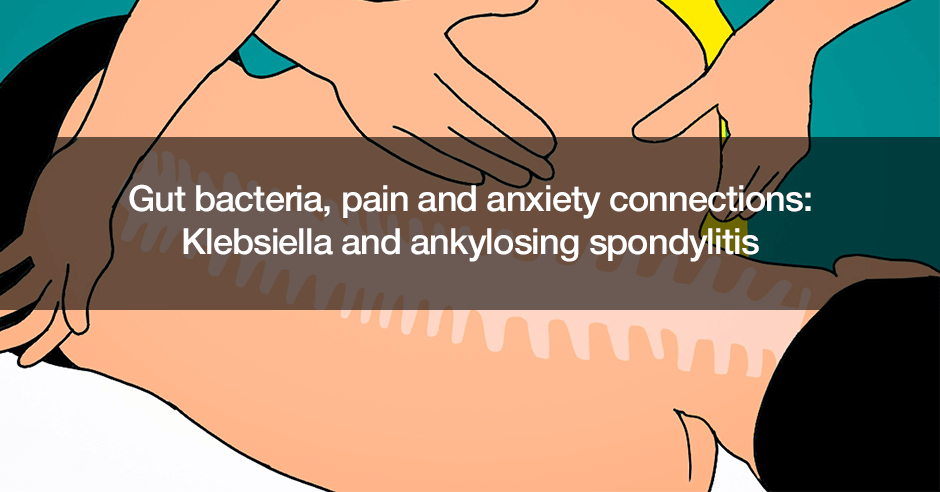
Gut bacteria, pain and anxiety connections: Klebsiella and ankylosing spondylitis

December 28, 2018 By Trudy Scott 21 Comments

We know about the gut-brain connection where the health of our microbiome impacts how anxious or depressed we feel, but we often forget that there is a gut-pain connection too and how addressing dysbiosis and bad bacteria in the gut can have far-reaching benefits.

An old work friend recently reached out asking for help for her husband who had been diagnosed with ankylosing spondylitis, ulcerative colitis and gluten sensitivity, and was not seeing results with conventional treatment. I did some digging for them and a colleague mentioned that they had addressed Klebsiella when they discovered that her husband had genes predisposing him to ankylosing spondylitis. Read on to see what I’ve learned.

Klebsiella as a precursor to ankylosing spondylitis

The paper shared with me: The relationship between Klebsiella infection and ankylosing spondylitis, discusses the HLA-B27 gene and the Klebsiella connection:

Klebsiella-reactive arthritis is the precursor stage occurring in the early and active phases of ankylosing spondylitis.

Let’s learn more about Klebsiella, ankylosing spondylitis, the anxiety connection and prevalence, the role of neuro-inflammation and genes, the problems of a high carb diet and the role the amino acids GABA, tryptophan and DPA play in pain and anxiety relief and being able to quit the carbs easily, plus provide sleep support.

In case you’re not familiar with Klebsiella, this excellent FX Medicine article describes it as follows:

Klebsiella pneumoniae (KP) is a type of gram-negative rod-shaped bacteria that can cause different types of infections ranging from pneumonia (lung), blood infections (septicaemia), wound or surgical infections, urinary tract infections, small intestinal bowel overgrowth (SIBO), ankylosing spondylitis, Crohn’s disease, ulcerative colitis and meningitis (brain).

Ankylosing spondylitis is an inflammatory disease of the spine

In case you’re not familiar with the condition ankylosing spondylitis (pronounced like this) the Mayo Clinic site provides this summary:

Ankylosing spondylitis is an inflammatory disease that, over time, can cause some of the vertebrae in your spine to fuse. This fusing makes the spine less flexible and can result in a hunched-forward posture. If ribs are affected, it can be difficult to breathe deeply.

Ankylosing spondylitis affects men more often than women. Signs and symptoms typically begin in early adulthood. Inflammation also can occur in other parts of your body – most commonly, your eyes.

They say there is no cure and the treatments include pain medications and physical therapy to ease symptoms (and surgery in some cases).

I’m all for physical therapy but you’ll notice there is no mention of gut health or Klebsiella. This is why we have to keep searching for root causes – and work with a functional medicine practitioner – no matter what the health condition, be it ankylosing spondylitis or anything else.

Prevalence of anxiety in ankylosing spondylitis

As with most physical conditions there is a connection with anxiety. This paper: Prevalence of psychological disorders, sleep disturbance and stressful life events and their relationships with disease parameters in Chinese patients with ankylosing spondylitis reports that

AS [ankylosing spondylitis] patients had more severe psychological disorders, sleep disturbance, and stressful life events.

Prevalence of anxiety, depression, and sleep disturbance was 31.6%, 59.3%, and 31.0% respectively.

We have to ask ourselves if we have anxiety, depression and insomnia because of the pain being experienced or because of one or more of the root causes that contribute to both pain and anxiety.

Microbiota disturbance, neuro-inflammation, and anxiety

Often the research focuses on the former but we know that there is Evidence for interplay among antibacterial-induced gut microbiota disturbance, neuro-inflammation, and anxiety in mice. In this 2018 animal study treatment with lactobacilli suppresses this neuro-inflammation.

Ankylosing spondylitis, Crohn’s disease, genes and a high carb diet

The above FX Medicine article shares the connection between ankylosing spondylitis, Crohn’s disease and ulcerative colitis, as well as the genetic susceptibility, together with the problems of a high carb diet:

Genetically susceptible people, such as those who have the HLA-B27 allelotypes and consume a high starch/carbohydrate diet, can trigger a growth in Klebsiella in the bowel, the starch becoming a main food supply for the Klebsiella.

The amino acids for pain, carb addition, anxiety and insomnia

The amino acids come into the picture again, helping to ease the pain, provide precursors for neurotransmitter production until the microbiome is balanced, and eliminate carbohydrate cravings so they can be given up without willpower.

As always figuring out your own imbalance and doing an amino acid trial is key. Here is a summary of how they may help in this instance, assuming you have low levels of GABA, serotonin and/or endorphins:

  • GABA helps with stress eating of carbs, eases physical anxiety, eases some pain.
  • Tryptophan helps with afternoon and evening carb cravings, eases mental worry-type anxiety and depression, and also eases some pain. Both GABA and tryptophan help with insomnia.
  • DPA boosts endorphins providing acupuncture-like pain relief and provides the emotional comfort that starchy treats often do.

The FX Medicine article has treatment and prevention tips for you to share with your functional medicine doctor, who will be able to run a functional stool test such as the GI-MAP offered by Diagnostic Solutions Lab.

Just because there are these gut bacteria, pain, anxiety, Klebsiella and ankylosing spondylitis connections, it doesn’t necessarily mean everyone with ankylosing spondylitis has Klebsiella or that everyone who has Klebsiella will go on to develop ankylosing spondylitis (as stated above) or even that everyone with ankylosing spondylitis will have anxiety. I’m simply connecting some dots so you can start to think outside the box.

I’d love to hear what has worked for you or a loved one with ankylosing spondylitis and/or if you’ve seen elevated Klebsiella on your stool test or have the genetic predisposition?

Have the amino acids and a low-carb diet helped the healing process and eased some of your anxiety while addressing the underlying Klebsiella infection?

Filed Under: Gut health Tagged With: amino acids, ankylosing spondylitis, anxiety, back pain, carbs, cravings, DPA, endorphins, GABA, GI MAP, insomnia, Klebsiella, microbiome, pain, serotonin, tryptophan

The amino acids GABA and tryptophan can help to relieve anxiety in children: an interview with Dr. Nicole Beurkens

December 14, 2018 By Trudy Scott 16 Comments

Using individual amino acids such as GABA and tryptophan can have an incredible impact on children with anxiety, easing anxiety very quickly. I don’t often write or talk about using amino acids with children and since many of you have asked for more resources for children, today I’m sharing an interview I recently did on this topic on The Better Behavior Show. This is a podcast hosted by my colleague and good friend Dr. Nicole Beurkens.

I share specifics on how Amino acids can help to relieve anxiety in children, together with some case studies.

Dr. Nicole sums up the power of the amino acids beautifully – and this is exactly why my clients love them so much – they take the edge off quickly, provide results and help with overwhelm:

I think that the fact that these [amino acids] can work quickly is really helpful. And as you said, it helps to take the edge off, it helps to reduce the symptoms so then we can more effectively address all of the underlying things. Because often, I’ll have parents say, “Oh, you want me to change the diet and do all these things, I just feel so overwhelmed, my kid is having so many issues, I don’t know how we’re going to do any of that.” And then when you can use things like targeted aminos to help take the edge off the symptoms for the parent and the child, it makes all of that other stuff more doable, I think.

Here are some snippets from one of the stories I share – the wonderful results I had with a 11-year old girl who had been adopted, was diagnosed with reactive attachment disorder and had explosive anger issues. This young girl:

….also had insomnia, so she was not sleeping well at all. She was very fatigued in the day, had really bad anxiety about going to school and loved colored candies and she was a big bread eater.

This family didn’t have much money to spend so I really had to find an affordable solution with the biggest benefits. She was anemic so we addressed that with iron supplements and getting her eating quality grass-fed red meat again and we figured out that gluten was an issue so she went gluten-free and this made a big difference with the outbursts.

The other factor was to figure out if low serotonin was a factor and address this. The big clues were the anger, the insomnia, the anxiety and the sugary cravings:

I was talking to her about the fact that she loved candies and she loved bread, and I said — how would you feel about giving it up? She was fuming with me. She was in a swivel chair and she turned her back to me and she didn’t want to talk about it.

I offered her a 100mg chewable tryptophan to see if it would help with her sugar cravings and the fact that she was furious with me:

“How about trying this amino acid, it’s called tryptophan and it’s chewable and it doesn’t taste bad… and then we’ll talk a little bit later. Don’t worry about what I said earlier.” So I gave her 100mg of chewable tryptophan.

She chewed the tryptophan and within 5 minutes, she turned around, smiled at me and said, “I think I can do it, I’m ready to do it.”

She was calm and smiling, and ready to give up the candies and bread and other gluten-containing products. These 3 interventions – addressing her low iron levels, having her go gluten-free and supplementing with tryptophan – completely turned this little girl’s life around.

Here is the link to the entire transcript of our interview: Amino acids can help to relieve anxiety in children. You can also find the audio interview at this same link or by going directly to iTunes – simply search for “The Better Behavior Show.”

Do listen in and/or read the transcript and learn more about:

  • how I do a trial of the amino acids (this allows for quick results in 5-10 minutes)
  • how I’ve worked with non-verbal children
  • a simple trick for using the unpleasant tasting tryptophan sublingually
  • what low GABA anxiety looks like in a child
  • why ADHD symptoms in children may actually be anxiety (I share another success story in this section)
  • why I use GABA Calm with children and adults (Dr. Nicole uses this GABA product too and loves that it’s sublingual and tastes great)
  • times you may consider using tyrosine or DPA
  • and much more

It was a pleasure to be on the show of someone whose work I deeply respect. Dr. Nicole is a unique combination of clinical psychologist, nutritionist, and special education teacher, and shares these resources for help with improving your child’s behavior naturally: her book Life Will Get Better, blog, and the Better Behavior Naturally Parent Program.  and tune in to my interview and some of the other excellent interviews.

If you’d like to learn more about these supplements, look at my supplements blog here

There is also a “Liquid and powder options for children” section on this blog – with other products you may find useful for children.

I’d also like offer a caution about the 100mg chewable tryptophan This chewable form is both good and bad. It’s good because it’s a nice 100mg of tryptophan per tablet, is chewable, tastes good and is suitable for children and “pixie dust” individuals who need a very small amount and for when doing the initial trial. The bad aspect is that it does contain sugar and is quite sweet. Because you are continually consuming something sweet you may end up over-consuming them if sugar addiction is your issue. I’ve seen the same with children who want to eat them like candy. So, what I do most of the time is use the chewable tryptophan for the trial and then switch to the 500mg tryptophan after that. We did that with the 11-year old with anger issues, anxiety and candy cravings.

One more thing: Lidtke is the only brand of tryptophan I use and recommend because of its quality. I forgot to mention that in our interview.

Have you benefited from using any of the amino acids and then found they also help your child/children?

Filed Under: Amino Acids Tagged With: amino acids, anger, anxiety, children, cravings, Dr. Nicole Beurkens, GABA, insomnia, serotonin, tryptophan

The individual amino acids glutamine, GABA, tryptophan (or 5-HTP), DPA and tyrosine are powerful for eliminating sugar cravings, often within 5 minutes

November 30, 2018 By Trudy Scott 28 Comments

The individual amino acids glutamine, GABA, tryptophan (or 5-HTP), DPA and tyrosine are powerful for eliminating sugar cravings, often within 5 minutes. It seems that this wonderful benefit – over and above the anxiety-reducing and mood-boosting benefits – is often overlooked or poorly understood.

I recently posted this on Facebook: GABA for ending sugar cravings (and anxiety and insomnia) and I’m writing this blog today because it’s clear there is some confusion about this cravings aspect.

Let me first recap Melissa’s experience with Source Naturals GABA Calm during her family holiday trip (the link above has all the details):

I’m glad I bought it before traveling home for Christmas – I was cool as a cucumber at the airport and was much calmer when visiting family and friends compared to last year! I notice a general calmness and am sleeping well.

As well as the calming benefits of GABA, Melissa found this unexpected reduction in cravings for sweets, chocolates, truffles and ice cream after about a week of taking it:

I didn’t even realize this until I was grocery shopping and out of habit walked towards the ice cream – I stopped and realized I didn’t want ice cream. So I walked toward the chocolate – same reaction. For once in my life, I was not craving sweets. I made truffles for a NYE party and only ate two. But what is really shocking is that the leftovers are still in my refrigerator two days later and I haven’t touched them.

This is a very typical response that I see with my clients and when I shared the above blog, others on Facebook shared similar experiences and surprise about the connections. Kim found it fascinating and very timely saying:

I ran out of GABA a month ago. Not only has my anxiety been very difficult to manage but literally I haven’t been able to stop eating. Sugary, high carb, total junk has consumed my thoughts. I never realized the correlation.

April also seemed surprised to learn that GABA was also actually helping with her sugar cravings too:

I think my sugar cravings are down (not looking for something sweet every night after dinner, maybe I treat myself to once a week and not overindulge when I do) and when I think about it, I’ve lost a bit of weight as a result. Most of all it helps me sleep and reduces tension in my neck.

In the above examples, due to low GABA levels in these women, GABA was helped with both the anxiety and the stress-eating, leading to a calming effect and reduced sugar cravings. If you have low blood sugar cravings then glutamine is the amino acid to use; low serotonin cravings then tryptophan or 5-HTP will help; low endorphin cravings then DPA will do the trick; and low catecholamines then tyrosine is the amino acid to use.

The best way to figure it which neurotransmitter deficiency is affecting your sugar cravings

The best way to figure it which neurotransmitter deficiency is affecting your sugar cravings is to do the amino acid mood questionnaire and also review this list for further clarification:

  1. If you have to eat sugar when you haven’t eaten in awhile it’s likely low blood sugar and glutamine on the tongue stops the sugar desire almost immediately and also helps with the low blood sugar symptoms of shakiness and irritability
  2. If you stress-eat your sugar cravings are likely due to low GABA, and GABA will stop the stress-eating and calm you down
  3. If you eat sugar or carbs to feel happy (and especially from late afternoon into the evening) then your sugar cravings are likely due to low serotonin, and tryptophan (or 5-HTP) stops the cravings and boosts mood and reduces anxiety
  4. If you are a comfort-eater then it’s likely due to low endorphins and DPA will stop that feeling of “I deserve-it” kind of reward-eating or comfort-eating and also give you a hug-like mood boost
  5. If you eat sugar for an energy boost or to give your focus then it’s likely due to low catecholamines and tyrosine will stop those cravings and give you a mood and energy boost, and help with mental clarity

It’s not uncommon for my anxious clients to have issues in all these areas and I have them address low blood sugar and each neurotransmitter deficiency one by one (for 2 through 5) and very methodically so they know exactly which areas are problematic for them.

When it comes to low blood sugar, addressing adrenal health is also key. And as always, we need to be making dietary changes, fixing gut health, addressing other deficiencies, removing toxins and more, using a complete functional medicine approach.

How quickly can you expect to get results?

However, using the amino acids in a targeted way like this gets you results quickly while you’re figuring out everything else.

You may say “what exactly do you mean by quickly”?   When opened onto the tongue and used with the trial method, based on your unique needs, if you have low levels, you can expect to notice effects in as quickly as 5 minutes and sometimes up to 15 minutes in some cases! This is why I like to refer to them as the amazing amino acids! They truly are amazing for eliminating cravings, reducing anxiety and improving mood and even sleep – provided they are needed.

Each of the individual amino acids

Last year I wrote a series of blog posts on each of the above-mentioned amino acids. If you missed them you may find them helpful for getting a better understanding, even though they are not specific about sugar cravings:

  • Glutamine for calming, intense sugar cravings, gut healing and low blood sugar
  • GABA for low GABA symptoms (physical anxiety)
  • Tryptophan for low serotonin (worry-in-the-head anxiety)
  • DPA for weepiness, pain and comfort and reward eating
  • Tyrosine for focus, motivation, energy, a good mood and possibly even anxiety

You can find the amino acid supplements that I use with my clients here.

The amino acids help you make dietary changes with ease

Keep in mind the amino acids are intended for relatively short-term use so the goal is to work on your diet, gut health, adrenals, nutritional deficiencies etc. so they are no longer needed or only needed in times of added stress. My book, The Antianxiety Food Solution – How the Foods You Eat Can Help You Calm Your Anxious Mind, Improve Your Mood, and End Cravings (my Amazon link), covers in-depth how to implement much of what is mentioned in the above article: a real food Mediterranean diet, red meat, oily fish, the importance of zinc, vitamin D, antioxidants and so on, and the powerful role of nutrition in immunity, inflammation, sleep, stress, anxiety and food cravings.

The amino acids help you make those dietary changes with ease, end your cravings and stress-eating or excessive drinking, so no will power is needed and you don’t feel deprived.

Pandemic stress pushed people toward overeating, mostly looking for sugary “comfort foods”

(UPDATE 4/17/2020 for coronavirus pandemic)

Keep in mind that in times of added stress – like being in the midst of a pandemic such as the coronavirus – you may find your sugar and carbohydrate cravings have increased, and you may be over-indulging, emotional-eating, comfort-eating and/or stress-eating as a way to self-medicate in order to feel calm and good.

This paper, Nutritional recommendations for CoVID-19 quarantine, published just a few days ago, shares how continuously hearing or reading about the pandemic without a break can be stressful and may be

pushing people toward overeating, mostly looking for sugary “comfort foods”. This desire to consume a specific kind of food is defined as “food craving”, which is a multidimensional concept including emotional (intense desire to eat), behavioral (seeking food), cognitive (thoughts about food), and physiological (salivation) processes.

We can apply this knowledge and logic to any stressful situation we may find ourselves experiencing.

Self-medication with alcohol as a way to calm down

You may also find you are more drawn to alcohol as a way to calm down and relax i.e. self-medication with alcohol.  According to this Forbes article, Nielsen reports that online sales of alcohol increased by 291% compared to the end of March 2019.

You may be surprised to learn that the amino acids also help with reducing alcohol cravings and the need to self-medicate with this “drug-of-choice.”  If one glass of wine leads finishing to an entire bottle in one evening or if you’re drinking beer or spirits excessively, know that the words “sweets”, “sugar”, “carbs” can be substituted in the blog post below with “alcohol” and consider trials of the respective amino acids.

This blog post illustrates this perfectly: Tryptophan had the added benefit of turning me completely off alcohol when I took it to improve mood and sleep during perimenopause.

Resources if you are new to using amino acids as supplements

If you are new to using amino acids as supplements, here is the Amino Acids Mood Questionnaire from The Antianxiety Food Solution (you can see all the symptoms of neurotransmitter imbalances, including low GABA, low serotonin and low endorphins).

If you suspect low levels of any of the neurotransmitters and do not yet have my book, The Antianxiety Food Solution – How the Foods You Eat Can Help You Calm Your Anxious Mind, Improve Your Mood, and End Cravings, I highly recommend getting it and reading it before jumping in and using amino acids on your own so you are knowledgeable. And be sure to share it with the practitioner/health team you or your loved one is working with.

There is an entire chapter on the amino acids and they are discussed throughout the book in the sections on gut health, gluten, blood sugar control, sugar cravings, anxiety and mood issues.

The book doesn’t include product names (per the publisher’s request) so this blog, The Antianxiety Food Solution Amino Acid and Pyroluria Supplements, lists the amino acids that I use with my individual clients and those in my group programs. You can find them all in my online store.

If, after reading this blog and my book, you don’t feel comfortable figuring things out on your own (i.e. doing the symptoms questionnaire and respective amino acids trials), a good place to get help is the GABA QuickStart Program (if you have low GABA symptoms too). This is a paid online/virtual group program where you get my guidance and community support.

If you are a practitioner, join us in The Balancing Neurotransmitters: the Fundamentals program. This is also a paid online/virtual program with an opportunity to interact with me and other practitioners who are also using the amino acids.

Have you found any of the amino acids to help you eliminate your cravings for sweets, chocolate, ice-cream and other high-carb foods? Were you pleasantly surprised to experience this lovely benefit when you were initially looking for anxiety-relief?

Were you / are you drinking more and have you figured out which amino acids help you quit?

If you’re a practitioner, do you see similar cravings benefits with your anxious clients/patients?

Are you still struggling with comfort-eating, stress-eating of carb/sugar or drinking alcohol to “self-medicate” and feel better?

Feel free to ask your questions and share challenges and/or successes you’ve had too.

Filed Under: Amino Acids, Coronavirus/COVID-19 Tagged With: alcohol, amino acids, anxiety, catecholamines, comfort eating, Coronavirus, COVID-19, cravings, diet, DPA, emotional-eating, endorphins, GABA, glutamine, self-eating, serotonin, sugar, tryptophan, tyrosine

The best food-mood-nutrient topics of 2017

December 29, 2017 By Trudy Scott Leave a Comment

As we move into 2018, it’s time to recap and share the best of 2017 – from both blog posts and facebook posts. Hopefully these topics have helped you move forward as you address your anxiety symptoms and will help you (and your clients/patients if you’re a practitioner) take even bigger leaps as you move into 2018!

Most popular blog posts

Here are the most popular blog posts of 2017, based on comments and questions. If you have already read one of these and found it interesting at the time of publication, it’s worth a re-read for all the valuable comments/questions and my feedback.

Collagen and gelatin lower serotonin: does this increase your anxiety and depression?

I see everyone raving about gelatin and collagen – and rightly so – they have amazing health benefits. However, no-one is addressing the fact that gelatin is actually used in tryptophan-depletion studies to lower serotonin.

Some people get more anxious and depressed when consuming collagen, some do just fine and some even use it to lower their serotonin. Many need to use it with added tryptophan. I recently made some additional updates to this blog and have more to add so stay tuned for more on this topic.

How much GABA should I use and which GABA product is best?

There is no simple answer! It requires a blog post to provide a good answer because we are all unique, have different needs and these needs can even differ at different times depending on the issue and what is going on in our lives at the moment.

My Kid is Not Crazy and PANS/PANDAS awareness day 2017

PANDAS (Pediatric Autoimmune Neuropsychiatric Disorders Associated with Streptococcal Infections) occurs when strep triggers a misdirected immune response results in inflammation on a child’s brain. In turn, the child quickly begins to exhibit life changing symptoms such as OCD, anxiety, tics, personality changes, decline in math and handwriting abilities, sensory sensitivities, restrictive eating, and more.

Anxiety, compulsive thinking, counting behaviors: gluten, tryptophan and inositol

Today I’m going to share my feedback on a question I received on how to approach working with a child with anxiety, compulsive thinking and counting behaviors in the hope it can help you or someone you know (or are working with if you’re a practitioner)

DPA for weepiness, pain and comfort and reward eating

This amino acid is a favorite with so many of my clients because it helps with [weepiness, pain and comfort and reward eating] by boosting your endorphins and when you chew a capsule you feel like you just got a big hug.

How to Beat Anxiety and Resolve Panic Attacks with Targeted Amino Acids: Wellness Mama podcast

I share my wonderful interview with Katie, the “Wellness Mama”. We talk about my favorite topic: How to Beat Anxiety and Resolve Panic Attacks with Targeted Amino Acids, with some extra questions about pregnancy and nursing that I’m not often asked about.

GABA for the physical-tension and stiff-and-tense-muscles type of anxiety

I’m going to review some GABA products for the physical-tension and stiff-and-tense-muscles type of anxiety, and share some additional resources for you….

I share that sublingual is best, do a trial and start low, my favorite GABA products and when it works and when it doesn’t.

Tryptophan for the worry-in-your-head and ruminating type of anxiety

I’m going to review some tryptophan products for the worry-in-your-head and ruminating type of anxiety… Lidtke is the only brand of tryptophan that I recommend simply because I see it work so well and because of quality issues with tryptophan in the past.

I also share when to use tryptophan and when to use GABA, and tryptophan for PMS.

GABA: an amino acid supplement for neurotransmitter support and anxiety relief

I recently attended the first international meeting of International Society for Nutritional Psychiatry Research and was honored and thrilled to present my poster – GABA: an amino acid supplement for neurotransmitter support and anxiety relief Because you were not able to be there, here are the contents of my poster word for word.

How GABA eases agonizing rectal pain and spasms in under 2 minutes

Proctalgia fugax is described as a condition that leads to rectal spasms and sharp fleeting pain in the lower rectum or anus. In some people it can be more than fleeting and is often described as excruciating and agonizing.

I have experienced this awful anal sphincter spasm and pain myself so I want to shine some light on this condition and offer the simplest and most effective solution: oral and sublingual GABA. It works to completely eliminate the pain in 1-2 minutes! And it can also be used to prevent a full-on spasm if you catch it in advance.

Migraines, Anxiety and Antiphospholipid Syndrome: on the Chronic Headache & Migraine Summit

The autoimmune condition called Antiphospholipid Syndrome (APS) is one of many possible contributing factors for both migraines and anxiety.

Cognitive impairment, strokes and livedo reticularis is common.

GABA protects against hypothyroidism caused by fluoride and reduces anxiety

To the best of our knowledge, this is the first study to establish the therapeutic efficacy of GABA as a natural antioxidant in inducing thyroprotection against fluoride-induced toxicity.

GABA for children: ADHD, focus issues, irritability, anxiety and tantrums

My daughter hasn’t been diagnosed with ADHD but has a lot of ADHD qualities. We were having a huge amount of behavior problems as she is getting older (she’s 11). I did some research and went to the health food store and bought a bottle [of GABA Calm]. At this point I was mentally exhausted from all the fighting and drama at home and at school. I was desperate and didn’t want to put her on any hard medication.

She has had amazing behavior at school and at home since giving it to her. She’s almost like different child. GABA has truly changed our life. She’s been taking it for almost 2 months.

Anxiety: when to use GABA and tryptophan and how much to use

When you have anxiety it can be confusing trying to figure out the root cause. I like to start by assessing for low GABA and low serotonin because when you address these with targeted individual amino acids you typically see results right away and feel hopeful (and now have time to look for other root causes like gluten issues, high cortisol, gut issues, dietary changes etc).

But there may still be some confusion about when to use GABA and when to use tryptophan and how much of each of these amino acids to use.

Vulvodynia: oxalates, GABA, tryptophan and physical therapy

I just listened to the webinar talking about oxalates. I was shocked and delighted to hear the mention of the connection between high oxalates and vulvodynia.

Research shows there is serotonin involvement with vulvodynia and SSRIs are often prescribed, as are benzodiazepines. My recommendation is trials of tryptophan and/or GABA.

Seriphos Original Formula is back: the best product for anxiety and insomnia caused by high cortisol

If you have high nighttime cortisol (as measured by an adrenal saliva test) it can cause insomnia and anxiety. Using 1-3 x Seriphos about 1-3 hours before the high cortisol is the best way I know for lowering the high cortisol and providing relief.

The product was reformulated and didn’t work like it used to and then the original formula was brought back.

GABA takes some of the anxiety edge away and now I want to add tryptophan: how do I do this?

I would say this – ask yourself what low GABA anxiety symptoms (this is the physical anxiety) have improved with the GABA and how much (rate each one before – out of 10; and what are they now – out of 10). From your question it sounds like they could improve more – so if we were working together I’d continue to increase GABA before adding something new.

The most popular facebook posts

And here are some of the most popular Facebook posts on TrudyScottAntianxietyFoodSolution (based on comments and shares). Many of these link to other sources like the research or other blogs with additional information. Most of them have a great back and forth discussion on the Facebook post so feel free to join in there.

Canola oil linked to worsened memory and learning ability in Alzheimer’s

Canola oil is one of the most widely consumed vegetable oils in the world, yet surprisingly little is known about its effects on health. Now, a new study published online December 7 in the journal Scientific Reports by researchers at the Lewis Katz School of Medicine at Temple University (LKSOM) associates the consumption of canola oil in the diet with worsened memory, worsened learning ability and weight gain in mice which model Alzheimer’s disease. The study is the first to suggest that canola oil is more harmful than healthful for the brain.

Canola oil is not something I’ve ever recommended and I’m really glad to see this research. You have to read labels because it’s in a lot of salad dressings and processed foods!

Nestle to buy vitamin maker Atrium Innovations for $2.3 billion

The following brands are now owned by Nestle: Garden of Life, Douglas Laboratories, Pure Encapsulations.

This is not good! Other than the fact that the formulations will likely be changed, there is much to be said about Nestle and their ethics.

The Big Vitamin D Mistake

This could lead to a recommendation of 1000 IU for children <1 year on enriched formula and 1500 IU for breastfed children older than 6 months, 3000 IU for children >1 year of age, and around 8000 IU for young adults and thereafter. Actions are urgently needed to protect the global population from vitamin D deficiency.

Do you use a zinc supplement every day?

1) how much and what form? and with or without copper?
2) how did you decide to add zinc (or was it recommended by a practitioner)
3) how did you assess your zinc status (alk phos? zinc challenge/tally? mood symptoms? white flecks on nails? poor digestion? pyroluria questionnaire? blood work? other?)
4) how it helps you? (less anxious? more social? less depressed? less cravings? better digestion? better skin? less aches/pains? better blood sugar control? less PMS/hormone symptoms? better adrenal health? better immunity? other?)

Scary new information about benzodiazepine deaths

The five most frequently occurring drugs found in decedents were ethyl alcohol (5,318), benzodiazepines (5,167, including 1,851 alprazolam occurrences), cocaine (2,882), cannabinoids (2,292), and morphine (2,040).

With teen mental health deteriorating over five years, there’s a likely culprit

In a new paper published in Clinical Psychological Science, my colleagues and I found that the increases in depression, suicide attempts and suicide appeared among teens from every background – more privileged and less privileged, across all races and ethnicities and in every region of the country. All told, our analysis found that the generation of teens I call “iGen” – those born after 1995 – is much more likely to experience mental health issues than their millennial predecessors.

What happened so that so many more teens, in such a short period of time, would feel depressed, attempt suicide and commit suicide? After scouring several large surveys of teens for clues, I found that all of the possibilities traced back to a major change in teens’ lives: the sudden ascendance of the smartphone.

Gabapentin and pregabalin are as problematic as benzodiazepines

Crippling toll of the new valium that’s ruining the lives of MILLIONS

Can you relate to the term high-functioning anxiety?

Busy and in control. High-achieving and perfectionistic. Driven by details and order in a desperate attempt to calm racing thoughts, worry, and the fear that invade every ounce of the mind and body. An over-thinker with a tendency to perseverate, dwell, and stew on everything.

I used to be like this before the panic attacks and it’s a big clue that it’s time to do something about it but too often we push and push and push and then it gets really bad. I would love to be able to reach women (and men) at this stage before it gets really bad!

Great article about squatting and the benefits

How often do you squat? and do you use a device like the Squatty Potty?

Screen time might boost depression, suicide behaviors in teens

A new study finds that teens, especially girls, who spend several hours per day on phones and tablets are more likely to be depressed and have suicide-related outcomes.

When it comes to cravings, addiction and appetite we have this research supporting the use of glutamine

– Glutamine and glutamatergic metabolism is a factor in cravings and alcohol dependence
– A combination of tyrosine, lecithin, glutamine and 5-HTP helped withdrawal syndromes and mental symptoms in detoxified heroin addicts
– Glutamine has been shown to decrease secretion of ghrelin, the hormone that impacts appetite regulation. High levels of ghrelin appear to make high-calorie foods look more appealing.

Why the vaginal mesh scandal could be ‘bigger than thalidomide’

More than 92,000 women had vaginal mesh implants between 2007 and 2015 in England, and about one in 11 is said to have complications. More than 800 of these women are now taking legal action against the NHS and mesh manufacturers.

Please be aware of the dangers of vaginal mesh (and other procedures that use mesh) – it’s something I’ve always warned my clients about and it needs to become common knowledge

Do you take probiotics on a daily basis and do they help? Have you had to stop taking probiotics because of any adverse effects?

Melatonin–estrogen interactions in breast cancer

Individualized protocols in Dr. Nalini Chilkov’s OutSmart Cancer system include melatonin at 10-20mg at bedtime (to match nature’s cycling of melatonin…not for sleep issues) . MANY breast cancer patients have low or aberrant melatonin patterns.

The anti antidepressant. Depression affects 16 million Americans.

One third don’t respond to treatment. A surprising new drug may change that: ketamine.

I’m quite surprised how many women who are smart and savvy when it comes to eating and natural health continue to color their hair (or straighten or perm or treat).

I’m curious if you are one of those people ? And if yes why? Do you know the risks or would you just prefer not to know?

Excellent article on toxic sunscreen ingredients

I have always avoided conventional sunscreens and teach my clients about this but wish more people were aware of these issues. It’s not just sunscreens either…so many skin care products, makeup, hair products and household products have ingredients that are endocrine disrupters, cause DNA and oxidative damage and affect our health – both physically and mentally! What sunscreen do you use?

My favorite protein powder

I love this one because _______. I use it in these ways ______, _______, ________.

Right now my favorite protein powder is a pea protein (made by Nuzest). I love this one because it’s gluten-free, dairy and soy free, GMO-free and is pea only (no other ingredients!). I just found out it’s also available in USA and other countries.

My favorite healthy protein bar

I love it because _______ AND/OR I tried ______ and don’t like it because ________. My clients are always looking for protein bars for a quick healthy snack but so many are loaded with sugar OR don’t have enough protein and fat OR are full of processed soy OR contain a ton of nuts OR aren’t gluten-free.

Thank you for being such a huge part of this community, for sharing your stories and successes and for offering words of encouragement to others in the community. Thank you too, for asking your questions. Keep the questions coming – they keep me on my toes and help me to learn too!

I’d love to hear how the above topics have helped you and what topics you’d like me to cover in 2018, plus which areas you’d like me to take an even deeper dive into.

Filed Under: Antianxiety Tagged With: anxiety, collagen, cravings, depression, DPA, GABA, melatonin, mesh, migraines, PANDAS, seriphos, serotonin, teens, tryptophan, vitamin D, vulvodynia, zinc

Trudy’s favorites: new books and golden oldies for your reading pleasure and as gift ideas

December 15, 2017 By Trudy Scott 6 Comments

With the holiday’s almost upon us and an opportunity to curl up with a cup of herbal tea and a good book, and also as gifts ideas, here are some of my favorite new books and a few older ones too – mostly related to anxiety, mood and emotional eating/cravings and functional medicine and biochemical imbalances.

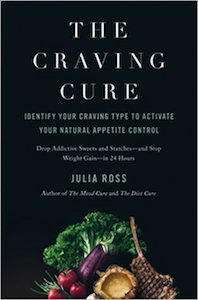
The Craving Cure: Identify Your Craving Type to Activate Your Natural Appetite Control by Julia Ross (Author)

Julia Ross, best-selling author and expert in nutrition and overeating, exposes the real reason so many of us can’t stick to a healthy diet: our favorite foods are engineered to be addictive. At her clinic in California, Julia Ross and her colleagues treat food addiction where it starts – in the brain – by triggering our natural appetite-regulating neurotransmitters with nutrients called amino acids. It turns out that these protein concentrates boost our neurotransmitters, which broadcast sensations of satisfaction that no food, including chocolate, can override. Thousands of Julia Ross’ clients have abolished their cravings for high-calorie confections using this simple nutritional strategy.

With The Craving Cure, Julia Ross grants all of us access to this revolutionary approach. The process begins with a five-part questionnaire that helps you identify your unique craving profile and specifies the amino acid supplements you need to curb your specific cravings. Julia Ross’ clear explanations of why and how to use the aminos empower you to reclaim your natural appetite control, and her anti-craving eating guidelines will permanently strengthen your dietary defenses. A well-researched and clinically-tested rejection of low-calorie, low-saturated fat, and low-protein diets, The Craving Cure reveals how we can effortlessly and permanently eradicate our cravings to lose weight, rediscover our nutritional heritage, and regain optimal mood, energy, and health.

Drop Addictive Sweets and Starches – and Stop Weight Gain – in 24 Hours

Julia is a pioneer in the use of amino acids for cravings and mood and I had the wonderful opportunity of learning from her while working in her clinic for 2 years. It’s thanks to her that I developed my foundational knowledge of amino acids – which I have now expanded on for their powerful effects for anxiety. With this new book, Julia takes a deep dive into using amino acids for the cravings aspect that goes hand-in-hand with anxiety and depression i.e. the emotional eating component.

Get your copy of The Craving Cure on Amazon here (this one just released this week)


The Non-Tinfoil Guide to EMFs: How to Fix Our Stupid Use of Technology by Nicolas Pineault

Can you really feel years younger & make unexplained symptoms vanish with the click of a button — the “Airplane Mode” on your cell phone?

Investigative Health Journalist Nicolas Pineault used to think this all sounded like something only crazy people wearing tinfoil hats would say.

But the overwhelming amount of independent scientific evidence linking electromagnetic fields (EMFs) from wireless technologies with increased risks of cancer, infertility, insomnia, and depression sure has the uncanny ability to change a man’s mind.

The Non-Tinfoil Guide to EMFs is a simple and unconventional book that will teach you exactly how to reduce your exposure to this brand new 21st-century pollution without going back to the Stone Age.

You will learn:

  • What your smartphone, your wifi router and your microwave oven have in common (page 9)
  • Why policy makers and scientists all worldwide don’t agree about whether EMFs are dangerous or not (page 21)
  • Is Electro-Hypersensitivity as popularized in the TV show “Better Call Saul” real? Or is it all psychological? (page 62)
  • Why carrying a cell phone in your pocket can harm your fertility (201 studies prove it) (page 72)
  • The 1-click fix to reduce cellphone EMFs by 84% (page 142)
  • What is safer? Speakerphone, earbuds or a Bluetooth ear piece? (page 155)
  • The #1 worst source of EMF radiation at home (page 160)
  • Why baby monitors are worse than smartphones, and better alternatives (page 208)

It’s true. The jury is still out about whether cellphone radiation is the new smoking or just a temporary scare. But why take chances?

Instead, read The Non-Tinfoil Guide to EMFs — the technological seat belt you might just need to use your new gadgets safely.

This is the most comprehensive and balanced book I have read on the topic of EMFs. It covers the risks (supported by research) and also offers a myriad of practical solutions. I had the wonderful opportunity to see Nicolas present on this topic earlier this year and he is clearly passionate about getting this message out. I am thrilled he’s now published a book on the subject because I believe EMFs are one of the most under-reported factors when it comes to anxiety and many other chronic health conditions.  

Get your copy of The Non-Tinfoil Guide to EMFs on Amazon here (this is a new book that published in November).


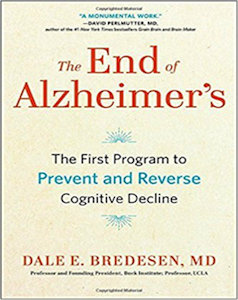
The End of Alzheimer’s – The First Program to Prevent and Reverse Cognitive Decline by Dale Bredesen, MD

A groundbreaking plan to prevent and reverse Alzheimer’s Disease that fundamentally changes how we understand cognitive decline.
 
Everyone knows someone who has survived cancer, but until now no one knows anyone who has survived Alzheimer’s Disease. 
 
In this paradigm shifting book, Dale Bredesen, MD, offers real hope to anyone looking to prevent and even reverse Alzheimer’s Disease and cognitive decline.  Revealing that AD is not one condition, as it is currently treated, but three, The End of Alzheimer’s outlines 36 metabolic factors (micronutrients, hormone levels, sleep) that can trigger “downsizing” in the brain. The protocol shows us how to rebalance these factors using lifestyle modifications like taking B12, eliminating gluten, or improving oral hygiene.
 
The results are impressive. Of the first ten patients on the protocol, nine displayed significant improvement with 3-6 months; since then the protocol has yielded similar results with hundreds more. Now, The End of Alzheimer’s brings new hope to a broad audience of patients, caregivers, physicians, and treatment centers with a fascinating look inside the science and a complete step-by-step plan that fundamentally changes how we treat and even think about AD.

I am familiar with the powerful results of his research and had been waiting in anticipation for the launch of this groundbreaking book.

Here is the Amazon link to the book: The End of Alzheimer’s (this book released in August)


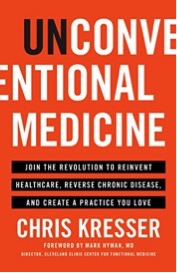
Unconventional Medicine: Join the Revolution to Reinvent Healthcare, Reverse Chronic Disease, and Create a Practice You Love by Chris Kresser

The world is facing the greatest healthcare crisis it has ever seen. Chronic disease is shortening our lifespan, destroying our quality of life, bankrupting governments, and threatening the health of future generations. Sadly, conventional medicine, with its focus on managing symptoms, has failed to address this challenge. The result is burned-out physicians, a sicker population, and a broken healthcare system.

In Unconventional Medicine, Chris Kresser presents a plan to reverse this dangerous trend. He shows how the combination of a genetically aligned diet and lifestyle, functional medicine, and a lean, collaborative practice model can create a system that better serves the needs of both patients and practitioners.

The epidemic of chronic illness can be stopped, if patients and practitioners can adapt.

This is a book that has been written primarily for practitioners but if you are a health enthusiast/health advocate who want to understand functional medicine you will enjoy it too.

I really enjoy the discussion about a collaborative practice model where there is a place for doctors, nutritionists, health coaches, and other allied health practitioners.

The only section in book I don’t agree with is where Chris states that: “Research suggests that depression is not actually caused by low serotonin.” Based on my experience, depression/anxiety is not always caused by low serotonin – it can be one of many causes. I am so vocal about this that I know you would will call me out on it if I don’t mention it!

Get your copy of Unconventional Medicine here on Amazon (newly published last month)


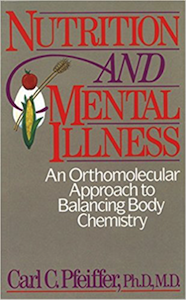
Nutrition and Mental Illness: An Orthomolecular Approach to Balancing Body Chemistry by Carl C. Pfeiffer Ph.D. M.D.

This book is a quick read and is one of my favorite older books on the subject of mental health and biochemical imbalances.

Believing that drugs and psychoanalysis were not always the best course of treatment for a variety of mental illnesses, Dr. Carl Pfeiffer began an extensive program of research into the causes and treatment of mental illness, and in 1973 opened the Brain Bio Center in Princeton, New Jersey. Here, with a team of scientists, he found that many psychological problems can be traced to biochemical imbalances in the body. With these patients, he achieved unprecedented success in treating a wide range of mental problems by adjusting diet and providing specific nutritional supplements for those conditions where deficiences exist. This book documents his approach.

Each year, thousands of people are diagnosed as schizophrenic; many more suffer from depression, anxiety, and phobias.

Dr. Pfeiffer’s methods of treatment presented in Nutrition and Mental Illness are a valuable adjunct to traditional therapies, and can bring hope of real wellness to many of those who suffer.

Get your copy of Nutrition and Mental Illness on Amazon here (this book was published in 1988)


antianxiety food solution

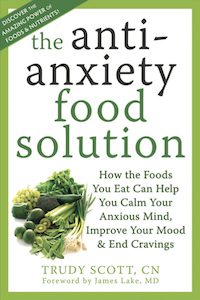
The Antianxiety Food Solution: How the Foods You Eat Can Help You Calm Your Anxious Mind, Improve Your Mood, and End Cravings by Trudy Scott

I’m sharing my book in case you don’t yet have a copy or as a reminder to share it with a loved one or friend if it helped you!

It’s remarkable how much the foods we eat can impact our brain chemistry and emotions. What and when we eat can make the difference between feeling anxious and staying calm and in control. But most of us don’t realize how much our diets influence our moods, thoughts, and feelings until we make a change.

In The Antianxiety Food Solution, you’ll find four unique antianxiety diets designed to help you address nutritional deficiencies that may be at the root of your anxiety and enjoy the many foods that foster increased emotional balance. This helpful guide allows you to choose the best plan for you and incorporates effective anxiety-busting foods and nutrients. You’ll soon be on the path to freeing yourself from anxiety—and enjoying an improved overall mood, better sleep, fewer cravings, and optimal health—the natural way! The book also includes an easy-to-use index.

In The Antianxiety Food Solution, you’ll discover:

  • How to assess your diet for anxiety-causing and anxiety-calming foods and nutrients
  • Foods and nutrients that balance your brain chemistry
  • Which anxiety-triggering foods and drinks you may need to avoid
  • Easy lifestyle changes that reduce anxiety and increase happiness

There are also complete chapters on the amino acids (with questionnaires and protocols for low serotonin/tryptophan, low GABA/GABA, low endorphins/DPA, low blood sugar/glutamine and low catecholamines/tyrosine) and the social anxiety condition called pyroluria (with the questionnaire and protocols for zinc, vitamin B6, GLA and other factors to consider).

Grab your copy of The Antianxiety Food Solution from Amazon here (published in 2011 but still very relevant)

Feel free to share some of the favorite nutritional books you are reading now or are planning to read….

Filed Under: Antianxiety Food Solution, Anxiety, Books, EMFs, Emotional Eating Tagged With: anxiety, cravings, EMFs, functional medicine

  • « Go to Previous Page
  • Page 1
  • Page 2
  • Page 3
  • Page 4
  • Page 5
  • Go to Next Page »

Primary Sidebar

NEW! GABA QuickStart Homestudy (with special intro pricing)

gaba quickstart homestudy

Free Report

9 Great Questions Women Ask about Food, Mood and their Health

You'll also receive a complimentary subscription to my ezine "Food, Mood and Gal Stuff"


Connect with me

Popular Posts

  • Amino Acids Mood Questionnaire from The Antianxiety Food Solution
  • The Antianxiety Food Solution Amino Acid and Pyroluria Supplements
  • Pyroluria Questionnaire from The Antianxiety Food Solution
  • Collagen and gelatin lower serotonin: does this increase your anxiety and depression?
  • Tryptophan for the worry-in-your-head and ruminating type of anxiety
  • GABA for the physical-tension and stiff-and-tense-muscles type of anxiety
  • The Antianxiety Food Solution by Trudy Scott
  • Seriphos Original Formula is back: the best product for anxiety and insomnia caused by high cortisol
  • Am I an anxious introvert because of low zinc and vitamin B6? My response to Huffington Post blog
  • Vagus nerve rehab with GABA, breathing, humming, gargling and key nutrients

Recent Posts

  • What do I use instead of Seriphos to help lower high cortisol that is affecting my sleep and making me anxious at night?
  • BeSerene™ GABA/theanine cream eases severe muscle tension in her neck/shoulders, prevents her bad headaches and quells her anxiety
  • How the correct approach, dose and sublingual use of GABA can be calming and not cause a flushed and itchy face and neck
  • The amino acid glutamine improves low mood by addressing gut health, and it has calming effects too
  • Flight anxiety with heightened breath, physical tension and also fearing the worst (the role of low GABA and low serotonin)

Categories

  • 5-HTP
  • AB575
  • Addiction
  • ADHD
  • Adrenals
  • Alcohol
  • Allergies
  • Alzheimer's disease
  • Amino Acids
  • Anger
  • Antianxiety
  • Antianxiety Food Solution
  • Antidepressants
  • Anxiety
  • Anxiety and panic
  • Autism
  • Autoimmunity
  • benzodiazapines
  • Bipolar disorder
  • Books
  • Caffeine
  • Cancer
  • Candida
  • Children/Teens
  • Collagen
  • Cooking equipment
  • Coronavirus/COVID-19
  • Cravings
  • Depression
  • Detoxification
  • Diabetes
  • Diet
  • DPA/DLPA
  • Drugs
  • EFT/Tapping
  • EMF
  • EMFs
  • Emotional Eating
  • Endorphins
  • Environment
  • Essential oils
  • Events
  • Exercise
  • Fear
  • Fear of public speaking
  • Fertility and Pregnancy
  • Fish
  • Food
  • Food and mood
  • Functional neurology
  • GABA
  • Gene polymorphisms
  • General Health
  • Giving
  • Giving back
  • Glutamine
  • Gluten
  • GMOs
  • Gratitude
  • Gut health
  • Heart health/hypertension
  • Histamine
  • Hormone
  • Hyperparathyroidism
  • Hypoglycemia
  • Immune system
  • Inflammation
  • Insomnia
  • Inspiration
  • Introversion
  • Joy and happiness
  • Ketogenic diet
  • Lithium orotate
  • Looking awesome
  • Lyme disease and co-infections
  • MCAS/histamine
  • Medication
  • Men's health
  • Mental health
  • Mercury
  • Migraine
  • Mold
  • Movie
  • MTHFR
  • Multiple sclerosis
  • Music
  • NANP
  • Nature
  • Nutritional Psychiatry
  • OCD
  • Osteoporosis
  • Oxalates
  • Oxytocin
  • Pain
  • Paleo
  • Parasites
  • Parkinson’s disease
  • PCOS
  • People
  • PMS
  • Postpartum
  • PTSD/Trauma
  • Pyroluria
  • Questionnaires
  • Real whole food
  • Recipes
  • Research
  • Schizophrenia
  • serotonin
  • SIBO
  • Sleep
  • Special diets
  • Sports nutrition
  • Stress
  • Sugar addiction
  • Sugar and mood
  • Supplements
  • Teens
  • Testimonials
  • Testing
  • The Anxiety Summit
  • The Anxiety Summit 2
  • The Anxiety Summit 3
  • The Anxiety Summit 4
  • The Anxiety Summit 5
  • The Anxiety Summit 6
  • Thyroid
  • Thyroid health
  • Toxins
  • Tryptophan
  • Tyrosine
  • Uncategorized
  • Vegan/vegetarian
  • Women's health
  • Yoga

Archives

  • October 2025
  • September 2025
  • August 2025
  • July 2025
  • June 2025
  • May 2025
  • April 2025
  • March 2025
  • February 2025
  • January 2025
  • November 2024
  • October 2024
  • September 2024
  • August 2024
  • July 2024
  • June 2024
  • May 2024
  • April 2024
  • March 2024
  • February 2024
  • January 2024
  • December 2023
  • November 2023
  • October 2023
  • September 2023
  • August 2023
  • July 2023
  • June 2023
  • May 2023
  • April 2023
  • March 2023
  • February 2023
  • January 2023
  • December 2022
  • November 2022
  • October 2022
  • September 2022
  • August 2022
  • July 2022
  • June 2022
  • May 2022
  • April 2022
  • March 2022
  • February 2022
  • January 2022
  • December 2021
  • November 2021
  • October 2021
  • September 2021
  • August 2021
  • July 2021
  • June 2021
  • May 2021
  • April 2021
  • March 2021
  • February 2021
  • January 2021
  • December 2020
  • November 2020
  • October 2020
  • September 2020
  • August 2020
  • July 2020
  • June 2020
  • May 2020
  • April 2020
  • March 2020
  • February 2020
  • January 2020
  • December 2019
  • November 2019
  • October 2019
  • September 2019
  • August 2019
  • July 2019
  • June 2019
  • May 2019
  • April 2019
  • March 2019
  • February 2019
  • January 2019
  • December 2018
  • November 2018
  • October 2018
  • September 2018
  • August 2018
  • July 2018
  • June 2018
  • May 2018
  • April 2018
  • March 2018
  • February 2018
  • January 2018
  • December 2017
  • November 2017
  • October 2017
  • September 2017
  • August 2017
  • July 2017
  • June 2017
  • May 2017
  • April 2017
  • March 2017
  • February 2017
  • January 2017
  • December 2016
  • November 2016
  • October 2016
  • September 2016
  • August 2016
  • July 2016
  • June 2016
  • May 2016
  • April 2016
  • March 2016
  • February 2016
  • January 2016
  • December 2015
  • November 2015
  • October 2015
  • September 2015
  • August 2015
  • July 2015
  • June 2015
  • May 2015
  • April 2015
  • March 2015
  • February 2015
  • January 2015
  • December 2014
  • November 2014
  • October 2014
  • September 2014
  • August 2014
  • July 2014
  • June 2014
  • May 2014
  • April 2014
  • March 2014
  • February 2014
  • January 2014
  • December 2013
  • November 2013
  • October 2013
  • September 2013
  • August 2013
  • July 2013
  • June 2013
  • May 2013
  • April 2013
  • March 2013
  • February 2013
  • January 2013
  • December 2012
  • November 2012
  • October 2012
  • August 2012
  • July 2012
  • June 2012
  • May 2012
  • April 2012
  • March 2012
  • February 2012
  • January 2012
  • December 2011
  • November 2011
  • October 2011
  • September 2011
  • August 2011
  • July 2011
  • June 2011
  • May 2011
  • April 2011
  • March 2011
  • February 2011
  • January 2011
  • December 2010
  • October 2010
  • September 2010
  • July 2010
  • May 2010
  • April 2010
  • March 2010
  • February 2010
  • January 2010
  • November 2009

Share the knowledge!

The above statements have not been evaluated by the Food and Drug Administration. Products listed in this website are not intended to diagnose, treat, cure or prevent any disease.

The information provided on this site is for informational and educational purposes only and is not intended as a substitute for advice from your physician or other health care professional. You should consult with a healthcare professional before starting or modifying any diet, exercise, or supplementation program, before taking or stopping any medication, or if you have or suspect you may have a health problem.


Copyright © 2026 Trudy Scott. All Rights Reserved. | Privacy | Terms and Conditions | Refund Policy | Medical Disclaimer

Free Report

9 Great Questions Women Ask about Food, Mood and their Health

You’ll also receive a complimentary subscription to my ezine “Food, Mood and Gal Stuff”