• Skip to primary navigation
  • Skip to main content
  • Skip to primary sidebar

everywomanover29 blog

Food, Mood and Women's Health – Be your healthiest, look and feel great!

  • Blog
  • About
  • Services
  • Store
  • Resources
  • Testimonials
  • The Book
  • Newsletter
  • Contact
  • Search this site

cravings

Trudy’s favorites: new books and golden oldies for your reading pleasure and as gift ideas

December 15, 2017 By Trudy Scott 6 Comments

With the holiday’s almost upon us and an opportunity to curl up with a cup of herbal tea and a good book, and also as gifts ideas, here are some of my favorite new books and a few older ones too – mostly related to anxiety, mood and emotional eating/cravings and functional medicine and biochemical imbalances.
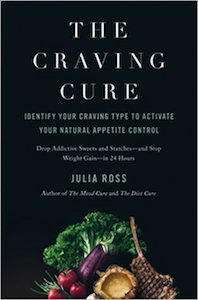
The Craving Cure: Identify Your Craving Type to Activate Your Natural Appetite Control by Julia Ross (Author)

Julia Ross, best-selling author and expert in nutrition and overeating, exposes the real reason so many of us can’t stick to a healthy diet: our favorite foods are engineered to be addictive. At her clinic in California, Julia Ross and her colleagues treat food addiction where it starts – in the brain – by triggering our natural appetite-regulating neurotransmitters with nutrients called amino acids. It turns out that these protein concentrates boost our neurotransmitters, which broadcast sensations of satisfaction that no food, including chocolate, can override. Thousands of Julia Ross’ clients have abolished their cravings for high-calorie confections using this simple nutritional strategy.

With The Craving Cure, Julia Ross grants all of us access to this revolutionary approach. The process begins with a five-part questionnaire that helps you identify your unique craving profile and specifies the amino acid supplements you need to curb your specific cravings. Julia Ross’ clear explanations of why and how to use the aminos empower you to reclaim your natural appetite control, and her anti-craving eating guidelines will permanently strengthen your dietary defenses. A well-researched and clinically-tested rejection of low-calorie, low-saturated fat, and low-protein diets, The Craving Cure reveals how we can effortlessly and permanently eradicate our cravings to lose weight, rediscover our nutritional heritage, and regain optimal mood, energy, and health.

Drop Addictive Sweets and Starches – and Stop Weight Gain – in 24 Hours

Julia is a pioneer in the use of amino acids for cravings and mood and I had the wonderful opportunity of learning from her while working in her clinic for 2 years. It’s thanks to her that I developed my foundational knowledge of amino acids – which I have now expanded on for their powerful effects for anxiety. With this new book, Julia takes a deep dive into using amino acids for the cravings aspect that goes hand-in-hand with anxiety and depression i.e. the emotional eating component.

Get your copy of The Craving Cure on Amazon here (this one just released this week)
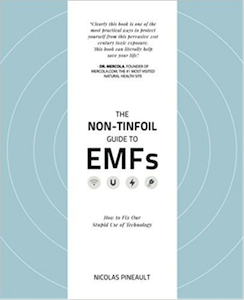
 

The Non-Tinfoil Guide to EMFs: How to Fix Our Stupid Use of Technology by Nicolas Pineault

Can you really feel years younger & make unexplained symptoms vanish with the click of a button — the “Airplane Mode” on your cell phone?

Investigative Health Journalist Nicolas Pineault used to think this all sounded like something only crazy people wearing tinfoil hats would say.

But the overwhelming amount of independent scientific evidence linking electromagnetic fields (EMFs) from wireless technologies with increased risks of cancer, infertility, insomnia, and depression sure has the uncanny ability to change a man’s mind.

The Non-Tinfoil Guide to EMFs is a simple and unconventional book that will teach you exactly how to reduce your exposure to this brand new 21st-century pollution without going back to the Stone Age.

You will learn:

  • What your smartphone, your wifi router and your microwave oven have in common (page 9)
  • Why policy makers and scientists all worldwide don’t agree about whether EMFs are dangerous or not (page 21)
  • Is Electro-Hypersensitivity as popularized in the TV show “Better Call Saul” real? Or is it all psychological? (page 62)
  • Why carrying a cell phone in your pocket can harm your fertility (201 studies prove it) (page 72)
  • The 1-click fix to reduce cellphone EMFs by 84% (page 142)
  • What is safer? Speakerphone, earbuds or a Bluetooth ear piece? (page 155)
  • The #1 worst source of EMF radiation at home (page 160)
  • Why baby monitors are worse than smartphones, and better alternatives (page 208)

It’s true. The jury is still out about whether cellphone radiation is the new smoking or just a temporary scare. But why take chances?

Instead, read The Non-Tinfoil Guide to EMFs — the technological seat belt you might just need to use your new gadgets safely.

This is the most comprehensive and balanced book I have read on the topic of EMFs. It covers the risks (supported by research) and also offers a myriad of practical solutions. I had the wonderful opportunity to see Nicolas present on this topic earlier this year and he is clearly passionate about getting this message out. I am thrilled he’s now published a book on the subject because I believe EMFs are one of the most under-reported factors when it comes to anxiety and many other chronic health conditions.  

Get your copy of The Non-Tinfoil Guide to EMFs on Amazon here (this is a new book that published in November).
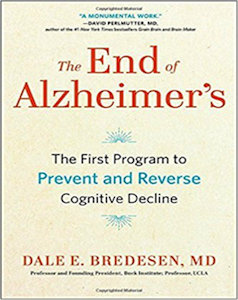
 

The End of Alzheimer’s – The First Program to Prevent and Reverse Cognitive Decline by Dale Bredesen, MD

A groundbreaking plan to prevent and reverse Alzheimer’s Disease that fundamentally changes how we understand cognitive decline.
 
Everyone knows someone who has survived cancer, but until now no one knows anyone who has survived Alzheimer’s Disease. 
 
In this paradigm shifting book, Dale Bredesen, MD, offers real hope to anyone looking to prevent and even reverse Alzheimer’s Disease and cognitive decline.  Revealing that AD is not one condition, as it is currently treated, but three, The End of Alzheimer’s outlines 36 metabolic factors (micronutrients, hormone levels, sleep) that can trigger “downsizing” in the brain. The protocol shows us how to rebalance these factors using lifestyle modifications like taking B12, eliminating gluten, or improving oral hygiene.
 
The results are impressive. Of the first ten patients on the protocol, nine displayed significant improvement with 3-6 months; since then the protocol has yielded similar results with hundreds more. Now, The End of Alzheimer’s brings new hope to a broad audience of patients, caregivers, physicians, and treatment centers with a fascinating look inside the science and a complete step-by-step plan that fundamentally changes how we treat and even think about AD.

I am familiar with the powerful results of his research and had been waiting in anticipation for the launch of this groundbreaking book.

Here is the Amazon link to the book: The End of Alzheimer’s (this book released in August)
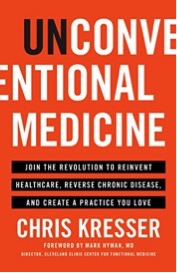
 

Unconventional Medicine: Join the Revolution to Reinvent Healthcare, Reverse Chronic Disease, and Create a Practice You Love by Chris Kresser

The world is facing the greatest healthcare crisis it has ever seen. Chronic disease is shortening our lifespan, destroying our quality of life, bankrupting governments, and threatening the health of future generations. Sadly, conventional medicine, with its focus on managing symptoms, has failed to address this challenge. The result is burned-out physicians, a sicker population, and a broken healthcare system.

In Unconventional Medicine, Chris Kresser presents a plan to reverse this dangerous trend. He shows how the combination of a genetically aligned diet and lifestyle, functional medicine, and a lean, collaborative practice model can create a system that better serves the needs of both patients and practitioners.

The epidemic of chronic illness can be stopped, if patients and practitioners can adapt.

This is a book that has been written primarily for practitioners but if you are a health enthusiast/health advocate who want to understand functional medicine you will enjoy it too.

I really enjoy the discussion about a collaborative practice model where there is a place for doctors, nutritionists, health coaches, and other allied health practitioners.

The only section in book I don’t agree with is where Chris states that: “Research suggests that depression is not actually caused by low serotonin.” Based on my experience, depression/anxiety is not always caused by low serotonin – it can be one of many causes. I am so vocal about this that I know you would will call me out on it if I don’t mention it!

Get your copy of Unconventional Medicine here on Amazon (newly published last month)
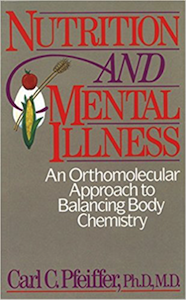
 

Nutrition and Mental Illness: An Orthomolecular Approach to Balancing Body Chemistry by Carl C. Pfeiffer Ph.D. M.D.

This book is a quick read and is one of my favorite older books on the subject of mental health and biochemical imbalances.

Believing that drugs and psychoanalysis were not always the best course of treatment for a variety of mental illnesses, Dr. Carl Pfeiffer began an extensive program of research into the causes and treatment of mental illness, and in 1973 opened the Brain Bio Center in Princeton, New Jersey. Here, with a team of scientists, he found that many psychological problems can be traced to biochemical imbalances in the body. With these patients, he achieved unprecedented success in treating a wide range of mental problems by adjusting diet and providing specific nutritional supplements for those conditions where deficiences exist. This book documents his approach.

Each year, thousands of people are diagnosed as schizophrenic; many more suffer from depression, anxiety, and phobias.

Dr. Pfeiffer’s methods of treatment presented in Nutrition and Mental Illness are a valuable adjunct to traditional therapies, and can bring hope of real wellness to many of those who suffer.

Get your copy of Nutrition and Mental Illness on Amazon here (this book was published in 1988)
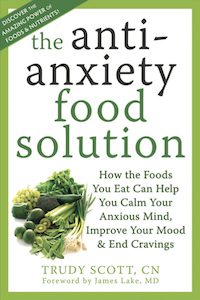
 

antianxiety food solution

The Antianxiety Food Solution: How the Foods You Eat Can Help You Calm Your Anxious Mind, Improve Your Mood, and End Cravings by Trudy Scott

I’m sharing my book in case you don’t yet have a copy or as a reminder to share it with a loved one or friend if it helped you!

It’s remarkable how much the foods we eat can impact our brain chemistry and emotions. What and when we eat can make the difference between feeling anxious and staying calm and in control. But most of us don’t realize how much our diets influence our moods, thoughts, and feelings until we make a change.

In The Antianxiety Food Solution, you’ll find four unique antianxiety diets designed to help you address nutritional deficiencies that may be at the root of your anxiety and enjoy the many foods that foster increased emotional balance. This helpful guide allows you to choose the best plan for you and incorporates effective anxiety-busting foods and nutrients. You’ll soon be on the path to freeing yourself from anxiety—and enjoying an improved overall mood, better sleep, fewer cravings, and optimal health—the natural way! The book also includes an easy-to-use index.

In The Antianxiety Food Solution, you’ll discover:

  • How to assess your diet for anxiety-causing and anxiety-calming foods and nutrients
  • Foods and nutrients that balance your brain chemistry
  • Which anxiety-triggering foods and drinks you may need to avoid
  • Easy lifestyle changes that reduce anxiety and increase happiness

There are also complete chapters on the amino acids (with questionnaires and protocols for low serotonin/tryptophan, low GABA/GABA, low endorphins/DPA, low blood sugar/glutamine and low catecholamines/tyrosine) and the social anxiety condition called pyroluria (with the questionnaire and protocols for zinc, vitamin B6, GLA and other factors to consider).

Grab your copy of The Antianxiety Food Solution from Amazon here (published in 2011 but still very relevant)

Feel free to share some of the favorite nutritional books you are reading now or are planning to read….
Filed Under: Antianxiety Food Solution, Anxiety, Books, EMFs, Emotional Eating Tagged With: anxiety, cravings, EMFs, functional medicine

TouchPoints™ neuroscience device for stress relief, improved sleep and focus and reduced cravings

June 30, 2017 By Trudy Scott 20 Comments

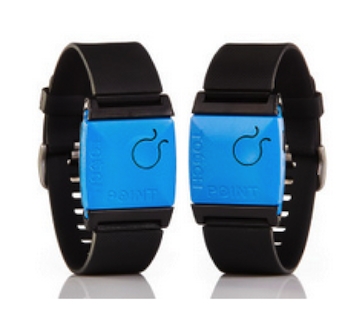
TouchPoints™ basic are non-invasive neuroscientific lifestyle wearables that use patent pending neuroscience to relieve stress, improve sleep, performance, and focus, and can reduce cravings and anger.

I shared some information about these TouchPoints™ neuroscience devices a short time ago and it created some interest. This week I was just on a private call with one of the founders, Dr. Amy Serin and I’m so impressed with what I learned about these EMDR-type devices that I’m sharing their indiegogo campaign (happening right now) for the new lower price point device (the basic). The Basic device doesn’t use an iphone or ipad. I am somewhat concerned about EMFs with their other device and I’m still looking into this to determine if it is an issue.

This Basic device can be worn on a wrist-band or can be worn on a belt, socks, shirt etc.

I have NOT yet used one of these devices myself or with clients but I have purchased one to test and will share more as I learn more. Please do share your experiences too!

As with addressing any imbalance too much of something can be problematic. I received this feedback from a colleague who is a psychotherapist:

We use bilateral stimulation in our work with various gadgets – bilateral music with headphones, bilateral tappers etc. It’s been used with EMDR for 20 years. I haven’t seen this gadget before but the idea is not new. It can also be TOO activating and increase sympathetic arousal for some people.

If they work you I do see these as a great add-on to the nutrition work I do for anxiety (diet, adrenals, amino acids like GABA etc.) and could be especially helpful if you can’t tolerate supplements right now (like during a benzodiazepine taper or being highly sensitive).

You can find all the details here


Filed Under: Sleep, Stress Tagged With: anxiety, cravings, EMDR, focus, stress, TouchPoints

Glutamine supplementation: cancer concerns and benefits

February 26, 2016 By Trudy Scott 128 Comments

russell-blaylock

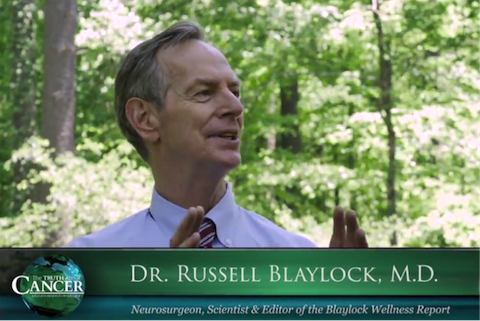
In the recent Truth About Cancer docu-series hosted by Ty Bollinger, founder of Cancer Truth, interviewed Dr. Russell Blaylock, M.D. and Dr. Blaylock said no to glutamine supplementation because it feeds cancer like sugar.

Here is what Dr. Russell Blaylock said during Episode 4 – Excitotoxins that Fuel Cancer:

Cancer cells use two major fuels, they use glucose and they use glutamine. Of the two, glutamine is the more powerful stimulant for cancer cell growth.

The Warburg effect is the fact that normal cells use both anaerobic and aerobic system, the Krebs cycle. The cancer cells only use the anaerobic system, it was thought. Glutamine can work the aerobic system and product a lot more energy. So if you’re eating a lot of sugar and you’re eating a lot of glutamine, you’re really stimulating your cancer powerfully. So the idea is you want to cut down your glutamine intake. A lot of people are promoting glutamine as a way to heal the gut—the leaky gut syndrome. So, they’re saying, take five, six, ten grams of glutamine. That is a powerful stimulant for degenerative brain disorders, a powerful stimulant for cancer growth. You don’t want to do that. There’s a lot better ways to repair the GI tract—they work better and safer and actually inhibit cancer.

Dr. Blaylock, author of Excitotoxins: The Taste That Kills, has been saying this for years. His coverage of MSG and how harmful it is, is very powerful groud-breaking work but many practitioners disagree with his glutamine-feeding-cancer comments.

As a result of this recent interview I’ve been getting a lot of questions about glutamine because it’s something I use with most of my clients for blood sugar control, carbohydrate/sugar cravings and gut healing.

In order to reassure folks I started looking at the current research and getting feedback from trusted colleagues.

I have now gathered 20+ studies showing glutamine to be beneficial in cancer: it heals the gut, helps boost glutathione, helps with muscle wasting, helps when someone is going through chemotherapy and radiation, and is useful for bone marrow transplants. Studies as far back as 1990 state it has benefits and doesn’t promote tumor growth, with 5 of them published this year.

This 2010 paper Glutamine as indispensable nutrient in oncology: experimental and clinical evidence summarizes many of the benefits:

Within the last two decades, 36 (24 oral/enteral, 12 parenteral) clinical studies evaluating the tolerance, safety and effects of glutamine in various patient groups have been published. In the great majority of these clinical studies, glutamine supplementation in cancer patients improves host metabolism and clinical situation without increasing tumor growth. Potential mechanisms of glutamine effects include maintenance of mucosal integrity, improved immune competence, inhibition of cell proliferation, increased apoptosis rate, increased synthesis of glutathione, induction of heat shock protein synthesis, and increased synthesis of glucagons-like peptides.

In various clinical situations, appropriate exogenous glutamine supply is safe and can beneficially contribute to diminish risks of high-dose chemotherapy and radiation. In addition, there is some evidence that adequate glutamine availability can beneficially affect outcome, especially in patients undergoing bone marrow transplantation.

With new research coming out all the time, a paper published in 2010 may seem very old and yet there are some more recent papers stating similar benefits, many of which were published this year and in 2014.   Here are a few excerpts from some of these papers:

  • Oral administration of [glutamine] plus [elemental diet] may prevent chemotherapy-induced oral mucositis in esophageal cancer patients. Link to paper
  • This study suggests a beneficial role of oral [glutamine] use in prevention and/or delay of radiation-induced esophagitis, in terms of esophageal transit time and serum immunological parameters, as well as weight loss. Link to paper
  • It also appears that glutamine may significantly reduce the duration and severity of objective oral mucositis during radiotherapy. Link to paper
  • These results suggest that [glutamine] is an effective way to reduce radiation morbidity to breast cancer and is associated with the increased expression of a novel serum protein biomarker. Link to paper
  • A promising supplemental therapy agent in the field is glutamine. Glutamine (Gln) is an amino acid that is produced in physiological conditions in human cells. However, in pathological states, glutamine production is often insufficient. In the clinical setting, glutamine has been shown to decrease metabolic side effects resulting from cancer treatment and to improve patient outcome. Link to paper
  • Prophylactic oral glutamine could ameliorate the neoadjuvant chemotherapy-induced increase in intestinal permeability, but had no significant positive clinical effect on stomatitis and diarrhea and did not interfere with the antitumor effect of chemotherapy. Link to paper
  • Oral [glutamine] increased [glutathione] levels and lowered IGF-I and TGF-beta 1 in a range that is considered clinically significant. However, the effect of [glutamine] in maintaining normal gut [glutathione] production in the presence of DMBA was much more significant. Link to paper

I’ve also posted the glutamine-cancer question in a number of online practitioner groups I belong to and have received this feedback:

  • Some practitioners still feel glutamine supplementation is very safe to use up to 10-30g a day for a month and then titrated down to a maintenance dose
  • An integrative cancer doctor says she is more cautious and would not recommend greater than 5g per day if someone has active cancer
  • One practitioner shared that long term studies haven’t shown changes in mortality due to glutamine supplementation in cancer settings but glutamine may be used for fuel by cancer cells
  • Glutamine is not neurotoxic as has been suggested in the book Excitotoxins:The Taste That Kills according to Dr. David Brady and other researchers
  • Many consider bone broth to be safe, some feel bone broth should be avoided during cancer treatments

It’s clearly a controversial topic with very divided opinions and it seems the jury is still out. We are also very individual beings with unique biochemistry so there is never a once size fits all approach and it’s very likely that some won’t benefit from glutamine and some may have adverse effects.

I do list cancer as a possible issue under the glutamine precautions and recommend that you check with your oncologist if you are currently undergoing treatment.

I do want to share safe and valuable information with my clients and with you (my community) and am not afraid to back down and say I was wrong. BUT right now I don’t believe we have enough information to say NO-ONE should be using glutamine as a supplement.   I’m gathering information and feedback, am learning a great deal and will be sharing more in future blogs on this topic. And I hope to get some feedback from Dr. Blaylock himself!

I hope this helps with questions you’ve been having or may have in the near future.

In the meantime I’d love your feedback…

  • If you’re a practitioner I’d love to hear your thoughts and approach, what cautions you offer and do you recommended a safe upper limit?
  • If you’re someone who uses glutamine or has used glutamine what does your practitioner say about it? Have they cautioned you about glutamine? Have they recommended a safe upper limit? What benefits have you seen when using it?
  • If you’ve been treated for cancer, has your cancer team recommended glutamine? And did it help?

UPDATE: Feb 26, 2016 (The post above was originally published on October 30, 2015)

I promised to come back and share additional information from someone working in the area of cancer and so here we are – an update on the glutamine cancer concern:

Paul Anderson ND shared a literature review and practice implications in an called “Glutamine and Cancer: What do we know?” (Update Sept 2021: it was published on Emerson Ecologics but the link is no longer active)

When I read this reassuring literature – based on the 2015 paper, Key Roles of Glutamine Pathways in Reprogramming the Cancer Metabolism. Oxidative Medicine and Cellular Longevity  – I reached out to Dr. Anderson and was given permission to share the link and excerpts from the article:

L-Glutamine the amino acid is one of the most widely used therapeutic substances in natural and integrative clinics as well as some allopathic practices. It has benefit in gastrointestinal illnesses and repair, post-surgical care, renal support, muscle mass maintenance, cachexia and a number of other conditions. Given its wide use in the integrative medical community the concern regarding potential for any adverse or untoward event associated with its use is significant. The primary potential issue is the “feeding” of cancer cells and another related issue is increasing glutathione stores and thereby inactivating standard therapies.

He shares some of the same potential benefits of glutamine that I mentioned above:

  • Post-surgical healing
  • GI repair and maintenance
  • Immune system recovery and maintenance
  • Muscle cell maintenance and recovery
  • Glutathione pool restoration

Dr. Anderson shares that:

the availability of glutamine even in a supplemented person is often too low to do much more than feed the deficient GI cells, so peripheral use is limited with oral doses.

The one common exception is glioblastoma multiforme (GM). In the case of GM, it is theoretically possible that amounts of glutamine that were able to cross the GI barrier could be metabolized in a manner promoting of GM energy and health. In the case of GM the authors point out that restricting carbohydrates would likely make the glutamine effective in an anti-GM biology.

And he shares a number of take home points for clinical practice: oral glutamine supplementation is likely safe across most tumor types in patients with cancer, it’s indicated for GI damage, the timing and doses, and how he uses carbohydrate restriction for certain cancers (when also using glutamine).

Based on his clinical experience Dr. Anderson states that:

Glutamine used appropriately is an excellent adjunctive therapy in the oncology setting.

Dr. Paul S. Anderson is medical director of Anderson Medical Specialty Associates, a clinic focusing on the care of patients with cancer and chronic diseases. Former positions include professor of Pharmacology and Clinical Medicine at Bastyr University and Chief of IV Services for Bastyr Oncology Research Center. He is a graduate of National College of Natural Medicine and began instructing classes at naturopathic medical schools in the early 1990’s. He continues to hold board review classes and CME courses for most of the US and Canadian ND programs. He also is a founding board member of the Academy of Parenteral Therapies specialty group and an instructor and author for the International IV Nutritional Therapy training group.

His book, Outside the Box Cancer Therapies: Alternative Therapies That Treat and Prevent Cancer (here is my Amazon link) discusses glutamine and some of the research and benefits when used with cancer patients, and also recommends consulting with your physician.

Did your oncology medical team recommend use of glutamine while you were in cancer treatment and did it help?

Or did they say no to supplemental glutamine and share why?

Feel free to post additional glutamine questions too.

Filed Under: Amino Acids, Cancer Tagged With: anxiety, blood sugar, cancer, cravings, glutamine, russell blaylock

Amazing Amino Acids for Ending Emotional Eating – No Willpower Required! Really!!

May 13, 2013 By Trudy Scott 7 Comments

MP900387871

We start Monday with this live course where I am going to share the five brain chemical imbalances and respective amazing amino acids that can end cravings and emotional eating.

If you have these symptoms, then amino acids may help:

  • LOVING a certain food (do you just LOVE pizza or really LOVE cookies as a reward or to numb!?)
  • wanting caffeine or sugar for a pick me up in the afternoon
  • afternoon or night time cravings for carbs
  • poor sleep
  • feeling anxious and irritable (and wanting sugar/starches/alcohol to calm you down)
  • depression and low self-esteem (and wanting sugar/starch/alcohol for soothing)

Yep, all of those can be caused by a lack of some key amino acids that we either don’t get in our food or don’t get enough of.  I have amazing results with my clients!

I recently participated in the incredible Loving Food Loving Life Emotional Eating telesumit hosted by Aimee Serafini. The participants were so wowed by this new information that Aimee asked me to create a group program that would be affordable AND where participants could all support each other.

I’m going to share exactly what and how much to take and what brands based on your own brain chemical imbalances.  Plus we’ll also talk about diet, breakfast, getting enough protein, meal timing, your adrenals and thyroid, food intolerances and much more!

Here is the complete overview of the course:

  • Five Live Classes covering each of the 5 neurotransmitter deficiency categories (low serotonin, low GABA, low catecholamines, low endorphins and low blood sugar) and recordings for your library after the calls (live class dates are 5pm PT / 8pm ET: Mondays May 13 & 20, Tuesday May 28 (due to holiday), and Mondays June 3 & 10)
  • Bonus Live Q&A call after course to answer questions (Monday, June 17)
  • If you cannot attend the live classes, you will get the recordings to download so you can listen when you have time and refer to them later, plus you can ask questions on Facebook. Please do not let scheduling affect your being able to start getting relief now
  • Amino Acid Precautions questionnaire (to address contraindications)
  • Amino Acid Deficiency questionnaire
  • Food Mood Log – to figure out how food affects you and how you are feeling prior to eating
  • Supplement Sheet for amino acid timings
  • Membership in a private Facebook Group for peer support.  Support is super important and hearing the experiences and questions of other participants will surely be of great benefit
  • A Bonus audio interview with Mira Dessy, Nutrition Educator and Whole Food Advocate: The Pantry Principle, How to Read the label and Know What’s Really in Your Food 

If you’re still on the fence

  • check out this blog post on glutamine for low blood sugar and calming effects and watch how glutamine helped Nicole within 5 minutes

  • check out how DPA was a miracle for Angie and her sugar cravings

Are you in or out? 

Aimee and I hope to have you join us (Aimee enrolled for this class too!)  If you would like to enroll in this 6 week live virtual class you can still register here 

[7/8/13 update: this event has concluded and this program is now available as a 6 week homestudy program: The Amazing Amino Acids for Ending Emotional Eating – No Willpower Required! Really!! (Home Study Program – with or without Live Q&A calls) ]


Filed Under: Emotional Eating, Events, Sugar addiction, Sugar and mood Tagged With: amino acids, cravings, emotional eating, Trudy Scott

Glutamine for low blood sugar and calming effects

April 29, 2013 By Trudy Scott 85 Comments

Nicole is an NTP (Nutritional Therapy Practitioner) and fire-fighter paramedic and has problems with blood sugar control. Diabetes runs in her family. We met at the recent 2013 NTA (Nutritional Therapy Association conference) where I had a booth to promote my services and book The Antianxiety Food Solution. I also presented on the Role of Inflammation in Anxiety, Stress and Depression – which covered amongst other factors, the amino acids.

Nicole came by my booth after my presentation and she wanted to try the glutamine because of low blood sugar symptoms. The results she experienced were great!

You can watch this video to hear how powerful glutamine was for Nicole – she saw results in around 5 minutes. I really like to get testimonials like this because when I talk about the profound and quick effects of the amazing amino acids it almost sounds too good to be true! But in this case (and the majority of cases), it really is true!

Nicole says “I get irritable, I get shaky and I get to the point that if I don’t get food NOW I think I’m going to hurt something!”

She tried the glutamine and in under 5 minutes she went from that feeling to: “I’m ok. I feel happy, I feel calm, I feel I can make it longer without needing food right away.”

She finished up by saying “I’m impressed at how well that worked for me” and she plans to share the benefits of this amino acid with her clients who may have blood sugar issues and the associated symptoms of shakiness between meals, irritability, a frantic need for something to eat and often an intense desire for something sweet.

Signs of low blood sugar include:

  • Irritability, agitation, nervousness
  • Shaky between meals or when you skip a meal
  • Poor memory, focus and fatigue
  • Intense sweet craving at various times of the day
  • Feeling stressed & overwhelmed
  • Waking in the night (low blood sugar is one of many causes of insomnia)

When you have stable blood sugar, you will feel grounded, experience less overwhelm and stress and have no cravings – if your cravings are blood sugar related. Cravings can also be due to low serotonin, low endorphins, low catecholamines and low GABA, and even as a result of candida or yeast overgrowth. For many of my clients it may even be a combination of the above.

Naturally, making food changes can help a great deal as you can read in this blog post on low blood sugar and anxiety.

Filed Under: Antianxiety Food Solution, Books, Food and mood, General Health, Real whole food, Recipes Tagged With: Antianxiety Food Solution, cravings, glutamine, low blood sugar, Trudy Scott

Amazing amino acids for sugar addiction, not soda taxes!

March 16, 2010 By Trudy Scott 17 Comments

I love the grass-fed beef and other great quality products from US Wellness Meats!  I subscribe to their online newsletter and a few days ago their trivia question was the following: “What US city is considering a tax on soda and what are your thoughts on this?”

I could not resist emailing my thoughts to them and I’d love to share them here too….

I think it’s great to bring awareness to the many health problems associated with excessive soda and sugar consumption: obesity, heart disease, cancer, lowered immunity and many other health issues.

But it seems that diet sodas will not be taxed and they have their own set of issues – health concerns regarding artificial sweeteners and the fact that some studies show that even diet sodas can cause weight-gain. Replacing regular sodas with diet sodas is not the solution.

The BIG thing for me, being a sugar-cravings and mood-food expert is that it is not addressing the root cause and is not providing solutions as to why you have sugar cravings – such as poor eating habits, nutrient and neurotransmitter imbalances, candida, stress and toxins/pollution. 

If you address these then you won’t crave sugar!  The first place I start with my sugar-addicted clients is with the amazing amino acids and they see dramatic results in few days, often in 24 hours! And they have more energy, sleep better and have a great mood. And more money in their pockets to buy healthy real food! 

I’d love to hear your thoughts on this too….

PS. The city is New York.

Filed Under: Sugar addiction Tagged With: amino acids, cravings, soda tax, Sugar addiction

  • « Go to Previous Page
  • Page 1
  • Interim pages omitted …
  • Page 3
  • Page 4
  • Page 5

Primary Sidebar

GABA QuickStart Homestudy

gaba quickstart homestudy

Free Report

9 Great Questions Women Ask about Food, Mood and their Health

You'll also receive a complimentary subscription to my ezine "Food, Mood and Gal Stuff"


Connect with me

Popular Posts

  • Amino Acids Mood Questionnaire from The Antianxiety Food Solution
  • The Antianxiety Food Solution Amino Acid and Pyroluria Supplements
  • Pyroluria Questionnaire from The Antianxiety Food Solution
  • Collagen and gelatin lower serotonin: does this increase your anxiety and depression?
  • Tryptophan for the worry-in-your-head and ruminating type of anxiety
  • GABA for the physical-tension and stiff-and-tense-muscles type of anxiety
  • The Antianxiety Food Solution by Trudy Scott
  • Seriphos Original Formula is back: the best product for anxiety and insomnia caused by high cortisol
  • Am I an anxious introvert because of low zinc and vitamin B6? My response to Huffington Post blog
  • Vagus nerve rehab with GABA, breathing, humming, gargling and key nutrients

Recent Posts

  • Her cravings for chips and peanut butter were triggered by stress: GABA ends cravings and reduces physical tension and fear of heights
  • It is truly miraculous to be able to move through life without crippling anxiety and panic
  • GABA and tryptophan combo provide immediate and noticeable relief for tremors and cervical dystonia in just 7 days
  • Red light therapy for back and neck pain, plantar fasciitis and low mood – a complement to the amino acids GABA, DPA and tryptophan
  • What do I use instead of Seriphos to help lower high cortisol that is affecting my sleep and making me anxious at night?

Categories

  • 5-HTP
  • AB575
  • Addiction
  • ADHD
  • Adrenals
  • Alcohol
  • Allergies
  • Alzheimer's disease
  • Amino Acids
  • Anger
  • Antianxiety
  • Antianxiety Food Solution
  • Antidepressants
  • Anxiety
  • Anxiety and panic
  • Autism
  • Autoimmunity
  • benzodiazapines
  • Bipolar disorder
  • Books
  • Caffeine
  • Cancer
  • Candida
  • Children/Teens
  • Collagen
  • Cooking equipment
  • Coronavirus/COVID-19
  • Cravings
  • Depression
  • Detoxification
  • Diabetes
  • Diet
  • DPA/DLPA
  • Drugs
  • EFT/Tapping
  • EMF
  • EMFs
  • Emotional Eating
  • Endorphins
  • Environment
  • Essential oils
  • Events
  • Exercise
  • Fear
  • Fear of public speaking
  • Fertility and Pregnancy
  • Fish
  • Food
  • Food and mood
  • Functional neurology
  • GABA
  • Gene polymorphisms
  • General Health
  • Giving
  • Giving back
  • Glutamine
  • Gluten
  • GMOs
  • Gratitude
  • Gut health
  • Heart health/hypertension
  • Histamine
  • Hormone
  • Hyperparathyroidism
  • Hypoglycemia
  • Immune system
  • Inflammation
  • Insomnia
  • Inspiration
  • Introversion
  • Joy and happiness
  • Ketogenic diet
  • Lithium orotate
  • Looking awesome
  • Lyme disease and co-infections
  • MCAS/histamine
  • Medication
  • Men's health
  • Mental health
  • Mercury
  • Migraine
  • Mold
  • Movie
  • MTHFR
  • Multiple sclerosis
  • Music
  • NANP
  • Nature
  • Nutritional Psychiatry
  • OCD
  • Osteoporosis
  • Oxalates
  • Oxytocin
  • Pain
  • Paleo
  • Parasites
  • Parkinson’s disease
  • PCOS
  • People
  • PMS
  • Postpartum
  • PTSD/Trauma
  • Pyroluria
  • Questionnaires
  • Real whole food
  • Recipes
  • Research
  • Schizophrenia
  • serotonin
  • SIBO
  • Sleep
  • Special diets
  • Sports nutrition
  • Stress
  • Sugar addiction
  • Sugar and mood
  • Supplements
  • Teens
  • Testimonials
  • Testing
  • The Anxiety Summit
  • The Anxiety Summit 2
  • The Anxiety Summit 3
  • The Anxiety Summit 4
  • The Anxiety Summit 5
  • The Anxiety Summit 6
  • Thyroid
  • Thyroid health
  • Toxins
  • Tryptophan
  • Tyrosine
  • Uncategorized
  • Vegan/vegetarian
  • Women's health
  • Yoga

Archives

  • May 2026
  • April 2026
  • October 2025
  • September 2025
  • August 2025
  • July 2025
  • June 2025
  • May 2025
  • April 2025
  • March 2025
  • February 2025
  • January 2025
  • November 2024
  • October 2024
  • September 2024
  • August 2024
  • July 2024
  • June 2024
  • May 2024
  • April 2024
  • March 2024
  • February 2024
  • January 2024
  • December 2023
  • November 2023
  • October 2023
  • September 2023
  • August 2023
  • July 2023
  • June 2023
  • May 2023
  • April 2023
  • March 2023
  • February 2023
  • January 2023
  • December 2022
  • November 2022
  • October 2022
  • September 2022
  • August 2022
  • July 2022
  • June 2022
  • May 2022
  • April 2022
  • March 2022
  • February 2022
  • January 2022
  • December 2021
  • November 2021
  • October 2021
  • September 2021
  • August 2021
  • July 2021
  • June 2021
  • May 2021
  • April 2021
  • March 2021
  • February 2021
  • January 2021
  • December 2020
  • November 2020
  • October 2020
  • September 2020
  • August 2020
  • July 2020
  • June 2020
  • May 2020
  • April 2020
  • March 2020
  • February 2020
  • January 2020
  • December 2019
  • November 2019
  • October 2019
  • September 2019
  • August 2019
  • July 2019
  • June 2019
  • May 2019
  • April 2019
  • March 2019
  • February 2019
  • January 2019
  • December 2018
  • November 2018
  • October 2018
  • September 2018
  • August 2018
  • July 2018
  • June 2018
  • May 2018
  • April 2018
  • March 2018
  • February 2018
  • January 2018
  • December 2017
  • November 2017
  • October 2017
  • September 2017
  • August 2017
  • July 2017
  • June 2017
  • May 2017
  • April 2017
  • March 2017
  • February 2017
  • January 2017
  • December 2016
  • November 2016
  • October 2016
  • September 2016
  • August 2016
  • July 2016
  • June 2016
  • May 2016
  • April 2016
  • March 2016
  • February 2016
  • January 2016
  • December 2015
  • November 2015
  • October 2015
  • September 2015
  • August 2015
  • July 2015
  • June 2015
  • May 2015
  • April 2015
  • March 2015
  • February 2015
  • January 2015
  • December 2014
  • November 2014
  • October 2014
  • September 2014
  • August 2014
  • July 2014
  • June 2014
  • May 2014
  • April 2014
  • March 2014
  • February 2014
  • January 2014
  • December 2013
  • November 2013
  • October 2013
  • September 2013
  • August 2013
  • July 2013
  • June 2013
  • May 2013
  • April 2013
  • March 2013
  • February 2013
  • January 2013
  • December 2012
  • November 2012
  • October 2012
  • August 2012
  • July 2012
  • June 2012
  • May 2012
  • April 2012
  • March 2012
  • February 2012
  • January 2012
  • December 2011
  • November 2011
  • October 2011
  • September 2011
  • August 2011
  • July 2011
  • June 2011
  • May 2011
  • April 2011
  • March 2011
  • February 2011
  • January 2011
  • December 2010
  • October 2010
  • September 2010
  • July 2010
  • May 2010
  • April 2010
  • March 2010
  • February 2010
  • January 2010
  • November 2009

Share the knowledge!

The above statements have not been evaluated by the Food and Drug Administration. Products listed in this website are not intended to diagnose, treat, cure or prevent any disease.

The information provided on this site is for informational and educational purposes only and is not intended as a substitute for advice from your physician or other health care professional. You should consult with a healthcare professional before starting or modifying any diet, exercise, or supplementation program, before taking or stopping any medication, or if you have or suspect you may have a health problem.


Copyright © 2026 Trudy Scott. All Rights Reserved. | Privacy | Terms and Conditions | Refund Policy | Medical Disclaimer

Free Report

9 Great Questions Women Ask about Food, Mood and their Health

You’ll also receive a complimentary subscription to my ezine “Food, Mood and Gal Stuff”