• Skip to primary navigation
  • Skip to main content
  • Skip to primary sidebar

everywomanover29 blog

Food, Mood and Women's Health – Be your healthiest, look and feel great!

  • Blog
  • About
  • Services
  • Store
  • Resources
  • Testimonials
  • The Book
  • Contact
  • Search this site

cognition

GABA and theanine for sedation, anxiety, and cognition in preoperative surgical patients (a randomized controlled study)

October 18, 2024 By Trudy Scott 7 Comments

amino acids for sedation

L-theanine is a unique amino acid found in green tea. It prevents stress, produces anxiolysis, modulates alpha activity, and provides beneficial effects on mental state, including sleep quality.

Gamma-aminobutyric acid (GABA) is a non-proteinogenic amino acid and a phytochemical that is the main inhibitory neurotransmitter in the mammalian brain. It is beneficial in anxiety and stress regulation.

This overview of theanine and GABA come from this paper, Comparison of the effects of two amino acids, Gamma-aminobutyric acid (GABA) and L-theanine, on sedation, anxiety, and cognition in preoperative surgical patients – A randomized controlled study, a very promising paper published in May this year.

This novel study was planned to study and compare the effects of L-theanine and GABA on anxiety, sedation, and cognition in preoperative patients posted for major elective surgeries under general anesthesia.

The conclusion is that: “GABA and L-theanine result in effective preoperative anxiolysis with minimal sedation and improvement of cognitive skills.”

In other words, both these amino acids are calming before a surgical procedure, don’t cause too much drowsiness and improve cognition.

There are a number of reasons why I feel this study is so promising: anxiety before surgery is very common; laryngospasms (or vocal cord spasms) during surgery are potentially life threatening and clinically we see GABA to be helpful outside of the surgical setting; and any research confirming the calming benefits of GABA (and other amino acids like theanine) supports what we see clinically and furthers the field. This is especially the case when it’s a randomized controlled study such as this one. More on all this below.

The study information and benzodiazepine comparison with GABA/theanine

It was a small study with a “total of 168 patients aged between 18 and 55 years .. who were randomly divided into three groups that received either oral L-theanine, oral GABA, or oral alprazolam 0.25 mg. The anxiety score, sedation score, and psychomotor and cognitive performance scores were noted 60 minutes before and after the administration of the drugs” and amino acids.

Alprazolam is an antianxiety medication known as a benzodiazepine which impairs “psychomotor performance and cause excessive sedation.” I’ve blogged extensively about many of the  known issues with benzodiazepines.

Because of this it’s worth noting that the authors share this exciting information: “To our knowledge, our study is the first comparative study that compares GABA with L-theanine and alprazolam.”

This in itself is very encouraging but more so because the outcome “showed that oral L-theanine, oral GABA, and oral alprazolam were equally effective in producing anxiolysis.”

How much GABA and theanine was used in the study? And what is optimal?

The authors had the study participants use 500 mg GABA and 200 mg of theanine. Both were used as capsules and swallowed. If you’ve been following my work, you’re aware that I find sublingual (or powder or liposomal or topical) use of GABA to be more effective than swallowing a capsule. For this reason it’s possible that using a lower dose sublingually may be as effective or possibly even more effective.

As always, dosing of GABA (and other amino acids such as theanine) is individualized to the unique needs of the person. Ideally, the person has figured out their optimal dose for easing anxiety in their day to day life before going in for surgery. They may find that a higher dose is needed the weeks leading up to surgery and the day of surgery.

You can read the entire study here: Comparison of the effects of two amino acids, Gamma-aminobutyric acid (GABA) and L-theanine, on sedation, anxiety, and cognition in preoperative surgical patients – A randomized controlled study

Laryngospasms during anesthetic – could GABA help prevent this?

Laryngospasm is a life threatening complication during the perioperative period (time of surgery) with an incidence of 0.78-5% depending on the surgical type, patient age, pre-existing conditions and anesthetic technique.”

It is described as “the sustained closure of the vocal cords resulting in the partial or complete loss of the patient’s airway. Although described in the conscious state and associated with silent reflux, laryngospasm is a problematic reflex which occurs often under general anaesthesia.”

The authors state that “a clear management plan is required to avoid significant morbidity and even mortality.” They do discuss the use of magnesium “due to both an increased depth of anaesthetic and muscle relaxation” and the authors state that this “agent may have a role to play in the future prevention of laryngospasm, but more studies are needed.”

Clinically we see GABA to be helpful for the prevention of laryngospasms outside of a surgical setting (I blogged about this here) and it’s intriguing to consider that the use of GABA before surgery may actually help prevent or reduce the severity of this complication. I look forward to future research on this application of GABA.

Until then it may be worth discussing with your surgeon and anesthetist. I have a family member who is susceptible to laryngospasms and GABA powder rubbed on the inside of his cheek during an episode, stops the spasm and stridor (abnormal high-pitched sound) in a matter of 30 seconds. Prior to a recent surgical procedure, he discussed this with his surgeon and anesthetist. We were both pleasantly surprised that they were both interested and open to having him take GABA with him into surgery.

GABA for anxiety, stress, muscle spasms and pain too

I shared this excerpt in a recent blog but it’s worth sharing again: a number of studies have shown that “GABA is implicated in a large number of diseases including anxiety and stress disorders, pain, musculoskeletal disorders, sleep disorders, depression, addiction and withdrawal syndromes.”

Let’s consider GABA (and theanine) during the often stressful and anxiety-provoking periods leading up to surgery and on the day of surgery. It’s likely to help with muscle spasms, pain reduction and sleep too.

A few GABA product options  – a sublingual, a powder and a cream
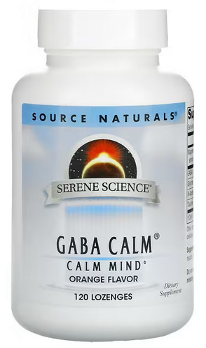
gaba calm
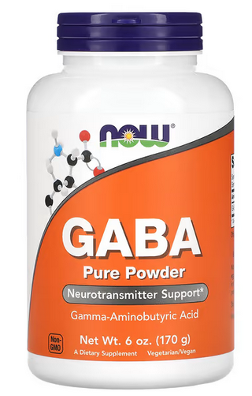
gaba pure poder
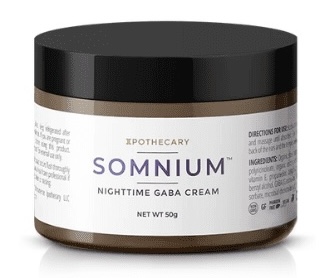
somnium gaba cream

The authors had the study participants use 500 mg GABA, swallowed. As I mentioned above, using a lower dose sublingually may be as effective or possibly even more effective. Also, dosing of GABA (and other amino acids) is individualized to the unique needs of the person.

One product I use and recommend is Source Naturals GABA Calm lozenges. It’s a good low dose of 125 mg and is convenient and effective because it’s a sublingual lozenge.

Now GABA Powder is another product I use and recommend. It does need to be measured out to provide a 125 mg typical starting dose. I have clients use a handy mini measuring spoon like this one (my Amazon link) and share more about how to measure out GABA powder on this blog).

For Source Naturals GABA Calm lozenges and Now GABA Powder:

  • You can purchase these from my online store (Fullscript – only available to US customers – use this link to set up an account).
  • If you’re not in the US, you can purchase these at iherb (use this link to save 5%).

Somnium GABA Cream is another option that could be considered especially for children and those with special needs. It is available in the US and elsewhere with international shipping. Read more about the product and who else may benefit from using a cream, and grab my coupon code to save 15%.

Additional resources when you are new to using GABA and other amino acids as supplements

As always, I use the symptoms questionnaire to figure out if low low GABA or other neurotransmitter imbalances may be an issue.

If you suspect low levels of any of the neurotransmitters and do not yet have my book, The Antianxiety Food Solution – How the Foods You Eat Can Help You Calm Your Anxious Mind, Improve Your Mood, and End Cravings, I highly recommend getting it and reading it before jumping in and using amino acids on your own so you are knowledgeable. And be sure to share it with the practitioner/health team you or your loved one is working with.

There is an entire chapter on the amino acids and they are discussed throughout the book in the sections on gut health, gluten, blood sugar control (this is covered in an entire chapter too), sugar cravings, anxiety and mood issues.

The book doesn’t include product names (per the publisher’s request) so this blog, The Antianxiety Food Solution Amino Acid and Pyroluria Supplements, lists the amino acids that I use with my individual clients and those in my group programs.

If, after reading this blog and my book, you don’t feel comfortable figuring things out on your own (i.e. doing the symptoms questionnaire and respective amino acids trials), a good place to get help is the GABA QuickStart Program (if you have low GABA symptoms). This is a paid online/virtual group program where you get my guidance and community support.

If you are a practitioner, join us in The Balancing Neurotransmitters: the Fundamentals program. This is also a paid online/virtual program with an opportunity to interact with me and other practitioners who are also using the amino acids.

Wrapping up and your feedback

I’d love to hear from you – does any of this resonate with you? Do you feel increasingly anxious before surgery and other medical procedures and is GABA and/or theanine part of your calming repertoire?

And have either helped you when experiencing a laryngospasm?

Have you ever discussed either of these two amino acids with your surgeon or anesthetist prior to surgery and were they open?

If you’re a practitioner do you recommend GABA and theanine to your anxious clients/patients and as a surgeon or anesthetist would you consider these amino acids in the future (especially in patients more prone to laryngospasm)?

Feel free to share and ask your questions below.

Filed Under: Anxiety, benzodiazapines, GABA Tagged With: amino acids, anesthesia, anxiety, anxiolysis, anxious, benzodiazepine, calming, cognition, GABA, inhibitory, l-theanine, laryngospasms, neurotransmitter, preoperative, sedation, sleep quality, stress, surgery, surgical, theanine

Vitamin B6 and magnesium on neurobehavioral status of autism spectrum disorder with hyperactivity and irritability (research)

May 24, 2024 By Trudy Scott 7 Comments

vitamin b6 magnesium and autism

Today I’m sharing new research that supports some of the original findings about vitamin B6 and magnesium published by autism biomedical pioneer Bernie Rimland.

Despite the small population size, this study demonstrated neurobehavioural improvement among children with ASD [autism spectrum disorder] with hyperactivity and irritability. Consequently, it can be expected that future studies conducted on a larger scale might help to establish the beneficial role of Vitamin B6 and Magnesium as a complementary treatment for autism with hyperactivity and irritability.

The above comes from the conclusion of  this 2021 paper, Vitamin B6 and Magnesium on Neurobehavioral Status of Autism Spectrum Disorder: A Randomized, Double-Blind, Placebo Controlled Study.

There were 50 children in the study, with a random assignment of 27 to the study group (vitamin B6 and magnesium) and 23 to the control group (placebo). All the children were autism patients from a pediatric autism and neurodevelopmental disorder outpatient clinic in India.

One of the primary aims over the 3 month study period was to investigate “any improvement among the six domains of ASD: general observation, cognition, emotion, social behavior, communication, and sensory deficits.”

Read on for learning more about the study outcomes, and dosing and forms of magnesium and vitamin B6 (and how this compares to P5P). I also share more about autism biomedical pioneer Bernie Rimland’s earlier research and the autism/B6/pyroluria connections. And end with some of the many possible mechanisms, GABA and vitamin B6, and other applications for vitamin B6.

More about the study outcomes

  • The improvement observed in the study/intervention group was 81% compared to only 47% in the placebo group.
  • Both the study group and control group had a mixture of patients rated as having mild, low moderate, high moderate and severe symptoms of ASD. At the conclusion of the study, there were fewer patients in high moderate and severe categories.
  • There was “an overall improvement in the symptoms of autism along with improvements in specific domains e.g. Emotion and Cognition.” The Emotion domain includes hyperactivity, aggressiveness, emotional lability (or instability) and stress.

Dosing varied by age and forms of magnesium and vitamin B6

The dosage of magnesium and vitamin B6 for the 27 children in the intervention/study group was pre-determined by the age of the subjects: “Patients aged 2-3 years received 50 mg Magnesium and 25mg Vitamin B6 daily, aged 4-8 years received 100 mg Magnesium and 50mg Vitamin B6 daily, and patients aged 9-12 years were given 200 mg Magnesium and 100mg Vitamin B6 daily.”

Patients in both groups received Risperidone for hyperactivity and irritability.

The form of magnesium used in the study was glycinate and the form of vitamin B6 was pyridoxine.

Vitamin B6 and magnesium research by autism biomedical pioneer Bernie Rimland

The authors share that of the many autism studies with nutrients, studies using vitamin B6 and magnesium “given by parents to ASD children have been observed to produce improvement for about 30 years.”

As I mentioned above, this new research builds on some of the original findings about vitamin B6 and magnesium published by autism biomedical pioneer Bernie Rimland. The study authors share this: “Rimland found significant improvement with the use of high doses of pyridoxine, however high doses of pyridoxine showed side effects which could be negated by co-administering magnesium.”

This 1988 paper by B. Rimland is referenced: Controversies in the treatment of autistic children: vitamin and drug therapy, and states that “Among the biomedical treatments, the use of high-dosage vitamin B6 and magnesium received the highest ratings”

Also referenced is this vitamin B6 paper, co-authored by B. Rimland and published 46 years ago: The effect of high doses of vitamin B6 on autistic children: a double-blind crossover study. It states that “Behavior was rated as deteriorating significantly during the B6 withdrawal.”

Vitamin B6, autism and pyroluria

My experience when it comes to vitamin B6 and P5P is primarily with the many individuals in my community who have pyroluria or suspect they do based on their symptoms (here is the pyroluria symptoms questionnaire). This is about 80% of the anxious folks in my community.

I share this because pyroluria is common in autism spectrum disorder:

  • children with learning disorders and behavioral disorders: 25% (Abram Hoffer)
  • autism spectrum disorders: 46% (Woody McGinnis)

(more on prevalence and associated conditions here)

And this study found emotional instability – a key aspect of pyroluria and autism – improved with vitamin B6 and magnesium.

For adults with pyroluria, vitamin B6 is used in the range of 100 mg  to 500 mg, starting low and increasing as needed. We use dream recall and increased ability to socialize without feeling anxious as a clue that the correct dose is being used.

Keep in mind that 25 mg P5P (pyridoxal-5-phosphate) or the active form of vitamin B6 is approximately equivalent to 100 mg pyridoxine.

I have found that some folks do better on one form of vitamin B6 than the other i.e. not everyone needs P5P and some folks do better with a combination of P5P and pyridoxine. As with all supplements there is no one–size fits all and so the protocol and form of vitamin B6 used in this study group really only serves as a guideline.

The possible mechanisms

The authors mention this as one possible mechanism under these circumstances:  “Magnesium inhibits the excitatory channel glutamate N-methyl-D-aspartate (NMDA) and reduces hyperactivity – a part of the emotional domain.” They also mention the fact that “magnesium increases presynaptic releases” enhancing “both short term and long term synaptic facilitation and long-term potentiation, improving learning and other memory functions.”

I’m adding these as possible mechanisms to consider too:

  • Vitamin B6 is a potent anti inflammatory compound
  • Vitamin B6 and magnesium are co-factors needed to make serotonin (which is calming and helps with emotional stability) and dopamine (which helps with focus and motivation)
  • “GABA is formed from glutamate via the addition of glutamate decarboxylase and vitamin B6”
  • Vitamin B6 offers neuroprotection in situations of excess glutamate release (together with vitamin B12 and B2)
  • Vitamin B6 is key (together with zinc, evening primrose oil and others) for addressing social anxiety/pyroluria which is common in autism (as mentioned above)
  • Vitamin B6 and magnesium improve hormonal health
  • Oxalate issues are common in autism, leading to depleted levels of vitamin B6 and magnesium. Supplementation can help counter some of the adverse effects.

Also vitamin B6 (and other B vitamins) and magnesium are depleted by sugar, stress, dysbiosis, food allergies, certain medications and caffeine. And it’s common to find deficiencies of both.

A comprehensive dietary and functional medicine / biomedical approach, targeted individual amino acids such as GABA and tryptophan, in addition to vitamin B6 and magnesium is imperative in ASD.

Many other applications for vitamin B6

It’s wonderful to be able to share yet another application for vitamin B6, which, in some circles, is receiving an unfavorable reputation about causing toxicity.

Here are a few other related vitamin B6 blog posts that may be of interest:

  • The role of low serotonin, low vitamin B6 and low iron in anxiety and panic attacks
  • Oral contraceptives cause low vitamin B6 and zinc, reduce serotonin levels and increase anxiety
  • Am I an anxious introvert because of low zinc and vitamin B6? My response to Huffington Post blog
  • Side stitch when running or exercising: the anxiety/stress connection (and the pyroluria protocol of zinc and vitamin B6 as a solution?)

Because of the role of vitamin B6 when it comes to calming GABA, it’s worth sharing this blog too  – Half a crushed GABA Calm for my autistic child: sleep, anxiety and sensorimotor skills (writing, horse riding and swimming) improve. Both vitamin B6 and GABA are commonly beneficial.

And sometimes, vitamin B6 on it’s own provides results – Anxiety and vomit phobia in an 8-year-old: within a week of starting vitamin B6 she made a complete turnaround.

Additional resources when you are new to using amino acids as supplements

As always, I use the symptoms questionnaire to figure out if low GABA or other neurotransmitter imbalances may be an issue.

If you suspect low levels of any of the neurotransmitters and do not yet have my book, The Antianxiety Food Solution – How the Foods You Eat Can Help You Calm Your Anxious Mind, Improve Your Mood, and End Cravings, I highly recommend getting it and reading it before jumping in and using amino acids on your own so you are knowledgeable. And be sure to share it with the practitioner/health team you or your loved one is working with.

There is an entire chapter on the amino acids and they are discussed throughout the book in the sections on gut health, gluten, blood sugar control (this is covered in an entire chapter too), sugar cravings, anxiety and mood issues.

There is also an entire chapter on pyroluria and in-depth sections on vitamin B6 and zinc.

The book doesn’t include product names (per the publisher’s request) so this blog, The Antianxiety Food Solution Amino Acid and Pyroluria Supplements, lists the amino acids that I use with my individual clients and those in my group programs.

If, after reading this blog and my book, you don’t feel comfortable figuring things out on your own (i.e. doing the symptoms questionnaire and respective amino acids trials), a good place to get help is the GABA QuickStart Program (if you have low GABA symptoms too). This is a paid online/virtual group program where you get my guidance and community support.

If you are a practitioner, join us in The Balancing Neurotransmitters: the Fundamentals program. This is also a paid online/virtual program with an opportunity to interact with me and other practitioners who are also using the amino acids.

Wrapping up and your feedback

I’d love to hear from you – have you had success with vitamin B6 and magnesium – personally or with your child? How much has helped and which products? (feel free to share the diagnosis and what symptoms have improved)

Have dietary changes and/or addressing pyroluria helped too?

If you’re a practitioner have you seen these nutrients to help in situations like this?

I’m also curious to hear if you’re familiar with the vitamin B6 and magnesium research and work done by Bernie Rimland?

Feel free to share and ask your questions below.
Filed Under: ADHD, Anxiety, Children/Teens, GABA Tagged With: ADHD, amino acids; GABA Quickstart; Balancing Neurotransmitters: the Fundamentals program for practitioners, anxious, ASD, autism, autism spectrum disorder, B6, Bernie Rimland, cognition, emotion, GABA, glutamic acid, hyperactivity, irritability, magnesium, neurobehavioral, P5P, pyroluria, vitamin B6

Psychiatric Complications of Primary Hyperparathyroidism and Mild Hypercalcemia: anxiety, depression, anger, irritability, delusions and impaired cognition

July 7, 2023 By Trudy Scott 38 Comments

primary hyperparathyroidism

In samples of patients undergoing parathyroidectomy for primary hyperparathyroidism (PHPT), these disturbances have been identified at a rate of 43.1%–53.0% for anxiety, 33.0%–62.1% for depression, 22.0% for thoughts of death or suicide, 51.9% for anger and irritability, 5.0%–20.0% for hallucinations and delusions, and 37.3%–46.5% for impaired cognition.

In fact, it has been noted that there are more neuropsychiatric phenomena in PHPT than is often recognized and that these symptoms are easily missed, particularly in the elderly population.

This excerpt is from, Psychiatric Complications of Primary Hyperparathyroidism and Mild Hypercalcemia, published in Psychiatry Online.

I’ve recently been reading as much as I can about this condition, for personal and professional reasons. As soon as I learn about something new I go digging to see if there is an anxiety connection. And I must say I was very surprised to read these stats. It’s not something I’ve heard discussed or taught at mental health conferences.

The authors also state this about the condition:

The incidence of primary hyperparathyroidism (PHPT) is about 21 cases per 100,000 person-years, and the disorder is usually caused by a solitary parathyroid adenoma. PHPT has traditionally been recognized by its characteristic symptoms, including urolithiasis (“stones”); osteopenia and osteoporosis (“bones”); abdominal cramping, nausea, and peptic ulceration (“moans”); and depression, anxiety, cognitive dysfunction, insomnia, confusion, and personality changes (“psychiatric overtones”).

How do changes in serum calcium levels contribute to mental health and cognitive symptoms?

It’s always helpful to understand the mechanism and it was the first thought that went through my mind – how does hyperparathyroidism and changes in serum calcium levels cause these mental health and cognitive symptoms? The authors share this:

Although the pathogenesis [or cause] of psychiatric symptoms in primary hyperparathyroidism remains unclear, calcium is thought to figure prominently in determining changes in monoamine metabolism in the central nervous system(CNS), thereby modifying neurotransmission and resulting in alterations in mood and cognition.

I went digging and found this paper – Acute psychosis secondary to suspected hyperparathyroidism: A case report and literature review.

The authors also state that the mechanism isn’t known for certain. And although they are referring specifically to psychosis, the explanation could be applied to other symptoms too: “It is thought that the changes in serum calcium level slow down nerve function and neurotransmission rate, inducing psychosis (and other symptoms like anxiety, depression, anger, irritability and suicidal thoughts).

Understanding this possible mechanism helps us find a temporary solution for these symptoms until the hyperparathyroidism is addressed with surgery i.e. using amino acids as supplements.

Using amino acids to ease symptoms while you are seeking the root cause/s

If you’ve been following my work and have read my book The Antianxiety Food Solution, you’ll be familiar with using targeted amino acids as supplements to support low levels of neurotransmitters. These provide quick relief of symptoms (in a day or less) while you are seeking the root cause.

If we look at the above symptoms:

  • Anxiety can be a sign of low serotonin (worry type of anxiety) and/or low GABA (physical type of anxiety) – and tryptophan/5-HTP and/or GABA help ease symptoms.
  • Depression can be a sign of low serotonin (negativity), low dopamine (curl-up-in-bed depression) an/or low endorphins (weepy depression) – and tryptophan/5-HTP, tyrosine and/or DPA help ease symptoms.
  • Irritability and anger are common with low serotonin – and tryptophan/5-HTP helps to ease symptoms.
  • Low GABA can also be involved with anger and rage
  • Cognitive issues can be caused by low dopamine and low GABA – and tyrosine and/or GABA help ease symptoms

(You can find the symptoms questionnaire here. As always, amino acids are used based on symptom clusters and dosed according to your unique needs.)

If you find you have been using the amino acids long term and have explored all the possible root causes described in my book and summarized here, it may be worth investigating primary hyperthyroidism especially if you’re menopausal.

Case: “I had to have a parathyroid gland removed a few years ago… I literally felt better from the moment I came round from the surgery”

We always want to find the root cause when we have various symptoms. With this condition, it’s common to observe very quick resolution of symptoms after parathyroid surgery to remove the adenoma/s. Someone in our community shared this:

I had to have a parathyroid gland removed a few years ago … I literally felt better from the moment I came round from the surgery. It’s a miserable disease. I thought I was going to die! Lots of people get so low that they don’t feel like they can go on.

Bone pain was awful. Fatigue, depression etc.

I had had some dental issues around that time. One of my teeth crumbled. My Vitamin D went down to 9 so I am sure that was a large part of the puzzle.

I was actually diagnosed fairly quickly but was retested many times. I self-referred to a surgeon that was in-network in the end as my insurance wouldn’t cover various surgeons that my doctor wanted me to go too.

I had had breast cancer a few years ago and so had had weekly blood tests and, when I went back and looked, my calcium had been high for years. So important to read our own results.

The surgery was so easy.

What an amazing outcome for this woman and I appreciate her for sharing so we all get to learn and benefit from her journey. And yes, I agree, we need to advocate for ourselves and ask for and keep copies of all our labs. And get educated and ask questions. It’s really unfortunate that high calcium and hyperparathyroidism is so often missed.

Not everyone has all the listed symptoms of primary hyperparathyroidism. This woman did experience fatigue, depression and bone pain. She did not experience anxiety and didn’t have kidney stones. I do suspect dietary oxalate issues (without kidney stones) can be an issue for some folks because of the calcium disruption.

Some reasons why hyperparathyroidism is underdiagnosed

In the last few months I have learned that primary hyperparathyroidism is underdiagnosed. PTH (parathyroid hormone) is not routinely tested and I believe that it should be. Also, as you read above, elevated calcium levels are often ignored or brushed off as being a non-issue. And to complicate things further calcium is not always elevated. Hyperparathyroidism is also underdiagnosed and undertreated in the elderly.

For many women (and men) the discovery happens after they are diagnosed with osteoporosis and then calcium and PTH are tested, and/or past elevated calcium levels are “discovered.” If the hyperparathyroidism diagnosis happens first then osteoporosis screening is not always done and I believe it should be. And don’t get me started on when I believe osteoporosis screening should start (at 45 and not 65 or 70 years old) and issues with DEXA screening (more to come on this).

The good news is that primary hyperparathyroidism is a well-established cause of secondary osteoporosis which starts to resolve after the surgery too.

I’m still very much in learning mode

Primary hyperparathyroidism only recently appeared on my radar as a result of the 2023 osteoporosis summit, hosted by my friend and colleague, Margie Bissinger, Physical Therapist and osteoporosis coach. Dr. Deva Boone was a speaker on this condition on the summit and her site is a wealth of information. I appreciate them both.

As I mentioned above, I am also amazed it’s not something I’ve heard about at mental health or integrative health conferences and when doing continuing education.

I will admit I’m no expert and I’m still very much in learning mode – for myself and for you and this community. But, as you know, I like to share what I learn. As I continue to learn, I plan to share additional perspectives and the osteoporosis/menopause and oxalate links.

I am also in the process of creating a hyperparathyroidism questionnaire to use with my clients. Not everyone has all the above symptoms and not all the papers and resources list all the symptoms covered here today. For example, fatigue is listed on many sites but not in the above two papers and very few sites emphasize the mental health symptoms.

I’m also learning there are clues to look for – like forearm results on the DEXA scan and a good TBS/trabecular bone score has some significance. Stay tuned.

Resources if you are new to using amino acids as supplements

If you are new to using amino acids as supplements, here is the Amino Acids Mood Questionnaire from The Antianxiety Food Solution (you can see all the symptoms of neurotransmitter imbalances, including low GABA, low serotonin, low dopamine and low endorphins).

If you suspect low levels of any of the neurotransmitters and do not yet have my book, The Antianxiety Food Solution – How the Foods You Eat Can Help You Calm Your Anxious Mind, Improve Your Mood, and End Cravings, I highly recommend getting it and reading it before jumping in and using amino acids on your own so you are knowledgeable. And be sure to share it with the practitioner/health team you or your loved one is working with.

There is an entire chapter on the amino acids and they are discussed throughout the book in the sections on gut health, gluten, blood sugar control, sugar cravings, anxiety and mood issues.

The book doesn’t include product names (per the publisher’s request) so this blog, The Antianxiety Food Solution Amino Acid and Pyroluria Supplements, lists the amino acids that I use with my individual clients and those in my group programs. You can find them all in my online store.

If, after reading this blog and my book, you don’t feel comfortable figuring things out on your own (i.e. doing the symptoms questionnaire and respective amino acids trials), a good place to get help is the GABA QuickStart Program (if you have low GABA symptoms too). This is a paid online/virtual group program where you get my guidance and community support.

If you are a practitioner, join us in The Balancing Neurotransmitters: the Fundamentals program. This is also a paid online/virtual program with an opportunity to interact with me and other practitioners who are also using the amino acids.

If you’ve been diagnosed with hyperparathyroidism (or a family member has been) you can likely relate to much of this. Please share your/their journey. I’d love to hear how long it took for a diagnosis and treatment and what symptoms resolved after surgery, and how quickly.

Did you find the amino acids helped anxiety, mood and cognition symptoms in the short term, and then were no longer needed after surgery?

If you’re new to hyperparathyroidism, feel free to ask your questions and share what you’d like to hear more about in the follow-up blog.

If you are a practitioner, is primary hyperparathyroidism on your radar and do you recommend PTH testing in addition to calcium testing? Have you found the amino acids to be a good short-term solution for your clients/patients?

And if hyperparathyroidism is your area of expertise, feel free to add to the discussion.

Feel free to post your feedback here in the comments.

Filed Under: Anger, Anxiety, Depression, Hyperparathyroidism, Osteoporosis Tagged With: abdominal cramping, amino acids, anger, anxiety, cognition, delusions, depression, dopamine, GABA, hallucinations, Hypercalcemia, insomnia, irritability, neuropsychiatric, osteopenia, osteoporosis, parathyroid adenoma. Urolithiasis, Primary Hyperparathyroidism, psychiatric, psychosis, resources if you are new to the amino acids; the GABA Quickstart online program; and Balancing Neurotransmitters: the Fundamentals program for practitioners, serotonin, serum calcium, tryptophan, tyrosine

Transgenerational transmission of aspartame-induced anxiety and changes in glutamate-GABA signaling: a new study and solutions

January 13, 2023 By Trudy Scott 9 Comments

gaba to break addiction

Do you drink diet sodas or use other sugar free products that contain aspartame? Or did you when you were younger? New research has found aspartame induces anxiety and fear via changes in glutamate-GABA signaling. What is even more concerning is that these effects are transgenerational, meaning you could be living with the anxiety-provoking effects of aspartame via the diet soda habits from your father and his father/your grandfather. This study found it impacts 2 generations via the paternal line but I suspect ongoing research may yet find impacts via your mother and grandmother too. Also, keep in mind, your current or prior use of aspartame is very likely going to impact your children and grandchildren. It’s an animal study but we don’t want to ignore yet another issue with artificial sweeteners.

The good news is that we can use the amino acid GABA to help counter the high glutamate and low GABA, and ease this physical anxiety this imbalance causes. And we can use GABA and glutamine and other amino acids to break the addiction to aspartame and other artificial sweeteners.

Here is the abstract of the paper – Transgenerational transmission of aspartame-induced anxiety and changes in glutamate-GABA signaling and gene expression in the amygdala

We report the effects of aspartame on anxiety-like behavior, neurotransmitter signaling and gene expression in the amygdala, a brain region associated with the regulation of anxiety and fear responses. C57BL/6 mice consumed drinking water containing 0.015% or 0.03% aspartame, a dose equivalent of 8 to 15% of the FDA recommended maximum human daily intake, or plain drinking water. Robust anxiety-like behavior (evaluated using open field test and elevated zero maze) was observed in male and female mice consuming the aspartame-containing water. Diazepam, an allosteric modulator of the GABA-A receptor, alleviated the anxiety-like behavior. RNA sequencing of the amygdala followed by KEGG biological pathway analysis of differentially expressed genes showed glutamatergic and GABAergic synapse pathways as significantly enriched. Quantitative PCR showed upregulation of mRNA for the glutamate NMDA receptor subunit 2D (Grin2d) and metabotropic receptor 4 (Grm4) and downregulation of the GABA-A receptor associated protein (Gabarap) mRNA. Thus, taken together, our diazepam and gene expression data show that aspartame consumption shifted the excitation-inhibition equilibrium in the amygdala toward excitation. Even more strikingly, the anxiety-like behavior, its response to diazepam, and changes in amygdala gene expression were transmitted to male and female offspring in two generations descending from the aspartame-exposed males. Extrapolation of the findings to humans suggests that aspartame consumption at doses below the FDA recommended maximum daily intake may produce neurobehavioral changes in aspartame-consuming individuals and their descendants. Thus, human population at risk of aspartame’s potential mental health effects may be larger than current expectations, which only include aspartame-consuming individuals.

A few notes to highlight:

  • Aspartame caused anxiety in both male and female mice but the intergenerational effects were along the paternal line i.e.“the anxiety phenotype, its response to diazepam, and changes in amygdala gene expression were transmitted from the aspartame-exposed male founders to their descendants.”
  • These effects were caused by the equivalent to 2–4 small /8 oz/ 240 ml cans of aspartame-sweetened diet soda.
  • The anxiety-inducing effects of aspartame in humans are potentially far more widespread than what is currently known

There is still no consensus on adverse effects

The paper also highlights a very concerning aspect: there is still no consensus on aspartame’s effects on brain monoamine content (serotonin and the catecholamines dopamine, adrenaline, and noradrenaline) or behaviors such as memory, depression and anxiety. Despite much research, consensus is also still lacking on aspartame’s carcinogenic or cancer-causing effects and the impacts on weight-gain and obesity, and the bad effects on the microbiome.

In fact, “the US government policy and publications indicate that aspartame is safe when consumed within FDA recommended maximum daily intake value of 50 mg/kg.” In this study it was much less than the maximum i.e. the equivalence of just “8 to 15% of the FDA recommended maximum human daily intake” caused the above anxiety and intergenerational effects.

This paper is adding to the body of knowledge but if you’re still consuming aspartame it is time to make your own decisions and quit. This is often easier said than done and I address this below.

GABA and other amino acids as a solution for your diet soda addiction

I address the addictive nature of diet soda in this blog: I need help with my Diet Coke addiction – when I stop, my fatigue, brain fog, anxiety/depression increase big time!

I need help with my Diet Coke addiction. I have been using it for 35 years and I am too appalled to tell you how much I drink.

I have tried to quit many times and ended up in utter failure. When I stop, my fatigue, brain fog, anxiety/depression increase big time. I know this drink is literally killing my health and I am desperate for some answers, suggestions….or a miracle.

Kevin shares this in the comments: “I was VERY addicted to diet coke and Pepsi. I found oxycontin and morphine easier to quit.” And Karen shares this: “I can relate to a Coke/Pepsi (diet and/or regular) addiction because I drank 3 every day, Monday-Friday for years. For me, that first sip in the morning was my “hit” in the morning for this teetotaler.”

When it comes to using amino acids to help break the addiction, pretty much everything I write about in relation to sugar addiction or cravings would also apply to quitting Diet Coke or other diet sodas. You need to figure out what emotions are driving your addiction and use the respective amino acid supplement/s (one or more of them) to help break the addiction and improve your anxiety and mood symptoms at the same time.

This could be glutamine if you drink it when your blood sugar is low and crave the sweet taste, GABA if you drink it when stressed, tryptophan or 5-HTP if you drink it later in the day in order to feel happy, DPA if it’s your reward and tyrosine if it gives you a mood and energy boost. It’s all explained in the above blog post.

The amino acids ease alcohol withdrawal symptoms too. I share a study in this blog – An amino acid supplement with DLPA, glutamine and 5-HTP eases alcohol withdrawal symptoms at an inpatient detoxification program – and practical solutions using these amino acids. Read this and simply substitute alcohol with diet soda. And keep in mind it’s always an individualized approach based on each person’s needs, for endorphin and dopamine support (from the DLPA), blood sugar support (from glutamine) and serotonin support (from 5-HTP).

GABA as a solution for the physical anxiety symptoms

In this study the mice responded well to diazepam, a benzodiazepine prescribed for anxiety. However, given the many issues with long-term benzo use, the amino acid GABA, used as a supplement is a safer choice. It also addresses the root cause of low GABA and high glutamate.

The FDA approved aspartame as a nutritive sweetener in 1981 and for use in carbonated beverages in 1983 so I don’t have the intergenerational impacts. I drank Tab in my early 20s and it contained aspartame for a short time. It was very likely part of the perfect storm of factors that contributed to my anxiety. GABA was a life-saver for me.

Here are a few blog posts on using GABA for easing physical anxiety and fears:

  • GABA is a life saver for anxiety, theanine helps at night (insomnia) and 5-HTP makes a significant difference in lessening daily pain
  • Drastic reduction in intrusive thoughts, anxiety and fears (and better sleep) with GABA, tryptophan, 5-HTP and the pyroluria protocol
  • GABA, Heartmath and EFT ease Micki’s mold-induced anxiety and panic attacks

Be sure to use the search feature to find other similar articles on the blog.

Resources if you are new to using amino acids as supplements

If you are new to using GABA or any of the other amino acids as supplements, here is the Amino Acids Mood Questionnaire from The Antianxiety Food Solution (you can see all the symptoms of neurotransmitter imbalances, including low GABA and low serotonin).

If you suspect low levels of any of the neurotransmitters and do not yet have my book, The Antianxiety Food Solution – How the Foods You Eat Can Help You Calm Your Anxious Mind, Improve Your Mood, and End Cravings, I highly recommend getting it and reading it before jumping in and using amino acids on your own so you are knowledgeable. And be sure to share it with the practitioner/health team you or your loved one is working with.

There is an entire chapter on the amino acids and they are discussed throughout the book in the sections on gut health, gluten, blood sugar control, sugar cravings, self-medicating with alcohol and more.

The book doesn’t include product names (per the publisher’s request) so this blog, The Antianxiety Food Solution Amino Acid and Pyroluria Supplements, lists the amino acids that I use with my individual clients and those in my group programs. You can find them all in my online store.

If, after reading this blog and my book, you don’t feel comfortable figuring things out on your own (i.e. doing the symptoms questionnaire and respective amino acids trials), a good place to get help is the GABA QuickStart Program (if you have low GABA symptoms). This is a paid online/virtual group program where you get my guidance and community support.

If you are a practitioner, join us in The Balancing Neurotransmitters: the Fundamentals program. This is also a paid online/virtual program with an opportunity to interact with me and other practitioners who are also using the amino acids.

Did you drink diet sodas in the past or do you still consume them or other products that contain aspartame?

Do you suspect they may be one root cause of your anxiety? And has stopping helped?

Did GABA help ease your anxiety and fear? And help with breaking the addiction and quitting? What about other amino acids like tyrosine, glutamine, tryptophan/5-HTP or DPA (d-phenylalanine)?

What about suspected intergenerational impacts from your parents and grandparents?

Feel free to post your questions and feedback in the comments below.

Filed Under: Addiction, Anxiety, Diet, GABA Tagged With: addiction, amino acids, amygdala diazepam, anxiety, artificial sweeteners, aspartame, aspartame-induced anxiety, cancer, cognition, diet soda, endorphins, fear, GABA, GABA Quickstart online program; and Balancing Neurotransmitters: the Fundamentals program for practitioners, generations, glutamate, glutamate-GABA, glutamine, obesity, paternal, sugar free, Transgenerational, tryptophan, tyrosine

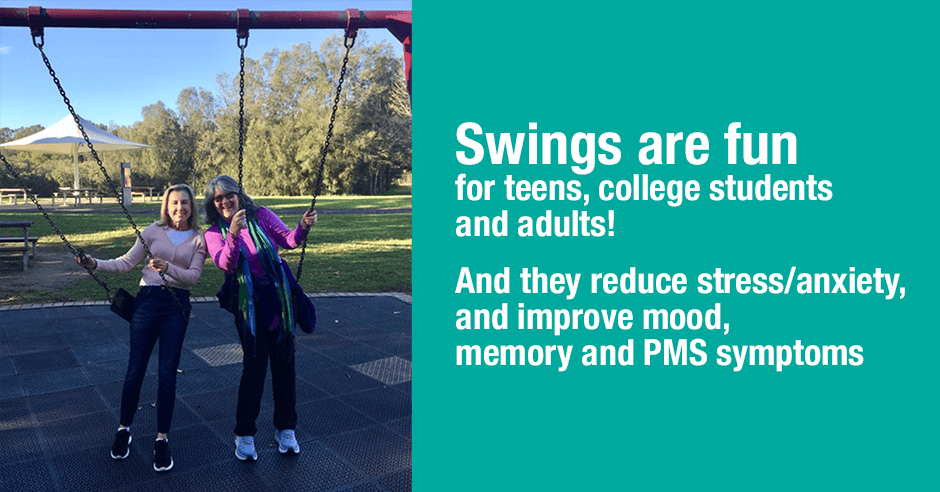
Swings are fun for teens, college students and adults! And they reduce stress/anxiety, and improve mood, memory and PMS symptoms

June 18, 2021 By Trudy Scott 21 Comments

swings for anxiety

Earlier this month I met up with a dear childhood friend for a walk and catch-up and we both rediscovered the joy of swings. I always suggest a walk or hike or swim when meeting with friends and colleagues, and this time was no different except that I really wanted to go somewhere with a swing!

The reason that I wanted to find a swing set was because I had just read an article about swings and teen girls needing a better place to hang out. I love the outdoors and love to play, laugh and have fun, and I couldn’t resist it once I started looking at the research. I discovered all the wonderful benefits of improved mood, reduced anxiety and stress, improved cognition and memory, reduced PMS symptoms, improved social relationships and reduced pain.

These pictures are us swinging and catching up – we laughed and laughed and had such fun!  It’s hard to believe we’ve been friends for close to 50 years and it always feels like we were never apart when we do get together.

swings

Our swing experience made it extra special this time! You can see the pure joy on our faces!

Teen girls needing a better public space to hang out

The recent Bloomberg article I had read, Teen Girls Need Better Public Spaces to Hang Out shares this:

Making space for girls means rethinking which age groups need to swing and climb, how to encourage physical activity (and not just playing a sport), and how to make a safe, sheltered place for outdoor conversation.

And this about movement:

While lack of activity among teens is a major public health issue, many girls are looking for more creative, less competitive ways of moving their bodies.

It features really cool images of swings called “Swing Time.” They are designed by Höweler + Yoon Architecture and deliver “the kind of fun, physical outdoor experience with room for face-to-face conversation that many teen girls are looking for.”

As I mentioned above, I was immediately intrigued because I love the idea of outdoor play and social interaction in a safe place for young girls.

Beth Jones, a Mindset and Wellness Coach who works with teen girls and their moms incorporating movement, play and nutrition, posted the Bloomberg article on Facebook saying:

I love this idea so much. I used to love going to the playground in my teens to swing, hang out, just have a space for me. There’s a reason why my business logo has a girl on a swing. That swinging and twisting are also so great for the vestibular system and can help calm anxiety (the back and forth swinging). Maybe they should bring back some swings to middle and high schools.

I’m familiar with the use of swings in occupational therapy to address sensory processing disorders in children. But I was also very interested to know if there was any research on the health benefits of swings for teens and adults. I went searching and was very pleased with what I found, hence this blog post.

Before we get into the research I’d like to extend a big thanks to Beth Jones for the inspiration for all this! Now the research …..

PMS symptoms improved: mood, stress, anxiety, social relationships, pain and memory

This small study, Vestibular stimulation for management of premenstrual syndrome found the following benefits after 2 months of using the swing in females 18-30 years of age:

  • Depression and stress scores decreased
  • Anxiety scores decreased (although it was not statistically significant)
  • Serum cortisol levels decreased.
  • Social relationships improved
  • Systolic blood pressure decreased (there was no change in diastolic blood pressure and pulse rate)
  • Pain levels decreased
  • Spatial and verbal memory improved

These are amazing benefits using something as simple as a swing. I feel we could safely extrapolate to younger teen girls and even women above 30 years of age too.

Swings for stress management in college students

Vestibular stimulation using swings is the specialty of Dr. Mukkadan, Founder and Research Director of Little Flower Medical Research Centre in India. Together with his team, he published the above PMS paper and this paper on Vestibular Stimulation for Stress Management in Students.

They recommend “placement of swings in college campuses … which may be a simple approach to alleviate stress among college students.”

This is such a simple and yet powerful (and also fun!) intervention especially given the huge rise in anxiety and mental health issues in students. It would be a perfect approach to use in conjunction with amino acid supplements and nutritional psychiatry for these students.

According to another study published by his team, college students will also see improved spatial and verbal memory.

What about swings for teen boys and all adults too?

Once I saw the images in the Bloomberg article, and after reading the research, and after playing on swings again after all these years, my thinking started expanding. I believe everyone could benefit from using a swing.

I certainly wanted to swing right away (hence the walk and swing meet up with my friend a few weeks ago) and now seek out swings when I go for walks. I would love to see an area set aside in parks for teen girls (and boys too) and as Beth says, in middle and high schools too. And how about a designated area in parks for adults who want to swing too?

There are now parks with Liberty swings for children and adults in wheelchairs. The vestibular benefits of rocking chairs are helping veterans dealing with substance abuse and mood issues. I also see an application for stress reduction in the workplace. The opportunities are endless.

Here are some of my recommendations:

  • Seek out swings in parks. Give it a try to see how you feel and how much you enjoy it!
  • Advocate for swings in your communities, middle schools, high schools, colleges and place of business.
  • Get a rocking chair for yourself and/or older family members
  • Get a swing for your backyard (suitable for teens and adults). I’m looking into options for my backyard and will share more once I find some suitable options.

When did you last go for a swing as an adult? How much fun was it!?

If it’s been some time, does this – my pictures and the research – inspire you to want to look for a swing and have a go again?

Does your teen or college student seek out outdoor play like swings and see benefits?

If you are an OT/occupational therapist or exercise physiologist or other health professional using vestibular therapy with swings please do share so we can all learn.

Feel free to post any questions here too.

Filed Under: Anxiety, Joy and happiness, Stress, Teens, Women's health Tagged With: adults, amino acids, anxiety, calm anxiety, cognition, college students, Dr. Mukkadan, fun, joy, laugh, liberty swing, memory, mood, nutritional psychiatry, pain, play, PMS, premenstrual syndrome, social relationships, stress, stress management, swing, Swings, teen girls, teens, vestibular system, veterans

Microdose lithium formulation is capable of halting signs of advanced Alzheimer’s and improving cognition

February 7, 2020 By Trudy Scott 59 Comments

microdose lithium formulation and alzheimer

In a new study, a team of researchers has shown that, when given in a formulation that facilitates passage to the brain, lithium in doses up to 400 times lower than what is currently being prescribed for mood disorders is capable of both halting signs of advanced Alzheimer’s pathology and of recovering lost cognitive abilities.

The above snippet is from a press release published in January 2020 on Science Daily: Can lithium halt progression of Alzheimer’s disease? Keep in mind that this is an animal study but the results are so promising.  I’m also very intrigued by the delivery method (more on that below).

In order to give this microdosing context, a typical adult prescription is 900-1800mg lithium carbonate/day.  I reached out to the lead author for clarification about the dosing of this new formulation and lead researcher Dr. Cuello shared this with me:

I calculate that our lithium dosage is 285 times lower concentration than the 900 mg dose (based on 70 kg of body weight) and 570 times lower than the 1800 mg dose.

This translates to around 3.2 mg to 6.4 mg NP03 based on 70kg of body weight (which is around 154.3 lbs).

NP03 is a disease-modifying nano dose formulation of lithium citrate which is used sublingually. I assume it’s not yet commercially available.

Also from the press release: “our findings show that microdoses of lithium in formulations such as the one we used, which facilitates passage to the brain through the brain-blood barrier while minimizing levels of lithium in the blood, sparing individuals from adverse effects, should find immediate therapeutic applications.”

Here is a link to the actual paper: NP03, a Microdose Lithium Formulation, Blunts Early Amyloid Post-Plaque Neuropathology in McGill-R-Thy1-APP Alzheimer-Like Transgenic Rats

Can we compare NP03 to low dose lithium orotate?

What is really interesting is that low dose lithium in the form of lithium orotate is commonly recommended by integrative practitioners for anxiety, mild mood swings, brain fog, ADHD and insomnia. I have found it to be extremely beneficial for many of my clients and have used it personally with success (for brain fog and insomnia).

Just how much lithium orotate is low dose? Typical doses are 5-10 mg per day, increasing to 20mg per day.

Can we compare NP03 to low dose lithium orotate? It’s too early to know for sure but we I believe we can start to make extrapolations, especially given that both are very low doses.

Integrative psychiatrist, Dr. James Greenblatt, MD has written extensively about low dose lithium orotate for the above purposes and for Alzheimer’s too. In this article, Lithium: The Cinderella Story About a Mineral That May Prevent Alzheimer’s Disease, he shares that

Scientists first became interested in the use of lithium for treating neurodegenerative disorders when they observed that bipolar patients using lithium therapy seemed to have lower rates of cognitive decline than peers on other medications.

He writes how an enzyme called Glycogen Synthase Kinase-3 (GSK-3) – a serine/threonine protein kinase – normally plays a major role in neural growth and development and how lithium

works as a direct GSK-3 inhibitor… halting inappropriate amyloid production and the hyper-phosphoryation of tau proteins before they become problematic.

If all this fascinates you as much as it does me, Dr. Greenblatt writes more about lithium orotate in his excellent book: “Nutritional Lithium: A Cinderella Story: The Untold Tale of a Mineral That Transforms Lives and Heals the Brain” (my Amazon link).

Lithium deficiency and the onset of Alzheimer’s disease: a 2025 study

Update August 8,  2025:

A new animal study, Lithium deficiency and the onset of Alzheimer’s disease (and published Aug 2025), supports the above, concluding that lithium orotate is “a potential approach to the prevention and treatment of Alzheimer’s disease.” The authors share this about lithium in the brain:

endogenous lithium is dynamically regulated in the brain and contributes to cognitive preservation during ageing. Of the metals we analysed, lithium was the only one that was significantly reduced in the brain in individuals with mild cognitive impairment (MCI), a precursor to Alzheimer’s disease. Lithium bioavailability was further reduced in Alzheimer’s disease by amyloid sequestration.

The authors explored the role of endogenous lithium in the brain (i.e. lithium within the brain) by depleting it from the diet of wild-type and Alzheimer’s disease mouse models and found that:

Reducing endogenous cortical lithium by approximately 50% markedly increased the deposition of amyloid-β and the accumulation of phospho-tau, and led to pro-inflammatory microglial activation, the loss of synapses, axons and myelin, and accelerated cognitive decline.

It’s exciting that they found that lithium orotate, “a lithium salt with reduced amyloid binding, prevents pathological changes and memory loss in Alzheimer’s disease mouse models and ageing wild-type mice.” And this paper also mentions the fact that these “effects were mediated, at least in part, through activation of the kinase GSK3β.”

They conclude that:

These findings reveal physiological effects of endogenous lithium in the brain and indicate that disruption of lithium homeostasis may be an early event in the pathogenesis (cause) of Alzheimer’s disease. Lithium replacement with amyloid-evading salts [such as lithium orotate] is a potential approach to the prevention and treatment of Alzheimer’s disease.

Given the concerns with the toxicity of high dose prescription lithium carbonate, I appreciate that this was addressed:

An important limitation in the treatment of aged individuals with pharmacological doses of lithium [i.e. lithium carbonate] is kidney and thyroid toxicity. It is encouraging that toxicity could not be detected following long-term treatment of ageing mice with a low dose of lithium orotate.

Alzheimer’s and cognitive decline have many root causes

Keep in mind that Alzheimer’s and cognitive decline have many root causes that must be considered. This may include inflammation, stress and candida, and even insecticide exposure.

The best Alzheimer’s book is “The End of Alzheimer’s: The First Program to Prevent and Reverse Cognitive Decline” by Dr. Dale Bredeson (my Amazon link). He doesn’t mention lithium orotate so I look forward to hearing his thoughts on this new research. [I’ll come and update the blog when I do]

You can read about some of Dr. Bredesen’s work here: Alzheimer’s disease, mercury and mycotoxins.

Benzodiazepines have also been linked to increased Alzheimer’s risk which is why a nutritional approach for anxiety is the best approach. Let’s use the amino acids like GABA (for physical anxiety), and tryptophan (for worry and fears), as well as dietary changes and improving gut health instead of anti-anxiety medications (more on these below).

Additional resources when you are new to using tryptophan and other amino acids as supplements

As always, I use the symptoms questionnaire to figure out if low serotonin or other neurotransmitter imbalances may be an issue.

If you suspect low levels of any of the neurotransmitters and do not yet have my book, The Antianxiety Food Solution – How the Foods You Eat Can Help You Calm Your Anxious Mind, Improve Your Mood, and End Cravings, I highly recommend getting it and reading it before jumping in and using amino acids on your own so you are knowledgeable. And be sure to share it with the practitioner/health team you or your loved one is working with.

There is an entire chapter on the amino acids and they are discussed throughout the book in the sections on gut health, gluten, blood sugar control (this is covered in an entire chapter too), sugar cravings, anxiety and mood issues.

The book doesn’t include product names (per the publisher’s request) so this blog, The Antianxiety Food Solution Amino Acid and Pyroluria Supplements, lists the amino acids that I use with my individual clients and those in my group programs.

If, after reading this blog and my book, you don’t feel comfortable figuring things out on your own (i.e. doing the symptoms questionnaire and respective amino acids trials), a good place to get help is the GABA QuickStart Program (if you have low GABA symptoms). This is a paid online/virtual group program where you get my guidance and community support. You can sign up to be notified when the next live launch is happening.

If you need serotonin support, the Serotonin QuickStart Program is a good place to get help. This is also a paid online/virtual group program where you get my guidance on using tryptophan and 5-HTP safely, and community support during 5 LIVE Q&A calls. You can sign up to be notified when the next live launch of this program is happening.

If you are a practitioner, join us in The Balancing Neurotransmitters: the Fundamentals program. This is also a paid online/virtual program with an opportunity to interact with me and other practitioners who are also using the amino acids.

Wrapping up and your feedback

I look forward to human clinical trials of NP03. Dr. Cuello “ believes that there is an excellent opportunity to launch initial clinical trials of this formulation with populations with detectable preclinical Alzheimer’s pathology or with populations genetically predisposed to Alzheimer’s, such as adult individuals with Down Syndrome.”

I also look forward to human clinical trials of lithium orotate for Alzheimer’s disease. And  I would love to see lithium orotate compared to NP03 in future research.

In the meantime I feel this research is exciting because it supports so much of what is being seen clinically with lithium orotate.

Have you used lithium orotate with success? How much has helped you and have you seen cognitive benefits? What about a more even mood, better sleep and less anxiety?

And have you or a family member seen improvements with the Bredesen protocol?

Filed Under: Alzheimer's disease, Anxiety Tagged With: alzheimer's, anxiety, benzodizepines, brain fog, cognition, cognitive, Dr. Dale Bredesen, Dr. James Greenblatt, insomnia, lithium, lithium citrate, lithium orotate, low-dose, Microdose, mood swings

  • Page 1
  • Page 2
  • Go to Next Page »

Primary Sidebar

NEW! GABA QuickStart Homestudy (with special intro pricing)

gaba quickstart homestudy

Free Report

9 Great Questions Women Ask about Food, Mood and their Health

You'll also receive a complimentary subscription to my ezine "Food, Mood and Gal Stuff"


Connect with me

Popular Posts

  • Amino Acids Mood Questionnaire from The Antianxiety Food Solution
  • The Antianxiety Food Solution Amino Acid and Pyroluria Supplements
  • Pyroluria Questionnaire from The Antianxiety Food Solution
  • Collagen and gelatin lower serotonin: does this increase your anxiety and depression?
  • Tryptophan for the worry-in-your-head and ruminating type of anxiety
  • GABA for the physical-tension and stiff-and-tense-muscles type of anxiety
  • The Antianxiety Food Solution by Trudy Scott
  • Seriphos Original Formula is back: the best product for anxiety and insomnia caused by high cortisol
  • Am I an anxious introvert because of low zinc and vitamin B6? My response to Huffington Post blog
  • Vagus nerve rehab with GABA, breathing, humming, gargling and key nutrients

Recent Posts

  • What do I use instead of Seriphos to help lower high cortisol that is affecting my sleep and making me anxious at night?
  • BeSerene™ GABA/theanine cream eases severe muscle tension in her neck/shoulders, prevents her bad headaches and quells her anxiety
  • How the correct approach, dose and sublingual use of GABA can be calming and not cause a flushed and itchy face and neck
  • The amino acid glutamine improves low mood by addressing gut health, and it has calming effects too
  • Flight anxiety with heightened breath, physical tension and also fearing the worst (the role of low GABA and low serotonin)

Categories

  • 5-HTP
  • AB575
  • Addiction
  • ADHD
  • Adrenals
  • Alcohol
  • Allergies
  • Alzheimer's disease
  • Amino Acids
  • Anger
  • Antianxiety
  • Antianxiety Food Solution
  • Antidepressants
  • Anxiety
  • Anxiety and panic
  • Autism
  • Autoimmunity
  • benzodiazapines
  • Bipolar disorder
  • Books
  • Caffeine
  • Cancer
  • Candida
  • Children/Teens
  • Collagen
  • Cooking equipment
  • Coronavirus/COVID-19
  • Cravings
  • Depression
  • Detoxification
  • Diabetes
  • Diet
  • DPA/DLPA
  • Drugs
  • EFT/Tapping
  • EMF
  • EMFs
  • Emotional Eating
  • Endorphins
  • Environment
  • Essential oils
  • Events
  • Exercise
  • Fear
  • Fear of public speaking
  • Fertility and Pregnancy
  • Fish
  • Food
  • Food and mood
  • Functional neurology
  • GABA
  • Gene polymorphisms
  • General Health
  • Giving
  • Giving back
  • Glutamine
  • Gluten
  • GMOs
  • Gratitude
  • Gut health
  • Heart health/hypertension
  • Histamine
  • Hormone
  • Hyperparathyroidism
  • Hypoglycemia
  • Immune system
  • Inflammation
  • Insomnia
  • Inspiration
  • Introversion
  • Joy and happiness
  • Ketogenic diet
  • Lithium orotate
  • Looking awesome
  • Lyme disease and co-infections
  • MCAS/histamine
  • Medication
  • Men's health
  • Mental health
  • Mercury
  • Migraine
  • Mold
  • Movie
  • MTHFR
  • Multiple sclerosis
  • Music
  • NANP
  • Nature
  • Nutritional Psychiatry
  • OCD
  • Osteoporosis
  • Oxalates
  • Oxytocin
  • Pain
  • Paleo
  • Parasites
  • Parkinson’s disease
  • PCOS
  • People
  • PMS
  • Postpartum
  • PTSD/Trauma
  • Pyroluria
  • Questionnaires
  • Real whole food
  • Recipes
  • Research
  • Schizophrenia
  • serotonin
  • SIBO
  • Sleep
  • Special diets
  • Sports nutrition
  • Stress
  • Sugar addiction
  • Sugar and mood
  • Supplements
  • Teens
  • Testimonials
  • Testing
  • The Anxiety Summit
  • The Anxiety Summit 2
  • The Anxiety Summit 3
  • The Anxiety Summit 4
  • The Anxiety Summit 5
  • The Anxiety Summit 6
  • Thyroid
  • Thyroid health
  • Toxins
  • Tryptophan
  • Tyrosine
  • Uncategorized
  • Vegan/vegetarian
  • Women's health
  • Yoga

Archives

  • October 2025
  • September 2025
  • August 2025
  • July 2025
  • June 2025
  • May 2025
  • April 2025
  • March 2025
  • February 2025
  • January 2025
  • November 2024
  • October 2024
  • September 2024
  • August 2024
  • July 2024
  • June 2024
  • May 2024
  • April 2024
  • March 2024
  • February 2024
  • January 2024
  • December 2023
  • November 2023
  • October 2023
  • September 2023
  • August 2023
  • July 2023
  • June 2023
  • May 2023
  • April 2023
  • March 2023
  • February 2023
  • January 2023
  • December 2022
  • November 2022
  • October 2022
  • September 2022
  • August 2022
  • July 2022
  • June 2022
  • May 2022
  • April 2022
  • March 2022
  • February 2022
  • January 2022
  • December 2021
  • November 2021
  • October 2021
  • September 2021
  • August 2021
  • July 2021
  • June 2021
  • May 2021
  • April 2021
  • March 2021
  • February 2021
  • January 2021
  • December 2020
  • November 2020
  • October 2020
  • September 2020
  • August 2020
  • July 2020
  • June 2020
  • May 2020
  • April 2020
  • March 2020
  • February 2020
  • January 2020
  • December 2019
  • November 2019
  • October 2019
  • September 2019
  • August 2019
  • July 2019
  • June 2019
  • May 2019
  • April 2019
  • March 2019
  • February 2019
  • January 2019
  • December 2018
  • November 2018
  • October 2018
  • September 2018
  • August 2018
  • July 2018
  • June 2018
  • May 2018
  • April 2018
  • March 2018
  • February 2018
  • January 2018
  • December 2017
  • November 2017
  • October 2017
  • September 2017
  • August 2017
  • July 2017
  • June 2017
  • May 2017
  • April 2017
  • March 2017
  • February 2017
  • January 2017
  • December 2016
  • November 2016
  • October 2016
  • September 2016
  • August 2016
  • July 2016
  • June 2016
  • May 2016
  • April 2016
  • March 2016
  • February 2016
  • January 2016
  • December 2015
  • November 2015
  • October 2015
  • September 2015
  • August 2015
  • July 2015
  • June 2015
  • May 2015
  • April 2015
  • March 2015
  • February 2015
  • January 2015
  • December 2014
  • November 2014
  • October 2014
  • September 2014
  • August 2014
  • July 2014
  • June 2014
  • May 2014
  • April 2014
  • March 2014
  • February 2014
  • January 2014
  • December 2013
  • November 2013
  • October 2013
  • September 2013
  • August 2013
  • July 2013
  • June 2013
  • May 2013
  • April 2013
  • March 2013
  • February 2013
  • January 2013
  • December 2012
  • November 2012
  • October 2012
  • August 2012
  • July 2012
  • June 2012
  • May 2012
  • April 2012
  • March 2012
  • February 2012
  • January 2012
  • December 2011
  • November 2011
  • October 2011
  • September 2011
  • August 2011
  • July 2011
  • June 2011
  • May 2011
  • April 2011
  • March 2011
  • February 2011
  • January 2011
  • December 2010
  • October 2010
  • September 2010
  • July 2010
  • May 2010
  • April 2010
  • March 2010
  • February 2010
  • January 2010
  • November 2009

Share the knowledge!

The above statements have not been evaluated by the Food and Drug Administration. Products listed in this website are not intended to diagnose, treat, cure or prevent any disease.

The information provided on this site is for informational and educational purposes only and is not intended as a substitute for advice from your physician or other health care professional. You should consult with a healthcare professional before starting or modifying any diet, exercise, or supplementation program, before taking or stopping any medication, or if you have or suspect you may have a health problem.


Copyright © 2026 Trudy Scott. All Rights Reserved. | Privacy | Terms and Conditions | Refund Policy | Medical Disclaimer

Free Report

9 Great Questions Women Ask about Food, Mood and their Health

You’ll also receive a complimentary subscription to my ezine “Food, Mood and Gal Stuff”