• Skip to primary navigation
  • Skip to main content
  • Skip to primary sidebar

everywomanover29 blog

Food, Mood and Women's Health – Be your healthiest, look and feel great!

  • Blog
  • About
  • Services
  • Store
  • Resources
  • Testimonials
  • The Book
  • Newsletter
  • Contact
  • Search this site

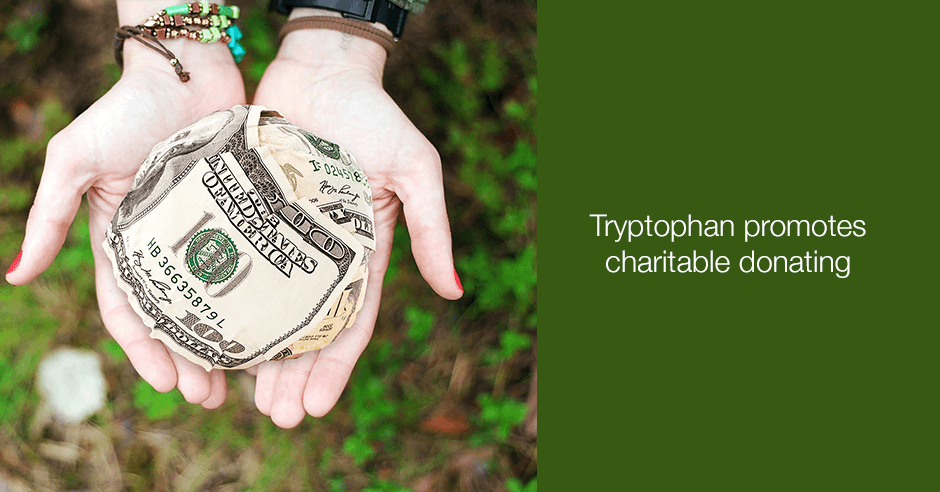
Tryptophan promotes charitable donating

February 9, 2018 By Trudy Scott 2 Comments

This 2014 study is one of my all-time favorite applications of tryptophan, an amino acid I use extensively with anxious clients. The goal of the study, Tryptophan promotes charitable donating, was to investigate the link between serotonin and charitable giving, something the authors consider to be “one of the most important elements of prosocial behavior.” They offer this quote by Molière:

Every good act is charity. A man’s true wealth hereafter is the good that he does in this world to his fellow.

In this study they tested whether charitable donating or giving can be promoted with the use of the amino acid tryptophan, the biochemical precursor of serotonin:

Participants were compared with respect to the amount of money they donated when given the opportunity to make a charitable donation.

Additional information about the study

Here is some additional information about the study, where the study group was given 800mg of tryptophan:

Thirty-two healthy international south European students (mean age = 21.8; 4 male, 28 female; mean Body Mass Index = 21.5, range 17.8–30.8) with no cardiac, hepatic, renal, neurological, or psychiatric disorders, personal or family history of depression, migraine and medication or drug use participated in the experiment.

Sixteen participants (2 male, 14 female) were exposed to an oral dose (powder) of 0.8 grams [which is 800mg] of tryptophan – which roughly corresponds to the amount of TRP contained in 3 eggs–and 16 (2 male, 14 female) to 0.8 grams of microcrystalline cellulose, a neutral placebo. These doses were always dissolved in 200 ml of orange juice.

The donating task was standardized, without the presence of an experimenter, and with a fixed amount of money in a fixed number of notes and coins:

…Participants were not informed beforehand that the donating task was part of the experiment. Donating behavior was measured by the amount of money the participant donated. After having received 10 Euros… for their participation in the study, participants were left alone and asked whether they were willing to donate part of their financial reward to charity. Four money boxes (Unicef, Amnesty International, Greenpeace, and World Wildlife Fund) had been positioned on the table.

Here are the results:

As expected, compared to a neutral placebo, [tryptophan] appears to increase the participants’ willingness to donate money to a charity.

The serotonin oxytocin connection

The authors mention the “functional and anatomical interactions between serotonergic and oxytocinergic systems” and that “it may be likely that the willingness to donate money to a charity is modulated by the effect that serotonin exerts on oxytocin levels.”

My perspectives

I always like to add my perspectives on studies like this so here goes. We know that because tryptophan boosts serotonin it’s going to improve mood and reduce anxiety, worrying and fears. When you feel better, lighter, happier and calmer you feel like anything is possible and I can see how this could translate to feeling more caring and wanting to be charitable.

The authors do mention how low serotonin is correlated with “antisocial behaviors such as social isolation and aggression.” Anger and irritability is also something we see when serotonin is low. Of course, these are also antisocial behaviors.

Here is the amino acid questionnaire with the low serotonin section.  I’d like to add this new sign to the questionnaire and wonder what would work: Lack of charitability? No desire to give to charity?  

One additional comment is that with the work I do, the amino acids are used when you show signs of low serotonin such as anxiety or worry or depression or insomnia or afternoon/evening cravings. I use the trial-response method to determine if you’ll actually respond to tryptophan i.e. experience benefits and how much you will need to see those benefits. I starting dose is typically 500mg tryptophan and I have found the Lidtke brand to be the most effective. You can read more on tryptophan here.

Because of this I’m intrigued with this application of using tryptophan in healthy individuals. But I’d also be cautious based on what I’ve seen with clients who don’t need serotonin support and take tryptophan – they can feel too sleepy or even more sad or more anxious. This would be my hesitation in saying we should give everyone tryptophan in order to create a more charitable and giving society. I do however agree with the authors about the importance of a quality real whole foods diet with adequate quality animal protein, saying the study result:

supports the idea that the food we eat may act as a cognitive enhancer modulating the way we think and perceive the world and others.

The lead author, Professor Laura Steenbergen, works in the Cognitive Psychology Unit, Institute for Psychological Research and Leiden Institute for Brain and Cognition, Leiden University Leiden, Netherlands, as is doing some very interesting research with amino acids, cognitive enhancement and mood improvement. It’s really exciting!

We’d love to hear if you feel more charitable and giving when you take tryptophan or 5-HTP (since it also boosts serotonin)?

And if you feel more charitable and giving when you eat a quality real whole foods diet with adequate quality animal protein?
Filed Under: Tryptophan Tagged With: anxiety, Charitable, cognition, donation, giving, oxytocin, serotonin, tryptophan

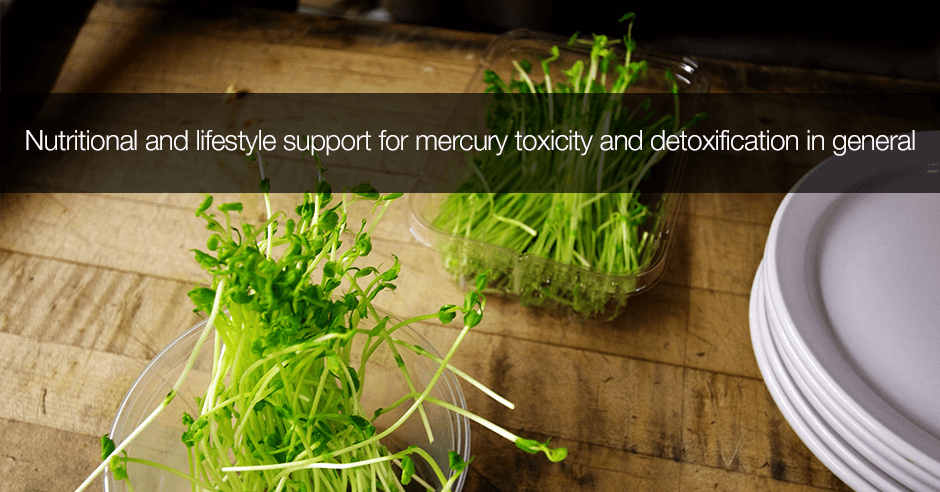
Nutritional and lifestyle support for mercury toxicity and detoxification in general

February 4, 2018 By Trudy Scott 7 Comments


I’ve poured through most of the transcripts of the Heavy Metals Summit and there is so much information on nutritional and lifestyle support for mercury toxicity and the detoxification process in general:

  • sweating and using a sauna in order to detox through the skin
  • broccoli sprouts (due to a glutathione boost from sulforaphane, an organosulfur compound – in Julie Matthews’s interview)
  • reducing EMF/ELF and microwave exposure – in Dr. Mercola’s talk! He shares how all this can make matters worse and has some simple approaches like turning off power in the bedroom at night! This was new to me and a brilliant approach!
  • eating organic (to minimize GMO/glyphosate effects on a leaky gut and a leaky blood brain barrier) and never using Roundup
  • addressing low zinc and low selenium
  • supporting methylation so the body can detox on it’s own
  • supporting the liver and increasing bile production which is needed for detoxification
  • addressing low stomach acid which is needed for bile production and absorption of minerals like zinc (which is depleted by heavy metals)
  • avoiding meds like PPIs (which reduce stomach acid) and NSAIDs (which contribute to leaky gut)
  • thyroid support/iodine (as needed)
  • getting the brain’s glymphatic system working with sufficient sleep, melatonin (liposomal) and even liposomal GABA (in Dr. Christine Schaffer’s interview)
  • supporting the vagus nerve in order to improve digestion and detoxification
  • using an air filter and water filters
  • using foods/products like curcumin, ginger, probiotics, apple pectin
  • adding DPP-4 enzyme for gluten issues (mercury depletes this)
  • avoid energy-efficient bulbs (they are high mercury)
  • having Epsom salts baths
  • improving elimination from the bowels and much more

This is the support I offer as a nutritionist and it’s wonderful to hear all these doctors/practitioners discuss about all this with a tie back to mercury, lead and other metals.

Whey is not mentioned on the summit but since someone shared how it’s benefiting her (in the comments of the Boyd Haley blog) I’m sharing here too since it helps with glutathione production. In this paper “a case is made for the use of hydrolyzed whey protein to support metal detoxification and neurological function.” I recommend whey to clients if tolerated.

Many years ago I heard a presentation by a biological dentist who then became a nutritionist – he shared that he used whey with mercury toxic patients (together with other nutrients) and saw metals go up in hair analysis and then come down as their symptoms improved.

As I’ve mentioned in the past, mercury chelation is a controversial topic and you’ll see comments very divided on what the safest approach is. This is not my area of expertise and I’m very cautious with recommendations in this area as I’ve had reports of harm from individuals using all the approaches you’ll hear about on the summit (and even the Andy Cutler protocol which is not covered). My best advice is to follow all the nutritional/lifestyle recommendations and if you do decide to go the chelation root, do your homework, find a practitioner to work with and listen to your gut. If what you’re doing doesn’t feel right then stop doing it.

As with any chronic health condition, mercury detox is a comprehensive approach and very individualized.

There is also a discussion about safe removal of amalgams/mercury fillings. They do need to be done safely so as not to cause further issues. The IOMT also offers excellent guidelines.

The summit also covers other metals like copper (Ann Louise Gittleman covers this and I blog about it here), arsenic (Dr. Joseph Pizzorno covers this – reducing consumption is a big factor; and non-organic chicken is a source) and aluminum.

You can still register here to hear day 7 interviews and the encores: The Heavy Metals Summit.

Have you seen benefits with a nutritional approach?

Filed Under: Events Tagged With: anxiety, broccoli, detox, detoxification, heavy metals summit, liver support, magnesium, mercury, mercury toxicity, minerals, nutritional, nutritional support, sauna, sleep, zinc

Berries: cognition, PTSD, inflammation, microbiome, anxiety and depression

February 2, 2018 By Trudy Scott 11 Comments

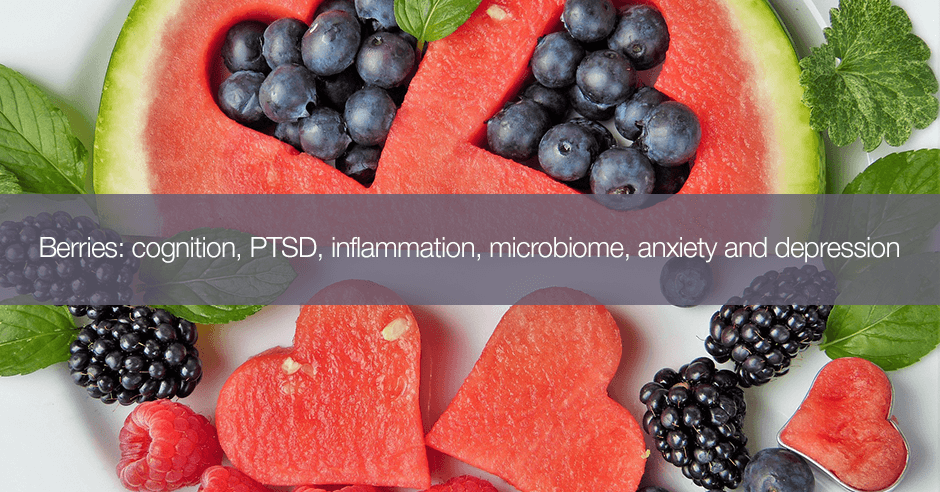
Berries such as blueberries, raspberries, raspberries and strawberries have so many health benefits, including but not limited to improving cognitive function, offering benefits for PTSD (post-traumatic stress disorder), reducing inflammation and even increasing good bacteria in our gut. There are even initial promising results of a compound in blackberries having antibiotic like properties against drug-resistant bacteria MRSA (methicillin resistant staphylococcus aureus).

Blueberries improve cognition

In a 2017 randomized, double-blind, placebo-controlled trial, dietary blueberries were found to improve cognition among older adults

In this study, 13 men and 24 women, between the ages of 60 and 75 years, were recruited into a randomized, double-blind, placebo-controlled trial in which they consumed either freeze-dried blueberry (24 g/day, equivalent to 1 cup of fresh blueberries) or a blueberry placebo for 90 days.

The findings show that the addition of 1 daily cup of blueberries to the diets of older adults can improve some aspects of cognition, such as

…significantly fewer repetition errors … in the California Verbal Learning Test (CLVT), a neuropsychological test which can be used to assess verbal memory abilities.

… fewer errors on trials when they switched to a new task as part of a task-switching test. Task switching is an important component of executive function, a collection of brain processes that are responsible for guiding thought and behavior.

This research was funded by the U.S. Highbush Blueberry Council.

Blueberries boost serotonin and ease PTSD

A study presented in 2016 reports that blueberries boost serotonin and may help with PTSD and anxiety. This was an animal study where the traumatized rats were fed a blueberry-enriched diet. The study authors report an increase in serotonin levels and suggest that these findings

indicate non-pharmacological approaches might modulate neurotransmitters in PTSD.

Presumably this could help if you have anxiety and depression too, since low serotonin is often one of the underlying factors.  

Anti-inflammatory activity of berry fruits

A 2016 study compared the anti-inflammatory and antioxidant effects of extracts of Lycium barbarum (found in goji berries), Vaccinium macrocarpon (found in cranberries) and Vaccinium myrtillus (found in blueberries).

High amounts of phenolic compounds, including rutin, were identified in all berries extracts. Quercetin was identified in blueberries and cranberries. Hepatic/liver concentrations of glutathione were higher in animals treated with goji berry extracts. Overall the study reports that:

These results suggest that quercetin, rutin, or other phenolic compounds found in these berry fruits extracts could produce an anti-inflammatory response based on modulation of oxidative stress.

We know that inflammation plays a role in mood issues so this is yet another mechanism for supporting your body nutritionally.

Wild blueberry powder drink increases bifidobacteria in the human gut

Wild blueberries are a rich source of polyphenols, fiber and other compounds that are metabolized by the intestinal microbiota. A 2011 human study reports that six weeks of consumption of a wild blueberry (Vaccinium angustifolium) drink can positively impact the composition of the intestinal microbiome, by increasing levels of Bifidobacterium.

There are numerous studies showing the benefits of bifidobacteria probiotics on mood and anxiety. Here are a few of them:

  • reduced depressive symptoms in IBS patients
  • reduced anxiety (animal study)
  • reduced inflammation, balanced neurotransmitters and a positive impact on the HPA axis (animal study)

Blackberry compound as an antibiotic against MRSA?

This section doesn’t involve eating blackberries but I’m including it because I just love this story, it’s inspiring and it has not received any coverage in the mainstream media. An article in a local publication reports that Irish teen wins top science prize for blackberry antibiotic that fights resistant bacteria

A 15-year-old science student Simon Meehan of Coláiste Choilm won first place in the 54th BT Young Scientist & Technology Exhibition. His discovery is that chemicals found within blackberries could form antibiotics that kills Staphylococcus aureus – often known as MRSA and well known for being resistant to antibiotics.

And he says his grandfather – a herbalist – was the inspiration that kept him going, keeping a frame picture of him at his side whilst he worked.

Professor John O’Halloran, who helped judge the competition, was fulsome in his praise for Simon’s work: “This is a really exciting project which explores the possibility of the blackberry leaf extracts’ ability to control harmful bacteria. The unexpected findings deliver a unique approach to killing bacteria using natural plant active ingredients.

You can watch a video of Simon Meehan sharing more about this investigation and the result here:

Simon Meehan of Coláiste Choilm, Cork investigates the antimicrobial effects of aerial & root parts of selected plants against Staphylococcus aureus.

Here are some ways to enjoy berries in your diet:

  • Fresh berries as a healthy snack
  • Berries like blueberries are quite delicious when eaten frozen too – kids often love them like this
  • In a smoothie for breakfast, together with coconut milk, a banana and some whey, pea or other quality protein powder (great for good blood sugar control/hypoglycemia and reducing anxiety and irritability too)
  • As a dessert with grass-fed organic ice-cream or cream, or coconut milk if dairy is an issue for you
  • Dunked in melted dark organic free-trade chocolate as an occasional treat
  • Freeze-dried or dehydrated berries as a camping or travel snack

Make sure to buy organic berries as non-organic are on the Dirty Dozen list and are highly sprayed with pesticides.

How do you enjoy eating your berries and how often do you eat them?

Filed Under: Food Tagged With: antibiotic, anxiety, Berries, bifidiobacteria, blackberries, blueberries, cognition, depression, Inflammation, microbiome, PTSD, serotonin, Simon Meehan

Broken Brain: Anxiety, depression and medication side-effects

January 27, 2018 By Trudy Scott Leave a Comment

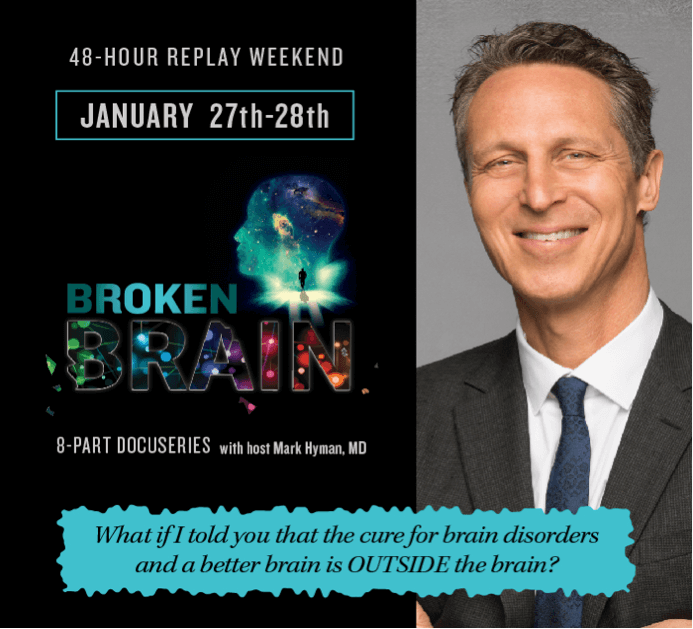
Dr. Mark Hyman, MD, host of the 8-part Broken Brain docuseries, makes this bold statement which is supported by the 58 experts in the docuseries:

What if I told you that the cure for brain disorders and a better brain is OUTSIDE the brain?  

Dr. Hyla Cass, integrative psychiatrist, and author of 8 Weeks to Vibrant Health, and The Addicted Brain, shares some of the side effects of antidepressant medications in her interview in Episode 5 – Anxiety and Depression:

  • some people start to imagine they are getting messages to do harm to themselves; one woman she worked with had weird thoughts of hurting someone
  • some people lose joy and are flat and experience sexual side-effects – this can affect relationships
  • weight gain of 10-20-30 pounds is not uncommon

Dr. Cass also mentions the side-effect called akathisia where it feels like you are crawling out of your skin. This is described in Drug-Induced Akathisia as follows:

Akathisia consists of subjective inner restlessness, such as awareness of the inability to remain seated, restless legs, fidgetiness, and the desire to move constantly, and of objective increased motor phenomena, such as body rocking, shifting from foot to foot, stamping in place, crossing and uncrossing legs, pacing around.

In this paper, Akathisia: overlooked at a cost

It is a recognized side effect of antipsychotic and antiemetic [or anti-nausea] drugs but may also be caused by other widely prescribed drugs such as antidepressants.

As Dr. Hyman states the cure for brain disorders is OUTSIDE the brain, and Dr. Cass reinforces this sharing that we have ability to heal ourselves when given the right materials and when we get to the root cause.

She recommends a nutritional approach using targeted and specific nutrients based on each person’s unique need. Here are some of the many root caused she looks into and addresses:

  • a B12 and other B vitamin deficiencies
  • MTHFR defects
  • hormonal imbalances
  • low levels of neurotransmitters

Dr. Cass also discusses sensible medication withdrawal approaches and much more.

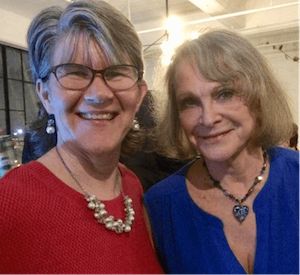
I’m a big fan of Dr. Cass and her interview is one of my favorite interviews in the series. She is both a colleague and good friend – here we are in LA in November when I had the opportunity to interview Dr. Hyman.

Here’s a list of ALL the episodes. Each one is available during the replay period:

  1. The Broken Brain Epidemic / Dr. Hyman’s Story
  2. Gut Brain Connection: Getting to The Root of a Broken Brain
  3. Losing Your Mind (Alzheimer’s, Dementia, MS, and more)
  4. ADHD and Autism
  5. Depression & Anxiety
  6. Traumatic Brain Injury: Accidents, Sports, and more
  7. 7 Steps to An UltraMind (Part 1)
  8. 7 Steps to An UltraMind (Part 2)

You can watch the entire 8-part Broken Brain docuseries by clicking here

All episodes will be aired until midnight on Sunday (9pm PST/ 11:59pm EST).

Keep in mind that what you’re seeing in episode 5 is a short section of Dr. Cass’ full interview. You can get access to her entire interview (video and transcript) and those of the other 58 speakers when you upgrade/purchase the series.

If you are considering purchasing the series now is the time to do it because prices will go up by 50% once it ends. As Dr. Hyman says: “Own Broken Brain and own your future.”  

Enjoy!

Filed Under: Events Tagged With: broken brain, Hyla Cass, mark hyman

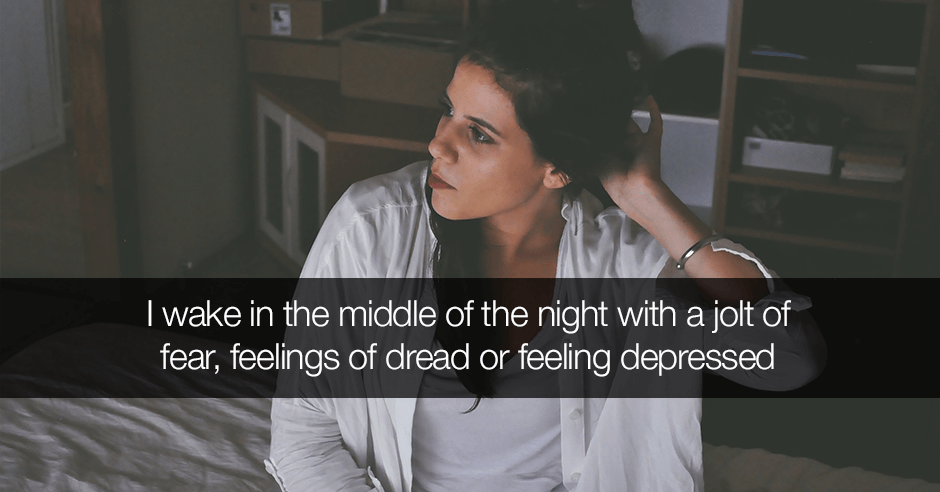
I wake in the middle of the night with a jolt of fear, feelings of dread or feeling depressed

January 26, 2018 By Trudy Scott 33 Comments

Waking in the night feeling anxious and with a jolt of fear, having a panic attack, experiencing feelings of impending doom, with a pounding heart and even feeling depressed is a common issue I see with clients and it’s a common question that I’m often asked on my blog and on Facebook.

Here is a typical question you may relate to:

I usually wake between 5-6 am and have this overwhelming feeling of dread and start thinking of all the things I have to get done. And then I can’t fall back asleep. What is this?

Or this one:

Does anyone have severe depression when waking up in the middle of the night, but never during the day or before falling asleep. It doesn’t go away until after I’m fully awake and upright in the morning.

Low serotonin?

Serotonin is known to dip later in the day and at night and we know low serotonin can cause depression and insomnia/waking in the night, so my first thought would be to assess for low serotonin and address this if it is the case. I use the questionnaire and trial method.

I always start with tryptophan, but may switch to 5-HTP if that’s not working as expected as some people do better on one versus the other. We add melatonin if the tryptophan or 5-HTP isn’t quite enough to help with the waking.

There are many possible causes of low serotonin so over the course of the next few months these will be addressed too, on a case by case basis. Some of the causes in include: a poor diet, low stomach acid, malabsorption, low zinc, low B6, low iron, low magnesium, dysbiosis and/or parasites and/or candida, the birth control pill, MTHFR defects (with this defect expressing) etc.

Low GABA?

Low GABA levels may be a factor too as this can contribute to insomnia and waking, especially when there is physical tension. New research reports GABA’s involvement in unwanted thoughts and it’s a common factor in my community and clients. Again, I use the questionnaire and trial method to find the ideal amount of GABA for each person.

High cortisol?

High cortisol in the night can also be a factor and I suspect this when someone says they wake with a jolt of fear or feels what they describe as an adrenalin rush. Saliva testing can confirm cortisol levels and Seriphos is the best product I’ve found to lower high cortisol. Addressing low blood sugar and finding the root cause of the adrenal issues are also key. General adrenal support with B vitamins and adaptogenic herbs are often needed too.

Hormone imbalances and/or PMS?

Here is another typical question you may relate to:

I’ve had the worst week regards 3am panic attacks, lurid dreams and wake up aching. It always feels like the end of the world and yet I get up and stagger out to do my morning routines and all is right with the world (apart from physical aches and pains). I have often had bouts of this. It’s a week to go until my period.

If the anxiety or panic attacks are cyclical and tied to your menstrual cycle I will still start with a trial of tryptophan which has been shown to help PMS, tension, depression and mood swings. Serotonin support also helps with fibromyalgia-type aches and pains.

A trial of GABA is often needed too and can help with alleviating the panic attacks, waking and some of the aches. Other factors like a gluten sensitivities, adrenal issues and high oxalates may also play a role in physical aches.

Lurid dreams clues me into the possibility of low vitamin B6, which is an important co-factor for making both GABA and serotonin, as well as being important for alleviating PMS symptoms and the social anxiety condition called pyroluria. The pyroluria protocol, with vitamin B6, zinc and evening primrose oil, helps both the social anxiety as well as PMS symptoms and insomnia.

Address the basics

You may be looking for the perfect supplement to help and while the amino acids come pretty close to being that, it goes without saying that you want to always address the basics. This means making sure you are eating a real whole food diet with quality animal protein and getting that animal protein at breakfast in order to balance blood sugar. The following needs to be eliminated too: caffeine, gluten and sugar. Some individuals do even better on a ketogenic diet.

Looking at sleep hygiene factors fall under the basics too: a dark, cool and quiet room, no PC or iPhone late at night, no iPhone or other EMF sources close by, sunlight exposure in the early morning etc.

And we mustn’t forget stress reduction, exercise and nature.

Address other bigger issues

Medication side-effects must always be considered. Here are a few examples:

  • benzodiazepines, commonly prescribed for anxiety and insomnia, can increase anxiety and worsen insomnia as tolerance develops and during withdrawal
  • beta-blockers, prescribed for high blood pressure can affect melatonin levels;
  • some antidepressants ‘may worsen or cause primary sleep disorders like restless legs syndrome, sleep bruxism, REM sleep behavior disorder, nightmares, and sleep apnea, which may result from an antidepressant-induced weight gain.’

Hashimoto’s thyroiditis must also always be considered especially when there are fluctuations in mood, anxiety and sleep. These fluctuations in mood and anxiety can happen at any time of the day and not necessarily in the night.

If the insomnia and middle of the night anxiety and depression persists we continue to dig and look at dietary histamine and oxalate issues, SIBO, parasites and other digestive issues.

If we are still not seeing all the expected results then a referral for Lyme disease, mold toxicity, sleep apnea, TBI (traumatic brain injury) and heavy metals may be needed.  Current or past  trauma and support for PTSD must also be considered – this can be therapy-based and nutritional support.

My checklist

My checklist when I start when working with someone with issues similar to the above. This will be tweaked based on each person’s own biochemistry and where they are in terms of diet, supplements and lifestyle:

  • Low serotonin? Do a tryptophan or 5-HTP trial
  • Low melatonin? If tryptophan or 5-HTP trial isn’t quite enough then add melatonin
  • Low GABA? Do a GABA trial
  • Low blood sugar? Add quality protein at breakfast, plus glutamine
  • High cortisol? Support the adrenals and use Seriphos or something else to lower the high cortisol
  • PMS/sex hormone imbalances or Hashimoto’s? Address with diet, nutrients and hormone support as needed
  • Low magnesium, low zinc, low B6, low iron? Assess for these deficiencies and address them
  • Gut health issues like leaky gut, dysbiosis, candida, parasites, SIBO? Address these issues
  • Histamine, oxalate or other dietary issues? Address these issues
  • Medication side-effects? Figure out which one is an issue and work with the doctor to taper if needed and address why the medication was initially prescribed.
  • If the issue persists – a referral for Lyme disease, mold, sleep apnea and/or heavy metals etc

As you can see there are many overlaps with some of the 60+ root causes of anxiety.

Here is additional information on tryptophan for low serotonin, GABA for low GABA and glutamine for low blood sugar, plus the list of supplements I use with clients.

As always, if the amino acids are new to you, review the precautions and be smart about using them. My book The Antianxiety Food Solution (Amazon affiliate link) has an entire chapter on the amino acids, plus chapters on diet, gut health, caffeine, blood sugar and more.

We’d love to hear which of the above approaches have helped with your insomnia and waking with a jolt of fear or dread or pounding heart.

Filed Under: Anxiety, Depression, Insomnia Tagged With: anxiety, depression, dread, fear, GABA, insomnia, panic attacks, pounding heart, serotonin, tryptophan, wake in the night

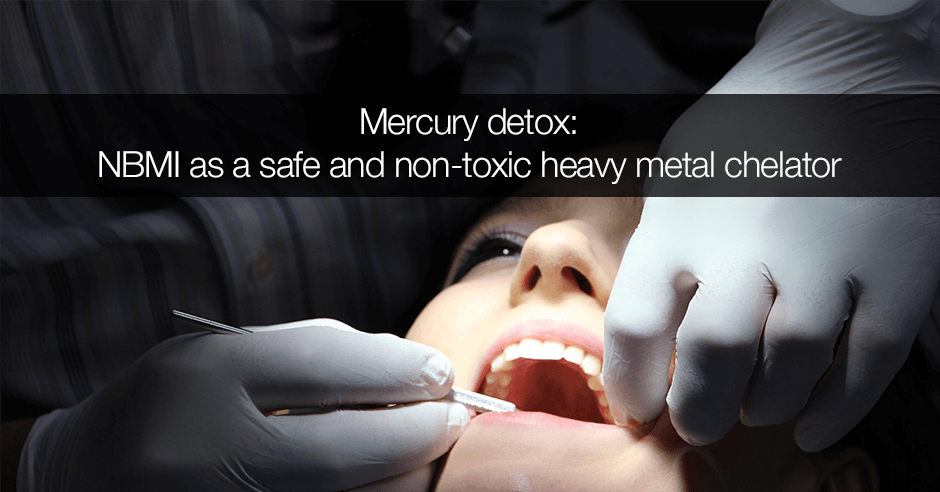
Mercury detox: NBMI as a safe and non-toxic heavy metal chelator

January 22, 2018 By Trudy Scott 208 Comments

Mercury toxicity is a big issue when it comes to anxiety. Detoxification of mercury can be a complex process and is often controversial. I recently had the opportunity to hear Professor Boyd Haley’s interview on the Heavy Metals Summit where he addresses all this so well and shares some cutting-edge information. I was really quite blown away with what I learned.

Effective Mercury Detoxification Strategies is covered by Professor Haley, a researcher I have been following for years. He is interviewed by one of the summit hosts, Dr. Dietrich Klinghardt who asks brilliant questions. Be prepared for deep questions and some pretty technical feedback.

Professor Haley shares this about mercury amalgams in the mouth and iron that is displaced:

mercury vapor can penetrate any part of the body it wants. Mercury would rather be in fatty tissues, and that makes the brain a prime target. Plus, you can take it in through the axonal nerves… from the nasal cavity up into the brain. And if you breathe it, it gets into the body and it travels, basically penetrating every cell or any membrane.

When mercury is converted from Hg0 [elemental mercury] to Hg2+ [inorganic mercury] it displaces iron from iron sulfur centers in the brain. And that iron is now free, and iron is a very potent oxidative stress inducer…that’s associated with Alzheimer’s disease and other neurological illnesses [such as anxiety].

He talks about the synergistic effect of aluminum and mercury, and offers that the DMPS challenge test does show mercury body burden but isn’t good enough for reducing body burden, and that both DMPS and DMSA can make some people sicker and affect their kidneys. This has always been one of my concerns with this approach. I shared how I reacted badly to DMPS in my anxiety summit interview with Dr. John Dempster.

Professor Haley then shares how he set out to find a safe and non-toxic heavy metal chelator that would cross the blood-brain barrier, get inside the cells and bind the mercury. The compound was initially sold as an antioxidant (as OSR), is now called NBMI and is in phase 2 clinical trials:

It was sold for a long time, and called OSR, Oxidative Stress Relief. And now, it’s called NBMI…it takes a carboxybenzoate which is found in berries and couples to the carboxyl groups cystamine which is cysteine without the carboxyl group. And when you do that, you neutralize both of the charges, and you make an uncharged compound that has two sulfurs off two arms that can surround a mercury atom or any atom of any size.

And that compound is what we’re working on today. We’re now going into phase two studies. When we gave it to humans in a phase one study, the safety and pharmacokinetics, it was 60-80% absorbed into the blood. And we didn’t have one single adverse effect reported. It is the same thing we had when we sold it as a dietary antioxidant – this compound not only does it bind mercury, it is a very potent oxygen-radical scavenger, just like glutathione.

As of now this compound is only available in Switzerland and chelates any metal that binds sulfur – like mercury, lead, iron, cadmium, copper – all of which can increase anxiety when levels are high.

Dr. Klinghardt has been using it with success and feels Professor Haley deserves the Nobel Prize for his work! This is so promising because as you’ll hear in Dr. Klinghardt’s interview: Biophysics of Heavy Metal Detox (don’t miss this one either) heavy metal toxicity is at the root of most illnesses:

I found over the years that decreasing the body burden off metals, especially aluminum, lead, and mercury – if you can get that down – there is a point when we have been effective where all the vitality comes back.

I am so excited to share more as I learn more.

A good complement to the above two interviews is co-host, Dr. Christine Shaffer’s interview on Metal Allergies and Detoxing the Brain, where she shares much of what makes a detox successful. The discussion on how to get the brain’s glymphatic system working well is fascinating: sleep, melatonin (liposomal) and even GABA (also liposomal), looking at the vagus nerve and much more.


Update 7/10/20:

Here are updates on progress, new studies and proposed new applications – Mercury & gadolinium toxicity, iron overload, COVID-19: NBMI research update and potential applications.

The EmeraMed site has information about which countries are allowing early access. Please contact the company directly rather than ask me about how to obtain the product as I am simply sharing what they have shared with me. I also encourage you to sign up for EmeraMed’s newsletter so you can keep up to date with progress and access information.

I still find NBMI intriguing and look forward to it being readily available once the studies are completed. I’ll share again when I have additional information.

Filed Under: Anxiety, Detoxification, Events, Mercury, Toxins Tagged With: anxiety, Boyd Haley, detox, Dr. Dietrich Klinghard, GABA, heavy metals summit, melatonin, mercury, NBMI, non-toxic

  • « Go to Previous Page
  • Page 1
  • Interim pages omitted …
  • Page 59
  • Page 60
  • Page 61
  • Page 62
  • Page 63
  • Interim pages omitted …
  • Page 160
  • Go to Next Page »

Primary Sidebar

GABA QuickStart Homestudy

gaba quickstart homestudy

Free Report

9 Great Questions Women Ask about Food, Mood and their Health

You'll also receive a complimentary subscription to my ezine "Food, Mood and Gal Stuff"


Connect with me

Popular Posts

  • Amino Acids Mood Questionnaire from The Antianxiety Food Solution
  • The Antianxiety Food Solution Amino Acid and Pyroluria Supplements
  • Pyroluria Questionnaire from The Antianxiety Food Solution
  • Collagen and gelatin lower serotonin: does this increase your anxiety and depression?
  • Tryptophan for the worry-in-your-head and ruminating type of anxiety
  • GABA for the physical-tension and stiff-and-tense-muscles type of anxiety
  • The Antianxiety Food Solution by Trudy Scott
  • Seriphos Original Formula is back: the best product for anxiety and insomnia caused by high cortisol
  • Am I an anxious introvert because of low zinc and vitamin B6? My response to Huffington Post blog
  • Vagus nerve rehab with GABA, breathing, humming, gargling and key nutrients

Recent Posts

  • Her cravings for chips and peanut butter were triggered by stress: GABA ends cravings and reduces physical tension and fear of heights
  • It is truly miraculous to be able to move through life without crippling anxiety and panic
  • GABA and tryptophan combo provide immediate and noticeable relief for tremors and cervical dystonia in just 7 days
  • Red light therapy for back and neck pain, plantar fasciitis and low mood – a complement to the amino acids GABA, DPA and tryptophan
  • What do I use instead of Seriphos to help lower high cortisol that is affecting my sleep and making me anxious at night?

Categories

  • 5-HTP
  • AB575
  • Addiction
  • ADHD
  • Adrenals
  • Alcohol
  • Allergies
  • Alzheimer's disease
  • Amino Acids
  • Anger
  • Antianxiety
  • Antianxiety Food Solution
  • Antidepressants
  • Anxiety
  • Anxiety and panic
  • Autism
  • Autoimmunity
  • benzodiazapines
  • Bipolar disorder
  • Books
  • Caffeine
  • Cancer
  • Candida
  • Children/Teens
  • Collagen
  • Cooking equipment
  • Coronavirus/COVID-19
  • Cravings
  • Depression
  • Detoxification
  • Diabetes
  • Diet
  • DPA/DLPA
  • Drugs
  • EFT/Tapping
  • EMF
  • EMFs
  • Emotional Eating
  • Endorphins
  • Environment
  • Essential oils
  • Events
  • Exercise
  • Fear
  • Fear of public speaking
  • Fertility and Pregnancy
  • Fish
  • Food
  • Food and mood
  • Functional neurology
  • GABA
  • Gene polymorphisms
  • General Health
  • Giving
  • Giving back
  • Glutamine
  • Gluten
  • GMOs
  • Gratitude
  • Gut health
  • Heart health/hypertension
  • Histamine
  • Hormone
  • Hyperparathyroidism
  • Hypoglycemia
  • Immune system
  • Inflammation
  • Insomnia
  • Inspiration
  • Introversion
  • Joy and happiness
  • Ketogenic diet
  • Lithium orotate
  • Looking awesome
  • Lyme disease and co-infections
  • MCAS/histamine
  • Medication
  • Men's health
  • Mental health
  • Mercury
  • Migraine
  • Mold
  • Movie
  • MTHFR
  • Multiple sclerosis
  • Music
  • NANP
  • Nature
  • Nutritional Psychiatry
  • OCD
  • Osteoporosis
  • Oxalates
  • Oxytocin
  • Pain
  • Paleo
  • Parasites
  • Parkinson’s disease
  • PCOS
  • People
  • PMS
  • Postpartum
  • PTSD/Trauma
  • Pyroluria
  • Questionnaires
  • Real whole food
  • Recipes
  • Research
  • Schizophrenia
  • serotonin
  • SIBO
  • Sleep
  • Special diets
  • Sports nutrition
  • Stress
  • Sugar addiction
  • Sugar and mood
  • Supplements
  • Teens
  • Testimonials
  • Testing
  • The Anxiety Summit
  • The Anxiety Summit 2
  • The Anxiety Summit 3
  • The Anxiety Summit 4
  • The Anxiety Summit 5
  • The Anxiety Summit 6
  • Thyroid
  • Thyroid health
  • Toxins
  • Tryptophan
  • Tyrosine
  • Uncategorized
  • Vegan/vegetarian
  • Women's health
  • Yoga

Archives

  • May 2026
  • April 2026
  • October 2025
  • September 2025
  • August 2025
  • July 2025
  • June 2025
  • May 2025
  • April 2025
  • March 2025
  • February 2025
  • January 2025
  • November 2024
  • October 2024
  • September 2024
  • August 2024
  • July 2024
  • June 2024
  • May 2024
  • April 2024
  • March 2024
  • February 2024
  • January 2024
  • December 2023
  • November 2023
  • October 2023
  • September 2023
  • August 2023
  • July 2023
  • June 2023
  • May 2023
  • April 2023
  • March 2023
  • February 2023
  • January 2023
  • December 2022
  • November 2022
  • October 2022
  • September 2022
  • August 2022
  • July 2022
  • June 2022
  • May 2022
  • April 2022
  • March 2022
  • February 2022
  • January 2022
  • December 2021
  • November 2021
  • October 2021
  • September 2021
  • August 2021
  • July 2021
  • June 2021
  • May 2021
  • April 2021
  • March 2021
  • February 2021
  • January 2021
  • December 2020
  • November 2020
  • October 2020
  • September 2020
  • August 2020
  • July 2020
  • June 2020
  • May 2020
  • April 2020
  • March 2020
  • February 2020
  • January 2020
  • December 2019
  • November 2019
  • October 2019
  • September 2019
  • August 2019
  • July 2019
  • June 2019
  • May 2019
  • April 2019
  • March 2019
  • February 2019
  • January 2019
  • December 2018
  • November 2018
  • October 2018
  • September 2018
  • August 2018
  • July 2018
  • June 2018
  • May 2018
  • April 2018
  • March 2018
  • February 2018
  • January 2018
  • December 2017
  • November 2017
  • October 2017
  • September 2017
  • August 2017
  • July 2017
  • June 2017
  • May 2017
  • April 2017
  • March 2017
  • February 2017
  • January 2017
  • December 2016
  • November 2016
  • October 2016
  • September 2016
  • August 2016
  • July 2016
  • June 2016
  • May 2016
  • April 2016
  • March 2016
  • February 2016
  • January 2016
  • December 2015
  • November 2015
  • October 2015
  • September 2015
  • August 2015
  • July 2015
  • June 2015
  • May 2015
  • April 2015
  • March 2015
  • February 2015
  • January 2015
  • December 2014
  • November 2014
  • October 2014
  • September 2014
  • August 2014
  • July 2014
  • June 2014
  • May 2014
  • April 2014
  • March 2014
  • February 2014
  • January 2014
  • December 2013
  • November 2013
  • October 2013
  • September 2013
  • August 2013
  • July 2013
  • June 2013
  • May 2013
  • April 2013
  • March 2013
  • February 2013
  • January 2013
  • December 2012
  • November 2012
  • October 2012
  • August 2012
  • July 2012
  • June 2012
  • May 2012
  • April 2012
  • March 2012
  • February 2012
  • January 2012
  • December 2011
  • November 2011
  • October 2011
  • September 2011
  • August 2011
  • July 2011
  • June 2011
  • May 2011
  • April 2011
  • March 2011
  • February 2011
  • January 2011
  • December 2010
  • October 2010
  • September 2010
  • July 2010
  • May 2010
  • April 2010
  • March 2010
  • February 2010
  • January 2010
  • November 2009

Share the knowledge!

The above statements have not been evaluated by the Food and Drug Administration. Products listed in this website are not intended to diagnose, treat, cure or prevent any disease.

The information provided on this site is for informational and educational purposes only and is not intended as a substitute for advice from your physician or other health care professional. You should consult with a healthcare professional before starting or modifying any diet, exercise, or supplementation program, before taking or stopping any medication, or if you have or suspect you may have a health problem.


Copyright © 2026 Trudy Scott. All Rights Reserved. | Privacy | Terms and Conditions | Refund Policy | Medical Disclaimer

Free Report

9 Great Questions Women Ask about Food, Mood and their Health

You’ll also receive a complimentary subscription to my ezine “Food, Mood and Gal Stuff”