• Skip to primary navigation
  • Skip to main content
  • Skip to primary sidebar

everywomanover29 blog

Food, Mood and Women's Health – Be your healthiest, look and feel great!

  • Blog
  • About
  • Services
  • Store
  • Resources
  • Testimonials
  • The Book
  • Newsletter
  • Contact
  • Search this site

tryptophan

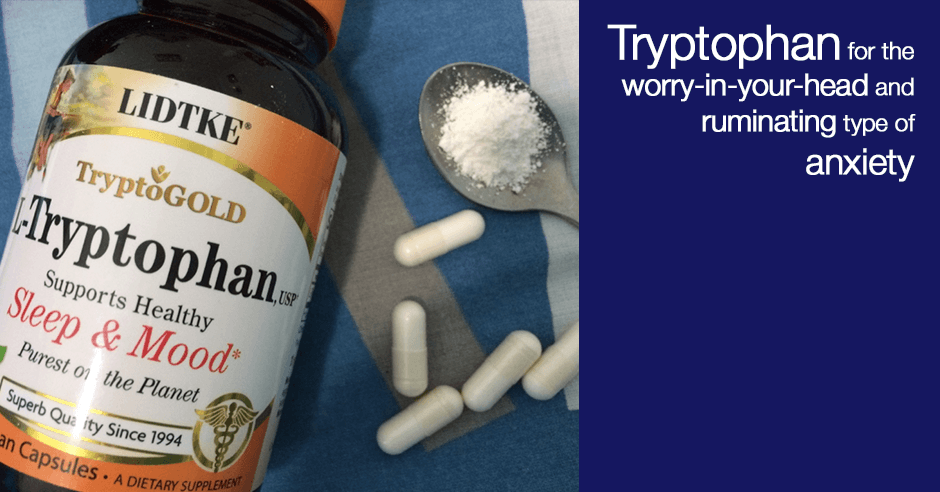
Tryptophan for the worry-in-your-head and ruminating type of anxiety

August 30, 2017 By Trudy Scott 193 Comments

Today I’m going to review some tryptophan products for the worry-in-your-head and ruminating type of anxiety, and share some additional resources for you.

The other symptoms we see with low serotonin are: panic attacks and phobias, lack of confidence, depression, negativity, imposter syndrome, PMS, irritability, anger issues, insomnia and afternoon/evening cravings.

Lidtke is the top brand of tryptophan that I recommend simply because I see it work so well and because of quality issues with tryptophan in the past. Here are the Lidtke tryptophan products I recommend:

  • Lidtke Tryptophan 500mg (this is ideal for doing a targeted trial, opened; it doesn’t taste very good and if a client needs to continue taking it this way we have them mix it with inositol or even glutamine powder)
  • Lidtke Tryptophan Complete (see below for when this one may work well)
  • Lidtke Chewable Tryptophan (this is also good for doing a trial and if lower doses are better; it’s also wonderful for children; there is some hesitation with the taste of the new 2025 formulation – more on this below)

This blog covers how to do an amino acid trial and has the low serotonin questionnaire, the precautions and what I mean by targeted individual amino acids.

When to use GABA vs tryptophan, PMS and when to use Tryptophan Complete

Anxiety: when to use GABA and tryptophan and how much to use

When you have anxiety it can be confusing trying to figure out the root cause. I like to start by assessing for low GABA and low serotonin because when you address these with targeted individual amino acids you typically see results right away and feel hopeful (and now have time to look for other root causes like gluten issues, high cortisol, gut issues, dietary changes etc).

But there may still be some confusion about when to use GABA and when to use tryptophan and how much of each of these amino acids to use. Read more here.

Tryptophan for PMS: premenstrual dysphoria, mood swings, tension, and irritability

In a study published in 1999, A placebo-controlled clinical trial of L-tryptophan in premenstrual dysphoria, tryptophan was found to reduce symptoms of PMS when used in the luteal phase or second half of the cycle (i.e. after ovulation)

This is very typical when I’m working with someone with PMS and anxiety and other mood symptoms. It typically takes 2 to 3 cycles for an amino acid like tryptophan to have an impact on PMS itself. But it does typically start to work right away on the less severe anxiety and mood symptoms that may also be a factor during the rest of the month. Read more here.

Tryptophan 500mg or Tryptophan Complete (by Lidtke)?

I like to have my clients do a trial of the amino acids so they can find the ideal dose for their needs and right now I still feel this would still be the best approach to take – using 500mg tryptophan. Once you have figured out you do well with tryptophan-only product and have your dose, then consider reducing it slightly after about 2-3 weeks and adding in additional Tryptophan Complete. Read more here.

Using chewable tryptophan for kids and pixie dust adults (and a potential taste issue)

Update Jan 2025: 

Lidtke tryptophan 100mg chewable is back! It’s great for anxious, worried, raging kids and pixie dust adults who have trouble sleeping too

The Lidtke tryptophan 100mg chewable product was out of stock for close to a year and was reformulated last year. This product has been a firm favorite of mine for many years and I’ve used it successfully with children and adults with signs of low serotonin.

I’ve used this product in the past with children who are anxious, worried, raging, having problems sleeping and craving sugar and carbs. I’ve also used it with “pixie dust” clients who do well with a small dose and prefer a chewable form of tryptophan. And I often recommend clients use it to do the initial one-off trial to figure out if low serotonin is the issue (and before moving on to a typical starting dose of 500mg tryptophan twice a day).

In this blog you’ll see the label of the newly formulated tryptophan 100mg chewable and some of the many advantages of tryptophan as a low-dose chewable. You’ll also see some feedback on the previous formulation, a success story with a young girl, my personal experience and some of the negative feedback on the taste. Read more here.

This blog post is part of a series of amino acid product reviews

You can read about GABA, glutamine, DPA (D-phenylalanine) and tyrosine on the following blog posts:

  • GABA for low GABA symptoms (physical anxiety)
  • Glutamine for calming, intense sugar cravings, gut healing and low blood sugar
  • DPA for weepiness, pain and comfort and reward eating
  • Tyrosine for focus, motivation, energy, a good mood and possibly even anxiety

Additional resources when you are new to using amino acids as supplements

We use the symptoms questionnaire to figure out if low serotonin or low GABA or low endorphins or low dopamine or low blood sugar may be an issue for you.

If you suspect low levels of any of the neurotransmitters and do not yet have my book, The Antianxiety Food Solution – How the Foods You Eat Can Help You Calm Your Anxious Mind, Improve Your Mood, and End Cravings, I highly recommend getting it and reading it before jumping in and using amino acids on your own so you are knowledgeable. And be sure to share it with the practitioner/health team you or your loved one is working with.

There is an entire chapter on the amino acids and they are discussed throughout the book in the sections on gut health, gluten, blood sugar control, sugar cravings, anxiety and mood issues.

The book doesn’t include product names (per the publisher’s request) so this blog, The Antianxiety Food Solution Amino Acid and Pyroluria Supplements, lists the amino acids that I use with my individual clients and those in my group programs. You can find them all in my online store.

If, after reading this blog and my book, you don’t feel comfortable figuring things out on your own (i.e. doing the symptoms questionnaire and respective amino acids trials), a good place to start if you also need serotonin support, is the Serotonin QuickStart Program. This is a paid online/virtual group program where you get my guidance on using tryptophan and 5-HTP safely, and community support during 5 LIVE Q&A calls. You can sign up to be notified when the next live launch of this program is happening. We take a deep dive into product options including the Lidtke products and others if you’re not able to access Lidtke.

If you also have low GABA symptoms, the next step to get help is the GABA QuickStart Program. This is also a paid online/virtual group program where you get my guidance and community support. Another option is the budget-friendly GABA QuickStart Homestudy program.

If you are a practitioner, join us in The Balancing Neurotransmitters: the Fundamentals program. This is also a paid online/virtual program with an opportunity to interact with me and other practitioners who are also using the amino acids.

Now I’d like to hear from you

The blog has many other posts on tryptophan and serotonin and simply use the “search” function to find them.

Have you had success with any of these tryptophan products? Or another brand?

Feel free to share and ask your questions below.
 

Filed Under: Supplements, Tryptophan Tagged With: lidke, serotonin, supplements, tryptophan

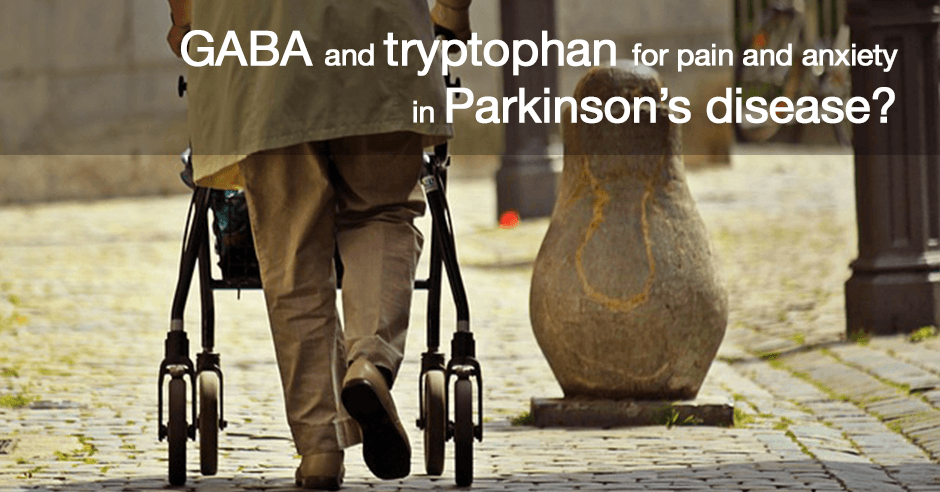
GABA and tryptophan for pain and anxiety in Parkinson’s disease?

August 25, 2017 By Trudy Scott 12 Comments

Last week I blogged about my recent back injury and how acupuncture boosts GABA to reduce back pain and how oral GABA further reduces the pain. Both these interventions have helped me so much and I’m doing so much better.

I love the feedback I receive in the blog comments and the great questions – which get to help the person asking the question and everyone else reading the blog and comments. So thank you if you comment!

I received this lovely feedback about GABA and anxiety, and a question about Parkinson’s disease (on the above blog) and want to share it and my response here so you and families with a loved one with Parkinson’s disease will also have access to this information:

I have loved reading your articles for a long time and listen to you whenever you are on a summit. I have learned a lot. GABA definitely helps me to relax, reduce my monkey mind and sleep better.

My mom has Parkinson’s disease and is very stiff and tight. She hurts often, especially her back. She also has afternoon anxiety, some call it “sundowners”. Can she take GABA with carbidopa-levidopa and blood pressure meds? She needs some kind of help!

Thank you in advance for any suggestions you might have to give her any quality of life as right now it is not good and the doctors offer no suggestions beyond possibly more prescriptions.

I responded saying how glad I was to hear GABA helps her to relax, reduces her monkey mind and also helps her to sleep better and how sorry I was to hear about her mom’s stiffness, pain and anxiety.

I posted this regarding the stiffness and back pain: share this paper with your doctor and get his/her approval to do a trial of GABA – Parkinson’s Disease and Neurodegeneration: GABA-Collapse Hypothesis:

the original description of Parkinson’s disease (PD) as due to the selective damage of dopaminergic neurons in the mesencephalon should be updated into the concept of a severe multisystemic neurodegenerative disorder of the nervous system, whose clinical symptoms reflect the localization and progression of the most advanced GABA pathology. A future and more complete therapeutic approach to PD should be aimed first at slowing (or stopping) the progression of Ca(2+)/GABA functional decline.

I have worked with a few people with Parkinson’s disease and GABA has been very helpful for the stiffness and pain, the physical anxiety, easing some of their tremors and helping with insomnia. I always do a trial so we know how much the individual will need.

For someone on blood pressure medication I’d start with a GABA-only product or GABA-theanine product rather than GABA Calm which does contain tyrosine.

I posted this regarding the “sundowners” question: I’d share this with your doctor and get the approval to do a trial of tryptophan – Sundown Syndrome in Persons with Dementia: An Update

sundown syndrome is characterized by the emergence or increment of neuropsychiatric symptoms such as agitation, confusion, anxiety, and aggressiveness in late afternoon, in the evening, or at night.

Although this paper refers to dementia, these symptoms also happen to be classic low serotonin symptoms that typically respond really well to tryptophan. The paper mentions melatonin as an intervention but since tryptophan converts to melatonin I’d start with tryptophan (based on doing a trial) and then consider adding melatonin too if needed.

I shared a few more resources on Parkinson’s disease:

  • Chris Kresser has an excellent blog post called New Research and Treatments for Parkinson’s Disease where he writes about the microbiome, constipation, SIBO, gluten, the HPA axis, low-dose naltrexone (LDN) and the possible autoimmune aspect, iron overload and the benefits of curcumin, a ketogenic diet and glutathione.
  • The Wahls Protocol for MS (some versions of which are ketogenic diets) shows promise for many neurodegenerative diseases and is also being researched for Parkinson’s disease

I also shared this amazing and inspiring video created by physical therapist Anicea Gunlock, on how using music while gait training can be beneficial for those suffering from Parkinsons’s disease

You read more about this music approach Anicea Gunlock used with her patient here.

The amino acids GABA and tryptophan can often be used in conjunction with all of the above approaches and often provide immediate relief for anxiety, pain, agitation and insomnia while some of the other root causes are being addressed.

I’ve recently updated the Antianxiety Food Solution Amino Acid and Pyroluria Supplements blog with some of my favorite GABA and tryptophan products mentioned above. You’ll also see the amino acid questionnaire and amino acid precautions on this blog.

Instead of only considering the amino acids for someone whose primary issue is anxiety, I’d like you to start thinking about using the amino acids for anyone who has a medical diagnosis – such as autism, cancer, ALS, Parkinson’s disease, MS, Alzheimer’s disease or anything else – and who also happens to suffer from anxiety.

Have you used GABA or tryptophan to ease stiff and tense muscles and pain in your Parksinson’s disease, for a family member or for a patient/client?

And have you used tryptophan for the low serotonin worry-type of anxiety, agitation and insomnia?

Filed Under: Anxiety, GABA, serotonin Tagged With: agitation, anxiety, autism, GABA, MS, pain, Parkinson's disease, serotonin, stiff and tense muscles, sundowners, tryptophan

Vitamin C, autoimmunity, food sensitivities & visual processing: Chronic Headache & Migraine Summit

July 9, 2017 By Trudy Scott 5 Comments

Guest post by Erin Knight, FDN-P

Did you know that nearly 60% of migraineurs report suffering from anxiety as well? I didn’t. That was one of many surprising things I discovered interviewing functional medicine experts and clinicians with decades of experience helping people overcome their headaches and migraines at the root cause for the Chronic Headache and Migraine Summit.

As much as the high correlation between migraines and anxiety surprised me, I could quickly see some reasons for the connection. People with frequent headaches report that managing life around headaches and missing out on things places an incredible strain on relationships and career that is nearly as bad as the physical pain. In other words, the mental agony of being sidelined by severe headaches is worse than the pain itself and contributes to the stress we carry around each day. But I don’t have to tell you that.

Is this meal going to cause a headache today? Am I going to be able to make it to my daughter’s choir concert? Is my boss going to pass me up for that project because I’ve been out with migraines so many days this year? If you are like me, these questions are always top of mind – creating a vicious circle between worrying – headaches – and more stress.

While it may seem quite obvious that there is this worrying and fear that migraineurs carry around with them each day, you may be surprised to learn from the experts speaking on the summit that there are many underlying root causes that can lead to both anxiety and headaches at a biological level. Some of these include:

  • Poor absorption of nutrients such as magnesium
  • Leaky gut and inflammation in the digestive tract that impacts the production of neurotransmitters like serotonin and hormones like estrogen
  • Emotional trauma in childhood (which is linked to a staggering increase in chronic conditions such migraines, autoimmune diseases, obesity and chronic fatigue

The good news is that there are real solutions to improve your health at a foundational level that can drastically improve or even resolve both headaches/migraines and anxiety at the root cause.

The experts in the Chronic Headache and Migraine Summit talk both about what has helped their clients recover their health as well as natural, simple ways to reduce the pain and intensity of headaches quickly and at home so you can go on with your life.

If you know you experience headaches due to weather changes, sinus stuffiness, neck tension, classic migraine or monthly hormonal changes – there are different relief techniques to employ for each. For example, Jay Davidson  highlights 3 tricks for clearing pressure out of your head when you feel a thunderstorm headache coming on – and they work in minutes! My favorite is to dab frankincense essential oil with your fingertips along the hairline in your neck. I can feel drainage start immediately with this simple technique!

If you think you’ve tried it all and been through the gamut of herbal and homeopathic remedies – I promise you will learn something that surprises you and makes a difference in your journey.

5 things I learned about hosting the Chronic Headache and Migraine Summit that might surprise you too:

  • There are many superstar supplements that can help people with different types of migraines beyond the typical riboflavin and magnesium citrate – for example, Vitamin C, different forms of magnesium, 5-HTP or tryptophan, and glutathione.
  • Migraines are being reclassified as an autoimmune disease. One autoimmune disease that frequently leads to migraines (and anxiety and miscarriages) is the clotting disease called Antiphospholipid Syndrome (featured on day 7 in Trudy Scott’s interview)
  • Food sensitivities may be more important than avoiding trigger foods
  • There is a visual processing disorder that affects 15% of the population and is simple to correct.
  • Toxicity from air and water pollution causes different types of chronic headaches and can be easily identified and reversed.

We are so thrilled to be able to offer this first-of-its-kind resource for people who want to stop managing their headaches, stop watching life pass them by from the sidelines and find natural relief options that really work.

Feel free to share something that surprises YOU from the above in the comments below.

Filed Under: Events, Migraine Tagged With: 5-HTP, antiphospholipid syndrome, anxiety, Autoimmunity, Erin Knight, food sensitivities, headache, migraine, tryptophan, visual processing, vitamin C

Migraines, anxiety, depression and gluten: on the Chronic Headache & Migraine Summit

June 26, 2017 By Trudy Scott 5 Comments

The goal of a 2015 Russian study titled Gluten Migraine, was to study the prevalence of migraine among patients with celiac disease and to assess the efficacy of a gluten-free diet in its treatment. There were 200 celiac disease (CD) patients and the

CD group had migraine syndrome four times more often than the control group. The attacks were more frequent in CD patients who were older than 50 years old.

The migraines disappeared in 25% of patients with migraines who were on the gluten free diet and the reduction in the intensity and/or frequency of attacks was observed in 38% of patients.

This is the study conclusion:

We revealed the clear association between migraine syndrome and CD and the high efficacy of gluten FREE diet in the treatment of migraine symptoms.”

I would suspect similar results if you have gluten sensitivity. And here is some gluten-migraine feedback from 4 different women in my community:

  • HUGE decrease in my migraines now that I eat more cleanly. I used to start to get headaches immediately upon eating gluten-y meals
  • I had them frequently from teenage years right up until my Celiac diagnosis in my thirties. Once gluten was gone so were the migraines
  • Stopping gluten stopped my migraines
  • My migraines always came from gluten and dairy

Of course there is also an anxiety-gluten and the depression-gluten connection so getting the gluten out of your diet will help with both anxiety and depression most of the time too.

I talked about all this on The Chronic Headache & Migraine Summit.

The other topic I covered is the autoimmune condition called Antiphospholipid Syndrome (APS) which is one of many possible contributing factors for both migraines and anxiety. Of course, with any autoimmune condition gluten removal is key.

I also cover low serotonin as one possible cause of migraines (and anxiety) and the use of tryptophan (instead of SSRIs). An amino acid like tryptophan or GABA also helps you break the gluten addiction so you don’t have to rely only on willpower!

Have you got questions or comments? Please post in the comment box below.

Filed Under: Events, Migraine Tagged With: amino acids, anxiety, depression, gluten, headache, migraine, serotonin, tryptophan, willpower

Anxiety in autism, ADHD and sensory processing disorders

June 5, 2017 By Trudy Scott 8 Comments

I had the pleasure of being interviewed by Tara Hunkin on the upcoming Autism, ADHD and Sensory Processing Disorder Summit and share my expertise on anxiety since we so often see anxiety in this population. My topic is: Anxiety’s Role in ASD, ADHD and SPD and how nutrient therapy can help.

I start out sharing some of the research on the incidence and connections.

This 2009 paper Sensory Overresponsivity and Anxiety in Children With ADHD in the American Journal of Occupational Therapy, reports that:

Approximately 25% of children with attention deficit hyperactivity disorder (ADHD) have a comorbid anxiety disorder.

The purpose of this particular study was to determine whether sensory overresponsivity (SOR) or sensory processing disorders are related to increased anxiety in children with ADHD. There were twenty-four children between the age of 6 to 10 with ADHD and 24 children without ADHD.

The study concluded that:

Children in the ADHD + SOR [sensory over responsivity] group were significantly more anxious than both the ADHD-only and non-ADHD (control) groups.

Occupational therapists treating children with ADHD and SOR should be aware that these children may also have anxiety and discuss options with families for prevention or treatment.

I would add that anyone working with these children should be aware of the connections: doctors, nutritionists, psychologists and anyone else on the health team.

We also discuss this 2012 paper, also from the American Journal of Occupational Therapy – Sensory Overresponsivity and Anxiety in Typically Developing Children and Children With Autism and Attention Deficit Hyperactivity Disorder: Cause or Coexistence?

Reviews of the coexistence of ASD [autism spectrum disorder] and anxiety disorders have concluded that among children and youth with ASD, anxiety disorders are highly prevalent, clinically significant, and varied as to specific type of anxiety disorder

Approximately 25% of children with attention deficit hyperactivity disorder (ADHD) also have anxiety disorder, a rate that is elevated when ADHD is seen in conjunction with conduct or oppositional defiant disorders

The paper mentions these 3 factors as models worthy of further study in order to understand the relationship between anxiety, sensory overresponsivity, autism and ADHD:

(1) anxiety caused by, or a symptom of, SOR (primary anxiety model);
(2) SOR caused by, or a symptom of, anxiety (primary SOR model); and
(3) the presence of both anxiety and SOR, linked by way of another factor

Based on what I know about anxiety I feel it could be a combination of all of the above.

My interview also covers the following around how to address the anxiety in these children and their moms (who also often have anxiety):

  • Low serotonin anxiety, symptoms, using tryptophan and 5-HTP and precautions with using them with an SSRI
  • A young girl with RAD (reactive attachment disorder) with rage/anger, anxiety, insomnia, and sugar cravings and the successful use of chewable tryptophan, addressing low iron and a gluten-free diet
  • A young boy with OCD and the successful use of both tryptophan and inositol
  • Low GABA anxiety, the use of GABA and not phenibut, and cautions about using too much
  • A young girl with ADHD and irritability and the successful use of GABA
  • Pyroluria incidence and symptoms and how it ties back to neurotransmitter imbalances

Sensory processing disorders, ADHD and autism are not my expertise and I don’t work much with children so I’m really pleased to be bringing you this information via the other amazing speakers AND listening and learning myself!

Here are some speakers and topics I’m particularly interested in

  • Brandon Brock, RN, DC: Understanding PANS and PANDAS role in ASD, ADHD and SPD.
  • Elizabeth Mumper, MD: Mitochondrial Dysfunction: What it is and how to address the underlying causes.
  • Richard Frye, MD, Ph.D.: Cerebral Folate Deficiency: and how it impairs neurological health.
  • Nancy O’Hara, MD: What you need to know about cell danger response in ASD & other neurodevelopmental disorders.
  • John Tjenos, NTP: The importance of the vagus nerve and how to build vagal tone with essential oils.

We have so much to learn from practitioners and researchers working in this area. And children affected by these conditions do recover!

The Autism, ADHD and Sensory Processing Disorder Summit, hosted by Tara Hunkin, NTP, runs from June 19-28, 2017.

It will be 10 days of eye opening information into the root causes of your child’s neurological dysfunction. Imagine learning about what may have caused their symptoms and how to address them with nutrition and biomedical approaches and leverage the power of positive neuroplasticity to improve function, health and their lives.

Do also keep in mind that these topics may have relevance for you even if you don’t have a child with a sensory processing disorder, ADHD and/or autism. These children are the canaries in the coal mine and many of my clients with anxiety can benefit from the biomedical support that many of these speakers are addressing. Simply replace sensory processing disorder, ADHD and/or autism with anxiety and listen and learn.

You can register for The Autism, ADHD and Sensory Processing Disorder Summit here

Feel free to ask questions or provide feedback and your experiences in the comment section below.

Filed Under: Autism, Events Tagged With: ADHD, anxiety, autism, Brandon Brock, Elizabeth Mumper, GABA, inositol, Nancy O’Hara, sensory overresponsivity, Sensory Processing Disorder, serotonin, Tara Hunkin, tryptophan

Depression as a black dog that comes in and lays down beside you at night

May 26, 2017 By Trudy Scott 18 Comments

Trevor King’s interview about his journey with depression – on That Vitamin Summit – is not to be missed if you are depressed, have ever suffered with depression or if you have a loved one or friend with depression. He shares how he feels a sense of complete hopelessness at times:

It descends like a black cloud that makes me almost sort of retreat into myself. And my eyes will know and I don’t want to take the world in. I don’t want to get out of bed at times. Actually, that’s one of the things that … one of the only things that actually helps me, is going to bed and lying down.

Winston Churchill famously described it as this black dog who’d come in and lay beside him at night.

“From the moment my eyes opened in the morning, I am engaged in a battle. I must protect myself with armor against ongoing, negative, intrusive thoughts that flood into my brain, while sending my prefrontal cortex, which is the home of logical thought, the green light to make decisions and take charge of my brain’s limbic system. That is, before the fear center completely spazzes out. I spend more time and energy chasing and maintaining good health than I do in any other aspect of my life. My marriage, family or work. Because I know that everything meaningful and good around me depends on a stable base. And I hope and pray that one day, I don’t have to fight so hard for my sanity.”

He talks about how he is affected by sugar and low blood sugar, and how he’s found some benefits with niacin, chromium, magnesium and tryptophan (when he’s consistent with taking them!).

Trevor actually talks about the GABA interview I did with him a few days earlier and how he’s very interested in what he learned. He is planning to do a trial of GABA to see if it can help him further.

Here is a snippet from my interview on GABA (so do tune in to this interview if you’re new to my work and the targeted amino acids):

GABA is really quite profound. When I had my anxiety, GABA was my lifesaver. It completely turned my life around. Within three days of using GABA, the panic attacks stopped and the anxiety started to go down, and then I had to look for all the other root causes. It worked immediately so I’m a complete believer, just because I’ve experienced it myself. You’ll hear a lot of people say GABA won’t work. It doesn’t cross the blood/brain barrier so it’s not going to have an impact.

We’ve now got research showing that there may be ways that it crosses the blood/brain barrier. We’ve also got research showing that we have GABA receptors in various parts of our body. We’ve got a lot in our muscles, and with low GABA symptoms you’ll have physical tension.

The beautiful thing is it works. It works quickly, and if you have these low GABA symptoms, which is the physical anxiety, which could be panic attacks. It could be stress eating, it could be drinking to calm down. If you are the kind of person who needs wine to wind down at the end of the day, that’s a big sign that you may need GABA. You take the GABA and you just feel this physical tension release from you, you know you’re onto something good.

I just wish I’d known about his struggles with depression at the time of our interview – I would have talked more about tyrosine for dopamine support (for curl up in bed depression) and DPA for endorphin boosting (for low endorphins weepy depression). 

I did discuss gluten and would consider this especially since his daughter has issues with it. I talked about low serotonin and mentioned Lidtke tryptophan.  If someone doesn’t do well on another brand I’d have them trial the Lidtke brand.  I’d also look into SIBO – I have SIBO and rice and grains make me feel flat and low and I see this often with clients.  Finally I’d look into lithium orotate for keeping an even mood. 

Trevor shares these wise words at the end of his interview:

You do find that when you actually bite the bullet and share it with people,

people are very, very understanding. And actually, you’re amazed that many people have been there themselves.

I could not agree more which is why I’ve always shared my journey with anxiety. I appreciate him for being willing to share his story with depression!

If you’re not already registered here is the registration link for That Vitamin Summit

Feel free to post questions or feedback below – and share your story with anxiety or depression if you feel drawn to do so

Filed Under: Bipolar disorder, Depression, Events, GABA, Mental health, People Tagged With: anxiety, depression, GABA, low blood sugar, niacin, sugar, That Vitamin Summit, Trevor King, tryptophan

  • « Go to Previous Page
  • Page 1
  • Interim pages omitted …
  • Page 22
  • Page 23
  • Page 24
  • Page 25
  • Page 26
  • Interim pages omitted …
  • Page 31
  • Go to Next Page »

Primary Sidebar

GABA QuickStart Homestudy

gaba quickstart homestudy

Free Report

9 Great Questions Women Ask about Food, Mood and their Health

You'll also receive a complimentary subscription to my ezine "Food, Mood and Gal Stuff"


Connect with me

Popular Posts

  • Amino Acids Mood Questionnaire from The Antianxiety Food Solution
  • The Antianxiety Food Solution Amino Acid and Pyroluria Supplements
  • Pyroluria Questionnaire from The Antianxiety Food Solution
  • Collagen and gelatin lower serotonin: does this increase your anxiety and depression?
  • Tryptophan for the worry-in-your-head and ruminating type of anxiety
  • GABA for the physical-tension and stiff-and-tense-muscles type of anxiety
  • The Antianxiety Food Solution by Trudy Scott
  • Seriphos Original Formula is back: the best product for anxiety and insomnia caused by high cortisol
  • Am I an anxious introvert because of low zinc and vitamin B6? My response to Huffington Post blog
  • Vagus nerve rehab with GABA, breathing, humming, gargling and key nutrients

Recent Posts

  • Her cravings for chips and peanut butter were triggered by stress: GABA ends cravings and reduces physical tension and fear of heights
  • It is truly miraculous to be able to move through life without crippling anxiety and panic
  • GABA and tryptophan combo provide immediate and noticeable relief for tremors and cervical dystonia in just 7 days
  • Red light therapy for back and neck pain, plantar fasciitis and low mood – a complement to the amino acids GABA, DPA and tryptophan
  • What do I use instead of Seriphos to help lower high cortisol that is affecting my sleep and making me anxious at night?

Categories

  • 5-HTP
  • AB575
  • Addiction
  • ADHD
  • Adrenals
  • Alcohol
  • Allergies
  • Alzheimer's disease
  • Amino Acids
  • Anger
  • Antianxiety
  • Antianxiety Food Solution
  • Antidepressants
  • Anxiety
  • Anxiety and panic
  • Autism
  • Autoimmunity
  • benzodiazapines
  • Bipolar disorder
  • Books
  • Caffeine
  • Cancer
  • Candida
  • Children/Teens
  • Collagen
  • Cooking equipment
  • Coronavirus/COVID-19
  • Cravings
  • Depression
  • Detoxification
  • Diabetes
  • Diet
  • DPA/DLPA
  • Drugs
  • EFT/Tapping
  • EMF
  • EMFs
  • Emotional Eating
  • Endorphins
  • Environment
  • Essential oils
  • Events
  • Exercise
  • Fear
  • Fear of public speaking
  • Fertility and Pregnancy
  • Fish
  • Food
  • Food and mood
  • Functional neurology
  • GABA
  • Gene polymorphisms
  • General Health
  • Giving
  • Giving back
  • Glutamine
  • Gluten
  • GMOs
  • Gratitude
  • Gut health
  • Heart health/hypertension
  • Histamine
  • Hormone
  • Hyperparathyroidism
  • Hypoglycemia
  • Immune system
  • Inflammation
  • Insomnia
  • Inspiration
  • Introversion
  • Joy and happiness
  • Ketogenic diet
  • Lithium orotate
  • Looking awesome
  • Lyme disease and co-infections
  • MCAS/histamine
  • Medication
  • Men's health
  • Mental health
  • Mercury
  • Migraine
  • Mold
  • Movie
  • MTHFR
  • Multiple sclerosis
  • Music
  • NANP
  • Nature
  • Nutritional Psychiatry
  • OCD
  • Osteoporosis
  • Oxalates
  • Oxytocin
  • Pain
  • Paleo
  • Parasites
  • Parkinson’s disease
  • PCOS
  • People
  • PMS
  • Postpartum
  • PTSD/Trauma
  • Pyroluria
  • Questionnaires
  • Real whole food
  • Recipes
  • Research
  • Schizophrenia
  • serotonin
  • SIBO
  • Sleep
  • Special diets
  • Sports nutrition
  • Stress
  • Sugar addiction
  • Sugar and mood
  • Supplements
  • Teens
  • Testimonials
  • Testing
  • The Anxiety Summit
  • The Anxiety Summit 2
  • The Anxiety Summit 3
  • The Anxiety Summit 4
  • The Anxiety Summit 5
  • The Anxiety Summit 6
  • Thyroid
  • Thyroid health
  • Toxins
  • Tryptophan
  • Tyrosine
  • Uncategorized
  • Vegan/vegetarian
  • Women's health
  • Yoga

Archives

  • May 2026
  • April 2026
  • October 2025
  • September 2025
  • August 2025
  • July 2025
  • June 2025
  • May 2025
  • April 2025
  • March 2025
  • February 2025
  • January 2025
  • November 2024
  • October 2024
  • September 2024
  • August 2024
  • July 2024
  • June 2024
  • May 2024
  • April 2024
  • March 2024
  • February 2024
  • January 2024
  • December 2023
  • November 2023
  • October 2023
  • September 2023
  • August 2023
  • July 2023
  • June 2023
  • May 2023
  • April 2023
  • March 2023
  • February 2023
  • January 2023
  • December 2022
  • November 2022
  • October 2022
  • September 2022
  • August 2022
  • July 2022
  • June 2022
  • May 2022
  • April 2022
  • March 2022
  • February 2022
  • January 2022
  • December 2021
  • November 2021
  • October 2021
  • September 2021
  • August 2021
  • July 2021
  • June 2021
  • May 2021
  • April 2021
  • March 2021
  • February 2021
  • January 2021
  • December 2020
  • November 2020
  • October 2020
  • September 2020
  • August 2020
  • July 2020
  • June 2020
  • May 2020
  • April 2020
  • March 2020
  • February 2020
  • January 2020
  • December 2019
  • November 2019
  • October 2019
  • September 2019
  • August 2019
  • July 2019
  • June 2019
  • May 2019
  • April 2019
  • March 2019
  • February 2019
  • January 2019
  • December 2018
  • November 2018
  • October 2018
  • September 2018
  • August 2018
  • July 2018
  • June 2018
  • May 2018
  • April 2018
  • March 2018
  • February 2018
  • January 2018
  • December 2017
  • November 2017
  • October 2017
  • September 2017
  • August 2017
  • July 2017
  • June 2017
  • May 2017
  • April 2017
  • March 2017
  • February 2017
  • January 2017
  • December 2016
  • November 2016
  • October 2016
  • September 2016
  • August 2016
  • July 2016
  • June 2016
  • May 2016
  • April 2016
  • March 2016
  • February 2016
  • January 2016
  • December 2015
  • November 2015
  • October 2015
  • September 2015
  • August 2015
  • July 2015
  • June 2015
  • May 2015
  • April 2015
  • March 2015
  • February 2015
  • January 2015
  • December 2014
  • November 2014
  • October 2014
  • September 2014
  • August 2014
  • July 2014
  • June 2014
  • May 2014
  • April 2014
  • March 2014
  • February 2014
  • January 2014
  • December 2013
  • November 2013
  • October 2013
  • September 2013
  • August 2013
  • July 2013
  • June 2013
  • May 2013
  • April 2013
  • March 2013
  • February 2013
  • January 2013
  • December 2012
  • November 2012
  • October 2012
  • August 2012
  • July 2012
  • June 2012
  • May 2012
  • April 2012
  • March 2012
  • February 2012
  • January 2012
  • December 2011
  • November 2011
  • October 2011
  • September 2011
  • August 2011
  • July 2011
  • June 2011
  • May 2011
  • April 2011
  • March 2011
  • February 2011
  • January 2011
  • December 2010
  • October 2010
  • September 2010
  • July 2010
  • May 2010
  • April 2010
  • March 2010
  • February 2010
  • January 2010
  • November 2009

Share the knowledge!

The above statements have not been evaluated by the Food and Drug Administration. Products listed in this website are not intended to diagnose, treat, cure or prevent any disease.

The information provided on this site is for informational and educational purposes only and is not intended as a substitute for advice from your physician or other health care professional. You should consult with a healthcare professional before starting or modifying any diet, exercise, or supplementation program, before taking or stopping any medication, or if you have or suspect you may have a health problem.


Copyright © 2026 Trudy Scott. All Rights Reserved. | Privacy | Terms and Conditions | Refund Policy | Medical Disclaimer

Free Report

9 Great Questions Women Ask about Food, Mood and their Health

You’ll also receive a complimentary subscription to my ezine “Food, Mood and Gal Stuff”