• Skip to primary navigation
  • Skip to main content
  • Skip to primary sidebar

everywomanover29 blog

Food, Mood and Women's Health – Be your healthiest, look and feel great!

  • Blog
  • About
  • Services
  • Store
  • Resources
  • Testimonials
  • The Book
  • Newsletter
  • Contact
  • Search this site

serotonin

Tryptophan and melatonin make a big difference but why do I still wake at 4am?

August 26, 2016 By Trudy Scott 113 Comments

waking-up-early

I get many questions on the blog about problems with sleep: not able to fall asleep, not waking rested and waking in the early hours and not being able to go back to sleep. By far the most common question is “Why do I still wake at 4am and can’t go back to sleep?”

So let me share one of the typical questions I receive and my feedback in the hope that something you read here may help you or someone you’re working with. Here is the question:

I purchased Lidtke l-Tryptophan and time release melatonin and notice a big difference in my sleep. Instead of waking up every two hours I’m sleeping better but still wake up at 4 am and can’t get back to sleep. GABA hasn’t helped. What can I take to get back to sleep and what are your thoughts on Seriphos Phosphorylated Serine? I think my anxiety has to do with my adrenals because I wake up in a sweat and am way past menopause.

Since she is seeing a big difference with tryptophan and timed-release melatonin, low serotonin is the likely root cause of her insomnia or at least one of the root causes. We always want to capitalize on what is already working. Too many people don’t see expected results with 1 x 500mg tryptophan at bedtime and 1mg timed-release melatonin and start looking for other solutions when the answer may be right in front of them.

Here are the steps I’d follow with a client with similar sleep challenges:

  • Try more tryptophan, increasing it slowly over the course of a few weeks in the hope that it more will provide more serotonin support. This is what I call an amino acid trial where you rate and log your improvements as you incrementally increase – with the goal of finding an optimal amount for your needs. We all have different needs and post menopause it’s not uncommon for women to experience anxiety, depression and insomnia related to low serotonin and fluctuating sex hormones. We also always want to capitalize on what is already working.
  • Also, to add to what’s working, add tryptophan mid-afternoon if it’s not already in place. When someone scores high on the low serotonin questionnaire the typical timing of tryptophan is mid-afternoon and an hour before bed (always away from protein). Serotonin levels start to decline mid-afternoon hence the benefits of a mid-afternoon dose. Start low and increase slowly.
  • I would also suggest trying the tryptophan opened up (at both times) to see if this makes a difference.
  • Taking a tryptophan at the 4am waking can help you go back to sleep so this is worth trying. For some people 500mg at 4am is too much and using 125mg or 250mg works well. You determine the amount based on how you feel when you do get up. If you were able to go back to sleep easily buy wake groggy then it’s too much.
  • Some people are reporting better results with Lidtke Tryptophan Complete (which has all the co-factor nutrients) so this may be worth trialing too. I’d start by adding to what is already in place.
  • If we get benefits with any of the above by are not quite there then I would suggest additional timed-release melatonin until sleep improves.

This is always done slowly and methodically over the course of a few weeks. I always have my clients carefully log what they try and what is working and not working.

Other factors we’d make sure are addressed:

  • What GABA was used, was it trialed (starting low and increased) and was it used sublingually?
  • Is high cortisol at night a factor? Doing an adrenal saliva test will provide the answer. If it is then the Interplexus Seriphos is the best for lowering it. It’s best to take 1-3 x Seriphos about 2-3 hours before the high cortisol.  [UPDATE: INTERPLEXUS SERIPHOS WAS REFORMULATED IN 2016 – PLEASE SEE BELOW FOR MORE ON THIS]
  • Is gut health a factor? Look into SIBO, gluten sensitivity, other food sensitivities, dysbiosis and parasites (which are often active in the early hours and can cause night sweats)
  • Is there a sex hormone imbalance? Even with someone way past menopause, the night sweats mean this should be ruled out. The addition of amino acids starts to balance the hormones but more support may be needed.  
  • Is any caffeine (even decaf) still being consumed?
  • Is blood sugar stable? Make sure to have breakfast with animal protein and healthy fats and the same at each meal and for snacks. Consider a trial of glutamine during the day and just before bed for added blood sugar stability
  • Are medications a factor? Current medications or prior use of benzodiazepines or SSRIs can affect sleep even long after they have been tapered.
  • Is sleep apnea a factor?

We also address all the usual sleep hygiene factors: dark room, cool room, quiet room, no cell phone or clock radio on the bedside table, no late night computer use and getting some early morning light.

Many essential oils can provide added benefits when diffused at night or mixed with a carrier oil and used topically. One lovely combination I share on the Essential Oils Revolution 2 (happening now) is lavender, roman chamomile and neroli which helps both insomnia and anxiety.

There can be many other possible root causes of insomnia: autoimmunity, Lyme disease, pain, past trauma or grief and even genetic polymorphisms, all covered on the recent Sleep Success Summit.

Have you used tryptophan or other amino acids like GABA (for the more physical tension) and melatonin to reduce or eliminate early morning waking episodes?

If you’re a practitioner, have you helped your clients/patients with this methodical approach?

What else has helped you?

Update August 27, 2016 : INTERPLEXUS SERIPHOS HAS BEEN REFORMULATED -I am doing research to find suitable alternatives. For now, feel free to read through the comments below for discussions about this.  Once I have some useful information I’ll create a new blog post. 

Update November 18, 2016: Here are some possible alternatives to Seriphos

Update January 20, 2017: The Original Formula of Seriphos has been reintroduced you can read more about this here
 

Filed Under: Sleep Tagged With: amino acids, anxiety, GABA, insomnia, melatonin, seriphos, serotonin, sleep, tryptophan, waking

Tryptophan and ascorbic acid for anxiety caused by lead toxicity

August 19, 2016 By Trudy Scott 18 Comments

lead-toxicity

Lead toxicity is a factor when it comes to anxiety, panic disorder, phobias and depression, even with low levels of lead exposure.

This 2010 paper, published in the Archives of General Psychiatry, Blood lead levels and major depressive disorder, panic disorder, and generalized anxiety disorder in U.S. young adults reports the following:

In this sample of young adults with low levels of lead exposure, higher blood lead was associated with increased odds of major depression and panic disorder. Exposure to lead at levels generally considered safe could result in adverse mental health outcomes.

The paper discusses a possible mechanism of action i.e. lead disruption of neurotransmitter production (of the catecholamines and serotonin):

If lead exposure contributes to the etiology of these disorders, the mechanism of action could involve perturbation of neurochemistry, such as brain monoamine neurotransmission.

Lead exposure is known to disrupt catecholaminergic systems, and depression and anxiety disorders are strongly associated with disturbances in these systems.

Studies in animals show that chronic lead exposure can decrease serotoninergic activity in several brain regions including the nucleus accumbens, frontal cortex, and brainstem.

It is surprising that generalized anxiety disorder was not associated with increased lead levels in this study but other research does find anxiety correlations:

  • bone lead (a biomarker of cumulative lead exposure) was associated with phobic anxiety and depression among older women who are premenopausal or who consistently take postmenopausal HRT
  • blood lead concentrations were associated with increased risk of behavioral problems and anxiety in Chinese preschool children
  • bone and blood lead levels were significantly associated with an increased risk of phobic anxiety in middle-aged to elderly men

Addressing lead and other heavy metal toxicity is not to be taken lightly and can often be quite a lengthy process. Finding a knowledgeable practitioner who understands chelation is important. We covered much of this in my interview with Dr. John Dempster on season 4 of the Anxiety Summit – Anxiety and heavy metals: chelation of mercury and lead

The good news is that while you are working on lead detoxification there is promising research that supports what I see in my clients: using the amino acid tryptophan reduces and often completely eliminates anxiety, panic attacks and depression while you are dealing with other underlying issues. In this instance it’s the lead toxicity but it could also be Lyme disease or gluten sensitivity or Hashimoto’s thyroiditis and many other conditions.

The animal study I’m referring to was published at University of Lagos paper in 2012: Neurobehavioural and neurotoxic effects of L-ascorbic acid and L-tryptophan in lead exposed rats and states that:

The sub-chronic exposure to lead decreased brain serotonin, while causing oxidative stress by decreasing reduced glutathione levels, antioxidant enzyme activity and increasing lipid peroxidation and brain protein contents.

Ascorbic acid attenuated [or reduced] both lead induced neuronal oxidative stress, and abnormalities in behaviour.

Tryptophan ameliorated [or improved] lead-altered neurobehaviour [such as anxiety and aggression].

Co-administration of ascorbic acid and tryptophan on lead exposed rats showed a reversal in all indices assessed towards the physiological state of control. This suggests that ascorbic and tryptophan can be used to compliment chelating therapy in lead neurotoxicity.

I don’t know if you can extrapolate the dosages from the rat to a human weight-wise but since I have a curious mind I did some calculations: it turns out that they used a rough equivalent of 2000mg of ascorbic acid and 1000mg of tryptophan for an adult human. The starting dose for tryptophan is typically 500mg, and less if you’re sensitive or a “pixie dust” person. I would start here and do an amino acid trial, increasing over a few weeks until anxiety symptoms start to resolve. You can read more about the amino acids process here

Have you used tryptophan (or other amino acids like GABA) to reduce or improve anxiety symptoms with success, while dealing with a bigger underlying issue such as lead toxicity?

If you’re a practitioner, have you helped your clients/patients with tryptophan while dealing with lead toxicity?

Filed Under: Anxiety and panic Tagged With: amino acids, anxiety, ascorbic acid, Lead toxicity, panic attacks, Panic disorder, serotonin, tryptophan, vitamin C

Reduced anxiety in forensic inpatients – long-term intervention with Atlantic salmon

August 5, 2016 By Trudy Scott 13 Comments

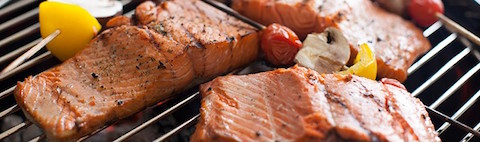
wild-salmon
Wild salmon (picture used with permission: Vital Choice

Seafood is a great source of amino acids, omega-3 fatty acids, zinc, iodine, iron, calcium, selenium, and vitamins B12, A, and D, many of which are beneficial for mood disorders.

Fish in the diet has a positive impact on depression

A number of studies have found that including fish in the diet has a positive impact on depression, especially those that refer to traditional diets (the famous one is by Jacka and colleagues) and the Mediterranean diet (there are a number of studies by Sanchez-Villegas et al). A study from Finland found that the prevalence of depression was lower in countries where consumption of seafood is high.

When it comes to diet and nutrients there is much more research on depression than anxiety, so when my book The Antianxiety Food Solution was published in 2011, I wrote the following:

Given the link between anxiety and depression, it’s possible that seafood consumption could also help reduce the incidence of anxiety.

A study that now shows reduced anxiety with fish consumption

We have a study that now shows this: Reduced anxiety in forensic inpatients after a long-term intervention with Atlantic salmon

In the study, 95 male forensic patients were randomly assigned to one of two groups:

  • a Fish group where they consumed Atlantic salmon three times per week from September to February OR
  • a Control group where they consumed other protein sources such as chicken, pork, or beef three times per week, also from September to February

The paper lists the incidence of the following disorders amongst the study participants (all sexual offenders) who were in a secure forensic inpatient facility in the USA:

Personality disorders (antisocial personality disorder, borderline personality disorder or personality disorder with antisocial traits) were diagnosed among 76% of the participants. Moreover, about 31% of the participants were diagnosed with some kind of anxiety disorder (GAD, OCD, PD or post-traumatic stress disorder) and about 18% were diagnosed with depression (major depressive disorder or depressive disorder). About 31% of the participants had both a personality disorder and an anxiety or depressive disorder.

The study findings

The study participants consumed salmon for 6 months and the study findings suggest that

Atlantic salmon consumption may have an impact on mental health related variables such as underlying mechanisms playing a key role in emotion-regulation and state-anxiety

And that

The present results showed that fatty fish consumption caused changes in HRV [heart rate variability] which is regarded as an essential underlying biological mechanism involved in anxiety and emotion-regulation.

A few interesting factors about this study

  • The salmon was farmed and mercury and dioxin levels were measured. Despite this, mental health benefits and reduced anxiety was observed. I suspect even more favorable results would have been observed had wild salmon been used
  • The authors mention that a longer intervention as in this study i.e. 23 weeks/6 months is likely to lead to better results than a shorter intervention
  • The Fish group had a significant increase in both omega-3 fatty acids: EPA and DHA
  • The authors speculate about how improved vitamin D status in the Fish group may help regulate serotonin production and thereby help regulate heart rate variability and reduce anxiety
  • The study highlights nutritional benefits of fatty fish other than marine omega-3 fatty acids and vitamin D: selenium, iodine, vitamin B12 and high quality proteins. I’d like to add that it is a source of zinc and iron too, both of which are co-factors for making brain chemicals.
  • Although the study found a significant decrease in state-anxiety, it did not find any changes in trait-anxiety (here are the differences in state-anxiety and trait-anxiety). The authors suggest that trait-anxiety may be more difficult to change during a 6-month intervention study. I’d like to add that other concurrent nutritional and biochemical interventions would likely have provided additional mental health benefits. This could include: a gluten-free diet, targeted individual amino acids, addressing dysbiosis, addressing high or low histamine, pyroluria and zinc-copper imbalances and so on.

The authors mention a limitation of the study, in that this group of adult male forensic inpatients may make it difficult to generalize the results to other groups in the population and recommend further similar research in children and women.

I look forward to future research but I feel very comfortable about putting this limitation aside for now, especially with the positive results found with this group of patients with very severe symptoms.

I also feel very comfortable extrapolating these results from salmon to sardines and would expect similar beneficial results. I highly recommend selecting wild salmon or wild sardines rather than farmed.

If you suffer from anxiety and stress, or any mood disorder, I hope this research is further motivation to eat wild fatty fish a few times a week. How much fatty fish do you eat each week and have you observed mood or other health improvements?

And if you’re a practitioner, I hope this research is a bigger incentive to continue to recommend fatty fish to your clients or patients.

If you’re looking for some great recipes check out this yummy summer salmon pate recipe and this delicious pomegranate olive mint salsa to serve on grilled salmon. Vital Choice, a wonderful source for great quality home delivery WILD fish, has great recipes on their site too.

Filed Under: Fish Tagged With: anxiety, fatty fish, salmon, sardines, serotonin, vitamin D

Low serotonin and fibromyalgia, ferritin and other testing

June 19, 2016 By Trudy Scott 1 Comment


Misdiagnoses of fibromyalgia is rampant–upwards of two-thirds of patients could be misdiagnosed! Tens of millions diagnosed with fibromyalgia may actually have other problems accounting for their symptoms, which leads to improper treatment. Are you one of them?

We invite you to attend this event if you are suffering from:

  • Body-wide pain
  • Persistent fatigue
  • Unrefreshed sleep and insomnia
  • Irritable Bowel Syndrome
  • Thyroid and/or adrenal dysfunction
  • Depression and/or anxiety

Naturally I discussed the fibromyalgia-anxiety connection and the use of both 5-HTP and/or tryptophan to ease the pain and the anxiety.

Here are some excerpts from one of the papers we discussed: Fibromyalgia and the serotonin pathway

Fibromyalgia syndrome is a musculoskeletal pain and fatigue disorder manifested by diffuse myalgia, localized areas of tenderness, fatigue, lowered pain thresholds, and nonrestorative sleep.

Low serotonin is often a contributing factor with fibromyalgia and we find that tryptophan and/or 5-HTP can be very beneficial for the anxiety, depression, pain and insomnia we often see in those with classic fibromyalgia:

Serotonin substrate supplementation, via L-tryptophan or 5-hydroxytryptophan (5-HTP), has been shown to improve symptoms of depression, anxiety, insomnia and somatic pains in a variety of patient cohorts.

Here is a recent blog on the topic: Fibromyalgia: tryptophan or 5-HTP for anxiety, depression, pain and insomnia

We also cover how the other aminos GABA and DPA (d-phenylalanine) can help with pain reduction too, and how to do a trial of the amino acids in order to find the optimal dose.

I also discuss how the other amino acids GABA and DPA (d-phenylalanine) can help with pain reduction too, and how to do a trial of the amino acids in order to find the optimal dose (so if you need a recap on how to do this do join us).

Other topics in our interview include:

  • Benzodiazepines
  • Joint hyperflexibility (or Ehlers–Danlos syndrome)

Dr. David M. Brady, ND is the host of the summit and is one of my favorite doctors. I learned so much from him when I first became a nutritionist!  He is an internationally recognized expert in fibromyalgia and a staunch patient advocate for those who have been struggling because of a medical system that is ill-equipped to deal with the problem.

Here is a snippet of his interview with Kara Fitzgerald on testing and ferritin:

The Fibro-fix Summit runs through June 27. You can register here.

Enjoy! And feel free to ask questions here.


Filed Under: Events Tagged With: ferritin, Fibromyalgia, serotonin

Blueberries boost serotonin and may help with PTSD and anxiety

May 20, 2016 By Trudy Scott 11 Comments

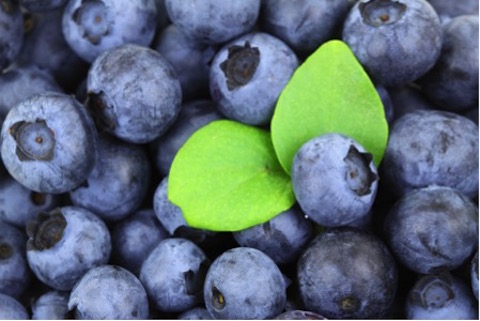
blueberries

New research finds that blueberries boost serotonin and may help with PTSD and anxiety. This was an animal study and is very promising.

A press release issued by the American Physiological Society shares the following:

Up to 8 percent of people in the U.S. suffer from post-traumatic stress disorder (PTSD) as the result of witnessing or being the victim of a traumatic event.

People with PTSD have been in a situation in which they were at risk of death, serious injury or sexual violence or have seen first-hand loved ones faces such threats. They may experience flashbacks, emotional detachment and jumpiness, among other symptoms that affect their ability to function in everyday life.

Currently, the only approved therapy for PTSD is selective serotonin reuptake inhibitors (SSRIs), such as Zoloft and Paxil, but their effectiveness is marginal. Now researchers at Louisiana State University have found that a readily available superfood—the blueberry—could be an effective treatment.

Philip J. Ebenezer presented the poster titled “The Neuro-Protective Efficacy of Blueberry in an Animal Model of Post-Traumatic Stress Disorder (PTSD)” at the Experimental Biology meeting on March 30, 2016.

Here is the paper/poster abstract: The Neuro-protective Efficacy of Blueberry in an Animal Model of Post-Traumatic Stress Disorder (PTSD)

Post-traumatic stress disorder (PTSD) is a trauma and stressor-related disorder that results in a prolonged stress response. It is associated with increased oxidative stress and inflammation in the prefrontal cortex (PFC) and hippocampus (HC). Previous findings from our lab indicate that neurotransmitter levels are modulated in the brain of PTSD animals. The only approved therapy for PTSD is the use of selective serotonin re-uptake inhibitors (SSRI), but their efficacy is marginal. Recently, we demonstrated that over-activation of Norepinephrine (NE) along with Serotonin (5-HT) as the possible reason for the lack of efficacy of SSRI. Hence, there is a need for novel therapeutic approaches for the treatment of PTSD. In this study, we investigated the neuroprotective role of blueberries (BB) in modulating neurotransmitter levels in PTSD. Rats were fed with a blueberry-enriched (2%) or a control diet. Rats were exposed to cats for one hour on days 1 and 11 of a 31-day schedule to simulate traumatic conditions. At the end of the study, the rats were euthanized and PFC and HC were isolated. We measured monoamines and their metabolites by high-performance liquid chromatography. In our PTSD model, NE levels were increased and 5-HT levels were decreased when compared to control. In contrast, a BB diet increased 5-HT without affecting NE levels. These findings indicate non-pharmacological approaches might modulate neurotransmitters in PTSD. Further studies to understand the molecular mechanism of neuro-protection by BB can provide a potential therapeutic target for the treatment of PTSD.

In summary, the traumatized rats that were fed blueberries saw an increase in serotonin levels and the study authors suggest that the non-drug neuroprotection offered by the blueberries may offer support for those with PTSD. Presumably this could help those with anxiety and depression too, since low serotonin can also be a factor in these conditions.  

Here are some ways to incorporate blueberries:

  • Fresh blueberries as a healthy snack
  • Frozen blueberries, also eaten as is as healthy snack (kids love this treat)
  • In a smoothie for breakfast, together with coconut milk, a banana and some whey or pea protein powder (great for good blood sugar control and reducing anxiety and irritability too)
  • As a dessert with grass-fed organic ice-cream or cream, or coconut milk if dairy is an issue for you
  • Dunked in melted dark organic free-trade chocolate as an occasional treat

Make sure to buy organic blueberries as non-organic are on the Dirty Dozen list and are highly sprayed with pesticides.

I love blueberries! How about you? How do you like to eat them?

PS. We’ll be covering other new food anxiety research on the upcoming Anxiety Summit and hope you can join us.

Filed Under: Antianxiety, PTSD/Trauma Tagged With: anxiety, blueberries, PTSD, serotonin, the anxiety summit

Tryptophan for anxiety, sleep and mood: in Put Anxiety Behind You

May 6, 2016 By Trudy Scott 98 Comments

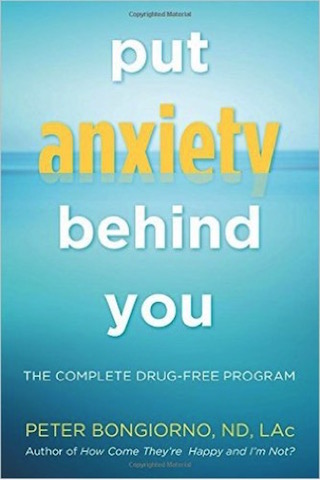
put-anxiety-behind-you

Tryptophan is an amino acid I use with clients all the time. If you have the low serotonin symptoms of anxiety, worry, depression, insomnia, PMS, TMJ, anger issues, winter blues and afternoon/evening cravings, tryptophan can provide relief very quickly, provided you use a quality tryptophan product and find the right amount for your unique needs. I do a trial of each amino acid with my clients.

Dr. Peter Bongiorno, ND, a doctor of naturopathic medicine, also uses tryptophan with his patients. Here is an excerpt on tryptophan from his newest book Put Anxiety Behind You: The Complete Drug-Free Program:

Tryptophan (sometimes referred to as L-tryptophan) is a naturally derived amino acid that serves as a precursor to the neurotransmitter serotonin, which is needed to help you stay asleep. Low levels of tryptophan contribute to generalized anxiety and panic attacks. Back in the early 1990s, a laboratory I was associated with at Yale University performed “tryptophan depletion studies” and which volunteers who were already prone to anxiety were put on a tryptophan-free diet. Within days, these people were extremely anxious, panicky and unstable – and they had lots of trouble staying asleep.

I usually give people 500 – 1,000 mg of tryptophan at bedtime, but I may dose up to 2,500 mg. Take tryptophan at bedtime with a slice of simple carbohydrate (like an apple slice) – the carbohydrate will increase insulin levels and insulin will promote tryptophan absorption in the brain. In my clinic I use a supplement called Tryptophan Calmplete, which includes B vitamins.

Although most conventional psychiatrists are afraid to mix natural medicines like tryptophan with conventional medications studies suggest that they can be safely combined. One eight-week randomized controlled trial of thirty patients with major depression combined 20 mg of Prozac (an SSRI medication) with 2,000 mg of tryptophan as daily treatment for major depressive disorder. This study demonstrated that combining tryptophan and an SSRI improved mood and helped patients stay asleep.

If you look up tryptophan on websites like WebMD, they are going to tell you that tryptophan is unsafe. The reason for this is because in the early 1990s there was an incident of Eosinophilia Myalgia Syndrome, a condition contracted by thirty people who most unfortunately got sick (and some died) after ingesting tryptophan supplements. This tragic event occurred because the company making the supplement had no quality controls, and allowed the introduction of bacteria. These deaths had nothing to do with tryptophan itself. My sense is that the folks behind conventional websites WebMD, who should be doing their homework, let these ideas persist on purpose. The drug companies who advertise with these websites then benefit from continuing the misinformation. I have taken tryptophan myself, have used it with family members and countless patients with absolutely no problem save for the side benefit of better sleep and mood.

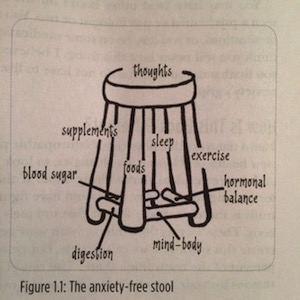
This book is an excellent resource for anxiety, where addressing nutritional imbalances with a supplement such as tryptophan is part of the bigger picture of addressing sleep, doing thought work and mind-body work, balancing hormones and blood sugar, exercising, adopting a healthy real foods diet, and making sure you have a healthy digestive system.

He uses the analogy of a stool – when one of the legs or supports is weak, your health suffers.

put-anxiety-behind-you-fig1

I’m a research-geek and love to be able to look at the studies so my only negative comment about the book is that all the studies mentioned in the text are not listed in the references and studies that are listed in the references are not numbered so they can be easily found in the text.

His other book Holistic Solutions for Anxiety and Depression: Combining Natural Remedies with Conventional Care is also excellent and is geared to therapists and other practitioners. You can read my review of that book here.

I had the pleasure of interviewing Dr. Bongiorno on The Anxiety Summit (season 3) – our topic: Serotonin and Anxiety, Happiness, Digestion and our Hormones. And I’m excited to share that he’ll be speaking on Season 4 of the Anxiety Summit. We’ll be taking a deeper dive into serotonin and tryptophan.

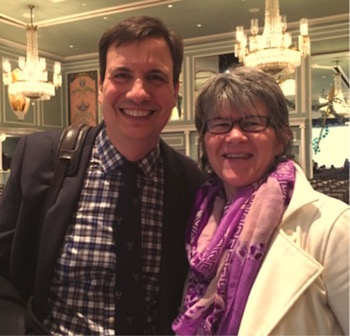
I also had the pleasure of meeting Dr. Bongiorno in person and hearing him present at the New York City Integrative Healthcare Symposium earlier this year.  

peter-trudy

Dr. Bongiorno is co-director of Inner Source Natural Health and Acupuncture in New York City. President of the New York Association of Naturopathic Physicians, he is a contributor to numerous blogs and online magazines, including DrOz.com and Sharecare.com, and is regularly interviewed as a natural medicine expert on national television and radio.

Dr. Bongiorno has been kind enough to offer a copy of Put Anxiety Behind You: The Complete Drug-Free Program as a giveaway. We’ll do a drawing and select one lucky reader and announce the winner next Friday. If you’d like to be entered in to the drawing simply comment below and share:

  • why you’d like to win the book
  • if you’ve used tryptophan and what results you saw/see
  • which section you’re most excited about reading and why (just go to the Amazon preview via this link and check out the table of contents and sections of the book)
  • which holistic approaches you already use personally or if you’re a practitioner, what you have used with your anxious patients/clients

5/12/16 UPDATE: Thanks for participating and commenting – the winner is Liz. We’ll contact you to get a mailing address and get a copy of the book to you! Enjoy it! 

If you missed out I encourage you to still check out the table of contents (with the look inside Amazon feature) and get the book if it feels like a fit for you. Check out the comments below to be inspired further.

Please share your feedback (and questions you may have) in the comments section below.


Filed Under: Anxiety and panic, Books, Sleep, Tryptophan Tagged With: amino acid, anxiety, panic, Peter Bongiorno, Put Anxiety Behind You, serotonin, sleep, tryptophan

  • « Go to Previous Page
  • Page 1
  • Interim pages omitted …
  • Page 22
  • Page 23
  • Page 24
  • Page 25
  • Page 26
  • Interim pages omitted …
  • Page 28
  • Go to Next Page »

Primary Sidebar

GABA QuickStart Homestudy

gaba quickstart homestudy

Free Report

9 Great Questions Women Ask about Food, Mood and their Health

You'll also receive a complimentary subscription to my ezine "Food, Mood and Gal Stuff"


Connect with me

Popular Posts

  • Amino Acids Mood Questionnaire from The Antianxiety Food Solution
  • The Antianxiety Food Solution Amino Acid and Pyroluria Supplements
  • Pyroluria Questionnaire from The Antianxiety Food Solution
  • Collagen and gelatin lower serotonin: does this increase your anxiety and depression?
  • Tryptophan for the worry-in-your-head and ruminating type of anxiety
  • GABA for the physical-tension and stiff-and-tense-muscles type of anxiety
  • The Antianxiety Food Solution by Trudy Scott
  • Seriphos Original Formula is back: the best product for anxiety and insomnia caused by high cortisol
  • Am I an anxious introvert because of low zinc and vitamin B6? My response to Huffington Post blog
  • Vagus nerve rehab with GABA, breathing, humming, gargling and key nutrients

Recent Posts

  • Her cravings for chips and peanut butter were triggered by stress: GABA ends cravings and reduces physical tension and fear of heights
  • It is truly miraculous to be able to move through life without crippling anxiety and panic
  • GABA and tryptophan combo provide immediate and noticeable relief for tremors and cervical dystonia in just 7 days
  • Red light therapy for back and neck pain, plantar fasciitis and low mood – a complement to the amino acids GABA, DPA and tryptophan
  • What do I use instead of Seriphos to help lower high cortisol that is affecting my sleep and making me anxious at night?

Categories

  • 5-HTP
  • AB575
  • Addiction
  • ADHD
  • Adrenals
  • Alcohol
  • Allergies
  • Alzheimer's disease
  • Amino Acids
  • Anger
  • Antianxiety
  • Antianxiety Food Solution
  • Antidepressants
  • Anxiety
  • Anxiety and panic
  • Autism
  • Autoimmunity
  • benzodiazapines
  • Bipolar disorder
  • Books
  • Caffeine
  • Cancer
  • Candida
  • Children/Teens
  • Collagen
  • Cooking equipment
  • Coronavirus/COVID-19
  • Cravings
  • Depression
  • Detoxification
  • Diabetes
  • Diet
  • DPA/DLPA
  • Drugs
  • EFT/Tapping
  • EMF
  • EMFs
  • Emotional Eating
  • Endorphins
  • Environment
  • Essential oils
  • Events
  • Exercise
  • Fear
  • Fear of public speaking
  • Fertility and Pregnancy
  • Fish
  • Food
  • Food and mood
  • Functional neurology
  • GABA
  • Gene polymorphisms
  • General Health
  • Giving
  • Giving back
  • Glutamine
  • Gluten
  • GMOs
  • Gratitude
  • Gut health
  • Heart health/hypertension
  • Histamine
  • Hormone
  • Hyperparathyroidism
  • Hypoglycemia
  • Immune system
  • Inflammation
  • Insomnia
  • Inspiration
  • Introversion
  • Joy and happiness
  • Ketogenic diet
  • Lithium orotate
  • Looking awesome
  • Lyme disease and co-infections
  • MCAS/histamine
  • Medication
  • Men's health
  • Mental health
  • Mercury
  • Migraine
  • Mold
  • Movie
  • MTHFR
  • Multiple sclerosis
  • Music
  • NANP
  • Nature
  • Nutritional Psychiatry
  • OCD
  • Osteoporosis
  • Oxalates
  • Oxytocin
  • Pain
  • Paleo
  • Parasites
  • Parkinson’s disease
  • PCOS
  • People
  • PMS
  • Postpartum
  • PTSD/Trauma
  • Pyroluria
  • Questionnaires
  • Real whole food
  • Recipes
  • Research
  • Schizophrenia
  • serotonin
  • SIBO
  • Sleep
  • Special diets
  • Sports nutrition
  • Stress
  • Sugar addiction
  • Sugar and mood
  • Supplements
  • Teens
  • Testimonials
  • Testing
  • The Anxiety Summit
  • The Anxiety Summit 2
  • The Anxiety Summit 3
  • The Anxiety Summit 4
  • The Anxiety Summit 5
  • The Anxiety Summit 6
  • Thyroid
  • Thyroid health
  • Toxins
  • Tryptophan
  • Tyrosine
  • Uncategorized
  • Vegan/vegetarian
  • Women's health
  • Yoga

Archives

  • May 2026
  • April 2026
  • October 2025
  • September 2025
  • August 2025
  • July 2025
  • June 2025
  • May 2025
  • April 2025
  • March 2025
  • February 2025
  • January 2025
  • November 2024
  • October 2024
  • September 2024
  • August 2024
  • July 2024
  • June 2024
  • May 2024
  • April 2024
  • March 2024
  • February 2024
  • January 2024
  • December 2023
  • November 2023
  • October 2023
  • September 2023
  • August 2023
  • July 2023
  • June 2023
  • May 2023
  • April 2023
  • March 2023
  • February 2023
  • January 2023
  • December 2022
  • November 2022
  • October 2022
  • September 2022
  • August 2022
  • July 2022
  • June 2022
  • May 2022
  • April 2022
  • March 2022
  • February 2022
  • January 2022
  • December 2021
  • November 2021
  • October 2021
  • September 2021
  • August 2021
  • July 2021
  • June 2021
  • May 2021
  • April 2021
  • March 2021
  • February 2021
  • January 2021
  • December 2020
  • November 2020
  • October 2020
  • September 2020
  • August 2020
  • July 2020
  • June 2020
  • May 2020
  • April 2020
  • March 2020
  • February 2020
  • January 2020
  • December 2019
  • November 2019
  • October 2019
  • September 2019
  • August 2019
  • July 2019
  • June 2019
  • May 2019
  • April 2019
  • March 2019
  • February 2019
  • January 2019
  • December 2018
  • November 2018
  • October 2018
  • September 2018
  • August 2018
  • July 2018
  • June 2018
  • May 2018
  • April 2018
  • March 2018
  • February 2018
  • January 2018
  • December 2017
  • November 2017
  • October 2017
  • September 2017
  • August 2017
  • July 2017
  • June 2017
  • May 2017
  • April 2017
  • March 2017
  • February 2017
  • January 2017
  • December 2016
  • November 2016
  • October 2016
  • September 2016
  • August 2016
  • July 2016
  • June 2016
  • May 2016
  • April 2016
  • March 2016
  • February 2016
  • January 2016
  • December 2015
  • November 2015
  • October 2015
  • September 2015
  • August 2015
  • July 2015
  • June 2015
  • May 2015
  • April 2015
  • March 2015
  • February 2015
  • January 2015
  • December 2014
  • November 2014
  • October 2014
  • September 2014
  • August 2014
  • July 2014
  • June 2014
  • May 2014
  • April 2014
  • March 2014
  • February 2014
  • January 2014
  • December 2013
  • November 2013
  • October 2013
  • September 2013
  • August 2013
  • July 2013
  • June 2013
  • May 2013
  • April 2013
  • March 2013
  • February 2013
  • January 2013
  • December 2012
  • November 2012
  • October 2012
  • August 2012
  • July 2012
  • June 2012
  • May 2012
  • April 2012
  • March 2012
  • February 2012
  • January 2012
  • December 2011
  • November 2011
  • October 2011
  • September 2011
  • August 2011
  • July 2011
  • June 2011
  • May 2011
  • April 2011
  • March 2011
  • February 2011
  • January 2011
  • December 2010
  • October 2010
  • September 2010
  • July 2010
  • May 2010
  • April 2010
  • March 2010
  • February 2010
  • January 2010
  • November 2009

Share the knowledge!

The above statements have not been evaluated by the Food and Drug Administration. Products listed in this website are not intended to diagnose, treat, cure or prevent any disease.

The information provided on this site is for informational and educational purposes only and is not intended as a substitute for advice from your physician or other health care professional. You should consult with a healthcare professional before starting or modifying any diet, exercise, or supplementation program, before taking or stopping any medication, or if you have or suspect you may have a health problem.


Copyright © 2026 Trudy Scott. All Rights Reserved. | Privacy | Terms and Conditions | Refund Policy | Medical Disclaimer

Free Report

9 Great Questions Women Ask about Food, Mood and their Health

You’ll also receive a complimentary subscription to my ezine “Food, Mood and Gal Stuff”