• Skip to primary navigation
  • Skip to main content
  • Skip to primary sidebar

everywomanover29 blog

Food, Mood and Women's Health – Be your healthiest, look and feel great!

  • Blog
  • About
  • Services
  • Store
  • Resources
  • Testimonials
  • The Book
  • Contact
  • Search this site

pyroluria

Increasing tryptophan or 5-HTP temporarily when a winter dip in serotonin causes more severe anxiety, OCD and/or the winter blues

December 24, 2021 By Trudy Scott 30 Comments

tryptophan and 5htp during winter

Don’t forget that serotonin takes a dip in winter when the days are shorter and there is less light. If you’re currently using tryptophan or 5-HTP to boost low serotonin and ease low serotonin symptoms – worry-type anxiety, panic attacks, insomnia, ruminations, PMS, irritability, negativity, perfectionism, obsessiveness, lack of confidence, anger/rage, afternoon/evening cravings – you may find you need to increase your dose for a few months.

This will especially be the case if you check off winter blues or more severe winter anxiety (yes it’s a thing and published in the research) on the low serotonin symptoms list.

I shared this on Facebook last week and the feedback ranged from surprised to curious to confirmatory.

In this blog I’m sharing some of the feedback and some of the supporting evidence, as well as other factors to consider.

The addition of 5-HTP in the morning and a light box

Kathy thanked me for the reminder and shared the changes she makes in the winter months:

Thanks for the reminder! I need to increase my dose this time of year… I can feel myself feeling “down”. I take 500 mg Tryptophan before bed and 100 mg 5-HTP in the morning before breakfast. I also use a light box in the morning while eating breakfast, which helps.

This is an increase from her typical dosing in the spring and summer when she only takes tryptophan at night before bed.

She also only uses her light box or SAD (seasonal affective disorder) lamp in winter. You can read more about SAD/full spectrum lamps here. They are also a wonderful way to boost serotonin and mood in the winter.

My daughter’s anxiety and OCD goes through the roof

Mark shared about his daughter’s anxiety and OCD (obsessive compulsive disorder):

Every year from October – March, my daughter’s anxiety and OCD goes through the roof. At first we thought it was the transition from summer to school, then the craziness of the winter holidays and suspected mold allergy. Now, based on this information, a winter/less light induced dip in serotonin may be an additional factor we hadn’t considered. We’ll try adjusting her 5-HTP dose and see if we gain some improvement. Thanks for the tip.

It’s really common for families to attribute the more severe anxiety and OCD to the stress and craziness of the winter holidays. And of course suspected mold issues do need to be looked into and addressed. But even then, the dip in serotonin can compound all these factors.

Planned tryptophan bump for Christmas sugar cravings and holiday family stress

Carol shared this about her plans to temporarily boost serotonin:

I am one of those light weights that was able to do one 500 mg pill a day of tryptophan. But I do think that it would help to bump it up to two a day to get me through the Christmas sugar cravings AND holiday family stressful get togethers! I’m all about taking the minimum effective dose but this is helpful to know that there could be a temporary boost just to get you through this time!

It’s wonderful that 500mg tryptophan is enough for her and I’m all for a minimum effective dose! However the winter dip in serotonin – and increased sugar cravings and family stress – is a common reason many folks bump up the dose for a month or more.

You may also find you made the change intuitively. Linda shared this: “I had made the adjustment. I just did not realize the reason why.”

A question about timing of 5-HTP and what to do in Spring

Suzanne shared that she uses a SAD light (also called a light box) and finds that it helps. She asks:

Can I just take the 5-HTP on days with no sun or is it better to have it build up in my system? When spring rolls around, do I taper off or can I just stop taking it?

This is my feedback: I haven’t had anyone just use 5-HTP on cloudy days but it’s worth a trial.  If you are noticing increased anxiety and mood changes only on cloudy days and using the SAD lamp on those days helps, then using 5-HTP on those days may be enough. If not, use 5-HTP consistently/daily through the winter months.

Amino acids do not need to be tapered but I find my clients do better when they are reduced over a few weeks. Some folks also choose to just stop taking them and do fine.

I appreciate all the feedback and the great questions. I’ll report back when I hear how Mark’s daughter does with the adjusted 5-HTP and how Carol does with the bump in tryptophan (and any other feedback I get from these folks).

Some of the research and possible mechanisms

There are many studies that support serotonin changes and seasonal variations in mood. Here are just two of them:

  • Effect of sunlight and season on serotonin turnover in the brain “Alterations in monoaminergic neurotransmission in the brain are thought to underlie seasonal variations in mood, behaviour, and affective disorders… turnover of serotonin by the brain was lowest in winter. Moreover, the rate of production of serotonin by the brain was directly related to the prevailing duration of bright sunlight… Our findings are further evidence for the notion that changes in release of serotonin by the brain underlie mood seasonality and seasonal affective disorder.”
  • Sunshine, Serotonin, and Skin: A Partial Explanation for Seasonal Patterns in Psychopathology? “one contributory facet may be the role of sunshine on human skin. Human skin has an inherent serotonergic system that appears capable of generating serotonin.”

Other factors to consider: low vitamin D, sugar, pyroluria and phenols

There are other low-serotonin related factors to consider too:

  • Low vitamin D is common in the winter and sufficient levels are needed for making serotonin. This paper, Vitamin D and the omega-3 fatty acids control serotonin synthesis and action, part 2: relevance for ADHD, bipolar disorder, schizophrenia, and impulsive behavior describes how“Brain serotonin is synthesized from tryptophan by tryptophan hydroxylase 2, which is transcriptionally activated by vitamin D hormone. Inadequate levels of vitamin D (∼70% of the population) and omega-3 fatty acids are common, suggesting that brain serotonin synthesis is not optimal.”
  • The increased consumption of sugar at this time can lead to reduced zinc, magnesium and B vitamins (like vitamin B6 and thiamine) and this can further reduce serotonin levels, which relies on these nutrients as cofactors for production. By boosting serotonin with additional tryptophan or 5-HTP you can actually reduce some of the cravings.
  • If you have the social anxiety condition called pyroluria, the added stress of family and holiday gatherings can also contribute to zinc and vitamin B6 being dumped, and further impacting serotonin production.
  • Christmas tree phenols can be a trigger for anger, meltdowns, anxiety, hyperactivity, insomnia, aggression, self-injury and autistic symptoms in susceptible individuals

Resources if you are new to using tryptophan and 5-HTP as supplements

If you are new to using the amino acids as supplements, here is the Amino Acids Mood Questionnaire from The Antianxiety Food Solution (you can see the low serotonin symptoms here) and a brief overview here, Anxiety and targeted individual amino acid supplements: a summary.

If you suspect low serotonin or low levels of any of the neurotransmitters and do not yet have my book, The Antianxiety Food Solution – How the Foods You Eat Can Help You Calm Your Anxious Mind, Improve Your Mood, and End Cravings, I highly recommend getting it and reading it before jumping in and using amino acids so you are knowledgeable. And be sure to share it with the team you or your loved one is working with.

The book doesn’t include product names (per the publisher’s request) so this blog, The Antianxiety Food Solution Amino Acid and Pyroluria Supplements, lists the amino acid products that I use with my individual clients and those in my group programs.

If, after reading this blog and my book, you don’t feel comfortable figuring things out on your own (i.e. doing the symptoms questionnaire and respective amino acids trials), a good place to get help is the GABA QuickStart Program (if you have low GABA symptoms). This is a paid online/virtual group program where you get my guidance and community support. 

Another option is the budget-friendly GABA QuickStart Homestudy program.

If you also need serotonin support, the Serotonin QuickStart Program is a good place to get help. This is also a paid online/virtual group program where you get my guidance on using tryptophan and 5-HTP safely, and community support during 5 LIVE Q&A calls. You can sign up to be notified when the next live launch of this program is happening.

If you are a practitioner, join us in The Balancing Neurotransmitters: the Fundamentals program. This is also a paid online/virtual program with an opportunity to interact with me and other practitioners who are also using the amino acids.

Wrapping up and your feedback

Have you noticed this winter dip in serotonin and made adjustments to your 5-HTP or tryptophan? And do you feel less anxious, less obsessive, not as low and with fewer sugar cravings?

Do you find that using a SAD lamp/full spectrum light at this time helps even further?

Were you aware that serotonin dipped in winter and could be playing a role for you? Or did you think it was just the stress and overwhelm of the holidays (and /or some of the emotional upheaval some of us face at this time)?

If you’re a practitioner, have you seen this with clients or patients?

Have you also noticed you need to adjust your GABA and other amino acids at this time too (both GABA and dopamine show seasonality)?

Feel free to ask your questions here too.
Filed Under: 5-HTP, Anxiety, Depression, serotonin, Tryptophan Tagged With: 5-HTP, anger, anxiety, dip in serotonin, holiday family stress, insomnia, irritability, lack of confidence, less light, light box, low vitamin D, negativity, obsessiveness, OCD, panic attacks, perfectionism, Phenols, PMS, pyroluria, rage, ruminations, serotonin, shorter days, skin, sugar, sugar cravings, tryptophan, winter, winter blues, worry-type anxiety

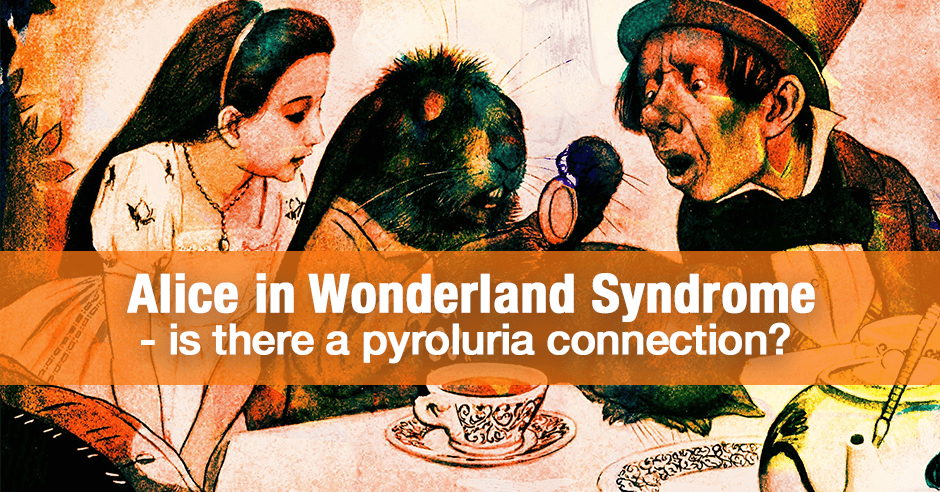
Alice in Wonderland Syndrome – is there a pyroluria connection?

June 25, 2021 By Trudy Scott 48 Comments

alice in wonderland syndrome

I first learned about Alice in Wonderland Syndrome (AIWS) during one of the Anxiety Summits. I’m surprised at how many queries I get about this syndrome and the fact that everyone who has reached out also has the social anxiety condition called pyroluria or suspects they have it.

This 2017 paper, Alice in Wonderland Syndrome: A real life version of Lewis Carroll’s novel, describes it as follows:

Alice in Wonderland Syndrome was originally coined by Dr. John Todd in 1955. The syndrome is named after the sensations experienced by the character Alice in Lewis Carroll’s novel Alice’s Adventures in Wonderland. Alice in Wonderland Syndrome consists of metamorphopsia (seeing something in a distorted fashion), bizarre distortions of their body image, and bizarre perceptual distortions of form, size, movement or color. Additionally, patients with Alice in Wonderland Syndrome can experience auditory hallucinations and changes in their perception of time. Currently, there is no known specific cause of Alice in Wonderland Syndrome. However, theories point to infections such as the Epstein-Barr virus, medications such as topiramate and associated migraines.

You can read about all the types of visual and non-visual distortions in this paper: Alice in Wonderland syndrome – A systematic review. This paper also includes a list of conditions in which Alice in Wonderland syndrome has been described in the literature, with infections and migraines being very common. The authors also feel that what we see in the published literature may only be the tip of the iceberg:

Since 1955, no more than 169 case descriptions of AIWS have been published. The literature indicates that this may be only the tip of the iceberg, with many individual symptoms of AIWS being experienced (albeit occasionally and only fleetingly) by up to 30% of adolescents in the general population.

The published case numbers have increased slightly (this paper was published in 2016) and it’s reported that many of the 30% of adolescents with AIWS experience non-clinical symptoms i.e. they are not severe enough to need treatment.

I still find “up to 30% of adolescents in the general population” to be very surprising for a syndrome which was once considered very rare and is frequently misdiagnosed.

Read on to hear from some folks in my community who have reached out and described their AIWS episodes. They all have pyroluria and I’d love to know if there is a possible connection.

Everything either looks really far away but massive or really close up but tiny

Sallie, a mom in my community, shared about her son and what he experienced in the comments section of the pyroluria prevalence and associated conditions blog. During his episodes, everything either looks really far away but massive or really close up but tiny:

I believe he has Alice in Wonderland syndrome. I have taken him to GP’s, pediatricians, optometrists, opthamologists and no one knew what was wrong. I spent about 6 months researching the possibilities myself and came across AIWS. When I showed him some of the journal articles, he was so relieved to finally have an answer. Since then, I have had a gut feeling that pyroluria and AIWS may be linked somehow.

She believes his AIWS may have been triggered by an infection when he was around 6 years of age. He developed sudden onset of vomiting, fever and delirium:

Still to this day, he distinctly remembers this night and recalls (like it was yesterday) not being able to stop looking at his hands because they were changing size and how far away/close up they were.

Once he was old enough to articulate what he was experiencing, he was able to tell me he feels weird, like he needs to go to a pitch-black room and lie down. Sometimes it coincides with a headache.

Everything suddenly appears as if far away then everything either looks really far away but massive or really close up but tiny. He feels dizzy while this happens also. Stress definitely increases the number of AIWS episodes.

Infections are reported as one (of possibly many) root causes of AIWS: “Reported causes include infection (especially with Epstein Barr virus), migraine, epilepsy, depression, and toxic and febrile delirium.”

Infections are common mental health triggers. Strep as a trigger for PANDAS/PANS is a classic example. I blog about Bartonella and sudden-onset adolescent schizophrenia here.

He has pyroluria and stress increases the number of episodes he experiences. My question is this: is there a link between the dumping of zinc and vitamin B6 during these times of stress and episodes of AIWS?

The feeling of being extremely small somatically (or physically), like how you feel when in a football stadium

Mike is a 21 year old male and thinks he may very well have pyroluria based on the questions. He also shares this in the blog comments about his AIWS experiences:

I have experienced sensations similar to Alice in Wonderland Syndrome throughout my life, more so during periods of stress. The feeling of being extremely small somatically (or physically), like how you feel when in a football stadium.

Again, he has pyroluria and his symptoms are worse during periods of stress. Keep in mind that stress makes pyroluria symptoms more intense too.

She usually experiences objects/people smaller than what they are but her more pronounced symptoms are sound distortions

Brenda, another mom in the community, shared this about her daughter’s dreams and PMS on the pyroluria questionnaire blog:

I’m quite certain that my 17 year old daughter has pyroluria. I counted 23 symptoms that she definitely exhibits. Her dream recall is so poor that she insists she doesn’t dream at all. I’m going to start her on zinc, B6 and evening primrose oil right away. Her PMS/premenstrual syndrome is so severe that I had decided to see a gyno to discuss birth control pills. Of course I won’t after listening to your interview with Karla Maree (on the Anxiety Summit).

She also asked if I was familiar with Alice in Wonderland Syndrome and if so do I think it may be connected to pyroluria?  She shares this about her daughter’s AIWS experiences:

My daughter has experienced occasional Lilliputian (trivial or small) hallucinations since childhood.  She usually experiences objects/people smaller than what they are but her more pronounced symptoms are sound distortions. She hears voices/noises (real, not imagined) much louder than they are in reality.

She does not have migraines, has never had mononucleosis or any of the other conditions listed as possible causes of Alice in Wonderland Syndrome. That’s why I’m thinking it may be caused by nutritional deficiencies.

This was my introduction to this syndrome and I appreciate her for asking the question. I did some reading of the research and the word “hallucination” got me thinking that a pyroluria connection was possible. The original work by Dr. Carl Pfeiffer with pyroluria was with individuals with schizophrenia.

However, the second paper mentioned above does state that “AIWS is characterized by perceptual distortions rather than hallucinations or illusions and therefore needs to be distinguished from schizophrenia spectrum and other psychotic disorders.”

We clearly have much to learn and I’m still curious to find out how often these two conditions do overlap – pyroluria/social anxiety and Alice in Wonderland Syndrome.

Resources if you are new to pyroluria

Pyroluria is a social anxiety condition and the physical and emotional symptoms are caused by deficiencies of vitamin B6 and zinc. When you experience high levels of stress, vitamin B6 and zinc will be further depleted, so you may notice worsening symptoms and more anxiety. Here is the symptoms questionnaire and additional resources if you are new to pyroluria:

  • Pyroluria questionnaire (from my book, The Antianxiety Food Solution):
  • Pyroluria prevalence and associated conditions
  • Social anxiety caused by pyroluria: oxytocin, the vagus nerve, pectus excavatum and Ehlers-Danlos Syndrome
  • My book, The Antianxiety Food Solution, has an entire chapter on pyroluria

Have you (or a family member) had episodes of Alice in Wonderland Syndrome? And do episodes coincide with times of added stress?

Do you also suspect pyroluria and has the pyroluria protocol or other nutritional interventions helped to reduce or stop the episodes?

I’d love to also hear anything else you’re willing to share: age at onset, age AIWS stopped, do you suspect an infection as the trigger (or a medication or toxins or something else?), do others in the family have AIWS episodes and how would you describe your AIWS episodes?

Feel free to post any questions here too.

Filed Under: Anxiety, Children/Teens, Pyroluria Tagged With: adolescents, AIWS, Alice in Wonderland Syndrome, auditory hallucinations, close up, distortions, Epstein-Barr virus, extremely small, far away, in a football stadium, infection, massive, medications, metamorphopsia, objects/people smaller, perceptual, pyroluria, sound distortions, tiny

I was called a vulture for preying on sensitive people in a social anxiety group – because I mentioned pyroluria and a nutritional solution

April 30, 2021 By Trudy Scott 74 Comments

I was called a vulture

Earlier this week I was called a vulture for preying on sensitive people in a social anxiety group because I mentioned pyroluria and a nutritional solution in response to someone asking for help. I shared much of this on Facebook and the response has been huge – supportive, understanding and encouraging, and also something many of you have also faced and can relate to. I’m publishing it as a blog post too because I feel there are many takeaways and lessons we can all learn from this.

The person asking for help posted this:

I’m seriously stuck. I’ve been battling social anxiety disorder my whole life. I feel like my social skills have gotten worse during 2020-2021. Is anyone the same way? And If possible can anyone give me some good advice?

I posted this in response to the request for advice:

Look into pyroluria and the nutrient protocol – life-changing for me (and my clients – disclaimer: I’m a nutritionist)

And this is the response from someone else in the group:

So not medicine. I think as a nutritionist you shouldn’t be advising people to avoid actual medical help. Foods can’t help but most depression and anxiety isn’t stress based. It’s a biological chemical imbalance. Food won’t help it in the long run. As someone who’s had bipolar, depression, anxiety, social anxiety, insomnia and possible schizo. I have known people to get seriously ill from people that couldn’t manage to be actual doctors. I’ve lost a friend due to them being advised to stop meds and take some herb. Please unless you are actually here because you have social anxiety and such. Could you please leave and stop acting like a vulture over the sensitive people.

I get that it can be tough to grasp that nutrition and nutrients could be a solution for social anxiety but even with a response like this I will continue to share my message.

This was my response:

Correct, not medicine … nutrition. I had social anxiety and panic attacks and diet (gluten-free, caffeine-free, sugar-free etc) and nutrients like zinc, vitamin B6, GABA, tryptophan and more solved my anxiety. I’m passionate about creating awareness because I’ve seen “nutritional psychiatry” work for 100s of thousands of folks.

Please be open-minded … and google “nutritional psychiatry”, “gut-brain”, “pyroluria social anxiety” and “gluten schizophrenia” … you will be pleasantly surprised. It’s going to take some time for all this to be part of mainstream psychiatry but it’s in the research and awareness and acceptance is growing.

I’m sorry about your loss but I would never advise anyone to stop taking their meds. For folks who want to explore this approach we always work in conjunction with their prescribing doctor.

It’s also not very nice calling someone a vulture but I understand that the idea that food and nutrients could be so powerful when it comes to anxiety and mental health can be tough when you first hear about it.

Why I’m sharing this – it’s not for sympathy or to call this person out

I’m not sharing this here for sympathy.

I’m not sharing this to call out this person who called me a vulture or to judge or shame them.

I’m sharing it to illustrate the challenge we have with getting this message out.

I’m sharing it in case you’ve tried to tell a loved one or friend or colleague about the power of anxiety nutrition solutions and have had push-back.

I’m sharing here so we remember to have empathy for someone who doesn’t yet know or understand what we have learned and experienced (no matter what they say or how they say it or even if they have even been preyed on in the past so a comment like this may be justified in their mind).

I’m sharing here because I truly believe in the power of planting seeds of knowledge.

I’m sharing here because I believe everyone deserves to feel their absolute best every single day.

I’m sharing here because everyone struggling with anxiety and social anxiety deserves to know about the growing field of “nutritional psychiatry” in mainstream medicine.

This is why I’m sharing here and why I’ll continue to share nutritional solutions in groups where folks are asking for help for social anxiety, anxiety and panic attacks (and other conditions where pyroluria and neurotransmitter imbalances are common, and there is a role for diet and nutrients).

Why the disconnect and the possible role of neurotransmitter imbalances

I’m hoping all this can help you as you reach out and offer support to someone in an online group. And also help you as you share what you have learned or experienced personally when it comes to nutritional solutions for social anxiety/anxiety – with loved ones, community members, friends and colleagues who are sometimes less than receptive.

I suspect one big disconnect is comprehending that lifestyle/diet/nutrients could help with anxiety and mental health challenges. Heart disease, diabetes, high blood pressure and cancer are more recognized as being lifestyle conditions even dietary and lifestyle changes are not always implemented.

I also often hear this: “my anxiety or social anxiety or panic attacks are so severe (or so complex) there is no way nutrients and nutrition could help! I need medications for sure.”

If someone has nutritional deficiencies or neurotransmitter imbalances, that may also be playing a role in how they respond. For example, low serotonin can make you feel hopeless, fearful, negative, overwhelmed and even angry. This is in addition to feeling anxious and not sleeping well, so you’re more likely to be cranky and irritable.

Links to resources for you to share

Here are links if you need some resources to share or in case you’re new to some of this:

  • Nutritional medicine in modern psychiatry: position statement by ISNPR (published in 2015)
  • SMILES diet depression trial: reduced depression and anxiety – the first randomized controlled diet depression study and ONE THIRD of the dietary intervention group saw improvements in their depression symptoms. This was just diet alone and switching from processed/junk food to real food with no specific dietary restrictions!
  • Paleo and grain free diets: anxiety and depression success stories
  • Nutritional Psychiatry: How Diet Affects Brain through Gut Microbiota
  • Anxiety and digestion: the microbiome, stomach acid, bile and the vagus nerve
  • A gut feeling – the gut microbiome in health, diseases and behavior
  • Berries: cognition, PTSD, inflammation, microbiome, anxiety and depression
  • Pyroluria prevalence and associated conditions
  • Randomized controlled trial of a gluten-free diet in patients with schizophrenia positive for antigliadin antibodies (AGA IgG): a pilot feasibility study
  • Ketogenic diet: reductions in auditory hallucinations and delusions, better mood and energy, and weight loss

Tamara’s wonderful feedback about gluten and vitamin D

This was Tamara Underwood’s response to my vulture post and her powerful feedback about gluten and vitamin D:

That was a thoughtful response Trudy. I think when people have complex health issues, they think the solution needs to be complex. I had no idea how powerful nutrients could be until it solved my own health issues. Often, it is returning to basics and using foundational support in a targeted way.

I’ve had chronic migraines (3-4 a week) since I was a toddler. Tried every medication, label and off label, to manage them for 40+ years. Removing gluten was life changing. I’ve been migraine free for 8 years now.

Also, about 10yrs ago, I experienced a very dark, unexplained depression for nearly a year. Of course drugs and therapy are the first line treatments. Not sure why I was opposed to starting there but thankful. My Vit D was 4.1. I felt so radically better within a week of starting repletion that I went back to school for my MS in Clinical Nutrition.

I think about how different life might be now, 10 yrs later, had I not pushed for testing. Psych meds wouldn’t have improved my Vit D so I would have been prescribed all the variations and combos and told how complex my case was when it didn’t help. [One study supporting an association between low vitamin D and depression]

There are just so many toxicities, deficiencies, and imbalances worth exploring if your mental wellness suffers. I’m passionate about this subject and a big fan of yours Trudy.

I’m thrilled that going gluten free and addressing low vitamin D solved her migraines and depression. It’s so wonderful to hear Tamara was inspired to go back to school to study nutrition. She now does this work helping professionals (firefighters, EMTS etc.) who shoulder a greater burden of stress and trauma. Check out Underwood Functional Wellness. I appreciate her for allowing me to share here.

I plan to update this blog with more of the wonderful insights from my community on Facebook but folks are still actively engaging and I need to get permission to share here. Stay tuned for more.  You can also join the discussion on the Facebook post here.

Until then, feel free to post your insights, thoughts, experiences (and questions if you have them) in the comments below.

Let us know how nutritional approaches have helped your anxiety and/or other health issues?

What made you open to this approach and were you initially skeptical?

And let us know if you continue to share your success and plant seeds even when you get negative feedback – and why? And do you have resources you like to share?

Filed Under: Anxiety, Nutritional Psychiatry, Pyroluria Tagged With: anxiety, GABA, gluten, gluten schizophrenia, gut-brain, mainstream, nutrients, nutrition, nutritional psychiatry, panic attacks, psychiatry, pyroluria, pyroluria social anxiety, schizophrenia, social anxiety, Solutions, tryptophan, vulture

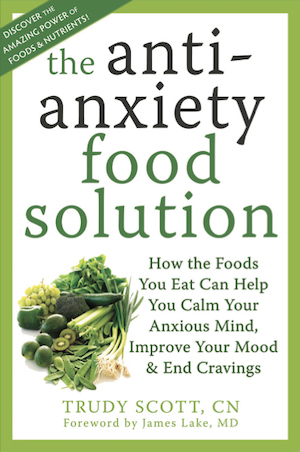
The Antianxiety Food Solution by Trudy Scott

April 26, 2021 By Trudy Scott 54 Comments

antianxiety food solution

The Antianxiety Food Solution

– How the Foods You Eat Can Help You Calm Your Anxious Mind, Improve Your Mood and End Cravings
by Trudy Scott, CN (published by New Harbinger, 2011)

It’s remarkable how much the foods we eat can impact our brain chemistry and emotions. What and when we eat can make the difference between feeling anxious and staying calm and in control. But most of us don’t realize how much our diets influence our moods, thoughts, and feelings until we make a change. In this book, you’ll find four unique antianxiety diets designed to help you address nutritional deficiencies that may be at the root of your anxiety and enjoy the many foods that foster increased emotional balance.

This easy-to-use guide helps you choose the best plan for you and incorporates effective anxiety-busting foods and nutrients. You’ll soon be on the path to freeing yourself from anxiety—and enjoying an improved overall mood, better sleep, fewer cravings, and optimal health—the natural way!

In The Antianxiety Food Solution, you’ll discover:

  • How to assess your diet for anxiety-causing and anxiety-calming foods and nutrients
  • Foods and nutrients that balance your brain chemistry
  • Which anxiety-triggering foods and drinks you may need to avoid
  • Easy lifestyle changes that reduce anxiety and increase happiness

Buy your copy


Buy the book from Amazon
Buy the book from New Harbinger
Buy the Kindle from Amazon
Buy the book in German


Endorsements

This book “fills an important gap in the popular literature on anxiety. It provides clear, helpful guidelines for utilizing nutrition to overcome anxiety.Edmund Bourne, PhD, author of The Anxiety and Phobia Workbook
A great book with plenty of practical advice backed by science.Daniel G. Amen, MD, author of Change Your Brain, Change Your Life
Every one of the millions now suffering from anxiety has a new friend in Trudy Scott, whose book offers them a nutritional lifeline.  Replete with specific and practical suggestions, this book is backed up by research and clinical expertise.Julia Ross, MA, MFT, author of The Mood Cure and The Diet Cure
This book is a must-read if you have anxiety and want to treat the underlying causes and heal, rather than having to rely on medications. Adjust your brain chemistry with the right nutrients and you can reclaim your brain and your life!Hyla Cass, MD, author of 8 Weeks to Vibrant Health
This book is a real tour-de-force in complementary mental health literature and should be on the shelves of every anxiety sufferer. It’s a user-friendly and balanced book about foods and nutrients that can reduce anxiety, and it is also refreshingly original.Jonathan Prousky, MSc, ND, professor of clinical nutrition at the Canadian College of Naturopathic Medicine and author of Anxiety: Orthomolecular Diagnosis and Treatment
As a nutrition and fitness expert and the mother of a child with an emotional disorder, I find this book invaluable. It is one I will use myself and recommend to both clients and colleagues.JJ Virgin, CNS, CHFS, nutrition and fitness expert, author of Six Weeks to Sleeveless and Sexy, and cohost of TLC’s Freaky Eaters
A leader in the field of food and mental health, Trudy Scott supplements the core themes of food and gut health with chapters on amino acids, pyroluria, and lifestyle changes. Trudy aptly emphasizes that readers should try to find the root cause of their health problems.Lawrence E. Cormier, MD, holistic psychiatrist in Denver, CO
This book may be the key you’ve been looking for. It does an excellent job of explaining the science behind anxiety and then bringing it to a practical level, providing a nutritional and integrative approach to anxiety.Elizabeth Lipski, PhD, CCN, director of doctoral studies at Hawthorn University in Whitethorn, CA, and author of Digestive Wellness
Trudy Scott’s work communicates something I tell my patients every day: there is a powerful connection between what we eat and how we feel.Mike Dow, PsyD, cohost of TLC’s Freaky Eaters
I recommend this book not only to those who suffer from anxiety, but to their health care providers as well.Karla Maree, certified nutrition consultant, neuronutrient therapist, and director of nutritional therapy at Recovery Systems Clinic
A comprehensive book providing the nation with much-needed formulas for overcoming anxiety and restoring stable emotions!Joan Mathews-Larson, PhD, LADC, founder of the Health Recovery Center in Minneapolis, MN, and author of Depression-Free, Naturally
This book offers a wealth of useful information for those who would like to try dietary and other lifestyle changes in order to improve their mental health. It is also a valuable resource for clinicians interested in broadening their approach to the treatment of anxiety.Felice N. Jacka, PhD, research fellow at the University of Melbourne in Australia
Full of practical tips for restoring balance to your body and mind. I highly recommend it.Mark Atkinson, MD, author of The Mind-Body Bible
The Antianxiety Food Solution is one of the most comprehensive guides to nutritional healing for anxiety.Elizabeth Large, ND
Trudy Scott is an expert on the relationship between food and mood, an often neglected area. This book provides clearly presented practical information, which I believe to be important adjunctive help in the treatment of anxiety, depression, and serious mental illness.Katherine Falk, MD, psychiatrist in New York, NY
An easy-to-read book that should help many people with anxiety.Michael B. Schachter, MD, CNS, board-certified psychiatrist
Buy the book from Amazon
Buy the book from New Harbinger
Buy the Kindle from Amazon
Buy the book in German


Reviews from readers

I can “recommend it for practitioners who have patients/clients who want to improve their affect, increase energy levels (who doesn’t!), suffer from anxiety, poor memory or sleep issues. Pass on this book to them and ask them to read it through cover to cover. It’s got a wealth of tips and resources linking behaviour with nutrition, and does it gracefully and with much self-insight.

I’ve read many books on the subject of psychology and biochemical links, and this is definitely one of the best written. It’s aimed at the intelligent reader who may have a little knowledge of nutrition, as well as practitioners and those who use patient centred approaches within their practice.

Donald Scott, Osteopath & Naturopath, Natural Therapy Centre, Kilmacolm, Inverclyde, United Kingdom

I cried my way thru this book ~ out of JOY~ for finally finding a very helpful book! I have been on a journey for 10 years trying to navigate issues with depression, stress, anxiety, insomnia and other fun things. I’ve been to doctors, psychologists, psychiatrists and counselors. I’ve been put on medication which after many years of that left me suicidal, overweight, depressed and very angry. It is VERY frustrating trying to navigate doctors, testing and information out there that could help you. This summer I read several books that addressed depression from a dietary and nutrition standpoint. This one was the best in my opinion. It’s not too long, easy to read and understand, and well organized. And it agreed with several things I had read in other books ~ such as the use of amino acids, vitamins and issues with gluten and sugar to address depression, etc. There’s many good ‘life stories’ in it too which help you relate. Thanks Trudy Scott!

Kathy Masterson, Amazon review

Book reviews

  • by Mira Dessy, Certified Nutrition Educator and holistic health columnist and featured in Nourishing Bytes, the ezine produced by the National Association of Nutrition Professionals, June 2011.
  • by Dr Winston Chung, MD and Child Psychiatrist, and featured the SFGate blog City Brights.

Table of contents

Introduction

My Story
Anxiety Statistics and Facts
Causes of Anxiety
What Is a Natural Approach and Why Use It?
Overview of the Book

Chapter 1: Figure Out Your Optimum Antianxiety Diet

The Antianxiety Food Solution Diets

Antianxiety Food Solution Diet 1: Gluten Free
Antianxiety Food Solution Diet 2: Gluten Free and Dairy Free
Antianxiety Food Solution Diet 3: Grain Free and Dairy Free
Antianxiety Food Solution Diet 4: Traditional Foods

Foods to Include

Eat Real, Whole, Good-Quality Foods
Eat Frequently Enough
Eat Quality Animal Protein

Red Meat
Poultry and Eggs
Fish and Other Seafood

Eat Nonstarchy Fresh Vegetables
Eat Fresh Fruit
Eat Good Fats
Keep Hydrated
Eat Legumes
Eat Starchy Fresh Vegetables
Eat Gluten-Free Whole Grains
Consume Dairy
Eat Whole Grains That Contain Gluten

Foods to Avoid

Avoid Empty Foods
Other Foods You May Need to Avoid

Eat Bonus Foods
Recipe and Food Resources
Wrapping Up

Chapter 2: Avoid Sugar and Control Blood Sugar Swings

The Harmful Effects of Sugar and Sweeteners
Sugars and Sweeteners Defined
Where Sugar Is Found
Artificial Sweeteners
What to Use Instead of Unhealthy Sugars and Artificial Sweeteners
Control Blood Sugar Swings

Benefits of Controlling Blood Sugar Swings
Simple Dietary Changes to Help Control Blood Sugar Swings
Supplements

How Quickly You Can Expect Improvements
If You Have a Sugar or Carb Addiction and Can’t Quit

Chapter 3. Avoid Caffeine, Alcohol, and Nicotine

Coffee and Caffeine

Caffeine and Anxiety
Other Reasons to Consider Giving Up Caffeine
How to Quit Caffeine and What to Drink Instead
If You Do Want to Drink Coffee

Alcohol

Nutritional Deficiencies Due to Alcohol Consumption
Alcohol and Low Blood Sugar
Alcohol Sensitivity
How to Quit Alcohol

Nicotine

Nicotine and Anxiety
How to Quit Smoking

How Quickly You Can Expect Improvements

Chapter 4. Address Problems with Gluten and Other Foods

Why Food May Be Affecting Your Mood
True Food Allergies
Food Sensitivities or Delayed Food Reactions
Problems with Gluten

Gluten, Anxiety, and Other Mood Problems
Gluten and the Digestive System

Testing for Gluten Sensitivities

Two-Week Gluten Elimination-Challenge Trial
Lab Tests for Gluten Sensitivity

Salivary Antigliadin Antibodies
IgG Antibodies for Gluten-Containing Grains
Elevated Thyroid Antibodies

Testing for Celiac Disease

Alternatives to Grains That Contain Gluten
If Gluten Isn’t a Problem
Problems with Dairy Consumption
Problems with Other Foods
Problems with All Grains and Starchy Vegetables
Using Amino Acids to Reduce Cravings
Allergies and Anxiety Due to Low Blood Histamine
How Quickly You Can Expect Improvements

Chapter 5. Improve Your Digestion

The Digestive Process

Why Good Digestion and Absorption Are Important
Using Your Stool as a Clue to Your Digestive Function

Eating Guidelines for Good Digestion

Eat Foods That Promote Good Digestion and Skip Poor-Quality Food
Change Your Eating Habits

Causes of Poor Digestion and How to Improve Your Digestion

Low Levels of Stomach Acid or Pancreatic Enzymes

Testing for Low Stomach Acid and Pancreatic Enzymes
How to Correct Low Stomach Acid or Low Pancreatic Enzymes

Large Intestine Issues
Bacterial Imbalance or Parasites
Candida Overgrowth

Testing for Bacterial Imbalance, Parasites, and Candida
Controlling Candida and Increasing Beneficial Bacteria

Foods and Nutrients for Healing a Damaged Digestive System
Liver or Gallbladder Problems
How Quickly You Can Expect Improvements

Chapter 6. Balance Brain Chemistry with Amino Acids

GABA

Steps to Raise GABA Levels

Serotonin

Steps to Raise Serotonin Levels

Catecholamines

Steps to Raise Catecholamine Levels

Endorphins

Steps to Raise Endorphin Levels

Testing for Levels of Amino Acids
Drug of Choice
Guidelines for Supplementing with Amino Acids
Amino Acid Precautions
How Quickly You Can Expect Improvements

Chapter 7. Address Pyroluria or Low Levels of Zinc and Vitamin B6

Prevalence of Pyroluria and Co-occurring Disorders
Testing for Pyroluria

Pyroluria Urine Test
Zinc Taste Test
Vitamin B6 Testing
Fatty Acid Testing
Comprehensive Metabolic Profile

Zinc, Vitamin B6, and Fatty Acids for Pyroluria

Zinc Supplementation
Food Sources of Zinc
Vitamin B6 Supplementation
Food Sources of Vitamin B6
Fatty Acids for Pyroluria
Other Nutrients for Pyroluria

How Quickly You Can Expect Improvements

Chapter 8. Other Nutrients, Hormone Imbalances, Toxins, Medications, and Lifestyle Changes

Basic Supplements

Multivitamin and Multimineral with B Vitamins
Iron
Vitamin C

Individual Nutrients for Anxiety

Extra B Vitamins
Magnesium and Calcium
Vitamin D
Omega-3s and Omega-6s
Theanine and Lactium

Hormone Imbalances

Adrenal Dysfunction
Thyroid Dysfunction
Sex Hormone Imbalances in Women

Reduce Your Exposure to Toxins

Toxins in the Home
Heavy Metals

Understand the Effects of Medications

Make Important Lifestyle Changes

Do Some Exercise, Preferably Outdoors
Get Enough Sleep
Consider Therapy and Support Groups
Set Aside Time for Relaxation

Take Up Yoga, Tai Chi, Qigong, or Meditation
Take a Real Vacation Every Year
Try Guided Imagery
Other Techniques That May Help

Parting Words

Appendices

  1. Sue’s Story
  2. Food, Mood, Energy, Cravings, and Sleep Log

Resources

Internet Resources for Healthy Eating and Living
Lab Tests
Recommended Reading

Nutritional Healing
Food, Cooking, and Cookbooks

References

A selection of quotes and facts from each chapter

Here are a selection of quotes and facts from each chapter of the book:

Introduction

“There’s a reason why I’m so passionate about working with people with anxiety and why I’m writing this book. I’ve had my own personal journey with anxiety…”

Chapter 1: Figure Out Your Optimum Antianxiety Diet

There are 4 antianxiety diets but “Eating real, whole, good-quality food is the foundation of this book and any program to prevent and alleviate mental health issues such as anxiety….”

Chapter 2: Avoid Sugar and Control Blood Sugar Swings

“Sugar and alcohol may contribute to elevated levels of lactate in the blood, which can cause anxiety and panic attacks”

Chapter 3: Avoid Caffeine, Alcohol, and Nicotine

In a study, “…those with panic disorders experienced increases in symptoms such as nervousness, fear, nausea, heart palpitations, and tremors after consuming caffeine and said the effects were similar to how they felt during a panic attack…”

Chapter 4: Address Problems with Gluten and Other Foods

“Clinical experience and specific studies support the connection between gluten and anxiety, social phobia, depression, and even schizophrenia”

Chapter 5: Improve Your Digestion

“…people with digestive complaints such IBS, food allergies and sensitivities, small intestinal bacterial overgrowth and ulcerative colitis frequently suffer from anxiety and…depression.”

Chapter 6: Balance Brain Chemistry with Amino Acids

“GABA plays a major role in anxiety, and serotonin plays a role in at least some types of anxiety…. The great thing about supplementing with amino acids is that you’ll get immediate feedback: positive effects, adverse effects, or no changes at all.”

Chapter 7: Address Pyroluria or Low Levels of Zinc and Vitamin B6

“Low levels of zinc and vitamin B6 are frequently associated with a type of anxiety characterized by social anxiety, avoidance of crowds, a feeling of inner tension, and bouts of depression”

Chapter 8: Other Nutrients, Hormone Imbalances, Toxins, Medications, & Lifestyle Changes

“Mild to moderate deficiency of vitamin C may be associated with increased nervousness and anxiety… Supplemental magnesium together with vitamin B6 was shown to alleviate anxiety-related premenstrual symptoms, as well as breast tenderness and menstrual weight gain…”

As you can see, there are many factors that can affect how anxious you feel and since we are all biochemically unique it’s important to figure out and address what may be triggering your anxiety, mood issues and associated cravings.

Buy the book from Amazon
Buy the book from New Harbinger
Buy the Kindle from Amazon
Buy the book in German


Once you’ve read your copy (or listened to the audio version) I would love to hear back from you on how my book has helped you and/or family members – either here in the comments below or via an Amazon review or a review on another platform.

Feel free to post your questions too.

Filed Under: Antianxiety Food Solution, Anxiety, Books Tagged With: 5-HTP, anxiety, anxious, blood sugar, caffeine, diet, digestive, GABA, gluten, IBS, panic, premenstrual, pyroluria, real whole food, serotonin, sugar, the antianxiety food solution, Trudy Scott, tryptophan

Tryptophan calms comfort eating, eases self-doubt, reduces uncontrollable late night snacking and results in a lot more peace around food.

March 26, 2021 By Trudy Scott 26 Comments

tryptophan calms

Zoe shares her life long story about comfort eating, her insecurities and self-doubt in her teens, the comfort-foods that allowed her to “escape” and how addressing low serotonin at 41 years of age led to her feeling a lot more peace around food. The effects of one chewable tryptophan were instant! Here is her story in her own words, some insights from me and possible next steps for Zoe to consider.

Historically I had comfort eaten and felt insecure and had lots of self-doubt. This led to trying alcohol and cocaine in my early 20s, plus I’m a vegetarian so I think I blew through all my natural serotonin by the time I tried tryptophan at 41!

I think [low] serotonin was huge for me and tryptophan helped calm my comfort eating.

My comfort eating started at secondary school, around 14, an escape from my feelings when I got home from school. I would eat mashed potatoes with loads of butter or a Sara Lee Chocolate gateau.

Thinking about it now, I realize I was craving carbohydrates and I would eat till I felt sick. I craved feeling really full and sadly was bulimic for a few years there as a teenager. I think my feelings of not feeling good enough/unloved drove me to comfort eating and not feeling understood. I would eat, be sick then do an exercise video before my parents even got home! It may also have been hormonal as I get PMS. I also have PCOS (polycystic ovarian syndrome).

Good news is I tried tryptophan last summer and the effects were instant.

I hadn’t read the instructions properly so ate a Lidtke chewable tryptophan tablet with my meal and instantly felt the effect. I stopped eating and feeling hungry instantly. I took the chewables for a couple of months then went onto Lidtke 500mg for another few months.

I do still have a tendency to snack late at night but it’s gone from totally uncontrollable 8 or 9 out of 10 to a 3 or 4 out of 10. I don’t crave food anywhere near as much as I used to and I have a lot more peace around food now.

Thank you for being the one to introduce me to them, you are a super star.

A few thoughts from me

This is a wonderful outcome and I’m thrilled for her transformation! I also appreciate Zoe giving me permission to share here so you can be inspired and have hope!

A few thoughts from me:

  • PMS/dysphoria is common with low serotonin levels and research shows that tryptophan can help ease symptoms in a few cycles
  • Low levels of serotonin and endorphins can lead to alcohol consumption and experimenting with drugs as a means of self-medication. This can often be replaced with sugar addiction and cravings which are also a way to self-medicate.
  • Low serotonin is a factor with bulimia, although it’s typically an under-recognized factor when it comes to eating disorders.

I share where I’d start if we were working together and possible next steps below.

How did she use tryptophan and which products did she use?

Zoe initially used the Lidtke chewable (each one is 100mg) for a few months: ”I used the Lidtke chewable as I don’t need much to feel the effects of aminos!”

Then she switched to the Lidtke 500mg: “I was taking 500mg mixed with banana on an empty stomach every day for about 6 months.”

This amount of tryptophan would be considered low for most folks. 500mg is a typical starting dose often used 1-2 mid-afternoon and 1-2 in the evening.

You may see all her low serotonin symptoms and think she has a lot going on and will likely need large doses of tryptophan for serotonin support. But you never know how much tryptophan will work until you do a trial.

Low endorphins and DPA for eliminating comfort eating

Zoe actually posted much of the above in response to a question I posted on Facebook about eliminating comfort eating and the amino acid called DPA (d-phenylalanine). DPA typically helps the kind of eating where you feel “I deserve this or this is my reward or this is my treat.” Until you address low endorphins with DPA, you may also feel eating these foods are numbing – as in numbing or blocking emotional pain.

She shared “Yes I’ve tried DPLA and it had a very nice effect.” But as you’ve read above, low serotonin was a bigger issue for Zoe and it was the tryptophan that really helped calm her comfort eating.

DLPA or DPA?

I reminded her that DPLA (dl-phenylalanine) is quite different from DPA (d-phenylalanine). DLPA works on boosting low catecholamines (improving low motivation, poor focus and fatigue and stay-in-bed kind of depression) and to a small extent also low endorphins. DPA works purely on boosting low endorphins.

But Zoe did see benefits from DLPA:

DPLA made me feel very content with my life. I felt very happy where I was all of a sudden, instead of feeling the need to chase something better all the time. I’ve never had just straight DPA, I’ve found it hard to find.

It’s not uncommon to see low serotonin and low endorphins in situations like this.

Tryptophan is no longer helping: my feedback and other ideas

Zoe did also share this about the 500mg tryptophan no longer helping like it used to:

The tryptophan doesn’t seem to have the same effect on me anymore sadly but that maybe because I’m ‘topped up’ but I did wonder if I had ruined the quality of my tryptophan by storing it on top of my microwave (so they were heating up).

I’ll try the [Lidtke] Tryptophan Complete this time and hope they work as I do still get a bit of PMS which seemed to go away for a while.

I did hear about mixing it with inositol being a possible solution too?

Here is my feedback on some of this, where I’d start if we were working together and possible next steps:

  • My favorite DPA product is also made by Lidtke and it’s called Endorphigen. It may help with the last remaining snacking
  • However, timing wise late-night snacks for carbs tends to be low serotonin. I would try again with Lidtke 500mg (the microwave heat may have been an issue), considering a trial of 1000mg, trialing the Lidtke Tryptophan Complete (as she may be missing the cofactors to make serotonin) and even consider going back to the chewable Lidtke tryptophan which worked so well initially.
  • I would also look at other factors that may be lowering serotonin levels: has gluten snuck back in or is there any accidental exposure? Has she started consuming collagen and/or gelatin which can lower serotonin in susceptible folks?
  • I would consider trialing inositol if there is an obsessive tendency to the snacking. It does help with PCOS too.
  • She had said “I thought GABA would be amazing for me but it wasn’t.” Since GABA helps with PCOS and PMS, I would revisit GABA trials using different forms, higher doses and making sure trials are sublingual. Progesterone or herbs that support progesterone is another option.
  • I agree with Zoe’s comments about being a vegetarian. Low levels of neurotransmitters are common and we cover the benefits of grass-fed red meat for women in my interview with Dr. Felice Jacka on the first Anxiety Summit. I’d encourage adding some quality animal protein if she’s open to it.
  • For vegetarians, we often also add a free form amino acid blend with tryptophan, especially if adding animal protein is a no-no.
  • I would also consider pyroluria (the social anxiety condition) too as PMS is common, pyrolurics are often vegetarians, and the pyroluria protocol provides necessary cofactors for making serotonin. Zinc is often low in vegetarians too.
  • I would also assess for low iron and low B12 (also often low in vegetarians) and needed for serotonin production; and look into the BCP (birth control pill) or other meds that may be lowering serotonin.
  • I would have her doctor check thyroid health as low thyroid can reduce the effectiveness of the amino acids

As with everyone, a full functional workup looking at diet, nutritional deficiencies, digestion, all hormones, toxins and infections (and so on) is key to address all possible root causes.

Have you found that tryptophan calmed your comfort eating, reduced your self-doubt and late night carb snacking and led to feelings of peace around food? Did it also reduce PMS and other low serotonin symptoms?

If you’re a practitioner working with women who comfort-eat and have typical low serotonin symptoms, have you found tryptophan to help?

Feel free to post your questions and feedback in the comments below.

Filed Under: Cravings, serotonin, Tryptophan Tagged With: alcohol, bulimia, cocaine, comfort eating, craving, GABA, insecure, PCOS, peace, peace around food, PMS, pyroluria, self-doubt, self-medication, serotonin, snacking, thyroid, tryptophan, unloved, vegetarian

Social anxiety caused by pyroluria: oxytocin, the vagus nerve, pectus excavatum and Ehlers-Danlos Syndrome

June 12, 2020 By Trudy Scott 19 Comments

social anxiety pyroluria

Pyroluria is associated with a type of anxiety characterized by social anxiety, avoidance of crowds, a feeling of inner tension, and bouts of depression. If you have pyroluria you may experience varying degrees of anxiety or fear, often starting in childhood, and you usually manage to cover it up and push through. You may build your life around one person, become more of a loner over time, have difficulty handling stress or change, and have heightened anxiety symptoms when under more stress.

It’s not well-recognized in the medical profession and has long been considered a genetic condition. More recently some practitioners have been proposing that it may be triggered by environmental toxins and that it’s not only genetic. Either way, symptoms can start to resolve within a week when low levels of zinc and vitamin B6, together with some other nutrients are addressed. Stress management is key. This can be emotional stress and the stress of toxin exposure, infections like Lyme disease, mold toxicity and even low blood sugar and gluten issues.

We would typically not connect social anxiety/pyroluria with low oxytocin, vagus nerve function or connective tissue disorders but if you read on you’ll see there are some interesting connections.

Oxytocin, social anxiety and zinc

Research has found that oxytocin levels correlate strongly with levels of social anxiety. A paper published in the Journal of Psychiatric Research looked at how variations in the oxytocin receptor (OXTR) gene is associated with an increased risk of anxiety, stress and depression in individuals with a history of exposure to early life stress. Supporting low levels of oxytocin can ease the threats of social interactions.

What is interesting is that zinc, a key nutrient for pyroluria, is needed for binding oxytocin to its receptor. You can read more about all this here: Oxytocin, social anxiety, pyroluria and autism

Sociability improves vagus nerve function and thriving at home alone

Increased sociability helps improve vagus nerve function. It’s all good and well to recommend getting out and hanging out with more people but if you have pyroluria it’s really challenging. It’s also hard work, very stressful and the added stress makes your pyroluria symptoms worse so it becomes a vicious cycle.

You can read all about this here: Increased sociability improves vagus nerve function: the role of social anxiety, pyroluria and low zinc. There is an updated section on social isolation during coronavirus and how some people are thriving being home alone.

Pectus excavatum and Ehlers-Danlos Syndrome

Pectus excavatum is an indentation in the chest wall and is related to problems with connective tissue. When it comes to pyroluria and pectus excavatum, this is what we see in common: social anxiety and depression, low zinc and low vitamin B6, dental crowding and sometimes Ehlers-Danlos Syndrome (EDS). I write more about this here: Pectus excavatum and pyroluria: is there a connection?.

I’ve written an entire blog on Joint hypermobility / Ehlers-Danlos Syndrome and pyroluria. Anxiety, depression, attention deficit (and hyperactivity) disorder, autism spectrum disorders, and obsessive-compulsive personality disorders are all common with EDS. Many folks with EDS report better less social anxiety, improved mood and often improved physical symptoms/reduced pain on the pyroluria protocol of zinc, vitamin B6, evening primrose oil and a good copper-free multi.

Resources for you

  • My book The Antianxiety Food Solution (my Amazon affiliate link) has an entire chapter on pyroluria. Read it and become a savvy health-advocate for yourself. Share a copy with your doctor and point out the references.
  • Here is the pyroluria questionnaire. Here is a blog if you’re new to pyroluria and the associated conditions.
  • You can find the pyroluria products in my supplement store here.

Please do share if you have pyroluria or score high on the questionnaire and have seen improvements in your social anxiety and any physical symptoms.

Filed Under: Anxiety, Pyroluria Tagged With: anxiety, Ehlers-Danlos Syndrome, oxytocin, Pectus Excavatum, pyroluria, social anxiety, vagus nerve, vitamin B6, zinc

  • « Go to Previous Page
  • Page 1
  • Page 2
  • Page 3
  • Page 4
  • Page 5
  • Page 6
  • Interim pages omitted …
  • Page 11
  • Go to Next Page »

Primary Sidebar

NEW! GABA QuickStart Homestudy (with special intro pricing)

gaba quickstart homestudy

Free Report

9 Great Questions Women Ask about Food, Mood and their Health

You'll also receive a complimentary subscription to my ezine "Food, Mood and Gal Stuff"


Connect with me

Popular Posts

  • Amino Acids Mood Questionnaire from The Antianxiety Food Solution
  • The Antianxiety Food Solution Amino Acid and Pyroluria Supplements
  • Pyroluria Questionnaire from The Antianxiety Food Solution
  • Collagen and gelatin lower serotonin: does this increase your anxiety and depression?
  • Tryptophan for the worry-in-your-head and ruminating type of anxiety
  • GABA for the physical-tension and stiff-and-tense-muscles type of anxiety
  • The Antianxiety Food Solution by Trudy Scott
  • Seriphos Original Formula is back: the best product for anxiety and insomnia caused by high cortisol
  • Am I an anxious introvert because of low zinc and vitamin B6? My response to Huffington Post blog
  • Vagus nerve rehab with GABA, breathing, humming, gargling and key nutrients

Recent Posts

  • What do I use instead of Seriphos to help lower high cortisol that is affecting my sleep and making me anxious at night?
  • BeSerene™ GABA/theanine cream eases severe muscle tension in her neck/shoulders, prevents her bad headaches and quells her anxiety
  • How the correct approach, dose and sublingual use of GABA can be calming and not cause a flushed and itchy face and neck
  • The amino acid glutamine improves low mood by addressing gut health, and it has calming effects too
  • Flight anxiety with heightened breath, physical tension and also fearing the worst (the role of low GABA and low serotonin)

Categories

  • 5-HTP
  • AB575
  • Addiction
  • ADHD
  • Adrenals
  • Alcohol
  • Allergies
  • Alzheimer's disease
  • Amino Acids
  • Anger
  • Antianxiety
  • Antianxiety Food Solution
  • Antidepressants
  • Anxiety
  • Anxiety and panic
  • Autism
  • Autoimmunity
  • benzodiazapines
  • Bipolar disorder
  • Books
  • Caffeine
  • Cancer
  • Candida
  • Children/Teens
  • Collagen
  • Cooking equipment
  • Coronavirus/COVID-19
  • Cravings
  • Depression
  • Detoxification
  • Diabetes
  • Diet
  • DPA/DLPA
  • Drugs
  • EFT/Tapping
  • EMF
  • EMFs
  • Emotional Eating
  • Endorphins
  • Environment
  • Essential oils
  • Events
  • Exercise
  • Fear
  • Fear of public speaking
  • Fertility and Pregnancy
  • Fish
  • Food
  • Food and mood
  • Functional neurology
  • GABA
  • Gene polymorphisms
  • General Health
  • Giving
  • Giving back
  • Glutamine
  • Gluten
  • GMOs
  • Gratitude
  • Gut health
  • Heart health/hypertension
  • Histamine
  • Hormone
  • Hyperparathyroidism
  • Hypoglycemia
  • Immune system
  • Inflammation
  • Insomnia
  • Inspiration
  • Introversion
  • Joy and happiness
  • Ketogenic diet
  • Lithium orotate
  • Looking awesome
  • Lyme disease and co-infections
  • MCAS/histamine
  • Medication
  • Men's health
  • Mental health
  • Mercury
  • Migraine
  • Mold
  • Movie
  • MTHFR
  • Multiple sclerosis
  • Music
  • NANP
  • Nature
  • Nutritional Psychiatry
  • OCD
  • Osteoporosis
  • Oxalates
  • Oxytocin
  • Pain
  • Paleo
  • Parasites
  • Parkinson’s disease
  • PCOS
  • People
  • PMS
  • Postpartum
  • PTSD/Trauma
  • Pyroluria
  • Questionnaires
  • Real whole food
  • Recipes
  • Research
  • Schizophrenia
  • serotonin
  • SIBO
  • Sleep
  • Special diets
  • Sports nutrition
  • Stress
  • Sugar addiction
  • Sugar and mood
  • Supplements
  • Teens
  • Testimonials
  • Testing
  • The Anxiety Summit
  • The Anxiety Summit 2
  • The Anxiety Summit 3
  • The Anxiety Summit 4
  • The Anxiety Summit 5
  • The Anxiety Summit 6
  • Thyroid
  • Thyroid health
  • Toxins
  • Tryptophan
  • Tyrosine
  • Uncategorized
  • Vegan/vegetarian
  • Women's health
  • Yoga

Archives

  • October 2025
  • September 2025
  • August 2025
  • July 2025
  • June 2025
  • May 2025
  • April 2025
  • March 2025
  • February 2025
  • January 2025
  • November 2024
  • October 2024
  • September 2024
  • August 2024
  • July 2024
  • June 2024
  • May 2024
  • April 2024
  • March 2024
  • February 2024
  • January 2024
  • December 2023
  • November 2023
  • October 2023
  • September 2023
  • August 2023
  • July 2023
  • June 2023
  • May 2023
  • April 2023
  • March 2023
  • February 2023
  • January 2023
  • December 2022
  • November 2022
  • October 2022
  • September 2022
  • August 2022
  • July 2022
  • June 2022
  • May 2022
  • April 2022
  • March 2022
  • February 2022
  • January 2022
  • December 2021
  • November 2021
  • October 2021
  • September 2021
  • August 2021
  • July 2021
  • June 2021
  • May 2021
  • April 2021
  • March 2021
  • February 2021
  • January 2021
  • December 2020
  • November 2020
  • October 2020
  • September 2020
  • August 2020
  • July 2020
  • June 2020
  • May 2020
  • April 2020
  • March 2020
  • February 2020
  • January 2020
  • December 2019
  • November 2019
  • October 2019
  • September 2019
  • August 2019
  • July 2019
  • June 2019
  • May 2019
  • April 2019
  • March 2019
  • February 2019
  • January 2019
  • December 2018
  • November 2018
  • October 2018
  • September 2018
  • August 2018
  • July 2018
  • June 2018
  • May 2018
  • April 2018
  • March 2018
  • February 2018
  • January 2018
  • December 2017
  • November 2017
  • October 2017
  • September 2017
  • August 2017
  • July 2017
  • June 2017
  • May 2017
  • April 2017
  • March 2017
  • February 2017
  • January 2017
  • December 2016
  • November 2016
  • October 2016
  • September 2016
  • August 2016
  • July 2016
  • June 2016
  • May 2016
  • April 2016
  • March 2016
  • February 2016
  • January 2016
  • December 2015
  • November 2015
  • October 2015
  • September 2015
  • August 2015
  • July 2015
  • June 2015
  • May 2015
  • April 2015
  • March 2015
  • February 2015
  • January 2015
  • December 2014
  • November 2014
  • October 2014
  • September 2014
  • August 2014
  • July 2014
  • June 2014
  • May 2014
  • April 2014
  • March 2014
  • February 2014
  • January 2014
  • December 2013
  • November 2013
  • October 2013
  • September 2013
  • August 2013
  • July 2013
  • June 2013
  • May 2013
  • April 2013
  • March 2013
  • February 2013
  • January 2013
  • December 2012
  • November 2012
  • October 2012
  • August 2012
  • July 2012
  • June 2012
  • May 2012
  • April 2012
  • March 2012
  • February 2012
  • January 2012
  • December 2011
  • November 2011
  • October 2011
  • September 2011
  • August 2011
  • July 2011
  • June 2011
  • May 2011
  • April 2011
  • March 2011
  • February 2011
  • January 2011
  • December 2010
  • October 2010
  • September 2010
  • July 2010
  • May 2010
  • April 2010
  • March 2010
  • February 2010
  • January 2010
  • November 2009

Share the knowledge!

The above statements have not been evaluated by the Food and Drug Administration. Products listed in this website are not intended to diagnose, treat, cure or prevent any disease.

The information provided on this site is for informational and educational purposes only and is not intended as a substitute for advice from your physician or other health care professional. You should consult with a healthcare professional before starting or modifying any diet, exercise, or supplementation program, before taking or stopping any medication, or if you have or suspect you may have a health problem.


Copyright © 2026 Trudy Scott. All Rights Reserved. | Privacy | Terms and Conditions | Refund Policy | Medical Disclaimer

Free Report

9 Great Questions Women Ask about Food, Mood and their Health

You’ll also receive a complimentary subscription to my ezine “Food, Mood and Gal Stuff”