• Skip to primary navigation
  • Skip to main content
  • Skip to primary sidebar

everywomanover29 blog

Food, Mood and Women's Health – Be your healthiest, look and feel great!

  • Blog
  • About
  • Services
  • Store
  • Resources
  • Testimonials
  • The Book
  • Contact
  • Search this site

panic attacks

Botox injections (cosmetic or non-cosmetic): are they a root cause of anxiety and panic attacks?

March 6, 2020 By Trudy Scott 71 Comments

botox injections

New research shows Botox injections are being considered for severe depression and bipolar disorder because it stops frowning and this lack of frowning has a positive impact on neurotransmitters and mood. I recently posted this on Facebook and asked this question:

I’m curious if you have had Botox injections or would consider it (for cosmetic reasons) or perhaps for migraines, dystonia, proctalgia fugax or depression/bipolar?

If you have had Botox injections are you happy with the result or did you have any adverse effects like increased anxiety, panic attacks or anything else?

The response was varied with most folks saying they would never consider using Botox for cosmetic reasons, some folks saying they used Botox for cosmetic reasons and had issues and some folks saying they’ve used Botox for cosmetic reasons and love it, and others who have used Botox for non-cosmetic reasons.

All the practitioners who commented have concerns about Botox saying results are mixed with some of their clients having severe reactions and some doing fine. As I looked further into this topic I’ve gained additional insights and my biggest concern for you, and my community, is that Botox can lead to very severe anxiety and panic attacks.

I encourage you to keep an open mind about my Botox concerns if you have chronic anxiety that is not resolving and it started (or got worse) after receiving Botox injections, or if  you’re considering Botox injections.

Anxiety, panic attacks, inability to handle stress, body shaking

I gained my biggest insights from the Botox Dysport (Side Effects) Support group. Someone suggested I look into this group and I requested an invite to join so I could learn more. So many of the members of this support group  report anxiety, panic attacks, inability to handle stress, body shaking and problems connecting socially.  This is what one member shared:

…just joining the dots, I’ve been unwell for a few years since getting Botox but didn’t put it together until having it last week and going into panic attacks / ER.

Since then extreme anxiety and I’ve ended up in a mental health facility on benzodiazepines (ativan/valium). Reactions / withdrawal has been severe, have started to put it all together whilst reading through this page.

I’m realising that my decline, immune system failure (chronic epstein barr) fatigue, loss of motivation, loss of appetite, shaking in my body, muscle atrophy, anxiety, no motivation to connect socially, can’t handle any stress, can’t relax, tinnitus, breathing trouble and the list goes on is from botox…. scared to say the least as doesn’t seem to be a solution, I was worried to get Botox originally and obviously am eating myself up with regret, thought I would share if anyone has a similar story.

There are many similar posts to this one and it’s heart-breaking, especially because they say they are not being heard by their doctors.

I had a short online conversation with one of the moderators and she shared they suspect Botox is impacting the hypothalamic-pituitary-adrenal (HPA) axis leading to high cortisol and causing their anxiety symptoms. Many of the members find relief with Seriphos, which is a phosphorylated serine product I’ve had great success with. Here is my blog post on Seriphos for anxiety and insomnia related to high cortisol.

I asked if any of the members find GABA or serotonin support helpful and for some GABA helps ease the physical tension and for other members tryptophan or 5-HTP helps ease the worry type of anxiety. However for others, the amino acids seem to have a paradoxical effect and make symptoms worse.

I’ve never been in favor of Botox for cosmetic reasons simply because I’m not a fan of putting foreign objects/toxins into the body and because I believe in aging gracefully with confidence. I do find that many women feel the need for cosmetic Botox injections and other ways to try and look younger (such as breast implants and hair dye) because of low self-esteem and lack of confidence caused by low serotonin.

Botox for non-cosmetic purposes

Botox is also used for non-cosmetic purposes. Some of my neurologist colleagues also have concerns about cosmetic use and will only use Botox injections for the following:

  • severe cases of dystonia
  • migraines (to relax forehead muscles)
  • proctalgia fugax /rectal spasms

Botox may also be used for multiple sclerosis (MS) symptoms, pelvic pain and bladder issues, for TMJ, after a stroke and for chronic anal fissures in colitis (sphincter spasms can prevent anal fissures from healing).

I would love to see safer approaches for non-cosmetic Botox injections being researched and explored by practitioners. For example:

  • Relief of dystonia symptoms using diet, GABA, tryptophan, zinc and vitamin B6
  • Sublingual GABA to help to relax forehead muscles in those with migraines
  • Sublingual GABA for the extremely painful proctalgia fugax. Could this also be considered in colitis patients?

Botox for mental health – we can do better with nutritional psychiatry

At the beginning of this blog I mentioned the new research that shows Botox injections are being considered for severe depression and bipolar disorder because it stops frowning. This lack of frowning has a positive impact on neurotransmitters and mood.

A study published in 2018, Clinical analysis of 86 botulism cases caused by cosmetic injection of botulinum toxin (BoNT), reports that botulism is a severe side effect of Botox injections with symptoms including: “headache, dizziness, insomnia, fatigue, blurred vision, eye opening difficulty, slurred speech, dysphagia [difficulty swallowing], constipation, and anxiety.”

The authors report these symptoms occur in the first 36 days after the Botox injections and that all symptoms resolved after botulinum antitoxin serum injections.

This conclusion clearly doesn’t address why there are so many folks in the Botox Dysport (Side Effects) Support group continue to experience long-term severe symptoms.

We also have research reporting a possible connection between Botox injections and thyroid autoimmunity.

I feel we can do better especially with what we know about nutritional psychiatry, the use of targeted individual amino acids, nutrients like lithium orotate, the gut-brain connections and everything covered in my book The Antianxiety Food Solution (my Amazon link) and on this blog.

A note of appreciation

I’d like to end with a note of appreciation to everyone who commented on my Facebook post, to the members of Botox Dysport (Side Effects) Support group on facebook (with over 5700 members as of this writing).

I’d also like to thank Diane Kazer for asking bold questions about Botox injections as part of her Non-Toxic Beauty Revolution Summit which addresses Botox, breast implant illness, toxins in your cosmetics and so much more. In my interview we talked extensively about the low serotonin/low self-esteem connections which I feel is a big missing piece for helping women who feel the desire or need to use cosmetic Botox in order to feel good and love themselves.

Diane writes about Botox here: Is Botox Safe? Top 3 Concerns & What to do if you’ve had it, sharing a brief history of botox, what she has uncovered about toxicity issues and possible detox solutions.

She also created this list of 58 Botox Illness Symptoms which she gave me permission to share here. She compiled this list from 1000+ people who have had Botox injections.
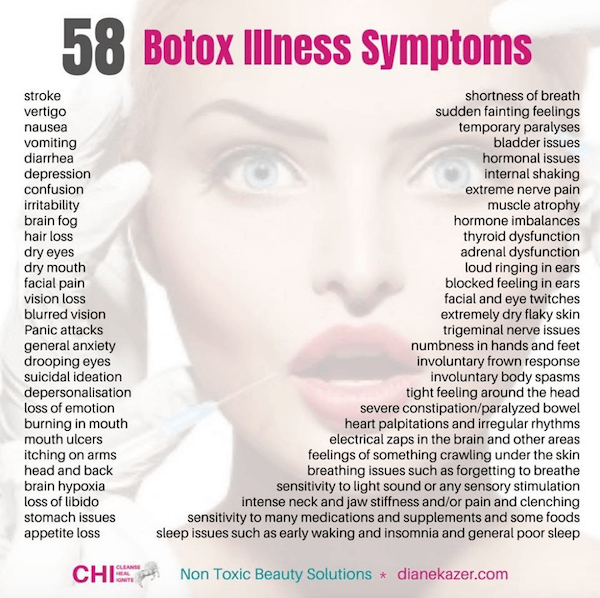
58 botox illness symptoms

Because of Diane asking questions and this initial research I’ve done, I’m adding a question about past history of Botox injections to my client intake form and will be gathering more information from my community of anxious women to see if there are patterns as to why some folks have such bad reactions.

I do feel we need to be asking if Botox injections (cosmetic or non-cosmetic) are a possible root cause of anxiety and panic attacks because they are adding to the toxic burden in susceptible folks.

But I do acknowledge it’s challenging to unwind all the contributing factors because it depends on what is going on with each person, such as their gut health, other medications (benzodiazepines themselves can be problematic), past trauma, infections, poor adrenal health, low GABA, low serotonin, poor detox capacity, low bile production, genetics etc. Unfortunately there is no way to know in advance who will be harmed and if Botox is the tipping point.

Please comment below if you’ve had Botox injections and had adverse reactions or have benefited from them with no adverse reactions. And if you have not had Botox would you ever consider it? Feel free to post your questions too.

Filed Under: Anxiety, Thyroid, Toxins Tagged With: 5-HTP, anxiety, bladder, Botox, botox injections, cosmetic, dystonia, GABA, low confidence, low serotonin, migraines, MS, panic attacks, pelvic, self-esteem, serotonin, TMJ, tryptophan

IMMH highlights: mold, oxalates, anxiety, panic attacks and depersonalization

August 30, 2019 By Trudy Scott 3 Comments

IMMH highlights

Today I’m sharing some highlights from three different presentations at the recent IMMH/Integrative Medicine for Mental Health Conference – on mold and the connection to oxalate issues, as well as a major trigger of anxiety, panic attacks, depression and depersonalization.

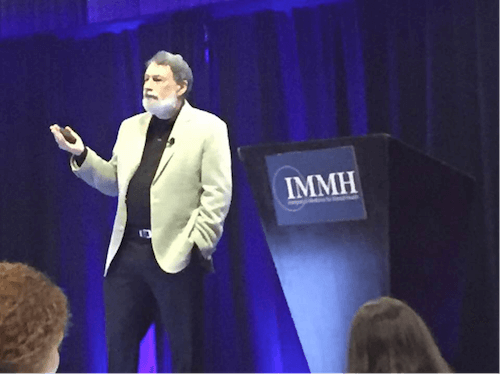
Matthew Pratt-Hyatt, PhD: “The Hidden Threats of Mycotoxins.”

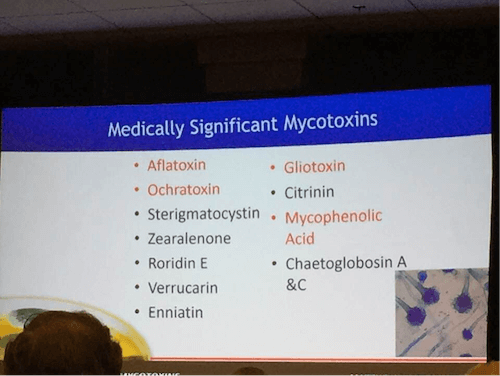
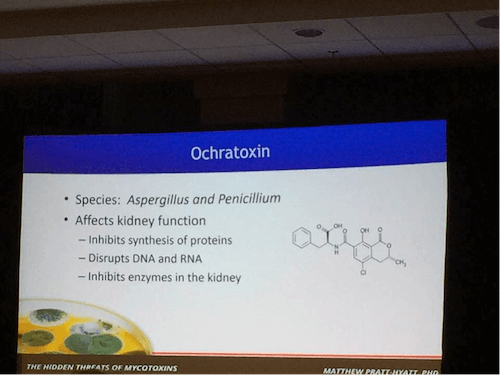
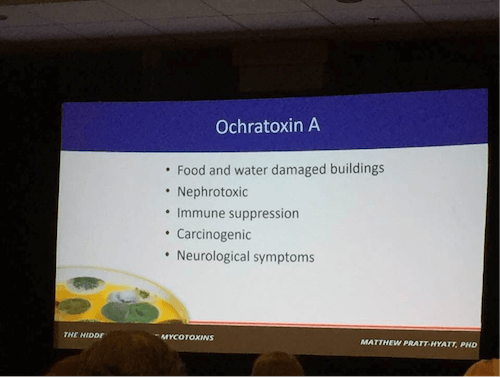
Matthew Pratt-Hyatt, PhD presented on “The Hidden Threats of Mycotoxins.” He shared medically significant mycotoxins and that ochratoxin affects the kidneys and my first thought was: “I wonder if this plays a role in oxalate issues?”

I asked Dr. Pratt-Hyatt after his presentation and he said yes, the mycotoxins produce oxalates and then dietary oxalates can be the tipping point. He wasn’t aware of any research on the mycotoxin-oxalate connection but sees the connection on the Great Plains MycoTOX lab test and Organic Acids test

Matthew Pratt-Hyatt

Matthew Pratt-Hyatt

Matthew Pratt-Hyatt

Matthew Pratt-Hyatt

Dr. Neil Nathan: “Mold Toxicity as an Unrecognized Cause of Mental Health issues.”

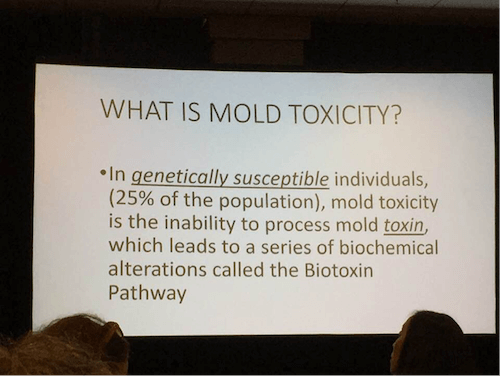
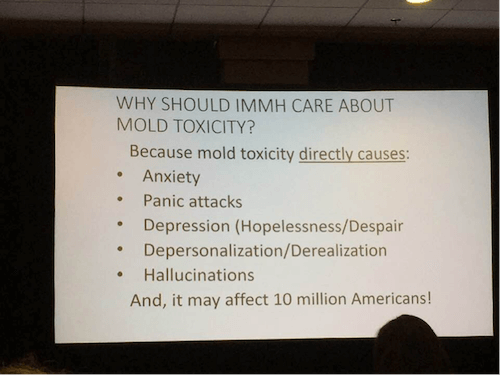
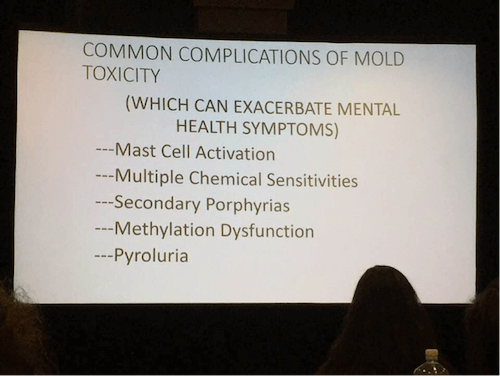
One of my favorite presentations was the one delivered by Dr. Neil Nathan on “Mold Toxicity.” He defines mold toxicity and how it can directly trigger anxiety, panic attacks, depression, depersonalization and hallucinations, as well as some of the common complications which can exacerbate mental health symptoms. These include mast cell activation, multiple chemical sensitivities, secondary porphyrias, methylation dysfunction and pyroluria.

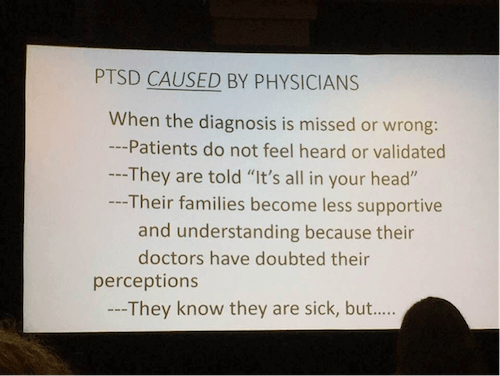
I do appreciate the fact that he addressed that there can be PTSD caused by physicians when someone knows they are sick – especially with mold toxicity – and yet they do not feel heard or validated. This can even lead to their families being less supportive.

Dr. Nathan is a brilliant and compassionate practitioner, and the author of the excellent book – Toxic: Heal Your Body from Mold Toxicity, Lyme Disease, Multiple Chemical Sensitivities, and Chronic Environmental Illness (my Amazon link)

Neil Nathan

Neil Nathan

Neil Nathan

Neil Nathan

Neil Nathan

Dr. Kurt Woeller: “Metabolic Products in Mental Health – How Fungal, Bacterial, Mitochondrial and Other Compounds Influence the Brain.”

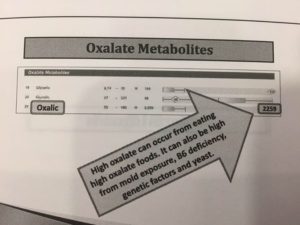
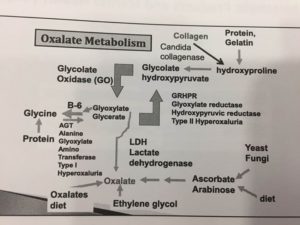
Dr. Kurt Woeller shared more about oxalates and mold in his presentation: “Metabolic Products in Mental Health.” I really like the Oxalate Metabolism diagram that shows the role of low vitamin B6, dietary oxalates including ascorbic acid, collagen and gelatin, mold, yeast and genetics in someone with high oxalates.

On a side note, low serotonin is often a factor with collagen and gelatin but it can be a source of oxalates.

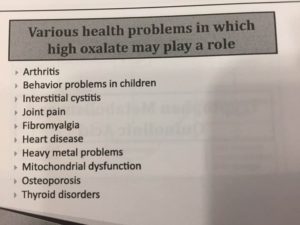
He mentions various health problems associated with high oxalates – pain issues are common and so is fatigue and behavioral issues. Dr. Woeller works primarily with children but I have seen anxiety and depression in adults with oxalate issues too.   If mold is one of the triggers then the mental health issues can be further impacted.


In case you missed the previous two IMMH blogs:

  • Last week I shared a few highlights from my IMMH presentation: “GABA for Anxiety, Insomnia, ADHD, Autism and Addictions: Research and Practical Applications” – benzodiazepines are not the solution, some new 2019 research on the far-reaching benefits of GABA, and the role of GABA in ADHD.
  • The previous week I wrote this blog post on one of the new studies in my presentation: how a combination of GABA and theanine improves sleep and reduces anxiety.

What wasn’t discussed were some of the other mechanisms that may be causing the increased anxiety – such as the impacts of toxic mold on neurotransmitters and low levels of zinc.

Have you been exposed to toxic mold and was this a trigger for your anxiety, panic attacks and other mood issues?

Did GABA, tryptophan and zinc (and other nutritional support approaches) help ease some of the anxiety symptoms while you were remediating your home and detoxing from the mold toxicity?

Do you have oxalate issues and have you ruled out the fact that toxic mold may be a trigger? I personally have oxalate issues (I share more about this here) and plan to do the MycoTOX test to learn more. I’ll keep you posted on what I find.

As a practitioner, do you want to learn more about how to incorporate GABA and the other targeted individual amino acids, tryptophan/5-HTP, DPA, glutamine and tyrosine, into your work to help your clients/patients with anxiety triggered by toxic mold? I invite you to check out my new online practitioner training here: Balancing Neurotransmitters – The Fundamentals. I’m extending the $100 discount offered at IMMH for a few weeks (use coupon code immh2019).

Filed Under: Anxiety, Depression, Environment, Events, GABA, Mold Tagged With: ADHD and addictions, anxiety, autism, benzodiazepines, depersonalization, depression, GABA, IMMH, insomnia, Integrative Medicine for Mental Health conference, mold, oxalates, panic attacks

Can food and nutrients really help me if I have very severe anxiety and/or panic attacks and I’m using medications?

June 21, 2019 By Trudy Scott 8 Comments

food, nutrients and med

As I prepare for “The Anxiety Summit 5: Gut-Brain Axis” (airing in November 2019) I have been going through interviews from the first Anxiety Summit in 2014 and would like to share something that I addressed in my opening interview as a good recap for you as you are on your healing journey with anxiety (or in case this comes up again in the future) – you truly can eliminate anxiety entirely!

This is a question I am often asked: “Can I really eliminate anxiety using food, nutrients (and a functional medicine approach) if I have very severe anxiety and/or panic attacks and I’m using medications?”

Way too many folks don’t believe it’s possible but yes, you can! You can completely eliminate full blown anxiety, panic attacks, social anxiety (where you cannot go out to social event or go and feel so anxious), phobias like fear of spiders or agoraphobia (where you cannot get out of the house), and even obsessive-compulsive disorder (OCD).

Many folks believe their anxiety is much too severe and that food and nutrients couldn’t possibly help. I’m here to tell you this is just not true.

It’s not uncommon for well-known thought leaders to perpetuate this myth, implying anxiety and fears never go away.

Ali Brown, entrepreneurial guru for women, and one of my amazing business mentors, created a program to help businesswomen overcome their fears. She shared this in the program information: “Let’s not forget women’s darkest best friends: anxiety and worry” and admitted “I still have to fight it. I come from a long line of worriers.”

I say no, you don’t have to fight it. Just because you come from a long line of worriers doesn’t necessarily mean that you have to put up with it and live with it. There is something you can do to eliminate the anxiety, worries and fears.

Seth Godin, author and thought leader, says this: “When fear shows up, understand that it never goes away. Dance with it instead.”

While I really enjoy the dance suggestion – it’s fun and the joy of dancing and the exercise may help – however I really do disagree with the fact that he says fear never goes away.

In season 1 interviewed Julia Ross, MA, my mentor and author of The Mood Cure (my Amazon link), on using amino acids for anxiety and she summed it up perfectly:

On a scale from zero to 10, zero is not an unrealistic goal when it comes to anxiety. It’s really the human potential and GABA and tryptophan give us access to it.

I’m going to repeat this because I think it’s really worth repeating. Zero is not an unrealistic goal when it comes to anxiety. Bravo Julia – I totally agree with this and I want you to know this!

It starts with doing trials of GABA and tryptophan, and using food and nutrients, and finding all the root causes and addressing them.

I really want you to know this, remember this, and don’t stop looking for the answer and the root causes. It may be food changes that you need to make. It may be breakfast that you need to eat. It may be low serotonin or low GABA. It may be foods that are problems for you like gluten or dairy. It may be additives in the foods that you’re eating. It may be toxins in your environment. There are many possible root causes, and you may have one or many root causes that are causing your anxiety.

Addressing these root causes with food and nutrients (and a functional medicine approach you can completely eliminate your anxiety even if you have very severe anxiety and/or panic attacks and you’re using medications.

Resources for you

  • My book The Antianxiety Food Solution (my Amazon affiliate link) covers the 9 steps I use with clients. Read it and become a savvy health-advocate for yourself. Share a copy with your doctor and point out the references.
  • Here is a blog on: How to do an amino acid trial for anxiety
  • You can find GABA and tryptophan and other nutrients in my supplement store here
  • Here is a blog on: 60+ Nutritional & Biochemical Causes of Anxiety

Do you believe your anxiety is much too severe for food and nutrients to be of help?

Or did you believe this and started looking at nutritional and biochemical root causes anyway and found solutions and anxiety resolution?

Filed Under: Food and mood Tagged With: anxiety, food, medications, nutrients, panic attacks, root causes, social anxiety

GABA Calm instead of Xanax for panic attacks, heightened stress and anxiety: questions and my feedback

April 12, 2019 By Trudy Scott 42 Comments

Last month I shared Dee’s wonderful results with using GABA Calm for her panic attacks, heightened stress and anxiety. I posted the following on Facebook and it led to some really good questions so here they are with my feedback in case you have similar questions about using GABA, which is a calming amino acid. This is Dee’s feedback:

I have taken Xanax in the past for panic attacks. My functional medicine doctor suggested GABA Calm as I wanted a natural product. I was amazed how it works just like the Xanax did – instant calm feeling within 10 mins of taking 2 capsules. I use them as needed when I am having heightened stress and anxiety.

These are wonderful results for Dee and what a great functional medicine doctor she has. I get feedback like this all the time with my clients. In fact, I had this positive feedback on the Facebook post:

  • “Yes absolutely treat the anxiety while finding root cause” – I agree with this but would add that low GABA is one of the root causes we are addressing right away
  • I have GAD enzyme deficiency. B6, Magnesium, theanine, and GABA are a must
  • GABA saved my life – my functional medicine doctor gave me the same thing!


(1) The first question I received was about which product and which form of GABA:

The Gaba Calm that is being mentioned by Dee says 2 capsules – would you please provide a link for that? I see the one you mention as a lozenge – which I’d like to try as well. Do they contain pharmaGaba or synthetic GABA? I read that the pharmaGaba is superior – your thoughts on this?

This is the GABA product Dee is referring to: Source Naturals GABA Calm and she used 2 sublingual lozenges.

As a recap (in case you’re new to the low GABA type of anxiety) when you have low GABA levels you will have physical anxiety with stiff and tense muscles as well as feelings of stress, overwhelm and may even have panic attacks.

The amino acid GABA helps to raise GABA levels and ease these symptoms very quickly. I find that all GABA products are most effective when taken sublingually or opened on to the tongue. This is why I recommend the Source Naturals GABA Calm™ product.

This is my most popular and most effective form of GABA I use with my clients. It is a pleasant-tasting sublingual product that you can buy at your local health-store and in my online supplement store.

I prefer to start with GABA with my clients but folks do better with pharmaGABA so it’s matter of doing a trial to figure it out.

(2) Someone also asked if you can you take it if you are on antidepressants?

There are no known issues that I am aware of and I use GABA calm with clients who are prescribed antidepressants.

(3) One woman had a concern about her prior use and how GABA made her feel worse:

2 capsules at what dosage? I tried one at 750 mg and made me feel more panicked. Maybe it’s the strength?

I always have my clients start LOW, typically at 125mg, which is the amount in one GABA Calm lozenge. We start even lower (like ¼ of a lozenge) if they are very sensitive to supplement or medications. Higher doses like 750mg (and even 500mg for some people) is way too much for most folks to start on and can make you feel worse and even cause a panic attack, make you feel flushed and light-headed and very sleepy.

(4) One woman said, “unfortunately GABA didn’t work for me” but lithium orotate (5-10 mg per day did help her – “Great mood stabilizer”

When GABA doesn’t help to ease anxiety, it could be for a number of reasons:

  • the root cause of the anxiety wasn’t due to low GABA (perhaps it’s the low serotonin anxiety) or
  • it wasn’t enough GABA (we titrate up from 125mg until we find the ideal amount for each person) or
  • too much GABA was used (as above) or
  • it wasn’t actually GABA that was used (some people say GABA when they used the medication gabapentin or used Phenibut) or
  • the GABA was not used sublingually (this is the best way to use it for quickest results) or
  • the person has thyroid issues (the amino acids are less effective in this instance)

I do like lithium orotate as a mood stabilizer and find that for some individuals this does make the amino acids more effective. The fact that lithium worked for her makes me think there is some GABA involvement in her anxiety because lithium seems to support increased levels of GABA. Dr. Peter Bongiorno writes about this in his book Put Anxiety Behind You.

(5) One person shared her success with exposure therapy and acceptance and cognitive behavior therapy (CBT) instead of using GABA, and a concern about a lifetime need for GABA. I’m paraphrasing some of the discussion:

I have recovered from GAD, panic disorder, OCD and depression from exposure therapy and acceptance and cognitive behavior therapy (CBT). It takes a lot of work and understanding but anxiety and panic can be recovered, and you don’t have use ANY external substances.

We can’t take GABA for a whole life time and it isn’t a permanent solution. Anxiety comes with a LOT more than uncomfortable feelings. Unfortunately for myself and many others GABA had no significant impact on anxiety. No external substance is going to correct a cognitive disorder.

GABA is not a life-time solution. The goal is to take GABA short-term and address other root causes that are leading to low GABA such as poor gut health, gluten issues, diet (not enough quality protein or health fats), stress/adrenals, sex hormone imbalances, heavy metals, Lyme disease and so on.

As I mention in #4 above there are reasons when the GABA doesn’t work or doesn’t seem to work.

I respectfully disagree that “No external substance is going to correct a cognitive disorder.” I’m all for CBT but many folks have to address their biochemistry too for lasting results. I also have many therapist colleagues who share that CBT and other therapy is often more effective when someone is nutritionally stable and with no deficiencies or biochemical imbalances. I say let’s use everything at our disposal to feel good again!

I’m really pleased she found results with acceptance and cognitive behavior therapy. I will admit that I’m not a big fan of exposure therapy as I’m concerned about the added stress for someone who is already anxious. I’ve also worked with a number of clients who have not seen long-term results with exposure therapy.

Here are three additional GABA success stories:

  • GABA for children: ADHD, focus issues, irritability, anxiety and tantrums
  • GABA helps with Lyme anxiety (while addressing the underlying disease)
  • GABA for ending sugar cravings (and anxiety and insomnia)

In case this is relevant for you, the product mentioned in this blog can be found in my online store:

  • Source Naturals GABA Calm (with additional information here)

If for some reason GABA Calm isn’t the best product for you, a low dose GABA-only product or combination GABA/theanine product can easily be opened onto the tongue in order to provide similar benefits to the lozenge. You can find some examples on my supplements blog here and purchased from my online store:

  • Nutritional Fundamentals for Health GABA-T SAP: gamma-aminobutyric acid (GABA) 300 mg, l-theanine 150 mg. This is pleasant-tasting when opened on to the tongue and works very well when GABA Calm can’t be used.  I find best results when it is used opened on to the tongue.
  • Enzymatic Therapy GABA: gamma-aminobutyric acid (GABA) 250 mg. This is also pleasant-tasting when opened on to the tongue and works very well when GABA Calm can’t be used.  As with all GABA products, I find best results when it is used opened on to the tongue.
  • ProThera 500mg GABA: gamma-aminobutyric acid (GABA) 500 mg.  You will likely need to open this up and start with less than a full capsule during the day. A full capsule may be fine at night for some individuals)

I’d love to hear if these questions and my feedback have been helpful for you as you navigate the low GABA type of anxiety? Do you have additional GABA questions for me? Or a GABA success story to share? Please post in the comments below.

Filed Under: GABA Tagged With: anxiety, CBT, exposure therapy, GABA, GABA Calm, panic attacks, Source naturals, stress, theanine, Xanax

The role of low serotonin, low vitamin B6 and low iron in anxiety and panic attacks

December 7, 2018 By Trudy Scott 17 Comments

Low serotonin can cause anxiety and panic attacks. Because vitamin B6 and iron are required raw materials for making serotonin, we know that low levels of these two nutrients often contribute to anxiety and panic attacks.

We have some pretty recent research supporting all this: Low serum concentrations of vitamin B6 and iron are related to panic attack and hyperventilation attack

Reduced serotonin level is known as one of the causes of panic attacks and hyperventilation attacks ….

In the serotonin synthesis system of the brain, vitamin B6 is a coenzyme for tryptophan hydroxylase, which is involved in the conversion of tryptophan into 5-hydroxytryptophan and iron serves as a cofactor for aromatic L-amino acid decarboxylase involved in the formation of serotonin from 5-hydroxytryptophan. Therefore, a reduction in vitamin B6 and iron levels can suppress the progression of the serotonin synthesis.

The study authors measured serum levels of vitamins B2, B6, and B12 and iron in 21 premenopausal women who had been admitted to the emergency room with panic attacks.

The results were compared with lab values from 20 volunteers, also premenopausal women, and this is what they reported:

We found that both vitamin B6 and iron levels were significantly lower in the panic attack/hyperventilation attack group than in the volunteer group. There was no significant difference in the serum levels of vitamins B2 or B12.

These results suggest that low serum concentrations of vitamin B6 and iron are involved in panic attacks and hyperventilation attacks.

This certainly confirms what I see with my clients. When I’m working with someone with anxiety, we always assess for low serotonin, low iron and low vitamin B6 levels, and when we address low levels we almost always see improvements – both in the reduction of anxiety and panic attacks. We’ll often see a mood boost too, sleep improvements and a reduction in carb cravings.

Here are some additional factors to consider:

  • Vitamin B6 can be challenging to measure in serum so I like to also use the pyroluria questionnaire and poor dream recall as a clue. The authors mention that serum pyridoxal 5-phosphate (PLP) is often used as an indication of B6 status, however they opted to use pyridoxal (PAL) after conversion from PLP.
  • Supplementing with vitamin B6 can often lead to some improvements in a few weeks with many folks who have pyroluria reporting feeling less anxious and more social within a week.
  • There is the potential for vitamin B6 toxicity. I have yet to see any signs of toxicity in my clients, but I have also not ever recommended more than 500mg/day. However, there are some individuals who have issues with very small amounts of vitamin B6. Unfortunately, I do not know why this happens.
  • Testing ferritin levels are an excellent way to assess iron levels and iron should never be supplemented unless iron is low. Dr. Izabella Wentz, shares in her book Hashimoto’s Protocol and blog that the optimal ferritin level for thyroid function is between 90-110 ng/m. Addressing low iron levels can take awhile to see a shift in labs.
  • Because zinc and magnesium are also cofactors for making serotonin, low levels may also need to be addressed. I would have loved to see these included in this study,
  • As always, we assess for low serotonin levels using the amino acid questionnaire and start on tryptophan or 5-HTP right away, based on doing trials – so we can see anxiety reduction and relief from panic attacks right away, while the other changes are starting to provide the raw materials for serotonin production.

Keep in mind that low serotonin and low iron and/or low vitamin B6 – although very common with anxiety and panic attacks – are not the only root cause and many other factors may also need to be addressed.

We’d love to hear if addressing low iron and/or low vitamin B6 levels have helped you? Did you use tryptophan and/or 5-HTP at the same time?

If you’re a practitioner, are often do you see low iron and/or low vitamin B6 in your anxious clients/patients?

Filed Under: Anxiety Tagged With: 5-HTP, anxiety, ferritin, hyperventilation attacks, iron, magnesium, panic attacks, premenopausal, serotonin, tryptophan, vitamin B6, women, zinc

I wake in the middle of the night with a jolt of fear, feelings of dread or feeling depressed

January 26, 2018 By Trudy Scott 33 Comments

Waking in the night feeling anxious and with a jolt of fear, having a panic attack, experiencing feelings of impending doom, with a pounding heart and even feeling depressed is a common issue I see with clients and it’s a common question that I’m often asked on my blog and on Facebook.

Here is a typical question you may relate to:

I usually wake between 5-6 am and have this overwhelming feeling of dread and start thinking of all the things I have to get done. And then I can’t fall back asleep. What is this?

Or this one:

Does anyone have severe depression when waking up in the middle of the night, but never during the day or before falling asleep. It doesn’t go away until after I’m fully awake and upright in the morning.

Low serotonin?

Serotonin is known to dip later in the day and at night and we know low serotonin can cause depression and insomnia/waking in the night, so my first thought would be to assess for low serotonin and address this if it is the case. I use the questionnaire and trial method.

I always start with tryptophan, but may switch to 5-HTP if that’s not working as expected as some people do better on one versus the other. We add melatonin if the tryptophan or 5-HTP isn’t quite enough to help with the waking.

There are many possible causes of low serotonin so over the course of the next few months these will be addressed too, on a case by case basis. Some of the causes in include: a poor diet, low stomach acid, malabsorption, low zinc, low B6, low iron, low magnesium, dysbiosis and/or parasites and/or candida, the birth control pill, MTHFR defects (with this defect expressing) etc.

Low GABA?

Low GABA levels may be a factor too as this can contribute to insomnia and waking, especially when there is physical tension. New research reports GABA’s involvement in unwanted thoughts and it’s a common factor in my community and clients. Again, I use the questionnaire and trial method to find the ideal amount of GABA for each person.

High cortisol?

High cortisol in the night can also be a factor and I suspect this when someone says they wake with a jolt of fear or feels what they describe as an adrenalin rush. Saliva testing can confirm cortisol levels and Seriphos is the best product I’ve found to lower high cortisol. Addressing low blood sugar and finding the root cause of the adrenal issues are also key. General adrenal support with B vitamins and adaptogenic herbs are often needed too.

Hormone imbalances and/or PMS?

Here is another typical question you may relate to:

I’ve had the worst week regards 3am panic attacks, lurid dreams and wake up aching. It always feels like the end of the world and yet I get up and stagger out to do my morning routines and all is right with the world (apart from physical aches and pains). I have often had bouts of this. It’s a week to go until my period.

If the anxiety or panic attacks are cyclical and tied to your menstrual cycle I will still start with a trial of tryptophan which has been shown to help PMS, tension, depression and mood swings. Serotonin support also helps with fibromyalgia-type aches and pains.

A trial of GABA is often needed too and can help with alleviating the panic attacks, waking and some of the aches. Other factors like a gluten sensitivities, adrenal issues and high oxalates may also play a role in physical aches.

Lurid dreams clues me into the possibility of low vitamin B6, which is an important co-factor for making both GABA and serotonin, as well as being important for alleviating PMS symptoms and the social anxiety condition called pyroluria. The pyroluria protocol, with vitamin B6, zinc and evening primrose oil, helps both the social anxiety as well as PMS symptoms and insomnia.

Address the basics

You may be looking for the perfect supplement to help and while the amino acids come pretty close to being that, it goes without saying that you want to always address the basics. This means making sure you are eating a real whole food diet with quality animal protein and getting that animal protein at breakfast in order to balance blood sugar. The following needs to be eliminated too: caffeine, gluten and sugar. Some individuals do even better on a ketogenic diet.

Looking at sleep hygiene factors fall under the basics too: a dark, cool and quiet room, no PC or iPhone late at night, no iPhone or other EMF sources close by, sunlight exposure in the early morning etc.

And we mustn’t forget stress reduction, exercise and nature.

Address other bigger issues

Medication side-effects must always be considered. Here are a few examples:

  • benzodiazepines, commonly prescribed for anxiety and insomnia, can increase anxiety and worsen insomnia as tolerance develops and during withdrawal
  • beta-blockers, prescribed for high blood pressure can affect melatonin levels;
  • some antidepressants ‘may worsen or cause primary sleep disorders like restless legs syndrome, sleep bruxism, REM sleep behavior disorder, nightmares, and sleep apnea, which may result from an antidepressant-induced weight gain.’

Hashimoto’s thyroiditis must also always be considered especially when there are fluctuations in mood, anxiety and sleep. These fluctuations in mood and anxiety can happen at any time of the day and not necessarily in the night.

If the insomnia and middle of the night anxiety and depression persists we continue to dig and look at dietary histamine and oxalate issues, SIBO, parasites and other digestive issues.

If we are still not seeing all the expected results then a referral for Lyme disease, mold toxicity, sleep apnea, TBI (traumatic brain injury) and heavy metals may be needed.  Current or past  trauma and support for PTSD must also be considered – this can be therapy-based and nutritional support.

My checklist

My checklist when I start when working with someone with issues similar to the above. This will be tweaked based on each person’s own biochemistry and where they are in terms of diet, supplements and lifestyle:

  • Low serotonin? Do a tryptophan or 5-HTP trial
  • Low melatonin? If tryptophan or 5-HTP trial isn’t quite enough then add melatonin
  • Low GABA? Do a GABA trial
  • Low blood sugar? Add quality protein at breakfast, plus glutamine
  • High cortisol? Support the adrenals and use Seriphos or something else to lower the high cortisol
  • PMS/sex hormone imbalances or Hashimoto’s? Address with diet, nutrients and hormone support as needed
  • Low magnesium, low zinc, low B6, low iron? Assess for these deficiencies and address them
  • Gut health issues like leaky gut, dysbiosis, candida, parasites, SIBO? Address these issues
  • Histamine, oxalate or other dietary issues? Address these issues
  • Medication side-effects? Figure out which one is an issue and work with the doctor to taper if needed and address why the medication was initially prescribed.
  • If the issue persists – a referral for Lyme disease, mold, sleep apnea and/or heavy metals etc

As you can see there are many overlaps with some of the 60+ root causes of anxiety.

Here is additional information on tryptophan for low serotonin, GABA for low GABA and glutamine for low blood sugar, plus the list of supplements I use with clients.

As always, if the amino acids are new to you, review the precautions and be smart about using them. My book The Antianxiety Food Solution (Amazon affiliate link) has an entire chapter on the amino acids, plus chapters on diet, gut health, caffeine, blood sugar and more.

We’d love to hear which of the above approaches have helped with your insomnia and waking with a jolt of fear or dread or pounding heart.

Filed Under: Anxiety, Depression, Insomnia Tagged With: anxiety, depression, dread, fear, GABA, insomnia, panic attacks, pounding heart, serotonin, tryptophan, wake in the night

  • « Go to Previous Page
  • Page 1
  • Page 2
  • Page 3
  • Page 4
  • Page 5
  • Go to Next Page »

Primary Sidebar

NEW! GABA QuickStart Homestudy (with special intro pricing)

gaba quickstart homestudy

Free Report

9 Great Questions Women Ask about Food, Mood and their Health

You'll also receive a complimentary subscription to my ezine "Food, Mood and Gal Stuff"


Connect with me

Popular Posts

  • Amino Acids Mood Questionnaire from The Antianxiety Food Solution
  • The Antianxiety Food Solution Amino Acid and Pyroluria Supplements
  • Pyroluria Questionnaire from The Antianxiety Food Solution
  • Collagen and gelatin lower serotonin: does this increase your anxiety and depression?
  • Tryptophan for the worry-in-your-head and ruminating type of anxiety
  • GABA for the physical-tension and stiff-and-tense-muscles type of anxiety
  • The Antianxiety Food Solution by Trudy Scott
  • Seriphos Original Formula is back: the best product for anxiety and insomnia caused by high cortisol
  • Am I an anxious introvert because of low zinc and vitamin B6? My response to Huffington Post blog
  • Vagus nerve rehab with GABA, breathing, humming, gargling and key nutrients

Recent Posts

  • What do I use instead of Seriphos to help lower high cortisol that is affecting my sleep and making me anxious at night?
  • BeSerene™ GABA/theanine cream eases severe muscle tension in her neck/shoulders, prevents her bad headaches and quells her anxiety
  • How the correct approach, dose and sublingual use of GABA can be calming and not cause a flushed and itchy face and neck
  • The amino acid glutamine improves low mood by addressing gut health, and it has calming effects too
  • Flight anxiety with heightened breath, physical tension and also fearing the worst (the role of low GABA and low serotonin)

Categories

  • 5-HTP
  • AB575
  • Addiction
  • ADHD
  • Adrenals
  • Alcohol
  • Allergies
  • Alzheimer's disease
  • Amino Acids
  • Anger
  • Antianxiety
  • Antianxiety Food Solution
  • Antidepressants
  • Anxiety
  • Anxiety and panic
  • Autism
  • Autoimmunity
  • benzodiazapines
  • Bipolar disorder
  • Books
  • Caffeine
  • Cancer
  • Candida
  • Children/Teens
  • Collagen
  • Cooking equipment
  • Coronavirus/COVID-19
  • Cravings
  • Depression
  • Detoxification
  • Diabetes
  • Diet
  • DPA/DLPA
  • Drugs
  • EFT/Tapping
  • EMF
  • EMFs
  • Emotional Eating
  • Endorphins
  • Environment
  • Essential oils
  • Events
  • Exercise
  • Fear
  • Fear of public speaking
  • Fertility and Pregnancy
  • Fish
  • Food
  • Food and mood
  • Functional neurology
  • GABA
  • Gene polymorphisms
  • General Health
  • Giving
  • Giving back
  • Glutamine
  • Gluten
  • GMOs
  • Gratitude
  • Gut health
  • Heart health/hypertension
  • Histamine
  • Hormone
  • Hyperparathyroidism
  • Hypoglycemia
  • Immune system
  • Inflammation
  • Insomnia
  • Inspiration
  • Introversion
  • Joy and happiness
  • Ketogenic diet
  • Lithium orotate
  • Looking awesome
  • Lyme disease and co-infections
  • MCAS/histamine
  • Medication
  • Men's health
  • Mental health
  • Mercury
  • Migraine
  • Mold
  • Movie
  • MTHFR
  • Multiple sclerosis
  • Music
  • NANP
  • Nature
  • Nutritional Psychiatry
  • OCD
  • Osteoporosis
  • Oxalates
  • Oxytocin
  • Pain
  • Paleo
  • Parasites
  • Parkinson’s disease
  • PCOS
  • People
  • PMS
  • Postpartum
  • PTSD/Trauma
  • Pyroluria
  • Questionnaires
  • Real whole food
  • Recipes
  • Research
  • Schizophrenia
  • serotonin
  • SIBO
  • Sleep
  • Special diets
  • Sports nutrition
  • Stress
  • Sugar addiction
  • Sugar and mood
  • Supplements
  • Teens
  • Testimonials
  • Testing
  • The Anxiety Summit
  • The Anxiety Summit 2
  • The Anxiety Summit 3
  • The Anxiety Summit 4
  • The Anxiety Summit 5
  • The Anxiety Summit 6
  • Thyroid
  • Thyroid health
  • Toxins
  • Tryptophan
  • Tyrosine
  • Uncategorized
  • Vegan/vegetarian
  • Women's health
  • Yoga

Archives

  • October 2025
  • September 2025
  • August 2025
  • July 2025
  • June 2025
  • May 2025
  • April 2025
  • March 2025
  • February 2025
  • January 2025
  • November 2024
  • October 2024
  • September 2024
  • August 2024
  • July 2024
  • June 2024
  • May 2024
  • April 2024
  • March 2024
  • February 2024
  • January 2024
  • December 2023
  • November 2023
  • October 2023
  • September 2023
  • August 2023
  • July 2023
  • June 2023
  • May 2023
  • April 2023
  • March 2023
  • February 2023
  • January 2023
  • December 2022
  • November 2022
  • October 2022
  • September 2022
  • August 2022
  • July 2022
  • June 2022
  • May 2022
  • April 2022
  • March 2022
  • February 2022
  • January 2022
  • December 2021
  • November 2021
  • October 2021
  • September 2021
  • August 2021
  • July 2021
  • June 2021
  • May 2021
  • April 2021
  • March 2021
  • February 2021
  • January 2021
  • December 2020
  • November 2020
  • October 2020
  • September 2020
  • August 2020
  • July 2020
  • June 2020
  • May 2020
  • April 2020
  • March 2020
  • February 2020
  • January 2020
  • December 2019
  • November 2019
  • October 2019
  • September 2019
  • August 2019
  • July 2019
  • June 2019
  • May 2019
  • April 2019
  • March 2019
  • February 2019
  • January 2019
  • December 2018
  • November 2018
  • October 2018
  • September 2018
  • August 2018
  • July 2018
  • June 2018
  • May 2018
  • April 2018
  • March 2018
  • February 2018
  • January 2018
  • December 2017
  • November 2017
  • October 2017
  • September 2017
  • August 2017
  • July 2017
  • June 2017
  • May 2017
  • April 2017
  • March 2017
  • February 2017
  • January 2017
  • December 2016
  • November 2016
  • October 2016
  • September 2016
  • August 2016
  • July 2016
  • June 2016
  • May 2016
  • April 2016
  • March 2016
  • February 2016
  • January 2016
  • December 2015
  • November 2015
  • October 2015
  • September 2015
  • August 2015
  • July 2015
  • June 2015
  • May 2015
  • April 2015
  • March 2015
  • February 2015
  • January 2015
  • December 2014
  • November 2014
  • October 2014
  • September 2014
  • August 2014
  • July 2014
  • June 2014
  • May 2014
  • April 2014
  • March 2014
  • February 2014
  • January 2014
  • December 2013
  • November 2013
  • October 2013
  • September 2013
  • August 2013
  • July 2013
  • June 2013
  • May 2013
  • April 2013
  • March 2013
  • February 2013
  • January 2013
  • December 2012
  • November 2012
  • October 2012
  • August 2012
  • July 2012
  • June 2012
  • May 2012
  • April 2012
  • March 2012
  • February 2012
  • January 2012
  • December 2011
  • November 2011
  • October 2011
  • September 2011
  • August 2011
  • July 2011
  • June 2011
  • May 2011
  • April 2011
  • March 2011
  • February 2011
  • January 2011
  • December 2010
  • October 2010
  • September 2010
  • July 2010
  • May 2010
  • April 2010
  • March 2010
  • February 2010
  • January 2010
  • November 2009

Share the knowledge!

The above statements have not been evaluated by the Food and Drug Administration. Products listed in this website are not intended to diagnose, treat, cure or prevent any disease.

The information provided on this site is for informational and educational purposes only and is not intended as a substitute for advice from your physician or other health care professional. You should consult with a healthcare professional before starting or modifying any diet, exercise, or supplementation program, before taking or stopping any medication, or if you have or suspect you may have a health problem.


Copyright © 2026 Trudy Scott. All Rights Reserved. | Privacy | Terms and Conditions | Refund Policy | Medical Disclaimer

Free Report

9 Great Questions Women Ask about Food, Mood and their Health

You’ll also receive a complimentary subscription to my ezine “Food, Mood and Gal Stuff”