• Skip to primary navigation
  • Skip to main content
  • Skip to primary sidebar

everywomanover29 blog

Food, Mood and Women's Health – Be your healthiest, look and feel great!

  • Blog
  • About
  • Services
  • Store
  • Resources
  • Testimonials
  • The Book
  • Contact
  • Search this site

dopamine

My 12 year old son has ADHD, is impulsive, is a loner, craves carbs, and doesn’t do well or care about school – should he be on GABA?

July 21, 2023 By Trudy Scott 17 Comments

adhd and gaba

I’ve been reading your blogs and I’m trying to decide if my 12 year old son should be on GABA? He has ADHD, is impulsive, is a loner, craves carbs, and doesn’t do well or care about school.

Can you tell me what supplement he could be deficient and where to purchase? He is currently on ADHD medication (Focalin) during the school year.

Janice asked the above question about her 12 year old son. I wish it was as simple as just using the calming amino acid GABA but it’s seldom one amino acid that is the answer. GABA is often one of many supplements that may help and in this instance I suspect a combination of neurotransmitter imbalances (low GABA, low dopamine and low serotonin), pyroluria, other possible nutritional deficiencies and dietary factors are at play.  Read on to hear my approach for working through what may help this young man improve his focus, reduce his carbs, actually care about school and doing well, reduce his impulsivity and help him fit in socially – and ultimately lead to him being a happier, calmer and healthier child.

GABA with preteens who have ADHD and spinning-type symptoms

I always start with one of the amino acids because we get quick results and immediate feedback. Since Janice asked about GABA, this is the GABA feedback I shared with her: I’ve had good results with GABA with preteens who have ADHD and spinning-type symptoms. One clue is when the craving of carbs is driven by stress i.e. stress eating.  I always start with the symptoms questionnaire and have the parent rate each low GABA symptom on a scale of 1-10, with 10 being most severe, ideally in conjunction with their child.

I then have the child do a one-off trial of GABA and we observe improvements in the next 5-30 minutes. If the child reports any improvement in any of the symptoms – in this case focus and spinning driven by anxiety – the child continues with GABA and increases over the next few weeks to find the ideal dose for their needs.

Sometimes focus issues are so severe that it’s too challenging to rate symptoms before, doing a one-off trial of GABA and then rating symptoms afterwards. In cases like this, mom makes the decision to have their child use GABA before school, when they get home and possibly early evening too. Mom can observe their focus and spinning: like getting dressed and ready for school, settling down to homework in the afternoon and settling down for bed.

Relying on feedback from school is invaluable too. Stress related carb cravings are also assessed i.e. does he seek out sugar when stressed and anxious.

A mom shares how GABA helps her 11 year old daughter – GABA for children: ADHD, focus issues, irritability, anxiety and tantrums

My daughter hasn’t been diagnosed with ADHD but has a lot of ADHD qualities. We were having a huge amount of behavior problems as she is getting older (she’s 11). She has had amazing behavior at school and at home since giving it to her. She’s almost like a different child. GABA has truly changed our life.

…before the GABA she was irritable, she was fighting with her teacher and schoolmates, she couldn’t focus and was distracted by anything and everything, she was constantly disrupting the class and she was throwing major tantrums over ridiculous stuff (like her hair didn’t do what she wanted), she was mouthy and everything was a fight.

We are not seeing 99% of those behaviors at all anymore. She of course is still your typical pre-teen but if I say “no you can’t have that” our “no you can’t go there” her reaction is OK. Before it would have been a major fight or meltdown. Her teacher is reporting to me every day about her wonderful days.

Tyrosine for focus issues, low motivation and low energy type carb cravings

With focus issues I would also consider the role of low dopamine and do a trial of tyrosine. Other clues: are his carb cravings related to low energy and is there also low motivation tied to the fact that he doesn’t care about school? Are there also signs of depression or low mood?

We go back to the symptoms questionnaire and have the parent rate each low dopamine/low catecholamine symptom on a scale of 1-10, with 10 being most severe. Again, do this in conjunction with the child if possible.

We only do a trial of one amino acid at a time so we know what is working. Assuming the GABA has been helping, we’d do a trial of tyrosine next and look for improvements in focus, carb cravings (all neurotransmitter imbalances can lead to carb cravings), motivation and mood.

If the one-off trial approach is not an option, tyrosine is also used before school and right after school but no later than 3pm so as not to affect sleep. Again, the above symptoms are tracked.

In this blog both GABA and tyrosine help this teen: GABA helps 14-year-old with Tourette’s Syndrome (the tics and sleep), and tyrosine makes him happier and his mind sharper

Tryptophan or 5-HTP for ADHD/hyperactivity and afternoon cravings

Hyperactivity can also show up with low serotonin, and so can something like not caring about school i.e. a low mood. A clue here is when his carb cravings are more intense – with low serotonin it’s typically afternoon or evening.

We go back to the symptoms questionnaire and have the parent rate each low serotonin symptom on a scale of 1-10, with 10 being most severe. And again, it’s best to do this in conjunction with the child if possible and do a one-off trial of tryptophan or 5-HTP.

If that’s not possible, tryptophan or 5-HTP is used mid-afternoon and evening and symptoms are tracked. This can be layered in on top of the GABA and tyrosine if they are offering some relief.

Here is a blog post where a mom shares how 5-HTP helps her child – ADHD: 5-HTP melts have been a miracle for one of my adopted kids

5-HTP melts have been a miracle for one of my adopted kids. He had lots of trauma and off the charts ADHD. 5-HTP is better than methylphenidate (Ritalin) and we are now weaning off the non-stimulants.

Just 80 mg 5-HTP in the morning is all he needs. He was super ADHD, he had a para (teacher’s aide) in public school for years to keep him on track and this year at a school for ADHD the teachers were complaining that he was never on task. Now after a week it has changed his life.

Addressing pyroluria, low lithium, low zinc, low blood sugar and diet

Janice mentions her son is a loner so we’d look into pyroluria/social anxiety and add zinc, vitamin B6 and evening primrose oil (and other key nutrients). Keep in mind that zinc deficiency is common and is often low with ADHD.

She also mentions that he is impulsive. Impulsivity and ADHD is common with low levels of lithium. A big clue is a child having a roller-coaster of emotions. I use this low lithium questionnaire to assess for a need for low dose lithium (a nutritional supplement).

I consider low blood sugar with all my clients and with this young man low blood sugar may be contributing to his focus issues, low mood and desire for carbs. The amino acid glutamine helps as does breakfast and meals with quality animal protein and healthy fats.

And it goes without saying that dietary factors must always be addressed. My book is a great resource when are looking for a comprehensive dietary approach, which is needed with ADHD and the symptoms Janice describes – The Antianxiety Food Solution. There is also a chapter on low blood sugar, pyroluria and the amino acids.

If you are an adult and can relate to any of these symptoms and feelings, the same process applies. Just remember this: there is no one-size fits all since we all have unique biochemistry.

Side effects and longer term effects of stimulant medications

I appreciate Janice for reaching out and asking this question. Hopefully, implementing some or all of these changes, will allow her son to stop his stimulant medication, Focalin. This medication is similar to Ritalin (methylphenidate), which can cause the following side-effects: feeling sad or empty, irritability, loss of interest or pleasure, trouble concentrating, trouble sleeping (and many more).

These stimulant medications can also play a role in longer term health effects that include heart disease and the possibility of it being a gateway drug to other stimulants. The research on the latter is hotly debated but it is often seen clinically.

Resources if you are new to using amino acids as supplements

To recap, if you are new to using amino acids as supplements, here is the Amino Acids Mood Questionnaire from The Antianxiety Food Solution (you can see all the symptoms of neurotransmitter imbalances, including low GABA, low serotonin, low dopamine, low blood sugar and low endorphins).

If you suspect low levels of any of the neurotransmitters and do not yet have my book, The Antianxiety Food Solution – How the Foods You Eat Can Help You Calm Your Anxious Mind, Improve Your Mood, and End Cravings, I highly recommend getting it and reading it before jumping in and using amino acids on your own so you are knowledgeable. And be sure to share it with the practitioner/health team you or your loved one is working with.

As mentioned, there is an entire chapter on the amino acids and they are discussed throughout the book in the sections on gut health, gluten, blood sugar control, sugar cravings, anxiety and mood issues.

The book doesn’t include product names (per the publisher’s request) so this blog, The Antianxiety Food Solution Amino Acid and Pyroluria Supplements, lists the amino acids that I use with my individual clients and those in my group programs. You can find them all in my online store.

If, after reading this blog and my book, you don’t feel comfortable figuring things out on your own (i.e. doing the symptoms questionnaire and respective amino acids trials), a good place to get help is the GABA QuickStart Program (if you have low GABA symptoms too). This is a paid online/virtual group program where you get my guidance and community support.

If you are a practitioner, join us in The Balancing Neurotransmitters: the Fundamentals program. This is also a paid online/virtual program with an opportunity to interact with me and other practitioners who are also using the amino acids.

Have any of the above amino acids helped your child or you with the following symptoms: ADHD and poor focus, carb cravings and low mood/low motivation (doesn’t care)?

Has the pyroluria protocol helped your child or you be less of a loner?

Has low dose lithium helped your child or you with impulsivity and focus issues?

Have dietary changes helped too?

If you are a practitioner, are you using amino acids, the pyroluria protocol, low dose lithium and dietary changes with success in cases like this?

Feel free to post your questions and feedback here in the comments.
Filed Under: ADHD, Amino Acids, Anxiety, Children/Teens, Depression, GABA, Pyroluria Tagged With: ADHD, amino acids, anxiety, carbs, cravings, depression, dopamine, Focalin, GABA, GABA Quickstart online program; Balancing Neurotransmitters: the Fundamentals program for practitioners, impulsive, impulsiveness, loner, pyroluria, Ritalin, serotonin, social anxiety, spinning, stress-eating, tryptophan, tyrosine

Psychiatric Complications of Primary Hyperparathyroidism and Mild Hypercalcemia: anxiety, depression, anger, irritability, delusions and impaired cognition

July 7, 2023 By Trudy Scott 38 Comments

primary hyperparathyroidism

In samples of patients undergoing parathyroidectomy for primary hyperparathyroidism (PHPT), these disturbances have been identified at a rate of 43.1%–53.0% for anxiety, 33.0%–62.1% for depression, 22.0% for thoughts of death or suicide, 51.9% for anger and irritability, 5.0%–20.0% for hallucinations and delusions, and 37.3%–46.5% for impaired cognition.

In fact, it has been noted that there are more neuropsychiatric phenomena in PHPT than is often recognized and that these symptoms are easily missed, particularly in the elderly population.

This excerpt is from, Psychiatric Complications of Primary Hyperparathyroidism and Mild Hypercalcemia, published in Psychiatry Online.

I’ve recently been reading as much as I can about this condition, for personal and professional reasons. As soon as I learn about something new I go digging to see if there is an anxiety connection. And I must say I was very surprised to read these stats. It’s not something I’ve heard discussed or taught at mental health conferences.

The authors also state this about the condition:

The incidence of primary hyperparathyroidism (PHPT) is about 21 cases per 100,000 person-years, and the disorder is usually caused by a solitary parathyroid adenoma. PHPT has traditionally been recognized by its characteristic symptoms, including urolithiasis (“stones”); osteopenia and osteoporosis (“bones”); abdominal cramping, nausea, and peptic ulceration (“moans”); and depression, anxiety, cognitive dysfunction, insomnia, confusion, and personality changes (“psychiatric overtones”).

How do changes in serum calcium levels contribute to mental health and cognitive symptoms?

It’s always helpful to understand the mechanism and it was the first thought that went through my mind – how does hyperparathyroidism and changes in serum calcium levels cause these mental health and cognitive symptoms? The authors share this:

Although the pathogenesis [or cause] of psychiatric symptoms in primary hyperparathyroidism remains unclear, calcium is thought to figure prominently in determining changes in monoamine metabolism in the central nervous system(CNS), thereby modifying neurotransmission and resulting in alterations in mood and cognition.

I went digging and found this paper – Acute psychosis secondary to suspected hyperparathyroidism: A case report and literature review.

The authors also state that the mechanism isn’t known for certain. And although they are referring specifically to psychosis, the explanation could be applied to other symptoms too: “It is thought that the changes in serum calcium level slow down nerve function and neurotransmission rate, inducing psychosis (and other symptoms like anxiety, depression, anger, irritability and suicidal thoughts).

Understanding this possible mechanism helps us find a temporary solution for these symptoms until the hyperparathyroidism is addressed with surgery i.e. using amino acids as supplements.

Using amino acids to ease symptoms while you are seeking the root cause/s

If you’ve been following my work and have read my book The Antianxiety Food Solution, you’ll be familiar with using targeted amino acids as supplements to support low levels of neurotransmitters. These provide quick relief of symptoms (in a day or less) while you are seeking the root cause.

If we look at the above symptoms:

  • Anxiety can be a sign of low serotonin (worry type of anxiety) and/or low GABA (physical type of anxiety) – and tryptophan/5-HTP and/or GABA help ease symptoms.
  • Depression can be a sign of low serotonin (negativity), low dopamine (curl-up-in-bed depression) an/or low endorphins (weepy depression) – and tryptophan/5-HTP, tyrosine and/or DPA help ease symptoms.
  • Irritability and anger are common with low serotonin – and tryptophan/5-HTP helps to ease symptoms.
  • Low GABA can also be involved with anger and rage
  • Cognitive issues can be caused by low dopamine and low GABA – and tyrosine and/or GABA help ease symptoms

(You can find the symptoms questionnaire here. As always, amino acids are used based on symptom clusters and dosed according to your unique needs.)

If you find you have been using the amino acids long term and have explored all the possible root causes described in my book and summarized here, it may be worth investigating primary hyperthyroidism especially if you’re menopausal.

Case: “I had to have a parathyroid gland removed a few years ago… I literally felt better from the moment I came round from the surgery”

We always want to find the root cause when we have various symptoms. With this condition, it’s common to observe very quick resolution of symptoms after parathyroid surgery to remove the adenoma/s. Someone in our community shared this:

I had to have a parathyroid gland removed a few years ago … I literally felt better from the moment I came round from the surgery. It’s a miserable disease. I thought I was going to die! Lots of people get so low that they don’t feel like they can go on.

Bone pain was awful. Fatigue, depression etc.

I had had some dental issues around that time. One of my teeth crumbled. My Vitamin D went down to 9 so I am sure that was a large part of the puzzle.

I was actually diagnosed fairly quickly but was retested many times. I self-referred to a surgeon that was in-network in the end as my insurance wouldn’t cover various surgeons that my doctor wanted me to go too.

I had had breast cancer a few years ago and so had had weekly blood tests and, when I went back and looked, my calcium had been high for years. So important to read our own results.

The surgery was so easy.

What an amazing outcome for this woman and I appreciate her for sharing so we all get to learn and benefit from her journey. And yes, I agree, we need to advocate for ourselves and ask for and keep copies of all our labs. And get educated and ask questions. It’s really unfortunate that high calcium and hyperparathyroidism is so often missed.

Not everyone has all the listed symptoms of primary hyperparathyroidism. This woman did experience fatigue, depression and bone pain. She did not experience anxiety and didn’t have kidney stones. I do suspect dietary oxalate issues (without kidney stones) can be an issue for some folks because of the calcium disruption.

Some reasons why hyperparathyroidism is underdiagnosed

In the last few months I have learned that primary hyperparathyroidism is underdiagnosed. PTH (parathyroid hormone) is not routinely tested and I believe that it should be. Also, as you read above, elevated calcium levels are often ignored or brushed off as being a non-issue. And to complicate things further calcium is not always elevated. Hyperparathyroidism is also underdiagnosed and undertreated in the elderly.

For many women (and men) the discovery happens after they are diagnosed with osteoporosis and then calcium and PTH are tested, and/or past elevated calcium levels are “discovered.” If the hyperparathyroidism diagnosis happens first then osteoporosis screening is not always done and I believe it should be. And don’t get me started on when I believe osteoporosis screening should start (at 45 and not 65 or 70 years old) and issues with DEXA screening (more to come on this).

The good news is that primary hyperparathyroidism is a well-established cause of secondary osteoporosis which starts to resolve after the surgery too.

I’m still very much in learning mode

Primary hyperparathyroidism only recently appeared on my radar as a result of the 2023 osteoporosis summit, hosted by my friend and colleague, Margie Bissinger, Physical Therapist and osteoporosis coach. Dr. Deva Boone was a speaker on this condition on the summit and her site is a wealth of information. I appreciate them both.

As I mentioned above, I am also amazed it’s not something I’ve heard about at mental health or integrative health conferences and when doing continuing education.

I will admit I’m no expert and I’m still very much in learning mode – for myself and for you and this community. But, as you know, I like to share what I learn. As I continue to learn, I plan to share additional perspectives and the osteoporosis/menopause and oxalate links.

I am also in the process of creating a hyperparathyroidism questionnaire to use with my clients. Not everyone has all the above symptoms and not all the papers and resources list all the symptoms covered here today. For example, fatigue is listed on many sites but not in the above two papers and very few sites emphasize the mental health symptoms.

I’m also learning there are clues to look for – like forearm results on the DEXA scan and a good TBS/trabecular bone score has some significance. Stay tuned.

Resources if you are new to using amino acids as supplements

If you are new to using amino acids as supplements, here is the Amino Acids Mood Questionnaire from The Antianxiety Food Solution (you can see all the symptoms of neurotransmitter imbalances, including low GABA, low serotonin, low dopamine and low endorphins).

If you suspect low levels of any of the neurotransmitters and do not yet have my book, The Antianxiety Food Solution – How the Foods You Eat Can Help You Calm Your Anxious Mind, Improve Your Mood, and End Cravings, I highly recommend getting it and reading it before jumping in and using amino acids on your own so you are knowledgeable. And be sure to share it with the practitioner/health team you or your loved one is working with.

There is an entire chapter on the amino acids and they are discussed throughout the book in the sections on gut health, gluten, blood sugar control, sugar cravings, anxiety and mood issues.

The book doesn’t include product names (per the publisher’s request) so this blog, The Antianxiety Food Solution Amino Acid and Pyroluria Supplements, lists the amino acids that I use with my individual clients and those in my group programs. You can find them all in my online store.

If, after reading this blog and my book, you don’t feel comfortable figuring things out on your own (i.e. doing the symptoms questionnaire and respective amino acids trials), a good place to get help is the GABA QuickStart Program (if you have low GABA symptoms too). This is a paid online/virtual group program where you get my guidance and community support.

If you are a practitioner, join us in The Balancing Neurotransmitters: the Fundamentals program. This is also a paid online/virtual program with an opportunity to interact with me and other practitioners who are also using the amino acids.

If you’ve been diagnosed with hyperparathyroidism (or a family member has been) you can likely relate to much of this. Please share your/their journey. I’d love to hear how long it took for a diagnosis and treatment and what symptoms resolved after surgery, and how quickly.

Did you find the amino acids helped anxiety, mood and cognition symptoms in the short term, and then were no longer needed after surgery?

If you’re new to hyperparathyroidism, feel free to ask your questions and share what you’d like to hear more about in the follow-up blog.

If you are a practitioner, is primary hyperparathyroidism on your radar and do you recommend PTH testing in addition to calcium testing? Have you found the amino acids to be a good short-term solution for your clients/patients?

And if hyperparathyroidism is your area of expertise, feel free to add to the discussion.

Feel free to post your feedback here in the comments.

Filed Under: Anger, Anxiety, Depression, Hyperparathyroidism, Osteoporosis Tagged With: abdominal cramping, amino acids, anger, anxiety, cognition, delusions, depression, dopamine, GABA, hallucinations, Hypercalcemia, insomnia, irritability, neuropsychiatric, osteopenia, osteoporosis, parathyroid adenoma. Urolithiasis, Primary Hyperparathyroidism, psychiatric, psychosis, resources if you are new to the amino acids; the GABA Quickstart online program; and Balancing Neurotransmitters: the Fundamentals program for practitioners, serotonin, serum calcium, tryptophan, tyrosine

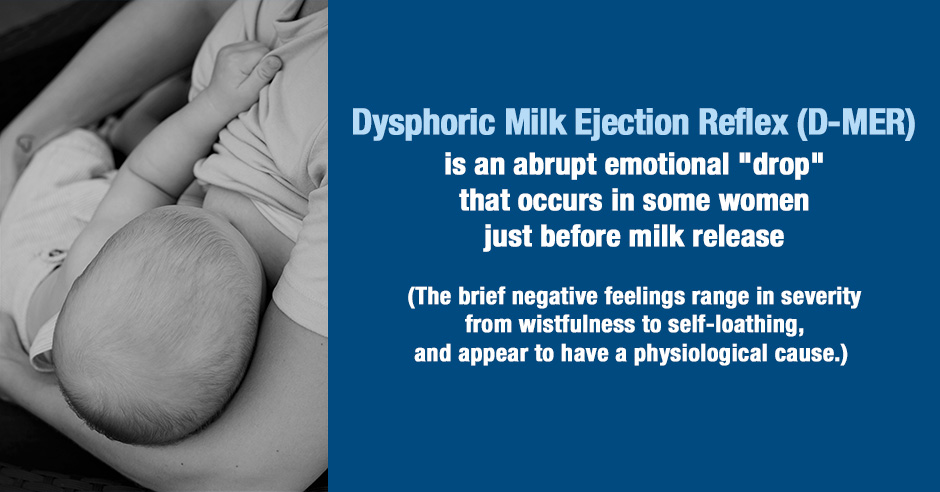
Dysphoric Milk Ejection Reflex (D-MER) is an abrupt emotional “drop” that occurs in some women just before milk release

June 23, 2023 By Trudy Scott 4 Comments

d-mer

Dysphoric Milk Ejection Reflex (D-MER) is an abrupt emotional “drop” that occurs in some women just before milk release and continues for not more than a few minutes. The brief negative feelings range in severity from wistfulness to self-loathing, and appear to have a physiological cause.

The authors suggest that an abrupt drop in dopamine may occur when milk release is triggered, resulting in a real or relative brief dopamine deficit for affected women.

Clinicians can support women with D-MER in several ways; often, simply knowing that it is a recognized phenomenon makes the condition tolerable. Further study is needed.

The above abstract is from this paper published in 2011 – Dysphoric milk ejection reflex: A case report.

Alia Heise (AH) is co-author of this paper and coined the term D-MER. She is sharing her breastfeeding and D-MER experiences as the case.

Many women who are struggling with these feelings don’t ask for help and when they do they are often dismissed. The authors share it’s “a breastfeeding problem for which affected mothers seem only rarely to seek or receive help.” I’m sharing this case and more about D-MER for these reasons and because troubled mothers often stop breastfeeding.

Read on to learn about the dopamine hypothesis and how Rhodiola helped Alia.

Feedback from struggling moms

The authors share this description from a struggling mom:

If you read Harry Potter they talk about the creatures that suck the soul out of you and when they are around it makes you cold and you start to focus on negative things and fall into this abyss of negative thoughts – that is how D-MER was for me at times.

Someone in my community shared this when I posted the case on Facebook:

I experienced an extreme emotional response. I would describe it as a wave of huge anxiety… almost suicidal at times but only during letdown (it lasted only a couple of minutes if that, but it was so severe.)

I started noticing it when I would pump. After I researched it I figured out there was a name for it and a reason. I never could find anyone to help me… I remember mentioning it to my doctor and she had never heard of it. I just suffered through and so my breastfeeding/pumping journey ended at 6 months.

I appreciate Alie and the authors for helping to create awareness and these moms for sharing their experiences. Hopefully this information will mean fewer moms struggle alone with D-MER and more awareness amongst practitioners.

I share some highlights below but be sure to read the entire paper here – Dysphoric milk ejection reflex: A case report.

The spectrum of D-MER symptoms and a drop in dopamine hypothesized as the cause

Here is the spectrum of D-MER symptoms (as listed in the above paper):

  1. Depression, wistfulness, homesickness, apprehension, hopelessness, hollowness in stomach (first 3 months)
  2. Anxiety, dread, panic, irritability (6 to 12 months)
  3. Anger, tension, agitation, paranoia (until weaning)

A drop in dopamine is hypothesized as the cause in susceptible mothers (also from the above paper):

Based on AH’s experiences, and until more is known, it is the authors’ very humble hypothesis that a drop in dopamine either facilitates or parallels each oxytocin spike in lactating human mothers, and that it is this dopamine drop that results in D-MER in susceptible mothers.

What adds value to Alia’s dopamine hypothesis is that bupropion, a dopamine reuptake inhibitor (i.e. a medication that increases dopamine), reduced her symptoms in a day and eliminated her symptoms in 5 days. She did, however, have to stop the medication due to side effects.

Rhodiola prevents the breakdown of dopamine, increasing it’s availability

Alia then learned about a herb called Rhodiola rosea that “is a monoamine oxidase inhibitor that prevents the breakdown of dopamine, increasing its availability.”

When she used Rhodiola her symptoms became much milder and when she missed taking Rhodiola her D-MER symptoms were worse. She didn’t notice any changes in her milk supply.

I will add that Alia used Rhodiola when her daughter was 14 months old and her D-MER symptoms were “somewhat reduced, but still extremely troublesome.” I have to wonder if she may have needed to use a higher dose when her daughter was a new-born and Alie’s symptoms were more severe.

Safety of Rhodiola when breastfeeding

The authors quote Sheila Humphrey, author of The Nursing Mother’s Herbal (my Amazon link) who groups Rhodiola with several other “tonic herbs” for which “there are no anecdotes, as yet, to suggest that they will affect breastfeeding babies.”

Dr Aviva Romm, MD, calls Rhodiola “The Spirit Calming, Anti-Anxiety Adaptogen” in this article about adaptogenic herbs

Rhodiola extract helps promote a calm emotional state and supports strong mental performance, optimal immune function, and hormonal balance. It is a key adaptogen for reducing anxiety. It improves mental and physical stamina, improves sleep, and reduces stress, “burn out,” and irritability.

She says to avoid Rhodiola if you have bipolar disorder and during pregnancy (due to lack of safety data), but considers it safe while breastfeeding.

But, as always, when it comes to nursing, I have clients work with their practitioner.

Future research on tyrosine and theanine during breastfeeding, and prevention

I would also love to see future research on the safety of tyrosine and theanine (and all amino acids) being used during breastfeeding, as another option for moms with D-MER.

Tyrosine is well-recognized as an amino acid that helps to boost dopamine levels and improve a low mood and may help ease some of the D-MER symptoms. Some individuals report how tyrosine also alleviates their anxiety and panic attacks and creates a feeling of calm focus.

Theanine, also an amino acid, supports GABA, dopamine and serotonin and I feel has a potential application in D-MER. There may well be a role for tryptophan (for serotonin support and the depression/self-loathing/anger/agitation/panic symptoms of D-MER) and GABA (for GABA support and the anxiety/tension symptoms of D-MER).

They may also help with postpartum anxiety, depression, OCD and intrusive thoughts.

I’d also like to see future research look at possible correlations between D-MER and low neurotransmitters before pregnancy/nursing. And if these women saw benefits with amino acids. Addressing low levels of neurotransmitters and the dietary factors I address in my book, The Antianxiety Food Solution, may help prevent this or at least reduce the severity of symptoms.

Resources if you are new to using amino acids as supplements

If you are new to using amino acids as supplements, here is the Amino Acids Mood Questionnaire from The Antianxiety Food Solution (you can see all the symptoms of neurotransmitter imbalances, including low GABA, low serotonin and low dopamine).

If you suspect low levels of any of the neurotransmitters and do not yet have my book, The Antianxiety Food Solution – How the Foods You Eat Can Help You Calm Your Anxious Mind, Improve Your Mood, and End Cravings, I highly recommend getting it and reading it before jumping in and using amino acids on your own so you are knowledgeable. And be sure to share it with the practitioner/health team you or your loved one is working with.

There is an entire chapter on the amino acids and they are discussed throughout the book in the sections on gut health, gluten, blood sugar control, sugar cravings, anxiety and mood issues.

The book doesn’t include product names (per the publisher’s request) so this blog, The Antianxiety Food Solution Amino Acid and Pyroluria Supplements, lists the amino acids that I use with my individual clients and those in my group programs. You can find them all in my online store.

If, after reading this blog and my book, you don’t feel comfortable figuring things out on your own (i.e. doing the symptoms questionnaire and respective amino acids trials), a good place to get help is the GABA QuickStart Program (if you have low GABA symptoms too). This is a paid online/virtual group program where you get my guidance and community support.

If you are a practitioner, join us in The Balancing Neurotransmitters: the Fundamentals program. This is also a paid online/virtual program with an opportunity to interact with me and other practitioners who are also using the amino acids.

Have you experienced D-MER and were you advised to use Rhodiola? And if yes, how did it help? What else helped?

Or did you get no help from your medical team?

Do you feel there is a possible correlation between your D-MER symptoms and low neurotransmitter symptoms you experienced before pregnancy/nursing? If yes, which amino acids helped you before you were pregnant?

If you are a practitioner, are you familiar with D-MER and have you seen Rhodiola help?

Feel free to post your feedback and questions here in the comments.

Filed Under: Anxiety, Depression, Postpartum, Women's health Tagged With: Alia Heise, amino acids, anxiety, before milk release, breastfeeding, calm; resources if you are new to the amino acids; the GABA Quickstart online program; and Balancing Neurotransmitters: the Fundamentals program for practitioners, D-MER, dopamine, Dysphoric Milk Ejection Reflex, emotional drop, negative feelings, physiological, Prevention, Rhodila, self-loathing, theanine, tyrosine, wistfulness, women

A 12 year old’s Diet Coke consumption and obsession with collecting the cans: can tryptophan and tyrosine help him quit with ease?

March 24, 2023 By Trudy Scott 14 Comments

diet coke and amino acids

A concerned mother, Rebble, posted a request for help for her 12 year old son who has suddenly started drinking Diet Coke and obsessively collecting the cans. I explain about the biochemistry of addiction and obsession. If your child, another loved one or  even you, are hooked on Diet Coke, this blog offers practical solutions in the way of amino acids to balance brain chemistry and make quitting no longer about willpower. I share why I’d consider starting with the amino acid supplement tryptophan for serotonin support and the amino acid supplement tyrosine for dopamine support. And then looking into low blood sugar. I also share some of the many harmful effects of soda/diet soda and some practical tips for her as she encourages her son to make changes.

Here are her questions and what she has already tried to help him quit:

To my horror, my 12yo son has just started buying/consuming Coke and principally Diet Coke regularly from our village shop. He has got obsessed about collecting the cans, some of which are from his friends’ consumption but more and more from his. He used to hate these drinks but now peer pressure has kicked in and he wants to consume what his friends (who live on the stuff and a horrendous amount of sugar) consume.

I’ve pointed out the ingredients, that they are toxic to his brain. He doesn’t care.

I’ve shown him a brilliant video clip of Renaldo removing coca cola bottles from the press table and promoting water instead (with good effect).

Yet still he keeps buying the stuff.

I’ve made it known with the shopkeeper that I don’t approve of my children buying caffeinated sugary drinks full of neurotoxic ingredients but he doesn’t wish to police my children (though he did give me a refund on the 8 cans he had just sold my son!) which I understand.

Do you have a short summary of why it’s so bad, for children in particular? Either something I could show my children, their friends and/or the shopkeeper?

Is it the caffeine that makes it addictive?

My son does exhibit some challenging behaviors (e.g. torturous noise at home, not able to sit still without fidgeting with things at meals, etc.) but seems to be able to turn this on / off at will. I don’t think he does this at other people’s homes or at school. I can’t say they are necessarily linked to the drinks as they precede the start of him consuming them but I’m certain the drinks cannot help.

This is tough but I’m glad Rebble is horrified and working to do something about it. Sadly many parents have no idea how harmful these drinks are for pre-teens and teens.

She mentions his challenging behaviors preceded his diet soda drinking. It’s common that we see someone self-medicating with sugar and/or artificial sweeteners. And it’s likely that that peer pressure was the tipping point for him and then once she started he was well and truly addicted.

This is the feedback I shared for her and my observations on where to start: when I hear obsessed, peer pressure and challenging behaviors, I immediately think neurotransmitter or brain chemicals imbalances and would look into low serotonin and possibly low dopamine because of his inability to sit still. Low blood sugar may also be an issue.

What emotions are driving his addiction and obsession?

With an addiction you need to figure out what emotions are driving the addiction and use the respective amino acid supplement/s (one or more of them) to help break the addiction and improve the mood/behavioral symptoms at the same time.

These are the questions I review with my clients who have a Diet Coke addiction, or other diet soda or regular soda addiction (or even alcohol or carb addiction):

  1. If you drink it to feel happy (and especially from late afternoon into the evening) then your cravings are likely due to low serotonin, and tryptophan (or 5-HTP) stops the cravings and boosts mood and reduces anxiety.
  2. If you drink it for an energy boost or to give you focus then it’s likely due to low catecholamines and tyrosine will stop those cravings and give you a mood and energy boost, and also help with mental clarity.
  3. If you have to drink it when you haven’t eaten in awhile it’s likely low blood sugar. Glutamine on the tongue stops the desire almost immediately and also helps with the low blood sugar symptoms of shakiness and irritability.
  4. If you stress-drink, your cravings are likely due to low GABA, and GABA will stop the stress-drinking and calm you down too.
  5. If you drink it for comfort or a reward then it’s likely due to low endorphins and DPA (d-phenylalanine) will stop that feeling of “I deserve-it” and also give you a hug-like mood boost.

Ideally mom would have him complete the amino acids symptoms questionnaire in order to figure out which areas are issues for her son.

This is where I would start

I don’t have all this information but based on mom’s feedback this is where I would start: serotonin support, dopamine support and address low blood sugar.

We do know he is obsessed with collecting the cans. Obsession and cravings for a sweet taste is a clear sign of low serotonin i.e. a big clue that #1 may apply to her son and that he may benefit by using tryptophan or 5-HTP.

We do also know he is “not able to sit still without fidgeting with things at meals.” The Diet Cokes may be helping him focus and this is a big clue that #2 and low dopamine may also apply to her son, and that he may benefit from tyrosine. Keep in mind tyrosine also helps to break the caffeine addiction too.

I’m not sure what his “torturous noise at home” could be related to but it may be a clue to #3  i.e. low blood sugar and irritability.  It may also be a symptom of rage or anger, also a sign of low serotonin and #1.

I would also look at his diet and make sure he is eating for blood sugar stability (quality protein for breakfast with healthy fats, healthy fats/protein at each meal and healthy snacks). And address everything else I cover in my book – gluten, microbiome etc.

It’s not unusual for someone to have imbalances in multiple areas. If this is the case, I  always recommend doing a trial of one amino acid at a time, so it’s easy to see the benefits.

Role models, the harmful effects of soda/diet soda and other things I’d try with this young man

On one hand, you could be surprised that the Renaldo press conference clip removing the Cokes (watch it here) didn’t make enough of an impression because having a sporting hero as a role model is powerful. BUT on the other hand, based on what I know about soda/diet soda.caffeine and addiction, role models are unfortunately just not enough for some folks.

I shared these other things I’d try:

1) Have someone other than mom tell him about the harmful effects of diet sodas – a respected teacher, favorite uncle or nutritionist.

2) Appeal to things that may make him think twice about it like acne and not being fit enough to play his favorite sport. Concerns about weight gain or not being able to get into his desired university (because of impacts on his academic grades) may be a driver too. It’s doubtful that he’d be concerned with tooth decay, adrenal dysfunction, diabetes, heart disease, inflammation, increased risk of osteoporosis or increased anxiety/depression and insomnia.

3) Suggest that he does a school project on the topic so he understands the many harmful effects and facts (the research confirms that adolescents lack knowledge regarding health risks of soda and diet soda consumption. The project could hail Renaldo as a hero and he could get his buddies to help.

4) Help him find something else he likes to drink. Fruit juice isn’t a good option but fizzy fermented drinks are and so is fruit-infused water.

5) Be sure the rest of the family is setting an example at home and when you go out

6) Keep planting the seeds with love and encouragement

However, none of the above or flat-out saying he cannot buy diet sodas will work if there is the addiction aspect and unbalanced brain chemistry.

Keep in mind there is a continuum with sugar/carb/artificial sweeteners/caffeine addiction i.e. some kids (and adults) can quit sugar/carbs/artificial sweeteners/caffeine more easily and others need some nutritional support and some need much more support for balancing brain chemistry with amino acids. If there are also behavioral issues/signs that’s the clue they likely need the amino acid support.

Once he has the facts and understands the harm he also has to be willing to make the changes to break the addiction if it’s severe. I have parents gently recommend a month trial to see if it will work. “No diet soda forever” is too much for a pre-teen/teen (and adults too) to grasp and be ok with especially when they are addicted.

Rebble posed her question on a blog about Diet Coke addiction: I need help with my Diet Coke addiction – when I stop, my fatigue, brain fog, anxiety/depression increase big time!

Be sure to read the above blog for further insights.

I appreciate her for reaching out and hope this additional information helps her son and helps you too.

Resources if you are new to using tryptophan or GABA as supplements

If you are new to using tryptophan or GABA as supplements, here is the Amino Acids Mood Questionnaire from The Antianxiety Food Solution (you can see all the symptoms of neurotransmitter imbalances, including low low serotonin and low doapmine).

If you suspect low levels of any of the neurotransmitters and do not yet have my book, The Antianxiety Food Solution – How the Foods You Eat Can Help You Calm Your Anxious Mind, Improve Your Mood, and End Cravings, I highly recommend getting it and reading it before jumping in and using amino acids on your own so you are knowledgeable. And be sure to share it with the practitioner/health team you or your loved one is working with.

There is an entire chapter on the amino acids and they are discussed throughout the book in the sections on gut health, gluten, blood sugar control, sugar cravings, anxiety and mood issues (which include rage/anger/irritability/self-harm).

The book doesn’t include product names (per the publisher’s request) so this blog, The Antianxiety Food Solution Amino Acid and Pyroluria Supplements, lists the amino acids that I use with my individual clients and those in my group programs. You can find them all in my online store. The above oral lavender products are available in my online store too.

If, after reading this blog and my book, you don’t feel comfortable figuring things out on your own (i.e. doing the symptoms questionnaire and respective amino acids trials), a good place to get help is the GABA QuickStart Program (if you have low GABA symptoms). This is a paid online/virtual group program where you get my guidance and community support.

If you are a practitioner, join us in The Balancing Neurotransmitters: the Fundamentals program. This is also a paid online/virtual program with an opportunity to interact with me and other practitioners who are also using the amino acids.

Has one of the amino acids helped with your preteen’s soda or diet soda addiction? Which one/s helped?

What helped your preteen be open to the idea of using the amino acids to quit?

What else helped?

Has any of the above helped you too? Or your clients/patients?

If you have questions and other feedback please share it here too.

Filed Under: Addiction, serotonin, Sugar addiction, Tryptophan, Tyrosine Tagged With: addiction, addictive, amino acids, balance brain chemistry, biochemistry, caffeine, coca cola, Diet Coke, diet soda, dopamine, emotions, harmful effects, low blood sugar, no willpower, obsession, quit, Renaldo, serotonin, soda, tryptophan, tyrosine

Around my period I definitely feel the need for extra tryptophan if I’ve had some extra heavy emotional stuff come up that I need to process

December 10, 2021 By Trudy Scott 6 Comments

period and extra tryptophan

Many women find that they need additional nutritional support i.e. tryptophan for serotonin support (and often GABA too) around their periods. Today’s case study highlights the hormonal shifts that may lead to a situation where it appears tryptophan doesn’t work, then it does work, and then sometimes it doesn’t work as expected. The variable results and the need to switch between lower and higher doses on an ongoing basis can occur with PMS (premenstrual syndrome) PMDD (premenstrual dysphoric disorder, a severe, sometimes disabling extension of premenstrual syndrome). The variable results can also be more pronounced while recovering from trauma.

This case study is a follow-on from a blog I recently published: Tryptophan doesn’t work, then it does and then it doesn’t: could it be hormonal shifts, dietary factors and/or parasites?

Here is Kimberley’s feedback on the Facebook post that discussed these variable results. She shared how her hormonal shifts led to a need for additional tryptophan and 5-HTP:

Around my period I definitely feel the need for extra tryptophan. My PMDD symptoms have decreased since I started using tryptophan/5-HTP, but sometimes I need a bit more if I’ve had some extra heavy emotional stuff come up that I need to process (since that always happens with my period!).

I thanked her for sharing and said how happy I was for her. I also asked what symptoms have decreased and how much? I also asked how much tryptophan and 5-HTP she uses before her period and then around her period?

I was also curious if she just experimented with different doses until she figured it out or had she heard me talk about the PMDD tryptophan study: A placebo-controlled clinical trial of L-tryptophan in premenstrual dysphoria. In this study tryptophan was found to reduce symptoms of PMS when used in the luteal phase or second half of the cycle (i.e. after ovulation).

Her low serotonin symptoms have decreased as much as 75-80 percent

Kimberley confirmed that she had read the above study and related blog post – Tryptophan for PMS: premenstrual dysphoria, mood swings, tension, and irritability – and more about her symptoms:

I had read the blog you referenced, which is one of the reasons I tried tryptophan in the first place.

I was experiencing a lot of emotional distress, feelings of downright despair that left me miserable both during my period and ovulation (half the month, every month, which was truly awful). Those have definitely decreased, sometimes as much as 75-80 percent, other times they’re worse and I feel like I need more support.

I usually take 1x Lidtke 5-HTP (50mg) mid-afternoon and 1x Lidtke Tryptophan (500mg) at bedtime, but yesterday I increased to 2x Lidtke Tryptophan and do feel an improvement in my mood this morning.

I experimented to get the right dose of both amino acids, initially increasing to the maximum you recommend, and then slowly decreasing to what I’m taking now when I found I didn’t feel well when I took too much.

I just reread the blog you linked above and realized I should be using GABA every day to support progesterone (instead of just as needed for anxiety). Thanks for the reminder!

I love that after reading the blog she was inspired and motivated to experiment with different doses when she is/was feeling so bad. I encouraged her to continue trialing different doses at various times of the month especially in the second half of the month. I also reminded her that some folks do better with tryptophan and some do better with 5-HTP when it comes to low serotonin symptoms. And to continue to look at why serotonin is low and address that. Low GABA (related to low progesterone) can cause increased anxiety at this time and is a common issue with PMS/PMDD.

(You can see the entire list of low serotonin and low GABA symptoms here.)

She plans to continue experimenting with tryptophan and 5-HTP and may also try switching over to just 5-HTP and see if that changes anything. It’s unlikely that she would benefit from much higher doses of either as she shared “I don’t seem to be able to take more than 2 caps of either one without getting uncomfortable symptoms, though.”

Exercise and yoga for her low serotonin and PMDD

She did share how much exercise helps her mood, why she isn’t able to exercise as much:

The biggest thing I know to do to address low serotonin is add more exercise into my life, but this has been hard lately because I’ve had a couple of different viruses recently that left my exercise intolerance worse than it had been. I’m trying to support my mitochondria right now and add light exercise back in slowly.

Exercise is a wonderful way to raise serotonin levels and aerobic exercise has been shown to reduce the symptoms of PMS too. Yoga may be an option while she is recovering. In one study, yoga was found to be beneficial for PMS: “Alpha-brain waves production due to regular yoga practice are directly related with state of peace, creativity, mood elevation, relaxation, and release of serotonin, thus leading yoga practitioners feel more relaxed.”

Trauma: cortisol, serotonin, dopamine and estradiol

Kimberley also shared how how trauma plays into her situation:

I think some of the reasons for my health issues, low neurotransmitters, etc., are trauma related and I’ve been working through Dr. Aimie Apigian’s programs for that. But that’s another story.

I respect Dr. Aimie Apigian’s work in trauma and somatic experiencing and acknowledge this aspect must be addressed too. I love that Dr. Aimie brings this together with a functional medicine approach, looking at biology/biochemistry too. Recent trauma research confirms that there are major biochemical mechanisms involved in PTSD (post-traumatic stress disorder). These can include impacts to cortisol, serotonin and dopamine levels. And women are more vulnerable to these effects.

A 2021 paper, Estradiol, stress reactivity, and daily affective experiences in trauma-exposed women discusses high cortisol and more severe symptoms around their periods when estradiol (one of the estrogens) is low. As I mentioned above, estrogen and serotonin are closely related. The authors state this:“For women who are cycling, it may be useful to understand how the menstrual cycle affects their symptoms. When you can explain what’s happening biologically, it often becomes less threatening.”

Yoga may provide added psychological benefits as she works through her past trauma too.

Kimberly gave me permission to share her story and this is always something I appreciate so others in my community can learn from these types of experiences. If needed, I hope this her story gives you confidence to experiment with different doses and combinations around your period.

She also benefits from the comments from others on Facebook and the comments here on the blog, our back and forth, and this blog post.

She promised to keep me posted on how she goes and I’ll be sure to share when I hear back from her.

Resources if you are new to using tryptophan, 5-HTP and GABA and the amino acids as supplements

If you are new to using the amino acids as supplements, here is the Amino Acids Mood Questionnaire from The Antianxiety Food Solution (you can see the low GABA symptoms here) and a brief overview here, Anxiety and targeted individual amino acid supplements: a summary.

If you suspect low GABA or low levels of any of the neurotransmitters and do not yet have my book, The Antianxiety Food Solution – How the Foods You Eat Can Help You Calm Your Anxious Mind, Improve Your Mood, and End Cravings, I highly recommend getting it and reading it before jumping in and using amino acids so you are knowledgeable. And be sure to share it with the team you or your loved one is working with.

The book doesn’t include product names (per the publisher’s request) so this blog, The Antianxiety Food Solution Amino Acid and Pyroluria Supplements, lists the amino acid products that I use with my individual clients and those in my group programs.

Have you found you need additional tryptophan/5-HTP or GABA around your period? How have you experimented and how does it help you?

If you’re a practitioner, have you seen this with clients or patients?

Do you also feel better with exercise and/or yoga?

And are/were your variable results more pronounced while recovering from trauma?

Feel free to ask your questions here too.

Filed Under: Anxiety, GABA, PMS, PTSD/Trauma, serotonin, Women's health Tagged With: 5-HTP, anxiety, biochemical, cortisol, despair, dopamine, emotional distress, emotional stuff, estradiol, estrogen, exercise, GABA, hormonal shifts, miserable, my period, PMDD, PMS premenstrual syndrome, premenstrual dysphoric disorder, PTSD, serotonin, stress, trauma, tryptophan, yoga

SSRI/antidepressant impact on the microbiome, discontinuation syndrome and safe tapering

October 16, 2021 By Trudy Scott 2 Comments


Antidepressants can have an antibiotic effect, causing dysbiosis and impacting serotonin, GABA and dopamine production. This can cause psychiatric symptoms and even suicidal thoughts or behaviors. Various SSRI (selective serotonin reuptake inhibitors) and SNRI (serotonin norepinephrine reuptake inhibitors) have more of an effect than others. And the top known side effects for SSRIs are gut symptoms: nausea, diarrhea and vomiting.

These medications are seldom prescribed with informed consent and can cause severe psychological, cognitive, physical and neurological withdrawal side effects (also known as discontinuation syndrome). A functional medicine and nutritional approach using 5-HTP, GABA, theanine and glycine can often be used to smooth the taper process.

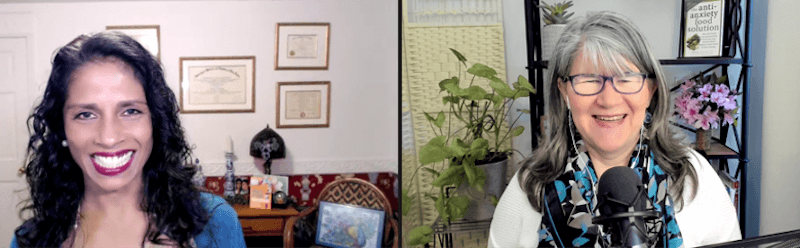
Dr. Achina Stein addresses all this in her interview, SSRI Impact on the Microbiome and Safe SSRI Tapering, on The Anxiety Summit 5: Gut-Brain Axis.

achina stein and trudy scott

We cover the following:

  • Antibiotic effect of antidepressants: dysbiosis and impacts on serotonin/GABA/dopamine
  • Withdrawal/discontinuation syndrome symptoms of SSRIs and benzodiazepines
  • 5-HTP, GABA, theanine and glycine to smooth the taper process

Here are a few snippets from our interview.

We start with a discussion on the antibiotic effect of antidepressants and a review of this paper – Serotonin Reuptake Inhibitors and the Gut Microbiome: Significance of the Gut Microbiome in Relation to Mechanism of Action, Treatment Response, Side Effects, and Tachyphylaxis.

Dr. Stein comments on this study sharing how SSRIs affect the gut and microbiome in many different ways:

  • “This paper is important. It’s one of several papers that talk about how the SSRIs or serotonin reuptake inhibitors affect the gastrointestinal tract. And as you know, the gastrointestinal tract is really full of serotonin.
  • SSRIs, as well as other psychotropic medications, actually exert an antibiotic effect, which can have a direct consequence in disrupting the integrity and stability of the gut microbiome.
  • And the ones that are most likely to do that are Sertraline, fluoxetine, and paroxetine in that order. And it’s followed by fluvoxamine, escitalopram, and citalopram, having the least impact.
  • What they’re noticing is that this antibiotic effect actually results in dysbiosis.
  • The top known side effects for SSRIs are gut symptoms: nausea, diarrhea, vomiting.
  • We know that the gut microbiome has a significant effect on emotions, behaviors, and metabolic changes.
  • And it’s involved in the metabolism of drugs, and this combination is what really causes psychiatric symptoms and even suicidal thoughts or behaviors.”

She also talks about the bidirectional gut-brain connection/communication, the microbiome and short-chain fatty acids (which are a common theme you’ll hear throughout the summit):

  • “There is this huge connection between the gut microbiome and the brain.
  • And there’s also other indirect communication pathways because we’ve always wondered, well, how does this happen that the gut is connected to the brain?
  • So the other pathways which are more indirect are the hypothalamic-pituitary-adrenal axis.
  • And there’s also an immune-mediated connection where there’s a communication between short-chain fatty acids and microglia in the brain.
  • So short-chain fatty acids are the main metabolites produced by the microbiota in the large intestine through bacterial fermentation of indigestible polysaccharides, which are dietary fiber and resistant starch. And they possess neuroactive properties. So they influence the communication between these short-chain fatty acids between the gut and the microglia of the brain.
  • And it’s a bidirectional communication too.”

And we talk about tachyphylaxis or the poop-out effect of antidepressants.

The discussion on the SSRI (selective serotonin reuptake inhibitors) and SNRI (serotonin norepinephrine reuptake inhibitors) discontinuation syndrome (or withdrawal symptoms) is eye-opening and sobering, Here are just a few of the many psychological symptoms that she says patients may experience when tapering:

I’m just going to read them off because I think it’s important for people to know: mood swings, unstable moods, hypomania, hyperarousal, anxiety, medication-induced agitation – which is described as being caffeinated – impulsive behavior, aggression, irritability, crying spells, lowered mood or depression.

Dr. Stein also shares the many cognitive, physical and neurological side effects, and how she works with her patients with a functional medicine and nutritional approach to try and mitigate the side effects. She likes to use 5-HTP, GABA, theanine and glycine to smooth the taper process.

We also have a lengthy discussion about informed consent and the fact that it’s not happening and should be.

We do a deep dive into all this and much more.

The interviews that dove-tail well with this topic are as follows:

  • My interviews, GABA & Tryptophan: Gut-Anxiety Connections and Glutamine, DPA and Tyrosine for Anxiety and Sugar Cravings. The amino acids help during the  tapering process and help you make the dietary changes.
  • Thiamine Deficiency in Anxiety and Gut Health (Part 1 and 2) with Chandler Marrs. She talks about how medications can deplete thiamine. Could this contribute to some of the severe discontinuation syndrome symptoms we see?
  • Anxiety, Gut-Brain Communication and Diet with David Perlmutter, MD, FACN, ABIHM. This one gives you an excellent overview of the gut-brain communication and fermented foods, short-chain fatty acids and histone deacetylases (HDACs).
  • Gut-Brain Axis and Mental Health with Peter Bongiorno, ND, LAc. This is also a great overview on the mental health impacts of the microbiome. He goes deep into serotonin and GABA production mechanisms.

I encourage you to tune in if you have:

  • Anxiety & feel overwhelmed & stressed by little things
  • Panic attacks &/or obsessive thoughts or behaviors
  • Social anxiety/pyroluria
  • Phobias or fears (flying, spiders or even driving on a highway)

And also if you suffer from…

  • Food sensitivities, IBS/SIBO, parasites or gallbladder issues
  • Constipation, diarrhea, bloating, gas, pain & other digestive issues
  • Leaky gut, a leaky blood-brain barrier or vagus nerve issues

Join us if you are also an emotional eater with intense sugar cravings (and know you suffer from low blood sugar), experience insomnia, low mood, PMS, poor focus and/or low motivation.

This is THE online event to learn about the powerful individual amino acids – GABA, theanine, tryptophan, 5-HTP, glutamine, DPA and tyrosine – to quickly ease anxiety and help with gut symptoms while you are dealing with other root causes which take longer to address. (They also help with cravings as with this example, and sleep and immunity).

With research-based anxiety nutritional solutions and practical steps, you can determine your root causes, ease your anxiety and prevent it from coming back so you can feel on top of the world again!

If you are a practitioner, please join us too and find advanced solutions for your clients or patients too!

You’ve heard me say the Anxiety Summit has been called “a bouquet of hope!”  My wish for you is that this summit is your bouquet of hope!

I hope you’ll join me and these incredible speakers, be enlightened and find YOUR solutions!

Here’s to no more anxiety and you feeling on top of the world again!

Learn more/purchase now


How have antidepressants impacted your gut and digestion?

Have you experienced discontinuation syndrome when tapering from an SSRI or SNRI or benzodiazepines? And have diet and the amino acids helped smooth the taper process?

Feel free to post your questions here too.

Filed Under: Antidepressants, Anxiety, Depression, The Anxiety Summit 5 Tagged With: 5-HTP, antibiotic, antidepressant, anxiety summit, cognitive, discontinuation syndrome, dopamine, Dr. Achina Stein, dysbiosis, functional medicine, GABA, glycine, gut-brain, informed consent, microbiome, neurological, nutritional, physical, psychiatric symptoms, psychological, safe tapering, serotonin, SNRI, SSRI, Suicidal, taper, theanine, withdrawal side effects

  • « Go to Previous Page
  • Page 1
  • Page 2
  • Page 3
  • Page 4
  • Go to Next Page »

Primary Sidebar

NEW! GABA QuickStart Homestudy (with special intro pricing)

gaba quickstart homestudy

Free Report

9 Great Questions Women Ask about Food, Mood and their Health

You'll also receive a complimentary subscription to my ezine "Food, Mood and Gal Stuff"


Connect with me

Popular Posts

  • Amino Acids Mood Questionnaire from The Antianxiety Food Solution
  • The Antianxiety Food Solution Amino Acid and Pyroluria Supplements
  • Pyroluria Questionnaire from The Antianxiety Food Solution
  • Collagen and gelatin lower serotonin: does this increase your anxiety and depression?
  • Tryptophan for the worry-in-your-head and ruminating type of anxiety
  • GABA for the physical-tension and stiff-and-tense-muscles type of anxiety
  • The Antianxiety Food Solution by Trudy Scott
  • Seriphos Original Formula is back: the best product for anxiety and insomnia caused by high cortisol
  • Am I an anxious introvert because of low zinc and vitamin B6? My response to Huffington Post blog
  • Vagus nerve rehab with GABA, breathing, humming, gargling and key nutrients

Recent Posts

  • What do I use instead of Seriphos to help lower high cortisol that is affecting my sleep and making me anxious at night?
  • BeSerene™ GABA/theanine cream eases severe muscle tension in her neck/shoulders, prevents her bad headaches and quells her anxiety
  • How the correct approach, dose and sublingual use of GABA can be calming and not cause a flushed and itchy face and neck
  • The amino acid glutamine improves low mood by addressing gut health, and it has calming effects too
  • Flight anxiety with heightened breath, physical tension and also fearing the worst (the role of low GABA and low serotonin)

Categories

  • 5-HTP
  • AB575
  • Addiction
  • ADHD
  • Adrenals
  • Alcohol
  • Allergies
  • Alzheimer's disease
  • Amino Acids
  • Anger
  • Antianxiety
  • Antianxiety Food Solution
  • Antidepressants
  • Anxiety
  • Anxiety and panic
  • Autism
  • Autoimmunity
  • benzodiazapines
  • Bipolar disorder
  • Books
  • Caffeine
  • Cancer
  • Candida
  • Children/Teens
  • Collagen
  • Cooking equipment
  • Coronavirus/COVID-19
  • Cravings
  • Depression
  • Detoxification
  • Diabetes
  • Diet
  • DPA/DLPA
  • Drugs
  • EFT/Tapping
  • EMF
  • EMFs
  • Emotional Eating
  • Endorphins
  • Environment
  • Essential oils
  • Events
  • Exercise
  • Fear
  • Fear of public speaking
  • Fertility and Pregnancy
  • Fish
  • Food
  • Food and mood
  • Functional neurology
  • GABA
  • Gene polymorphisms
  • General Health
  • Giving
  • Giving back
  • Glutamine
  • Gluten
  • GMOs
  • Gratitude
  • Gut health
  • Heart health/hypertension
  • Histamine
  • Hormone
  • Hyperparathyroidism
  • Hypoglycemia
  • Immune system
  • Inflammation
  • Insomnia
  • Inspiration
  • Introversion
  • Joy and happiness
  • Ketogenic diet
  • Lithium orotate
  • Looking awesome
  • Lyme disease and co-infections
  • MCAS/histamine
  • Medication
  • Men's health
  • Mental health
  • Mercury
  • Migraine
  • Mold
  • Movie
  • MTHFR
  • Multiple sclerosis
  • Music
  • NANP
  • Nature
  • Nutritional Psychiatry
  • OCD
  • Osteoporosis
  • Oxalates
  • Oxytocin
  • Pain
  • Paleo
  • Parasites
  • Parkinson’s disease
  • PCOS
  • People
  • PMS
  • Postpartum
  • PTSD/Trauma
  • Pyroluria
  • Questionnaires
  • Real whole food
  • Recipes
  • Research
  • Schizophrenia
  • serotonin
  • SIBO
  • Sleep
  • Special diets
  • Sports nutrition
  • Stress
  • Sugar addiction
  • Sugar and mood
  • Supplements
  • Teens
  • Testimonials
  • Testing
  • The Anxiety Summit
  • The Anxiety Summit 2
  • The Anxiety Summit 3
  • The Anxiety Summit 4
  • The Anxiety Summit 5
  • The Anxiety Summit 6
  • Thyroid
  • Thyroid health
  • Toxins
  • Tryptophan
  • Tyrosine
  • Uncategorized
  • Vegan/vegetarian
  • Women's health
  • Yoga

Archives

  • October 2025
  • September 2025
  • August 2025
  • July 2025
  • June 2025
  • May 2025
  • April 2025
  • March 2025
  • February 2025
  • January 2025
  • November 2024
  • October 2024
  • September 2024
  • August 2024
  • July 2024
  • June 2024
  • May 2024
  • April 2024
  • March 2024
  • February 2024
  • January 2024
  • December 2023
  • November 2023
  • October 2023
  • September 2023
  • August 2023
  • July 2023
  • June 2023
  • May 2023
  • April 2023
  • March 2023
  • February 2023
  • January 2023
  • December 2022
  • November 2022
  • October 2022
  • September 2022
  • August 2022
  • July 2022
  • June 2022
  • May 2022
  • April 2022
  • March 2022
  • February 2022
  • January 2022
  • December 2021
  • November 2021
  • October 2021
  • September 2021
  • August 2021
  • July 2021
  • June 2021
  • May 2021
  • April 2021
  • March 2021
  • February 2021
  • January 2021
  • December 2020
  • November 2020
  • October 2020
  • September 2020
  • August 2020
  • July 2020
  • June 2020
  • May 2020
  • April 2020
  • March 2020
  • February 2020
  • January 2020
  • December 2019
  • November 2019
  • October 2019
  • September 2019
  • August 2019
  • July 2019
  • June 2019
  • May 2019
  • April 2019
  • March 2019
  • February 2019
  • January 2019
  • December 2018
  • November 2018
  • October 2018
  • September 2018
  • August 2018
  • July 2018
  • June 2018
  • May 2018
  • April 2018
  • March 2018
  • February 2018
  • January 2018
  • December 2017
  • November 2017
  • October 2017
  • September 2017
  • August 2017
  • July 2017
  • June 2017
  • May 2017
  • April 2017
  • March 2017
  • February 2017
  • January 2017
  • December 2016
  • November 2016
  • October 2016
  • September 2016
  • August 2016
  • July 2016
  • June 2016
  • May 2016
  • April 2016
  • March 2016
  • February 2016
  • January 2016
  • December 2015
  • November 2015
  • October 2015
  • September 2015
  • August 2015
  • July 2015
  • June 2015
  • May 2015
  • April 2015
  • March 2015
  • February 2015
  • January 2015
  • December 2014
  • November 2014
  • October 2014
  • September 2014
  • August 2014
  • July 2014
  • June 2014
  • May 2014
  • April 2014
  • March 2014
  • February 2014
  • January 2014
  • December 2013
  • November 2013
  • October 2013
  • September 2013
  • August 2013
  • July 2013
  • June 2013
  • May 2013
  • April 2013
  • March 2013
  • February 2013
  • January 2013
  • December 2012
  • November 2012
  • October 2012
  • August 2012
  • July 2012
  • June 2012
  • May 2012
  • April 2012
  • March 2012
  • February 2012
  • January 2012
  • December 2011
  • November 2011
  • October 2011
  • September 2011
  • August 2011
  • July 2011
  • June 2011
  • May 2011
  • April 2011
  • March 2011
  • February 2011
  • January 2011
  • December 2010
  • October 2010
  • September 2010
  • July 2010
  • May 2010
  • April 2010
  • March 2010
  • February 2010
  • January 2010
  • November 2009

Share the knowledge!

The above statements have not been evaluated by the Food and Drug Administration. Products listed in this website are not intended to diagnose, treat, cure or prevent any disease.

The information provided on this site is for informational and educational purposes only and is not intended as a substitute for advice from your physician or other health care professional. You should consult with a healthcare professional before starting or modifying any diet, exercise, or supplementation program, before taking or stopping any medication, or if you have or suspect you may have a health problem.


Copyright © 2026 Trudy Scott. All Rights Reserved. | Privacy | Terms and Conditions | Refund Policy | Medical Disclaimer

Free Report

9 Great Questions Women Ask about Food, Mood and their Health

You’ll also receive a complimentary subscription to my ezine “Food, Mood and Gal Stuff”