• Skip to primary navigation
  • Skip to main content
  • Skip to primary sidebar

everywomanover29 blog

Food, Mood and Women's Health – Be your healthiest, look and feel great!

  • Blog
  • About
  • Services
  • Store
  • Resources
  • Testimonials
  • The Book
  • Contact
  • Search this site

candida

I had chemotherapy and have not been able to get off sugar since. How long will it take 5-HTP or tryptophan to stop the cravings?

July 26, 2024 By Trudy Scott 4 Comments

aminos to stop sugar cravings

Lauren shared her struggle with sugar cravings that started after chemotherapy, asking her question on a recent tryptophan/DPA cravings blog post:

If I try the tryptophan or the 5-HTP and one or the other works, how long will I need to take them for the sugar cravings to stop?

Back in 2021 I had been off sugar for 2 years and it was easy to get off by slowing eliminating sugar. The last elimination was from my coffee and then it was easy to stay away from sugar.

I had chemotherapy for 6 months in 2022. I have not been able to get off sugar since then. After chemo ended, I had the cravings and don’t know how to end the cravings.

Any advice from you would be appreciated.

The good news is that if you have cravings that are caused by low serotonin and you find your ideal dose of tryptophan or 5-HTP, you will notice reduced sugar cravings immediately and they will be further reduced with consistent use, typically a few times a day.

The key is to figure out if your cravings are caused by low serotonin and then it’s a matter of doing a trial of either tryptophan or 5-HTP (if you get results and other low serotonin symptoms improve it’s a clue you’re on track). And then you need to figure out the ideal dose for your unique needs. I share more about all this below and additional information about other types of cravings caused by neurotransmitter imbalances (and the respective amino acids that help).

Since her cravings struggles started after chemotherapy I also discuss possible impacts on neurotransmitters and also candida (sugar cravings are very common with the candida). Read on for my response to the above question from Lauren.

Sugar cravings caused by low serotonin: tryptophan or 5-HTP may offer immediate results

As I mentioned above you will notice reduced sugar cravings immediately with either tryptophan or 5-HTP if your cravings are caused by low serotonin. A big clue with low serotonin-type sugar or carb cravings is that they are more intense in the late afternoon and evening.

A good place to start (as always) is with the symptoms questionnaire. If there are other low serotonin symptoms such as feeling more anxious, worried, fearful with a low mood and irritability etc, that further confirms it’s worth doing a trial.

Some folks do better with one than the other but I have clients start with tryptophan and then switch to 5-HTP if their results are not as expected. In both instances we open the capsule or use powders or a chewable to get instant feedback on the benefits. So in that first session Lauren should be able to say “wow my cravings have reduced from 10/10 to 5/10” within 5-10 minutes. She may also report she feels more optimistic and less worried.

It is possible that her cravings are not caused by low serotonin or that they are a combination of a number of factors.

Sugar cravings caused by other neurotransmitter imbalances, and other amino acids to the rescue

We also look at sugar cravings caused by low GABA (stress eating because of physical tension), low endorphins (comfort eating or emotional eating), low dopamine (eating for an energy boost or improved focus) and low blood sugar (eating due to crankiness and irritability).

Lauren would know if any of the above may be factors based on her scores on the symptoms questionnaire i.e. scores for cravings and other symptoms. This offers further clarification:

  1. If you eat sugar or carbs to feel happy (and especially from late afternoon into the evening) then your sugar cravings are likely due to low serotonin, and tryptophan (or 5-HTP) stops the cravings and boosts mood and reduces anxiety
  2. If you stress-eat your sugar cravings are likely due to low GABA, and GABA will stop the stress-eating and calm you down
  3. If you are a comfort-eater then it’s likely due to low endorphins and DPA will stop that feeling of “I deserve-it” kind of reward-eating or comfort-eating and also give you a hug-like mood boost
  4. If you eat sugar for an energy boost or to give your focus then it’s likely due to low catecholamines and tyrosine will stop those cravings and give you a mood and energy boost, and help with mental clarity
  5. If you have to eat sugar when you haven’t eaten in awhile it’s likely low blood sugar and glutamine on the tongue stops the sugar desire almost immediately and also helps with the low blood sugar symptoms of shakiness and irritability

As you can see there is an amino acid for each of these imbalances and it’s a matter of doing a similar trial for each one. With the correct dose, Lauren can expect quick results too, provided she finds the ideal dose for her needs.

This is the blog post Lauren posted her question on: Tryptophan and DPA (d-phenylalanine) for cravings and sleep issues (and a concern about 5-HTP and nightmares).

It’s one of many posts on the site about amino acids and sugar cravings so I encourage you to use the search feature of the blog.

Chemotherapy: impacts on serotonin and dopamine

Because chemotherapy has an impact on serotonin and dopamine, this may be where Lauren needs to start when considering which amino acids to trial. Here is some additional information on “chemobrain” or  chemotherapy-induced cognitive impairment:

… a medical complication of cancer treatment that is characterized by a general decline in cognition affecting visual and verbal memory, attention, complex problem solving skills, and motor function. It is estimated that one-third of patients who undergo chemotherapy treatment will experience cognitive impairment.

Alterations in the release and uptake of dopamine and serotonin, central nervous system neurotransmitters that play important roles in cognition, could potentially contribute to impaired intellectual performance in those impacted by chemobrain.

And this may offer an explanation as to why she hasn’t been able to quit sugar since chemotherapy.

Chemotherapy, candida albicans and sugar cravings

If none of the above approaches reduce her cravings or if they do help to some extent but are not quite enough, we have to keep looking for root causes.

A big clue is that Lauren had been able to quit sugar using willpower in the past but has struggled since chemotherapy. It’s important to consider the role this may be playing. In cancer patients who have gone through chemotherapy there is increased susceptibility to Candida albicans, “a fungal commensal and a major colonizer of the human skin, as well as of the gastrointestinal and genitourinary tracts.” This is reported to be caused primarily by “chemotherapy-induced depression of innate immune cells and weakened epithelial barriers, which are the body’s first-line defenses against fungal infections.”

Sugar cravings are very common with candida and in some cases can be so severe that no amino acids will work until the candida is addressed. Interestingly, in one candida study, short exposure to serotonin resulted in antifungal activity so it’s possible that tryptophan or 5-HTP helps.

I don’t have my candida symptoms questionnaire on the blog but you can find a mini version on page 93 of my book, The Antianxiety Food Solution and additional information and my dietary/nutrient protocol in chapter 5 of my book.

The full candida questionnaire can be found in William G. Crook’s excellent book, The Yeast Connection and Women’s Health (my Amazon link).

Additional resources when you are new to using amino acids as supplements

As always, I use the symptoms questionnaire to figure out if low low serotonin or other neurotransmitter imbalances may be an issue.

If you suspect low levels of any of the neurotransmitters and do not yet have my book, The Antianxiety Food Solution – How the Foods You Eat Can Help You Calm Your Anxious Mind, Improve Your Mood, and End Cravings, I highly recommend getting it and reading it before jumping in and using amino acids on your own so you are knowledgeable. And be sure to share it with the practitioner/health team you or your loved one is working with.

There is an entire chapter on the amino acids and they are discussed throughout the book in the sections on gut health, gluten, blood sugar control (this is covered in an entire chapter too), sugar cravings, anxiety and mood issues.

The book doesn’t include product names (per the publisher’s request) so this blog, The Antianxiety Food Solution Amino Acid and Pyroluria Supplements, lists the amino acids that I use with my individual clients and those in my group programs.

If, after reading this blog and my book, you don’t feel comfortable figuring things out on your own (i.e. doing the symptoms questionnaire and respective amino acids trials), a good place to get help is the GABA QuickStart Program (if you have low GABA symptoms too). This is a paid online/virtual group program where you get my guidance and community support.

If you are a practitioner, join us in The Balancing Neurotransmitters: the Fundamentals program. This is also a paid online/virtual program with an opportunity to interact with me and other practitioners who are also using the amino acids.

Wrapping up and your feedback

I appreciate Lauren for posting her question on the blog so I can share and we all can learn.

Now I’d love to hear from you – does any of this resonate with you? If yes, what approach helped reduce your sugar cravings after chemotherapy?

If you’re a practitioner have you seen these approaches work well with your clients/patients?

Feel free to share and ask your questions below.
Filed Under: 5-HTP, Cancer, Cravings, serotonin, Tryptophan Tagged With: 5-HTP, amino acids, candida, chemo, chemotherapy, comfort eating, cravings, dopamine, endorphins, GABA, GABA Quickstart; Balancing Neurotransmitters: the Fundamentals program for practitioners, neurotransmitters, serotonin, sleep, stress-eating, sublingually, sugar, sugar cravings, tryptophan

What causes low serotonin? Use tryptophan/5-HTP to help with the anxiety, overwhelm and worry right away and address all the root causes

May 13, 2022 By Trudy Scott 40 Comments

what causes low serotonin

Low serotonin has a number of root causes which can be different for each person. If you do have low serotonin levels you always want to figure and address why it’s low. This can take time to figure out and resolve so you want to be using either tryptophan or 5-HTP (and sometimes both) to boost your serotonin levels and get symptom relief quickly. This helps with the worry, overwhelm, anxiety, insomnia, carb cravings, TMJ, irritability, PMS, anger, OCD, low mood and ruminations right away. It also helps with the worry and overwhelm triggered by sometimes complex and challenging root causes.

Here is a list of some of the many factors that may cause low serotonin for you:

  • stress and adrenal dysfunction (high cortisol affects your sex hormone and neurotransmitter production, inlcuding serotonin)
  • eating junk food and sugar (a Western diet “of processed or fried foods, refined grains, sugary products, and beer was associated with a higher odds of mood disorders”
  • consuming caffeine (which reduces zinc and B vitamins, needed to make serotonin)
  • not consuming enough quality animal protein (amino acids are the building blocks of our neurotransmitters, and grass fed red meat provides zinc, iron and omega-3s – all needed to make serotonin)
  • low stomach acid (meaning you can’t digest the protein you’re consuming)
  • gluten issues (leading to low serotonin and other nutritional deficiencies such as low iron, low vitamin D etc.)
  • low vitamin D (“Brain serotonin is synthesized from tryptophan by tryptophan hydroxylase 2, which is activated by vitamin D hormone”)
  • low iron/ferritin levels (iron is a cofactor for making serotonin)
  • dysbiosis and microbiome imbalances (we make so much serotonin in the gut)
  • candida (in one study short exposure to serotonin resulted in antifungal activity)
  • liver issues (affecting how you process xenoestrogens)
  • low bile production (affecting how you digest the healthy fats you’re eating)
  • sex hormone imbalances (serotonin and estrogen are very closely linked and women make less serotonin than men. In one study, tryptophan improved the low serotonin PMS symptoms)
  • thyroid imbalance (“it is postulated that one mechanism, among others, through which exogenous thyroid hormones may exert their modulatory effects in affective illness is via an increase in serotonergic neurotransmission”)
  • histamine imbalances (in one study “Acute LPS-induced inflammation increases CNS histamine and decreases CNS serotonin)”
  • the birth control pill (which lowers zinc and vitamin B6, both of which are needed for serotonin production)
  • statins (leading to cholesterol that is too low)
  • mold exposure/mycotoxins/mold poisoning
  • heavy metal toxicity such as lead (and tryptophan and ascorbic acid can help ease the anxiety)
  • Lyme disease and other co-infections (serotonin was found to be low in cerebrospinal fluid in patients with post-Lyme disease syndrome i.e. chronic Lyme)
  • collagen consumption (in susceptible folks this can lower serotonin levels)
  • seasonal allergies (“Cytokines may lead to a mood disturbance via the expression of the IDO enzyme, which shifts the synthesis of tryptophan from serotonin to kynurenine. The resultant acute tryptophan depletion results in decreased brain serotonin”)
  • genetics (one example is the MTHFR polymorphism)
  • low zinc, low vitamin B6 (and other B vitamins), low selenium, low magnesium etc. – all needed to make serotonin
  • oxalates (which can bind to zinc and deplete it)
  • a high copper diet (nut flours on Paleo diets can be problematic), copper IUD, copper pipes etc. (which can cause low zinc)
  • lack of nature (forest bathing reduces cortisol which affects serotonin production)
  • lack of exercise
  • lack of sunshine (like in the winter when serotonin declines)

When I posted some of this list on Facebook earlier this week, there was a great deal of interest, hence this blog. I’ve included one relevant link for each one so you can read further on the topic.

When I posted it I also asked this: “Have you figured out your root cause/s that are contributing to your low serotonin levels? And has tryptophan or 5-HTP helped while you’re figuring it all out?”

Leanne has mold, dysbiosis, Lyme, low vitamin D, bile issues and more

Leanne responded and gave me the go ahead to share especially if this helps someone else (I appreciate that!) She shared she has identified these root causes:

Mold. Dysbiosis. Possible Lyme/co-infections. Low vitamin D. Bile and motility issues. Liver issues. Stress. Low HCL. Those are the ones I’m aware of. And taking each and every day to work on them.  It takes time to heal

I agree it takes time to heal and can be a longer journey for some folks, especially when there are a number of underlying factors. She is in a good frame of mind, saying pragmatically, it takes time to heal. This confirms her serotonin levels are robust i.e. she is not in a state of overwhelm and worry. Sure enough, when I asked if tryptophan or 5-HTP has been helping this was her response:

5-HTP and GABA calm initially helped me in my first round of going through this back in 2015. Then I discovered l-tryptophan about a year ago and that seemed to be a better help over 5-HTP.

Since I’ve just identified that histamine is an issue and started a low histamine diet this past week I noticed less of a need for l-tryptophan as I did before. My body is calming down significantly. And my digestion is working a little better.

But I still have to address mold, SIBO, candida, parasites and possibly Lyme and underlying hidden viruses.

So I know these amino acids will play a key part in supporting me as I dive deeper into addressing them all.

It’s wonderful the amino acids have helped her so much and they will most likely continue to help. A quick comment on her preference for tryptophan over 5-HTP – some folks do better on one vs the other.

Regarding the histamine issues/root cause, it’s good that she is now addressing this. Already she needs less tryptophan (for now). Things may fluctuate in the future again as she peels away the onion layers of root causes. She may find she needs tryptophan again or a higher dose or needs to get back on the GABA.

As you can see she has been working on her health for some time. This is not unusual. Slow and steady is just fine, especially when there is so much going on.

The amino acids are intended for short-term use while diet and underlying root causes are addressed. But when the list is long this is a common reason for the ongoing need for serotonin support. Keep in mind, your list may be a short one and may be quick to resolve. And not everyone has the same root causes.

Resources if you are new to using tryptophan or 5-HTP as supplements

If you are new to using tryptophan or 5-HTP as supplements, here is the Amino Acids Mood Questionnaire from The Antianxiety Food Solution (you can see all the low serotonin symptoms).

If you suspect low levels of serotonin or any of the neurotransmitters and do not yet have my book, The Antianxiety Food Solution – How the Foods You Eat Can Help You Calm Your Anxious Mind, Improve Your Mood, and End Cravings, I highly recommend getting it and reading it before jumping in and using amino acids on your own so you are knowledgeable. And be sure to share it with the team you or your loved one is working with.

There is an entire chapter on the amino acids and they are discussed throughout the book in the sections on gut health, blood sugar control, sugar cravings, self-medicating with alcohol and more.

The book doesn’t include product names (per the publisher’s request) so this blog, The Antianxiety Food Solution Amino Acid and Pyroluria Supplements, lists the amino acids that I use with my individual clients and those in my group programs.

If you are a practitioner, join us in The Balancing Neurotransmitters: the Fundamentals program. This is also a paid online/virtual program with an opportunity to interact with me and other practitioners who are also using the amino acids.

Have you figured out your root cause/s that are contributing to your low serotonin levels? And does this give you a better understanding of your own issues?

Do you have any other root causes I may have missed? (when I posted this list on Facebook, a few people pointed out I had missed a few. I’ll update the list and continue to add as we discover new connections).

Has tryptophan and/or 5-HTP helped you feel less overwhelmed and worried while you’re figuring it all out?

Have you adjusted doses of tryptophan and/or 5-HTP as things change and root causes are addressed/resolved?

If you’re a practitioner, do you have anything to add and do your clients/patients find this useful?

If you have questions please share them here too.

Filed Under: 5-HTP, Anxiety, serotonin, Tryptophan Tagged With: 5-HTP, adrenal dysfunction, anxiety, bile issues, candida, collagen, diet junk food, dysbiosis, gluten, high cortisol, histamine, iron, Lead toxicity, low cholesterol, low stomach acid, lyme, mold, overwhelm, red meat, root causes, seasonal allergies, serotonin, stress, sugar, thyroid, tryptophan, vitamin D, What causes low serotonin?, worry

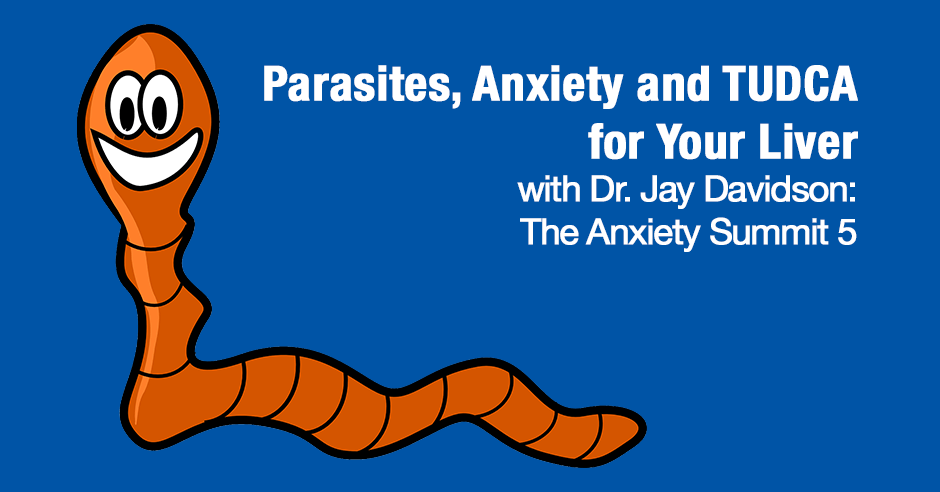
Parasites, Anxiety and TUDCA for Your Liver with Dr. Jay Davidson: The Anxiety Summit 5

November 22, 2019 By Trudy Scott 4 Comments

parasites anxiety TUDCA

Dr. Jay Davidson is one my guest experts on The Anxiety Summit 5: Gut-Brain Axis and our topic is: Parasites, Anxiety and TUDCA for Your Liver.  What you’ll learn

  • Parasite facts and myths
  • New dosing options for mimosa pudica seed
  • TUDCA for liver, neuroinflammation and depression

and much more. It’s an excellent interview and was voted as one of the top 5 interviews of the summit in 2019.

jay davidson

After hearing Dr. Jay’s explanation of what a parasite is, I couldn’t resist using the above image of a happy worm. This is what he shares:

the Greek meaning of parasite is one that sits at another’s table. So essentially think of a parasite as it’s taking things from you. It’s taking nutrients, it’s taking key things that your body needs and literally off of you, not to the point that it’s killing you because then you’re not a good host to give a good environment. So it’s basically just kind of sucking you dry.

Unfortunately you have this very “happy” and satisfied parasite sitting at your “table” and causing all kinds of symptoms:

Mood stuff for sure, which obviously this is The Anxiety Summit. So we want to highlight that one, absolutely. Sleep issues though. In the big sleep one that I see is restless sleep where you toss, you turn, you wake often. You can’t just be relaxed when you sleep. Parasites get active when you go to bed.

So the more active they are within your body and the more you’re trying to calm down, the more your body is getting stressed out. This is where teeth grinding happens when you sleep. This is, again, where the restless legs. You can also say the calf cramping, restless leg type symptoms would come in as well being associated. It’s classic, though, for parasites to affect the gut. So obviously diarrhea, is clearly a classic sign of acute parasitic type infection.

Other symptoms we discuss at length: bowel urgency, SIBO, vertical wrinkles above your mouth, nail-biting, food sensitivities, bed-wetting, insomnia (especially around full moon), grinding teeth, night sweats and anxiety.

And Dr. Jay shares how parasites contribute to neurotransmitter imbalances:

Parasites will eat the protein you eat and not allow your body to break down that protein into amino acids. That’s why amino acid therapy can be so beneficial symptomatically and change people’s lives, because they’re getting these amino acids that they’re not getting when they have parasites. But you always want to make sure to go to the underlying cause to remove the parasitic infection.

He also shares that parasites will “literally manipulate your thoughts and your personality” and I share the example of toxoplasma gondii and schizophrenia, and rats losing their fear of cats so the parasite can be transferred. It’s fascinating.

We cover why and how do do the parasite protocol before, during and after the full moon, his parasite story and the latest information on mimosa pudica seed:

So mimosa pudica seed is an amazing, just overall gut support. So even if your goal isn’t the parasite cleanse, mimosa pudica seed is awesome to help support the digestive tract. It can help break up biofilm. It’s really good against Candida and just helping to normalize microbial levels within the GI besides the fact that it can help with parasites.

Dr. Jay shares what he’s seeing clinically in terms of dosing mimosa pudica seed and when exactly to use it.

I share that I found an animal study where they were looking at the whole plant extract and found that it helped with modulating GABA receptors. And they said it had very similar effects to diazepam, which is a benzodiazepine that a lot of people with anxiety are prescribed. Fascinating!

The latter half of the interview focuses on drainage and supporting bile production with TUDCA, which also happens to support the mitochondria and help prevent Alzheimer’s disease.

I encourage you to also listen to Pyroluria, Oxidative Stress and Parasites with Todd Watts, DC, PScD. We discuss some of these same protocols in the context of pyroluria/social anxiety and oxidative stress.

You’re going to be hearing a lot more from me about these products and protocols as I learn more and trial them personally.

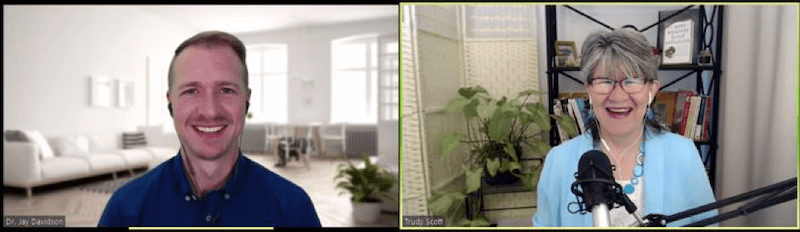
jay davidson trudy scott as5

You may notice this image doesn’t look like the video on the summit. This was one of 4 interviews we had to repeat due to technical issues!

Be sure to listen to Dr. Jay’s wonderful interview on The Anxiety Summit 5: Gut-Brain Axis.

As I mentioned, his interview was voted as one of the top 5 interviews of the summit in 2019. The other 4 top voted interviews are:

  • Fix the Brain to Fix the Gut – Datis Kharrazian, DHSc, DC, MS, FACN, CNS (more here)
  • Why Bile is the Key to Anxiety & Hormone Havoc – Ann Louise Gittleman, PhD, CNS (more here)
  • Vagus Nerve Activation to Reduce Anxiety – Dr. Navaz Habib, DC (more here)

and my interview GABA & Tryptophan: The Gut-Anxiety Connections (more here)

If you’re already familiar with Dr. Jay’s parasite protocols and TUDCA please share how they have helped you. That way we can all learn.

I’d also love to hear from you once you’ve listened in to Dr. Jay’s interview and the others.

If you’d like to ask a question, please post in the comments below.

Learn more/purchase now


Filed Under: The Anxiety Summit 5 Tagged With: anxiety, anxiety summit, biofilm, candida, GABA, insomnia, Jay Davidson, microbial, mimosa pudica seed, mood, parasites, Todd Watts, TUDCA

Candida: anxiety and low serotonin, testing and parasites, sugar cravings, EMFs and your genes

July 8, 2018 By Trudy Scott 9 Comments

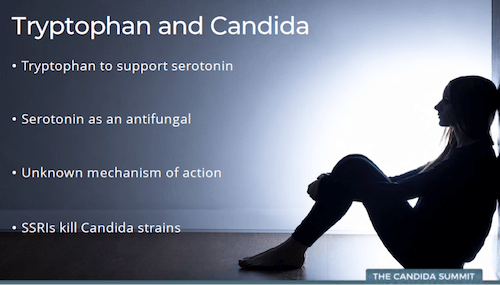
My interview on anxiety on The Candida Summit with host Evan Brand, addresses anxiety, the tie in to low serotonin and the sugar cravings aspect. I was so excited to find a connection between serotonin and candida and share this in our interview. 

with low serotonin you’ve got the mental anxiety – the worry, the ruminating thoughts, the obsessive thinking, the reprocessing, insomnia, lying awake in bed, trying to shut down the busy mind. And the two amino acids I use for this is tryptophan; that’s my first choice. And my second choice is 5-HTP. That being said, some people do better on one versus the other.

The reason I like tryptophan is 5-HTP can raise cortisol and make people who are wired/tired feel a little bit more wired/tired. So until I’ve seen cortisol results in saliva, I like to use tryptophan first.

But let me share some of this interesting research that I’ve found. And why I’m so excited about it is because as I said earlier, I will use the amino acids first before I’m specifically addressing the candida. But it seems like using tryptophan first, as well as helping with the low serotonin, it’s starting to have an impact on the candida, which I didn’t know about, until I did the research for this. So thank you for inviting me to speak. It just reinforces what I know about the amino acids – that they are pretty powerful.

There was a study done in 2003, and the title is Antifungal Properties of Serotonin Against Candida species. And they looked at various different candida strains: albicans, glabrata, tropicalis, and a few others. And they exposed these candida strains to serotonin. The study concludes: “Serotonin showed antifungal activity towards all isolates of candida.”

What they didn’t know is what the mechanism of action was. They stated: “Identifying the mode of action would be of great help in developing and research new antifungal drugs.” I don’t agree with that. I’m just excited to see that there is this connection with serotonin, which reinforces how beneficial tryptophan is.

Of course, my solution is to provide serotonin support via diet, exercise and the use of the targeted individual amino acid tryptophan or 5-HTP.

You can read more about this serotonin-candida connection in my blog post: Symptoms, nutrient malabsorption, worsening psychiatric symptoms and the serotonin connection

In our interview I also discuss how I use the amino acids and how tryptophan/5-HTP as well as GABA, DPA, tyrosine and glutamine, can actually help with so much of the sugar craving we see in candida, PLUS how I use this approach to gauge when candida is really serious.

EMFs and the dangers of 5G – and candida

Dr. Schaffner talks about EMFs and the dangers of 5G and shares how they are protecting the Sophia Institute Clinic (which she shares with Dr. Dietrich Klinghardt):

What we have done at the clinic—and again, this is an evolving art—the two things that I think are going to make the most difference in what we can do right now is, first, of course we always say avoid exposure, try to distance yourself. Distance is your friend with any technology, when we’re looking at EMF.

But we actually shielded the clinic. We have a cell phone tower within a mile of the clinic. And so, we wanted to be mindful of that exposure. We ask everybody to turn off their cell phones when they come in to the clinic. And we don’t have Wi-Fi. So everything is ethernet corded. And then, we don’t have cell phone exposure while we’re practicing.

But we do two things that I think people should be aware of. And one is we use a type of graphite paint. It’s called YSHIELD. And that actually comes from Germany. And it has properties to, essentially, try to create a Faraday cage environment and block the incoming microwave radiation. And so, that has to be grounded, of course. And you want to always work with somebody who knows what they’re doing with this technology. Because if you don’t do it right, you can actually increase your exposures or create an unhealthy environment.

And then, Dr. Klinghardt works with the woman who creates these silver-lined curtains that actually help to block the microwave radiation coming in through the windows.

There’s a really great website—LessEMF has a lot of this technology. And then, YSHIELD, you can Google, I think it’s yshield.com. And then, the silver-lined curtains, I believe, is a fabric called, Swiss Shield. And so, you can either make them yourself or hire somebody to do that.

Learn more about candida, low serotonin, low melatonin, and your glymphatic system in the second half of Dr. Schaffner’s interview.

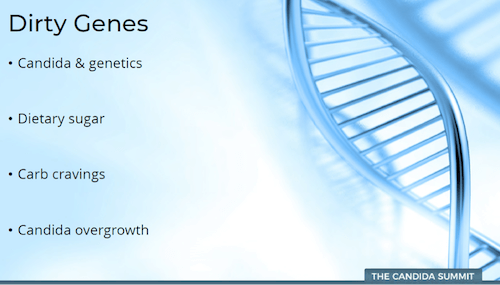
Candida, sugar cravings and COMT and MAOA genes

Evan Brand brings up the topic of sugar and carbs in the diet with Dr. Ben Lynch in the Candida, sugar cravings and COMT and MAOA genes interview: No one is discussing the influence of the whole epigenetic piece, and how people and their decision making with foods could be influenced by their genes?

Dr. Ben Lynch shares how he has a unique angle on this fascinating topic of our genes and sugar/carb cravings:

It’s one that always ties back to what came first—the chicken or the egg, right? So what came first, the genetic propensity towards carbohydrate binging or addictive personalities for high-caloric dense foods like ice cream and cakes, doughnuts, pastries, which then leads us to candida?

And then, they go on all these candida treatments. And they beat it. And they’re all happy again. But then their genetic propensity drives them yet again for the yeast overgrowth and the food binging.

He gives an example of how some people, when they’re down and out, may be drawn to sugar and carbs to self-medicate (this is something I see with my anxious clients all the time):

They’ll hit the chocolate. They’ll hit the doughnuts, the ice cream to make them feel good. And what these do is they spike your dopamine.

You’re not really aware of it, but you just do it. And you know you shouldn’t do it. But what happens here is, is some individuals, they have genes, which eliminate their dopamine out of their body pretty quickly. This gene is called COMT. And one of its jobs is to move dopamine out. You don’t want to always have neurotransmitters in your brain. That’s not good.

So some of these folks are born with a COMT gene that actually works faster, which is really good because they can calm down really quick in stressful environments. They can perform at a high level in stressful situations like surgeons, or EMT, or firefighters, or policemen, policewomen. They strive in these high-risk, highly-attentive situations.

But when they come home, everything’s a low normal. And they need that hit of dopamine. So they might come home and binge on sugars and carbs to drive their dopamine back up. And that’s a significant one.

Dr Lynch also shares about another gene, MAOA, which deals with our serotonin:

If you have a faster MAOA gene, which moves through your serotonin, then you are craving carbohydrates, and you’re craving pastas, and breads, and all the things that candida love, and beer. These things which increase your tryptophan levels, support your MAOA, and thus your serotonin. These are two major foods that our candida love. And these are two very, very common genes in the population which predispose us to having these issues

Candida testing, parasites and intractable yeast overgrowth 

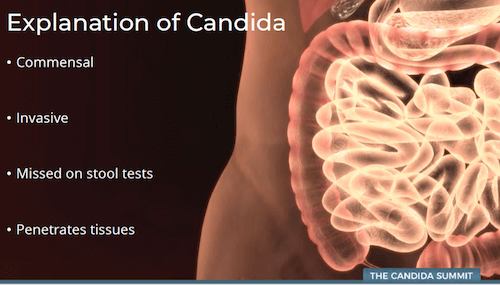
Evan Brand asks this question about candida testing in the Candida, Mitochondrial Dysfunction, and Meditation interview with Dr. Dan Kalish: I’m guessing your statistics are similar to mine, 9 out of every 10 organic acids I find Candida overgrowth. Stool test, the GI map is missing a lot of Candida. Maybe you could help me understand why that’s happening.

Dr. Dan Kalish shares why candida testing can be challenging:

Because Candida can be commensal where it’s growing within the digestive tract itself, or it can be invasive where it penetrates into the tissue of the gut. And then it’s not going to be found in any of the stool tests. So stool tests can miss it easily. And in fact, the more severe it gets, the harder it is to find on a test.

That’s what happens with the yeast when it gets bad. It gets invasive. It goes up into the actual lining of the gut. So if it penetrates there, it causes leaky gut. But then it’s invasive, so it’s penetrating into the tissues. And you’re not going to see it in the stool. And that’s when it gets worse. In fact, it’s going to cause more symptoms. But then it’s almost impossible to find on the stool test.

He also shares this gem about intractable yeast overgrowth that just won’t go away:

You can have a Candida overgrowth, treat it and feel better, but have there be another underlying cause for the Candida. So there’s a lot of patients that will come to me and be like, “I had this Candida overgrowth. As long as I eat this radical and extreme and ridiculous diet, and take all these herbs, I’m fine. But every time I stop, it just comes back.”

Then, that leads the person to assume that it’s this horrific Candida overgrowth that’s never going to go away. And in those patients, there’s almost always Giardia, or Crypto [Cryptosporidium], or E. histo [Entamoeba histolytica], or some other bug that’s screwing up the ecology of the gut that’s allowing the Candida to keep coming back. So that’s just something to be on the lookout for.

If you feel like you have this intractable yeast overgrowth that just won’t go away, you should find a functional medicine doctor and do all the stool testing. Because you’re almost guaranteed there will be some other infection.

Click here to register for The Candida Summit which runs online from July 9-15, 2018!

Do share if you’ve successfully addressed candida overgrowth and how your symptoms improved and how bad your sugar cravings were.

Let us know if you’re EMF-aware and how addressing low serotonin has helped you.

If you have questions post them below in the blog comments.

Filed Under: Candida, Events Tagged With: 5G, anxiety, candida, COMT, EMFs, genes, MAOA, parasites, serotonin, sugar cravings, testing, tryptophan

Candida: symptoms, nutrient malabsorption, worsening psychiatric symptoms and the serotonin connection

June 6, 2018 By Trudy Scott 17 Comments

Candida is commonly present in the gastrointestinal tract with no ill effects, but when it becomes invasive it can cause a host of issues. And, of course, yeast infections can occur in various parts of the body.

Candida overgrowth is usually triggered by antibiotic use, birth control pills, steroid medications, and sugar consumption. Many in the conventional medical community don’t see it as a problem that requires treatment, and even fewer see it as contributing to mood issues, but as part of a holistic plan to alleviate anxiety, it must be addressed. I’ve seen many clients with mood problems and intense sugar cravings take that next step in improvement when their dysbiosis and candida overgrowth is resolved.

  • Anxiety, agitation, panic attacks, depression, and mood swings are common psychological symptoms of candida overgrowth.
  • Leo Galland reports impaired fatty acid metabolism and low levels of zinc and vitamin B6 in his patients with candida overgrowth – nutrients that are vital for mental health and have a bearing on anxiety.

These are the symptoms that can give us a clue that candida overgrowth may be an issue:

  • Anxiety, depression and mood swings
  • Nail or skin fungus, athlete’s foot, or vaginal yeast infection
  • Chronic sinus or ear infections
  • Sore muscles and joints
  • Food sensitivities
  • Feeling chronically fatigued
  • Poor memory and brain fog
  • Constipation or diarrhea
  • Frequent bloating and gas
  • Environmental sensitivities
  • Feeling worse on damp or humid days
  • Insomnia
  • Low blood sugar
  • PMS
  • Endometriosis
  • Ringing in the ears
  • Headaches
  • Sensitivities to strong chemical smells
  • Cravings for bread, cookies, sugar, other carbohydrates, or alcohol

Professor Rucklidge, has published a number of studies in New Zealand, looking at micronutrients to treat psychiatric disorders including attention-deficit/hyperactivity disorder (ADHD), mood disorders, stress, and anxiety. Many individuals saw positive results unless candida was an issue.

Research from one her papers, published in 2013, reports that infections like candida can contribute to poor gut health and inflammation. This leads nutrient absorption issues and thereby deterioration in psychiatric symptoms. Here is an excerpt from the paper – Could yeast infections impair recovery from mental illness? A case study using micronutrients and olive leaf extract for the treatment of ADHD and depression:

As part of a wider investigation into the impact of micronutrients on psychiatric symptoms, many participants who experienced a yeast infection during their treatment showed a diminished response to the micronutrients.

One case was followed systematically over a period of 3 years with documentation of deterioration in psychiatric symptoms (ADHD and mood) when infected with candida and then symptom improvement following successful treatment of the infection with olive leaf extract and probiotics.

I discuss candida symptoms and this study in my interview on The Candida Summit.

Evan Brand, the summit host, also suffered (and healed!) from candida, parasite infections and bacterial overgrowth. In his health practice, upwards of 95% of his clients have some degree of candida overgrowth – time and time again, he sees debilitating and mysterious symptoms disappear once candida overgrowth is addressed.

Evan and I actually met last summer and we talked about him doing a candida summit. I was thrilled when he invited me to speak on the summit because I see candida overgrowth in so many of any clients with anxiety.

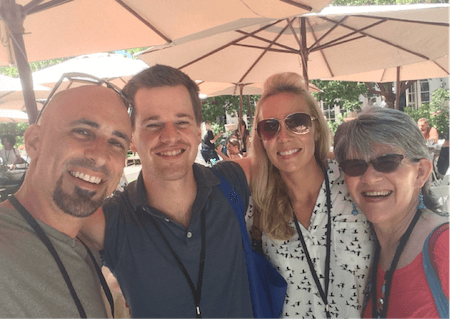
That’s Evan in the blue shirt – we had just enjoyed a delicious healthy grain-free lunch with a group of colleagues all working in the area of mental health and stress reduction

I did the usual digging into the research. I do this before speaking on a summit because I like to share new information each time I speak and I always learn something!

I was so excited to find a connection between serotonin and candida and also share this in our interview. In a paper published in 2003: Antifungal properties of 5-hydroxytryptamine (serotonin) against Candida species in vitro, looking at clinical isolates of Candida albicans, Candida glabrata, Candida tropicalis and Candida parapsilosis, it was found that short exposure to serotonin resulted in antifungal activity. The authors conclude with this:

Identifying the mode of action [of serotonin] could be of great help in developing and researching new antifungal drugs.

Of course, my solution is to provide serotonin support via diet, exercise and the use of the targeted individual amino acid tryptophan or 5-HTP. I discuss how I use the amino acids in our interview too and how these (tryptophan/5-HTP as well as GABA, DPA, tyrosine and glutamine) can actually help with so much of the sugar craving we see in candida, PLUS how I use this approach to gauge when candida is really serious.

Other speakers and topics I’m looking forward to hearing:

  • Ben Lynch: How genetics change your desire for certain foods; mood issues, autism and candida overgrowth
  • Dr Christine Schaffner: EMFs; your glymphatic system; serotonin and melatonin
  • Evan Brand: his candida and parasite protocols; the adrenals; avoiding a herxheimer reaction
  • Dietrich Klinghardt: EMFs and 5G; retroviruses in chronic health conditions
  • Dr Elisa Song: candida in kids; PANS/PANDAS and other neuropsychiatric issues (I recently heard her present on PANS/PANDAS in Melbourne and it was excellent!)

Do share if you’ve overcome candida and how your symptoms improved. If you have questions post them in the comments below.


Filed Under: Candida, Events Tagged With: anxiety, candida, Evan Brand, malabsorption, psychiatric symptoms, serotonin, The candida summit, tryptophan, yeast

Could yeast infections impair recovery from mental illness?

April 13, 2018 By Trudy Scott 3 Comments

Julia Rucklidge, PhD, is an associate professor in the Department of Psychology, University of Canterbury, Christchurch, New Zealand and has published a number of studies looking at “micronutrients to treat psychiatric disorders including attention-deficit/hyperactivity disorder (ADHD), mood disorders, stress, and anxiety,” where benefits were reported. “Despite the positive benefits associated with micronutrients, some factors may limit a positive response, one of which may be the overgrowth of intestinal Candida.”

In this 2013 paper, Could yeast infections impair recovery from mental illness? A case study using micronutrients and olive leaf extract for the treatment of ADHD and depression the authors discuss the impact of candida on gut health and response to supplementation:

a number of factors influence optimal response and absorption of nutrients, including the health of the gut, particularly the presence of yeast infections, such as Candida.

As part of a wider investigation into the impact of micronutrients on psychiatric symptoms, many participants who experienced a yeast infection during their treatment showed a diminished response to the micronutrients.

One particular female client was followed for a 3-year period:

Kate (an alias) is a 24-year-old female of European descent who had participated in the 2010 trial by Rucklidge et al using micronutrients for the treatment of ADHD. In the past, she had been prescribed methylphenidate [Ritalin] by a psychiatrist but could not tolerate the side effects.

For just over 2 years, while using the micronutrient, she had no ADHD or mood symptoms, other than a mild increase around her period.

About 2.5 years participating in the trial, Kate started to feel increasingly unwell and reported the following:

(1) a chronic sore throat; (2) a constant runny nose; (3) cramps; (4) itchy toes, anus, and vagina; (5) rashes on her legs and groin area; and (6) an overall flu-like feeling. Concomitantly, all her psychiatric symptoms had returned… She was moody, anhedonic (unable to experience pleasure), and chronically irritable and was having cravings for sugary and starchy foods. Kate visited her family physician, who diagnosed Kate with a vaginal yeast infection

Over the next year, it was found that her psychiatric symptoms (ADHD and mood) got worse when she was infected with Candida and then her ADHD and mood symptoms improved once she was successfully treated with olive leaf extract and probiotics.

The study makes this conclusion about the role of inflammation, gut health and nutrient absorption:

This case outlines that micronutrient treatment might be severely compromised by infections such as Candida and may highlight the importance of gut health when treating psychiatric disorders with nutrients.

Given the role that inflammation can play in absorption of nutrients, it was hypothesized that the infection was impairing absorption of the micronutrients.

The authors also mention the growing body of literature on the gut-brain connection and how

the gut microbiota can influence brain function and subsequent psychiatric functioning.

Candida is always considered as one of many possible root causes with my anxious clients – it can contribute to anxiety as well as ADHD and depression, and out-of-control-sugar and intense carb cravings.

Olive leaf extract is one of many approaches for eliminating candida is more commonly used in Australia and New Zealand.

Another approach is to use garlic and oregano to kill the candida. I have great success with these products from Designs for Health:

  • Allicillin – a garlic product that contains Garlicillin®, a blend of garlic oil and parsley oil with specified levels of garlic sulfides and ajoene, the most bioactive compound formed from garlic and
  • Oil of Oregano – which has powerful antioxidant and intestinal cleansing benefits. It also helps to maintain a healthy microbial balance. This product is standardized for carvacrol and thymol, the principal phenolic compounds in oregano

Probiotics are also part of the protocol, as are dietary changes. Fresh garlic, onion, daikon, olive oil, coconut oil, lemon, apple cider vinegar, fermented vegetables and coconut oil are all therapeutic foods on an anti-candida diet.

In addition to killing the candida and restoring the good bacteria with probiotics, I also use targeted individual amino acids to help reduce the sugar and carb cravings, making it easier to quit the bread, sugar, cookies, cakes and fruit. These amino acids can also help to alleviate some of the anxiety, mood and ADHD symptoms from day one, offering relief and hope right away since eliminating candida is not a quick process:

  • tryptophan for afternoon cravings and mental worry (tryptophan also has some direct anti-candida effects – more to come on this in the future blog)
  • GABA for stress-related cravings and physical anxiety
  • glutamine for intense sugar cravings and low blood sugar
  • DPA for reward eating and weepiness
  • tyrosine for cravings due to low energy and low motivation
[all of the above supplements, including Allicillin, Oil of Oregano, various probiotics and an olive leaf product, called Olivirex Combination, can be ordered via my online store – details for creating an account on my supplements page. The category once you login is candida/dysbiosis]

Have you experienced anxiety, depression, panic attacks, ADHD and cravings with candida?

Have supplements that worked in the past stop working while you’re dealing with the candida?

Have you found the amino acids to help with anxiety and cravings while you’re addressing your candida?

Filed Under: Candida Tagged With: ADHD, allicillin, anxiety, candida, depression, Julia Rucklidge, olive leaf, oregano, probiotics, sugar cravings, yeast infection

  • Page 1
  • Page 2
  • Go to Next Page »

Primary Sidebar

NEW! GABA QuickStart Homestudy (with special intro pricing)

gaba quickstart homestudy

Free Report

9 Great Questions Women Ask about Food, Mood and their Health

You'll also receive a complimentary subscription to my ezine "Food, Mood and Gal Stuff"


Connect with me

Popular Posts

  • Amino Acids Mood Questionnaire from The Antianxiety Food Solution
  • The Antianxiety Food Solution Amino Acid and Pyroluria Supplements
  • Pyroluria Questionnaire from The Antianxiety Food Solution
  • Collagen and gelatin lower serotonin: does this increase your anxiety and depression?
  • Tryptophan for the worry-in-your-head and ruminating type of anxiety
  • GABA for the physical-tension and stiff-and-tense-muscles type of anxiety
  • The Antianxiety Food Solution by Trudy Scott
  • Seriphos Original Formula is back: the best product for anxiety and insomnia caused by high cortisol
  • Am I an anxious introvert because of low zinc and vitamin B6? My response to Huffington Post blog
  • Vagus nerve rehab with GABA, breathing, humming, gargling and key nutrients

Recent Posts

  • What do I use instead of Seriphos to help lower high cortisol that is affecting my sleep and making me anxious at night?
  • BeSerene™ GABA/theanine cream eases severe muscle tension in her neck/shoulders, prevents her bad headaches and quells her anxiety
  • How the correct approach, dose and sublingual use of GABA can be calming and not cause a flushed and itchy face and neck
  • The amino acid glutamine improves low mood by addressing gut health, and it has calming effects too
  • Flight anxiety with heightened breath, physical tension and also fearing the worst (the role of low GABA and low serotonin)

Categories

  • 5-HTP
  • AB575
  • Addiction
  • ADHD
  • Adrenals
  • Alcohol
  • Allergies
  • Alzheimer's disease
  • Amino Acids
  • Anger
  • Antianxiety
  • Antianxiety Food Solution
  • Antidepressants
  • Anxiety
  • Anxiety and panic
  • Autism
  • Autoimmunity
  • benzodiazapines
  • Bipolar disorder
  • Books
  • Caffeine
  • Cancer
  • Candida
  • Children/Teens
  • Collagen
  • Cooking equipment
  • Coronavirus/COVID-19
  • Cravings
  • Depression
  • Detoxification
  • Diabetes
  • Diet
  • DPA/DLPA
  • Drugs
  • EFT/Tapping
  • EMF
  • EMFs
  • Emotional Eating
  • Endorphins
  • Environment
  • Essential oils
  • Events
  • Exercise
  • Fear
  • Fear of public speaking
  • Fertility and Pregnancy
  • Fish
  • Food
  • Food and mood
  • Functional neurology
  • GABA
  • Gene polymorphisms
  • General Health
  • Giving
  • Giving back
  • Glutamine
  • Gluten
  • GMOs
  • Gratitude
  • Gut health
  • Heart health/hypertension
  • Histamine
  • Hormone
  • Hyperparathyroidism
  • Hypoglycemia
  • Immune system
  • Inflammation
  • Insomnia
  • Inspiration
  • Introversion
  • Joy and happiness
  • Ketogenic diet
  • Lithium orotate
  • Looking awesome
  • Lyme disease and co-infections
  • MCAS/histamine
  • Medication
  • Men's health
  • Mental health
  • Mercury
  • Migraine
  • Mold
  • Movie
  • MTHFR
  • Multiple sclerosis
  • Music
  • NANP
  • Nature
  • Nutritional Psychiatry
  • OCD
  • Osteoporosis
  • Oxalates
  • Oxytocin
  • Pain
  • Paleo
  • Parasites
  • Parkinson’s disease
  • PCOS
  • People
  • PMS
  • Postpartum
  • PTSD/Trauma
  • Pyroluria
  • Questionnaires
  • Real whole food
  • Recipes
  • Research
  • Schizophrenia
  • serotonin
  • SIBO
  • Sleep
  • Special diets
  • Sports nutrition
  • Stress
  • Sugar addiction
  • Sugar and mood
  • Supplements
  • Teens
  • Testimonials
  • Testing
  • The Anxiety Summit
  • The Anxiety Summit 2
  • The Anxiety Summit 3
  • The Anxiety Summit 4
  • The Anxiety Summit 5
  • The Anxiety Summit 6
  • Thyroid
  • Thyroid health
  • Toxins
  • Tryptophan
  • Tyrosine
  • Uncategorized
  • Vegan/vegetarian
  • Women's health
  • Yoga

Archives

  • October 2025
  • September 2025
  • August 2025
  • July 2025
  • June 2025
  • May 2025
  • April 2025
  • March 2025
  • February 2025
  • January 2025
  • November 2024
  • October 2024
  • September 2024
  • August 2024
  • July 2024
  • June 2024
  • May 2024
  • April 2024
  • March 2024
  • February 2024
  • January 2024
  • December 2023
  • November 2023
  • October 2023
  • September 2023
  • August 2023
  • July 2023
  • June 2023
  • May 2023
  • April 2023
  • March 2023
  • February 2023
  • January 2023
  • December 2022
  • November 2022
  • October 2022
  • September 2022
  • August 2022
  • July 2022
  • June 2022
  • May 2022
  • April 2022
  • March 2022
  • February 2022
  • January 2022
  • December 2021
  • November 2021
  • October 2021
  • September 2021
  • August 2021
  • July 2021
  • June 2021
  • May 2021
  • April 2021
  • March 2021
  • February 2021
  • January 2021
  • December 2020
  • November 2020
  • October 2020
  • September 2020
  • August 2020
  • July 2020
  • June 2020
  • May 2020
  • April 2020
  • March 2020
  • February 2020
  • January 2020
  • December 2019
  • November 2019
  • October 2019
  • September 2019
  • August 2019
  • July 2019
  • June 2019
  • May 2019
  • April 2019
  • March 2019
  • February 2019
  • January 2019
  • December 2018
  • November 2018
  • October 2018
  • September 2018
  • August 2018
  • July 2018
  • June 2018
  • May 2018
  • April 2018
  • March 2018
  • February 2018
  • January 2018
  • December 2017
  • November 2017
  • October 2017
  • September 2017
  • August 2017
  • July 2017
  • June 2017
  • May 2017
  • April 2017
  • March 2017
  • February 2017
  • January 2017
  • December 2016
  • November 2016
  • October 2016
  • September 2016
  • August 2016
  • July 2016
  • June 2016
  • May 2016
  • April 2016
  • March 2016
  • February 2016
  • January 2016
  • December 2015
  • November 2015
  • October 2015
  • September 2015
  • August 2015
  • July 2015
  • June 2015
  • May 2015
  • April 2015
  • March 2015
  • February 2015
  • January 2015
  • December 2014
  • November 2014
  • October 2014
  • September 2014
  • August 2014
  • July 2014
  • June 2014
  • May 2014
  • April 2014
  • March 2014
  • February 2014
  • January 2014
  • December 2013
  • November 2013
  • October 2013
  • September 2013
  • August 2013
  • July 2013
  • June 2013
  • May 2013
  • April 2013
  • March 2013
  • February 2013
  • January 2013
  • December 2012
  • November 2012
  • October 2012
  • August 2012
  • July 2012
  • June 2012
  • May 2012
  • April 2012
  • March 2012
  • February 2012
  • January 2012
  • December 2011
  • November 2011
  • October 2011
  • September 2011
  • August 2011
  • July 2011
  • June 2011
  • May 2011
  • April 2011
  • March 2011
  • February 2011
  • January 2011
  • December 2010
  • October 2010
  • September 2010
  • July 2010
  • May 2010
  • April 2010
  • March 2010
  • February 2010
  • January 2010
  • November 2009

Share the knowledge!

The above statements have not been evaluated by the Food and Drug Administration. Products listed in this website are not intended to diagnose, treat, cure or prevent any disease.

The information provided on this site is for informational and educational purposes only and is not intended as a substitute for advice from your physician or other health care professional. You should consult with a healthcare professional before starting or modifying any diet, exercise, or supplementation program, before taking or stopping any medication, or if you have or suspect you may have a health problem.


Copyright © 2026 Trudy Scott. All Rights Reserved. | Privacy | Terms and Conditions | Refund Policy | Medical Disclaimer

Free Report

9 Great Questions Women Ask about Food, Mood and their Health

You’ll also receive a complimentary subscription to my ezine “Food, Mood and Gal Stuff”