• Skip to primary navigation
  • Skip to main content
  • Skip to primary sidebar

everywomanover29 blog

Food, Mood and Women's Health – Be your healthiest, look and feel great!

  • Blog
  • About
  • Services
  • Store
  • Resources
  • Testimonials
  • The Book
  • Contact
  • Search this site

anxious

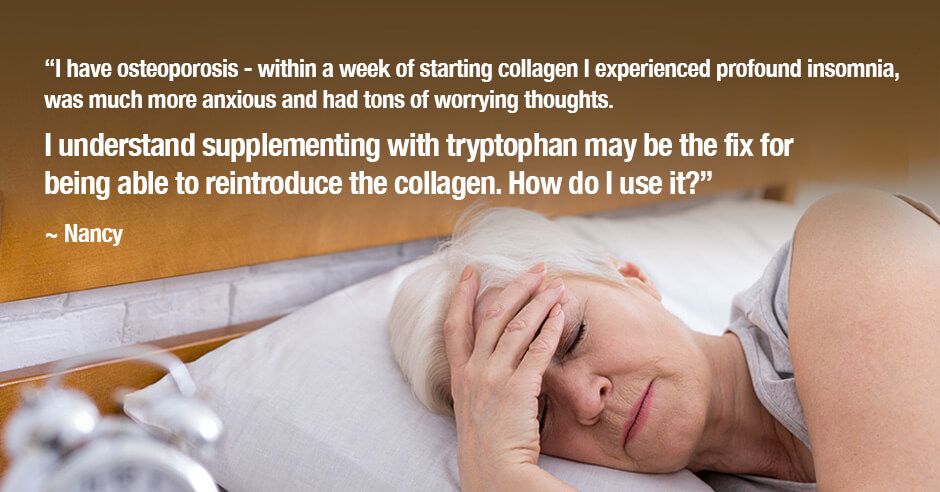
I have osteoporosis – within a week of starting collagen I experienced profound insomnia, was much more anxious and had tons of worrying thoughts

August 18, 2023 By Trudy Scott 10 Comments

osteoporosis collagen tryptophan

Nancy shares her unpleasant experience when using collagen for her osteoporosis and asks how she can use tryptophan and possibly add the collagen back:

I have osteoporosis and recently started taking a collagen peptide product (Fortibone). At the same time, I started taking a bone support formula containing calcium, magnesium, vitamin D, vitamin K2, boron, etc.

Within a week I began experiencing such PROFOUND insomnia. I felt like I was wide awake and could not drift off till 4 am each morning. Also, when I laid down at night, I was much more anxious than I normally am and had tons of worrying thoughts flitting thru my mind.

Within a couple weeks of the insomnia starting, I thankfully caught your talk about collagen and folks who are susceptible to it, at the 2023 Osteoporosis Summit. The puzzle pieces clicked together; I’m a MAO-A. I immediately stopped the collagen and the bone support supplement.

I understand supplementing with tryptophan may be the fix for being able to reintroduce the collagen.

I appreciate her for sharing her experience on one of my collagen blogs and thanked her, saying how glad I was that she heard my interview about this.

Collagen and gelatin lower serotonin in susceptible individuals

Intake of collagen (and gelatin) can lower serotonin in susceptible individuals and cause these symptoms she experienced. I first blogged about this in 2017 but it’s still not common knowledge even amongst practitioners and companies selling collagen products.

The good news is that awareness is growing. Dr. R. Keith McCormick does mention the serotonin-collagen connection in his excellent book Great Bones – Taking Control of Your Osteoporosis  (my Amazon link). He does not, however, offer tryptophan as a solution.

If this is new to you, this blog post describes why it happens (i.e. collagen does not contain any tryptophan), lists many of the tryptophan depletion studies and who may be more susceptible to this effect – Collagen and gelatin lower serotonin: does this increase your anxiety and depression?

Here is a more recent blog on the topic too: Collagen causes increased anxiety, low mood, irritability, insomnia, gut issues and an itchy skin: some questions and my answers

The causes of these symptoms can be due to the serotonin-lowering effects of collagen but also the dietary oxalate impact, a histamine reaction and/or a glutamate reaction to collagen.

Could supplementing with tryptophan be the fix for being able to reintroduce the collagen?

Nancy said “I understand supplementing with tryptophan may be the fix for being able to reintroduce the collagen.” Hearing her symptoms – profound insomnia, increased anxiety and worrying thoughts flitting through her mind – led me to the same conclusion, especially since they all started soon after starting collagen.

We know she has the MAOA (monoamine oxidase A) genetic polymorphism – this does make her more susceptible to the serotonin-lowering effects of collagen. Other factors that may make her more susceptible (explained in the 2017 blog above) are current or prior depression and/or OCD (obsessive compulsive disorder) or family history of these conditions and being a smoker. In addition to a MAOA defect is having a 5-HTTLPR genetic polymorphism.

To confirm the likely low serotonin connection, it would have been helpful to know if she also experienced other low serotonin symptoms: panic attacks and phobias, lack of confidence, depression, negativity, imposter syndrome, PMS, irritability, anger issues and afternoon/evening cravings.

It would also be helpful to know if her symptoms resolved when she stopped using the collagen.

But the best way to confirm is to do a trial of tryptophan and observe if these symptoms resolve when using collagen.

How to use tryptophan in a situation like this?

She asked these specific questions about using tryptophan:

I bought the Lidtke brand which is a 500 mg. capsule. How do I dose this? I realize you said to trial dose it but:

1) what time of day is best to take it?

2) is it taken on an empty stomach or can it be taken with food?

3) should I start taking the tryptophan BEFORE restarting the collagen and be watching for the night time anxiety/insomnia symptoms to reappear?

4) if the insomnia, anxiety do reappear, how much do I titrate up and is there a max dose of tryptophan? If I’m taking more than one capsule a day, should they be taken at one time or divided throughout the day?

Tryptophan is always taken midafternoon and evening on an empty stomach/away from protein and increased until there is symptom resolution.

For clients in a similar situation who have stopped the collagen but still have insomnia, anxiety and worry symptoms, I have them start on tryptophan before adding back collagen and adjust the tryptophan dose up if needed once collagen is reintroduced.

If symptoms resolved when the collagen was stopped, tryptophan would be trialed as soon as symptoms show up when collagen is reintroduced.

With tryptophan, 500 mg is a typical starting dose but less may work in a situation like this. I’ve had clients use up to 1500 mg tryptophan 2 x day. It’s really individualized with no one-size fits all.

I did mention my book, The Antianxiety Food Solution, as an excellent resource for Nancy. There is an entire chapter on the amino acids and how to use them. I recommend everyone read it before using any of the amino acids as supplements.

Resources if you are new to using amino acids as supplements

If you are new to using amino acids as supplements, here is the Amino Acids Mood Questionnaire from The Antianxiety Food Solution (you can see all the symptoms of neurotransmitter imbalances, including low GABA, low serotonin, low dopamine, low blood sugar and low endorphins).

If you suspect low levels of any of the neurotransmitters and do not yet have my book, The Antianxiety Food Solution – How the Foods You Eat Can Help You Calm Your Anxious Mind, Improve Your Mood, and End Cravings, (as I mentioned above) I highly recommend getting it and reading it before jumping in and using amino acids on your own so you are knowledgeable. And be sure to share it with the practitioner/health team you or your loved one is working with.

There is an entire chapter on the amino acids and they are discussed throughout the book in the sections on gut health, gluten, blood sugar control, sugar cravings, anxiety and mood issues.

The book doesn’t include product names (per the publisher’s request) so this blog, The Antianxiety Food Solution Amino Acid and Pyroluria Supplements, lists the amino acids that I use with my individual clients and those in my group programs. You can find them all in my online store.

If, after reading this blog and my book, you don’t feel comfortable figuring things out on your own (i.e. doing the symptoms questionnaire and respective amino acids trials), a good place to get help is the GABA QuickStart Program (if you have low GABA symptoms too). This is a paid online/virtual group program where you get my guidance and community support.

If you are a practitioner, join us in The Balancing Neurotransmitters: the Fundamentals program. This is also a paid online/virtual program with an opportunity to interact with me and other practitioners who are also using the amino acids.

Thanks to Nancy for sharing her experience with collagen and asking this question.

Have you used collagen for bone health/osteoporosis or for other reasons? And have you experienced insomnia, and increased anxiety and worrying?

Were your symptoms due to low serotonin and did tryptophan allow you to continue with collagen or add it back if you stopped it?

Or were your symptoms caused by oxalates in collagen, a histamine reaction and/or a glutamate reaction?

Has Fortibone led to improvements in your bone health? If yes, how long have you been using it and which collagen product (a number of products contain Fortibone)?

If you have questions and feedback please share them here too.
Filed Under: Anxiety, Collagen, Depression, Osteoporosis, Tryptophan Tagged With: amino acids; anxiety, anxious, collagen, collagen peptide, Fortibone, GABA Quickstart online program; Balancing Neurotransmitters: the Fundamentals program for practitioners, gelatin, how to use, insomnia, MAOA, osteoporosis, serotonin, serotonin-lowering, susceptible, tryptophan, wide awake, worrying thoughts

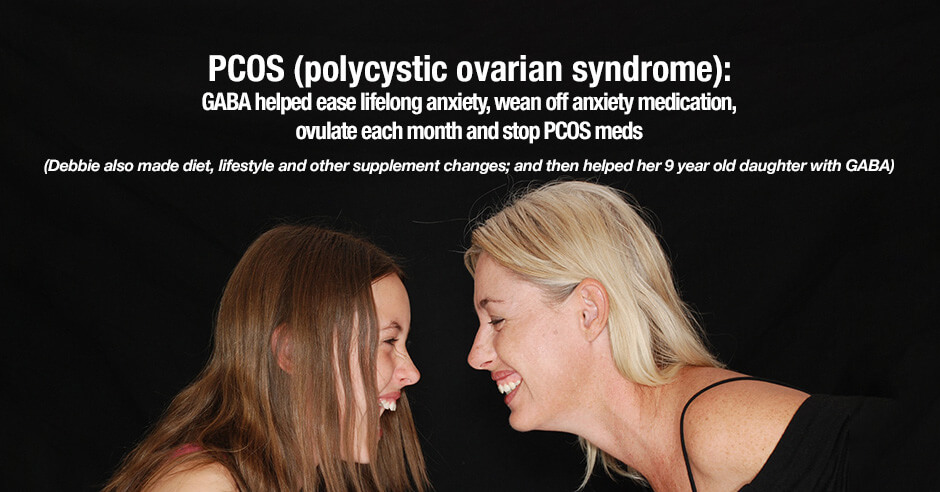
PCOS (polycystic ovarian syndrome): GABA helped ease lifelong anxiety, wean off anxiety medication, ovulate each month and stop PCOS meds

May 19, 2023 By Trudy Scott 19 Comments

PCOS and GABA

I was diagnosed with PCOS (polycystic ovarian syndrome) when I was 27. (I’m currently 43 now). When diagnosed they immediately put me on birth control and metformin.

I also eventually went on anti-anxiety medication. I’ve been anxious my whole life, even as a kid, but my anxiety increased through my late 20s and peaked in my late 30s when panic attacks started taking over, even with anti-anxiety medication(Lexapro). It was debilitating.

I first heard about GABA/amino acids and how they can help with anxiety from a podcast you did with Wellness Mama about 3 years ago. I started to wean off my anxiety medication and I started taking GABA and noticed a huge difference [in my anxiety].

I eventually got off birth control and all medication for my PCOS and started regulating my cycle with diet, lifestyle changes and supplements, all while still taking GABA. Now I ovulate every month! Which I could never do on my own before.

Debbie shared this wonderful feedback on this blog: GABA eases anxiety and is protective against metabolic and reproductive disturbances in polycystic ovarian syndrome (PCOS)?

I love that GABA helped her so much with her anxiety and allowed her to get off her anxiety meds. And that GABA helped her resolve her PCOS, together with making diet, lifestyle changes and using other supplements too.

As you can read on the above blog, the study reports some very specific benefits of GABA being protective against metabolic and reproductive disturbances in PCOS. It’s an animal study but the results are profound: “the effects observed with GABA were comparable to that with metformin” with none of the side-effects (which can actually include anxiety, a racing heart, shakiness and depression).

If you’re new to PCOS, I share this in the above blog:

Research suggests that 5% to 10% of females 18 to 44 years of age are affected by PCOS, making it the most common endocrine abnormality among women of reproductive age in the U.S. Women seeking help from health care professionals to resolve issues of obesity, acne, amenorrhea, excessive hair growth, and infertility often receive a diagnosis of PCOS.

If you’re interested, here is the podcast where Debbie first learned about GABA – 105: Trudy Scott on How to Beat Anxiety & Resolve Panic Attacks

I commend her for taking control and making changes and then for seeking answers when her panic attacks returned.

Debbie started having panic attacks again – this time it was collagen causing low serotonin

Then about three and a half years ago, Debbie started having panic attacks again out of nowhere! She was very surprised and shared this:

I couldn’t understand why [I started having panic attacks again]. I wasn’t stressed. One attack even landed me in the ER (again). I was disappointed to be on this road again. Then I came across your interview talking about collagen and how it can lower your serotonin. I also have the MTHFR gene variant so I run low on serotonin already. I had started taking some collagen supplements not knowing that it was probably setting me into a panic attack mode.

As soon as I stopped taking collagen (and switched all my supplements that were in gelatin caps to veggie caps) I never had another episode again. Or if I felt one coming on, I know now to take Tryptophan to help counteract it.

Here is the interview she is referring to – Collagen Can Cause Anxiety and Insomnia with Trudy Scott: The Anxiety Summit 5

And here is the blog where I first wrote about this topic – Collagen and gelatin lower serotonin: does this increase your anxiety and depression?

Debbie mentions the MTHFR polymorphism and it’s impact on serotonin but another aspect is a predisposition to low serotonin in PCOS. This review paper, Neuroendocrine Determinants of Polycystic Ovary Syndrome, states that “different neurotransmitters (gamma-aminobutyric acid (GABA), glutamate, serotonin, dopamine, and acetylcholine) can also be involved in neuroendocrine etiopathogenesis [i.e. cause and development] of PCOS.” 

As you’ll read in the latter collagen blog, collagen affects a subset of susceptible individuals in this way. We can now add PCOS to that list.

Different root causes of anxiety (low GABA and then low serotonin) and different solutions

Debbie’s story illustrates that things can change and we need to figure out the root cause and course-correct if anxiety and panic attacks show up again. Earlier on, her anxiety and panic attacks were caused by low GABA, which also contributed to her PCOS symptoms.

Then later, the addition of collagen lowered her serotonin levels, because as someone with PCOS she was susceptible. What helped her was stopping the collagen and using tryptophan as needed. This was smart of her to connect the dots with her panic attacks and collagen, and use tryptophan as needed.

I will add that another option would have been to continue using collagen and use tryptophan at the same time. I’m also not sure how big an impact gelatin capsules would have been but switching them clearly gave her peace of mind.

Debbie’s oldest daughter asks for GABA, her “happy pills”

She also shared this lovely feedback when she commented on the blog:

My oldest daughter who is 9 has been showing early signs of developing PCOS and other of my issues. When her mood started changing and she was getting angry out of nowhere and very dark and moody, I started her on a small dose of GABA. Immediately both of us saw the difference in her mood. She now asks for her “happy pills” daily because she doesn’t want to feel those dark feelings anymore. I wish this information was around when I was young. It could’ve helped so much of what I had to struggle with for years.

What an amazing healing journey Debbie has had and she gets to help her daughter too!

She thanked Katie Wells and myself saying: “I want to thank you so much for both of those podcasts/interviews that I feel literally helped save my life.”

I never get tired of hearing this and thanked her for the kind words. I also appreciate her for sharing her wonderful results and said I’d share it as a blog post so you get to learn, be inspired and have hope.

And finally, all this illustrates that there is no one-size-fits-all and we often get unexpected side-benefits when using amino acids.

Resources if you are new to using amino acids as supplements

If you are new to using amino acids as supplements, here is the Amino Acids Mood Questionnaire from The Antianxiety Food Solution (you can see all the symptoms of neurotransmitter imbalances, including low GABA, low serotonin and low endorphins).

If you suspect low levels of any of the neurotransmitters and do not yet have my book, The Antianxiety Food Solution – How the Foods You Eat Can Help You Calm Your Anxious Mind, Improve Your Mood, and End Cravings, I highly recommend getting it and reading it before jumping in and using amino acids on your own so you are knowledgeable. And be sure to share it with the practitioner/health team you or your loved one is working with.

There is an entire chapter on the amino acids and they are discussed throughout the book in the sections on gut health, gluten, blood sugar control, sugar cravings, anxiety and mood issues.

The book doesn’t include product names (per the publisher’s request) so this blog, The Antianxiety Food Solution Amino Acid and Pyroluria Supplements, lists the amino acids that I use with my individual clients and those in my group programs. You can find them all in my online store.

If, after reading this blog and my book, you don’t feel comfortable figuring things out on your own (i.e. doing the symptoms questionnaire and respective amino acids trials), a good place to get help is the GABA QuickStart Program (if you have low GABA symptoms too). This is a paid online/virtual group program where you get my guidance and community support.

If you are a practitioner, join us in The Balancing Neurotransmitters: the Fundamentals program. This is also a paid online/virtual program with an opportunity to interact with me and other practitioners who are also using the amino acids.

Do you have PCOS and has GABA helped you or your loved one in any of these ways – easing anxiety and being able to quit anxiety meds, birth control and PCOS medications?

What other approaches have helped your PCOS?

Has collagen lowered your serotonin and does tryptophan or 5-HTP help?

What about low GABA and dark moods/anger – has GABA helped you or a loved one?

If you have questions and other feedback please share it here too.

Filed Under: Anxiety, GABA, PCOS, Women's health Tagged With: amino acids, anger, anxiety, anxiety medication, anxious, birth control, collagen serotonin, dark mood, diet, GABA, lifestyle, metabolic, metformin, ovulate, panic attacks, PCOS, polycystic ovarian syndrome, reproductive, tryptophan, “happy pills”; the GABA Quickstart online program; and Balancing Neurotransmitters: the Fundamentals program for practitioners

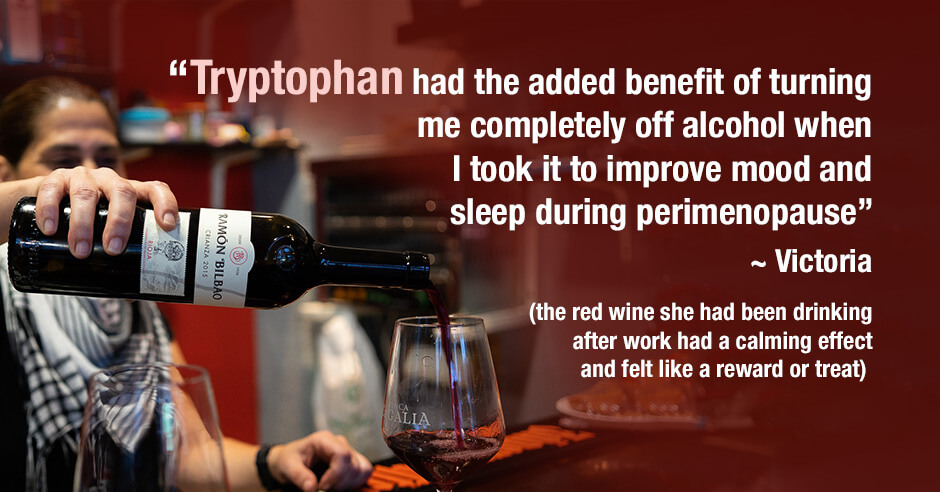
Tryptophan had the added benefit of turning me completely off alcohol when I took it to improve mood and sleep during perimenopause

May 12, 2023 By Trudy Scott 33 Comments

tryptophan alcohol

I started taking tryptophan 3 years ago to improve mood and sleep (not recognizing I was in perimenopause which it helped), but had the added benefit of turning me completely off alcohol! Lol. What serendipitous timing! I use amino therapy with pretty much all my perimenopause patients now. Thanks to you and Julia Ross’s work. Forever grateful.

Victoria shared this wonderful feedback about the benefits she experienced with tryptophan on a recent Facebook thread and kindly gave me permission to share.

Self-medicating with wine (and other alcoholic beverages) is common when we are anxious or stressed and typically we use it to wind down at the end of the day and to fit in socially. This is common when GABA levels are low and also happens due to low serotonin which declines from mid-afternoon into the evening.

I asked what she had been drinking and how often? And if it was calming for her? This was her response:

Red wine the minute I walked in the door in the evening. I guess it was calming… maybe more reward driven? It would be my reward for getting home from work via picking kids up from sport and doing a grocery shop and … (fill in the blank) that we working mums do and then having to walk straight into the kitchen to start on dinner.

The wine was like my little treat or reward to motivate me to just keep moving with my chores. No time to sit and unwind, just pour the wine and start chopping! Lol… I had tried to stop before but just couldn’t pick up a knife without the wine glass!

Within days, the tryptophan made the wine taste like cat’s pee! Haven’t touched it since. No desire at all. Almost hypnosis like?

How much tryptophan Victoria used and how did it help her quit?

Victoria used the Now Tryptophan 1000 mg at 3pm and 9pm for about a year, eventually stopping it and saying: “Alcohol still does not interest me at all.”

What wonderful results! A typical starting dose for tryptophan is 500 mg midafternoon and evening and she increased this to find her ideal dose of 1000 mg twice a day. She did report that 5-HTP didn’t work for her the way tryptophan did. This is not unusual as some folks do better with one versus the other.   

She has a great explanation regarding how tryptophan helped her quit without having to use willpower. She had no time to sit and unwind ….. so she was experiencing some of the calming aspects of getting serotonin support with the amino acid tryptophan. This is a very common benefit.

Serotonin appears to regulate the secretion of beta-endorphins

It is interesting that Victoria mentions a reward/treat benefit which is often due to low endorphins rather than low serotonin. This paper, Roles of β-Endorphin in Stress, Behavior, Neuroinflammation, and Brain Energy Metabolism, states that β-endorphins, in addition to their “potent analgesic effects” i.e. pain relief (both physical and emotional pain), are also involved in “reward-centric and homeostasis-restoring behaviors.”

However, as stated in this same paper, beta-endorphins play a role in stress-relief (common with working moms like Victoria) and are closely connected with serotonin. In fact “serotonin appears to regulate the secretion of β-endorphins” and vice versa. The body is fascinating and so smart.

Amino acids for alcohol addiction: 5-HTP, DLPA and glutamine

We know that amino acids help with alcohol cravings and addiction and have even been used in inpatient settings. This blog illustrates this well – An amino acid supplement with DLPA, glutamine and 5-HTP (and a few other nutrients) eases alcohol withdrawal symptoms at an inpatient detoxification program.

The study authors state that: “the physiological craving for alcohol may be the result of a deficiency of the naturally occurring opiate like substances as well as other neurochemical deficits (i.e., dopaminergic, GABAergic, and serotonergic).

Both tryptophan and 5-HTP support low serotonin worry-type anxiety, low mood and insomnia. Victoria happened to benefit from tryptophan. Someone else may benefit more from 5-HTP or DLPA or glutamine or a combination as illustrated in the above study. And even GABA, which can help with stress-drinking or stress-eating, as well as physical anxiety.

DPA and DLPA support endorphins and provide the reward/treat benefits from red wine that Victoria mentions.  You can read about the difference between DPA and DLPA here.

What if you have afternoon and evening sugar cravings instead of wine?

You may self-medicate with sugar, carbs, gluten, dairy instead of wine. Late afternoon/evening cravings are typically related to low serotonin when there are other low serotonin symptoms like low mood, anxiety, ruminations, worry, insomnia, PMS etc. You can see all the low serotonin symptoms here.

In this case, tryptophan or 5-HTP can be used in a similar way to stop the cravings with no willpower required and no feelings of being deprived. You’ll also experience reduced anxiety, improved mood and better sleep. Read more about this on this blog: Would using 5-HTP or tryptophan help when you crave sugar (as a sort of antidepressant) late afternoon/evening?

Other changes Victoria made and how is she doing now?

Victoria did also share that hot flushes “got me in the end though and I gave in to body identical progesterone for the final year of peri” and takes estradiol transdermally now that she is in menopause. Based on seeing these benefits while in perimenopause, she is now trialing tryptophan again for increased irritability. That is a huge plus with amino acids: once we’ve experienced the benefits, you have them at our disposal again and again in the future as your hormones or situation starts to change.

I love that she now uses tryptophan with her patients. She is a physio/physical therapist and exercise scientist turned Functional Health Practitioner having studied with IFM during the pandemic.

Of course, I thanked her for the kind words and shared how fortunate I was to work in Julia Ross’ clinic for 2 years. I also appreciate her for sharing this feedback and allowing me to share it here as a blog post so you get to learn, be inspired and have hope.

And finally, all this illustrates that there is no one-size-fits-all and we often get unexpected side-benefits when using amino acids.

Tryptophan and 5-HTP product options

Victoria happens to respond well to tryptophan and yet some folks do better with 5-HTP so it’s a matter of doing a trial of each.

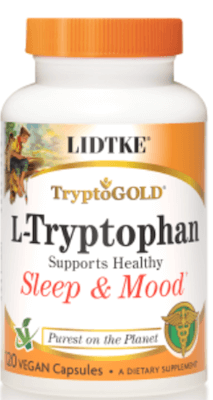
lydke l-tryptophan
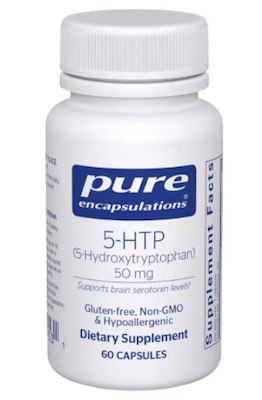
pure 5htp

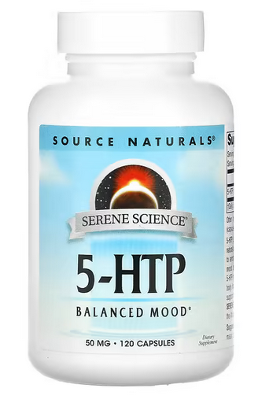
Products I recommend include Lidtke 500 mg Tryptophan, and Pure Encapsulations 50 mg 5-HTP.  You can purchase these from my online store (Fullscript – only available to US customers – use this link to set up an account).

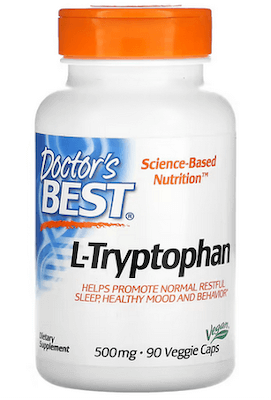
nature's best l-tryptophan
source natural 5-htp

If you’re not in the US, Doctor’s Best L-Tryptophan 500mg and Source Naturals 50 mg 5-HTP  are products I recommend on iherb (use this link to save 5%).

Resources if you are new to using amino acids as supplements

If you are new to using amino acids as supplements, here is the Amino Acids Mood Questionnaire from The Antianxiety Food Solution (you can see all the symptoms of neurotransmitter imbalances, including low GABA, low serotonin and low endorphins).

If you suspect low levels of any of the neurotransmitters and do not yet have my book, The Antianxiety Food Solution – How the Foods You Eat Can Help You Calm Your Anxious Mind, Improve Your Mood, and End Cravings, I highly recommend getting it and reading it before jumping in and using amino acids on your own so you are knowledgeable. And be sure to share it with the practitioner/health team you or your loved one is working with.

There is an entire chapter on the amino acids and they are discussed throughout the book in the sections on gut health, gluten, blood sugar control, sugar cravings, anxiety and mood issues.

The book doesn’t include product names (per the publisher’s request) so this blog, The Antianxiety Food Solution Amino Acid and Pyroluria Supplements, lists the amino acids that I use with my individual clients and those in my group programs. You can find them all in my online store.

If, after reading this blog and my book, you don’t feel comfortable figuring things out on your own (i.e. doing the symptoms questionnaire and respective amino acids trials), a good place to get help is the GABA QuickStart Program (if you have low GABA symptoms too). This is a paid online/virtual group program where you get my guidance and community support.

If you are a practitioner, join us in The Balancing Neurotransmitters: the Fundamentals program. This is also a paid online/virtual program with an opportunity to interact with me and other practitioners who are also using the amino acids.

Has tryptophan helped you quit alcohol easily when you could not do so with willpower alone?

Does tryptophan also help with your low mood, anxiety and sleep issues?

What about 5-HTP (some folks do better on one versus the other)?

And has either tryptophan or 5-HTP helped with other afternoon/evening cravings like sugar and other carbs?

If you have questions and other feedback please share it here too.

Filed Under: Addiction, Amino Acids, Anxiety, Tryptophan Tagged With: 5-HTP, alcohol, alcohol addiction, amino acids, anxious, beta-endorphins, calming, DLPA, evening, GABA, GABA Quickstart online program; Balancing Neurotransmitters: the Fundamentals program for practitioners, glutamine, mid-afternoon, mood, perimenopause, red wine, reward, self-medicating, serotonin, sleep, stressed, sugar cravings, treat, tryptophan, wine

GABA 500mg: high alert and increased anxiety; drugged and anxious with itchy red bumps the next day but slept better

November 11, 2022 By Trudy Scott 22 Comments

500mg gaba

Too much of the calming amino acid, GABA, can cause the opposite effect leading to increased anxiety and feeling too tired the following day, sometimes even feeling drugged. I have clients start with 125mg if they have low GABA physical type of anxiety so when I hear someone has had a bad reaction after using 500mg GABA, it’s unfortunate but not surprising. SM posted her reaction on the blog where I write about a niacin-type flush from using too much GABA. However her reaction was more severe than this. Here is her feedback and questions:

I took a single dose of GABA 500mg from NOW foods one night hoping it can help with anxiety and insomnia. I felt on high alert that night and increased anxiety that night. The next day I felt drugged and anxious, but strangely slept better [the next] night. I also had itchy red bumps.

I realized from your blog that 500mg was too much for me. I switched to NOW Foods True Calm which has 200 mg GABA and other nutrients, quite like a mini version of the Country Life GABA. I slept better but again have itchy red bumps now, so I’m afraid of using another capsule during the day.

I am also on 0.375mg of Clonotril which I take only at night but it does not help with constant anxiety all day. I managed to taper down to 0.375mg from 1mg after taking magnesium glycinate but unfortunately I had too much diarrhea from the magnesium. That’s how I came to know about GABA hoping it can help relieve the constant anxiety and heart palpitations.

After reading this article I realize it’s important to start GABA low. I tried to use Olly Goodbye Stress gummies which have 100 mg GABA and 50 mg theanine per 2 gummies but it was of no help.

I want to try the Source Naturals GABA Calm lozenges you recommended but I’m also feeling scared as I have been trying so many things without much success. Very grateful if you could offer me some advice. I came across your work when googling about GABA. Thank you for this opportunity to ask you questions.

This is my feedback for SM: too much GABA can have adverse effects the day it’s taken and feeling on high alert with increased anxiety that night is not unusual. It’s also not unusual to feel overly fatigued and even experience a drugged-type feeling and still continue to feel anxious.

With symptoms like this my first piece of advice is to start low at 125mg and always have 1000mg vitamin C on hand when trialing GABA (and any of the amino acids). It’s the antidote and works quickly to ease all the adverse effects and also any beneficial effects that are experienced.

Use a much lower dose of GABA and keep vitamin C on hand

We often trial GABA again – even with adverse symptoms like this – but always use a much lower dose.. We could use another product like Source Naturals GABA Calm lozenges or use 125mg of the 500mg NOW GABA product.

One big clue that she may actually need GABA is that she did sleep better the next night.

If it’s a niacin type flush, as described in the blog she commented on, Too much GABA causes a tingling niacin-like flush sensation (in the brain and body). It’s awful and very uncomfortable!, I would still recommend another trial of the lower dose (with vitamin C on hand).

Other product options to consider are theanine and/or pharmaGABA too.

A histamine reaction or MCAS /mast cell activation syndrome?

However if it’s not a flush but a real rash or hives then I’m more concerned and would not have them trial something new. With a rash that doesn’t resolve we also consider a histamine reaction or MCAS /mast cell activation syndrome.

GABA typically helps with MCAS/histamine issues but unfortunately things are not predictable when you have MCAS. She may need to address the histamine/MCAS reaction before she can start benefiting from GABA.

A phenol sensitivity or allergic reaction?

Phenols can trigger some strong emotional reactions that do include anxiety, hyperactivity, insomnia and meltdowns – and a feeling of being on high alert (which SM mentions).

Since she mentions the rash, I would also want to rule out a phenol reaction to the GABA. My colleague Julie Matthews shares this: “When phenols are not able to be broken-down and detoxified by a process called sulfation… they can cause these emotional symptoms and also red cheeks and ears.”

The benzodiazepine may be the confounding factor

One other confounding factor is the Clonotril. Benzodiazepines (using them and/or tapering) can cause many different issues. I do have clients use GABA to help while tapering but we only change one thing at a time and the benzo taper is super super slow. They also only start to taper (with the doctor’s approval and monitoring) once they are nutritionally stable. My book The Antianxiety Food Solution is a great resource for learning more about becoming nutritionally stable.

Serotonin support as well as GABA support?

SM mentions that she took GABA hoping it would help with anxiety and insomnia. These are also both symptoms of low serotonin so she may also see benefits with tryptophan, 5-HTP and melatonin.   You can read more about tryptophan here: Tryptophan for the worry-in-your-head and ruminating type of anxiety and melatonin here: Melatonin improves sleep quality and reduces anxiety after a TBI.

Resources if you are new to using GABA and other amino acids as supplements

If you are new to using any of the amino acids as supplements, here is the Amino Acids Mood Questionnaire from The Antianxiety Food Solution (you can see all the symptoms of neurotransmitter imbalances, including low GABA and low serotonin).

If you suspect low levels of any of the neurotransmitters and do not yet have my book, The Antianxiety Food Solution – How the Foods You Eat Can Help You Calm Your Anxious Mind, Improve Your Mood, and End Cravings, I highly recommend getting it and reading it before jumping in and using amino acids on your own so you are knowledgeable. And be sure to share it with the practitioner/health team you or your loved one is working with.

There is an entire chapter on the amino acids and they are discussed throughout the book in the sections on gut health, gluten, blood sugar control, sugar cravings, self-medicating with alcohol and more.

The book doesn’t include product names (per the publisher’s request) so this blog, The Antianxiety Food Solution Amino Acid and Pyroluria Supplements, lists the amino acids that I use with my individual clients and those in my group programs. You can find them all in my online store.

If, after reading this blog and my book, you don’t feel comfortable figuring things out on your own (i.e. doing the symptoms questionnaire and respective amino acids trials), a good place to get help is the GABA QuickStart Program (if you have low GABA symptoms). This is a paid online/virtual group program where you get my guidance and community support.

If you are a practitioner, join us in The Balancing Neurotransmitters: the Fundamentals program. This is also a paid online/virtual program with an opportunity to interact with me and other practitioners who are also using the amino acids.

Have you had an adverse reaction to taking a high dose of GABA? What dose, which product and what was your reaction?

What did you figure out was the ideal dose for you?

If you have questions please share them here too.

Filed Under: Anxiety, GABA, Insomnia Tagged With: 500mg GABA, amino acids; GABA Quickstart online program; and Balancing Neurotransmitters: the Fundamentals program for practitioners, anxiety, anxious, benzodiazepine, Clonotril, drugged, high alert, histamine reaction, increased anxiety, insomnia, itchy red bumps, MCAS, niacin-type flush, phenol reaction, rash, serotonin, slept, Source Naturals GABA Calm, tired, vitamin C

Low lithium questionnaire and how we use lithium orotate with the amino acids

August 19, 2022 By Trudy Scott 44 Comments

low lithium questionnaire

This is the low lithium questionnaire that I use with new clients in order for us to figure out if a trial of low dose lithium, in the form of lithium orotate, may be helpful. The hallmark of low lithium is a rollercoaster of emotions. Keep in mind that this is just one of 12 questionnaires that I have my clients complete. Many of the following symptoms can have multiple causes, the labs may relate to other deficiencies and the conditions have other root causes. This questionnaire simply provides additional evidence that lithium orotate may help.

We typically do a lithium orotate trial, starting with 5 mg once a day, and going up to 10 mg twice a day. We do this after we have started trialing the respective amino acids for low serotonin, low GABA, low endorphins, low catecholamines and low blood sugar. A big clue that lithium orotate may be helpful (when many of the symptoms below are checked off) is when the amino acids for low serotonin (tryptophan or 5-HTP), low GABA (GABA or theanine), low endorphins (DPA or DLPA), low catecholamines (tyrosine or DLPA) and low blood sugar (glutamine) are not as effective as expected (based on the amino acids mood/neurotransmitter questionnaire).

Low lithium questionnaire

Symptoms
Mood swings (a rollercoaster of emotions)
Addictions and/or cravings
Depressed
Low self-esteem
Boredom
Easily distracted
Rebellious, disruptive behavior and/or aggressiveness
Irritability
Restless/internal anxiety (similar to low serotonin worry/ruminating anxiety)
Restless/external anxiety (similar to low GABA physical anxiety)
Anxiety ups and downs (fluctuations)
Melancholic pessimism
Suicidal thoughts
Disorganized with planning difficulties
Focus issues/ADHD
Insomnia
Procrastination and/or no initiative
Jack of all trades, master of none
Impulsive and/or lacking tact
Poor insight
Risky behavior
Cognitive issues
Migraines or cluster headaches

Effectiveness of amino acids
The amino acids for low serotonin, low GABA, low endorphins, low catecholamines and low blood sugar are not as effective as expected (based on the amino acids mood/neurotransmitter questionnaire)

Labs
Low white blood cell count
Low red blood cell count
Anemia
Low platelet count

Conditions
Anorexia nervosa
Heart disease (heart arrhythmias, history of heart attack)
Raised blood sugar or diabetes
Kleptomania
Alcoholism
Alzheimer’s disease
Fibromyalgia
Bipolar II
Gout
Hyperthyroidism
Nearsightedness or glaucoma
Herpes infections (current or prone to them)

If you are new to low dose lithium / lithium orotate

As I share in this blog, Upping my tryptophan and lithium orotate have been absolutely profound for me: I’ve been depression free and anxiety free for over a year, I’ve used lithium orotate with many clients and use it when folks have mood swings and anxiety ups and downs. It’s harder for the amino acids to work when there is a moving goal post and lithium orotate evens things out.

You can read Katrin’s wonderful results: “Upping my tryptophan dose and also including and upping the dose of lithium orotate has been absolutely profound for me. I’m off my SSRI/antidepressant (which I was off and on for a number of years). I’ve been depression/anxiety free for over a year. So fantastic.”

The above blog also includes additional information on the differences between low dose lithium / lithium orotate and prescription lithium carbonate. The latter is used at much higher doses and does have side-effects.

One of the many ways lithium works is via the impact on neurotransmitter production. This paper, Potential Mechanisms of Action of Lithium in Bipolar Disorder, states this: “At a neuronal level, lithium reduces excitatory (dopamine and glutamate) but increases inhibitory (GABA) neurotransmission.” It also increases protective proteins such as BDNF (brain-derived neurotrophic factor), helps reduce oxidative stress and is neuroprotective. This paper is referring to lithium carbonate and not lithium orotate but until we have more research on lithium orotate, I feel comfortable extrapolating, given what I’ve seen clinically with lithium orotate.

I’ve also blogged about low dose or microdose lithium here: Microdose lithium formulation is capable of halting signs of advanced Alzheimer’s and improving cognition. In a study published in 2020, “a team of researchers has shown that, when given in a formulation that facilitates passage to the brain, lithium in doses up to 400 times lower than what is currently being prescribed for mood disorders is capable of both halting signs of advanced Alzheimer’s pathology and of recovering lost cognitive abilities.”  In this study, they used lithium citrate in similar doses as the lithium orotate i.e  3.2 mg to 6.4 mg NP03 based on 70kg of body weight (which is around 154.3 lbs).

Resources if you are new to using the amino acids as supplements (and where to get lithium orotate)

If you are new to using any of the amino acids as supplements, here is the Amino Acids Mood Questionnaire from The Antianxiety Food Solution (you can see all the symptoms of neurotransmitter imbalances).

If you suspect low levels of any of the neurotransmitters and do not yet have my book, The Antianxiety Food Solution – How the Foods You Eat Can Help You Calm Your Anxious Mind, Improve Your Mood, and End Cravings, I highly recommend getting it and reading it before jumping in and using amino acids on your own so you are knowledgeable. And be sure to share it with the practitioner/health team you or your loved one is working with.

There is an entire chapter on the amino acids and they are discussed throughout the book in the sections on gut health, gluten, blood sugar control, sugar cravings, self-medicating with alcohol and more.

The book doesn’t include product names (per the publisher’s request) so this blog, The Antianxiety Food Solution Amino Acid and Pyroluria Supplements, lists the amino acids that I use with my individual clients and those in my group programs.

You can find the amino acid products I use and a number of different lithium orotate products in my online Fullscript store.

If, after reading this blog and my book, you don’t feel comfortable figuring things out on your own (i.e. doing the symptoms questionnaire and respective amino acids trials), a good place to get help is the GABA QuickStart Program (if you have low GABA symptoms). This is a paid online/virtual group program where you get my guidance and community support. There are many moms in the program who are having much success with their kids.

If you are a practitioner, join us in The Balancing Neurotransmitters: the Fundamentals program. This is also a paid online/virtual program with an opportunity to interact with me and other practitioners who are also using the amino acids.

Do you resonate with any of the above and have you used lithium orotate with success?

Was the rollercoaster of emotions and fluctuating anxiety a hallmark for you before using lithium orotate?

If you’re a practitioner, do you use lithium orotate with your clients or patients?

If you have questions please share them here too.

Filed Under: Anxiety, Depression, GABA, Lithium orotate Tagged With: addiction, ADHD, aggressiveness, Alzheimer’s disease, amino acids, anxious, boredom, catecholamines, cognitive, endorphins, GABA, insomnia, irritable, lithium, lithium orotate, low blood sugar, low dose lithium, Low lithium questionnaire, low self-esteem, mood swings, rebellious, rollercoaster of emotions, serotonin, tryptophan

Drastic reduction in intrusive thoughts, anxiety and fears (and better sleep) with GABA, tryptophan, 5-HTP and the pyroluria protocol

May 6, 2022 By Trudy Scott 33 Comments

intrusive thoughts reduction

It’s not uncommon for an adult woman to have had intrusive thoughts her entire life and not even recognize that they are connected to her anxiety levels. She is often unaware that there is anything she can do to actually ease her anxiety and reduce the bad thoughts (such as fearing horrible things happening to her husband and children). Enter the amino acids: GABA, tryptophan, 5-HTP and the pyroluria protocol (zinc, vitamin B6 and evening primrose oil). They can do all of this and more. Kimberly shared her own experience and success on a blog post about intrusive thoughts and these specific nutrients. Here is her story in her own words:

Oh my goodness, I’m realizing after reading this, that intrusive thoughts are something I’ve had my entire life. As a child, this manifested in thoughts of what might happen to my one stable parent when we were apart. More recently, I feared horrible things happening to my husband or children. Like the author of the original blog wrote, these intrusive thoughts reflect a greater anxiety. But I didn’t realize this until I began experimenting with your protocols.

I first tried GABA when I felt extremely anxious, but not on a regular basis. Next, I added the pyroluria protocol, which did bring some relief to the intrusive thoughts. Fast forward to today, when I also take 5-HTP, tryptophan and GABA regularly and have noticed a drastic reduction in those thoughts/fears. It’s like a miracle.

My fear level is maybe 15% of what it used to be, if that.

I also find that I can use extra GABA at night if I wake up and can’t shut off my mind. It works like a charm to help me get back to sleep. What a blessing to have these amino acids.

I’m a calmer, more serene person than I’ve ever been, without (for the most part) the crippling, irrational fears I used to experience. Thank you, as always, Trudy. You are also a tremendous blessing.

I thanked her for sharing and said how glad I was that she is connecting more and more dots. It’s very common to suddenly realize you’ve had these intrusive thoughts your entire life. With her  amazing results, combining all the above nutrients she is a poster child for this approach that I use with my clients. I’m thrilled for her miracle outcome and so very happy for her.

I’m sharing her story here as a new blog so I can provide her with some additional approaches to explore and so you can see how these amino acids and other nutrients have worked for someone else (and get your own insights.) I’m also sharing my feedback on how she approached things.

Additional approaches to her to explore: adjusting what is working for her now

Her fear level is maybe 15% of what it used to be but ideally we want to improve on that by fine-tuning what she is doing and capitalize on what is working. Know this – it’s not unreasonable to expect that to get to zero!

If we were working together this is what I’d suggest (assuming she hasn’t already done this):

  • Review the low GABA and low serotonin questionnaires and adjust the GABA and/or tryptophan/5-HTP based on any symptoms that remain with a score above zero.
  • After that, if there are still some troubling low serotonin symptoms experiment with different doses and timings of tryptophan and 5-HTP – some people do better on one vs the other
  • Also, if there are still some troubling low GABA symptoms, experiment with a few different GABA products. I’ve had folks try up to 5 different products before they find the perfect one for their needs
  • If she can see the social anxiety and other pyroluria signs remain, we’d adjust zinc, vitamin B6 (and possibly add P5P) and evening primrose oil.

With all of the above, I’d have her do one change at a time and carefully document everything in her food-mood log.

Identifying if the remaining fear/intrusive thoughts are more pronounced in the second half of her cycle

It may simply be a matter of identifying if the remaining fear/intrusive thoughts are more pronounced in the second half of her cycle i.e. after ovulation. As I shared on the blog, one study showed that “women in the ‘early luteal’ phase… had more than three times as many intrusive thoughts.”

She may need to adjust the amino acids up during this period and it may be that over the next 2 months she sees these symptoms resolve with her current approach, as her hormones become balanced. It’s typical to see this in 2-3 months.

My feedback on her approach

Here is my feedback on how she did things and why I love her approach:

  • She experimented with GABA some of the time – as needed – based on what she was learning from me from blogs, my book and interviews.
  • She made one change at a time, adding the pyroluria protocol next
  • Then she added tryptophan and 5-HTP (hopefully one at a time)
  • And then her use of the amino acids became regular. This last aspect of consistency is a needle mover for so many of my clients.
  • She now tweaks things and takes extra GABA at night if needed. This may be needed after a tough day or if you’ve been glutened or exposed to insecticides.

I will add that the sequence could have been varied and still have had a similar successful outcome, for example, amino acid consistency from day 1 and then adding the pyroluria protocol (this is what I typically do with clients).

However, it’s my goal to empower women like Kimberly to take charge, learn, make changes, listen to their bodies, learn some more and adjust to see further improvements. It makes me immensely happy when I hear that she is a calmer, more serene person than she’s ever been. I feel confident that she’ll be able to get to zero intrusive thoughts with the tips I shared above.

She may or may not also need to consider other possible root causes of intrusive thoughts: low magnesium, low iron, diet (a low carb/high fat intrusive thoughts case study) and gluten issues.

Psychiatric medication discontinuation syndrome, Lyme disease, mold toxicity, heavy metals, toxins, infections, TBI and trauma can also be factors with intrusive thoughts and anxiety, but with her huge improvement I’d suspect these root causes are unlikely for her.

Resources if you are new to using the amino acids and pyroluria supplements

If you are new to using GABA or tryptophan/5-HTP as a supplement, here is the Amino Acids Mood Questionnaire from The Antianxiety Food Solution (you can see all the low GABA and low serotonin symptoms).

If you suspect low levels of any of the neurotransmitters and do not yet have my book, The Antianxiety Food Solution – How the Foods You Eat Can Help You Calm Your Anxious Mind, Improve Your Mood, and End Cravings, I highly recommend getting it and reading it before jumping in and using amino acids on your own so you are knowledgeable. And be sure to share it with the team you or your loved one is working with.

There is an entire chapter on the amino acids and they are discussed throughout the book in the sections on gut health, blood sugar control, sugar cravings, self-medicating with alcohol and more.

My book also has an entire chapter on pyroluria (with the protocol and questionnaire). The questionnaire is on the blog too, together with many other related posts (simply search for pyroluria).

The book doesn’t include product names (per the publisher’s request) so this blog, The Antianxiety Food Solution Amino Acid and Pyroluria Supplements, lists the amino acids that I use with my individual clients and those in my group programs.

If, after reading this blog and my book, you don’t feel comfortable figuring things out on your own (i.e. doing the symptoms questionnaire and respective amino acids trials), a good place to get help is the GABA Quickstart Program. This is a paid online/virtual group program where you get my guidance and community support.

If you are a practitioner, join us in The Balancing Neurotransmitters: the Fundamentals program. This is also a paid online/virtual program with an opportunity to interact with me and other practitioners who are also using the amino acids.

Do you experience intrusive thoughts or did you have them in the past? Feel free to describe them if you feel comfortable doing so.

And did you think you’d be able to reduce the horrible intrusive thoughts with a nutritional approach?

What helped reduce them for you? If you used a similar approach, how did it look for you?

If you’re a practitioner, have you found this approach to help reduce intrusive thoughts and ease anxiety in your clients/patients?

If you have questions please share them here too.

Filed Under: 5-HTP, Anxiety, GABA, Insomnia, OCD, Tryptophan Tagged With: 5-HTP, amino acids, anxiety, anxious, calmer, can’t shut off my mind, empowering women, evening primrose oil, fear, feared horrible things, fears, GABA, GABA Quickstart program, intrusive thoughts, luteal phase, more serene, practitioner training, pyroluria protocol, sleep, tryptophan, vitamin B6, zinc

  • « Go to Previous Page
  • Page 1
  • Page 2
  • Page 3
  • Page 4
  • Page 5
  • Page 6
  • Interim pages omitted …
  • Page 8
  • Go to Next Page »

Primary Sidebar

NEW! GABA QuickStart Homestudy (with special intro pricing)

gaba quickstart homestudy

Free Report

9 Great Questions Women Ask about Food, Mood and their Health

You'll also receive a complimentary subscription to my ezine "Food, Mood and Gal Stuff"


Connect with me

Popular Posts

  • Amino Acids Mood Questionnaire from The Antianxiety Food Solution
  • The Antianxiety Food Solution Amino Acid and Pyroluria Supplements
  • Pyroluria Questionnaire from The Antianxiety Food Solution
  • Collagen and gelatin lower serotonin: does this increase your anxiety and depression?
  • Tryptophan for the worry-in-your-head and ruminating type of anxiety
  • GABA for the physical-tension and stiff-and-tense-muscles type of anxiety
  • The Antianxiety Food Solution by Trudy Scott
  • Seriphos Original Formula is back: the best product for anxiety and insomnia caused by high cortisol
  • Am I an anxious introvert because of low zinc and vitamin B6? My response to Huffington Post blog
  • Vagus nerve rehab with GABA, breathing, humming, gargling and key nutrients

Recent Posts

  • What do I use instead of Seriphos to help lower high cortisol that is affecting my sleep and making me anxious at night?
  • BeSerene™ GABA/theanine cream eases severe muscle tension in her neck/shoulders, prevents her bad headaches and quells her anxiety
  • How the correct approach, dose and sublingual use of GABA can be calming and not cause a flushed and itchy face and neck
  • The amino acid glutamine improves low mood by addressing gut health, and it has calming effects too
  • Flight anxiety with heightened breath, physical tension and also fearing the worst (the role of low GABA and low serotonin)

Categories

  • 5-HTP
  • AB575
  • Addiction
  • ADHD
  • Adrenals
  • Alcohol
  • Allergies
  • Alzheimer's disease
  • Amino Acids
  • Anger
  • Antianxiety
  • Antianxiety Food Solution
  • Antidepressants
  • Anxiety
  • Anxiety and panic
  • Autism
  • Autoimmunity
  • benzodiazapines
  • Bipolar disorder
  • Books
  • Caffeine
  • Cancer
  • Candida
  • Children/Teens
  • Collagen
  • Cooking equipment
  • Coronavirus/COVID-19
  • Cravings
  • Depression
  • Detoxification
  • Diabetes
  • Diet
  • DPA/DLPA
  • Drugs
  • EFT/Tapping
  • EMF
  • EMFs
  • Emotional Eating
  • Endorphins
  • Environment
  • Essential oils
  • Events
  • Exercise
  • Fear
  • Fear of public speaking
  • Fertility and Pregnancy
  • Fish
  • Food
  • Food and mood
  • Functional neurology
  • GABA
  • Gene polymorphisms
  • General Health
  • Giving
  • Giving back
  • Glutamine
  • Gluten
  • GMOs
  • Gratitude
  • Gut health
  • Heart health/hypertension
  • Histamine
  • Hormone
  • Hyperparathyroidism
  • Hypoglycemia
  • Immune system
  • Inflammation
  • Insomnia
  • Inspiration
  • Introversion
  • Joy and happiness
  • Ketogenic diet
  • Lithium orotate
  • Looking awesome
  • Lyme disease and co-infections
  • MCAS/histamine
  • Medication
  • Men's health
  • Mental health
  • Mercury
  • Migraine
  • Mold
  • Movie
  • MTHFR
  • Multiple sclerosis
  • Music
  • NANP
  • Nature
  • Nutritional Psychiatry
  • OCD
  • Osteoporosis
  • Oxalates
  • Oxytocin
  • Pain
  • Paleo
  • Parasites
  • Parkinson’s disease
  • PCOS
  • People
  • PMS
  • Postpartum
  • PTSD/Trauma
  • Pyroluria
  • Questionnaires
  • Real whole food
  • Recipes
  • Research
  • Schizophrenia
  • serotonin
  • SIBO
  • Sleep
  • Special diets
  • Sports nutrition
  • Stress
  • Sugar addiction
  • Sugar and mood
  • Supplements
  • Teens
  • Testimonials
  • Testing
  • The Anxiety Summit
  • The Anxiety Summit 2
  • The Anxiety Summit 3
  • The Anxiety Summit 4
  • The Anxiety Summit 5
  • The Anxiety Summit 6
  • Thyroid
  • Thyroid health
  • Toxins
  • Tryptophan
  • Tyrosine
  • Uncategorized
  • Vegan/vegetarian
  • Women's health
  • Yoga

Archives

  • October 2025
  • September 2025
  • August 2025
  • July 2025
  • June 2025
  • May 2025
  • April 2025
  • March 2025
  • February 2025
  • January 2025
  • November 2024
  • October 2024
  • September 2024
  • August 2024
  • July 2024
  • June 2024
  • May 2024
  • April 2024
  • March 2024
  • February 2024
  • January 2024
  • December 2023
  • November 2023
  • October 2023
  • September 2023
  • August 2023
  • July 2023
  • June 2023
  • May 2023
  • April 2023
  • March 2023
  • February 2023
  • January 2023
  • December 2022
  • November 2022
  • October 2022
  • September 2022
  • August 2022
  • July 2022
  • June 2022
  • May 2022
  • April 2022
  • March 2022
  • February 2022
  • January 2022
  • December 2021
  • November 2021
  • October 2021
  • September 2021
  • August 2021
  • July 2021
  • June 2021
  • May 2021
  • April 2021
  • March 2021
  • February 2021
  • January 2021
  • December 2020
  • November 2020
  • October 2020
  • September 2020
  • August 2020
  • July 2020
  • June 2020
  • May 2020
  • April 2020
  • March 2020
  • February 2020
  • January 2020
  • December 2019
  • November 2019
  • October 2019
  • September 2019
  • August 2019
  • July 2019
  • June 2019
  • May 2019
  • April 2019
  • March 2019
  • February 2019
  • January 2019
  • December 2018
  • November 2018
  • October 2018
  • September 2018
  • August 2018
  • July 2018
  • June 2018
  • May 2018
  • April 2018
  • March 2018
  • February 2018
  • January 2018
  • December 2017
  • November 2017
  • October 2017
  • September 2017
  • August 2017
  • July 2017
  • June 2017
  • May 2017
  • April 2017
  • March 2017
  • February 2017
  • January 2017
  • December 2016
  • November 2016
  • October 2016
  • September 2016
  • August 2016
  • July 2016
  • June 2016
  • May 2016
  • April 2016
  • March 2016
  • February 2016
  • January 2016
  • December 2015
  • November 2015
  • October 2015
  • September 2015
  • August 2015
  • July 2015
  • June 2015
  • May 2015
  • April 2015
  • March 2015
  • February 2015
  • January 2015
  • December 2014
  • November 2014
  • October 2014
  • September 2014
  • August 2014
  • July 2014
  • June 2014
  • May 2014
  • April 2014
  • March 2014
  • February 2014
  • January 2014
  • December 2013
  • November 2013
  • October 2013
  • September 2013
  • August 2013
  • July 2013
  • June 2013
  • May 2013
  • April 2013
  • March 2013
  • February 2013
  • January 2013
  • December 2012
  • November 2012
  • October 2012
  • August 2012
  • July 2012
  • June 2012
  • May 2012
  • April 2012
  • March 2012
  • February 2012
  • January 2012
  • December 2011
  • November 2011
  • October 2011
  • September 2011
  • August 2011
  • July 2011
  • June 2011
  • May 2011
  • April 2011
  • March 2011
  • February 2011
  • January 2011
  • December 2010
  • October 2010
  • September 2010
  • July 2010
  • May 2010
  • April 2010
  • March 2010
  • February 2010
  • January 2010
  • November 2009

Share the knowledge!

The above statements have not been evaluated by the Food and Drug Administration. Products listed in this website are not intended to diagnose, treat, cure or prevent any disease.

The information provided on this site is for informational and educational purposes only and is not intended as a substitute for advice from your physician or other health care professional. You should consult with a healthcare professional before starting or modifying any diet, exercise, or supplementation program, before taking or stopping any medication, or if you have or suspect you may have a health problem.


Copyright © 2026 Trudy Scott. All Rights Reserved. | Privacy | Terms and Conditions | Refund Policy | Medical Disclaimer

Free Report

9 Great Questions Women Ask about Food, Mood and their Health

You’ll also receive a complimentary subscription to my ezine “Food, Mood and Gal Stuff”