• Skip to primary navigation
  • Skip to main content
  • Skip to primary sidebar

everywomanover29 blog

Food, Mood and Women's Health – Be your healthiest, look and feel great!

  • Blog
  • About
  • Services
  • Store
  • Resources
  • Testimonials
  • The Book
  • Newsletter
  • Contact
  • Search this site

anxiety

Tryptophan and ascorbic acid for anxiety caused by lead toxicity

August 19, 2016 By Trudy Scott 18 Comments

lead-toxicity

Lead toxicity is a factor when it comes to anxiety, panic disorder, phobias and depression, even with low levels of lead exposure.

This 2010 paper, published in the Archives of General Psychiatry, Blood lead levels and major depressive disorder, panic disorder, and generalized anxiety disorder in U.S. young adults reports the following:

In this sample of young adults with low levels of lead exposure, higher blood lead was associated with increased odds of major depression and panic disorder. Exposure to lead at levels generally considered safe could result in adverse mental health outcomes.

The paper discusses a possible mechanism of action i.e. lead disruption of neurotransmitter production (of the catecholamines and serotonin):

If lead exposure contributes to the etiology of these disorders, the mechanism of action could involve perturbation of neurochemistry, such as brain monoamine neurotransmission.

Lead exposure is known to disrupt catecholaminergic systems, and depression and anxiety disorders are strongly associated with disturbances in these systems.

Studies in animals show that chronic lead exposure can decrease serotoninergic activity in several brain regions including the nucleus accumbens, frontal cortex, and brainstem.

It is surprising that generalized anxiety disorder was not associated with increased lead levels in this study but other research does find anxiety correlations:

  • bone lead (a biomarker of cumulative lead exposure) was associated with phobic anxiety and depression among older women who are premenopausal or who consistently take postmenopausal HRT
  • blood lead concentrations were associated with increased risk of behavioral problems and anxiety in Chinese preschool children
  • bone and blood lead levels were significantly associated with an increased risk of phobic anxiety in middle-aged to elderly men

Addressing lead and other heavy metal toxicity is not to be taken lightly and can often be quite a lengthy process. Finding a knowledgeable practitioner who understands chelation is important. We covered much of this in my interview with Dr. John Dempster on season 4 of the Anxiety Summit – Anxiety and heavy metals: chelation of mercury and lead

The good news is that while you are working on lead detoxification there is promising research that supports what I see in my clients: using the amino acid tryptophan reduces and often completely eliminates anxiety, panic attacks and depression while you are dealing with other underlying issues. In this instance it’s the lead toxicity but it could also be Lyme disease or gluten sensitivity or Hashimoto’s thyroiditis and many other conditions.

The animal study I’m referring to was published at University of Lagos paper in 2012: Neurobehavioural and neurotoxic effects of L-ascorbic acid and L-tryptophan in lead exposed rats and states that:

The sub-chronic exposure to lead decreased brain serotonin, while causing oxidative stress by decreasing reduced glutathione levels, antioxidant enzyme activity and increasing lipid peroxidation and brain protein contents.

Ascorbic acid attenuated [or reduced] both lead induced neuronal oxidative stress, and abnormalities in behaviour.

Tryptophan ameliorated [or improved] lead-altered neurobehaviour [such as anxiety and aggression].

Co-administration of ascorbic acid and tryptophan on lead exposed rats showed a reversal in all indices assessed towards the physiological state of control. This suggests that ascorbic and tryptophan can be used to compliment chelating therapy in lead neurotoxicity.

I don’t know if you can extrapolate the dosages from the rat to a human weight-wise but since I have a curious mind I did some calculations: it turns out that they used a rough equivalent of 2000mg of ascorbic acid and 1000mg of tryptophan for an adult human. The starting dose for tryptophan is typically 500mg, and less if you’re sensitive or a “pixie dust” person. I would start here and do an amino acid trial, increasing over a few weeks until anxiety symptoms start to resolve. You can read more about the amino acids process here

Have you used tryptophan (or other amino acids like GABA) to reduce or improve anxiety symptoms with success, while dealing with a bigger underlying issue such as lead toxicity?

If you’re a practitioner, have you helped your clients/patients with tryptophan while dealing with lead toxicity?
Filed Under: Anxiety and panic Tagged With: amino acids, anxiety, ascorbic acid, Lead toxicity, panic attacks, Panic disorder, serotonin, tryptophan, vitamin C

Anxiety and Hypoglycemia Symptoms Improve with Diet Modification

August 12, 2016 By Trudy Scott 15 Comments

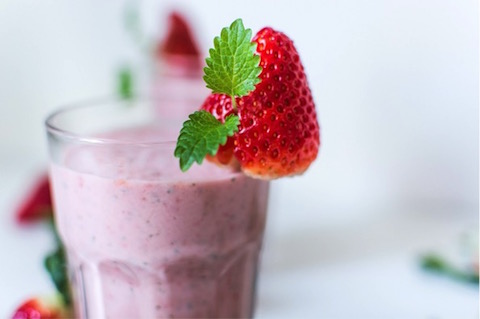
strawberry-smoothie

A paper published by the Canadian College of Naturopathic Medicine last month supports what I see with my clients on a daily basis: when it comes to anxiety caused by low blood sugar (or hypoglycemia) the correct diet can have a huge impact. And this means is the inclusion of enough protein, fats and fiber, especially at breakfast.

Here is the abstract from the paper: Generalized Anxiety Disorder and Hypoglycemia Symptoms Improved with Diet Modification

Observational evidence suggests that a relationship may exist between high glycemic index diets and the development of anxiety and depression symptoms; however, as no interventional studies assessing this relationship in a psychiatric population have been completed, the possibility of a causal link is unclear.

AB is a 15-year-old female who presented with concerns of generalized anxiety disorder and hypoglycemia symptoms. Her diet consisted primarily of refined carbohydrates. The addition of protein, fat, and fiber to her diet resulted in a substantial decrease in anxiety symptoms as well as a decrease in the frequency and severity of hypoglycemia symptoms.

A brief return to her previous diet caused a return of her anxiety symptoms, followed by improvement when she restarted the prescribed diet.

This case strengthens the hypothesis that dietary glycemic index may play a role in the pathogenesis or progression of mental illnesses such as generalized anxiety disorder and subsequently that dietary modification as a therapeutic intervention in the treatment of mental illness warrants further study.

Here are some details about this case report for AB, who was a 15-year-old female student of south-Asian descent:

  • she had anxiety (rated as 8/10 with 10 being the highest level of anxiety), worried excessively, experienced heart palpitations, shakiness, discomfort in her stomach, and muscle tension and often missed school because of how she felt
  • she experienced symptoms of hypoglycemia/low blood sugar and when her blood sugar dipped too low she experienced muscle weakness, headaches, nausea, anxiety, and poor concentration
  • when she felt anxious she would eat she would eat chocolate, chips, fruit and when her blood sugar dipped she would eat a granola bar

As you can see from her typical daily diet she was eating mostly carbohydrates, with very little protein, fat or fiber:

  1. Breakfast: fruit smoothie containing fruit, fruit juice, and water.
  2. Morning snack: bagel with margarine.
  3. Lunch: pasta or white rice with vegetables.
  4. Afternoon snack: granola bar or cookies or gummy candies.
  5. After school meal: white pasta; it may include meat.
  6. Dinner: white rice or spaghetti; it may include meat.
  7. Evening snack: cookies and toast.
  8. Beverages: 2 liters of water, 1 cup of juice, 1 cup of lactose-free milk, and 1 cup of tea.

She made the following changes in her diet adding protein at breakfast, lunch, dinner and at snack time, and adding healthy fats like flax seeds, olive oil and nut butters:

  1. Breakfast: includes a smoothie containing fruit, water, 1 scoop of protein powder, and 1 tablespoon of flax seeds or olive oil.
  2. Lunch and dinner: include a serving of protein (meat, legume, and soy) and a serving of vegetables.
  3. Snacks: include protein when possible (e.g., apple with sunflower seed butter, vegetable sticks with hummus, and pumpkin seeds).
  4. Continue to eat carbohydrate-containing snacks as needed for the management of hypoglycemia symptoms.

Over a 4-week period she made a few simple dietary changes and saw profound results: her anxiety decreased significantly from 8/10 to 4 or 5/10, she had more energy, she had fewer headaches, better concentration and improved mood.

The interesting factor is that when she slipped up for a week and went back to her old diet she felt more anxious within a day, but felt better within 2 days of adding back protein, fats and fiber.

These results are very typical with my clients and getting a handle on stabilizing blood sugar is the first thing I do with all my clients. Believe it or not, for some people this is ALL they need to do. I would add that I recommend making these changes in conjunction with the removal of gluten and caffeine.

I also like to see animal protein (and fat) as part of the snacks: like grass-fed beef jerky, grass-fed beef sticks, boiled eggs or pemmican. AB was allergic to eggs, nuts, and fish so these were not an option for her. Soy is often as issue so would need to be watched.

So this case study supports the fact that we must not forget the basics like blood sugar control. It’s very common for me to get questions like this on my blog: “I’m anxious, which amino acid should I use?” I always reply: focus first on real whole food and eating to balance blood sugar, remove sugar, gluten and caffeine, and then look at doing a trial of one or more of the amino acids

I do like to make things easier for my clients and this is where an amino acid like glutamine is very helpful in terms of providing added blood sugar stability, a calming effect and help with gut healing

Adding the glutamine and also doing a trial of an amino acid like GABA Calm may get the anxiety down a few more notches because we are always aiming for zero.

Addressing adrenal issues (which are closely related to blood sugar issues), and of course addressing all the other possible factors like thyroid health, gut health, other food sensitivities and so on would be the next step.

Have you see the positive impacts of keeping your blood sugar stable? What makes the most impact for you?

If you are a practitioner, how do you help your clients or patients address blood sugar issues?

Filed Under: Antianxiety Tagged With: anxiety, Carbohydrate, fat, fatigue, GABA, glutamine, Headaches, Hypoglycemia, low blood sugar, protein

Lavender, roman chamomile, and neroli essential oils for anxiety and sleep

August 11, 2016 By Trudy Scott Leave a Comment

Lavender, roman chamomile, and neroli essential oils for anxiety and sleep

Lavender, roman chamomile, and neroli essential oils have been found to be beneficial for anxiety and sleep in patients going through a surgical procedure. 

The aromatherapy blend was in a ratio of 6 :  2 : 0.5  for lavender: roman chamomile: neroli.  

Participants received 10 treatments before percutaneous coronary intervention/PCI (formerly known as angioplasty with stent) and the same essential oil blend was inhaled another 10 times after the procedure.

Here are the details of the study: Effects of aromatherapy on the anxiety, vital signs, and sleep quality of percutaneous coronary intervention patients in intensive care units

The purpose of this study was to investigate the effects of aromatherapy on the anxiety, sleep, and blood pressure (BP) of percutaneous coronary intervention (PCI) patients in an intensive care unit (ICU). Fifty-six patients with PCI in ICU were evenly allocated to either the aromatherapy or conventional nursing care.

Outcome measures patients’ state anxiety, sleeping quality, and BP (blood pressure).

The aromatherapy group showed significantly low anxiety and improving sleep quality compared with conventional nursing intervention.

If these surgical patients could see these results imagine how these essential oils could help you if you suffer from anxiety and/or sleep issues.

Join us on the Essential Oils Revolution 2 to hear me cover this and  and other essential oils combinations for anxiety and insomnia.

essential-oils-revolution-banner

Here is the summit registration link:
https://qt247.isrefer.com/go/EOR16reg/trudyscottcn/

Have you found that this combination helps you with anxiety and sleep?  What ratio works for you?


Filed Under: Anxiety and panic, Essential oils, Events, Sleep Tagged With: anxiety, chamomile, essential oils, insomnia, lavender, neroli, sleep

Sleep restriction for insomnia – Dr. Breus on the Sleep Success Summit

August 8, 2016 By Trudy Scott 17 Comments

sleep-success-summit

As you probably know, insomnia is often a big issue if you have anxiety and/or depression. I like to address low serotonin, low GABA and low blood sugar for the sleep and mood issues but sleep issues can be caused by so many factors.

The Sleep Success summit addresses so many of these other factors: the adrenals, the thyroid, the gut, hormone health (all of which can impact sleep), plus topics on sleep apnea (and the inflammation connection), MTHFR, autoimmunity, using essential oils, sleep problems we see in kids and so much more.

sleep-summit-speakers

Dr. Michael Breus is the host of the summit and is interviewed by Sean Croxton: “An Interview with The Sleep Doctor.” He shares:

We know that when people aren’t able to stay asleep or fall asleep there is always some type of a mental component, either anxiety or depression (60-70% of the time)

There are just not a lot of people out there treating insomnia other than just prescribing pills and I’m not a big fan of that. Now you have two problems – you have a sleep problem and you have a pill problem.

I learned something new listening to Dr. Breus’ interview. He uses an evidence-based technique called “sleep restriction” to help his patients with insomnia.   He says it trains your brain to know when to sleep and it works for about 50% of his patients.   When the “sleep restriction” technique isn’t enough he uses cognitive behavior therapy to help with the negative thoughts and worry around the lack of sleep and supplements. He does use medications short-term (a few weeks only) to break the insomnia cycle.

I’m so intrigued by this “sleep restriction” method that I went looking for the research and found this study published just last month: 70% of the women receiving cognitive behavioral therapy for insomnia (CBT-I) said they had no more insomnia after 8 weeks and 84% said they had no more insomnia after 24 weeks!

A randomized clinical trial was conducted among 106 perimenopausal or postmenopausal women aged 40 to 65 years with moderate insomnia symptoms and 2 or more daily hot flashes.

Telephone-based cognitive behavioral therapy for insomnia (CBT-I) – which included sleep restriction, stimulus control, sleep hygiene education, cognitive restructuring, and behavioral homework – was compared to menopause education MEC/ information about menopause and women’s health.

At 8 and 24 weeks, 33 of 47 women (70%) and 37 of 44 (84%) in the CBT-I group, had scores in the no-insomnia range, compared with 10 of 41 (24%) and 16 of 37 (43%) in the MEC group.

Dr. Breus’ expertise is CBT-I and he is new to the naturopathic and nutritional world so we do have some professional differences of opinion, like buying Cosco magnesium (I would suggest looking for a quality product just like I do with all supplments) and avoiding 5-HTP and melatonin (although I do agree we do need to be informed consumers when using them).  The good news is that because he’s new to this he does ask great in-depth questions of the experts on the summit.

Other great interviews to check out:

  • Ben Lynch, ND – Are Your Genes Affecting Your Ability to Sleep?
  • Izabella Wentz, PharmD, FASCP – Getting to the Root Cause of Hypersomnia and Thyroid Fatigue
  • Magdalena Wszelaki, HHC – Your Hormones Could Be Affecting Your Sleep
  • Alan Christianson, NMD – Heal Your Adrenals and Get Better Sleep
  • Daniel Kalish, DC – How Sleep Influences Functional Medicine
  • Amy Myers, MD – Sleep, Functional Medicine and Autoimmune Function
  • Eric L. Zielinski, DC, MPH(c), BA – Sleep and Essential Oils: What’s the Connection?
  • Emily Fletcher – How Meditation Cured my Insomnia!
  • David Wolfe – How Your Environment Could Be Affecting Sleep! (Earthing and grounding for better sleep + Analyzing your environment to sleep better)

You can REGISTER HERE

You can PURCHASE HERE (it’s summit special pricing until the summit ends) 

I’d love to know if you’ve ever done cognitive behavioral therapy for insomnia (CBT-I) and if it helped you?   Is yes did it include all of the following: sleep restriction, stimulus control, sleep hygiene education, cognitive restructuring, and behavioral homework? Please share in the comments.

Filed Under: Events, Sleep Tagged With: anxiety, CBT-I, depression, insomnia, Michael Breus, sleep, sleep restriction, Sleep Success Summit

Reduced anxiety in forensic inpatients – long-term intervention with Atlantic salmon

August 5, 2016 By Trudy Scott 13 Comments

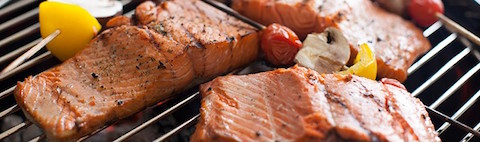
wild-salmon
Wild salmon (picture used with permission: Vital Choice

Seafood is a great source of amino acids, omega-3 fatty acids, zinc, iodine, iron, calcium, selenium, and vitamins B12, A, and D, many of which are beneficial for mood disorders.

Fish in the diet has a positive impact on depression

A number of studies have found that including fish in the diet has a positive impact on depression, especially those that refer to traditional diets (the famous one is by Jacka and colleagues) and the Mediterranean diet (there are a number of studies by Sanchez-Villegas et al). A study from Finland found that the prevalence of depression was lower in countries where consumption of seafood is high.

When it comes to diet and nutrients there is much more research on depression than anxiety, so when my book The Antianxiety Food Solution was published in 2011, I wrote the following:

Given the link between anxiety and depression, it’s possible that seafood consumption could also help reduce the incidence of anxiety.

A study that now shows reduced anxiety with fish consumption

We have a study that now shows this: Reduced anxiety in forensic inpatients after a long-term intervention with Atlantic salmon

In the study, 95 male forensic patients were randomly assigned to one of two groups:

  • a Fish group where they consumed Atlantic salmon three times per week from September to February OR
  • a Control group where they consumed other protein sources such as chicken, pork, or beef three times per week, also from September to February

The paper lists the incidence of the following disorders amongst the study participants (all sexual offenders) who were in a secure forensic inpatient facility in the USA:

Personality disorders (antisocial personality disorder, borderline personality disorder or personality disorder with antisocial traits) were diagnosed among 76% of the participants. Moreover, about 31% of the participants were diagnosed with some kind of anxiety disorder (GAD, OCD, PD or post-traumatic stress disorder) and about 18% were diagnosed with depression (major depressive disorder or depressive disorder). About 31% of the participants had both a personality disorder and an anxiety or depressive disorder.

The study findings

The study participants consumed salmon for 6 months and the study findings suggest that

Atlantic salmon consumption may have an impact on mental health related variables such as underlying mechanisms playing a key role in emotion-regulation and state-anxiety

And that

The present results showed that fatty fish consumption caused changes in HRV [heart rate variability] which is regarded as an essential underlying biological mechanism involved in anxiety and emotion-regulation.

A few interesting factors about this study

  • The salmon was farmed and mercury and dioxin levels were measured. Despite this, mental health benefits and reduced anxiety was observed. I suspect even more favorable results would have been observed had wild salmon been used
  • The authors mention that a longer intervention as in this study i.e. 23 weeks/6 months is likely to lead to better results than a shorter intervention
  • The Fish group had a significant increase in both omega-3 fatty acids: EPA and DHA
  • The authors speculate about how improved vitamin D status in the Fish group may help regulate serotonin production and thereby help regulate heart rate variability and reduce anxiety
  • The study highlights nutritional benefits of fatty fish other than marine omega-3 fatty acids and vitamin D: selenium, iodine, vitamin B12 and high quality proteins. I’d like to add that it is a source of zinc and iron too, both of which are co-factors for making brain chemicals.
  • Although the study found a significant decrease in state-anxiety, it did not find any changes in trait-anxiety (here are the differences in state-anxiety and trait-anxiety). The authors suggest that trait-anxiety may be more difficult to change during a 6-month intervention study. I’d like to add that other concurrent nutritional and biochemical interventions would likely have provided additional mental health benefits. This could include: a gluten-free diet, targeted individual amino acids, addressing dysbiosis, addressing high or low histamine, pyroluria and zinc-copper imbalances and so on.

The authors mention a limitation of the study, in that this group of adult male forensic inpatients may make it difficult to generalize the results to other groups in the population and recommend further similar research in children and women.

I look forward to future research but I feel very comfortable about putting this limitation aside for now, especially with the positive results found with this group of patients with very severe symptoms.

I also feel very comfortable extrapolating these results from salmon to sardines and would expect similar beneficial results. I highly recommend selecting wild salmon or wild sardines rather than farmed.

If you suffer from anxiety and stress, or any mood disorder, I hope this research is further motivation to eat wild fatty fish a few times a week. How much fatty fish do you eat each week and have you observed mood or other health improvements?

And if you’re a practitioner, I hope this research is a bigger incentive to continue to recommend fatty fish to your clients or patients.

If you’re looking for some great recipes check out this yummy summer salmon pate recipe and this delicious pomegranate olive mint salsa to serve on grilled salmon. Vital Choice, a wonderful source for great quality home delivery WILD fish, has great recipes on their site too.

Filed Under: Fish Tagged With: anxiety, fatty fish, salmon, sardines, serotonin, vitamin D

Bergamot, lavender and ylangylang for anxiety and high blood pressure

August 4, 2016 By Trudy Scott 23 Comments

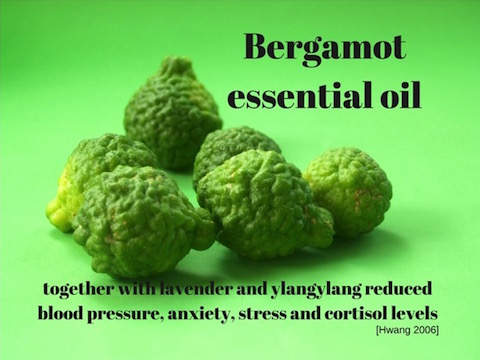
bergamot-eo

The wonderful combination of bergamot, lavender and ylangylang essential oils have been found to lower high blood pressure and reduce anxiety.

The study The effects of the inhalation method using essential oils on blood pressure and stress responses of clients with essential hypertension was published in 2006 and looked at 52 people who were anxious and stressed, and had high blood pressure.

The participants were placed in an essential oil group, a placebo group, and a control group by random assignment.

The essential oil group used aromatherapy inhalation by blending lavender, ylangylang, and bergamot essential oils once a day for 4 weeks.

To evaluate the effects of aromatherapy, blood pressure and pulse were measured two times a week and serum cortisol levels, catecholamine levels, subjective stress, and state anxiety were measured before and after treatment in the three groups.

 Here are the results of the study:

The blood pressure, pulse, subjective stress, state anxiety, and serum cortisol levels among the three groups were significantly statistically different.

The results suggest that the inhalation method using essential oils can be considered an effective nursing intervention that reduces psychological stress responses and serum cortisol levels, as well as the blood pressure of clients with essential hypertension.

They did not see any significant differences in catecholamine levels among the three groups but keep in mind this was only a 4-week study. And to see those other results in just 4 weeks is very encouraging! A simple intervention and yet very profound.

Dietary changes and amino acids and other nutrients are my go-to approach for anxiety but I’m finding more and more of my clients benefit with the addition of essential oils.

Essential oils are also very beneficial in the following instance where amino acids and other supplements can’t be taken or are not tolerated:

  • Young children (inhalation aromatherapy and creams/lotions work well here)
  • Older adults (creams/lotions work well when there is loss of smell with dementia or Alzheimer’s disease)
  • Someone going through benzodiazepine withdrawal and is too sensitive for supplements or can only tolerate small amounts

I talk about this research and other essential oils for anxiety and stress in the upcoming Essential Oils Revolution 2 summit which runs August 22 to 29. I’m thrilled to be part of this event!

essential-oils-revolution-banner

People all over the world are scrambling to find the answer to health problems like diabetes, pain, chronic fatigue, anxiety, estrogenic cancers and more. Millions are turning to natural solutions and many have experienced great success with essential oils. Learn if oils could be the missing ingredient for you and your family! What you will gain from this event:

  • Why essential oils are truly nature’s best medicine
  • How to use essential oils safely and effectively
  • Tips for regaining control of your health
  • Home recipes, guides, safety protocols and best practices
  • And so much more!

More than 165,000 people joined the 2015 Essential Oils Revolution. This year, the experts in aromatherapy, medicine and research will deliver in-depth discussion, debunk common myths and help you learn about the possibility of regaining your health using essential oils.

I can’t wait to learn more and hope you’ll tune in too. Here is the registration link:
https://qt247.isrefer.com/go/EOR16reg/trudyscottcn/

Let’s get the conversation started now. Feel free to share which essential oils you use for anxiety and stress? And how do you use them?

Filed Under: Essential oils, Events Tagged With: anxiety, Bergamot, cortisol, Essential Oils Revolution, high blood pressure, lavender, stress, Ylangylang

  • « Go to Previous Page
  • Page 1
  • Interim pages omitted …
  • Page 59
  • Page 60
  • Page 61
  • Page 62
  • Page 63
  • Interim pages omitted …
  • Page 96
  • Go to Next Page »

Primary Sidebar

GABA QuickStart Homestudy

gaba quickstart homestudy

Free Report

9 Great Questions Women Ask about Food, Mood and their Health

You'll also receive a complimentary subscription to my ezine "Food, Mood and Gal Stuff"


Connect with me

Popular Posts

  • Amino Acids Mood Questionnaire from The Antianxiety Food Solution
  • The Antianxiety Food Solution Amino Acid and Pyroluria Supplements
  • Pyroluria Questionnaire from The Antianxiety Food Solution
  • Collagen and gelatin lower serotonin: does this increase your anxiety and depression?
  • Tryptophan for the worry-in-your-head and ruminating type of anxiety
  • GABA for the physical-tension and stiff-and-tense-muscles type of anxiety
  • The Antianxiety Food Solution by Trudy Scott
  • Seriphos Original Formula is back: the best product for anxiety and insomnia caused by high cortisol
  • Am I an anxious introvert because of low zinc and vitamin B6? My response to Huffington Post blog
  • Vagus nerve rehab with GABA, breathing, humming, gargling and key nutrients

Recent Posts

  • Her cravings for chips and peanut butter were triggered by stress: GABA ends cravings and reduces physical tension and fear of heights
  • It is truly miraculous to be able to move through life without crippling anxiety and panic
  • GABA and tryptophan combo provide immediate and noticeable relief for tremors and cervical dystonia in just 7 days
  • Red light therapy for back and neck pain, plantar fasciitis and low mood – a complement to the amino acids GABA, DPA and tryptophan
  • What do I use instead of Seriphos to help lower high cortisol that is affecting my sleep and making me anxious at night?

Categories

  • 5-HTP
  • AB575
  • Addiction
  • ADHD
  • Adrenals
  • Alcohol
  • Allergies
  • Alzheimer's disease
  • Amino Acids
  • Anger
  • Antianxiety
  • Antianxiety Food Solution
  • Antidepressants
  • Anxiety
  • Anxiety and panic
  • Autism
  • Autoimmunity
  • benzodiazapines
  • Bipolar disorder
  • Books
  • Caffeine
  • Cancer
  • Candida
  • Children/Teens
  • Collagen
  • Cooking equipment
  • Coronavirus/COVID-19
  • Cravings
  • Depression
  • Detoxification
  • Diabetes
  • Diet
  • DPA/DLPA
  • Drugs
  • EFT/Tapping
  • EMF
  • EMFs
  • Emotional Eating
  • Endorphins
  • Environment
  • Essential oils
  • Events
  • Exercise
  • Fear
  • Fear of public speaking
  • Fertility and Pregnancy
  • Fish
  • Food
  • Food and mood
  • Functional neurology
  • GABA
  • Gene polymorphisms
  • General Health
  • Giving
  • Giving back
  • Glutamine
  • Gluten
  • GMOs
  • Gratitude
  • Gut health
  • Heart health/hypertension
  • Histamine
  • Hormone
  • Hyperparathyroidism
  • Hypoglycemia
  • Immune system
  • Inflammation
  • Insomnia
  • Inspiration
  • Introversion
  • Joy and happiness
  • Ketogenic diet
  • Lithium orotate
  • Looking awesome
  • Lyme disease and co-infections
  • MCAS/histamine
  • Medication
  • Men's health
  • Mental health
  • Mercury
  • Migraine
  • Mold
  • Movie
  • MTHFR
  • Multiple sclerosis
  • Music
  • NANP
  • Nature
  • Nutritional Psychiatry
  • OCD
  • Osteoporosis
  • Oxalates
  • Oxytocin
  • Pain
  • Paleo
  • Parasites
  • Parkinson’s disease
  • PCOS
  • People
  • PMS
  • Postpartum
  • PTSD/Trauma
  • Pyroluria
  • Questionnaires
  • Real whole food
  • Recipes
  • Research
  • Schizophrenia
  • serotonin
  • SIBO
  • Sleep
  • Special diets
  • Sports nutrition
  • Stress
  • Sugar addiction
  • Sugar and mood
  • Supplements
  • Teens
  • Testimonials
  • Testing
  • The Anxiety Summit
  • The Anxiety Summit 2
  • The Anxiety Summit 3
  • The Anxiety Summit 4
  • The Anxiety Summit 5
  • The Anxiety Summit 6
  • Thyroid
  • Thyroid health
  • Toxins
  • Tryptophan
  • Tyrosine
  • Uncategorized
  • Vegan/vegetarian
  • Women's health
  • Yoga

Archives

  • May 2026
  • April 2026
  • October 2025
  • September 2025
  • August 2025
  • July 2025
  • June 2025
  • May 2025
  • April 2025
  • March 2025
  • February 2025
  • January 2025
  • November 2024
  • October 2024
  • September 2024
  • August 2024
  • July 2024
  • June 2024
  • May 2024
  • April 2024
  • March 2024
  • February 2024
  • January 2024
  • December 2023
  • November 2023
  • October 2023
  • September 2023
  • August 2023
  • July 2023
  • June 2023
  • May 2023
  • April 2023
  • March 2023
  • February 2023
  • January 2023
  • December 2022
  • November 2022
  • October 2022
  • September 2022
  • August 2022
  • July 2022
  • June 2022
  • May 2022
  • April 2022
  • March 2022
  • February 2022
  • January 2022
  • December 2021
  • November 2021
  • October 2021
  • September 2021
  • August 2021
  • July 2021
  • June 2021
  • May 2021
  • April 2021
  • March 2021
  • February 2021
  • January 2021
  • December 2020
  • November 2020
  • October 2020
  • September 2020
  • August 2020
  • July 2020
  • June 2020
  • May 2020
  • April 2020
  • March 2020
  • February 2020
  • January 2020
  • December 2019
  • November 2019
  • October 2019
  • September 2019
  • August 2019
  • July 2019
  • June 2019
  • May 2019
  • April 2019
  • March 2019
  • February 2019
  • January 2019
  • December 2018
  • November 2018
  • October 2018
  • September 2018
  • August 2018
  • July 2018
  • June 2018
  • May 2018
  • April 2018
  • March 2018
  • February 2018
  • January 2018
  • December 2017
  • November 2017
  • October 2017
  • September 2017
  • August 2017
  • July 2017
  • June 2017
  • May 2017
  • April 2017
  • March 2017
  • February 2017
  • January 2017
  • December 2016
  • November 2016
  • October 2016
  • September 2016
  • August 2016
  • July 2016
  • June 2016
  • May 2016
  • April 2016
  • March 2016
  • February 2016
  • January 2016
  • December 2015
  • November 2015
  • October 2015
  • September 2015
  • August 2015
  • July 2015
  • June 2015
  • May 2015
  • April 2015
  • March 2015
  • February 2015
  • January 2015
  • December 2014
  • November 2014
  • October 2014
  • September 2014
  • August 2014
  • July 2014
  • June 2014
  • May 2014
  • April 2014
  • March 2014
  • February 2014
  • January 2014
  • December 2013
  • November 2013
  • October 2013
  • September 2013
  • August 2013
  • July 2013
  • June 2013
  • May 2013
  • April 2013
  • March 2013
  • February 2013
  • January 2013
  • December 2012
  • November 2012
  • October 2012
  • August 2012
  • July 2012
  • June 2012
  • May 2012
  • April 2012
  • March 2012
  • February 2012
  • January 2012
  • December 2011
  • November 2011
  • October 2011
  • September 2011
  • August 2011
  • July 2011
  • June 2011
  • May 2011
  • April 2011
  • March 2011
  • February 2011
  • January 2011
  • December 2010
  • October 2010
  • September 2010
  • July 2010
  • May 2010
  • April 2010
  • March 2010
  • February 2010
  • January 2010
  • November 2009

Share the knowledge!

The above statements have not been evaluated by the Food and Drug Administration. Products listed in this website are not intended to diagnose, treat, cure or prevent any disease.

The information provided on this site is for informational and educational purposes only and is not intended as a substitute for advice from your physician or other health care professional. You should consult with a healthcare professional before starting or modifying any diet, exercise, or supplementation program, before taking or stopping any medication, or if you have or suspect you may have a health problem.


Copyright © 2026 Trudy Scott. All Rights Reserved. | Privacy | Terms and Conditions | Refund Policy | Medical Disclaimer

Free Report

9 Great Questions Women Ask about Food, Mood and their Health

You’ll also receive a complimentary subscription to my ezine “Food, Mood and Gal Stuff”