• Skip to primary navigation
  • Skip to main content
  • Skip to primary sidebar

everywomanover29 blog

Food, Mood and Women's Health – Be your healthiest, look and feel great!

  • Blog
  • About
  • Services
  • Store
  • Resources
  • Testimonials
  • The Book
  • Newsletter
  • Contact
  • Search this site

anxiety

Sugar vs fat, BPA in cans, PCOS awareness month: in the news

September 16, 2016 By Trudy Scott 2 Comments

sugar-vs-fat

Sugar vs fat, BPA in cans, and PCOS awareness month are all in the news this month so here are some links to more information on each of these topics.

This shocking NPR article covers this new paper about the sugar vs fat debate: 50 years ago, sugar industry quietly paid scientists to point blame at fat

In the 1960s, the sugar industry funded research that downplayed the risks of sugar and highlighted the hazards of fat, according to a newly published article in JAMA Internal Medicine.

The article draws on internal documents to show that an industry group called the Sugar Research Foundation wanted to “refute” concerns about sugar’s possible role in heart disease. The SRF then sponsored research by Harvard scientists that did just that. The result was published in the New England Journal of Medicine in 1967, with no disclosure of the sugar industry funding.

It’s hard to believe that researchers would do this! The worst part is that this type of thing is still happening. You can read some of Marion Nestle’s commentary at the end of the above article.

At least now research sponsors do have to be disclosed so we are hopefully getting better at preventing this type of thing. We must always look at who funds a paper.
canned-foods

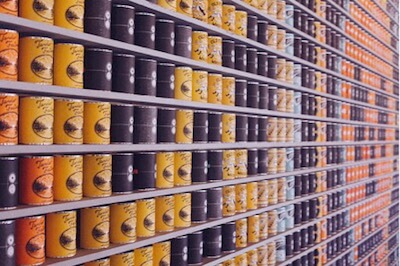
A CNN article, Canned foods linked to BPA risk in new study reports:

A study published in the journal Environmental Research on Wednesday not only reveals that consuming canned foods can expose our bodies to BPA, it pinpoints the worst offenders.

The study suggests that canned soups and pasta can expose consumers to higher concentrations of BPA than canned vegetables and fruit – and although those foods are tied to BPA concentrations, canned beverages, meat and fish are not.

BPA stands for bisphenol A, it’s a chemical that is found in plastics and it behaves in a very similar way to estrogen in the body. Because of this it’s called an endocrine disrupter and has an impact on depression, ADHD and anxiety.

An animal study published in 2015, Hypothalamic-pituitary-adrenal axis hyperactivity accounts for anxiety- and depression-like behaviors in rats perinatally exposed to bisphenol A reports

hyperactivity of the HPA [hypothalamic-pituitary-adrenal axis] is an important link between perinatal BPA exposure and persistent potentiation in anxiety and depression

It’s unfortunate they didn’t get a commentary from the Environmental Working Group which has a great short Guide to BPA.
pcos-yoga

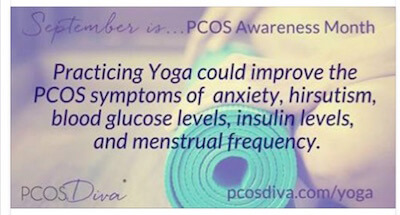
September is PCOS awareness month and here is some wonderful information on yoga for anxiety and PCOS, from my friend and PCOS expert Amy Medling at PCOS Diva. I’m such a big fan of yoga for stress and anxiety but had no idea it could improve these PCOS symptoms:

Yoga can reduce anxiety symptoms, reduce mFG score for hirsutism, improve menstrual frequency, insulin values and more according to a 2012 study. For more about the benefits of yoga for women with PCOS check out this blog post: 5 Reasons Why Yoga is Beneficial for PCOS

In case you’re not familiar with PCOS, Amy shares this overview on her site

PCOS Polycystic Ovarian Syndrome (PCOS) is one of the most common endocrine disorders found in women, affecting approximately 10% of women worldwide, with less than 50% of them diagnosed. The syndrome is present throughout a woman’s life from puberty through post-menopause and affects women of all races and ethnic groups. Women with PCOS wrestle with an array of possible symptoms including obesity, irregular menstrual cycles, infertility, depression [and anxiety], acne, and hair loss. Far reaching health implications such as increased risk of cardiovascular disease and diabetes make these already stressful symptoms even more daunting.

What do you think? Are you shocked about the sugar study discovery? Do you already avoid BPA? Do you have PCOS or know someone who has PCOS?

Filed Under: Sugar and mood, Yoga Tagged With: anxiety, BPA, depression, fat, PCOS, sugar, yoga

Erin Matlock: talk about suicide, don’t gloss over it and don’t flinch!

September 9, 2016 By Trudy Scott 29 Comments

erin-matlock-talk-suicide

Earlier this week when Erin Matlock shared her “Changing Fate” video from the Superhero You live event she said this:

This is hands down the most personal and most difficult talk I’ve ever given. In it I read from my own suicide note.

Please help us send this video out into the world so that people who are suffering alone can see that they are so very not alone.

I was very moved to share this video and since it’s National Suicide Prevention Week and World Suicide Prevention Day, September 10th, I’ve added to her wonderful message by sharing some powerful nutritional resources too.

You can WATCH the entire 16 minute video from the SuperheroYou live event VIA THIS LINK on the SuperheroYou facebook page. This is what Superhero You founder Jim Kwik shared when posting the video:

If you feel broken, alone, or unhappy, this might be the most important video you watch today.

Most of us think suicide is something that happens to strangers – not to people we know. But someone dies by suicide every 40 seconds. That’s 15,385 people this week and 800,000 people this year. If you have 1,000 Facebook friends, 60 of them have thought about suicide in the past year.

Erin Matlock knows this struggle well. She battled major depression for 15 years and had 4 escalating attempts on her own life. Today, Erin is a mental health advocate and founder of the Brain Summit, an online platform where experts present the latest tools and techniques to upgrade your brain. In the video, Erin shares how neuroscience helped her during this time, the challenges that even the happiest-seeming people might face, and what you can do if you (or someone you love) might be struggling.

Erin also talks about Cynthia Pasquella’s struggles with depression and saying “my brain is trying to murder me.” Here is her powerful blog where she bravely and openly shares: Let’s Talk About Depression – Because Most People Won’t And It’s Killing Us

Here is the resource list Erin shares:

National Suicide Prevention Lifeline (United States 24 hour hotline)
1-800-273-TALK

Samaritans  (United Kingdom and Republic of Ireland 24 hour hotline)
116 123 (UK) and 116 123 (ROI)

Beyond Blue (Australia 24 hour hotline and resources)
1300 22 4636

To Write Love On Her Arms
A nonprofit movement dedicated to presenting hope and finding help for people struggling with depression, addiction, self-injury, and suicide.

Mind
A UK charity with an extensive collection of information about mental health.

HeadsTogether
A UK Mental Health Awareness Campaign spearheaded by The Duke and Duchess of Cambridge and Prince Harry.

PsychologyToday Therapist Directory
Find Help From A licensed Therapist In Your Area

EEG Info Neurofeedback Provider Directory
Find a qualified clinician in your area

Advanced Brain Technologies Provider Directory
Music Listening Therapy

Fisher Wallace Stimulator
FDA approved device for the treatment of depression and anxiety. Stimulates the brain to produce serotonin while lowering cortisol.

You can find more wonderful resources from Erin on the Brain Pages and her website

erin-matlock-search-for-better-brain

In addition to the above resources Erin has so kindly shared I’d like to share some powerful and effective nutritional resources too. Just like anxiety, depression often has a biochemical and nutritional component and getting to the root cause of these imbalances and deficiencies can often completely eliminate the depression and suicidal thinking.

I hear this from Anxiety Summit attendees all the time:

Why has no-one told me that food and nutrients could have such an impact on my anxiety and panic attacks?

The same could be said for depression and suicidal thinking.

I also hear this from many in my community:

My anxiety (or depression) is SO severe there is no way that diet and nutrients could make a difference!

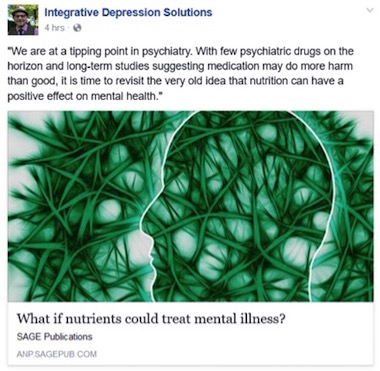
This is not true and I encourage you to have an open mind about this. We now have much research and so many integrative practitioners and nutritionists doing this work and seeing incredible results.  My colleague (and prior Anxiety Summit guest expert) Dr. Josh Friedman is one such practitioner and he has a wealth of information on his facebook page Integrative Depression Solutions. Here is just one example of a post:

nutrienta-and-mental-illness

The article was published in the Australian and New Zealand Journal of Psychiatry: What if nutrients could treat mental illness? and it starts with this sentence:

We are at a tipping point in psychiatry. With few psychiatric drugs on the horizon and long-term studies suggesting medication may do more harm than good, it is time to revisit the very old idea that nutrition can have a positive effect on mental health.

You can hear more about this topic in Julia Rucklidge’s TEDX talk: The surprisingly dramatic role of nutrition in mental health and read more about nutritional medicine in modern psychiatry from the International Society for Nutritional Psychiatry Research/ISNPR, and it’s founder Felice Jacka.

Here are some other nutritional resources for depression. Don’t let the word anxiety deter you – for some people anxiety is their biggest issue, for other it’s depression and the same underlying causes can be factors in both conditions.

60+ Nutritional & Biochemical Causes of Anxiety, a check-list to rule out possible underlying causes

The Anxiety Summit, an online event I host, now in its 4th season and called “a bouquet of hope”

The Depression Sessions, an online event hosted by Sean Croxton

The Mental Wellness Summit, an online event hosted by Dr. John Dempster and Ross McKenzie

The Medicinal Supplements Summit, co-hosted by Wendy Myers, airs next week (I cover both anxiety and depression in my interview)

The Brain Summit, hosted by Erin earlier this year.  I was fortunate enough to get to know Erin earlier this year, both as a speaker (I talked about grass-fed red meat and tryptophan) and by listening to her interview many wonderful brain experts like Alex Doman (who talked about music therapy for vagus nerve rehab).

A Mind of Your Own: The Truth about Depression and How Women Can Heal Their Bodies to Reclaim Their Lives, the wonderful best-selling book by Dr. Kelly Brogan

The Mood Cure: The 4-Step Program to Take Charge of Your Emotions–Today, the excellent book my mentor, Julia Ross

The Antianxiety Food Solution: How the Foods You Eat Can Help You Calm Your Anxious Mind, Improve Your Mood, and End Cravings, my book on anxiety

There is hope and just know there is an answer for you! Start by talking about how you feel, ask for help and work with someone to help you find your underlying cause and solution.

I know Erin’s courage and wisdom will get more people starting the conversation about suicide. And as she so wisely says:

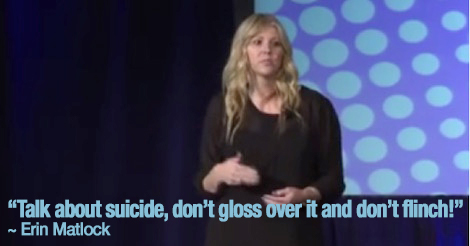
talk about suicide, don’t gloss over it and don’t flinch!

I’d like to challenge you to be a superhero and talk to at least three people about suicide in the next week, whether you’re the one having suicidal thoughts or whether you’re the one concerned about a loved one or friend who may be having suicidal thoughts. Don’t gloss over it and don’t flinch!


Filed Under: Depression, Food and mood Tagged With: anxiety, Cynthia Pasquella, depression, Erin Matlock, integrative, nutritional psychiatry, suicide, SuperHero

Zinc deficiency alters chick gut bacteria makeup and function

September 2, 2016 By Trudy Scott 11 Comments

chick-gut-mulfunction

A press release published by Cornell University shares research that has found that zinc deficiency alters gut bacteria makeup and function:

The researchers used broiler chickens in the study, partly due to their omnivorous appetites – which allowed the researchers to feed them purified diets – and because of their fatty acids and genetic similarities to humans.

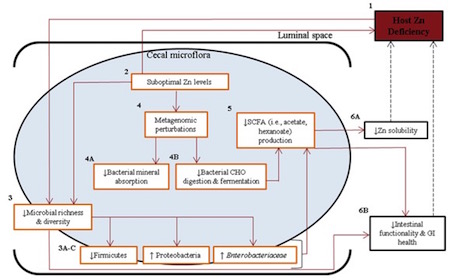
There is a great diagram in the actual study: Chronic Zinc Deficiency Alters Chick Gut Microbiota Composition and Function. It explains the proposed mechanisms by which a zinc-deficient gut microbiome may perpetuate a zinc-deficient state.

zinc-chick-diagram

Figure 8. Schematic diagram depicting proposed mechanisms by which a Zn [zinc] deficient gut microbiome may worsen a Zn deficient phenotype. Zn deficiency (1), caused by insufficient dietary Zn (2), induces a decrease in gut microbial diversity (3), and an outgrowth of bacteria particularly suited to low Zn conditions, leading to dysbiosis [3A–C]. Lack of dietary Zn also leads to alterations in the functional capacity of the microflora (4), causing multiple effects including decreased expression of pathways related to mineral (i.e., Zn) absorption (4A) and carbohydrate digestion and fermentation (4B). A decrease in the latter pathway may also cause a depression in the production of SCFAs [short chain fatty acids] (5), compounds responsible for improving the bioavailability of Zn. Altogether, these microbial effects may decrease Zn absorbability (6A) and disturb GI health (6B), thereby perpetuating a Zn deficient state. Red arrows and orange–lined boxes denote observations of this study, and dashed arrows and black–lined boxes describe published findings.

The above is shared here under the Creative Commons Attribution License and can be found here: Reed, S.; Neuman, H.; Moscovich, S.; Glahn, R.P.; Koren, O.; Tako, E. Chronic Zinc Deficiency Alters Chick Gut Microbiota Composition and Function. Nutrients 2015, 7, 9768-9784.

Zinc status is notoriously difficult to assess so I am fascinated by the findings of this Cornell University study suggesting

a simple new way to test for zinc deficiency by analyzing a patient’s fecal sample and seeing if the profile of gut bacteria matches the makeup one would expect in a zinc-deficient individual.

The authors suggest that with additional research this zinc stool test could become a noninvasive biomarker for zinc deficiency.

Zinc deficiency is common, affecting 25 percent of the world’s population, especially in the developing world.

Zinc deficiency plays a major role in anxiety and depression. Here is a recent paper on the connection between low serum zinc, high CRP (a marker of inflammation) and pre- and post-natal anxiety and depression: Lower Serum Zinc and Higher CRP Strongly Predict Prenatal Depression and Physio-somatic Symptoms, Which All Together Predict Postnatal Depressive Symptoms.

New research, soon to be published by the Journal of Neuroscience by researchers at the University of Auckland, shows the importance of zinc in autism. The study looks at how zinc can affect brain cell communication that is altered at the cellular level.

The researchers suggest this research may have applications for psychiatric disorders such as schizophrenia (and presumably anxiety and depression too).

I feel that we have an under-recognized opportunity to have a bigger impact on mental and physical health if we take zinc deficiency more seriously.

Have you had your zinc status assessed and do you supplement accordingly?

If you’re a practitioner, do you regularly check the zinc status of all your patients/clients?

Filed Under: Gut health Tagged With: anxiety, autism, depression, gut, Gut bacteria, microbiome, zinc, Zinc stool test

Confused about supplements? Join me on the Medicinal Supplements Summit

August 29, 2016 By Trudy Scott 1 Comment

medical-supplement-summit-speakers

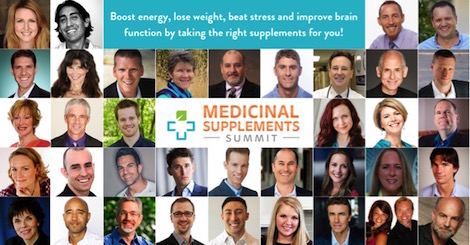
Confused about supplements? Are you they doing you more harm than good? Join me on The Medicinal Supplements Summit from September 12-19, 2016 and learn the latest in supplement customization to beat stress and end anxiety, boost energy, lose weight, improve brain function and heal your body!

Your hosts of The Medicinal Supplements Summit are Wendy Myers, an expert in detoxification and founder of Liveto110.com, and Ian Clark, founder of Activation Products.  

They both understand the importance of taking the right supplements – after all, they both healed their own health crises through targeted supplements, whole body health and the power of micronutrients!

This event is dedicated to helping you determine what you need, separate “claims” from the truth, customize to your needs and make proper decisions at the store or online.

All reasons not to miss The Medicinal Supplements Summit, online from September 12-19, 2016!

Here is the line-up of topics:

DAY 1 (September 12, after 10am US eastern)
The Medicinal Supplements Summit starts. We’ll discuss whether you need supplements to be healthy, can you get all your nutrients from food and important supplements missing from your health regime!

DAY 2 (September 13, after 10am US eastern)
On Day 2 of The Medicinal Supplements Summit, we discuss top supplements in depth: fish oil, probiotics, Vitamin C, food-based vs. synthetic supplements and minerals, like magnesium. Learn what kind of supplements you should take and how to take them!

DAY 3 (September 14, after 10am US eastern)
On Day 3 of The Medicinal Supplements Summit, we discuss tips and tests you can take to customize supplements to your body’s needs. Take the guesswork out of choosing supplements!

DAY 4 (September 15, after 10am US eastern)
Buyer beware! On day 4 of The Medicinal Supplements Summit we discuss the supplement categories that require extra scrutiny before you buy: weight loss, detox, energy, performance-enhancing and protein supplements. These supplement categories offer products that are harmful or ineffective, and should be avoided.

DAY 5 (September 16, after 10am US eastern)
On Day 5 of The Medicinal Supplements Summit, we review the top medicinal supplements for common health conditions: heart disease, pain, adrenal fatigue, thyroid dysfunction, gut health and autoimmunity. These supplements should be in your medicine cabinet!

DAY 6 (September 17, after 10am US eastern)
Day 6 at The Medicinal Supplements Summit reviews supplements for common health conditions: brain fog, depression, anxiety, digestive issues, fibromyalgia, pain and sleep disturbances.  

My interview airs on day 6: Using Amino Acids for Anxiety and Depression

  • How to find out what type of depression you have
  • Specific amino acids for your type of depression or anxiety (individual targeted amino acids: tryptophan, GABA, DPA, glutamine and tyrosine)
  • Serious complications caused by anti-anxiety medication

DAY 7 (September 18, after 10am US eastern)
On Day 7 of The Medicinal Supplements Summit, we discuss hot topics in the supplement world: toxic metals in supplements, hidden gluten, ingredients to avoid and using essential oils.

DAY 8 (September 19, after 10am US eastern)
Encore Day at The Medicinal Supplements Summit!

Here is the registration link https://qt247.isrefer.com/go/SUPP16reg/trudyscottcn/

Hope to see you there.

Filed Under: Events Tagged With: amino acids, anxiety, depression, GABA, Medicinal supplements summit, supplements, tryptophan, Wendy Myers

Tryptophan and melatonin make a big difference but why do I still wake at 4am?

August 26, 2016 By Trudy Scott 113 Comments

waking-up-early

I get many questions on the blog about problems with sleep: not able to fall asleep, not waking rested and waking in the early hours and not being able to go back to sleep. By far the most common question is “Why do I still wake at 4am and can’t go back to sleep?”

So let me share one of the typical questions I receive and my feedback in the hope that something you read here may help you or someone you’re working with. Here is the question:

I purchased Lidtke l-Tryptophan and time release melatonin and notice a big difference in my sleep. Instead of waking up every two hours I’m sleeping better but still wake up at 4 am and can’t get back to sleep. GABA hasn’t helped. What can I take to get back to sleep and what are your thoughts on Seriphos Phosphorylated Serine? I think my anxiety has to do with my adrenals because I wake up in a sweat and am way past menopause.

Since she is seeing a big difference with tryptophan and timed-release melatonin, low serotonin is the likely root cause of her insomnia or at least one of the root causes. We always want to capitalize on what is already working. Too many people don’t see expected results with 1 x 500mg tryptophan at bedtime and 1mg timed-release melatonin and start looking for other solutions when the answer may be right in front of them.

Here are the steps I’d follow with a client with similar sleep challenges:

  • Try more tryptophan, increasing it slowly over the course of a few weeks in the hope that it more will provide more serotonin support. This is what I call an amino acid trial where you rate and log your improvements as you incrementally increase – with the goal of finding an optimal amount for your needs. We all have different needs and post menopause it’s not uncommon for women to experience anxiety, depression and insomnia related to low serotonin and fluctuating sex hormones. We also always want to capitalize on what is already working.
  • Also, to add to what’s working, add tryptophan mid-afternoon if it’s not already in place. When someone scores high on the low serotonin questionnaire the typical timing of tryptophan is mid-afternoon and an hour before bed (always away from protein). Serotonin levels start to decline mid-afternoon hence the benefits of a mid-afternoon dose. Start low and increase slowly.
  • I would also suggest trying the tryptophan opened up (at both times) to see if this makes a difference.
  • Taking a tryptophan at the 4am waking can help you go back to sleep so this is worth trying. For some people 500mg at 4am is too much and using 125mg or 250mg works well. You determine the amount based on how you feel when you do get up. If you were able to go back to sleep easily buy wake groggy then it’s too much.
  • Some people are reporting better results with Lidtke Tryptophan Complete (which has all the co-factor nutrients) so this may be worth trialing too. I’d start by adding to what is already in place.
  • If we get benefits with any of the above by are not quite there then I would suggest additional timed-release melatonin until sleep improves.

This is always done slowly and methodically over the course of a few weeks. I always have my clients carefully log what they try and what is working and not working.

Other factors we’d make sure are addressed:

  • What GABA was used, was it trialed (starting low and increased) and was it used sublingually?
  • Is high cortisol at night a factor? Doing an adrenal saliva test will provide the answer. If it is then the Interplexus Seriphos is the best for lowering it. It’s best to take 1-3 x Seriphos about 2-3 hours before the high cortisol.  [UPDATE: INTERPLEXUS SERIPHOS WAS REFORMULATED IN 2016 – PLEASE SEE BELOW FOR MORE ON THIS]
  • Is gut health a factor? Look into SIBO, gluten sensitivity, other food sensitivities, dysbiosis and parasites (which are often active in the early hours and can cause night sweats)
  • Is there a sex hormone imbalance? Even with someone way past menopause, the night sweats mean this should be ruled out. The addition of amino acids starts to balance the hormones but more support may be needed.  
  • Is any caffeine (even decaf) still being consumed?
  • Is blood sugar stable? Make sure to have breakfast with animal protein and healthy fats and the same at each meal and for snacks. Consider a trial of glutamine during the day and just before bed for added blood sugar stability
  • Are medications a factor? Current medications or prior use of benzodiazepines or SSRIs can affect sleep even long after they have been tapered.
  • Is sleep apnea a factor?

We also address all the usual sleep hygiene factors: dark room, cool room, quiet room, no cell phone or clock radio on the bedside table, no late night computer use and getting some early morning light.

Many essential oils can provide added benefits when diffused at night or mixed with a carrier oil and used topically. One lovely combination I share on the Essential Oils Revolution 2 (happening now) is lavender, roman chamomile and neroli which helps both insomnia and anxiety.

There can be many other possible root causes of insomnia: autoimmunity, Lyme disease, pain, past trauma or grief and even genetic polymorphisms, all covered on the recent Sleep Success Summit.

Have you used tryptophan or other amino acids like GABA (for the more physical tension) and melatonin to reduce or eliminate early morning waking episodes?

If you’re a practitioner, have you helped your clients/patients with this methodical approach?

What else has helped you?

Update August 27, 2016 : INTERPLEXUS SERIPHOS HAS BEEN REFORMULATED -I am doing research to find suitable alternatives. For now, feel free to read through the comments below for discussions about this.  Once I have some useful information I’ll create a new blog post. 

Update November 18, 2016: Here are some possible alternatives to Seriphos

Update January 20, 2017: The Original Formula of Seriphos has been reintroduced you can read more about this here


Filed Under: Sleep Tagged With: amino acids, anxiety, GABA, insomnia, melatonin, seriphos, serotonin, sleep, tryptophan, waking

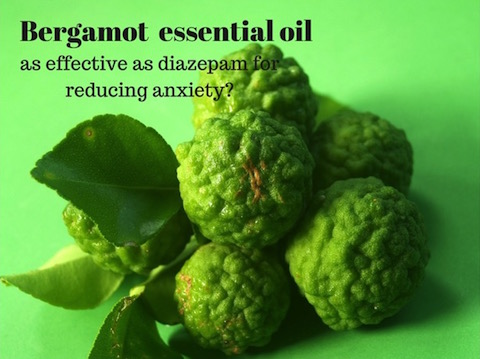
Bergamot as effective as diazepam for reducing anxiety?

August 19, 2016 By Trudy Scott 75 Comments

bergamot-green

Could the essential oil bergamot be as effective as diazepam (a benzodiazepine) in reducing anxiety?

An animal study shows very promising results: Acute effects of bergamot oil on anxiety-related behaviour and corticosterone level in rats

both BEO [bergamot essential oil] and diazepam exhibited anxiolytic-like behaviours and attenuated HPA axis activity by reducing the corticosterone response to stress

What this is means is that the bergamot was found to be as effective as diazepam in reducing the anxiety. Bergamot also reduced cortisol levels.

I’m really excited to see a study comparing an essential oil with benzodiazepines because I’m really worried that so many people are being prescribed benzodiazepines and that they are being used long-term. They are meant to be used short-term, if at all. They have very addictive properties, there are dependence issues and can be really really hard to quit, often with a very challenging withdrawal period. And too many people, including many in the medical profession, are not aware of all the issues once you start down this road.

If you’ve been following me for some time you’ll know I’m really vocal about the dangers of this class of medication.  You can read about the first World Benzodiazepine Awareness Day here.

How wonderful if we use these other wonderful approaches instead of benzodiazepines: use an essential oil like bergamot (or more than one – like lavender, roman chamomile and neroli too) and make food changes (like quitting gluten, caffeine and sugar), and add some amino acids like GABA and tryptophan and reduce the stress in our lives!

I talk about this research and other essential oils for anxiety and stress in the Essential Oils Revolution 2 summit which runs August 22 to 29. I’m so thrilled to be part of this event!

essential-oils-revolution-banner

Let’s get the conversation started now. Feel free to share which essential oils you use for anxiety and stress? And how do you use them?


Filed Under: Antianxiety, Essential oils, Events Tagged With: anxiety, benzodiazepine, Bergamot, diazepam, essential oils, Essential Oils Revolution

  • « Go to Previous Page
  • Page 1
  • Interim pages omitted …
  • Page 58
  • Page 59
  • Page 60
  • Page 61
  • Page 62
  • Interim pages omitted …
  • Page 96
  • Go to Next Page »

Primary Sidebar

GABA QuickStart Homestudy

gaba quickstart homestudy

Free Report

9 Great Questions Women Ask about Food, Mood and their Health

You'll also receive a complimentary subscription to my ezine "Food, Mood and Gal Stuff"


Connect with me

Popular Posts

  • Amino Acids Mood Questionnaire from The Antianxiety Food Solution
  • The Antianxiety Food Solution Amino Acid and Pyroluria Supplements
  • Pyroluria Questionnaire from The Antianxiety Food Solution
  • Collagen and gelatin lower serotonin: does this increase your anxiety and depression?
  • Tryptophan for the worry-in-your-head and ruminating type of anxiety
  • GABA for the physical-tension and stiff-and-tense-muscles type of anxiety
  • The Antianxiety Food Solution by Trudy Scott
  • Seriphos Original Formula is back: the best product for anxiety and insomnia caused by high cortisol
  • Am I an anxious introvert because of low zinc and vitamin B6? My response to Huffington Post blog
  • Vagus nerve rehab with GABA, breathing, humming, gargling and key nutrients

Recent Posts

  • Her cravings for chips and peanut butter were triggered by stress: GABA ends cravings and reduces physical tension and fear of heights
  • It is truly miraculous to be able to move through life without crippling anxiety and panic
  • GABA and tryptophan combo provide immediate and noticeable relief for tremors and cervical dystonia in just 7 days
  • Red light therapy for back and neck pain, plantar fasciitis and low mood – a complement to the amino acids GABA, DPA and tryptophan
  • What do I use instead of Seriphos to help lower high cortisol that is affecting my sleep and making me anxious at night?

Categories

  • 5-HTP
  • AB575
  • Addiction
  • ADHD
  • Adrenals
  • Alcohol
  • Allergies
  • Alzheimer's disease
  • Amino Acids
  • Anger
  • Antianxiety
  • Antianxiety Food Solution
  • Antidepressants
  • Anxiety
  • Anxiety and panic
  • Autism
  • Autoimmunity
  • benzodiazapines
  • Bipolar disorder
  • Books
  • Caffeine
  • Cancer
  • Candida
  • Children/Teens
  • Collagen
  • Cooking equipment
  • Coronavirus/COVID-19
  • Cravings
  • Depression
  • Detoxification
  • Diabetes
  • Diet
  • DPA/DLPA
  • Drugs
  • EFT/Tapping
  • EMF
  • EMFs
  • Emotional Eating
  • Endorphins
  • Environment
  • Essential oils
  • Events
  • Exercise
  • Fear
  • Fear of public speaking
  • Fertility and Pregnancy
  • Fish
  • Food
  • Food and mood
  • Functional neurology
  • GABA
  • Gene polymorphisms
  • General Health
  • Giving
  • Giving back
  • Glutamine
  • Gluten
  • GMOs
  • Gratitude
  • Gut health
  • Heart health/hypertension
  • Histamine
  • Hormone
  • Hyperparathyroidism
  • Hypoglycemia
  • Immune system
  • Inflammation
  • Insomnia
  • Inspiration
  • Introversion
  • Joy and happiness
  • Ketogenic diet
  • Lithium orotate
  • Looking awesome
  • Lyme disease and co-infections
  • MCAS/histamine
  • Medication
  • Men's health
  • Mental health
  • Mercury
  • Migraine
  • Mold
  • Movie
  • MTHFR
  • Multiple sclerosis
  • Music
  • NANP
  • Nature
  • Nutritional Psychiatry
  • OCD
  • Osteoporosis
  • Oxalates
  • Oxytocin
  • Pain
  • Paleo
  • Parasites
  • Parkinson’s disease
  • PCOS
  • People
  • PMS
  • Postpartum
  • PTSD/Trauma
  • Pyroluria
  • Questionnaires
  • Real whole food
  • Recipes
  • Research
  • Schizophrenia
  • serotonin
  • SIBO
  • Sleep
  • Special diets
  • Sports nutrition
  • Stress
  • Sugar addiction
  • Sugar and mood
  • Supplements
  • Teens
  • Testimonials
  • Testing
  • The Anxiety Summit
  • The Anxiety Summit 2
  • The Anxiety Summit 3
  • The Anxiety Summit 4
  • The Anxiety Summit 5
  • The Anxiety Summit 6
  • Thyroid
  • Thyroid health
  • Toxins
  • Tryptophan
  • Tyrosine
  • Uncategorized
  • Vegan/vegetarian
  • Women's health
  • Yoga

Archives

  • May 2026
  • April 2026
  • October 2025
  • September 2025
  • August 2025
  • July 2025
  • June 2025
  • May 2025
  • April 2025
  • March 2025
  • February 2025
  • January 2025
  • November 2024
  • October 2024
  • September 2024
  • August 2024
  • July 2024
  • June 2024
  • May 2024
  • April 2024
  • March 2024
  • February 2024
  • January 2024
  • December 2023
  • November 2023
  • October 2023
  • September 2023
  • August 2023
  • July 2023
  • June 2023
  • May 2023
  • April 2023
  • March 2023
  • February 2023
  • January 2023
  • December 2022
  • November 2022
  • October 2022
  • September 2022
  • August 2022
  • July 2022
  • June 2022
  • May 2022
  • April 2022
  • March 2022
  • February 2022
  • January 2022
  • December 2021
  • November 2021
  • October 2021
  • September 2021
  • August 2021
  • July 2021
  • June 2021
  • May 2021
  • April 2021
  • March 2021
  • February 2021
  • January 2021
  • December 2020
  • November 2020
  • October 2020
  • September 2020
  • August 2020
  • July 2020
  • June 2020
  • May 2020
  • April 2020
  • March 2020
  • February 2020
  • January 2020
  • December 2019
  • November 2019
  • October 2019
  • September 2019
  • August 2019
  • July 2019
  • June 2019
  • May 2019
  • April 2019
  • March 2019
  • February 2019
  • January 2019
  • December 2018
  • November 2018
  • October 2018
  • September 2018
  • August 2018
  • July 2018
  • June 2018
  • May 2018
  • April 2018
  • March 2018
  • February 2018
  • January 2018
  • December 2017
  • November 2017
  • October 2017
  • September 2017
  • August 2017
  • July 2017
  • June 2017
  • May 2017
  • April 2017
  • March 2017
  • February 2017
  • January 2017
  • December 2016
  • November 2016
  • October 2016
  • September 2016
  • August 2016
  • July 2016
  • June 2016
  • May 2016
  • April 2016
  • March 2016
  • February 2016
  • January 2016
  • December 2015
  • November 2015
  • October 2015
  • September 2015
  • August 2015
  • July 2015
  • June 2015
  • May 2015
  • April 2015
  • March 2015
  • February 2015
  • January 2015
  • December 2014
  • November 2014
  • October 2014
  • September 2014
  • August 2014
  • July 2014
  • June 2014
  • May 2014
  • April 2014
  • March 2014
  • February 2014
  • January 2014
  • December 2013
  • November 2013
  • October 2013
  • September 2013
  • August 2013
  • July 2013
  • June 2013
  • May 2013
  • April 2013
  • March 2013
  • February 2013
  • January 2013
  • December 2012
  • November 2012
  • October 2012
  • August 2012
  • July 2012
  • June 2012
  • May 2012
  • April 2012
  • March 2012
  • February 2012
  • January 2012
  • December 2011
  • November 2011
  • October 2011
  • September 2011
  • August 2011
  • July 2011
  • June 2011
  • May 2011
  • April 2011
  • March 2011
  • February 2011
  • January 2011
  • December 2010
  • October 2010
  • September 2010
  • July 2010
  • May 2010
  • April 2010
  • March 2010
  • February 2010
  • January 2010
  • November 2009

Share the knowledge!

The above statements have not been evaluated by the Food and Drug Administration. Products listed in this website are not intended to diagnose, treat, cure or prevent any disease.

The information provided on this site is for informational and educational purposes only and is not intended as a substitute for advice from your physician or other health care professional. You should consult with a healthcare professional before starting or modifying any diet, exercise, or supplementation program, before taking or stopping any medication, or if you have or suspect you may have a health problem.


Copyright © 2026 Trudy Scott. All Rights Reserved. | Privacy | Terms and Conditions | Refund Policy | Medical Disclaimer

Free Report

9 Great Questions Women Ask about Food, Mood and their Health

You’ll also receive a complimentary subscription to my ezine “Food, Mood and Gal Stuff”