• Skip to primary navigation
  • Skip to main content
  • Skip to primary sidebar

everywomanover29 blog

Food, Mood and Women's Health – Be your healthiest, look and feel great!

  • Blog
  • About
  • Services
  • Store
  • Resources
  • Testimonials
  • The Book
  • Contact
  • Search this site

addiction

Calming GABA, tryptophan to relinquish the evening bottle of red wine, theanine for focus and the pyroluria protocol

November 29, 2024 By Trudy Scott 5 Comments

gaba tryptophan theanine

I’m 61 years old postmenopausal. 2 GABA Calm under my tongue the second my eyes open in the morning. I keep it at the bedside. So that’s 250mg.

In the beginning I would also use two if I woke up at 2AM with a panic attack. That doesn’t happen as much anymore. I keep a bottle in my purse for panic attacks during the day. I haven’t had one of those in a couple of years. When I have a low stress week ahead, such as no social interaction scheduled, I go several days without any, but then that clutch in my chest reminds me to start back.

I also am diligent in treating my Pyroluria (diagnosed with a urine test)…it makes a difference. Daily zinc, B vitamins (especially 15mg methylfolate/day – check out the research papers on that dose being as effective as most antidepressants, I’m heterozygous not homozygous, MTHFR), Magnesium Threonate.

I am having good results with 1000 mg L-Tryptophan/day. I’ve just started adding another 1000mg/day in a bid to relinquish my evening bottle of red wine.

I keep a bottle of L-theanine on hand if I have a day ahead that I need to focus. ADHD does not improve with age!! I seriously liked it better in my day when my third-grade teacher labeled me a “dreamer”. Fortunately, I live on a farm and the cows don’t seem to mind that it takes me a bit to focus long enough to get the chores done.

I also have a regular yoga practice and I do physical work outside and in the winter use a SAD light.

I will also add that the last 8 months I have been in a very stressful family situation at home and the above regimen is holding.

If anyone has stuck with this wandering post to the end, don’t give up. Keep fighting to find what works for you.

Jennifer responded with the above in response to my question on Facebook about your starting GABA dose and if it’s changed over the years based on stress levels, hormone changes and life events.

I thanked her for sharing and for her encouraging words for others in the community and asked if I could share her feedback as a blog. She said yes saying “I have learned so very much from the stories of others on the page” – so here we are …

Stories offer hope, motivation and inspiration and we do learn so much from them.

I also told her that she is a poster child for how we want to use GABA and share more about that and her desire to relinquish her bottle of wine (and how amino acids make it easier) below.

She is a poster child for how we want to use GABA

Initially a higher dose of GABA may be needed and then as GABA levels increase and we also start to address other underlying root causes, less GABA is needed on a regular basis.

Initially Jennifer needed 4 x GABA Calm (for a total of 400mg/day) and then just 250mg GABA per day once she addressed pyroluria and B vitamin deficiencies. Yoga also supports GABA production.

On some low-stress days she doesn’t need any GABA at all, but she wisely keeps some in her purse for “panic attacks during the day” (but hasn’t had one in a couple of years).

She had struggled with perimenopause: “I must say that postmenopausal is a hell of a lot better, even with the paper thin skin and wrinkles, than the hell that was perimenopause!!!!”

And she did mention her phenyl-GABA mistake/ignorance and the fact that I helped her identify this issue 5 years ago. If you’re not aware, phenyl-GABA or phenibut can cause similar tolerance, dependence and discontinuation issues to benzodiazepines. More on phenibut here.

All of the above very likely contributed to her higher need for GABA initially.

Additional serotonin support to relinquish her evening bottle of red wine

Jennifer is already supporting her serotonin with 1000mg tryptophan per day, a SAD light in winter and physical exercise on the farm.

Afternoon and evening cravings are common when serotonin isn’t optimal – this can be carb/sugar cravings and/or also a need to self-medicate with wine. The first step is to recognize and acknowledge that a bottle of wine each evening is too much.

This amount of alcohol affects the liver, contributes to leaky gut, can cause blood sugar swings and reduces B vitamins, especially thiamine/vitamin B3. And it could also be considered an added “stress” if you have pyroluria.

Most of us are aware of these harmful effects and yet cannot easily quit. Her use of the word relinquish is a clue as to how she feels about this i.e. some common synonyms of relinquish are “abandon, resign, surrender” which “may suggest some regret, reluctance, or weakness.”

But because she understands the power of amino acids, she plans to increase her tryptophan from 1000mg to 2000mg to address this addiction without the need for willpower or with no feelings of regret or surrender.

If you are new to using this tryptophan for this purpose, this blog is worth reading: Tryptophan had the added benefit of turning me completely off alcohol when I took it to improve mood and sleep during perimenopause

Theanine for when she needs additional focus

Theanine provides a feeling of calm focus, offering support for the following neurotransmitters: GABA, serotonin and dopamine.

Jennifer also uses 400mg of theanine (Suntheanine) for her focus issues, using it only on days she needs it. She says “I rarely have a day when I would need more than 3-4 hours of paperwork concentration as my life on the farm and keeping up with grandchildren is more physical than mental focus.”

Now that she has used GABA, tryptophan and theanine with success, she has these amino acids in her toolbox whenever she needs them in the future and when she needs to increase the dose if the situation requires a change.

A few GABA product options  – a sublingual and a powder
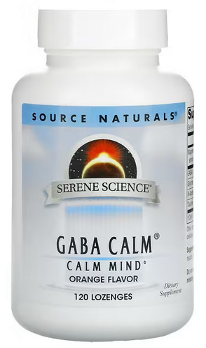
gaba calm
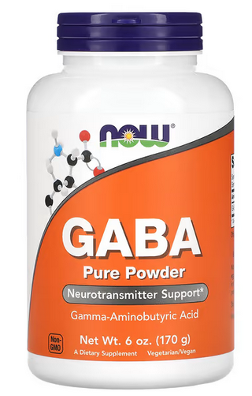
gaba pure poder

Jennifer used Source Naturals GABA Calm lozenges, a product I recommend. It’s a good low dose of 125 mg and is convenient and effective because it’s a sublingual lozenge.

Now GABA Powder is another product I use and recommend. It does need to be measured out to provide a 125 mg typical starting dose. I have clients use a handy mini measuring spoon like this one (my Amazon link) and share more about how to measure out GABA powder on this blog).

For Source Naturals GABA Calm lozenges and Now GABA Powder:

  • You can purchase these from my online store (Fullscript – only available to US customers – use this link to set up an account).
  • If you’re not in the US, you can purchase these at iherb (use this link to save 5%).

Additional resources when you are new to using GABA, tryptophan and other amino acids as supplements

As always, I use the symptoms questionnaire to figure out if low GABA, low serotonin or other neurotransmitter imbalances may be an issue.

If you suspect low levels of any of the neurotransmitters and do not yet have my book, The Antianxiety Food Solution – How the Foods You Eat Can Help You Calm Your Anxious Mind, Improve Your Mood, and End Cravings, I highly recommend getting it and reading it before jumping in and using amino acids on your own so you are knowledgeable. And be sure to share it with the practitioner/health team you or your loved one is working with.

There is an entire chapter on the amino acids and they are discussed throughout the book in the sections on gut health, gluten, blood sugar control (this is covered in an entire chapter too), sugar cravings, anxiety and mood issues.

The book doesn’t include product names (per the publisher’s request) so this blog, The Antianxiety Food Solution Amino Acid and Pyroluria Supplements, lists the amino acids that I use with my individual clients and those in my group programs.

If, after reading this blog and my book, you don’t feel comfortable figuring things out on your own (i.e. doing the symptoms questionnaire and respective amino acids trials), a good place to get help is the GABA QuickStart Program (if you have low GABA symptoms). This is a paid online/virtual group program where you get my guidance and community support.

If you are a practitioner, join us in The Balancing Neurotransmitters: the Fundamentals program. This is also a paid online/virtual program with an opportunity to interact with me and other practitioners who are also using the amino acids.

Wrapping up and your feedback

I appreciate Jennifer for sharing and giving me permission to share her story on the blog. Despite the wine and her very stressful family situation I am thrilled she says she is doing well. I also love that she ends with this: “… don’t give up. Keep fighting to find what works for you.”

I’d love to hear from you – has any of this worked for you?

Feel free to share about your GABA success and how much it helps you and if this has changed over time. And let us know what you feel has contributed to the need for less or more GABA i.e. which other root causes have you addressed?

Feel free to share if tryptophan (or another amino acid) has helped with quitting wine or another alcoholic beverage.

And do share if you use theanine for calm focus.

Feel free to share and ask your questions below.
Filed Under: Addiction, Anxiety, GABA, serotonin, Tryptophan Tagged With: addiction, ADHD, amino acids, anxiety, anxious, calming, focus, GABA, GABA Calm, neurotransmitter, panic attack, pyroluria, red wine, stress, theanine, tryptophan

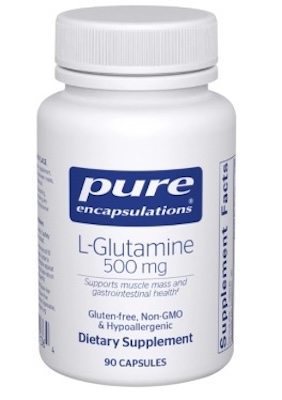
Reactive hypoglycemia in binge eating disorder, food addiction and intense sugar cravings, and how glutamine stops the cravings

February 9, 2024 By Trudy Scott 6 Comments

reactive hypoglycemia

A number of years ago a woman came to see me looking for help for her anxiety, insomnia and out of control sugar cravings which she described as an “almost demonic urge  to eat sugar and all things sweet.”

Before working with me she had been trying to control her low blood sugar levels (or hypoglycemia) by eating the right foods at the right times i.e. healthy fats and quality protein especially at breakfast. But this wasn’t enough to eliminate her intense sweet cravings. She would make and eat sweet treats all day long, using “healthier” sweeteners like monk fruit and maple syrup.

I had her complete the brain chemistry symptoms questionnaire and she scored high on all the low blood sugar symptoms as well as low GABA and low serotonin. We focused on low blood sugar first and the solution for her cravings was using 500 mg of glutamine opened onto her tongue.

Initially she was sure this would NOT work – how would she possibly be able to use glutamine in the midst of experiencing reactive hypoglycemia or low blood sugar?

I had the same conversation  that  I have with all my clients who would obviously rather eat something sweet than open a glutamine capsule onto  their tongue: “If you have an intense craving for something sweet, tell yourself that  you’re  going to  indulge, but also humor your nutritionist and take the glutamine anyway. You may be surprised to find your urge completely disappears.”

She did that and it worked time and time again, ending her demonic urge to eat something sweet every time and very quickly. And it helped her with all her low blood sugar symptoms.

This blog addresses the role of low blood sugar or reactive hypoglycemia in intense sugar cravings, binge eating disorder and food addiction, and how glutamine helps.

Research: Reactive hypoglycemia in binge eating disorder and food addiction

The 2023 paper, Reactive hypoglycemia in binge eating disorder, food addiction, and the comorbid phenotype: unravelling the metabolic drive to disordered eating behaviours, highlights the fact that “impaired metabolic response” such as fasting blood glucose fluctuations are a factor in binge eating and food addiction, driving out of control and “repetitive consumption of highly processed food.”

The researchers “investigated hypoglycemia events during a 5-hour-long oral glucose tolerance test” in 200 participants and “the association between the severity of eating psychopathology and the variability in hypoglycemia events was explored.”

The authors conclude as follows:

People with binge eating disorder/BED or food addiction/FA are prone to experiencing reactive hypoglycemia; food addiction severity may predict early and symptomatic hypoglycemia events. This can further reinforce disordered eating behaviours by promoting addictive responses, both biologically and behaviourally.

You can read the study here.

It’s worth noting that the participants did not have diabetes. I mention this because most of the reactive hypoglycemia research looks at diabetic patients. Reactive hypoglycemia in the non-diabetic population is considered controversial even amongst functional medicine and/or integrative practitioners. This paper stands out for this reason.

It’s also recently published which makes me excited. This research is confirming what we see clinically.

This research is very much in line with the demonic urge my client described, and directly tied to her low blood sugar and blood sugar swings. My client did not do a 5 hour oral glucose tolerance test. Instead we used the low blood sugar symptoms questionnaire (see below) and a trial of glutamine.

My client was also not diagnosed with binge eating disorder or food addiction but didn’t have to be for us to recognize the issue and have her benefit from nutritional support in the way of glutamine and learning to eat for blood sugar stability.

Unfortunately the authors do not discuss glutamine as a solution in this particular paper or in any other research on human participants who are non-diabetic. There are a few animal diabetes studies, with this 2013 study reporting that “glutamine was more effective in promoting glycemia recovery if compared with glucose, lactate, glycerol, or alanine.”  The authors call for further investigations which I look forward to reading.

Low blood sugar symptoms and a glutamine trial

As a reminder here are the signs of low blood sugar:

Sugar cravings, binge eating and addiction symptoms:

  • Crave sugar, starch or alcohol any time during the day
  • Very intense cravings for sweets/sugar
  • Binge eating and/or food addiction (updated with this based on this research)

There are also anxiety, mood, sleep and energy symptoms when you have low blood sugar:

  • Nervous, anxious, panic attacks
  • Irritable, shaky, headachey – especially if you go too long between meals
  • Lightheaded if meals are missed
  • Agitated, easily upset
  • Eating relieves fatigue
  • Waking in the night or early hours with a jolt of anxiety/shakiness (I blogged about this here)

As I mention in the waking with a jolt/low blood sugar blog the good news is it’s relatively easy to figure out if low blood sugar is causing your symptoms. First I have clients rate their symptoms on the low blood sugar questionnaire and do a trial of glutamine. Next is figuring out the dosing and timing of glutamine, looking at a current food log and making dietary changes as needed.

Glutamine is always best opened on to the tongue but it must be used this way for stopping the intense sugar cravings quickly – as in immediately. It’s also used away from meals like all the amino acids.

If you notice improvements it’s very likely that reactive hypoglycemia or low blood sugar is a factor.

Glutamine for low blood sugar cravings: dosing and timing

As I share in my book and other blog posts, typically 500 mg glutamine is a good starting dose for intense cravings for sugary foods. We may increase based on individual needs and you may find you do need to use 500 mg -1000 mg two to three times a day when the intense desire for something sweet strikes – as blood sugar dips. Using a glutamine powder is a great way to use it especially if you find you do need more than 500 mg each time.

As I mentioned above when you use glutamine powder directly on the tongue (rather than mixed in water), the benefits are seen almost immediately and even if you don’t believe it could possibly work – like my client – your desire for sugar disappears.

GABA and serotonin support too

My client also needed GABA and serotonin support for her anxiety and sleep issues. Again, we used the low GABA and low serotonin symptoms questionnaire and did trials of GABA and tryptophan for her which helped further.

Sugar cravings and binge eating with other neurotransmitter imbalances too

Keep in mind that there is a sugar cravings aspect to all the neurotransmitter imbalances. The type of craving can be found on the above symptoms questionnaire. It’s not uncommon to need support more than one area:

  • Low blood sugar /hypoglycemia – glutamine for intense cravings at any time of the day
  • Low serotonin – tryptophan or 5-HTP for afternoon/evening cravings
  • Low endorphins – DPA for comfort/reward eating
  • Low catecholamines – tyrosine for low energy sugar cravings
  • Low GABA – GABA for stress eating

You can read more about this here: The individual amino acids glutamine, GABA, tryptophan (or 5-HTP), DPA and tyrosine are powerful for eliminating sugar cravings, often within 5 minutes 

Glutamine product options – capsule vs powder

l-glutamine
l-glutamine

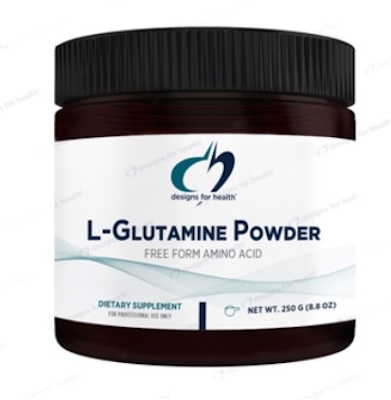
Products I recommend include Pure Encapsulations 500 mg l-glutamine (capsules opened on to your tongue) and Designs for Health l-glutamine powder as you find you need higher amounts.  You can purchase these from my online store (Fullscript – only available to US customers – use this link to set up an account).

l-glutamine
l-glutamine

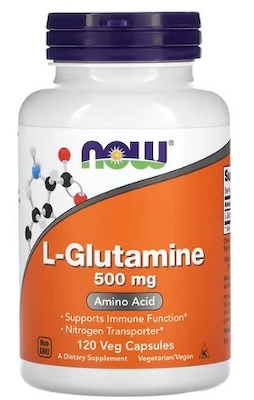
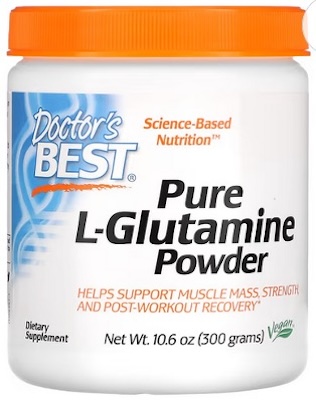
If you’re not in the US, Now l-glutamine 500 mg and Doctor’s best l-glutamine powder are products I recommend on iherb (use this link to save 5%).

Additional resources when you are new to using glutamine and other amino acids as supplements

We use the symptoms questionnaire to figure out if low blood sugar and/or low serotonin and/or low GABA and other neurotransmitter imbalances may be an issue for you.

If you suspect low levels of any of the neurotransmitters and do not yet have my book, The Antianxiety Food Solution – How the Foods You Eat Can Help You Calm Your Anxious Mind, Improve Your Mood, and End Cravings, I highly recommend getting it and reading it before jumping in and using amino acids on your own so you are knowledgeable. And be sure to share it with the practitioner/health team you or your loved one is working with.

There is an entire chapter on the amino acids and they are discussed throughout the book in the sections on gut health, gluten, blood sugar control (this is covered in an entire chapter too), sugar cravings, anxiety and mood issues. The importance of quality animal protein and healthy fats is also covered.

The book doesn’t include product names (per the publisher’s request) so this blog, The Antianxiety Food Solution Amino Acid and Pyroluria Supplements, lists the amino acids that I use with my individual clients and those in my group programs.

If, after reading this blog and my book, you don’t feel comfortable figuring things out on your own (i.e. doing the symptoms questionnaire and respective amino acids trials), a good place to get help is the GABA QuickStart Program (if you have low GABA symptoms too). This is a paid online/virtual group program where you get my guidance and community support.

If you are a practitioner, join us in The Balancing Neurotransmitters: the Fundamentals program. This is also a paid online/virtual program with an opportunity to interact with me and other practitioners who are also using the amino acids.

Have you had success with glutamine for blood sugar stability and binge eating, food addiction and intense cravings for sugar and carbs?

Have you also found it helps with sleep, leaky gut and anxiety during the day?

If yes, how much helps you? And how often do you use it? And what sugary foods have you been able to stop eating?

If you’re a practitioner do you use glutamine and with clients/patients with these low blood sugar cravings? Do you recognize reactive hypoglycemia as a very real issue in non-diabetics?

And please let me know if it’s helpful that I’m now including product recommendations and where to get them?

Feel free to share and ask your questions below.
Filed Under: Addiction, Anxiety and panic, Cravings, Glutamine, Hypoglycemia Tagged With: addiction, anxiety, binge, binge eating, carb craving, dosage, GABA Quickstart; Balancing Neurotransmitters: the Fundamentals program for practitioners, glutamine, Hypoglycemia, insomnia, low blood sugar, neurotransmitters, reactive hypoglycemia, sugar craving, Timing

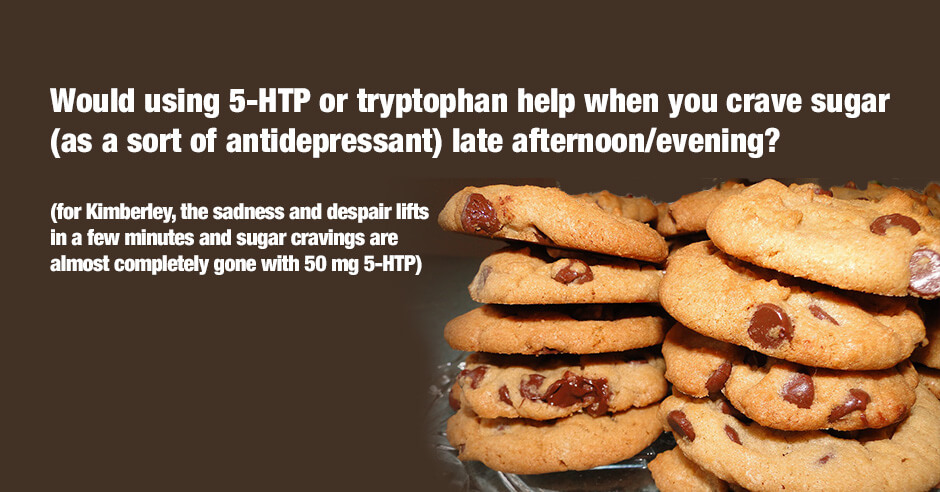
Would using 5-HTP or tryptophan help when you crave sugar (as a sort of antidepressant) late afternoon/evening?

June 2, 2023 By Trudy Scott 29 Comments

5-htp and sugar craving

Would using 5-HTP or tryptophan also help when you crave sugar (as a sort of antidepressant) late afternoon/evening? ~ Kimberley

This question was posed in response to my recent blog post about using tryptophan or 5-HTP to help with alcohol cravings/addiction in the late afternoon/evening – to help you wind down and relax, improve mood and sleep, and also as a reward/treat.

I said yes it is often the same cause when it happens late afternoon/evening and when there are other low serotonin symptoms like low mood, anxiety, worry, insomnia etc. When serotonin is low we self-medicate with wine, sugar, carbs, gluten, dairy and chocolate etc. in order to feel good, get a mood boost and reduce stress. 5-HTP or tryptophan stops the sugar cravings, acts as an antidepressant (improving mood) and eases other low serotonin symptoms too.

It turns out Kimberley was craving sugar late afternoon: “it’s definitely late afternoon for me, while I’m making dinner. Maybe it’s time to go back on 5-HTP.”

And then 2 days later she posted how quickly 5-HTP helped when she added it back mid-afternoon:

I was taking a break from tryptophan/5-HTP and realized after reading this post that that might be a mistake! So I added 5-HTP back in mid-afternoon and my sugar cravings are almost completely gone. It’s funny how I forget the symptoms of low neurotransmitters. Thanks for reminding me!

5-HTP works quickly when it’s low serotonin

How wonderful are these results for Kimberley. I never get tired of hearing feedback like this! I appreciate her sharing and giving me permission to share as a blog so you get to learn and be inspired too.

It’s not unusual for 5-HTP to work this quickly and when it does it’s a clue that the symptoms are related to low serotonin and that she found the ideal dose for her needs.

Kimberley had good results with 5-HTP in the past so she went back to what had worked for her before and it worked for her again.

But do keep in mind, some folks do better with 5-HTP and some do better with tryptophan so it’s a matter of doing a trial of each one each.

50 mg 5-HTP: the sadness and despair lifts in a few minutes

A week later she kindly came and shared additional details in the comments of the tryptophan/ 5-HTP alcohol cravings blog, saying:

It’s possible that I was already in the middle of my daily, mid-afternoon chocolate chip binge when I saw your post

I took a 50 mg 5-HTP along with my mid-afternoon Endorphigen capsule, and within just a few minutes I felt the sadness and despair that I often feel in the late afternoon, start to lift. I was astonished at how quickly it worked! I didn’t open the capsule, or chew it, I just swallowed it with water and had a snack afterwards. I really can’t thank you enough for asking that question because I was really struggling with low mood and sadness almost every day.

Even though KImberley had used 5-HTP with success in the past, she was still astonished how quickly it worked and how effective it was. She was also surprised she had forgotten her prior low serotonin symptoms:

Up until January I had taken 5-HTP in the mid-afternoon and then Tryptophan at bedtime, but I wanted to try a program to support my thyroid. That program told me that too much serotonin is often at the root of gut damage, so I weaned myself off of the 5-HTP and tryptophan. I didn’t really notice much difference, except the daily sugar cravings.

I’m not sure how I could so easily forget the symptoms of low serotonin, but I did.

Your question really was a God-send for me, Trudy. It reminded me that there was an option for feeling better (in fact, MUCH better than sugar makes me feel) that didn’t involve something that’s not good for me.

And I really did feel remarkably better the same day, and those results have continued.

Thanks again, Trudy, for continuing to bring these topics up. Some of us are forgetful and need reminding. Usually, when you have symptoms of low serotonin there are enough other issues going on in your life that it’s easy to overlook the obvious. So I’m very grateful that you asked the question, because I feel so much better able to deal with my circumstances now that I’m back on the 5-HTP. Blessings to you!

I am curious about the program that told her too much serotonin is often at the root of gut damage and if they suggested stopping 5-HTP and tryptophan. It doesn’t make any sense to me.  I’ll report back when I learn more about this.

More tired during the day and a headache: what to consider

She did mention “I’m finding myself more tired during the day and have also had a headache for the last few days.” I would suspect chocolate/caffeine withdrawal may have caused her headache.

With feeling more tired I’d also watch the dose of 5-HTP. She may find less is better for her needs.

She is also trying tryptophan at bedtime so that may be making her more tired the next day. Doing one amino acid at a time is often the best way to know how each one is affecting you.

Finding what works for your unique needs

Here are some other amino acid/sugar cravings blog posts that illustrate how we all have unique needs and different biochemical imbalances:

  • The individual amino acids glutamine, GABA, tryptophan (or 5-HTP), DPA and tyrosine are powerful for eliminating sugar cravings, often within 5 minutes

The individual amino acids glutamine, GABA, tryptophan (or 5-HTP), DPA and tyrosine are powerful for eliminating sugar cravings, often within 5 minutes. It seems that this wonderful benefit – over and above the anxiety-reducing and mood-boosting benefits – is often overlooked or poorly understood.

  • GABA for ending sugar cravings (and anxiety and insomnia)

For Melissa, an unexpected result was that she stopped craving sugar (chocolates, ice cream and truffles) after about a week of taking GABA for her travel anxiety.

It’s a matter of finding what works for your sugar cravings and unique needs. GABA worked for Melissa and yet 5-HTP works for Kimberley – for their sugar cravings.

Here is the tryptophan/5-HTP alcohol cravings blog that started the discussion: Tryptophan had the added benefit of turning me completely off alcohol when I took it to improve mood and sleep during perimenopause. In this case, tryptophan helped Victoria quit the wine that she was self-medicating with in order to feel good and relax.

Resources if you are new to using amino acids as supplements

If you are new to using amino acids as supplements, here is the Amino Acids Mood Questionnaire from The Antianxiety Food Solution (you can see all the symptoms of neurotransmitter imbalances, including low GABA, low serotonin and low endorphins).

If you suspect low levels of any of the neurotransmitters and do not yet have my book, The Antianxiety Food Solution – How the Foods You Eat Can Help You Calm Your Anxious Mind, Improve Your Mood, and End Cravings, I highly recommend getting it and reading it before jumping in and using amino acids on your own so you are knowledgeable. And be sure to share it with the practitioner/health team you or your loved one is working with.

There is an entire chapter on the amino acids and they are discussed throughout the book in the sections on gut health, gluten, blood sugar control, sugar cravings, anxiety and mood issues.

The book doesn’t include product names (per the publisher’s request) so this blog, The Antianxiety Food Solution Amino Acid and Pyroluria Supplements, lists the amino acids that I use with my individual clients and those in my group programs. You can find them all in my online store.

If, after reading this blog and my book, you don’t feel comfortable figuring things out on your own (i.e. doing the symptoms questionnaire and respective amino acids trials), a good place to get help is the GABA QuickStart Program (if you have low GABA symptoms too). This is a paid online/virtual group program where you get my guidance and community support.

If you are a practitioner, join us in The Balancing Neurotransmitters: the Fundamentals program. This is also a paid online/virtual program with an opportunity to interact with me and other practitioners who are also using the amino acids.

Has 5-HTP helped reduce your cravings and/or feelings of despair and sadness? How much helps and how quickly?

Or do you find tryptophan works better for you? If yes, how much helps and how quickly?

What sugary food/s do you self-medicate with in order to feel good?

If you’re a practitioner, do you use this approach with your clients/patients?

Feel free to post your feedback and questions here in the comments.

Filed Under: 5-HTP, Cravings, Depression, Tryptophan Tagged With: 5-HTP, addiction, alcohol cravings, amino acids, antidepressant, anxiety, carbs, crave sugar, dairy, despair, evening, GABA, gluten, insomnia, late afternoon, low serotonin, mood, neurotransmitters, relax, sadness, self-medicate, sleep, sugar, sugar cravings, the GABA Quickstart online program; and Balancing Neurotransmitters: the Fundamentals program for practitioners, tryptophan, wine, worry

A 12 year old’s Diet Coke consumption and obsession with collecting the cans: can tryptophan and tyrosine help him quit with ease?

March 24, 2023 By Trudy Scott 14 Comments

diet coke and amino acids

A concerned mother, Rebble, posted a request for help for her 12 year old son who has suddenly started drinking Diet Coke and obsessively collecting the cans. I explain about the biochemistry of addiction and obsession. If your child, another loved one or  even you, are hooked on Diet Coke, this blog offers practical solutions in the way of amino acids to balance brain chemistry and make quitting no longer about willpower. I share why I’d consider starting with the amino acid supplement tryptophan for serotonin support and the amino acid supplement tyrosine for dopamine support. And then looking into low blood sugar. I also share some of the many harmful effects of soda/diet soda and some practical tips for her as she encourages her son to make changes.

Here are her questions and what she has already tried to help him quit:

To my horror, my 12yo son has just started buying/consuming Coke and principally Diet Coke regularly from our village shop. He has got obsessed about collecting the cans, some of which are from his friends’ consumption but more and more from his. He used to hate these drinks but now peer pressure has kicked in and he wants to consume what his friends (who live on the stuff and a horrendous amount of sugar) consume.

I’ve pointed out the ingredients, that they are toxic to his brain. He doesn’t care.

I’ve shown him a brilliant video clip of Renaldo removing coca cola bottles from the press table and promoting water instead (with good effect).

Yet still he keeps buying the stuff.

I’ve made it known with the shopkeeper that I don’t approve of my children buying caffeinated sugary drinks full of neurotoxic ingredients but he doesn’t wish to police my children (though he did give me a refund on the 8 cans he had just sold my son!) which I understand.

Do you have a short summary of why it’s so bad, for children in particular? Either something I could show my children, their friends and/or the shopkeeper?

Is it the caffeine that makes it addictive?

My son does exhibit some challenging behaviors (e.g. torturous noise at home, not able to sit still without fidgeting with things at meals, etc.) but seems to be able to turn this on / off at will. I don’t think he does this at other people’s homes or at school. I can’t say they are necessarily linked to the drinks as they precede the start of him consuming them but I’m certain the drinks cannot help.

This is tough but I’m glad Rebble is horrified and working to do something about it. Sadly many parents have no idea how harmful these drinks are for pre-teens and teens.

She mentions his challenging behaviors preceded his diet soda drinking. It’s common that we see someone self-medicating with sugar and/or artificial sweeteners. And it’s likely that that peer pressure was the tipping point for him and then once she started he was well and truly addicted.

This is the feedback I shared for her and my observations on where to start: when I hear obsessed, peer pressure and challenging behaviors, I immediately think neurotransmitter or brain chemicals imbalances and would look into low serotonin and possibly low dopamine because of his inability to sit still. Low blood sugar may also be an issue.

What emotions are driving his addiction and obsession?

With an addiction you need to figure out what emotions are driving the addiction and use the respective amino acid supplement/s (one or more of them) to help break the addiction and improve the mood/behavioral symptoms at the same time.

These are the questions I review with my clients who have a Diet Coke addiction, or other diet soda or regular soda addiction (or even alcohol or carb addiction):

  1. If you drink it to feel happy (and especially from late afternoon into the evening) then your cravings are likely due to low serotonin, and tryptophan (or 5-HTP) stops the cravings and boosts mood and reduces anxiety.
  2. If you drink it for an energy boost or to give you focus then it’s likely due to low catecholamines and tyrosine will stop those cravings and give you a mood and energy boost, and also help with mental clarity.
  3. If you have to drink it when you haven’t eaten in awhile it’s likely low blood sugar. Glutamine on the tongue stops the desire almost immediately and also helps with the low blood sugar symptoms of shakiness and irritability.
  4. If you stress-drink, your cravings are likely due to low GABA, and GABA will stop the stress-drinking and calm you down too.
  5. If you drink it for comfort or a reward then it’s likely due to low endorphins and DPA (d-phenylalanine) will stop that feeling of “I deserve-it” and also give you a hug-like mood boost.

Ideally mom would have him complete the amino acids symptoms questionnaire in order to figure out which areas are issues for her son.

This is where I would start

I don’t have all this information but based on mom’s feedback this is where I would start: serotonin support, dopamine support and address low blood sugar.

We do know he is obsessed with collecting the cans. Obsession and cravings for a sweet taste is a clear sign of low serotonin i.e. a big clue that #1 may apply to her son and that he may benefit by using tryptophan or 5-HTP.

We do also know he is “not able to sit still without fidgeting with things at meals.” The Diet Cokes may be helping him focus and this is a big clue that #2 and low dopamine may also apply to her son, and that he may benefit from tyrosine. Keep in mind tyrosine also helps to break the caffeine addiction too.

I’m not sure what his “torturous noise at home” could be related to but it may be a clue to #3  i.e. low blood sugar and irritability.  It may also be a symptom of rage or anger, also a sign of low serotonin and #1.

I would also look at his diet and make sure he is eating for blood sugar stability (quality protein for breakfast with healthy fats, healthy fats/protein at each meal and healthy snacks). And address everything else I cover in my book – gluten, microbiome etc.

It’s not unusual for someone to have imbalances in multiple areas. If this is the case, I  always recommend doing a trial of one amino acid at a time, so it’s easy to see the benefits.

Role models, the harmful effects of soda/diet soda and other things I’d try with this young man

On one hand, you could be surprised that the Renaldo press conference clip removing the Cokes (watch it here) didn’t make enough of an impression because having a sporting hero as a role model is powerful. BUT on the other hand, based on what I know about soda/diet soda.caffeine and addiction, role models are unfortunately just not enough for some folks.

I shared these other things I’d try:

1) Have someone other than mom tell him about the harmful effects of diet sodas – a respected teacher, favorite uncle or nutritionist.

2) Appeal to things that may make him think twice about it like acne and not being fit enough to play his favorite sport. Concerns about weight gain or not being able to get into his desired university (because of impacts on his academic grades) may be a driver too. It’s doubtful that he’d be concerned with tooth decay, adrenal dysfunction, diabetes, heart disease, inflammation, increased risk of osteoporosis or increased anxiety/depression and insomnia.

3) Suggest that he does a school project on the topic so he understands the many harmful effects and facts (the research confirms that adolescents lack knowledge regarding health risks of soda and diet soda consumption. The project could hail Renaldo as a hero and he could get his buddies to help.

4) Help him find something else he likes to drink. Fruit juice isn’t a good option but fizzy fermented drinks are and so is fruit-infused water.

5) Be sure the rest of the family is setting an example at home and when you go out

6) Keep planting the seeds with love and encouragement

However, none of the above or flat-out saying he cannot buy diet sodas will work if there is the addiction aspect and unbalanced brain chemistry.

Keep in mind there is a continuum with sugar/carb/artificial sweeteners/caffeine addiction i.e. some kids (and adults) can quit sugar/carbs/artificial sweeteners/caffeine more easily and others need some nutritional support and some need much more support for balancing brain chemistry with amino acids. If there are also behavioral issues/signs that’s the clue they likely need the amino acid support.

Once he has the facts and understands the harm he also has to be willing to make the changes to break the addiction if it’s severe. I have parents gently recommend a month trial to see if it will work. “No diet soda forever” is too much for a pre-teen/teen (and adults too) to grasp and be ok with especially when they are addicted.

Rebble posed her question on a blog about Diet Coke addiction: I need help with my Diet Coke addiction – when I stop, my fatigue, brain fog, anxiety/depression increase big time!

Be sure to read the above blog for further insights.

I appreciate her for reaching out and hope this additional information helps her son and helps you too.

Resources if you are new to using tryptophan or GABA as supplements

If you are new to using tryptophan or GABA as supplements, here is the Amino Acids Mood Questionnaire from The Antianxiety Food Solution (you can see all the symptoms of neurotransmitter imbalances, including low low serotonin and low doapmine).

If you suspect low levels of any of the neurotransmitters and do not yet have my book, The Antianxiety Food Solution – How the Foods You Eat Can Help You Calm Your Anxious Mind, Improve Your Mood, and End Cravings, I highly recommend getting it and reading it before jumping in and using amino acids on your own so you are knowledgeable. And be sure to share it with the practitioner/health team you or your loved one is working with.

There is an entire chapter on the amino acids and they are discussed throughout the book in the sections on gut health, gluten, blood sugar control, sugar cravings, anxiety and mood issues (which include rage/anger/irritability/self-harm).

The book doesn’t include product names (per the publisher’s request) so this blog, The Antianxiety Food Solution Amino Acid and Pyroluria Supplements, lists the amino acids that I use with my individual clients and those in my group programs. You can find them all in my online store. The above oral lavender products are available in my online store too.

If, after reading this blog and my book, you don’t feel comfortable figuring things out on your own (i.e. doing the symptoms questionnaire and respective amino acids trials), a good place to get help is the GABA QuickStart Program (if you have low GABA symptoms). This is a paid online/virtual group program where you get my guidance and community support.

If you are a practitioner, join us in The Balancing Neurotransmitters: the Fundamentals program. This is also a paid online/virtual program with an opportunity to interact with me and other practitioners who are also using the amino acids.

Has one of the amino acids helped with your preteen’s soda or diet soda addiction? Which one/s helped?

What helped your preteen be open to the idea of using the amino acids to quit?

What else helped?

Has any of the above helped you too? Or your clients/patients?

If you have questions and other feedback please share it here too.

Filed Under: Addiction, serotonin, Sugar addiction, Tryptophan, Tyrosine Tagged With: addiction, addictive, amino acids, balance brain chemistry, biochemistry, caffeine, coca cola, Diet Coke, diet soda, dopamine, emotions, harmful effects, low blood sugar, no willpower, obsession, quit, Renaldo, serotonin, soda, tryptophan, tyrosine

Transgenerational transmission of aspartame-induced anxiety and changes in glutamate-GABA signaling: a new study and solutions

January 13, 2023 By Trudy Scott 9 Comments

gaba to break addiction

Do you drink diet sodas or use other sugar free products that contain aspartame? Or did you when you were younger? New research has found aspartame induces anxiety and fear via changes in glutamate-GABA signaling. What is even more concerning is that these effects are transgenerational, meaning you could be living with the anxiety-provoking effects of aspartame via the diet soda habits from your father and his father/your grandfather. This study found it impacts 2 generations via the paternal line but I suspect ongoing research may yet find impacts via your mother and grandmother too. Also, keep in mind, your current or prior use of aspartame is very likely going to impact your children and grandchildren. It’s an animal study but we don’t want to ignore yet another issue with artificial sweeteners.

The good news is that we can use the amino acid GABA to help counter the high glutamate and low GABA, and ease this physical anxiety this imbalance causes. And we can use GABA and glutamine and other amino acids to break the addiction to aspartame and other artificial sweeteners.

Here is the abstract of the paper – Transgenerational transmission of aspartame-induced anxiety and changes in glutamate-GABA signaling and gene expression in the amygdala

We report the effects of aspartame on anxiety-like behavior, neurotransmitter signaling and gene expression in the amygdala, a brain region associated with the regulation of anxiety and fear responses. C57BL/6 mice consumed drinking water containing 0.015% or 0.03% aspartame, a dose equivalent of 8 to 15% of the FDA recommended maximum human daily intake, or plain drinking water. Robust anxiety-like behavior (evaluated using open field test and elevated zero maze) was observed in male and female mice consuming the aspartame-containing water. Diazepam, an allosteric modulator of the GABA-A receptor, alleviated the anxiety-like behavior. RNA sequencing of the amygdala followed by KEGG biological pathway analysis of differentially expressed genes showed glutamatergic and GABAergic synapse pathways as significantly enriched. Quantitative PCR showed upregulation of mRNA for the glutamate NMDA receptor subunit 2D (Grin2d) and metabotropic receptor 4 (Grm4) and downregulation of the GABA-A receptor associated protein (Gabarap) mRNA. Thus, taken together, our diazepam and gene expression data show that aspartame consumption shifted the excitation-inhibition equilibrium in the amygdala toward excitation. Even more strikingly, the anxiety-like behavior, its response to diazepam, and changes in amygdala gene expression were transmitted to male and female offspring in two generations descending from the aspartame-exposed males. Extrapolation of the findings to humans suggests that aspartame consumption at doses below the FDA recommended maximum daily intake may produce neurobehavioral changes in aspartame-consuming individuals and their descendants. Thus, human population at risk of aspartame’s potential mental health effects may be larger than current expectations, which only include aspartame-consuming individuals.

A few notes to highlight:

  • Aspartame caused anxiety in both male and female mice but the intergenerational effects were along the paternal line i.e.“the anxiety phenotype, its response to diazepam, and changes in amygdala gene expression were transmitted from the aspartame-exposed male founders to their descendants.”
  • These effects were caused by the equivalent to 2–4 small /8 oz/ 240 ml cans of aspartame-sweetened diet soda.
  • The anxiety-inducing effects of aspartame in humans are potentially far more widespread than what is currently known

There is still no consensus on adverse effects

The paper also highlights a very concerning aspect: there is still no consensus on aspartame’s effects on brain monoamine content (serotonin and the catecholamines dopamine, adrenaline, and noradrenaline) or behaviors such as memory, depression and anxiety. Despite much research, consensus is also still lacking on aspartame’s carcinogenic or cancer-causing effects and the impacts on weight-gain and obesity, and the bad effects on the microbiome.

In fact, “the US government policy and publications indicate that aspartame is safe when consumed within FDA recommended maximum daily intake value of 50 mg/kg.” In this study it was much less than the maximum i.e. the equivalence of just “8 to 15% of the FDA recommended maximum human daily intake” caused the above anxiety and intergenerational effects.

This paper is adding to the body of knowledge but if you’re still consuming aspartame it is time to make your own decisions and quit. This is often easier said than done and I address this below.

GABA and other amino acids as a solution for your diet soda addiction

I address the addictive nature of diet soda in this blog: I need help with my Diet Coke addiction – when I stop, my fatigue, brain fog, anxiety/depression increase big time!

I need help with my Diet Coke addiction. I have been using it for 35 years and I am too appalled to tell you how much I drink.

I have tried to quit many times and ended up in utter failure. When I stop, my fatigue, brain fog, anxiety/depression increase big time. I know this drink is literally killing my health and I am desperate for some answers, suggestions….or a miracle.

Kevin shares this in the comments: “I was VERY addicted to diet coke and Pepsi. I found oxycontin and morphine easier to quit.” And Karen shares this: “I can relate to a Coke/Pepsi (diet and/or regular) addiction because I drank 3 every day, Monday-Friday for years. For me, that first sip in the morning was my “hit” in the morning for this teetotaler.”

When it comes to using amino acids to help break the addiction, pretty much everything I write about in relation to sugar addiction or cravings would also apply to quitting Diet Coke or other diet sodas. You need to figure out what emotions are driving your addiction and use the respective amino acid supplement/s (one or more of them) to help break the addiction and improve your anxiety and mood symptoms at the same time.

This could be glutamine if you drink it when your blood sugar is low and crave the sweet taste, GABA if you drink it when stressed, tryptophan or 5-HTP if you drink it later in the day in order to feel happy, DPA if it’s your reward and tyrosine if it gives you a mood and energy boost. It’s all explained in the above blog post.

The amino acids ease alcohol withdrawal symptoms too. I share a study in this blog – An amino acid supplement with DLPA, glutamine and 5-HTP eases alcohol withdrawal symptoms at an inpatient detoxification program – and practical solutions using these amino acids. Read this and simply substitute alcohol with diet soda. And keep in mind it’s always an individualized approach based on each person’s needs, for endorphin and dopamine support (from the DLPA), blood sugar support (from glutamine) and serotonin support (from 5-HTP).

GABA as a solution for the physical anxiety symptoms

In this study the mice responded well to diazepam, a benzodiazepine prescribed for anxiety. However, given the many issues with long-term benzo use, the amino acid GABA, used as a supplement is a safer choice. It also addresses the root cause of low GABA and high glutamate.

The FDA approved aspartame as a nutritive sweetener in 1981 and for use in carbonated beverages in 1983 so I don’t have the intergenerational impacts. I drank Tab in my early 20s and it contained aspartame for a short time. It was very likely part of the perfect storm of factors that contributed to my anxiety. GABA was a life-saver for me.

Here are a few blog posts on using GABA for easing physical anxiety and fears:

  • GABA is a life saver for anxiety, theanine helps at night (insomnia) and 5-HTP makes a significant difference in lessening daily pain
  • Drastic reduction in intrusive thoughts, anxiety and fears (and better sleep) with GABA, tryptophan, 5-HTP and the pyroluria protocol
  • GABA, Heartmath and EFT ease Micki’s mold-induced anxiety and panic attacks

Be sure to use the search feature to find other similar articles on the blog.

Resources if you are new to using amino acids as supplements

If you are new to using GABA or any of the other amino acids as supplements, here is the Amino Acids Mood Questionnaire from The Antianxiety Food Solution (you can see all the symptoms of neurotransmitter imbalances, including low GABA and low serotonin).

If you suspect low levels of any of the neurotransmitters and do not yet have my book, The Antianxiety Food Solution – How the Foods You Eat Can Help You Calm Your Anxious Mind, Improve Your Mood, and End Cravings, I highly recommend getting it and reading it before jumping in and using amino acids on your own so you are knowledgeable. And be sure to share it with the practitioner/health team you or your loved one is working with.

There is an entire chapter on the amino acids and they are discussed throughout the book in the sections on gut health, gluten, blood sugar control, sugar cravings, self-medicating with alcohol and more.

The book doesn’t include product names (per the publisher’s request) so this blog, The Antianxiety Food Solution Amino Acid and Pyroluria Supplements, lists the amino acids that I use with my individual clients and those in my group programs. You can find them all in my online store.

If, after reading this blog and my book, you don’t feel comfortable figuring things out on your own (i.e. doing the symptoms questionnaire and respective amino acids trials), a good place to get help is the GABA QuickStart Program (if you have low GABA symptoms). This is a paid online/virtual group program where you get my guidance and community support.

If you are a practitioner, join us in The Balancing Neurotransmitters: the Fundamentals program. This is also a paid online/virtual program with an opportunity to interact with me and other practitioners who are also using the amino acids.

Did you drink diet sodas in the past or do you still consume them or other products that contain aspartame?

Do you suspect they may be one root cause of your anxiety? And has stopping helped?

Did GABA help ease your anxiety and fear? And help with breaking the addiction and quitting? What about other amino acids like tyrosine, glutamine, tryptophan/5-HTP or DPA (d-phenylalanine)?

What about suspected intergenerational impacts from your parents and grandparents?

Feel free to post your questions and feedback in the comments below.

Filed Under: Addiction, Anxiety, Diet, GABA Tagged With: addiction, amino acids, amygdala diazepam, anxiety, artificial sweeteners, aspartame, aspartame-induced anxiety, cancer, cognition, diet soda, endorphins, fear, GABA, GABA Quickstart online program; and Balancing Neurotransmitters: the Fundamentals program for practitioners, generations, glutamate, glutamate-GABA, glutamine, obesity, paternal, sugar free, Transgenerational, tryptophan, tyrosine

Low lithium questionnaire and how we use lithium orotate with the amino acids

August 19, 2022 By Trudy Scott 44 Comments

low lithium questionnaire

This is the low lithium questionnaire that I use with new clients in order for us to figure out if a trial of low dose lithium, in the form of lithium orotate, may be helpful. The hallmark of low lithium is a rollercoaster of emotions. Keep in mind that this is just one of 12 questionnaires that I have my clients complete. Many of the following symptoms can have multiple causes, the labs may relate to other deficiencies and the conditions have other root causes. This questionnaire simply provides additional evidence that lithium orotate may help.

We typically do a lithium orotate trial, starting with 5 mg once a day, and going up to 10 mg twice a day. We do this after we have started trialing the respective amino acids for low serotonin, low GABA, low endorphins, low catecholamines and low blood sugar. A big clue that lithium orotate may be helpful (when many of the symptoms below are checked off) is when the amino acids for low serotonin (tryptophan or 5-HTP), low GABA (GABA or theanine), low endorphins (DPA or DLPA), low catecholamines (tyrosine or DLPA) and low blood sugar (glutamine) are not as effective as expected (based on the amino acids mood/neurotransmitter questionnaire).

Low lithium questionnaire

Symptoms
Mood swings (a rollercoaster of emotions)
Addictions and/or cravings
Depressed
Low self-esteem
Boredom
Easily distracted
Rebellious, disruptive behavior and/or aggressiveness
Irritability
Restless/internal anxiety (similar to low serotonin worry/ruminating anxiety)
Restless/external anxiety (similar to low GABA physical anxiety)
Anxiety ups and downs (fluctuations)
Melancholic pessimism
Suicidal thoughts
Disorganized with planning difficulties
Focus issues/ADHD
Insomnia
Procrastination and/or no initiative
Jack of all trades, master of none
Impulsive and/or lacking tact
Poor insight
Risky behavior
Cognitive issues
Migraines or cluster headaches

Effectiveness of amino acids
The amino acids for low serotonin, low GABA, low endorphins, low catecholamines and low blood sugar are not as effective as expected (based on the amino acids mood/neurotransmitter questionnaire)

Labs
Low white blood cell count
Low red blood cell count
Anemia
Low platelet count

Conditions
Anorexia nervosa
Heart disease (heart arrhythmias, history of heart attack)
Raised blood sugar or diabetes
Kleptomania
Alcoholism
Alzheimer’s disease
Fibromyalgia
Bipolar II
Gout
Hyperthyroidism
Nearsightedness or glaucoma
Herpes infections (current or prone to them)

If you are new to low dose lithium / lithium orotate

As I share in this blog, Upping my tryptophan and lithium orotate have been absolutely profound for me: I’ve been depression free and anxiety free for over a year, I’ve used lithium orotate with many clients and use it when folks have mood swings and anxiety ups and downs. It’s harder for the amino acids to work when there is a moving goal post and lithium orotate evens things out.

You can read Katrin’s wonderful results: “Upping my tryptophan dose and also including and upping the dose of lithium orotate has been absolutely profound for me. I’m off my SSRI/antidepressant (which I was off and on for a number of years). I’ve been depression/anxiety free for over a year. So fantastic.”

The above blog also includes additional information on the differences between low dose lithium / lithium orotate and prescription lithium carbonate. The latter is used at much higher doses and does have side-effects.

One of the many ways lithium works is via the impact on neurotransmitter production. This paper, Potential Mechanisms of Action of Lithium in Bipolar Disorder, states this: “At a neuronal level, lithium reduces excitatory (dopamine and glutamate) but increases inhibitory (GABA) neurotransmission.” It also increases protective proteins such as BDNF (brain-derived neurotrophic factor), helps reduce oxidative stress and is neuroprotective. This paper is referring to lithium carbonate and not lithium orotate but until we have more research on lithium orotate, I feel comfortable extrapolating, given what I’ve seen clinically with lithium orotate.

I’ve also blogged about low dose or microdose lithium here: Microdose lithium formulation is capable of halting signs of advanced Alzheimer’s and improving cognition. In a study published in 2020, “a team of researchers has shown that, when given in a formulation that facilitates passage to the brain, lithium in doses up to 400 times lower than what is currently being prescribed for mood disorders is capable of both halting signs of advanced Alzheimer’s pathology and of recovering lost cognitive abilities.”  In this study, they used lithium citrate in similar doses as the lithium orotate i.e  3.2 mg to 6.4 mg NP03 based on 70kg of body weight (which is around 154.3 lbs).

Resources if you are new to using the amino acids as supplements (and where to get lithium orotate)

If you are new to using any of the amino acids as supplements, here is the Amino Acids Mood Questionnaire from The Antianxiety Food Solution (you can see all the symptoms of neurotransmitter imbalances).

If you suspect low levels of any of the neurotransmitters and do not yet have my book, The Antianxiety Food Solution – How the Foods You Eat Can Help You Calm Your Anxious Mind, Improve Your Mood, and End Cravings, I highly recommend getting it and reading it before jumping in and using amino acids on your own so you are knowledgeable. And be sure to share it with the practitioner/health team you or your loved one is working with.

There is an entire chapter on the amino acids and they are discussed throughout the book in the sections on gut health, gluten, blood sugar control, sugar cravings, self-medicating with alcohol and more.

The book doesn’t include product names (per the publisher’s request) so this blog, The Antianxiety Food Solution Amino Acid and Pyroluria Supplements, lists the amino acids that I use with my individual clients and those in my group programs.

You can find the amino acid products I use and a number of different lithium orotate products in my online Fullscript store.

If, after reading this blog and my book, you don’t feel comfortable figuring things out on your own (i.e. doing the symptoms questionnaire and respective amino acids trials), a good place to get help is the GABA QuickStart Program (if you have low GABA symptoms). This is a paid online/virtual group program where you get my guidance and community support. There are many moms in the program who are having much success with their kids.

If you are a practitioner, join us in The Balancing Neurotransmitters: the Fundamentals program. This is also a paid online/virtual program with an opportunity to interact with me and other practitioners who are also using the amino acids.

Do you resonate with any of the above and have you used lithium orotate with success?

Was the rollercoaster of emotions and fluctuating anxiety a hallmark for you before using lithium orotate?

If you’re a practitioner, do you use lithium orotate with your clients or patients?

If you have questions please share them here too.

Filed Under: Anxiety, Depression, GABA, Lithium orotate Tagged With: addiction, ADHD, aggressiveness, Alzheimer’s disease, amino acids, anxious, boredom, catecholamines, cognitive, endorphins, GABA, insomnia, irritable, lithium, lithium orotate, low blood sugar, low dose lithium, Low lithium questionnaire, low self-esteem, mood swings, rebellious, rollercoaster of emotions, serotonin, tryptophan

  • Page 1
  • Page 2
  • Page 3
  • Go to Next Page »

Primary Sidebar

NEW! GABA QuickStart Homestudy (with special intro pricing)

gaba quickstart homestudy

Free Report

9 Great Questions Women Ask about Food, Mood and their Health

You'll also receive a complimentary subscription to my ezine "Food, Mood and Gal Stuff"


Connect with me

Popular Posts

  • Amino Acids Mood Questionnaire from The Antianxiety Food Solution
  • The Antianxiety Food Solution Amino Acid and Pyroluria Supplements
  • Pyroluria Questionnaire from The Antianxiety Food Solution
  • Collagen and gelatin lower serotonin: does this increase your anxiety and depression?
  • Tryptophan for the worry-in-your-head and ruminating type of anxiety
  • GABA for the physical-tension and stiff-and-tense-muscles type of anxiety
  • The Antianxiety Food Solution by Trudy Scott
  • Seriphos Original Formula is back: the best product for anxiety and insomnia caused by high cortisol
  • Am I an anxious introvert because of low zinc and vitamin B6? My response to Huffington Post blog
  • Vagus nerve rehab with GABA, breathing, humming, gargling and key nutrients

Recent Posts

  • What do I use instead of Seriphos to help lower high cortisol that is affecting my sleep and making me anxious at night?
  • BeSerene™ GABA/theanine cream eases severe muscle tension in her neck/shoulders, prevents her bad headaches and quells her anxiety
  • How the correct approach, dose and sublingual use of GABA can be calming and not cause a flushed and itchy face and neck
  • The amino acid glutamine improves low mood by addressing gut health, and it has calming effects too
  • Flight anxiety with heightened breath, physical tension and also fearing the worst (the role of low GABA and low serotonin)

Categories

  • 5-HTP
  • AB575
  • Addiction
  • ADHD
  • Adrenals
  • Alcohol
  • Allergies
  • Alzheimer's disease
  • Amino Acids
  • Anger
  • Antianxiety
  • Antianxiety Food Solution
  • Antidepressants
  • Anxiety
  • Anxiety and panic
  • Autism
  • Autoimmunity
  • benzodiazapines
  • Bipolar disorder
  • Books
  • Caffeine
  • Cancer
  • Candida
  • Children/Teens
  • Collagen
  • Cooking equipment
  • Coronavirus/COVID-19
  • Cravings
  • Depression
  • Detoxification
  • Diabetes
  • Diet
  • DPA/DLPA
  • Drugs
  • EFT/Tapping
  • EMF
  • EMFs
  • Emotional Eating
  • Endorphins
  • Environment
  • Essential oils
  • Events
  • Exercise
  • Fear
  • Fear of public speaking
  • Fertility and Pregnancy
  • Fish
  • Food
  • Food and mood
  • Functional neurology
  • GABA
  • Gene polymorphisms
  • General Health
  • Giving
  • Giving back
  • Glutamine
  • Gluten
  • GMOs
  • Gratitude
  • Gut health
  • Heart health/hypertension
  • Histamine
  • Hormone
  • Hyperparathyroidism
  • Hypoglycemia
  • Immune system
  • Inflammation
  • Insomnia
  • Inspiration
  • Introversion
  • Joy and happiness
  • Ketogenic diet
  • Lithium orotate
  • Looking awesome
  • Lyme disease and co-infections
  • MCAS/histamine
  • Medication
  • Men's health
  • Mental health
  • Mercury
  • Migraine
  • Mold
  • Movie
  • MTHFR
  • Multiple sclerosis
  • Music
  • NANP
  • Nature
  • Nutritional Psychiatry
  • OCD
  • Osteoporosis
  • Oxalates
  • Oxytocin
  • Pain
  • Paleo
  • Parasites
  • Parkinson’s disease
  • PCOS
  • People
  • PMS
  • Postpartum
  • PTSD/Trauma
  • Pyroluria
  • Questionnaires
  • Real whole food
  • Recipes
  • Research
  • Schizophrenia
  • serotonin
  • SIBO
  • Sleep
  • Special diets
  • Sports nutrition
  • Stress
  • Sugar addiction
  • Sugar and mood
  • Supplements
  • Teens
  • Testimonials
  • Testing
  • The Anxiety Summit
  • The Anxiety Summit 2
  • The Anxiety Summit 3
  • The Anxiety Summit 4
  • The Anxiety Summit 5
  • The Anxiety Summit 6
  • Thyroid
  • Thyroid health
  • Toxins
  • Tryptophan
  • Tyrosine
  • Uncategorized
  • Vegan/vegetarian
  • Women's health
  • Yoga

Archives

  • October 2025
  • September 2025
  • August 2025
  • July 2025
  • June 2025
  • May 2025
  • April 2025
  • March 2025
  • February 2025
  • January 2025
  • November 2024
  • October 2024
  • September 2024
  • August 2024
  • July 2024
  • June 2024
  • May 2024
  • April 2024
  • March 2024
  • February 2024
  • January 2024
  • December 2023
  • November 2023
  • October 2023
  • September 2023
  • August 2023
  • July 2023
  • June 2023
  • May 2023
  • April 2023
  • March 2023
  • February 2023
  • January 2023
  • December 2022
  • November 2022
  • October 2022
  • September 2022
  • August 2022
  • July 2022
  • June 2022
  • May 2022
  • April 2022
  • March 2022
  • February 2022
  • January 2022
  • December 2021
  • November 2021
  • October 2021
  • September 2021
  • August 2021
  • July 2021
  • June 2021
  • May 2021
  • April 2021
  • March 2021
  • February 2021
  • January 2021
  • December 2020
  • November 2020
  • October 2020
  • September 2020
  • August 2020
  • July 2020
  • June 2020
  • May 2020
  • April 2020
  • March 2020
  • February 2020
  • January 2020
  • December 2019
  • November 2019
  • October 2019
  • September 2019
  • August 2019
  • July 2019
  • June 2019
  • May 2019
  • April 2019
  • March 2019
  • February 2019
  • January 2019
  • December 2018
  • November 2018
  • October 2018
  • September 2018
  • August 2018
  • July 2018
  • June 2018
  • May 2018
  • April 2018
  • March 2018
  • February 2018
  • January 2018
  • December 2017
  • November 2017
  • October 2017
  • September 2017
  • August 2017
  • July 2017
  • June 2017
  • May 2017
  • April 2017
  • March 2017
  • February 2017
  • January 2017
  • December 2016
  • November 2016
  • October 2016
  • September 2016
  • August 2016
  • July 2016
  • June 2016
  • May 2016
  • April 2016
  • March 2016
  • February 2016
  • January 2016
  • December 2015
  • November 2015
  • October 2015
  • September 2015
  • August 2015
  • July 2015
  • June 2015
  • May 2015
  • April 2015
  • March 2015
  • February 2015
  • January 2015
  • December 2014
  • November 2014
  • October 2014
  • September 2014
  • August 2014
  • July 2014
  • June 2014
  • May 2014
  • April 2014
  • March 2014
  • February 2014
  • January 2014
  • December 2013
  • November 2013
  • October 2013
  • September 2013
  • August 2013
  • July 2013
  • June 2013
  • May 2013
  • April 2013
  • March 2013
  • February 2013
  • January 2013
  • December 2012
  • November 2012
  • October 2012
  • August 2012
  • July 2012
  • June 2012
  • May 2012
  • April 2012
  • March 2012
  • February 2012
  • January 2012
  • December 2011
  • November 2011
  • October 2011
  • September 2011
  • August 2011
  • July 2011
  • June 2011
  • May 2011
  • April 2011
  • March 2011
  • February 2011
  • January 2011
  • December 2010
  • October 2010
  • September 2010
  • July 2010
  • May 2010
  • April 2010
  • March 2010
  • February 2010
  • January 2010
  • November 2009

Share the knowledge!

The above statements have not been evaluated by the Food and Drug Administration. Products listed in this website are not intended to diagnose, treat, cure or prevent any disease.

The information provided on this site is for informational and educational purposes only and is not intended as a substitute for advice from your physician or other health care professional. You should consult with a healthcare professional before starting or modifying any diet, exercise, or supplementation program, before taking or stopping any medication, or if you have or suspect you may have a health problem.


Copyright © 2026 Trudy Scott. All Rights Reserved. | Privacy | Terms and Conditions | Refund Policy | Medical Disclaimer

Free Report

9 Great Questions Women Ask about Food, Mood and their Health

You’ll also receive a complimentary subscription to my ezine “Food, Mood and Gal Stuff”