• Skip to primary navigation
  • Skip to main content
  • Skip to primary sidebar

everywomanover29 blog

Food, Mood and Women's Health – Be your healthiest, look and feel great!

  • Blog
  • About
  • Services
  • Store
  • Resources
  • Testimonials
  • The Book
  • Newsletter
  • Contact
  • Search this site

Women's health

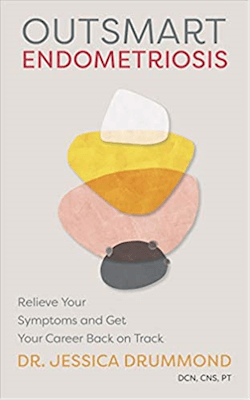
Outsmart Endometriosis by Dr. Jessica Drummond

February 5, 2021 By Trudy Scott Leave a Comment

outsmart endometriosis

Dr. Jessica Drummond, DCN, CNS, PT, is a good friend and colleague whose work in women’s health I highly respect. Her book, Outsmart Endometriosis (now available in paperback), is integrative, evidence-based, practical and empowering!

She is a leader in the field and her vast experience and compassion makes this a must-read. As a nutritionist working with women with anxiety, I am thrilled to have this comprehensive evidence-based book as a resource for those in my community who are on their endometriosis healing journey, and for practitioners who work with women with endometriosis.

Here is the official book blurb:

Endometriosis does not have to ruin your career.

Wouldn’t it be nice to stop worrying about how your endometriosis symptoms are going to hold you back from hitting your career goals? Or to have tools that you can use to reduce your pain and manage your energy so you don’t have to miss out on important opportunities? Sometimes, it can feel like endometriosis is controlling your life.

Sought-after endometriosis, pelvic pain, and nutrition expert Dr. Jessica Drummond, DCN, CNS, PT, has helped thousands of women relieve their pelvic pain in over twenty years of practice. In Outsmart Endometriosis, she offers not another “one-size-fits-none endo diet,” but a comprehensive approach to managing your symptoms using simple, repeatable strategies, and without having to wait for an appointment with your doctor.

In Outsmart Endometriosis, Dr. Drummond can help you to:

  • Stop missing important work meetings or deadlines because of your endometriosis pain, fatigue, anxiety, and/or digestive symptoms
  • Let go of your worries about your fertility
  • Clear your brain fog so you can do your best work
  • Get control over your symptoms so you can feel more comfortable, and no longer just power through or be forced to quit
  • Build a team of the right professionals to support you along the way

Read Outsmart Endometriosis and become the boss of your symptoms and your career.

Get your copy on Amazon here (my Amazon link) or from Target, Barnes and Noble or independent bookstores.  You can also download book bonuses here.
Filed Under: Anxiety, Women's health Tagged With: anxiety, brain fog, digestive symptoms, Dr. Jessica Drummond, endometriosis, fatigue, fertility, nutrition, pain, pelvic pain, team, women, women’s health

GABA for bladder pain/interstitial cystitis and urgency, IBS pain and anxiety?

January 29, 2021 By Trudy Scott 19 Comments

gaba for pain

Is there a place for using the amino acid GABA as a supplement to help with bladder pain/interstitial cystitis and urgency and also help with IBS (irritable bowel syndrome) pain – at the same time as easing physical anxiety caused by low GABA levels?

I’d like to share some quotes from this commentary, GABAB receptors in the bladder and bowel: therapeutic potential for positive allosteric modulators?

The bladder pain syndrome (or interstitial cystitis/painful bladder syndrome) is a spectrum of urological symptoms characterized by frequency, urgency and pain on bladder filling.

Bladder pain syndrome is often present in those who have IBS and abdominal pain and the authors mention the role of GABA in both:

Of further note is the co-morbidity between bladder pain syndrome and other functional pain syndromes, in particular, irritable bowel syndrome, a functional gastrointestinal disorder associated with visceral abdominal pain and altered bowel habit.

… it is tempting to speculate that GABAB receptor positive allosteric modulators may display efficacy in not only functional pain disorders of the bladder, but also of the bowel, through modulation of either central and peripheral GABAB receptors, or both

Positive allosteric modulators increase the activity of the receptor so in this case they are referring to increasing the activity of the GABAB receptor, reducing both bladder pain and gut pain.

This commentary and the original paper refer to ADX71441, which has been shown in animal studies to be “a novel positive allosteric modulator (PAM) of the GABAB receptor that has shown encouraging results in pre-clinical models of anxiety, pain, overactive bladder and alcohol addiction.”

We know GABA eases anxiety and pain and is extremely beneficial when it comes to alcohol and other addictions. In a recent blog post I shared how PharmaGABA eases physical anxiety in a young man who has recently given up Adderall, alcohol and nicotine.

And given that depression, anxiety and stress is higher in women with urinary incontinence it makes sense that an amino acid such as GABA may also help ease some of the symptoms of bladder pain syndrome when low GABA is a factor.

Depending on the root cause/s it’s likely addressing low serotonin, low endorphins and low vitamin D may play a role too. Of course, a full functional medicine and nutritional work up and review of diet is key too. Bladder dysfunction is seen in up to one third of celiac patients. This can cause leaky gut and nutritional deficiencies leading to low levels of neurotransmitters such a GABA and serotonin. Dietary oxalates can often be a factor with bladder issues and pain.

Considering all of this in conjunction with learning from/working with a pelvic floor physical therapist is key.  I highly recommend someone like Isa Herrera, MSPT, CSCS who hosts online masterclass training sessions for those with pelvic health issues. Her next series airs online mid-February and you can learn more and register here.

Here are some related blog posts that you may find helpful:

  • How GABA eases agonizing rectal pain and spasms in under 2 minutesProctalgia fugax is described as a condition that leads to rectal spasms and sharp fleeting pain in the lower rectum or anus….and GABA can ease the severe pain or prevent the spasms before they get severe
  • How to address rectal spasms with GABA, pelvic floor work, gluten removal and squats
  • GABA reduces the visceral pain of IBS & SIBO, eases anxiety and helps with insomnia

In case you’re new to GABA you can read more about it here: GABA for the physical-tension and stiff-and-tense-muscles type of anxiety.

The supplements blog lists GABA products I use with clients and recommend to those in my community.

I’m proposing that there is a place for doing a trial of the amino acid GABA (as a supplement) to help with bladder pain/interstitial cystitis and urgency, especially when there are symptoms of low GABA. If GABA helps to ease the visceral pain caused by IBS/SIBO, it may also help with bladder pain.

Have you observed less bladder pain when using GABA for easing physical symptoms of low GABA anxiety (stiff and tense muscles, overwhelm, lying awake tensely at night, anxious and using alcohol to self-medicate in order to calm down)?

Have you noticed any reduction in bladder urgency when using GABA for anxiety?

Do you also have IBS pain or SIBO (small intestinal bacterial overgrowth) pain that is eased by GABA?

Have the following helped: going gluten-free, lowering oxalates and/or working with a pelvic floor physical therapist?

If you’re a practitioner have you made any of these observations?

Please do share in the comments below and let me know if you found this helpful, what else has helped you or if you have questions.

Filed Under: Anxiety, GABA, Women's health Tagged With: addiction, anxiety, bladder pain, bladder urgency, celiac, depression, dietary oxalates, GABA, gluten, IBS, IBS pain, interstitial cystitis, physical therapist, physical-tension, Proctalgia fugax, rectal pain, SIBO, stiff muscles, stress, tense

GABA eases anxiety and is protective against metabolic and reproductive disturbances in polycystic ovarian syndrome (PCOS)?

January 8, 2021 By Trudy Scott 40 Comments

gaba pcos

This question was recently asked in my online GABA Quickstart group program: What are your thoughts about using GABA with somebody who has polycystic ovarian syndrome (PCOS)? Are there any contraindications? My approach is always the same regardless of your diagnosis – if you have the low GABA symptoms of physical anxiety then it’s worth doing a trial to determine if supplementing with the calming amino acid GABA will help.

What is very interesting is that this rat study, Protective effects of GABA against metabolic and reproductive disturbances in letrozole induced polycystic ovarian syndrome in rats, reports some very specific benefits of GABA being protective against metabolic and reproductive disturbances in PCOS.

Letrozole or Femara, a non-steroidal aromatase inhibitor (i.e. it lowers estrogen production) is used to treat breast cancer in postmenopausal women and it induced PCOS in the rats.

The following benefits were found when GABA was used in the rats with PCOS:

  • reduced body weight
  • reduced body mass index
  • reduced testosterone
  • a favourable lipid profile
  • normal glucose tolerance
  • a decreased number of cystic follicles in the ovaries

These results are profound. But wait for it …”the effects observed with GABA were comparable to that with metformin” with none of the side-effects (which can actually include anxiety, a racing heart, shakiness and depression).

The authors conclude as follows:

The results suggest that GABA treatment has shown protective effects in PCOS and provides beneficial effects either by reducing insulin resistance or by inducing antioxidant defence mechanisms.

The above paper didn’t measure anxiety levels but it’s very common with PCOS. According to this paper, Polycystic Ovary Syndrome: A Review of Treatment Options With a Focus on Pharmacological Approaches

after PCOS is diagnosed, studies show that more than 50% of patients develop prediabetes or diabetes, and there is an increased risk of myocardial infarction (MI), dyslipidemia, hypertension, anxiety, depression, endometrial cancer, and sleep apnea.

So it makes sense that using GABA will also help to ease any anxiety symptoms that are present. As always, look at the low GABA symptoms and if they exist rate them on a scale of 1-10 (with 10 being most severe), do a trial with GABA, and rate your symptoms afterwards, adjusting up or down as needed based on symptom relief.

A quick recap if you are new to GABA, these are the symptoms of low GABA:

  • Unable to relax or loosen up
  • Stiff or tense muscles
  • Feeling stressed and burned-out
  • Feeling worried or fearful
  • Panic attacks
  • Craving carbs for relaxation and calming
  • Craving alcohol for relaxation and calming
  • Craving drugs for relaxation and calming
  • Insomnia *
  • Have intrusive thoughts, perseverate or have an overactive brain
    Or have unwanted thoughts – thoughts about unpleasant memories, images or worries (Updated Nov 17, 2017: new GABA research on intrusive thoughts) *
  • Inability to prioritize planned actions *
  • Acrophobia (fear of heights) * – possibly other phobias too
  • Poor focus *
  • Rectal spasms *
  • Burning mouth *
  • Visceral pain/belly pain with IBS *

(* New additions that are not in my book “The Antianxiety Food Solution”)

Keep in mind that the above PCOS GABA paper was an animal study and GABA was not listed as a treatment option in the second paper above so my approach would be to use GABA for easing the physical anxiety symptoms. At the same time, share this blog and study with your prescribing physician and request if they will work with you to adjust your Metformin as they monitor your testosterone, lipids, glucose, insulin and cystic follicles in the ovaries, as well as weight and body mass index.

I look forward to human GABA PCOS studies in the near future. I also look forward to hearing back from you if you have PCOS and are using GABA for easing your anxiety symptoms AND are also seeing some of the above metabolic and reproductive improvements.

Given the prevalence of PCOS it’s important we use everything at our disposal to help:

Research suggests that 5% to 10% of females 18 to 44 years of age are affected by PCOS, making it the most common endocrine abnormality among women of reproductive age in the U.S. Women seeking help from health care professionals to resolve issues of obesity, acne, amenorrhea, excessive hair growth, and infertility often receive a diagnosis of PCOS.

We must always use a comprehensive approach and this book by my friend and colleague, Amy Medling is wonderful: Healing PCOS.

Do you have PCOS and anxiety and has GABA helped? Have you also observed some of the above metabolic and reproductive improvements?

If you’re a practitioner working with women with PCOS, have you made any of these observations?

I’d also be curious to hear if you see changes in acne severity, amenorrhea (missed periods), excessive hair growth or infertility?

Please do share in the comments below.

Filed Under: Anxiety, Fertility and Pregnancy, GABA, Hormone, Women's health Tagged With: acne, amenorrhea, anxiety, cystic follicles, excessive hair growth, GABA, glucose tolerance, infertility, lipid profile, metabolic, obesity, ovaries, PCOS, polycystic ovarian syndrome, reduced body mass index, reduced body weight, reduced testosterone, reproductive

Women, alcohol and mental health; autism and propionic acid; toxic farmed salmon

July 19, 2019 By Trudy Scott Leave a Comment

women alcohol mental health

Today I’m sharing some interesting and popular Facebook posts for you to either just read the article or come and join the Facebook discussion:

#1 Women who stop drinking alcohol improve mental health, study finds

Glad to see this research! I see way too much social drinking to de-stress, even by women who lead otherwise healthy lives

“Many women drink alcohol to relax, feel good and take the edge off life, but new evidence suggests skipping that daily glass of wine is a better way to boost their mental health.

Women who quit alcohol improved their mental well-being, researchers reported this week in CMAJ (Canadian Medical Association Journal). The study comes as many Americans are trying out an alcohol-free life as part of the “sober-curious” movement.”

Where are you with this? Do you “self-medicate” with alcohol in order to get through your week?

And there is no judging here…just educating and creating awareness.

Here is the Facebook discussion

bread

#2 Spike In Autism May Be Linked To Preservative In Processed Foods, Study Suggests

Very interesting connection – if it’s a possible factor in autism then it’s very likely a possible factor in anxiety, depression and other mood and neurological disorders too. You can read more about propionic acid here and how it’s found in most baked goods! Here is the Facebook discussion

wild salmon


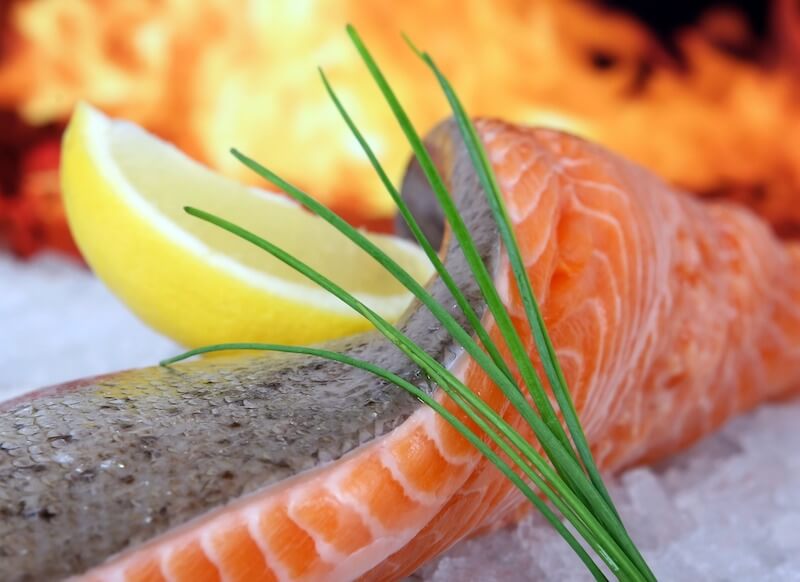
#3 Farmed Salmon = Most Toxic Food in the World

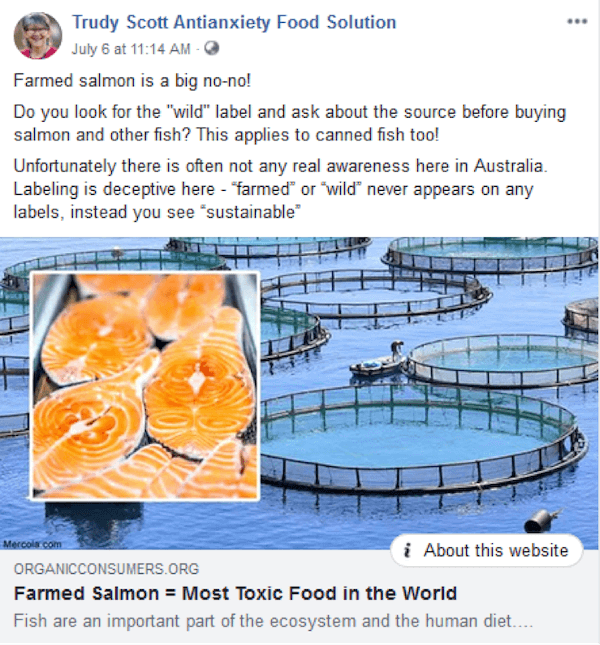
Farmed salmon is a big no-no!

Do you look for the “wild” label and ask about the source before buying salmon and other fish? This applies to canned fish too!

Unfortunately, there is often not any real awareness here in Australia. Labeling is deceptive here – “farmed” or “wild” never appears on any labels, instead you see “sustainable”

And you can’t tell if it’s farmed by just looking at it!

Here is the Facebook discussion

facebook post farmed salmon

Feel free to comment and/or post questions directly on any of the above Facebook discussions or here on the blog.

Filed Under: Women's health Tagged With: alcohol, autism, mental health, propionic acid, toxic farmed salmon, women

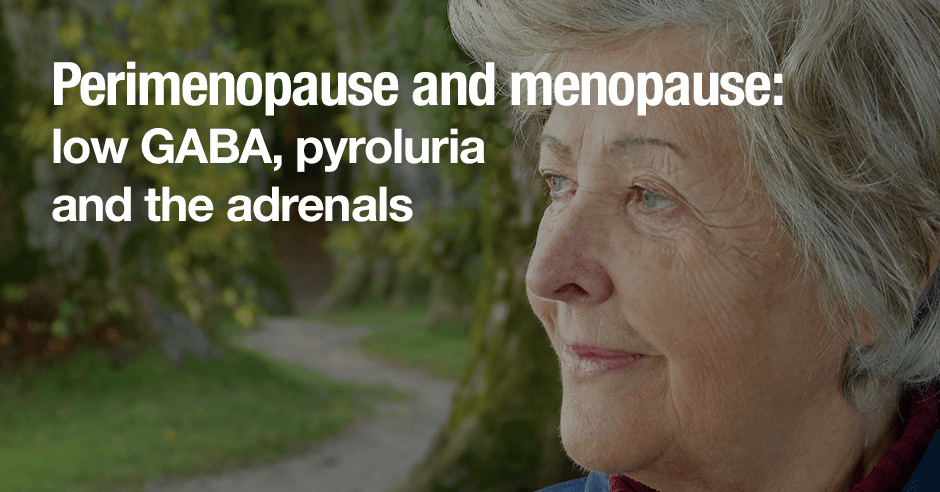
Perimenopause and menopause: low GABA, pyroluria and the adrenals

March 16, 2019 By Trudy Scott 14 Comments

As you go into perimenopause and menopause you don’t have to settle for increased anxiety, dull moods, depression, a foggy brain, a flabby belly, night sweats, insomnia, fatigue, low libido, weight gain and the bone loss that so “common” and “accepted” with getting older.

There are natural, effective and easy-to-implement solutions to balance your hormones at any age!

My perimenopausal symptoms hit with a vengeance in my late 30s. The stress that I was experiencing at work, together with all the hormone changes and what I call my “perfect storm” of gluten issues, heavy metals, low GABA, low serotonin, low zinc, adrenal issues, vegetarian diet, candida, pyroluria and leaky gut, all worked together to cause my anxiety and panic attacks.

I didn’t settle and as soon as I used GABA and tryptophan the anxiety and panic attacks stopped and I could take a step back and work on all the other underlying issues, without all the overwhelm.

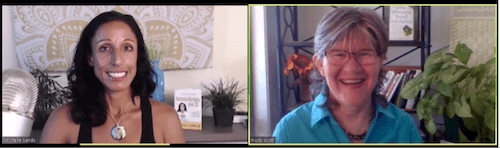
I share my story in my interview on the Perimenopause Summit with summit host Dr. Michelle Sands, and go into great detail about how to use the amino acids in the most effective way to ease anxiety, worry, fear, negative self-talk, ruminations and overwhelm.

I also share a study about tryptophan easing PMS symptoms in just 3 cycles, as well as some of my other tips for PMS symptom relief (think liver support).

I also talk about a topic that no-one is addressing and yet there is such a simple solution for this excruciatingly painful condition called proctalgia fugax. You may not have heard this term but if you have you know it! In the medical literature it is described as “a condition that leads to rectal spasms and sharp fleeting pain in the lower rectum or anus.” Sublingual GABA works miracles in a few minutes).

My interview – Amino Acid Therapy for Anxiety

  • Problems with commonly prescribed anti-anxiety meds
  • How food affects mood
  • Right and wrong way to use amino acid therapy

Unfortunately, hormone and women’s health issues are incredibly misdiagnosed and misunderstood, leaving many women feeling hopeless, broken and stuck.

Dr. Michelle gets all this because she was also there, in her 20s with irregular and absent periods, mood swings, joint pain, infertility, low libido, digestive issues and insomnia. She was told her ovaries had failed and to manage her symptoms for the rest of her life with birth control pills, antidepressants and other medications. So, she found a better way — a natural way to help her body heal itself — and she’s here to teach you how to do the very same, no matter whether you’re in your 20s or decades older!

The pyroluria perimenopause connection

There are little known connections between pyroluria (a social anxiety condition) and perimenopause.

The nutrients, zinc, vitamin B6 and evening primrose oil, eliminate the social anxiety symptoms and have a direct tie in to perimenopause because these same nutrients:

  • are needed to make neurotransmitters like GABA and serotonin
  • are also are needed to make our sex hormones (and help so much with PMS and perimenopausal hormone imbalance)

In my interview with Dr. Michelle I also share how I discovered I had pyroluria before I even knew what pyroluria was. I was in perimenopause and had terrible PMS. I read Ann Louise Gittleman’s wonderful book Before the Change: Taking Charge of Your Perimenopause (my Amazon link), and she recommended zinc, vitamin B6, and evening primrose oil for PMS symptoms. Once I started taking these nutrients I had fewer hormonal issues and they helped so much with my social anxiety.

A few years later when I was working with clients with pyroluria and I looked at the pyroluria questionnaire I thought: “that looks like me, maybe I’ve got this too!” I did the urine test and I discovered that I have pyroluria.

In my interview I talk about :

  • the pyroluria-introvert connection and why I believe there is a nutritional aspect to introversion and it’s not purely a personality trait
  • the pyroluria-Lyme connection and how Klinghardt feels that Lyme Disease cannot be treated until the underlying pyroluria is addressed

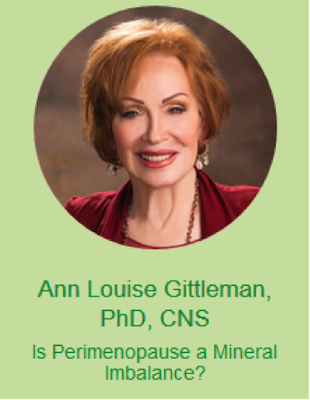
Be sure to also tune in to Ann Louise Gittleman’s interview. Her discussion about zinc and copper is a perfect complement to my interview.

Ann Louise Gittleman, PhD, CNS: Is Perimenopause a Mineral Imbalance?

  • Do you have toxic levels of this mineral (copper)?
  • Best way to test mineral imbalance
  • Overcoming nutrient and mineral imbalance

Adrenal health is so important during perimenopause

Adrenal health is so important during perimenopause. This is covered in this interview – Adrenals are a Perimenopausal Gal’s Bestie with Marcelle Pick MSN, OB-GYN, NP. She covers the following:

  • Role of the adrenal glands in hormone balance
  • Causes and consequences of adrenal burnout
  • Caring for your adrenals.

And shares these gems:

  • Prior to menopause about 15% of our sex hormones are produced by our adrenals and after menopause it’s 30% – this is why adrenal health is so important!
  • When you are stressed the adrenals will make cortisol at the expense of estrogen and progesterone

She also talks about how we handle stress impact the adrenals and why it’s so important to work on lifestyle changes. One great example she shares is this: “are we a perfectionist and do we expect too much of ourselves?”

I’d like to add to this and say that the first step is recognizing that you are a perfectionist and reminding you that perfectionism is a classic sign of low serotonin. That way you can consider using the amino acids tryptophan or 5-HTP to say goodbye to perfectionism and ease some of your stress.

I talk all about low serotonin in my interview but want to help you make this connection as you listen to Dr. Marcelle’s and my interviews.

Dr. Marcelle also discusses what to eat, some of her favorite adaptogenic herbs for the adrenals, exercise advice (and why to do less when you are healing your adrenals) and the effects of childhood trauma.

Do let us know if any of this resonates with you and feel free to post questions in the comments below.

Filed Under: Women's health Tagged With: adrenals, GABA, Michelle Sands, perimenopause, pyroluria, stress

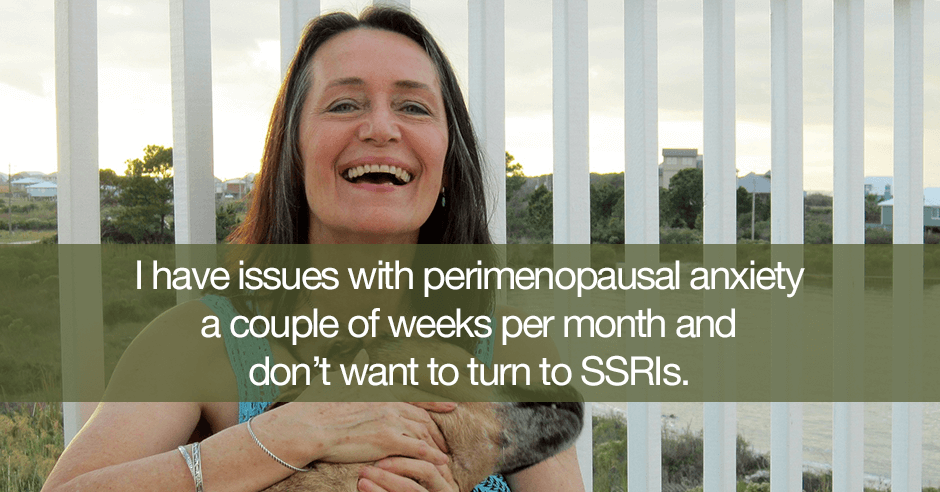
I have issues with perimenopausal anxiety a couple of weeks per month and don’t want to turn to SSRIs.

March 8, 2019 By Trudy Scott 10 Comments

My challenges with anxiety have been hormonal. I’ve had issues with both postpartum anxiety and now perimenopausal anxiety a couple of weeks per month as I’m approaching menopause. I don’t want to turn to SSRIs but some days are pretty miserable and most other days I feel fine. Any info you have to share regarding this topic or any natural solutions would be of great interest.

When I’m working with a client who reports symptoms like this we start with serotonin and GABA support; determine if they have low zinc, low vitamin B6 and low iron. I also always ask the question: are you on the birth control pill (now or in even in the past).

I’ve blogged about much of this in the past so I’m going to share snippets and blogs for further reading.

Serotonin support with tryptophan for immediate worry-type anxiety relief

In a study published in 1999, A placebo-controlled clinical trial of L-tryptophan in premenstrual dysphoria, tryptophan was found to reduce symptoms of PMS when used in the luteal phase or second half of the cycle (i.e. after ovulation).

This is very typical when I’m working with someone with both PMS (premenstrual syndrome) and perimenopausal anxiety, depression, irritability and mood swings. It typically takes 2 to 3 cycles for an amino acid like tryptophan to have an impact on the cyclical nature of your perimenopausal symptoms.

However, tryptophan does typically start to work right away on the less severe anxiety and mood symptoms assuming you find the ideal dose for your needs. I use the trial method to help my clients figure this out.

When you boost serotonin you also reduce the worry-in-your-head and ruminating type of anxiety, and end to panic attacks and phobias, a boost of confidence, no more depression and negativity, imposter syndrome that is no more, an end to your anger issues and irritability, an improvement in sleep and no more afternoon/evening cravings for something sweet.

You can read more about tryptophan here: Tryptophan for the worry-in-your-head and ruminating type of anxiety

GABA support for relief from tension-type anxiety

During perimenopause progesterone is often low and when it is low, we can expect GABA to be low too. Research confirms low GABA and high glutamate-glutamine in premenstrual dysphoric disorder (PMDD) and that shifting hormones may lead to dysregulation of GABA which contributes to HPA axis dysfunction. The HPA (hypothalamic pituitary adrenal) axis is your stress response system and when it’s not functioning well you are more susceptible to the effects of stress and more likely to feel depressed and anxious.

If your GABA levels are low you will feel increased physical tension and insomnia. The amino acid GABA, opened on to the tongue, can provide calming results within minutes.

Dee likes the instant calm and compares how it worked as well as Xanax had worked for her in the past:

I have taken Xanax in the past for panic attacks. My functional medicine doctor suggested this product as I wanted a natural product. I was amazed how it works just like the Xanax did – instant calm feeling within 10 mins of taking 2 capsules. I use them as needed when I am having heightened stress and anxiety.

Low zinc, low vitamin B6 and/or low iron?

Low iron/ferritin is common if you’re still having a period and it’s one of the important -cofactors for making serotonin, thyroid hormones and the sex hormones. Low iron, together with low vitamin B6 plays a role in anxiety and panic attacks. In one study premenopausal women who had been admitted to the emergency room with panic attacks were found to have both low iron and low vitamin B6. I have an entire blog post on this topic here

The other key co-factor for making serotonin is zinc. You’ll want to look into and address pyroluria if you feel more anxious in social situations like family gatherings, going to church events or community picnics, or even while doing business networking or in work meetings. The key nutrients for pyroluria are zinc and vitamin B6 and both help with PMS and perimenopausal anxiety, and hormone balance.

Are you on the birth control pill?

I recently reviewed Beyond the Pill A 30-Day Program to Balance Your Hormones, Reclaim Your Body, and Reverse the Dangerous Side Effects of the Birth Control Pill by Dr. Jolene Brighten.

If you currently on the pill or have been in the recent past read the above review and get the book to give you an excellent understanding of what may be going on with your body.

Dr. Jolene shares that mood disruption is common and mentions a study in the Journal of the American Medical Association which reports the following:

women who began the pill were more likely to be prescribed an antidepressant – which means it contributes to a bit more than moodiness

She writes in great detail about Post–birth control syndrome (PBCS) which is “is a constellation of symptoms women experience when they discontinue hormonal birth control.” She has found the symptoms of PBCS typically occur in the first 4-6 months after stopping the pill. As well as mood swings and anxiety, you may also experience heavy bleeding or no period, acne, headaches, infertility, pill-induced PCOS (polycystic ovarian syndrome), hypothyroidism, gut issues and even autoimmune symptoms.

You also want to reduce your stress levels. Here are some ideas for you:

  • Get into nature and experience the incredible benefits of forest bathing
  • Do some bird-watching in your backyard or at a nearby park: People living in neighborhoods with more birds, shrubs and trees are less likely to suffer from depression, anxiety and stress
  • Get outside and start bouldering or go and “play” in a climbing gym: A growing body of research suggests that bouldering, a form of rock climbing, can help build muscle and endurance while reducing stress

All the above is a great starting point. You also want to consider adrenal support if needed; and support liver health, together with dietary changes, addressing gut health and thyroid health, getting toxins out of your life and figuring out whatever your own root causes may be.

Here is the link to the amino acids and pyroluria supplements I use with my clients.

Have you found that any of the above has helped you with your PMS or perimenopausal anxiety?

Do you have any stress-relief tips to share with other women who find themselves so stressed out at this age?

Feel free to post questions here too.

Filed Under: Women's health Tagged With: adrenals, anxiety, Beyond the Pill, bird-watching, bouldering, depression, forest bathing, GABA, iron, perimenopause, serotonin, stress, the pill, vitamin B6, zinc

  • « Go to Previous Page
  • Page 1
  • Page 2
  • Page 3
  • Page 4
  • Page 5
  • Page 6
  • Interim pages omitted …
  • Page 12
  • Go to Next Page »

Primary Sidebar

GABA QuickStart Homestudy

gaba quickstart homestudy

Free Report

9 Great Questions Women Ask about Food, Mood and their Health

You'll also receive a complimentary subscription to my ezine "Food, Mood and Gal Stuff"


Connect with me

Popular Posts

  • Amino Acids Mood Questionnaire from The Antianxiety Food Solution
  • The Antianxiety Food Solution Amino Acid and Pyroluria Supplements
  • Pyroluria Questionnaire from The Antianxiety Food Solution
  • Collagen and gelatin lower serotonin: does this increase your anxiety and depression?
  • Tryptophan for the worry-in-your-head and ruminating type of anxiety
  • GABA for the physical-tension and stiff-and-tense-muscles type of anxiety
  • The Antianxiety Food Solution by Trudy Scott
  • Seriphos Original Formula is back: the best product for anxiety and insomnia caused by high cortisol
  • Am I an anxious introvert because of low zinc and vitamin B6? My response to Huffington Post blog
  • Vagus nerve rehab with GABA, breathing, humming, gargling and key nutrients

Recent Posts

  • Her cravings for chips and peanut butter were triggered by stress: GABA ends cravings and reduces physical tension and fear of heights
  • It is truly miraculous to be able to move through life without crippling anxiety and panic
  • GABA and tryptophan combo provide immediate and noticeable relief for tremors and cervical dystonia in just 7 days
  • Red light therapy for back and neck pain, plantar fasciitis and low mood – a complement to the amino acids GABA, DPA and tryptophan
  • What do I use instead of Seriphos to help lower high cortisol that is affecting my sleep and making me anxious at night?

Categories

  • 5-HTP
  • AB575
  • Addiction
  • ADHD
  • Adrenals
  • Alcohol
  • Allergies
  • Alzheimer's disease
  • Amino Acids
  • Anger
  • Antianxiety
  • Antianxiety Food Solution
  • Antidepressants
  • Anxiety
  • Anxiety and panic
  • Autism
  • Autoimmunity
  • benzodiazapines
  • Bipolar disorder
  • Books
  • Caffeine
  • Cancer
  • Candida
  • Children/Teens
  • Collagen
  • Cooking equipment
  • Coronavirus/COVID-19
  • Cravings
  • Depression
  • Detoxification
  • Diabetes
  • Diet
  • DPA/DLPA
  • Drugs
  • EFT/Tapping
  • EMF
  • EMFs
  • Emotional Eating
  • Endorphins
  • Environment
  • Essential oils
  • Events
  • Exercise
  • Fear
  • Fear of public speaking
  • Fertility and Pregnancy
  • Fish
  • Food
  • Food and mood
  • Functional neurology
  • GABA
  • Gene polymorphisms
  • General Health
  • Giving
  • Giving back
  • Glutamine
  • Gluten
  • GMOs
  • Gratitude
  • Gut health
  • Heart health/hypertension
  • Histamine
  • Hormone
  • Hyperparathyroidism
  • Hypoglycemia
  • Immune system
  • Inflammation
  • Insomnia
  • Inspiration
  • Introversion
  • Joy and happiness
  • Ketogenic diet
  • Lithium orotate
  • Looking awesome
  • Lyme disease and co-infections
  • MCAS/histamine
  • Medication
  • Men's health
  • Mental health
  • Mercury
  • Migraine
  • Mold
  • Movie
  • MTHFR
  • Multiple sclerosis
  • Music
  • NANP
  • Nature
  • Nutritional Psychiatry
  • OCD
  • Osteoporosis
  • Oxalates
  • Oxytocin
  • Pain
  • Paleo
  • Parasites
  • Parkinson’s disease
  • PCOS
  • People
  • PMS
  • Postpartum
  • PTSD/Trauma
  • Pyroluria
  • Questionnaires
  • Real whole food
  • Recipes
  • Research
  • Schizophrenia
  • serotonin
  • SIBO
  • Sleep
  • Special diets
  • Sports nutrition
  • Stress
  • Sugar addiction
  • Sugar and mood
  • Supplements
  • Teens
  • Testimonials
  • Testing
  • The Anxiety Summit
  • The Anxiety Summit 2
  • The Anxiety Summit 3
  • The Anxiety Summit 4
  • The Anxiety Summit 5
  • The Anxiety Summit 6
  • Thyroid
  • Thyroid health
  • Toxins
  • Tryptophan
  • Tyrosine
  • Uncategorized
  • Vegan/vegetarian
  • Women's health
  • Yoga

Archives

  • May 2026
  • April 2026
  • October 2025
  • September 2025
  • August 2025
  • July 2025
  • June 2025
  • May 2025
  • April 2025
  • March 2025
  • February 2025
  • January 2025
  • November 2024
  • October 2024
  • September 2024
  • August 2024
  • July 2024
  • June 2024
  • May 2024
  • April 2024
  • March 2024
  • February 2024
  • January 2024
  • December 2023
  • November 2023
  • October 2023
  • September 2023
  • August 2023
  • July 2023
  • June 2023
  • May 2023
  • April 2023
  • March 2023
  • February 2023
  • January 2023
  • December 2022
  • November 2022
  • October 2022
  • September 2022
  • August 2022
  • July 2022
  • June 2022
  • May 2022
  • April 2022
  • March 2022
  • February 2022
  • January 2022
  • December 2021
  • November 2021
  • October 2021
  • September 2021
  • August 2021
  • July 2021
  • June 2021
  • May 2021
  • April 2021
  • March 2021
  • February 2021
  • January 2021
  • December 2020
  • November 2020
  • October 2020
  • September 2020
  • August 2020
  • July 2020
  • June 2020
  • May 2020
  • April 2020
  • March 2020
  • February 2020
  • January 2020
  • December 2019
  • November 2019
  • October 2019
  • September 2019
  • August 2019
  • July 2019
  • June 2019
  • May 2019
  • April 2019
  • March 2019
  • February 2019
  • January 2019
  • December 2018
  • November 2018
  • October 2018
  • September 2018
  • August 2018
  • July 2018
  • June 2018
  • May 2018
  • April 2018
  • March 2018
  • February 2018
  • January 2018
  • December 2017
  • November 2017
  • October 2017
  • September 2017
  • August 2017
  • July 2017
  • June 2017
  • May 2017
  • April 2017
  • March 2017
  • February 2017
  • January 2017
  • December 2016
  • November 2016
  • October 2016
  • September 2016
  • August 2016
  • July 2016
  • June 2016
  • May 2016
  • April 2016
  • March 2016
  • February 2016
  • January 2016
  • December 2015
  • November 2015
  • October 2015
  • September 2015
  • August 2015
  • July 2015
  • June 2015
  • May 2015
  • April 2015
  • March 2015
  • February 2015
  • January 2015
  • December 2014
  • November 2014
  • October 2014
  • September 2014
  • August 2014
  • July 2014
  • June 2014
  • May 2014
  • April 2014
  • March 2014
  • February 2014
  • January 2014
  • December 2013
  • November 2013
  • October 2013
  • September 2013
  • August 2013
  • July 2013
  • June 2013
  • May 2013
  • April 2013
  • March 2013
  • February 2013
  • January 2013
  • December 2012
  • November 2012
  • October 2012
  • August 2012
  • July 2012
  • June 2012
  • May 2012
  • April 2012
  • March 2012
  • February 2012
  • January 2012
  • December 2011
  • November 2011
  • October 2011
  • September 2011
  • August 2011
  • July 2011
  • June 2011
  • May 2011
  • April 2011
  • March 2011
  • February 2011
  • January 2011
  • December 2010
  • October 2010
  • September 2010
  • July 2010
  • May 2010
  • April 2010
  • March 2010
  • February 2010
  • January 2010
  • November 2009

Share the knowledge!

The above statements have not been evaluated by the Food and Drug Administration. Products listed in this website are not intended to diagnose, treat, cure or prevent any disease.

The information provided on this site is for informational and educational purposes only and is not intended as a substitute for advice from your physician or other health care professional. You should consult with a healthcare professional before starting or modifying any diet, exercise, or supplementation program, before taking or stopping any medication, or if you have or suspect you may have a health problem.


Copyright © 2026 Trudy Scott. All Rights Reserved. | Privacy | Terms and Conditions | Refund Policy | Medical Disclaimer

Free Report

9 Great Questions Women Ask about Food, Mood and their Health

You’ll also receive a complimentary subscription to my ezine “Food, Mood and Gal Stuff”