• Skip to primary navigation
  • Skip to main content
  • Skip to primary sidebar

everywomanover29 blog

Food, Mood and Women's Health – Be your healthiest, look and feel great!

  • Blog
  • About
  • Services
  • Store
  • Resources
  • Testimonials
  • The Book
  • Newsletter
  • Contact
  • Search this site

Women's health

Low cholesterol, tryptophan & methylation on Hormones – A Women’s Wellness Summit

March 28, 2016 By Trudy Scott 12 Comments

women's wellness summit

Just sending you a quick reminder about the upcoming summit.

You’ll learn why you don’t have to accept anxiety, depression, mood swings, headaches, constant fatigue or dramatic periods, and how to find answers from some amazing women’s health experts!

Join me and educate yourself online and no cost from April 11-18, 2016 on Hormones: A Women’s Wellness Summit.

(you can register here https://qt247.isrefer.com/go/WWH16reg/trudyscottcn/)

Understanding your hormones may sound like an impossible mission, but it’s really not. As we learn to incorporate healthier choices into our lives, we feel better. And, as women, when we feel better, we can do anything! And as I like to say we deserve to feel our absolute best all the time!

Join health coach and acupuncturist Bridgit Danner, LAc, FDNP, and the 30+ health and wellness experts she has gathered to teach you how to keep your body in sync with your life.

Even if you’re not a woman, tune in to learn more so you can understand the women in your life – your mom, your sisters, your wife, your girlfriend, your daughter. Or share this information with the women in your life. You may even pick up some ideas for yourself, for example most of my interview is applicable for men too.
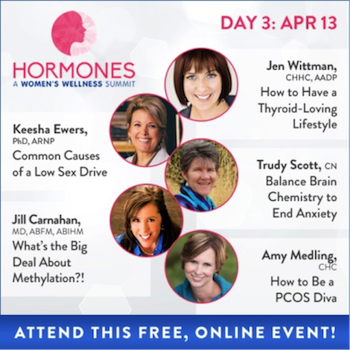
women's wellness summit

Here is a snippet about the importance of cholesterol from my interview which airs on day 3: Balance Brain Chemistry to End Anxiety

A lot of people talk about concerns with high cholesterol, but if you’ve got very low cholesterol, you don’t have the raw material to make your hormones. That’s going to affect your mood. There’s actually research showing that very low cholesterol, a total cholesterol below 150 can make you more prone to mood problems and actually increase your risk for suicide.

If I see a woman with very low total cholesterol, the first thing I think about is absorption, as you just said. Have they got a gall bladder? Maybe they haven’t got enough bile production. Have they got damage to the gut, so they’re not able to absorb the nutrients that they’re eating? And when we add in extra healthy fats, and if you’re already doing that, then I would say look at the digestive component and see if that’s a factor. I’ve seen many women with hormonal issues just get their total cholesterol up, and their hormones start to balance a lot better, which is pretty amazing.

I also talk about how to figure out how much of the amino acids you may need and how to do a trial. In this snippet I’m talking about tryptophan for the low serotonin, worry-in-your-head kind of anxiety:

once you start on the tryptophan, for example, and the starting dose for tryptophan is 500mg. You start on that and you see how much did it improve? Wow, it went from an 8 or 9 out of 10 to a 6 out of ten. But I could definitely see some improvement. So after a few days, increase it. Go from 500mg to 1,000mg, twice a day. Yes, it improved 2 more notches, great. We’re making some gains, here. Then another few days later, or maybe a week later, add another one: 1,500mg, twice a day. Wow, now I’m feeling great. This is the dosage you stay on for a while until you feel like you don’t need it anymore.

If you increase it to the 1,500mg, for example, and you didn’t get any added benefits, then you would just go back to the lower dose. So it’s very individualized, it’s very targeted, meaning it’s targeted to your unique needs. Not everyone needs the amino acids. But if you score high on the questionnaire, and you do a trial and you benefit, then you know you need them. And then you just increase until you get the point of no more benefits.

And here is a snippet from Dr. Jill Carnahan’s interview – What’s the Big Deal About Methylation?:

we generally don’t treat methylation by itself. We treat it in the context of the patient. I’ll say that over and over again today because I think what I see in the internet and what I see with responses to my blog articles and things are patients saying, “Give me a protocol. I got this defect. What do I do?” It’s so important for patients to realize that just because you have a genetic defect, it does not cause disease. It’s genetics plus environment.

What is methylation? Basically, methylation is a process that’s involved in cellular repair. That repairs your DNA and RNA. All the time, we’re getting toxic insults to our body, chemicals and environmental things, foods even, and they can damage our DNA and RNA. Methylation is one of the processes that actually repairs those things so we don’t develop things like cancer.

Number two would be helping to create neurotransmitters. This is basically involved in our thinking, our mood, our concentration, our focus, our drive, and things like sleep, and ability to have just happiness and joy [and no anxiety]. People who have methylation issues will often have trouble with neurotransmitters.

Number one, repair DNA and RNA. Number two would be create neurotransmitters. Number three/number four would be detoxification, very involved in detoxification. Your processes to basically take care of toxic chemicals. Then, also, for immune system function which is related to the detoxification process.

Dr. Carnahan shares how our neurotransmitters are affected by methylation and how this impacts anxiety and depression:

The biopterin pathway is part of the methylation cycle. It actually comes from the folic acid metabolism cycle. If that isn’t running properly, this is where you make phenylalanine which is a precursor for tyrosine, tyrosine which is a precursor of dopamine, and tryptophan which is a precursor of 5-HTP.

You can also catch these great speakers on day 3 with myself and Dr. Carnahan:

  • Keesha Ewers – Common Causes of a Low Sex Drive
  • Jen Wittman – How to Have a Thyroid-Loving Lifestyle
  • Amy Medling – How to be a PCOS Diva

Other summit speakers cover the adrenals, low testosterone in women, PMS and missed periods, endometriosis, how to have gorgeous skin, fertility, pregnancy and post-partum, perimenopause, your hunger hormones, toxins in your food, bio-identical hormones, cell phone dangers and much much more.

I hope you join us online from April 11-18, 2016 on Hormones: A Women’s Wellness Summit

You can register here https://qt247.isrefer.com/go/WWH16reg/trudyscottcn/
Filed Under: Events, Women's health Tagged With: Bridgit Danner, Jill Carnahan, Methylation

12 Ways Coffee Impacts Your Hormones

May 17, 2015 By Trudy Scott 4 Comments

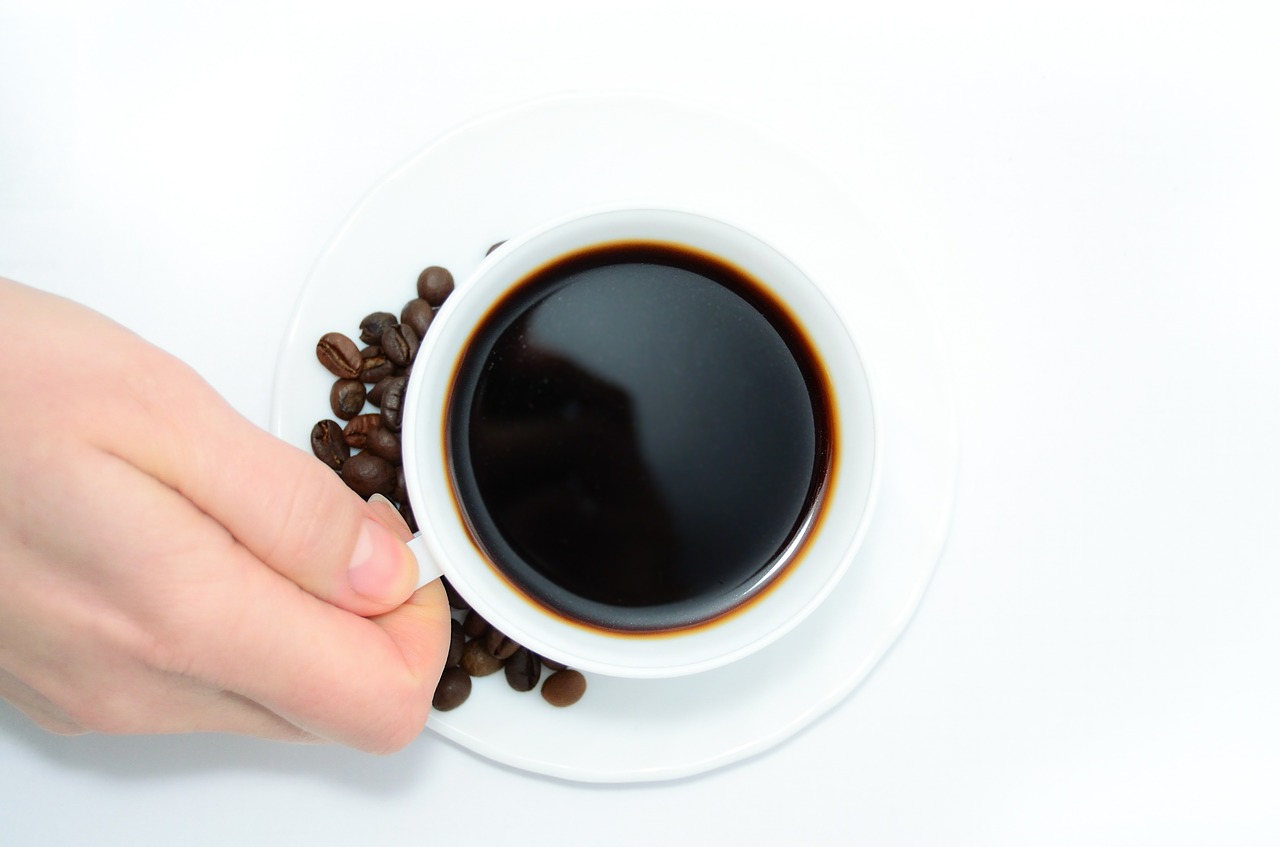
 a-cup-of-coffee-399478_1280

12 Ways Coffee Impacts Your Hormones

Guest post by Magdalena Wszelaki, founder of Hormones Balance

(with the 12th one on anxiety added by me!)

Black magic. Black medicine. Morning elixir.

If you had to give up either coffee or the internet for 2 weeks, which one would you choose? How about either coffee or sex for 2 weeks? If you’d rather relinquish anything to keep your coffee, you’d be on par with the majority of the people around you.

Taking steps to remove gluten, dairy or sugar from your diet can feel like a breeze compared to giving up coffee. However, as with anything that makes us feel that good, there is another side to your java fixation, and you need to know about it.

Benefits of coffee

Many reliable studies are often cited in confirming that coffee is full of antioxidants and polyphenols. However, these same antioxidants and polyphenols can also be found abundantly in many fruits and vegetables.

In addition, there are also a variety studies showing coffee’s role in the prevention of cancer, diabetes, depression, cirrhosis of the liver, gallstones, etc.

Beyond science, there is also the undeniable feeling of comfort in a morning routine, a stop at a favorite coffee shop, the smell, the buzz, and the energetic boost and mental clarity that come with a good cup of joe.

Everyone reacts differently

Is coffee bad for everybody? Not really. Each of us can have a different reaction to coffee. Some people get jittery, anxious and nervous, while others feel uplifted for hours. Many coffee drinkers report feeling good for the first two hours (mainly due to a dopamine spike), but eventually their energy and mental alertness will start dropping rapidly.

Coffee is metabolized in Phase I of the liver detoxification pathway, and some people have a harder time breaking it down – we call them “slow metabolizers.” This can either manifest immediately, presenting shaky and jittery feelings, or in a delayed fashion, such as poor sleep and digestive issues.

What is so worrisome about coffee?

If you are suffering from thyroid issues, Hashimoto’s, adrenal fatigue, insomnia, anxiety, hot flashes or hormone-related conditions, it’s important to be fully aware of the “other side of coffee” and make an educated decision whether it is good for you.

Here are some of the lesser-known facts about coffee:

  1. Increases blood sugar levels

According to this study, caffeine increases blood sugar levels. This is especially dangerous for people with hypoglycemia (or low sugar levels) who feel jittery, shaky, moody and unfocused when hungry. Blood sugar fluctuations cause cortisol spikes, which not only exhaust the adrenals, but also deregulate the immune system. This is highly undesirable for those of us with adrenal fatigue, Hashimoto’s or Graves’ disease. Such cortisol spikes are also highly inflammatory (read more below).

  1. Creates sugar and carbohydrate cravings

As the result of the above (increase in sugar levels), when our blood sugar levels come down, we need an emergency fix to bring them back up. This is why people who drink coffee at breakfast or indulge in sugary and processed breakfasts crave carbs and sugar by 11am or later in the day.

  1. Contributes to acid reflux and damages gut lining

Coffee stimulates the release of gastrin, the main gastric hormone, which speeds up intestinal transit time. Coffee can also stimulate the release of bile (which is why some people run to the bathroom soon after drinking coffee) and digestive enzymes.

In a person with a healthy digestion, this is not a big deal. However, for people with autoimmune conditions, compromised digestion (such as IBS, or “leaky gut”), this can cause further digestive damage to the intestinal lining (source).

  1. Exhausts the adrenals

Coffee stimulates the adrenals to release more cortisol, our stress hormone; this is partly why we experience a wonderful but temporary and unsustainable burst of energy.

What many of us don’t realize is that our tired adrenals are often the cause of unexplained weight gain, sleeping problems, feeling emotionally fragile, depression and fatigue. Drinking coffee while experiencing adrenal fatigue is only adding fuel to the fire.

  1. Worsens PMS and lumpy breasts

It’s well-established that coffee contributes to estrogen dominance (source), which can mean one of two things: we either have too much estrogen in relation to progesterone, or we have an imbalance in the estrogen metabolites (some are protective and some are dangerous).

PMS, lumpy breasts, heavy periods, cellulite and even breast cancer (which is an estrogenic cancer) can be symptoms of estrogen dominance.

  1. Gluten-cross reactive food

50% of people with gluten sensitivities also experience cross reactivity with other foods, including casein in milk products, corn, coffee, and almost all grains, because their protein structures are similar. Cyrex Labs provides a test for gluten cross-reactive foods.

 Many people report having a similar reaction to coffee as they do to gluten.

  1. Impacts the conversion of T4 to T3 hormones

Coffee impacts the absorption of levothyroxine (the synthetic thyroid hormone); this is why thyroid patients need to take their hormone replacement pill at least an hour before drinking coffee.

The indirect but important point is that coffee contributes to estrogen dominance, cited above, and estrogen dominance inhibits T4 to T3 conversion.

  1. Can cause miscarriages

This study showed that women who drink coffee during their pregnancy are at a higher risk of miscarriage.

  1. Is highly inflammatory

Any functional or integrative doctor would say the majority of modern diseases are caused by inflammation – a smoldering and invisible fire found on a cellular level.

This study found that caffeine is a significant contributor to oxidative stress and inflammation in the body. Chronic body pains and aches, fatigue, skin problems, diabetes and autoimmune conditions are just some of the conditions related to inflammation.

  1. Can contribute to and even cause osteoporosis

It is well-known that coffee changes our body pH to a lower, and thus more acidic, level. A low pH (which means a more acidic body) can contribute to osteoporosis.

This study has confirmed that habitual coffee drinking among postmenopausal women was the leading cause of osteoporosis.

  1. Can cause insomnia and poor sleep

This study showed that 400mg of “caffeine taken 6 hours before bedtime has important disruptive [sleep] effects.”

This, again, is dependent on the individual and his or her ability to metabolize caffeine. Some people experience deep and restful sleep whether or not they drink coffee, while others do not, even if they stop drinking anything caffeinated at noon.

How sensitive are you and how does coffee impact your sleep? You will only find out when you give up caffeinated drinks for 5 days – then your body will tell you!

       12.  Can cause anxiety and depression (Trudy: I added this one!)

Many people find that caffeine consumption can worsen anxiety. For example, chronic, heavy use of caffeine can cause or heighten anxiety and may lead to increased use of antianxiety medications as shown in this study. This study showed that people with panic disorder and social anxiety may be more sensitive to the anxiety-causing effects of caffeine. Somewhat paradoxically, caffeine withdrawal can also mimic anxiety

What about decaf?

It’s a disputed area, but many health practitioners don’t suggest it for two reasons. For one, many manufacturers use a chemical process to remove caffeine from the coffee beans. The result is less caffeine, but more chemicals. Secondly, it is the caffeine in the coffee that has the health benefits we discussed above. Without it, you are left with little benefit.

The change we resist the most is often the change we need the most

Many people who have made extensive dietary changes will admit that coffee was the last and hardest thing to eliminate from their diets. Coffee is our ritual; it’s our best friend.

But is it really? It is often said that the change we resist the most is the change our body needs the most. Let your intuition be your guide.

Bottom line

You will only know how you really feel without coffee when you get off it for 3 to 5 days (and please don’t say it does not impact you until you try this experiment). The first 2 days will be tough, but that tells you something important about this addictive substance, does it not?

Many women who have given up coffee and caffeine report better sleep within days, fewer hot flashes, less depression and anxiety, and many more other benefits over time.

What are some substitute options?

If you feel like you still need a slight kick, go for less-caffeinated options, such as green tea.

Once you are ready to completely rid yourself of caffeine, herbal teas are a wonderful replacement.

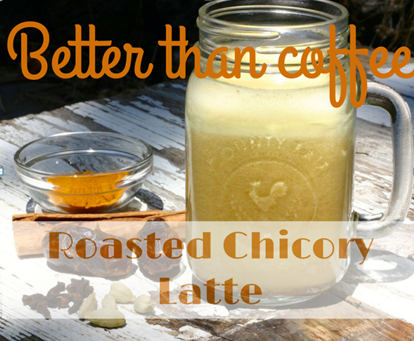
One of my personal favorites is a Roasted Chicory Latte – it tastes like coffee, but it contains no caffeine. Making it into a smooth and creamy (yet dairy-free) latte makes the transition so much easier.

magdalena roasted chicory latte 

RECIPE: ROASTED CHICORY ROOT LATTE

Time to prepare: 15 minutes; Time to steep: 10minutes.

Serves: 1

Equipment: blender

Ingredients

1 tbsp roasted chicory root

2 cups water

1 tbsp ghee, coconut butter or butter (if tolerated)

1 pitted date

fresh nutmeg (nut or powder)

How to make:

  1. Bring water to a boil, add chicory root and steep for 10 minutes.
  2. Strain and transfer to a blender.
  3. Add the ghee (or any fat you decide to use) and the date. Blend for 1 minute at high speed.
  4. Top with freshly grated nutmeg and enjoy.


Medical references:

  • Effects of caffeine on glucose tolerance: a placebo-controlled study.
  • Coffee and estrogen dominance.
  • Maternal caffeine consumption during pregnancy and the risk of miscarriage: a prospective cohort study.
  • The effects of theaflavin-enriched black tea extract on muscle soreness, oxidative stress, inflammation, and endocrine responses to acute anaerobic interval training: a randomized, double-blind, crossover study.
  • Coffee and gastrointestinal function: facts and fiction. A review.
  • Dietary patterns and bone mineral density in Brazilian postmenopausal women with osteoporosis: a cross-sectional study.
  • Caffeine effects on sleep taken 0, 3, or 6 hours before going to bed.
  • Psychotropic effects of caffeine
  • Caffeine, mental health, and psychiatric disorders

If you are not already registered for the Anxiety Summit you can get live access to the speakers of the day here: www.theAnxietySummit.com

Check out the speaker blog from Magdalena’s two wonderful interviews on the Anxiety Summit Season 3: Foods to balance your hormones and ease anxiety.

Her 2 interviews will be replayed on Monday May 18th (we have encore replay days on Monday May 18th and Wednesday May 20th).

Grab Magdalena’s gift: How to Rebalance Your Hormones with Food and Recipes

Missed these interviews or can’t listen live? Or want this and the other great interviews for your learning library? Purchase the MP3s or MP3s + transcripts and listen when it suits you.

You can find your purchasing options here: Anxiety Summit Season 1, Anxiety Summit Season 2, and Anxiety Summit Season 3.

Filed Under: Anxiety and panic, Caffeine, Hormone, The Anxiety Summit 3, Women's health Tagged With: anxiety, caffeine, coffee, hormones, Magdalena Wszelaki, the anxiety summit, Trudy Scott

Menopause is a Trip: Travel First Class summit

March 2, 2015 By Trudy Scott Leave a Comment

Just a quick reminder – this online event starts TODAY – Menopause is a Trip: Travel First Class, hosted by my colleague, Holistic Health Coach Katherine Miller.

I am happy to invite you to this online event that will bring together 16 experts in women’s health and balancing hormones that will help you find relief from menopausal symptoms and enjoy a healthy, vital future.

Here is an excerpt from a recent article Katherine wrote:

Every woman goes through menopause, yet very few prepare for it. This natural shift of our biology, from reproductive potential to what I call the “self-creative” stage, is a potent time for women. So much of our energy is freed up for new ventures, including our own self-development.

Yet rather than enjoy menopause as a time of positive potential, most women find themselves struggling to cope with the hot flashes, night sweats, mood swings, low libido, exhaustion and host of other symptoms for which “the change” is known. The problem is that rather than practicing good self-care, most of us have been pushing ourselves past our limits for years. We begin the 10+ year transition into menopause when our resources are at their lowest, which causes natural hormonal shifts to be unnaturally dramatic or even hellish.

Fortunately, it doesn’t have to be that way. “Lifestyle is so under-rated as a preventive measure in staying well–stress reduction, sleep, exercise, eating well,” says Dr. Mache Seibel, a professor at UMass Medical School, who focuses on perimenopause and menopause. “There has to be an awareness of ‘How can I take care of myself?’”

Even those whose symptoms of exaggerated hormonal imbalance have become impossible to ignore have more choices than they may realize. “It’s just quite incredible how food choices, lifestyle choices, good quality sleep, detoxifying our environment, taking care of the gut, and taking care of the liver can have some really profound impacts on our hormones,” says health coach Magdalena Wszelaki.

Dr. Mache Seibel and health coach Magdalena Wszelaki are speakers on the summit and I support everything they say!

My talk is today and the focus is anxiety …. “Your key nutrients to end anxiety and stress during menopause.” I talk about:

  • low GABA and low serotonin and the connection to low progesterone and estrogen
  • how important adrenal support is when you go into menopause
  • key nutrients like zinc and vitamin B6 – for anxiety, pyroluria and hormone balance
  • why grass-fed red meat is good (really!!) – zinc, iron, omega-3s and more
  • and why skipping the coffee is a good thing!

Also hear Dr. Tami Meraglia today. She is an integrative MD, and author of the soon-to-be-released book called The Hormone Secret (I have my advance review copy and it’s good!) and one of my favorite hormone docs (and a good friend who I adore)!

And do catch the rest of the excellent line-up through the week.

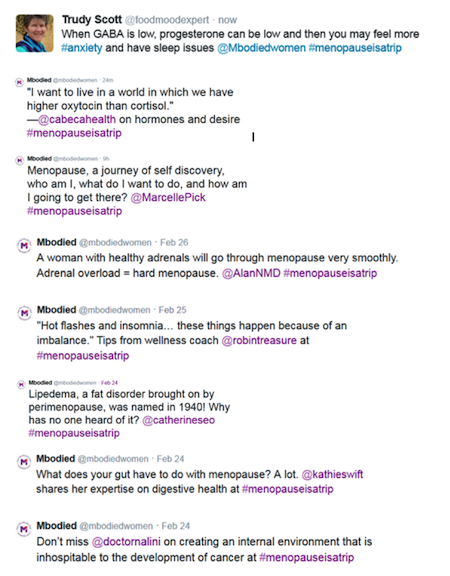
To entice you and give you a feel for what is to come, here are some tweets with quotes from many of the speakers.

Register here https://tz207.isrefer.com/go/menopuasesummit/TSsummit2015/


Filed Under: Anxiety and panic, Events, Women's health Tagged With: Katherine Miller, menopause

Breast Cancer Awareness: don’t be driven by fear

October 13, 2014 By Trudy Scott 13 Comments

DrNalini Chilkov’s new book
Dr. Nalini Chilkov’s new book

October is Breast Cancer awareness month so here are 7 resources to keep you informed, hopeful and inspired to take charge of your overall health and breast health – for prevention and healing – and no more fear!

#1 Reduce stress in your life. Here is a blog post I wrote in 2010 with information from my colleague Ellyn Hilliard: 10 Unique Ways to Support You During Breast Cancer Awareness Month

Reduce the stresses in your life. Calm the nervous system. Meditate, go on a walk…

Start to look at chemicals in your life. Find natural alternatives to cleaning products.

#2 Exercise to prevent cancer and have fun at the same time

up to a third of breast cancer cases in Western countries could be avoided with a nutritious diet and exercise

If exercise is a chore, find something fun to do and it will be a totally different experience

#3 Be aware that a lot of pinkwashing goes on – it’s quite awful how people are being taken advantage of. And know there is so much you can do that is healing and preventative. You can read more here: Pinkwashing for the cure (ridiculous!) or green for prevention?

Pinkwasher: (pink’-wah-sher) noun. A company or organization that claims to care about breast cancer by promoting a pink ribbon product, but at the same time produces, manufactures and/or sells products that are linked to the disease.

Helyane Waldman’s book “The Whole-Food Guide for Breast Cancer Survivors: A Nutritional Approach to Preventing Recurrence”

Rebecca Katz’s “The Cancer-Fighting Kitchen: Nourishing, Big-Flavor Recipes for Cancer Treatment and Recovery”

#4 Ann Louise Gittleman, author of The Fat Flush Diet and Get the Sugar Out, just posted a great blog on how to become a breast health warrior

Raise your daily Vitamin D intake (D is like a hormone rather than a vitamin) to at least 1,000 – 4,000 IU to reach a level of at least 52 ng/mL. Women with serum levels at

Get the Sugar Out! Plain and simple, cancer feeds on sugar which is known to immobilize white blood cells for up to five hours.

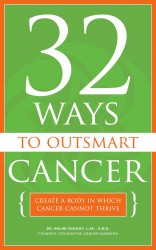
#5 Dr Nalini Chilkov is my cancer referral source and she has a new cancer booklet called 32 Ways to OutSmart Cancer. It has beautiful back-to-basics advice about eating nourishing nutrient-dense, antioxidant- and polyphenol-rich real whole food. I especially like the section on herbs and spices and love the chapter on gratitude. Here is a yummy salmon recipe from her blog.

#6 Be hopeful and optimistic. My colleague Fran Sussman shares her journey and story of recovery from breast cancer in this article called I am a breast cancer survivor: There is hope. Fran will be offering six-week support classes for women diagnosed with breast cancer starting in December.

I’ve come through it, with great resilience and rebounding health. I feel better than ever post-breast cancer, at age 60. I am healthy; my doctors concur.

What can you do for prevention? Support your body with optimal nutrition, exercise, sleep and hydration. Use nutrition to minimize inflammation and insulin resistance.

 Acknowledge and work with your fear, but don’t be driven by it.

#7 And my final piece of advice is stated so beautifully by Fran: “Acknowledge and work with your fear, but don’t be driven by it.” Anxiety and depression is very common in people who have been diagnosed with cancer.  This is understandable, but I encourage you to look for and get support in this area too, so you are not driven by your fear.

You may need to address low GABA levels, keep your blood sugar stable with good quality protein at breakfast, support your adrenals, and drink calming carob instead of coffee.  There is so much you can do.

If you’re looking for more great resources for your healing journey, I invite you to join us on The Anxiety Summit, Nov 3-16, and learn more about nutritional and natural solutions for anxiety.  The topics our expert address will also lead to improved overall health, improved heart health and will help with cancer prevention too.


Filed Under: Anxiety and panic, Cancer, Exercise, Real whole food, Women's health Tagged With: breast cancer, fran sussman, nalini chilkov, real whole food, stress, vitamin D

The Anxiety Summit: Roots, Leaves and Vitamin Bs for Anxiety

June 16, 2014 By Trudy Scott 27 Comments

corey 1

This is day 8 of the Anxiety Summit. Dr Corey Schuler, MS, DC – Board-certified nutrition specialist, chiropractic physician and known as the “good mood dude” is interviewed by host of the Anxiety Summit, Trudy Scott, Food Mood Expert and Nutritionist, author of The Antianxiety Food Solution.

Roots, Leaves and Vitamin Bs for Anxiety

  • Oral lavender for anxiety: safety, research and mechanism of action
  • 4 key B vitamins for anxiety and HPA dysregulation
  • 3 types of sex hormone dysregulation in women and the role of Femmenessence
  • Unique non-supplement approaches for anxiety

Here is are a few gems from my interview with Corey:

  • My favorite herb lavender now has research supporting oral use for anxiety and Corey shared some of the very interesting research on how it can serve as a natural alternative to Paxil.  Here is a great blog post Corey wrote on the Integrative Therapeutics site: New Study on the Efficacy of Oral Lavender Oil
  • You’ll learn more about maca for hormonal balance in women
  • And lovely tips for stress reduction – these will rock your busy world!

Get your free gift from Dr Corey Schuler: “Balancing Hormones in an Unbalanced World” 

And be sure to find him on Facebook here: https://www.facebook.com/drcoreyschuler

If you are not already registered for the Anxiety Summit you can get live access to the speakers of the day here www.theAnxietySummit.com

UPDATE: the summit concluded on Tues 6/24 – season 2 of The Anxiety Summit will be in November 2014. If you’d like to be on the notification list just sign up here www.theAnxietySummit.com

Missed this interview or can’t listen live? Or want this and the other great interviews for your learning library? Purchase the MP3s or MP3s + transcripts + interview highlights and listen when it suits you

Filed Under: Adrenals, Antianxiety Food Solution, Anxiety and panic, Events, Stress, The Anxiety Summit, Women's health Tagged With: anxiety, corey schuler, lavender, maca, the antianxiety food solution, the anxiety summit, Trudy Scott

Zinc deficiency is common: using liquid zinc status test as an assessment tool

December 21, 2012 By Trudy Scott 156 Comments

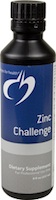
zinctest

“Zinc deficiency is quite common in the developing world. Even in the United States, about 12 percent of the population is probably at risk for zinc deficiency, and perhaps as many as 40 percent of the elderly” Science Daily, Sept 17, 2009

I, however, find that the majority of my clients with anxiety, pyroluria, depression and/or sugar and carb cravings are low in zinc. I have all my clients do the zinc status test when we start working together and then we retest their levels each week until they have good zinc levels. I use zinc sulfate, a liquid zinc that tastes a certain way depending on zinc levels.

Zinc Status test (also called zinc taste test or zinc tally or zinc challenge)

Category 1:

No specific taste or sensation – “It tastes like water” INDICATES GREATEST NEED FOR EXTRA ZINC

Category 2

No immediate taste noticed, but after a few seconds, a slight taste is noticed – ‘stale’, ‘dry mineral’, ‘furry’ or ‘sweet’ INDICATES SOME NEED FOR ZINC

Category 3

A definite mildly unpleasant taste is noticed almost immediately , and tends to intensify with time.. INDICATES LESS NEED FOR ZINC

Category 4

A very strong and very unpleasant taste is noticed immediately – bad enough to need to spit it out.. INDICATES NO NEED FOR ADDITIONAL ZINC, EXCEPT THAT FOUND IN A MULTIVITAMIN

Here is a video of Kelly taken at the recent 2012 Weston A Price conference. She did the zinc status test at my Antianxiety Food Solution booth and this is how the zinc sulfate should taste! Really really terrible! She was the one and only person over a 3 day period who had this reaction. Most of the other attendees scored either 1 or 2 i.e low zinc; a few people scored 3.

If your zinc status is good, this is what the zinc sulfate should taste like!

Zinc is an important and much-needed mineral:

  • Zinc is needed for neurotransmitter functioning ie to make “calming” GABA and “happy” serotonin
  • Zinc helps eliminate pyroluria (a social anxiety condition – see the pyroluria questionnaire here
  • Zinc is critical for wound healing, protein synthesis, muscle contractions, skin conditions
  • Zinc is critical for taste buds and appetite
  • Zinc is crucial for blood sugar control, weight control and diabetes
  • Zinc is crucial for thyroid health and sex hormones (and fertility)
  • Zinc is important for immunity and protection against yeast infections
  • Zinc helps with mental alertness and brain function, as well as sleep
  • Zinc is needed for many enzymatic processes in the body
  • Zinc is not stored in the body and can be depleted by sugar consumption, exercise and sweating and stress

Food sources of zinc

  • The highest concentration of zinc is oysters
  • Zinc is also found in other shellfish such as shrimps and crab
  • Zinc is also found in red meat, fish, poultry and cheese
  • It’s also found in smaller amounts in whole grains, beans, miso, tofu, nuts and seeds, mushrooms and broccoli (many of the plant sources also contain phytic acid which binds to zinc and prevents it being absorbed; many also contain copper so overdoing something like nuts or nut flours can be an issue for many of my clients with low zinc and anxiety)

Zinc supplements

I have found that zinc supplement containing 30mg is a good place to start if your level is low i.e. level 1 or 2 or even 3. I also find that Opti-zinc is very well absorbed by most of my clients (I like the Solaray brand). For someone with pyroluria I prefer a zinc supplement without copper and this brand is free of copper.

Here is my blog with the supplements I recommend to clients and details on how to set up an account with the fulfilment company I use.  Simply search for zinc and you’ll find various professional grade zinc products and the zinc tally or zinc challenge products.

If you’d like more information on zinc, pyroluria and anxiety, a great resource is my book The Antianxiety Food Solution: How the Foods You Eat Can Help You Calm Your Anxious Mind, Improve Your Mood and End Cravings, available in major books stores and from Amazon.  You can read more about it here.

Filed Under: Antianxiety Food Solution, Anxiety and panic, Food and mood, Sleep, Women's health Tagged With: anxiety, deficiency, GABA, pyroluria zinc taste test, serotonin, zinc, zinc sulfate

  • « Go to Previous Page
  • Page 1
  • Interim pages omitted …
  • Page 4
  • Page 5
  • Page 6
  • Page 7
  • Page 8
  • Interim pages omitted …
  • Page 12
  • Go to Next Page »

Primary Sidebar

GABA QuickStart Homestudy

gaba quickstart homestudy

Free Report

9 Great Questions Women Ask about Food, Mood and their Health

You'll also receive a complimentary subscription to my ezine "Food, Mood and Gal Stuff"


Connect with me

Popular Posts

  • Amino Acids Mood Questionnaire from The Antianxiety Food Solution
  • The Antianxiety Food Solution Amino Acid and Pyroluria Supplements
  • Pyroluria Questionnaire from The Antianxiety Food Solution
  • Collagen and gelatin lower serotonin: does this increase your anxiety and depression?
  • Tryptophan for the worry-in-your-head and ruminating type of anxiety
  • GABA for the physical-tension and stiff-and-tense-muscles type of anxiety
  • The Antianxiety Food Solution by Trudy Scott
  • Seriphos Original Formula is back: the best product for anxiety and insomnia caused by high cortisol
  • Am I an anxious introvert because of low zinc and vitamin B6? My response to Huffington Post blog
  • Vagus nerve rehab with GABA, breathing, humming, gargling and key nutrients

Recent Posts

  • Her cravings for chips and peanut butter were triggered by stress: GABA ends cravings and reduces physical tension and fear of heights
  • It is truly miraculous to be able to move through life without crippling anxiety and panic
  • GABA and tryptophan combo provide immediate and noticeable relief for tremors and cervical dystonia in just 7 days
  • Red light therapy for back and neck pain, plantar fasciitis and low mood – a complement to the amino acids GABA, DPA and tryptophan
  • What do I use instead of Seriphos to help lower high cortisol that is affecting my sleep and making me anxious at night?

Categories

  • 5-HTP
  • AB575
  • Addiction
  • ADHD
  • Adrenals
  • Alcohol
  • Allergies
  • Alzheimer's disease
  • Amino Acids
  • Anger
  • Antianxiety
  • Antianxiety Food Solution
  • Antidepressants
  • Anxiety
  • Anxiety and panic
  • Autism
  • Autoimmunity
  • benzodiazapines
  • Bipolar disorder
  • Books
  • Caffeine
  • Cancer
  • Candida
  • Children/Teens
  • Collagen
  • Cooking equipment
  • Coronavirus/COVID-19
  • Cravings
  • Depression
  • Detoxification
  • Diabetes
  • Diet
  • DPA/DLPA
  • Drugs
  • EFT/Tapping
  • EMF
  • EMFs
  • Emotional Eating
  • Endorphins
  • Environment
  • Essential oils
  • Events
  • Exercise
  • Fear
  • Fear of public speaking
  • Fertility and Pregnancy
  • Fish
  • Food
  • Food and mood
  • Functional neurology
  • GABA
  • Gene polymorphisms
  • General Health
  • Giving
  • Giving back
  • Glutamine
  • Gluten
  • GMOs
  • Gratitude
  • Gut health
  • Heart health/hypertension
  • Histamine
  • Hormone
  • Hyperparathyroidism
  • Hypoglycemia
  • Immune system
  • Inflammation
  • Insomnia
  • Inspiration
  • Introversion
  • Joy and happiness
  • Ketogenic diet
  • Lithium orotate
  • Looking awesome
  • Lyme disease and co-infections
  • MCAS/histamine
  • Medication
  • Men's health
  • Mental health
  • Mercury
  • Migraine
  • Mold
  • Movie
  • MTHFR
  • Multiple sclerosis
  • Music
  • NANP
  • Nature
  • Nutritional Psychiatry
  • OCD
  • Osteoporosis
  • Oxalates
  • Oxytocin
  • Pain
  • Paleo
  • Parasites
  • Parkinson’s disease
  • PCOS
  • People
  • PMS
  • Postpartum
  • PTSD/Trauma
  • Pyroluria
  • Questionnaires
  • Real whole food
  • Recipes
  • Research
  • Schizophrenia
  • serotonin
  • SIBO
  • Sleep
  • Special diets
  • Sports nutrition
  • Stress
  • Sugar addiction
  • Sugar and mood
  • Supplements
  • Teens
  • Testimonials
  • Testing
  • The Anxiety Summit
  • The Anxiety Summit 2
  • The Anxiety Summit 3
  • The Anxiety Summit 4
  • The Anxiety Summit 5
  • The Anxiety Summit 6
  • Thyroid
  • Thyroid health
  • Toxins
  • Tryptophan
  • Tyrosine
  • Uncategorized
  • Vegan/vegetarian
  • Women's health
  • Yoga

Archives

  • May 2026
  • April 2026
  • October 2025
  • September 2025
  • August 2025
  • July 2025
  • June 2025
  • May 2025
  • April 2025
  • March 2025
  • February 2025
  • January 2025
  • November 2024
  • October 2024
  • September 2024
  • August 2024
  • July 2024
  • June 2024
  • May 2024
  • April 2024
  • March 2024
  • February 2024
  • January 2024
  • December 2023
  • November 2023
  • October 2023
  • September 2023
  • August 2023
  • July 2023
  • June 2023
  • May 2023
  • April 2023
  • March 2023
  • February 2023
  • January 2023
  • December 2022
  • November 2022
  • October 2022
  • September 2022
  • August 2022
  • July 2022
  • June 2022
  • May 2022
  • April 2022
  • March 2022
  • February 2022
  • January 2022
  • December 2021
  • November 2021
  • October 2021
  • September 2021
  • August 2021
  • July 2021
  • June 2021
  • May 2021
  • April 2021
  • March 2021
  • February 2021
  • January 2021
  • December 2020
  • November 2020
  • October 2020
  • September 2020
  • August 2020
  • July 2020
  • June 2020
  • May 2020
  • April 2020
  • March 2020
  • February 2020
  • January 2020
  • December 2019
  • November 2019
  • October 2019
  • September 2019
  • August 2019
  • July 2019
  • June 2019
  • May 2019
  • April 2019
  • March 2019
  • February 2019
  • January 2019
  • December 2018
  • November 2018
  • October 2018
  • September 2018
  • August 2018
  • July 2018
  • June 2018
  • May 2018
  • April 2018
  • March 2018
  • February 2018
  • January 2018
  • December 2017
  • November 2017
  • October 2017
  • September 2017
  • August 2017
  • July 2017
  • June 2017
  • May 2017
  • April 2017
  • March 2017
  • February 2017
  • January 2017
  • December 2016
  • November 2016
  • October 2016
  • September 2016
  • August 2016
  • July 2016
  • June 2016
  • May 2016
  • April 2016
  • March 2016
  • February 2016
  • January 2016
  • December 2015
  • November 2015
  • October 2015
  • September 2015
  • August 2015
  • July 2015
  • June 2015
  • May 2015
  • April 2015
  • March 2015
  • February 2015
  • January 2015
  • December 2014
  • November 2014
  • October 2014
  • September 2014
  • August 2014
  • July 2014
  • June 2014
  • May 2014
  • April 2014
  • March 2014
  • February 2014
  • January 2014
  • December 2013
  • November 2013
  • October 2013
  • September 2013
  • August 2013
  • July 2013
  • June 2013
  • May 2013
  • April 2013
  • March 2013
  • February 2013
  • January 2013
  • December 2012
  • November 2012
  • October 2012
  • August 2012
  • July 2012
  • June 2012
  • May 2012
  • April 2012
  • March 2012
  • February 2012
  • January 2012
  • December 2011
  • November 2011
  • October 2011
  • September 2011
  • August 2011
  • July 2011
  • June 2011
  • May 2011
  • April 2011
  • March 2011
  • February 2011
  • January 2011
  • December 2010
  • October 2010
  • September 2010
  • July 2010
  • May 2010
  • April 2010
  • March 2010
  • February 2010
  • January 2010
  • November 2009

Share the knowledge!

The above statements have not been evaluated by the Food and Drug Administration. Products listed in this website are not intended to diagnose, treat, cure or prevent any disease.

The information provided on this site is for informational and educational purposes only and is not intended as a substitute for advice from your physician or other health care professional. You should consult with a healthcare professional before starting or modifying any diet, exercise, or supplementation program, before taking or stopping any medication, or if you have or suspect you may have a health problem.


Copyright © 2026 Trudy Scott. All Rights Reserved. | Privacy | Terms and Conditions | Refund Policy | Medical Disclaimer

Free Report

9 Great Questions Women Ask about Food, Mood and their Health

You’ll also receive a complimentary subscription to my ezine “Food, Mood and Gal Stuff”