• Skip to primary navigation
  • Skip to main content
  • Skip to primary sidebar

everywomanover29 blog

Food, Mood and Women's Health – Be your healthiest, look and feel great!

  • Blog
  • About
  • Services
  • Store
  • Resources
  • Testimonials
  • The Book
  • Newsletter
  • Contact
  • Search this site

Depression

MegaSporeBiotic™: A spore-based probiotic for leaky gut, IBS, anxiety, depression, liver health and colitis

May 7, 2021 By Trudy Scott 44 Comments

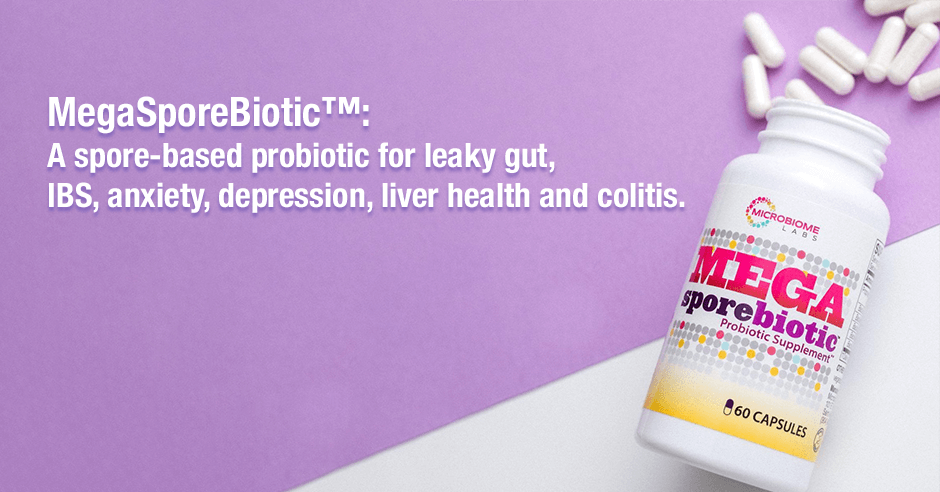
megasporebiotic

MegaSporeBiotic™ is “a 100% spore-based broad-spectrum probiotic shown to maintain healthy gut barrier function” i.e. leaky gut. Research and clinical results show it is promising for irritable bowel syndrome (IBS) or SIBO (small intestinal bacterial overgrowth), recovery from liver injury caused by acetaminophen, and is protective in ulcerative colitis (an inflammatory bowel disease). Given the gut-brain connection and the fact that the majority of serotonin is produced in the gut, it’s not surprising that spore-based probiotics may also help ease anxiety and depression.

Here are some of the studies supporting this spore-based probiotic for gut issues:

  • Oral spore-based probiotic supplementation was associated with reduced incidence of post-prandial dietary endotoxin, triglycerides, and disease risk biomarkers

The key findings of the present study is that oral spore-based probiotic supplementation reduced symptoms indicative of “leaky gut syndrome”.

  • Bacillus spp. Spores-A Promising Treatment Option for Patients with Irritable Bowel Syndrome

The results demonstrated that patients treated with MegaSporeBiotic, compared with those treated with rifaximin followed by nutraceutical or low-FODMAP diet, had similar severity scores and rectal volume sensation test results for all parameters tested and statistically significant improvement in measurements of quality of life.

  • Probiotic Bacillus Spores Protect Against Acetaminophen Induced Acute Liver Injury in Rats

This is important because “Acetaminophen  is one of the most used analgesics [pain-reducing] and antipyretic [fever-lowering] agents in the world. Intoxication with acetaminophen is the main cause of acute liver toxicity in both the US and Europe.”

  • Probiotic Bacillus Spores Together with Amino Acids and Immunoglobulins Exert Protective Effects on a Rat Model of Ulcerative Colitis

Pretreatment with probiotic spore-forming Bacillus strains and a supplement of amino acids in combination with immunoglobulins exhibited anti-inflammatory and antioxidant effects in an AA-induced rat model of ulcerative colitis.

In one study, Bacillus coagulans (one of the spore-forming strains in MegaSporeBiotic™), when used alone was shown to help ease depression and gut problems in IBS patients. It was a randomised, double-blind, placebo controlled, multi-centre, pilot clinical study and:

The improvement in depression and IBS symptoms was statistically significant and clinically meaningful. These findings support B. coagulans MTCC 5856 as an important new treatment option for major depressive disorder in IBS patients.

During The Anxiety Summit 5: Gut-Brain Axis, I interviewed Kiran Krishnan who is a microbiologist, one of the founders of Microbiome Labs and a co-creator of MegaSporeBiotic™. He reminds us about the gut-brain connection and how anxiety and mental health issues come from the gut “because the vast majority of serotonin in your body – more than ninety percent of it – is actually produced in the gut” and not in the brain.

He talks about the type of cell in the gut that produces serotonin – the enterochromaffin cell – and the fact that “spore forming bacteria are some of the best stimulators of the enterochromaffin cell to produce serotonin.”

With low levels of serotonin you’ll experience the worry-type of anxiety with ruminations, obsessing, panic attacks, insomnia (often lying awake worrying). Other low serotonin symptoms include low mood/depression, late afternoon and evening carbohydrate cravings, pain, PMS, irritability, rage and anger, TMJ, low confidence, imposter syndrome and perfectionism. This type of low-serotonin anxiety is different from the low GABA physical/tension type anxiety.

These cells also play a crucial role in gastrointestinal regulation, particularly intestinal motility. We know low serotonin also contributes to digestive/IBS-type symptoms.

You can see a list of all the low serotonin symptoms here.

Brandy’s positive feedback on digestive issues and mental health

Brandy Oto, a marriage, couple and family counselor, incorporates  an integrative nutrition approach with her clients and she shares this:

MegaSporeBiotic™ makes a HUGE difference in my body! I have used every probiotic I can think of. Megaspore has not only resolved my digestive issues and allows me regular bowel movements, I find my mental health is much better! I have decided to use it in my practice as well now. Clients consistently report better mental health!

I asked her how quickly she notices an improvement when using MegaSporeBiotic™ and what aspects of mental health improve for her and her clients. She shares this:

I personally notice physical and mental anxiety decrease usually about 4-5 days, bowel movements easy within a couple days, ability to tolerate foods I was sensitive to after 6 or so months on them.

Clients report all types of improvements from anxiety, depression, to digestive issues improving. I have even heard from one client that when she gets off the probiotic symptoms of schizophrenia return.

In Brandy’s mental health practice, she does use amino acids to address neurotransmitter deficiencies too (for example tryptophan or 5-HTP to address low serotonin symptoms like worry, fear, panic attacks). She uses this spore-based probiotic to address underlying issues that cause those deficiencies.

It’s not one or the other – the probiotics and amino acids are part of a comprehensive plan.

Not everyone raves about this probiotic and some folks report it either does nothing for them or is too strong for them. So, as with everything, it’s very individualized.

How do spore-based probiotics differ from other probiotics?

During the Anxiety Summit interview with Kiran, he explains how they differ from other probiotics and why this is important for them to get into the gut:

These are organisms that have a unique capability of covering themselves in a thick calcified protein-like coating. So it’s armor, essentially, around the bacterial cell.

This allows these bacteria to come in through the gastric system, through the oral route, and survive the gauntlet that bacteria have to go through just getting through the process of digestion.

So the first step is the stomach acid. The stomach acid is called the gastric barrier and that’s because it acts as an actual physical barrier through the function of hydrochloric acid to try to kill off as many microbes that are trying to enter the system through food and other exposure.

If something gets past the stomach acid then the second piece of the gauntlet are the bile salts. Bile salts are released into the duodenum itself. Those are very strong antimicrobials and part of their function is to act as an antimicrobial to protect the system against a lot of bacteria coming in on a regular basis.

And then the last part is the pancreatic enzymes that help you digest your food – they also act as antimicrobials.

So there’s this really difficult gauntlet that the microbes that are entering the system through the oral route have to go through in order to make it past these initial systems to get to the site of action in the deeper part of the intestines where they’re supposed to function as a probiotic.

These spores have developed this unique, natural capability of covering themselves in this armor which allows them to survive through all of that.

This study, Survival and persistence of Bacillus clausii in the human gastrointestinal tract following oral administration as spore-based probiotic formulation confirms the above for one particular strain and concludes that “Bacillus clausii spores survive transit through the human gastrointestinal tract.”

Where can I buy MegaSporeBiotic™?
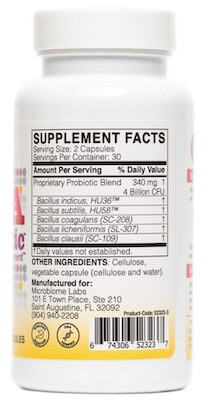
megasporebiotic supplement facts

These are the spore-based bacteria contained in the MegaSporeBiotic™ product: Bacillus Licheniformis, Bacillus Indicus HU36™, Bacillus Subtilis HU58™, Bacillus Clausii and Bacillus Coagulans.

You can purchase MegaSporeBiotic™ directly from Microbiome Labs once you have set up an account with them under my name. Use this link (and make sure the Direct2Patient™ Code says tscott).

You can also read more about the product on the Microbiome Labs site here.

If you already have an account with Fullscript, my online supplement store, you can purchase from there too.

If you don’t yet have an account with Fullscript you can read more about how to set up an account here.

Let us know if you’ve used MegaSporeBiotic™ with success and how it helped you with anxiety, depression and/or gut and liver health.

Let us know if you’ve used another spore-based probiotic and which one? Or do you have a favorite probiotic that is not spore-based?

I’m going to a product review like this once a month so please let me know if you like this format with research, feedback and mechanisms.  And let me know what other products you’d like me to review.

Feel free to post your questions here too.


Filed Under: Anxiety, Depression, Gut health, serotonin Tagged With: acetaminophen, amino acids, anxiety, Bacillus clausii, bacillus coagulans, colitis, depression, enterochromaffin, IBS, Kiran Krishnan, leaky gut, liver, MegaSporeBiotic™, Microbiome Labs, probiotics, serotonin, SIBO, spore-based probiotic

5-HTP in Parkinson’s disease: benefits for depression, levodopa-induced motor complications, anxiety and sleep issues

March 19, 2021 By Trudy Scott 37 Comments

5-HTP and Parkinson's Disease

Research shows that the amino acid 5-HTP (5-hydroxytryptophan), the intermediate metabolite of tryptophan in the production of serotonin, offers benefits for Parkinson’s disease patients. It has been reported to ease depression and to reduce levodopa-induced motor complications. This was reported in two separate studies by the same research team at the University of Cagliari, Cagliari, Italy. They were small studies and considered preliminary. However, given what I know about the effectiveness of 5-HTP (for depression, anxiety and insomnia), I consider it a major step forward for Parkinson’s disease patients.

In this study, Efficacy and safety of 5-hydroxytryptophan on depression and apathy in Parkinson’s disease: a preliminary finding, 25 individuals with Parkinson’s disease were enrolled and “patients received placebo or 50 mg of 5-HTP daily over a period of 4 weeks”

The findings were as follows:

a significant improvement of depressive symptoms during the 50-mg 5-HTP treatment compared with placebo.

In this study 5-HTP was not shown to reduce apathy symptoms. This is not surprising to me, given that we typically see the amino acid tyrosine help with apathy symptoms associated with low catecholamines, rather than low serotonin.

In this study, Efficacy and safety of 5-Hydroxytryptophan on levodopa-induced motor complications in Parkinson’s disease: A preliminary finding, 12 Parkinson’s patients who were diagnosed with levodopa-induced dyskinesias (involuntary, erratic, writhing movements of the face, arms, legs or trunk) and motor fluctuations were included. Patients received placebo or 50 mg of 5-HTP daily over 4 weeks.

The findings were as follows:

a significant improvement of levodopa-induced dyskinesias during the 50 mg 5-HTP treatment.

The study authors make the serotonin-dyskinesias connection, stating that “Several studies have indicated that altered serotonergic neurotransmission may contribute to the motor features commonly associated with Parkinson’s disease drug treatment such as levodopa-induced dyskinesias.”

Both studies were single-center, randomized, double-blind placebo-controlled cross-over trials, and both recommend larger studies, longer treatment duration and different doses in order to corroborate these early findings.

Sleep disorders, gastrointestinal dysfunction, and anxiety in Parkinson’s disease

As reported in this paper, Spectrum of Non-Motor Symptoms in Parkinson’s Disease

Despite their significant clinical importance, the awareness of non-motor symptoms is quite negligible. Sleep disorders, gastrointestinal dysfunction, olfactory disturbances, anxiety, and depressive episodes are some of the most common non-motor presentations.

5-HTP helps with depression, anxiety, sleep issues (more here: Sleep promoting effects of combined GABA and 5-HTP)  and digestive issues.

Given what I know about the effectiveness of 5-HTP in my clients with anxiety, low mood and sleep issues, I consider this research a major step forward for Parkinson’s disease patients who may also experience anxiety, depression and sleep issues.

5-HTP also improves focus and when to switch to tryptophan

I was surprised to read that it has been hypothesized that ADHD and Parkinson’s disease share “several overlapping anatomical and neurochemical changes.”

As you can see from these blog posts, in addition to boosting mood, 5-HTP also improves focus and ADHD symptoms:

  • 5-HTP benefits both adopted daughters who had prenatal exposure to alcohol: they are happier, more focused and can stay on task
  • ADHD: 5-HTP melts have been a miracle for one of my adopted kids

One caution with 5-HTP is that it can raise salivary cortisol and cause a “wired-tired” feeling. When this happens we switch to tryptophan, always starting with a trial in order to figure out the ideal dose.

Typical dosing of 5-HTP for low serotonin-type anxiety

I find that using 50 mg of 5-HTP 1-3 times a day is a typical starting dose for my adult clients who have the low serotonin-type of anxiety (mental anxiety, worry, panic attacks, ruminations), low mood, insomnia, sugar cravings, irritability, PMS, anger issues and TMJ.

Keep in mind that in these 2 studies, 50 mg of 5-HTP was used only once a day, and everyone was given the same dose. There is never a one-size fits all approach with the amino acids and we adjust up or down based on symptoms, using a trial approach. I’d love to see this approach used with follow-up studies.

If you are new to the concept of low serotonin and the use of tryptophan or 5-HTP you will find this blog helpful.

Parkinson’s disease and GABA, flavonoids in parsley and insecticides

Here are some other useful blogs on Parkinson’s disease:

  • GABA and tryptophan for pain and anxiety in Parkinson’s disease?
  • Apigenin, a flavonoid in parsley increases brain connections, reduces anxiety
  • Fipronil insecticide: GABA/glutamate and anxiety, aggressive behavior, memory and Alzheimer’s disease in humans?

Have you or a family member with Parkinson’s disease used 5-HTP (or tryptophan) for easing depression and improving levodopa-induced motor complications?

Have you seen reduced anxiety, improved sleep, better digestion and better focus too?

If you’re a practitioner working with Parkinson’s patients have you used 5-HTP or tryptophan with success?

Feel free to post your questions and feedback in the comments below.

Filed Under: 5-HTP, Anxiety, Depression, Parkinson’s disease Tagged With: 5-HTP, anxiety, apathy, depression, dyskinesias, flavonoids, focus, GABA, gastrointestinal dysfunction, insecticides, levodopa-induced motor complications, Parkinson's disease, serotonin, sleep, tryptophan, tyrosine

Depression, anxiety and intergenerational trauma due to racism in the Black community

June 5, 2020 By Trudy Scott 12 Comments

anxiety in black community

I feel sickened by George Floyd’s death and the police brutality we all witnessed. I stand by Black Lives Matter and an end to racism, social injustice and inequalities. In the light of current events in the USA and around the world, today’s article highlights the prevalence of mental health in the Black community, the biological impacts of trauma, racism and intergenerational trauma, some reasons why mental health services are not being used, the impacts of racism on physical health and some resources geared to Black mental health.

In this recent article by Columbia University Department of Psychiatry, Addressing Mental Health in the Black Community, we learn the following:

Research suggests that the adult Black community is 20% more likely to experience serious mental health problems, such as Major Depressive Disorder or Generalized Anxiety Disorder.

Additionally, Black emerging adults (ages 18-25) also experience higher rates of mental health problems and lower rates of mental health service utilization compared to White emerging adults, and older Black adults.

What shocked me was reading this statistic: “the Black community comprises approximately 40% of the homeless population, 50% of the prison population, and 45% of children in the foster care system.” All of this puts the Black community is at more risk for mental health issues.

The article also highlights the biological impacts of trauma“through enslavement, oppression, colonialism, racism, and segregation” and shares that “intergenerational trauma may be passed down biologically from one generation to the next.”

Some of the factors that may lead to mental health services not being used amongst the Black community are lack of trust, lack of finances and fear:

Lack of trust in the medical system due to historical abuses of Black people in the guise of health care, less access to adequate insurance, culturally responsive mental health providers, financial burden, and past history with discrimination in the mental health system.

I encourage you to read the entire article at this link.

This paper, Transgenerational Consequences of Racial Discrimination for African American Health goes further into the intergenerational effects of racism on both psychological and physical health: immune health, heart health, obesity, diabetes and so on. The paper concludes as follows:

without addressing the harmful consequences of racial discrimination, improving the health of African Americans as well as other marginalized groups, will remain inadequately addressed.

This inspiring quote is from Nelson Mandela from his autobiography, Long Walk to Freedom  (1994) and no-one says it better than him. It is a message of hope!

Nelson Mandela Quote
from the Nelson Mandela facebook page

Here are some resources geared specifically to Black mental health

  • Black Mental Health Resources to Fight the Harmful Effects of Racism
  • Black lives matter. Black mental health matters too.

With regards to nutritional support for anxiety, depression and PTSD, everything that I write about in terms of nutritional psychiatry applies. My book, The Antianxiety Food Solution, covers the foundations of diet and how to use amino acids. This recent blog, The psychological trauma of coronavirus – nutritional support for doctors, nurses and their loved ones could easily be adapted to be: The psychological trauma of racism – nutritional support for the Black Community.

I am very aware that when it comes to working with a functional medicine practitioner or a nutritionist, and purchasing supplements/doing special diets may be a major stumbling block for many Blacks with financial hardships. This needs to become the standard of care so everyone has access to resources like these.

Until then finding access to real whole foods is a powerful first step.  In the SMILES diet depression trial,  the first randomized controlled diet depression study, ONE THIRD of the dietary intervention group saw improvements in their depression and anxiety symptoms. This was simply by switching from processed/junk food to real food with no specific dietary restrictions.

This is the power of nutritional psychiatry:

Although the growth in scientific research related to nutrition in psychiatry may be recent, it is now at a stage where it can no longer be ignored. In light of this, we aim to provide a platform to move towards a new integrated paradigm in psychiatry whereby nutritional considerations (both educational and prescriptive) can be considered “mainstream”.

The International Society for Nutritional Psychiatry Research/ISNPR made the above statement via a letter published in 2015 in World Psychiatry, the official journal of the World Psychiatric Association –   “International Society for Nutritional Psychiatry Research consensus position statement: nutritional medicine in modern psychiatry.” You can read more about this here.

This recent paper, Nutritional Psychiatry: Towards Improving Mental Health by What You Eat, further adds to the discussion, providing an “overview of the emerging field of nutritional psychiatry, exploring the scientific evidence exemplifying the importance of a well-balanced diet for mental health.”

I recently heard integrative psychiatrist Dr. Kelly Brogan, share this on The Trauma and MindBody Super Conference:“it’s best to address trauma when your nervous system has physiologically improved.” She always starts with addressing physiology: diet, gluten issues, the gut and microbiome, blood sugar stability, micronutrient deficiencies such as low B12, low thyroid and other contributing physiological root causes.

By incorporating nutritional psychiatry and functional medicine approaches we can provide additional healing support for the depression, anxiety, current trauma and intergenerational trauma caused by racism and inequalities.


Updates 7/7/20:

The above SMILES Diet Depression study doesn’t mention race. There are, however, many studies that didn’t make it into the blog because I felt compelled to publish something quickly.

 Here are some of them:

  • Variation in the Prevalence of Depression and Patterns of Association, Sociodemographic and Lifestyle Factors in Community-Dwelling Older Adults in Six Low- And Middle-Income Countries

China, Ghana, India, Mexico, the Russian Federation, and South Africa…examine the relationship between demographic and lifestyle characteristics and depression….. Increased fruit and vegetable intake appeared to co-occur with significantly lower rates of depression, suggesting diet as a modifiable factor for addressing depression burden.

  • Community-based Fortified Dietary Intervention Improved Health Outcomes Among Low-Income African-American Women 

Among overweight/obese women, improvement in health-related quality of life related to physical health, a significant decrease in depressive score, and a reduction in waist circumference were noted.

I am not an authority on Black mental health, racism or intergenerational trauma. As I look into the research, read articles and listen to podcasts, I acknowledge that I’ve been learning a great deal. And I know I still have much to learn.

I am, however, an authority on food and using a nutritional approach for anxiety. Real whole nutrient-dense food is the foundation and always will be – for every single human regardless of race.  We do, however, need more programs and studies that are specific for people of color. 

This needs to be a public health initiative where we also address the food security issues. According to this paper, Food Insecurity and Maternal Mental Health Among African American Single Mothers Living With HIV/AIDS in the Alabama Black Belt, “Food insecurity places low-income African American women at risk of depression.”  This is one of many similar such studies.  

Together with this we need to address racism. This paper, Experiences of Racial and Ethnic Discrimination Are Associated with Food Insecurity and Poor Health, sums up with this:

Public health interventions intended to improve food security and health may be only partially effective without simultaneously addressing racism and discrimination

If you have information on non-profit organizations, community gardens, community kitchens and other resources for supporting Black communities when it comes to nutritional supplements, food insecurity and food deserts, and eating real foods please share in the comments.

For now check out and be inspired by Ron Finley, the Gangsta Gardener – and his amazing community garden and gardening masterclasses: 

Ron envisions a world where gardening is gangsta, where cool kids know their nutrition and where communities embrace the act of growing, knowing and sharing the best of the earth’s fresh-grown food. 

Determined to change South Central Los Angeles from food desert to food forest, he wants his actions to be educational, inspiring, and nutritious. He wants kids to grow up with the option of healthy food, instead of fried, fattening staples. He wants to sweep up and transform his street, his hood, the city of LA and communities everywhere.

Please also share your experiences supporting mental health in Black communities. And if you’ve been subject to racism and felt the mental and physical effects please share too. We’re here to support you and learn how we can do better.

Filed Under: Anxiety, Depression, PTSD/Trauma Tagged With: anxiety, Black community, depression, George Floyd, intergenerational, mental health, Nelson Mandela, racism, trauma

IMMH highlights: mold, oxalates, anxiety, panic attacks and depersonalization

August 30, 2019 By Trudy Scott 3 Comments

IMMH highlights

Today I’m sharing some highlights from three different presentations at the recent IMMH/Integrative Medicine for Mental Health Conference – on mold and the connection to oxalate issues, as well as a major trigger of anxiety, panic attacks, depression and depersonalization.

Matthew Pratt-Hyatt, PhD: “The Hidden Threats of Mycotoxins.”

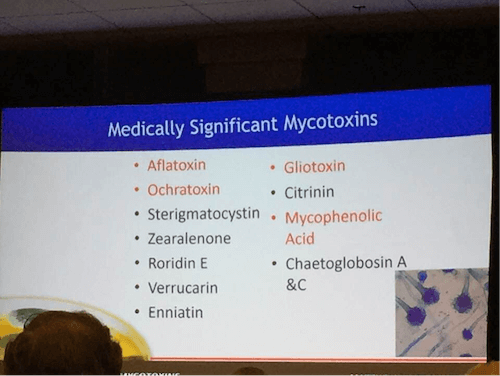
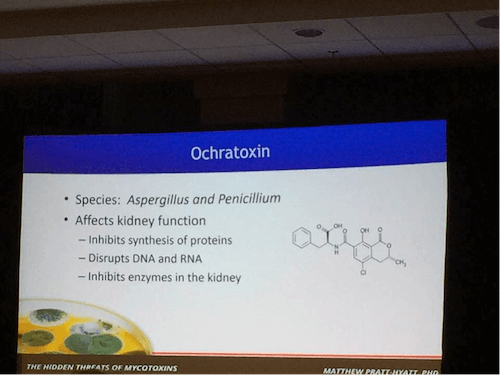
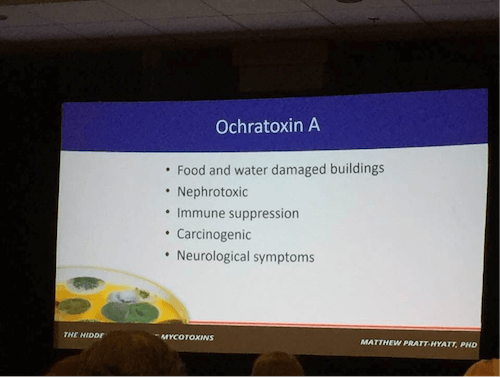
Matthew Pratt-Hyatt, PhD presented on “The Hidden Threats of Mycotoxins.” He shared medically significant mycotoxins and that ochratoxin affects the kidneys and my first thought was: “I wonder if this plays a role in oxalate issues?”

I asked Dr. Pratt-Hyatt after his presentation and he said yes, the mycotoxins produce oxalates and then dietary oxalates can be the tipping point. He wasn’t aware of any research on the mycotoxin-oxalate connection but sees the connection on the Great Plains MycoTOX lab test and Organic Acids test

Matthew Pratt-Hyatt

Matthew Pratt-Hyatt

Matthew Pratt-Hyatt

Matthew Pratt-Hyatt

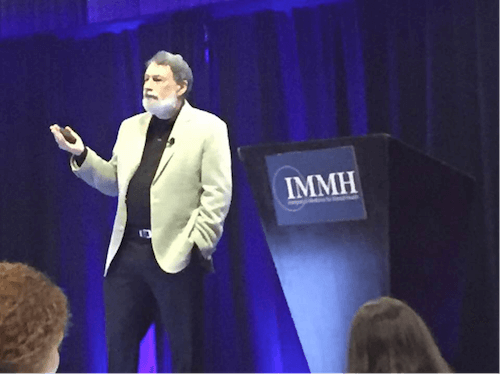
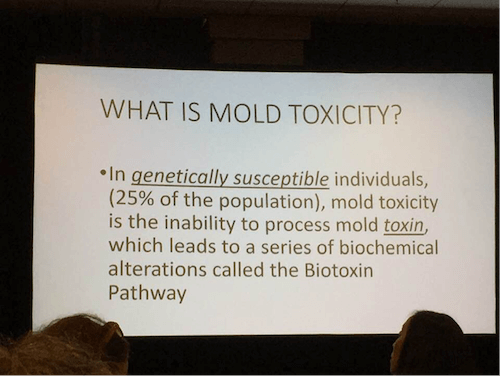
Dr. Neil Nathan: “Mold Toxicity as an Unrecognized Cause of Mental Health issues.”

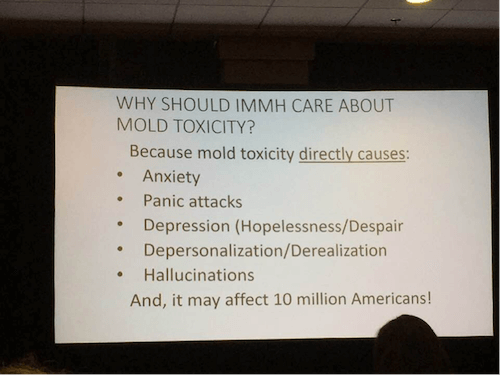
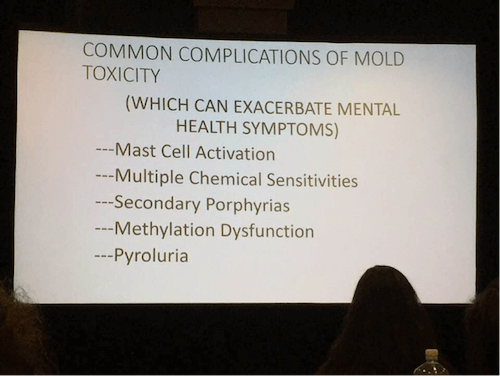
One of my favorite presentations was the one delivered by Dr. Neil Nathan on “Mold Toxicity.” He defines mold toxicity and how it can directly trigger anxiety, panic attacks, depression, depersonalization and hallucinations, as well as some of the common complications which can exacerbate mental health symptoms. These include mast cell activation, multiple chemical sensitivities, secondary porphyrias, methylation dysfunction and pyroluria.

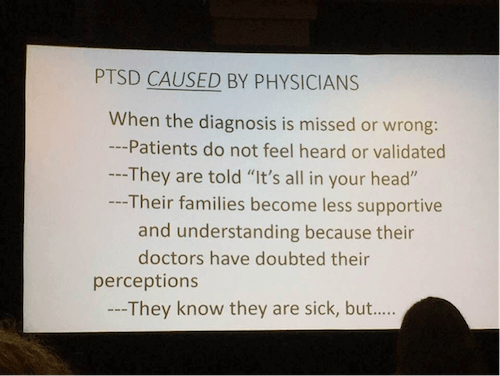
I do appreciate the fact that he addressed that there can be PTSD caused by physicians when someone knows they are sick – especially with mold toxicity – and yet they do not feel heard or validated. This can even lead to their families being less supportive.

Dr. Nathan is a brilliant and compassionate practitioner, and the author of the excellent book – Toxic: Heal Your Body from Mold Toxicity, Lyme Disease, Multiple Chemical Sensitivities, and Chronic Environmental Illness (my Amazon link)

Neil Nathan

Neil Nathan

Neil Nathan

Neil Nathan

Neil Nathan

Dr. Kurt Woeller: “Metabolic Products in Mental Health – How Fungal, Bacterial, Mitochondrial and Other Compounds Influence the Brain.”

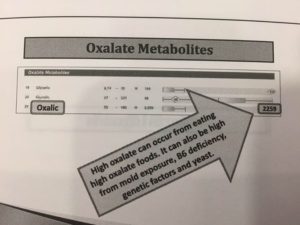
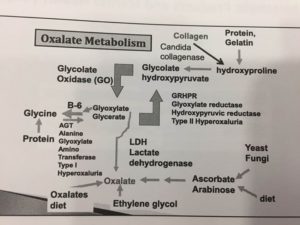
Dr. Kurt Woeller shared more about oxalates and mold in his presentation: “Metabolic Products in Mental Health.” I really like the Oxalate Metabolism diagram that shows the role of low vitamin B6, dietary oxalates including ascorbic acid, collagen and gelatin, mold, yeast and genetics in someone with high oxalates.

On a side note, low serotonin is often a factor with collagen and gelatin but it can be a source of oxalates.

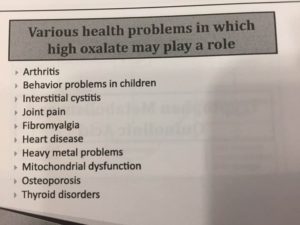
He mentions various health problems associated with high oxalates – pain issues are common and so is fatigue and behavioral issues. Dr. Woeller works primarily with children but I have seen anxiety and depression in adults with oxalate issues too.   If mold is one of the triggers then the mental health issues can be further impacted.


In case you missed the previous two IMMH blogs:

  • Last week I shared a few highlights from my IMMH presentation: “GABA for Anxiety, Insomnia, ADHD, Autism and Addictions: Research and Practical Applications” – benzodiazepines are not the solution, some new 2019 research on the far-reaching benefits of GABA, and the role of GABA in ADHD.
  • The previous week I wrote this blog post on one of the new studies in my presentation: how a combination of GABA and theanine improves sleep and reduces anxiety.

What wasn’t discussed were some of the other mechanisms that may be causing the increased anxiety – such as the impacts of toxic mold on neurotransmitters and low levels of zinc.

Have you been exposed to toxic mold and was this a trigger for your anxiety, panic attacks and other mood issues?

Did GABA, tryptophan and zinc (and other nutritional support approaches) help ease some of the anxiety symptoms while you were remediating your home and detoxing from the mold toxicity?

Do you have oxalate issues and have you ruled out the fact that toxic mold may be a trigger? I personally have oxalate issues (I share more about this here) and plan to do the MycoTOX test to learn more. I’ll keep you posted on what I find.

As a practitioner, do you want to learn more about how to incorporate GABA and the other targeted individual amino acids, tryptophan/5-HTP, DPA, glutamine and tyrosine, into your work to help your clients/patients with anxiety triggered by toxic mold? I invite you to check out my new online practitioner training here: Balancing Neurotransmitters – The Fundamentals. I’m extending the $100 discount offered at IMMH for a few weeks (use coupon code immh2019).

Filed Under: Anxiety, Depression, Environment, Events, GABA, Mold Tagged With: ADHD and addictions, anxiety, autism, benzodiazepines, depersonalization, depression, GABA, IMMH, insomnia, Integrative Medicine for Mental Health conference, mold, oxalates, panic attacks

When using GABA for anxiety does tolerance increase and which amino acid to use for a low mood?

May 31, 2019 By Trudy Scott 4 Comments

gaba and tolerence

Today I’m sharing some great questions I’ve received about GABA and serotonin support for anxiety and low mood, and my feedback to give you some ideas on what to look for as you use the amino acids for your own issues (or with clients/patients if you’re a practitioner).

I cover possible reasons for ongoing low GABA levels, long-term use of the amino acids, low mood associated with menopause, problems with mainly sugar- and gluten-free, the role of the adrenals and thyroid, the amino acids I’d start with for low mood, how lithium orotate may help, how to know if collagen is causing a low mood and making you more anxious, and some resources for you.

GABA tolerance has increased

Gaba has been a lifesaver for my anxiety! I also use taurine sometimes for anxiety too, and that has helped too. Right now, I take 1000 mg [of taurine]. As for GABA (I now take 1000 mg of that also) I have noticed that my tolerance for it has increased.

Here is my feedback: I’m really pleased GABA and taurine are helping ease your anxiety. I have not seen tolerance to be a factor with my clients using GABA and I’m not aware of any research on this topic. I would look into what could be depleting GABA at a faster rate so you seem to need more and more.

This could be caused by:

  • increased stress which lowers zinc and increases cortisol
  • poor gut health and dysbiosis (there is a bacteria in the gut that may consume GABA – it’s called gabavorous)
  • low zinc and low B6 (which are needed to make GABA and other neurotransmitters)
  • toxin exposure (we’re now seeing that GABA has a protective effect – this blog covers have GABA is protective of the thyroid after fluoride exposure)
  • thyroid problems (the amino acids are less effective in this instance)

Keep in mind that long-term use of the amino acids is not the plan. Once the diet is addressed and the other underlying biochemistry, nutrient deficiencies, toxins etc. are addressed they should no longer be needed. At most, an occasional “top-up” may be needed.

Low mood associated with menopause

Which amino acids would you recommend for low mood associated with menopause? No panic attacks but a crashing low mood for 24hrs or more before slight recovery, a few easy days and then the cycle begins again. Diet is mainly sugar- and gluten-free. Any suggestions would be appreciated, thank you

Here is my feedback: When I hear “diet is mainly sugar- and gluten-free” with mood swings I always look into gluten exposure and blood sugar dips. Keeping a food mood log is an easy first step to see if the low mood is tied to what is being eaten and when.

I would recommend the complete removal of gluten and sugar. Gluten can trigger depression, anxiety, OCD and lead to many psychiatric symptoms. Blood sugar swings can cause both depression and anxiety. The amino acids make it easy to quite sugar and gluten – no willpower required and no feelings of deprivation. Do the questionnaire and do a trial of the amino acids that apply. Based on the above symptoms I’d suspect tryptophan and tyrosine may help and are always a good first step while everything else is being figured out.

I would also look at adrenal function as they take up the slack in menopause and rule out Hashimoto’s thyroiditis and Graves (as you can get mood swings with both as the thyroid levels shift).

Low lithium can also cause mood swings too and lithium orotate can help to keep an even mood, allowing the amino acids to be more effective.

Finally, I’d want to know if collagen, gelatin or bone broths have recently been added to your diet and are being consumed in an on-an-off pattern that correlates with the low mood. Certain susceptible individuals find that it lowers serotonin and increases depression and anxiety, and causes insomnia.

Next steps are a full workup looking at sex hormones, low zinc, low B6, low magnesium, the gut, EMFs, sleep and other dietary factors like salicylates, histamine, glutamates etc. We look at all the possible 60+ nutritional and biochemical root causes and address them or rule them out.

It’s also important to have a good support system in place for those very low days – friends and family members, being part of a community and even keeping a mental health support line number close at hand.

And of course, I always say this: get out in nature, get some exercise, hug someone and have a good laugh.

Resources for you

  • My book The Antianxiety Food Solution (my Amazon affiliate link) has an entire chapter on the amino acids GABA, tryptophan, tyrosine, and DPA (and how to use them), a chapter on blood sugar balancing and glutamine and a chapter on gluten issues (and much more). Read it and become a savvy health-advocate for yourself. Become someone who is well-informed about the amino acids, the precautions and nuances, and all the nutritional approaches for anxiety-relief. Share a copy with your doctor and point out the references.
  • If figuring it out alone or reading my book feels overwhelming to you, or you’re afraid to use the amino acids on your own, my home-study Amazing Aminos for Anxiety program walks you through a step-by step approach on how to figure out which symptoms are tied to which neurotransmitter deficiency, and how to trial each respective amino acid. Stay tuned for a special upcoming launch with live Q and A calls so you can get your questions answered. (If you have recently purchased the homestudy ONLY version we will be contacting you to invite you to participate.)
  • Here is a blog to read if you’re new to GABA: GABA for the physical-tension and stiff-and-tense-muscles type of anxiety
  • Here is a blog to read if you’re new to tryptophan: Tryptophan for the worry-in-your-head and ruminating type of anxiety (it’s a blog about low serotonin anxiety but applies to low-serotonin low mood too)
  • Here is a blog to read if you’re new to tyrosine: Tyrosine for focus, motivation, energy, a good mood and possibly even anxiety
  • You can find the amino acids in my supplement store here.

Can you relate to either of these questions? And are you good at playing a detective to figure out why something may not be working as expected?

What has worked for your anxiety and/or low moods?

Feel free to post questions in the comments too.

And let me know if you’re interested in the homestudy program with live Q and A calls. (If you have recently purchased the homestudy ONLY version we will be contacting you to invite you to participate.)

Filed Under: Amino Acids, Depression, GABA, serotonin, Tryptophan Tagged With: adrenals, anxiety, collagen, GABA, low mood, menopause, thyroid, tolerance, tryptophan

Delayed IgG food sensitivities: depression and anxiety due to inflammation, leaky gut, leaky blood brain barrier and low serotonin

July 20, 2018 By Trudy Scott 7 Comments

It’s really encouraging and exciting to see a major study confirming what we’ve known about IgG food sensitivities or IgG food reactivity for years, and also reporting a link to irritable bowel syndrome (IBS) and depression. The paper, published in May this year, The Food-Specific Serum IgG Reactivity in Major Depressive Disorder Patients, Irritable Bowel Syndrome Patients and Healthy Controls states

There is an increasing amount of evidence which links the pathogenesis of irritable bowel syndrome (IBS) with food IgG hyperreactivity. Some authors have suggested that food IgG hyperreactivity could be also involved in the pathophysiology of major depressive disorder (MDD).

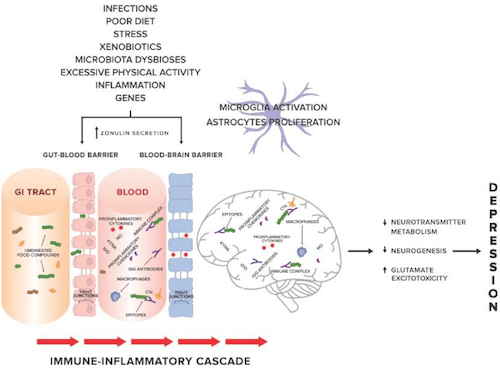
The following diagram and excerpt illustrates the gut-immune-inflammatory-brain model for depression that is associated with food IgG hyperreactivity or sensitivity.

The gut-immune-inflammatory-brain model for Major Depressive Disorder associated with food IgG hyperreactivity. According to the hypothesis proposed in our previous work, we present a possible mechanism underlying the MDD [major depressive disorder] development, suggesting that the interplay between genetic and environmental factors may lead to disruption of tight junctions, the loss of their integrity and both gut and BBB [blood brain barrier] permeability. Undigested food compounds, which would normally break down in the gut, translocate into the blood circulation, and trough epitopes combine with food IgG antibodies to form immune complexes. This, in turn, provokes an abnormal response and triggers immune-inflammatory cascade. Uncontrolled release of the proinflammatory mediators may contribute to low-grade systemic inflammation and low-grade neuroinflammation, which, via pathological processes in CNS [central nervous system], i.e., changes in neurotransmitter metabolism, neurogenesis, glutamate excitotoxicity, may in consequence induce and then maintain and prolong depression.

[diagram and excerpt from The Food-Specific Serum IgG Reactivity in Major Depressive Disorder Patients, Irritable Bowel Syndrome Patients and Healthy Controls]

I wrote my book, The Antianxiety Food Solution, in 2011 and there wasn’t research on the gut-immune-inflammatory-brain model, but I do write extensively about delayed IgG food sensitivities (as well as other types of food issues). If you don’t have my book I’m including some of the highlights related to this (and I encourage you to pick up a copy too!). If you do have my book I hope this next section encourages you to go back and read chapter 4 again (and even check out the other books I mention below).

I write about how with delayed food reactions, it may take a few hours to several days before symptoms appear, which can make it difficult to identify the offending food or foods. In these reactions, the body responds by creating a type of antibody known as IgG (immunoglobulin G).

I also write about how food sensitivities can have effects beyond physiological symptoms, including creating imbalances in key chemicals in the brain, which can cause anxiety, phobias, depression, irritability, and mood swings. When food sensitivities have these effects, they are sometimes termed “brain allergies” or “cerebral allergies.” Dr. Carl Pfeiffer wrote extensively about this and used these terms in his wonderful book, Nutrition and Mental Illness, way back in 1987. (This book is a quick read and is one of my favorite older books on the subject of mental health and biochemical imbalances.)

I also reference the work of my colleague and friend, clinical nutritionist Liz Lipski. In her 2004 book, the 3rd edition of Digestive Wellness she shares that

24 percent of American adults claim they have delayed food and environmental reactions.

She feels that these sensitivities are often the result of leaky gut syndrome, a condition characterized by damage to the microvilli lining the intestinal walls. This allows undigested food particles to travel across the intestinal wall and into the blood, where the immune system responds to them as foreign, harmful substances and creates antibodies to neutralize them.

All this sounds very similar to what the new study is reporting doesn’t it? I’d prefer it not to take so long for the knowledge from as far back as 1987 to get into mainstream journals but it’s the world we live in and we can just appreciate that we are moving forward and in the right direction!

The 2018 paper mentioned above concludes the following:

Our findings suggest more common food-specific serum IgG hyperreactivity among patients with IBS and MDD [major depressive disorder], which may be one of the mechanisms leading to the development of immune activation and low-grade inflammation observed in these disorders.

They do support an elimination diet for IBS but not for depression:

There is no causal relationship which could confirm clinical utility of an elimination diet in patients with depression

I do love research, but this really bothers me as it’s just common-sense and we do have some case studies supporting the use of elimination diets. In this case study the patient’s “treatment-resistant” depression improved considerably with an elimination diet, with similar results in another case study where a gluten-free elimination diet improved both anxiety and depression and everyday functioning.

In the meantime, we’ll continue to rely on the wisdom of practitioners like Dr. Pfeiffer and Liz Lipski, and all the clinical evidence showing how an elimination diet does help with both depression and anxiety. Just read some of the success stories on this blog – Paleo and grain free diets: anxiety and depression success stories.

Other mechanisms: nutrient malabsorption and serotonin production

There are other mechanisms that I also cover in my book – nutrient malabsorption and a more direct impact on serotonin production.

One possible mechanism is indirect effects of gastrointestinal damage due to eating problem foods, resulting in nutrient malabsorption. In a 2009 double blind placebo-controlled study:

65 celiac patients aged 45-64 years on a strict gluten-free diet for several years [and showing signs of low folate, low vitamin B12 and low vitamin B6] were randomized to a daily dose of 0.8 mg folic acid,0.5 mg cyanocobalamin and 3 mg pyridoxine or placebo for 6 months

I doubt folic acid or this form of B12 would be used today but even with these forms at these low doses, the study participants showed homocysteine in a good range and reported improvement in general well-being – after just 6 months of supplementation.

Another possible mechanism is the fact that gluten sensitivity and the resulting damage to the gut can limit the availability of tryptophan and therefore lead to decreases in levels of serotonin. Research published in 2005, Gluten-free diet may alleviate depressive and behavioural symptoms in adolescents with coeliac disease: a prospective follow-up case-series study, reports that:

serotonergic dysfunction due to impaired availability of tryptophan may play a role in vulnerability to depressive and behavioral disorders among adolescents with untreated coeliac disease

In addition to removing the foods that are causing the sensitivities, you need to heal the gut and boost serotonin levels with a targeted individual amino acid like tryptophan.

Give the link between anxiety and depression, all of the above could apply if you have anxiety too.

Have you had IgG food sensitivity testing and found that an elimination diet helped reduce your depression or anxiety symptoms?

Filed Under: Depression Tagged With: anxiety, blood brain barrier, celiac, depression, gluten, IgG, leaky BBB, leaky gut, serotonin, tryptophan

  • « Go to Previous Page
  • Page 1
  • Interim pages omitted …
  • Page 4
  • Page 5
  • Page 6
  • Page 7
  • Page 8
  • Interim pages omitted …
  • Page 14
  • Go to Next Page »

Primary Sidebar

GABA QuickStart Homestudy

gaba quickstart homestudy

Free Report

9 Great Questions Women Ask about Food, Mood and their Health

You'll also receive a complimentary subscription to my ezine "Food, Mood and Gal Stuff"


Connect with me

Popular Posts

  • Amino Acids Mood Questionnaire from The Antianxiety Food Solution
  • The Antianxiety Food Solution Amino Acid and Pyroluria Supplements
  • Pyroluria Questionnaire from The Antianxiety Food Solution
  • Collagen and gelatin lower serotonin: does this increase your anxiety and depression?
  • Tryptophan for the worry-in-your-head and ruminating type of anxiety
  • GABA for the physical-tension and stiff-and-tense-muscles type of anxiety
  • The Antianxiety Food Solution by Trudy Scott
  • Seriphos Original Formula is back: the best product for anxiety and insomnia caused by high cortisol
  • Am I an anxious introvert because of low zinc and vitamin B6? My response to Huffington Post blog
  • Vagus nerve rehab with GABA, breathing, humming, gargling and key nutrients

Recent Posts

  • Her cravings for chips and peanut butter were triggered by stress: GABA ends cravings and reduces physical tension and fear of heights
  • It is truly miraculous to be able to move through life without crippling anxiety and panic
  • GABA and tryptophan combo provide immediate and noticeable relief for tremors and cervical dystonia in just 7 days
  • Red light therapy for back and neck pain, plantar fasciitis and low mood – a complement to the amino acids GABA, DPA and tryptophan
  • What do I use instead of Seriphos to help lower high cortisol that is affecting my sleep and making me anxious at night?

Categories

  • 5-HTP
  • AB575
  • Addiction
  • ADHD
  • Adrenals
  • Alcohol
  • Allergies
  • Alzheimer's disease
  • Amino Acids
  • Anger
  • Antianxiety
  • Antianxiety Food Solution
  • Antidepressants
  • Anxiety
  • Anxiety and panic
  • Autism
  • Autoimmunity
  • benzodiazapines
  • Bipolar disorder
  • Books
  • Caffeine
  • Cancer
  • Candida
  • Children/Teens
  • Collagen
  • Cooking equipment
  • Coronavirus/COVID-19
  • Cravings
  • Depression
  • Detoxification
  • Diabetes
  • Diet
  • DPA/DLPA
  • Drugs
  • EFT/Tapping
  • EMF
  • EMFs
  • Emotional Eating
  • Endorphins
  • Environment
  • Essential oils
  • Events
  • Exercise
  • Fear
  • Fear of public speaking
  • Fertility and Pregnancy
  • Fish
  • Food
  • Food and mood
  • Functional neurology
  • GABA
  • Gene polymorphisms
  • General Health
  • Giving
  • Giving back
  • Glutamine
  • Gluten
  • GMOs
  • Gratitude
  • Gut health
  • Heart health/hypertension
  • Histamine
  • Hormone
  • Hyperparathyroidism
  • Hypoglycemia
  • Immune system
  • Inflammation
  • Insomnia
  • Inspiration
  • Introversion
  • Joy and happiness
  • Ketogenic diet
  • Lithium orotate
  • Looking awesome
  • Lyme disease and co-infections
  • MCAS/histamine
  • Medication
  • Men's health
  • Mental health
  • Mercury
  • Migraine
  • Mold
  • Movie
  • MTHFR
  • Multiple sclerosis
  • Music
  • NANP
  • Nature
  • Nutritional Psychiatry
  • OCD
  • Osteoporosis
  • Oxalates
  • Oxytocin
  • Pain
  • Paleo
  • Parasites
  • Parkinson’s disease
  • PCOS
  • People
  • PMS
  • Postpartum
  • PTSD/Trauma
  • Pyroluria
  • Questionnaires
  • Real whole food
  • Recipes
  • Research
  • Schizophrenia
  • serotonin
  • SIBO
  • Sleep
  • Special diets
  • Sports nutrition
  • Stress
  • Sugar addiction
  • Sugar and mood
  • Supplements
  • Teens
  • Testimonials
  • Testing
  • The Anxiety Summit
  • The Anxiety Summit 2
  • The Anxiety Summit 3
  • The Anxiety Summit 4
  • The Anxiety Summit 5
  • The Anxiety Summit 6
  • Thyroid
  • Thyroid health
  • Toxins
  • Tryptophan
  • Tyrosine
  • Uncategorized
  • Vegan/vegetarian
  • Women's health
  • Yoga

Archives

  • May 2026
  • April 2026
  • October 2025
  • September 2025
  • August 2025
  • July 2025
  • June 2025
  • May 2025
  • April 2025
  • March 2025
  • February 2025
  • January 2025
  • November 2024
  • October 2024
  • September 2024
  • August 2024
  • July 2024
  • June 2024
  • May 2024
  • April 2024
  • March 2024
  • February 2024
  • January 2024
  • December 2023
  • November 2023
  • October 2023
  • September 2023
  • August 2023
  • July 2023
  • June 2023
  • May 2023
  • April 2023
  • March 2023
  • February 2023
  • January 2023
  • December 2022
  • November 2022
  • October 2022
  • September 2022
  • August 2022
  • July 2022
  • June 2022
  • May 2022
  • April 2022
  • March 2022
  • February 2022
  • January 2022
  • December 2021
  • November 2021
  • October 2021
  • September 2021
  • August 2021
  • July 2021
  • June 2021
  • May 2021
  • April 2021
  • March 2021
  • February 2021
  • January 2021
  • December 2020
  • November 2020
  • October 2020
  • September 2020
  • August 2020
  • July 2020
  • June 2020
  • May 2020
  • April 2020
  • March 2020
  • February 2020
  • January 2020
  • December 2019
  • November 2019
  • October 2019
  • September 2019
  • August 2019
  • July 2019
  • June 2019
  • May 2019
  • April 2019
  • March 2019
  • February 2019
  • January 2019
  • December 2018
  • November 2018
  • October 2018
  • September 2018
  • August 2018
  • July 2018
  • June 2018
  • May 2018
  • April 2018
  • March 2018
  • February 2018
  • January 2018
  • December 2017
  • November 2017
  • October 2017
  • September 2017
  • August 2017
  • July 2017
  • June 2017
  • May 2017
  • April 2017
  • March 2017
  • February 2017
  • January 2017
  • December 2016
  • November 2016
  • October 2016
  • September 2016
  • August 2016
  • July 2016
  • June 2016
  • May 2016
  • April 2016
  • March 2016
  • February 2016
  • January 2016
  • December 2015
  • November 2015
  • October 2015
  • September 2015
  • August 2015
  • July 2015
  • June 2015
  • May 2015
  • April 2015
  • March 2015
  • February 2015
  • January 2015
  • December 2014
  • November 2014
  • October 2014
  • September 2014
  • August 2014
  • July 2014
  • June 2014
  • May 2014
  • April 2014
  • March 2014
  • February 2014
  • January 2014
  • December 2013
  • November 2013
  • October 2013
  • September 2013
  • August 2013
  • July 2013
  • June 2013
  • May 2013
  • April 2013
  • March 2013
  • February 2013
  • January 2013
  • December 2012
  • November 2012
  • October 2012
  • August 2012
  • July 2012
  • June 2012
  • May 2012
  • April 2012
  • March 2012
  • February 2012
  • January 2012
  • December 2011
  • November 2011
  • October 2011
  • September 2011
  • August 2011
  • July 2011
  • June 2011
  • May 2011
  • April 2011
  • March 2011
  • February 2011
  • January 2011
  • December 2010
  • October 2010
  • September 2010
  • July 2010
  • May 2010
  • April 2010
  • March 2010
  • February 2010
  • January 2010
  • November 2009

Share the knowledge!

The above statements have not been evaluated by the Food and Drug Administration. Products listed in this website are not intended to diagnose, treat, cure or prevent any disease.

The information provided on this site is for informational and educational purposes only and is not intended as a substitute for advice from your physician or other health care professional. You should consult with a healthcare professional before starting or modifying any diet, exercise, or supplementation program, before taking or stopping any medication, or if you have or suspect you may have a health problem.


Copyright © 2026 Trudy Scott. All Rights Reserved. | Privacy | Terms and Conditions | Refund Policy | Medical Disclaimer

Free Report

9 Great Questions Women Ask about Food, Mood and their Health

You’ll also receive a complimentary subscription to my ezine “Food, Mood and Gal Stuff”