• Skip to primary navigation
  • Skip to main content
  • Skip to primary sidebar

everywomanover29 blog

Food, Mood and Women's Health – Be your healthiest, look and feel great!

  • Blog
  • About
  • Services
  • Store
  • Resources
  • Testimonials
  • The Book
  • Contact
  • Search this site

Blueberries boost serotonin and may help with PTSD and anxiety

May 20, 2016 By Trudy Scott 11 Comments

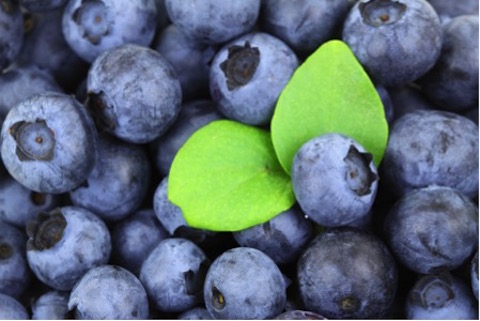
blueberries

New research finds that blueberries boost serotonin and may help with PTSD and anxiety. This was an animal study and is very promising.

A press release issued by the American Physiological Society shares the following:

Up to 8 percent of people in the U.S. suffer from post-traumatic stress disorder (PTSD) as the result of witnessing or being the victim of a traumatic event.

People with PTSD have been in a situation in which they were at risk of death, serious injury or sexual violence or have seen first-hand loved ones faces such threats. They may experience flashbacks, emotional detachment and jumpiness, among other symptoms that affect their ability to function in everyday life.

Currently, the only approved therapy for PTSD is selective serotonin reuptake inhibitors (SSRIs), such as Zoloft and Paxil, but their effectiveness is marginal. Now researchers at Louisiana State University have found that a readily available superfood—the blueberry—could be an effective treatment.

Philip J. Ebenezer presented the poster titled “The Neuro-Protective Efficacy of Blueberry in an Animal Model of Post-Traumatic Stress Disorder (PTSD)” at the Experimental Biology meeting on March 30, 2016.

Here is the paper/poster abstract: The Neuro-protective Efficacy of Blueberry in an Animal Model of Post-Traumatic Stress Disorder (PTSD)

Post-traumatic stress disorder (PTSD) is a trauma and stressor-related disorder that results in a prolonged stress response. It is associated with increased oxidative stress and inflammation in the prefrontal cortex (PFC) and hippocampus (HC). Previous findings from our lab indicate that neurotransmitter levels are modulated in the brain of PTSD animals. The only approved therapy for PTSD is the use of selective serotonin re-uptake inhibitors (SSRI), but their efficacy is marginal. Recently, we demonstrated that over-activation of Norepinephrine (NE) along with Serotonin (5-HT) as the possible reason for the lack of efficacy of SSRI. Hence, there is a need for novel therapeutic approaches for the treatment of PTSD. In this study, we investigated the neuroprotective role of blueberries (BB) in modulating neurotransmitter levels in PTSD. Rats were fed with a blueberry-enriched (2%) or a control diet. Rats were exposed to cats for one hour on days 1 and 11 of a 31-day schedule to simulate traumatic conditions. At the end of the study, the rats were euthanized and PFC and HC were isolated. We measured monoamines and their metabolites by high-performance liquid chromatography. In our PTSD model, NE levels were increased and 5-HT levels were decreased when compared to control. In contrast, a BB diet increased 5-HT without affecting NE levels. These findings indicate non-pharmacological approaches might modulate neurotransmitters in PTSD. Further studies to understand the molecular mechanism of neuro-protection by BB can provide a potential therapeutic target for the treatment of PTSD.

In summary, the traumatized rats that were fed blueberries saw an increase in serotonin levels and the study authors suggest that the non-drug neuroprotection offered by the blueberries may offer support for those with PTSD. Presumably this could help those with anxiety and depression too, since low serotonin can also be a factor in these conditions.  

Here are some ways to incorporate blueberries:

  • Fresh blueberries as a healthy snack
  • Frozen blueberries, also eaten as is as healthy snack (kids love this treat)
  • In a smoothie for breakfast, together with coconut milk, a banana and some whey or pea protein powder (great for good blood sugar control and reducing anxiety and irritability too)
  • As a dessert with grass-fed organic ice-cream or cream, or coconut milk if dairy is an issue for you
  • Dunked in melted dark organic free-trade chocolate as an occasional treat

Make sure to buy organic blueberries as non-organic are on the Dirty Dozen list and are highly sprayed with pesticides.

I love blueberries! How about you? How do you like to eat them?

PS. We’ll be covering other new food anxiety research on the upcoming Anxiety Summit and hope you can join us.


The above statements have not been evaluated by the Food and Drug Administration. Products listed in this blog post are not intended to diagnose, treat, cure or prevent any disease.

The information provided on this site is for informational and educational purposes only and is not intended as a substitute for advice from your physician or other health care professional. You should consult with a healthcare professional before starting or modifying any diet, exercise, or supplementation program, before taking or stopping any medication, or if you have or suspect you may have a health problem.


The amino acids and pyroluria supplements I use with my clients

Additional Anxiety Resources
Click on each image to learn more

gaba quickstart live gaba quickstart hs

Filed Under: Antianxiety, PTSD/Trauma Tagged With: anxiety, blueberries, PTSD, serotonin, the anxiety summit

About Trudy Scott

Food Mood Expert Trudy Scott is a certified nutritionist on a mission to educate and empower anxious individuals worldwide about natural solutions for anxiety, stress and emotional eating.

Trudy is the author of The Antianxiety Food Solution: How the Foods You Eat Can Help You Calm Your Anxious Mind, Improve Your Mood and End Cravings and host of The Anxiety Summit now in its 6th season and called a “bouquet of hope.”

Trudy is passionate about sharing the powerful food mood connection because she experienced the results first-hand, finding complete resolution of her anxiety and panic attacks.

Reader Interactions

Comments

  1. Megan Hard says

    May 20, 2016 at 6:32 pm

    Hi Trudy,
    When you say:
    “In a smoothie for breakfast, together with coconut milk, a banana and some whey or pea protein powder (great for good blood sugar control and reducing anxiety and irritability too)”

    What part of that helps with balancing blood sugar and reducing anxiety and irritability? I need all three 🙂 I have a similar smoothie sometimes with frozen berries including organic blueberries. I use Jay Robb’s vanilla egg white protein powder, the berry mixture (a whole bunch of each, frozen strawberries, raspberries, and blueberries), and unsweetened vanilla almond milk (I love bananas but they don’t agree with me.) I’d like to load up though on whatever helps control blood sugar plus reduces anxiety and irritability, but I wasn’t sure what ingredient you meant.
    Love your newsletter (and I grew up going to school with Dr. Kelly Brogan too!)
    Thanks!
    Megan

    Reply
    • Trudy Scott says

      May 21, 2016 at 12:36 pm

      Megan
      When it comes to low blood sugar, having healthy fats and protein helps with preventing the swings. So in my example it’s the protein powder and coconut milk.

      For other fats sources you could also use coconut oil. I often melt 1-2 tablespoons in warm water and add that to a smoothie. Adding olive, sesame or macnut oils are an option. You could also add half an avocado which makes it lovely and creamy.

      I’m not sure I’d go for an egg white protein – why not just eat eggs? yolks and all – they are so rich in choline which we need for brain health!

      Keep in mind that low blood sugar is just one of many possible causes of anxiety and irritability. I’d also look at low serotonin for starters.

      Glad you enjoy my newsletter! and how cool that you grew up with Kelly Brogan!

      Reply
      • Megan says

        May 21, 2016 at 7:08 pm

        Hi Trudy,

        Thanks Trudy. Yes and I just adore her, and believe me she’s been brilliant since the day I met her at 11 years old! Yes re seratonin I am currently tapering off an SSRI, so I am relying quite a bit on Kelly’s teachings as well as my own naturopath and supplements and my prescribing doctor. It’s been tough but I’m almost done.

        I eat eggs, but you can only eat them so often without getting bored, even in different recipes. I love coconut oil it’s the only one I cook with, but I was worried that adding it to a smoothie would make it solidify. I’ve put it in smoothies before and because of the frozen berries and sometimes the milk is cold too, it just turns into plasticy clumps. But I could try again. I have an excess of avocados right now so I’ll try that too.

        Thanks again!
        Megan

  2. Shana says

    May 21, 2016 at 11:37 am

    Hi,
    Just curious what brand of coconut milk you use? I try to avoid the canned coconut milk (bc of BPA) but I haven’t found a good alternative yet. Thanks

    Reply
    • Trudy Scott says

      May 21, 2016 at 12:30 pm

      Shana
      I use Native Forest coconut milk. The blog post by my colleague Mira Dessy, author of “The Pantry Principle” covers cans and BPA http://grainsandmore.com/2014/02/february-national-canned-food-month/#sthash.3qUlvxSD.dpbs. She also has a recipe for homemade coconut milk.

      You could also use coconut oil. I often melt 1-2 tablespoons in warm water and add that to a smoothie. Adding olive, sesame or macnut oils are an option. You could also add half an avocado which makes it lovely and creamy.

      Reply
      • Shana says

        May 24, 2016 at 11:36 am

        Great! Thank you!

    • Megan says

      May 21, 2016 at 7:08 pm

      Shana if you’re interested I get this on Amazon: 100% Coconut Milk – 8.5 Oz (6-pack) by Aroy-D. It comes in little cartons and it’s yummy – and has no other crap in it like store-bought in cartons.

      Reply
      • Shana says

        May 24, 2016 at 11:38 am

        Thank you Megan!

  3. anna rita cagnoni says

    May 30, 2016 at 1:10 pm

    GRAZIE GOOD IDEA !!

    Reply
  4. K says

    June 3, 2016 at 6:33 pm

    Unfortunately what replaces the BPA in cans may be just as bad…

    http://www.cleansthenewblack.com/health/bpa-free-coconut-milk-not-healthy

    Reply
    • Trudy Scott says

      June 5, 2016 at 3:28 pm

      Thanks for sharing this very informative post! this is new to me and I’ll be sharing

      Reply

Leave a Reply Cancel reply

Your email address will not be published. Required fields are marked *

Primary Sidebar

NEW! GABA QuickStart Homestudy (with special intro pricing)

gaba quickstart homestudy

Free Report

9 Great Questions Women Ask about Food, Mood and their Health

You'll also receive a complimentary subscription to my ezine "Food, Mood and Gal Stuff"


Connect with me

Popular Posts

  • Amino Acids Mood Questionnaire from The Antianxiety Food Solution
  • The Antianxiety Food Solution Amino Acid and Pyroluria Supplements
  • Pyroluria Questionnaire from The Antianxiety Food Solution
  • Collagen and gelatin lower serotonin: does this increase your anxiety and depression?
  • Tryptophan for the worry-in-your-head and ruminating type of anxiety
  • GABA for the physical-tension and stiff-and-tense-muscles type of anxiety
  • The Antianxiety Food Solution by Trudy Scott
  • Seriphos Original Formula is back: the best product for anxiety and insomnia caused by high cortisol
  • Am I an anxious introvert because of low zinc and vitamin B6? My response to Huffington Post blog
  • Vagus nerve rehab with GABA, breathing, humming, gargling and key nutrients

Recent Posts

  • What do I use instead of Seriphos to help lower high cortisol that is affecting my sleep and making me anxious at night?
  • BeSerene™ GABA/theanine cream eases severe muscle tension in her neck/shoulders, prevents her bad headaches and quells her anxiety
  • How the correct approach, dose and sublingual use of GABA can be calming and not cause a flushed and itchy face and neck
  • The amino acid glutamine improves low mood by addressing gut health, and it has calming effects too
  • Flight anxiety with heightened breath, physical tension and also fearing the worst (the role of low GABA and low serotonin)

Categories

  • 5-HTP
  • AB575
  • Addiction
  • ADHD
  • Adrenals
  • Alcohol
  • Allergies
  • Alzheimer's disease
  • Amino Acids
  • Anger
  • Antianxiety
  • Antianxiety Food Solution
  • Antidepressants
  • Anxiety
  • Anxiety and panic
  • Autism
  • Autoimmunity
  • benzodiazapines
  • Bipolar disorder
  • Books
  • Caffeine
  • Cancer
  • Candida
  • Children/Teens
  • Collagen
  • Cooking equipment
  • Coronavirus/COVID-19
  • Cravings
  • Depression
  • Detoxification
  • Diabetes
  • Diet
  • DPA/DLPA
  • Drugs
  • EFT/Tapping
  • EMF
  • EMFs
  • Emotional Eating
  • Endorphins
  • Environment
  • Essential oils
  • Events
  • Exercise
  • Fear
  • Fear of public speaking
  • Fertility and Pregnancy
  • Fish
  • Food
  • Food and mood
  • Functional neurology
  • GABA
  • Gene polymorphisms
  • General Health
  • Giving
  • Giving back
  • Glutamine
  • Gluten
  • GMOs
  • Gratitude
  • Gut health
  • Heart health/hypertension
  • Histamine
  • Hormone
  • Hyperparathyroidism
  • Hypoglycemia
  • Immune system
  • Inflammation
  • Insomnia
  • Inspiration
  • Introversion
  • Joy and happiness
  • Ketogenic diet
  • Lithium orotate
  • Looking awesome
  • Lyme disease and co-infections
  • MCAS/histamine
  • Medication
  • Men's health
  • Mental health
  • Mercury
  • Migraine
  • Mold
  • Movie
  • MTHFR
  • Multiple sclerosis
  • Music
  • NANP
  • Nature
  • Nutritional Psychiatry
  • OCD
  • Osteoporosis
  • Oxalates
  • Oxytocin
  • Pain
  • Paleo
  • Parasites
  • Parkinson’s disease
  • PCOS
  • People
  • PMS
  • Postpartum
  • PTSD/Trauma
  • Pyroluria
  • Questionnaires
  • Real whole food
  • Recipes
  • Research
  • Schizophrenia
  • serotonin
  • SIBO
  • Sleep
  • Special diets
  • Sports nutrition
  • Stress
  • Sugar addiction
  • Sugar and mood
  • Supplements
  • Teens
  • Testimonials
  • Testing
  • The Anxiety Summit
  • The Anxiety Summit 2
  • The Anxiety Summit 3
  • The Anxiety Summit 4
  • The Anxiety Summit 5
  • The Anxiety Summit 6
  • Thyroid
  • Thyroid health
  • Toxins
  • Tryptophan
  • Tyrosine
  • Uncategorized
  • Vegan/vegetarian
  • Women's health
  • Yoga

Archives

  • October 2025
  • September 2025
  • August 2025
  • July 2025
  • June 2025
  • May 2025
  • April 2025
  • March 2025
  • February 2025
  • January 2025
  • November 2024
  • October 2024
  • September 2024
  • August 2024
  • July 2024
  • June 2024
  • May 2024
  • April 2024
  • March 2024
  • February 2024
  • January 2024
  • December 2023
  • November 2023
  • October 2023
  • September 2023
  • August 2023
  • July 2023
  • June 2023
  • May 2023
  • April 2023
  • March 2023
  • February 2023
  • January 2023
  • December 2022
  • November 2022
  • October 2022
  • September 2022
  • August 2022
  • July 2022
  • June 2022
  • May 2022
  • April 2022
  • March 2022
  • February 2022
  • January 2022
  • December 2021
  • November 2021
  • October 2021
  • September 2021
  • August 2021
  • July 2021
  • June 2021
  • May 2021
  • April 2021
  • March 2021
  • February 2021
  • January 2021
  • December 2020
  • November 2020
  • October 2020
  • September 2020
  • August 2020
  • July 2020
  • June 2020
  • May 2020
  • April 2020
  • March 2020
  • February 2020
  • January 2020
  • December 2019
  • November 2019
  • October 2019
  • September 2019
  • August 2019
  • July 2019
  • June 2019
  • May 2019
  • April 2019
  • March 2019
  • February 2019
  • January 2019
  • December 2018
  • November 2018
  • October 2018
  • September 2018
  • August 2018
  • July 2018
  • June 2018
  • May 2018
  • April 2018
  • March 2018
  • February 2018
  • January 2018
  • December 2017
  • November 2017
  • October 2017
  • September 2017
  • August 2017
  • July 2017
  • June 2017
  • May 2017
  • April 2017
  • March 2017
  • February 2017
  • January 2017
  • December 2016
  • November 2016
  • October 2016
  • September 2016
  • August 2016
  • July 2016
  • June 2016
  • May 2016
  • April 2016
  • March 2016
  • February 2016
  • January 2016
  • December 2015
  • November 2015
  • October 2015
  • September 2015
  • August 2015
  • July 2015
  • June 2015
  • May 2015
  • April 2015
  • March 2015
  • February 2015
  • January 2015
  • December 2014
  • November 2014
  • October 2014
  • September 2014
  • August 2014
  • July 2014
  • June 2014
  • May 2014
  • April 2014
  • March 2014
  • February 2014
  • January 2014
  • December 2013
  • November 2013
  • October 2013
  • September 2013
  • August 2013
  • July 2013
  • June 2013
  • May 2013
  • April 2013
  • March 2013
  • February 2013
  • January 2013
  • December 2012
  • November 2012
  • October 2012
  • August 2012
  • July 2012
  • June 2012
  • May 2012
  • April 2012
  • March 2012
  • February 2012
  • January 2012
  • December 2011
  • November 2011
  • October 2011
  • September 2011
  • August 2011
  • July 2011
  • June 2011
  • May 2011
  • April 2011
  • March 2011
  • February 2011
  • January 2011
  • December 2010
  • October 2010
  • September 2010
  • July 2010
  • May 2010
  • April 2010
  • March 2010
  • February 2010
  • January 2010
  • November 2009

Share the knowledge!

The above statements have not been evaluated by the Food and Drug Administration. Products listed in this website are not intended to diagnose, treat, cure or prevent any disease.

The information provided on this site is for informational and educational purposes only and is not intended as a substitute for advice from your physician or other health care professional. You should consult with a healthcare professional before starting or modifying any diet, exercise, or supplementation program, before taking or stopping any medication, or if you have or suspect you may have a health problem.


Copyright © 2026 Trudy Scott. All Rights Reserved. | Privacy | Terms and Conditions | Refund Policy | Medical Disclaimer

Free Report

9 Great Questions Women Ask about Food, Mood and their Health

You’ll also receive a complimentary subscription to my ezine “Food, Mood and Gal Stuff”