• Skip to primary navigation
  • Skip to main content
  • Skip to primary sidebar

everywomanover29 blog

Food, Mood and Women's Health – Be your healthiest, look and feel great!

  • Blog
  • About
  • Services
  • Store
  • Resources
  • Testimonials
  • The Book
  • Contact
  • Search this site

vitamin D

Mitochondrial disruption and systemic benzodiazepine side effects/tapering issues: pain, fatigue, brain fog, insomnia and anxiety

May 16, 2025 By Trudy Scott 19 Comments

mitochondrial disruption

A recent article published on Naturopathic Doctor News & Review, Mitochondrial Disruption Explains Systemic Benzodiazepine Side Effects, reports on new research that identifies a possible mechanism for wide-ranging side effects of these antianxiety medications. In addition to side-effects there can also be persistent withdrawal symptoms that continue after they have been tapered:

Benzodiazepines impair mitochondrial signaling across multiple systems in the body, not just GABA receptors in the brain. Mitochondria play a central role in regulating cell energy metabolism, hormone synthesis, oxidative stress balance, and immune response.

Disrupting these pathways has systemic consequences that explain the wide range of symptoms patients report during chronic use and withdrawal.

These findings offer a cellular mechanism for persistent fatigue, pain syndromes, cognitive impairment, and inflammatory symptoms that may continue after tapering.

Many medications impact the mitochondria but this new research has identified a new possible mechanism: tryptophan-rich sensory proteins (HsTSPO1) and reactive oxygen species.

In this blog I share more about HsTSPO1 and this new research, additional symptoms of benzodiazepine withdrawal, what we already know about mitochondria and anxiety, other medications and environmental toxicants that affect the mitochondria, and some key nutrients for mitochondrial support.

Benzodiazepines bind to tryptophan-rich sensory proteins (HsTSPO1)

This article from Virginia Commonwealth University, Researchers may have solved decades-old mystery behind benzodiazepine side effects, discusses the new study and HsTSPO1:

Benzodiazepines produce their therapeutic effect by binding with GABAA receptors in the brain; however, the drug has an equally strong affinity to human mitochondrial tryptophan-rich sensory proteins (HsTSPO1), located on the outer membrane of mitochondria in cells.

This type of protein is linked to several neurodegenerative diseases, including Alzheimer’s, and researchers have suspected that HsTSPO1 may be involved in certain side effects of benzodiazepine drugs.

And “when valium and other benzodiazepines bind to HsTSPO1, they inhibit the protein’s ability to manage ROS (reactive oxygen species) levels in our cells … this both reduces the production and the neutralization of ROS.

This may help explain why such medications cause side effects over time

And the authors propose this: “The new insights into HsTSPO1’s function could help pharmaceutical companies develop improved benzodiazepines.”

I have a better idea and propose we create more awareness about how these and other medications affect the mitochondria. I believe all medications should include a warning about these mitochondrial effects, and that mitochondrial support should be included when these medications are prescribed and then tapered.

This may include a combination of the same nutrients used for neurodegenerative disorders caused by mitochondrial dysfunction – CoQ10, B-vitamins/NADH, L-carnitine, vitamin D, and alpha-lipoic acid. And should also include infrared sauna, red light therapy and other detox approaches.

Ideally, this awareness will increase the use of the amino acids GABA, tryptophan, 5-HTP and DPA (d-phenylalanine), and other nutritional approaches instead of long-term benzodiazepine prescriptions for anxiety, pain and sleep issues. More on that below.

Some of the many other symptoms of benzodiazepine withdrawal

This paper from 1994, The benzodiazepine withdrawal syndrome describes some of the many symptoms:

Physiological dependence on benzodiazepines is accompanied by a withdrawal syndrome which is typically characterized by sleep disturbance, irritability, increased tension and anxiety, panic attacks, hand tremor, sweating, difficulty in concentration, dry wretching and nausea, some weight loss, palpitations, headache, muscular pain and stiffness and a host of perceptual changes.

The mechanism is not addressed in the paper but in the light of this new research, it’s possible that tryptophan-rich sensory proteins, increased reactive oxygen species and mitochondrial dysfunction are factors.

Brain mitochondria: anxiety and fear

I first addressed mitochondrial dysfunction during the 2019 Anxiety Summit: Gut-Brain Axis. One of my guest experts, Tara Hunkin, NTP, CGP, RWP shared these highlights from this review paper – Anxiety and Brain Mitochondria: A Bidirectional Crosstalk:

  • Despite the established link between mitochondrial dysfunction and various psychiatric disorders, the contribution of mitochondria in anxiety disorders has not been extensively addressed.
  • Mitochondria are emerging as modulators of anxiety-related behavior, as evidenced both in animal and human studies.
  • There is a bidirectional link between mitochondria and anxiety. Mitochondrial, energy metabolism, and oxidative stress alterations are observed in high anxiety; conversely, changes in mitochondrial function can lead to heightened anxiety.

More recent research, published in 2024, The Emerging Role of Brain Mitochondria in Fear and Anxiety, supports this and proposes “a model in which mitochondrial function is critical for regulating the neural circuits that underpin fear and anxiety behaviors, highlighting how mitochondrial dysfunction can lead to their pathological manifestations.”

The new HsTSPO1 research builds on this research, identifying a possible mechanism and further supporting the oxidative stress connection.

On a side note, I’m really intrigued to learn more about these tryptophan-rich sensory proteins!

Other medications and environmental toxicants that impact the mitochondria

Keep in mind that it’s not only benzodiazepines that impact the mitochondria.

This 2023 paper, Drug-induced mitochondrial toxicity: Risks of developing glucose handling impairments, explores the correlation between potential mitochondrial dysfunction caused by selected medications, specifically looking at their effects on insulin signalling and glucose handling:

Drug classes such as statins, anti-diabetics, anti-epileptics, NSAIDs, anti-depressants, and certain antibiotics have been identified to induce mitochondrial toxicity.

This 2022 paper, Environmental Chemical Exposures and Mitochondrial Dysfunction: a Review of Recent Literature, states this:

Classes of environmental toxicants such as polycyclic aromatic hydrocarbons, air pollutants, heavy metals, endocrine-disrupting compounds, pesticides, and nanomaterials can damage the mitochondria in varied ways, with changes in mtDNA copy number and measures of oxidative damage the most commonly measured in human populations.

Amino acids and nutritional support: instead of benzos and before/during tapering

As I mentioned above, this awareness will hopefully increase the use of the amino acids GABA, tryptophan, 5-HTP and DPA (d-phenylalanine), and other nutritional approaches instead of long-term benzodiazepine prescriptions for anxiety, pain and sleep issues.

When it comes to tapering, it’s best to be nutritionally stable BEFORE starting to taper. This means eating real whole food that includes quality animal protein, healthy fats, fermented foods and organic vegetables and fruit; eating for blood sugar control; quitting sugar, gluten, alcohol and caffeine; addressing gut and adrenal health; addressing pyroluria and key nutritional deficiencies like low zinc, low iron, low vitamin D and more. This is all covered in my book.

Addressing neurotransmitter imbalances with amino acids before and during the tapering helps immensely too.  And so does mitochondrial support.

And a reminder: tapering should always be done very very very slowly and under medical supervision with the prescribing doctor.

Additional resources when you are new to using GABA, tryptophan and other amino acids as supplements

As always, I use the symptoms questionnaire to figure out if low serotonin or low GABA or other neurotransmitter imbalances may be an issue.

If you suspect low levels of any of the neurotransmitters and do not yet have my book, The Antianxiety Food Solution – How the Foods You Eat Can Help You Calm Your Anxious Mind, Improve Your Mood, and End Cravings, I highly recommend getting it and reading it before jumping in and using amino acids on your own so you are knowledgeable. And be sure to share it with the practitioner/health team you or your loved one is working with.

There is an entire chapter on the amino acids and they are discussed throughout the book in the sections on gut health, gluten, blood sugar control (this is covered in an entire chapter too), sugar cravings, anxiety and mood issues.

The book doesn’t include product names (per the publisher’s request) so this blog, The Antianxiety Food Solution Amino Acid and Pyroluria Supplements, lists the amino acids that I use with my individual clients and those in my group programs.

If, after reading this blog and my book, you don’t feel comfortable figuring things out on your own (i.e. doing the symptoms questionnaire and respective amino acids trials), a good place to get help is the GABA QuickStart Program (if you have low GABA symptoms). This is a paid online/virtual group program where you get my guidance and community support.

If you are a practitioner, join us in The Balancing Neurotransmitters: the Fundamentals program. This is also a paid online/virtual program with an opportunity to interact with me and other practitioners who are also using the amino acids.

Wrapping up and your feedback

Are you aware that benzodiazepines and many other medications can play a role in mitochondrial disruption? And that this mitochondrial disruption is likely a factor when it comes to systemic benzodiazepine side effects and tapering issues such as pain, fatigue, brain fog, insomnia and anxiety (and more)?

Have you considered or used mitochondrial support when tapering one of the benzodiazepines and has this approach helped?

And has it helped to be nutritionally stable BEFORE tapering and using amino acids to help with tapering? What changes did you make and which amino acids helped?

If you’re a practitioner is this a topic you discuss and address with your clients/patients?

Please do share in the comments below.

Filed Under: Anxiety, GABA, Insomnia Tagged With: alpha-lipoic acid, antianxiety medications, anxiety, B vitamins, benzodiazepine, brain fog, cell energy metabolism, CoQ10, fatigue, GABA, HsTSPO1, insomnia, L-carnitine, medications, mitochondria, Mitochondrial disruption, oxidative stress, pain, reactive oxygen species, side-effects, tapering, tryptophan-rich sensory proteins, vitamin D

Osteoporosis: two of my favorite self-help books by R. Keith McCormick DC (and some of my own story)

August 16, 2024 By Trudy Scott 3 Comments

osteoporosis books

In May 2023 I posted this on Facebook and it never made it on to the blog so here goes …. osteoporosis and two of my favorite self-help books by R. Keith McCormick DC:

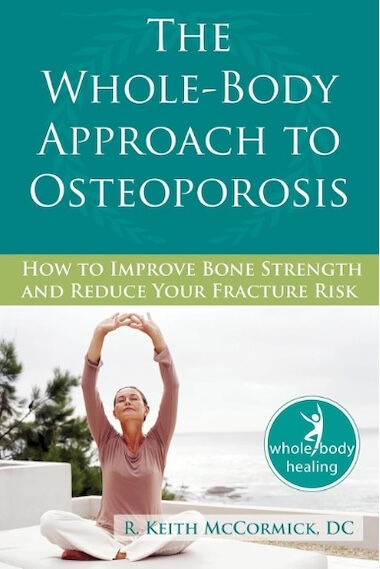
Earlier this week I read this book, The Whole-Body Approach to Osteoporosis: How to Improve Bone Strength and Reduce Your Fracture Risk by R. Keith McCormick DC, and wow, I’m very impressed and learned a ton.

It actually consolidates and builds on what I learned from him at the in-depth and excellent interviews with him on the Osteoporosis Summit, hosted by my friend and colleague, Margie Bissinger, MS, PT, CHC (thanks Margie! – I’ve ordered his newest book too).

I really love how Dr. McCormicks walks us through him being a detective with clients (the cases are excellent). And his information and interpretation on advanced bone health tests (like CTX, P1NP), other basic blood work (CRP, homocysteine, fibrinogen, vitamin D etc.) and functional testing (celiac/gluten sensitivity labs) he does is invaluable.

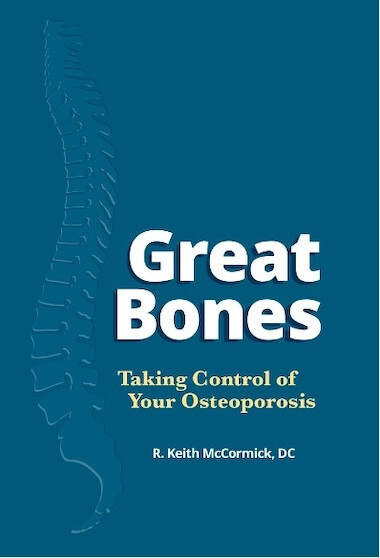
I’m curious to see what updates he’s made (if any) in his newest book, Great Bones: Taking Control of Your Osteoporosis.  Does he now prefer MK-4 to MK-7 (forms of vitamin K), if he addresses the tricky calcium-oxalate issues (I’m trying to figure this one out too) and if he also discusses Trabecular Bone Score (TBS) which can be included in the DXA.

I do like that he discusses prevention too – for younger women and men! He was in his 40s when he started to have osteoporotic fractures.

I’m in my early 60s and don’t have osteopenia or osteoporosis but I want to be proactive and do comprehensive testing. I do have concerns due to my dietary oxalate issues and calcium homeostasis as a result of this.

Read about both books below and more on my own osteoporosis story (yes, I do have osteoporosis after all!)  and probable root causes.

The Whole-Body Approach to Osteoporosis

whole body approach to osteoporosis

Here is the official blurb for this book:

No pill will cure you of osteoporosis. While medication can sometimes help, it won’t fully address the underlying causes of your osteoporosis or osteopenia. To restore bone health, you’ll need a targeted program combining the best bone-building strategies from traditional and holistic medicine. The Whole-Body Approach to Osteoporosis distills these complex strategies into a whole-body plan you can begin today to dramatically improve your bone strength and overall vitality.

This comprehensive guide includes information on:

    • What to eat for stronger bones
    • Choosing bone-building supplements and osteoporosis medications
    • Foods and medications that may be contributing to bone loss
    • Signs and symptoms that can help you monitor your bone health
    • How lab tests can help you personalize your plan

It was published in 2009, and I found it to be eye-opening and a wonderful introduction to the comprehensive functional medicine, nutritional and lifestyle approach that needs to be considered when addressing bone health. It’s written for the layperson but is meaty enough for practitioners new to the mechanisms of bone building and bone breakdown, osteoporosis medication and the impacts of environmental toxins.

As I mentioned above, his information and interpretation on advanced bone health tests (like CTX, P1NP), and other labs that are important for bone health (CRP, homocysteine, fibrinogen, vitamin D etc.) is invaluable. He also covers the basics that I cover in my book/work – like eating real food, digestive health and celiac/gluten sensitivity.

It comes highly recommended and you can find it in bookstores and on Amazon here (my Amazon link).

Great Bones: Taking Control of Your Osteoporosis

great bones

Here is the official blurb for this book:

Dr. McCormick knows what potential dangers lurk for women and men who don’t understand the life cycle of bone, who don’t realize the role nutrition plays in bone health, who don’t know what can happen to bone even when they think they’re doing “everything right.”

In his mission to help readers — women and men, athletes and nonathletes, primary care physicians and specialists — Dr. McCormick explains not just the fundamentals of osteoporosis but also the pathophysiology of bone loss and what it takes to regain skeletal health.

If you’re a patient suffering from bone loss, Dr. McCormick helps you take control of your osteoporosis; if you’re a doctor, he lays out the most up-to date science so you can best serve your patients. Great Bones is a book everyone can use to achieve better skeletal health well into their 70s, 80s, and beyond.

This one was published in 2023 and is a hefty 714 pages (vs 200 pages for his first book). This book takes everything in his first book to the next level. And while it is more geared to practitioners it is easy enough to follow for the health-savvy layperson.

Every time I pick it up to search for something I learn so much more. Here are a few eye-opening gems:

  • Test CTX early morning and avoid biotin and collagen for 48 hours beforehand (I also heard him say this on the osteoporosis summits)
  • “Butyric acid can increase bone formation by lowering osteoclastic formation” (bone break down) “and stimulating the deposition of calcium into the collagen matrix”
  • “High concentration of lead are found in the cement lines – where mineralized bone meets non-mineralized collagen and where zinc concentration is highest” (and more information on how lead adversely affects our bones)
  • “Post-menopausal women excrete eight times more urinary zinc than women with normal bone density”

With regards to my questions I had before getting this book – he does use both forms of vitamin K (MK-4 and MK-7) and he also discusses Trabecular Bone Score (TBS) which is an add-on for the DXA and a good indicator of bone texture and quality.

Unfortunately he doesn’t address the tricky calcium-oxalate issues that I’m trying to figure out, other than a very brief mention on one page.

I’m eagerly waiting for a kindle version to come out so I can more easily search for advanced topics. My index is full of my scribbles as I find some topics buried within other topics, like some of the TBS information.

This book is also highly recommended and you can find it on Amazon here (my Amazon link).

My osteoporosis story (some of it anyway)

When I posted about these books in May 2023, I was planning to be proactive and do comprehensive testing to get a good baseline in my early 60s. After reading these books and two others, I had my first DXA in July that included a TBS and testing of my left forearm. I was shocked to find out I have osteoporosis, despite the fact I have exercised my entire life – running (road and trails), playing tennis and then squash, rock-climbing, doing weights to train for climbing, backpacking with heavy packs, mountain biking, skiing and wind-surfing.

Because of this I’m really passionate about getting the message out about testing early (for women and men) and being informed and proactive. Dr. McCormick suggests women do their first DXA at 50 and men at 55 (and earlier if they’ve had a fracture).

Given my many possible root causes, I now wonder if I should have tested myself at 40 years of age? As I mentioned above, my dietary oxalate issues and the disruption of calcium homeostasis is likely a major factor. I’ve added these as contributing factors too: my long-term gut issues (since childhood), gluten sensitivity, SIBO, my history and propensity for anxiety and panic attacks, my past exposure to toxic lead (in my 20s I worked in an oil refinery and was exposed to jet fuel at a small airport), the fact that I have pyroluria (the zinc and vitamin B6 connections – I’ll be publishing a blog post on this and osteoporosis) and my liver/bile issues (which play into the oxalate issues).

Dr. McCormick says this at the start of Great Bones …  “you need to understand the causes” and I do so now I can work on all of this.  I love that he also says: “In this book what you will find is hope – within realistic physiological limitations – that you can improve your bone health.”

Dr. Kim Millman’s healthier bones course

With these books and other reading I’m doing, I now have the knowledge and tools. I’ve seen some improvements in the last year and I’m ready to jump in and do further testing and additional adjustments to actually reverse my bone loss.

But I need more so I’ve just signed up to do Dr. Kim Millman, MD’s online Restore & Rebuild: 100 Days to Healthier Bones program. Dr. Millman was also a speaker on Margie’s osteoporosis summit and if you are also looking for support and expert guidance via an online program, this one is a no-brainer. There is also an opportunity to ask your questions.  It’s really short notice and if you can’t make this cohort, I’ll share my feedback in case you make the 2025 class.

Dr. Millman shared this in one of her interviews with Margie: “I think that the most important thing to understand is that it is possible to reverse bone loss and drastically reduce your risk of fractures naturally. And in my 15 years of evaluating and treating the root causes of bone loss, my patients do not break bones, and they don’t feel fragile anymore. Their fear fades. They don’t feel vulnerable, and they return to living their most active lives and doing the things they love.”

Hearing this gives me even more hope and I’m excited!

And in case you’re wondering, I’m still glad I’ve read both these books and have them to refer back to again and again. Both are heavily referenced too and I love to look at the research.

Wrapping up and your feedback

Now I’d love to hear from you – do you have osteoporosis and have you read either of these books and have any gems to share?

Do you have another favorite book on bone health?

Have you done Dr. Millman’s program?

What age were you diagnosed with osteopenia or osteoporosis and were you surprised?

Have you been able to reverse your bone loss and drastically reduce your risk of fractures naturally?

What root causes do you feel play a role for you?

If you’re a practitioner working with clients/patients with osteopenia or osteoporosis I’d love your insights

Feel free to share and ask your questions below.

Filed Under: Anxiety, Osteoporosis, Pyroluria Tagged With: anxiety, bile, bone, books, calcium, celiac, CTX, Dr. Kim Millman, Dr. McCormick, DXA, fibrinogen, fracture, gluten sensitivity, Great Bones, homocysteine, Margie Bissinger, MK-4, MK-7, osteoporosis, Osteoporosis Summit, oxalate issues, P1NP, pyroluria, R. Keith McCormick, TBS, The Whole-Body Approach to Osteoporosis, vitamin D, vitamin K

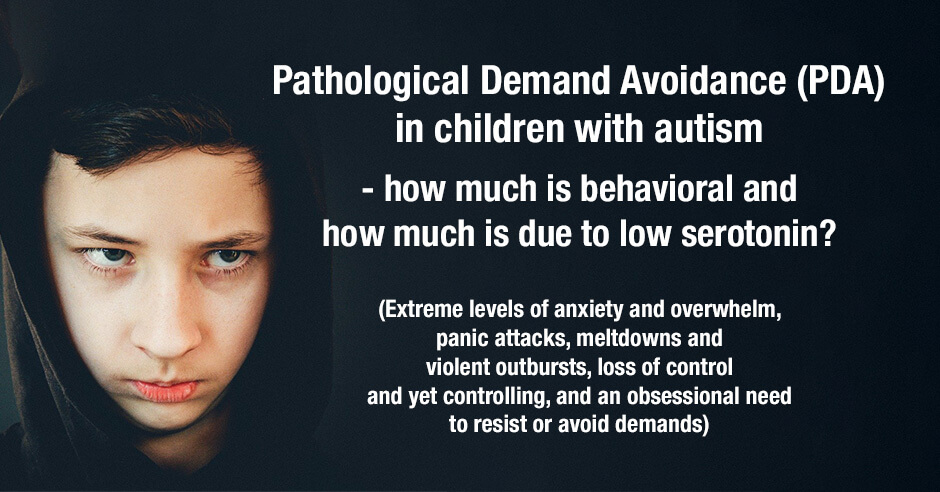
Pathological Demand Avoidance (PDA) in children with autism – how much is behavioral and how much is due to low serotonin?

June 9, 2023 By Trudy Scott 14 Comments

pda in children with autism

Pathological Demand Avoidance (PDA) is a condition associated with Autism Spectrum Disorder (ASD). It is a rare behavioral phenotype of ASD that is characterized by an overwhelming or obsessional need to resist or avoid demands, which can often lead to sensory overwhelm causing meltdowns and violent outbursts.

Although children in general may often try to avoid demands, children with PDA engage in avoidant behaviors at a greater level.

The key underlying factor is the extreme levels of anxiety associated with a loss of control, which can feel like a panic attack. Because of high levels of anxiety, they will often respond with a “No” even to tasks or activities that they normally enjoy and can spend a great deal of energy trying to gain control of situations and people.

(from an Australian PDA article: What is Pathological Demand Avoidance (PDA) and how can we address it? so I changed the spelling of behavioural and characterised to be American)

This is a typical overview of PDA and the common recommendations (as outlined in the above article) are all behavioral interventions: be an active listener and build trust, depersonalize requests, provide indirect praise, use humor and so on. Many parents find these helpful but the biochemical imbalances that trigger these behaviors are being ignored and/or there is a lack of awareness. I’d like to change this so more children and teens get quick relief.

There may be many different root causes such as low serotonin, low GABA, low blood sugar, gluten sensitivities, low zinc, low vitamin B6, low vitamin D, toxins, infections, phenols, salicylates etc. Today I’m going to discuss low serotonin and my rationale for reaching this conclusion. It’s also one of the quickest root causes to confirm (more on that below).

My rationale for proposing that Pathological Demand Avoidance (PDA) in children with autism is related to low serotonin

If we take the description above, all of these symptoms are classically found when a child (or adult) has low serotonin:

  • Extreme levels of anxiety
  • Can feel like a panic attack
  • Overwhelm
  • Meltdowns and violent outbursts
  • Loss of control
  • Spending a great deal of energy trying to gain control of situations and people (i.e. controlling)
  • Obsessional need to resist (any kind of obsessing is common when serotonin is low)

The second reason I suspect low serotonin with PDA is the timing of these behaviors i.e. later in the day. The article mentions that “A child with PDA can be very calm, cool and compliant at school and behave much worse at home. This is not because of incompetent parenting but because they have reached their tolerance levels and need to release that suppressed anxiety.”

This may well be a factor, however low serotonin symptoms are recognized as being more severe in the afternoon/evening when serotonin levels start to decline. If these children have low serotonin then it makes sense that these symptoms would start to increase once they get home.

My third reason is that low serotonin is common in autism/autism spectrum disorder (ASD).

Low serotonin is common in autism/autism spectrum disorder (ASD)

This paper, Vitamin D hormone regulates serotonin synthesis. Part 1: relevance for autism, summarizes it as follows: “The disruption of the serotonergic system is one of the most consistent observations associated with autism. Serotonin in the brain promotes prosocial behavior and correct assessment of emotional social cues.”  

Their recommendations are vitamin D and tryptophan supplementation which they say “may be a simple method of increasing brain serotonin without negative side effects.”

Testing for low levels of vitamin D and supplementing accordingly is important.

Are there other low serotonin symptoms and using a trial of tryptophan to confirm

As mentioned above, low serotonin is also one of the quickest root causes to confirm. As always, regardless of the diagnosis, we assess for low serotonin by rating symptoms on a scale of 1 to 10 (with 10 being most severe) and do a trial of tryptophan (chewed or a capsule opened on to the tongue). You will have your answer very quickly because we rate improvements in symptoms in the next 5 to 30 minutes.

In addition to the above symptoms we also look for these: worry-in-your-head and ruminating type of anxiety, phobias, lack of confidence, depression, negativity, imposter syndrome, PMS, irritability, insomnia and afternoon/evening cravings for carbs and sugar.

Lidtke is the only brand of tryptophan that I recommend simply because I see it work so well and because of quality issues with tryptophan in the past. Here are the Lidtke tryptophan products I recommend:

  • Lidtke Chewable Tryptophan 100 mg is a good for doing a trial and works when lower doses are needed as with children.
  • Lidtke Tryptophan 500 mg can be used for doing a trial. I open the capsule and use 100mg for a child. Going forward this product is helpful when higher doses are needed, especially at night. When opened it doesn’t taste very good but can be mixed with inositol or even glutamine powder or mashed banana.

You can read more on this blog: Tryptophan for the worry-in-your-head and ruminating type of anxiety, see the full list of low serotonin symptoms here and find the tryptophan products on the supplements blog here.

If you’re new to PDA, the DSM and low serotonin/other biochemical factors

Professor Elizabeth Newson was a developmental psychologist known for her work with children in the autism spectrum. This is her 2003 paper on the topic – Pathological demand avoidance syndrome: a necessary distinction within the pervasive developmental disorders

It’s not part of the DSM-5, the standard classification of mental disorders used by mental health professionals in the United States. This article, A Brief History of Pathological Demand Avoidance, offers a good backstory and shares why families want it to be part of the DSM.

Whether or not it becomes a distinct condition or autism subtype in the DSM, I’d like to see low serotonin (and likely low vitamin D) being recognized as one root cause. And acknowledging that there may be many other biochemical/nutritional approaches that should also be explored.

These symptoms are listed in the above article, in addition to avoidance behaviors, and all could fall into typical low serotonin symptoms:

  • verbal and physical aggression when feeling loss of control
  • self-injurious behavior
  • property destruction
  • refusal to participate in self-care such as bathing or brushing teeth (is this depression?)
  • inability to attend social events (is this fear and social anxiety?)
  • controlling what noises are allowed in a home, such as no music, or only certain music
  • inability to allow parents to have friends visit the home (is this also controlling?)
  • are often combative with siblings
  • issues with food, what to eat, when to eat, who to eat with
  • conflict with siblings

As mentioned above we also look into low GABA and low blood sugar (trials of GABA and glutamine will give quick confirmation too), gluten sensitivity, low zinc, low vitamin B6, toxins, infections, phenols, salicylates and so on. Of course, Nutritional and Dietary Intervention for Autism Spectrum Disorder is crucial.

Some success stories and connecting the dots with low serotonin

These two success stories illustrate how successful tryptophan and GABA can be and also how quickly they offer relief:

  • Rage, anxiety, cravings & insomnia in 11-year old girl with RAD/reactive attachment disorder: chewable tryptophan turns things around
  • Half a crushed GABA Calm for my autistic child: sleep, anxiety and sensorimotor skills (writing, horse riding and swimming) improve

This blog post illustrates similar low serotonin symptoms and end-of-the-day timing in adults with Alzheimer’s – Sundowning in Alzheimer’s and dementia: melatonin/tryptophan for the agitation, restlessness, anxiety, disturbed sleep and aggression. It’s low serotonin that is the cause, regardless of the diagnosis.

This blog illustrates another mechanism for these types of disruptive behaviors: Christmas tree phenols as a trigger for anger, meltdowns, anxiety, hyperactivity, insomnia, aggression, self-injury and autistic symptoms? There is a serotonin connection when there are phenol issues too.

Resources if you are new to using amino acids as supplements

If you are new to using amino acids as supplements, here is the Amino Acids Mood Questionnaire from The Antianxiety Food Solution (you can see all the symptoms of neurotransmitter imbalances, including low GABA, low serotonin and low endorphins).

If you suspect low levels of any of the neurotransmitters and do not yet have my book, The Antianxiety Food Solution – How the Foods You Eat Can Help You Calm Your Anxious Mind, Improve Your Mood, and End Cravings, I highly recommend getting it and reading it before jumping in and using amino acids on your own so you are knowledgeable. And be sure to share it with the practitioner/health team you or your loved one is working with.

There is an entire chapter on the amino acids and they are discussed throughout the book in the sections on gut health, gluten, blood sugar control, sugar cravings, anxiety and mood issues.

The book doesn’t include product names (per the publisher’s request) so this blog, The Antianxiety Food Solution Amino Acid and Pyroluria Supplements, lists the amino acids that I use with my individual clients and those in my group programs. You can find them all in my online store.

If, after reading this blog and my book, you don’t feel comfortable figuring things out on your own (i.e. doing the symptoms questionnaire and respective amino acids trials), if you need serotonin support, the Serotonin QuickStart Program is a good place to start. This is a paid online/virtual group program where you get my guidance on using tryptophan and 5-HTP safely, and community support during 5 LIVE Q&A calls. You can sign up to be notified when the next live launch of this program is happening. We take a deep dive into product options including Lidtke products and others if you’re not able to access Lidtke.

If you also have low GABA symptoms, the next step to get help is the GABA QuickStart Program.This is also a paid online/virtual group program where you get my guidance and community support. Another option is the budget-friendly GABA QuickStart Homestudy program.

If you are a practitioner, join us in The Balancing Neurotransmitters: the Fundamentals program. This is also a paid online/virtual program with an opportunity to interact with me and other practitioners who are also using the amino acids.

Now I’d like to hear from you

Have you been told your child may have Pathological Demand Avoidance (PDA)? Have you only been offered behavioral change tools and how have they helped?

Has low serotonin (and other biochemistry imbalances) been discussed too?

What symptoms does your child have and are things worse later in the day?

Has tryptophan helped reduce the above low serotonin symptoms in your child? How much helps and how quickly?

Or do you find 5-HTP works better? If yes, how much helps and how quickly?

What other biochemical changes have helped?

If you’re a practitioner, are you hearing about increased discussion of Pathological Demand Avoidance (PDA) and do you address low serotonin with your clients/patients?

Feel free to post your feedback and questions here in the comments.

Filed Under: Anger, Anxiety, Autism, Children/Teens, Depression, Tryptophan Tagged With: amino acids, anxiety, ASD, autism, behavioral, behavioural, biochemical imbalances, control, demands, GABA, gluten, infections, low blood sugar, low GABA, low serotonin, meltdowns, neurotransmitters, obsessional, outbursts, overwhelming, panic attack, Pathological Demand Avoidance, PDA, Phenols, salicylates, sensory overwhelm, the GABA Quickstart online program; and Balancing Neurotransmitters: the Fundamentals program for practitioners, toxins, tryptophan, violent, vitamin D

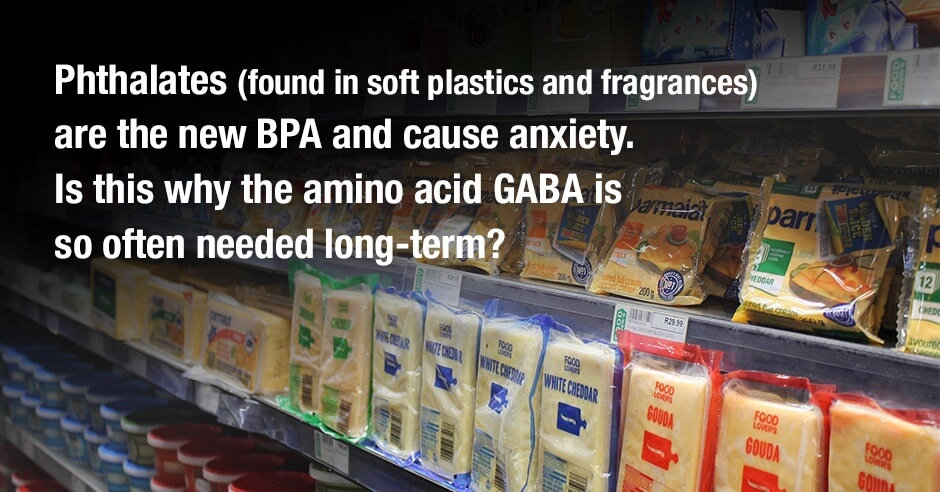
Phthalates (found in soft plastics and fragrances) are the new BPA and cause anxiety. Is this why the amino acid GABA is so often needed long-term?

June 10, 2022 By Trudy Scott 11 Comments

phthalates and gaba

Using the amino acid GABA (as a supplement) for anxiety (the physical tension type of anxiety) should ideally be short-term to address your low levels of GABA (gamma-amino butyric acid). Why then do many folks only find relief when using GABA long-term? What is depleting their GABA levels on an ongoing basis? One reason is that anxiety is caused with ongoing exposure to phthalates (found in soft plastics and fragrances). Ongoing exposure can continue to deplete GABA levels so supplementation is needed long-term. This blog reviews sources of phthalates and the supporting (and growing) research. And also the fact that we’re being told that phthalates are safe.

The awareness and concern about BPA (bisphenol A), an industrial chemical found in hard plastics (and a contributing factor when it comes to anxiety), is being surpassed by an awareness and concern about phthalates (pronounced “thalates”).

I believe “Phthalates are the new BPA!” and “Fragrance is the new smoking!” and I suspect we’ll be seeing more and more research on the adverse health impacts (including anxiety and other conditions – more on that below) and hopefully more and more awareness too.

Here is a brief summary:

  • They act as binding agents and make plastics flexible….and are found in plastics in the kitchen, vinyl toys (it makes them soft), shower curtains, paint and nail polish.
  • They are also found in anything with a fragrance – like air-fresheners and most commercial house-cleaning products, and cosmetics such as shampoos, moisturizers, sun cream and of course perfumes, deodorants and after-shave products. I cringe every time I see the beautiful perfume ads on TV and when I walk past someone with loads of after-shave wafting behind them

My assumption is that you’ve heard of phthalates and know they are harmful. They are well-recognized as being an endocrine disruptor but less is known about the effects on GABA levels and increasing anxiety (more on that below).

If you are new to phthalates, the organization called Safer Chemicals Healthy Family, has an excellent overview. They share that

Food is the leading source of exposure. Phthalates have been found in dairy products, meats, fish, oils & fats, baked goods, infant formula, processed foods, and fast foods. Phthalates are not intentionally added ingredients but rather “indirect” food additives. They easily escape from food processing equipment, food packaging, and food preparation materials, and contaminate food at points all along the supply chain.

They list the many health impacts (with links to studies): Endocrine disruption (i.e. affecting your hormones); abnormalities in the male reproductive system; reduced testosterone levels and altered thyroid hormone production; neurodevelopmental effects in infants or children (ADHD-like behaviors, aggression, depression, a lower IQ, and autism); liver and kidney toxicity; cancer; and asthma.

This article also addresses the fact that we’re being told that phthalates are safe when they are not.

Phthalates are associated with emotional symptoms (depression, anxiety and stress) in male and female students

In addition to the above health impacts, phthalates play a role in causing anxiety too. This 2020 paper, Association of Urinary Phthalates Metabolites Concentration With Emotional Symptoms in Chinese University Students, reports the results of a school-based cross-sectional survey that was carried out among 990 university students aged 17-24 years:

  • the concentration of six phthalate metabolites in urine was measured (with a detection rate of 79.6% to 99.7%)
  • The positive rates of depressive symptoms, anxiety symptoms, and stress were 17.4%, 24.8%, and 9.5%, respectively
  • One type of phthalates affected the males more severely and another type affected the females more

The authors concluded that:

Our study demonstrates that Chinese university students are widely exposed to phthalates; and high- and low-molecular weight phthalates are associated with emotional symptoms in males and females, respectively.

It’s seldom one cause that is contributing to anxiety and emotional symptoms, as illustrated by this study: Association Between Screen Time, Fast Foods, Sugar-Sweetened Beverages and Depressive Symptoms in Chinese Adolescents. We need to address all factors. And here it’s a combination of screen time, as well as junk food and sugar, and the plastic containers and soda bottles that are a source of phthalates.

As you can see, fast foods are a huge source – Phthalate and novel plasticizer concentrations in food items from U.S. fast food chains: a preliminary analysis. This paper was published in May 2022 and already we’re seeing “certain ortho-phthalates (i.e., di-n-butyl phthalate (DnBP) and di(2-ethylhexyl) phthalate (DEHP)) have been phased out and replaced with other plasticizers (e.g., dioctyl terephthalate (DEHT))”. This mirrors what we saw with BPA being replaced with BPS and BPF, which are concerning.

The anxiety-inducing effects caused by phthalates could be alleviated by GABA

What is very encouraging is the fact that the amino acid GABA can alleviate the anxiety caused by phthalates. In this 2018 animal study, Intervention Effect of Gamma Aminobutyric Acid on Anxiety Behavior Induced by Phthalate (2-ethylhexyl Ester) in Rats. This is the conclusion:

  • DEHP [phthalate] exposure induced anxiety in rats, which may be achieved through elevating nitric oxide and nitric oxide synthase levels in the prefrontal cortex of rats.
  • The [anxiety-inducing] effects caused by DEHP could be alleviated by GABA.

This study was looking at Di(2-ethylhexyl) phthalate (DEHP), and the authors shared that “it is one of the most widely used phthalate esters.” As you can see from the 2022 paper I shared above, it’s now being replaced with other plasticizers.

This 2019 paper, Effect of di(2-ethylhexyl) phthalate on the neuroendocrine regulation of reproduction in adult male rats and its relationship to anxiogenic behavior: Participation of GABAergic system didn’t use the amino acid GABA but do report a “decrease in hypothalamic gamma-aminobutyric acid (GABA) concentration” and the authors “suggest that GABA could participate in the modulation of reproductive and behavioral DEHP effects.”

Long-term use of GABA because of phthalates: using GABA should ideally be short-term

We clearly need human studies to confirm all this but until then we can use what we know about GABA and supplement with the amino acid GABA (as a supplement) when there are low GABA symptoms of physical anxiety, tension, stiff and tense muscles, intrusive thoughts, insomnia, and self-medicating with alcohol or sugar.

As mentioned above, using GABA should ideally be short-term – 3 to 12 months – to address your low levels of GABA. I propose that many folks only find relief when using GABA long-term and it’s partly due to phthalates (and other chemicals) depleting their GABA levels on an ongoing basis.

I’m in favor of long-term use of GABA supplementation as long as GABA levels continue to be low and GABA supplementation offers relief.

But you also need to be addressing your exposure to these chemicals and doing ongoing detoxification. And also addressing diet, gut-health, infections, low zinc, low vitamin B6, low serotonin etc. (on an as-needed basis).

Addressing exposure and ongoing detoxification

As far as addressing our exposure to these chemicals, reduction and ideally avoidance is ideal. The Safer Chemicals Healthy Family overview includes plenty of practical steps.

As far as ongoing detoxification and nutritional support I encourage regular infrared sauna (my personal favorite is the portable Therasage sauna), rebounding, dry skin brushing, optimizing lymph drainage and exercise.

The research on NAC alone and a combination of zinc and NAC is encouraging even if it’s not specific to anxiety. Also, research shows that rosmarinic acid, a natural polyphenol “confers protection against DEHP-induced thyroid inflammation.”

You can read about other more general detox approaches on this pesticide spill blog: rooibos tea, castor oil packs, vitamin D (it’s often lower in those exposed to phthalates), epsom salts baths, apple cider vinegar and broccoli sprouts (as a source of sulforaphane).

Resources if you are new to using GABA as a supplement

If you are new to using GABA as a supplement, here is the Amino Acids Mood Questionnaire from The Antianxiety Food Solution (you can see all the low GABA symptoms).

If you suspect low levels of GABA or any of the neurotransmitters and do not yet have my book, The Antianxiety Food Solution – How the Foods You Eat Can Help You Calm Your Anxious Mind, Improve Your Mood, and End Cravings, I highly recommend getting it and reading it before jumping in and using amino acids on your own so you are knowledgeable. And be sure to share it with the team you or your loved one is working with.

There is an entire chapter on the amino acids and they are discussed throughout the book in the sections on gut health, blood sugar control, sugar cravings, self-medicating with alcohol and more.

The book doesn’t include product names (per the publisher’s request) so this blog, The Antianxiety Food Solution Amino Acid and Pyroluria Supplements, lists the amino acids that I use with my individual clients and those in my group programs.

If, after reading this blog and my book, you don’t feel comfortable figuring things out on your own (i.e. doing the symptoms questionnaire and respective amino acids trials), a good place to get help is the GABA Quickstart Program. This is a paid online/virtual group program where you get my guidance and community support. There are many moms in the program who are having much success with their kids.

If you are a practitioner, join us in The Balancing Neurotransmitters: the Fundamentals program. This is also a paid online/virtual program with an opportunity to interact with me and other practitioners who are also using the amino acids.

Have you been using GABA for longer than 3-12 months? (please share how long and how it’s helping)

Do you think phthalates could be a factor in keeping your GABA levels low?

What have you done to reduce or eliminate phthalates from your life? (please share which sources and how)

If you have questions please share them here too.

Filed Under: Anxiety, Detoxification, GABA, Toxins Tagged With: anxiety, Balancing Neurotransmitters: the Fundamentals. NAC, BPA, depression, detoxification, emotional symptoms, endocrine disruptor, fast foods, fragrances, GABA, GABA Quickstart program, long-term, phthalates, physical-tension, rosmarinic acid, sauna, short-term, soda, soft plastics, sulforaphane, vitamin D, zinc

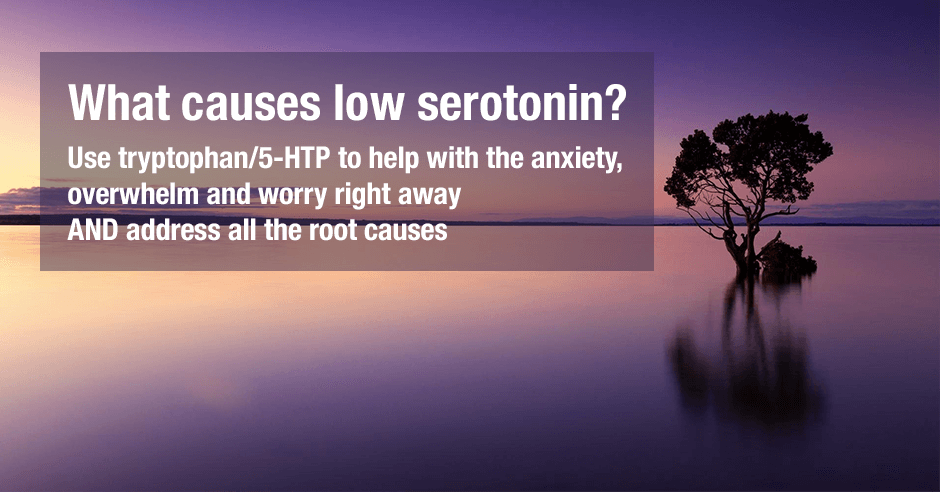
What causes low serotonin? Use tryptophan/5-HTP to help with the anxiety, overwhelm and worry right away and address all the root causes

May 13, 2022 By Trudy Scott 40 Comments

what causes low serotonin

Low serotonin has a number of root causes which can be different for each person. If you do have low serotonin levels you always want to figure and address why it’s low. This can take time to figure out and resolve so you want to be using either tryptophan or 5-HTP (and sometimes both) to boost your serotonin levels and get symptom relief quickly. This helps with the worry, overwhelm, anxiety, insomnia, carb cravings, TMJ, irritability, PMS, anger, OCD, low mood and ruminations right away. It also helps with the worry and overwhelm triggered by sometimes complex and challenging root causes.

Here is a list of some of the many factors that may cause low serotonin for you:

  • stress and adrenal dysfunction (high cortisol affects your sex hormone and neurotransmitter production, inlcuding serotonin)
  • eating junk food and sugar (a Western diet “of processed or fried foods, refined grains, sugary products, and beer was associated with a higher odds of mood disorders”
  • consuming caffeine (which reduces zinc and B vitamins, needed to make serotonin)
  • not consuming enough quality animal protein (amino acids are the building blocks of our neurotransmitters, and grass fed red meat provides zinc, iron and omega-3s – all needed to make serotonin)
  • low stomach acid (meaning you can’t digest the protein you’re consuming)
  • gluten issues (leading to low serotonin and other nutritional deficiencies such as low iron, low vitamin D etc.)
  • low vitamin D (“Brain serotonin is synthesized from tryptophan by tryptophan hydroxylase 2, which is activated by vitamin D hormone”)
  • low iron/ferritin levels (iron is a cofactor for making serotonin)
  • dysbiosis and microbiome imbalances (we make so much serotonin in the gut)
  • candida (in one study short exposure to serotonin resulted in antifungal activity)
  • liver issues (affecting how you process xenoestrogens)
  • low bile production (affecting how you digest the healthy fats you’re eating)
  • sex hormone imbalances (serotonin and estrogen are very closely linked and women make less serotonin than men. In one study, tryptophan improved the low serotonin PMS symptoms)
  • thyroid imbalance (“it is postulated that one mechanism, among others, through which exogenous thyroid hormones may exert their modulatory effects in affective illness is via an increase in serotonergic neurotransmission”)
  • histamine imbalances (in one study “Acute LPS-induced inflammation increases CNS histamine and decreases CNS serotonin)”
  • the birth control pill (which lowers zinc and vitamin B6, both of which are needed for serotonin production)
  • statins (leading to cholesterol that is too low)
  • mold exposure/mycotoxins/mold poisoning
  • heavy metal toxicity such as lead (and tryptophan and ascorbic acid can help ease the anxiety)
  • Lyme disease and other co-infections (serotonin was found to be low in cerebrospinal fluid in patients with post-Lyme disease syndrome i.e. chronic Lyme)
  • collagen consumption (in susceptible folks this can lower serotonin levels)
  • seasonal allergies (“Cytokines may lead to a mood disturbance via the expression of the IDO enzyme, which shifts the synthesis of tryptophan from serotonin to kynurenine. The resultant acute tryptophan depletion results in decreased brain serotonin”)
  • genetics (one example is the MTHFR polymorphism)
  • low zinc, low vitamin B6 (and other B vitamins), low selenium, low magnesium etc. – all needed to make serotonin
  • oxalates (which can bind to zinc and deplete it)
  • a high copper diet (nut flours on Paleo diets can be problematic), copper IUD, copper pipes etc. (which can cause low zinc)
  • lack of nature (forest bathing reduces cortisol which affects serotonin production)
  • lack of exercise
  • lack of sunshine (like in the winter when serotonin declines)

When I posted some of this list on Facebook earlier this week, there was a great deal of interest, hence this blog. I’ve included one relevant link for each one so you can read further on the topic.

When I posted it I also asked this: “Have you figured out your root cause/s that are contributing to your low serotonin levels? And has tryptophan or 5-HTP helped while you’re figuring it all out?”

Leanne has mold, dysbiosis, Lyme, low vitamin D, bile issues and more

Leanne responded and gave me the go ahead to share especially if this helps someone else (I appreciate that!) She shared she has identified these root causes:

Mold. Dysbiosis. Possible Lyme/co-infections. Low vitamin D. Bile and motility issues. Liver issues. Stress. Low HCL. Those are the ones I’m aware of. And taking each and every day to work on them.  It takes time to heal

I agree it takes time to heal and can be a longer journey for some folks, especially when there are a number of underlying factors. She is in a good frame of mind, saying pragmatically, it takes time to heal. This confirms her serotonin levels are robust i.e. she is not in a state of overwhelm and worry. Sure enough, when I asked if tryptophan or 5-HTP has been helping this was her response:

5-HTP and GABA calm initially helped me in my first round of going through this back in 2015. Then I discovered l-tryptophan about a year ago and that seemed to be a better help over 5-HTP.

Since I’ve just identified that histamine is an issue and started a low histamine diet this past week I noticed less of a need for l-tryptophan as I did before. My body is calming down significantly. And my digestion is working a little better.

But I still have to address mold, SIBO, candida, parasites and possibly Lyme and underlying hidden viruses.

So I know these amino acids will play a key part in supporting me as I dive deeper into addressing them all.

It’s wonderful the amino acids have helped her so much and they will most likely continue to help. A quick comment on her preference for tryptophan over 5-HTP – some folks do better on one vs the other.

Regarding the histamine issues/root cause, it’s good that she is now addressing this. Already she needs less tryptophan (for now). Things may fluctuate in the future again as she peels away the onion layers of root causes. She may find she needs tryptophan again or a higher dose or needs to get back on the GABA.

As you can see she has been working on her health for some time. This is not unusual. Slow and steady is just fine, especially when there is so much going on.

The amino acids are intended for short-term use while diet and underlying root causes are addressed. But when the list is long this is a common reason for the ongoing need for serotonin support. Keep in mind, your list may be a short one and may be quick to resolve. And not everyone has the same root causes.

Resources if you are new to using tryptophan or 5-HTP as supplements

If you are new to using tryptophan or 5-HTP as supplements, here is the Amino Acids Mood Questionnaire from The Antianxiety Food Solution (you can see all the low serotonin symptoms).

If you suspect low levels of serotonin or any of the neurotransmitters and do not yet have my book, The Antianxiety Food Solution – How the Foods You Eat Can Help You Calm Your Anxious Mind, Improve Your Mood, and End Cravings, I highly recommend getting it and reading it before jumping in and using amino acids on your own so you are knowledgeable. And be sure to share it with the team you or your loved one is working with.

There is an entire chapter on the amino acids and they are discussed throughout the book in the sections on gut health, blood sugar control, sugar cravings, self-medicating with alcohol and more.

The book doesn’t include product names (per the publisher’s request) so this blog, The Antianxiety Food Solution Amino Acid and Pyroluria Supplements, lists the amino acids that I use with my individual clients and those in my group programs.

If you are a practitioner, join us in The Balancing Neurotransmitters: the Fundamentals program. This is also a paid online/virtual program with an opportunity to interact with me and other practitioners who are also using the amino acids.

Have you figured out your root cause/s that are contributing to your low serotonin levels? And does this give you a better understanding of your own issues?

Do you have any other root causes I may have missed? (when I posted this list on Facebook, a few people pointed out I had missed a few. I’ll update the list and continue to add as we discover new connections).

Has tryptophan and/or 5-HTP helped you feel less overwhelmed and worried while you’re figuring it all out?

Have you adjusted doses of tryptophan and/or 5-HTP as things change and root causes are addressed/resolved?

If you’re a practitioner, do you have anything to add and do your clients/patients find this useful?

If you have questions please share them here too.

Filed Under: 5-HTP, Anxiety, serotonin, Tryptophan Tagged With: 5-HTP, adrenal dysfunction, anxiety, bile issues, candida, collagen, diet junk food, dysbiosis, gluten, high cortisol, histamine, iron, Lead toxicity, low cholesterol, low stomach acid, lyme, mold, overwhelm, red meat, root causes, seasonal allergies, serotonin, stress, sugar, thyroid, tryptophan, vitamin D, What causes low serotonin?, worry

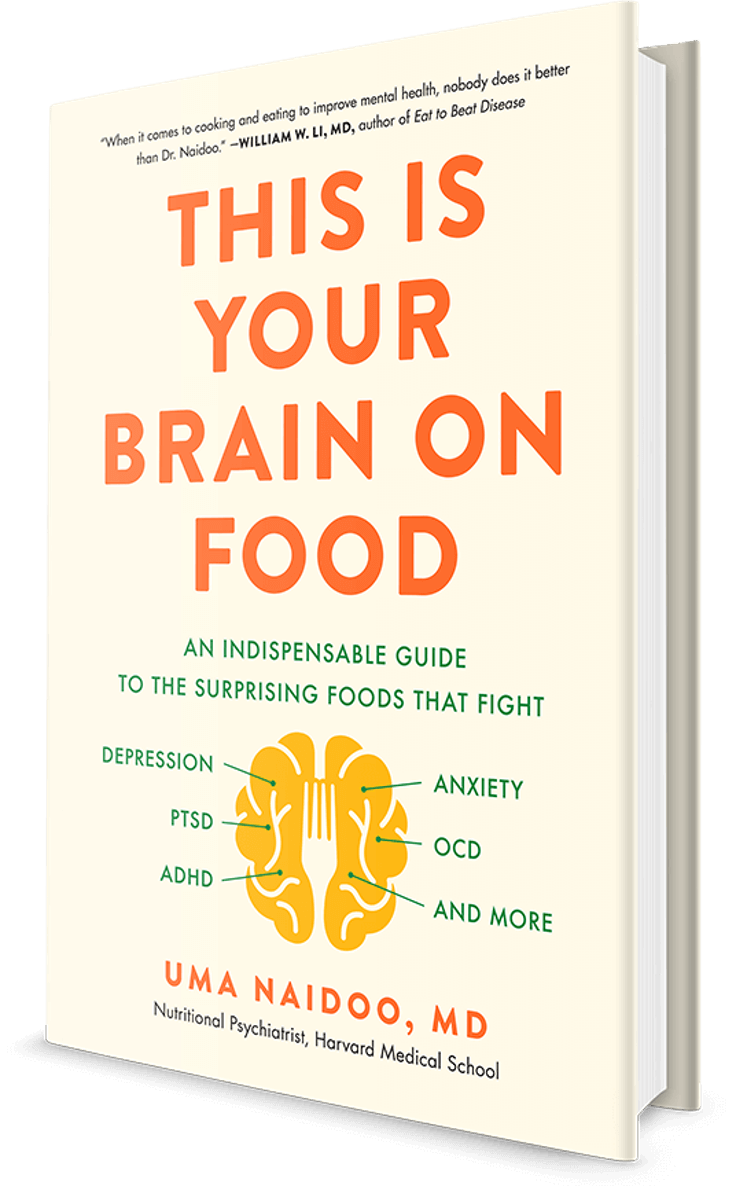
This Is Your Brain on Food by Uma Naidoo, MD (video interview and review)

August 21, 2020 By Trudy Scott 6 Comments

brain on food

Dr. Uma Naidoo has a wonderful new book called This Is Your Brain on Food: An Indispensable Guide to the Surprising Foods that Fight Depression, Anxiety, PTSD, OCD, ADHD, and More (my Amazon link)

Her big bold message is this “Until we solve nutritional problems, no amount of medication and psychotherapy is going to be able to stem the tide of mental issues in our society.”  This is something I wholeheartedly agree with!

I had the wonderful opportunity to interview Dr. Naidoo and we talked about the benefits of fermented foods and social anxiety, vitamin D and anxiety, dietary sources of polyphenols for ADHD and much more:

  • A 2015 study, Fermented foods, neuroticism, and social anxiety, reports that people eating fermented foods saw a reduction in their social anxiety and neurotic traits
  • Dr. Naidoo recommends unflavored kefir (which can be used to make a creamy dressing), miso, fermented vegetables and kombucha (watch the added sugars)
  • I mention kombucha as a source of fluoride (watch if you have issues with fluoride)
  • Vitamin D and anxiety: we discuss a 2019 study, Effect of Vitamin D Supplement on Mood Status and Inflammation in Vitamin D Deficient Type 2 Diabetic Women with Anxiety: A Randomized Clinical Trial

51 women with type 2 diabetes and vitamin D deficiency were randomly allocated to receive one oral pearl of 50,000 IU vitamin D3 (26 women) or a placebo (25 women) fortnightly for 16 weeks

Anxiety score changes were significantly lower in vitamin D group than the controls

  • Dr . Naidoo recommends these sources of vitamin D: egg yolks, salmon, mushrooms and sun exposure (sun through a window doesn’t count)
  • Dietary polyphenols and ADHD: We talk about a 2018 study, Rationale for Dietary Antioxidant Treatment of ADHD

Dietary polyphenols… have antioxidant capacities as well as immunoregulatory effects and, therefore, appear appropriate in ADHD therapy.

  • Dr. Naidoo recommends these sources of polyphenols: berries and other fruit, vegetables, extra virgin olive oil.
  • I’m fascinated by the fact that polyphenols “act as a low-dose toxin that trains the body to mount an immune response in a process called hormesis” (there are many geeky gems like this in the book)
  • Dr. Naidoo shares the story of her 36 year old patient with severe anxiety. He was a binge eater and also had a history of alcohol abuse. Vitamin B1 (250mg) was every effective for him…“In animal studies, thiamine appears to reduce stress-like responses because it protects the hippocampus”
  • We talk about chamomile tea and how it helps with sleep. There are some cautions if you’re on a blood thinner prescription or going to have surgery. Pregnant women should also avoid it.
  • Dr. Naidoo shares a delicious Golden Milk recipe with tips on how to use turmeric (one her favorite spices and inspired by her grandmother’s cooking) with black pepper. You’ll find this in the recipes section.
  • Dr Naidoo also shares one of her favorite comfort foods – a yummy lentil soup recipe called dal in south Indian cuisines. It’s a great source of fiber, plant-based protein and is very affordable. And really healthy when cooked with vegetables and spices like mustard seeds, ginger, garlic and turmeric. She shares a tip to improve the flavors – making tadka (listen to the interview below, enjoy and be inspired!)


It’s a wonderful book that I highly recommend if:

  • you are new to nutritional psychiatry and the power of food
  • you are a seasoned foodie and want to geek out on mechanisms and the science
  • you want to learn about foods and nutrients (all science-based) specifically for depression, anxiety, PTSD, OCD, ADHD and insomnia
  • you are a practitioner and want to learn and share a wonderful book with your patients or clients

I read it cover to cover and picked up so many gems. I also loved reading about her memories of cooking with her Pinetown granny (Pinetown is just outside Durban where we both happened to grow up)!

We do have a few professional differences of opinion that I feel I should mention:

  • I am not in favor of canola oil and I’d switch out the recipes that call for canola oil with olive oil
  • I have a difficult time extrapolating high-fat diets in rat studies to concerns about saturated fat consumption in humans (given the nature of the rat chow in many of these studies)
  • I’m more concerned with portion-size of carbs than I am with portion-size of healthy fats (and typically recommend full-fat coconut milk, and chicken and turkey with skin-on)
  • I find grass-red meat to be beneficial for my clients with anxiety and mood issues
  • Many of my anxious clients cannot tolerate any caffeine and I consider 14 alcoholic drinks a week for men and 7 alcoholic drinks a week for women to be excessive
  • I prefer stove-top and oven cooking to using a microwave.

This is the official book blurb:

Did you know that blueberries can help you cope with the aftereffects of trauma? That salami can cause depression, or that boosting Vitamin D intake can help treat anxiety?

When it comes to diet, most people’s concerns involve weight loss, fitness, cardiac health, and longevity. But what we eat affects more than our bodies; it also affects our brains. And recent studies have shown that diet can have a profound impact on mental health conditions ranging from ADHD to depression, anxiety, sleep disorders, OCD, dementia and beyond.

A triple threat in the food space, Dr. Uma Naidoo is a board-certified psychiatrist, nutrition specialist, and professionally trained chef. In This Is Your Brain on Food, she draws on cutting-edge research to explain the many ways in which food contributes to our mental health, and shows how a sound diet can help treat and prevent a wide range of psychological and cognitive health issues.

Packed with fascinating science, actionable nutritional recommendations, and delicious, brain-healthy recipes, This Is Your Brain on Food is the go-to guide to optimizing your mental health with food.

Uma Naidoo, MD is board-certified psychiatrist (Harvard Medical School), professional chef (Cambridge School of Culinary Arts), and nutrition specialist (Cornell University). She is currently the Director of Nutritional and Lifestyle Psychiatry at Massachusetts General Hospital (MGH), where she consults on nutritional interventions for the psychiatrically and medically ill; Director of Nutritional Psychiatry at the Massachusetts General Hospital Academy; and has a private practice in Newton, MA. She also teaches at The Cambridge School of Culinary Arts.

Dr. Naidoo speaks frequently at conferences at Harvard, for Goop audiences, the New York City Jewish Community Center (JCC), and Ivy Boston. She blogs for Harvard Health and Psychology Today and completed a unique video cooking series for the MGH Academy which teaches Nutritional Psychiatry using culinary techniques in the kitchen.

You can get your copy of This Is Your Brain on Food here (my Amazon link) and find additional information about Dr. Naidoo here and the book here.

Let us know what you think in the comments below and be sure to leave Dr. Naidoo a review once you read your copy!

Feel free to post your questions here too.

Filed Under: Anxiety, Books Tagged With: ADHD, anxiety, brain, chamomile tea, dal, depression, Dr. Uma Naidoo, fermented food, food, insomnia, OCD, polyphenols, PTSD, sleep, This Is Your Brain on Food, turmeric, Uma Naidoo, vitamin D

  • Page 1
  • Page 2
  • Page 3
  • Go to Next Page »

Primary Sidebar

NEW! GABA QuickStart Homestudy (with special intro pricing)

gaba quickstart homestudy

Free Report

9 Great Questions Women Ask about Food, Mood and their Health

You'll also receive a complimentary subscription to my ezine "Food, Mood and Gal Stuff"


Connect with me

Popular Posts

  • Amino Acids Mood Questionnaire from The Antianxiety Food Solution
  • The Antianxiety Food Solution Amino Acid and Pyroluria Supplements
  • Pyroluria Questionnaire from The Antianxiety Food Solution
  • Collagen and gelatin lower serotonin: does this increase your anxiety and depression?
  • Tryptophan for the worry-in-your-head and ruminating type of anxiety
  • GABA for the physical-tension and stiff-and-tense-muscles type of anxiety
  • The Antianxiety Food Solution by Trudy Scott
  • Seriphos Original Formula is back: the best product for anxiety and insomnia caused by high cortisol
  • Am I an anxious introvert because of low zinc and vitamin B6? My response to Huffington Post blog
  • Vagus nerve rehab with GABA, breathing, humming, gargling and key nutrients

Recent Posts

  • What do I use instead of Seriphos to help lower high cortisol that is affecting my sleep and making me anxious at night?
  • BeSerene™ GABA/theanine cream eases severe muscle tension in her neck/shoulders, prevents her bad headaches and quells her anxiety
  • How the correct approach, dose and sublingual use of GABA can be calming and not cause a flushed and itchy face and neck
  • The amino acid glutamine improves low mood by addressing gut health, and it has calming effects too
  • Flight anxiety with heightened breath, physical tension and also fearing the worst (the role of low GABA and low serotonin)

Categories

  • 5-HTP
  • AB575
  • Addiction
  • ADHD
  • Adrenals
  • Alcohol
  • Allergies
  • Alzheimer's disease
  • Amino Acids
  • Anger
  • Antianxiety
  • Antianxiety Food Solution
  • Antidepressants
  • Anxiety
  • Anxiety and panic
  • Autism
  • Autoimmunity
  • benzodiazapines
  • Bipolar disorder
  • Books
  • Caffeine
  • Cancer
  • Candida
  • Children/Teens
  • Collagen
  • Cooking equipment
  • Coronavirus/COVID-19
  • Cravings
  • Depression
  • Detoxification
  • Diabetes
  • Diet
  • DPA/DLPA
  • Drugs
  • EFT/Tapping
  • EMF
  • EMFs
  • Emotional Eating
  • Endorphins
  • Environment
  • Essential oils
  • Events
  • Exercise
  • Fear
  • Fear of public speaking
  • Fertility and Pregnancy
  • Fish
  • Food
  • Food and mood
  • Functional neurology
  • GABA
  • Gene polymorphisms
  • General Health
  • Giving
  • Giving back
  • Glutamine
  • Gluten
  • GMOs
  • Gratitude
  • Gut health
  • Heart health/hypertension
  • Histamine
  • Hormone
  • Hyperparathyroidism
  • Hypoglycemia
  • Immune system
  • Inflammation
  • Insomnia
  • Inspiration
  • Introversion
  • Joy and happiness
  • Ketogenic diet
  • Lithium orotate
  • Looking awesome
  • Lyme disease and co-infections
  • MCAS/histamine
  • Medication
  • Men's health
  • Mental health
  • Mercury
  • Migraine
  • Mold
  • Movie
  • MTHFR
  • Multiple sclerosis
  • Music
  • NANP
  • Nature
  • Nutritional Psychiatry
  • OCD
  • Osteoporosis
  • Oxalates
  • Oxytocin
  • Pain
  • Paleo
  • Parasites
  • Parkinson’s disease
  • PCOS
  • People
  • PMS
  • Postpartum
  • PTSD/Trauma
  • Pyroluria
  • Questionnaires
  • Real whole food
  • Recipes
  • Research
  • Schizophrenia
  • serotonin
  • SIBO
  • Sleep
  • Special diets
  • Sports nutrition
  • Stress
  • Sugar addiction
  • Sugar and mood
  • Supplements
  • Teens
  • Testimonials
  • Testing
  • The Anxiety Summit
  • The Anxiety Summit 2
  • The Anxiety Summit 3
  • The Anxiety Summit 4
  • The Anxiety Summit 5
  • The Anxiety Summit 6
  • Thyroid
  • Thyroid health
  • Toxins
  • Tryptophan
  • Tyrosine
  • Uncategorized
  • Vegan/vegetarian
  • Women's health
  • Yoga

Archives

  • October 2025
  • September 2025
  • August 2025
  • July 2025
  • June 2025
  • May 2025
  • April 2025
  • March 2025
  • February 2025
  • January 2025
  • November 2024
  • October 2024
  • September 2024
  • August 2024
  • July 2024
  • June 2024
  • May 2024
  • April 2024
  • March 2024
  • February 2024
  • January 2024
  • December 2023
  • November 2023
  • October 2023
  • September 2023
  • August 2023
  • July 2023
  • June 2023
  • May 2023
  • April 2023
  • March 2023
  • February 2023
  • January 2023
  • December 2022
  • November 2022
  • October 2022
  • September 2022
  • August 2022
  • July 2022
  • June 2022
  • May 2022
  • April 2022
  • March 2022
  • February 2022
  • January 2022
  • December 2021
  • November 2021
  • October 2021
  • September 2021
  • August 2021
  • July 2021
  • June 2021
  • May 2021
  • April 2021
  • March 2021
  • February 2021
  • January 2021
  • December 2020
  • November 2020
  • October 2020
  • September 2020
  • August 2020
  • July 2020
  • June 2020
  • May 2020
  • April 2020
  • March 2020
  • February 2020
  • January 2020
  • December 2019
  • November 2019
  • October 2019
  • September 2019
  • August 2019
  • July 2019
  • June 2019
  • May 2019
  • April 2019
  • March 2019
  • February 2019
  • January 2019
  • December 2018
  • November 2018
  • October 2018
  • September 2018
  • August 2018
  • July 2018
  • June 2018
  • May 2018
  • April 2018
  • March 2018
  • February 2018
  • January 2018
  • December 2017
  • November 2017
  • October 2017
  • September 2017
  • August 2017
  • July 2017
  • June 2017
  • May 2017
  • April 2017
  • March 2017
  • February 2017
  • January 2017
  • December 2016
  • November 2016
  • October 2016
  • September 2016
  • August 2016
  • July 2016
  • June 2016
  • May 2016
  • April 2016
  • March 2016
  • February 2016
  • January 2016
  • December 2015
  • November 2015
  • October 2015
  • September 2015
  • August 2015
  • July 2015
  • June 2015
  • May 2015
  • April 2015
  • March 2015
  • February 2015
  • January 2015
  • December 2014
  • November 2014
  • October 2014
  • September 2014
  • August 2014
  • July 2014
  • June 2014
  • May 2014
  • April 2014
  • March 2014
  • February 2014
  • January 2014
  • December 2013
  • November 2013
  • October 2013
  • September 2013
  • August 2013
  • July 2013
  • June 2013
  • May 2013
  • April 2013
  • March 2013
  • February 2013
  • January 2013
  • December 2012
  • November 2012
  • October 2012
  • August 2012
  • July 2012
  • June 2012
  • May 2012
  • April 2012
  • March 2012
  • February 2012
  • January 2012
  • December 2011
  • November 2011
  • October 2011
  • September 2011
  • August 2011
  • July 2011
  • June 2011
  • May 2011
  • April 2011
  • March 2011
  • February 2011
  • January 2011
  • December 2010
  • October 2010
  • September 2010
  • July 2010
  • May 2010
  • April 2010
  • March 2010
  • February 2010
  • January 2010
  • November 2009

Share the knowledge!

The above statements have not been evaluated by the Food and Drug Administration. Products listed in this website are not intended to diagnose, treat, cure or prevent any disease.

The information provided on this site is for informational and educational purposes only and is not intended as a substitute for advice from your physician or other health care professional. You should consult with a healthcare professional before starting or modifying any diet, exercise, or supplementation program, before taking or stopping any medication, or if you have or suspect you may have a health problem.


Copyright © 2026 Trudy Scott. All Rights Reserved. | Privacy | Terms and Conditions | Refund Policy | Medical Disclaimer

Free Report

9 Great Questions Women Ask about Food, Mood and their Health

You’ll also receive a complimentary subscription to my ezine “Food, Mood and Gal Stuff”