• Skip to primary navigation
  • Skip to main content
  • Skip to primary sidebar

everywomanover29 blog

Food, Mood and Women's Health – Be your healthiest, look and feel great!

  • Blog
  • About
  • Services
  • Store
  • Resources
  • Testimonials
  • The Book
  • Newsletter
  • Contact
  • Search this site

theanine

Calming GABA, tryptophan to relinquish the evening bottle of red wine, theanine for focus and the pyroluria protocol

November 29, 2024 By Trudy Scott 5 Comments

gaba tryptophan theanine

I’m 61 years old postmenopausal. 2 GABA Calm under my tongue the second my eyes open in the morning. I keep it at the bedside. So that’s 250mg.

In the beginning I would also use two if I woke up at 2AM with a panic attack. That doesn’t happen as much anymore. I keep a bottle in my purse for panic attacks during the day. I haven’t had one of those in a couple of years. When I have a low stress week ahead, such as no social interaction scheduled, I go several days without any, but then that clutch in my chest reminds me to start back.

I also am diligent in treating my Pyroluria (diagnosed with a urine test)…it makes a difference. Daily zinc, B vitamins (especially 15mg methylfolate/day – check out the research papers on that dose being as effective as most antidepressants, I’m heterozygous not homozygous, MTHFR), Magnesium Threonate.

I am having good results with 1000 mg L-Tryptophan/day. I’ve just started adding another 1000mg/day in a bid to relinquish my evening bottle of red wine.

I keep a bottle of L-theanine on hand if I have a day ahead that I need to focus. ADHD does not improve with age!! I seriously liked it better in my day when my third-grade teacher labeled me a “dreamer”. Fortunately, I live on a farm and the cows don’t seem to mind that it takes me a bit to focus long enough to get the chores done.

I also have a regular yoga practice and I do physical work outside and in the winter use a SAD light.

I will also add that the last 8 months I have been in a very stressful family situation at home and the above regimen is holding.

If anyone has stuck with this wandering post to the end, don’t give up. Keep fighting to find what works for you.

Jennifer responded with the above in response to my question on Facebook about your starting GABA dose and if it’s changed over the years based on stress levels, hormone changes and life events.

I thanked her for sharing and for her encouraging words for others in the community and asked if I could share her feedback as a blog. She said yes saying “I have learned so very much from the stories of others on the page” – so here we are …

Stories offer hope, motivation and inspiration and we do learn so much from them.

I also told her that she is a poster child for how we want to use GABA and share more about that and her desire to relinquish her bottle of wine (and how amino acids make it easier) below.

She is a poster child for how we want to use GABA

Initially a higher dose of GABA may be needed and then as GABA levels increase and we also start to address other underlying root causes, less GABA is needed on a regular basis.

Initially Jennifer needed 4 x GABA Calm (for a total of 400mg/day) and then just 250mg GABA per day once she addressed pyroluria and B vitamin deficiencies. Yoga also supports GABA production.

On some low-stress days she doesn’t need any GABA at all, but she wisely keeps some in her purse for “panic attacks during the day” (but hasn’t had one in a couple of years).

She had struggled with perimenopause: “I must say that postmenopausal is a hell of a lot better, even with the paper thin skin and wrinkles, than the hell that was perimenopause!!!!”

And she did mention her phenyl-GABA mistake/ignorance and the fact that I helped her identify this issue 5 years ago. If you’re not aware, phenyl-GABA or phenibut can cause similar tolerance, dependence and discontinuation issues to benzodiazepines. More on phenibut here.

All of the above very likely contributed to her higher need for GABA initially.

Additional serotonin support to relinquish her evening bottle of red wine

Jennifer is already supporting her serotonin with 1000mg tryptophan per day, a SAD light in winter and physical exercise on the farm.

Afternoon and evening cravings are common when serotonin isn’t optimal – this can be carb/sugar cravings and/or also a need to self-medicate with wine. The first step is to recognize and acknowledge that a bottle of wine each evening is too much.

This amount of alcohol affects the liver, contributes to leaky gut, can cause blood sugar swings and reduces B vitamins, especially thiamine/vitamin B3. And it could also be considered an added “stress” if you have pyroluria.

Most of us are aware of these harmful effects and yet cannot easily quit. Her use of the word relinquish is a clue as to how she feels about this i.e. some common synonyms of relinquish are “abandon, resign, surrender” which “may suggest some regret, reluctance, or weakness.”

But because she understands the power of amino acids, she plans to increase her tryptophan from 1000mg to 2000mg to address this addiction without the need for willpower or with no feelings of regret or surrender.

If you are new to using this tryptophan for this purpose, this blog is worth reading: Tryptophan had the added benefit of turning me completely off alcohol when I took it to improve mood and sleep during perimenopause

Theanine for when she needs additional focus

Theanine provides a feeling of calm focus, offering support for the following neurotransmitters: GABA, serotonin and dopamine.

Jennifer also uses 400mg of theanine (Suntheanine) for her focus issues, using it only on days she needs it. She says “I rarely have a day when I would need more than 3-4 hours of paperwork concentration as my life on the farm and keeping up with grandchildren is more physical than mental focus.”

Now that she has used GABA, tryptophan and theanine with success, she has these amino acids in her toolbox whenever she needs them in the future and when she needs to increase the dose if the situation requires a change.

A few GABA product options  – a sublingual and a powder
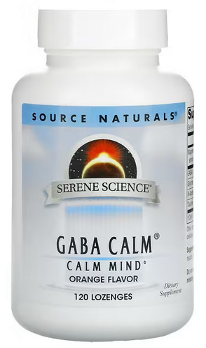
gaba calm
gaba pure poder

Jennifer used Source Naturals GABA Calm lozenges, a product I recommend. It’s a good low dose of 125 mg and is convenient and effective because it’s a sublingual lozenge.

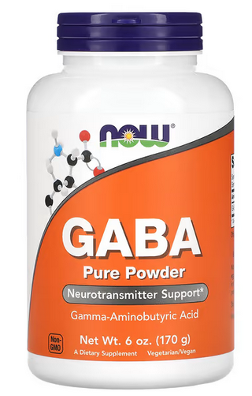
Now GABA Powder is another product I use and recommend. It does need to be measured out to provide a 125 mg typical starting dose. I have clients use a handy mini measuring spoon like this one (my Amazon link) and share more about how to measure out GABA powder on this blog).

For Source Naturals GABA Calm lozenges and Now GABA Powder:

  • You can purchase these from my online store (Fullscript – only available to US customers – use this link to set up an account).
  • If you’re not in the US, you can purchase these at iherb (use this link to save 5%).

Additional resources when you are new to using GABA, tryptophan and other amino acids as supplements

As always, I use the symptoms questionnaire to figure out if low GABA, low serotonin or other neurotransmitter imbalances may be an issue.

If you suspect low levels of any of the neurotransmitters and do not yet have my book, The Antianxiety Food Solution – How the Foods You Eat Can Help You Calm Your Anxious Mind, Improve Your Mood, and End Cravings, I highly recommend getting it and reading it before jumping in and using amino acids on your own so you are knowledgeable. And be sure to share it with the practitioner/health team you or your loved one is working with.

There is an entire chapter on the amino acids and they are discussed throughout the book in the sections on gut health, gluten, blood sugar control (this is covered in an entire chapter too), sugar cravings, anxiety and mood issues.

The book doesn’t include product names (per the publisher’s request) so this blog, The Antianxiety Food Solution Amino Acid and Pyroluria Supplements, lists the amino acids that I use with my individual clients and those in my group programs.

If, after reading this blog and my book, you don’t feel comfortable figuring things out on your own (i.e. doing the symptoms questionnaire and respective amino acids trials), a good place to get help is the GABA QuickStart Program (if you have low GABA symptoms). This is a paid online/virtual group program where you get my guidance and community support.

If you are a practitioner, join us in The Balancing Neurotransmitters: the Fundamentals program. This is also a paid online/virtual program with an opportunity to interact with me and other practitioners who are also using the amino acids.

Wrapping up and your feedback

I appreciate Jennifer for sharing and giving me permission to share her story on the blog. Despite the wine and her very stressful family situation I am thrilled she says she is doing well. I also love that she ends with this: “… don’t give up. Keep fighting to find what works for you.”

I’d love to hear from you – has any of this worked for you?

Feel free to share about your GABA success and how much it helps you and if this has changed over time. And let us know what you feel has contributed to the need for less or more GABA i.e. which other root causes have you addressed?

Feel free to share if tryptophan (or another amino acid) has helped with quitting wine or another alcoholic beverage.

And do share if you use theanine for calm focus.

Feel free to share and ask your questions below.

Filed Under: Addiction, Anxiety, GABA, serotonin, Tryptophan Tagged With: addiction, ADHD, amino acids, anxiety, anxious, calming, focus, GABA, GABA Calm, neurotransmitter, panic attack, pyroluria, red wine, stress, theanine, tryptophan

GABA and theanine for sedation, anxiety, and cognition in preoperative surgical patients (a randomized controlled study)

October 18, 2024 By Trudy Scott 7 Comments

amino acids for sedation

L-theanine is a unique amino acid found in green tea. It prevents stress, produces anxiolysis, modulates alpha activity, and provides beneficial effects on mental state, including sleep quality.

Gamma-aminobutyric acid (GABA) is a non-proteinogenic amino acid and a phytochemical that is the main inhibitory neurotransmitter in the mammalian brain. It is beneficial in anxiety and stress regulation.

This overview of theanine and GABA come from this paper, Comparison of the effects of two amino acids, Gamma-aminobutyric acid (GABA) and L-theanine, on sedation, anxiety, and cognition in preoperative surgical patients – A randomized controlled study, a very promising paper published in May this year.

This novel study was planned to study and compare the effects of L-theanine and GABA on anxiety, sedation, and cognition in preoperative patients posted for major elective surgeries under general anesthesia.

The conclusion is that: “GABA and L-theanine result in effective preoperative anxiolysis with minimal sedation and improvement of cognitive skills.”

In other words, both these amino acids are calming before a surgical procedure, don’t cause too much drowsiness and improve cognition.

There are a number of reasons why I feel this study is so promising: anxiety before surgery is very common; laryngospasms (or vocal cord spasms) during surgery are potentially life threatening and clinically we see GABA to be helpful outside of the surgical setting; and any research confirming the calming benefits of GABA (and other amino acids like theanine) supports what we see clinically and furthers the field. This is especially the case when it’s a randomized controlled study such as this one. More on all this below.

The study information and benzodiazepine comparison with GABA/theanine

It was a small study with a “total of 168 patients aged between 18 and 55 years .. who were randomly divided into three groups that received either oral L-theanine, oral GABA, or oral alprazolam 0.25 mg. The anxiety score, sedation score, and psychomotor and cognitive performance scores were noted 60 minutes before and after the administration of the drugs” and amino acids.

Alprazolam is an antianxiety medication known as a benzodiazepine which impairs “psychomotor performance and cause excessive sedation.” I’ve blogged extensively about many of the  known issues with benzodiazepines.

Because of this it’s worth noting that the authors share this exciting information: “To our knowledge, our study is the first comparative study that compares GABA with L-theanine and alprazolam.”

This in itself is very encouraging but more so because the outcome “showed that oral L-theanine, oral GABA, and oral alprazolam were equally effective in producing anxiolysis.”

How much GABA and theanine was used in the study? And what is optimal?

The authors had the study participants use 500 mg GABA and 200 mg of theanine. Both were used as capsules and swallowed. If you’ve been following my work, you’re aware that I find sublingual (or powder or liposomal or topical) use of GABA to be more effective than swallowing a capsule. For this reason it’s possible that using a lower dose sublingually may be as effective or possibly even more effective.

As always, dosing of GABA (and other amino acids such as theanine) is individualized to the unique needs of the person. Ideally, the person has figured out their optimal dose for easing anxiety in their day to day life before going in for surgery. They may find that a higher dose is needed the weeks leading up to surgery and the day of surgery.

You can read the entire study here: Comparison of the effects of two amino acids, Gamma-aminobutyric acid (GABA) and L-theanine, on sedation, anxiety, and cognition in preoperative surgical patients – A randomized controlled study

Laryngospasms during anesthetic – could GABA help prevent this?

Laryngospasm is a life threatening complication during the perioperative period (time of surgery) with an incidence of 0.78-5% depending on the surgical type, patient age, pre-existing conditions and anesthetic technique.”

It is described as “the sustained closure of the vocal cords resulting in the partial or complete loss of the patient’s airway. Although described in the conscious state and associated with silent reflux, laryngospasm is a problematic reflex which occurs often under general anaesthesia.”

The authors state that “a clear management plan is required to avoid significant morbidity and even mortality.” They do discuss the use of magnesium “due to both an increased depth of anaesthetic and muscle relaxation” and the authors state that this “agent may have a role to play in the future prevention of laryngospasm, but more studies are needed.”

Clinically we see GABA to be helpful for the prevention of laryngospasms outside of a surgical setting (I blogged about this here) and it’s intriguing to consider that the use of GABA before surgery may actually help prevent or reduce the severity of this complication. I look forward to future research on this application of GABA.

Until then it may be worth discussing with your surgeon and anesthetist. I have a family member who is susceptible to laryngospasms and GABA powder rubbed on the inside of his cheek during an episode, stops the spasm and stridor (abnormal high-pitched sound) in a matter of 30 seconds. Prior to a recent surgical procedure, he discussed this with his surgeon and anesthetist. We were both pleasantly surprised that they were both interested and open to having him take GABA with him into surgery.

GABA for anxiety, stress, muscle spasms and pain too

I shared this excerpt in a recent blog but it’s worth sharing again: a number of studies have shown that “GABA is implicated in a large number of diseases including anxiety and stress disorders, pain, musculoskeletal disorders, sleep disorders, depression, addiction and withdrawal syndromes.”

Let’s consider GABA (and theanine) during the often stressful and anxiety-provoking periods leading up to surgery and on the day of surgery. It’s likely to help with muscle spasms, pain reduction and sleep too.

A few GABA product options  – a sublingual, a powder and a cream

gaba calm
gaba pure poder
somnium gaba cream

The authors had the study participants use 500 mg GABA, swallowed. As I mentioned above, using a lower dose sublingually may be as effective or possibly even more effective. Also, dosing of GABA (and other amino acids) is individualized to the unique needs of the person.

One product I use and recommend is Source Naturals GABA Calm lozenges. It’s a good low dose of 125 mg and is convenient and effective because it’s a sublingual lozenge.

Now GABA Powder is another product I use and recommend. It does need to be measured out to provide a 125 mg typical starting dose. I have clients use a handy mini measuring spoon like this one (my Amazon link) and share more about how to measure out GABA powder on this blog).

For Source Naturals GABA Calm lozenges and Now GABA Powder:

  • You can purchase these from my online store (Fullscript – only available to US customers – use this link to set up an account).
  • If you’re not in the US, you can purchase these at iherb (use this link to save 5%).

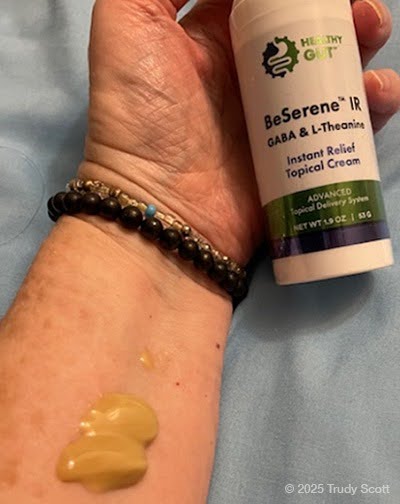
Somnium GABA Cream is another option that could be considered especially for children and those with special needs. It is available in the US and elsewhere with international shipping. Read more about the product and who else may benefit from using a cream, and grab my coupon code to save 15%.

Additional resources when you are new to using GABA and other amino acids as supplements

As always, I use the symptoms questionnaire to figure out if low low GABA or other neurotransmitter imbalances may be an issue.

If you suspect low levels of any of the neurotransmitters and do not yet have my book, The Antianxiety Food Solution – How the Foods You Eat Can Help You Calm Your Anxious Mind, Improve Your Mood, and End Cravings, I highly recommend getting it and reading it before jumping in and using amino acids on your own so you are knowledgeable. And be sure to share it with the practitioner/health team you or your loved one is working with.

There is an entire chapter on the amino acids and they are discussed throughout the book in the sections on gut health, gluten, blood sugar control (this is covered in an entire chapter too), sugar cravings, anxiety and mood issues.

The book doesn’t include product names (per the publisher’s request) so this blog, The Antianxiety Food Solution Amino Acid and Pyroluria Supplements, lists the amino acids that I use with my individual clients and those in my group programs.

If, after reading this blog and my book, you don’t feel comfortable figuring things out on your own (i.e. doing the symptoms questionnaire and respective amino acids trials), a good place to get help is the GABA QuickStart Program (if you have low GABA symptoms). This is a paid online/virtual group program where you get my guidance and community support.

If you are a practitioner, join us in The Balancing Neurotransmitters: the Fundamentals program. This is also a paid online/virtual program with an opportunity to interact with me and other practitioners who are also using the amino acids.

Wrapping up and your feedback

I’d love to hear from you – does any of this resonate with you? Do you feel increasingly anxious before surgery and other medical procedures and is GABA and/or theanine part of your calming repertoire?

And have either helped you when experiencing a laryngospasm?

Have you ever discussed either of these two amino acids with your surgeon or anesthetist prior to surgery and were they open?

If you’re a practitioner do you recommend GABA and theanine to your anxious clients/patients and as a surgeon or anesthetist would you consider these amino acids in the future (especially in patients more prone to laryngospasm)?

Feel free to share and ask your questions below.

Filed Under: Anxiety, benzodiazapines, GABA Tagged With: amino acids, anesthesia, anxiety, anxiolysis, anxious, benzodiazepine, calming, cognition, GABA, inhibitory, l-theanine, laryngospasms, neurotransmitter, preoperative, sedation, sleep quality, stress, surgery, surgical, theanine

How to accurately measure a small amount of powdered GABA and other GABA options when GABA Calm is not tolerated

April 26, 2024 By Trudy Scott 18 Comments

measuring gaba powder

Brenda finds one GABA Calm helps her sleep but more than one affects her sleep and she suspects the sugar alcohols in the product. She’d like advice on using an alternative and how to accurately measure a small amount of powdered GABA. Here is her question in her own words:    

I have been on the FODMAP diet for a while and it is helping but I just realized that when I take GABA Calm I am ingesting sorbitol and mannitol. I take a bit more than one of those tablets each night to help me sleep and am very aware that if I take too much it can keep me awake.

Now that I have realized about the sorbitol and mannitol, I am looking for an alternative source of GABA. I see that you are now recommending the Now GABA Pure Powder product. I was about to purchase this to avoid the sorbitol and mannitol but then realized that I would have to take 1/16th teaspoon of the powder to equate to 150mg. I can’t see me ever getting that measurement correct.

So my question is, can you recommend another source of GABA that would enable me to take 150mg plus a little bit with a fair degree of accuracy and without those added FODMAPs? Thank you very much. I am very grateful for your work.

Brenda has likely been diagnosed with SIBO (small intestinal bacterial overgrowth) or IBS (irritable bowel syndrome) even though she doesn’t mention it. In some folks with SIBO or IBS, sugar alcohols such as xylitol, sorbitol and mannitol can cause digestive upset. Not everyone with SIBO or IBS has issues with GABA Calm. In fact, it’s typically very well tolerated and GABA Calm is a product I have been recommending for many years. However, some folks do have issues and it’s wise to look for an alternative and not push through.

In this blog I share more about sugar alcohols, how to accurately measure out 1/16 teaspoon of the GABA powder to equate to close to 150 mg, how I use my mini measuring spoon, a GABA/theanine product that is low dose and can be opened, and another option she could consider.

Sugar alcohols in GABA Calm and other GABA chewable products

Many of the chewable or sublingual forms of GABA, including GABA Calm contain sugar alcohols which can be problematic and cause digestive upset and often explosive diarrhea. The digestive upset alone could impact sleep.

Sugar alcohols include xylitol, sorbitol, mannitol and erythritol. Your reaction will depend on the amount of sugar alcohols used, how many chewable/sublingual tablets you use and how accustomed you are to sugar alcohols. You may get used to them and eventually be fine with consuming small amounts and yet for others the tiniest amount is an issue.

I share more about sugar alcohols on this blog: Why does chewable GABA make me run to the bathroom and what GABA do I use instead?

Using a mini measuring spoon set and GABA powder

It’s wonderful that GABA Calm is helping Brenda with her sleep issues and when we start to get benefits we do want to increase the amount to see if we can get further benefits.

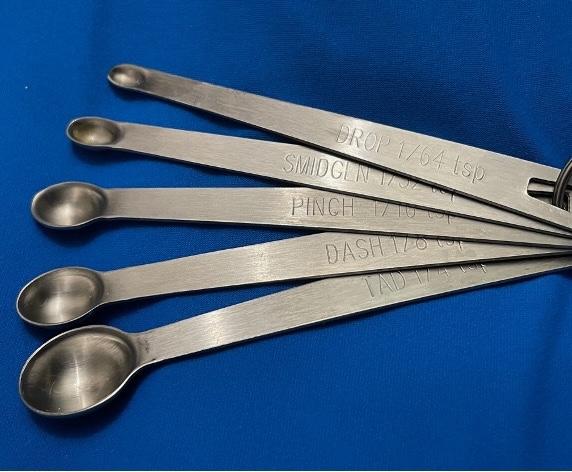
She has a few options and one is to use the NOW GABA powder (or another GABA powder) with a mini measuring spoon set like this one (my Amazon link). This is mine and it is very easy to use, convenient and accurate.

measuring spoons

As you can see it comes in various sizes: 1/4 teaspoon, 1/8 teaspoon, 1/16 teaspoon, 1/32 teaspoon and 1/64 teaspoon.

It is important to look at the product and work out how much you need to measure out. For example, the NOW GABA powder states 1/4 teaspoon is equivalent to 500 mg GABA. This means 1/16 is equivalent to 125 mg GABA. So if Barbara wants to take 150 mg she would use a little more than what would be in the 1/16 spoon (maths is coming in handy after all!)

Keep in mind that product equivalents do differ. For example tryptophan is typically lighter and fluffier than GABA. My tryptophan states 1 teaspoon is 1000 mg tryptophan so a typical starting dose of 500 mg tryptophan would be 2 x 1/4 teaspoon since each 1/4 is 250mg.

I love my mini measuring spoon and use mine on a daily basis for theanine in the day, calcium citrate after dinner (for my oxalate issues), and for GABA and tryptophan at bed time.

Combined GABA and theanine: GABA-T SAP as one option

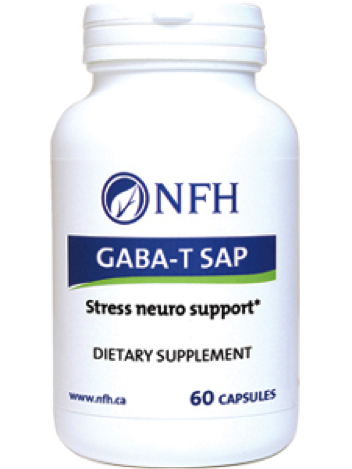
Another option is using a lower mg GABA/theanine product and opening it. Nutritional Fundamentals for Health GABA-T SAP is another favorite of mine. This product is pleasant-tasting when opened on to the tongue and works very well when GABA Calm can’t be used. It contains 300 mg GABA and 150 mg theanine, so can easily be halved to provide the 150 mg GABA she is looking for.

Research shows that the combination of GABA and theanine may improve sleep: GABA and l-theanine mixture decreases sleep latency and improves NREM sleep. The authors share the sleep and anxiety benefits of both GABA and theanine:

γ-Aminobutyric acid (GABA) is the main inhibitory neurotransmitter and it is well established that activation of GABAA receptors favours sleep.

l-Theanine, a naturally occurring amino acid first discovered in green tea, is a well-known anti-anxiety supplement with proven relaxation benefits.

But Barabra is going to have to do a trial to see if this combination works for her.

Mixing and matching as an other option

And finally, if she was also taking GABA Calm in the day for stress and overwhelm, she could  do a trial of using this during the day (for the convenience factor) and then at night use the GABA powder or opened GABA/theanine capsule (because it’s a bit more finicky). This way she’s consuming less sugar alcohols overall.

Both GABA products, the mini measuring spoon set and where to find them

gaba pure poder

Today I mentioned the Now GABA Powder and NFH GABA-T SAP.  You can purchase these from my online store (Fullscript – only available to US customers – use this link to set up an account).

gaba pure poder
zenmind

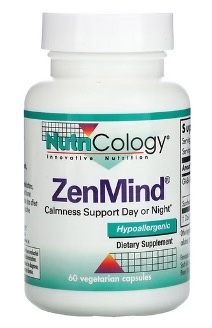
If you’re not in the US, the Now GABA Powder and Nutricology ZenMind (a GABA/theanine combination comparable to GABA-T SAP) is available via iherb (use this link to save 5%).

And the mini measuring spoon set can be found here (my Amazon link)

Additional resources when you are new to using GABA and other amino acids as supplements

As a reminder, low GABA can cause physical tension, anxious feelings, feelings of panic and problems sleeping, as well as self–medicating with alcohol or carbs to relax or fit in. As always, I use the symptoms questionnaire to figure out if low GABA or other neurotransmitter imbalances may be an issue.

If you suspect low levels of any of the neurotransmitters and do not yet have my book, The Antianxiety Food Solution – How the Foods You Eat Can Help You Calm Your Anxious Mind, Improve Your Mood, and End Cravings, I highly recommend getting it and reading it before jumping in and using amino acids on your own so you are knowledgeable. And be sure to share it with the practitioner/health team you or your loved one is working with.

There is an entire chapter on the amino acids and they are discussed throughout the book in the sections on gut health, gluten, blood sugar control (this is covered in an entire chapter too), sugar cravings, anxiety and mood issues.

The book doesn’t include product names (per the publisher’s request) so this blog, The Antianxiety Food Solution Amino Acid and Pyroluria Supplements, lists the amino acids that I use with my individual clients and those in my group programs (over and above the GABA products I mentioned above).

If, after reading this blog and my book, you don’t feel comfortable figuring things out on your own (i.e. doing the symptoms questionnaire and respective amino acids trials), a good place to get help is the GABA QuickStart Program (if you have low GABA symptoms too). This is a paid online/virtual group program where you get my guidance and community support.

If you are a practitioner, join us in The Balancing Neurotransmitters: the Fundamentals program. This is also a paid online/virtual program with an opportunity to interact with me and other practitioners who are also using the amino acids.

Wrapping up and your feedback

I do always appreciate questions like this so keep them coming so I can share and educate further.

Now I’d love to hear from you – do you have issues with the sugar alcohols in GABA Calm or another chewable GABA product? (if yes which one?)

Did you move to a GABA powder and do you use a min spoon set? Or does another GABA product work for you?

Please share how GABA helps and how much helps you?

If you’re a practitioner do you use GABA powder and mini spoons with your clients/patients?

And please let me know if it’s helpful that I’m now including product recommendations and where to get them.

Feel free to share and ask your questions below.

Filed Under: Anxiety, GABA, Insomnia Tagged With: amino acid, cravings, GABA, GABA Calm, GABA powder, GABA Quickstart; Balancing Neurotransmitters: the Fundamentals program for practitioners, GABA-T SAP, IBS, insomnia, measure, mini measuring spoon set, physical-tension, SIBO, sleep, sugar alcohols, theanine

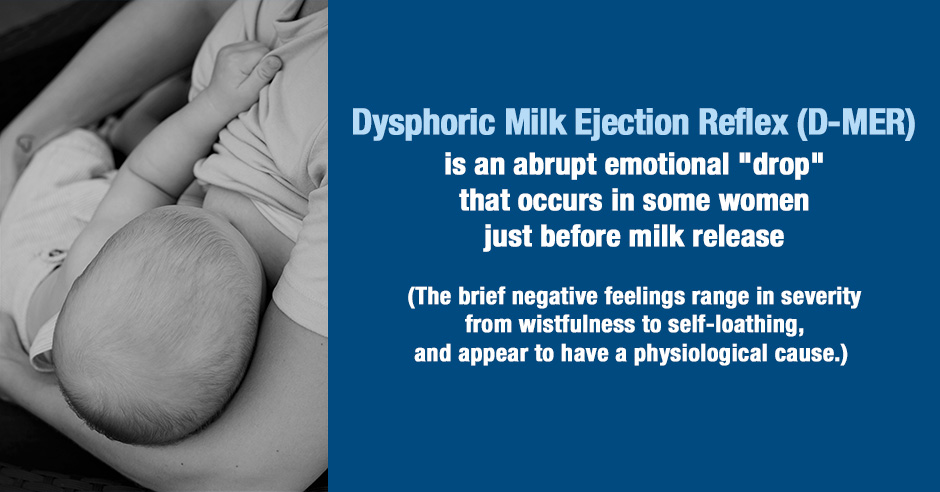
Dysphoric Milk Ejection Reflex (D-MER) is an abrupt emotional “drop” that occurs in some women just before milk release

June 23, 2023 By Trudy Scott 4 Comments

d-mer

Dysphoric Milk Ejection Reflex (D-MER) is an abrupt emotional “drop” that occurs in some women just before milk release and continues for not more than a few minutes. The brief negative feelings range in severity from wistfulness to self-loathing, and appear to have a physiological cause.

The authors suggest that an abrupt drop in dopamine may occur when milk release is triggered, resulting in a real or relative brief dopamine deficit for affected women.

Clinicians can support women with D-MER in several ways; often, simply knowing that it is a recognized phenomenon makes the condition tolerable. Further study is needed.

The above abstract is from this paper published in 2011 – Dysphoric milk ejection reflex: A case report.

Alia Heise (AH) is co-author of this paper and coined the term D-MER. She is sharing her breastfeeding and D-MER experiences as the case.

Many women who are struggling with these feelings don’t ask for help and when they do they are often dismissed. The authors share it’s “a breastfeeding problem for which affected mothers seem only rarely to seek or receive help.” I’m sharing this case and more about D-MER for these reasons and because troubled mothers often stop breastfeeding.

Read on to learn about the dopamine hypothesis and how Rhodiola helped Alia.

Feedback from struggling moms

The authors share this description from a struggling mom:

If you read Harry Potter they talk about the creatures that suck the soul out of you and when they are around it makes you cold and you start to focus on negative things and fall into this abyss of negative thoughts – that is how D-MER was for me at times.

Someone in my community shared this when I posted the case on Facebook:

I experienced an extreme emotional response. I would describe it as a wave of huge anxiety… almost suicidal at times but only during letdown (it lasted only a couple of minutes if that, but it was so severe.)

I started noticing it when I would pump. After I researched it I figured out there was a name for it and a reason. I never could find anyone to help me… I remember mentioning it to my doctor and she had never heard of it. I just suffered through and so my breastfeeding/pumping journey ended at 6 months.

I appreciate Alie and the authors for helping to create awareness and these moms for sharing their experiences. Hopefully this information will mean fewer moms struggle alone with D-MER and more awareness amongst practitioners.

I share some highlights below but be sure to read the entire paper here – Dysphoric milk ejection reflex: A case report.

The spectrum of D-MER symptoms and a drop in dopamine hypothesized as the cause

Here is the spectrum of D-MER symptoms (as listed in the above paper):

  1. Depression, wistfulness, homesickness, apprehension, hopelessness, hollowness in stomach (first 3 months)
  2. Anxiety, dread, panic, irritability (6 to 12 months)
  3. Anger, tension, agitation, paranoia (until weaning)

A drop in dopamine is hypothesized as the cause in susceptible mothers (also from the above paper):

Based on AH’s experiences, and until more is known, it is the authors’ very humble hypothesis that a drop in dopamine either facilitates or parallels each oxytocin spike in lactating human mothers, and that it is this dopamine drop that results in D-MER in susceptible mothers.

What adds value to Alia’s dopamine hypothesis is that bupropion, a dopamine reuptake inhibitor (i.e. a medication that increases dopamine), reduced her symptoms in a day and eliminated her symptoms in 5 days. She did, however, have to stop the medication due to side effects.

Rhodiola prevents the breakdown of dopamine, increasing it’s availability

Alia then learned about a herb called Rhodiola rosea that “is a monoamine oxidase inhibitor that prevents the breakdown of dopamine, increasing its availability.”

When she used Rhodiola her symptoms became much milder and when she missed taking Rhodiola her D-MER symptoms were worse. She didn’t notice any changes in her milk supply.

I will add that Alia used Rhodiola when her daughter was 14 months old and her D-MER symptoms were “somewhat reduced, but still extremely troublesome.” I have to wonder if she may have needed to use a higher dose when her daughter was a new-born and Alie’s symptoms were more severe.

Safety of Rhodiola when breastfeeding

The authors quote Sheila Humphrey, author of The Nursing Mother’s Herbal (my Amazon link) who groups Rhodiola with several other “tonic herbs” for which “there are no anecdotes, as yet, to suggest that they will affect breastfeeding babies.”

Dr Aviva Romm, MD, calls Rhodiola “The Spirit Calming, Anti-Anxiety Adaptogen” in this article about adaptogenic herbs

Rhodiola extract helps promote a calm emotional state and supports strong mental performance, optimal immune function, and hormonal balance. It is a key adaptogen for reducing anxiety. It improves mental and physical stamina, improves sleep, and reduces stress, “burn out,” and irritability.

She says to avoid Rhodiola if you have bipolar disorder and during pregnancy (due to lack of safety data), but considers it safe while breastfeeding.

But, as always, when it comes to nursing, I have clients work with their practitioner.

Future research on tyrosine and theanine during breastfeeding, and prevention

I would also love to see future research on the safety of tyrosine and theanine (and all amino acids) being used during breastfeeding, as another option for moms with D-MER.

Tyrosine is well-recognized as an amino acid that helps to boost dopamine levels and improve a low mood and may help ease some of the D-MER symptoms. Some individuals report how tyrosine also alleviates their anxiety and panic attacks and creates a feeling of calm focus.

Theanine, also an amino acid, supports GABA, dopamine and serotonin and I feel has a potential application in D-MER. There may well be a role for tryptophan (for serotonin support and the depression/self-loathing/anger/agitation/panic symptoms of D-MER) and GABA (for GABA support and the anxiety/tension symptoms of D-MER).

They may also help with postpartum anxiety, depression, OCD and intrusive thoughts.

I’d also like to see future research look at possible correlations between D-MER and low neurotransmitters before pregnancy/nursing. And if these women saw benefits with amino acids. Addressing low levels of neurotransmitters and the dietary factors I address in my book, The Antianxiety Food Solution, may help prevent this or at least reduce the severity of symptoms.

Resources if you are new to using amino acids as supplements

If you are new to using amino acids as supplements, here is the Amino Acids Mood Questionnaire from The Antianxiety Food Solution (you can see all the symptoms of neurotransmitter imbalances, including low GABA, low serotonin and low dopamine).

If you suspect low levels of any of the neurotransmitters and do not yet have my book, The Antianxiety Food Solution – How the Foods You Eat Can Help You Calm Your Anxious Mind, Improve Your Mood, and End Cravings, I highly recommend getting it and reading it before jumping in and using amino acids on your own so you are knowledgeable. And be sure to share it with the practitioner/health team you or your loved one is working with.

There is an entire chapter on the amino acids and they are discussed throughout the book in the sections on gut health, gluten, blood sugar control, sugar cravings, anxiety and mood issues.

The book doesn’t include product names (per the publisher’s request) so this blog, The Antianxiety Food Solution Amino Acid and Pyroluria Supplements, lists the amino acids that I use with my individual clients and those in my group programs. You can find them all in my online store.

If, after reading this blog and my book, you don’t feel comfortable figuring things out on your own (i.e. doing the symptoms questionnaire and respective amino acids trials), a good place to get help is the GABA QuickStart Program (if you have low GABA symptoms too). This is a paid online/virtual group program where you get my guidance and community support.

If you are a practitioner, join us in The Balancing Neurotransmitters: the Fundamentals program. This is also a paid online/virtual program with an opportunity to interact with me and other practitioners who are also using the amino acids.

Have you experienced D-MER and were you advised to use Rhodiola? And if yes, how did it help? What else helped?

Or did you get no help from your medical team?

Do you feel there is a possible correlation between your D-MER symptoms and low neurotransmitter symptoms you experienced before pregnancy/nursing? If yes, which amino acids helped you before you were pregnant?

If you are a practitioner, are you familiar with D-MER and have you seen Rhodiola help?

Feel free to post your feedback and questions here in the comments.

Filed Under: Anxiety, Depression, Postpartum, Women's health Tagged With: Alia Heise, amino acids, anxiety, before milk release, breastfeeding, calm; resources if you are new to the amino acids; the GABA Quickstart online program; and Balancing Neurotransmitters: the Fundamentals program for practitioners, D-MER, dopamine, Dysphoric Milk Ejection Reflex, emotional drop, negative feelings, physiological, Prevention, Rhodila, self-loathing, theanine, tyrosine, wistfulness, women

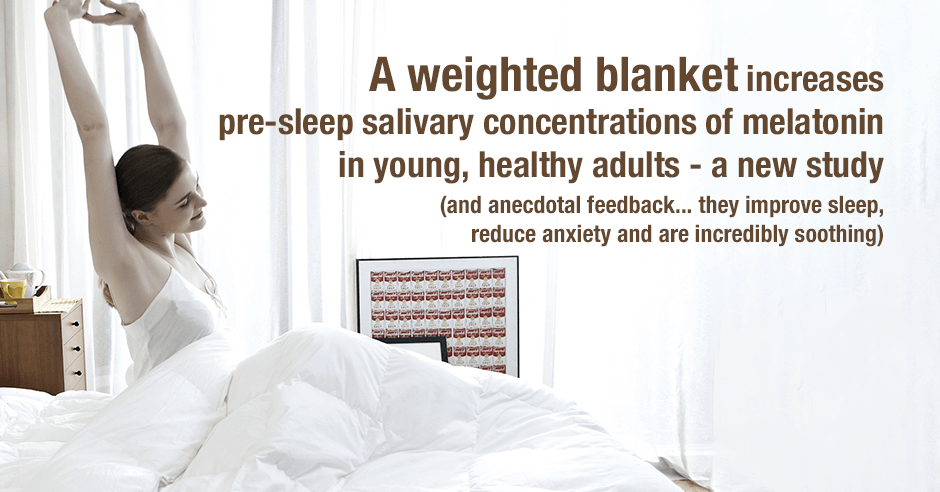
A weighted blanket increases pre-sleep salivary concentrations of melatonin in young, healthy adults – a new study

October 28, 2022 By Trudy Scott 7 Comments

weighted blanket melatonin

A new paper published earlier this month, A weighted blanket increases pre-sleep salivary concentrations of melatonin in young, healthy adults provides yet another mechanism supporting the benefits of a weighted blanket for improving sleep and also reducing anxiety – an increase in melatonin. The authors share that “Weighted blankets have emerged as a potential non-pharmacological intervention to ease conditions such as insomnia and anxiety. Despite a lack of experimental evidence, these alleged effects are frequently attributed to a reduced activity of the endogenous stress systems and an increased release of hormones such as oxytocin and melatonin.”

Here are some of the details from the study:

  • It was a small in-laboratory crossover study and included 26 young and healthy participants (15 men and 11 women)
  • The heavier weighted blanket was about 12% of their body weight
  • The following were measured: “salivary concentrations of the stress hormone cortisol, salivary alpha-amylase activity (as an indicative metric of sympathetic nervous system activity), subjective sleepiness, and sleep duration.”

The only difference found was a 1 hour increase of salivary melatonin from 10pm to lights off at 11pm. It was about 32% higher when using the heavier weighted blanket.

No other differences were found in terms of subjective sleepiness and total sleep duration.

The study concludes as follows:

Our study is the first to suggest that using a weighted blanket may result in a more significant release of melatonin at bedtime. Future studies should investigate whether the stimulatory effect on melatonin secretion is observed on a nightly basis when frequently using a weighted blanket over weeks to months. It remains to be determined whether the observed increase in melatonin may be therapeutically relevant for the previously described effects of the weighted blanket on insomnia and anxiety.

The authors only identified an increase in pre-sleep melatonin in this study. But keep in mind these limitations of the study: participants did not have insomnia or anxiety, and they were young (and melatonin declines as we age). The authors didn’t find an improvement in subjective feedback on better sleep and they did not measure subjective changes in anxiety levels – which I don’t find surprising.

However, as you’ll read below, many individuals in my community responded favorably when I posted this new study on Facebook, sharing how using their weighted blankets does improve their sleep and reduce their anxiety.  I share some of the anecdotal feedback below.

Feedback from real people: improved sleep, calm body, soothing and less anxiety

Here is some of the feedback from folks in my Facebook community:

Krys shares this: Ever since I started using a weighted blanket my sleep has improved. I think I need a heavier one. I believe the one I have is only 12 lbs. I was born in Poland, and we always had very heavy covers. Usually feather filled comforters, which made me feel secure and helped with sleep. I have a lot of past trauma and did not notice the weighted  blanket to be confining.

Christine shares this “I love my weighted blanket and sleep much better with it. I definitely sleep more soundly…less waking up. I bought it about 3 months ago and plan to use it year round. It is a faux fur glass bead filled one….it is super flexible and I can tuck it in and around all the nooks and crannies around my body. I considered a flatter, more stiff one but preferred the tucking option.” Christine’s weighted blanket is 15lbs and she plans to use an electric blanket to warm it up in winter (and switch it off /unplug it, before getting into bed).

Courtney shares this: “I started with a 12lb, then 20lb, now I have a 25lb one lol. I absolutely love my weighted blanket and can not sleep without it…I use it year round, it’s not hot but yet keeps you warm. And I feel like the weight keeps you from tossing and turning as much. It feels like a hug lol.”  The hug comment makes me wonder if they provide endorphin support too.

MaryKatherine shares this: “Wow that is seriously amazing. They definitely help me. I love weighted blankets…I feel almost instant calm in my body when I use weighted blankets. It does take 10-15 min for full effect.”

Tana shares this: “I love  my weighted blanket. It helps me relax. I sleep so much better.”

And then she shared this: “After this post I thought I should let my teenage daughter try my weighted blanket . She has anxiety and poor sleep habits. She loved it. I will be ordering her one.”  How wonderful is this?

Brenda shares this: “Love mine… I find it helps my AM anxiety. I’m kind of a hot sleeper, so I can’t keep it on for long, but I pull it up in the early morning, and it just gives a nice feeling of safety almost. I know a guy who does this with his dog when he’s having PTSD anxiety attacks.”

Willow shares this: “I have a cooling weighted blanket that I use all year. It is completely magical. I bought it hoping to sleep better but I didn’t expect it to be so incredibly soothing. Mine is 100% organic bamboo with glass beads. I find the cooling cover perfect all year. I honestly LOVE this improvement in my life.”

Katie shares this: “I love mine! I got one for each of my kids too. For my son I got a lighter one for kids, though he prefers my heavier adult blanket. He has ADHD and anxiety and really loves the weight. We all sleep deeper and fall asleep faster. Sometimes I use mine during the day when anxiety is especially high and it helps to calm my nervous system.”

Many folks are going to need additional nutritional support for their anxiety and insomnia

One person shared this: “I love my weighted blankets but it took awhile to get used to the heaviness on me… It’s not a miracle particularly if my stress and anxiety is much higher but I’d rather have it then not. It’s more helpful if I’m calmer.”

I agree. Many folks are going to need additional nutritional support for their anxiety and insomnia. This is where my work with addressing low GABA and low serotonin comes into play. Also, we may need to consider high cortisol and always need to address gut health, diet, caffeine/sugar/gluten intake, parasites, EMFs and everything covered in my book “The Antianxiety Food Solution.”

Here are a few (of many) useful resources from the blog:

  • GABA and theanine mixture improves sleep and eases anxiety
  • Rage, anxiety, cravings & insomnia in 11-year old girl with RAD/reactive attachment disorder: chewable tryptophan turns things around
  • Lactium® (alpha-s1 casein hydrolysate/hydrolyzed casein) for lowering high cortisol, reducing anxiety and improving sleep

Feel free to use the search feature to find additional anxiety and sleep resources and success stories.

Resources if you are new to using GABA, tryptophan and other amino acids as supplements

If you are new to using any of the amino acids as supplements, here is the Amino Acids Mood Questionnaire from The Antianxiety Food Solution (you can see all the symptoms of neurotransmitter imbalances, including low GABA and low serotonin).

If you suspect low levels of any of the neurotransmitters and do not yet have my book, The Antianxiety Food Solution – How the Foods You Eat Can Help You Calm Your Anxious Mind, Improve Your Mood, and End Cravings, I highly recommend getting it and reading it before jumping in and using amino acids on your own so you are knowledgeable. And be sure to share it with the practitioner/health team you or your loved one is working with.

There is an entire chapter on the amino acids and they are discussed throughout the book in the sections on gut health, gluten, blood sugar control, sugar cravings, self-medicating with alcohol and more.

The book doesn’t include product names (per the publisher’s request) so this blog, The Antianxiety Food Solution Amino Acid and Pyroluria Supplements, lists the amino acids that I use with my individual clients and those in my group programs. You can find them all in my online store.

If, after reading this blog and my book, you don’t feel comfortable figuring things out on your own (i.e. doing the symptoms questionnaire and respective amino acids trials), a good place to get help is the GABA QuickStart Program (if you have low GABA symptoms). This is a paid online/virtual group program where you get my guidance and community support.

If you are a practitioner, join us in The Balancing Neurotransmitters: the Fundamentals program. This is also a paid online/virtual program with an opportunity to interact with me and other practitioners who are also using the amino acids.

Have you had success with a weighted blanket …for sleep issues and anxiety?

If you have seen these benefits with a weighted blanket:

  • I’m also curious if you’ve observed reductions in sugar cravings, less anger issues, less irritability, less PMS symptoms, less negativity and less worry and panic attacks? These are all symptoms of low serotonin. I suspect that if there is an increase in melatonin there may also be an increase in serotonin (which is used to make melatonin).
  • Have you noticed any other benefits?
  • Be sure to share which weighted blanket you have, what percentage of your weight it is, and how often you use it.
  • Have some of the nutritional approaches helped too?

If you have not seen benefits or didn’t like using one, please feel free to share your experiences.

If you’re a practitioner, do you recommend a weighted blanket to your clients/patients?

If you have questions please share them here too.

Filed Under: Anxiety, GABA, Insomnia, serotonin Tagged With: amino acids; the GABA Quickstart online program; Balancing Neurotransmitters: the Fundamentals program for practitioners, anxiety, calm body, calming, cortisol, GABA, healthy adults, insomnia, lactium, melatonin, oxytocin, pre-sleep salivary melatonin, sleep, sleep duration, sleepiness, soothing, theanine, tryptophan, weighted blanket, young

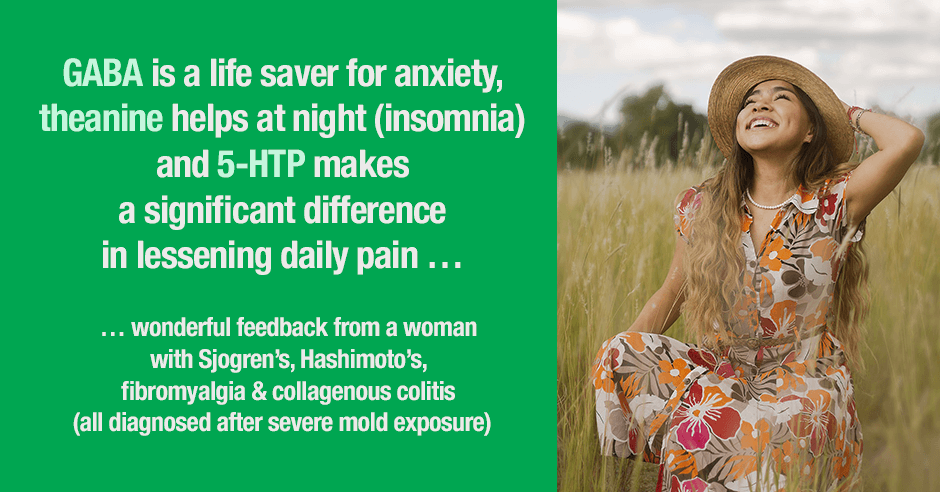
GABA is a life saver for anxiety, theanine helps at night (insomnia) and 5-HTP makes a significant difference in lessening daily pain

September 16, 2022 By Trudy Scott 16 Comments

aminos help

Joie has Sjogren’s, Hashimoto’s, fibromyalgia & collagenous colitis (all diagnosed after severe mold exposure) and shared how GABA is a life saver for her anxiety, how theanine helps at night with her insomnia and how 5-HTP makes a significant difference in lessening her daily pain. Here is her wonderful feedback in her own words (my feedback for her follows):

I was diagnosed with Sjogrens several years ago. I also have Hashimoto’s, Fibromyalgia & Collagenous Colitis. All of these happened after a severe mold exposure which destroyed my pituitary, and caused Exocrine Pancreatic Insufficiency (EPI). I have to take human growth hormone injections daily, as my pituitary isn’t working, digestive enzymes for the EPI, and have experienced the anxiety and depression you’ve written about.

The GABA has been a life saver for me (for my anxiety), and I share this with all I know who experience anxiety. I also use L-theanine at night because of insomnia. The 5-HTP has helped somewhat for sleep. L-tryptophan didn’t seem to make a difference. However the 5-HTP has made a significant difference in lessening my daily pain levels, which I am most grateful for.

Unfortunately, I am also taking Klonopin and Gabapentin, both of which I have tried to get off of but keep finding myself back on both in order to have greater than 5 hours of sleep at night. Even with these, I often awaken after 4-6 hours and take 1-2 chewable GABA which allows me to go back to sleep and get 2-4 more hours of sleep.

She shared this on the blog, Sjogren’s syndrome: tryptophan and GABA for anxiety, and moisturizing for dry skin and inflammation?, where I write about the prevalence of anxiety and depression in this autoimmune condition, and the fact that serotonin and GABA are often low.

I shared how sorry I was to hear how mold has impacted her but that it was wonderful to hear the GABA has been a lifesaver for you in terms of anxiety (and when waking in the night) and that theanine helps her sleep. It’s wonderful that 5-HTP helps ease her daily pain (here is fibromyalgia research on 5-HTP) and helps somewhat with her sleep issues.

Has she increased the amino acids to the optimal doses for her unique needs?

My question for her was this: “how much of each of these amino acids are you using and have you increased them to the optimal doses for your unique needs?” I asked this because many folks don’t do this and we always want to capitalize on what is working.

Here are some examples that relate to Joie:

  • When 5-HTP helps with pain relief we also do afternoon and bedtime trials to see if it can improve sleep further. And we always explore some of the reasons why serotonin may be low and address those too. You can read more on that here: what causes low serotonin

I shared that tryptophan doesn’t work for everyone and some do better with 5-HTP, but I do also consider melatonin when sleep is an issue, especially timed release to prevent waking in the night.

  • Since GABA is a lifesaver for her in terms of her anxiety and also helps when she wakes, trialing higher doses at bedtime may prevent the early morning waking. The same could be said for trialing a higher dose of theanine and using both GABA and theanine together at night (a 2019 study shows the combination decreases sleep latency and improves NREM sleep).

High cortisol, rebound sleep issues with meds and/or poor fat digestion?

If she has already done the above, I’d explore high cortisol and do a 5-collection an adrenal saliva test). When cortisol is high during the night, the use of Seriphos can be a game-changer for many.

Unfortunately both Klonopin and Gabapentin (especially the former) can cause rebound insomnia even when they seem to be helping in the short-term.

I also mentioned that my recent blog post many be helpful since she mentions exocrine pancreatic insufficiency, which could affect sleep by impacting her fat digestion – Waking in the night due to environmental toxins: impacts on the liver, gallbladder and fat digestion (making oxalate issues worse). This has relevance whether or not oxalates are an issue.

Autoimmune-Paleo (AIP) diet, pyroluria and moisturizing for reducing inflammation

It goes without saying that since Sjogren’s, Hashimoto’s and even Collagenous Colitis are autoimmune conditions, following an Autoimmune-Paleo (AIP) diet is key too. I have links to some AIP resources on the above Sjogren’s blog post.

In this blog I also mention pyroluria which may be relevant for someone with Collagenous Colitis and is crucial to address when there has been toxic mold exposure or other chronic issues like Lyme disease or MCAS. More on this here.

And you can also read about the value of moisturizing for reducing inflammation.

I thanked her and said I plan to share her results and my response as a new blog as I feel it will help others and give hope!

Resources if you are new to using amino acids as supplements

If you are new to using any of the amino acids as supplements, here is the Amino Acids Mood Questionnaire from The Antianxiety Food Solution (you can see all the symptoms of neurotransmitter imbalances, including low serotonin and low GABA).

If you suspect low levels of any of the neurotransmitters and do not yet have my book, The Antianxiety Food Solution – How the Foods You Eat Can Help You Calm Your Anxious Mind, Improve Your Mood, and End Cravings, I highly recommend getting it and reading it before jumping in and using amino acids on your own so you are knowledgeable. And be sure to share it with the practitioner/health team you or your loved one is working with.

There is an entire chapter on the amino acids and they are discussed throughout the book in the sections on gut health, gluten, blood sugar control, sugar cravings, self-medicating with alcohol and more.

The book doesn’t include product names (per the publisher’s request) so this blog, The Antianxiety Food Solution Amino Acid and Pyroluria Supplements, lists the amino acids that I use with my individual clients and those in my group programs. You can find them all in my online store.

If, after reading this blog and my book, you don’t feel comfortable figuring things out on your own (i.e. doing the symptoms questionnaire and respective amino acids trials), a good place to get help is the GABA QuickStart Program (if you have low GABA symptoms). This is a paid online/virtual group program where you get my guidance and community support. Another option is the budget-friendly GABA QuickStart Homestudy Program.
If you need serotonin support, the Serotonin QuickStart Program is a good place to get help. This is also a paid online/virtual group program where you get my guidance on using tryptophan and 5-HTP safely, and community support during 5 LIVE Q&A calls. You can sign up to be notified when the next live launch of this program is happening.

If you are a practitioner, join us in The Balancing Neurotransmitters: the Fundamentals program. This is also a paid online/virtual program with an opportunity to interact with me and other practitioners who are also using the amino acids.

Wrapping up and your feedback

I’d love to hear if GABA helped with your anxiety and insomnia? What about theanine? And 5-HTP for your pain? Or melatonin for sleep?

Have you used taurine with success for fat digestion? Or Seriphos for high cortisol?

What else has helped you with symptoms like these ones?

If you have questions please share them here too.

Filed Under: 5-HTP, Anxiety, GABA, Insomnia, Pain Tagged With: 5-HTP, anxiety, Balancing Neurotransmitters: the Fundamentals program for practitioners, collagenous colitis, depression, Exocrine Pancreatic Insufficiency, Fibromyalgia, GABA, GABA Quickstart program, gabapentin, hashimoto's, Inflammation, insomnia, Klonopin, lessening daily pain, moisturizing, mold exposure, pain, serotonin, Sjogren’s, sleep, theanine, tryptophan

  • « Go to Previous Page
  • Page 1
  • Page 2
  • Page 3
  • Page 4
  • Go to Next Page »

Primary Sidebar

GABA QuickStart Homestudy

gaba quickstart homestudy

Free Report

9 Great Questions Women Ask about Food, Mood and their Health

You'll also receive a complimentary subscription to my ezine "Food, Mood and Gal Stuff"


Connect with me

Popular Posts

  • Amino Acids Mood Questionnaire from The Antianxiety Food Solution
  • The Antianxiety Food Solution Amino Acid and Pyroluria Supplements
  • Pyroluria Questionnaire from The Antianxiety Food Solution
  • Collagen and gelatin lower serotonin: does this increase your anxiety and depression?
  • Tryptophan for the worry-in-your-head and ruminating type of anxiety
  • GABA for the physical-tension and stiff-and-tense-muscles type of anxiety
  • The Antianxiety Food Solution by Trudy Scott
  • Seriphos Original Formula is back: the best product for anxiety and insomnia caused by high cortisol
  • Am I an anxious introvert because of low zinc and vitamin B6? My response to Huffington Post blog
  • Vagus nerve rehab with GABA, breathing, humming, gargling and key nutrients

Recent Posts

  • Her cravings for chips and peanut butter were triggered by stress: GABA ends cravings and reduces physical tension and fear of heights
  • It is truly miraculous to be able to move through life without crippling anxiety and panic
  • GABA and tryptophan combo provide immediate and noticeable relief for tremors and cervical dystonia in just 7 days
  • Red light therapy for back and neck pain, plantar fasciitis and low mood – a complement to the amino acids GABA, DPA and tryptophan
  • What do I use instead of Seriphos to help lower high cortisol that is affecting my sleep and making me anxious at night?

Categories

  • 5-HTP
  • AB575
  • Addiction
  • ADHD
  • Adrenals
  • Alcohol
  • Allergies
  • Alzheimer's disease
  • Amino Acids
  • Anger
  • Antianxiety
  • Antianxiety Food Solution
  • Antidepressants
  • Anxiety
  • Anxiety and panic
  • Autism
  • Autoimmunity
  • benzodiazapines
  • Bipolar disorder
  • Books
  • Caffeine
  • Cancer
  • Candida
  • Children/Teens
  • Collagen
  • Cooking equipment
  • Coronavirus/COVID-19
  • Cravings
  • Depression
  • Detoxification
  • Diabetes
  • Diet
  • DPA/DLPA
  • Drugs
  • EFT/Tapping
  • EMF
  • EMFs
  • Emotional Eating
  • Endorphins
  • Environment
  • Essential oils
  • Events
  • Exercise
  • Fear
  • Fear of public speaking
  • Fertility and Pregnancy
  • Fish
  • Food
  • Food and mood
  • Functional neurology
  • GABA
  • Gene polymorphisms
  • General Health
  • Giving
  • Giving back
  • Glutamine
  • Gluten
  • GMOs
  • Gratitude
  • Gut health
  • Heart health/hypertension
  • Histamine
  • Hormone
  • Hyperparathyroidism
  • Hypoglycemia
  • Immune system
  • Inflammation
  • Insomnia
  • Inspiration
  • Introversion
  • Joy and happiness
  • Ketogenic diet
  • Lithium orotate
  • Looking awesome
  • Lyme disease and co-infections
  • MCAS/histamine
  • Medication
  • Men's health
  • Mental health
  • Mercury
  • Migraine
  • Mold
  • Movie
  • MTHFR
  • Multiple sclerosis
  • Music
  • NANP
  • Nature
  • Nutritional Psychiatry
  • OCD
  • Osteoporosis
  • Oxalates
  • Oxytocin
  • Pain
  • Paleo
  • Parasites
  • Parkinson’s disease
  • PCOS
  • People
  • PMS
  • Postpartum
  • PTSD/Trauma
  • Pyroluria
  • Questionnaires
  • Real whole food
  • Recipes
  • Research
  • Schizophrenia
  • serotonin
  • SIBO
  • Sleep
  • Special diets
  • Sports nutrition
  • Stress
  • Sugar addiction
  • Sugar and mood
  • Supplements
  • Teens
  • Testimonials
  • Testing
  • The Anxiety Summit
  • The Anxiety Summit 2
  • The Anxiety Summit 3
  • The Anxiety Summit 4
  • The Anxiety Summit 5
  • The Anxiety Summit 6
  • Thyroid
  • Thyroid health
  • Toxins
  • Tryptophan
  • Tyrosine
  • Uncategorized
  • Vegan/vegetarian
  • Women's health
  • Yoga

Archives

  • May 2026
  • April 2026
  • October 2025
  • September 2025
  • August 2025
  • July 2025
  • June 2025
  • May 2025
  • April 2025
  • March 2025
  • February 2025
  • January 2025
  • November 2024
  • October 2024
  • September 2024
  • August 2024
  • July 2024
  • June 2024
  • May 2024
  • April 2024
  • March 2024
  • February 2024
  • January 2024
  • December 2023
  • November 2023
  • October 2023
  • September 2023
  • August 2023
  • July 2023
  • June 2023
  • May 2023
  • April 2023
  • March 2023
  • February 2023
  • January 2023
  • December 2022
  • November 2022
  • October 2022
  • September 2022
  • August 2022
  • July 2022
  • June 2022
  • May 2022
  • April 2022
  • March 2022
  • February 2022
  • January 2022
  • December 2021
  • November 2021
  • October 2021
  • September 2021
  • August 2021
  • July 2021
  • June 2021
  • May 2021
  • April 2021
  • March 2021
  • February 2021
  • January 2021
  • December 2020
  • November 2020
  • October 2020
  • September 2020
  • August 2020
  • July 2020
  • June 2020
  • May 2020
  • April 2020
  • March 2020
  • February 2020
  • January 2020
  • December 2019
  • November 2019
  • October 2019
  • September 2019
  • August 2019
  • July 2019
  • June 2019
  • May 2019
  • April 2019
  • March 2019
  • February 2019
  • January 2019
  • December 2018
  • November 2018
  • October 2018
  • September 2018
  • August 2018
  • July 2018
  • June 2018
  • May 2018
  • April 2018
  • March 2018
  • February 2018
  • January 2018
  • December 2017
  • November 2017
  • October 2017
  • September 2017
  • August 2017
  • July 2017
  • June 2017
  • May 2017
  • April 2017
  • March 2017
  • February 2017
  • January 2017
  • December 2016
  • November 2016
  • October 2016
  • September 2016
  • August 2016
  • July 2016
  • June 2016
  • May 2016
  • April 2016
  • March 2016
  • February 2016
  • January 2016
  • December 2015
  • November 2015
  • October 2015
  • September 2015
  • August 2015
  • July 2015
  • June 2015
  • May 2015
  • April 2015
  • March 2015
  • February 2015
  • January 2015
  • December 2014
  • November 2014
  • October 2014
  • September 2014
  • August 2014
  • July 2014
  • June 2014
  • May 2014
  • April 2014
  • March 2014
  • February 2014
  • January 2014
  • December 2013
  • November 2013
  • October 2013
  • September 2013
  • August 2013
  • July 2013
  • June 2013
  • May 2013
  • April 2013
  • March 2013
  • February 2013
  • January 2013
  • December 2012
  • November 2012
  • October 2012
  • August 2012
  • July 2012
  • June 2012
  • May 2012
  • April 2012
  • March 2012
  • February 2012
  • January 2012
  • December 2011
  • November 2011
  • October 2011
  • September 2011
  • August 2011
  • July 2011
  • June 2011
  • May 2011
  • April 2011
  • March 2011
  • February 2011
  • January 2011
  • December 2010
  • October 2010
  • September 2010
  • July 2010
  • May 2010
  • April 2010
  • March 2010
  • February 2010
  • January 2010
  • November 2009

Share the knowledge!

The above statements have not been evaluated by the Food and Drug Administration. Products listed in this website are not intended to diagnose, treat, cure or prevent any disease.

The information provided on this site is for informational and educational purposes only and is not intended as a substitute for advice from your physician or other health care professional. You should consult with a healthcare professional before starting or modifying any diet, exercise, or supplementation program, before taking or stopping any medication, or if you have or suspect you may have a health problem.


Copyright © 2026 Trudy Scott. All Rights Reserved. | Privacy | Terms and Conditions | Refund Policy | Medical Disclaimer

Free Report

9 Great Questions Women Ask about Food, Mood and their Health

You’ll also receive a complimentary subscription to my ezine “Food, Mood and Gal Stuff”